Ritidian Point
Ritidian Point, United States
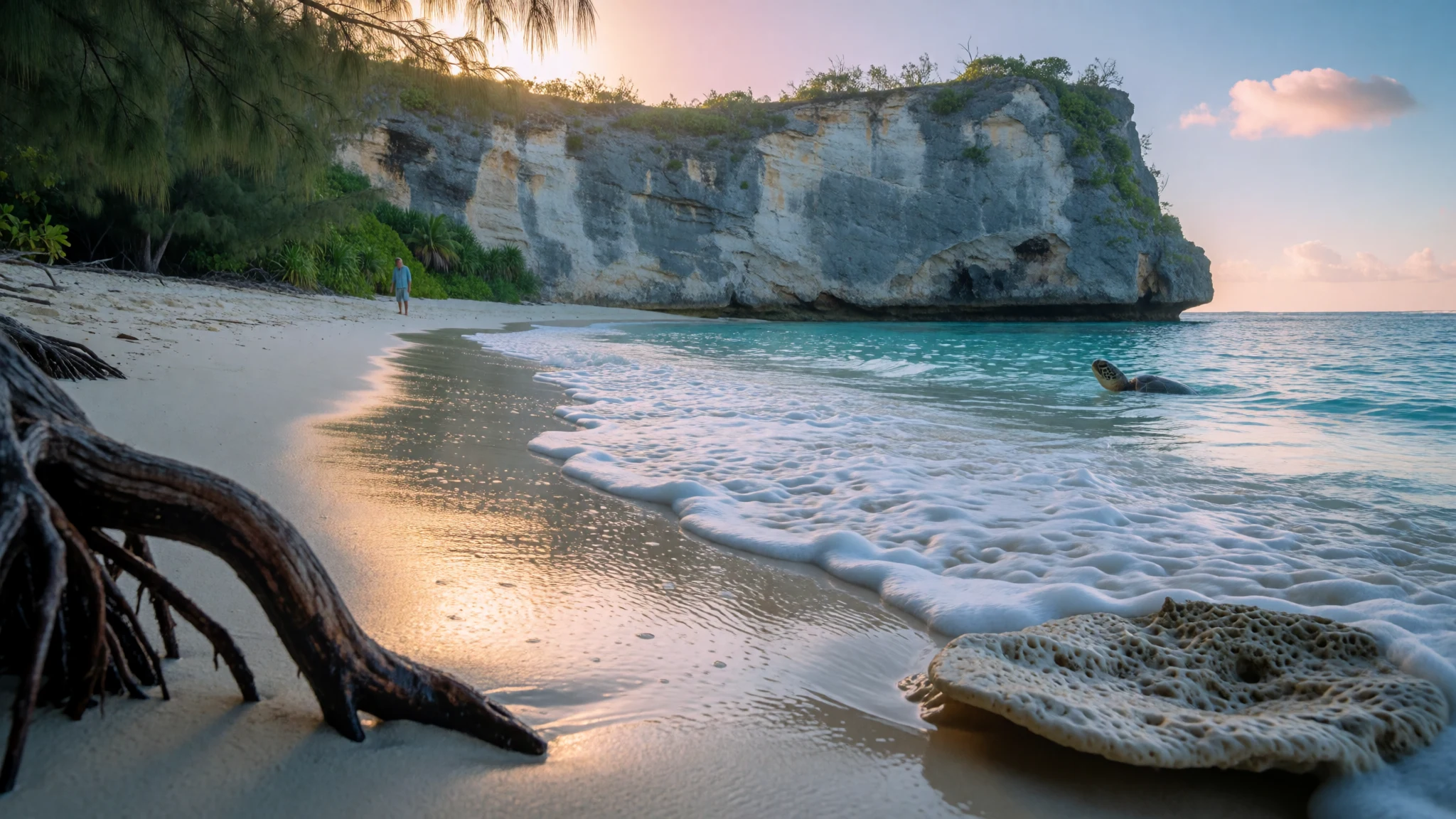
Ritidian Point is Guam's quiet northern tip, where a limestone cliff, a turtle-nesting beach and an old Chamorro village site sit inside a wildlife refuge.
The place
Ritidian Point is the northernmost tip of Guam, the largest and southernmost island of the Mariana archipelago. It forms the Ritidian Unit of the Guam National Wildlife Refuge, known in CHamoru as Puntan Litekyan. Of the refuge's three units, this is the only one open to the public, and it is a long way from the hotel towers of Tumon Bay in both distance and mood.
The area covers roughly 490 hectares, though most of that is submerged reef offshore; the dry land is a much smaller strip. Behind the beach, a tall limestone cliff rises from what was once a barrier reef, and dry coastal forest fills the ground between cliff and sand. The reef in front is shallow and bright, but currents can run strongly, so swimming here calls for care rather than bravado.
The refuge matters mainly for what lives in it. Green turtles come ashore to nest, and the forest was a stronghold for several rare birds and the Mariana fruit bat. Visits are therefore governed by the refuge's rules: the gates shut in the late afternoon, and the beaches close whenever tropical storm or cyclone warnings are issued. It feels like a protected place first and a beach second, which is much of its appeal.
Its story
Ritidian Point carries several layers of history. The oldest is Chamorro: an archaeological site here marks a village from before Magellan's ships reached the Marianas, a reminder that this tip of Guam was lived on and fished from long before any flag flew over it.
The modern layer is military. Through the Cold War the Navy ran the land as a closely guarded communications station, which kept it closed to development and, by accident, kept much of its forest and shoreline intact. In 1993 the Navy handed the land to the US Fish and Wildlife Service, and the refuge was set up that year in response to the 1984 listing of six local species as endangered. In 2004 the area was designated critical habitat for three of them: the Mariana fruit bat, the Guam Micronesian kingfisher and the Mariana crow.
The handover was not uncontested. Guam's delegate to Congress at the time, Robert Underwood, objected that the land should have gone back to its Chamorro owners from before the military took it, and the argument over indigenous land rights on Guam has not gone away. Sailors from the USS Frank Cable later volunteered to build a nature path for visitors, a small trace of the Navy's earlier presence. Today the point is one of the few places on the island where conservation, memory and a still-unsettled land question share the same stretch of sand.
What to see
- Ritidian Beach
The main beach is a long, pale crescent below the cliff, with clear shallows and shade from coastal trees. It is good for walking and looking rather than hard swimming, since currents can be swift. Green turtles nest on these sands, so keep to marked areas and leave any nesting signs undisturbed.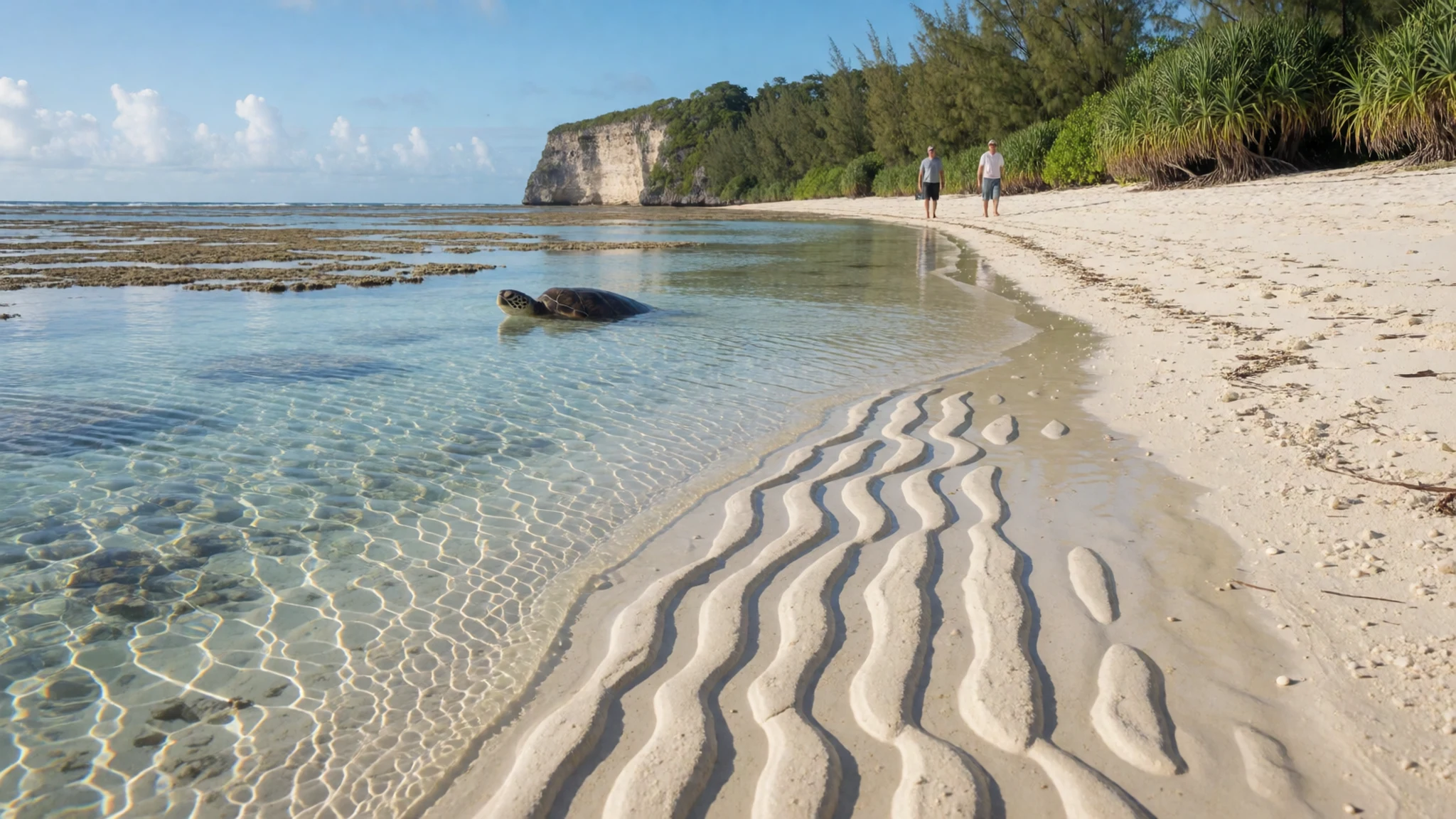
- The limestone cliff
Behind the beach rises a wall of limestone, the raised remains of an old barrier reef, about 152 metres high by the refuge's own account. It is best appreciated from the sand or from the shaded trails at its foot, where the temperature drops noticeably under the canopy.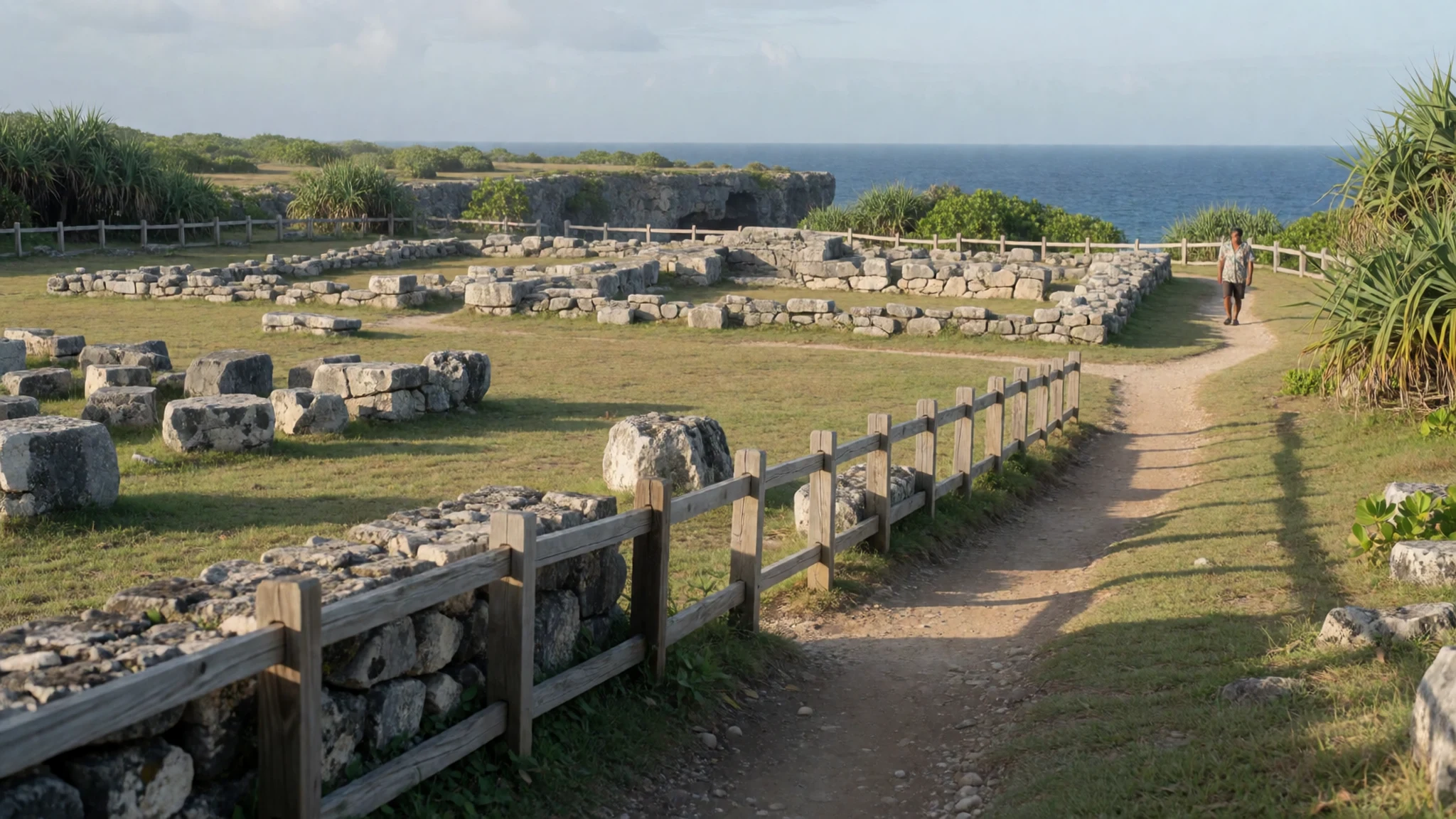
- Chamorro village site
An archaeological site here records a pre-Magellan Chamorro village. There is little to see in the way of standing structures, so it rewards reading the interpretive signs and thinking about how people lived between reef, forest and cliff. Treat it as a place of heritage, not a backdrop.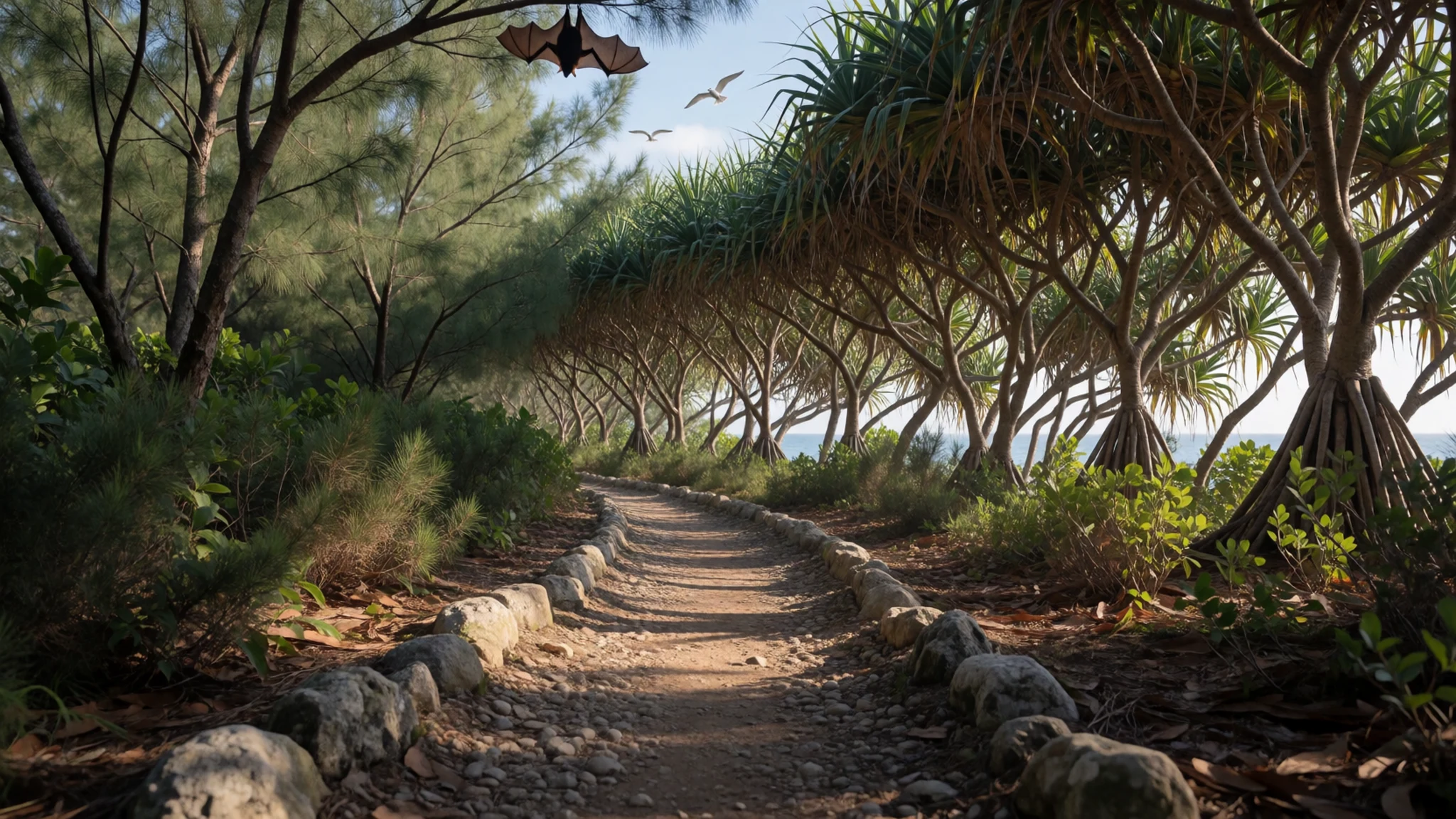
- Coastal forest trails
Short paths through dry limestone forest lead behind the beach, including the nature path first built by visiting Navy volunteers. This is where the refuge's birds and fruit bats have their habitat, so go quietly, carry water and expect heat and humidity even in shade.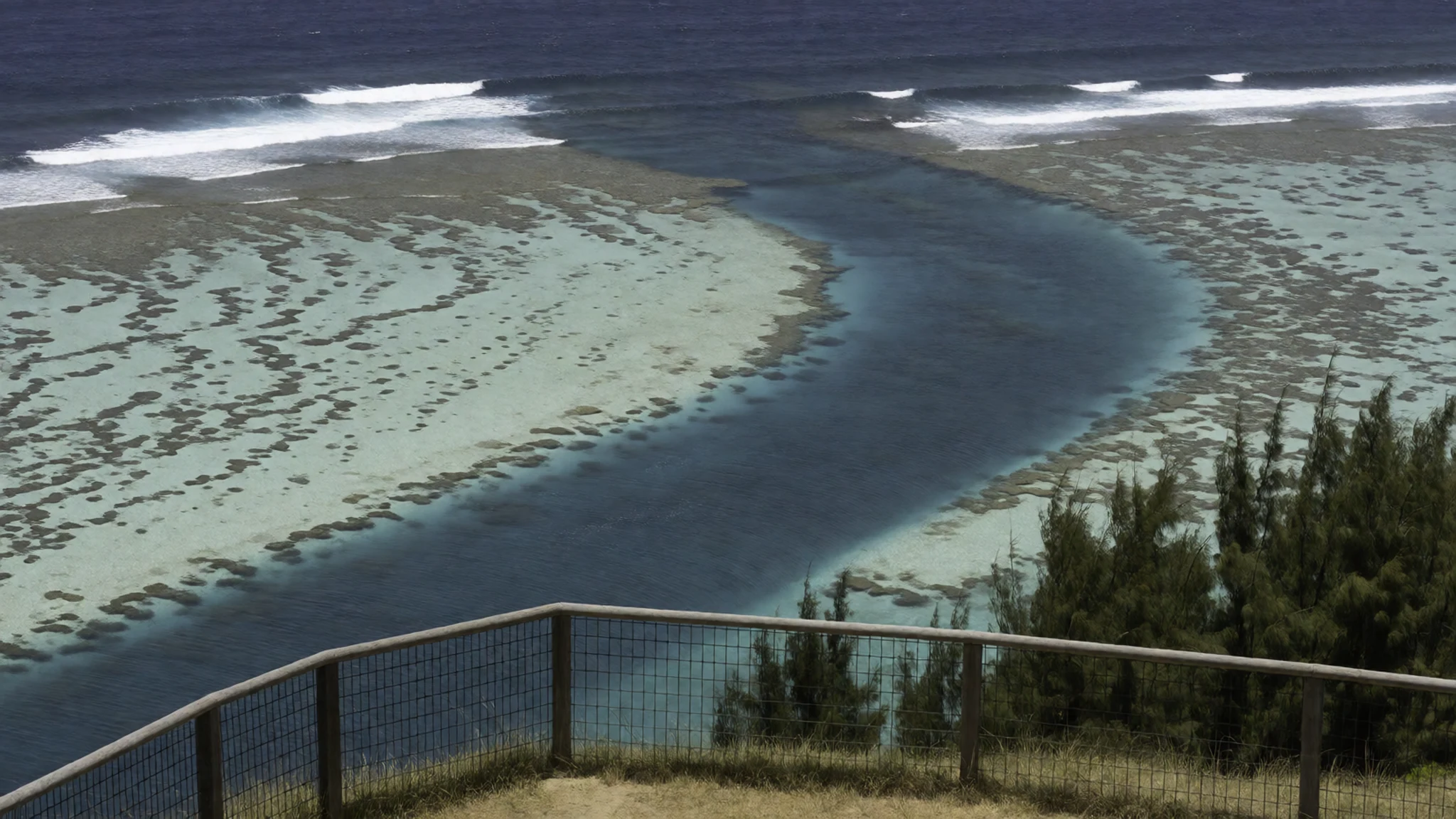
- Tumon Bay
About a drive south of the refuge, Tumon Bay is Guam's main resort strip, with high-rise hotels, shops, an aquarium and evening shows. It is a useful contrast to Ritidian and the place most visitors stay, so it makes a practical base for day trips north.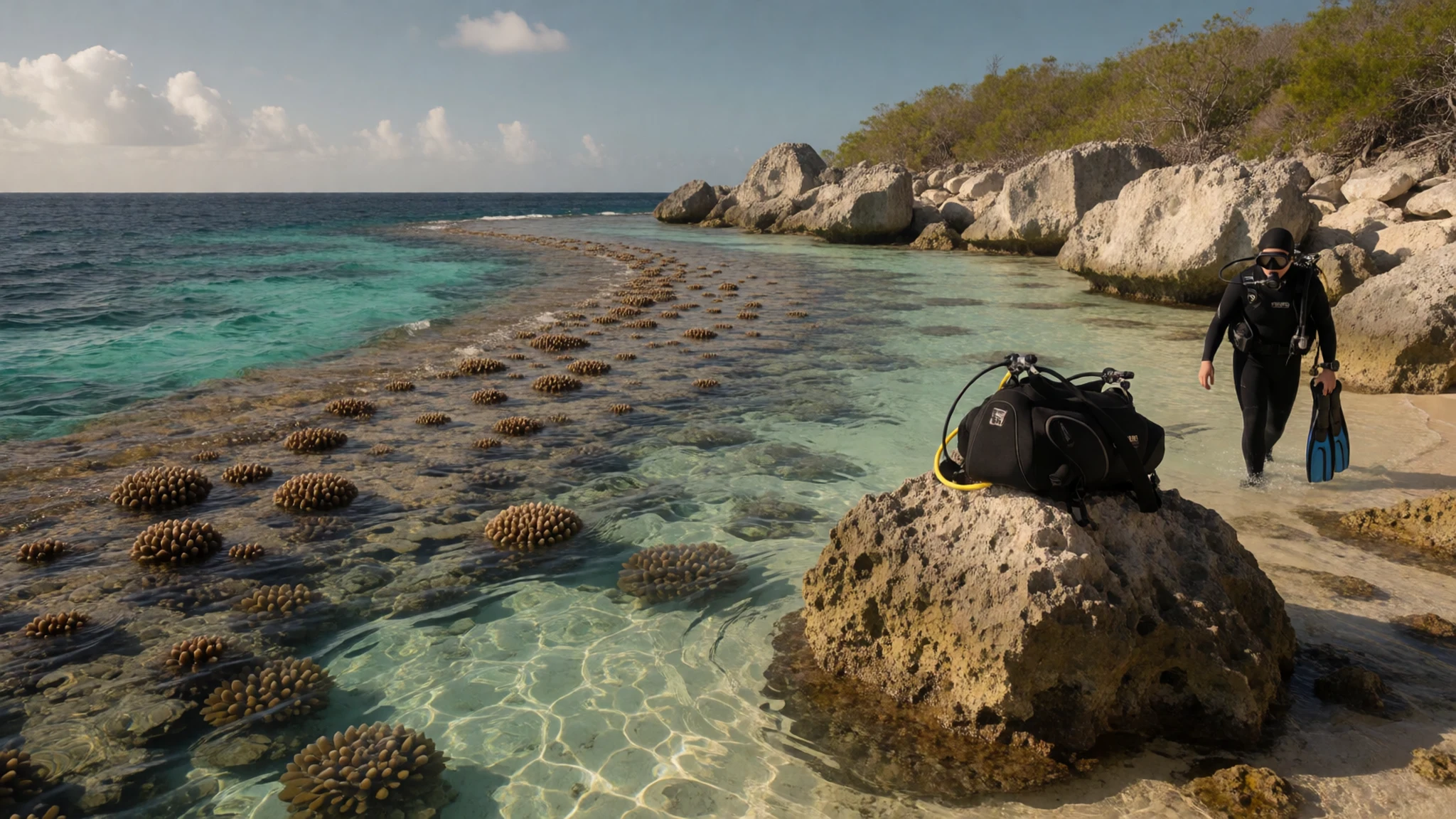
Culture
Ritidian Point sits in the homeland of the Chamorro, the indigenous people of Guam, whose culture blends Asian, Spanish and American strands. People are generally sociable and welcoming, and the island also holds communities from the Philippines, Japan, China and Korea, so you will hear several languages in a single day.
Most Chamorro are Catholic, and faith shapes community life. Rosaries are said in place of large formal gatherings to remember the dead, and these can continue for many years after a death, which gives a sense of how long family and memory run here. Barbecues are a frequent social event, and visitors who show interest are often invited.
At Ritidian itself the history is layered and sometimes sensitive. The land was taken for military use and passed to a wildlife agency, and many Chamorro still feel it should have been returned to its former owners. The village site is ancestral ground, so it deserves the same respect you would give a cemetery or a church.
Please stay on the marked paths, leave shells, stones and any artefacts where you find them, and keep clear of turtle nests and nesting signs.
What to wear
Ritidian Point is a place to dress for heat, sand and rough ground rather than ceremony. Traditional Chamorro dress has mostly given way to everyday modern clothing. Historically, woven plant fibres such as pandanus and coconut leaf were used for mats, hats and baskets, and weaving is still practised as a craft; today you are most likely to see these in festival settings and cultural events rather than in daily wear.
What people wear now is the island's casual tropical style: cotton shirts, shorts, sundresses, rubber sandals and sunhats, with aloha-style prints common and a good deal of American sportswear. For church and family occasions, people dress more neatly and modestly, and local advice for visitors is to lean towards modest clothing in general.
For the refuge, wear lightweight, quick-drying clothing, a wide-brimmed hat and strong sun protection, since there is limited shade on the sand. Closed shoes or sturdy sandals suit the forest trails, where limestone is sharp and uneven, and water shoes help on the rocky shoreline. Carry a light rain layer in the wetter months. Swimwear is fine on the beach, but cover up when you move into villages, shops or any church.
What to eat
- Grilled or baked fresh fish — seafood eateries around Tumon and the west coast
Fresh fish is cooked simply on the island, grilled or baked with vegetables or fruit. Ask for the catch of the day at a seaside eatery or a local family barbecue. It is the easiest way to taste what comes from the surrounding reef and open Pacific.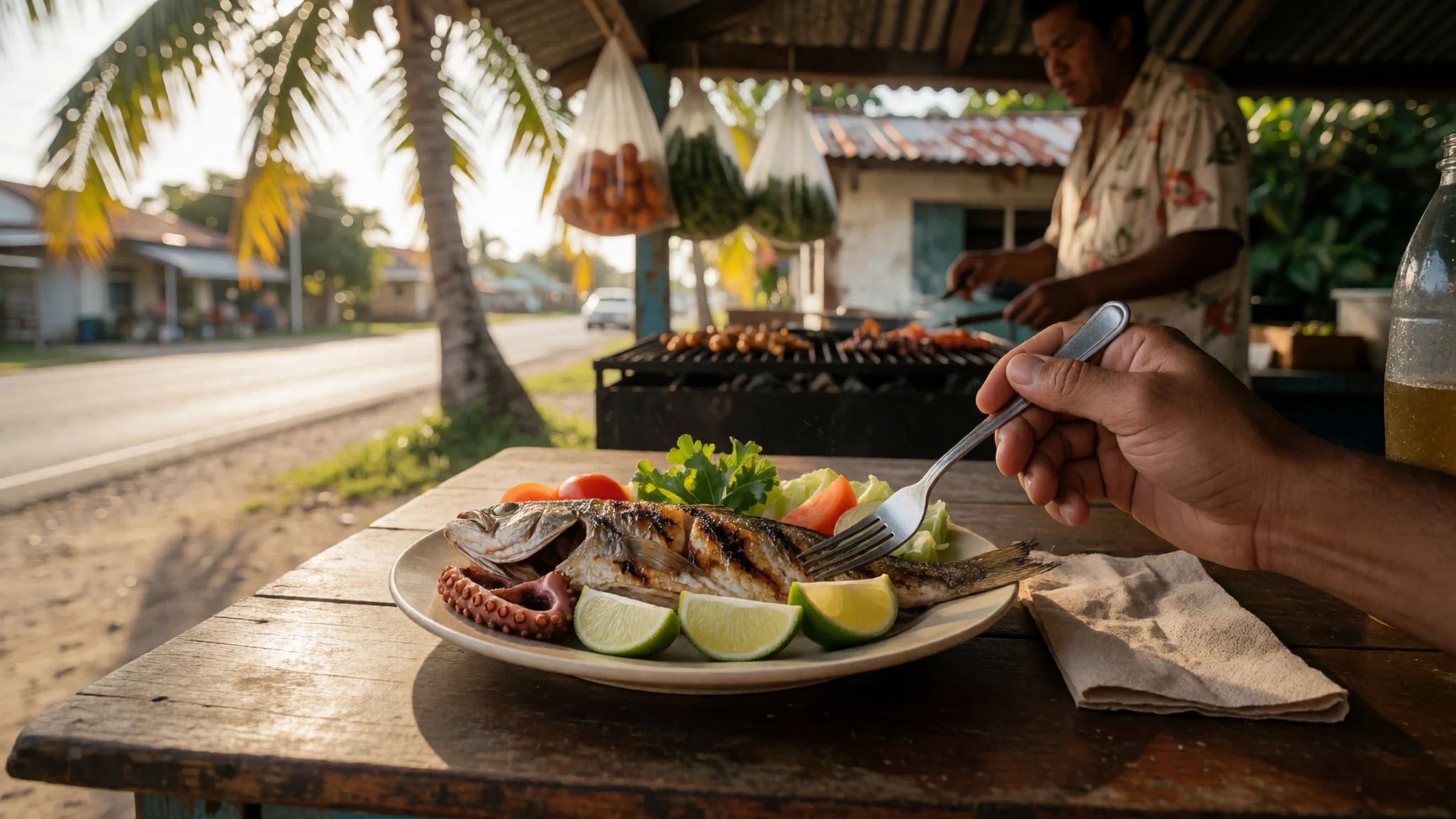
- Octopus and crab — local seafood restaurants and eateries
Octopus and crab are common on local menus and are prepared in several Pacific ways, from grilled to baked. They suit a relaxed lunch after the beach and are best chosen where a place states that the catch is fresh that day.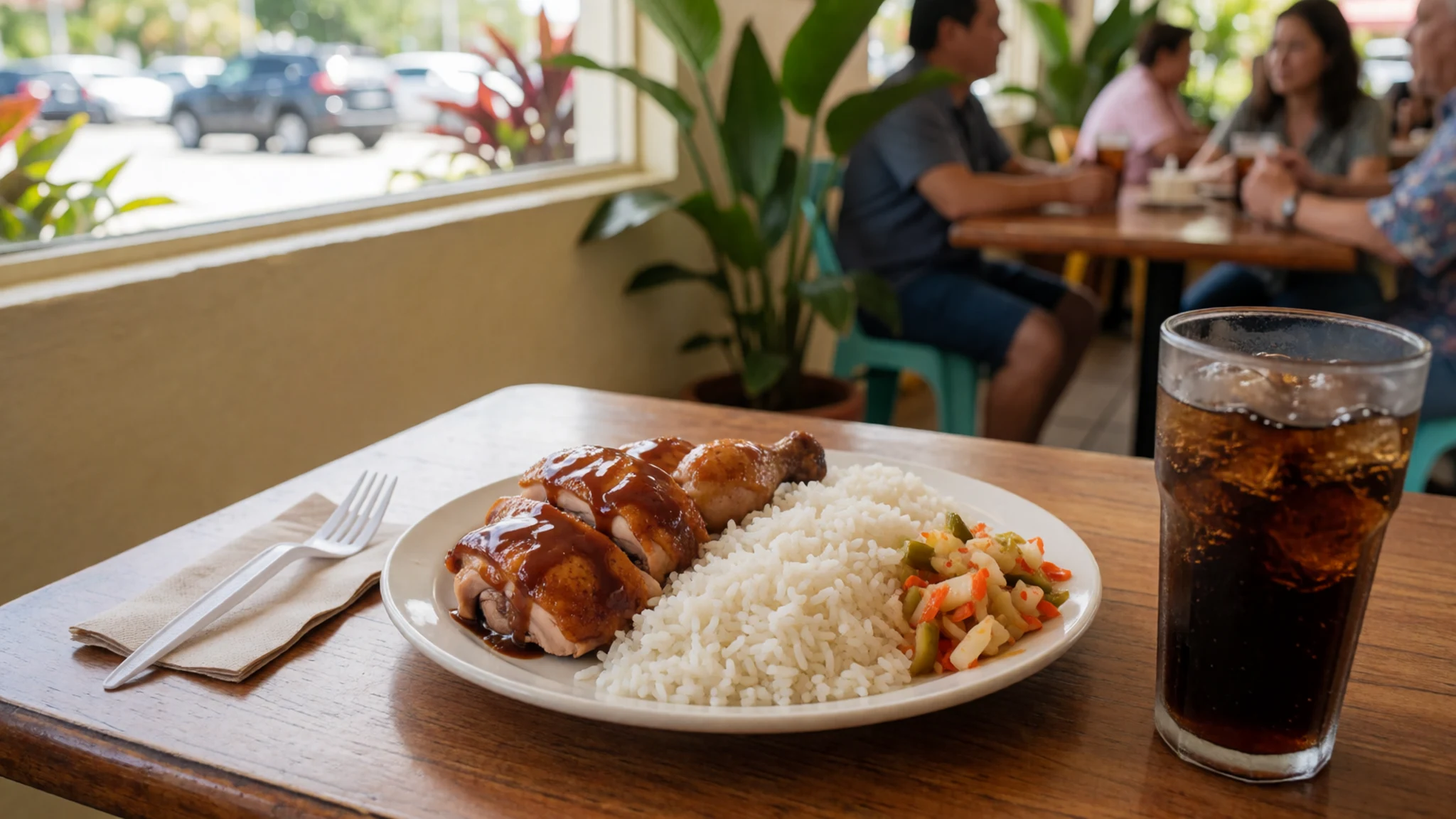
- Sashimi — Japanese restaurants in the Tumon area
Raw fish served sliced with soy and chilli reflects Guam's Japanese influence and its supply of fresh fish. It is a light meal for hot days, and good places usually have a steady local clientele. - Chamorro village plates — Chamorro Village market in Hagåtña, Wednesday nights
The Chamorro Village market offers a wide range of local dishes, with Wednesday night the busiest evening. Expect grilled meats, rice and island-style sides, eaten in a lively outdoor crowd with stalls and music. - Family barbecue — home gatherings, parks and beaches at weekends
Barbecuing is a point of local pride, and friends and relatives gather often for it. Visitors who show interest sometimes get invited. Bring something to share, ask politely about the food, and expect generous helpings.
Plan it
Best time. The drier months from about February to May are the most comfortable for beach days; the rainy season runs roughly from August to March and brings heavier showers, and tropical storm warnings can close the beaches.
How long. 1–2
Getting there. Fly into Antonio B. Won Pat International Airport on Guam, then drive north to the refuge by hire car; taxis are expensive and public transport to the point is limited. Check entry rules in advance: UK and many other visitors travel under the US Visa Waiver Program with ESTA or the Guam-CNMI waiver.
Budget. mid
Tips
- Go in the morning, as the refuge gates close in the late afternoon
- Check for tropical storm or cyclone warnings before setting out, because the beaches shut during them
- Carry water, sun protection and insect repellent, as there is little in the way of shops nearby
- Check the surf and rip current forecast before swimming, since currents can be swift
- Do not leave valuables in the car, as property crime is high, and watch for potholes on the roads
Etiquette
- Keep to marked paths and away from turtle nests
- Leave shells, stones and artefacts where they lie
- Treat the village site as ancestral ground
Nearby
Sources
- Wikidata Q7336740 (CC0)
- Wikipedia: Ritidian Point (CC BY-SA 4.0)
- Wikivoyage: Guam (CC BY-SA 4.0)
- Ritidian Beach - Guam National Wildlife Refuge, USFWS Pacific Region (CC BY 2.5)
- Satellite Image of Guam, Alexrk2 (CC BY 3.0)


Wildlife
- Green sea turtle (animal)
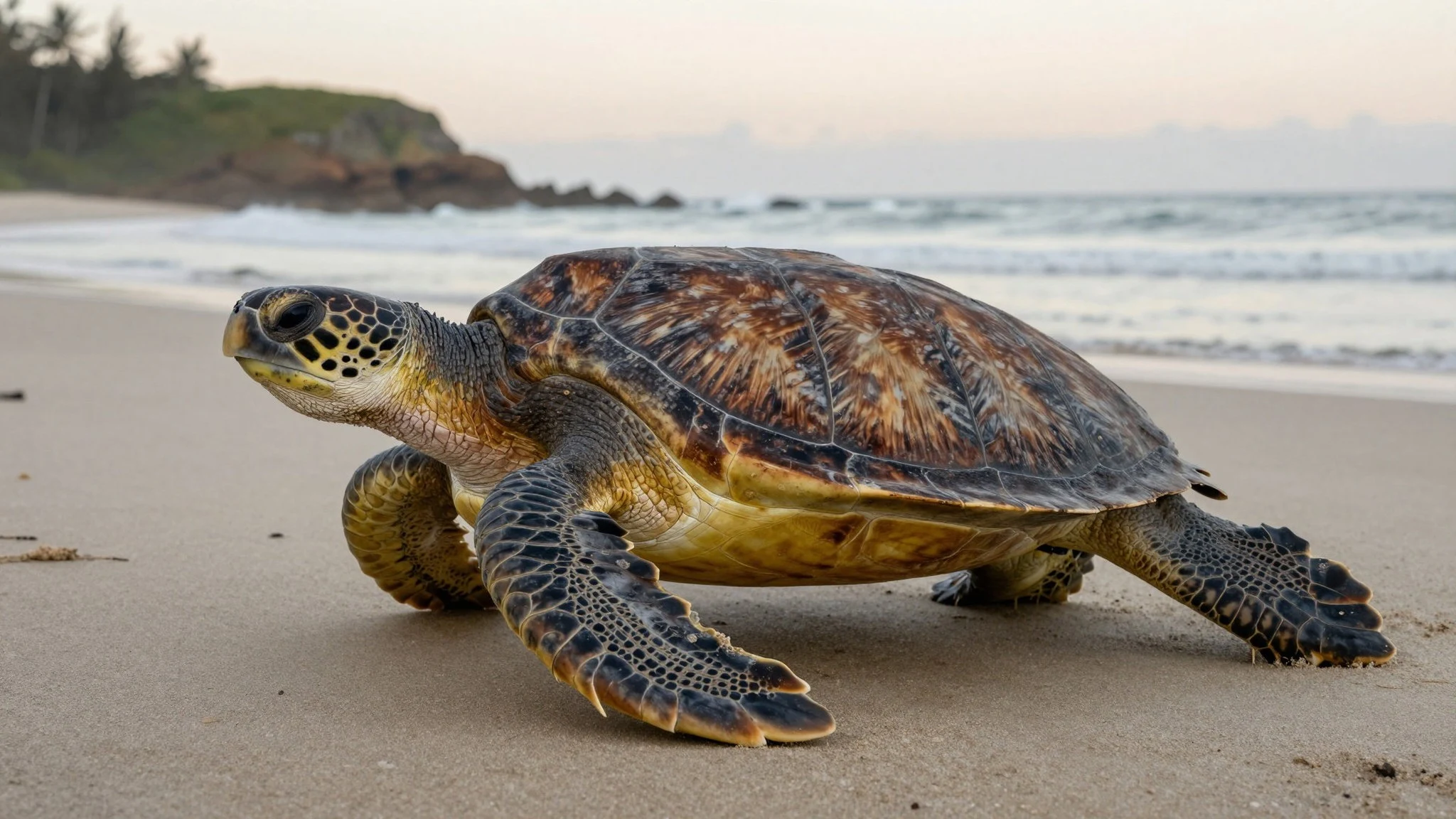
The green sea turtle is a big, gentle sea reptile that munches seagrass, and its name comes from the greenish fat under its shell, not the olive-to-black shell itself. At Ritidian Point, the beaches are nesting habitat for these threatened turtles. The notes do not say which season or time of day they appear, so ask a local guide or the refuge staff. Watch from a respectful distance, keep voices low, never touch or feed them, and let them go about their business.