Rincón
Rincón, United States
Rincón is a small surf town on Puerto Rico's western tip, where winter swell, calm snorkelling beaches and Caribbean sunsets sit within a few minutes' drive.
The place
Rincón sits on the westernmost tip of the main island of Puerto Rico, a municipality of about 15,000 people looking out over the Mona Passage. Its name is Spanish for corner or nook, and the geography fits: a bend of coast in the Western Coastal Valley, west of Añasco and Aguada. Rincón Pueblo, the downtown with its church, plaza and municipal buildings, is the administrative centre, and nine barrios spread out around it. The coast is what brings people. Surf breaks line the shore under names such as Domes, Maria's, Tres Palmas, Sandy Beach and Pools, while Córcega and Almirante offer easier sand. Winter swell draws surfers from many countries, and the same water is used for snorkelling, diving and watching the sun go down over the Caribbean. Offshore lies Desecheo, a wildlife refuge where landing is not allowed, although diving, snorkelling and fishing around it are. The scale is small. Lodging is mostly vacation rentals, guest houses and villas, with only a handful of conventional hotels, and the town feels more like a strung-out line of beach neighbourhoods than a single centre. It is also a low, exposed place. Flood maps updated in 2019 rate Rincón as very vulnerable to flooding, and erosion along the shore leaves it open to damage in a major hurricane. Anyone planning a trip should read the storm season as seriously as the surf report.
Its story
Rincón was founded in 1771 by Don Luis de Añasco, who had already founded the neighbouring town of Añasco in 1733. For its first long stretch it was a small coastal municipality under Spanish rule, run by local mayors, among them members of the Cumpiano family in the late nineteenth century. The political map shifted in 1898, when Spain ceded Puerto Rico after the Spanish–American War under the Treaty of Paris, and the island became a territory of the United States. Rincón's modern identity, though, was made by the sea rather than by treaties. In 1968 the World Surfing Championship was held at Domes and Maria's beaches, and surfers have kept coming ever since. A quiet town gradually acquired a tourism economy built on waves, diving, snorkelling and sunsets. The hardest chapter is recent. On 20 September 2017 Hurricane Maria struck Puerto Rico. Throughout Rincón, approximately 400 dwellings suffered harm or ruin alongside crippled infrastructure, while fierce winds and torrential downpours triggered multiple landslides, and coastal surges drove seawater straight into seaside homes. Photographs from the following weeks show relief workers bringing food and water to residents, and wrecked homes standing beside the shore. The storm is now part of the town's story as much as the surf is, and it sits behind present-day worries about flooding and erosion on such a low, exposed shoreline.
What to see
- Rincón Pueblo — Downtown Rincón
Rincón Pueblo is the downtown and administrative heart of the municipality, small enough to cover on foot. A historic Roman Catholic church faces a Spanish-style plaza, with municipal buildings, streets and shops around them. It makes a useful pause from the beaches, especially in the heat of the day, and a glimpse of ordinary town life.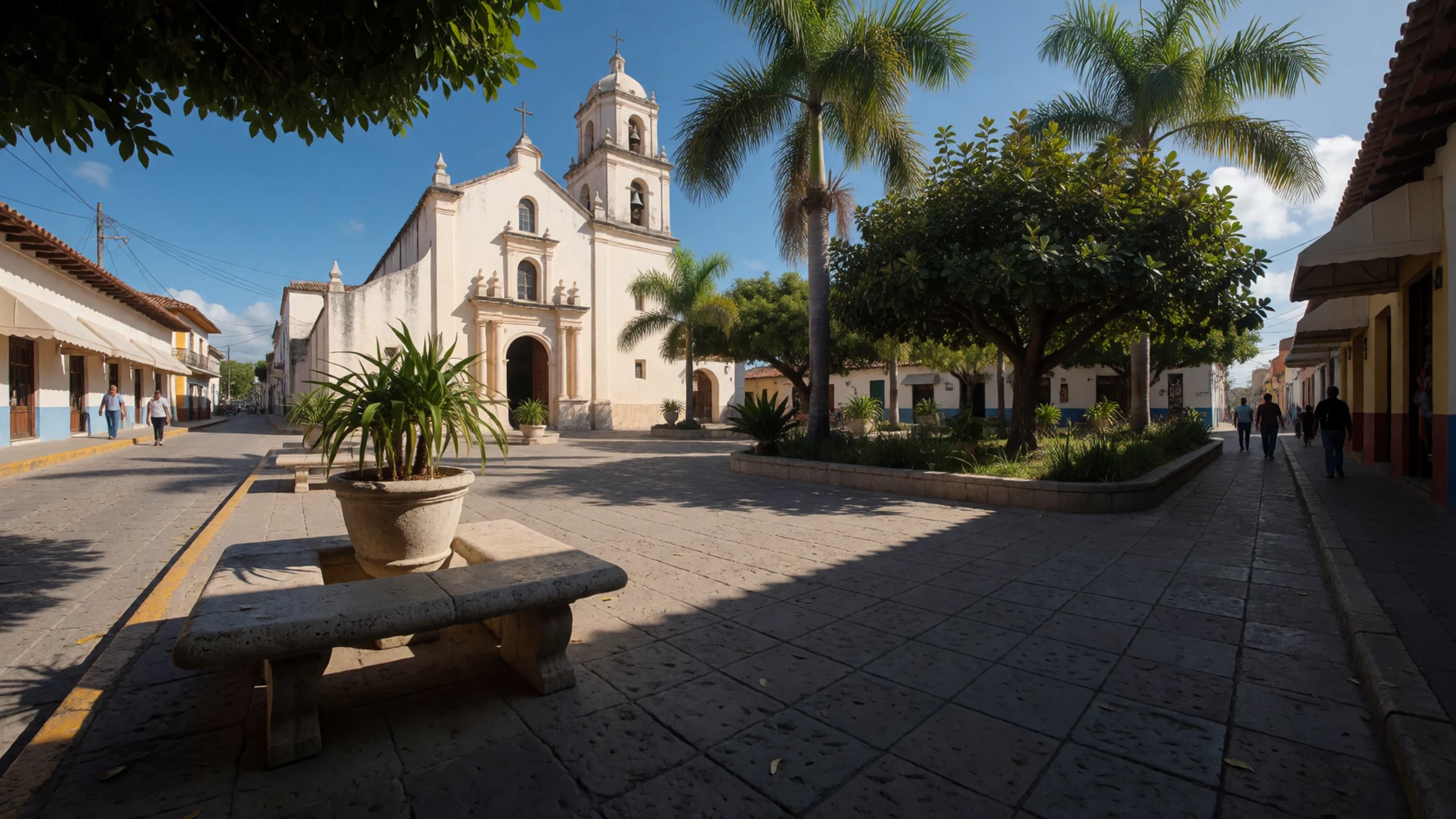
- Rincón Lighthouse Park (El Faro) — Northern headland, above the Mona Passage
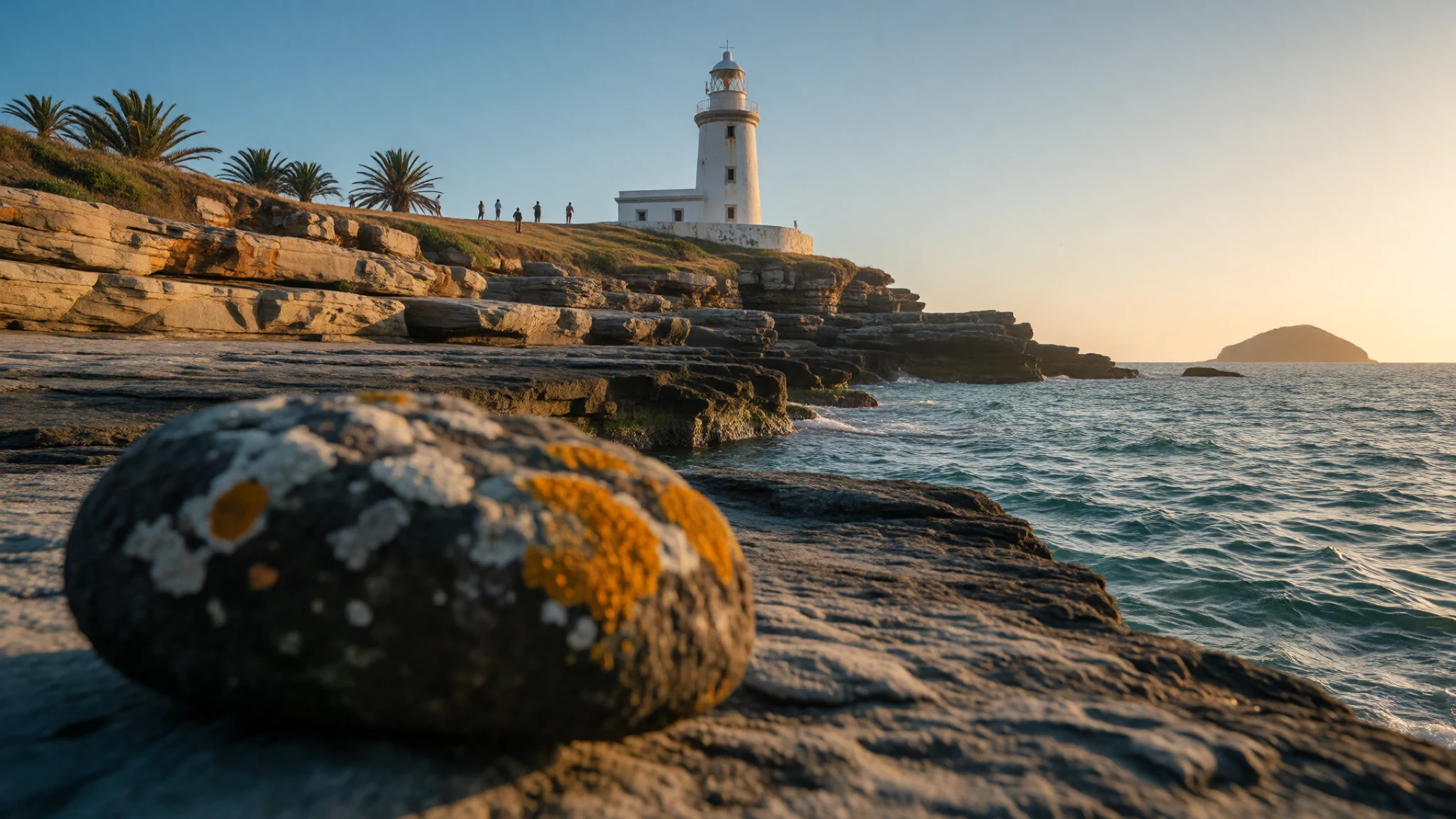
The lighthouse park has a wide view over the Mona Passage towards Desecheo island, plus a gift shop and a snack bar. It is also a favourite lookout for whales. Early mornings and evenings are usually better, though sightings cannot be predicted, so treat any whale as a bonus rather than a plan.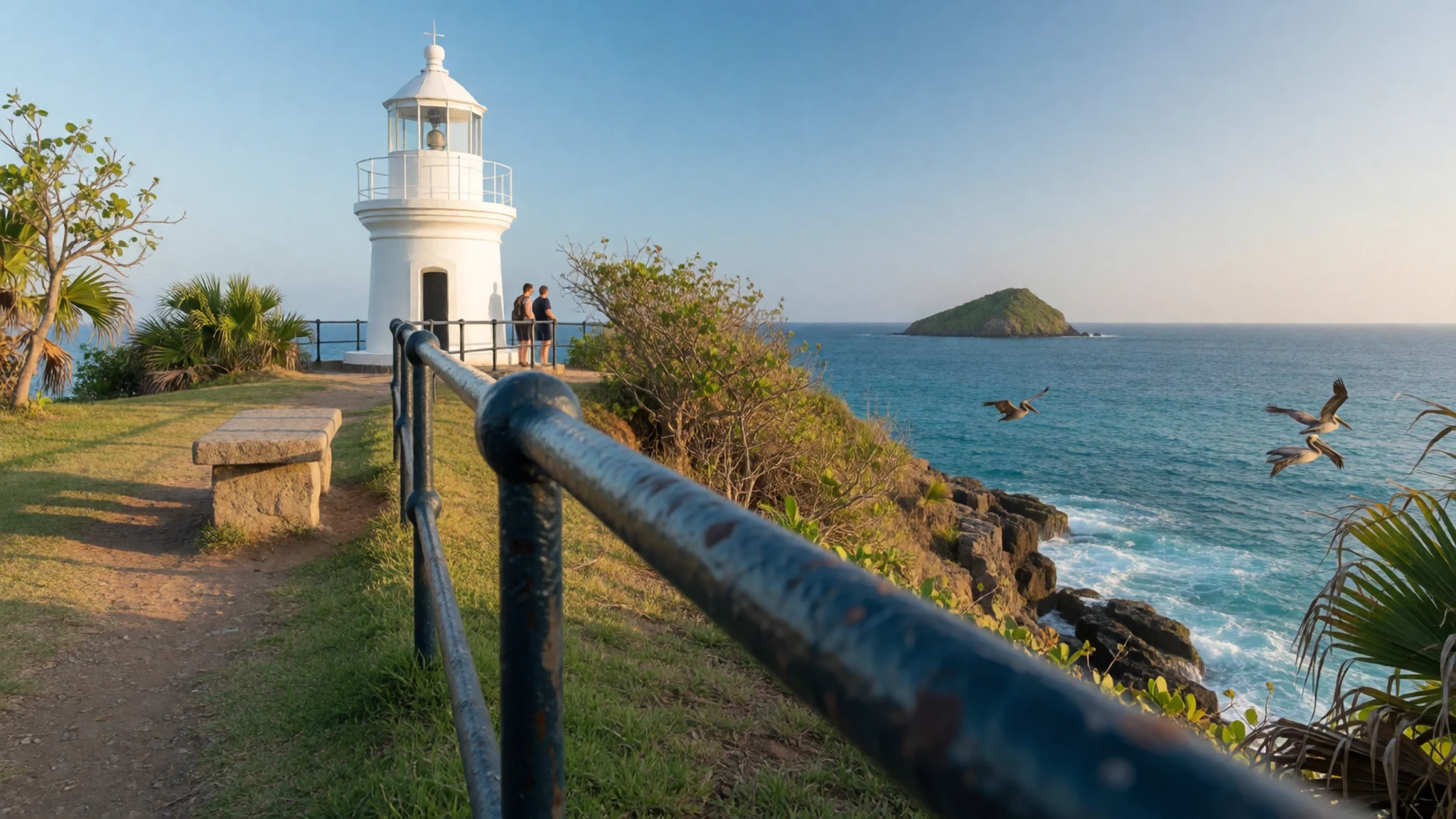
- Maria's Beach and the surf breaks — Rincón's western shoreline
Maria's is one of several named surf beaches, alongside Domes, Indicators, Tres Palmas and Steps. Winter swell is the main season. Watching from the sand is rewarding even for non-surfers, especially at sunset. At Steps, mid-morning to early afternoon is the suggested window for watching surfers or getting into the water yourself.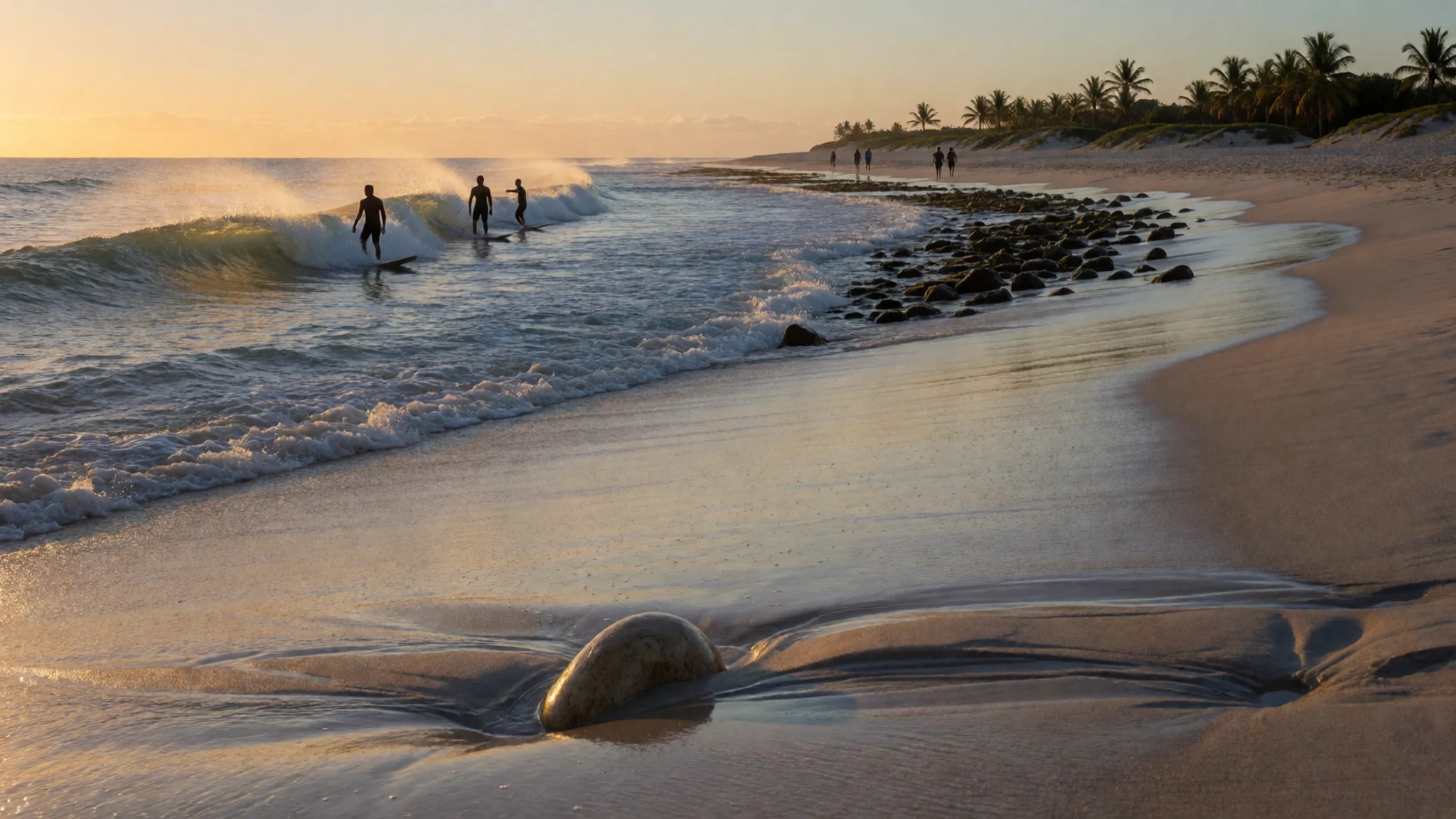
- Swimming and snorkelling beaches — Along the coast, away from the main surf breaks
Surf is only part of the coast. Córcega, Almirante, Los Almendros, Punta Higüero and Rincón Public Beach are among the other stretches of sand, and conditions shift with the season. Winter swell can make some of them rough, so check local conditions and ask lifeguards or locals before swimming or snorkelling.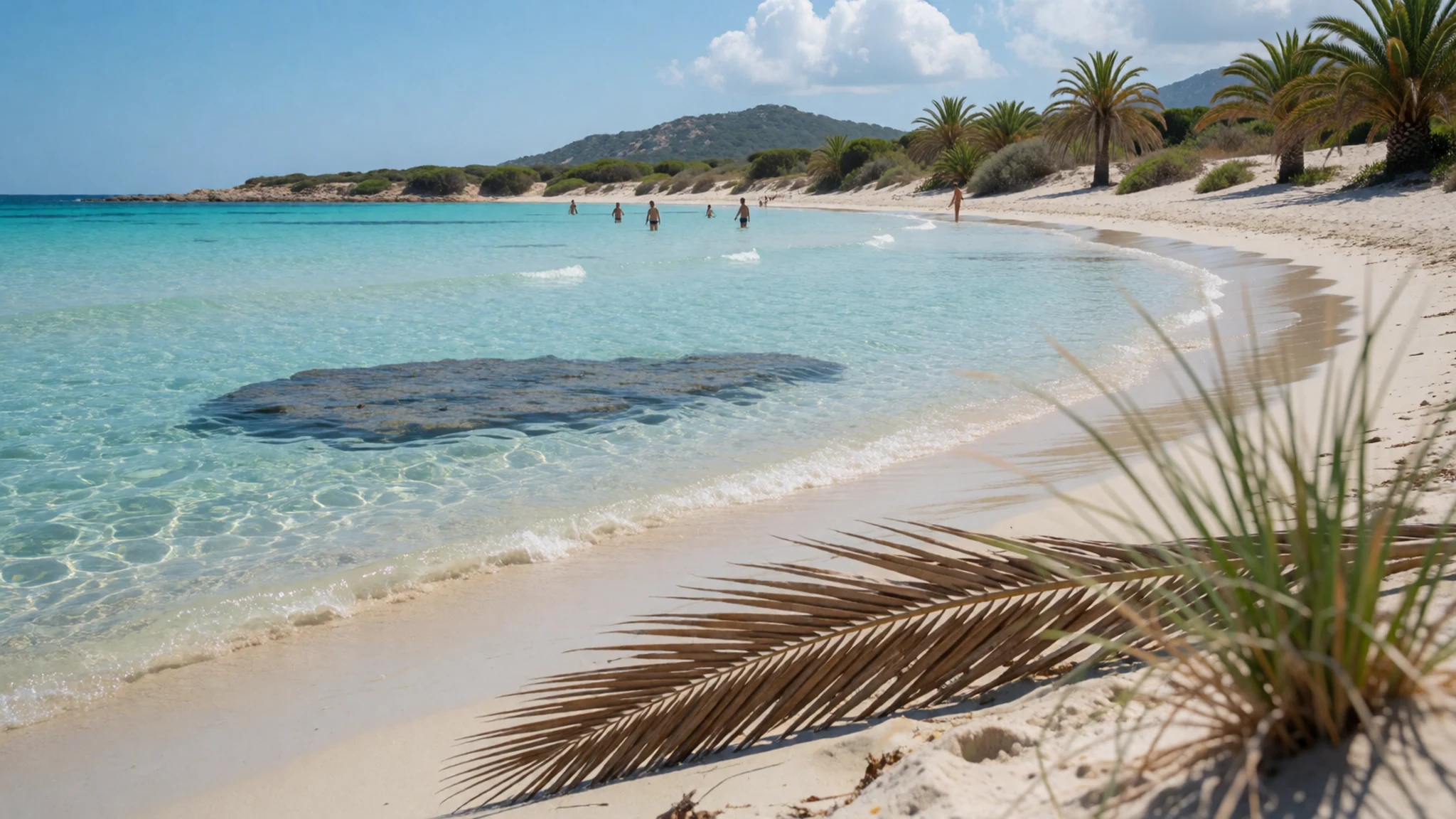
- Santa Rosa de Lima Church — Rincón Pueblo
Santa Rosa de Lima is a Catholic church more than a century old, with Mass held daily. Visitors remark on the artwork inside, including a statue of the dead Christ lying in state. It is a quiet, cool stop in the middle of the day. Dress modestly and avoid wandering around during services.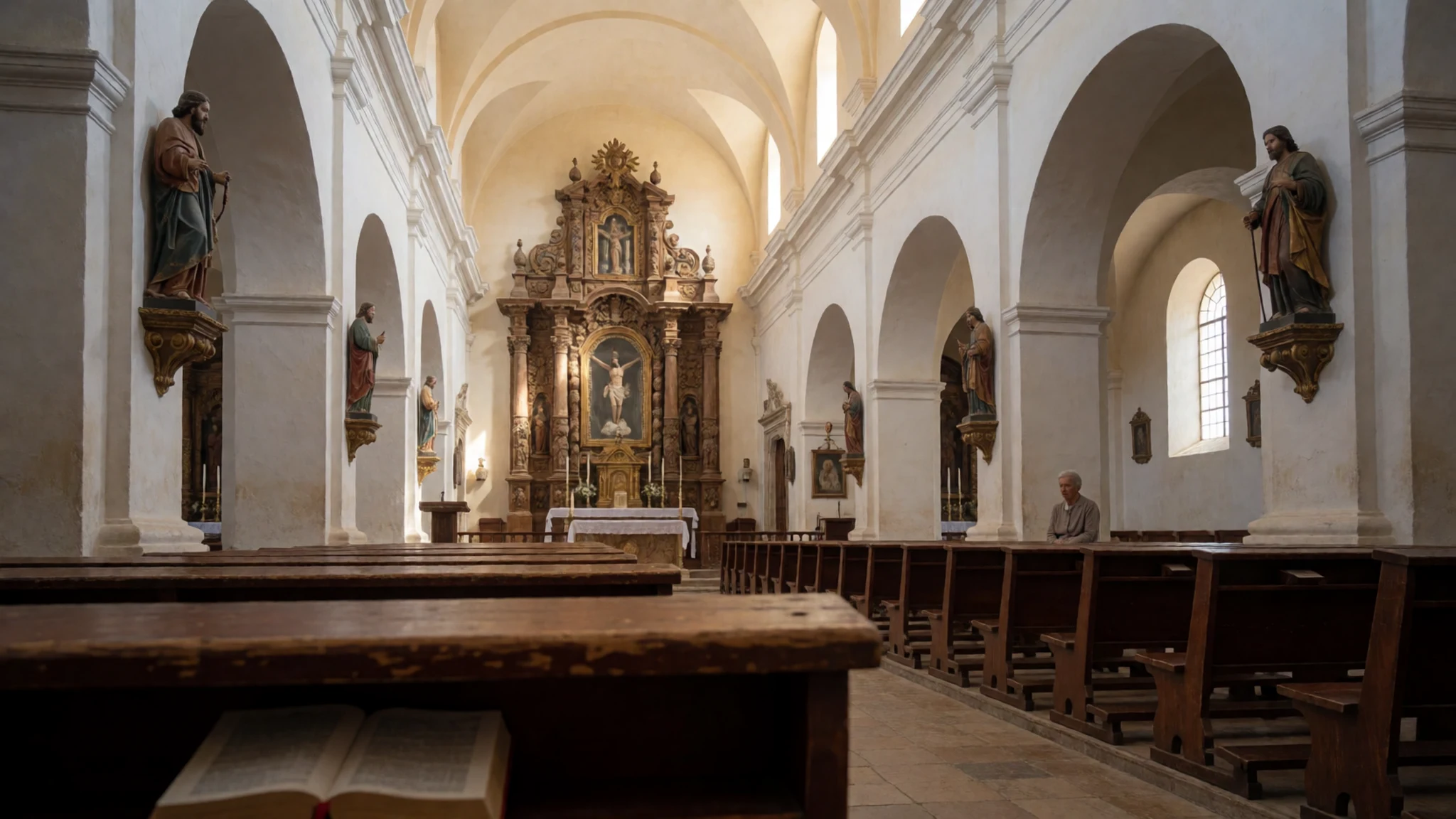
- Boat trips, diving and whale watching — Offshore from the Rincón coast
Charter operators run day sails that combine snorkelling, whale watching and lunch, with evening sails too, and others offer fishing, diving and snorkelling trips around Desecheo. Whales cannot be timetabled, so early morning and evening are the usual bets. Check the operator's own site for seasons and booking.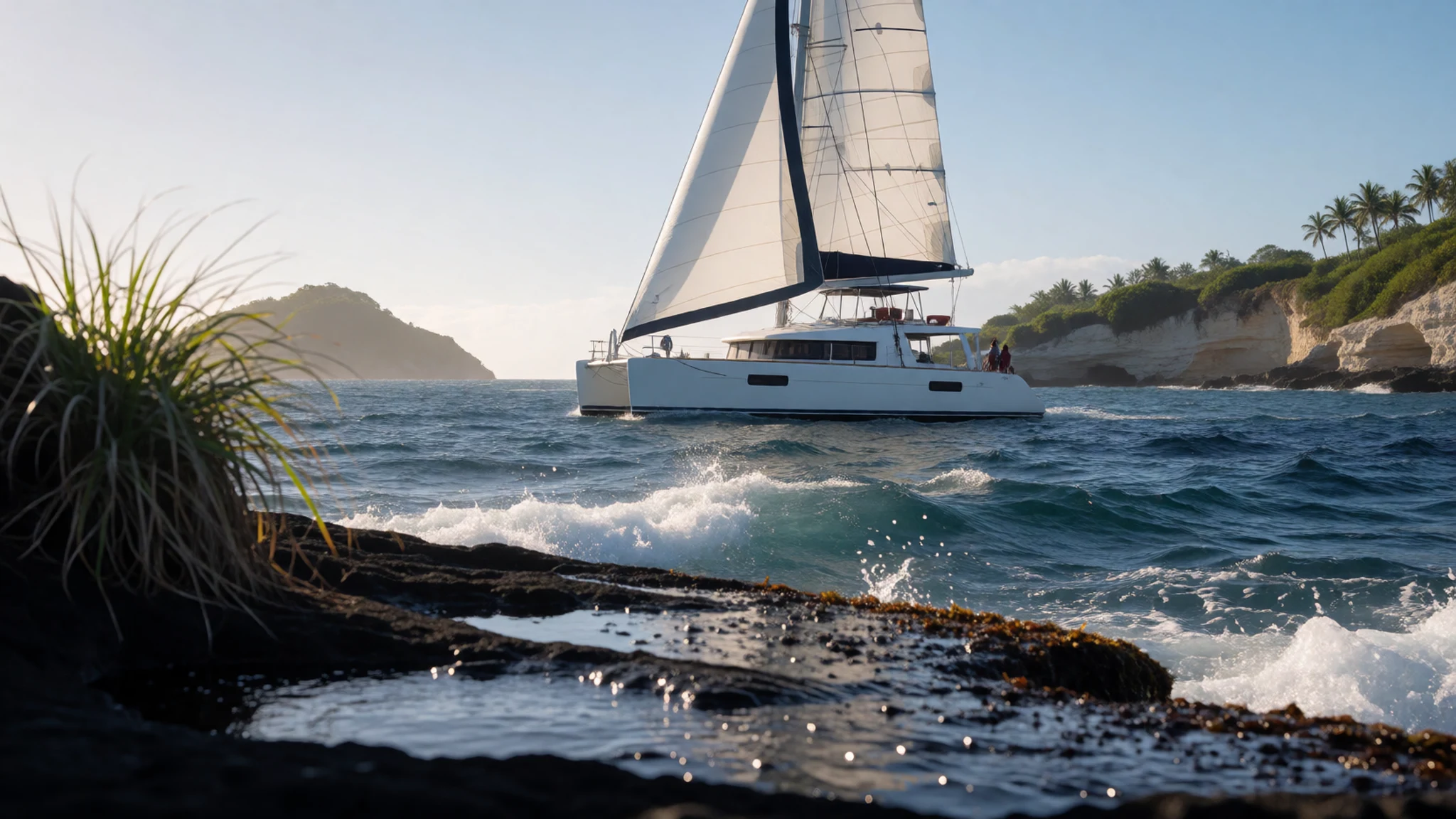
Culture
Rincón mixes Puerto Rican small-town life with the habits of a surf town. Spanish is the everyday language, although English is widely understood around the beaches and rentals. The patron saint festival is held in September, and the church in Rincón Pueblo holds Mass daily, so religion still shapes the weekly rhythm alongside the waves. Surfing is the town's best-known export. The 1968 World Surfing Championship, held at Domes and Maria's beaches, put Rincón on the international map, and the town is sometimes nicknamed the Caribbean's Hawaii. Winter swell, roughly November to March, is when the surf community is at its busiest, although late-summer storms can also send waves up. Boards, wax and talk of the swell report are part of the background in cafés and shops. Outside the water, sunset is a social moment, with people gathering on the sand, at beach bars and at the lighthouse park. The 2017 hurricane remains part of local memory, and conversations about weather tend to be practical rather than casual. At crowded surf breaks, give way to the surfer already riding a wave, stay out of the line-up if you are a beginner, and ask before photographing anyone.
What to wear
Rincón's traditional dress belongs to the wider Puerto Rican countryside, the jíbaro tradition. Rural men are pictured in white cotton shirts and trousers with a woven straw hat, the pava, while women's folk costume features full, ruffled cotton skirts and fitted blouses, often in bright prints. These are worn mostly at festivals, folk dances and school or cultural events rather than every day. The guayabera, a pleated shirt in light cotton or linen with patch pockets, is the classic smart-casual garment for men in warm weather and appears at weddings and formal occasions. Everyday dress in Rincón is far simpler and shaped by the beach. Locals and long-stay surfers live in board shorts, rash vests, sundresses, flip-flops and caps, with a dry shirt for the evening. Restaurants and bars are relaxed, so smart-casual means a clean shirt or light dress. Visitors should pack light, breathable clothing, a wide-brimmed hat and plenty of sun cream, since the sun is strong at this latitude. Swimwear belongs on the beach, so put on a shirt or cover-up in town. Cover shoulders and knees for church, and wear sandals for sand but closed shoes with grip for rocky paths, headlands and boat decks. A light rain jacket is useful for sudden showers.
What to eat
- Mofongo — Traditional Puerto Rican restaurants in and around Rincón Pueblo
Mofongo is fried green plantain mashed with garlic and oil into a dense mound, often served with pork, chicken or seafood and a broth for moistening. It is filling and salty, so a single portion can be shared. Look for it on menus of traditional Puerto Rican eateries.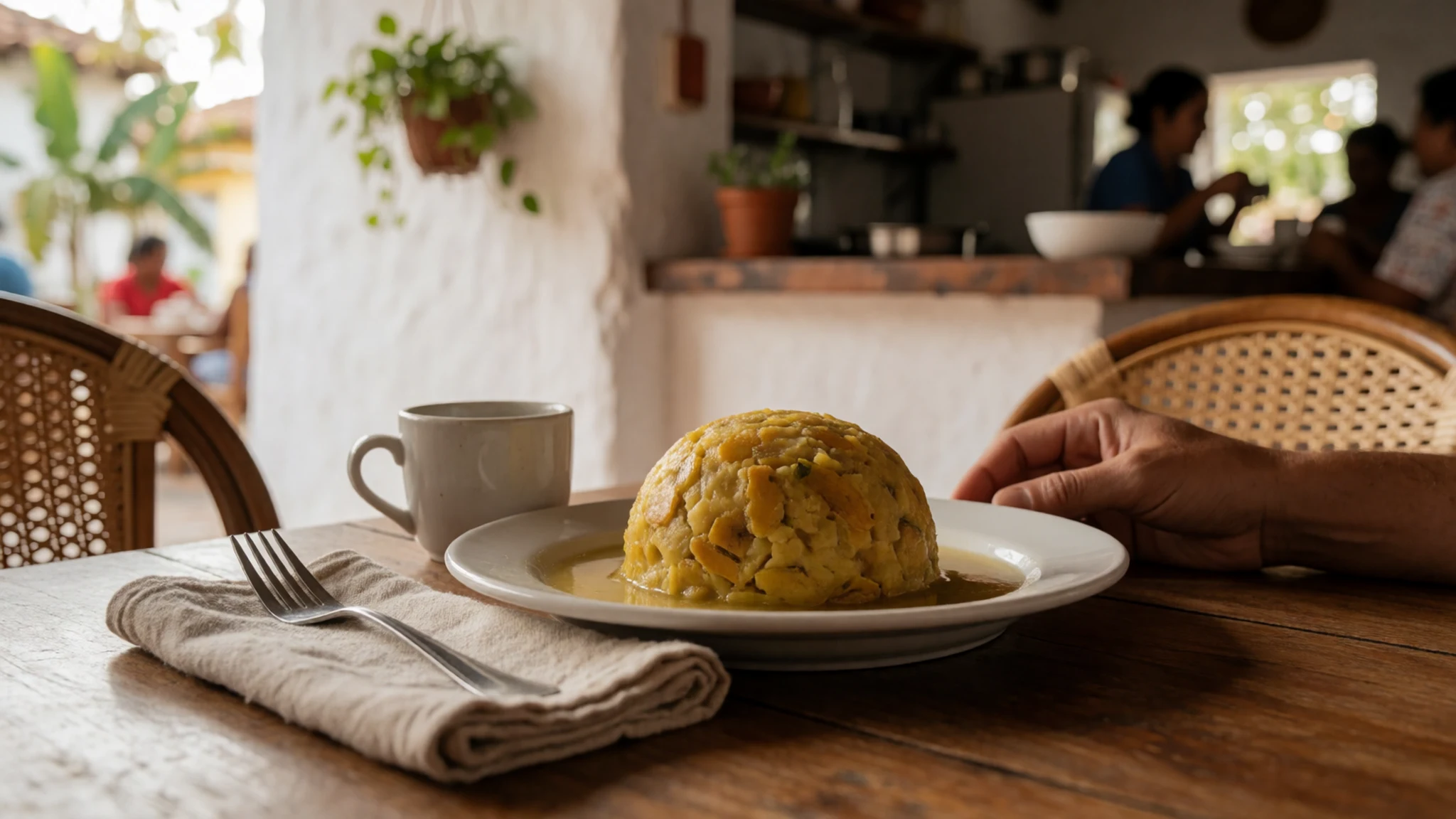
- Lechón — Traditional Puerto Rican restaurants and roadside eateries
Lechón is slow-roasted pork with crackling skin and tender meat, a staple of celebrations and weekend meals across the island. In Rincón it appears on the menus of traditional Puerto Rican restaurants, often with rice and beans or boiled root vegetables on the side.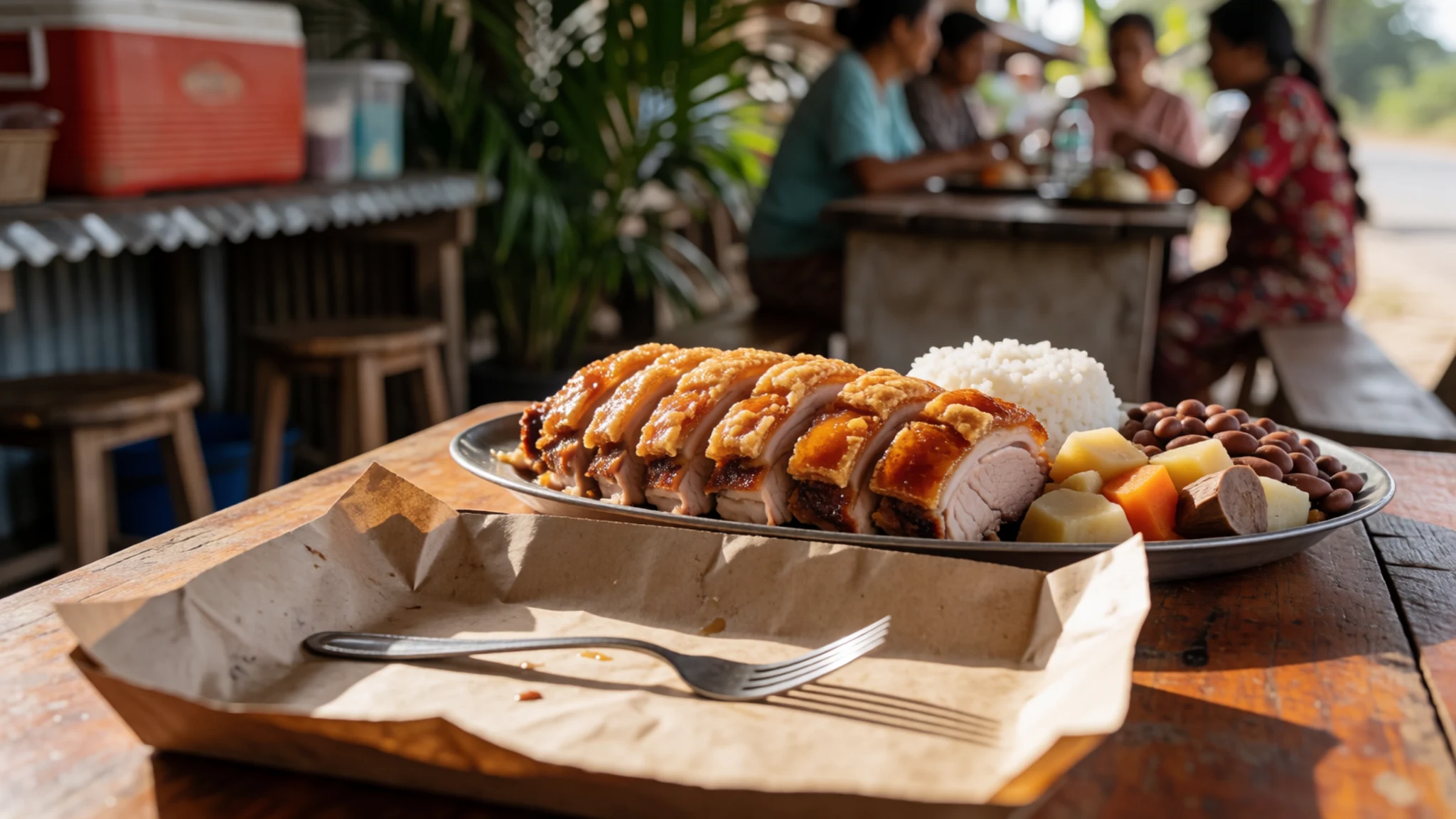
- Arroz con gandules — Home-style eateries and traditional restaurants
Arroz con gandules is rice cooked with pigeon peas, pork and a savoury sofrito base. It is the everyday partner to roast meats and fish, and a good test of any kitchen. Expect it as a side dish at most traditional restaurants in town. - Fresh fish of the day — Restaurants and beach-side kitchens along the coast
With the sea on the doorstep, many restaurants chalk up a daily fish special, usually grilled or fried whole with plantain or rice. Ask what came in that morning. The catch varies with season and weather, so the menu changes from day to day. - Yuca — Traditional Puerto Rican restaurants
Yuca, or cassava, is boiled until soft and dressed with garlic and olive oil or onions. Its mild, starchy flavour works as a side to roast pork or fried fish. It appears among the appetisers and sides at traditional Puerto Rican restaurants in the area. - Homemade infused rum — Traditional restaurants and bars with house specialities
Some traditional restaurants in Rincón serve rum infused with fruit, herbs or spices, made in-house. Flavours vary from place to place. Taste a small measure first, as strength can be hard to judge, and avoid it before swimming or driving.
Plan it
Best time. December to March for the winter swell, when surfers fill the western breaks, and for more settled weather. Late-summer storms can also raise surf, but the Atlantic hurricane season runs from June to November, so trips then need flexible bookings, insurance and a close eye on forecasts. Winter waves can make some beaches rough for swimming.
How long. 3–4
Getting there. The majority of travellers arrive via Luis Muñoz Marín International Airport (SJU) in San Juan, then drive about two and a half hours via PR-22, PR-2 and PR-115. Rafael Hernández Airport in Aguadilla (BQN) is about 30 minutes away via PR-115, with direct flights from JFK, Newark and Orlando. Mayagüez (MAZ) is about 20 minutes away and Ponce (PSE) about 70 minutes via PR-2.
Budget. mid
Tips
- Hire a car: beaches, lighthouse and restaurants are spread along PR-115 and the barrios, and public transport is limited
- Book rentals and guest houses early for the winter surf season, since there are only a few conventional hotels
- Check swell and beach conditions locally before swimming or snorkelling, especially in winter
- Bring strong sun protection and water, and head to headlands for whales early in the morning or in the evening
- Check the municipality's official site, rincon.gov.pr, and operators' own sites for events, tours and opening times
Etiquette
- Respect the line-up at surf breaks and give way to surfers already on a wave
- Dress modestly in church and cover up when walking through town
- Ask before photographing local people
Nearby
Sources
- Wikidata Q1815896 (CC0)
- Wikipedia: Rincón, Puerto Rico (rev 1378379430) (CC BY-SA 4.0)
- Wikivoyage: Rincón (rev 5431807) (CC BY-SA 4.0)
- Photo: Puerto Rico Beaches 01 (CC BY-SA 2.0)
- Photo: Sunset at Maria's Beach, Rincón, Puerto Rico (CC BY-SA 2.0)
- Photo: Home in Rincón, Puerto Rico destroyed by Hurricane Maria (2017) (CC BY-SA 4.0)
- Photo: American Red Cross volunteers deliver food and water in Rincón (171016-A-SK411-021) (Public domain)
- Photo: Rincon Aerial Panorama (CC BY 4.0)
- Photo: Faro de Rincon (CC BY 2.5)
- Photo: Casa Isleña Inn, Rincón, Puerto Rico (CC BY-SA 2.0)
- Photo: Mar Azul Surf Shop, Rincón, Puerto Rico (CC BY-SA 2.0)


Wildlife
- Whale (animal)
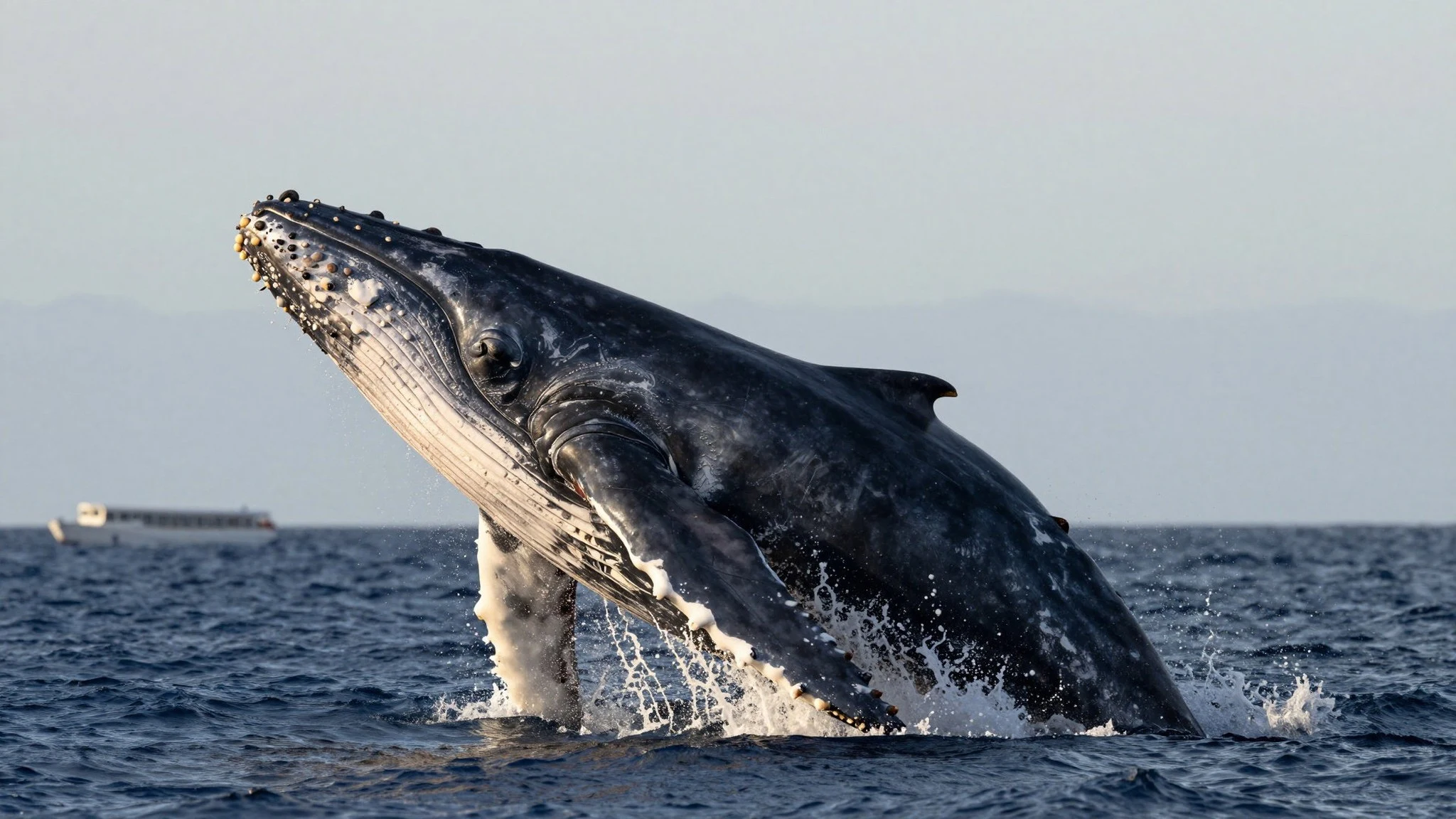
The humpback is a vast baleen whale, easy to recognise by its very long flippers and the knobbly bumps on its head. Rincón is a well-loved place to watch for whales, so scan the sea patiently from a high vantage point. Humpbacks are famous for leaping clear of the water and other showy surface antics, and the males sing long, intricate songs. Keep a respectful distance, stay quiet, go with a guide if you take a boat, and never feed them.