Revelstoke
Revelstoke, Canada
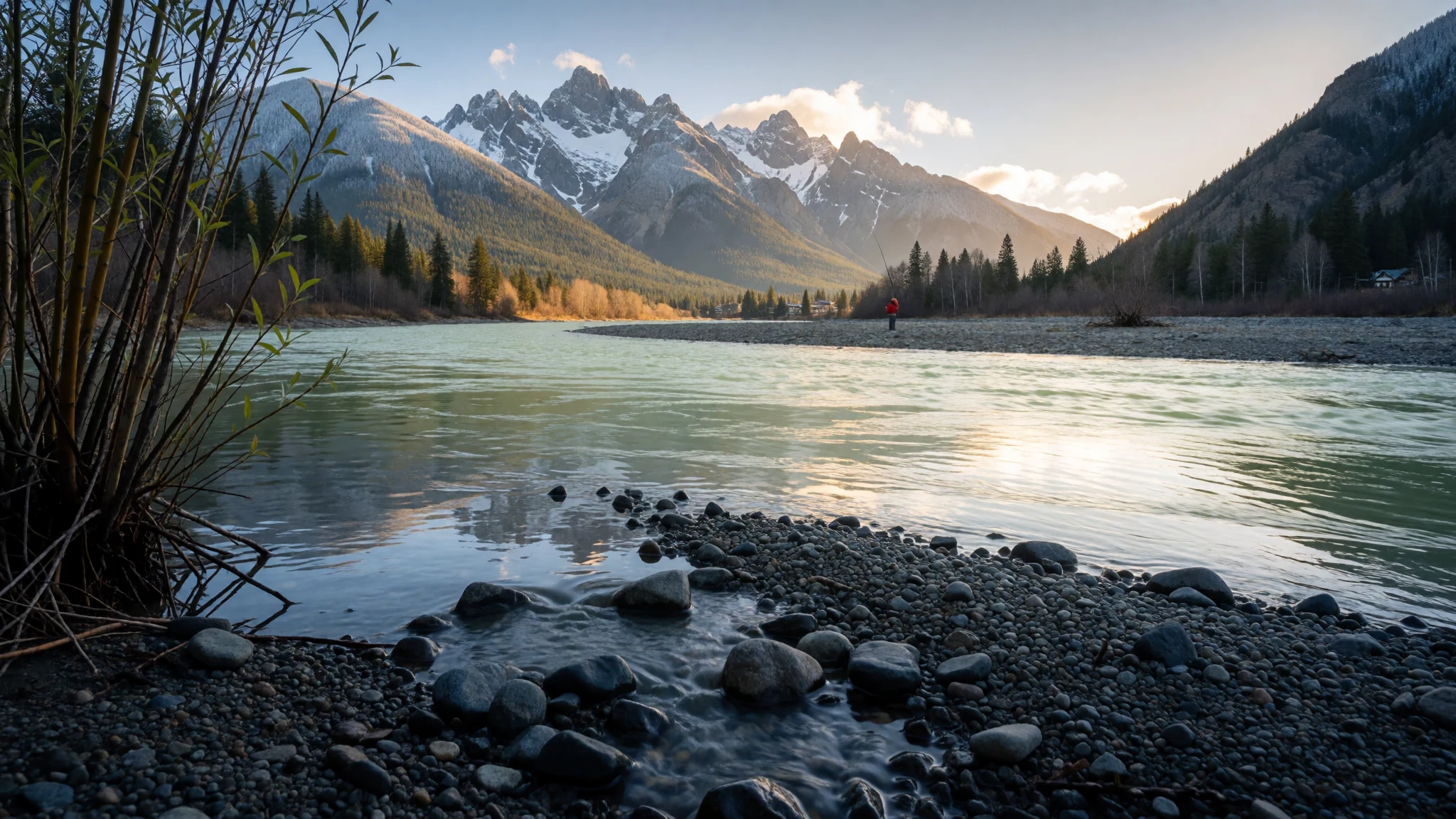
Revelstoke is a working railway town ringed by big snow mountains, where deep winters, quiet summer trails and rail history sit within minutes of each other.
The place
Revelstoke is a small railway and ski city in southeastern British Columbia, home to 8,275 people at the last census, with its centre about 480 metres above sea level. It stands on the Columbia River, just downstream of a large hydroelectric dam and close to where the Illecillewaet River joins. Mountains press in from every side. To the east lie the Selkirk Mountains and Glacier National Park, crossed at Rogers Pass, where the Trans-Canada Highway and the Canadian Pacific Railway share a narrow route. To the west, Eagle Pass threads through the Monashee Mountains towards Shuswap Lake. To the south the river broadens into the Arrow Lakes, with the Kootenay country beyond. Distances are long in this part of Canada: Vancouver is about 641 kilometres to the west and Calgary about 415 kilometres to the east, so Revelstoke has long worked as a natural halfway stop. The economy grew out of the railway and still leans on it, though forestry, construction, retail and tourism have all expanded, and remote workers, freelancers and small tech firms now add to the mix. The feel is of a working town that happens to have a ski mountain rather than a resort built for visitors. The centre is compact and walkable, with cafés, outdoor shops and bars, and snow or cloud on the peaks above for much of the year. Winters are cold, snowy and very grey. Summers are warm, often rainy, with cool nights.
Its story
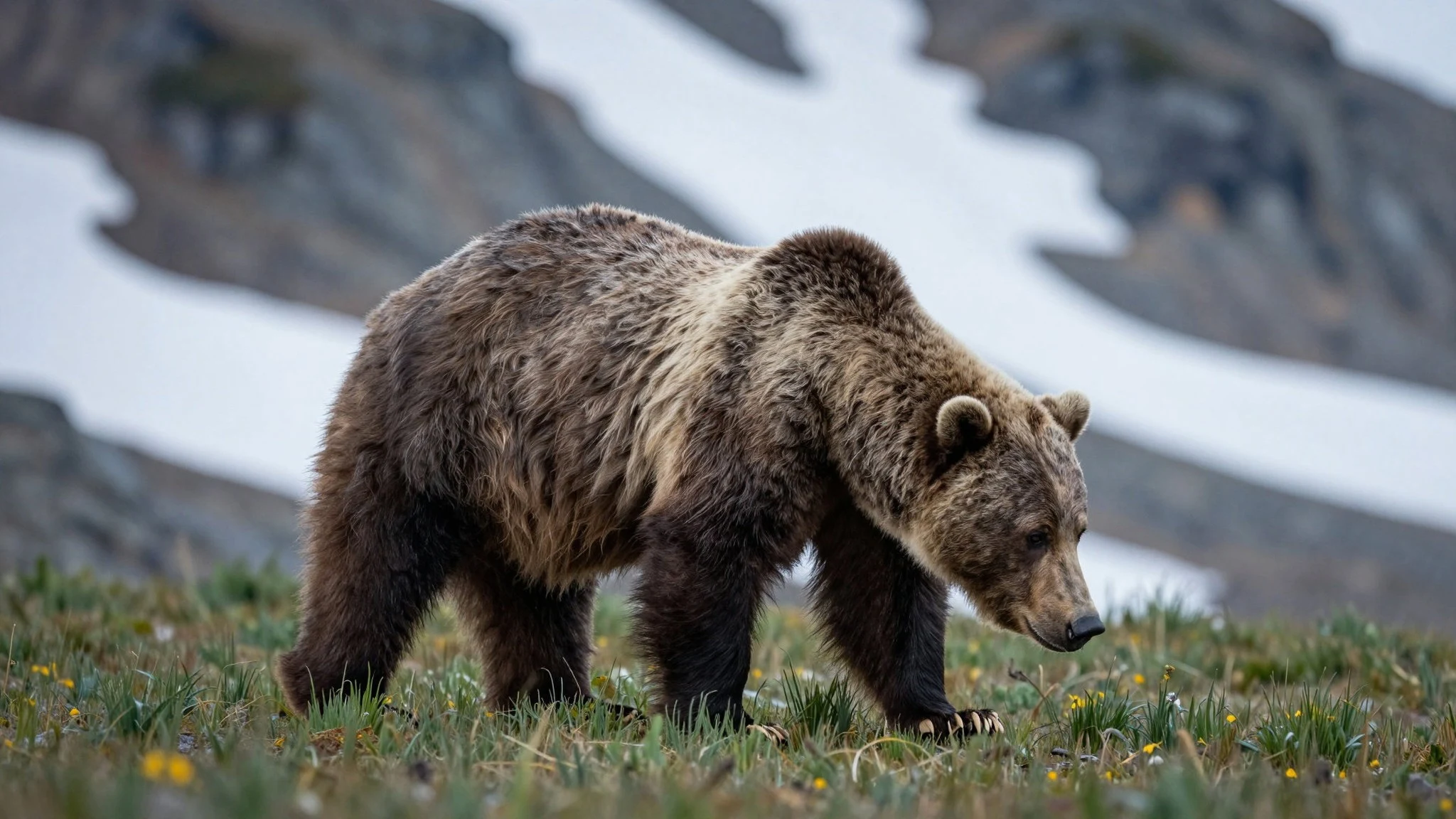
Revelstoke owes its existence to the Canadian Pacific Railway, which was pushed through these mountains in the 1880s. Mining brought early activity, and the settlement was first called Farwell, after a local landowner and surveyor. Railway people also knew the spot as the Second Crossing, because it was where the line crossed the Columbia River for the second time; the first crossing lay further upstream at Donald. The name that stuck came from London. The railway company was close to collapse in the summer of 1885, and Lord Revelstoke, head of the investment bank Baring Brothers, helped rescue it by arranging the purchase of its unsold bonds. That money let the line reach completion, and the town was named in his honour. The post office dates from 1886. For decades the railway set the rhythm of life here, and a railway museum still records the work and the workers. The next big change came in 1962, when the Trans-Canada Highway opened and made the region far easier to reach by road. Tourism grew from then on, with skiing becoming the main draw. Revelstoke Mountain Resort, on Mount MacKenzie just outside town, opened in the 2007–2008 season. The Revelstoke Dam, finished in 1984, changed the river itself. The area is also bear country, home to black bears and grizzlies, and the town fenced its rubbish dump with an electric fence in 1994 to keep them from feeding there.
What to see
- Mount Revelstoke National Park — Just north of the town centre
Mount Revelstoke National Park begins right at the edge of town and gives the clearest view of how the valley, river and rooftops fit together below the peaks. Trails vary from short walks to long day hikes. Weather changes quickly at height, so check conditions before setting out.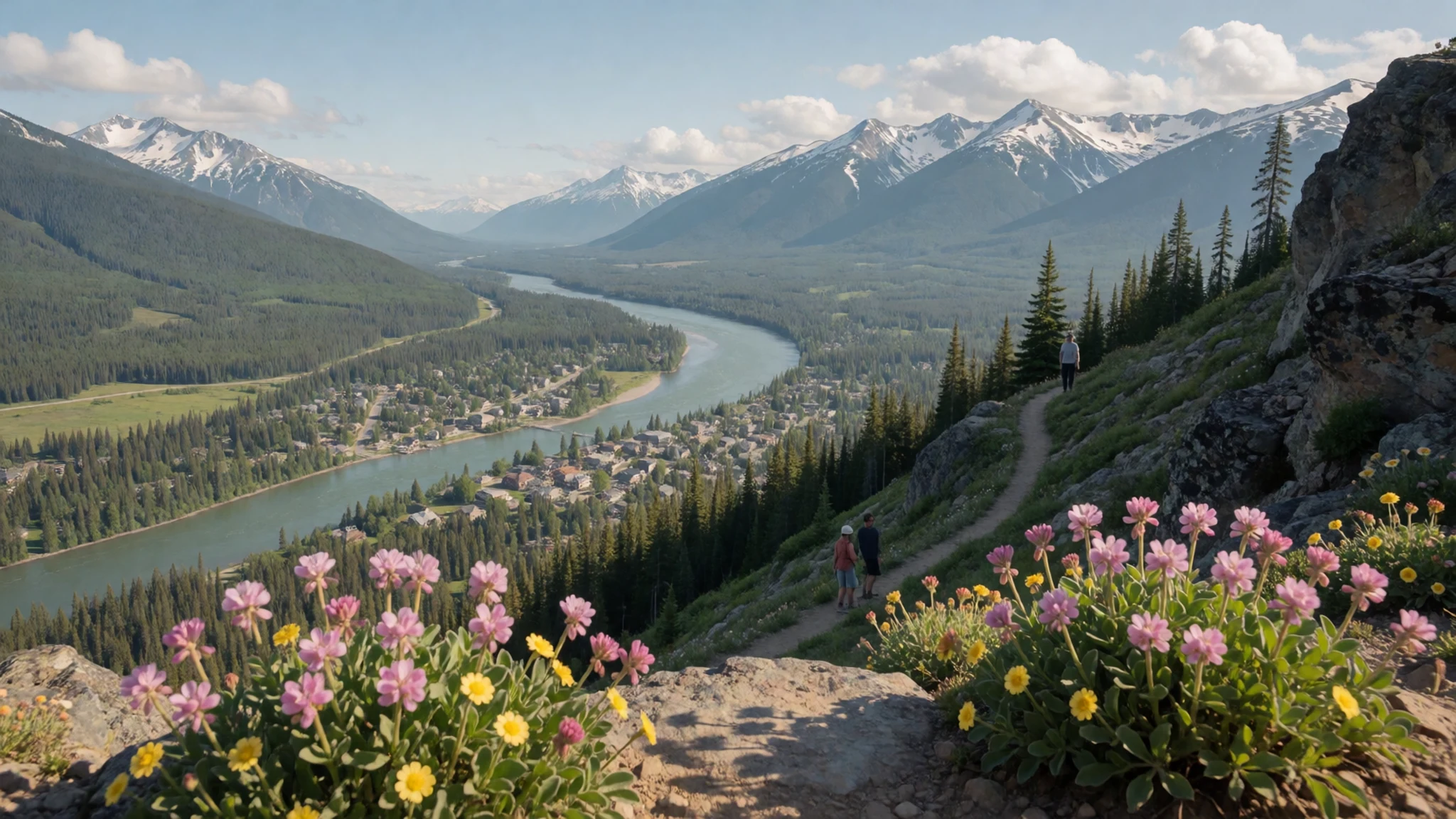
- Revelstoke Railway Museum — Near the railway line, town centre
The Revelstoke Railway Museum explains how the line was built, who did the work and how the railway still operates today. It makes sense of why the town exists at all. Plan an hour or so, and check the official site for opening times before going.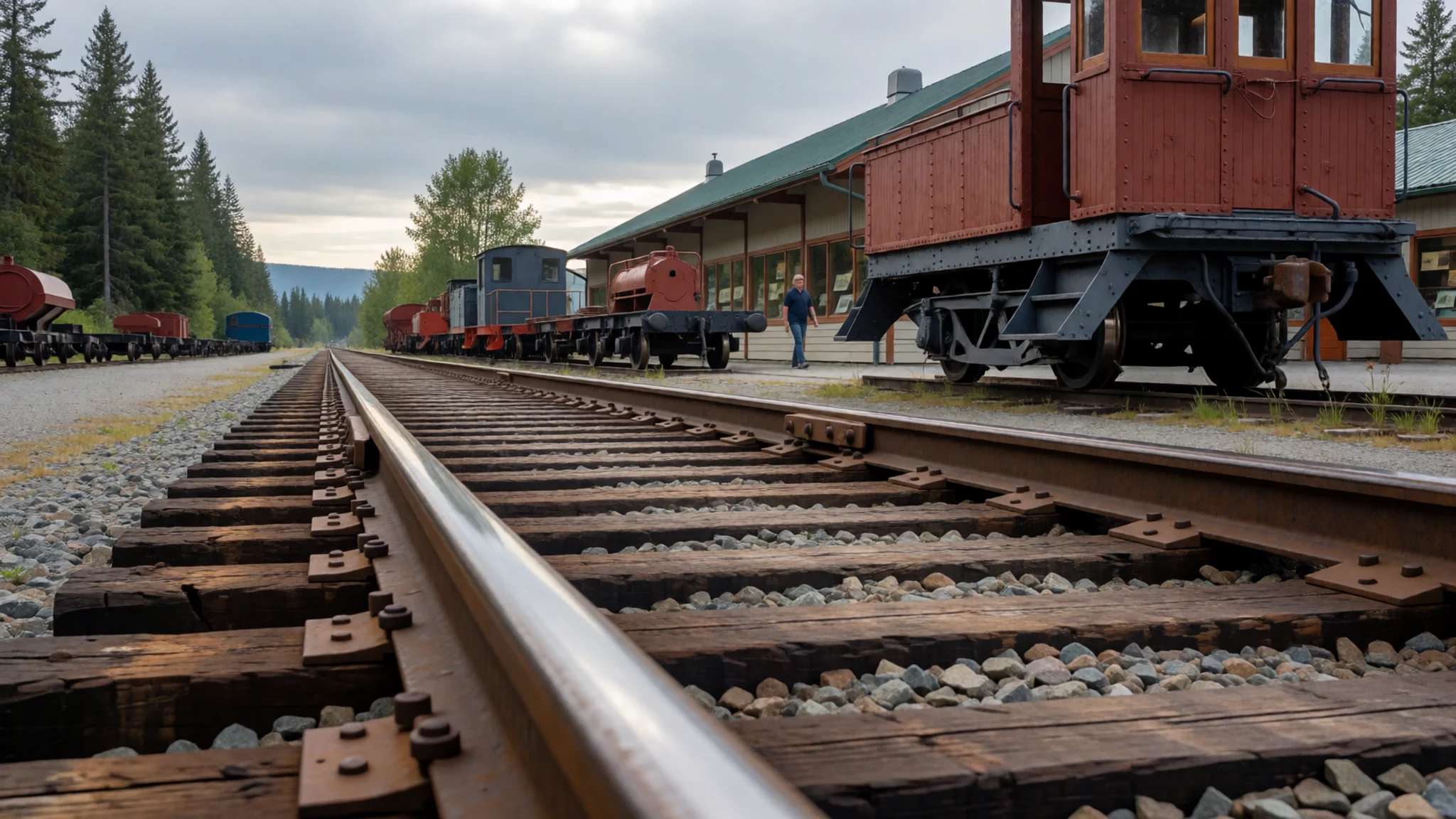
- Revelstoke Dam Visitor Centre — On the Columbia River, north of town
The Revelstoke Dam holds back the upper Columbia River and stands 175 metres tall. The visitor centre offers tours that explain how the power station works and why the river was dammed here. It suits a wet or cloudy day well. Check the official site for tour details.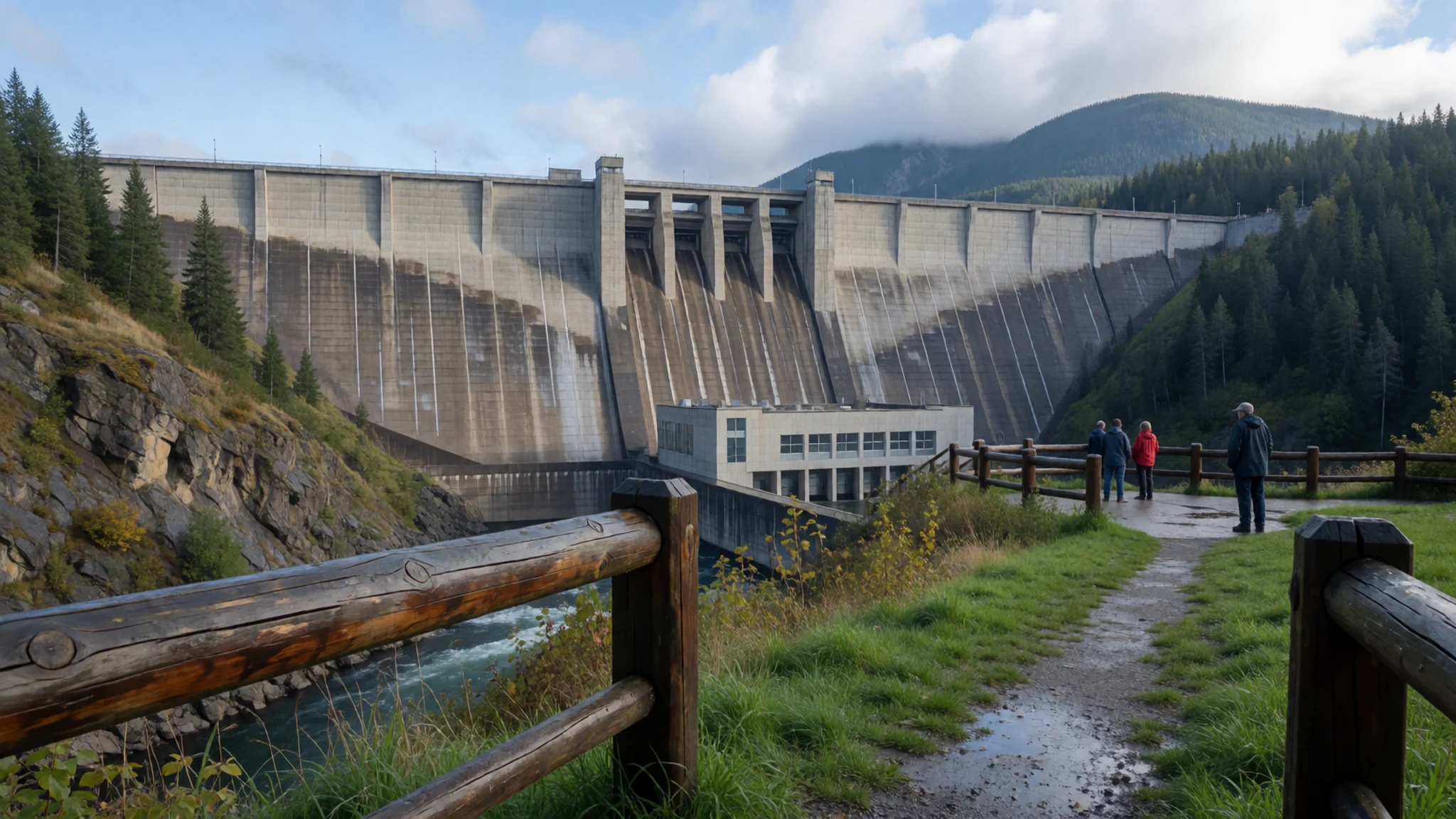
- Revelstoke Mountain Resort — Mount MacKenzie, just south of town
Revelstoke Mountain Resort is the main reason many visitors come in winter, with skiing on Mount MacKenzie. It also runs in summer, with a mountain coaster, lift-assisted mountain biking and hiking. A resort shuttle runs from town, so a car is not essential.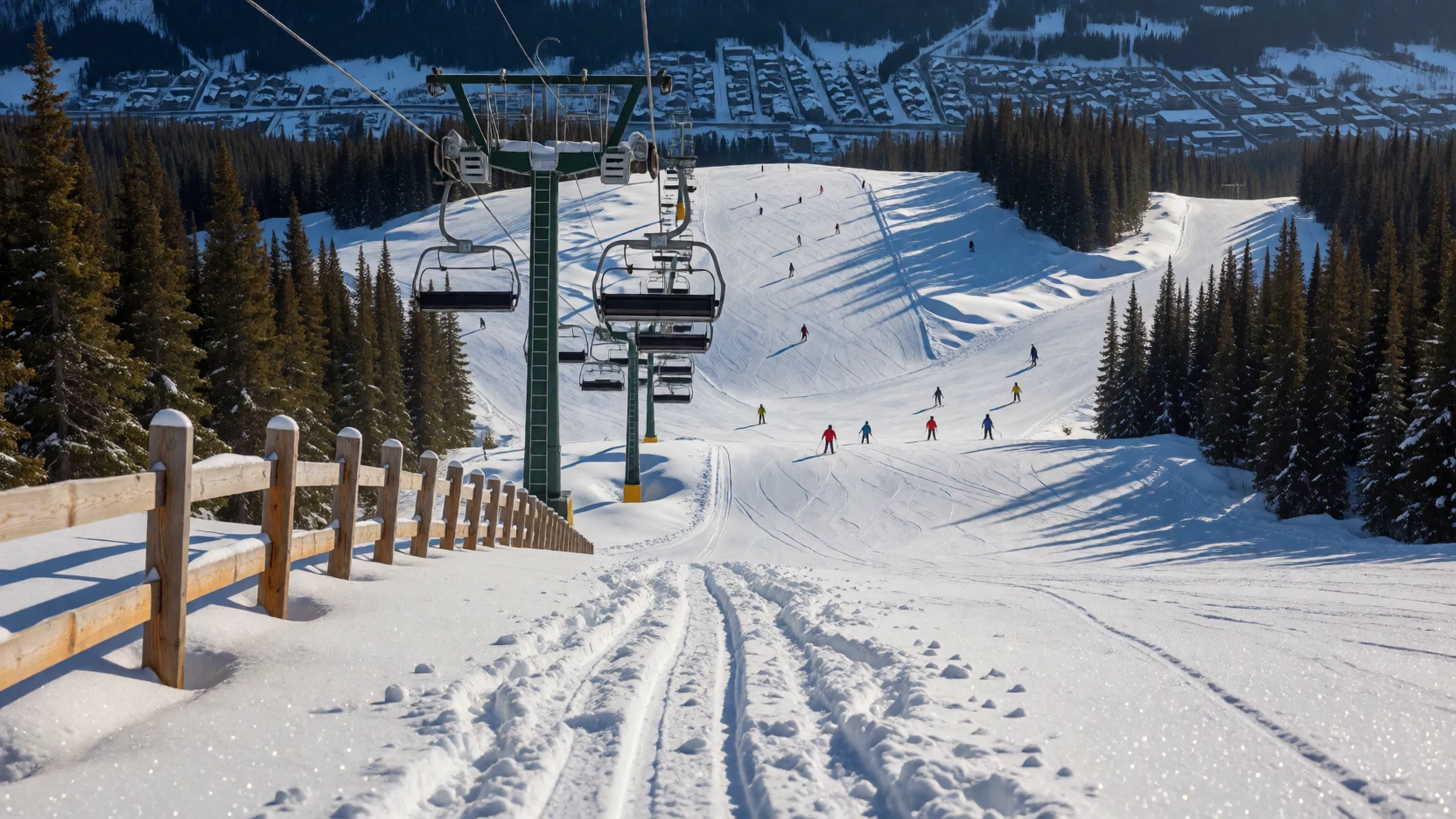
- Revelstoke Museum & Archives — Town centre
Revelstoke Museum & Archives focuses on the town and the country around it, from early settlement to the present. It is a good first stop for context before heading to the railway museum or into the parks. Opening hours change, so check the town website, revelstoke.ca.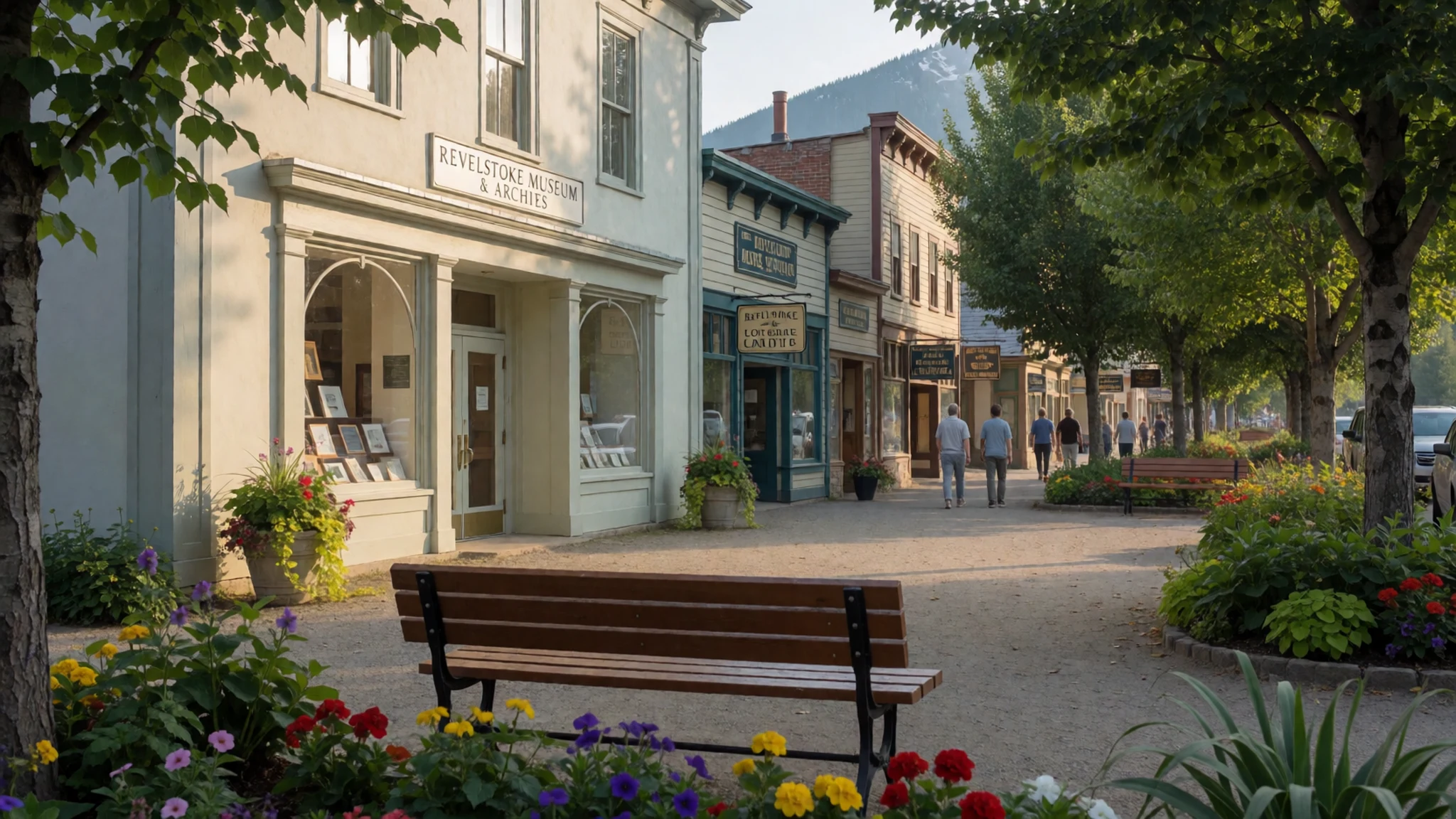
Culture
Revelstoke has the character of a railway town that later turned to the outdoors. Its older identity comes from the Canadian Pacific Railway: the families, the shift work, the trains still passing through, and the museum that honours all of it. Newer layers came with skiing, mountain biking and a steady arrival of remote workers who chose the mountains over a big city. The result is relaxed and practical, with conversation that tends to revolve around snow, trail conditions and the weather. Bars with ski-lodge decor, small cafés and a modest nightlife scene serve locals and visitors together, and the busiest period is winter, when the resort is open. The wider region lies in the traditional territory of Indigenous peoples, and visitors will see that acknowledged in the area's museums and public signage; it is worth reading what is displayed rather than skipping past it. Living with wildlife is part of local culture too. The area is prime habitat for black bears and grizzlies, and residents take food storage and rubbish handling seriously, as the electric fence around the old dump shows. Conversation in shops and on chairlifts is friendly and unhurried, and strangers chat easily. Courtesy on trails and on the road matters, since many routes are shared by walkers, cyclists and vehicles. When walking in the parks, keep a respectful distance from wildlife, never feed bears, and pack out every scrap of food waste.
What to wear
Revelstoke has no single traditional costume of its own. The clothing that shaped the town was working gear: wool, heavy boots and waterproofs worn by railway crews, loggers and miners. That heritage still shows in the plaid shirts, felt-lined boots and tough outerwear seen around town, though most of it is now practical choice rather than costume. Indigenous communities in the region have their own ceremonial regalia and textiles; these are worn at community events, and people should always ask before photographing anyone in them. What locals wear now is functional and layered: technical jackets, fleece, beanies, hiking shoes and ski kit in winter, with shorts, light shirts and cycling gear in summer. Nobody dresses up much, and a clean jacket and decent boots are acceptable almost everywhere, including restaurants. For visitors, layers are the key. Winter is cold, snowy and cloudy, with 50.3 days a year on average below freezing, so pack a warm insulated coat, thermal underlayers, waterproof boots with grip, gloves and a hat. Summer can be warm, with 13.5 days a year on average above 30 °C, but nights are cool and rain is common, so carry a light waterproof and a fleece. Sturdy walking shoes suit the park trails. There are no dress codes at local sights, so modesty norms are not a concern.
What to eat
- Duck confit — Casual fine-dining restaurants in the town centre
Duck confit appears on menus at the town's more relaxed fine-dining restaurants, often with seasonal sides. It is slow-cooked and rich, a good choice after a cold day outdoors. Many places pair it with a glass from the British Columbia wine list.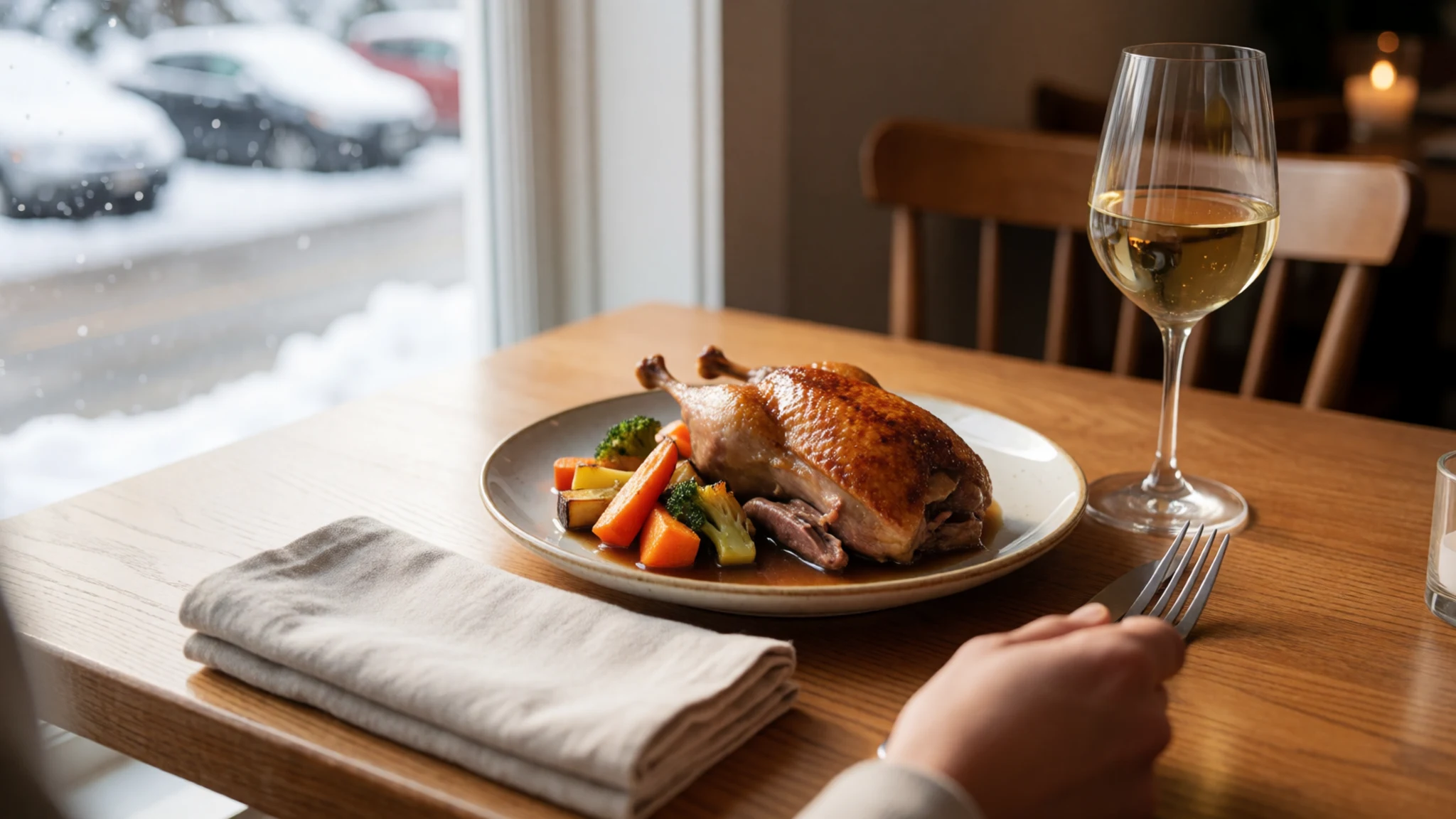
- Jambalaya — Dinner menus at town-centre restaurants
Jambalaya, the spiced rice dish of Louisiana, shows up on a few dinner menus here. It is hearty, warming and filling, a favourite sort of dish for people coming off the mountain with a big appetite. Ask what spice level the kitchen uses.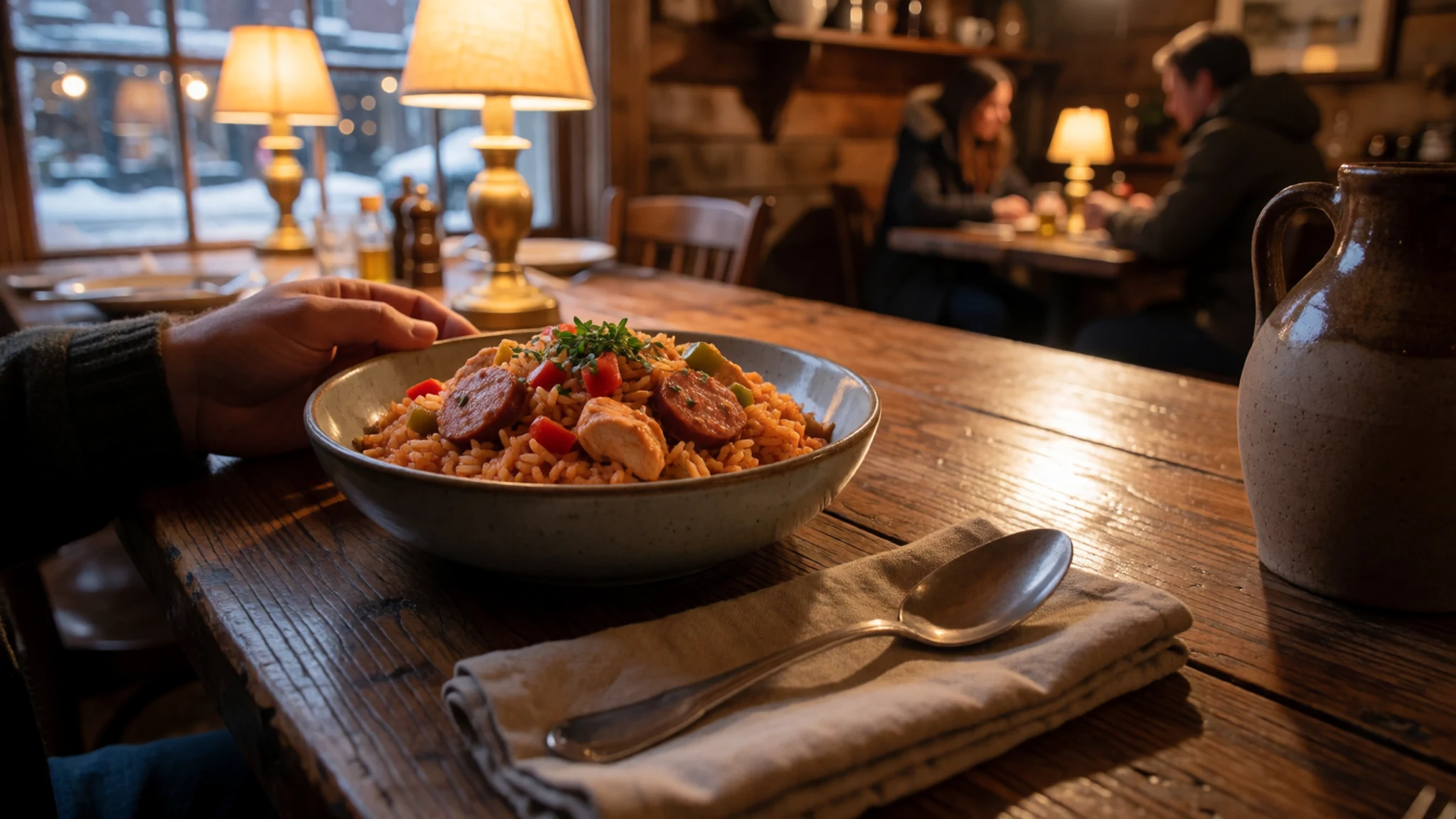
- Chorizo pasta — Casual restaurants and bars in the centre
Chorizo pasta is a simple, smoky plate found at casual restaurants and bars around the centre. The sausage gives it a gentle heat. It is the kind of dish locals order on an ordinary weeknight, so portions tend to be generous. - Beef tenderloin with BC wine — Fire-lit restaurants with patios in the town centre
Beef tenderloin is the main-course treat on dinner menus at the cosier restaurants, some with fireplaces in winter and patios in summer. Order it with a British Columbia red or white, as local lists lean on the province's own vineyards. - Homemade pizza — Après-ski bars and grills near Mackenzie Avenue
Homemade pizza is a staple at the bars and grills that cater to the après-ski crowd, usually under retro ski decor. It suits a group after a day on the slopes. Expect a lively room on winter evenings.
Plan it
Best time. January–February for deep snow and skiing, July–August for warm days and trails open to hikers and bikers. Winters are cold, snowy and very cloudy; summers are warm with some rain and cool nights.
How long. 2–4
Getting there. The nearest airports with scheduled flights are Kamloops and Kelowna, each roughly 2.5 hours away by road. Revelstoke sits on the Trans-Canada Highway (Highway 1), midway between Vancouver and Calgary, so a hire car is the easiest option.
Budget. mid
Tips
- Book winter accommodation well ahead, as the ski season is the busiest time
- Allow extra driving time on mountain passes in winter, when snow and cloud are common
- Use the resort shuttle from town rather than driving up to the slopes
- Carry layers and a waterproof even in summer, as weather in the mountains changes quickly
- Store food securely and stay alert on trails, as black bears and grizzlies live in the area
Etiquette
- Keep a safe distance from wildlife and never feed bears
- Pack out all rubbish and food waste from trails and campsites
- Ask before photographing local people, especially at community events
Nearby
Sources
- Wikidata Q1893229 (CC0)
- Wikipedia: Revelstoke, British Columbia (rev 1381444115) (CC BY-SA 4.0)
- Wikivoyage: Revelstoke (rev 5415696) (CC BY-SA 4.0)
- MacKenzie Avenue, Revelstoke, British Columbia, Canada - 2013 (waferboard) (CC BY 2.5)
- Revelstoke from Mount Revelstoke (Darren Kirby) (CC BY 3.0)
- Revelstoke Freeride World Tour (Revelstoked) (CC BY 3.0)
- Begbie Falls, BC (Ksenia Druzhkina) (CC BY-SA 4.0)
- Boulder Mountain 2008 (Dennis Cambly) (CC BY 3.0)
- Chevron gas station, Revelstoke (LBM1948) (CC BY-SA 4.0)
- Columbia River in Revelstoke (The Cosmonaut) (CC BY-SA 2.5 ca)
- Columbia River in Revelstoke 1 (The Cosmonaut) (CC BY-SA 2.5 ca)


Wildlife
- Black bear (animal)
Think of the black bear as North America's smallest bear, a woodland wanderer that will eat almost anything the seasons offer. Revelstoke is bear country, and these bears share the forests around the town. They can stray towards settlements when easy food tempts them, which is why the town put an electric fence around its rubbish dump. Watch from a generous distance, keep quiet, and think about going with a local guide. Never feed a bear; it only draws them into trouble.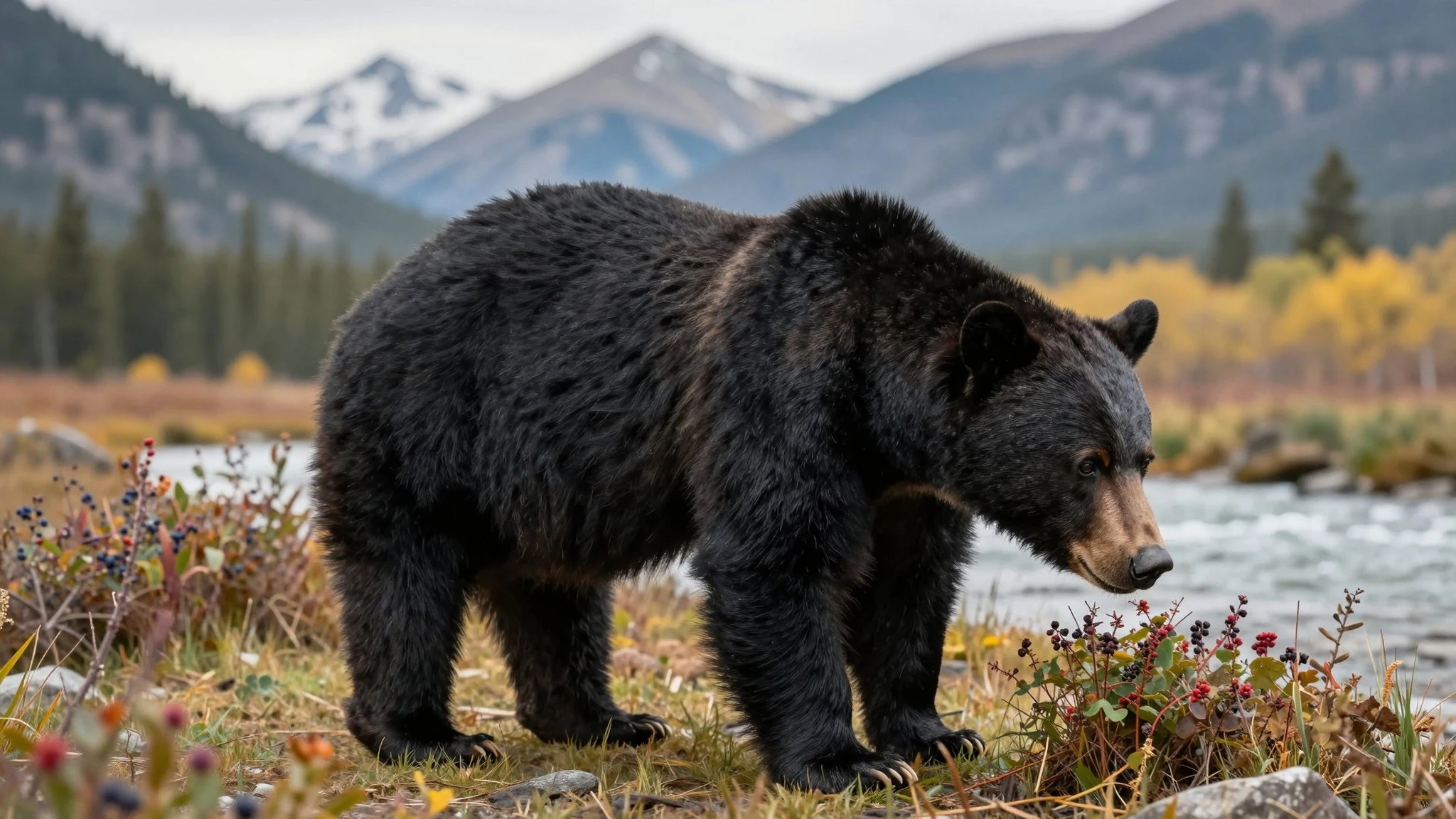
- Grizzly bear (animal)
The grizzly is a big brown bear, with a muscly hump on its shoulders that helps it dig, and fur that can be creamy, reddish or dark. Revelstoke's surroundings are grizzly country, shared with black bears. Among the biggest land meat-eaters, it deserves real respect. Watch only from a long distance, stay quiet, and go with a local guide. Never feed a grizzly; the town electrified its rubbish dump to keep bears from eating there.