Pond Inlet
Pond Inlet, Canada
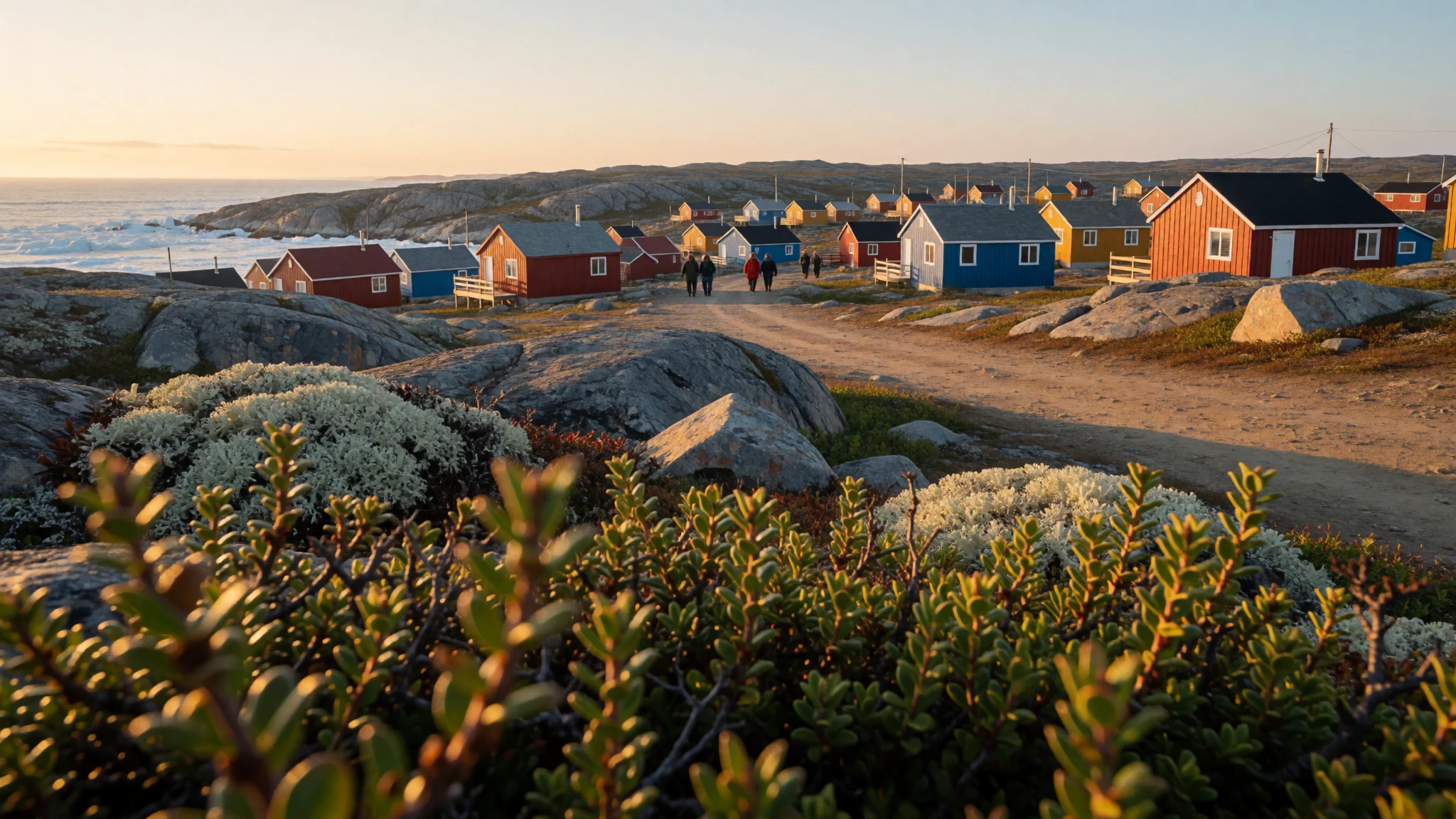
Pond Inlet is a small Inuit hamlet on Baffin Island's north coast where sea ice, narwhal and mountains meet beyond any road.
The place
Pond Inlet is a hamlet in Nunavut, Canada, home to 1,555 people and standing just 55 metres above sea level. It lies on the northern tip of Baffin Island, facing Eclipse Sound, with the glaciated mountains of Bylot Island across the water. No road reaches it. People, mail and most food arrive by air, or by ship during the short open-water season.
The settlement itself is low and practical: painted houses on stilts or gravel pads, snowmobiles and all-terrain vehicles by the doors, sled dogs on chains, a school, a couple of shops and an airstrip that works as the town's lifeline. Most residents are Inuit, and Inuktitut is the everyday language.
The year follows the ice. In winter the sound is frozen and dark for long spells, and travel is by snowmobile across the sea. Spring brings returning light and the floe edge, where solid ice meets open water and animals gather. Summer has near-constant daylight, broken ice and boats on the water; autumn is brief and cold.
Pond Inlet is not a resort, and it is worth being honest about that. Accommodation is limited, supplies are flown in so costs run high, and weather can ground planes for days. Mobile coverage and services are modest, and nearly everything worth doing depends on local guides who read the ice and the weather. The reward is quiet scale: wide skies, very clear air, and a chance to see Arctic wildlife in a place where people still hunt, fish and travel across the land as a normal part of life.
Its story
Pond Inlet has been home to Inuit and their ancestors for a very long time, and the Inuktitut name for the community is Mittimatalik. People came to this coast because the sea provided: narwhal, seals, whales, Arctic char and seabirds, with caribou and other land animals nearby. Seasonal camps followed the animals and the ice, and knowledge of weather, snow and sea passed between generations by teaching and practice rather than by maps.
Outsiders arrived by sea. British naval explorers charted the inlet and gave it the English name it carries today, and later whalers worked these waters, trading with Inuit and changing local life. Trading posts, missions and police followed, and over time families who had moved between camps began living year-round in a settlement beside the water.
The shift to permanent communities brought schools, health care and a cash economy, and it also brought loss: children taught away from the land, new diseases, pressure on language and hunting. Inuit leaders campaigned for self-government, and the creation of Nunavut as a territory, with Inuit as most of its population, was the result. Pond Inlet today sits inside that political history.
Hunting remains central, though it now relies on rifles, snowmobiles and outboard boats alongside older skills. Local people also take part in managing wildlife and visitors, including in the nearby national park. The story of the place is not a closed chapter; it continues in town meetings, hunting trips and the classrooms where Inuktitut is taught.
What to see
- The floe edge — Sea ice on Eclipse Sound, with a local guide
The floe edge, where fast ice ends and open water begins, is the focus of many spring trips from Pond Inlet. Local guides take visitors out by snowmobile towing a qamutik (sled) in season. Narwhal, seals, seabirds and sometimes polar bears gather at the water. The edge shifts with wind and ice, so only a guide can judge where it is safe.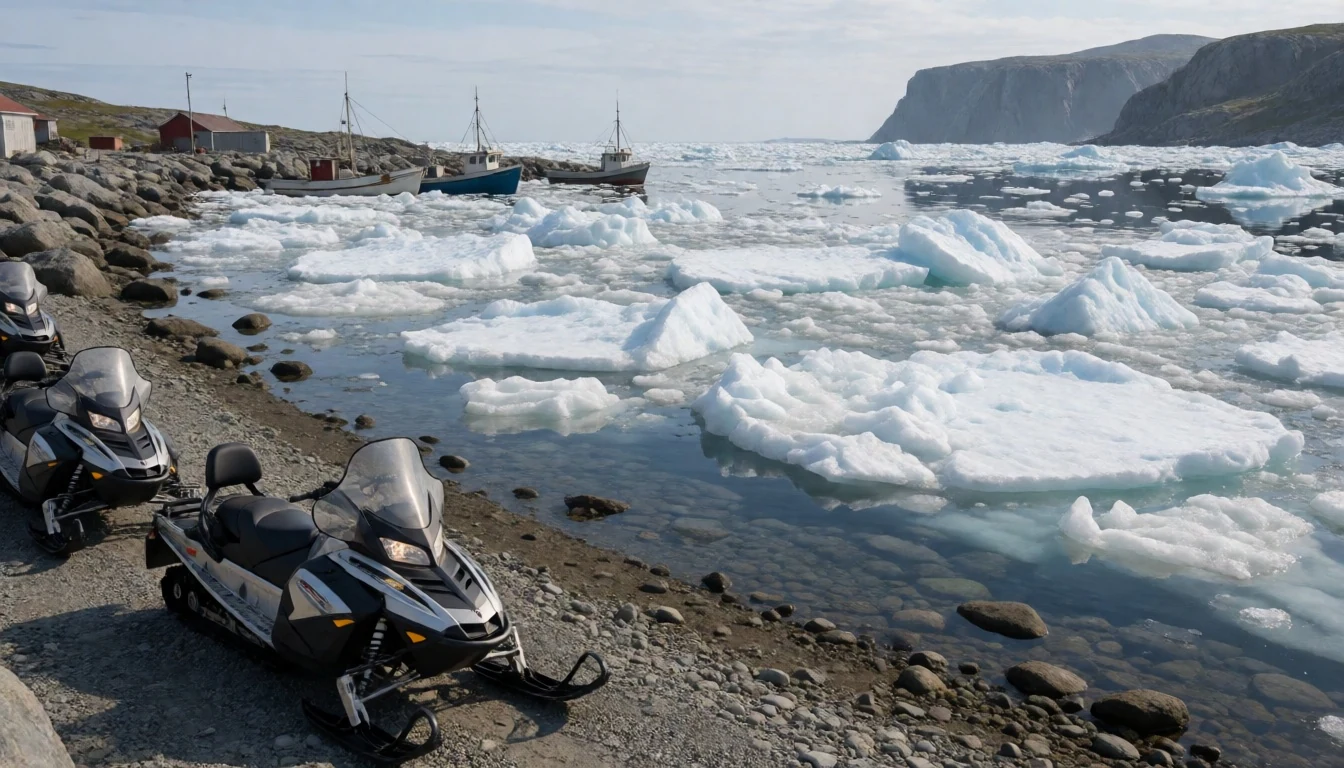
- Eclipse Sound and Bylot Island — Shoreline and sound off the hamlet
Eclipse Sound lies in front of Pond Inlet, with the glaciated peaks of Bylot Island rising across the water. The view changes hourly with light and cloud. In summer, local operators run boat trips to look for narwhal, other whales and seabird cliffs, and conditions decide each day's plan. Spring offers the same panorama over white ice.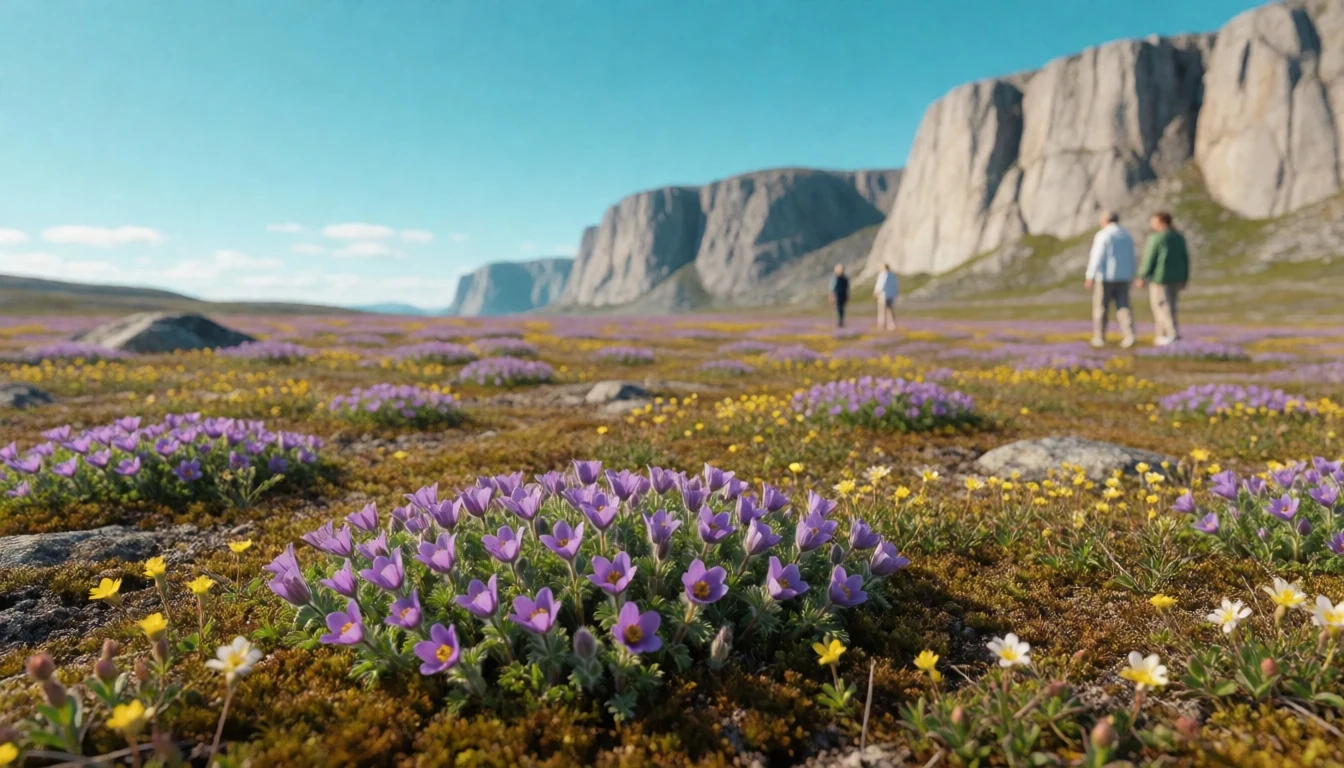
- Sirmilik National Park — Across Eclipse Sound from the hamlet
Sirmilik National Park covers Bylot Island and nearby coast and fjords, reached mostly by boat in summer or snowmobile in spring. Cliffs hold large seabird colonies, and polar bears live in the area, so independent wandering is not realistic. Visits need advance planning with the park authority and a local outfitter; check the official Parks Canada site for current rules.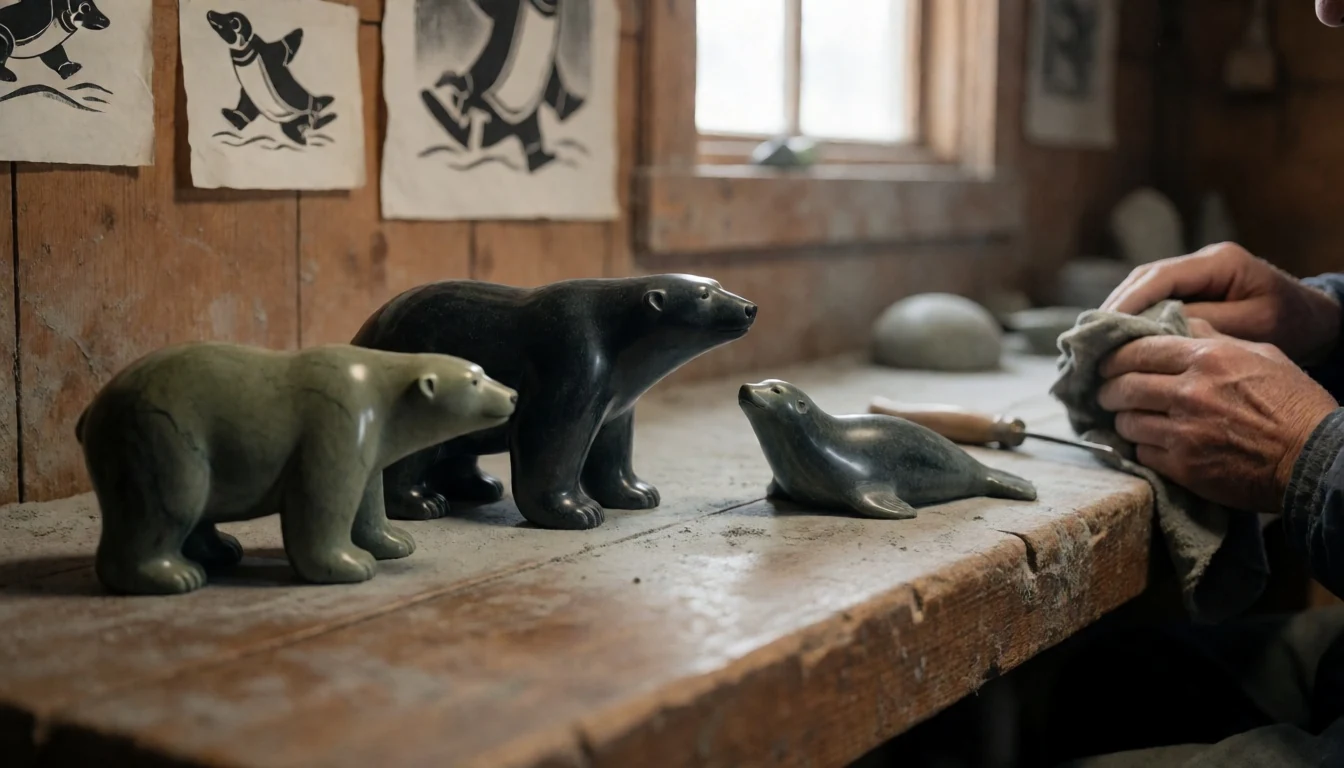
- Nattinnak Visitor Centre — In the hamlet
The Nattinnak Visitor Centre in Pond Inlet is a sensible first stop for exhibits on Inuit life, local history and the Arctic environment, and for arranging guides. Opening times change with the season, so check locally. Staff can explain what is realistic given the ice, the weather and the flights.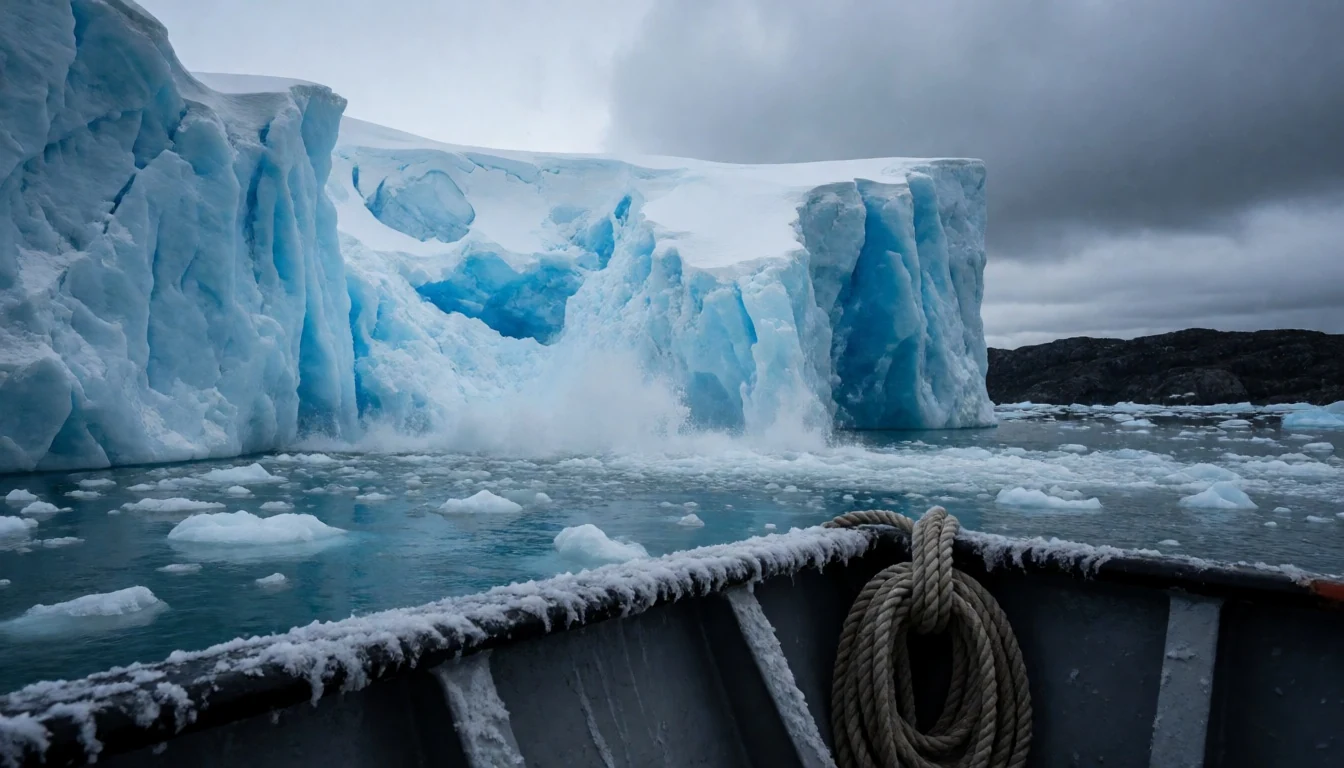
- The shoreline and local crafts — Waterfront and community outlets in the hamlet
A slow walk along the Pond Inlet shoreline shows daily life: boats and sleds drawn up on the beach, hunters preparing gear, children on bikes in the long summer light. Local artists sell carvings and sewn goods, often through community outlets; buy directly, and ask before photographing anyone.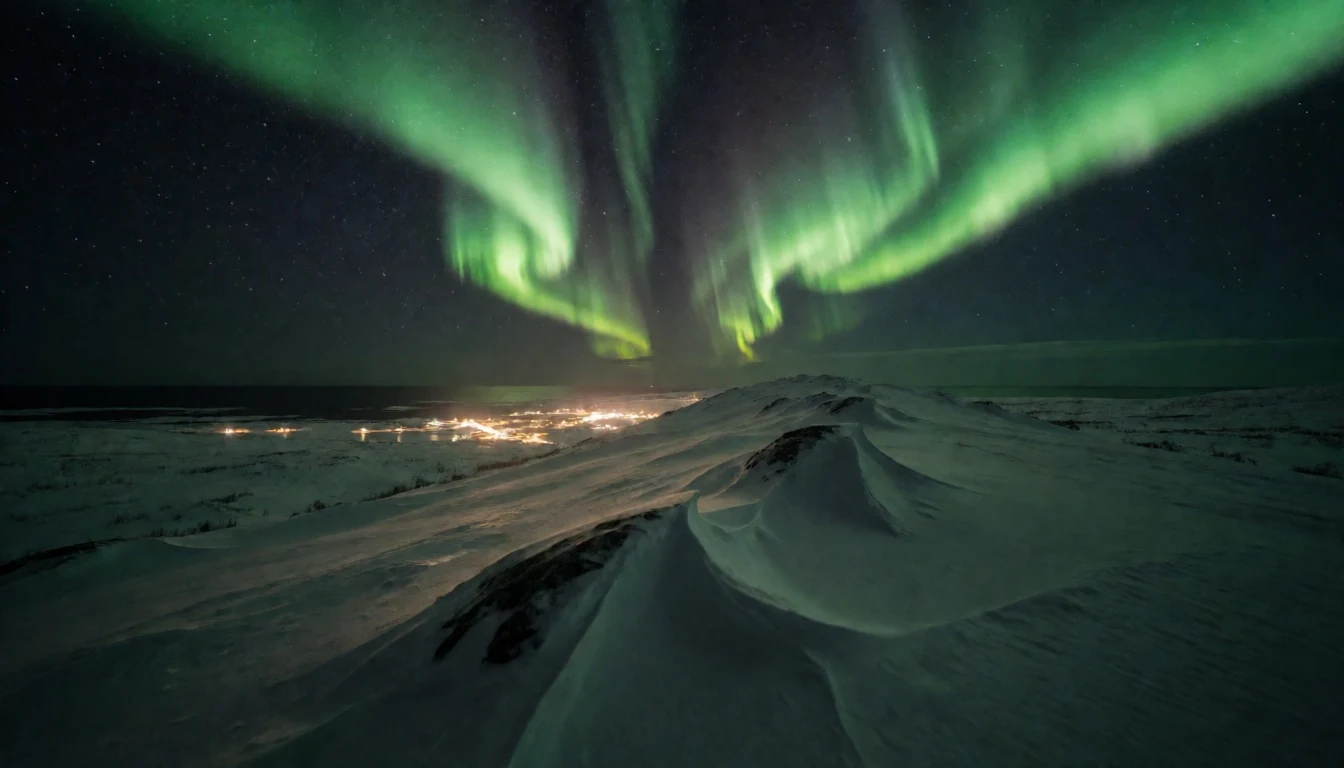
Culture
Pond Inlet is an Inuit community, and the culture visitors meet is lived rather than staged. Inuktitut is the first language for many residents, English is used with visitors, and signs and school lessons mix both. Hunting and fishing remain part of family life: seal, Arctic char, caribou and narwhal feed households, and skins, sinew and bone still become clothing, tools and carvings. Sharing food across families and the wider hamlet is an everyday habit, not a favour. Traditional arts include soapstone and bone carving, sewing, printmaking, drum dancing and throat singing, a vocal game often performed by two women facing each other. Community feasts, games and festivals take place in spring and summer; some welcome visitors, but they are for the town first. Conversation tends to be unhurried, and silence is comfortable, so rushing or talking over others stands out. Plans bend to weather, ice and animals, and patience is read as respect. Colonial-era policies disrupted Inuit life, and many people speak openly about it when the subject comes up naturally. Ask a guide or the person concerned before photographing people, hunters, drying meat or sled dogs, and never pick up bones, skins or carvings from the land as souvenirs.
What to wear
Traditional dress in Pond Inlet was built for survival on sea ice. Caribou skin made warm parkas and trousers, worn in layers with the fur turned inward and outward; sealskin made waterproof boots called kamiit, and mittens were lined with fur. Women's parkas, called amauti, have a large hood and a pouch for carrying a baby against the back. Skins were softened and sewn with sinew, and trim, beadwork and embroidered panels could mark family or place. These garments still appear for hunting, ceremonies, festivals and photographs, and some seamstresses sell sewn goods.
Daily wear now is practical southern clothing: down jackets, insulated boots, fleece, snow pants, hoodies and caps, often with a sealskin trim or hand-sewn mitts. Style is casual, and bright colours stand out against the snow.
Visitors should dress for cold and wind first. In spring, bring thermal base layers, an insulated windproof parka, snow pants, warm mitts under shells, boots rated for deep cold, a face covering and sunglasses against snow glare. Summer is still cool, so pack waterproofs, a warm hat, sturdy boots for gravel and tundra, and a head net for mosquitoes. There is no strict dress code, but plain, modest clothes suit community events and church visits.
What to eat
- Arctic char — Community feasts and local homes; ask a guide or the visitor centre
Arctic char is a staple fish, eaten raw and frozen, boiled, dried or pan-fried. In Pond Inlet it appears at community feasts and in family kitchens when local fishers have a catch, so ask a guide or the visitor centre about tasting some.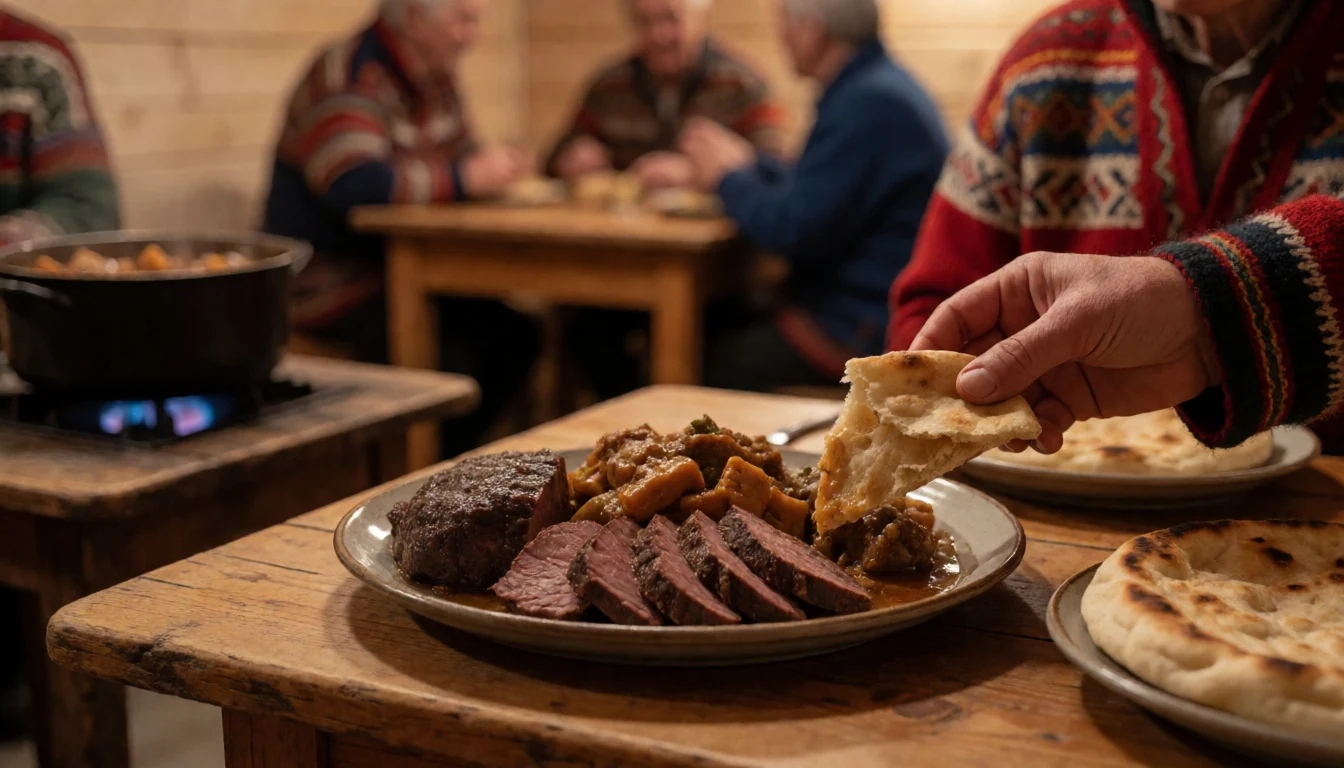
- Maktaaq (muktuk) — Community feasts and hunters' camps
Maktaaq, often called muktuk, is narwhal or whale skin with a thin layer of blubber, eaten raw, boiled or fried. It has a firm, nutty chew. It is shared at feasts and by hunters; accept a piece with thanks, or decline politely.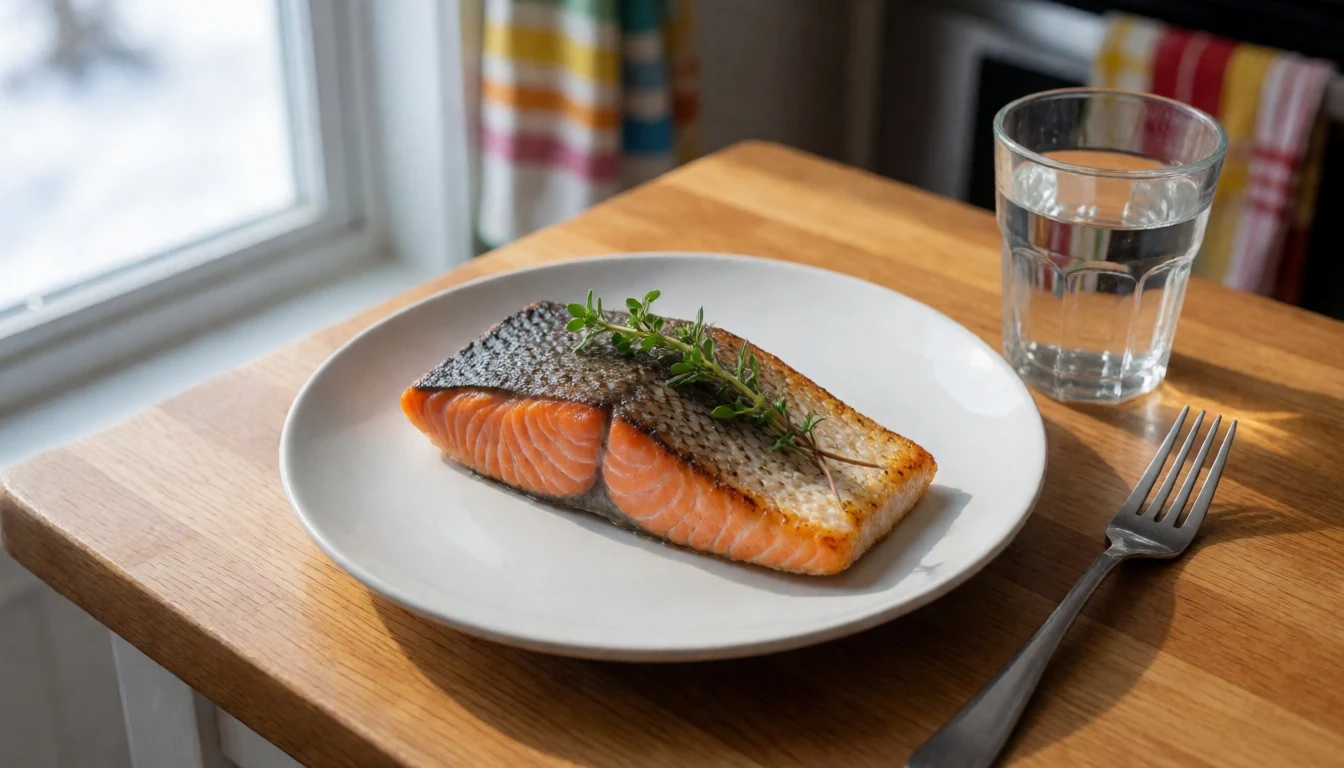
- Caribou — Community feasts and guided-trip camp meals
Caribou meat is cooked as stews or roasts, dried into strips, or eaten frozen or raw in some homes. Visitors are most likely to taste it at a community feast or a guide's camp meal rather than on a menu, since supply depends on hunting and sharing. - Ringed seal — Hunting camps and community feasts
Ringed seal is a long-standing staple of Inuit households, eaten boiled, raw or dried, with a rich, strong flavour. It is shared at camps and community feasts, and visitors usually meet it through guides or invitations rather than shops or menus. - Bannock — Community gatherings and guided-trip lunches
Bannock is a dense bread, fried or baked, that arrived through trade and now sits beside tea and stews across the Arctic. In Pond Inlet it turns up at gatherings and in packed lunches on guided trips, best eaten still warm.
Plan it
Best time. Late May–June for the floe edge, with long daylight and the sea still frozen; July–August for open water, boat trips and the mildest weather, though mosquitoes appear. Winter is dark, very cold and best left to experienced Arctic travellers.
How long. 4–6
Getting there. There is no road or ferry link. Take scheduled northern flights, usually routed through Iqaluit with Ottawa or Montréal as southern gateways, to Pond Inlet's airstrip; check schedules with the airline. The last leg is a short transfer or walk into the hamlet.
Budget. high
Tips
- Book flights, guides and accommodation many months ahead, as capacity is small
- Allow spare days, because weather can delay or cancel flights and trips
- Costs run high because supplies are flown in, so bring snacks and essentials from the south
- Carry some cash as a backup, since card machines and connections can fail
- Do not leave the hamlet without a local guide, because polar bears and unstable ice are real risks
Etiquette
- Ask before photographing people, hunters, sled dogs or drying meat
- Buy carvings and sewn goods directly from artists, and do not take bones or skins from the land
- Follow your guide's instructions on wildlife distances and ice
Nearby
Sources
- Wikidata Q1017702 (CC0)
- Wikipedia — Pond Inlet (CC BY-SA 4.0)
- Wikivoyage — Pond Inlet (CC BY-SA 4.0)
Wildlife
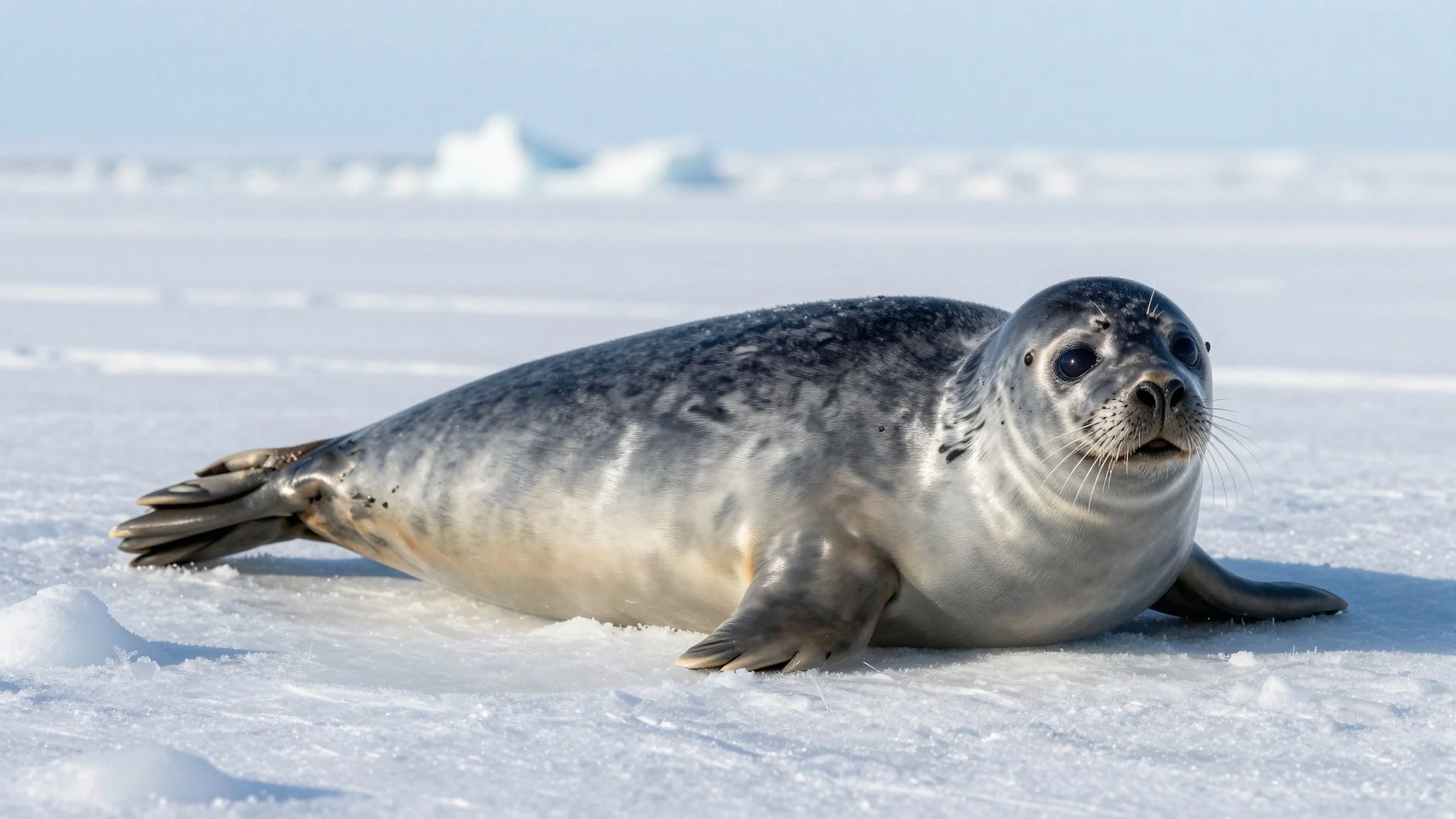
- Ringed seal (animal)
The ringed seal is a small seal with no ear flaps, and its coat is dotted with dark spots, each one circled by a pale grey ring. It lives in Arctic and sub-Arctic regions, and seals have long mattered to the people of this part of the world, whose way of life followed their movements. Exactly where and when to find one around Pond Inlet is best asked of local guides. Watch from a respectful distance, keep quiet, go with a guide, and never feed it.