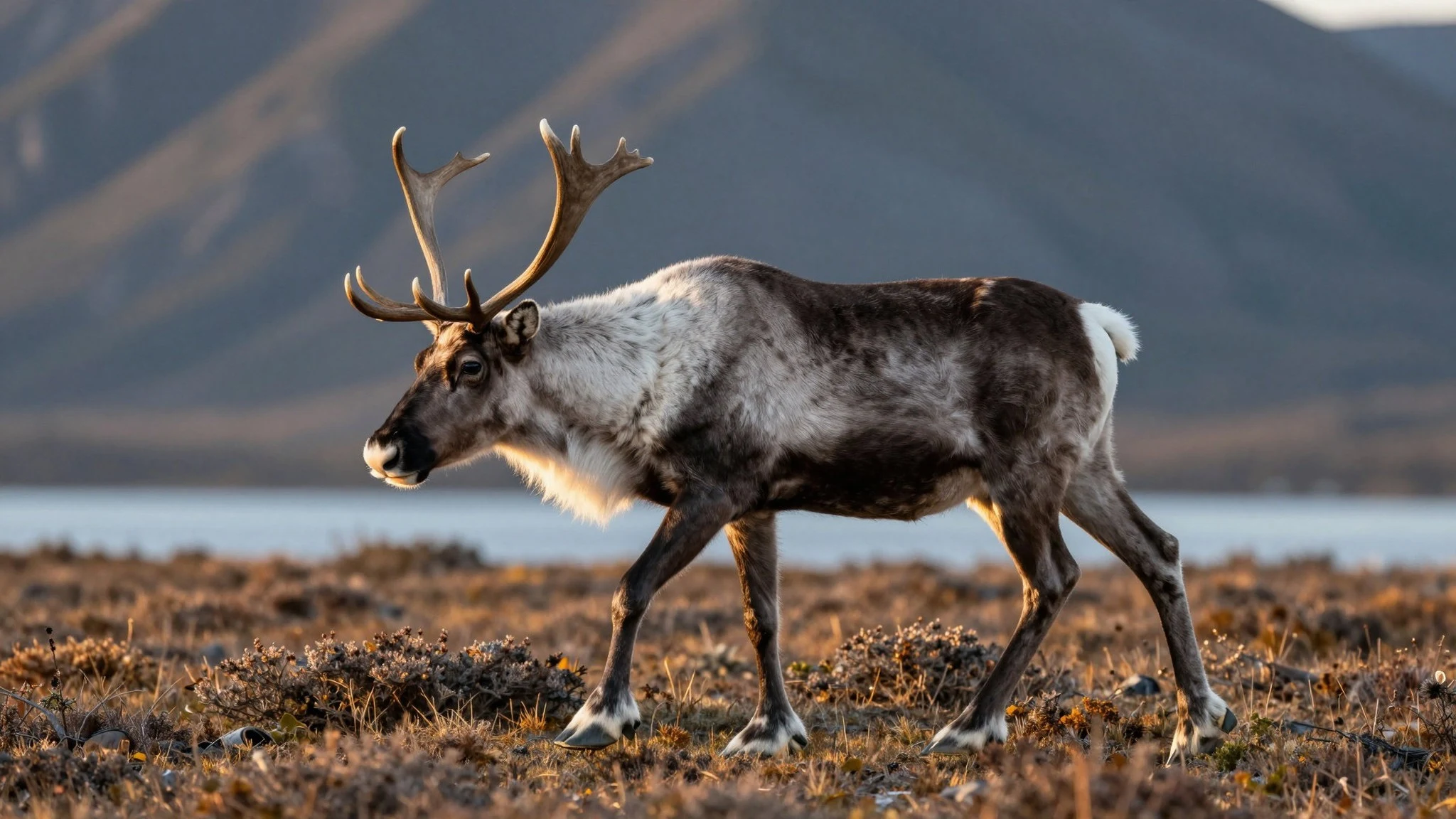
Pangnirtung
Pangnirtung, Canada
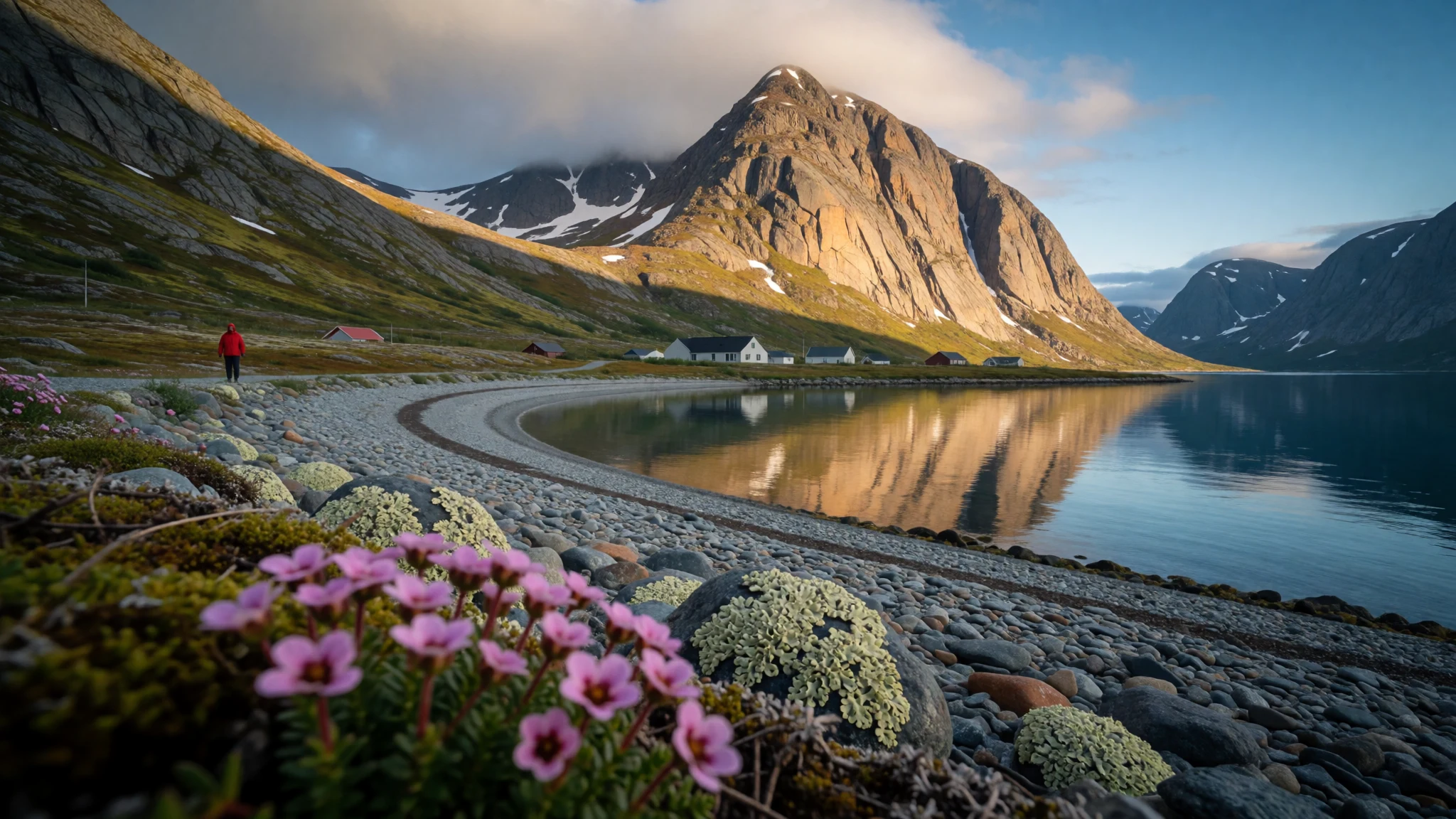
Pangnirtung is a small Inuit hamlet at the head of an Arctic fiord, with tapestry studios in town and wild mountain hiking just beyond.
The place
Pangnirtung, called Pang by almost everyone and written Pangniqtuuq (ᐸᖕᓂᖅᑑᖅ) in Inuktitut syllabics, is an Inuit hamlet on Baffin Island in the Canadian territory of Nunavut. Its name means the place of the bull caribou. About 1,504 people live here, on a low coastal plain only 23 metres above sea level, with steep mountains standing close behind the houses. The hamlet sits beside Pangnirtung Fiord, a long inlet that eventually opens into Cumberland Sound. It lies around 45 km south of the Arctic Circle, so summer brings very long daylight and winter brings long darkness, while the North Pole is still some 2,700 km away. The climate is tundra: summers are short and cool, and winters are cold and last for most of the year. No road links Pangnirtung to any other community, so everything, from passengers to groceries, arrives by air or, in the open-water season, by sea. That isolation shapes daily life. The settlement is small enough to cross on foot in minutes, with a supermarket, a school, an arena, a park office and an arts centre as its main landmarks. Inuktitut is heard everywhere, and the town's identity rests on hunting traditions, northern weather and a strong craft economy. Pangnirtung is also the usual starting point for Auyuittuq National Park, which lies beyond the fiord. Travellers should come expecting a working community rather than a resort: services are limited, imported goods cost more because of the distance, and plans bend to the weather.
Its story
Pangnirtung has been home to Inuit and their ancestors for a very long time, perhaps as much as 4,000 years. Those communities built a way of life suited to a hard climate, following caribou on land and sea animals along the fiord and the sound. Sustained contact with the south began only in the twentieth century. A Hudson's Bay Company trading post opened in 1921, and two years later the Royal Canadian Mounted Police set up a permanent post of their own. Those two institutions turned a seasonal gathering place into a settled outpost where families increasingly stayed close to trade and policing. The old blubber station on the shore is a surviving trace of that commercial era. Formal schooling began in 1956, when a teacher sent by the government took up a post, and an administrative office opened in 1962. These changes brought schools and local government to a place that had run on family networks and seasonal camps. Another turning point came in 1970, when the government opened a weaving studio. Local weavers trained there, and their tapestries now sell well beyond the Arctic. Printmaking grew alongside it, as artists adapted their drawing skills into lithographs that could be reproduced and distributed widely, while carvers worked local stone into sculpture. The hamlet's modern reputation therefore rests on art as much as on landscape. Pangnirtung's story is not one of a single founding date but of long continuity, a few decades of rapid change, and a community that steered outside institutions towards its own creative traditions.
What to see
- Uqqurmiut Centre for Arts and Crafts — Centre of the hamlet
The Uqqurmiut Centre is a good place to understand why Pangnirtung is known for making things. It houses a print shop and a tapestry studio, and sells scarves, blankets, paintings and carvings by local artists. The woven pieces on display show how drawings become cloth, and buying here supports the community directly.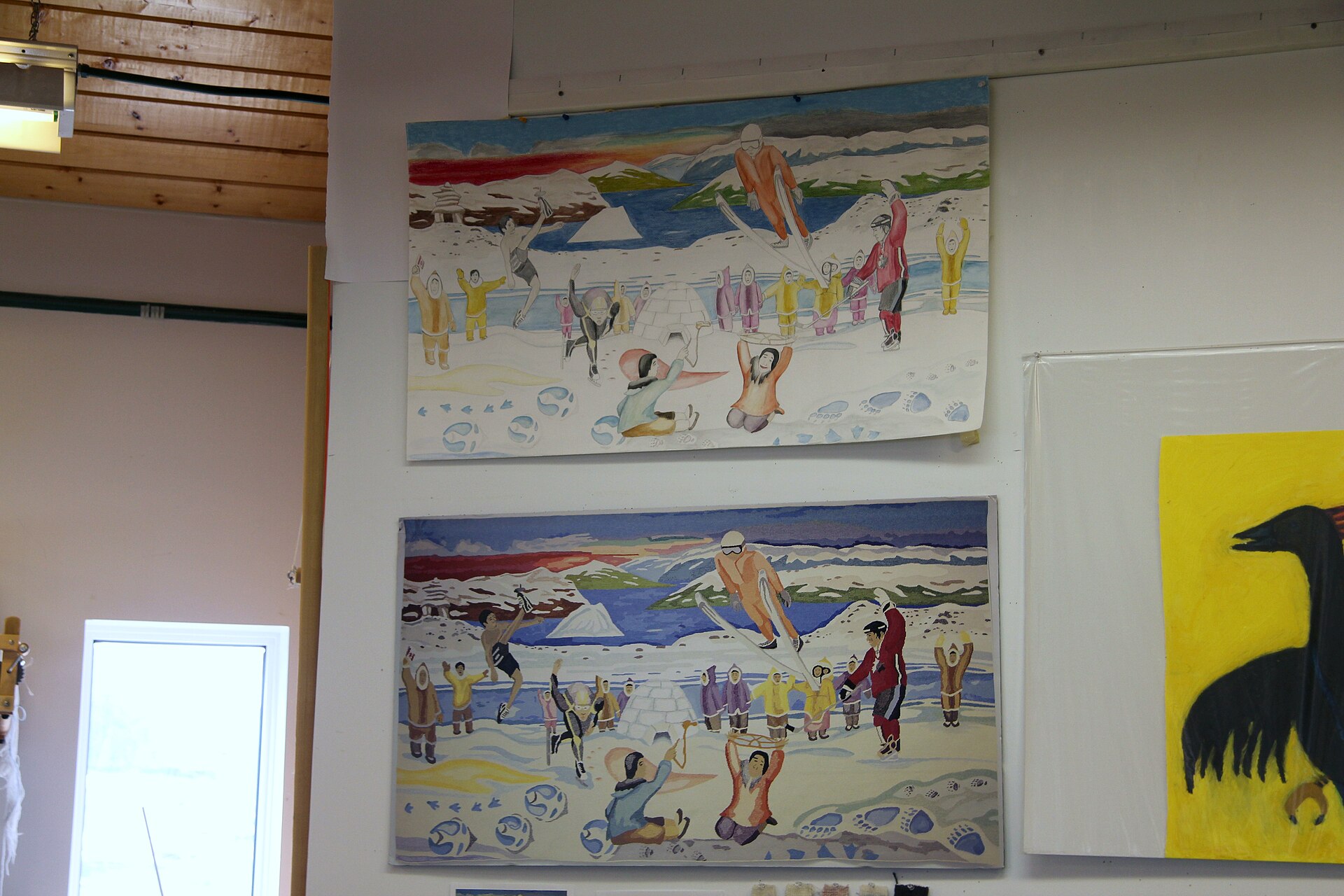
- Ikuvik Trail to Mount Duval — East side of the Duval River, behind the hamlet
The Ikuvik Trail is a day hike beginning on the east side of the Duval River and climbing to the summit of Mount Duval, at 671 m. The ground is rocky and unmarked, so navigation relies on inukshuks, the stone cairns that lead towards a V-shaped gap in the ridgeline. Walkers then choose a steeper direct line or a gentler loop round the south side.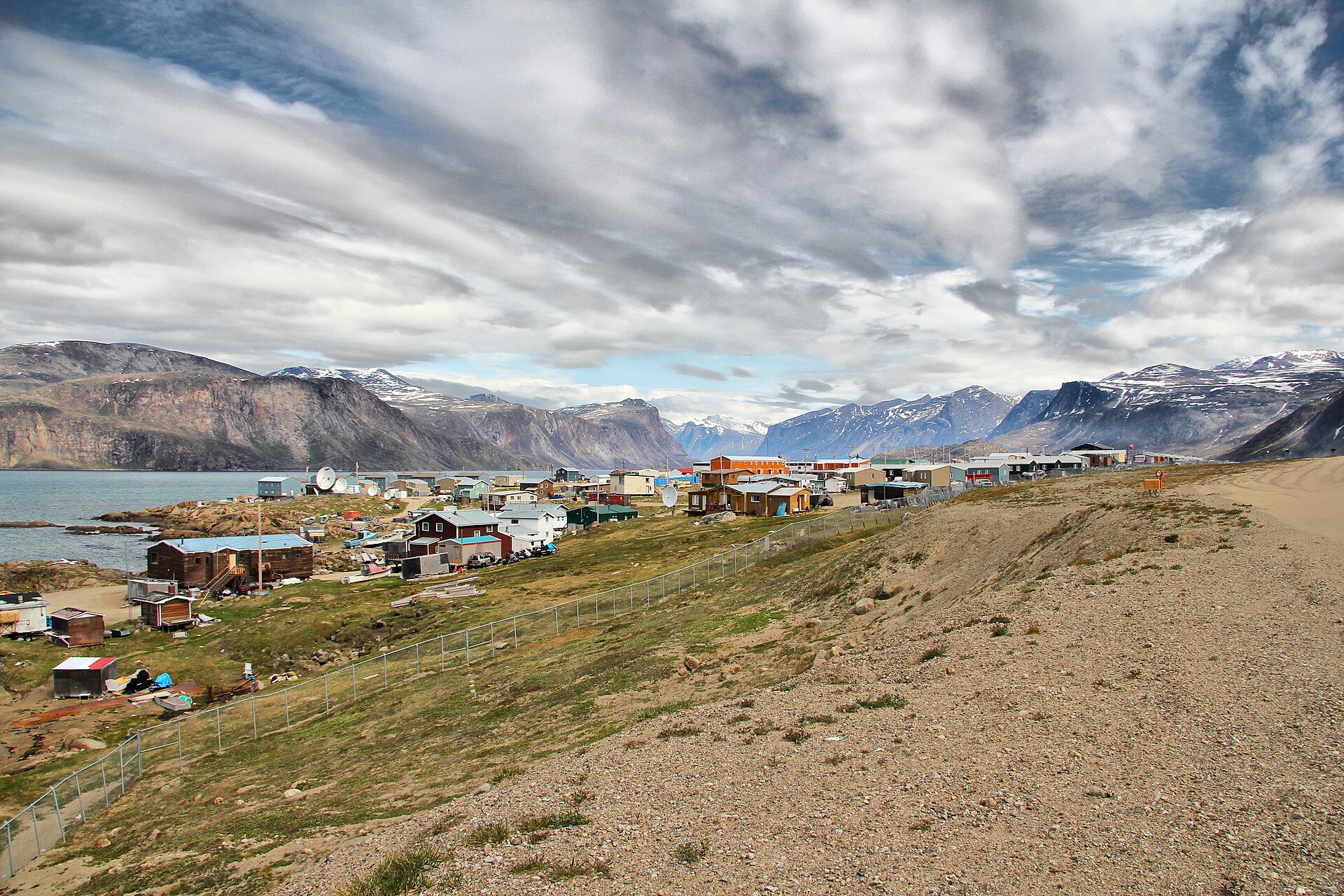
- Ukama Trail — West side of the Duval River
The Ukama Trail runs up the opposite side of the Duval River from the Ikuvik route, covering roughly 5 km to a nameless stream at 300 m. A short, steep climb of about 40 m then leads to a plateau with wide views. From there walkers can head for a small glacier-fed lake or keep climbing towards the peaks around the valley. - Old Hudson's Bay blubber station — Waterfront
The old blubber station stands on the shoreline as a reminder of Pangnirtung's trading years, which began when the Hudson's Bay Company arrived in 1921. The weathered building is an easy walk from the centre of the hamlet and, with the fiord and mountains behind it, makes a natural subject for photographs.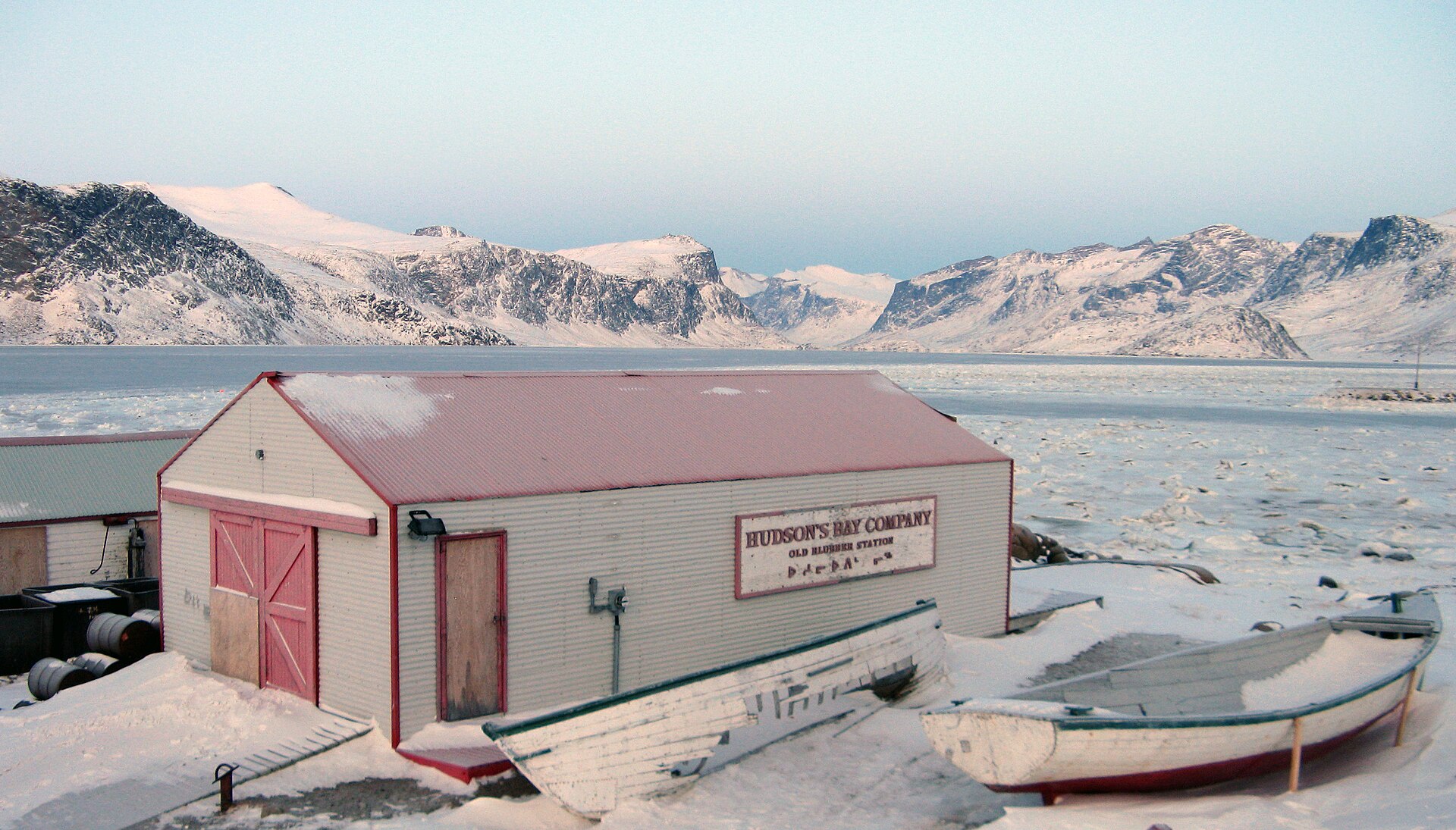
- Auyuittuq National Park office — Hamlet centre
The Auyuittuq National Park office in Pangnirtung is where hikers get park information before heading up the fiord. Anyone planning to enter the park should call in and check Parks Canada's official website for current registration, safety advice and travel arrangements, because conditions in Arctic wilderness change with the season.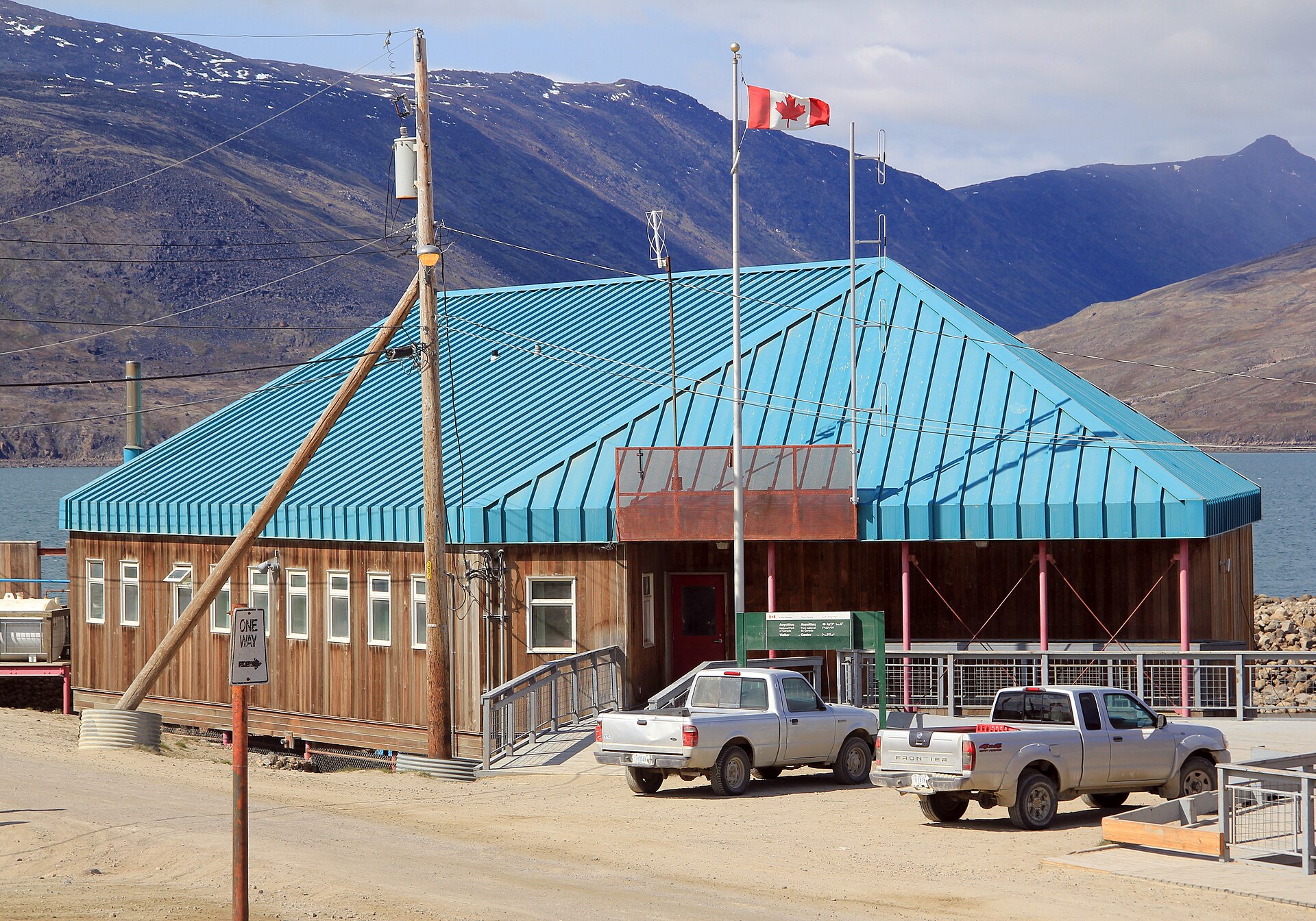
Culture
Pangnirtung is an Inuit community, and Inuktitut is the language of homes and of much public life. The hamlet's culture is carried by hunting, family ties and a long tradition of making: drawing, printing, carving and weaving all grew from skills practised over generations. The place name itself points to the bull caribou, a reminder of how closely life here follows the land. The craft economy is a matter of local pride, and visitors can take part simply by buying work at the Uqqurmiut Centre. Daily rhythms follow weather, light, sea ice and open water more than the clock, so patience is part of travelling here. Pangnirtung is also a dry town, with no alcohol sold, and the ban reaches well beyond the last houses, so it should be treated as a firm local law rather than a suggestion. Hospitality matters, and conversations are often unhurried. On the hills around the hamlet, inukshuks serve as practical route markers as well as cultural symbols. Hunting grounds, camps and cabins around the fiord belong to local families, and respect for that land is the baseline for any visit. Always ask before photographing people, and leave inukshuks, cabins and camps around the fiord exactly as you find them.
What to wear
Pangnirtung's traditional dress was made from the animals of the region. Caribou-skin parkas, sealskin boots called kamiit and fur-lined mittens kept hunters and families warm through the long cold season, and the women's parka, the amauti, has a pouch for carrying a baby. Skin clothing is still made by skilled sewers, and it appears at festivals, community events and on the land. Woven textiles are a newer tradition, developed since the weaving studio opened, and appear as tapestries, scarves and blankets. Day to day, people in Pangnirtung mostly wear modern outdoor clothing: down jackets, hooded sweatshirts, fleece, insulated rubber boots and warm caps, sometimes finished with a sealskin trim or hand-sewn mittens. Dress is practical and casual, and there are no religious dress codes to plan for. Visitors should dress for cold and wind even in summer. Bring layers, starting with a wool or synthetic base, a warm mid-layer and a windproof, waterproof shell, plus a hat, gloves and sunglasses for bright light off the water. Waterproof, sturdy boots matter most, because the hiking terrain is rocky and wet underfoot. A scarf or blanket from the Uqqurmiut Centre doubles as a souvenir and a useful extra layer.
What to eat
- Arctic char — Family kitchens and community gatherings, usually by invitation
Arctic char is a cold-water fish central to northern cooking, eaten fresh, dried, boiled or smoked. Its pink flesh is rich and delicate. Visitors are most likely to taste it when invited to a family table or a community gathering. - Caribou — Family meals and community feasts
Caribou meat has long been a staple here, and the hamlet's name honours the animal. It is often boiled or dried and eaten plainly, with a strong, lean flavour. It is shared within families and communities rather than sold in restaurants. - Muktuk — Community feasts, shared by hosts
Muktuk is whale skin with a layer of blubber, traditionally eaten raw or lightly cooked. It has a chewy texture and a nutty taste, and is valued as a food that sustained hunters. Treat it as a gift if it is offered. - Bannock — Home kitchens and community events
Bannock is a simple, dense bread, baked or fried, that became a northern staple. It goes with soups, stews and fish, and is easy to carry on hikes. Home versions vary from family to family. - Northern Store food court — The Northern Store supermarket
The only public eating place in town is the food court inside the Northern Store supermarket, with fast-food counters. It is convenient and practical rather than local cooking. Many visitors bring extra food, especially if hiking or camping.
Plan it
Best time. July–August, when the short, cool summer is the most workable season for hiking and moving around the fiord. Winters are long and cold and last through most of the year, so go then only if you are equipped and prepared for deep cold and short days.
How long. 3–5
Getting there. Fly to Iqaluit and take a connecting scheduled flight to Pangnirtung, since no road links the hamlet to other communities. Check airline websites for current routes and schedules. Once there, the hamlet is walkable, with trailheads close by.
Budget. high
Tips
- Book flights and accommodation well ahead, as services are limited
- Bring food and supplies for hiking, because the only public eatery is a supermarket food court
- Alcohol is banned in town and within 25 km, so do not bring any
- The official camp site near the mouth of the Duval River has no facilities, so carry everything you need
- Check Parks Canada's website and the park office before entering Auyuittuq National Park
Etiquette
- Ask before photographing people, homes or hunting gear
- Leave inukshuks, cabins and camps as you find them
- Respect the alcohol ban
Nearby
Sources
- Wikidata Q631747 (CC0)
- Wikipedia: Pangnirtung (rev 1377351702) (CC BY-SA 4.0)
- Wikivoyage: Pangnirtung (rev 5413835) (CC BY-SA 4.0)
- Panorama view of Pangnirtung Fiord, Slp1 (CC BY 3.0)
- Maktak Fiord, Ansgar Walk (CC BY-SA 2.5)
- Old Hudson's Bay Blubber station at Pangnirtung, Slp1 (CC BY 3.0)
- Auyuittuq National Park Office, Timkal (CC BY 3.0)
- Tapestries at the Uqqurmiut Centre for Arts & Crafts, Timkal (CC BY 3.0)
- Gorgeous view of Pangnirtung and the mountains, Timkal (CC BY 3.0)
- Plane buzzes Pangnirtung, Lindsay Nicole Terry (CC BY 2.5)
- "Mack", R.C.M.P. mascot, Pangnirtung, Joseph Dewey Soper (CC BY-SA 4.0)


Wildlife
- Caribou (animal)
The caribou is a wild deer of the cold north, the very same animal that people in other lands call reindeer. Pangnirtung's own name nods to its bulls, so this deer is woven into the story of the town. To watch well, go with a local guide, keep a generous distance, and stay quiet and still so the animal is not disturbed. Never feed it; a wild caribou should stay wild, and you will be rewarded with calmer, more natural moments.