Padma Bridge
Padma Bridge, Bangladesh
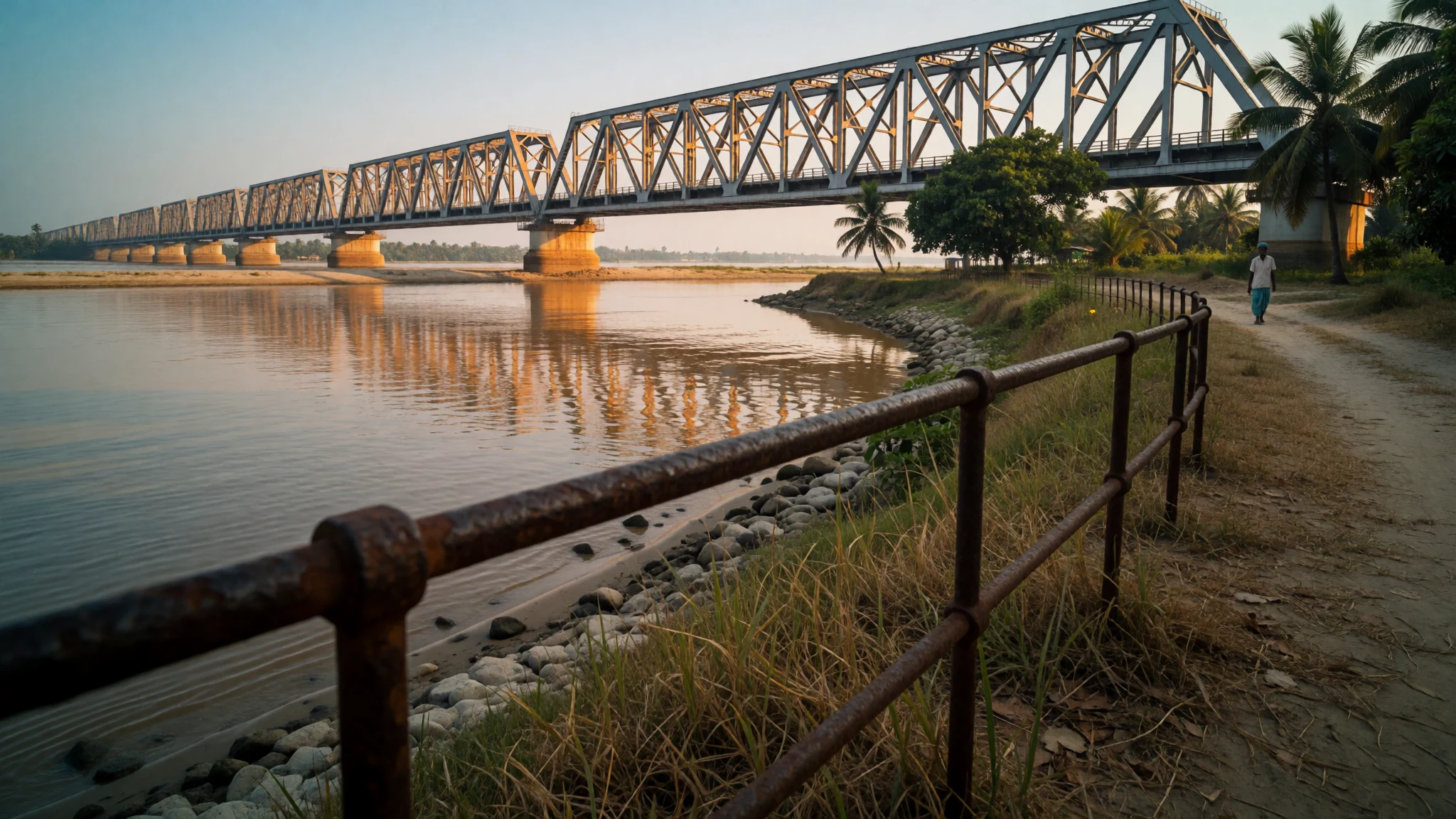
Padma Bridge is a long steel road-and-rail span over a vast Bangladeshi river, and it has changed how the southwest reaches Dhaka.
The place
Padma Bridge carries traffic over the Padma River, the principal channel of the Ganges within Bangladesh, on a stretch where the water spreads wide, shifts its banks from season to season and long defeated every plan for a fixed crossing. The structure is a steel truss with two decks: a four-lane highway on top and a single-track railway below. It runs for 6.15 km in 41 spans, so from a distance it reads as a long, low line on the horizon rather than a tall landmark. On the north bank it meets Munshiganj district at Mawa; on the south bank it lands in Shariatpur, near Janjira, with a small stretch touching Madaripur. Before it opened in 2022, vehicles queued for ferries here, and the crossing could be held up by fog or rough water. The bridge now ties the south-western part of the country to Dhaka and the north and east, linking 13 districts, many of them with above-average poverty. Around the approaches there are new service areas and a growing number of snack stalls, and planners have marked out economic zones across the region. For a visitor the place is less a sightseeing destination than a working piece of national infrastructure that people also come to look at. Weekends and holidays bring families from Dhaka for photographs and river air, so the two ends can be busy and noisy. Much of the pleasure is in the river itself: wide, brown, and busy with cargo boats and fishing craft.
Its story
Padma Bridge began life as a line in a survey report. In 1971 a Japanese team studying a road from Dhaka towards Faridpur suggested that the route would eventually need a bridge over the Padma. After independence the country's first president announced one, but the idea faded in the political upheavals that followed. It returned in the late 1990s as a costed proposal for a shorter, narrower structure with a timetable that proved wildly optimistic. A foundation stone was laid early in the next decade, yet a change of government after an election shelved the scheme again. It was taken up once more in the later 2000s, and contractors were invited to pre-qualify in the years after that. Construction then met the river's real difficulties. The bed is soft, shifting sediment, so piles had to be driven down to 127 m, and the width and depth of the channel shaped every engineering decision. Funding became a political argument of its own, and in the end Bangladesh paid largely from its own budget. The bridge opened in June 2022 with a public ceremony that included a flypast by the air force. Many Bangladeshis describe it as proof that the country could finish what had been debated for decades, and the road and rail decks now carry that argument across the water every day.
What to see
- The Mawa bank, Munshiganj — Louhajang, Munshiganj
The northern landing at Mawa in Munshiganj is where most day visitors begin. Open ground, tea stalls and a paved approach give a long view of the truss marching across the river. Weekend afternoons draw big family crowds; early morning is quieter, with mist on the water and fishing boats heading out.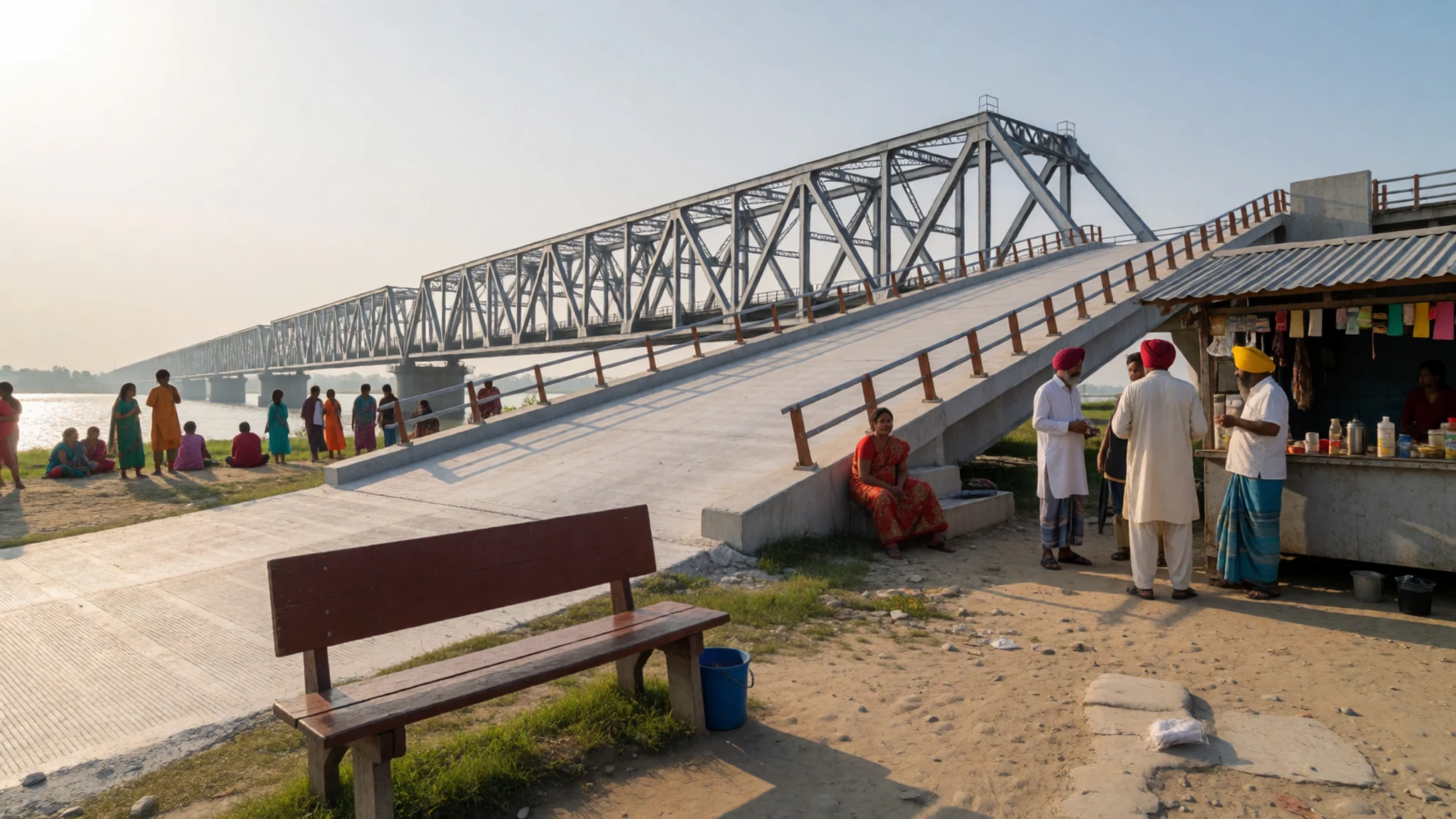
- The Janjira bank, Shariatpur — Zazira, Shariatpur
On the Shariatpur side the Janjira bank is calmer and more rural, with villages, fields and boat landings close to the southern end of the bridge. It is a good place to see how the river reworks its shoreline and how local trades adjust to the new traffic. Facilities are thinner, so carry water.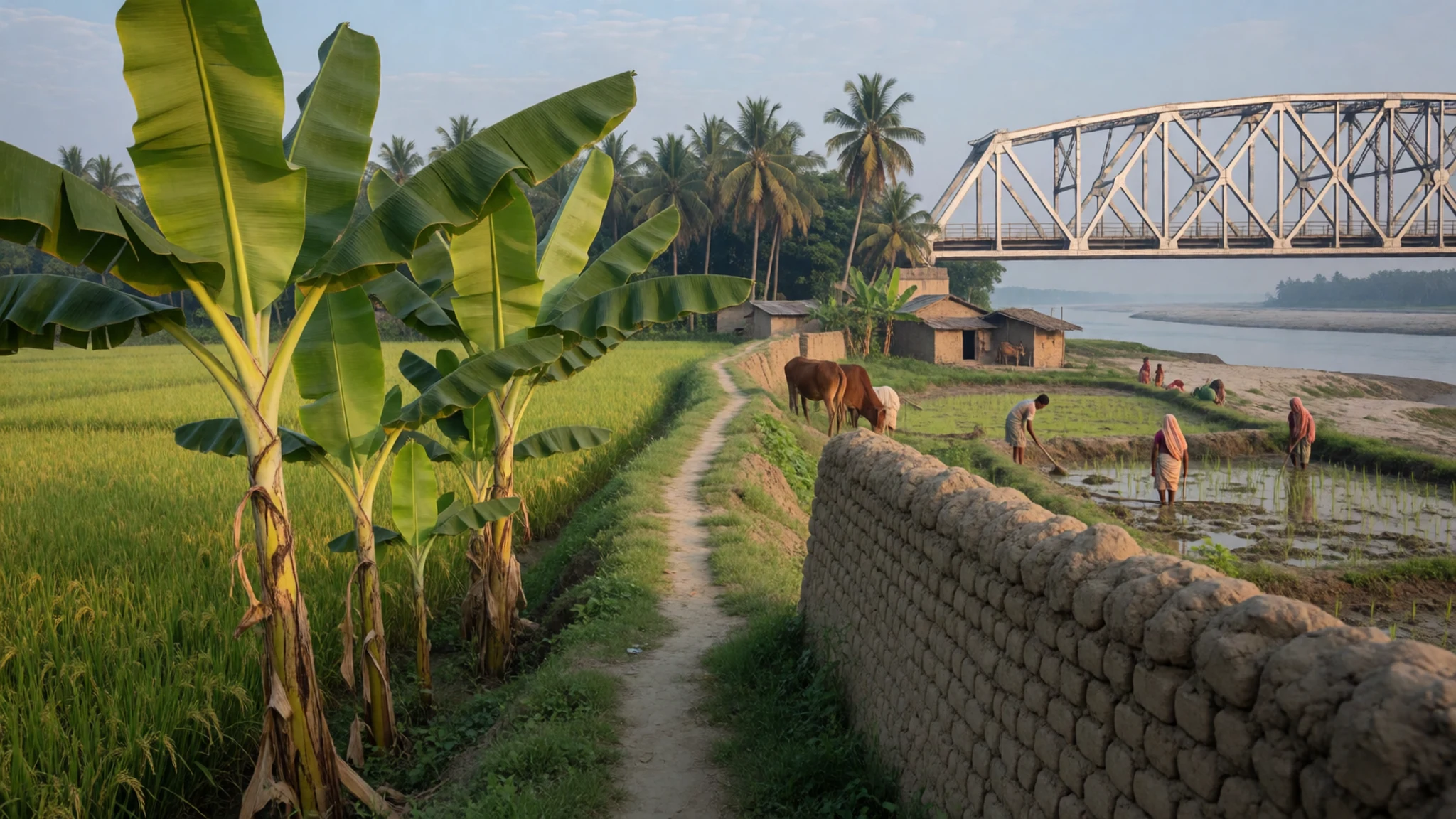
- Crossing the upper deck — Dhaka–southwest highway
Simply travelling over the four-lane highway, by car or long-distance bus, is a sight in itself. The road runs level above the water for several minutes, with the steel framework flashing past the window and sandbars and boats far below. A window seat and a clear, dry morning make the most of it.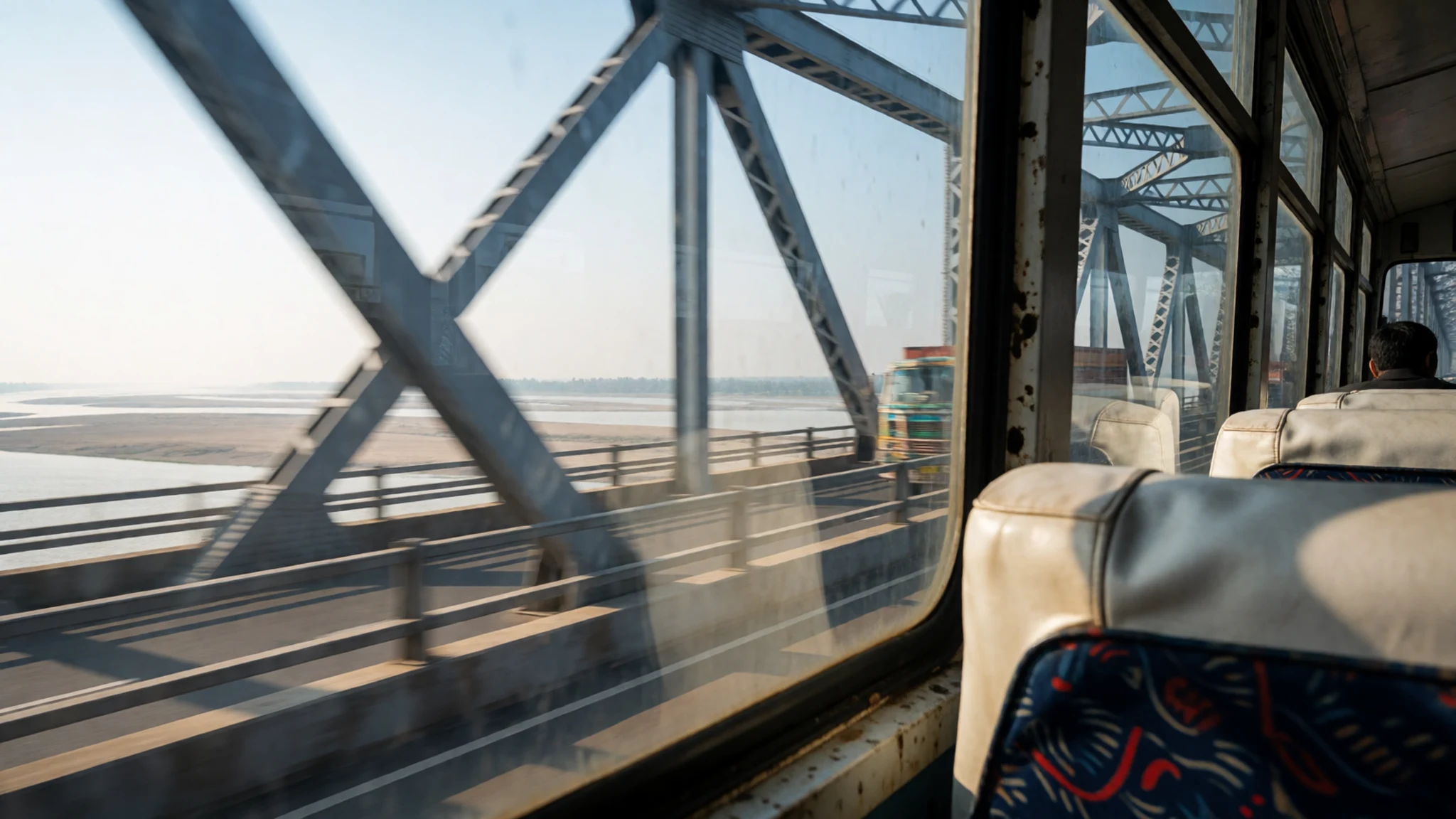
- The railway deck — Lower deck, Munshiganj to Shariatpur
The lower deck carries a single-track railway, intended to bring trains between Dhaka and the south-west. Travelling across by train shows the structure from inside the truss, quieter than the road above. Service patterns have changed since opening, so check Bangladesh Railway for current runs before building a plan around one.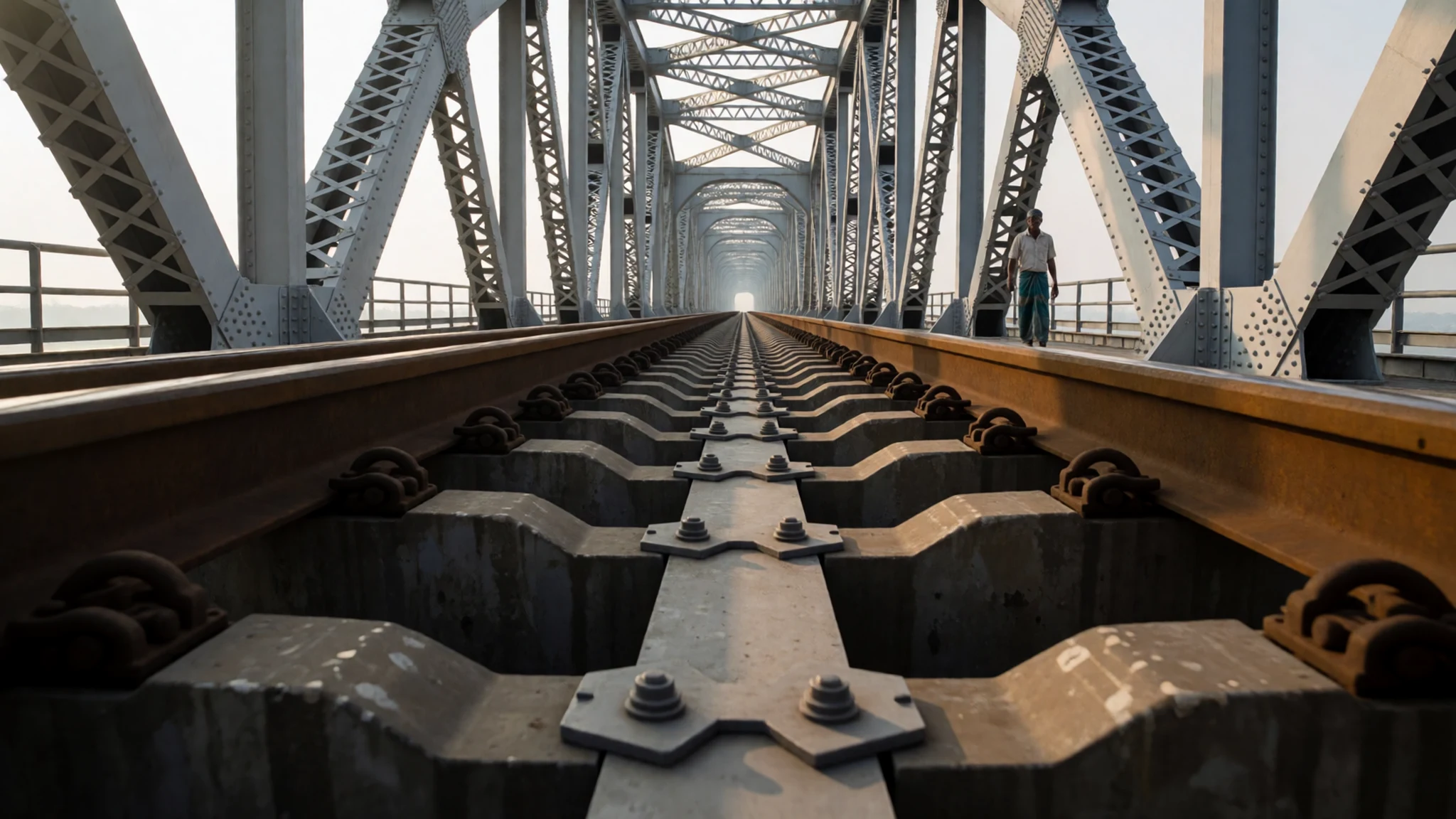
- A short river boat ride — Mawa landings, Munshiganj
Small boats leave the landings near Mawa for short rides that show the bridge from water level, where its scale makes more sense. Agree the route and duration before boarding, use a life jacket if one is offered, and skip choppy monsoon days when the Padma runs high and fast.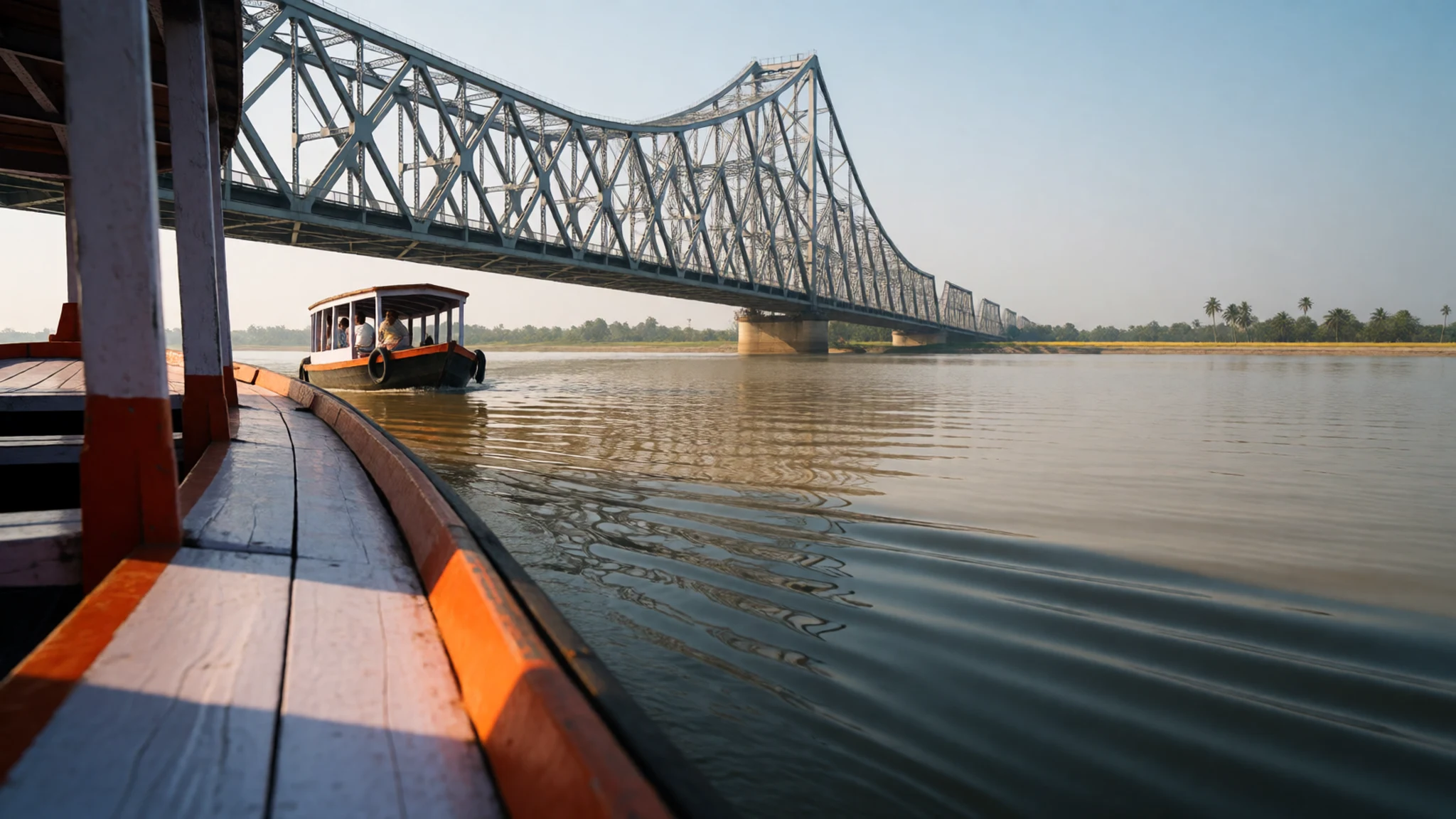
Culture
Padma Bridge matters in Bangladesh as much for what it says as for what it carries. For generations the Padma divided the south-west from the capital, and crossing it meant ferries, queues and uncertainty. The bridge is therefore spoken of as a national achievement, and families treat a drive over it as an outing. Visitors will notice selfies, picnics on the approach roads and a festive mood around Eid and public holidays. Rivers shape life far beyond the bridge. Bengali culture is full of boatmen's songs, known as bhatiyali, of river-fish traditions and of stories about floods and vanishing islands. Ferry workers, porters and boat operators who once lived off the crossing have seen their trades change, so conversations at the landings are not always purely celebratory. Bangladesh is a Muslim-majority country with a large Hindu minority, and prayer times mark the day; roadside stops often pause briefly for the call to prayer. People are generally curious and friendly towards foreign visitors, and an offer to share tea is usually meant warmly. Ask before photographing people at the river landings, especially women and families, and check current rules before flying a drone anywhere near the bridge approaches.
What to wear
Around Padma Bridge, as across Bangladesh, traditional dress starts with the sari, worn by women in cotton for daily life and in silk or fine jamdani muslin for weddings and festivals. Jamdani, with its woven patterns, comes from weaving centres near Dhaka. Men in rural areas still wear the lungi, a wrapped cloth, while the panjabi with loose trousers is the usual choice for Friday prayers, Eid and celebrations. Shalwar kameez with a scarf is common for women of all ages. Today most people in towns wear shirts, trousers, jeans or kurtas, and the clothes at a family outing on the bridge approaches are likely to be brightly coloured and casual. Many women cover their heads, and some wear a burqa or hijab. Visitors should dress for heat, humidity and conservative norms. Light cotton or linen, with covered shoulders and knees, is comfortable and respectful. Long sleeves help against sun and mosquitoes. A hat and sunglasses are useful on the open riverbanks, and a light rain jacket is worth carrying in the monsoon months. Choose sturdy sandals or closed shoes with grip, because landings can be muddy, and slip-on footwear makes visiting a mosque or home easier.
What to eat
- Ilish bhaja (fried hilsa) — Riverside fish eateries near the Mawa and Janjira landings
Slices of hilsa, the river fish Bengalis prize above others, fried until crisp outside and soft within. It is bony, so eat slowly with your fingers and plain rice. Fish season and size vary, so ask what is fresh that day.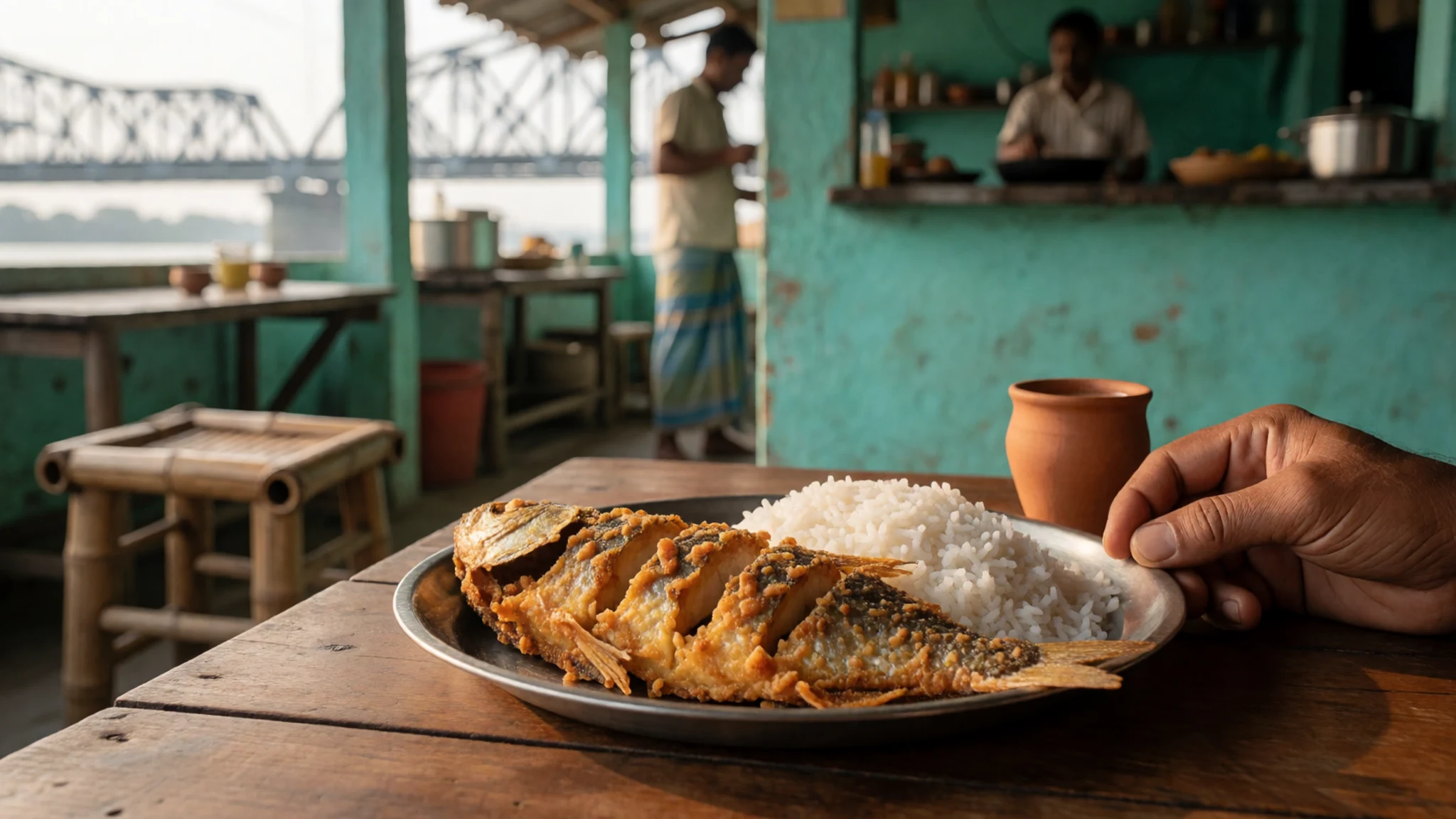
- Shorshe ilish — Bengali rice-and-fish restaurants in Dhaka and along the highway
Hilsa cooked in a sharp paste of mustard seeds, green chilli and mustard oil, usually eaten with steamed rice. The flavour is pungent and rich, and the dish is a celebratory favourite in Bengali homes and in Dhaka's traditional restaurants.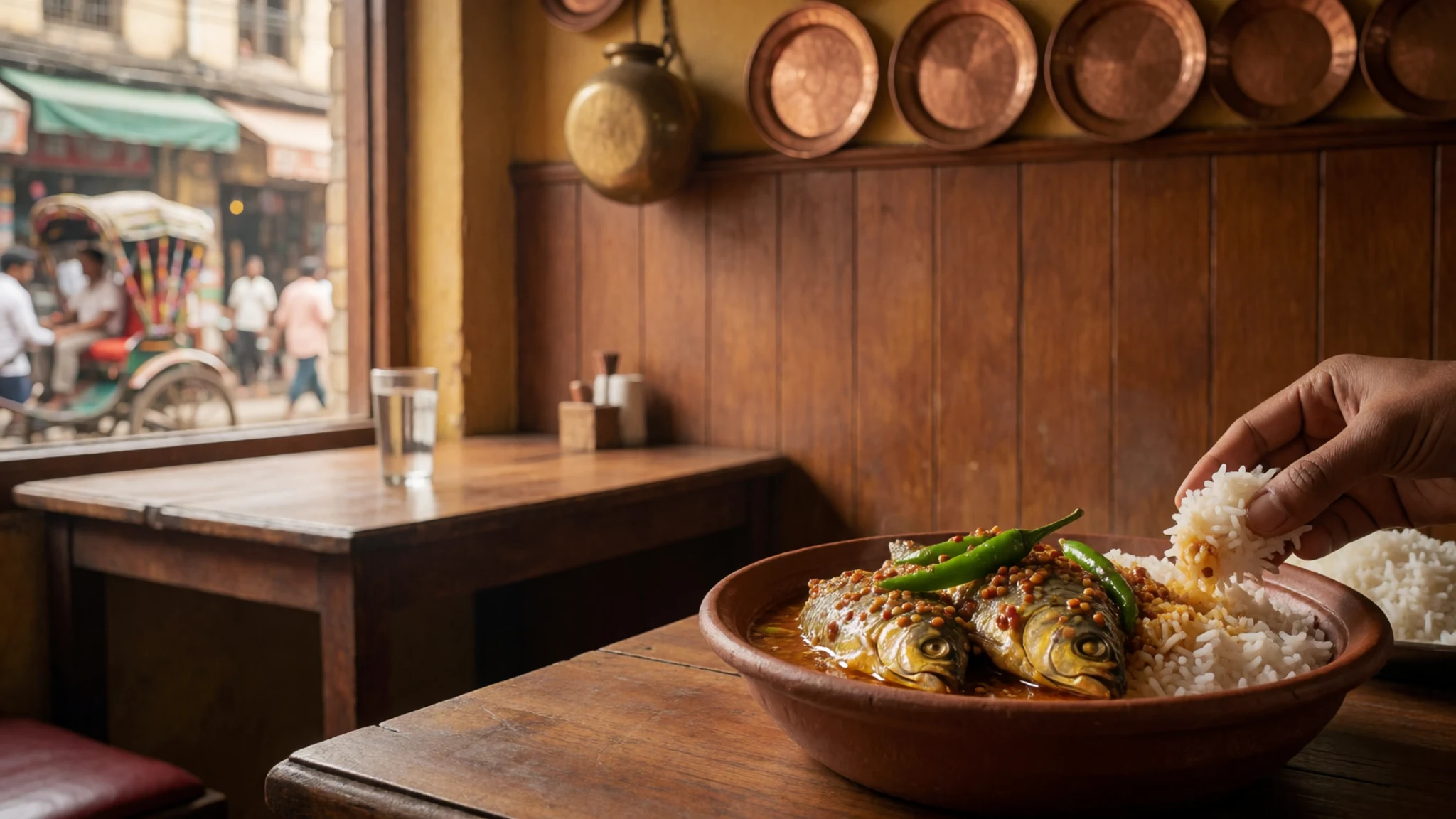
- Paratha with grilled chicken — Roadside grill stalls and highway rest stops on the Dhaka approach
Flaky, pan-fried paratha served with smoky grilled chicken, a combination locally well known across Dhaka Division. Naan is a common alternative. It is a handy, filling meal before or after a long drive to the river. - Bhuna khichuri — Local eateries in Munshiganj and Shariatpur towns
Rice and lentils fried with spices and ghee, then cooked down into a thick, fragrant dish. People crave it on rainy days, often with beef, egg or fried fish alongside. It is a warm, comforting plate for monsoon visits. - Bhorta — Any simple rice meal eatery near the bridge landings
Mashed vegetables, dried fish or shrimp, mixed with raw onion, chilli, coriander and mustard oil. Bhorta is a side dish at almost every rice meal, and the fiery varieties are strongly flavoured, so taste a small amount first.
Plan it
Best time. November to February, when the weather is cooler and drier and the skies are clearer for river views. March to May is hot and humid, and June to October is the monsoon, with heavy rain, a high and fast river and frequent road delays.
How long. 1
Getting there. Fly to Hazrat Shahjalal International Airport in Dhaka, the country's main international gateway, then travel south-west by road towards Mawa and the bridge; allow plenty of time for Dhaka traffic. Long-distance buses and cars use the upper deck. For rail options, check Bangladesh Railway; for bridge information, see the official site at http://www.padmabridge.gov.bd.
Budget. low
Tips
- Go early on a weekday to avoid the family crowds that fill the approaches at weekends and on holidays
- Leave Dhaka well before dawn or after the morning rush, as traffic on the way out can add hours
- Carry cash in small notes for tea, snacks and boat rides, as card acceptance is patchy outside the city
- Bring drinking water, sun protection and a rain jacket, because there is little shade on the riverbanks
- Check the official site or local news for toll, traffic and rail changes before travelling
Etiquette
- Ask before photographing people, especially women and families, at the landings
- Dress modestly and keep noise down near prayer times and mosques
- Do not walk on the carriageway or climb on barriers for photographs
Nearby
Sources
- Wikidata Q7123825 (CC0)
- Wikipedia: Padma Bridge (rev 1385501899) (CC BY-SA 4.0)
- Wikivoyage: Dhaka Division (rev 5270867) (CC BY-SA 4.0)
- Photo 01-the-padma-bridge-02.jpg, Azimronnie (CC BY-SA 4.0)
- Photo 02-.jpg, Tawkir.ahmad (CC BY-SA 4.0)
- Photo 03-padma-bridge-01.jpg, Azim Khan Ronnie (CC BY-SA 4.0)
- Photo 04-fascinating-flypast-of-bangladesh-air-force, Md Shaifuzzaman Ayon (CC BY-SA 4.0)
- Photo 05-padma-bridge.jpg, Kajal Debnath (CC BY-SA 4.0)
- Photo 06-padma-bridge-november2021-2.jpg, Nahian Bin Shafiq (CC BY-SA 4.0)
- Photo 07-padma-bridge-day-before-inauguration-ceremony-cropped-2.jpg, Jubair Bin Iqbal (CC BY-SA 4.0)
- Photo 08-2024-07-05-padma-bridge-project-conclusion-sudhi-samabesh, Press Information Department (Public domain)


