Notsé
Notsé, Togo
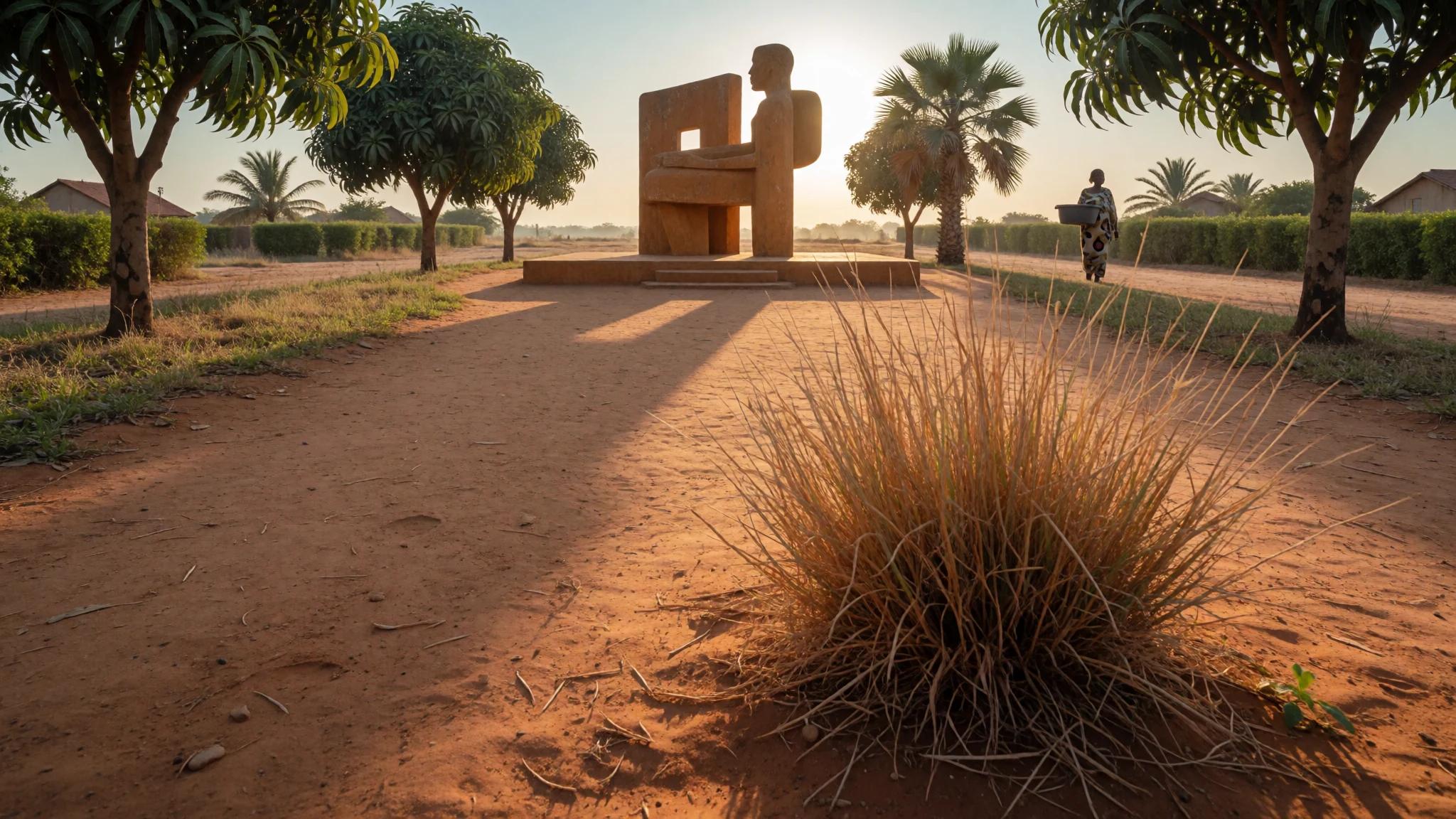
Notsé is the town many Ewe families call their ancestral home, a quiet stop for anyone curious about West African history and heritage.
The place
Notsé is a farming town of 49,143 people in the Plateaux Region of Togo, and the administrative seat of Haho Prefecture. It lies inland, north of the capital Lomé, in country of red earth, cultivated fields and roadside fruit stalls. Nothing here is built for tourists, and anyone expecting a polished sightseeing stop will be disappointed. What the town offers is a place in the story of the Ewe people, many of whom trace their family origins to this settlement. That memory shows in a monument to the Ewe, in the remains of an old earthen wall, and above all in the living chieftaincy, which still organises the town into its traditional quarters. The town also appears in older texts as Notsie, and German colonial writing rendered it Nuatja, so all three spellings turn up on maps and in books. Notsé is also associated with pineapples, which are grown in the surrounding countryside and sold along the main road in season. The climate is tropical, with a hot, humid south and distinct wet and dry seasons that shape both farming and travel. The pace is slow. A realistic day is a morning of walking, a visit with a local guide if one can be arranged, and a plate of fufu or akume by the roadside. Notsé works best as a stop between Lomé and the hills or the north, or as a short, deliberate detour for anyone interested in Ewe heritage.
Its story
Notsé is remembered as the last major halt in the long migrations of the Ewe, who by tradition moved from the east through places such as Oyo in Nigeria, Ketu in Benin and Tado in Togo before settling here. The town took shape around 1600. Its ruler had a long mud rampart, Agbogbo, raised as a defence against raiders, slave hunters among them, and stretches of it can still be traced in the landscape. Life behind the wall later soured under the harsh rule of Togbe Agorkoli I, and the Ewe rose against him. Many left, heading south, east and west into what is now Ghana's Volta Region and into Benin. That scattering explains why Notsé matters to Ewe communities in several countries and not only in Togo. Families who stayed formed the original quarters of the town, each with its own chief answering to a senior chief, and the title of Agokoli survives today in the person of Agokoli IV. Local tradition reads the name Notsé as a corruption of a phrase meaning that the group would stay put, attributed to the leader of the migrants. German colonial officials later bent the name again into Nuatja. The town then passed through the colonial period of Togoland, first German and then French-administered, and became part of independent Togo in 1960.
What to see
- Berceau du peuple Ewe monument — Town centre, Notsé
The monument to the cradle of the Ewe people is the clearest marker of why Notsé matters. It stands as a memorial to the migration and dispersal described in local history. Expect a modest, quiet site rather than a developed attraction, and consider asking a local resident to explain what it commemorates.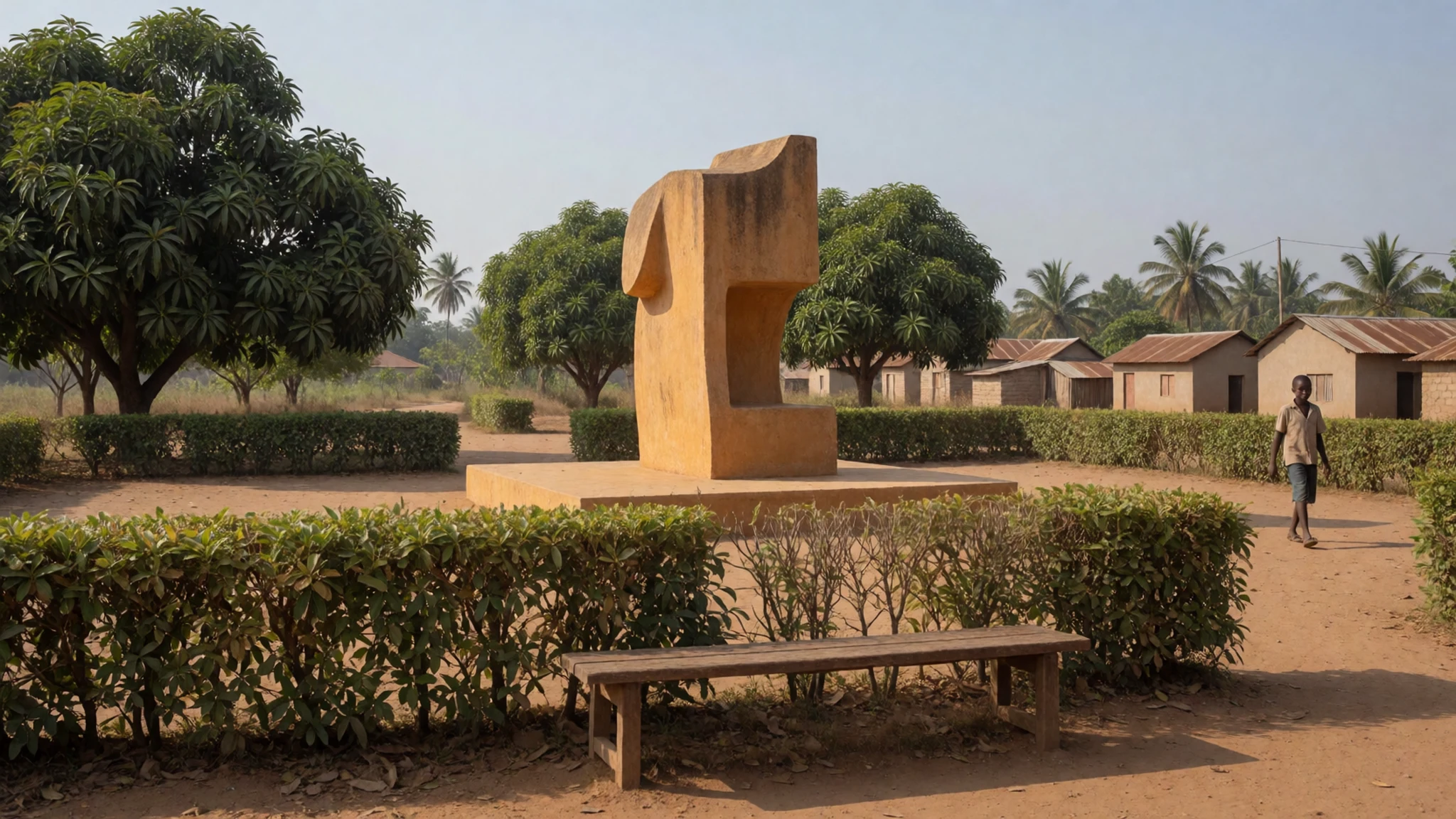
- Remains of the Agbogbo wall — Edges of Notsé
Fragments of the old earthen rampart survive in places around the town. They are low, weathered and easy to walk past unless someone points them out, so a local guide makes a real difference. This is a site for imagination and context rather than for dramatic views or photographs.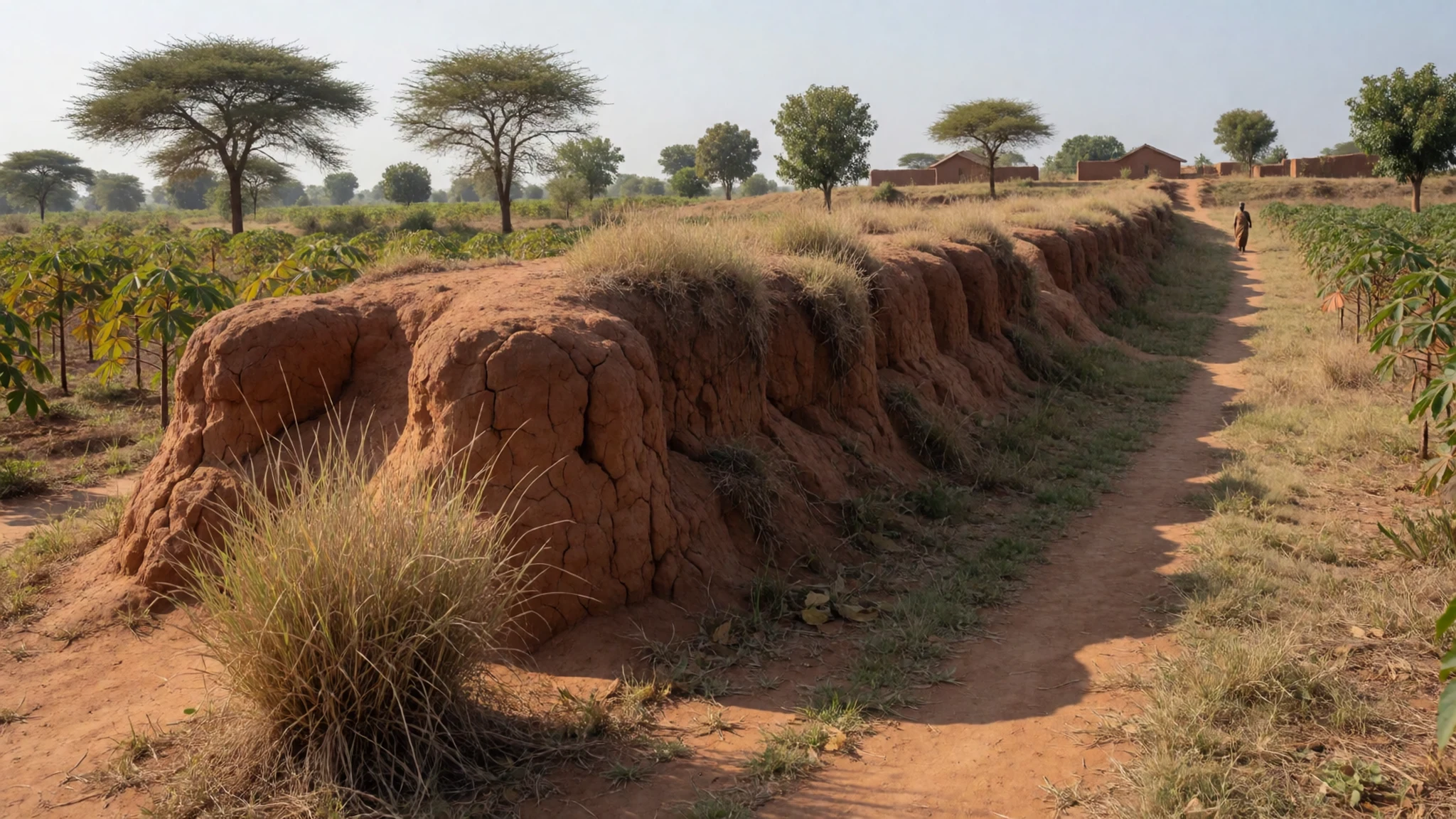
- The traditional quarters and chiefly court — Historic quarters, Notsé
Notsé is still organised into traditional quarters with their own chiefs, under a senior chief who holds the Agokoli title. Walking through these neighbourhoods gives a sense of how the old order persists alongside modern Togo. Visits to any court should be arranged through a local contact, never simply attempted.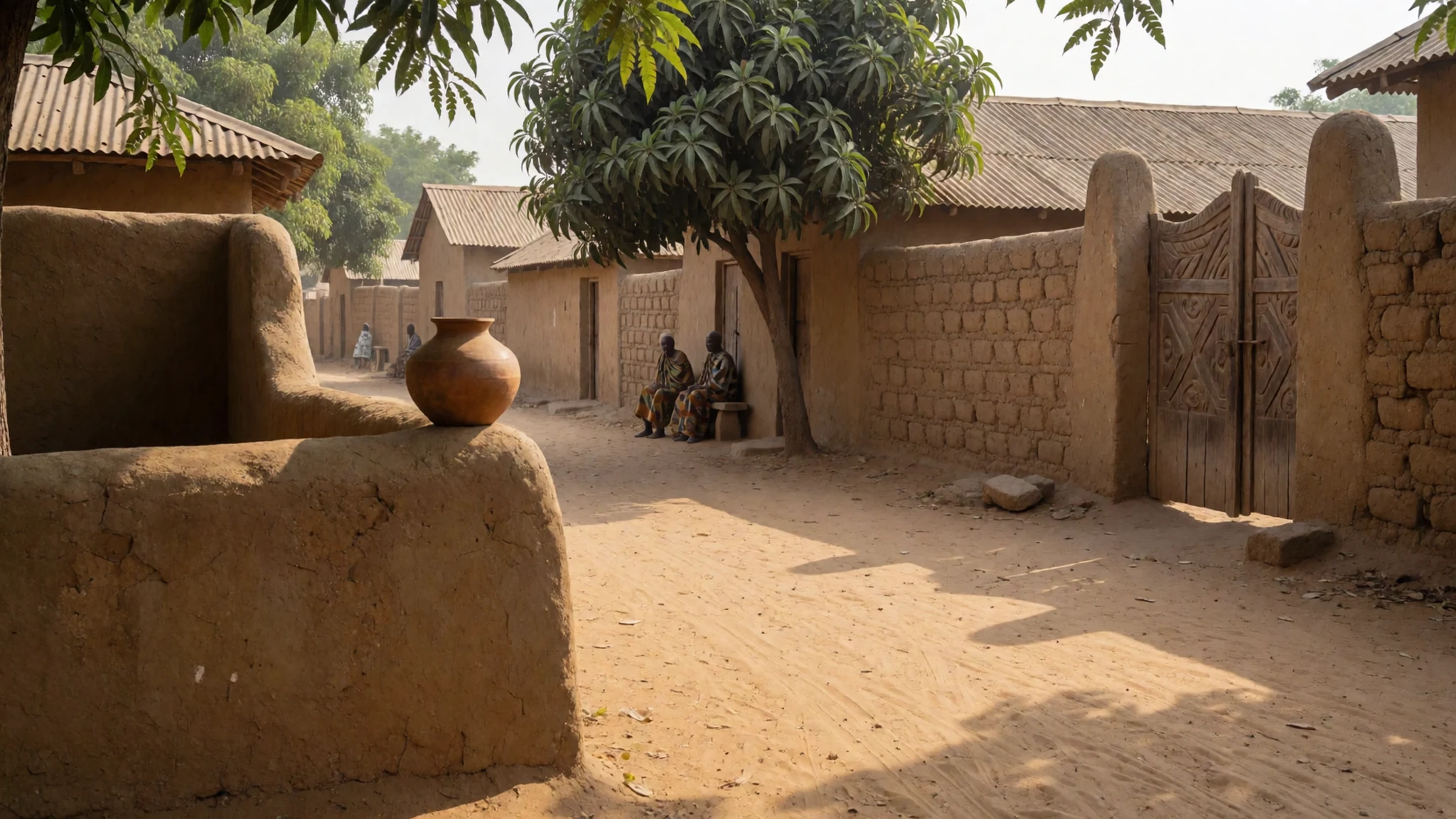
- Roadside pineapple and fruit stalls — Main road through town
The main road through Notsé is lined with sellers of pineapples, oranges, mangoes and other fruit when in season. It is the easiest way to see the town's farming economy at work. Buying a whole pineapple, peeled on the spot, is a cheap and cheerful stop between longer drives.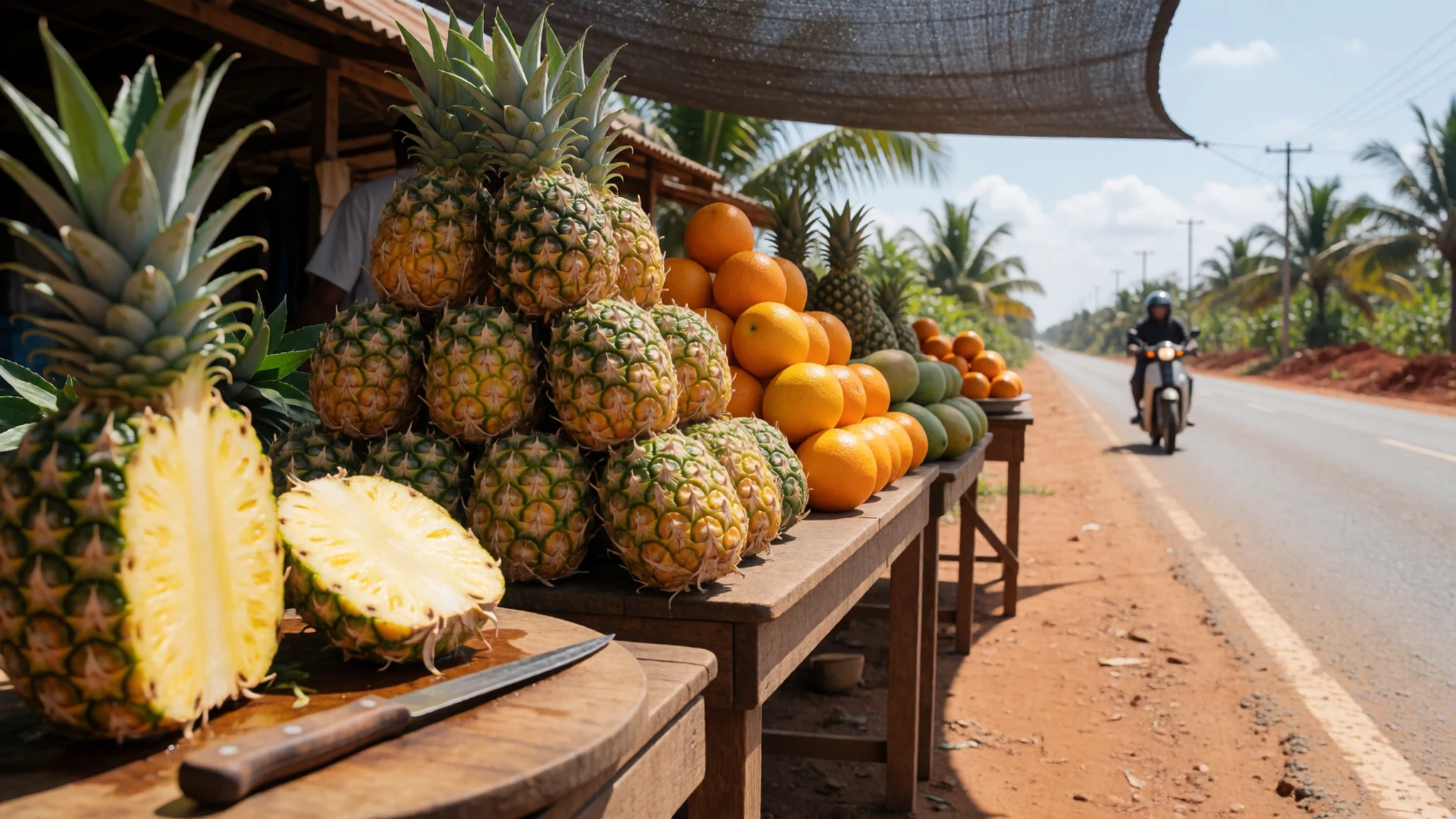
- Kpalimé and the coffee hills — Western hills of Togo
Kpalimé, in the cooler hills to the west, is a longer excursion from Notsé rather than a nearby sight. The region is known for coffee growing, shaded walks and pleasant views, and it makes a refreshing contrast to the flat plateau. Plan it as a separate trip with road time in mind.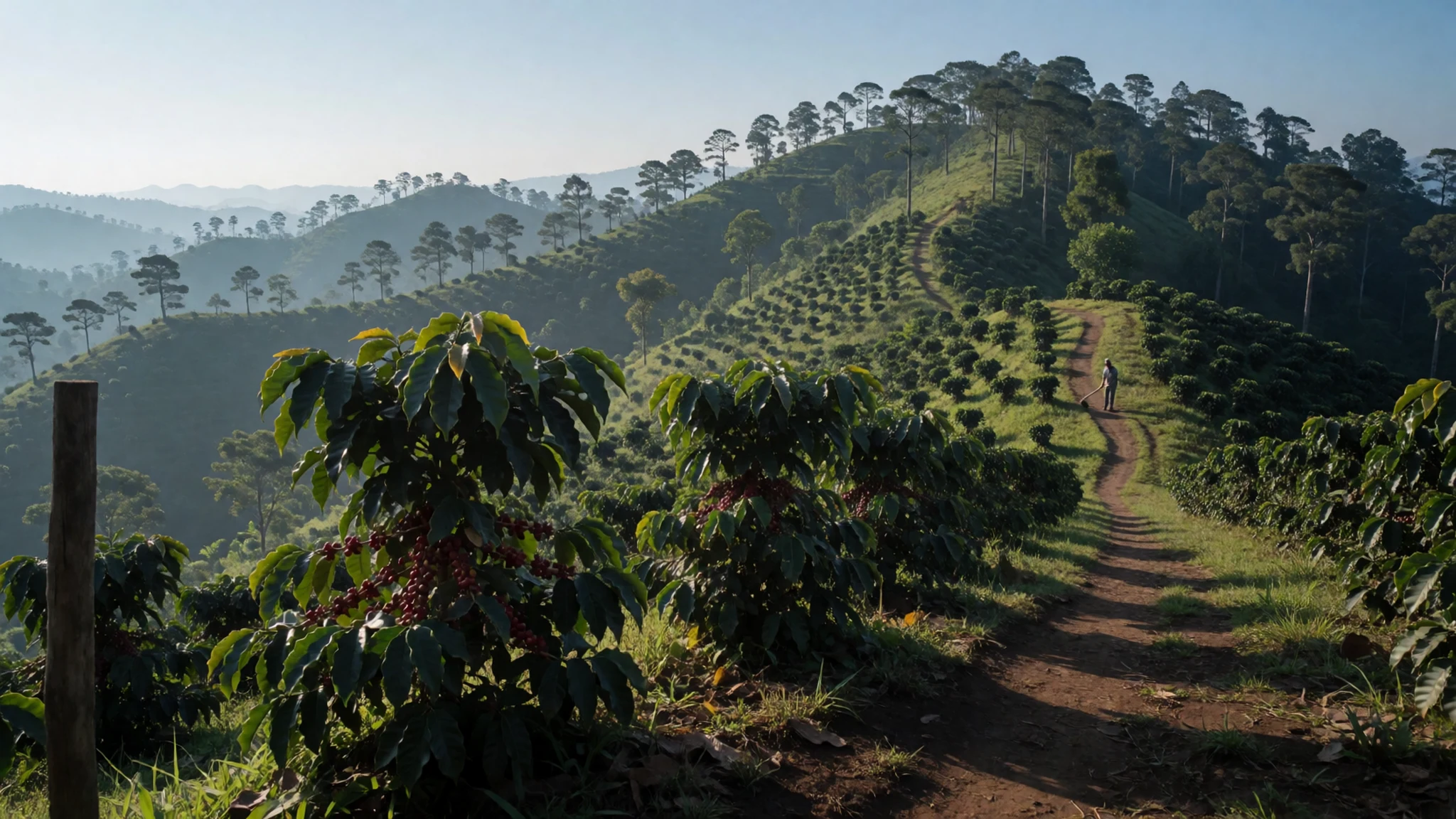
Culture
Notsé is an Ewe heritage town, and its social life still follows the rhythms of the chieftaincy, the family and the quarter. The Ewe language carries much of that tradition, and many residents speak French as well, which is the usual language for official business in Togo. Greetings matter more than visitors from India or the UK may expect. People say hello when they arrive and again when they leave, and a handshake is the normal opening. Taking a moment to ask after someone's health, family or day before moving to the point of a conversation is polite and usually rewarded with warmth. Notsé's history is a living subject here, not just a museum topic, because families still link themselves to the migration and to the town's quarters. Asking respectful questions, listening to the answers and avoiding any hint of ranking one ethnic group above another will go a long way. Elders and chiefs command real deference, and meetings with them usually follow customary protocol, often with an intermediary. Roadside life is sociable and unhurried, with food, fruit and small talk all part of the same exchange. Greet everyone with a handshake and a hello, and ask a local guide before photographing the chief's court, a ceremony or anyone's home.
What to wear
Notsé sits in Ewe country, where the best-known traditional cloth is hand-woven kente, made in narrow cotton or silk strips that are stitched together into bold, geometric panels. Men wrap a large piece over one shoulder like a toga, while women wear a wrapper with a fitted top and sometimes a head tie. Such cloth appears at funerals, weddings, festivals and meetings with chiefs, and many families keep a good piece for the occasion. In everyday life, factory-printed wax cloth, called pagne, is far more common. Women have it sewn into matching tops and wrappers or fitted dresses by local tailors, and men wear loose printed shirts, though plain shirts, trousers, jeans, football shirts and sandals are just as usual in town. Colours are lively, and clothes are generally neat and clean even in rural areas. A visitor should dress for heat and humidity in light cotton or linen, with shoulders and knees covered as a courtesy, particularly when meeting elders or chiefs. Sturdy closed shoes or strong sandals help on red-earth tracks, which turn muddy in the rains. A hat, sunglasses and a light rain layer are worth packing. A local tailor can make a shirt or wrapper from market cloth quickly and cheaply, and it makes a useful souvenir.
What to eat
- Akume — Roadside eateries and family-run canteens in town
A soft, dense dough made from corn flour, rolled into a ball and eaten with the right hand. It is bland on its own and works as a vehicle for the sauce, which is its whole point.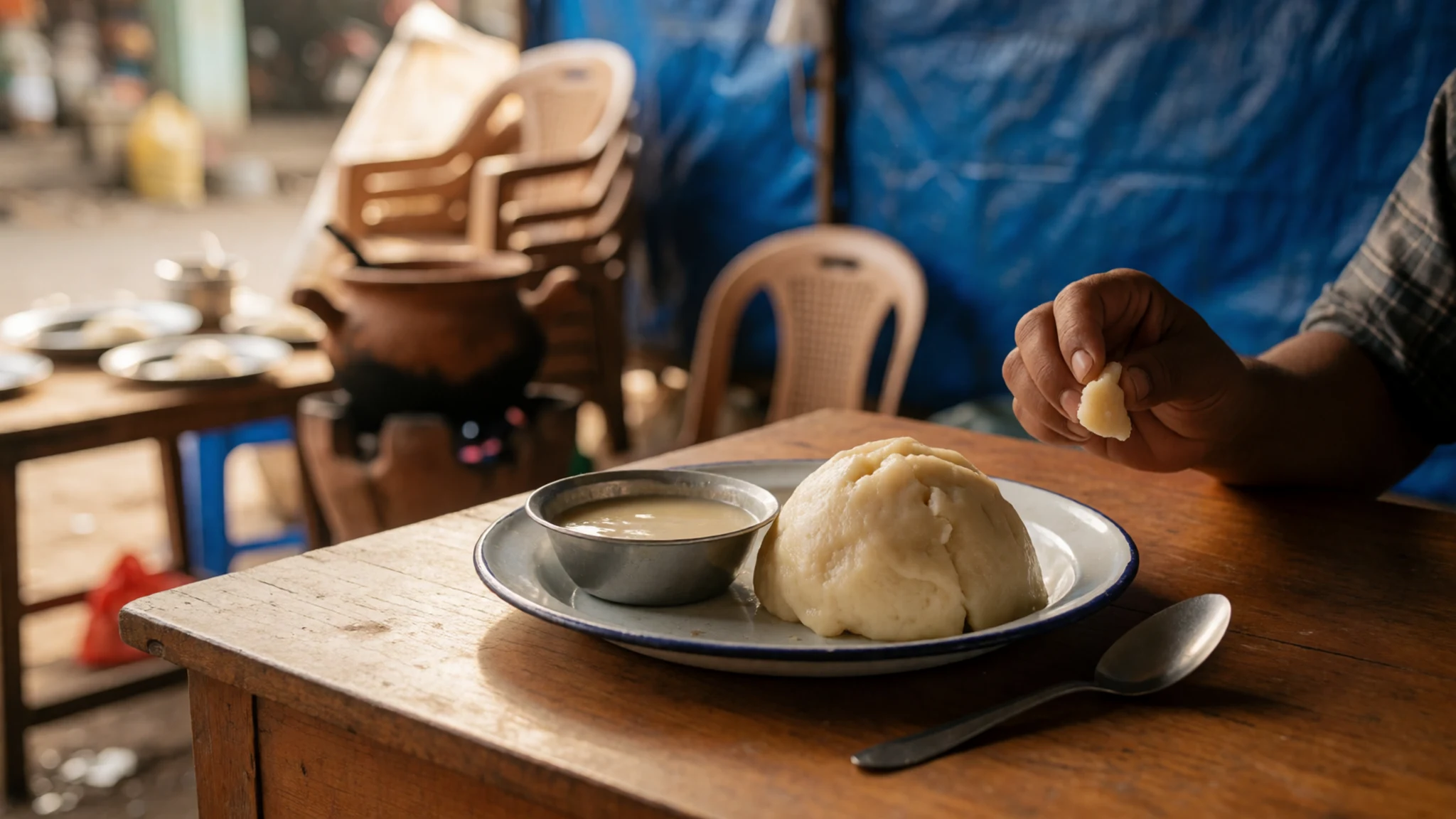
- Fufu — Fufu eateries along the main road and roadside stands
White yams pounded into a stretchy, doughy mass. It is pulled apart by hand, rolled and dipped into soup or sauce. Sauces range from smoked fish to spicy tomato or groundnut.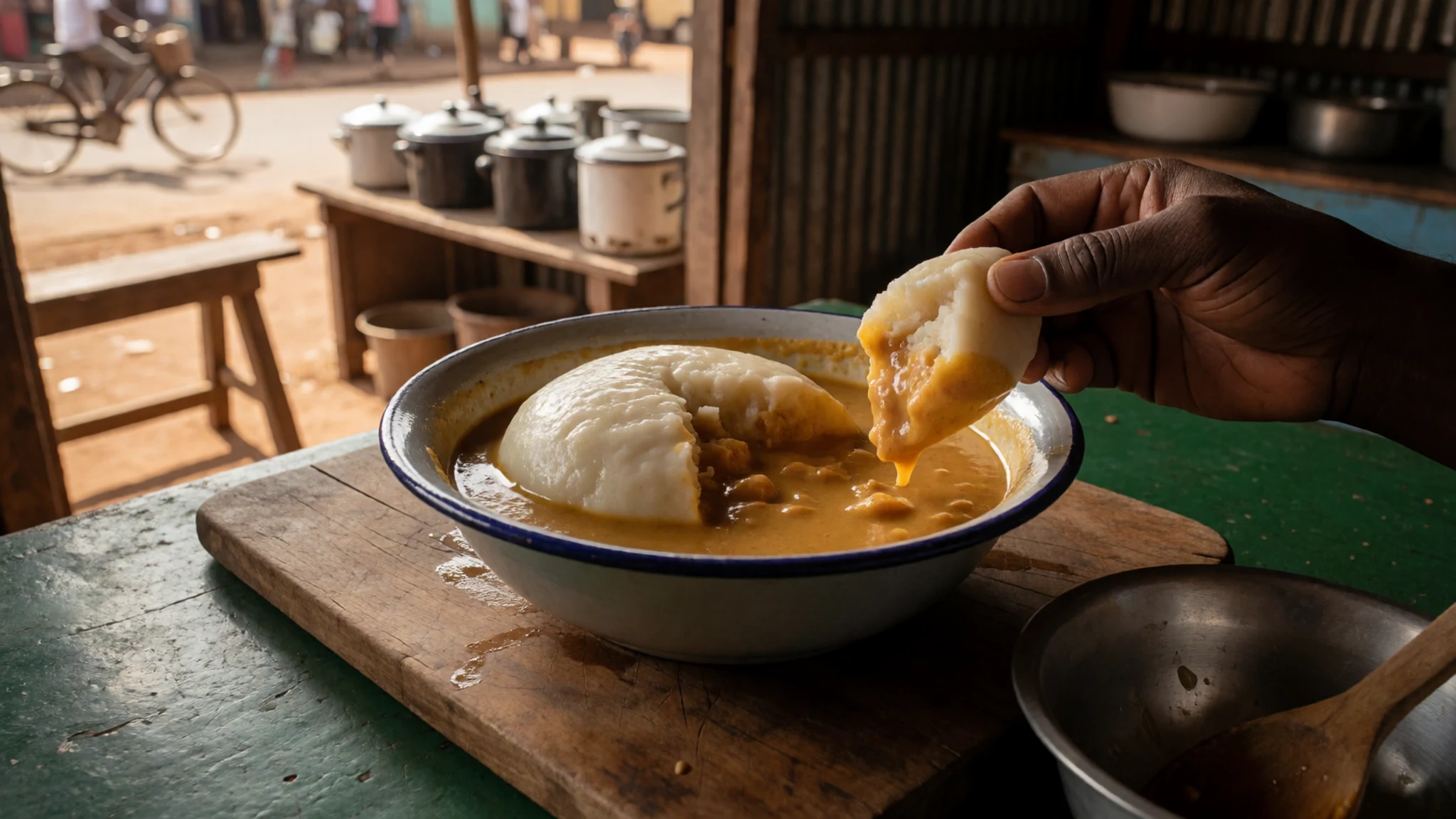
- Grilled plantain — Street corners and roadside charcoal stalls
Plantains are sold grilled, fried, boiled or mashed. Grilled over charcoal, they turn smoky and caramelised outside and soft within, and they make an easy snack to eat between sights. - Fresh pineapple — Fruit stalls along the main road through town
Notsé is known for pineapples, and the fruit is sold peeled and cut on the spot in season. It is sweet, juicy and a fine way to cool down on a hot afternoon. - Bissap juice — Market stalls, small bars and roadside drink sellers
A tart, ruby-red drink made from dried hibiscus flowers, usually sweetened and served cold. Lemonade is also common. Both are easy to find, and bissap is the better choice for something local.
Plan it
Best time. November to February is the usual choice, when the dry season makes roads easier and fieldwork is in full swing. The climate is tropical, so it is hot and humid year-round, and the rainy months turn red-earth tracks muddy and slow.
How long. 1–2
Getting there. Fly to Lomé (LFW), the nearest international airport, then travel north by road. Shared bush taxis run across the country and are the budget option, and a whole car can be hired for more comfort. Notsé lies on the road heading north from the capital.
Budget. low
Tips
- Apply for the eVisa well before travelling and check the official government website for current rules
- Avoid night driving, since roads are crowded and accident risk is high
- Carry cash in small notes, as cards are rarely accepted outside Lomé
- Drink bottled water and start excursions early to avoid the midday heat
- In Lomé, take a car taxi at night and keep off public beaches
Etiquette
- Say hello to everyone when arriving and leaving, and shake hands
- Ask before photographing people, homes or chiefly sites
Nearby
Sources
- Wikidata Q3173182 (CC0)
- Wikipedia: Notsé (rev 1377792758) (CC BY-SA 4.0)
- Wikivoyage: Togo (rev 5332799) (CC BY-SA 4.0)
- Berceau du peuple Ewe de notsé — NDANIKADA, via Wikimedia Commons (CC BY-SA 4.0)
