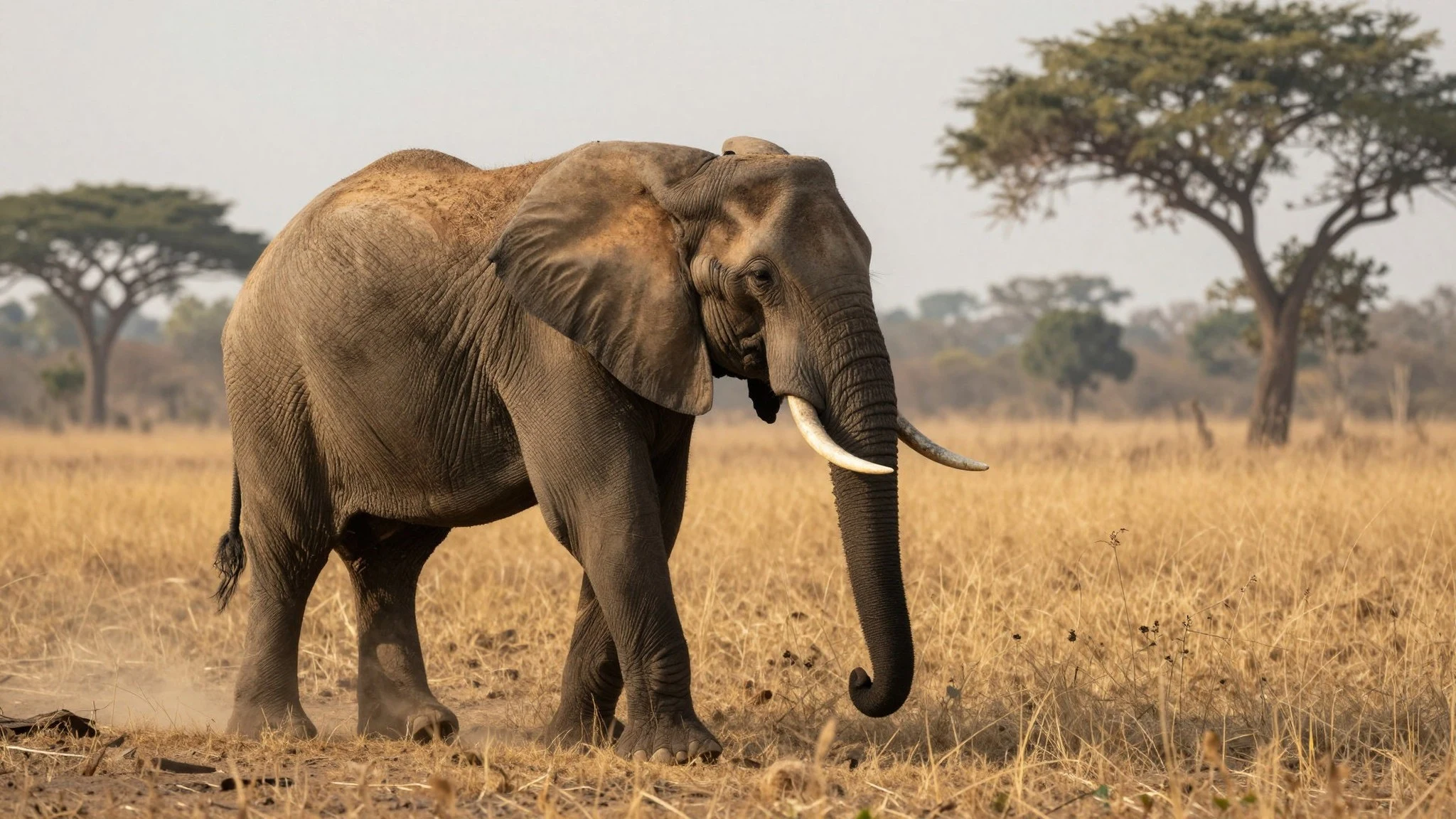
Kéran National Park
Kéran National Park, Togo
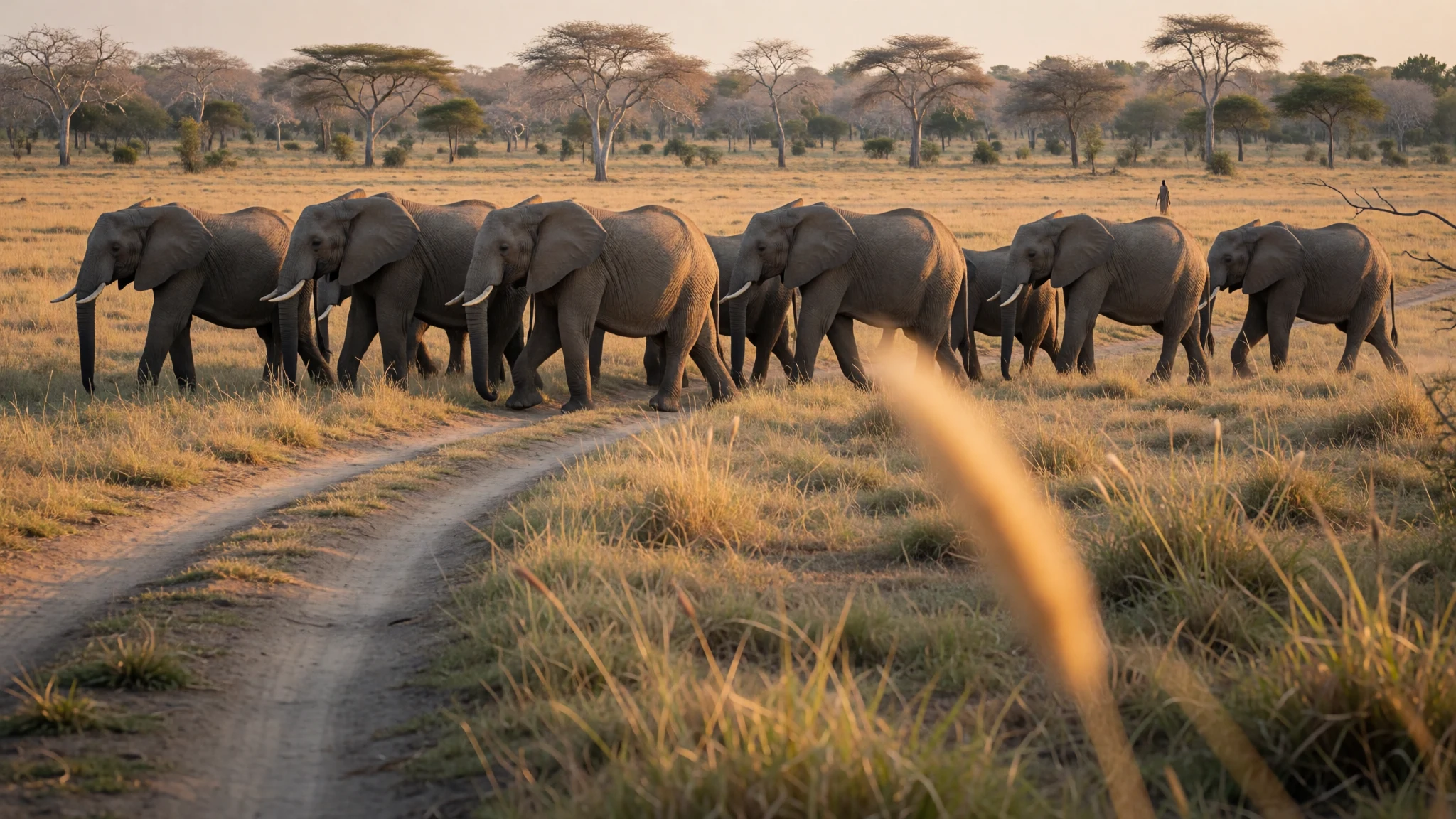
Kéran National Park in northern Togo is a quiet savannah reserve where elephants are now rare visitors, far from the usual West African itinerary.
The place
Kéran National Park, officially Oti-Kéran, lies in the far north of Togo, in the Kara area, where the land flattens into dry savannah and the country feels very different from the palm-fringed coast. It is a place for slow, patient wildlife watching, not for ticking animals off from a vehicle window. The landscape is the main draw. While a small population was once attempted, elephants are now only sporadic visitors, meaning sightings are rare and usually involve migrating individuals moving through the open woodland and tall grass.
Few people make the trip. Safari-minded travellers in this part of Africa tend to head for reserves in neighbouring Ghana, which are simpler to reach, and the infrastructure around Kéran reflects that. Access runs along one main road, services are thin, and a visit needs planning, a local guide or contact, and a tolerance for heat and dust. Visitors should not expect lodges with swimming pools or fixed game-drive schedules.
The park is one link in a chain of protected areas across northern Togo. The long-term hope is that it will become part of a wider biosphere reserve, joined through a neighbouring park to the big W, Arli and Pendjari complex shared by Burkina Faso, Benin and Niger. That ambition is still more plan than reality. The park sits beside farms, villages and charcoal makers, and what a traveller finds is a working landscape rather than a sealed wilderness: grass, scattered trees, still mornings and a strong sense of being a long way from anywhere.
Its story
Kéran National Park has a more troubled past than its calm savannah suggests. Through the decades after independence, northern Togo's network of reserves was expanded, and much of that was done without asking the people who lived on the land. Families were moved off their fields, farming projects were dropped, and instead of earning from tourism or related work, many communities slid into deeper poverty and, in places, hunger.
The animals added to the strain. Unfenced wildlife, elephants above all, wandered out of the protected zones and flattened crops in nearby villages, so resentment of the reserves and what lived in them hardened. During a spell of political turmoil that anger broke loose. Reserves were invaded, animals were killed in large numbers, and a great deal of habitat was wrecked. Tourism, which had been fairly well developed before then, collapsed with it.
The authorities responded by redrawing the park's boundaries. Outer zones judged too damaged to recover were cut away and released for settlement and farming, and the park shrank to well under half its former area. What is left is meant to form part of a larger biosphere reserve one day, yet it is still pressed by cotton fields, charcoal burning and new settlement. The lesson is plain on the ground: conservation that shuts out its neighbours rarely lasts, which is why a visit arranged through local people does more good than one that bypasses them.
What to see
- Elephant country in the park — Kéran National Park, northern Togo
The core of Kéran National Park is dry woodland and grassland where the occasional migrating elephant is a rare highlight. Patience matters more than a long checklist. Early morning and late afternoon are the cooler, more active hours, and a guide who knows where the herds have been feeding will make the difference between a good day and a long, hot walk.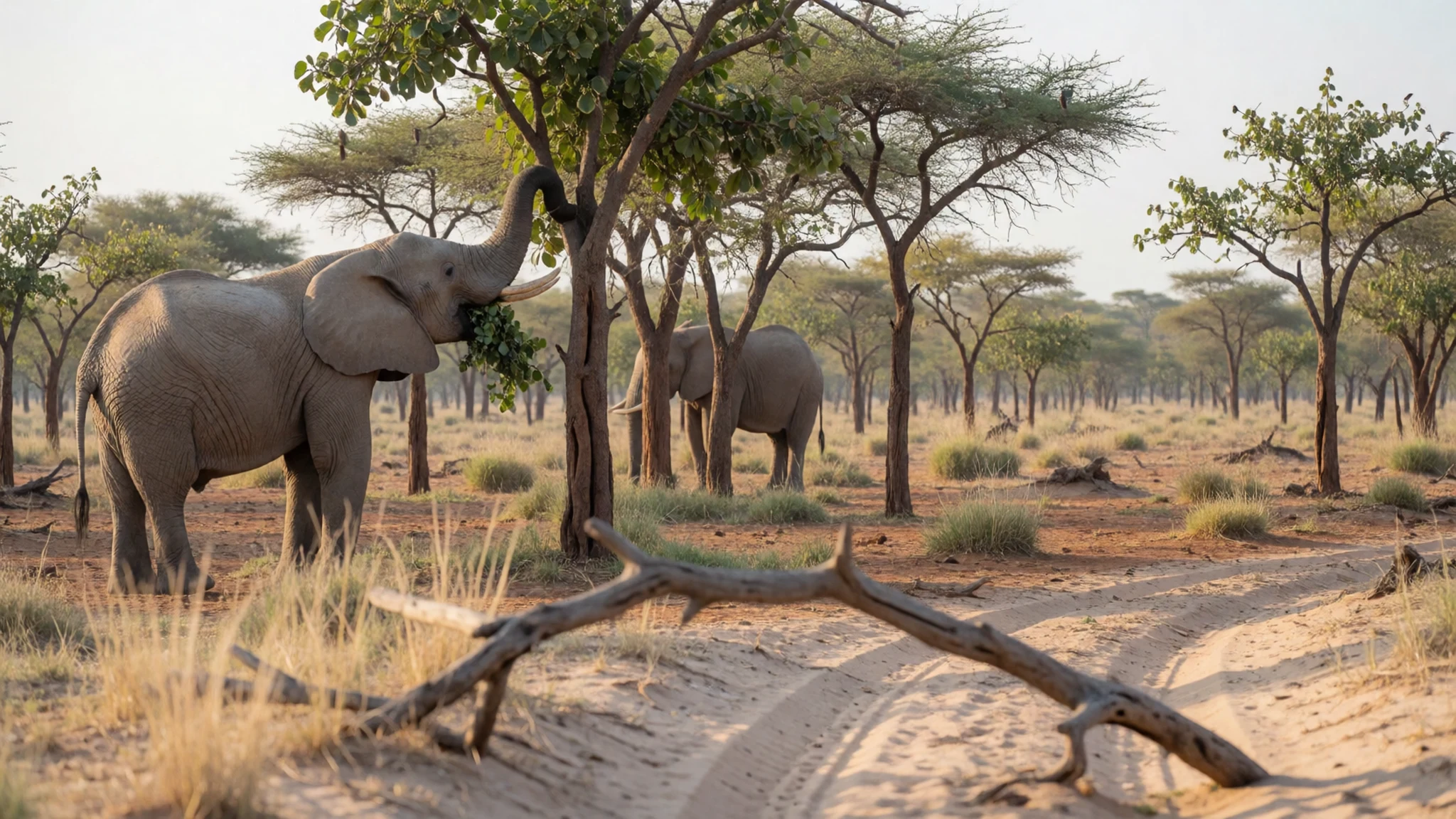
- The park's edge and its villages — Boundary of Kéran National Park
Where the reserve meets farmland, the story of the park becomes visible: cotton plots, charcoal piles and homesteads on one side, wild grass on the other. Spending time with a local guide here explains why conservation in northern Togo has been so contested, and it puts some of the visit's money into nearby hands.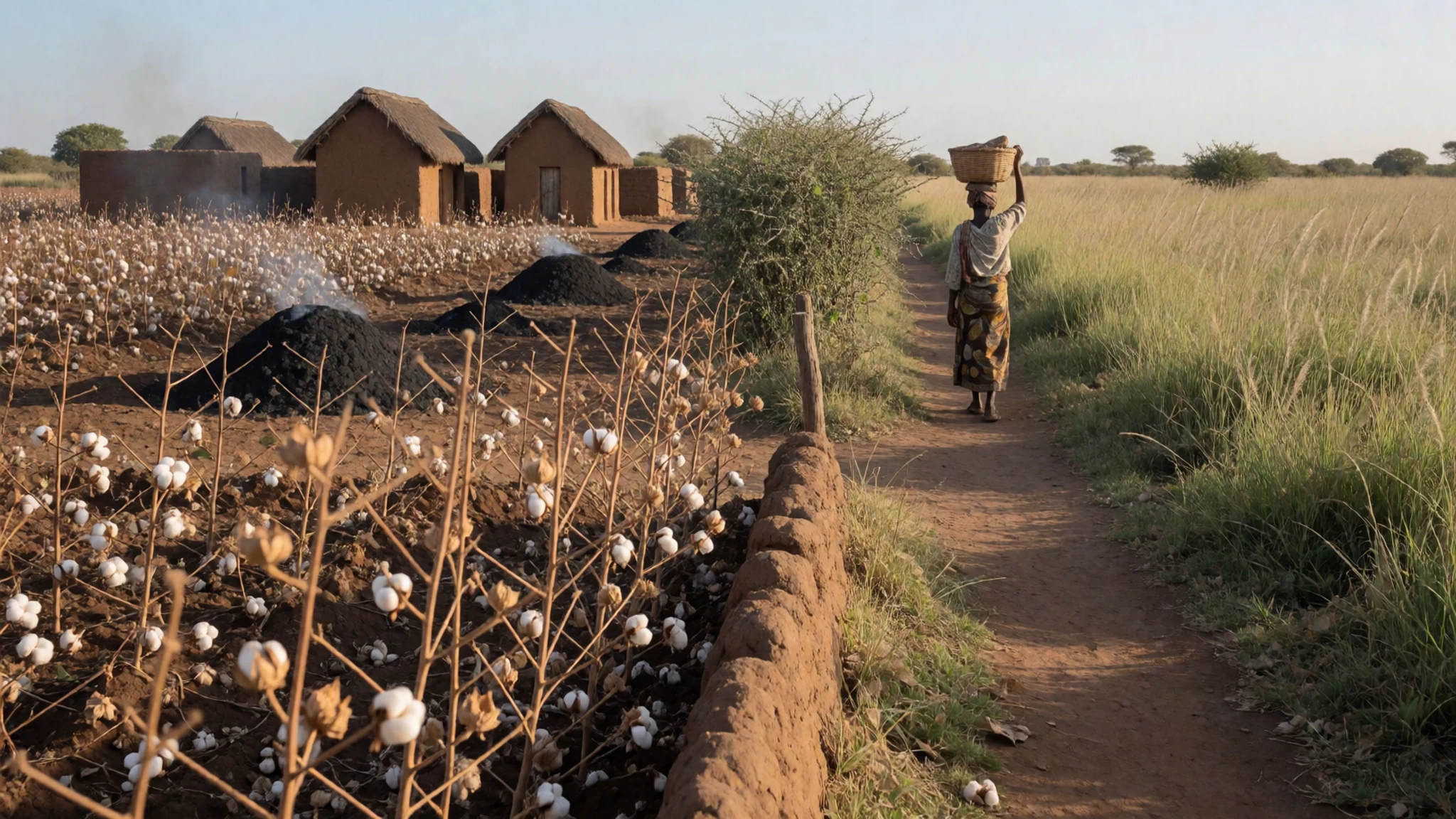
- Koutammakou and the tower-houses — North of Kara
Koutammakou, north of Kara, is the valley of the Batammariba people, who build and live in mud-and-straw tower-houses that have become a national emblem of Togo. It is a long journey from the coast, and the roads are rough, but it pairs naturally with a northern trip to the park.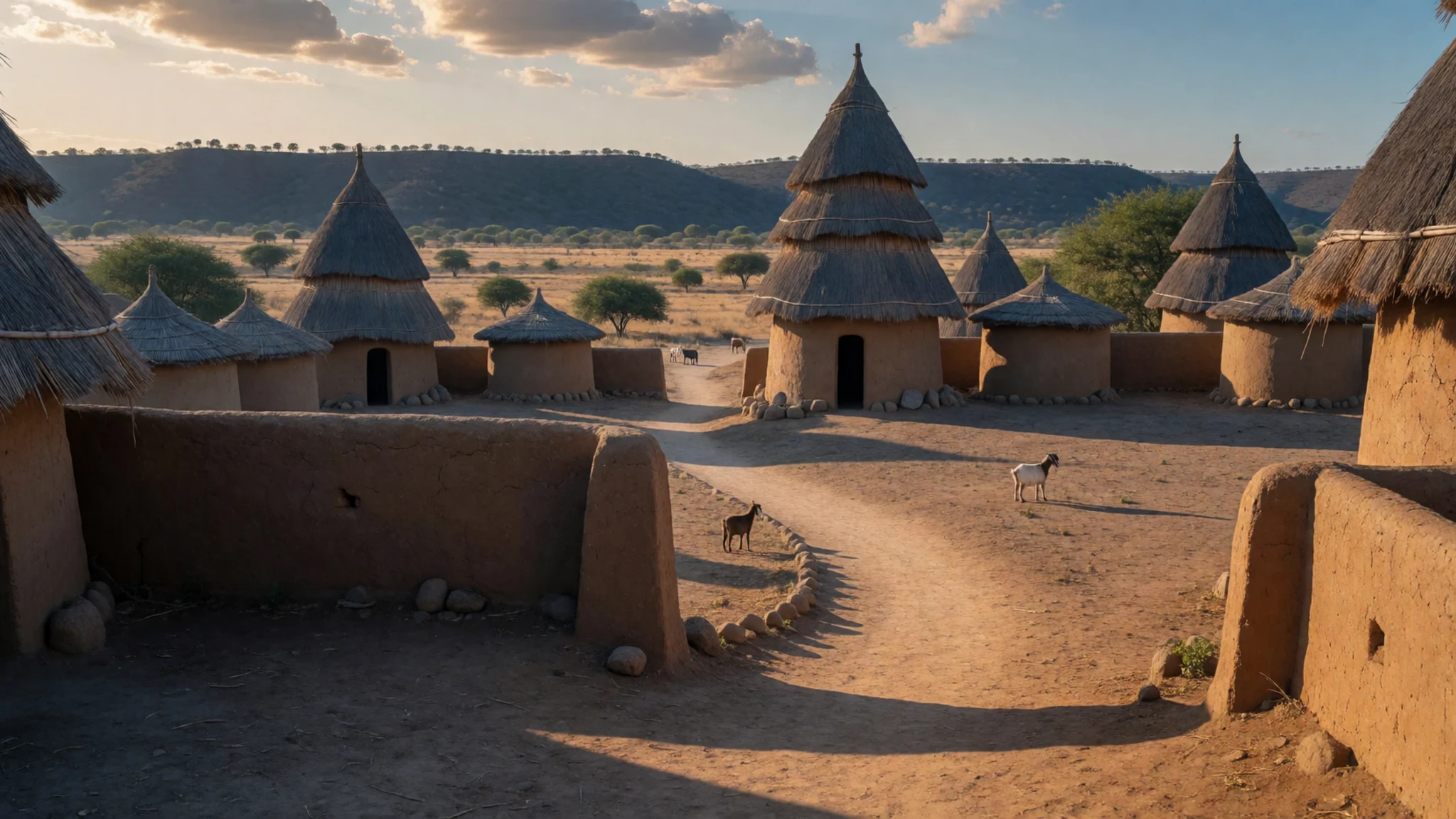
- Fazao Mafakassa National Park — Centre-west Togo
Fazao Mafakassa lies in the centre-west of Togo and is another of the country's rarely visited reserves, with hilly, wooded terrain that contrasts with the flatter savannah around Kéran. Travellers who want a second park on the same journey south can stop here, though facilities are basic and arrangements should be made ahead.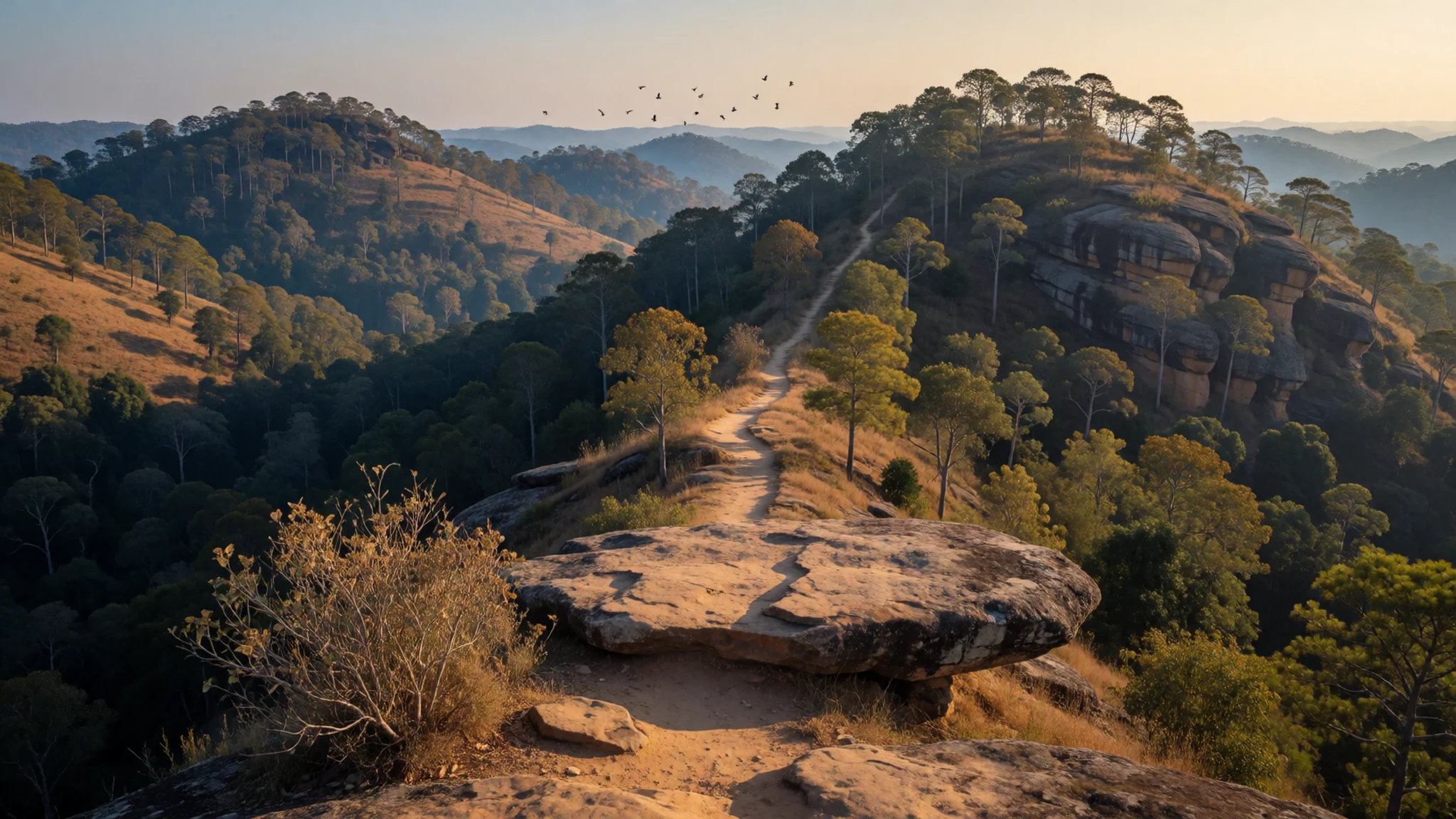
- Kpalimé and its coffee hills — Kpalimé region, southern Togo
Kpalimé, far to the south, sits in a coffee-growing region of cooler air, green slopes and day walks. It is a gentler contrast to the hot north and is popular with independent travellers. Many people combine it with the capital and the coast, either before or after the long journey up to Kéran.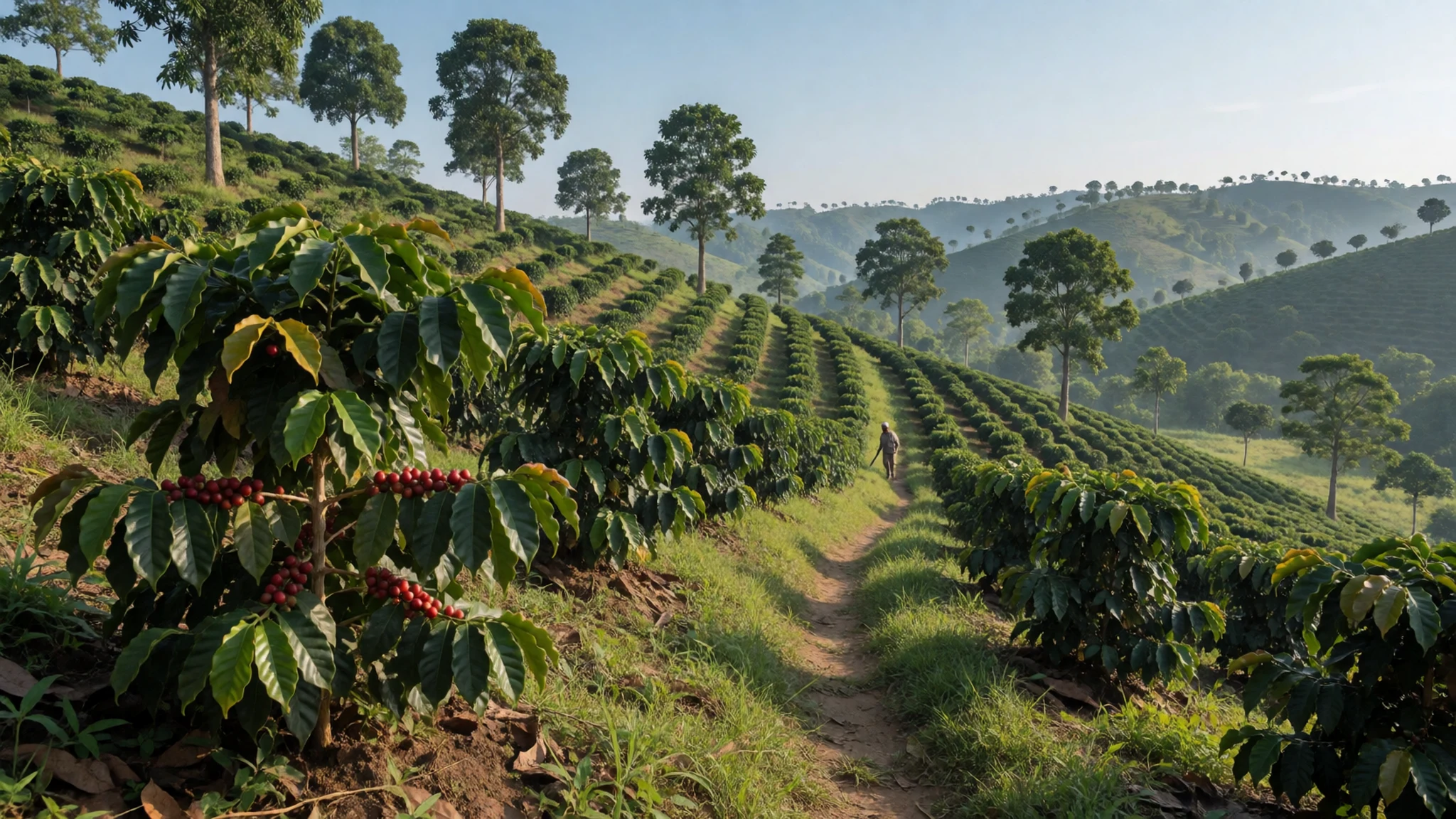
Culture
Kéran National Park lies in northern Togo, a region shaped by farming communities and by a country that holds dozens of ethnic groups. The Kabyé are the main group in the north, while the Ewe dominate the south and the Kotokoli and Tchamba are found in the centre. Languages, food and ceremonies shift from one district to the next, and French is the common thread for official business.
Daily life around the park revolves around agriculture, particularly cotton, and the seasons set the rhythm of the year. Relations between villagers and the protected area have been strained in the past, since land was taken for the reserves and elephants raid crops. That history is worth understanding before a visit, and local people are usually happy to talk about it if approached with respect rather than curiosity about conflict.
Further north-west, the Batammariba of Koutammakou have a distinctive building tradition, with mud tower-houses that double as homes and granaries. Football is the main shared passion across the country, and a conversation about a local team is often the quickest way to break the ice.
Greetings carry real weight in Togo: a handshake and a greeting for everyone present, both on arrival and on leaving, are expected. So greet each person properly before you ask a question, and ask permission before photographing anyone.
What to wear
Kéran National Park sits in a part of Togo where clothing mixes cloth traditions from across West Africa. Traditional dress is made from factory-printed wax cloth, sold as pagne and wrapped as skirts or tailored into matching tops and dresses. Ewe communities in the south are also known for strip-woven cloth in bold patterns, worn at funerals, festivals and weddings. In the north, men often wear loose boubous, flowing robes of cotton, on Fridays and holidays, and many women combine wraps with headscarves.
Day to day, most people wear practical modern clothes: shirts, trousers, dresses and sandals, with tailor-made outfits kept for special occasions. Markets sell second-hand imports as well as local cloth, and tailors can run up a garment from a length of fabric within days.
For a visit to the park, dress for sun and dust. Loose, long-sleeved cotton in neutral greens, browns or khaki keeps heat and insects off, and a wide-brimmed hat and sunglasses are essential. Avoid military-style camouflage, which can cause problems with officials. Sturdy closed shoes or light boots suit rough ground and long grass. In villages and near mosques, cover shoulders and knees, and women may want a light scarf to hand. Pack a layer for cooler dawns in the dry season.
What to eat
- Fufu — Roadside stands and small eateries in towns along the main northern road
Fufu is white yam pounded into a smooth, stretchy dough and eaten by hand, torn off in small pieces and dipped into sauce. It is common across West Africa, and in Togo the sauces range from smoked fish to peanut or spicy tomato.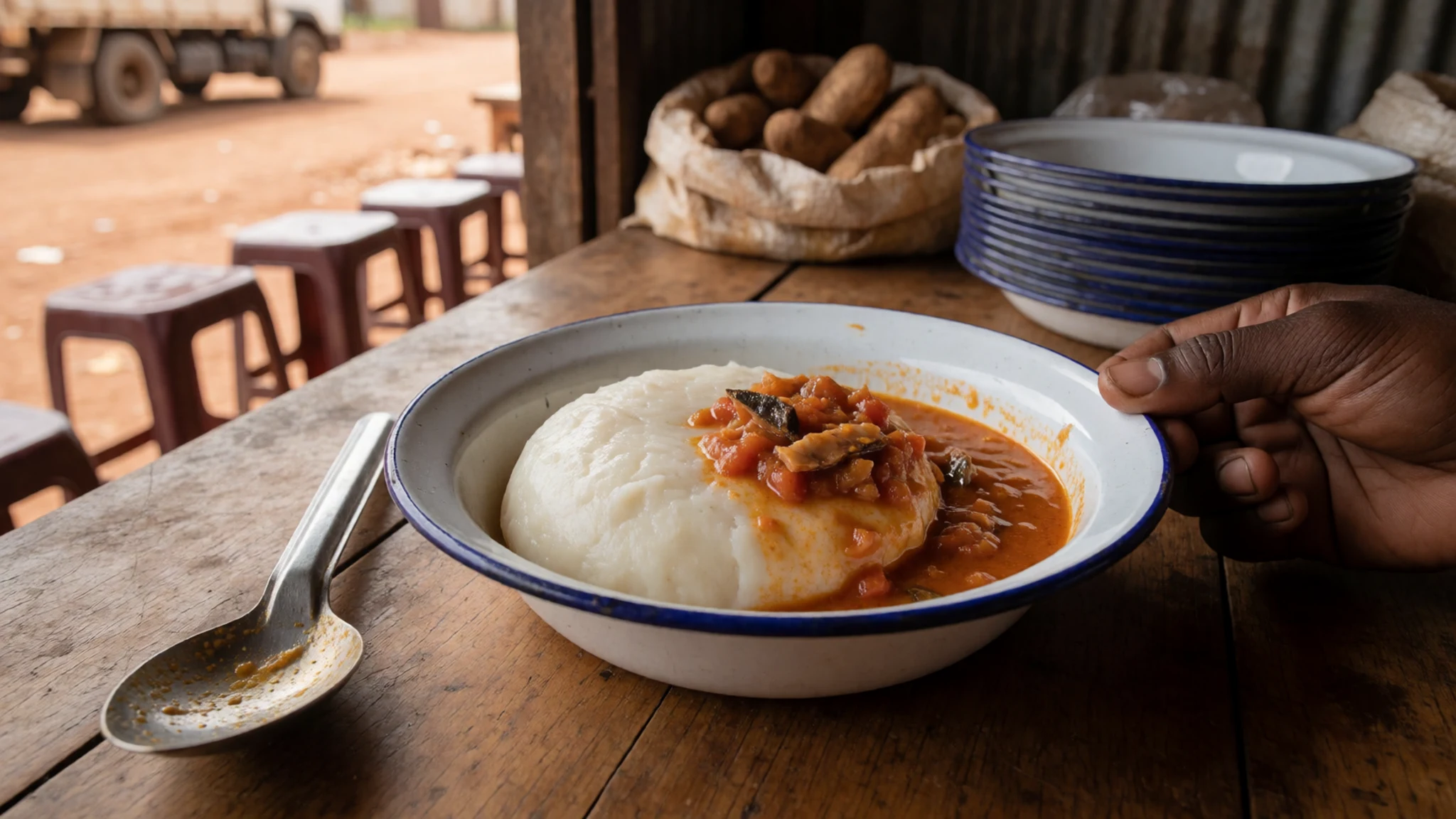
- Akume — Local eateries and market food stalls in towns
Akume is a soft maize-flour dough, firmer than porridge, rolled into balls and eaten with the fingers. It is a staple in the south and is usually served with a rich sauce, often a spicy tomato or okra one.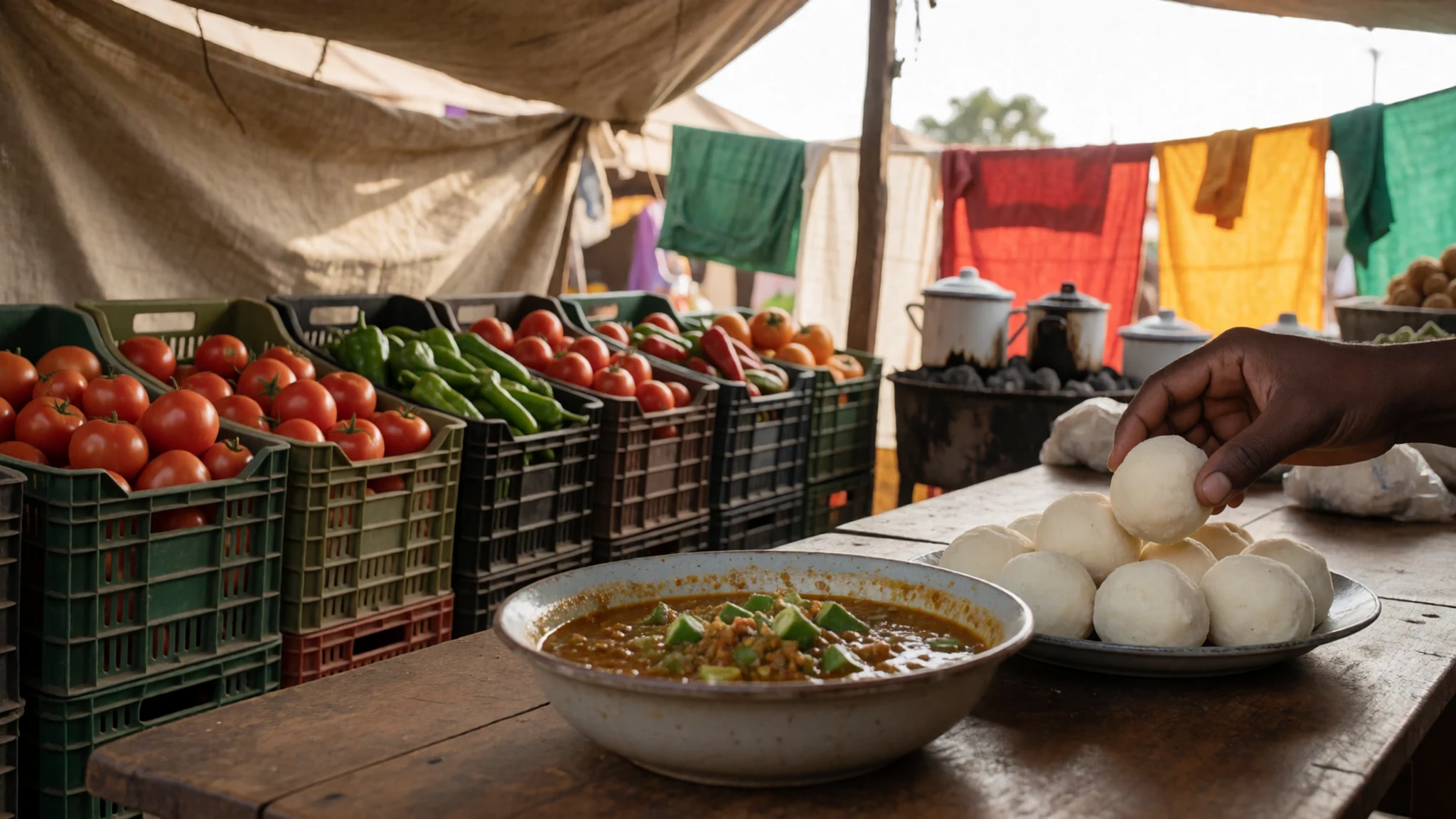
- Plantain — Street corners, bus stops and market stalls
Plantains appear in several forms: grilled over charcoal, boiled, mashed or fried in slices. Grilled plantain with pepper sauce is an easy, cheap snack and is well suited to long journeys on the road north. - Roadside fruit — Tables beside the main highways and country roads
In season, pineapples, mangoes, papayas and oranges are sold from tables beside the main roads. Some sellers also offer the orange fruit of the African fan palm, which is opened at the top, with the sweet fibres sucked off, tasting a little like mango. - Bissap — Markets, street vendors and small local bars
Bissap is a deep-red cold drink made from hibiscus flowers, tart, sweetened and sometimes flavoured with mint or ginger. It is one of the most common soft drinks and welcome in the heat. Choose bottled or well-prepared versions made with safe water.
Plan it
Best time. November to February is the dry season, when tracks are firmer and animals gather near water, though dust haze from the harmattan wind can soften views and nights can feel cool. March and April bring the fiercest heat. The rainy months from May to October make roads difficult and the grass tall enough to hide wildlife.
How long. 2–3
Getting there. Fly to Lomé, then travel north by road via Kara; bush taxis and buses serve the main towns, but the final stretch to the park usually needs a private vehicle or a driver arranged in advance. Check the official park and tourism contacts before setting out.
Budget. mid
Tips
- Apply for an eVisa online through the official government site well ahead, as processing takes days and border issue is no longer offered
- Arrange a local guide and transport before you go, since services near the park are limited
- Avoid driving after dark; the hilly road north of Kara is known for accidents and overloaded vehicles
- Carry cash in small notes and plenty of drinking water, as cards and shops are rare in the north
- Start walks at dawn, rest in the midday heat and bring a hat, sun cream and insect repellent
Etiquette
- Greet people properly in each village and use handshakes where offered
- Ask before photographing people or homes, and respect any local guidance about restricted areas
- Keep distance from elephants and follow your guide's instructions at all times
Nearby
Sources
- Wikidata Q246121 (CC0)
- Wikipedia: Kéran National Park (rev 1362782648) (CC BY-SA 4.0)
- Wikivoyage: Togo (rev 5332799) (CC BY-SA 4.0)
- Keran National Park — Damien Halleux Radermecker, via Wikimedia Commons (CC BY-SA 2.0)
- reserve naturelle — Ubkoumbogny, via Wikimedia Commons (CC BY-SA 4.0)


Wildlife
- African elephant (animal)
The African bush elephant is the biggest animal that lives on land, with a long trunk that works like a hand, huge ears that help it cool down, and curved tusks. In Kéran, though, it is only an occasional visitor. Sightings are rare, and usually involve wanderers passing through light woodland and long grass, so count yourself lucky if you meet one. If you do, stay well back, keep quiet, follow your guide's lead, and never offer it food.