Togoville
Togoville, Togo
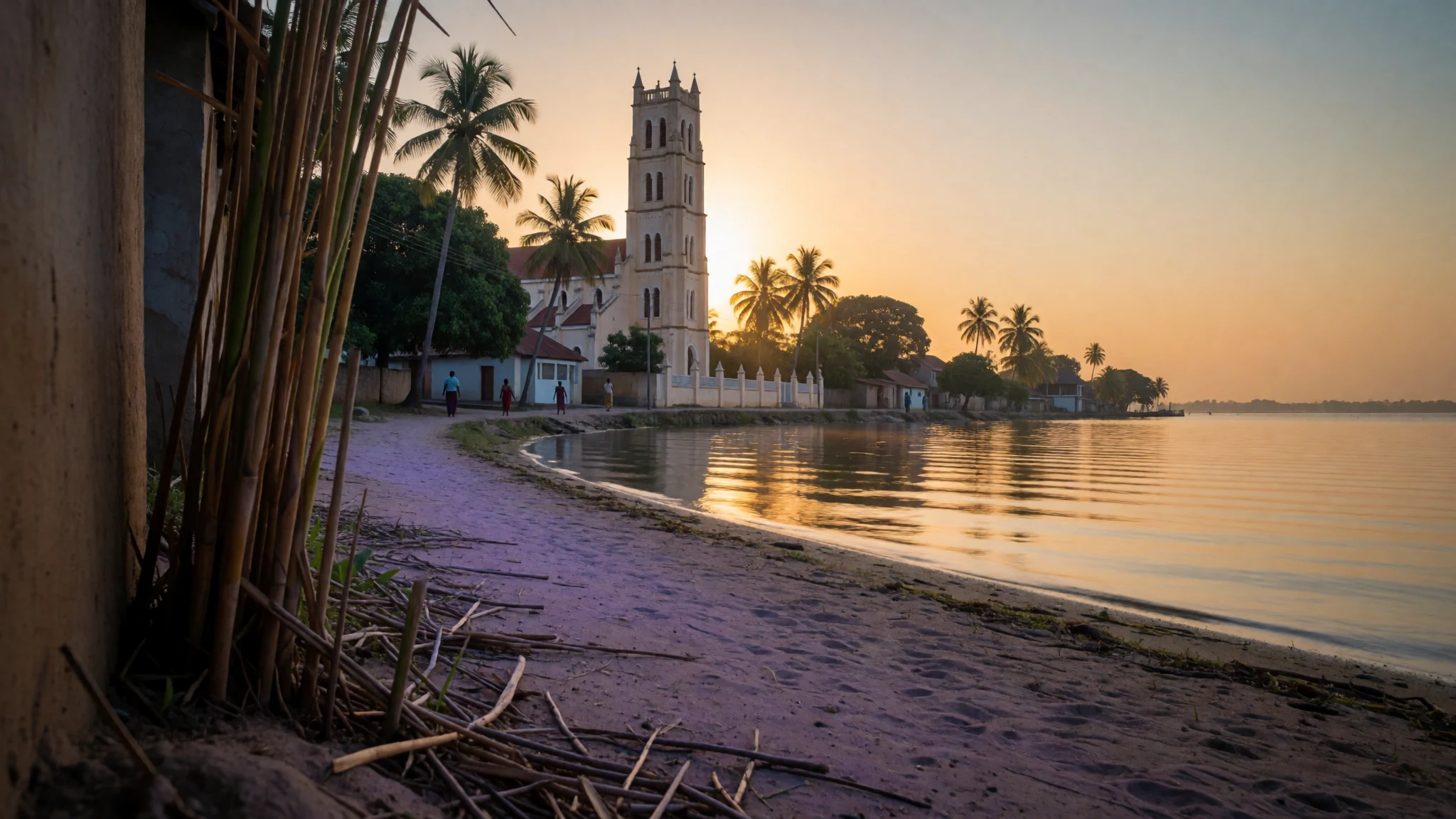
Togoville is a quiet lakeside town where a colonial treaty, a Catholic cathedral and living vodun shrines sit within a short walk of each other.
The place
Togoville sits on the northern shore of Lake Togo in the Maritime Region of southern Togo, and locals call it Togo-Bè. The country takes its name from the lake, and the town was once known simply as Togo, so this small settlement is in a real sense where the name began. It is a canton as well as a town, with a working feel: fishing boats pulled up along the water, small market stalls, children walking between family compounds, and sandy lanes shaded by trees. Nothing is polished for visitors, and that is much of the appeal. The pace is slow, the heat is steady, and the breeze off the lake makes afternoons easier than in the capital. Togoville has three overlapping layers. The first is the old royal seat, where a chief once ruled and where a small museum still holds his throne. The second is the Catholic presence, centred on a cathedral that draws pilgrims. The third is the vodun tradition, which remains an everyday practice, with shrines near the former palace and a sacred forest close by. Most visitors come from Lomé as a day trip, often combined with Aného on the coast, and the town can be covered on foot in a morning or an afternoon. Those who stay longer find that the lake, with its channels and fishing villages, repays slow exploration by boat. Services are basic, so the town suits travellers who are happy with simple food, patchy phone signal and unhurried arrangements. Visits go best when planned around a local guide, who can explain what may be photographed and what is private.
Its story
Togoville is where the modern state of Togo was set in motion on paper. In 1884 the German explorer Gustav Nachtigal signed a treaty here with the town's chief, Mlapa III. Germany used that agreement to claim a protectorate over a stretch of the coast, then extended its control gradually inland. The territory became the German colony of Togoland in 1905. German rule did not last long. In August 1914, early in the First World War, British troops advancing from the Gold Coast and French troops from Dahomey defeated the German forces, and Togoland was split into two League of Nations mandates, one run by the United Kingdom and the other by France. After the Second World War both became UN trust territories. The residents of the British-run part voted to join the Gold Coast as it moved towards independence as Ghana, while the French-run part became an autonomous republic within the French Union and gained independence from France in 1960. In 1967 Gnassingbé Eyadéma took power in a military coup and remained president until his death in 2005. Back in Togoville, the past is kept visible. A monument erected in June 1984 marks the hundredth anniversary of the treaty, and the royal house keeps relics and photographs from the period. The story is a useful reminder that a small lakeside town once carried a decision that shaped borders still in use today.
What to see
- Notre-Dame du Lac Cathedral — Town centre, near the lakeshore
Togoville's cathedral dates from 1910 and is the town's best-known landmark. A shrine to the Virgin Mary stands beside it, marking the spot where she is said to have appeared, which is why pilgrims travel here. Step inside for the quiet and the lake light, then walk round to the shrine.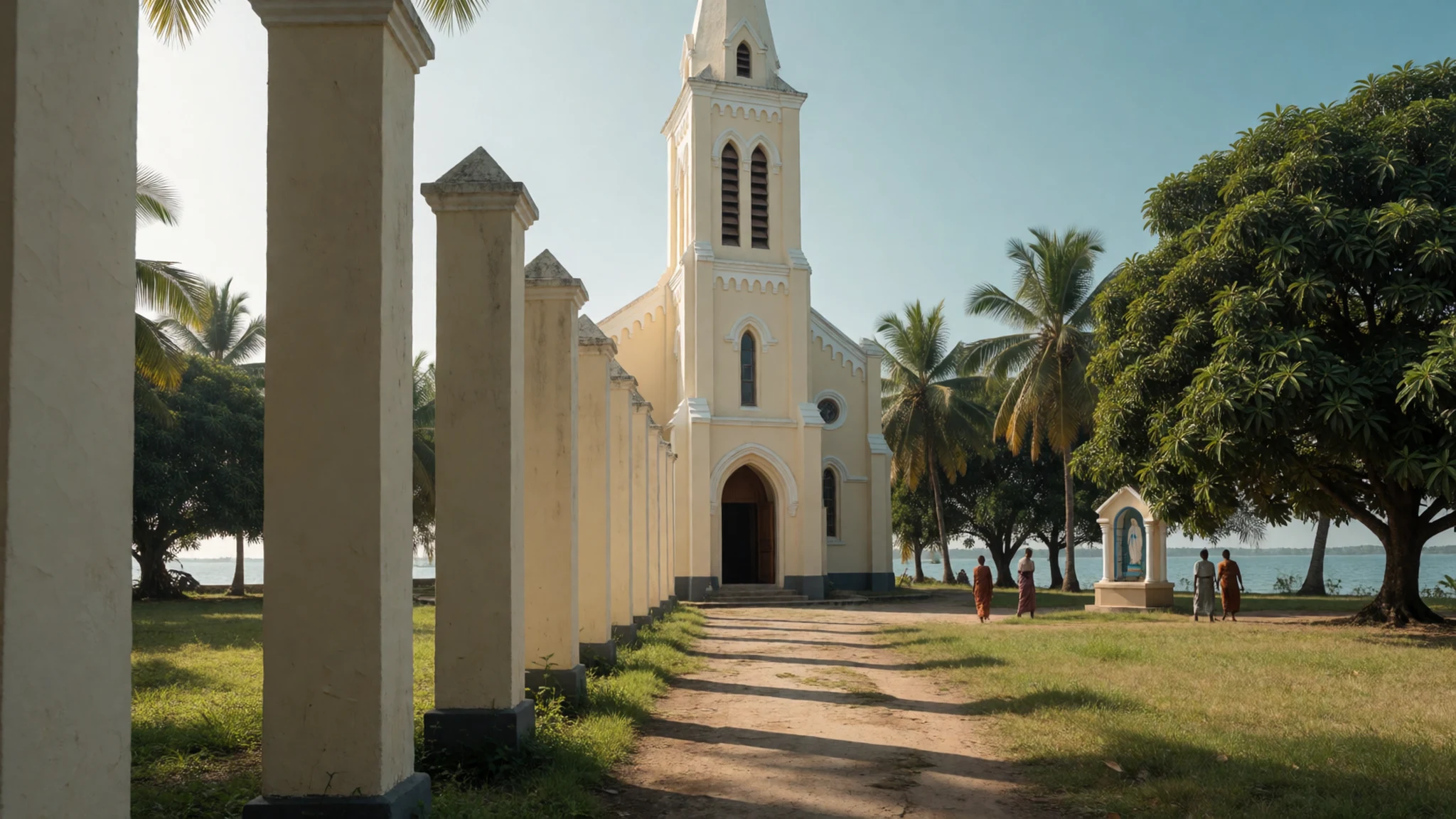
- Maison Royale — West of the cathedral
West of the church, the Maison Royale is a small museum of the royal house. It holds the throne of Mlapa along with historic relics and photographs from the treaty era. It is compact, so allow under an hour, and ask the keeper or a guide to explain the objects, as labelling can be thin.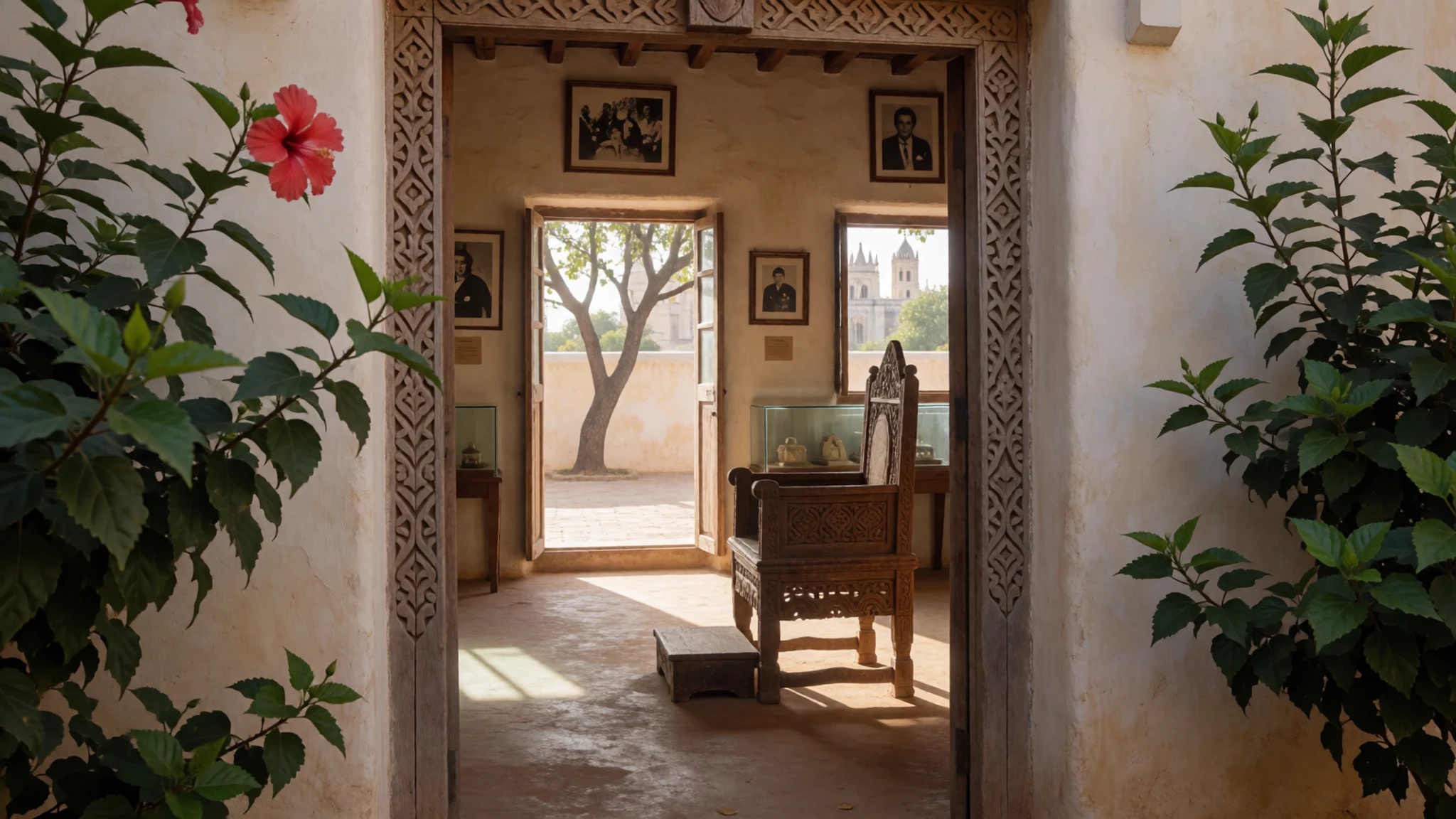
- Vodun shrines — Near the former royal palace
Near the former royal palace, Togoville has vodun shrines that are still in use. Altars of clay, cloth, bottles and offerings belong to daily religious life, not to a display. Go with a local guide, agree beforehand what can be photographed, and be ready to make a small contribution if asked.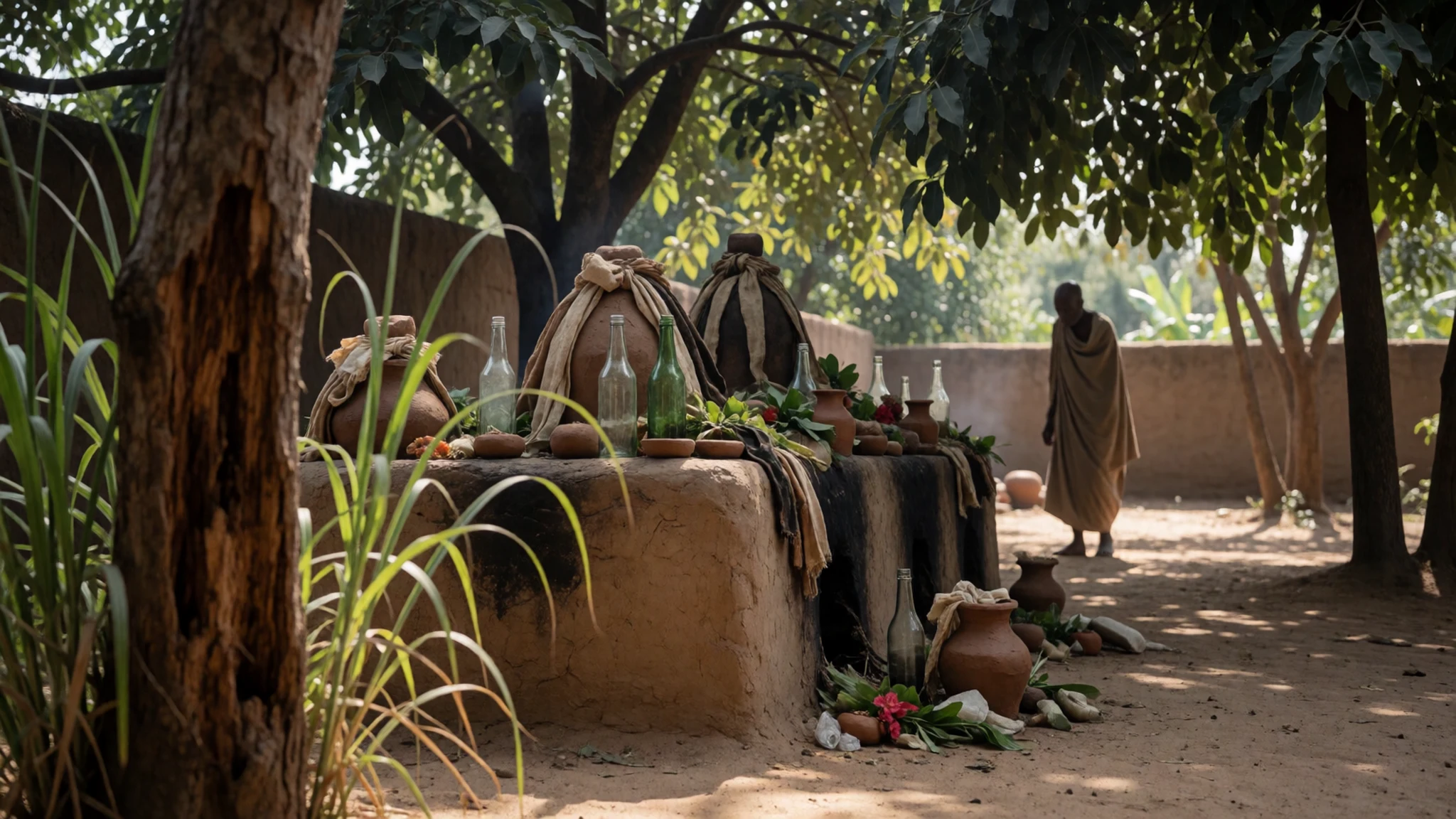
- The sacred forest — Edge of town
A sacred forest lies close to the town and is tied to the local vodun tradition. Access usually depends on a guide and the permission of those who look after it, and some parts may be closed. Treat it as a place of worship, keep voices low and follow the instructions you are given.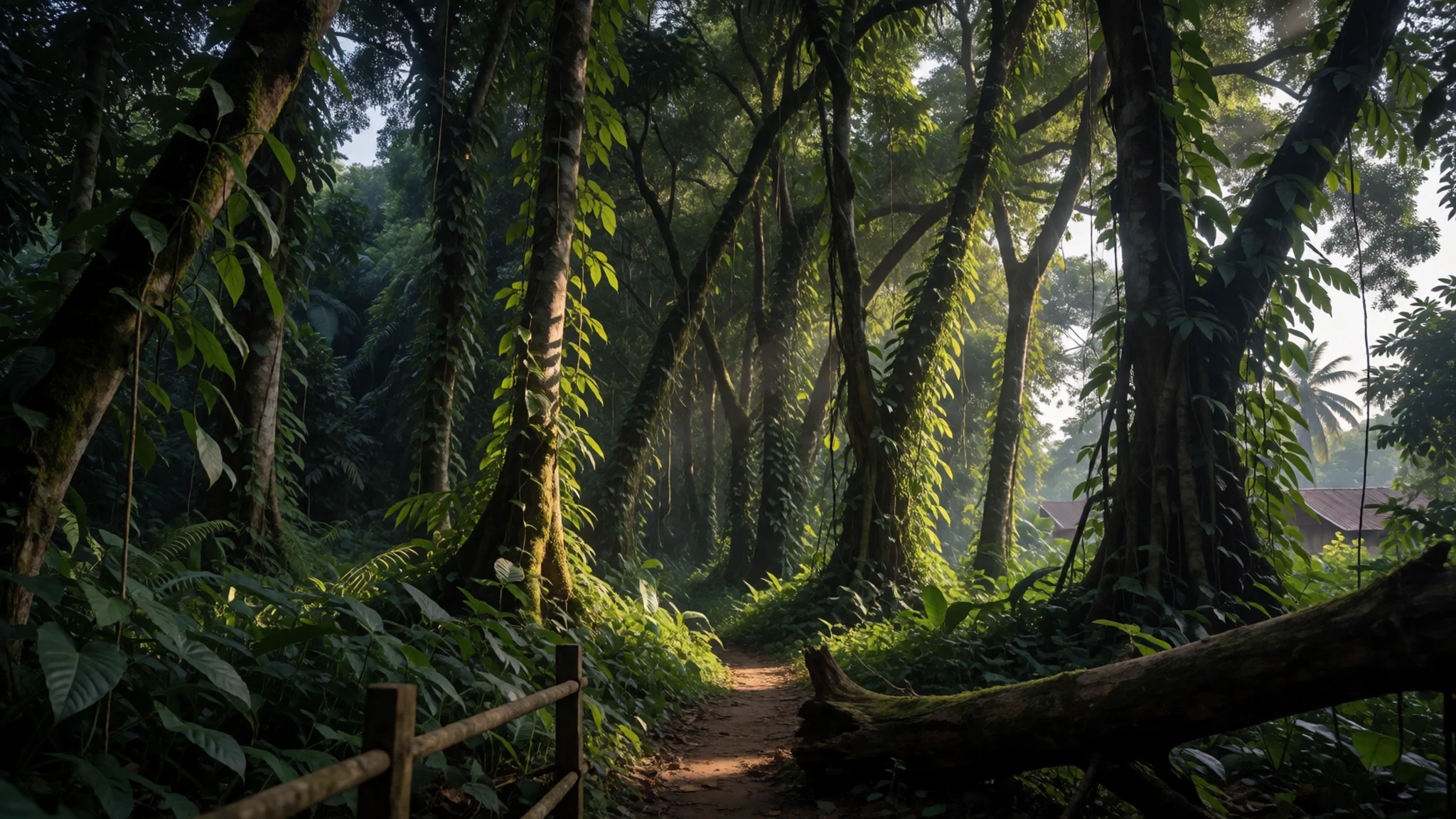
- Harbour and lakeshore — Lakeshore
The harbour is where Togoville feels most alive. Fishing boats, nets and canoes line the shore, and the water opens out across Lake Togo. Early morning and late afternoon give the best light and the most activity. A local boat trip is a good way to see the shoreline villages from the water.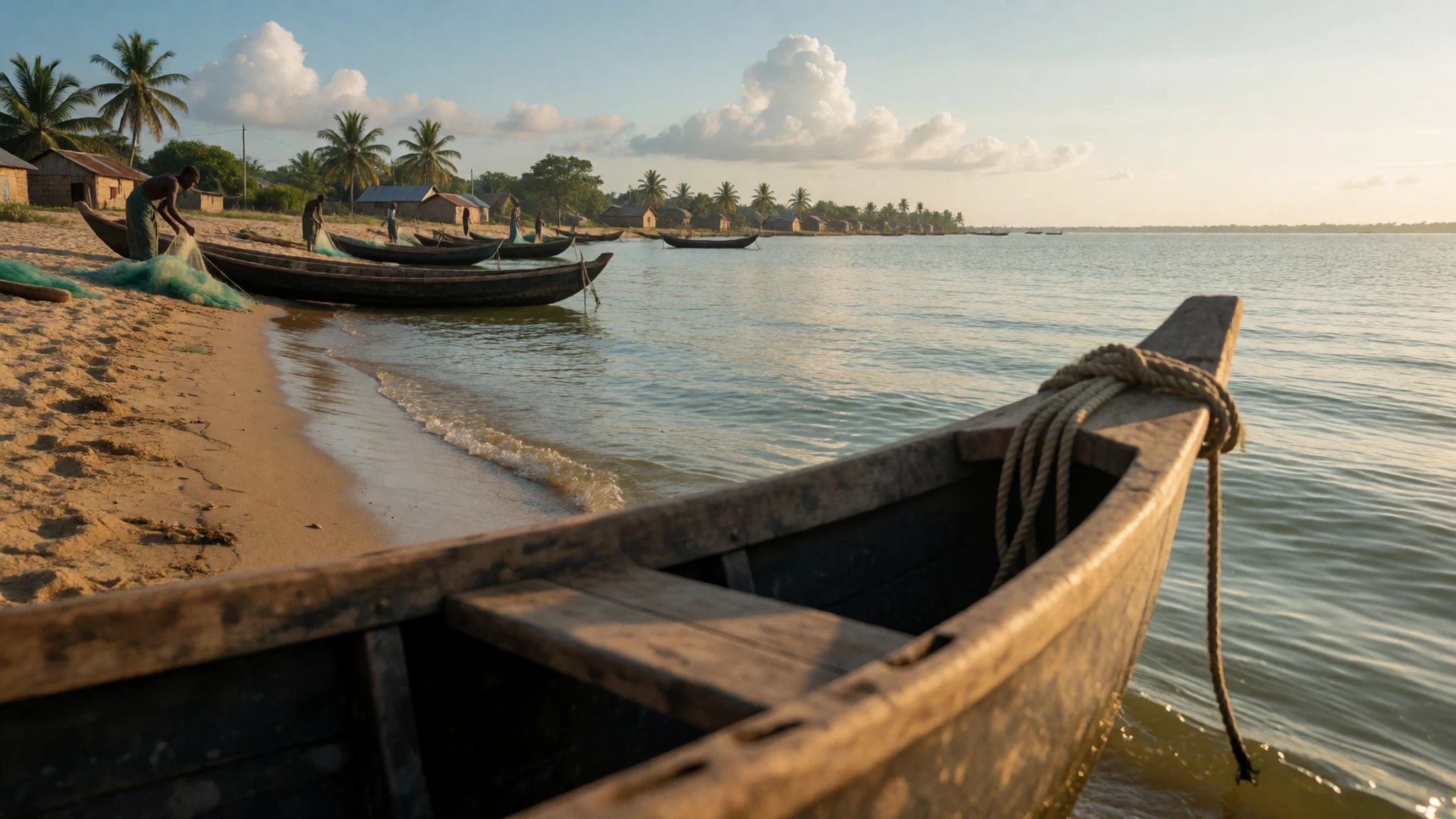
Culture
Togoville is a place where Catholic and vodun traditions sit side by side. The cathedral, finished in 1910, draws Christian pilgrims who come for the shrine to the Virgin Mary, said to mark a place of apparition. Close to the former royal palace, vodun shrines remain active, and a sacred forest nearby belongs to the same living tradition. Vodun here is a religion with priests, rituals and offerings, not a performance, and many practices are private. Royal heritage matters too. The Maison Royale keeps the throne of Mlapa, and the chief's line is part of how the town understands itself. Greetings carry real weight across Togo. People expect a hello to everyone present on arriving and on leaving, usually with a handshake, and launching straight into a request comes across as abrupt. French is the language of administration, while Ewe and Mina are heard in daily talk, so a few words of French and a friendly manner go a long way. Ceremonies and festivals are accompanied by drumming and song, but dates vary, so ask locally rather than planning around them. Football is the shared passion and an easy way to start a conversation. Greet everyone with a handshake, and always ask a guide or priest before photographing a shrine, a ceremony or a person.
What to wear
Togoville's traditional dress belongs to the wider Ewe and Mina world of southern Togo. Cloth is central: handwoven strip cloth of the kente family is worn for weddings, funerals and festivals, draped over one shoulder by men and worn as a wrapper and top by women. Factory-printed cotton wax cloth, known as pagne, is just as familiar, and tailors turn it into matching outfits for families and congregations. Vodun priests and devotees wear white or distinctive cloth, beads and cowrie shells at ceremonies, and these outfits are tied to ritual, so they deserve respect rather than a camera. Day to day, most people in Togoville wear practical clothes: shirts, trousers, skirts and dresses, with printed cloth outfits for Sundays and special occasions. Fishermen work in shorts and light shirts, while Lomé shows more tailored and modern styles. Visitors should dress for heat and humidity, in light, loose cotton or linen with shoulders and knees covered, which also suits the cathedral and the shrines. Bring a hat, sunscreen, and sandals or trainers that cope with sandy lanes and boat landings. Keep swimwear for the beach, and avoid camouflage patterns, which can attract unwanted attention in parts of West Africa.
What to eat
- Akume — Small local eateries and roadside stands
A soft dough made from corn flour, eaten by hand and dipped into a sauce. It usually comes with smoked fish, a spicy tomato sauce or a peanut sauce. Filling and simple, it is a staple of home cooking across southern Togo.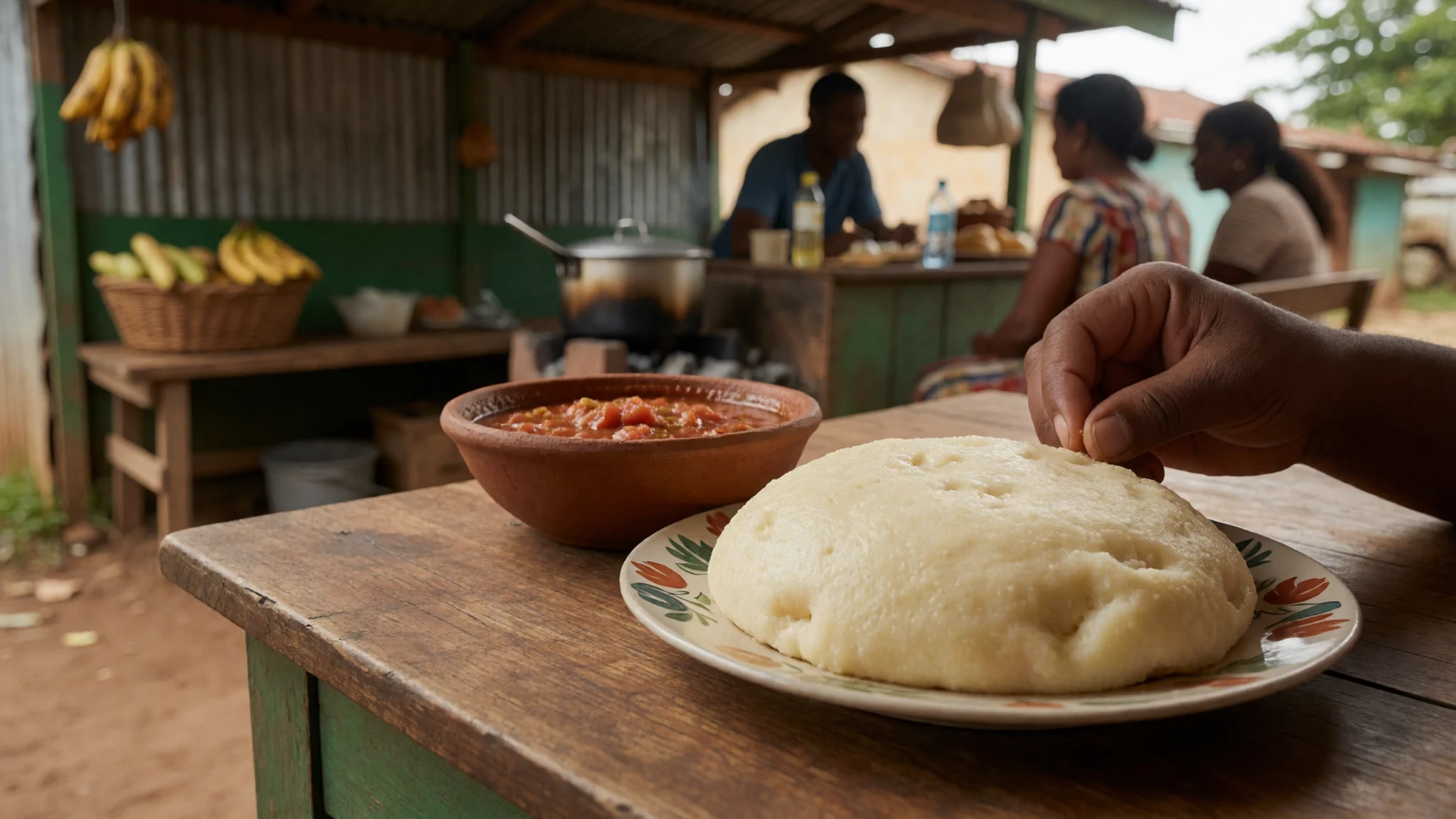
- Fufu — Fufu eateries in towns and roadside stands
White yams pounded into a stretchy dough, pulled off in small pieces with the right hand and used to scoop up sauce. Fufu is widely eaten across West Africa, and the sauce changes from cook to cook, so ask what is being served.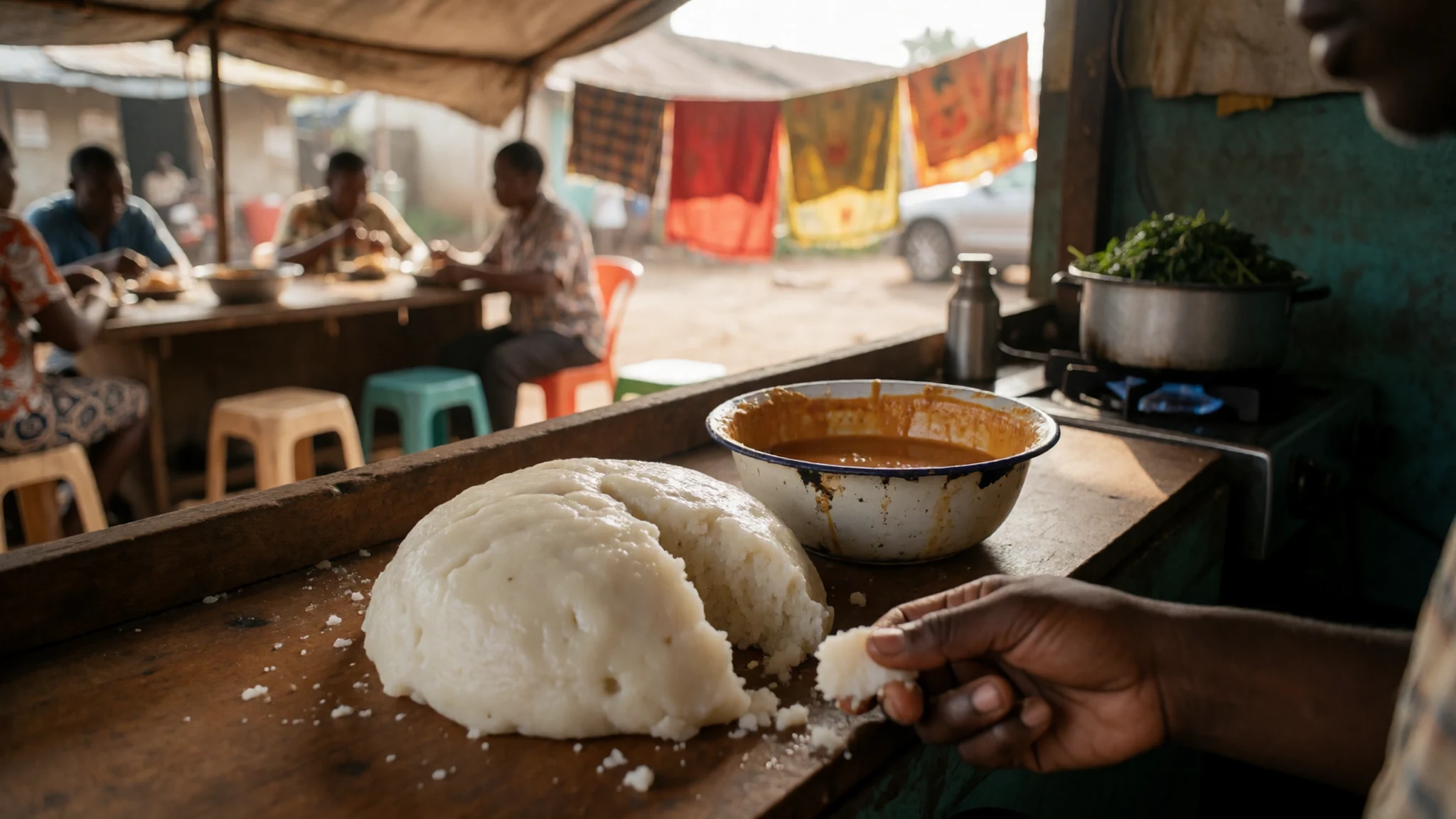
- Plantain — Street sellers near the market and harbour
Plantains appear grilled, boiled, mashed or fried, as a snack or alongside a sauce. Ripe slices are sweet and soft, while greener ones are firmer and more savoury. They make an easy, filling lunch beside the harbour. - Smoked fish with sauce — Home-style eateries near the harbour
Smoked fish is a common partner for akume and fufu, giving the sauce a deep, salty flavour. Close to a lake, it is worth asking what was caught locally that day and how the cook prefers to serve it. - Bissap and lemonade — Market stalls and roadside drink sellers
Bissap is a cold drink made from hibiscus flowers, tart, deep red and usually sweetened. Lemonade is just as popular. Both are sold in bottles and cups, and they are welcome in the heat. Check that any ice comes from a safe source. - Seasonal fruit — Roadside stalls on the way from Lomé
Pineapples, mangoes, papayas and oranges are sold along country roads in season. Ripe pineapple is sweet and juicy, and sellers will often peel it on the spot. Buying fruit on the way from Lomé is an easy, refreshing stop.
Plan it
Best time. December to March is usually the drier stretch, better for walking the lanes and taking boat trips; in the main rainy months, downpours make paths muddy and the air heavy. Check a current forecast before you travel.
How long. 1–2
Getting there. Fly to Lomé (LFW), or fly to Accra in Ghana and take a bus to the Aflao border, then walk across and find transport in Lomé. From Lomé, shared bush taxis and private cars run east towards Aného and Lake Togo. For Togoville itself, arrange a car or taxi and ask locally about the final lakeside road or boat crossing.
Budget. low
Tips
- Travellers from outside Africa need an eVisa: apply well ahead through the official government site and check current rules before booking.
- Start early from Lomé to enjoy cooler hours and calm light on the lake.
- Carry cash in small notes, as cards are unlikely to work in town.
- Hire a local guide for the shrines and the sacred forest, and agree the arrangement first.
- Bring drinking water, sun protection and insect repellent.
Etiquette
- Greet everyone with a handshake and a hello when arriving and leaving.
- Ask before photographing people, shrines or ceremonies.
- Dress modestly at the cathedral and at vodun shrines, and follow your guide's instructions.
Nearby
Sources
- Wikidata Q998417 (CC0)
- Wikipedia: Togoville (rev 1377611260) (CC BY-SA 4.0)
- Wikivoyage: Togo (rev 5332799) (CC BY-SA 4.0)
- Photo: Togoville, Togo, 2007-12-02 (Alexandra Pugachevsky) (CC BY 3.0)
- Photo: Cathédrale Notre-Dame du Lac Togo (Rayman3640) (CC BY-SA 2.5)
- Photo: Harbour in Togoville, Togo, 2007-12-02 (Alexandra Pugachevsky) (CC BY 3.0)
- Photo: Au marché de Togoville (Le bon Sos) (CC BY-SA 4.0)
- Photo: Autel vaudou à Togoville (Ypirétis) (CC BY-SA 4.0)
- Photo: ADANU Artisanal Center (Razak23) (CC BY-SA 4.0)
- Photo: Chemin de fer érigé en pont traversant le lac Togo (Razak23) (CC BY-SA 4.0)
- Photo: Des masques culturelles (Razak23) (CC BY-SA 4.0)


