Aného
Aného, Togo
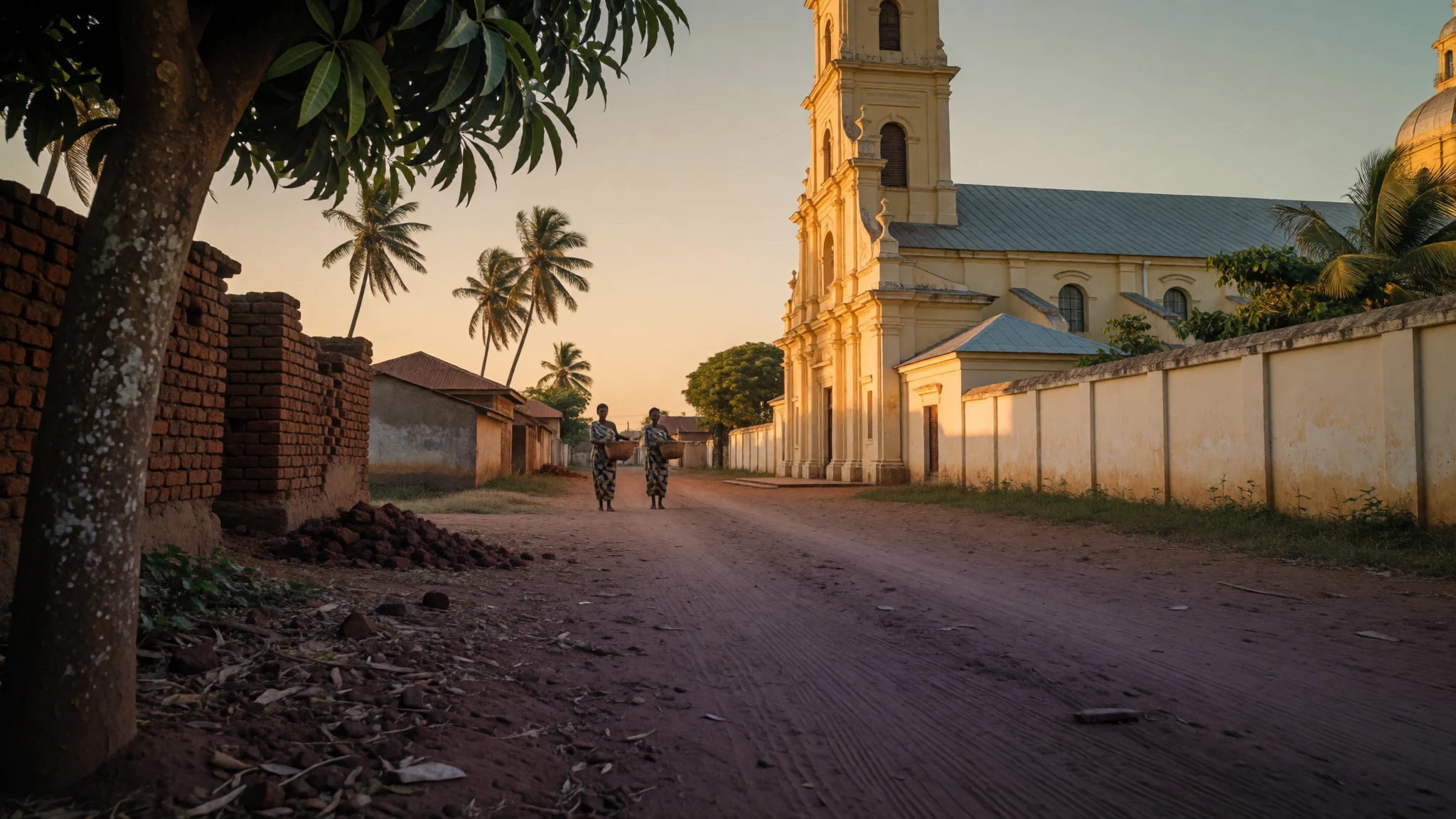
Aného is a small Togolese coastal town where German-era buildings, Vodun shrines and a painful trading past sit between the sea and a lagoon.
The place
Aného sits on the Gulf of Guinea in the far south-east of Togo, close to the Benin border, on a narrow strip of land with the Atlantic on one side and the Lake Togo lagoon system on the other. The ground here is only about two metres above sea level, so water is never far away, and erosion has taken land from the shoreline over the years. About 28,000 people live in the town, a modest number beside Lomé, the capital, which lies a short drive west along the coast road. Older names, Petit Popo and Little Popo, still turn up in books and on old maps. The people are mainly Guin and Mina, and their languages and customs shape daily life. Farming and fishing keep the local economy going: canoes are drawn up on the beach, and market gardens spread along the coastal belt. Aného is also a living centre of Vodun, the religion often written as Voodoo in English, so shrines and ceremonies belong to the town rather than being laid on for outsiders. What catches the eye first is the architecture. Many buildings date from the German colonial period, with verandas, thick walls and faded colour, and they stand beside later French-era houses and plain modern concrete. The pace is slow, the heat is steady and visitors are few. Anyone expecting resort infrastructure will be disappointed; people who like a small, thoughtful town with a layered past will find plenty to look at.
Its story
Aného began as a refuge. Ane people, driven out of Elmina in what is now Ghana by Denkyira raids, settled on this stretch of coast towards the end of the seventeenth century. The settlement grew into a trading port, and Portuguese merchants made it a market where enslaved people were bought and sold. It also sheltered Ofori, the king of Accra, after the Akwamu conquered his kingdom, but Little Popo met the same fate itself early in the eighteenth century. In the nineteenth century Germany made Aného the first capital of its Togoland colony, though only for a short spell. Zebe, nearby, became the second capital, and when the administration settled in Lomé before that century closed, Aného lost its political weight. Erosion of the shoreline made the decline worse, taking land and buildings with it. During the First World War, French forces occupied the colony and used Aného as their capital until the post-war settlement. Since then the town has stayed small beside Togo's other main cities, yet it keeps a reputation as a place of schooling, writing and public debate. The Guin and Mina communities held on to their language, chiefs and religion through every change of ruler, which is why an older layer of the town is still easy to find behind the colonial one. That mix of a troubling trade history, a short run as a capital and a long habit of learning explains why such a small town carries so much memory.
What to see
- The beach — Seafront
Aného's beach is a long, open stretch of Atlantic sand where fishing canoes are hauled up and nets are mended in the shade. The surf and currents on this coast can be strong, so it suits walking and watching the morning catch far better than swimming. Go early, before the heat builds.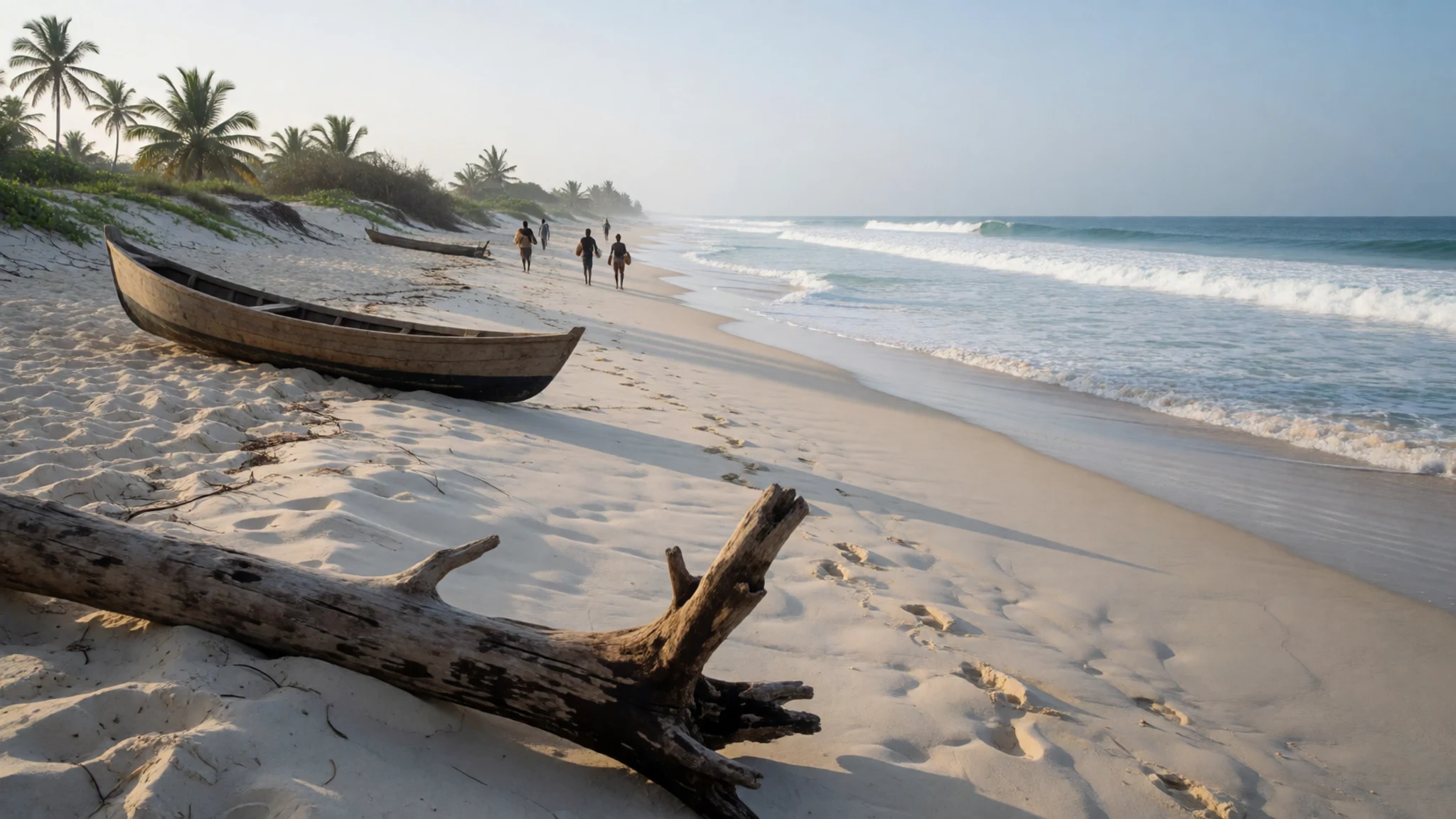
- Peter and Paul Church — Town centre
This is the cathedral of the Catholic diocese of Aného, built at the end of the nineteenth century. It is a good way to read the town's colonial layers in one building, and a quiet place to sit out the midday heat. Visit outside Mass times, and check locally whether the doors are open.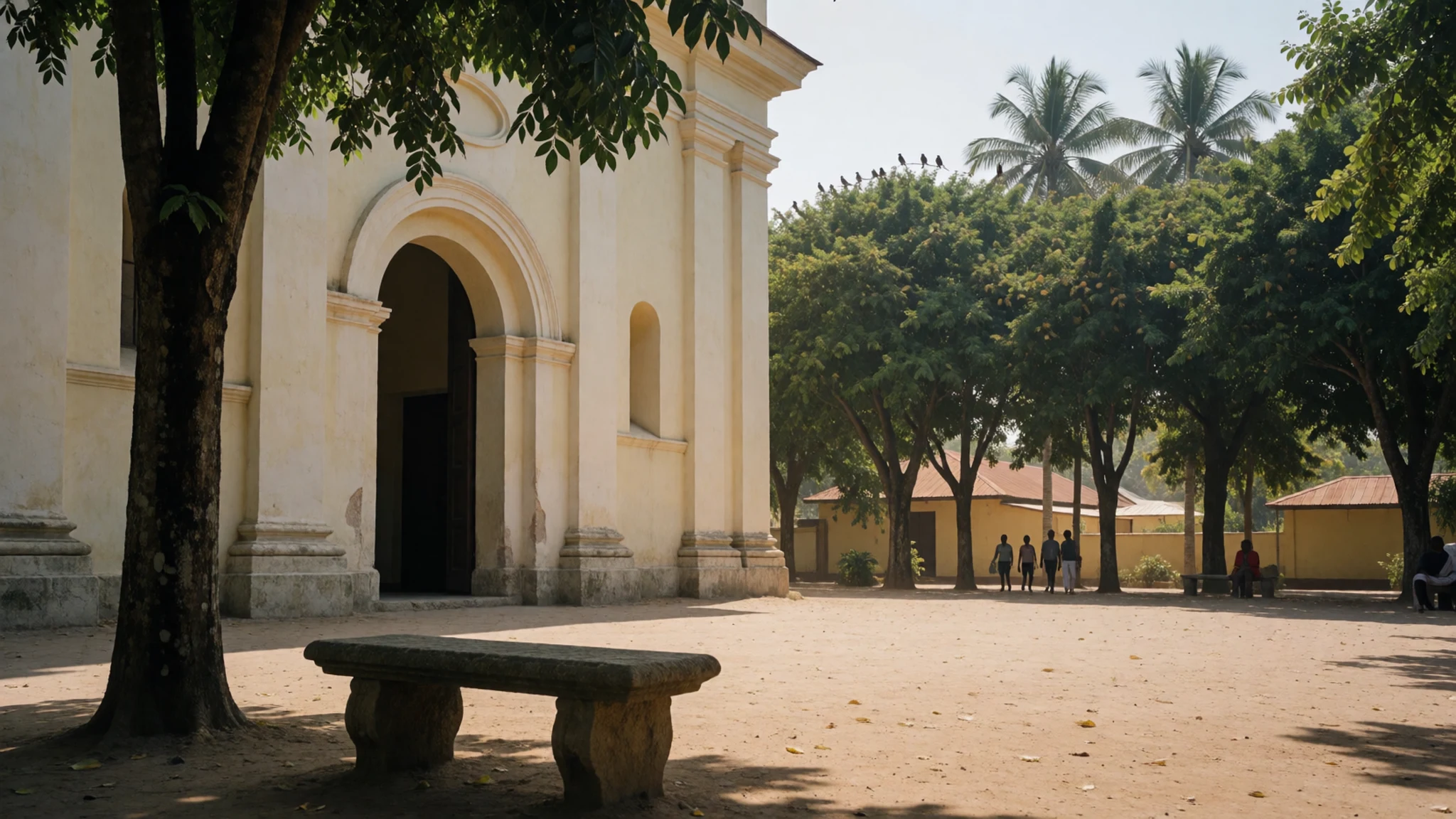
- Aného Protestant Church — Town centre
Built a few years before the cathedral, this Protestant church shows how several missions competed for influence along the coast. Its plain lines and age-worn walls are typical of the German period. It is still in use, so Sunday mornings are for worshippers rather than sightseeing.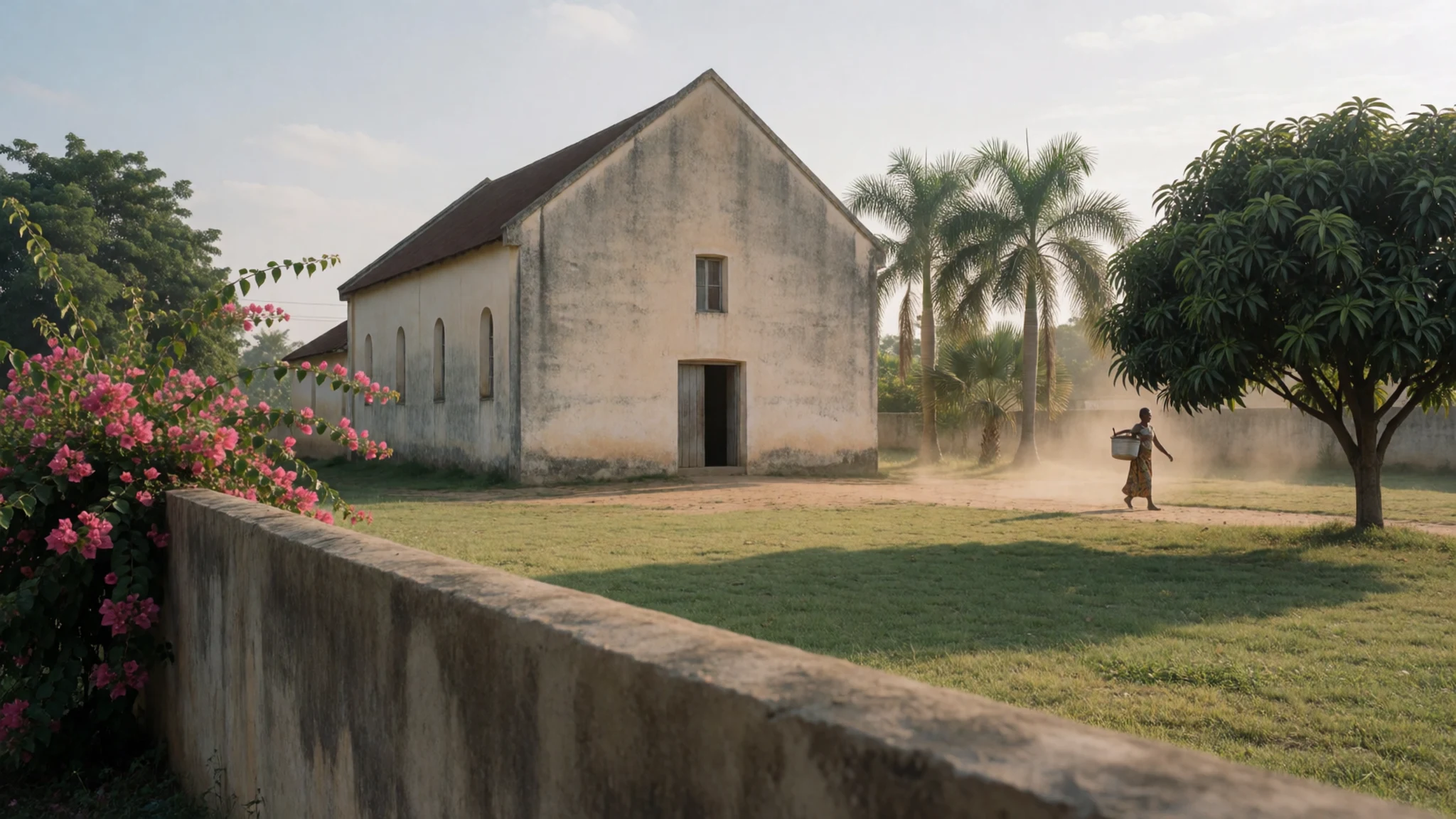
- The small museum — Town centre
A modest museum holds photographs and objects from the German colonial years. It is small, so it works best as a short stop that gives names and faces to the buildings seen outside. Opening arrangements are informal, so ask in town before making a special trip.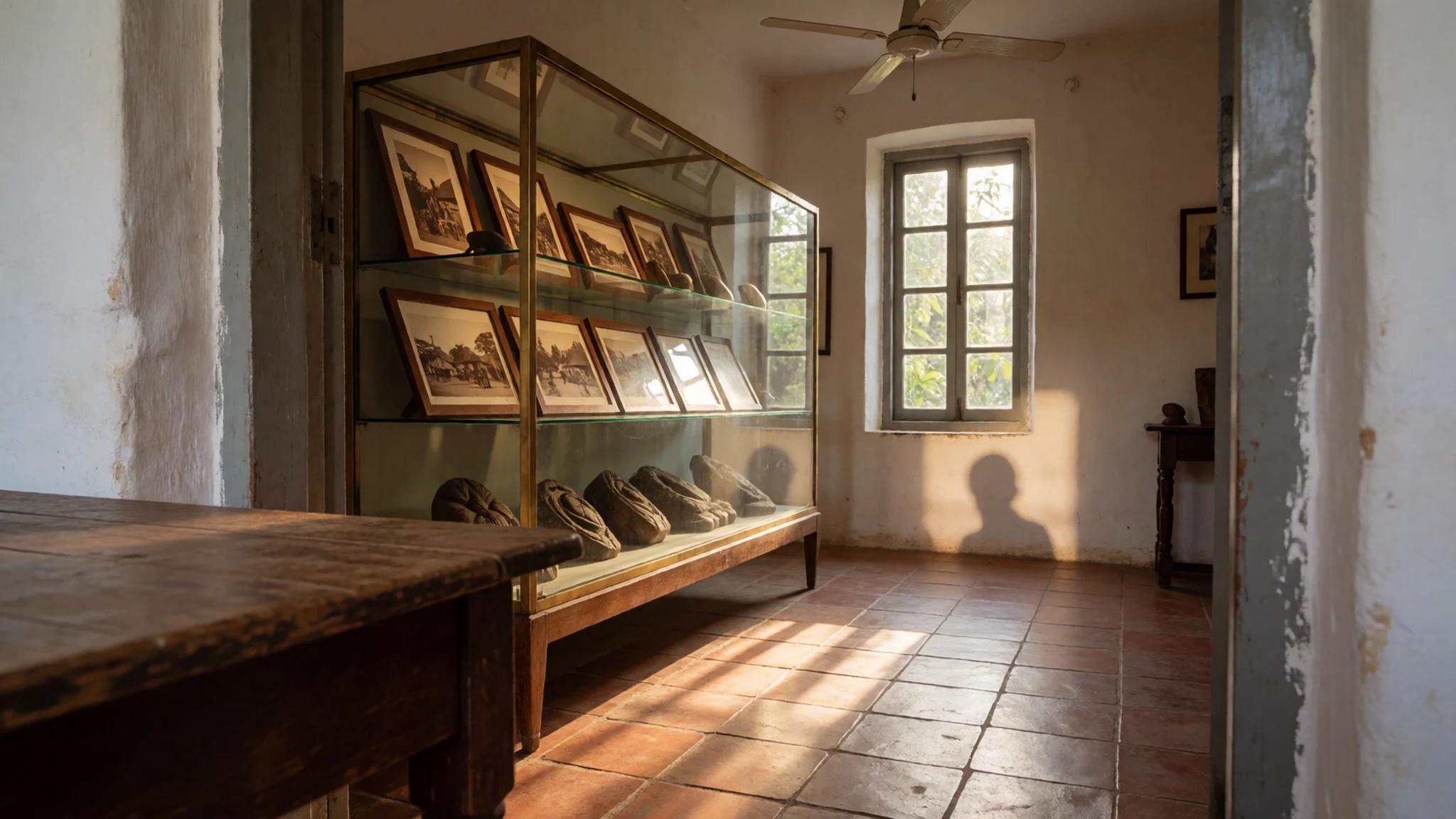
- Woold Homé — Old town
This historic house once belonged to an English slave trader, and enslaved people were held here before being shipped across the Atlantic. It is a sobering stop rather than a pretty one. Going with a local guide helps, since the story is better told by people from the town.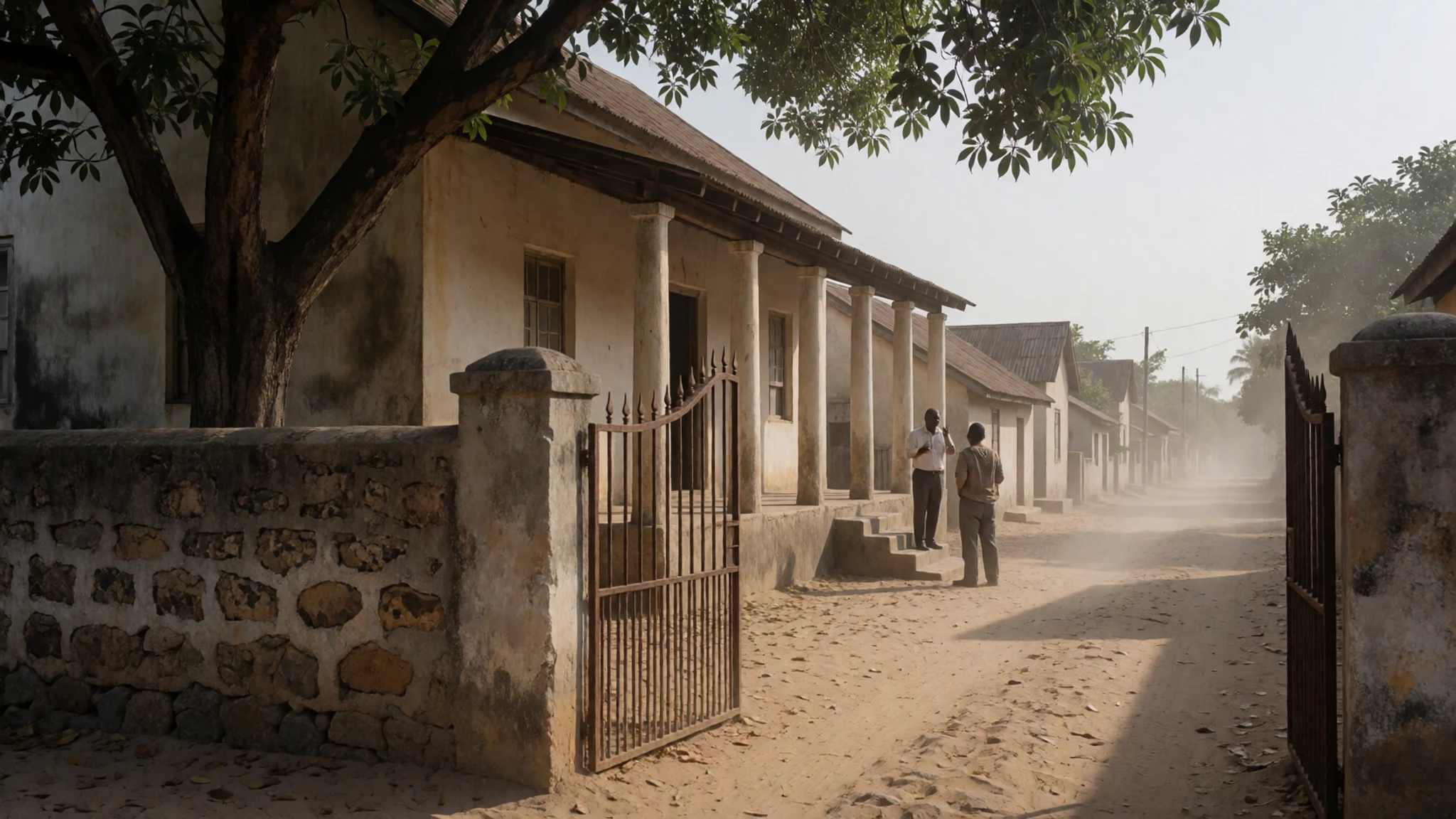
- The old German cemetery — Adido district
In the Adido district, the old German cemetery has well-kept graves with inscriptions that are still easy to read. Names, dates and trades on the stones sketch the lives of colonial officials, traders and their families. Walk through quietly and leave everything as you find it.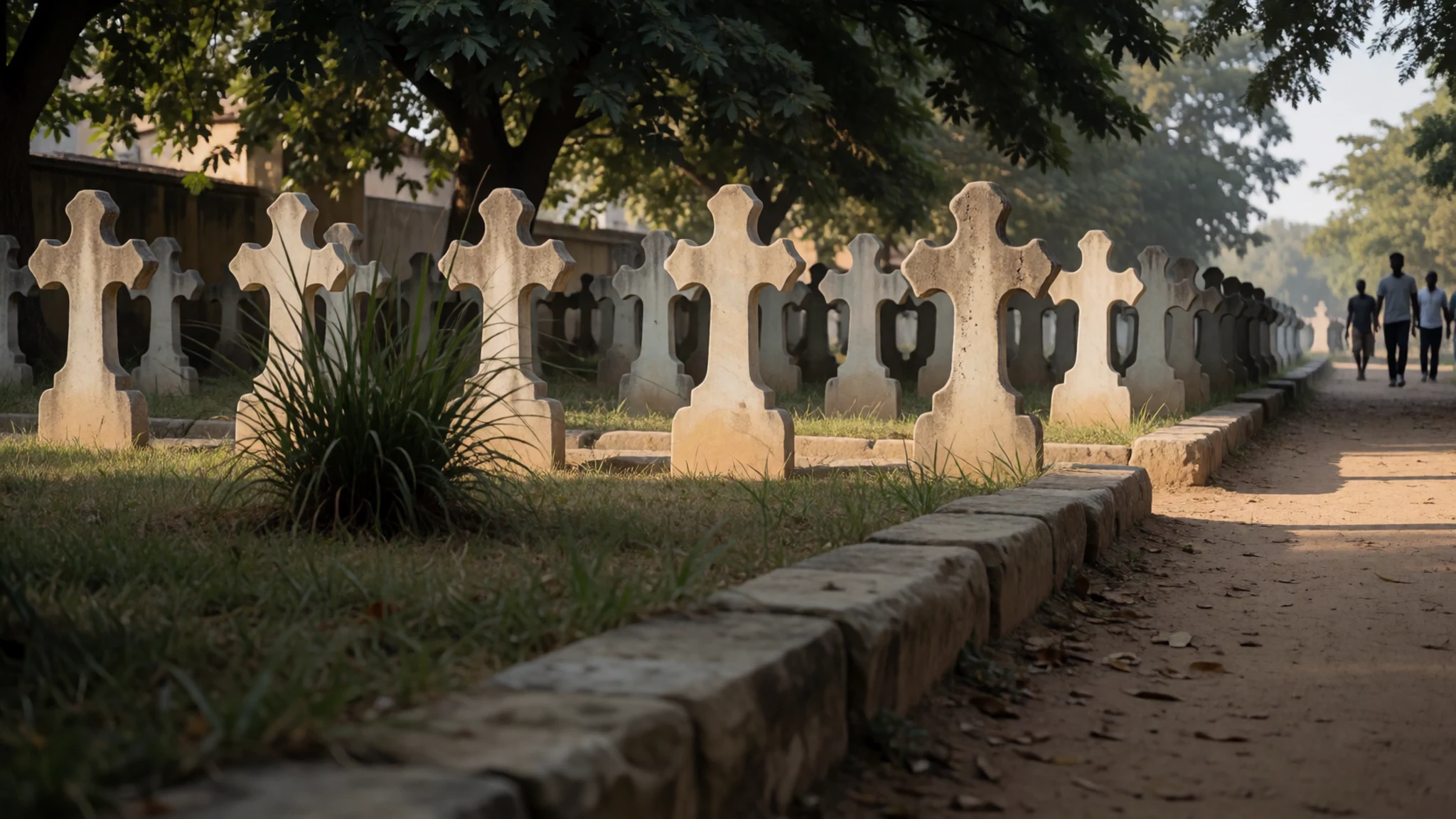
Culture
Aného is shaped by the Guin and Mina peoples, whose languages are heard in the streets alongside French, the official language. Family ties, greetings and age matter here: people usually greet properly before any business, and rushing straight to a question can seem abrupt. Vodun, often written Voodoo in English, is a living religion in the town, with its own shrines, priests, drumming and ceremonies. Many families combine it with Christianity, and churches of several denominations are well attended on Sundays. Vodun is a faith rather than a performance, and outsiders are guests at best. The Guin hold an annual festival called Gliji, which brings people home from across the region; if your trip overlaps, ask locally how to attend respectfully. Fishing rhythms organise the day on the beach, with boats going out early and the catch sold on the sand. The town's history of schooling means locals are often keen to talk about politics, books and the colonial past, and an open, curious attitude goes down well. Distilled palm spirit, known as sodabi, is offered at celebrations, and it is polite to accept a small taste or decline gently. Ask before photographing people, shrines or ceremonies, and follow your host's lead on where to stand and what not to touch.
What to wear
In Aného, traditional dress centres on cloth. Women wear wrapped pagne, printed cotton cloth sold in set lengths, often tailored into a matching top and skirt or a loose gown. Men wear boubous, wide flowing robes, or wrap-style cloth over the shoulder on formal days. Hand-woven strip cloth in the kente style, made by Ewe weavers in the wider region, is kept for weddings, funerals and festivals, while pagne marks church services and family gatherings. On an ordinary day, most people wear practical modern clothes: shirts, jeans, football shirts, light dresses and sandals, with fishermen in shorts and old T-shirts. For special occasions, tailors run up bright outfits in a single pattern for a whole family. Visitors should dress for heat, humidity and sun, with light cotton or linen, a hat and sunscreen. Cover shoulders and knees when entering churches, and dress modestly around shrines and in the older streets, as most of the town is conservative. Sandals are fine on the beach, but closed shoes are better on sandy, uneven or unpaved lanes. In the rainy months, pack a light waterproof. Avoid anything that looks military, as camouflage clothing can draw unwelcome attention in West Africa.
What to eat
- Grilled fish — Beach stalls near the canoes and small eateries along the seafront
Fish landed on the beach is grilled over charcoal and served with hot pepper sauce, onions and tomato. Choose what was caught that morning and let the cook describe it. It is simple, smoky and usually the best meal of the day.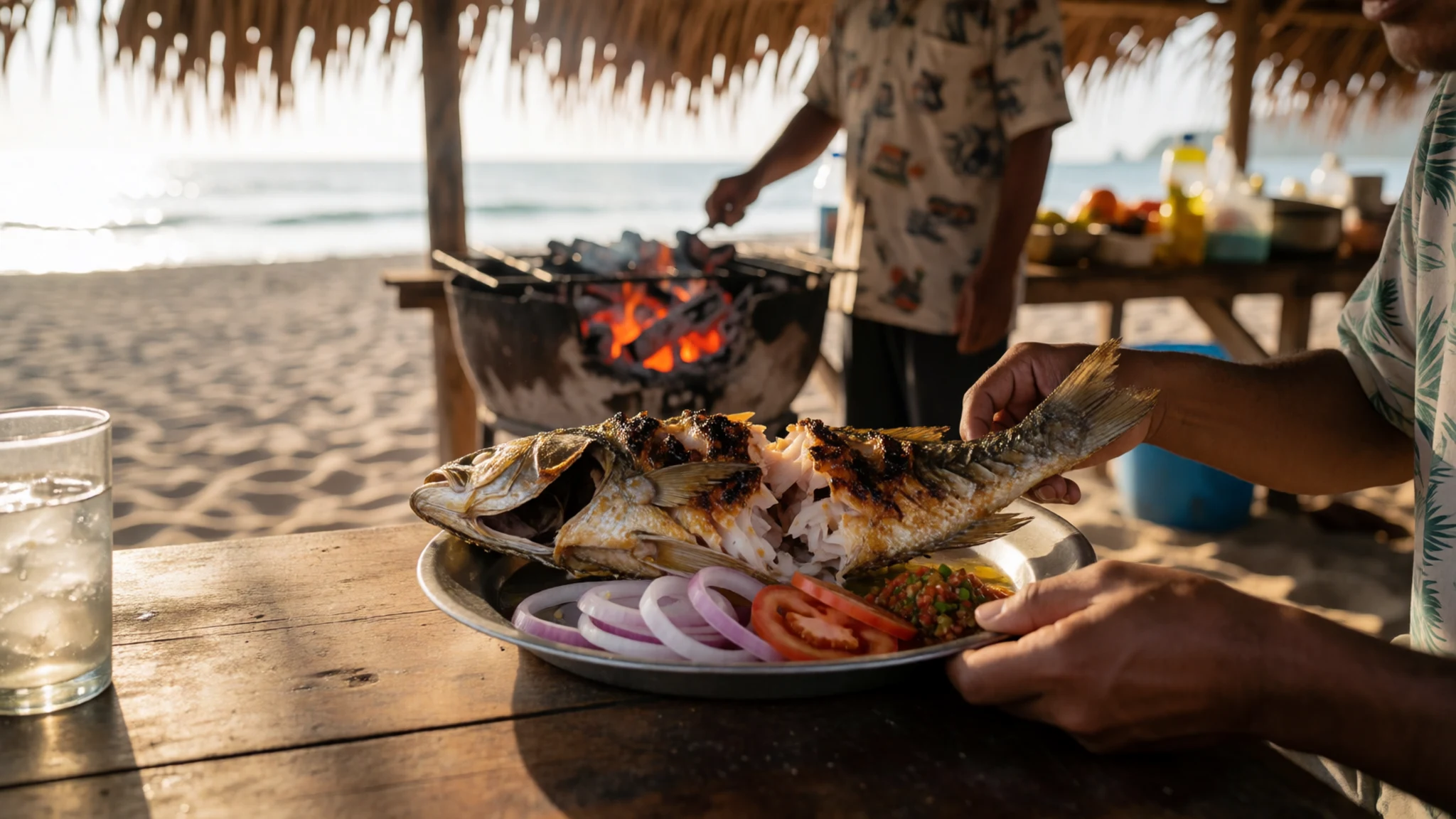
- Akoumé with okra sauce — Neighbourhood eateries and family kitchens in the town centre
Akoumé is a smooth, stretchy maize dough eaten with the fingers, torn off and dipped in a slippery, savoury okra sauce, often with fish or meat. It is filling, mild and a staple across southern Togo.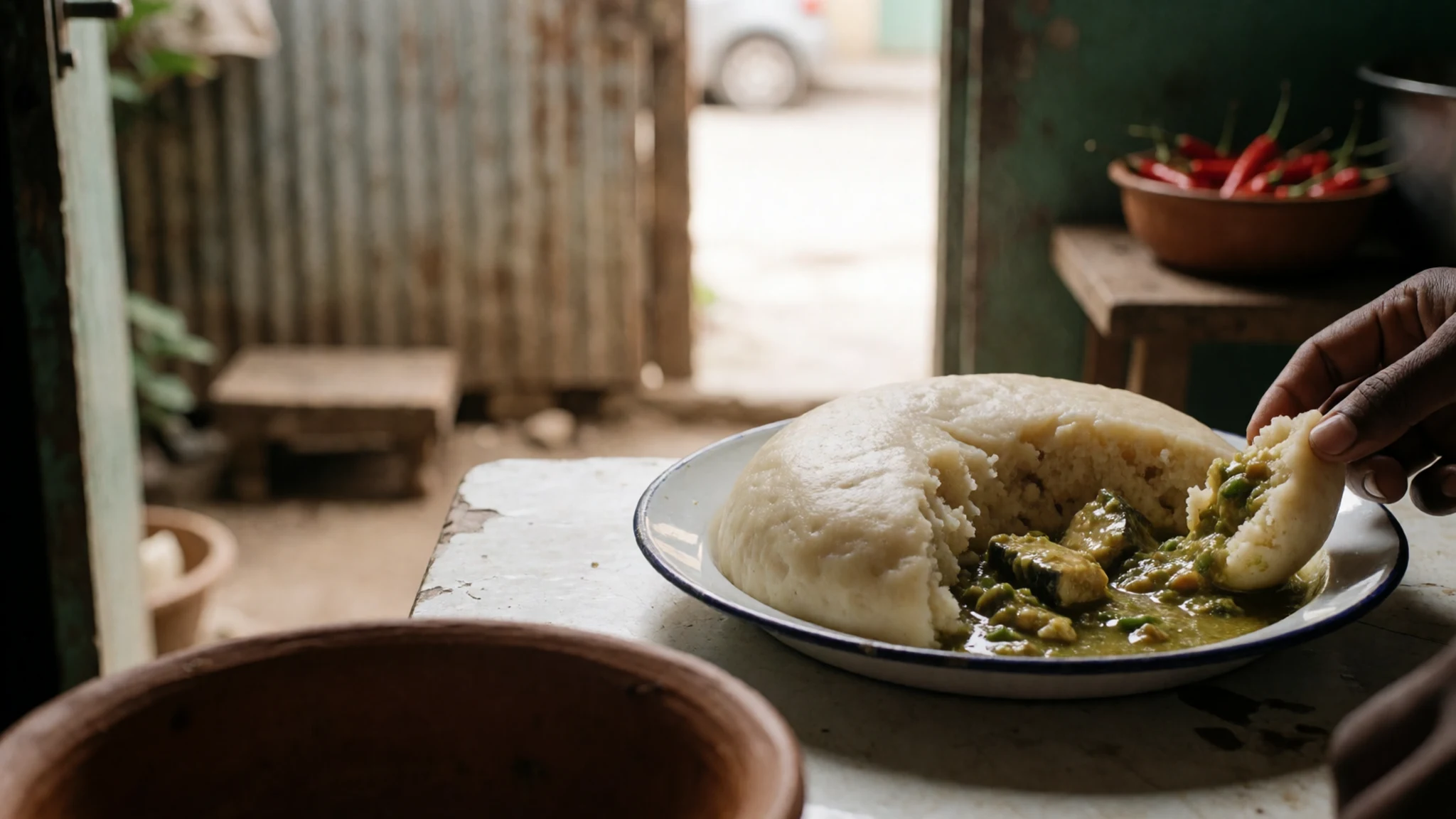
- Gboma dessi — Local eateries and lunchtime cooking pots near the market
A Togolese stew of leafy greens cooked with onions, tomato and palm oil, often with fish or meat added. The flavour is earthy and rich, and it is usually served with rice or maize dough. - Fried plantain with pepper sauce — Street corners and roadside stalls, especially in the afternoon
Ripe plantain slices are fried until caramelised at the edges and served hot with a spicy tomato and onion sauce. It works as a snack, a side dish or a light lunch and is easy to find. - Koklo meme — Evening grill stands in town
Charcoal-grilled chicken, marinated with spices and served with onions, pepper and often fried plantain or bread. It is a common evening meal across Togo and a safe choice when you are unsure what to order.
Plan it
Best time. November to March, in the drier months, when days are hot but there is less rain; the heaviest rains usually fall around April to July, with a second, lighter wet spell in autumn. Dusty harmattan haze can arrive in the middle of the dry season.
How long. 1–2
Getting there. Fly to Lomé, Togo's capital, then travel east along the coast road to Aného by taxi, shared taxi or hired car. From Benin, Grand-Popo lies just across the border to the east, so the town also fits an overland coastal route.
Budget. low
Tips
- Carry cash in West African CFA francs, since cards are rarely accepted outside Lomé
- Check current government travel advice and visa rules before you go, as conditions can change
- Drink bottled or treated water and use mosquito repellent, especially at dusk
- Visit sights in the morning to avoid the worst of the heat, and ask locally about church and museum access
- Arrange a local guide for Woold Homé and the old town, as the stories are better told on the spot
Etiquette
- Greet people before asking questions or bargaining
- Ask permission before photographing people, shrines or ceremonies
- Dress modestly for churches and shrines, and swim with care because the surf is strong
Nearby
Sources
- Wikidata Q1018574 (CC0)
- Wikipedia: Aného (rev 1377553602) (CC BY-SA 4.0)
- Wikivoyage: Aného (rev 5342532) (CC BY-SA 4.0)
- Photo: Beach of Aného, Togo — Francois Jake Green (Fanfan) (CC BY 3.0)
- Photo: Kleinpopo; Nachtigallkrankenhaus mit Wickedenkmal — Brück & Sohn Kunstverlag Meißen (CC0 1.0)
- Photo: Farm to Plate 01 — Ubkoumbogny (CC BY-SA 4.0)
- Photo: Farm to Plate 02 — Ubkoumbogny (CC BY-SA 4.0)
- Photo: Farm to Plate 03 — Ubkoumbogny (CC BY-SA 4.0)
- Photo: Farm to Plate 04 — Ubkoumbogny (CC BY-SA 4.0)
- Photo: Farm to Plate 05 — Ubkoumbogny (CC BY-SA 4.0)
- Photo: Farm to Plate 06 — Ubkoumbogny (CC BY-SA 4.0)


