Lomé
Lomé, Togo
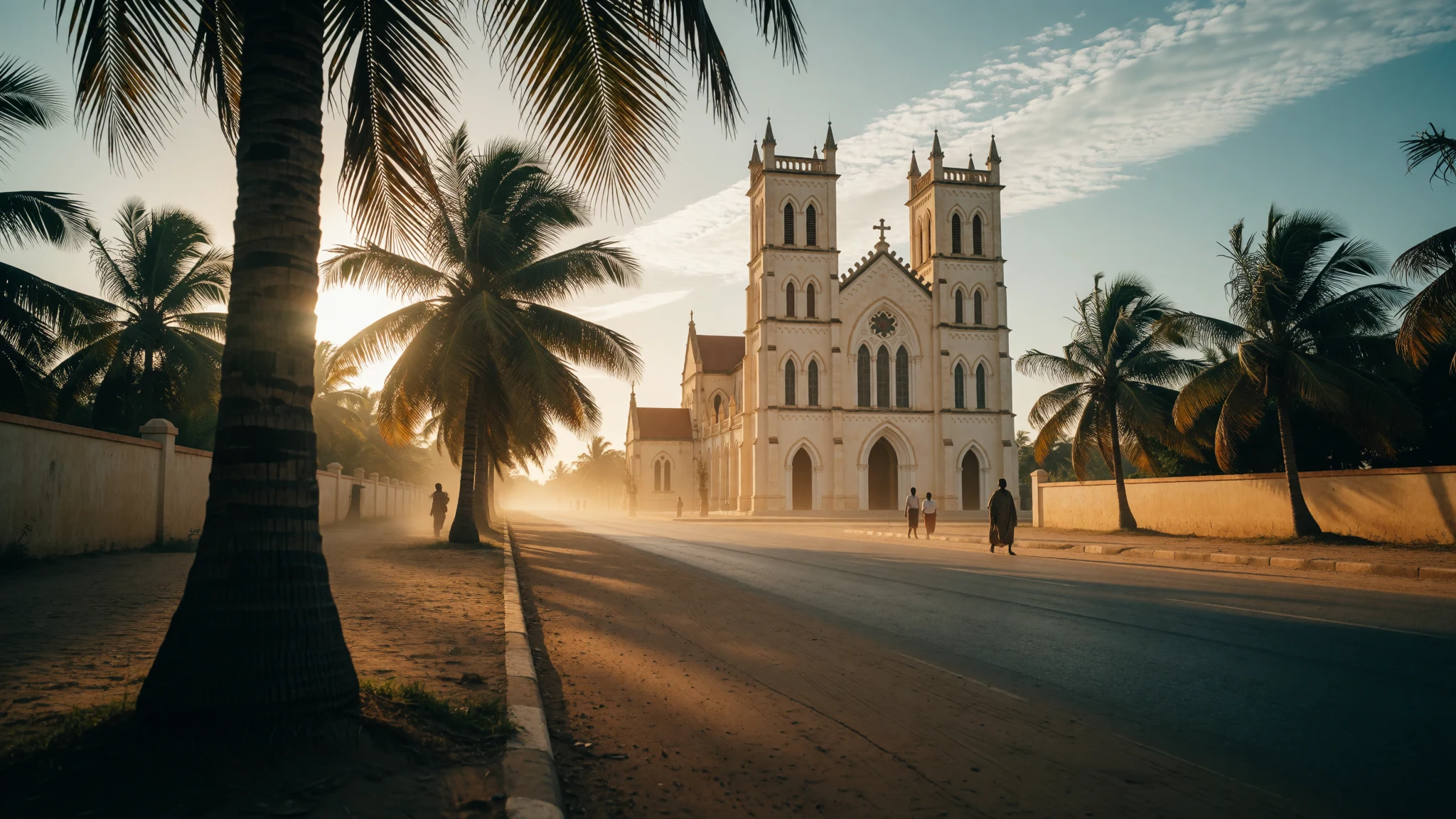
Lomé is a West African capital where the market, the beach and the Ghana border all sit within a short ride.
The place
Lomé is the capital of Togo, a port city on the Gulf of Guinea in the far southwest of the country. Its western edge is the Ghana border, only a few hundred metres from the centre, so the built-up area runs straight on into Aflao on the other side. The metropolitan area holds about 2.2 million people. The sea lies to the south and a lagoon to the north, which squeezed the early town into a narrow strip. Growth since then has pushed east towards the oil refinery and out along the coast. Lomé is both the administrative and the industrial centre, and its harbour ships out coffee, cocoa, copra and palm kernels. The ground is flat and sandy, at an elevation of about 10 metres, and a sea breeze takes the edge off the heat. Despite its closeness to the equator, the climate is drier than in many places on the same coast, because a gap in the forest belt lets drier air reach the shore. Fog and haze often sit over the water, and sunshine hours are fewer than in dry inland cities such as Bamako. Heat is steady all year rather than seasonal. Daily life divides between the banking district along the ring boulevard, the crowded markets, the beaches with their palm shade, and the constant cross-border traffic of traders and commuters. The city is best taken at walking and motorbike-taxi pace, in the cooler hours of the morning and evening.
Its story
Lomé grew from a quiet stretch of coast into a capital largely because of tax. In the 19th century, British customs duties on goods such as alcohol and tobacco made trade in the neighbouring Gold Coast expensive. Ewe merchants from the Aflao and Keta area wanted a landing place just over the line, out of reach of British customs officers, and the open shore at Lomé suited them. Around 1880 the settlement began to fill quickly. Ewe families were joined by German and British trading houses and by travelling merchants from the interior, among them Hausa caravan traders who had come down the cola routes. A place that had been thinly settled became a commercial hub within a few years. In 1897 it became the capital of Togoland, the German colony, which explains why some older streets and buildings in the centre carry a colonial imprint. Togo later passed under French administration and then gained independence, and the monument that marks that moment stands in the city today. Through all of these changes Lomé kept its character as a trading town. Goods, languages and currencies still cross here, at the harbour and at the border post a short walk from the middle of town. Understanding that origin helps explain the busy markets, the mix of French, Ewe and other languages in the street, and why so much of the city seems to be in motion.
What to see
- Independence Monument — Government quarter, near the Palais des Congrès
This monument stands in the government quarter and commemorates Togo's independence from France. A human silhouette is cut through the structure, so the sky shows through the figure. It is best photographed in the early morning, when the light is soft and the traffic around it is lighter. Check what is allowed near official buildings.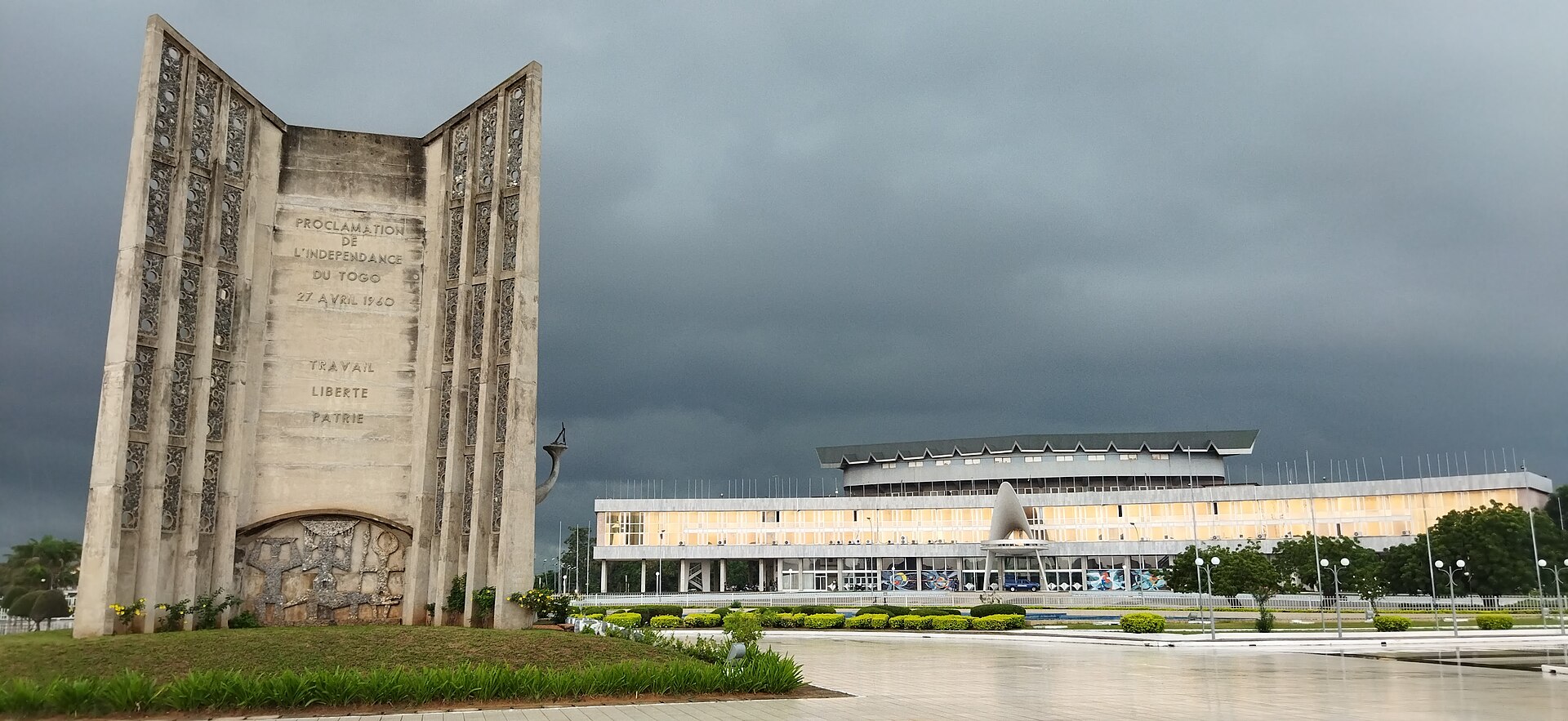
- Sacred Heart Cathedral — Central Lomé
The cathedral dates from 1902 and is the best-known church in Lomé. Pope John Paul II celebrated mass here in 1985, and the building still draws worshippers rather than only visitors. Go outside service times, dress modestly, and keep voices low if anyone is praying inside.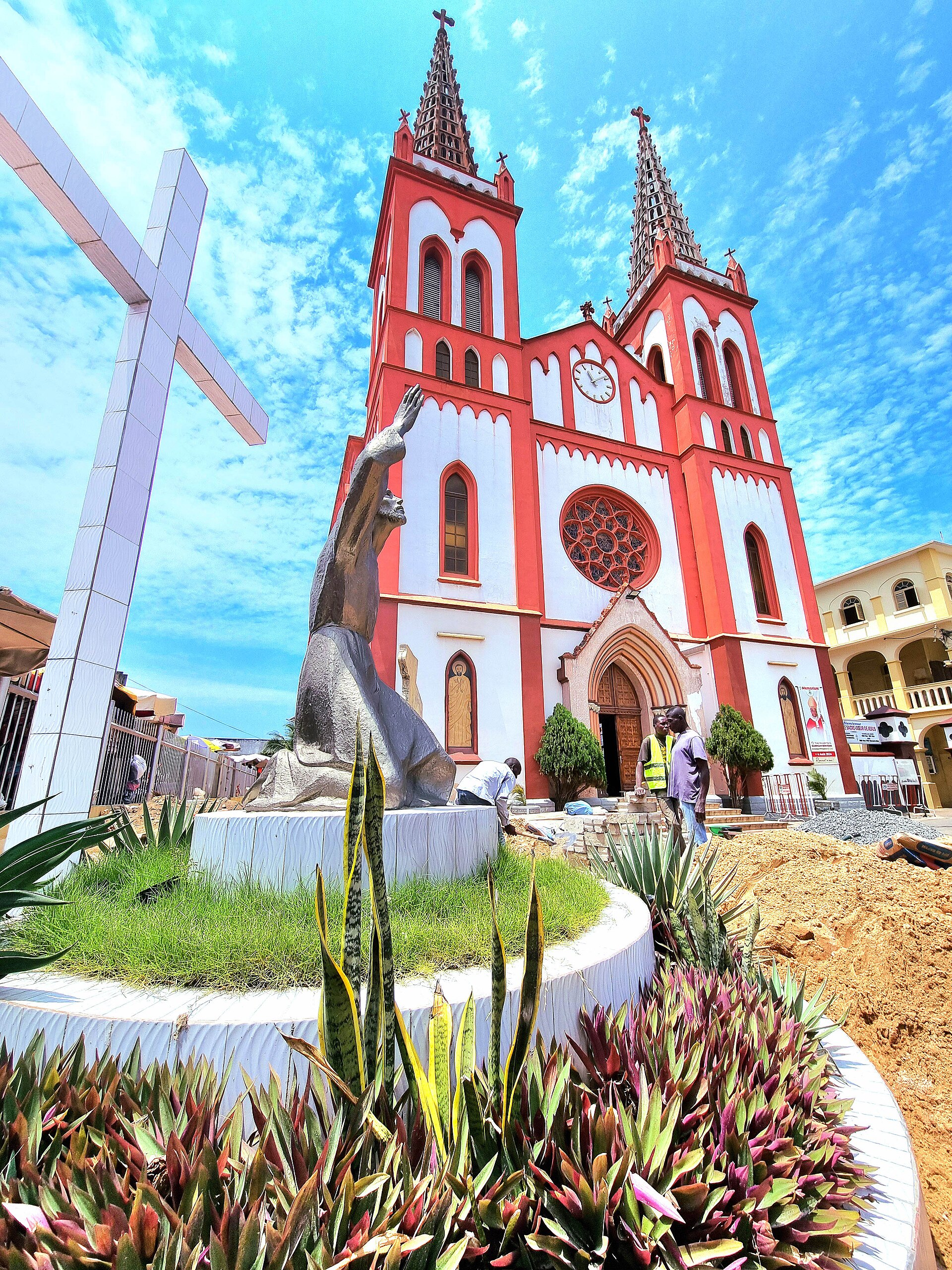
- Togo National Museum — Palais des Congrès, government quarter
The museum sits inside the Palais des Congrès complex, next to the national assembly. Its cases hold jewellery, musical instruments, dolls, pottery and weapons, and together they give a quick overview of Togolese arts and traditions. It suits a hot afternoon. Check the official channels for opening days before going. - Musée International du Golfe de Guinée — Eastern Lomé
A small museum with a surprisingly large collection of West African objects. Carved masks, wooden chairs and funeral items such as stretchers and chests show how ceremony and craft were bound together. Some pieces are said to be centuries old. Ask the staff to explain the context of what is displayed. - Le Palais de Lomé — Central Lomé
A restored colonial building that once housed a prime minister and official guests. It sits in botanical gardens with plenty of birdlife, which makes it a calm break from the traffic. The building now shows art, and the grounds suit a slow walk. Confirm current opening arrangements before making the trip. - Marcelo Beach — Eastern coast
A stretch of sand east of the centre with a bar scene and palm-thatched shelters. It is a place to watch the surf, eat grilled fish and see how Lomé spends a weekend. Currents on this coast can be strong, so ask locally before swimming and keep valuables with you.
Culture
Lomé is home to a mix of peoples, with the Ewe the most visible in the old trading quarters and many other Togolese groups living alongside them. French is the language of administration and schools, while Ewe and other local languages carry most of the talk in the markets and at home. Religion is lived openly. Churches fill on Sundays, mosques serve the Muslim traders, and older vodun practices remain part of life for many families, with their own shrines, healers and seasonal ceremonies. Markets set the rhythm of the day, with sellers calling out from stalls of cloth, spices, dried fish and secondhand goods, and bargaining is expected and usually good-humoured. Music is everywhere: radio from taxis, drumming at funerals and celebrations, and live bands in the evening bars. Funerals in particular are large social occasions, with families gathering, wearing matching cloth and honouring the dead with food and music. The Togo National Museum and the Musée International du Golfe de Guinée show the older craft traditions behind this, from masks to ceremonial furniture. Greetings matter. People expect a hello and a question about how you are before any request, and skipping that step can come across as abrupt. Elders are addressed with deference, and hurrying a conversation is seen as discourteous. Always ask permission before photographing a person, a market stall or a shrine, and accept a no without argument.
What to wear
Traditional dress in Lomé draws on Ewe and wider West African cloth. Kente-style woven strips, made of cotton or silk thread in bold patterns, are worn as wraps by men and women for weddings, funerals and festivals. Women also wear wax-print cotton known as pagne, tied as a wrapper and matched with a fitted top and a headscarf. Men wear the boubou, a loose embroidered robe, on formal and religious occasions. Many families commission outfits from tailors in the same cloth for a shared event, so a gathering can look like one colour scheme. Everyday dress is more relaxed. Office workers wear shirts and trousers or skirts, many women wear tailored pagne dresses made by local seamstresses, and young people favour jeans, football shirts and trainers. Motorbike-taxi riders often wear helmets or caps and light jackets against the dust. A visitor should wear light cotton or linen that covers the shoulders and knees, since the heat is constant and modest dress is appreciated in markets and towns. Bring a hat and sunglasses for the coast. For churches, mosques and shrines, cover the shoulders and legs and carry a scarf. Closed sandals or trainers suit the uneven, dusty pavements, and flip-flops are fine for the beach. A tailor will make an outfit from market cloth quickly, which is a good souvenir.
What to eat
- Pâte with sauce — Local eateries and street stalls across the city
A smooth, firm maize-based dough, eaten with the fingers of the right hand and dipped into a rich sauce of okra, peanut or tomato with fish or meat. It is a staple of home cooking and appears at simple eateries. - Street rice plate — Roadside stalls near markets and bus stops
A heaped plate of rice with a spoonful of stew, fried fish or a boiled egg, served fast and cheap at roadside stalls. It is the everyday lunch for workers and taxi riders, so go where the queue is longest. - Grilled fish — Beach bars and seafront stalls on the eastern coast
Fresh fish grilled over charcoal and served with onions, tomato and a fiery pepper sauce. It tastes best eaten close to the sea, with a cold drink, as the afternoon heat fades. - Fried plantain — Street corners in the evening, near markets and bars
Ripe plantain sliced and fried until golden, usually eaten with grilled fish or chicken and a sharp pepper relish. It is sweet, salty and a little smoky, and works as a snack or a side. - Lebanese plates — Kodjoviakope and along the main boulevard
Lomé has many Lebanese restaurants, serving grilled meats, hummus, flatbread and shawarma. The cooking is a legacy of long-standing Lebanese trading families, and it makes a good change from heavier local dishes.
Plan it
Best time. November to February is the usual choice, when the days are hot but the sea breeze helps; February is among the hottest months, so go early in the day. Heat is constant all year, with July the least hot month. The coast is drier than most of its neighbours, but showers do come, so carry a light rain layer.
How long. 2–3
Getting there. Fly into Lomé's international airport, which is a short taxi ride from the centre. By land, the Ghana border at Aflao is a short ride from the middle of town, with shared taxis and motorbike taxis on both sides. Check visa and health entry rules with the official Togolese government sources before travelling.
Budget. mid
Tips
- Start sightseeing early; the hours before midday are cooler and the roads are quieter
- Carry cash in small notes for markets, taxis and street food, as card use is limited outside larger places
- Agree the fare with a taxi or motorbike driver before setting off
- Drink bottled or filtered water and use sun protection every day
- Check opening days for museums and official buildings before visiting
Etiquette
- Greet people before asking a question or making a request
- Ask permission before photographing people, market stalls or shrines
- Dress modestly away from the beach, especially near churches and mosques
Nearby
Sources
- Wikidata Q3792 (CC0)
- Wikipedia: Lomé (rev 1384322533) (CC BY-SA 4.0)
- Wikivoyage: Lomé (rev 5423378) (CC BY-SA 4.0)
- Monuments de l'indépendance et Palais des congrès de Lomé, Hermannkass (CC BY-SA 4.0)
- Vue prise au 27e étage de l'hôtel 2 février, Reich geck (CC BY 4.0)
- Cathédrale du Sacré-Cœur de Lomé, Edison McCullen (CC BY 4.0)
- Boulevard Circulaire, quartier bancaire, Edison McCullen (CC BY 4.0)
- ECOWAS building, Lomé, Edison McCullen (CC BY 4.0)
- Armoiries du Togo, Deux Lions, Edison McCullen (CC BY 4.0)
- Blue Turtle Beach, Lomé, Edison McCullen (CC BY 4.0)
- Bundesarchiv Bild 137-003033, Togo, Lomé, Verladen von Baumwollballen (CC BY-SA 3.0 de)


