Napa Valley
Napa Valley, United States
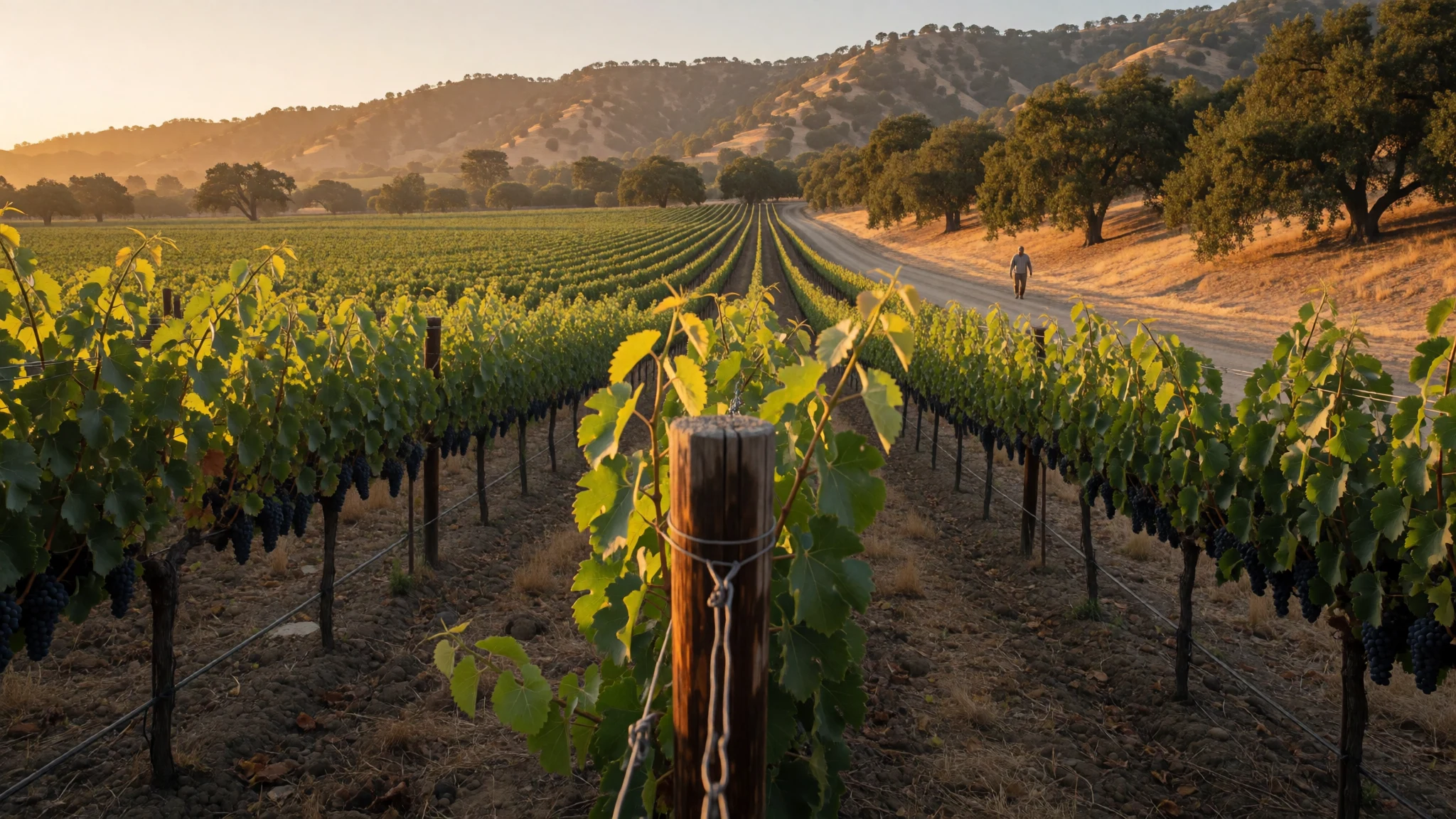
Napa Valley packs vineyards, small wine towns and a Mediterranean climate into one narrow valley, ideal for slow tasting days rather than sightseeing.
The place
Napa Valley sits in Napa County, northern California, a long, narrow wine district that follows the Napa River from the edge of San Francisco Bay towards the hot-spring town of Calistoga. As an official appellation it is an American Viticultural Area, created in 1981 after a petition filed in 1978 by local growers and vintners. It was the second such area in the country and the first in California. The boundary takes in almost all of the county, leaving out only the north-eastern corner around Putah Creek and Lake Berryessa. Wine is the reason most people come, but the setting does much of the work. The valley floor is flat and farmed in tidy rows, with wooded hills rising on both sides, and the towns along it, including Napa, Yountville, Oakville, Rutherford, St Helena and Calistoga, are strung along one main road. The climate is Mediterranean: dry, sunny summers and milder, wetter winters, which suits wine grapes. Geography and geology add to this, because soils and slopes change from one end of the valley to the other, and so do the wines. The year follows the vine: mustard flowers and fresh green leaf in spring, heavy fruit in early autumn, bare dormant rows in winter. Harvest-season weekends are busy and the main road can crawl. This is a place of tasting rooms, picnics and long lunches rather than monuments, and it suits people who like slow days.
Its story
Napa Valley's wine story starts with George C. Yount, a settler usually credited with planting the first vines here in 1838. Other pioneers followed over the next couple of decades, and vineyards spread from the town of Napa up the valley as far as Calistoga. Selling wine as a business is dated to 1858, when John Patchett began to do so. His cellar is thought to have been finished slightly before the one Charles Krug built at St Helena in 1861, but it is Krug's that people most often call the valley's first winery. In 1879 Captain Gustave Niebaum founded Inglenook near the village of Rutherford, reported to be the first winery in the United States built on Bordeaux lines. Its wines took gold medals at the Paris World's Fair in 1889, an early sign that Californian bottles could stand beside European ones. Around the same period H. W. Crabb bought land close to Oakville and the Napa River, and set up a vineyard and winery he called To Kalon. That first great period of prominence did not last, and the valley's modern reputation for premium wine was rebuilt from the 1960s onwards. Many names on today's road signs go back to these pioneers, which is why a drive through St Helena, Rutherford and Oakville reads like a short history of estates. Newer wineries now sit beside the old stone cellars, and arguments over who was first remain part of local conversation.
What to see
- Napa town riverfront — Napa
Napa town is the southern gateway to the valley and the easiest place to start. The Napa River runs through the centre, and the streets near it hold tasting rooms, bakeries and small restaurants within walking distance of one another. It suits a first evening, when the road traffic is lighter.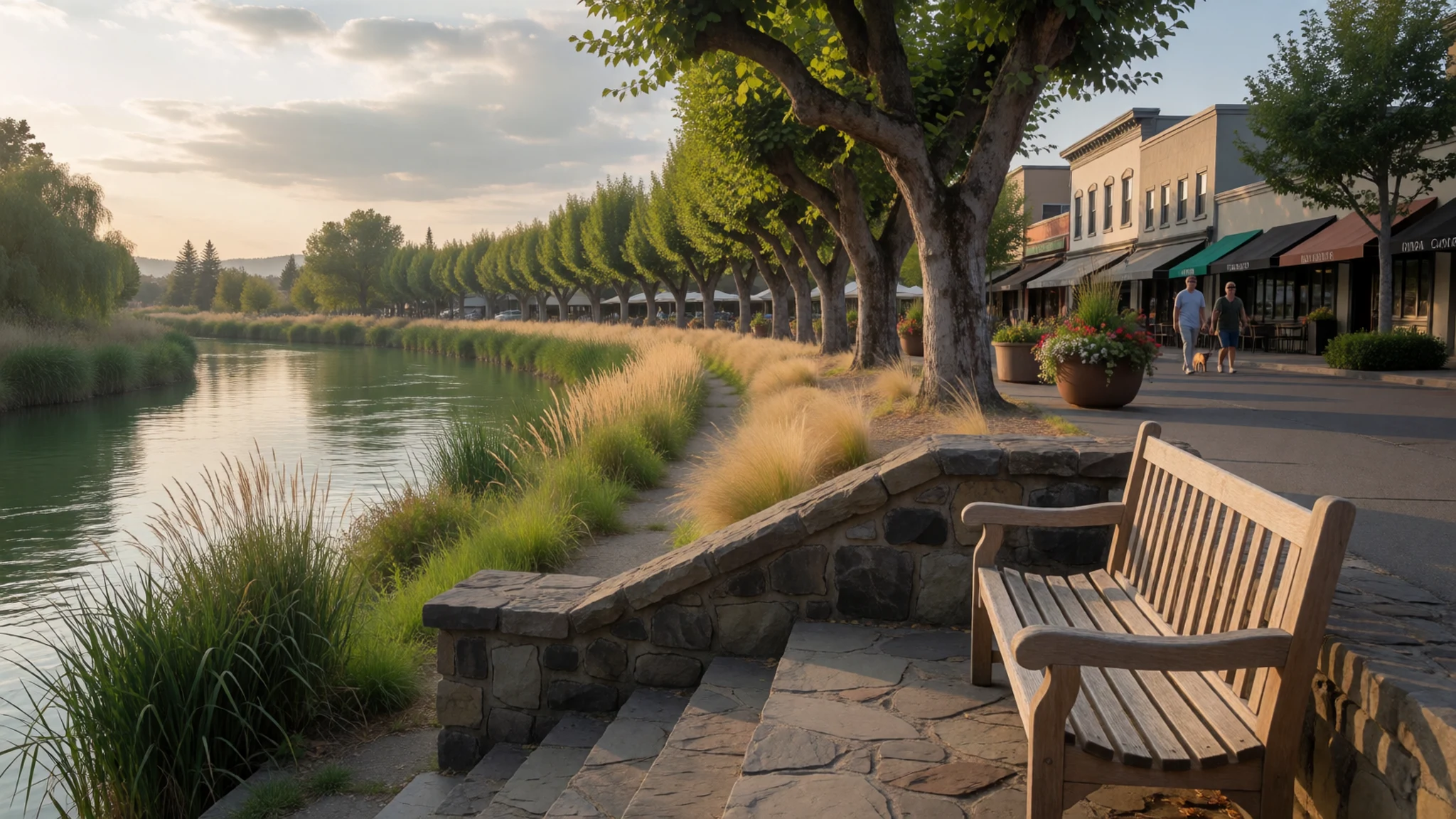
- Oakville and To Kalon — Oakville
Oakville is a small crossroads village on the valley floor, surrounded by vineyards on both sides of the main road. The land here was planted in the nineteenth century by H. W. Crabb under the name To Kalon. Several well-known estates now work nearby, so it is good for a walk between rows.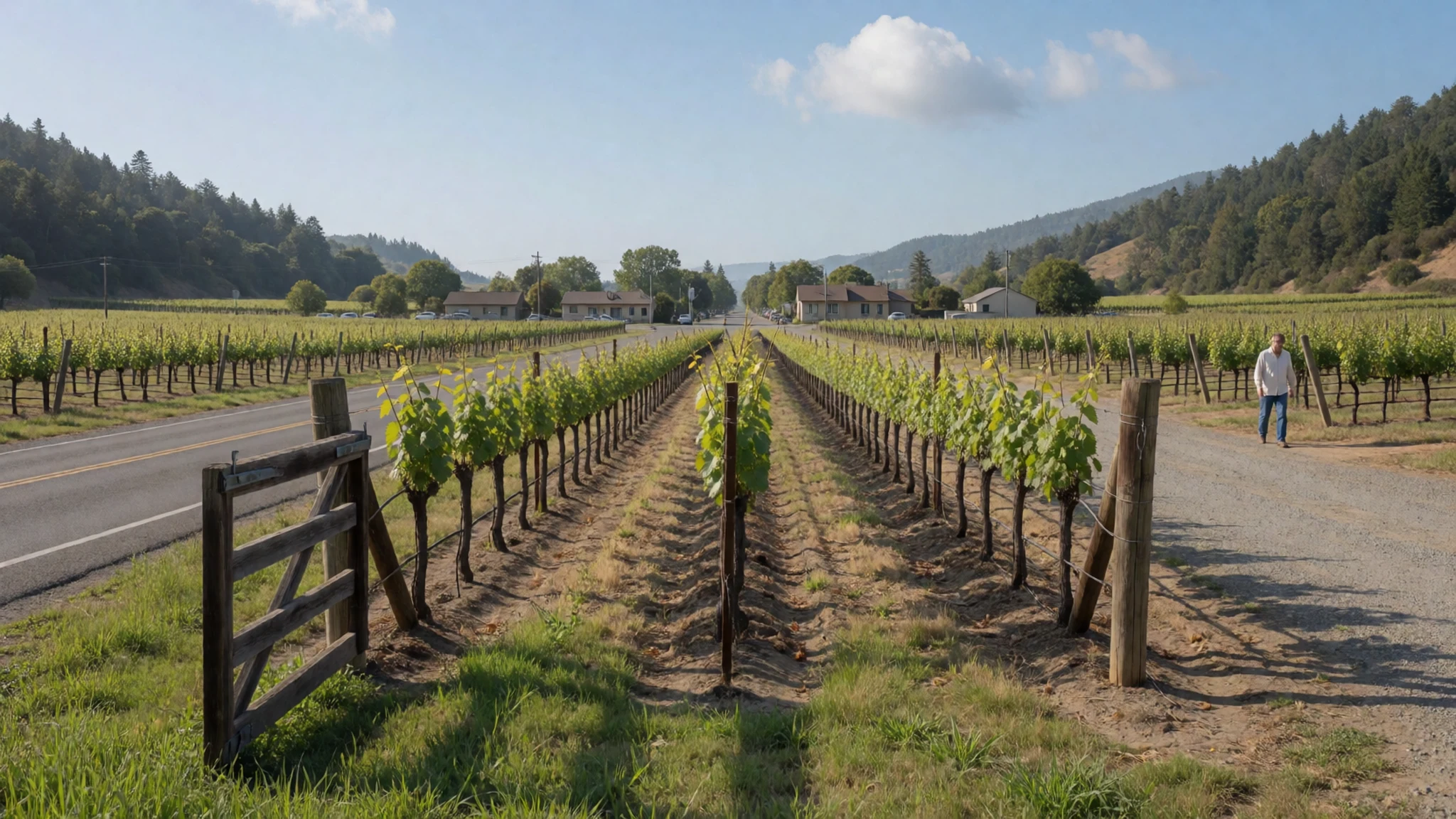
- Inglenook, Rutherford — Rutherford
Inglenook was founded in 1879 by Captain Gustave Niebaum, and its wines won gold at the Paris World's Fair of 1889. The estate lies near Rutherford, with old stone buildings and vines around them. Visits are normally by appointment, so check the official site before turning up.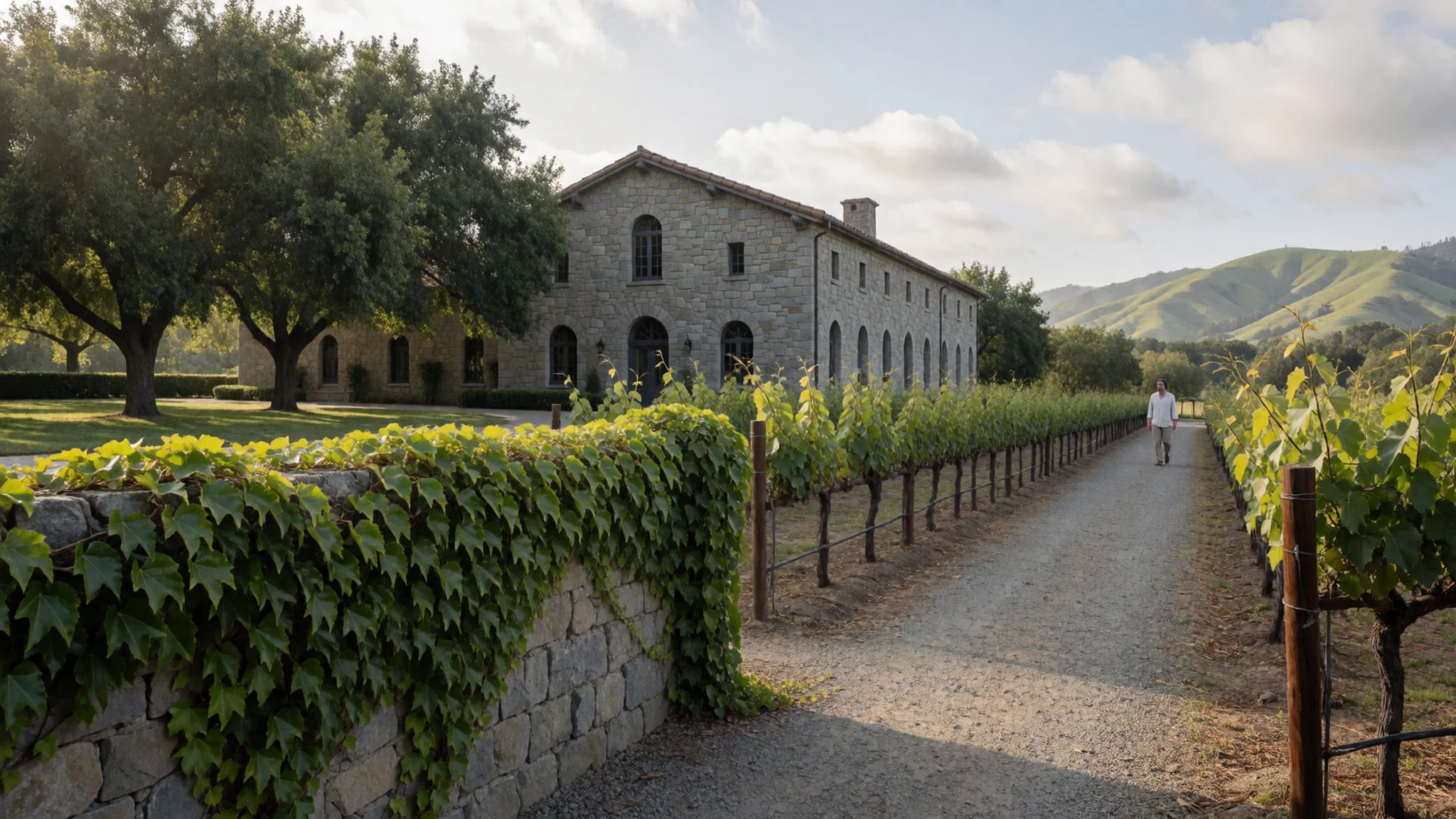
- Charles Krug, St Helena — St Helena
Charles Krug built his cellar at St Helena in 1861, and it is the one most often named as the valley's first winery. St Helena itself is a handsome small town with a main street of shops and eating places, and a good base for a quieter stay.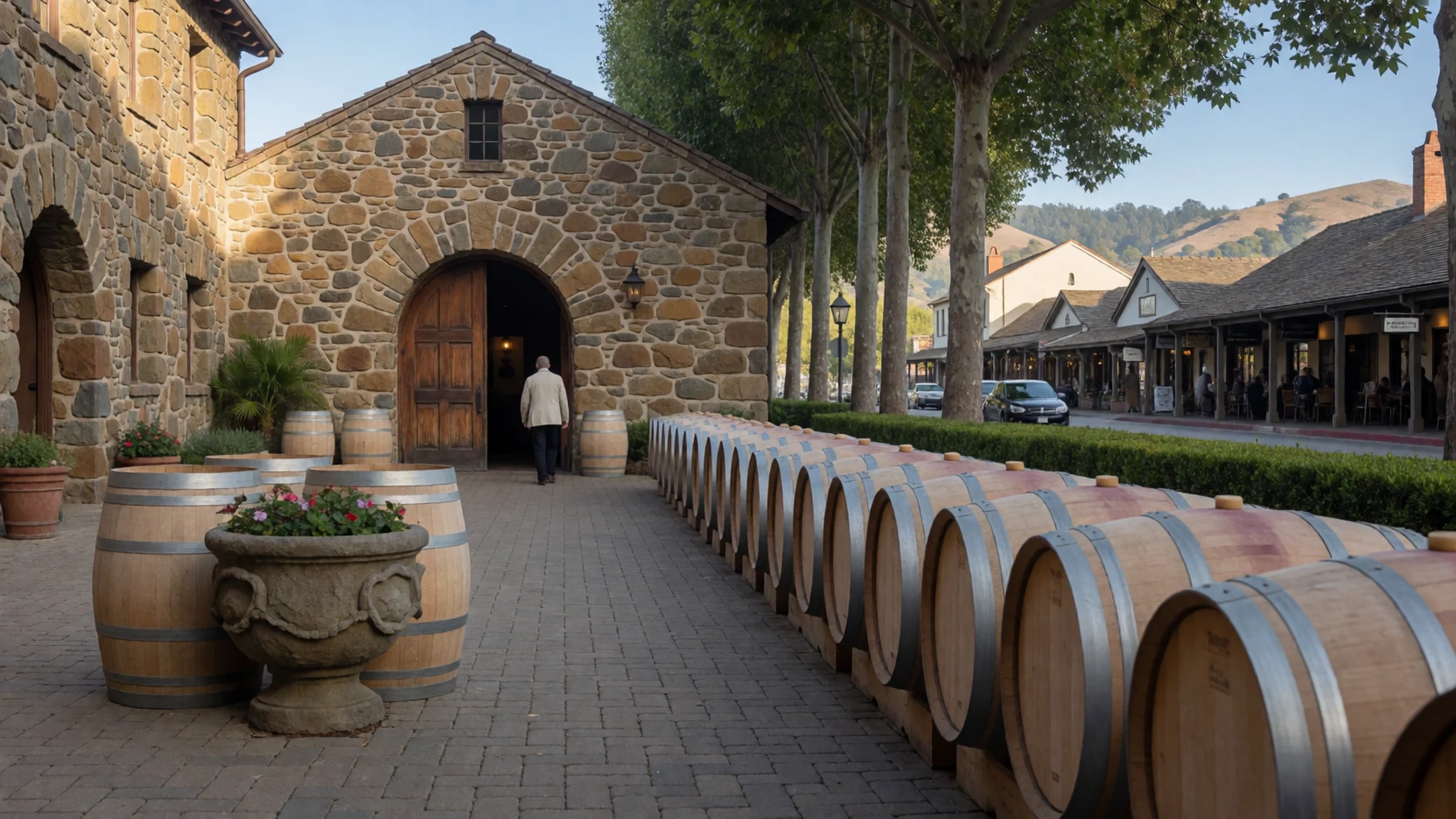
- Calistoga — Calistoga
Calistoga marks the northern end of the valley and is known for hot springs and mud baths. The mood is more relaxed than further south, and the hills close in around the town. Heat can be strong in summer, so plan outdoor time for mornings and evenings.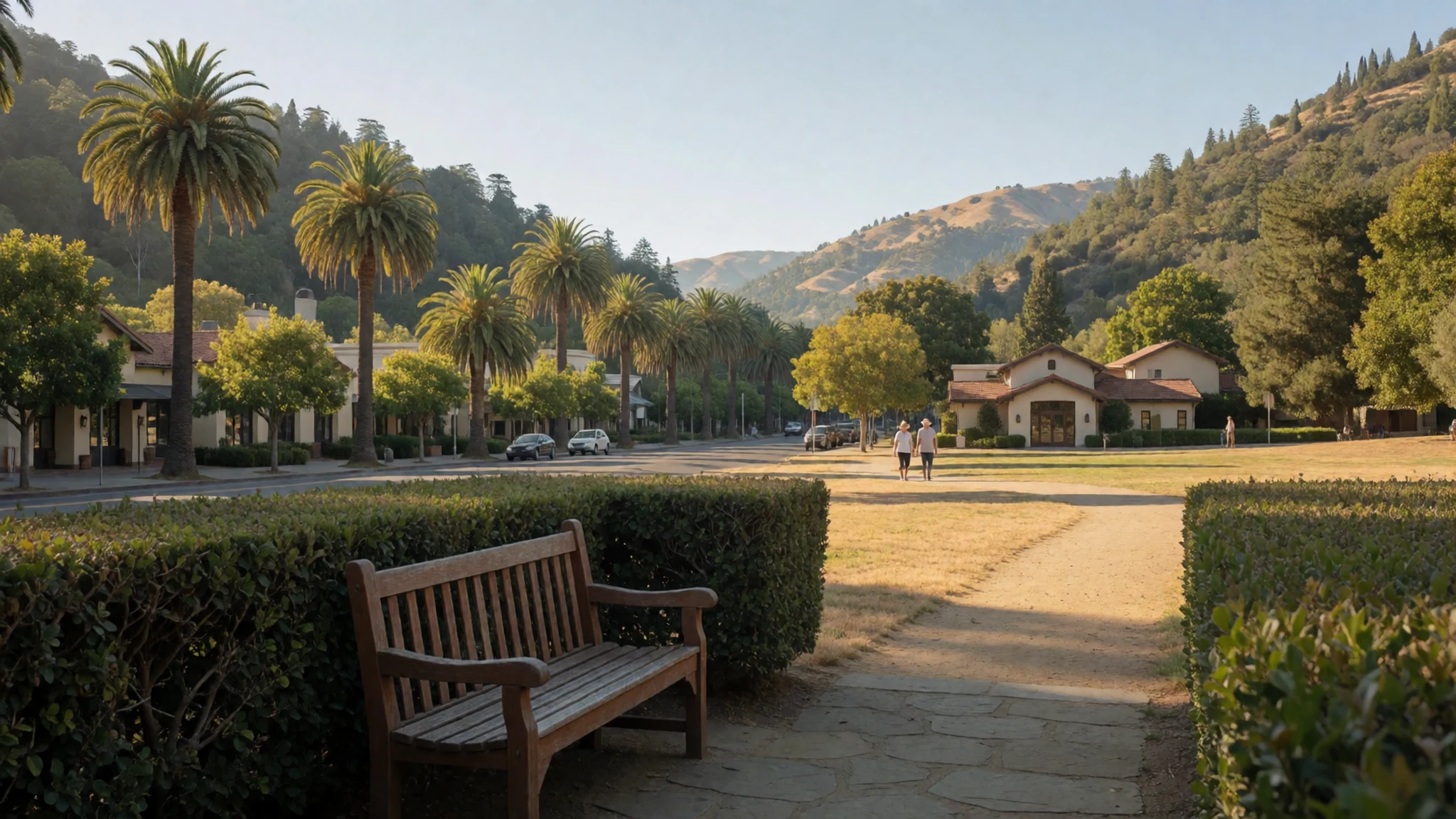
Culture
Napa Valley's culture is a mix of farming community, wine business and weekend getaway, and the three do not always sit easily together. Families who have worked the land for generations live alongside winemakers from many countries, and the vineyard workers who prune and pick are the backbone of every harvest. Tasting rooms are the social centre. Talk turns to soil, weather and vintages, but most staff are glad to explain things to beginners, and nobody expects expertise. California as a whole is very diverse, and the north of the state differs from the south, so it is unwise to guess a local's politics from where they live. Land use, water and growth are touchy subjects in the valley, where traffic, housing and new tasting rooms are all argued over, and listening usually goes down better than opining. The setting is delicate: the hills are dry by late summer and wildfire is a real worry, so care with cigarettes and open flames is taken seriously. The pace is unhurried, built around long lunches and picnics under oaks and vines. Appointments matter more than in many holiday places, because many small estates only receive visitors who have booked. Book tastings ahead, arrive on time, use the spit bucket if you are tasting several wines, and always agree on a designated driver, as drink-driving laws are strictly enforced.
What to wear
Napa Valley has no single regional costume, and the nearest thing to traditional dress is the working clothing of the farms and vineyards. That means denim jeans, cotton work shirts, wool flannel in the cool months, leather boots and wide-brimmed straw hats, all chosen for sun and dust and worn on the job rather than for show. What people wear now is smart-casual with a country edge: linen shirts, cotton dresses, neat chinos, light jackets and clean boots or loafers. Winery owners and staff often dress down, so nobody expects a suit, though dinner at a well-known restaurant calls for a step up from shorts and flip-flops. Neutral and earthy colours dominate. For a visit, plan around the climate, which is hot and dry in summer and cooler in the mornings and evenings. Wear breathable layers, a hat, sunglasses and sun cream, and carry a light jacket, since cellars and caves are cool even in July. Flat, closed shoes are best for gravel paths, vineyard rows and wet cellar floors, and heels sink into soft ground. Avoid white or pale clothes if you are tasting red wine, and skip strong perfume, because it interferes with the smell of the glass. There are no religious modesty rules, but swimwear belongs at the spas and pools only.
What to eat
- Seasonal California plates — restaurants in Yountville, St Helena and Napa town
Menus here follow the farm calendar: salads of local greens, grilled vegetables, simple meat and fish with olive oil and herbs. Look for the farm-led restaurants in Yountville, St Helena and Napa town, where the produce often comes from nearby fields.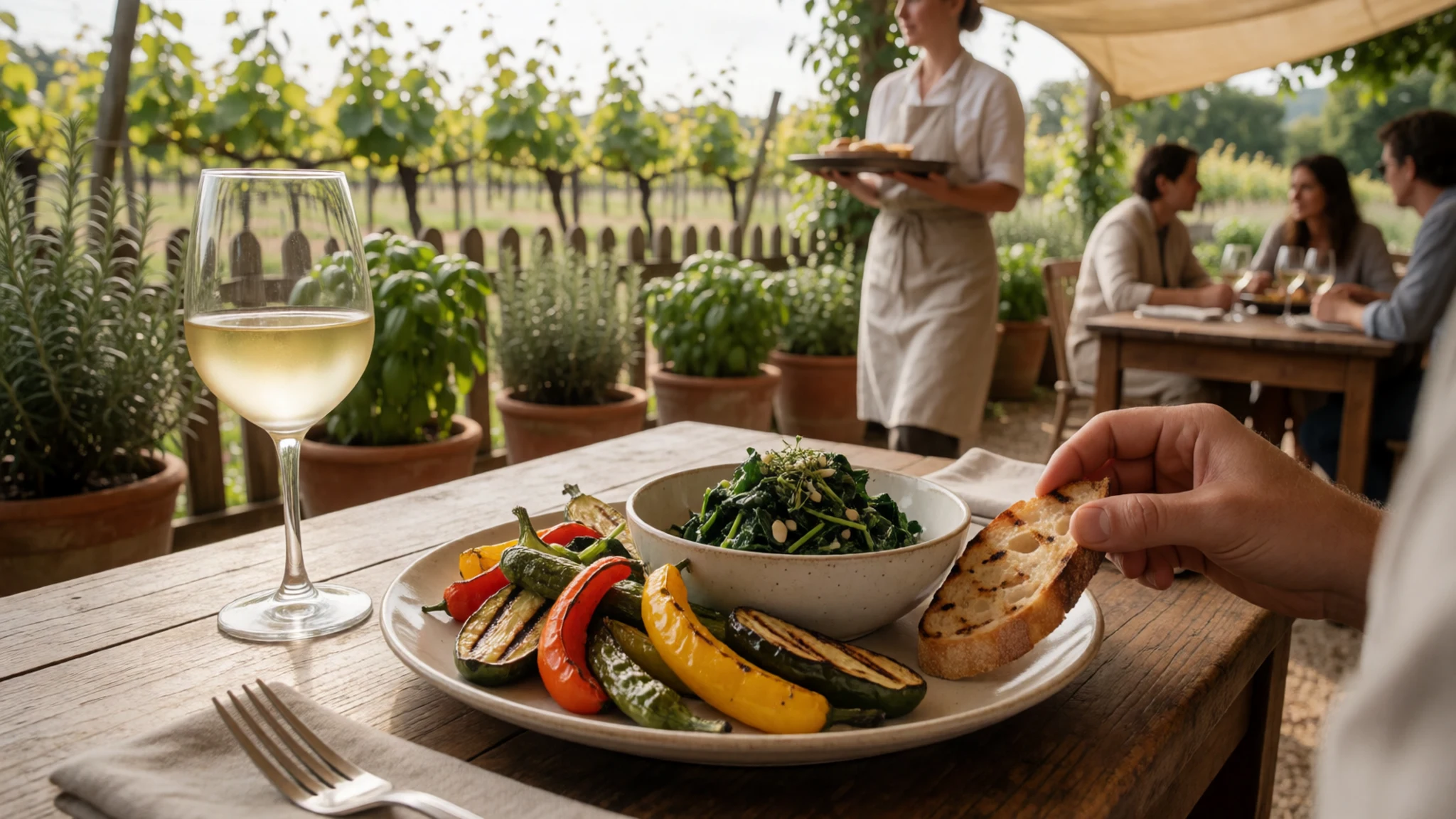
- Cheese and charcuterie boards — tasting rooms and wine bars along the main valley road
A board of local cheeses, cured meats, nuts, olives and fruit is the standard companion to a tasting flight. It is shared, unhurried and easy to turn into a light lunch. Many tasting rooms offer one, though some ask you to order ahead.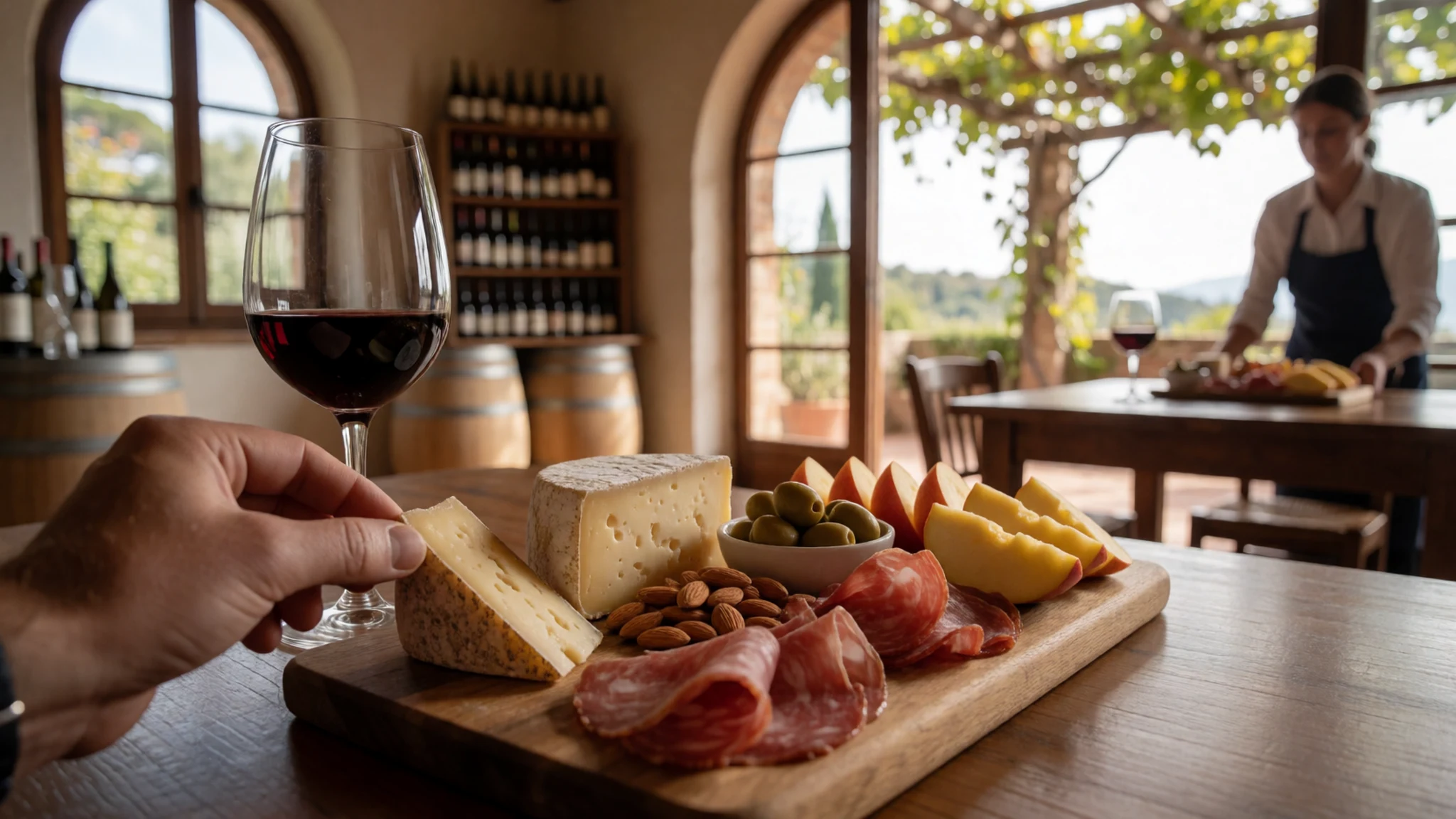
- Sourdough and bakery bread — bakeries in Napa town, Yountville and St Helena
Bakeries in the valley turn out crusty loaves, pastries and sandwiches that make a good breakfast or picnic base. Sourdough is a long-standing Californian habit, and a warm loaf bought in the morning works well with cheese and fruit later. - Farmers' market produce — farmers' markets in Napa town and St Helena
Summer and early autumn bring tomatoes, stone fruit, figs, grapes and herbs, sold straight from growers. It is the best way to taste the valley without a wine glass, and handy for building a picnic of seasonal things. - Valley olive oil — small producers and delis along the valley road
Olives grow alongside vines here, and small producers press oil that is sold in bottles and offered for tasting with bread. It makes a portable gift that travels better than wine, though check what your airline and customs allow.
Plan it
Best time. March–April for green hills and yellow mustard between the vines; September–October for harvest, with warm days and busy roads. Summers are dry and hot, and winters are milder and wetter, in line with the valley's Mediterranean climate.
How long. 2–3
Getting there. San Francisco International Airport (SFO) is the usual entry point from Europe, India and elsewhere. From there, hire a car and drive north into the valley, which takes well over an hour and longer in weekend or harvest traffic. A car is the practical way to get between wineries, and public transport along the valley is limited.
Budget. high
Tips
- Book tastings and winery visits well ahead, especially for weekends and harvest, as many estates take visitors by appointment only
- Start early, as mornings are cooler and the main road is quieter
- Carry water and sun protection, and plan indoor stops in the afternoon heat
- Agree on a designated driver or book a driver, since drink-driving rules are strict
- Check each winery's official site for current opening arrangements and fees before you go
Etiquette
- Arrive on time for booked tastings and cancel properly if plans change
- Use the spit bucket freely; nobody minds, and it keeps the day manageable
- Ask before photographing staff or other guests
Nearby
Sources
- Wikidata Q6159125 (CC0)
- Wikipedia: Napa Valley (rev 1374433986) (CC BY-SA 4.0)
- Wikivoyage: California (rev 5383402) (CC BY-SA 4.0)
- Photo: Vineyards in Napa Valley (Brocken Inaglory) (CC BY 3.0)
- Photo: Napa Valley AVA location on TTB Map (Public domain)
- Photo: Napa Valley grapes (Don Ramey Logan) (CC BY 3.0)
- Photo: Napa Valley Opus One (Don Ramey Logan) (CC BY 3.0)
- Photo: Napa Valley OpusVines (Don Ramey Logan) (CC BY 3.0)
- Photo: Judgment of Paris 1976 Winners (Public domain)
- Photo: Vineyard in Napa Valley (Brocken Inaglory) (CC BY 3.0)
- Photo: Mustards in the spring, Napa Valley (Emily Bryden) (Public domain)


