Nam Nao National Park
Nam Nao National Park, Thailand
Nam Nao National Park is a cool, pine-and-grassland upland in Phetchabun where cold-season nights bite, birds and butterflies abound, and elephants share the road.
The place
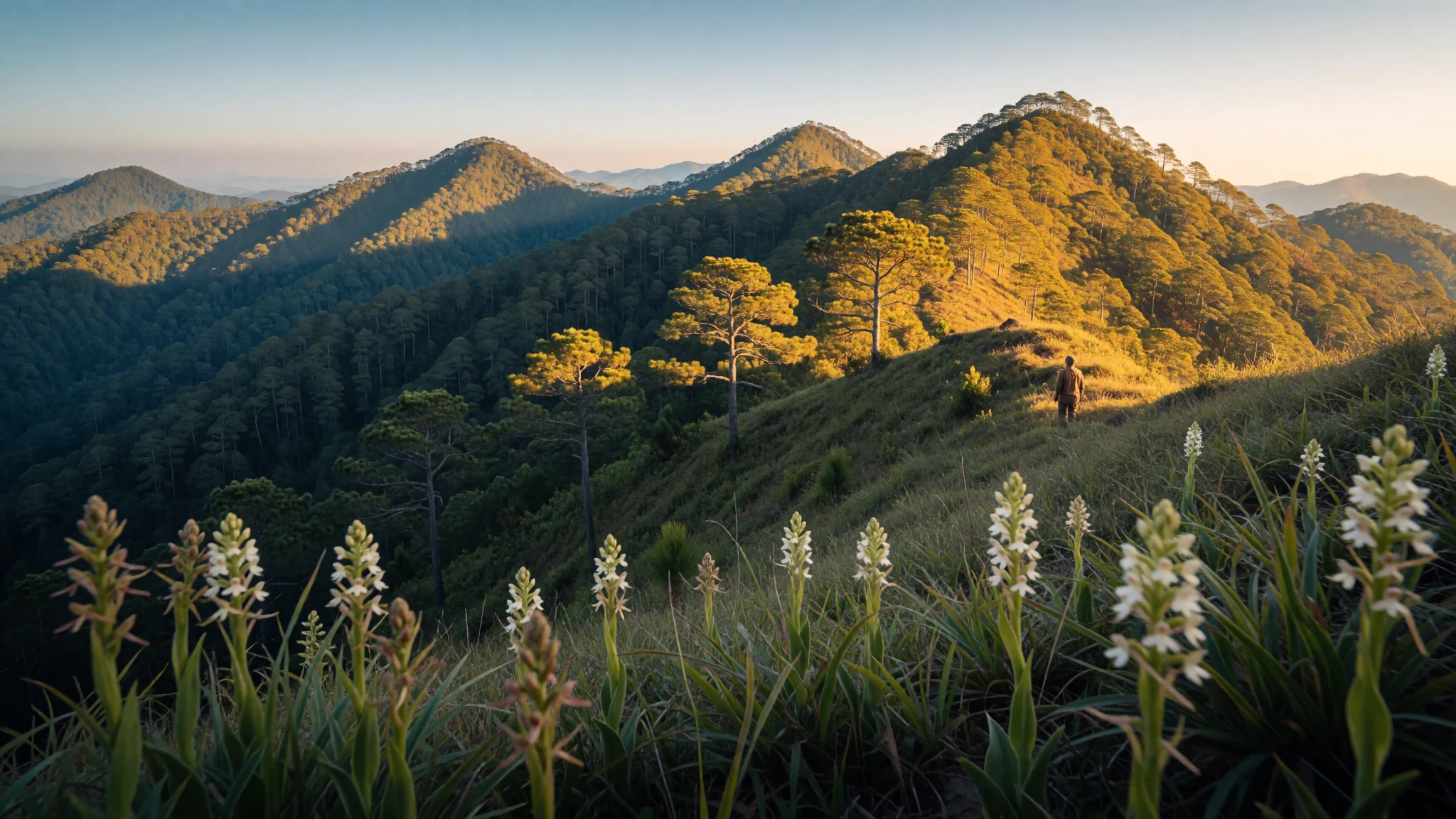
Nam Nao National Park sits in Phetchabun Province, in the uplands where northern Thailand shades into Isan, the north-east. The park covers about 966 square kilometres, spilling across Lom Sak, Mueang Phetchabun and Nam Nao districts of Phetchabun and Khon San district of neighbouring Chaiyaphum. Most of it is mountain country: dry dipterocarp woodland, evergreen forest on the damper slopes, mixed deciduous forest, stands of pine and open grassland. The high point is Phu Pha Chit, also called Phu Dan Eupong, at 1,271 metres, part of the Phetchabun range that marks the edge between Isan and the north. Several rivers rise here and run down to the Chulabhorn reservoir. The park is not an island. Phu Pha Man and Phu Kradueng national parks lie to the north, wildlife sanctuaries adjoin it on the other sides, and Tat Mok National Park links it southwards. That connected belt of forest is why the area counts as a tiger conservation unit. The name Nam Nao means cold water, and the climate earns it: the average annual temperature is about 25 °C, yet December and January nights can fall to a few degrees above freezing. Birdwatchers come for roughly 360 species and butterfly enthusiasts for around 340. The main road through the park carries a roadside sign warning of elephants, and it is not decorative.
Its story
Nam Nao National Park has a short paper history, and most of it concerns lines on a map. The National Park Board first agreed that the forest deserved protection, and in 1972 the Revolutionary Council announced the park, naming forest in Mueang Phetchabun, Lom Sak and Nam Nao districts of Phetchabun Province and Khon San district of Chaiyaphum. That announcement contained a slip. The boundary was meant to take in two subdistricts of Lom Sak, Pak Chong and Tha Ibun, yet the notice printed in the Government Gazette did not mention them. A royal decree published in the Royal Gazette some years afterwards named both and settled the matter. Administration has moved on since then too, and the park now answers to the regional office in Phitsanulok. That suits the landscape, because Nam Nao is one piece of a long chain of protected land. Phu Pha Man and Phu Kradueng lie to the north, wildlife sanctuaries press against its other edges, and Tat Mok National Park joins the southern side. Connected forest like this matters for animals that roam widely, which is why the area is classed as a tiger conservation unit. Little is recorded here about earlier settlement, so the honest version of the story is one of protection: a cool upland of pine, grassland and dry forest set aside in 1972 and tidied up in law afterwards.
What to see
- Phu Pha Chit ridge — Phetchabun range, within the park
Phu Pha Chit, also known as Phu Dan Eupong, reaches 1,271 metres and is the park's high point. It belongs to the Phetchabun range, the edge between Isan and the north. Expect cool air, long views over forested ridges and cold mornings in the winter months. Ask at park headquarters about current access.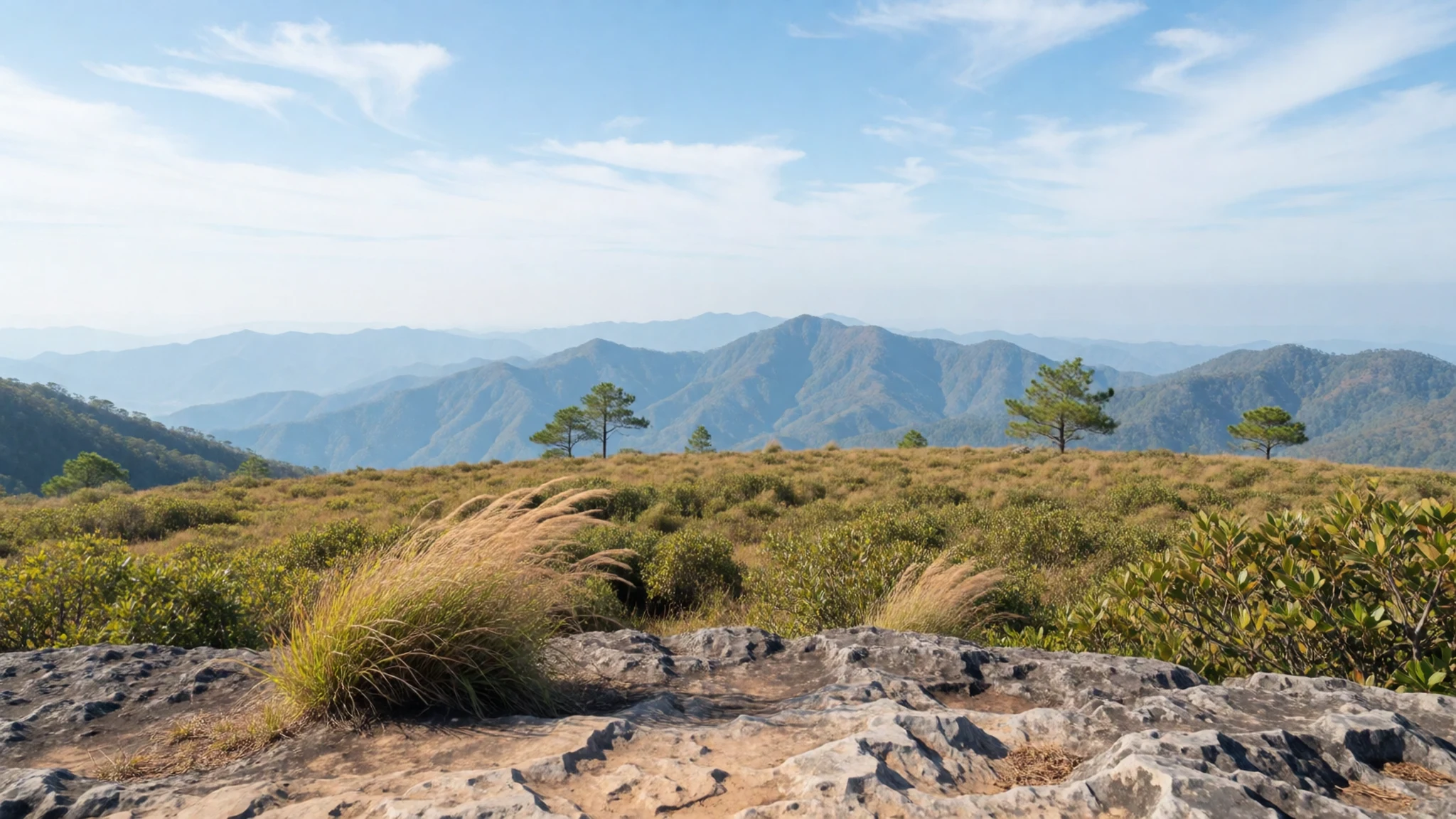
- Bamboo grove and forest trails — Marked trails near the park's visitor facilities
Photographs of Nam Nao show a bamboo grove that feels nothing like the pine ridges: tall pale stems, filtered light and a soft rattling quiet. Short walks on the park's marked trails are the easiest way to see dry dipterocarp and mixed forest close up. Rangers can say which paths are open.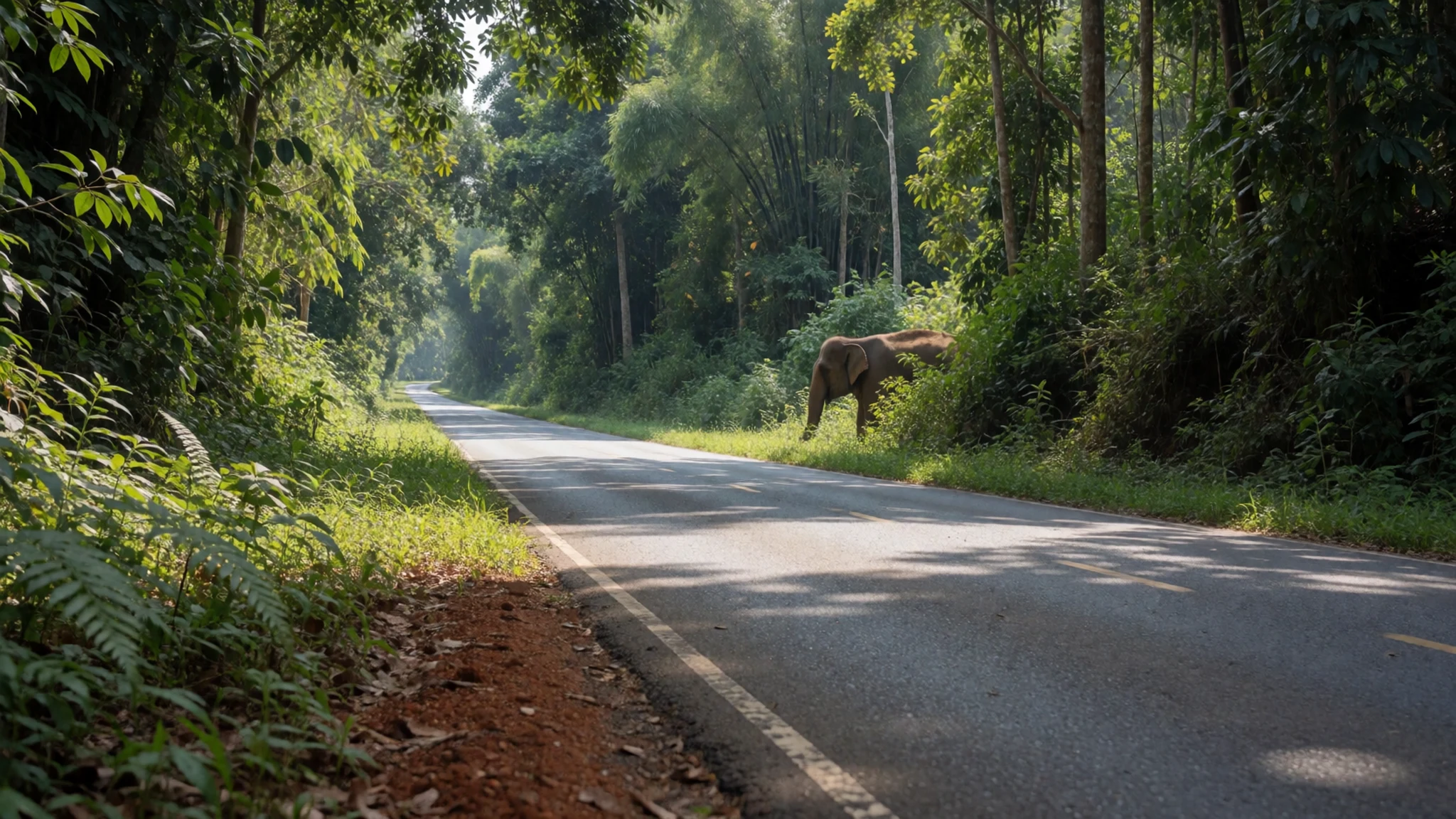
- Route 12 panorama — Route 12 through the park, Phetchabun Province
The main road through the park, Route 12 (also AH16), climbs through pine and grassland, and a wide 180-degree panorama has been photographed from it. Pulling over safely at a roadside viewpoint gives a sense of the park's scale without a long hike. Drive slowly and watch the verges.
- Elephant country on the highway — Route 12 / AH16 inside the park
Along Route 12 a sign reads 'Beware of the Elephant', and it is meant seriously. Wild elephants use this forest, so dusk and dawn drives call for care. Keep speeds low, never leave the vehicle to approach an animal, and give any elephant on the road plenty of time to move on.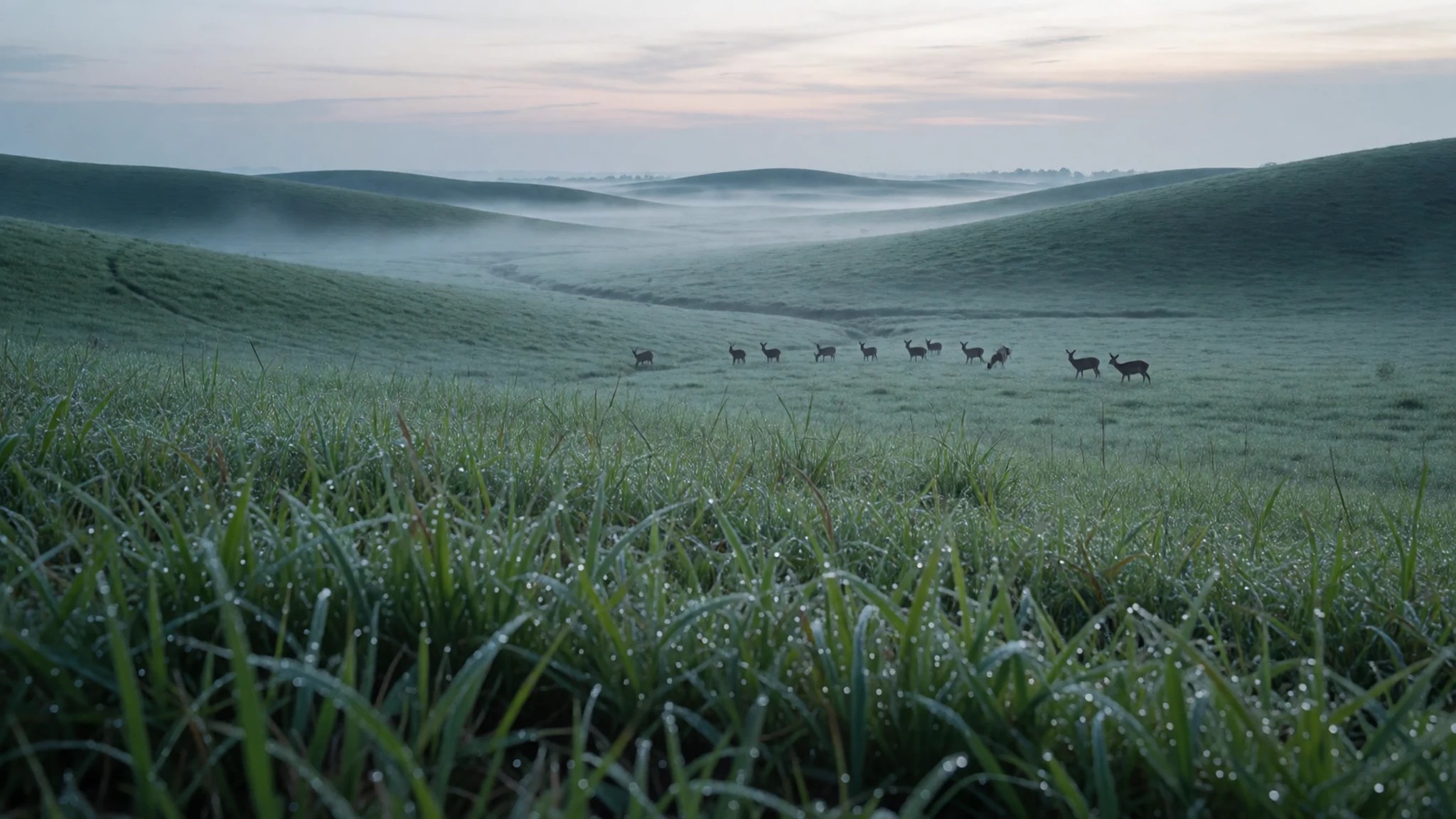
- Birds and butterflies — Forest edges and clearings across the park
The park is known for roughly 360 bird species and around 340 butterflies, a list that rewards patience more than distance. Forest edges, clearings and stream sides in the cool morning light are the usual places to start. Bring binoculars, walk slowly and ask rangers where activity has been recent.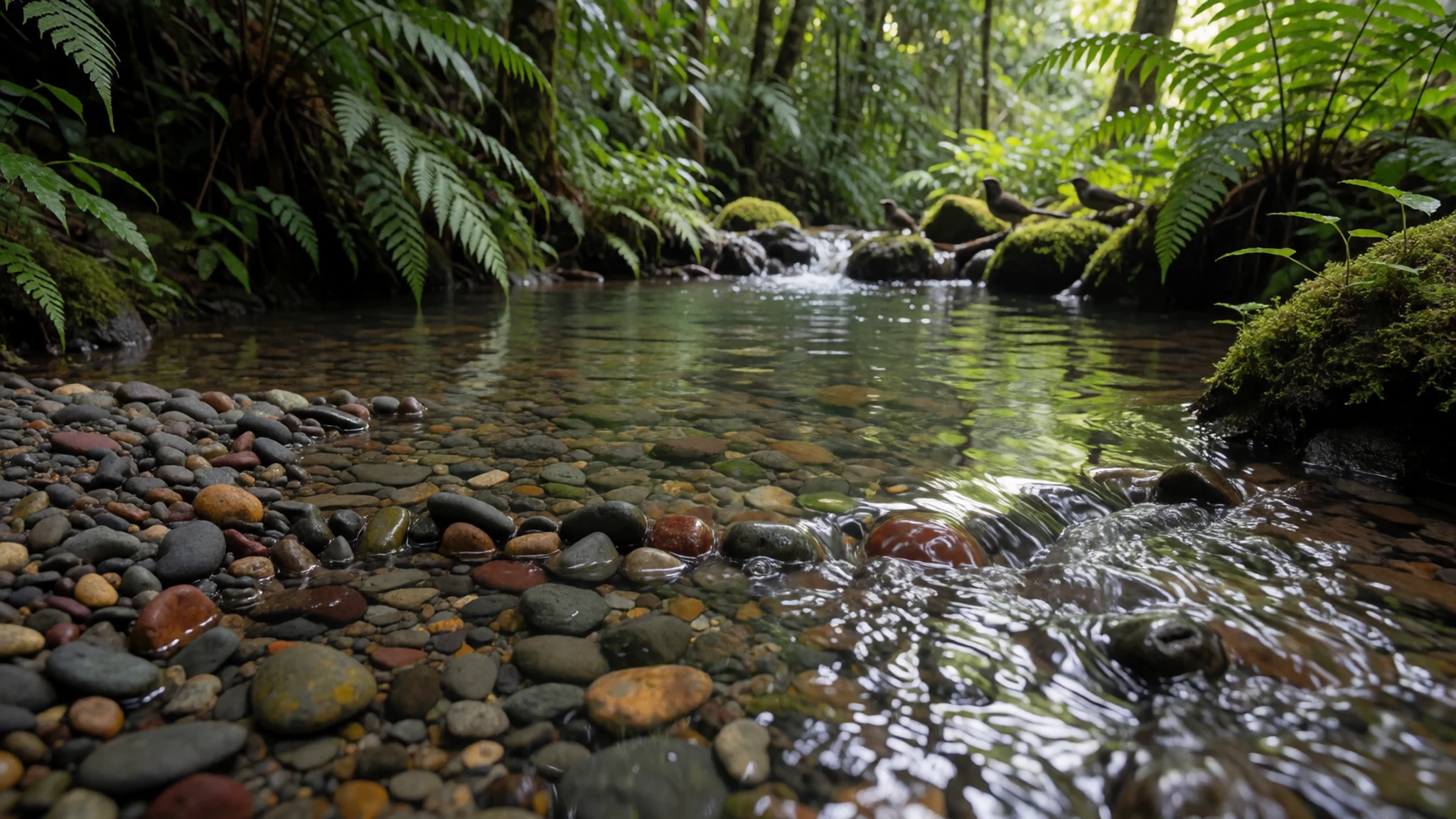
Culture
Nam Nao National Park lies on the line between northern Thailand and Isan, the north-east, and the culture around it leans towards Isan: sticky rice, grilled meats, bright chilli and a relaxed, humorous way of talking. Weekend visitors are often Thai families and student groups who come in the cool season to camp, watch the mist and enjoy temperatures much of the country rarely sees. Thai Buddhism shapes daily life in the villages along the highway, so small shrines, spirit houses and monks collecting alms are familiar sights. The usual courtesies apply: a slight bow with palms together as a greeting, a gentle voice, and no pointing of feet at people or images. The park itself is run by a government service, and its rules on trails, camping and wildlife are real ones, set by people who deal with the animals and the weather every season. Locals tend to treat the forest practically, as a source of water, food and risk, rather than as a backdrop. Cold nights, early darkness and the possibility of elephants near the road make it sensible to plan the day around daylight, as local travellers do. Keep noise low at campsites after dark, carry all your rubbish out, and never approach or feed the elephants or any other wildlife.
What to wear
Nam Nao National Park sits where Isan clothing traditions meet the north, and the textiles of the region are worth knowing. In Isan, women have long worn the pha sin, a tubular skirt, often in mudmee, a silk or cotton ikat in which the threads are tied and dyed before weaving. Checked cotton cloth, pha khao ma, serves as a scarf, sash or wrap for men, and deep indigo-dyed cotton is common in the north-east. These are worn at festivals, weddings and temple occasions, and by some older villagers every day. Most people now dress as they do across Thailand: T-shirts, light trousers or shorts, football shirts and trainers in town, with fleeces, beanies and padded jackets appearing in the cold season, when the hills genuinely feel chilly. A visitor should plan in layers. Days can be mild, but December and January nights fall to a few degrees above freezing, so a warm top and a windproof layer are useful at campsites and viewpoints. Wear sturdy closed shoes with grip for forest trails, long trousers against insects and scratchy undergrowth, and a light rain jacket. Shoulders and knees should be covered at any village temple passed on the way, and a scarf is handy for that and for warmth.
What to eat
- Som tam — Roadside stalls and town markets around Lom Sak
Green papaya salad pounded in a mortar with chilli, lime, fish sauce and peanuts. In Isan it is often fiery and sharper than the Bangkok version. Ask for less chilli if needed, and eat it with sticky rice and grilled meat.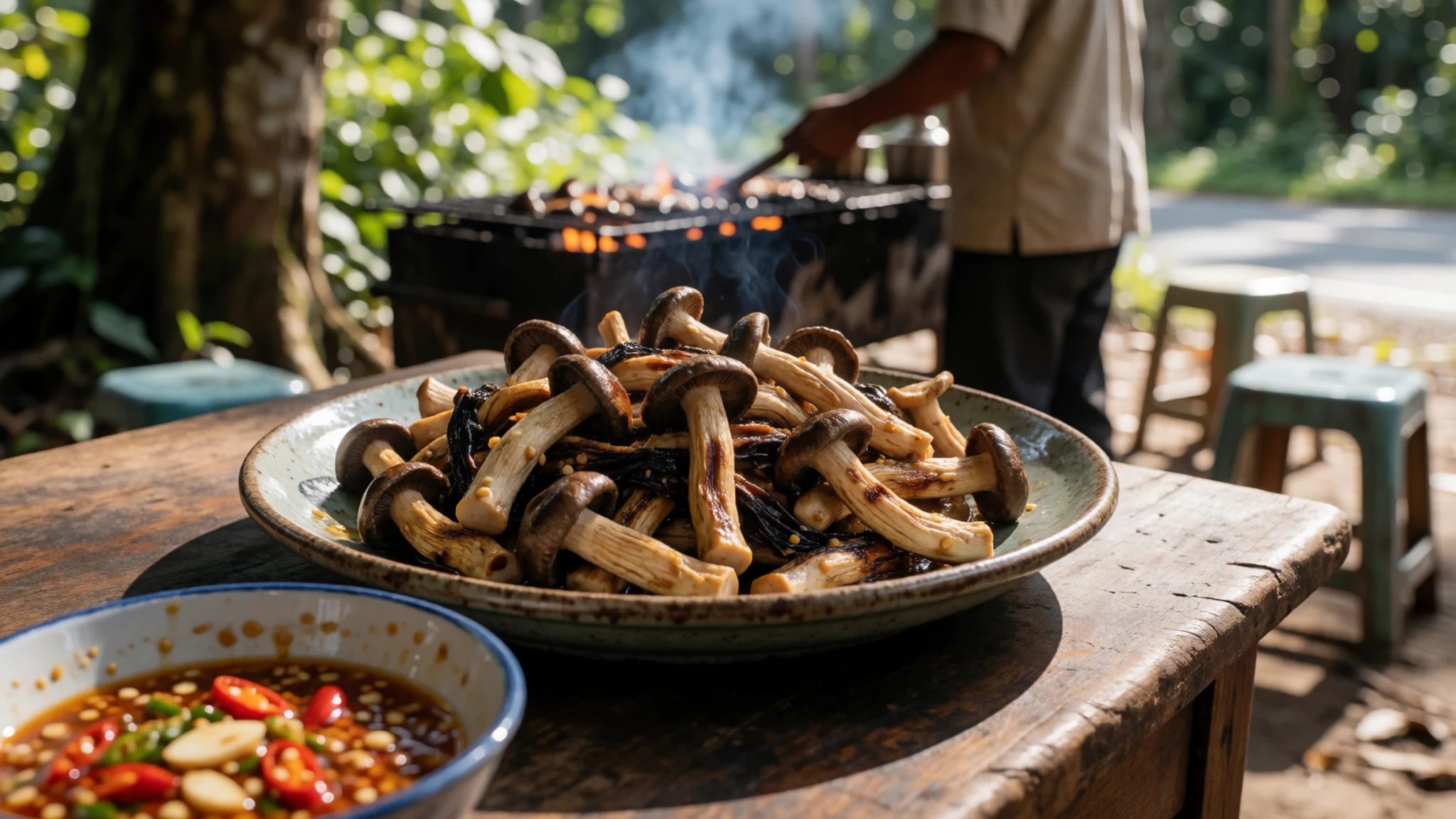
- Gai yang — Roadside grill stalls along Route 12
Marinated chicken grilled slowly over charcoal until the skin crackles, then served with a sweet-and-spicy dipping sauce. It is a staple of Isan roadsides and a sensible meal after a cold morning on the trails.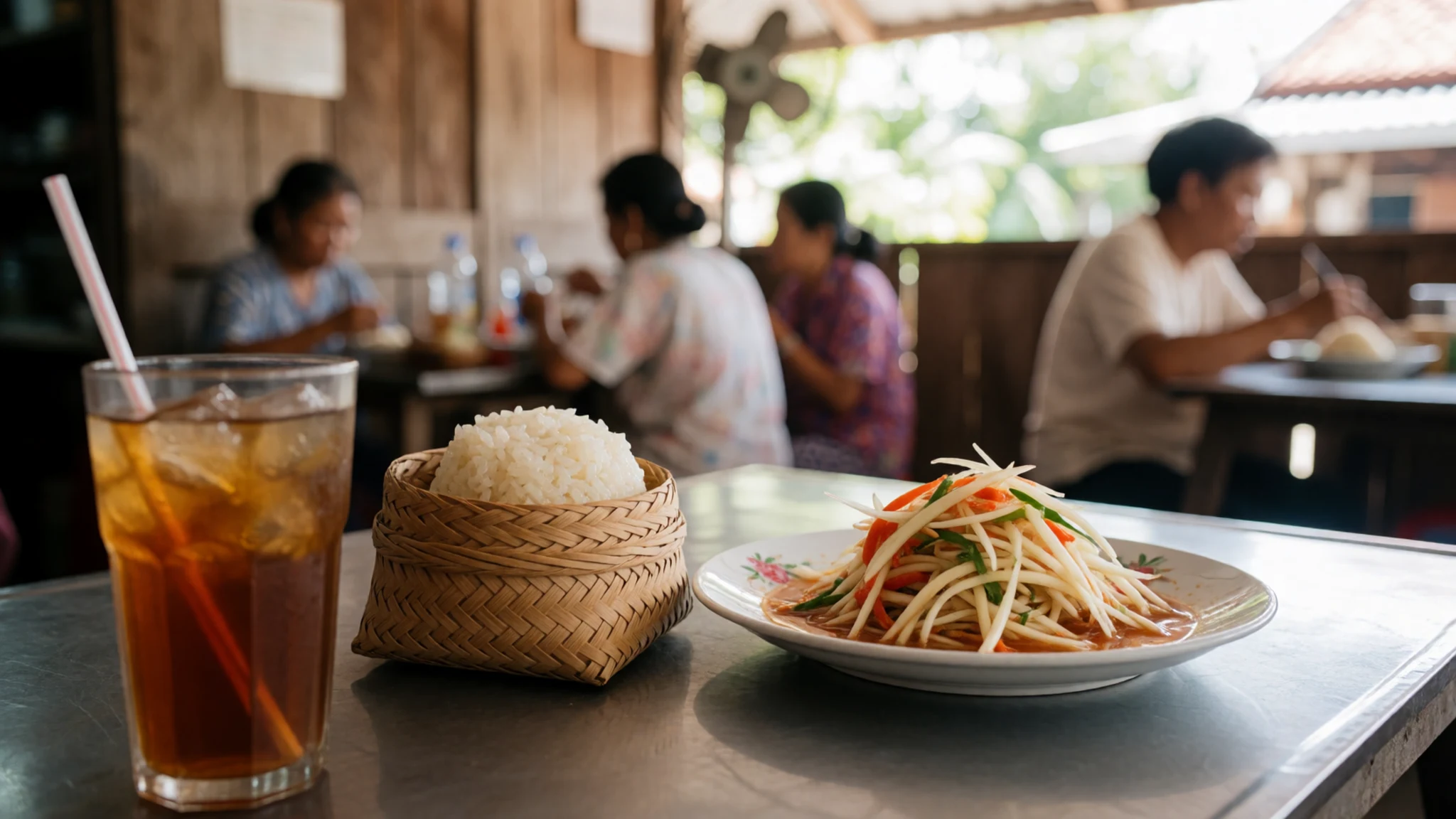
- Khao niao — Any Isan eatery or market in the districts around the park
Sticky rice, steamed and served in a small woven basket, is the base of an Isan meal. Pinch off a piece, roll it in your fingers and use it to scoop up dips, salads and grilled meat. - Larb — Isan-style eateries and evening market stalls near Lom Sak
A minced meat salad, usually pork, chicken or beef, dressed with lime, fish sauce, chilli, shallots, herbs and toasted ground rice. It is sour, salty and nutty, and eaten with sticky rice and raw vegetables. - Nam prik with fresh vegetables — Village eateries and morning markets in Phetchabun Province
A chilli dip, often made with shrimp paste, garlic and lime, served with raw or steamed vegetables and sometimes fried fish. It is plain, punchy home cooking and a good way to taste the region without ordering a full meal.
Plan it
Best time. November to February, when days are cool and the nights, especially in December and January, can fall to a few degrees above freezing; the yearly average is about 25 °C. From March it gets steadily hotter, and wet-season trails are slower and muddier.
How long. 2
Getting there. Phitsanulok is the usual gateway, with an airport and railway station and onward connections from Bangkok; Khon Kaen is an alternative from the west. The last leg follows Route 12 towards Lom Sak and the park, and a hire car or private driver is far easier than public transport. Check the official park pages for current access.
Budget. low
Tips
- Pack warm layers for cold-season nights, even if the day feels mild
- Drive slowly on Route 12, especially at dawn and dusk, because elephants use the area
- Book camping or lodging ahead for weekends in the cool season, when Thai visitors fill the park
- Carry cash and a full tank, since services thin out away from the main road
- Start trails early and bring plenty of drinking water
Etiquette
- Stay on marked trails and follow ranger advice on wildlife
- Never approach, feed or photograph elephants at close range from outside your vehicle
- Take all rubbish with you and keep noise down at campsites after dark
Nearby
Sources
- Wikidata Q1647822 (CC0)
- Wikipedia: Nam Nao National Park (rev 1362862227) (CC BY-SA 4.0)
- Wikivoyage: Nam Nao National Park (CC BY-SA 4.0)
- Photo: Thailand 429, Martin Püschel (CC BY 3.0)
- Photo: A view on a high 01, Nopparat thanatawan (CC BY-SA 4.0)
- Photo: Culicicapa ceylonensis, Mae Wong, JJ Harrison (CC BY 3.0)
- Photo: Flying Green-billed malkoha, Touhid biplob (CC BY-SA 4.0)
- Photo: Red Lacewing (Cethosia biblis), John Pavelka (CC BY 2.5)
- Photo: Nam Nao NP panorama, Takeaway (CC BY 3.0)
- Photo: 2013 Beware of the Elephants, Takeaway (CC BY 3.0)
- Photo: A view on a high 02, Nopparat thanatawan (CC BY-SA 4.0)


Wildlife
- Tiger (animal)
The tiger is a huge cat in an orange coat with bold dark stripes, like a giant tabby from a storybook. Nam Nao National Park matters as a place set aside to help protect tigers in the region. Tigers are shy, so do not expect a meeting. Enjoy the forest with a local guide, speak softly, keep well back from anything you do find, and never leave food for wildlife.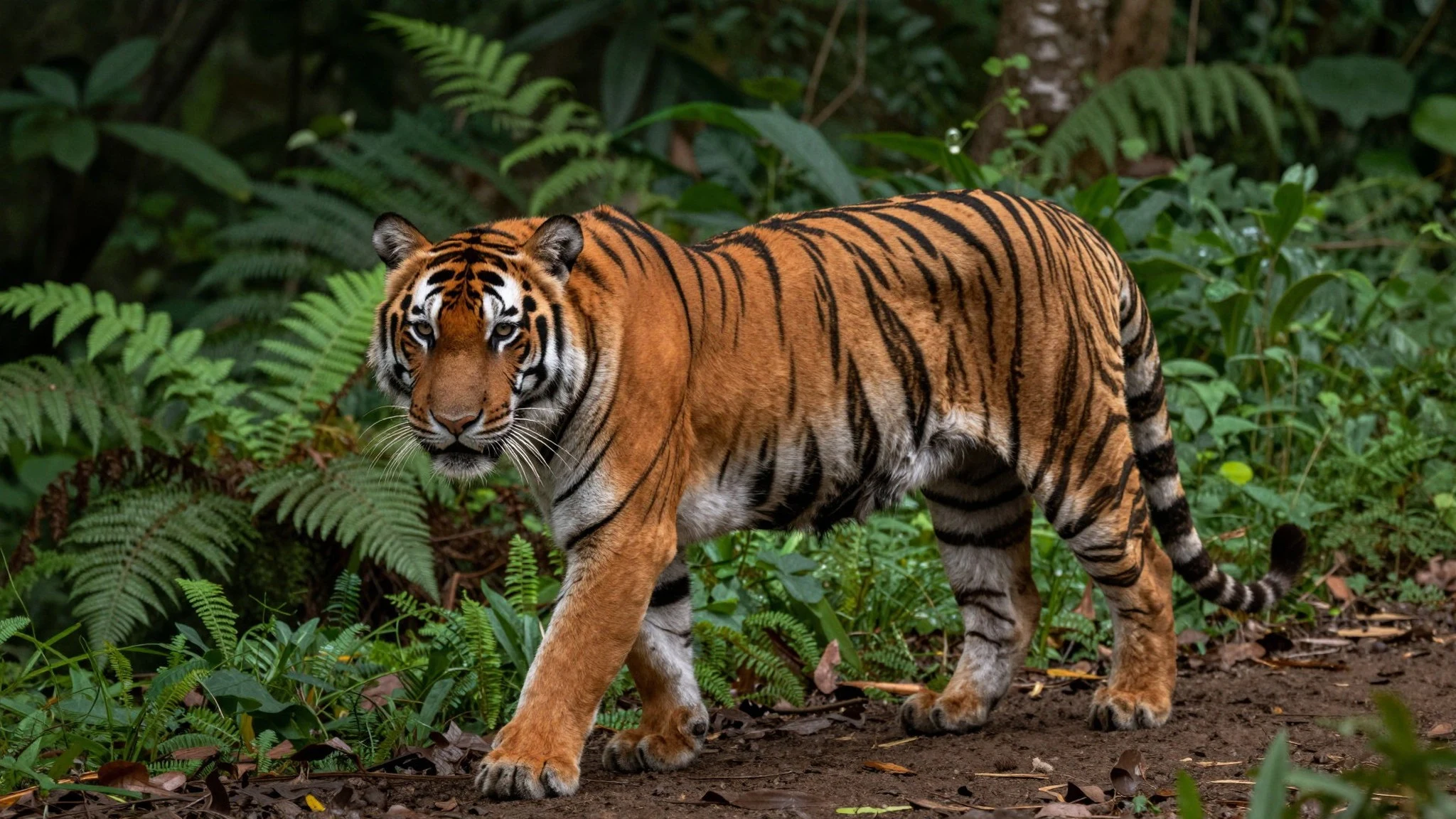
- Wild elephant (animal)
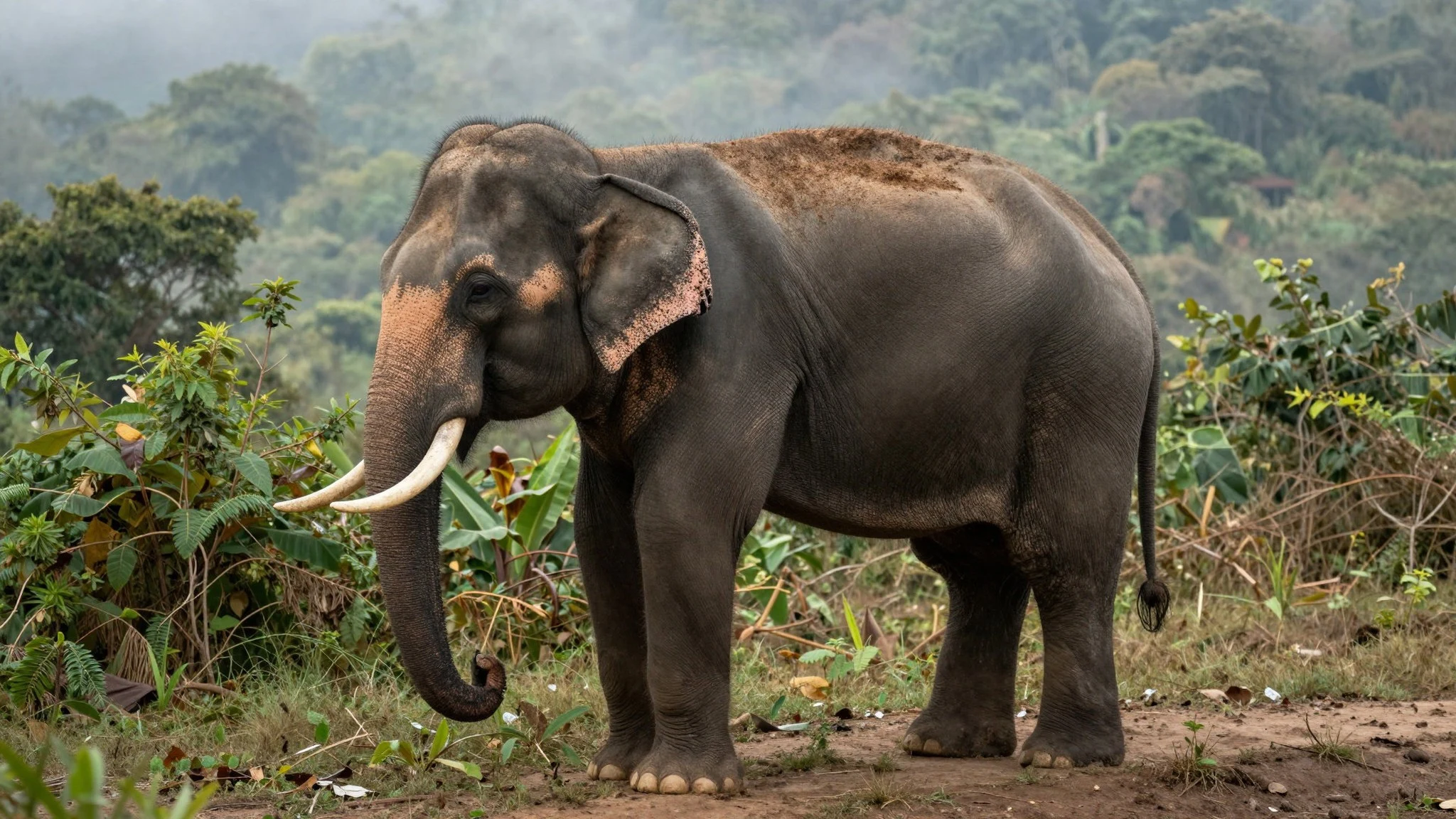
The Asian elephant is the biggest land animal in Asia, with a long trunk that ends in a clever little fingertip, wide folded ears and wrinkled grey skin. In Nam Nao, roadside signs warn that wild elephants may cross through the thick brush, so drive slowly and watch. If you see one, stay a safe distance away, keep quiet, follow your guide, and never offer food.