Mutsamudu
Mutsamudu, Comoros
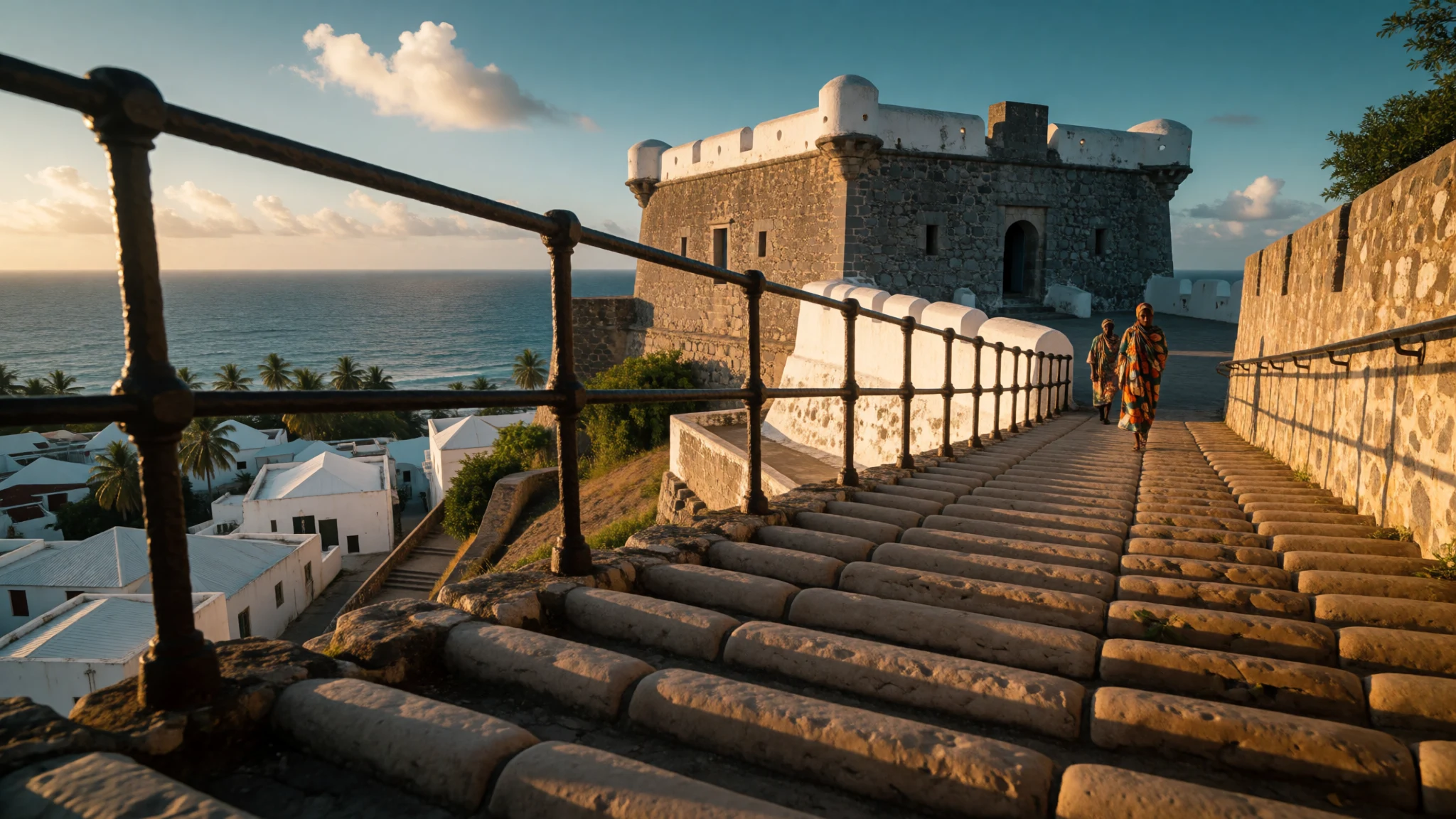
Mutsamudu is a working Indian Ocean port with a stone citadel, an old medina and almost no other visitors.
The place
Mutsamudu is the capital of Anjouan, one of the islands of the Comoros, and home to about 30,000 people. The town is squeezed between the Indian Ocean and steep hills, so movement happens along stepped lanes and broad stone stairways rather than wide avenues. A pair of parallel main streets frame the old medina, a tight knot of whitewashed houses, small workshops and shops, and above the harbour sits a stone citadel that dominates the skyline. The port is the working heart of the place. It is a deep-water harbour where containers bound for the other islands are transferred, rice, cement, sugar, flour and fuel arrive, and ylang-ylang, cloves and vanilla leave. On a good day the quays smell faintly of spice. The climate is marine tropical: hot and humid all year, with little change in temperature from month to month. December to April is the hottest stretch and January the wettest month, although rain falls in most months. May to November is a little cooler and the better time for walking. The islands also lie in cyclone country, and storms have damaged both the citadel and thousands of lives over the decades. Visitors are few. Most travellers to the Comoros stop on Grande Comore and skip Anjouan, which means quiet lanes, curious greetings and very little tourist infrastructure. Swimming in town is limited, so beach days usually mean heading along the coast. Mutsamudu works best as a base for wandering the medina, climbing to the citadel and then pushing into the mountains and villages inland.
Its story
Mutsamudu was probably founded in 1482 and grew into a prosperous Swahili port, handling trade between the mainland harbours of Mozambique and Madagascar. Sailors and merchants from Arabia, Persia, India, Somalia and Madagascar settled here over time, and that mixed ancestry still shows in names, faces and cooking. By the eighteenth century the town was wealthy enough to impress visitors. A commissioner named Frederick Holtzappel stopped here during a voyage along the Swahili coast and wrote admiringly of what he found: stone houses whitewashed inside and out, painted plank ceilings, roofs thatched with coconut leaves, and some two-storey homes belonging to an elite he described as Turkified. Public baths served the town, and the grandest families had their own. Men of standing, he noted, wore white linen gowns and turbans, with silk clothing and daggers in silver sheaths. The same sea that brought wealth also brought danger. The citadel was built with British help to defend the town against slave raiders from Madagascar, and its walls still look out over the water they were meant to watch. Storms have been the other threat. A cyclone in the middle of the last century badly damaged the citadel, and later cyclones affected thousands of people across the archipelago. In more recent times the modern harbour has made Mutsamudu the point through which goods for all the islands pass, a quieter echo of its old role as a place where cargoes changed hands.
What to see
- Medina of Mutsamudu — Old town, between the two main streets
The old town lies between the two main streets and rewards slow wandering. Lanes are narrow and shaded, lined with whitewashed walls, small crafts workshops and shops. Go in the cooler morning, take a turn without a plan, and expect greetings from doorways. Ask before photographing anyone.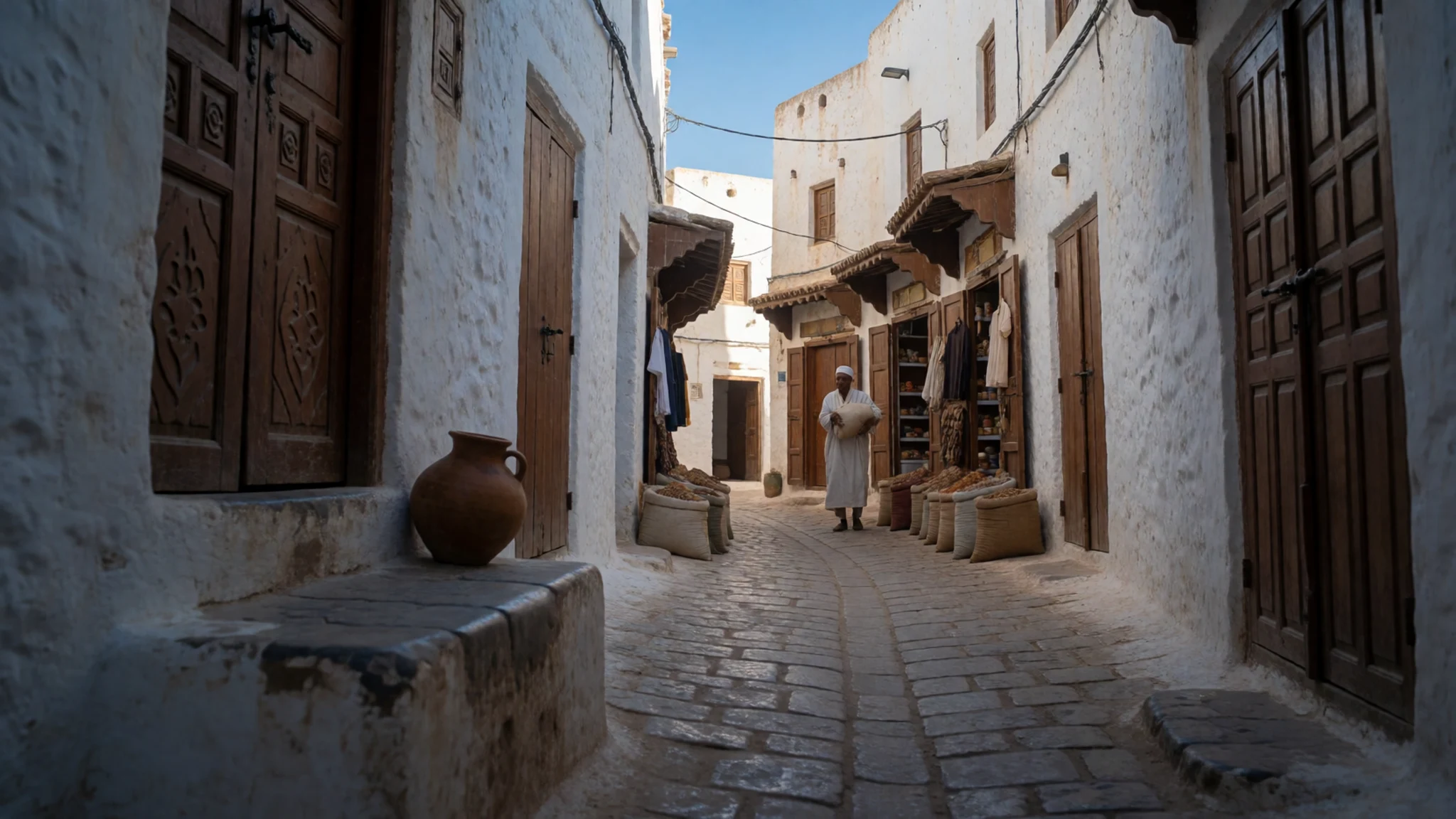
- Citadel of Mutsamudu — Hillside above the harbour
A stone fortress above the harbour, raised with British help to guard the town against raiders from Madagascar and later damaged by a cyclone. A broad stone stairway climbs to it, and the reward is a view over roofs, port and sea. Wear shoes with grip and go early, before the heat builds.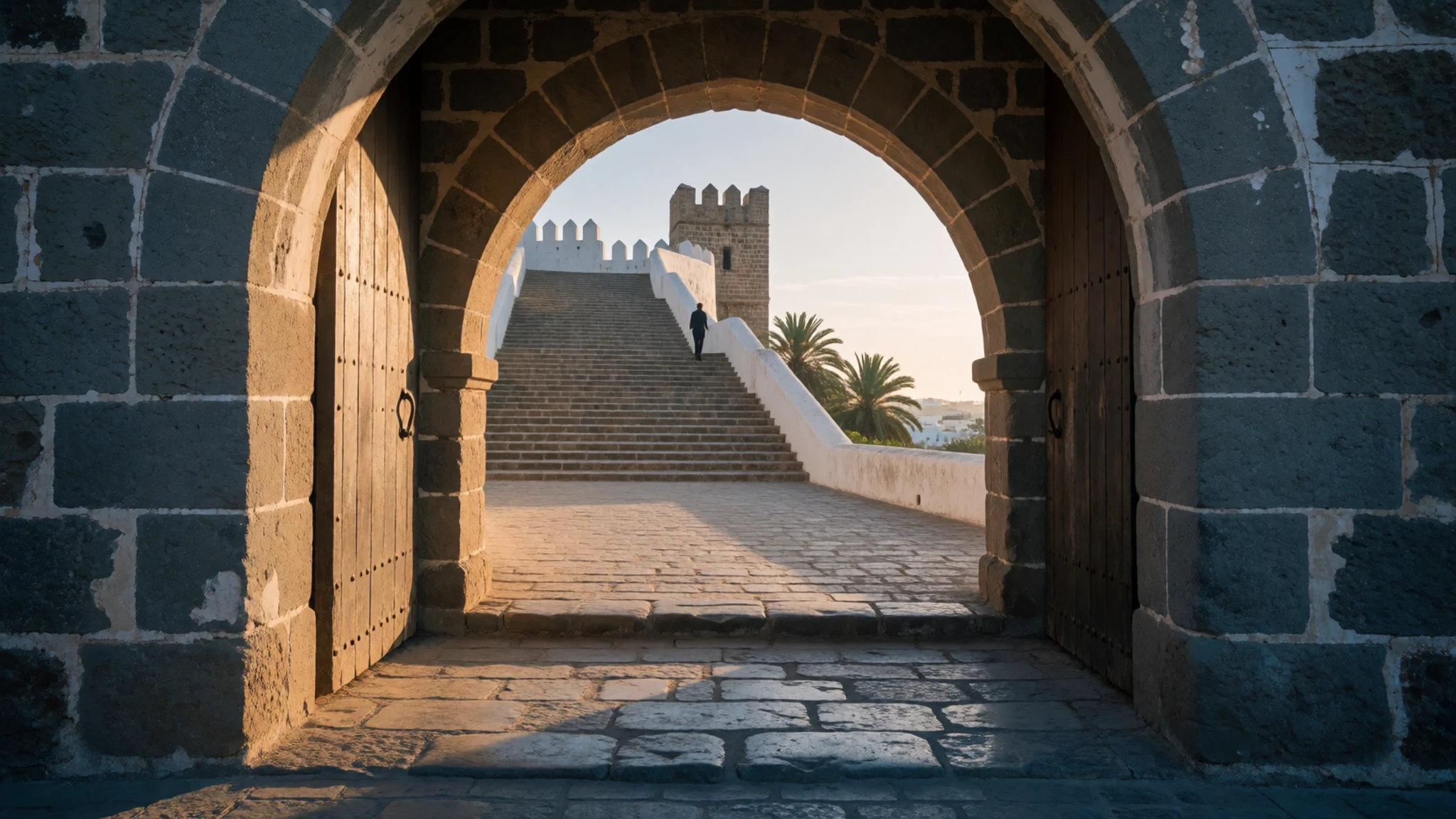
- Friday Mosque and old tomb — Central Mutsamudu, beside the medina
Close to the medina stands the Friday Mosque, with an old Islamic tomb beside it. Together they show how deeply Islam is woven into the town's history. Visitors can admire them from outside; check locally before entering any religious building, and dress modestly when nearby.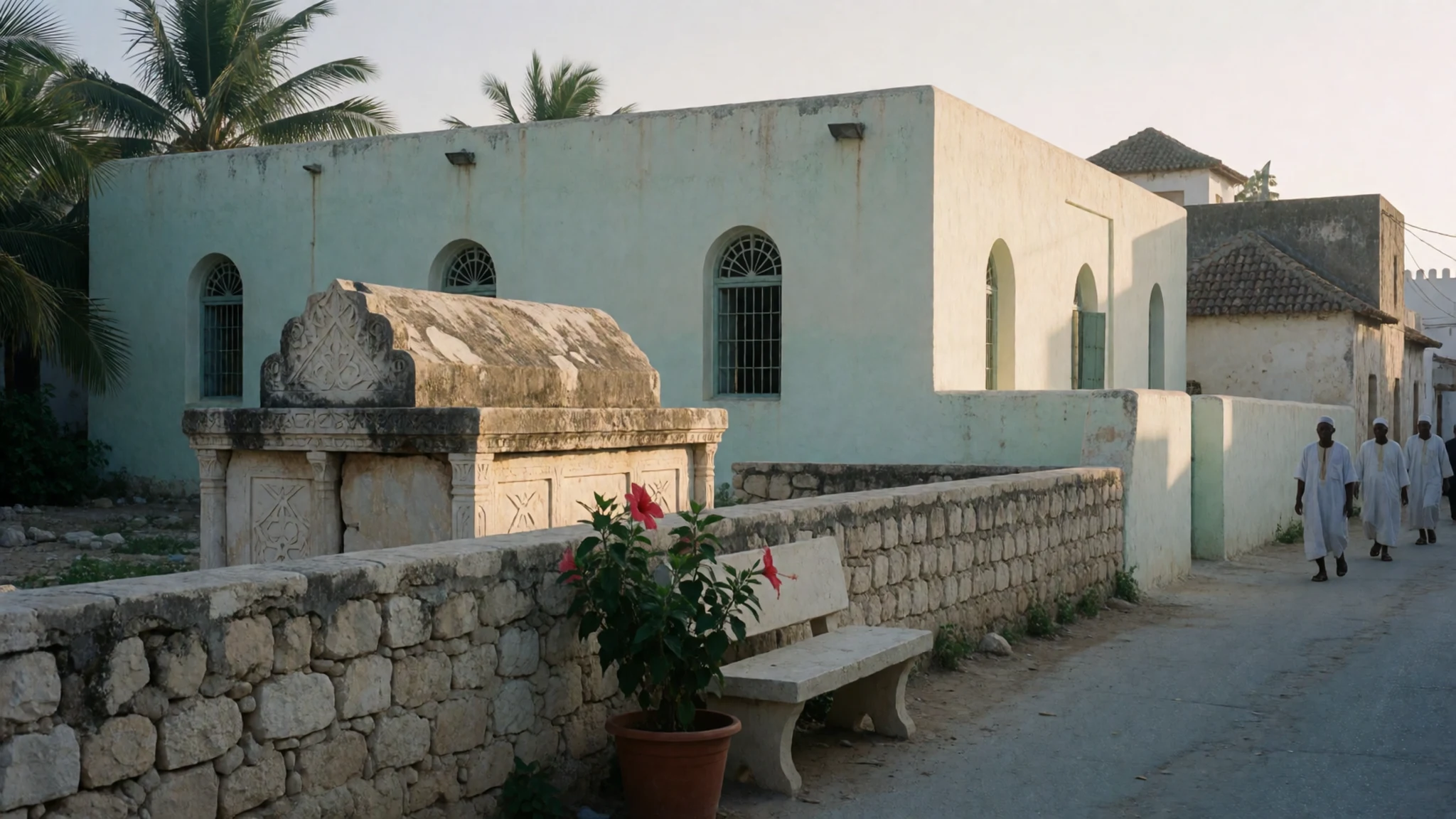
- The port and waterfront — Harbour and quayside
The harbour is the reason Mutsamudu exists and still keeps the town busy. Cargo boats, containers and the daily trade in spices and staples give the waterfront a working feel rather than a postcard one. It is a good place to watch the town's economy, and to ask about boats to the other islands.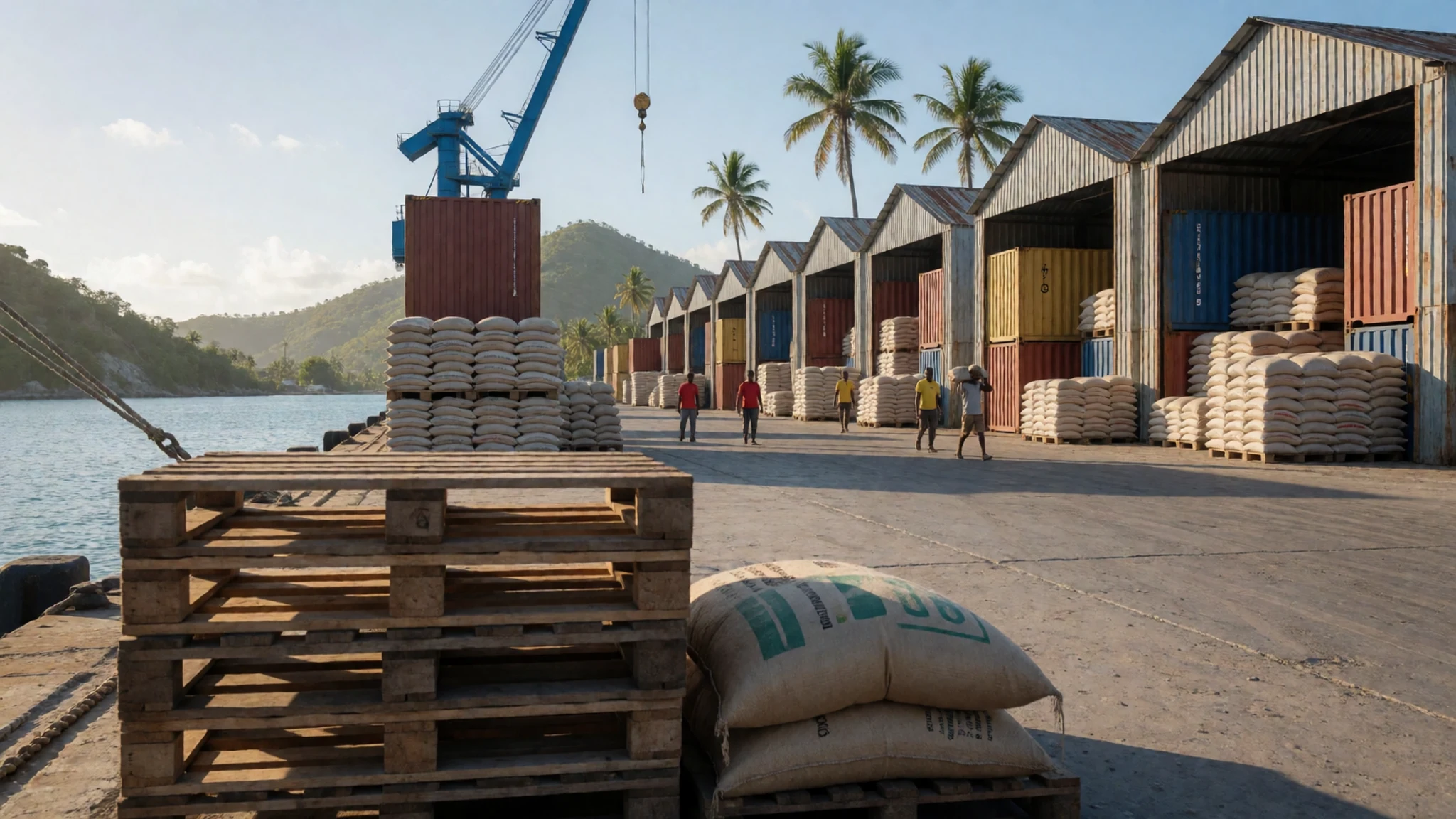
- Medina of Domoni — Domoni, a coastal town to the south-east
Domoni is another historic coastal town on Anjouan, with its own medina of old stone houses and lanes. It makes a longer day trip from Mutsamudu by road and shows how the island's Swahili heritage looks outside the capital. Arrange transport locally and leave time for the return.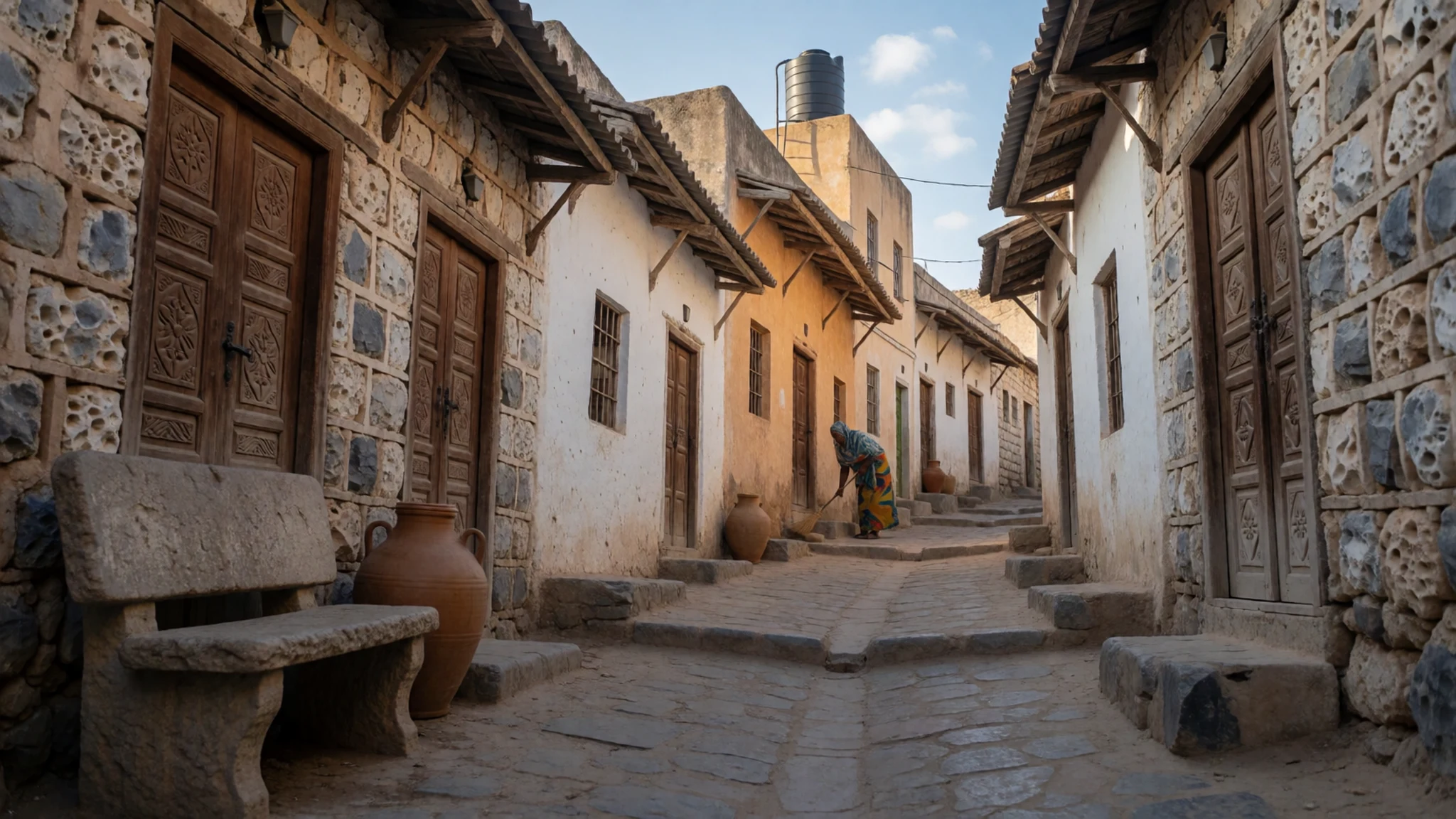
- Ntringui mountain and Dzialandzé lake — Interior highlands of Anjouan
The island's interior is a natural park with forest, a crater lake and the highest point on Anjouan. Livingstone's fruit bats and a lemur species live here. Hiking needs a local guide, sturdy footwear, water and a dry-weather window, so plan it with local advice rather than improvising.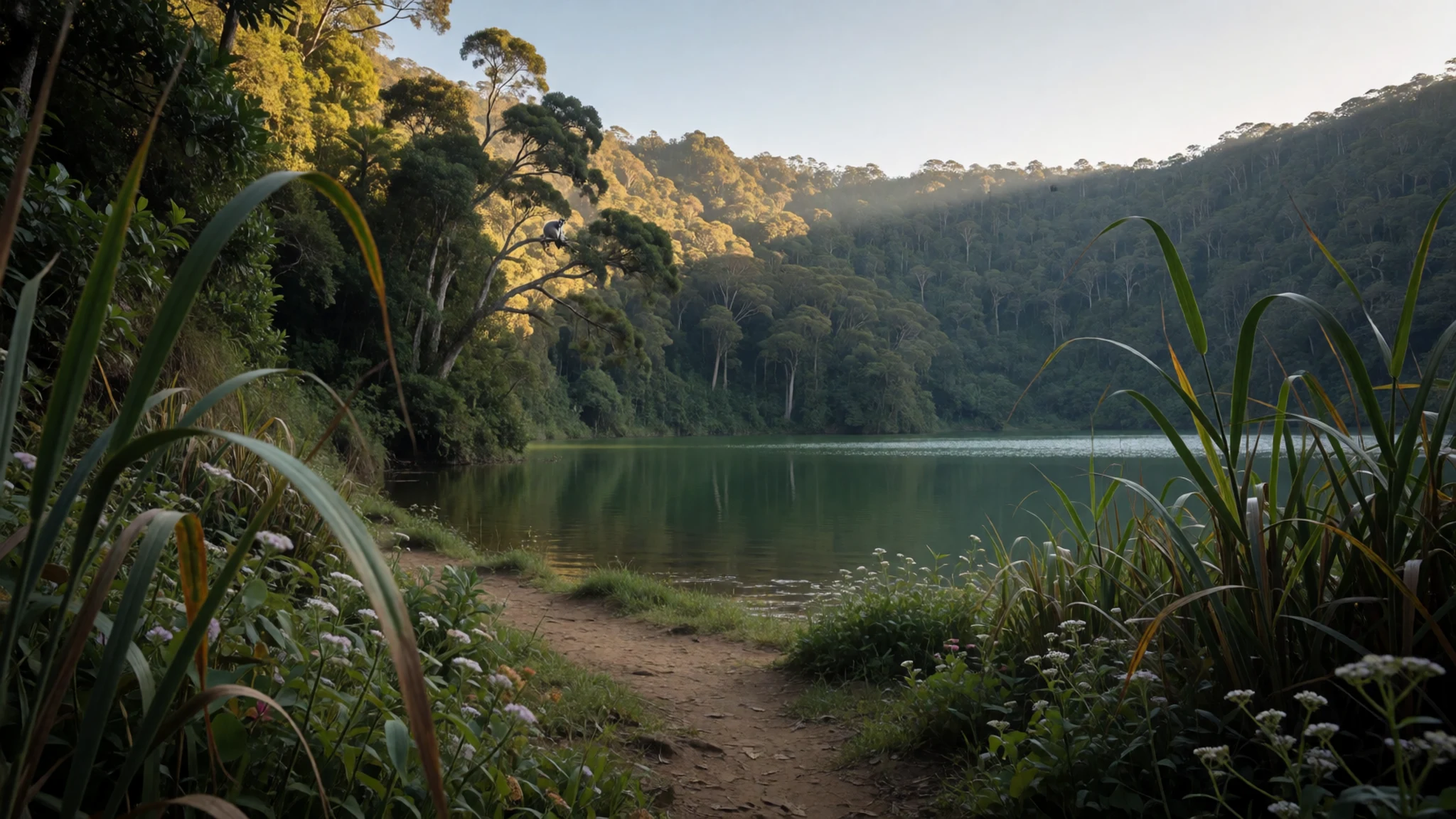
Culture
Islam is central to daily life in Mutsamudu, and the Friday Mosque with its old tomb stands among the lanes of the medina. The call to prayer sets the rhythm of the day, some shops pause at prayer times, and Friday is noticeably quieter than other days. Anjouan's heritage is Swahili, with Arab, Persian, Indian, Somali and Malagasy threads running through it, so the culture feels closer to the western Indian Ocean than to mainland Africa or Europe. Comorian and French are widely heard, with Arabic in religious settings. Everyday scenes are the main attraction: women in brightly coloured wraps, men talking in doorways, children racing up stone stairways, small workshops open to the lane. Greetings matter, and a polite hello before any question goes a long way. Because few visitors come, attention is friendly but can be curious, and a smile and a few words of French open many conversations. Women in particular dislike being photographed without permission and notice quickly when a camera is raised. Ramadan changes the town's pace, with eating and drinking in public much reduced during daylight hours. Ask before photographing anyone, especially women, and accept a refusal with a smile.
What to wear
Traditional dress in Mutsamudu is most visible on women, who often wear brightly coloured printed wraps such as the shiromani and the lesso, draped around the body and sometimes over the head. They are made of lightweight cotton and worn everyday as well as for festivals and prayers. Historically the town's merchant elite dressed more grandly: a visiting commissioner recorded men in white linen gowns and turbans, with silk clothing and daggers in silver sheaths. Today men commonly wear a long white kanzu and an embroidered cap on Fridays and at celebrations. Day to day, most people mix modest practical clothes: shirts, trousers, long skirts and light headscarves, with the wraps coming out for special occasions. A visitor should dress for heat, humidity and modesty. Loose cotton or linen that covers shoulders and knees suits both the climate and local norms, and a light scarf is useful near the mosque. Swimwear belongs on the beach, not in town. Lanes and stairways are steep and often damp, so sturdy sandals with grip or light trainers are better than flip-flops, and hikers heading inland will want proper walking shoes and a light rain jacket.
What to eat
- Mataba — Family-run eateries and the central market
Cassava leaves pounded and simmered with coconut milk, often with fish or meat. It is a staple of Comorian home cooking: earthy, rich and slightly bitter. Look for it at family-run eateries and local markets, usually served with rice.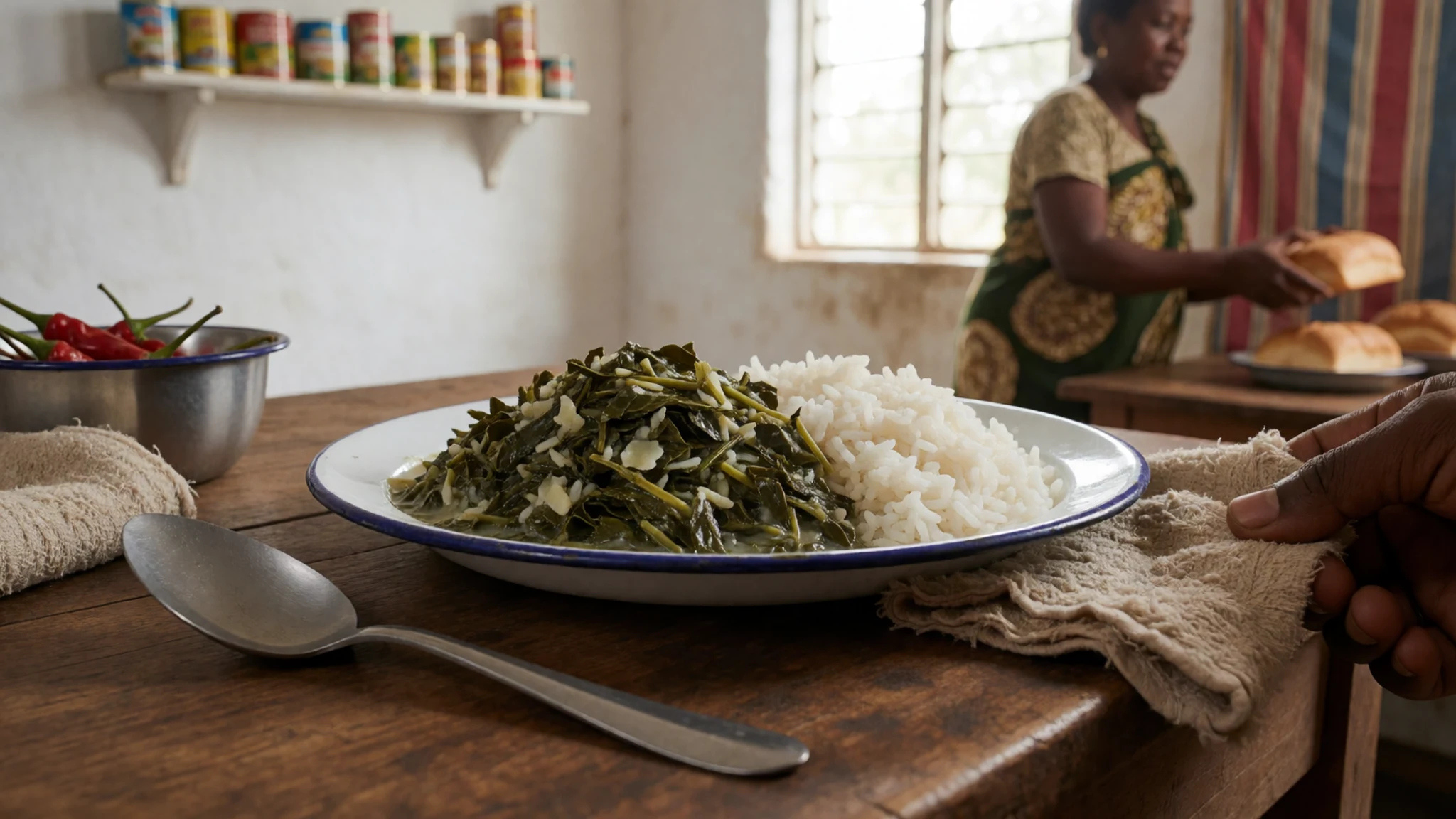
- Pilao — Local eateries and at celebrations in family homes
Fragrant spiced rice, cooked with cloves and other warm spices and often served with meat. It is common at celebrations and weekend meals, and a good way to taste the island's spice trade.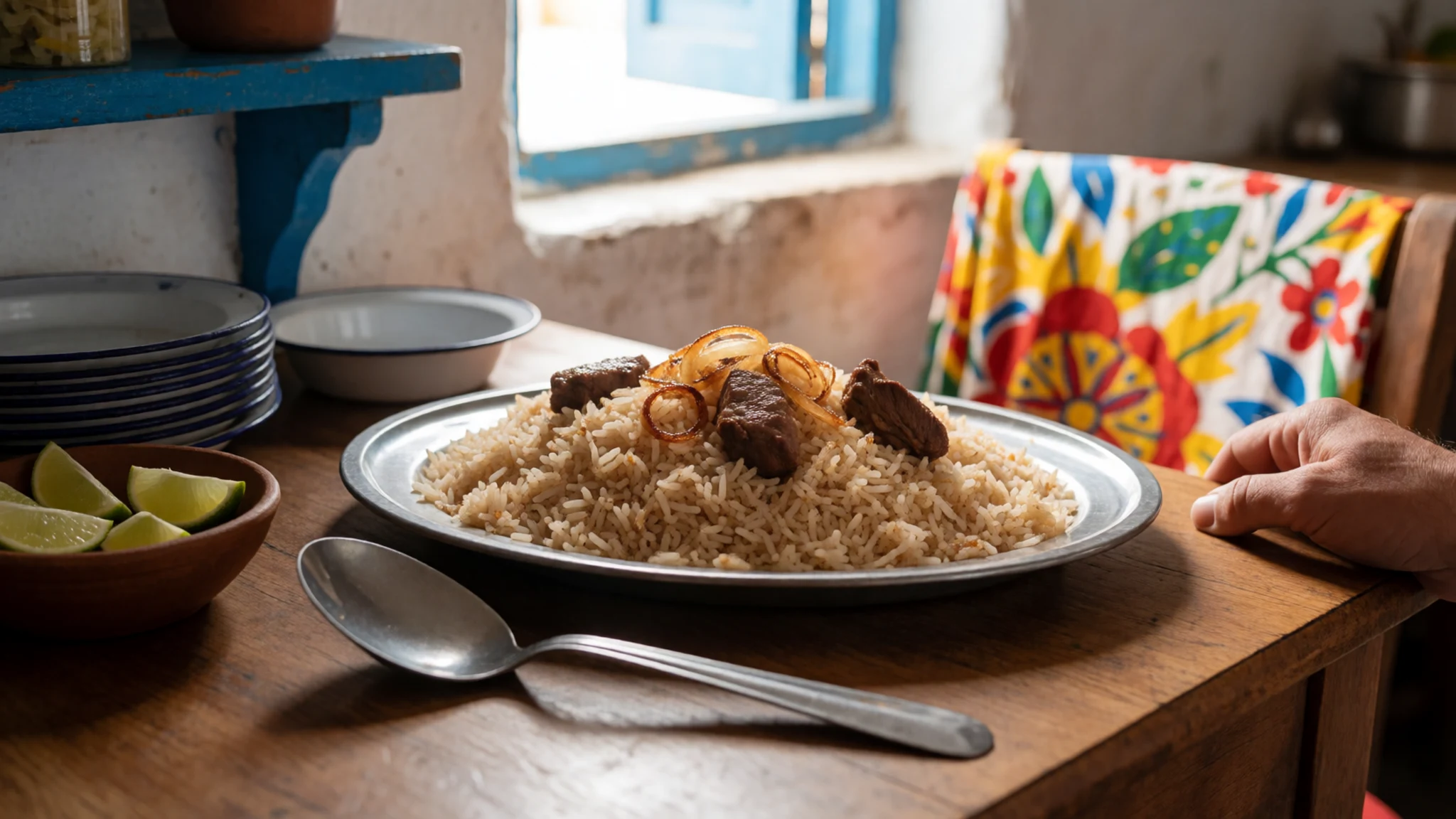
- Grilled fish with coconut — Small eateries near the port
Fresh catch grilled over coals, or cooked in coconut sauce, then served with rice or starchy staples. On a port town's waterfront, the day's fish is the safest and most local choice. - Breadfruit and cassava dishes — The market and informal eateries around town
Boiled or fried breadfruit and cassava turn up alongside fish and sauces as everyday starches. They are filling, mildly flavoured and well suited to coconut-based dishes. - Spiced tea — Cafes, roadside stalls and family homes
Tea flavoured with local cloves or vanilla is common after meals and when guests arrive. Anjouan exports both spices, so it is an easy way to taste the island's main crops at a cafe or in a home.
Plan it
Best time. May to November, when the weather is a little cooler. December to April is the hottest period, and January is the wettest month, though rain can fall in most months. Cyclone risk falls in the hotter, wetter season.
How long. 2–3
Getting there. Ouani Airport receives daily flights from the other islands of the archipelago, with tickets sold through local travel agencies; a road transfer then takes you to town. Weekly boats run to Moroni on Grande Comore and to Mayotte, and cargo boats serve Moheli, but schedules are not fixed, so ask at the port and inspect any vessel before buying.
Budget. low
Tips
- Book inter-island flights and boats through a local agency, and confirm schedules at the port, as they change
- Climb to the citadel and walk the medina early, before the heat and humidity build
- Carry cash, as cards may not be accepted outside a few places
- Drink only bottled or treated water and bring sun protection
- Check cyclone and weather conditions before planning hikes inland or boat trips
Etiquette
- Ask before photographing people, especially women
- Dress modestly in town, covering shoulders and knees
- Greet people before asking questions
Nearby
Sources
- Wikidata Q691016 (CC0)
- Wikipedia: Mutsamudu (rev 1384392160) (CC BY-SA 4.0)
- Wikivoyage: Anjouan (rev 5372584) (CC BY-SA 4.0)
- Photo: Mutsamudu port (Peioma) (CC BY 3.0)
- Photo: Citadel of Mutsamudu (David Stanley) (CC BY 2.5)
- Photo: Mutsamudu Islamic tomb (David Stanley) (CC BY 2.5)
- Photo: Mutsamudu stone stairway (David Stanley) (CC BY 2.5)
- Photo: Hotel Al Amal beach (David Stanley) (CC BY 2.5)
- Photo: Acadie information board, Moroni (Tnemtsoni) (CC BY 3.0)
- Photo: Mutsamudu (David Stanley) (CC BY 2.5)
- Photo: Mutsamudu 2006 (alKomor.com) (CC BY-SA 2.0)


Wildlife
- Livingstone's fruit bat (animal)
Picture a fox with wings: that is the Livingstone's fruit bat, a big fruit-eating bat also known as the Comoro flying fox. It lives nowhere else in the world but Anjouan and Mohéli, which makes meeting one in Mutsamudu a real treat. The reading says it lives here, but gives no season or hour, so ask your host or guide. Watch from a good distance, keep your voice low, go with a guide, and never offer it food. - Sanford's brown lemur (animal)
Sanford's brown lemur is a lemur, a furry primate, and it carries the name of an American museum trustee, Leonard Cutler Sanford. Scientists once treated it as a kind of common brown lemur, but now count it as a species of its own. The reading says a lemur species lives in Mutsamudu, though it does not say where or when to look. Stay well back, keep quiet, go with a guide, and never feed it.