Itsamia
Itsamia, Comoros
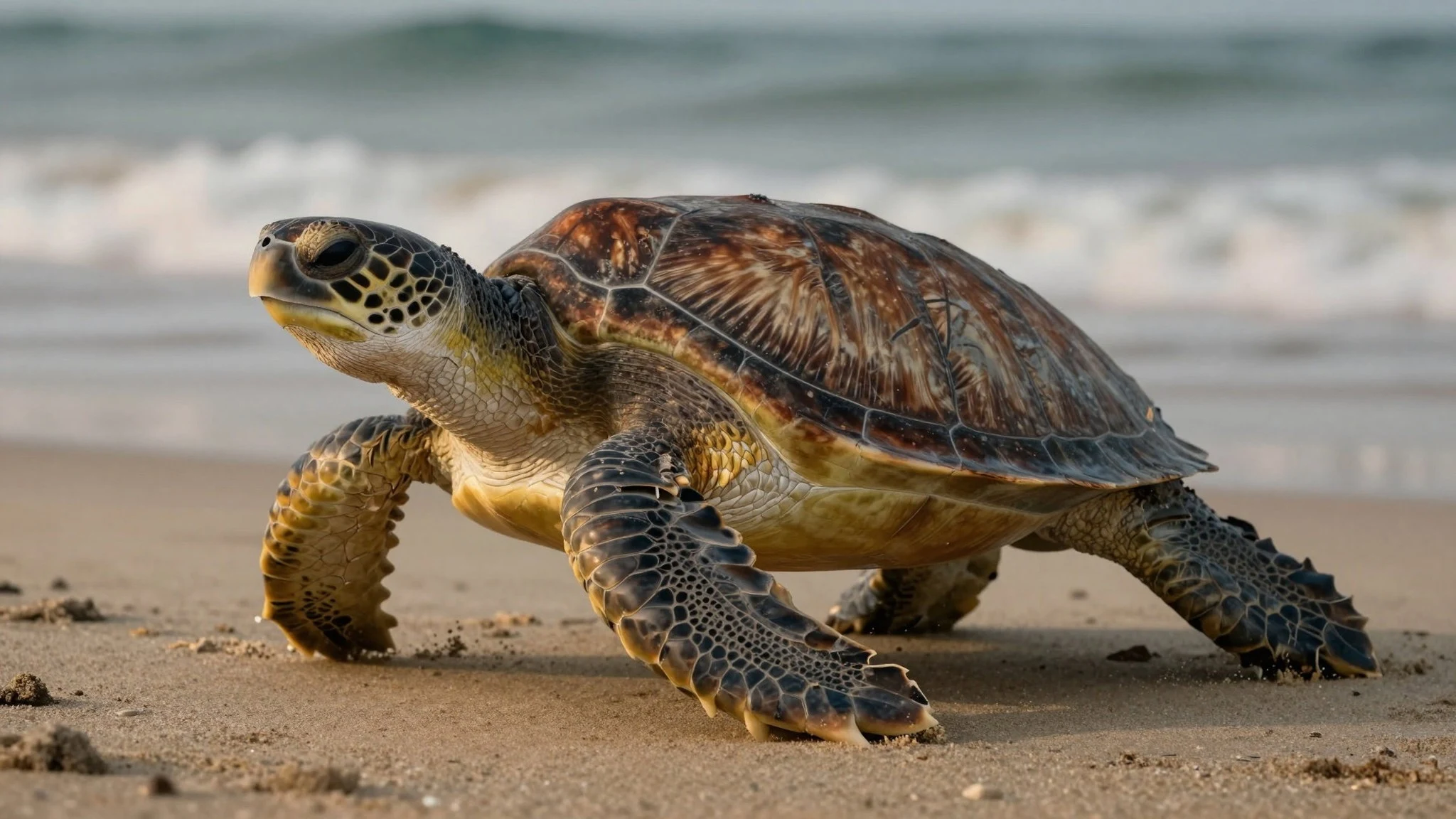
Itsamia is a remote Comorian village where green turtles nest on the beach all year, with nothing else to compete for attention.
The place
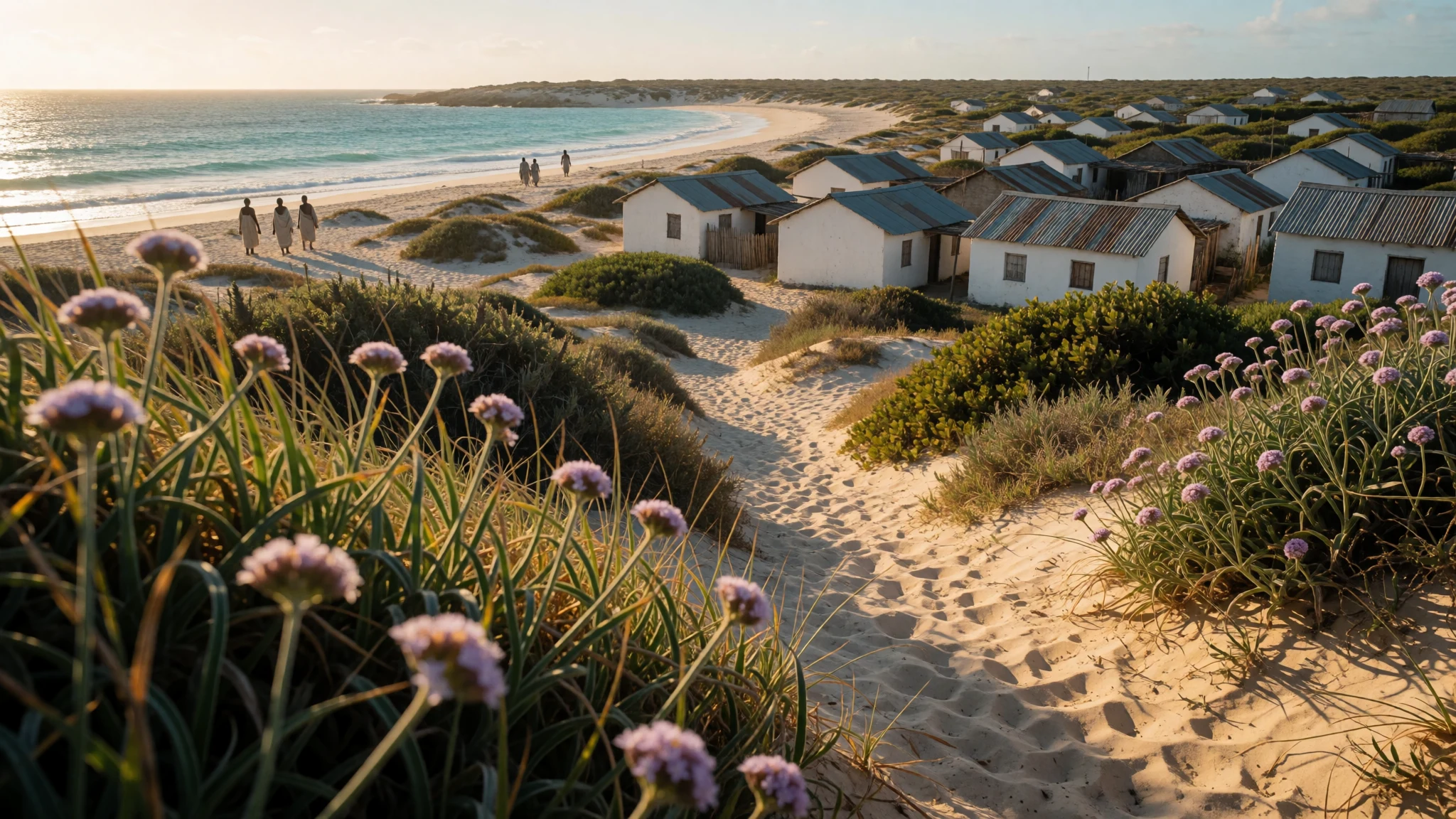
Itsamia is a small village on the coast of Mohéli, in the Comoros, and it sits well away from the usual travel routes. People here do their shopping in Fomboni, the island's main town, because Itsamia itself has no shops and no restaurants. What it has instead is a quiet beach, a stretch of marine park and a population of green turtles that come ashore to nest. Sightings are likely in any month of the year, and the peak runs from May to July, when dozens of turtles can arrive on the sand in a single night. Off the beach, a white islet draws snorkellers by boat, and a trail inland leads to Dziani Boundouni, a freshwater lake listed under the Ramsar Convention on wetlands. Between outings there is little to do except swim, read and watch the sea, and that is the real appeal for most visitors. It is also the main limitation. Rooms are in community-run bungalows, meals have to be ordered ahead, and getting in or out depends on two early buses, a few taxis and some patience. Fuel shortages mean there are few cars on the island, so travellers sometimes end up walking part of the way and catching a lift. A local association handles much of the practical side, from guides to bus seats to boat trips, and it is the sensible first point of contact before arriving. Anyone with a tight schedule will find Itsamia frustrating; anyone content to let the tides and the hatchlings set the day will find it restful.
Its story
The recent story of Itsamia is largely the story of the green turtle, Chelonia mydas, and of a village that has built its visitor life around protecting it. Females climb the beach after dark, dig a nest above the tide line and slip back into the sea before morning. Some weeks later the hatchlings emerge, mostly around sunrise and sunset, and make a short, exposed dash for the water. Birds, crabs and other predators wait along those few metres of sand, so many young turtles never reach the surf. That is why conservation here is practical rather than abstract. Local guides lead the night walks and explain how to behave around nesting females, and visitors can sometimes help hatchlings reach the sea safely. A small turtle house acts as a visitor centre and gathers the documents the natural park holds on green turtles. The calendar reflects the same priorities. Itsamia marks the International Day of the Marine Turtle with a village celebration on 28 May, with events organised by residents and national authorities known to attend. Because the beach is the village's main draw, income from visitors gives people a reason to look after it. The arrangement is small and depends on modest numbers of respectful visitors rather than crowds. Itsamia has little else on offer, with no shops, no restaurants and few vehicles, and that plainness is part of why the turtle project has stayed personal in scale. The village remains known to very few people.
What to see
- Watching the turtles — Itsamia beach
Night-time nesting walks are the reason most people come. Green turtles use the beach all year, with the busiest nights from May to July. A guide is required: ask for instructions before setting out and make sure they are clear. Expect to wait in the dark, and keep lights and noise to a minimum.
- Turtle house — Itsamia village
A small visitor centre devoted to marine turtles, and a sensible first stop before a night walk. It holds the natural park's documents on green turtles and helps explain nesting and the threats the animals face. Opening times are not fixed in any source here, so ask the local association when you arrive.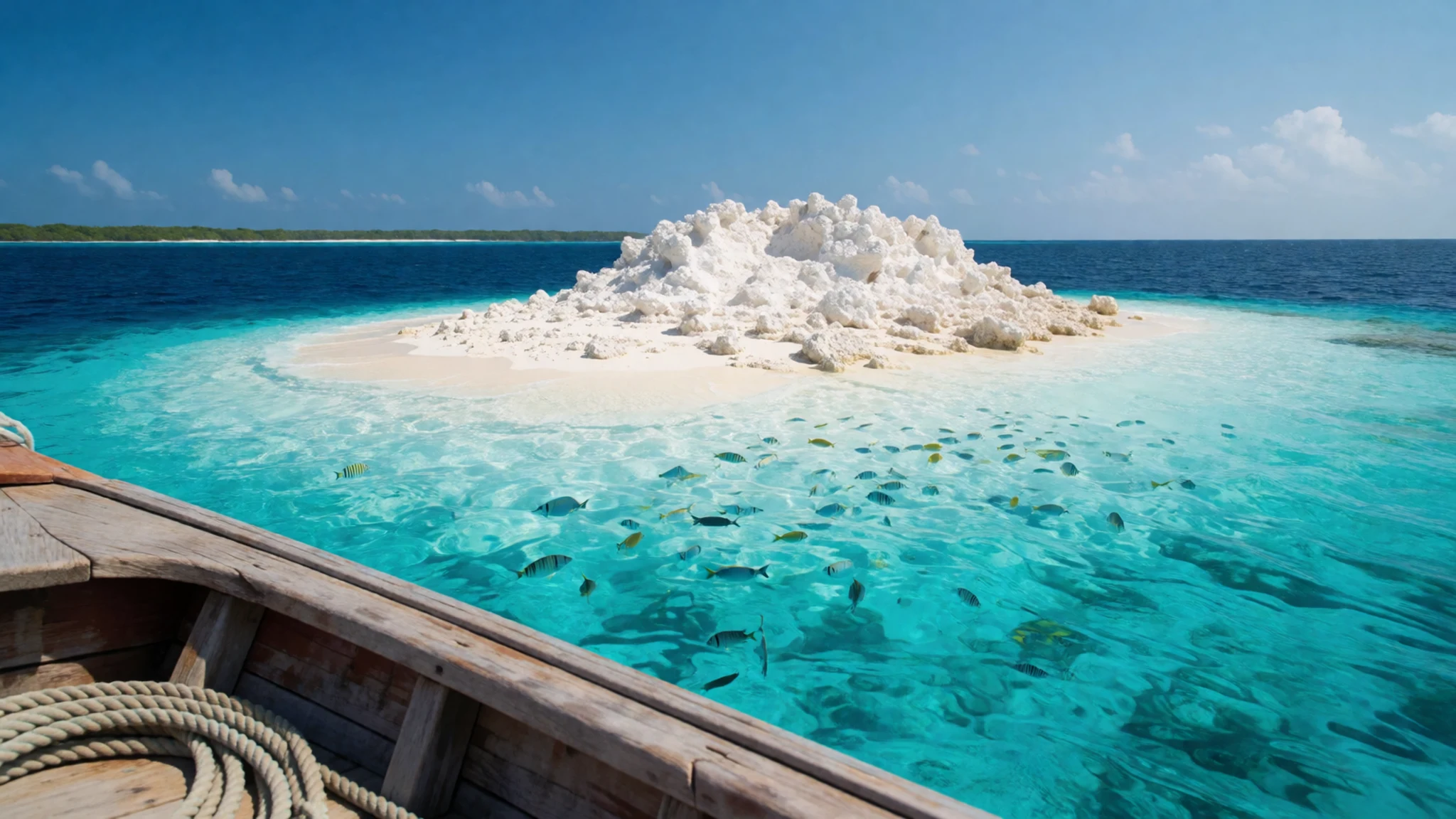
- Helping newborn turtles — Itsamia beach
Hatchlings leave their nests around sunrise and sunset and scramble across open sand towards the water, where predators are waiting. Visitors can take part in helping them through that run, but only with a local guide. It is brief and affecting, and entirely dependent on timing, so no outing is guaranteed to coincide with a hatch.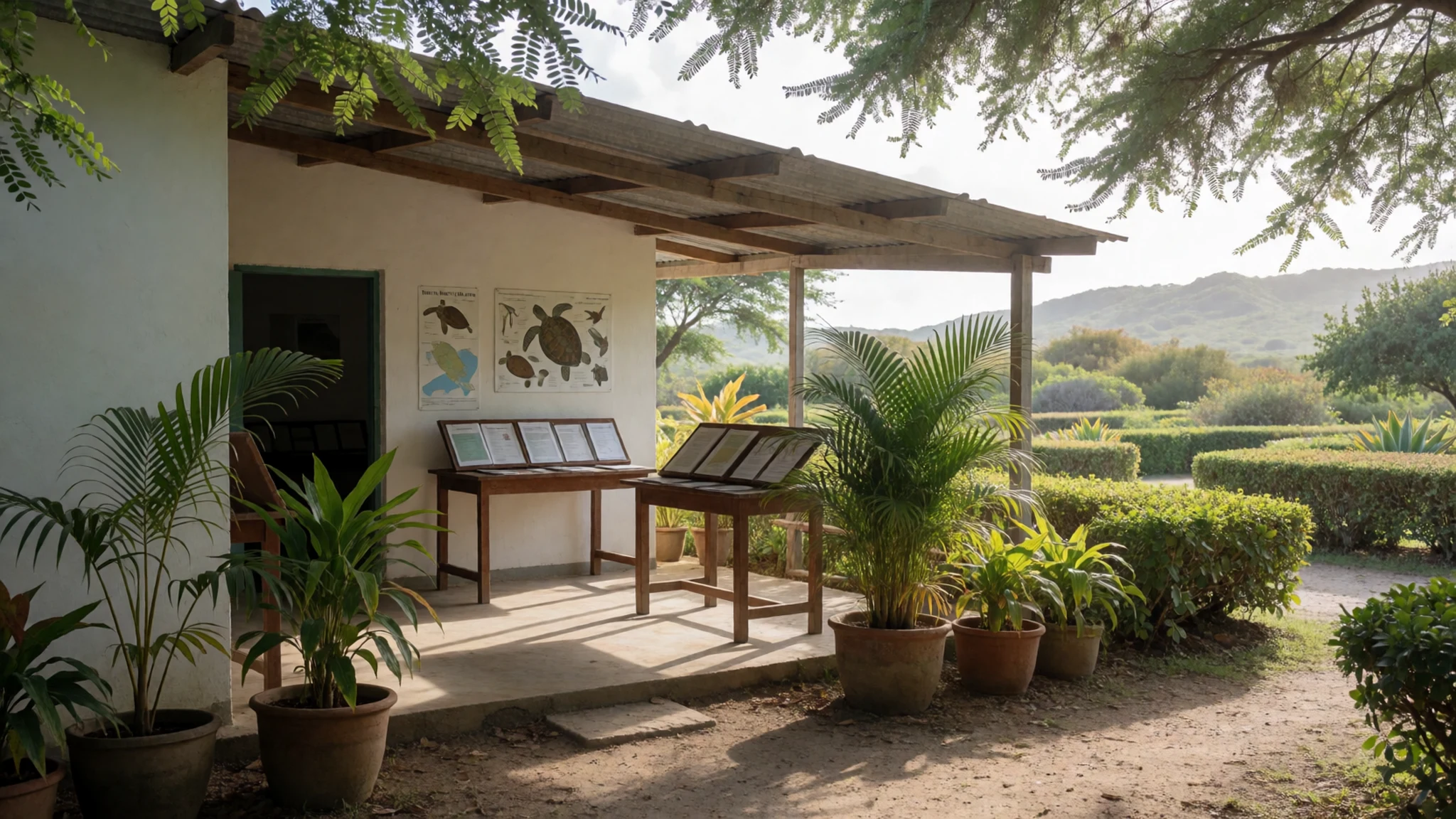
- Hike to Dziani Boundouni lake — Inland from Itsamia
A walk inland leads to this freshwater lake, which has been protected under the Ramsar Convention on Wetlands since 1995. Fresh water is unusual in the Comoros, which adds to the interest. Go early with a local guide, carry plenty of water, and wear sturdy closed shoes and sun protection.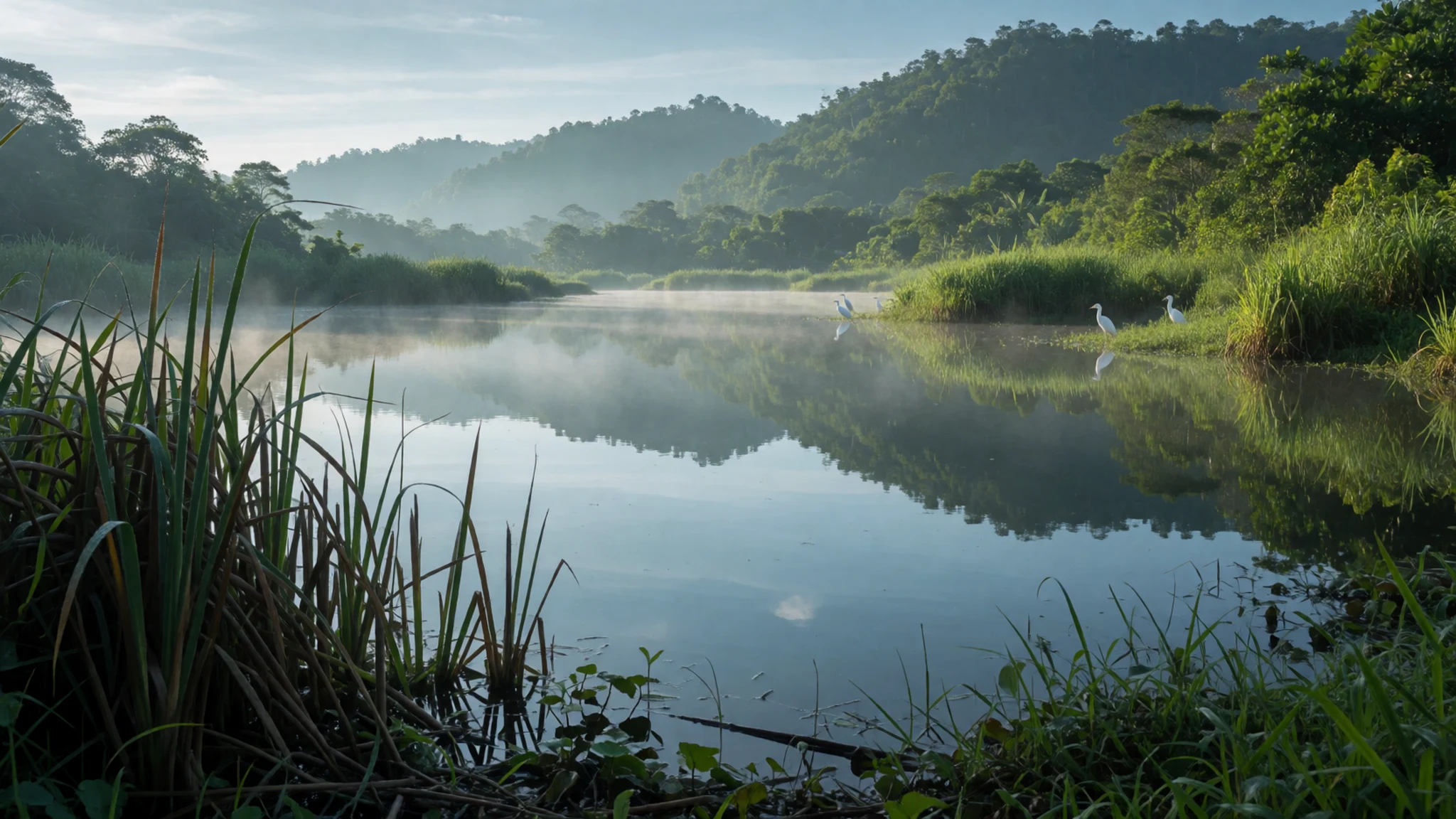
- The white islet — Offshore from Itsamia
A white islet lies directly offshore from the village and can be reached by boat. It is known for its marine life, and a day of snorkelling and exploring there is the standard outing away from the beach. The association can arrange the boat, so agree the details before setting off, and bring a mask if you own one.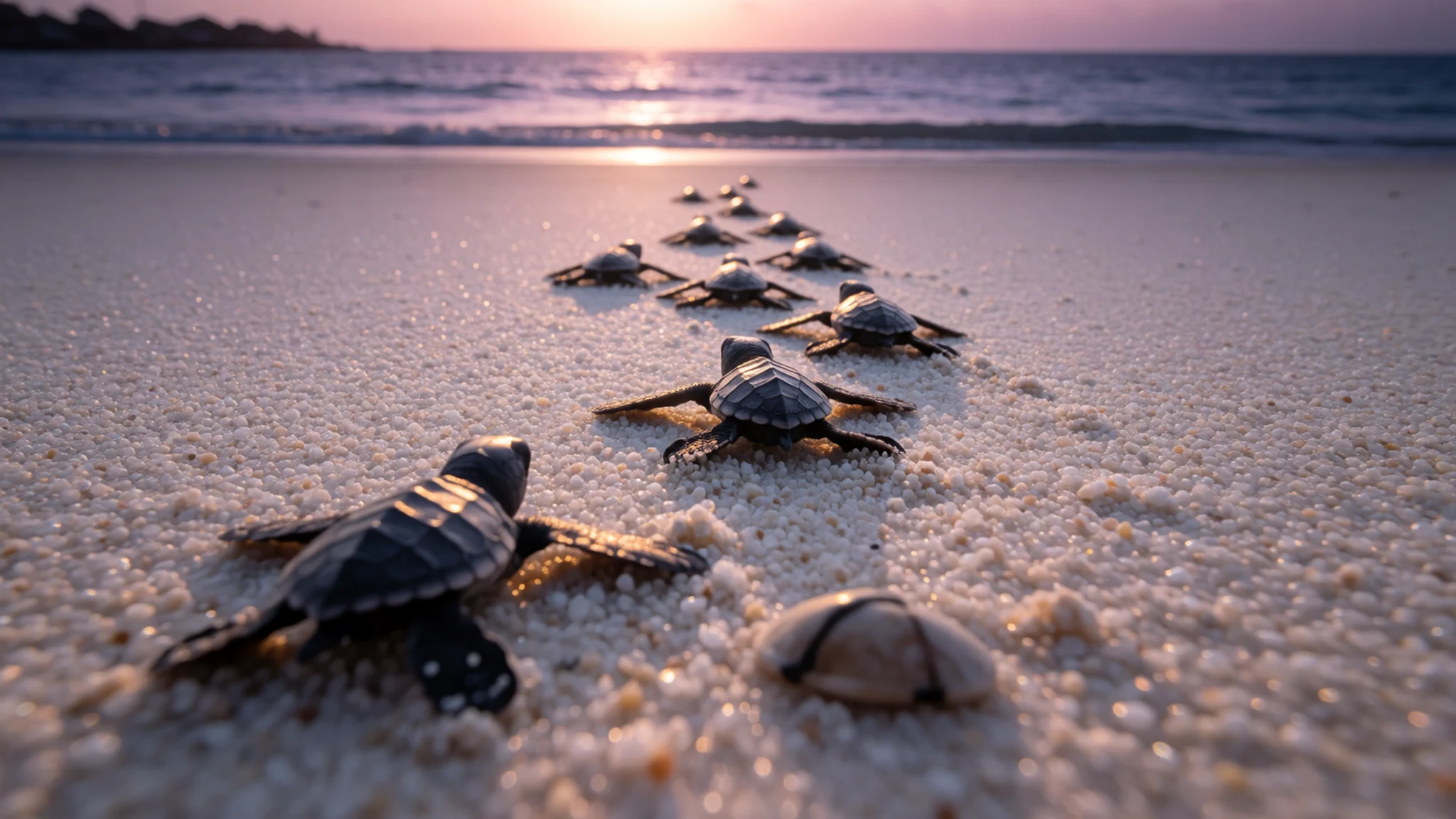
- Turtle Day celebration — Itsamia village
Itsamia marks the International Day of the Marine Turtle on 28 May, with residents organising events and national authorities often joining in. It is a rare moment when the quiet village is lively. Programmes change from year to year, so confirm dates and plans with the local association before building a trip around it.
Culture
Itsamia is a village where daily life runs on a small scale and an early clock. Most people in the Comoros are Muslim, and village routines follow the call to prayer, with Friday a quieter day for many. The everyday language is Comorian, a close relative of Swahili, while French and Arabic are also official, and a few words of greeting go a long way. Hospitality here is real but unfussy: visitors are looked after by families and by the community association, not by a tourism industry. The buses leave before dawn so that villagers can sell their produce in Fomboni's market, which says a good deal about how people earn a living and why a seat is booked ahead rather than assumed. The turtle project is a source of local pride, and guides take it seriously. Night visits to the beach are shaped by the animals' needs rather than the visitors' wishes, and a guide may call off a walk if it would disturb nesting. Meals are cooked to order and the pace is slow, so patience is read as respect. Modest dress and relaxed manners are the norm, and displays of affection are best kept private. Follow your guide's instructions on the beach, keep white light and flash photography away from nesting turtles, and ask before photographing villagers.
What to wear
Traditional dress in the Comoros blends African, Arab and Indian Ocean influences, and in Itsamia it appears mainly on Fridays, at weddings and on festival days. Women wear the shiromani, a wrap of printed cotton often in red and white, drawn over the head and shoulders, and the lesso, a brighter printed cloth, for everyday use. Men wear the kanzu, a long cotton tunic, with an embroidered kofia cap. Everyday clothing in the village is simpler: cotton shirts, wraps, light dresses and sandals, with practical quick-drying clothes for fishing and farming. T-shirts and shorts are common among younger men, while women usually cover shoulders and knees. Visitors should dress for heat, sun and sand, with respect for a conservative Muslim community. Loose cotton or linen with sleeves, and knee-length skirts or trousers, works well in the village, with swimwear kept to the beach and the boat. For turtle walks, wear dark, quiet clothing that does not reflect light, a thin layer for the night breeze, and sandals that are easy to slip off. A hat, sun cream and a rash vest help on snorkelling days, and sturdy closed shoes are better for the hike to the lake.
What to eat
- Mataba — Restaurant of the community bungalows, ordered in advance
Cassava leaves pounded and cooked slowly in coconut milk, usually eaten with rice. It is a staple of Comorian home cooking and tastes rich and green. Ask whether it can be prepared when ordering your meals ahead at the community bungalows.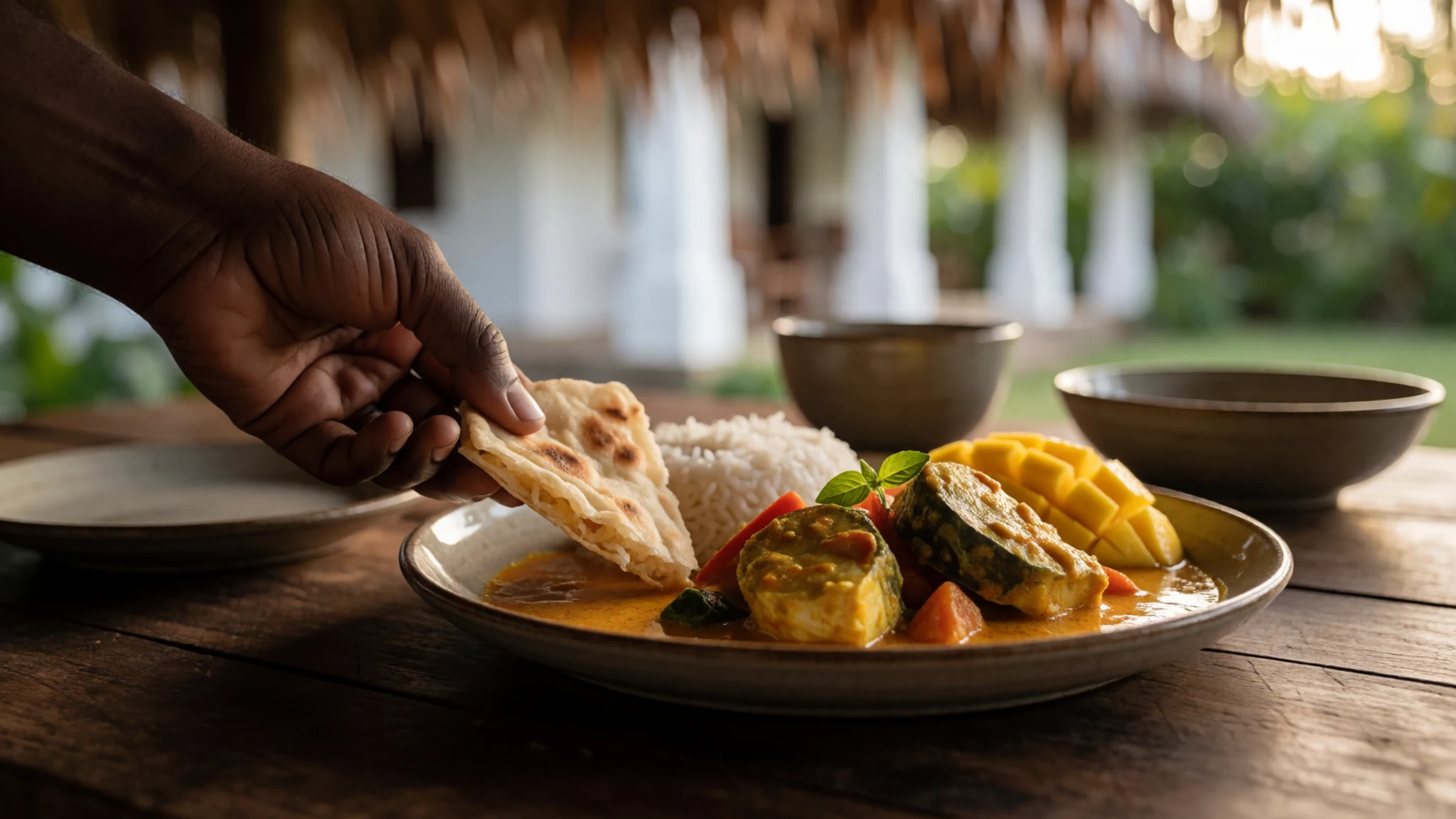
- Grilled fresh fish — Community bungalows or a village family kitchen, by arrangement
Fish from the local boats, grilled and served with rice or cassava. Itsamia is a fishing coast, so what arrives depends on the day's catch. Ask the cook what came in before ordering, and give notice, since nothing here is kept ready.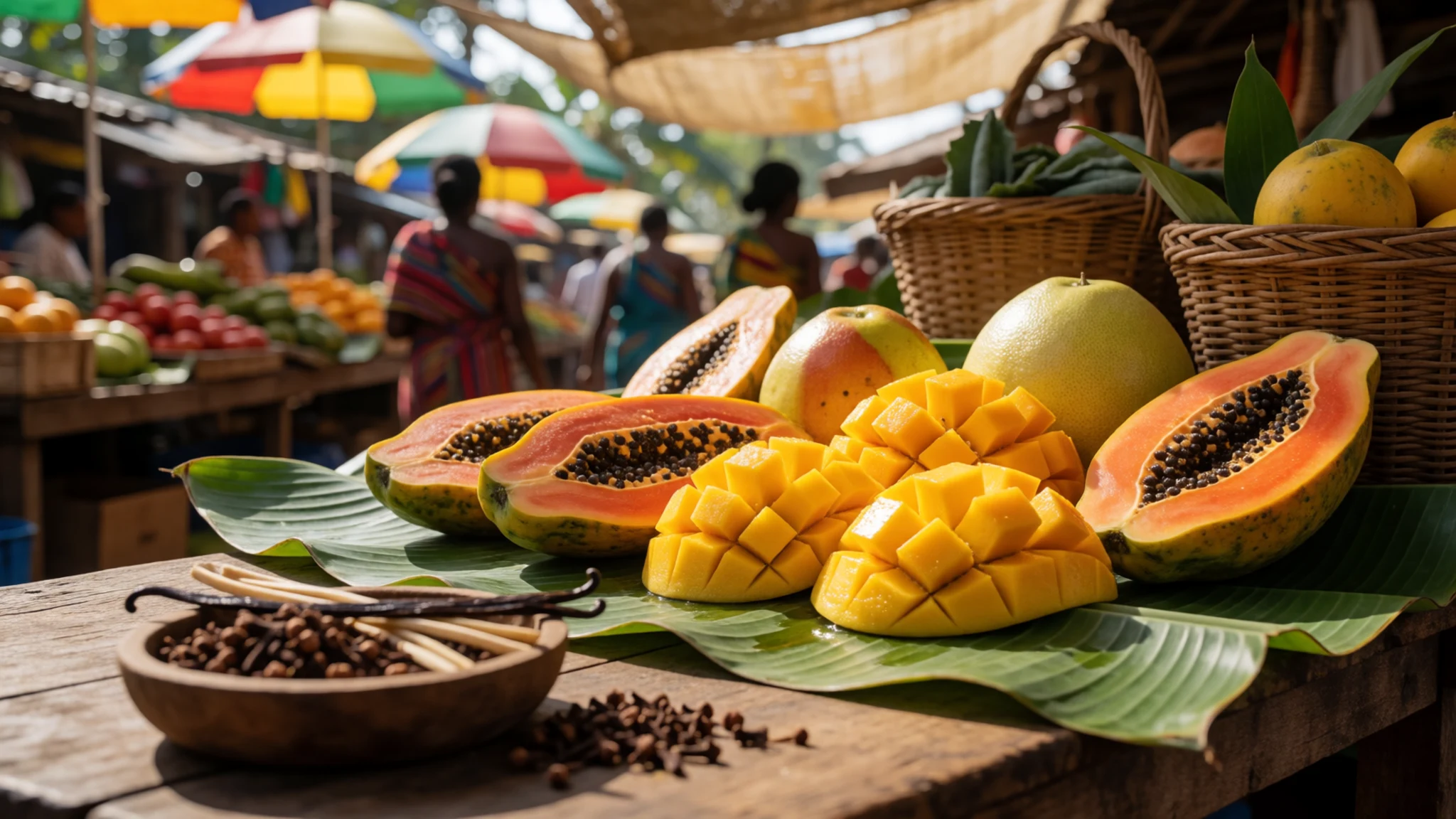
- Rice with cassava and green banana — Community bungalows, ordered in advance
Boiled cassava and green banana served alongside rice and a sauce of fish or coconut. It is plain, filling food that suits a day of hiking or snorkelling, and a good way to taste what households here eat with the produce that is available. - Coconut chicken — Community bungalows or a family kitchen, by arrangement
Chicken simmered in coconut milk with onion and spice, often kept for guests and special occasions. The sauce is mild and creamy and goes well with rice. Because it takes time, it needs to be requested when you book your meals. - Fresh coconut and seasonal fruit — Fomboni market, or from villagers in Itsamia
Coconut water, bananas and whatever fruit is in season make an easy snack between outings. Villagers sell produce at the market in Fomboni, and the early bus there is the way most Itsamia residents reach it.
Plan it
Best time. May to July for the heaviest turtle nesting, though turtles come ashore all year. The drier, cooler months are generally easier for walking and boat trips, while November to April tends to be hotter and wetter, so check a current forecast before booking.
How long. 2–3
Getting there. Fly to Mohéli's airport near Fomboni (international arrivals usually come via Moroni on Grande Comore, then an inter-island flight; check airline schedules). From Fomboni, one of two early-morning buses runs to Itsamia in a short ride, and you return on the same buses. Otherwise take a private taxi, agreeing the price first, or ask the village association to arrange a car.
Budget. low
Tips
- Book your bus seat through the association before you arrive, as both buses leave before dawn.
- If you miss the bus, a bus to Wanani followed by a long walk or a lift is the fallback, and fuel shortages mean few cars.
- Order meals in advance at the community bungalows, since there are no shops or restaurants in the village.
- Carry cash in small notes and do not expect cards or cash machines in Itsamia.
- Bring drinking water, insect repellent, sun protection and a small torch, and ask your guide about red light on the beach.
Etiquette
- Take a guide on every turtle walk and follow their instructions.
- Keep white light and flash away from nesting turtles and hatchlings.
- Dress modestly in the village and ask before photographing people.
Nearby
Sources
- Wikidata Q27222277 (CC0)
- Wikivoyage: Itsamia (rev 5405549) (CC BY-SA 4.0)
- Wikipedia: Itsamia (CC BY-SA 4.0)
Wildlife
- Green sea turtle (animal)
The green sea turtle is a large sea turtle that eats only seagrass, which turns its fat green beneath a shell that is actually olive to black. In Itsamia, travellers can hope to watch turtles nesting on a secluded, peaceful beach, a rare and special sight. The season and hour are not known here, so ask locally before you go. Watch from a respectful distance, keep your voice low, go with a guide if you can, and never feed or touch the turtles.