Mount Thor
Mount Thor, Canada
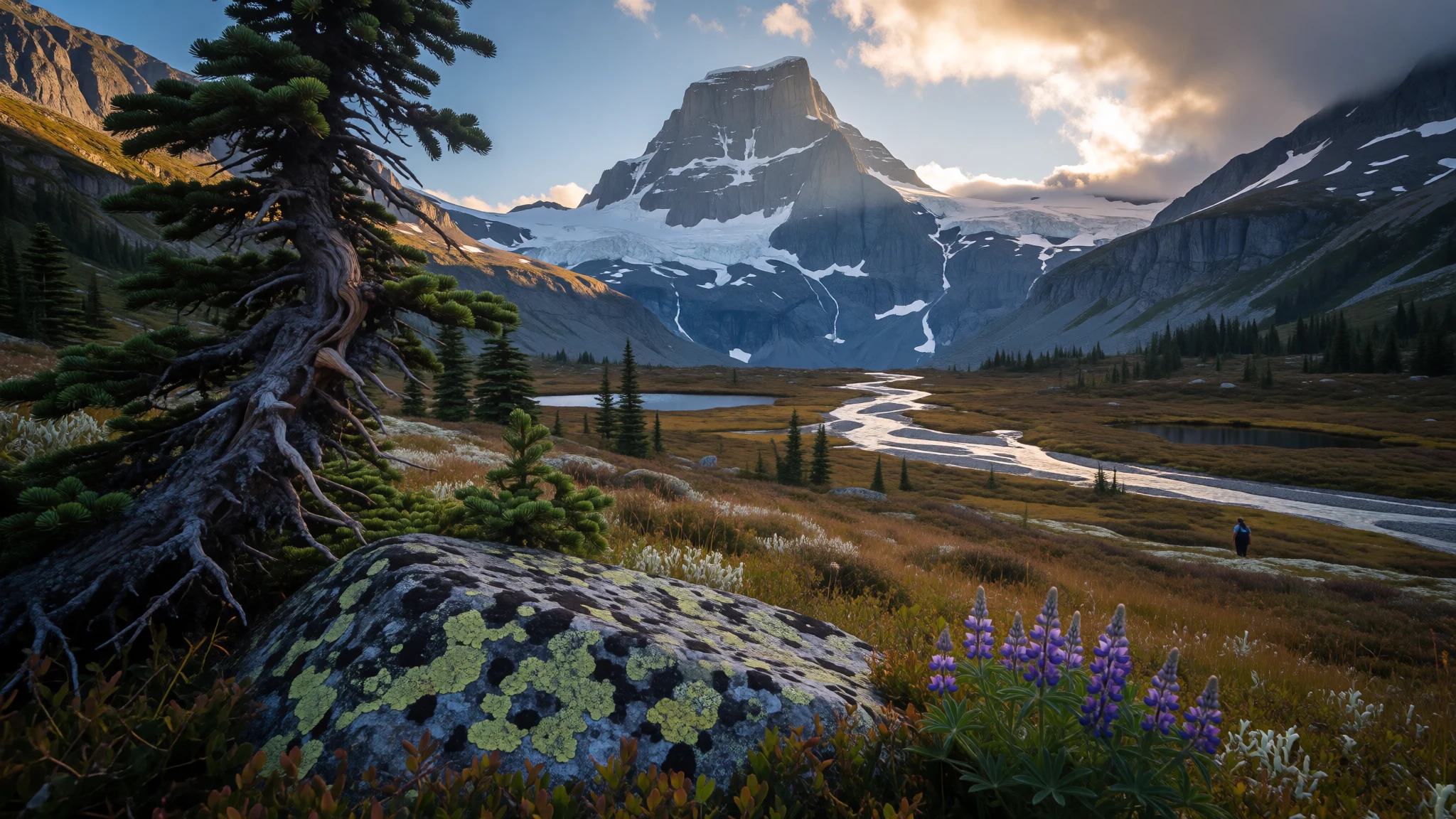
Mount Thor is a remote peak in British Columbia's Mount Waddington district, for travellers who want wild Coast Mountains country far from the cities.
The place
Mount Thor is a mountain in the Regional District of Mount Waddington, in British Columbia, Canada. The name needs a note of caution, because a separate and much more widely documented Mount Thor, also gazetted as Thor Peak, stands on Baffin Island in Nunavut, and its sheer cliff and climbing reputation belong to that mountain, not to this one. The British Columbia peak is a quieter subject. Public records give its name, its district and its position, and little else, so this reading treats it as a way into the surrounding country rather than as a developed destination. Nothing we can cite points to a visitor centre, a marked summit trail or a campground at the foot of the mountain, and anyone thinking of going should assume that access has to be arranged locally.
The surrounding region follows the pattern of British Columbia outside its cities. It is mountainous and thinly settled, with small towns serving as the last dependable places for fuel, food and a phone signal, and with mobile coverage that drops out along rural roads, especially in steep valleys. Weather comes in off the Pacific, so rain, low cloud and snow can rearrange a plan within hours. Most travellers meet this part of the province through Vancouver, Victoria and the coast, and go further only with a guide, local advice and, in snow season, avalanche training. That is the honest shape of Mount Thor as a destination: real, remote and best approached with patience.
Its story
Mount Thor shares its name with the Norse god of thunder, and with a much more famous cliff on Baffin Island. How the British Columbia peak came to be called Thor is not recorded in anything we can cite, and a made-up tale would serve nobody, so the story here is that of the land around it.
For thousands of years before Europeans arrived, this part of North America was home to many First Nations, speaking languages from several unrelated families. Where salmon were plentiful, on the coast and along the big rivers, people lived in settled villages with elaborate social ranks. Inland, smaller groups moved with the seasons, hunting and gathering. Contact with European traders began as commerce and may at first have benefited some communities, but smallpox and other diseases then killed a great many people and reshaped everything that followed.
For years Spain, Russia, Britain and the United States all claimed the region, and Britain and the United States tried to run the lands west of the Rockies jointly. Each side named the territory after the great river that drained it. Oregon, a garbled version of a Chinook word, was one candidate. Columbia, chosen by the captain who first got a ship over the river's treacherous mouth, was the one that lasted, and it survives in British Columbia today. That wider history frames the Mount Waddington district now, a thinly populated corner of the province.
What to see
- Mount Thor and the Mount Waddington district — Regional District of Mount Waddington
Mount Thor itself is a destination for experienced, self-reliant mountain travellers, not casual day visitors. It lies in a remote stretch of British Columbia with no visitor facilities we can confirm, and mobile coverage is unreliable. Seeing it means working with a regional guide or outfitter and checking access, weather and avalanche conditions first.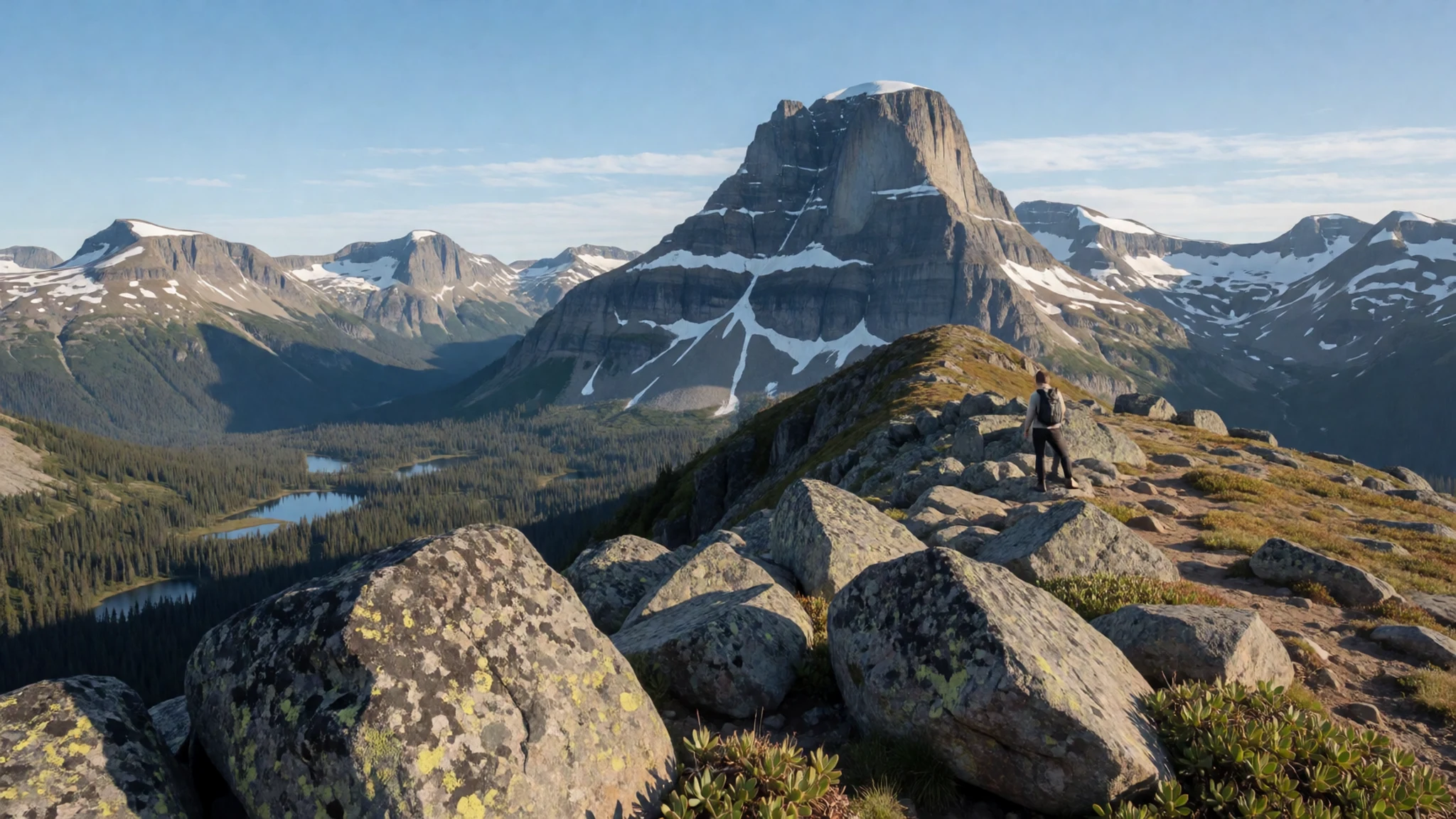
- U'mista Cultural Society, Alert Bay — Alert Bay, northern Vancouver Island
Alert Bay, a small island community off northern Vancouver Island, is home to the U'mista Cultural Society, a recommended starting point for the history and living culture of British Columbia's First Nations. It lies within the Mount Waddington district, so it fits naturally into a trip to the region. Check visiting arrangements with the society directly.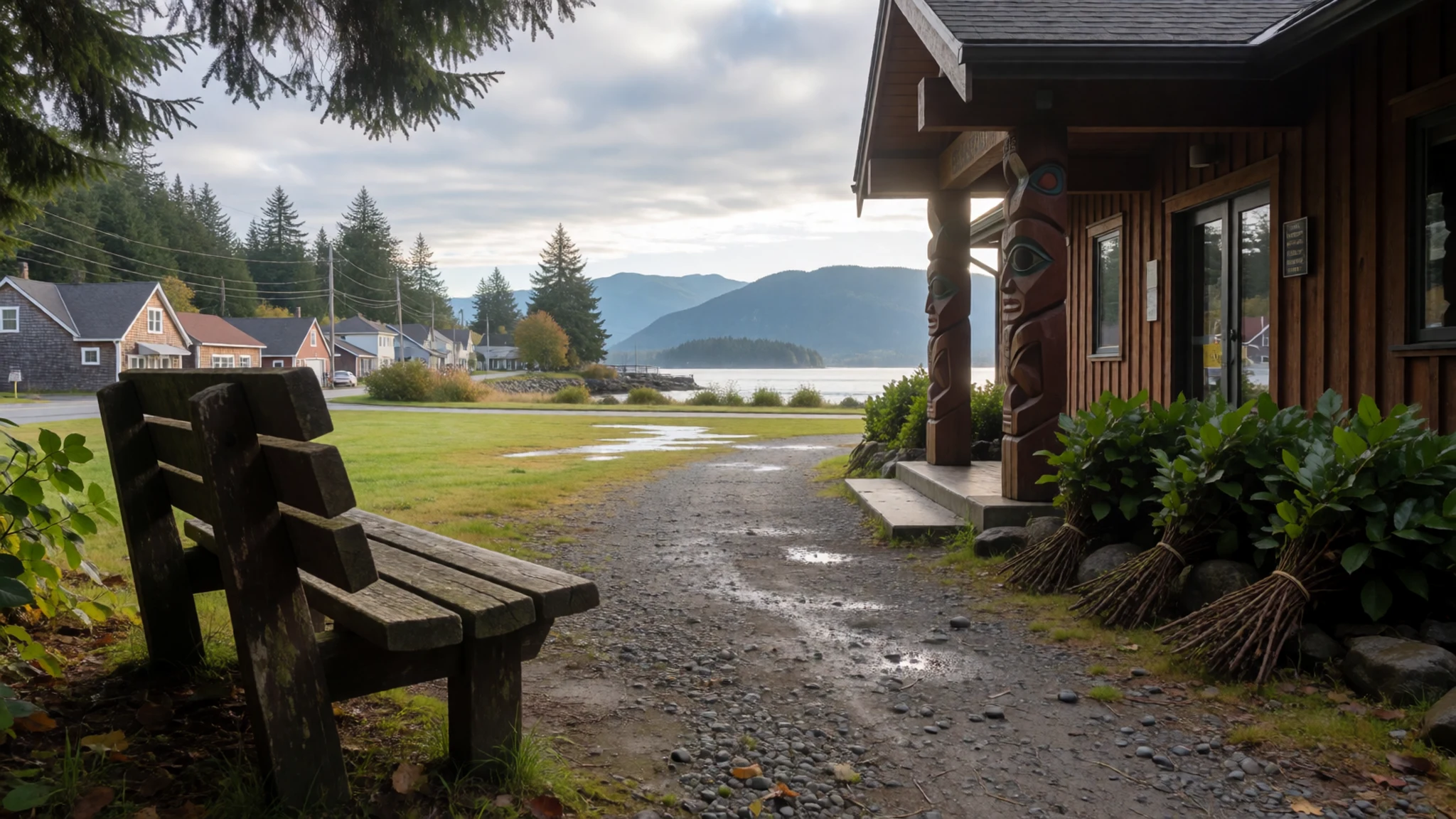
- Museum of Anthropology, Vancouver — Point Grey, Vancouver
The Museum of Anthropology in Vancouver is one of the places the province points visitors to for First Nations history and culture. Allow a few unhurried hours and pair it with a walk in the nearby parkland. It is a sensible first stop before travelling north, because it explains much of the country a mountain trip passes through.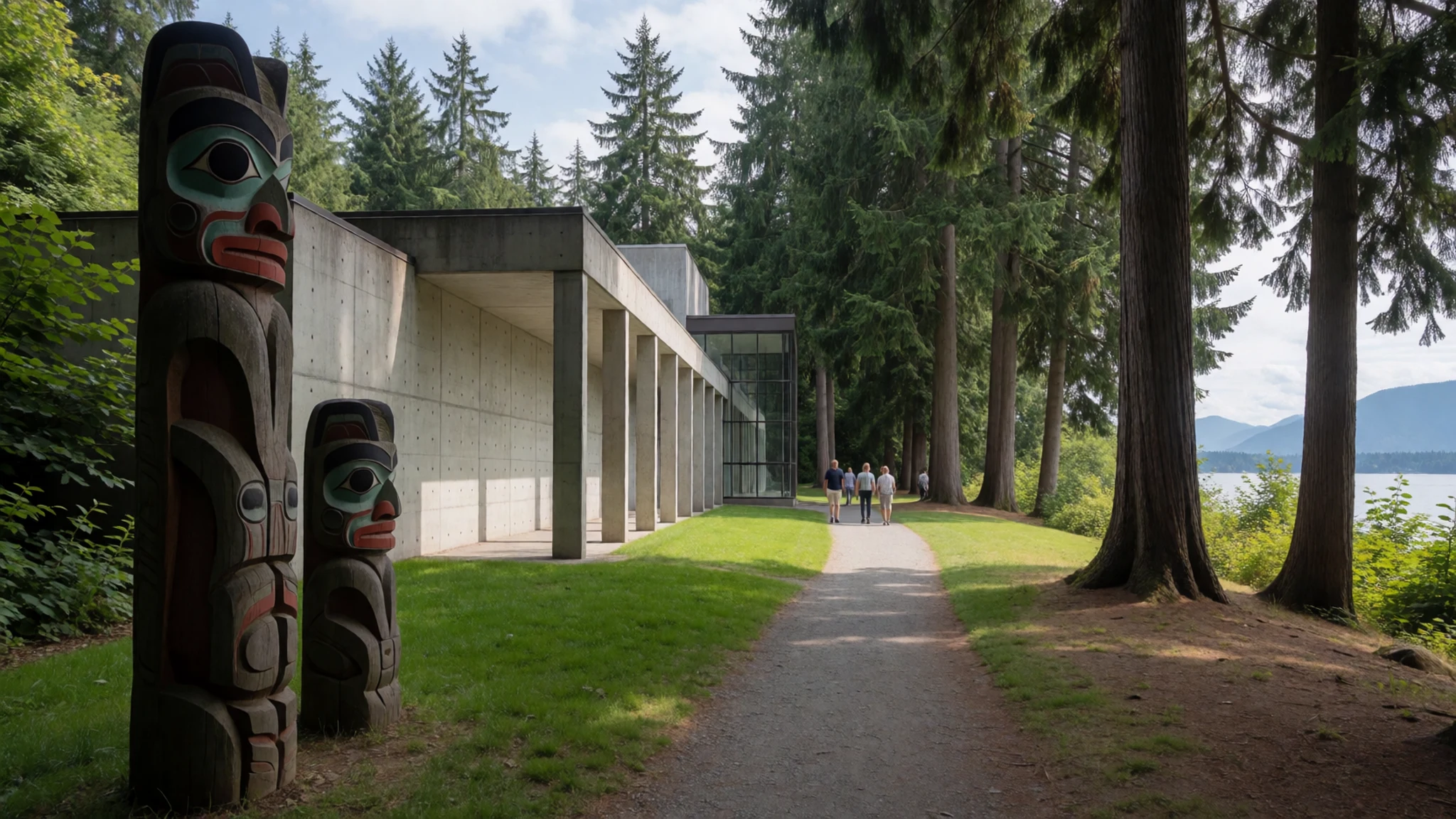
- Royal BC Museum, Victoria — Inner Harbour, Victoria
The Royal BC Museum in Victoria, the seat of the provincial government, covers Indigenous history, settlement and the natural history of the province. It suits a wet day, which the coast offers often enough. Check the official site for current exhibitions and opening arrangements before planning around it.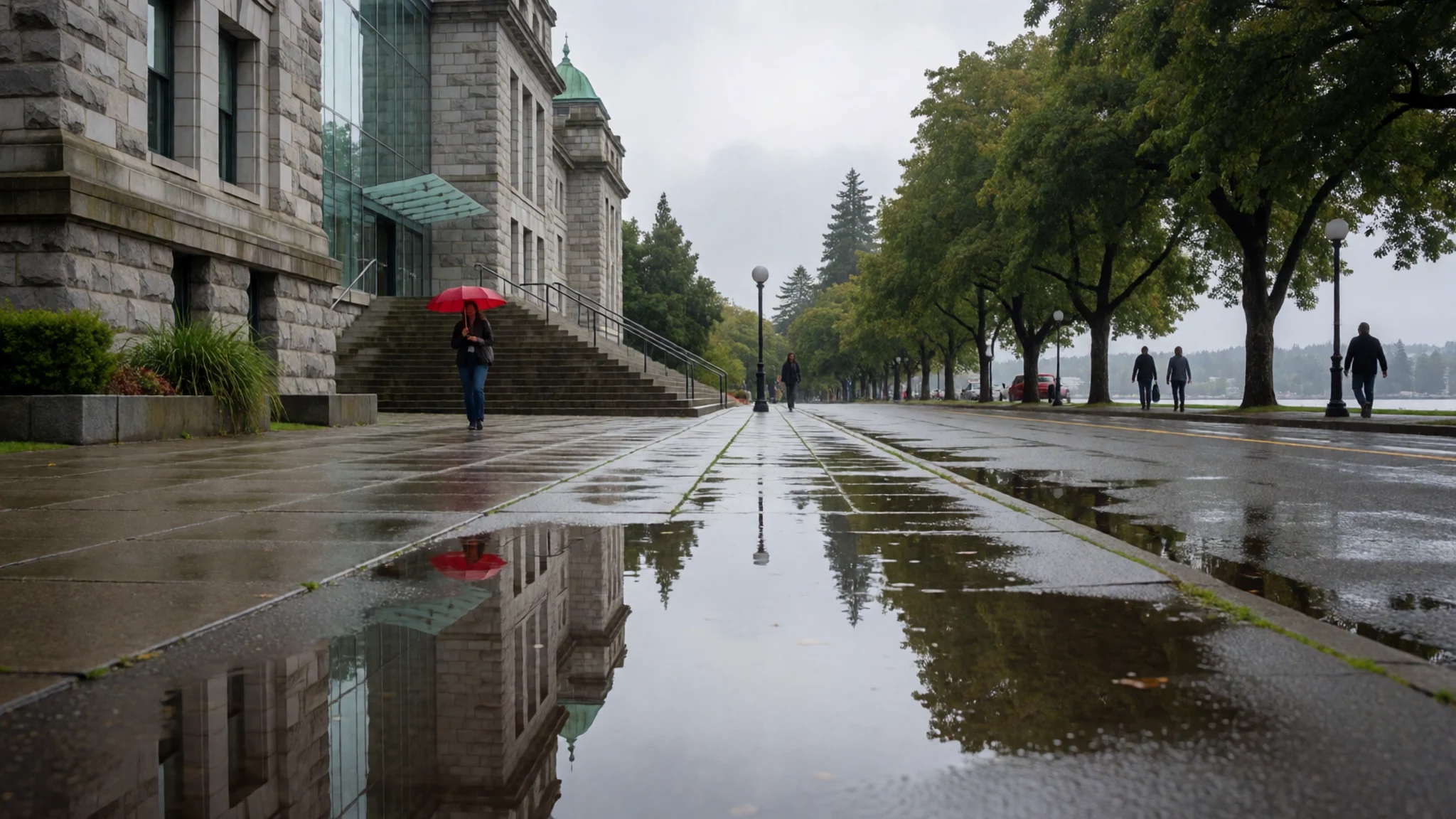
- Stanley Park, Vancouver — Downtown Vancouver
Stanley Park occupies a peninsula beside downtown Vancouver. A seawall path runs along its edge, and the park holds an aquarium, a group of totem poles and several historical markers. It is an easy way to spend a first or last day around a trip into remote country.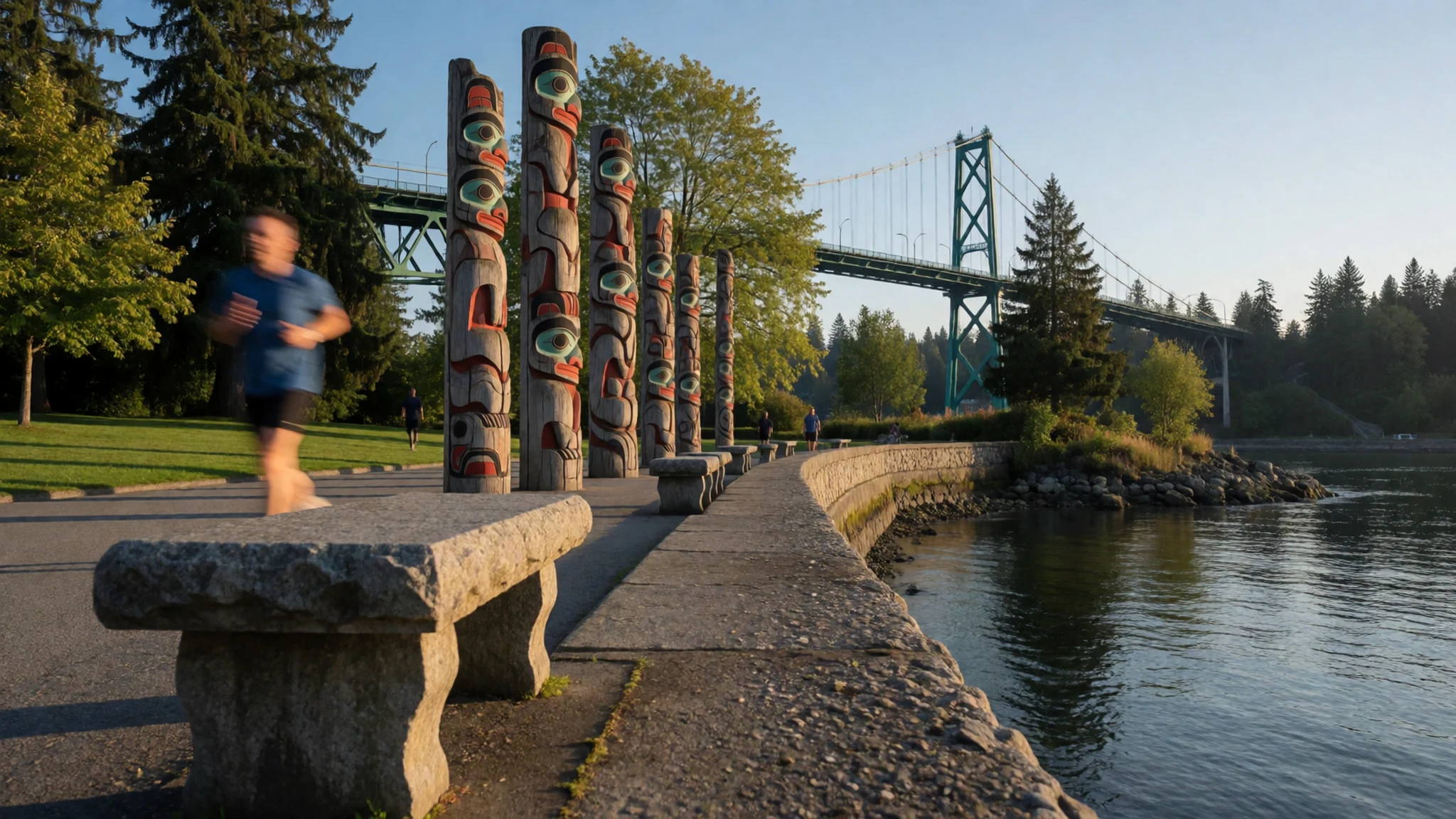
Culture
Mount Thor sits in a province where cultural life is inseparable from its First Nations. Before Europeans arrived, the coast and the big river valleys supported settled communities with complex social ranks, thanks to reliable salmon, while inland peoples lived in smaller, mobile groups. Those traditions did not end with contact: carving, song, dance, storytelling and language revival continue, and many communities run their own cultural centres. The vocabulary has shifted too. Indigenous and First Nations are the accepted terms today, while older labels such as Indians or Aboriginals are best kept for historical quotations.
On top of this lie later layers of settlement from Europe, Asia and elsewhere in North America. That is why a short journey around Vancouver and Victoria can take in a Chinese Buddhist temple in Richmond, English-style gardens and totem poles in Stanley Park. Mountain culture adds its own habits: people take weather, avalanche forecasts and self-reliance seriously, and local knowledge counts for more than confidence.
For depth, the Museum of Anthropology in Vancouver, the Royal BC Museum in Victoria and the U'mista Cultural Society in Alert Bay are good places to start. Ask before photographing people, ceremonial objects or totem poles at cultural sites, and follow any guidance a community or cultural centre gives you.
What to wear
Traditional dress in British Columbia varies from nation to nation, so any single description for the Mount Thor district would be too neat. On the Pacific coast, clothing historically drew on cedar bark, beaten and woven into capes, skirts and hats, alongside hides and wool. Woollen button blankets, decorated with appliqué designs and buttons often made of shell, are worn today on ceremonial occasions, together with carved masks and woven regalia at dances and community events. Inland peoples relied more on hides and furs suited to cold winters. These pieces are seen mostly at ceremonies, cultural centres and festivals rather than on the street.
Everyday dress across the province is practical and outdoorsy: waterproof shells, fleece, jeans, trail shoes and caps, with little formality even in restaurants. Vancouver and Victoria are casual, neat and mixed, and mountain towns lean towards technical outdoor clothing.
For a visitor, layers matter more than style. Pack a proper waterproof jacket, warm mid-layers, a hat and gloves even in summer if heading into the mountains, sun protection, and sturdy, broken-in boots with good grip for wet, uneven ground. Insect repellent helps in warmer months. There are no general modesty rules, but dress plainly and respectfully if you are invited to a ceremony or community event.
What to eat
- Wild salmon — Coastal fish markets, waterfront eateries and Indigenous-run cafés in Vancouver, Victoria and small coastal towns
Salmon is central to coastal food and has sustained communities here for thousands of years. It appears smoked, grilled on cedar planks, cured or stirred into chowder. Order it where the catch is local and the menu names the species and season.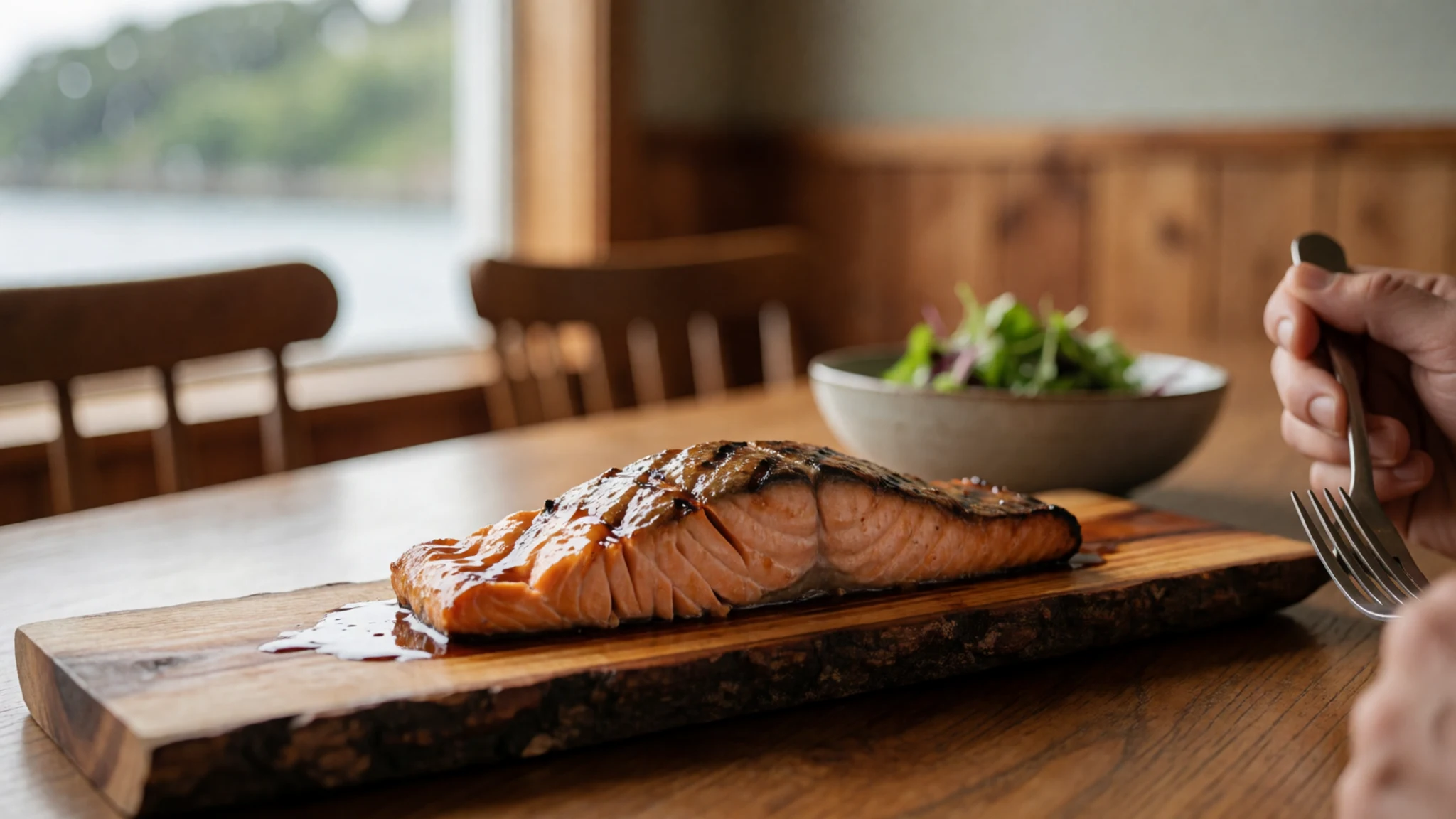
- Geoduck — Japanese and Chinese restaurants and seafood markets in Vancouver
A very large burrowing clam, geoduck is sliced thin as sashimi, quickly stir-fried or added to soups and chowders. Its sweet, crisp texture surprises first-timers. It is a regional speciality and worth trying once.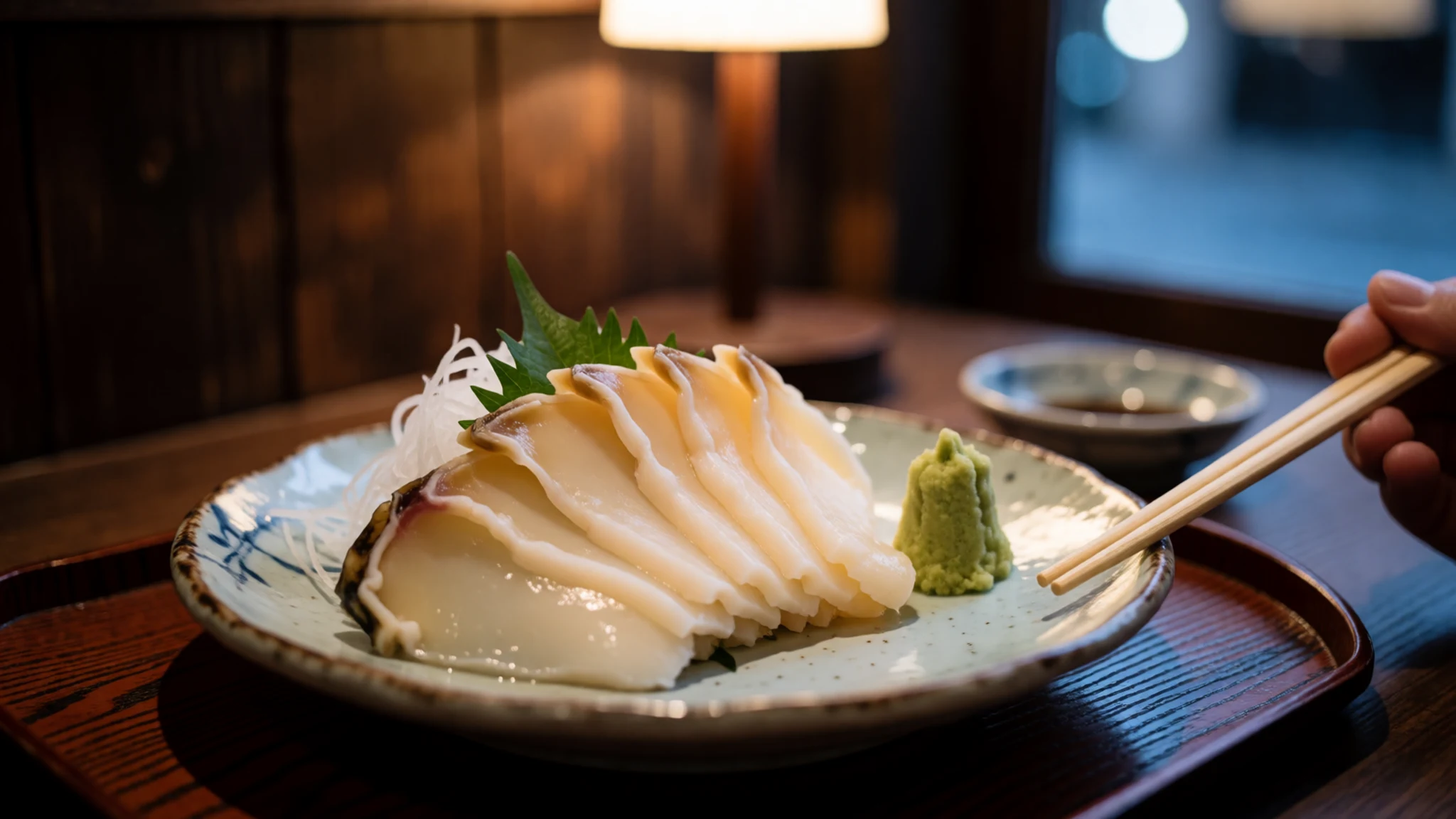
- Nanaimo bar — Cafés and bakeries across British Columbia, especially in Nanaimo
A no-bake square with a chocolate and coconut base, a custard-flavoured middle and a chocolate top. It takes its name from Nanaimo on Vancouver Island and is very sweet, so share one with coffee. - Dim sum and regional Chinese dishes — East Asian malls and eateries in Richmond
Richmond, south of Vancouver, has grown into a destination for Chinese food, from dumpling steamers at weekend brunch to noodle and rice dishes. A seasonal Asian night market runs in the warmer months. - Okanagan wines — Wineries in the Okanagan Valley
The Okanagan Valley is the centre of the province's wine industry, and many wineries offer tastings. Autumn harvest is an especially pleasant time to visit. It lies far to the south-east of Mount Thor, so treat it as a separate trip.
Plan it
Best time. July to September is the usual window for mountain travel in British Columbia, with longer days and less snow cover, though weather off the Pacific can still turn wet and cold. Winter brings deep snow and avalanche hazard in the backcountry, so check current conditions with local operators.
How long. 3–4
Getting there. Head to Vancouver International Airport (YVR), the hub offering nonstop connections from across North America and from key hubs in Europe and Asia. The last leg to the Mount Waddington district is by regional flight or a long drive, and reaching the mountain itself needs local arrangements, so confirm access with a regional guide or outfitter before booking.
Budget. high
Tips
- Do not rely on mobile coverage, which often fails on rural and mountain roads; carry offline maps and tell someone your route.
- If you leave marked trails in snow season, take an avalanche safety course, travel with experienced guides and read the Canadian Avalanche Centre forecast.
- Talk to locals in the last town before heading in; they know the road, weather and access conditions.
- Fuel up and stock food in larger towns before entering thinly settled country.
- Pack for rain whatever the month.
Etiquette
- Ask permission before photographing people, ceremonial objects or totem poles.
- Treat Indigenous cultural sites and community lands with respect and follow any signs or guidance on access.
- Pack out all rubbish and keep to established trails and campsites where they exist.
Nearby
Sources
- Wikidata Q22555868 (CC0)
- Wikipedia: Mount Thor (rev 1369585172) (CC BY-SA 4.0)
- Wikivoyage: British Columbia (rev 5400129) (CC BY-SA 4.0)
Wildlife
- Salmon (animal)
Pacific salmon are fish that find their way home: they travel far, then return to the very stream where they began. They are middling hunters, native to cold rivers that drain into the North Pacific, and each breeds only once. Where they were plentiful, people once settled in villages with carefully ordered ranks. Nothing here says where or when to see them at Mount Thor, so ask a local guide. Watch quietly, keep your distance, and never feed them.