Mont Tremblant
Mont Tremblant, Canada
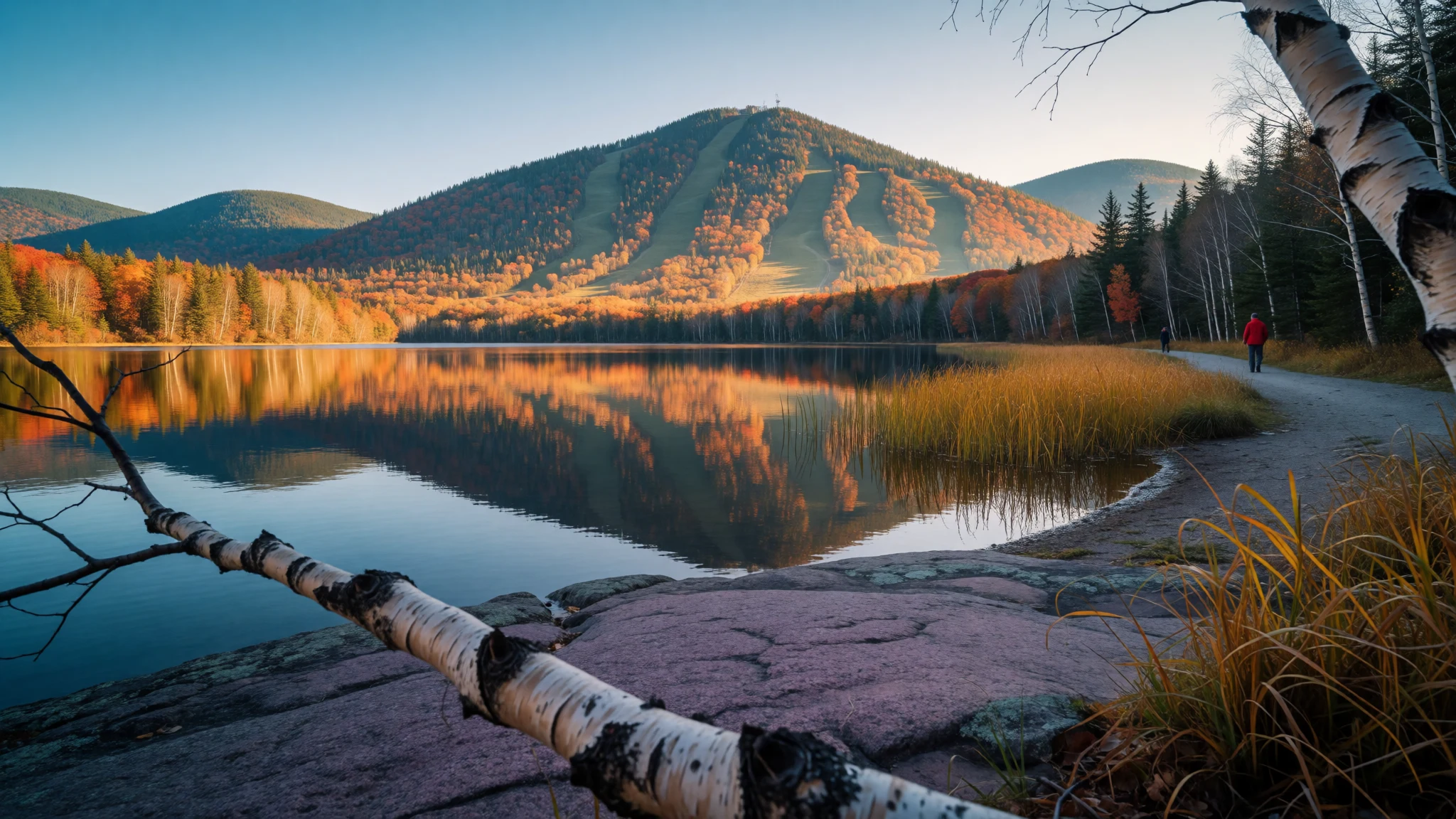
Mont Tremblant pairs a pastel, car-free ski village with forested Laurentian lakes and trails an easy drive north of Montreal.
The place
Mont Tremblant is a peak in the Laurentian Mountains of Quebec, rising inside Mont-Tremblant National Park, north of Montreal. The name covers three things that people often blur together: the mountain itself, the ski resort on its slopes, and the old town of Mont-Tremblant, some distance away along the highway. The old town, now called the Village, is where locals live and shop. The resort, also known as the Pedestrian Village, sits right at the foot of the mountain and is where most visitors stay. It was developed by the Whistler operator Intrawest in the early 1990s, and it shows: pastel buildings, lanes closed to traffic, and a clock tower that counts as its one mild landmark. A free gondola links the lower lodgings to the ski lifts, and in winter some places can be reached directly on skis. Around all of this lies the national park, a spread of forest, lakes and rocky hills run by the provincial parks network. The honest view is that the resort feels designed rather than historic, a little like a theme park, and it has almost no old buildings. What redeems it is the surroundings. The northern, more rustic side has quiet lakes and trails, and the south side works as a base for summer activities as well as skiing. Residential pockets such as Domaine de la Forêt and Domaine du Diable spread across the slopes and the golf course.
Its story
Mont Tremblant carries a name older than any ski lift. The Algonquin people called the mountain Manitonga Soutana, the Mountain of Spirits, and said it gave off rumblings and made the ground sway under their feet. French speakers rendered that as montagne Tremblante, the trembling mountain, and the shortened Mont Tremblant is the form that survived. For a long time the peak and its lakes were forest country, known to those who lived, hunted and travelled there rather than to holidaymakers. That began to change in 1939, when the first resort opened on its slopes and skiing arrived in the Laurentians. The mountain stayed a ski hill with lodges for decades. The next large shift came from 1992, when Intrawest, the company associated with Whistler, began building the pedestrian village at the base. The idea was a compact, walkable resort of colourful houses, with the gondola doing the work of carrying people up to the lifts. It turned a winter destination into one that also works in summer, with golf, lake activities and walking on the mountain. Alongside this, the national park that surrounds the resort keeps a large part of the forest and lakes protected from development. Today the story has two layers sitting close together: an Algonquin account of a mountain that spoke, and a late twentieth-century resort built at its foot. Neither cancels the other, and the contrast is much of what makes the place interesting.
What to see
- The mountain and its ski slopes — South side of the mountain, Laurentides
Mont Tremblant is a forested Laurentian peak with ski runs cut down its south side. Winter snow is topped up by snow-making machines, and the trails range from gentle beginner runs to expert terrain. In summer the same slopes serve walkers who want views over lakes and woodland. Check the official resort site for lift operation.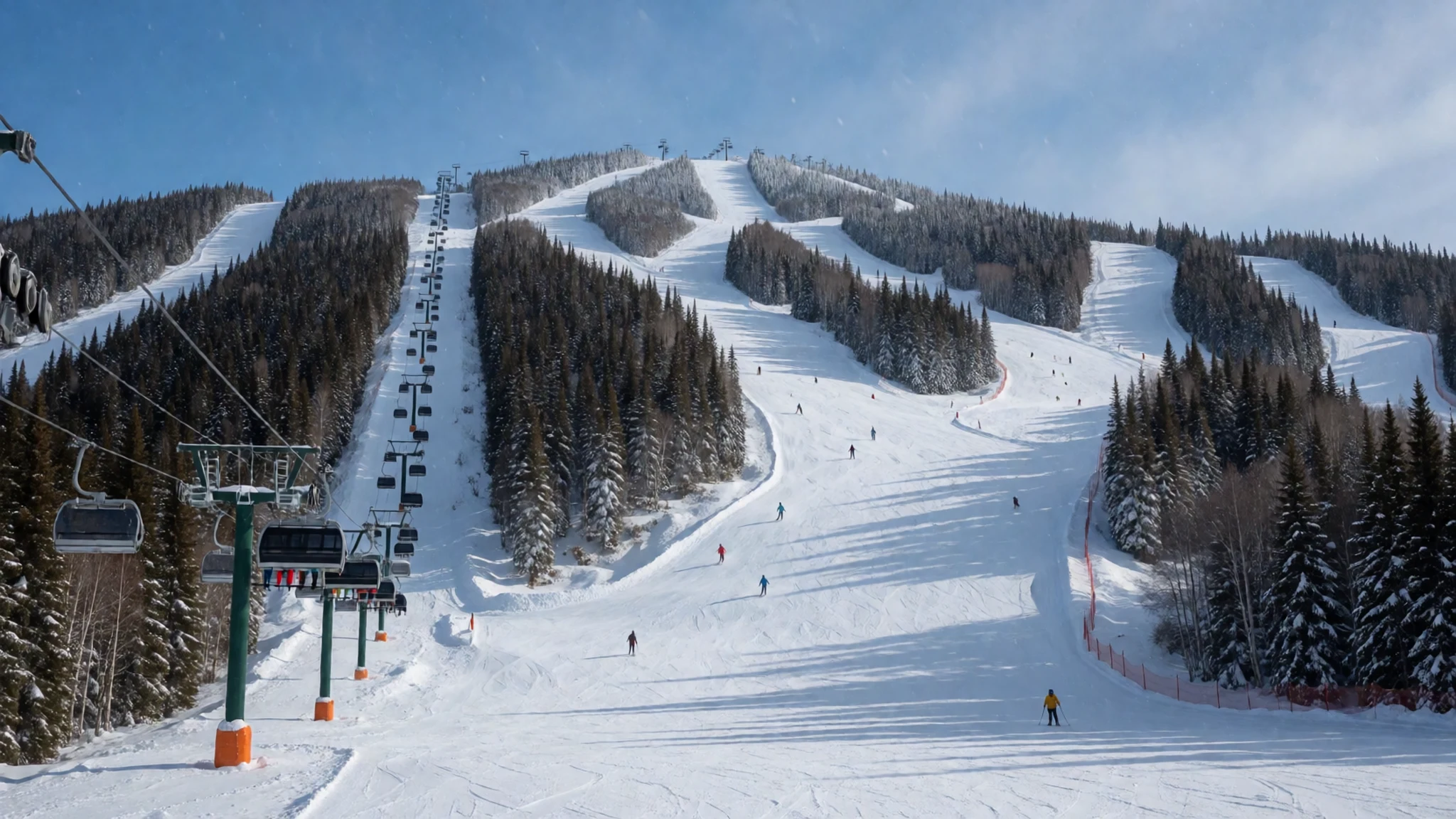
- The Pedestrian Village — Base of the mountain, Mont-Tremblant resort
The resort village at the foot of the mountain is a car-free cluster of pastel buildings, lanes and shops, with a clock tower as its mild landmark. It is polished and busy, especially on winter weekends, and some visitors find it artificial. A free gondola ties it to the slopes, which makes it a practical base.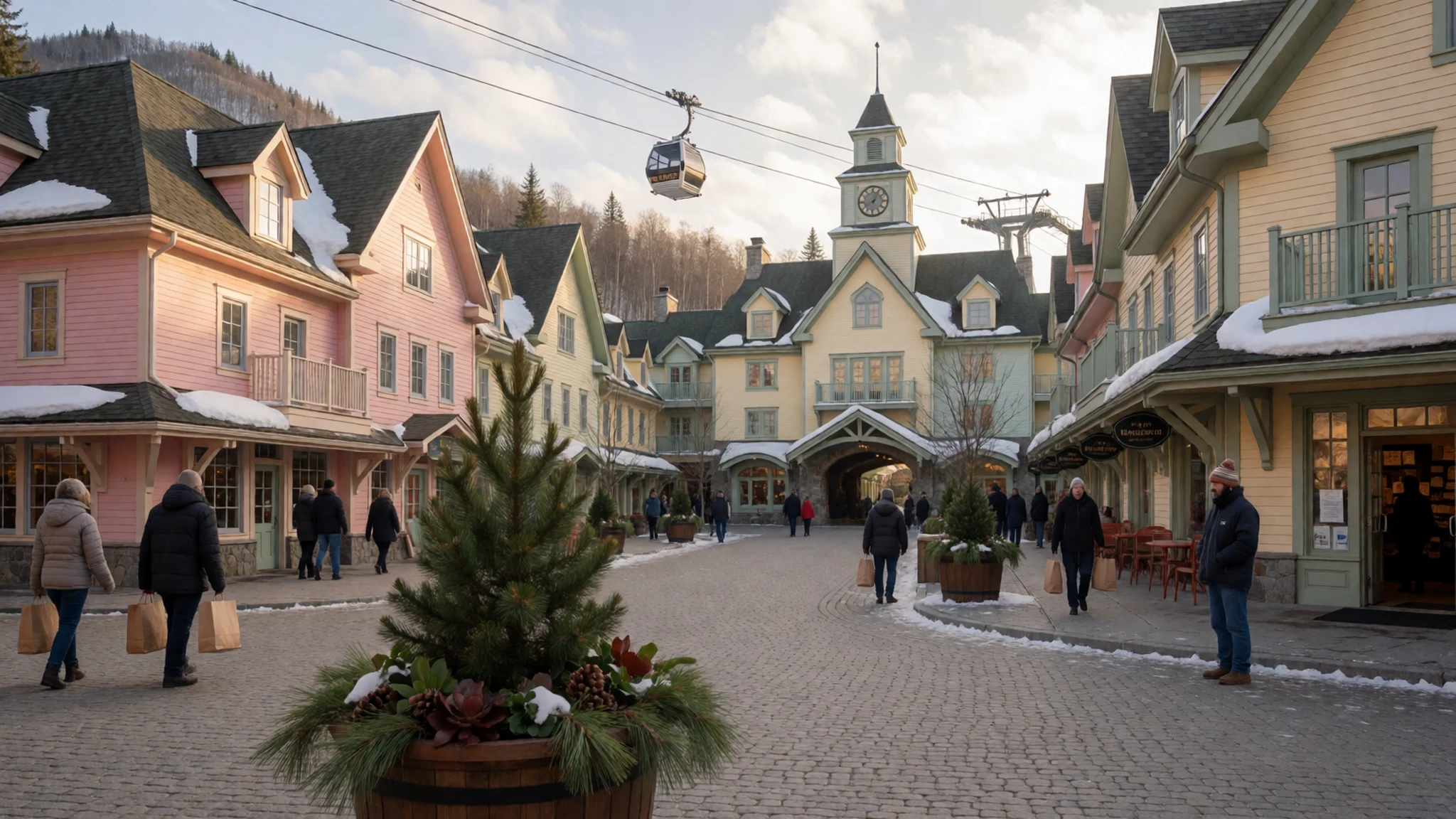
- Mont-Tremblant National Park — North and west of the resort, Laurentides
Mont-Tremblant National Park surrounds the inhabited areas and is managed by the Quebec parks network, SEPAQ. Its forest, lakes and trails give the area its quieter side, including campsite shores such as Lac Monroe. Entry rules, fees and trail conditions change, so check the SEPAQ official site before going.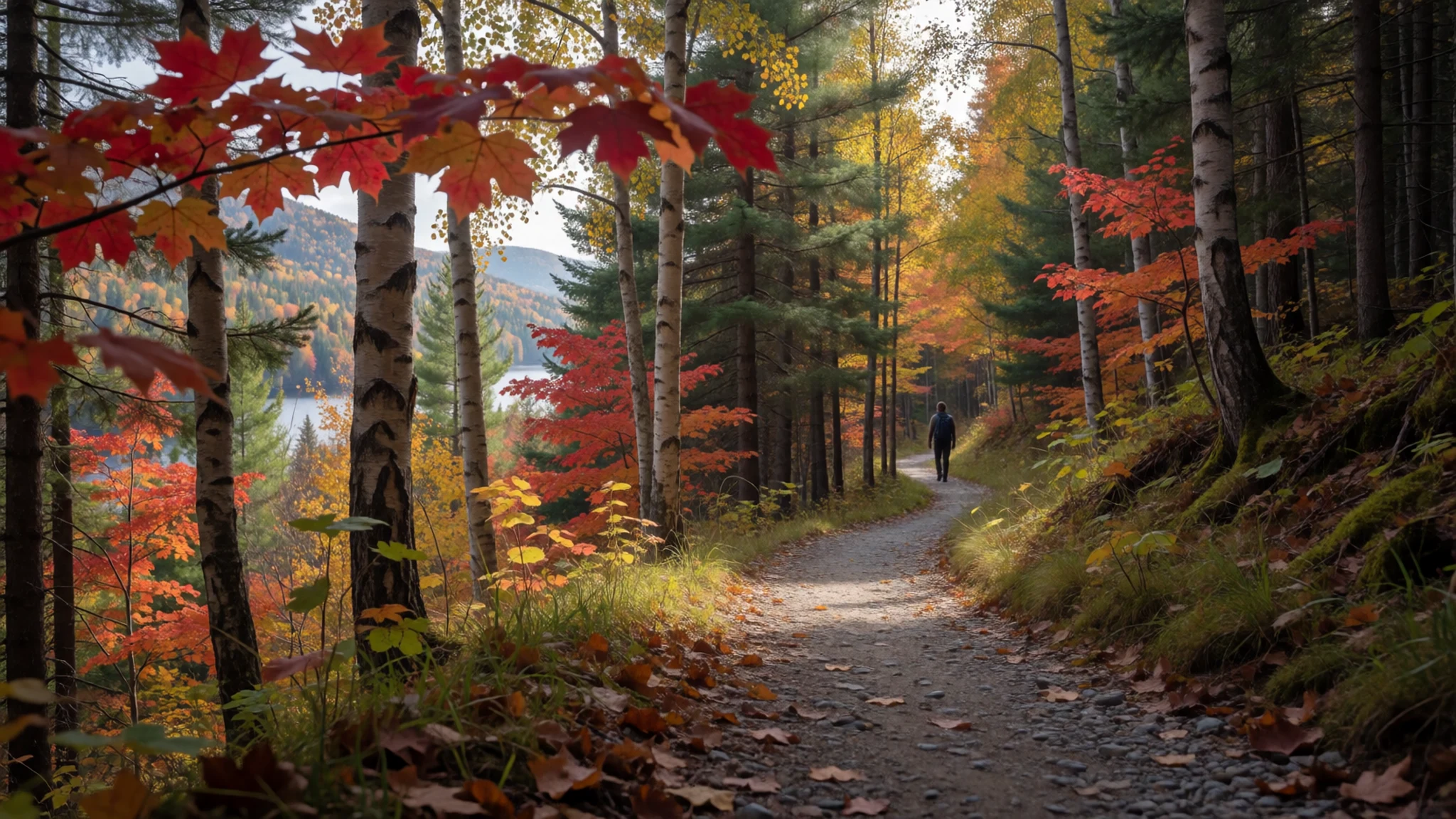
- Lac Tremblant — West of the mountain, beside the resort
Lac Tremblant lies west of the mountain, and its eastern end looks across to the resort. Lakes are a large part of why the area works in summer, offering a quieter counterpoint to the village: shoreline walks, and paddling or swimming where local rules allow. Check local guidance before launching any boat.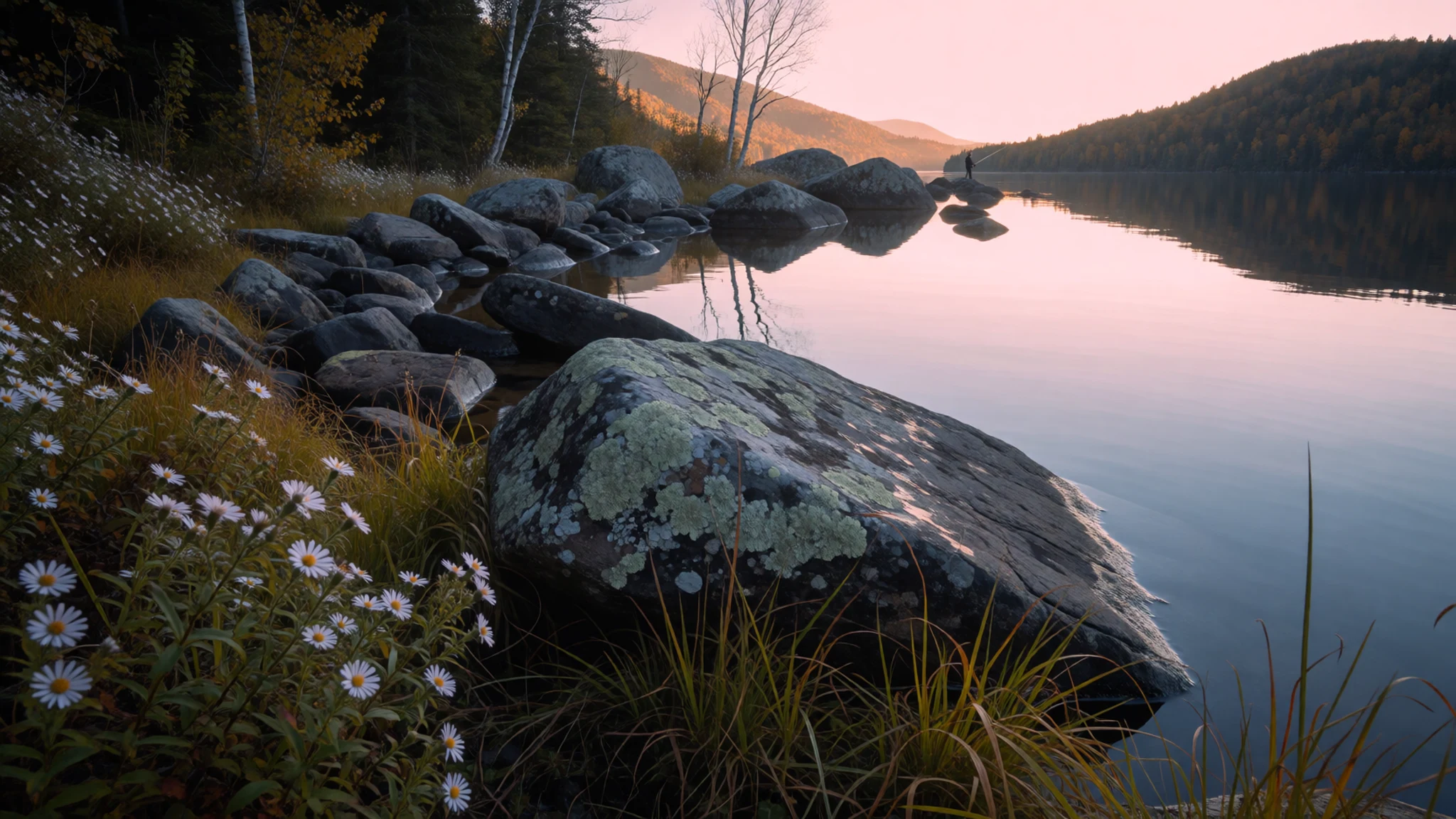
- Đại Tòng Lâm Tam Bảo Sơn monastery — South-west of the resort, Laurentides
This Mahayana Buddhist monastery lies south-west of the resort area, well away from the ski crowds. Its larger-than-life, brightly coloured statues show events from the life of the Buddha. It is a working religious site, so dress modestly, keep voices low, and check visiting arrangements before making the drive.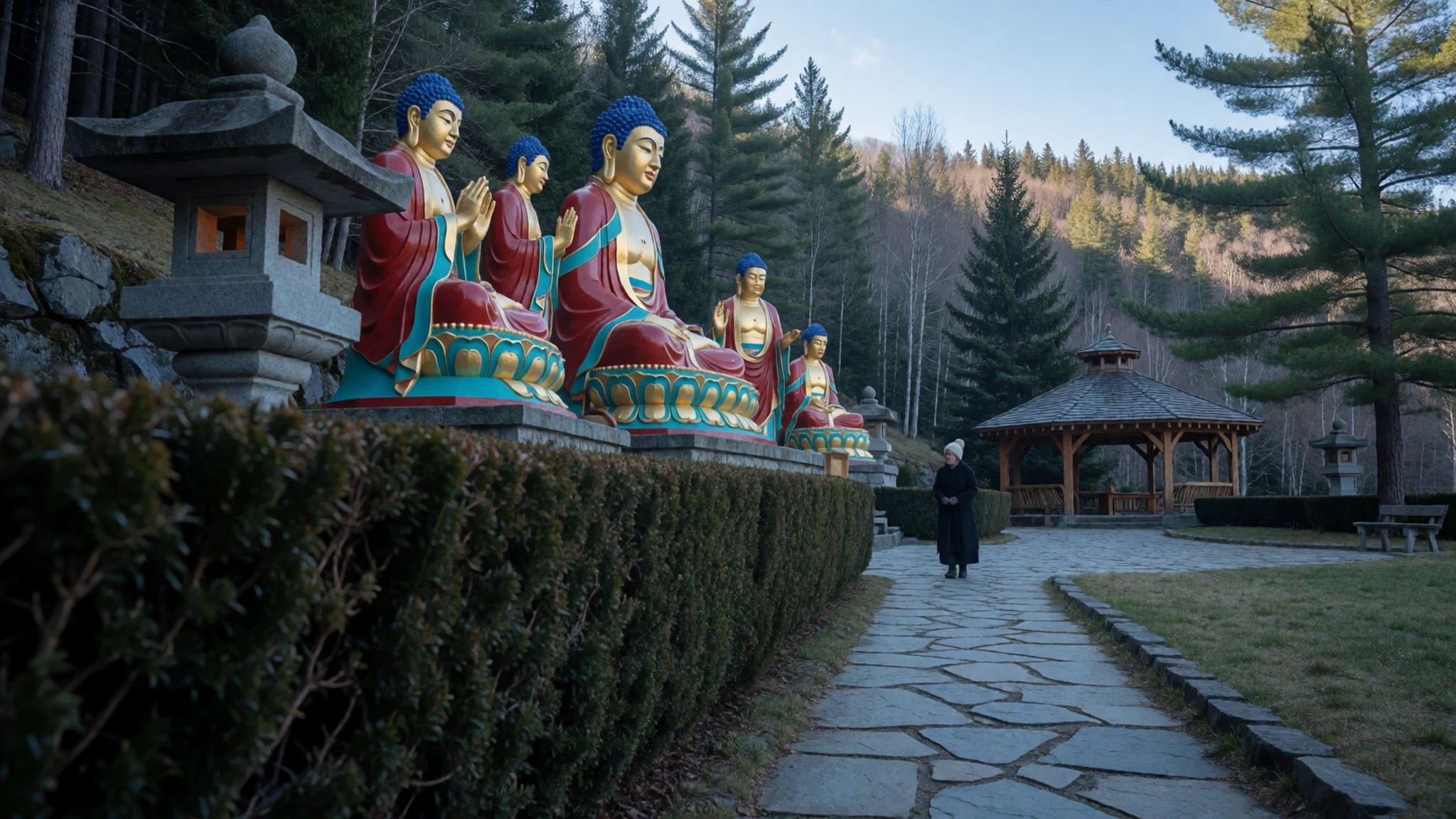
Culture
Mont Tremblant sits in French-speaking Quebec, and that shapes daily life more than the resort's polished look suggests. Signs, menus and conversation lean towards French, and a simple bonjour is received warmly even when staff switch to English. The older Algonquin presence is written into the mountain's name, Manitonga Soutana, a reminder that this landscape carried meaning long before skiing. Resort culture is its own thing. In winter the day is organised around the slopes, with early lifts, long lunches, hot drinks and evenings by a fire. Summer is quieter and more outdoorsy, with walkers, cyclists and people out on the lakes. Local life centres on the old Village rather than the resort, and the contrast between the two is part of the experience. Maple is a regional pride, from syrup to sugar-shack meals, and fondue and raclette suit the cold. Many resort workers are seasonal, and tipping in restaurants is customary in Canada. In the national park the unwritten rules are simple: keep to marked trails, take rubbish home, and give wildlife plenty of room. Visitors who treat both the resort and the forest with that restraint usually get the best of each. Greet staff with a quick "bonjour" before switching to English, and stay on marked trails in the national park, carrying out all your rubbish.
What to wear
Mont Tremblant has no single local costume, but two traditions sit behind its winter wardrobe. French-Canadian dress is symbolised by the ceinture fléchée, a woven wool sash with arrow-like patterns, worn over a heavy coat with a woollen tuque, and seen mostly at winter festivals and heritage events. Algonquin clothing traditionally used hide and fur, often decorated with beadwork, and beaded pieces still appear at cultural events. Day to day, people wear practical mountain clothes. In winter that means insulated ski jackets, thermal base layers, fleece and wool socks, with down coats and warm boots in the village in the evening. Style is relaxed; nobody dresses up for dinner. In summer, shorts, light trousers and trail shoes are normal, with fleeces for cool evenings. A visitor should plan around cold and weather rather than fashion. For winter, bring layers, a waterproof outer shell, gloves, a hat and insulated boots with good grip on packed snow and ice. For summer, bring walking shoes, sun protection, a rain jacket and insect repellent for forest trails. Cover shoulders and knees, and wear shoes that are easy to remove, if visiting the Buddhist monastery. Smart-casual clothing is enough for the resort's restaurants.
What to eat
- Fondue and raclette — Small Swiss-style cabin restaurants in the resort village
Swiss-style fondue and raclette suit Mont Tremblant's cold weather, with melted cheese served with bread, potatoes and pickles. The dishes are communal and filling, and they come at a resort price rather than a bargain one. Book ahead on winter weekends.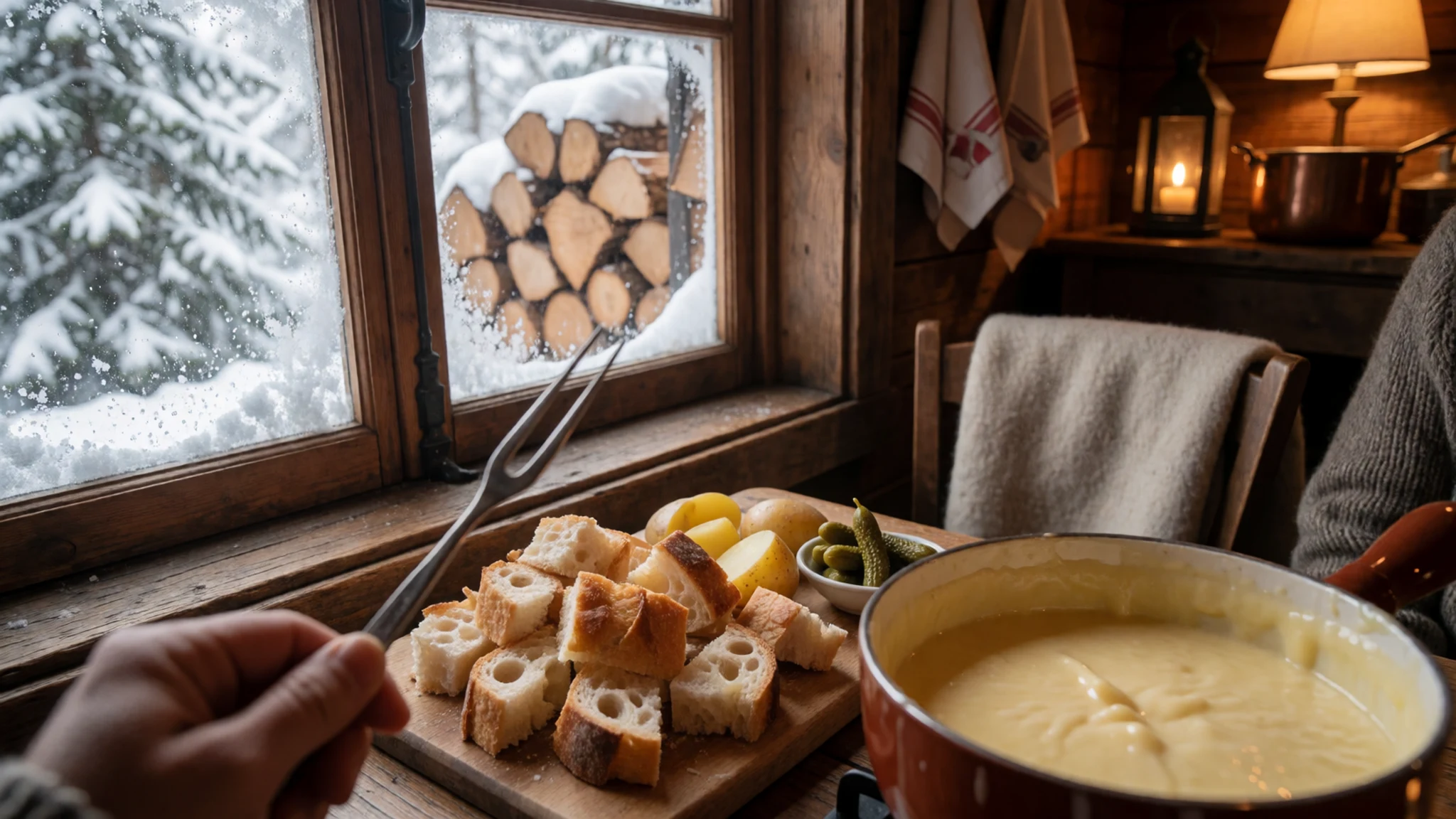
- Maple treats — Sugar-shack-style eateries and sweet shops in the resort village
Maple is Quebec's signature flavour, and the resort has sugar-shack-style dining and sweet shops serving it. Look for maple syrup on pancakes, maple taffy poured on snow in winter, and desserts finished with a maple glaze.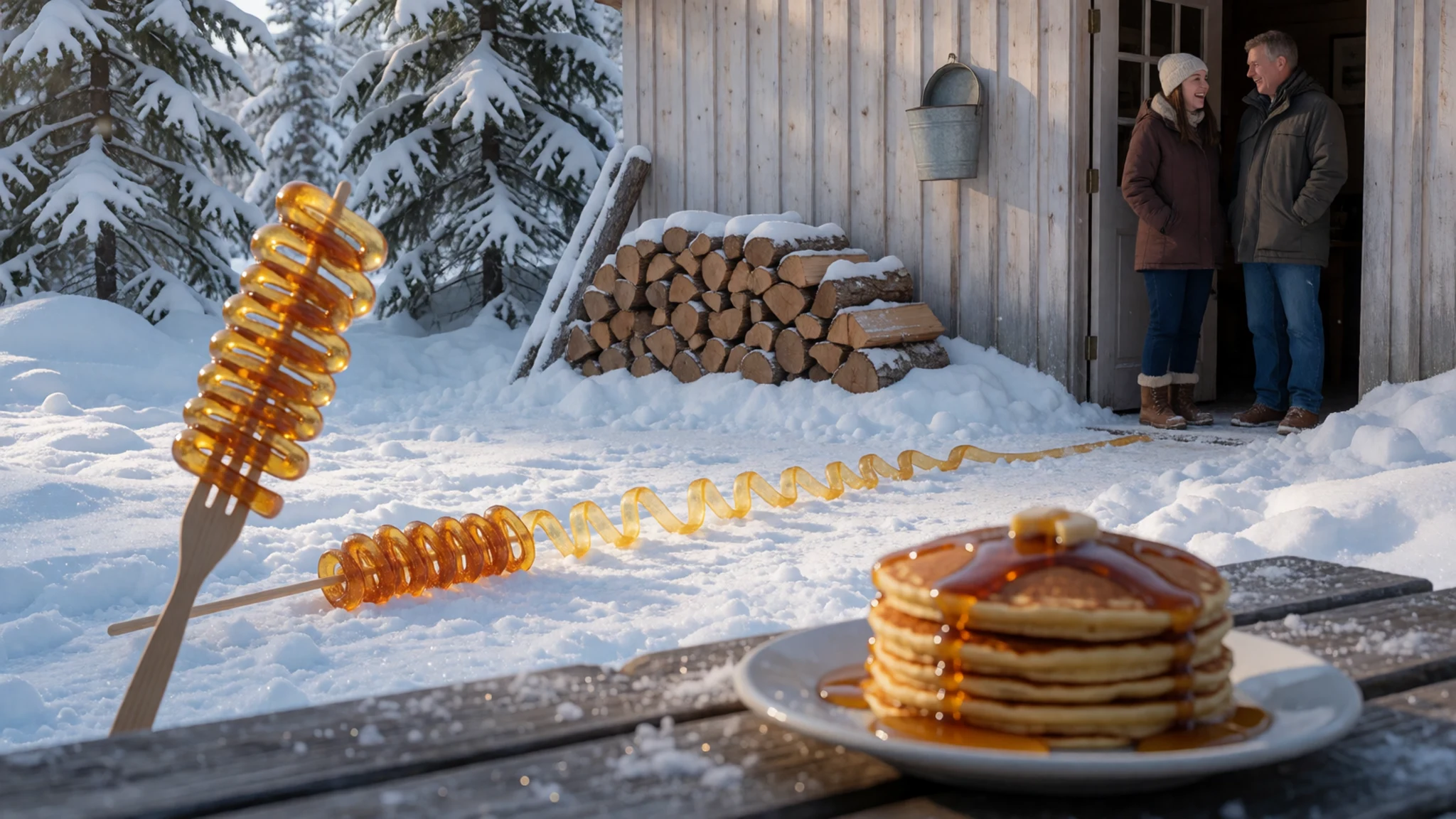
- Crêpes and choux pastries — Crêperies and cafés along the village lanes
French baking is part of Quebec's food culture, and the village has crêperies and cafés for a warm break between ski runs. Sweet or savoury crêpes and filled choux pastries pair well with coffee or hot chocolate. - Italian pasta and pizza — Italian restaurants in the village and on nearby lake shores
Italian restaurants are a reliable choice around the resort, serving wood-fired pizza, pasta and grilled dishes for families after a day outdoors. A few sit on lake shores a short drive away, which makes for a calmer evening than the village. - Poutine — Pubs and casual eateries in the village
Poutine, chips topped with cheese curds and gravy, is Quebec's best-known comfort food and a popular post-ski snack. Many casual eateries add toppings such as smoked meat or sausage. It is rich, so one portion usually serves two.
Plan it
Best time. December–March for snow and skiing, late September–October for autumn colour and quieter trails, and summer for lakes and walking. Accommodation prices swing sharply by season, with winter holiday weekends costing most and rainy autumn weekdays least.
How long. 3–4
Getting there. Fly to Montreal or Ottawa, the nearest major airports. From Montreal, drive by Autoroute 40 and then Route 117 to the resort, about 90 minutes in normal conditions. Smaller roads from the west can be snowed in during winter.
Budget. high
Tips
- Book accommodation early, especially for winter holidays and weekends, as prices rise sharply
- Check the official resort and SEPAQ sites for lift tickets, park entry and trail conditions before you go
- Pack layers and waterproofs in every season, as mountain weather changes quickly
- Allow extra driving time in winter, especially on smaller roads
- Visit the national park on a weekday, when it is quieter than the resort
Etiquette
- Greet staff in French first, with a quick bonjour
- Stay on marked trails and take your rubbish with you
- Dress modestly and keep quiet at the Buddhist monastery
Nearby
Sources
- Wikidata Q3322162 (CC0)
- Wikipedia: Mont Tremblant (rev 1372213066) (CC BY-SA 4.0)
- Wikivoyage: Mont-Tremblant (rev 5411365) (CC BY-SA 4.0)
- Photo: Le mont Tremblant vue depuis la montagne Verte, JoeMRoy4 (CC BY-SA 4.0)
- Photo: Mont-Tremblant, Quebec 01123, unknown author (CC BY-SA 2.5)
- Photo: Physical location map of Quebec, Canada, Carport (CC BY 3.0)
- Photo: View across Lac Tremblant toward Station Mont-Tremblant, Andre Carrotflower (CC BY-SA 4.0)
- Photo: Quebec 2009 (26), XeresNelro (CC BY-SA 4.0)
- Photo: Quebec 2009 (27), XeresNelro (CC BY-SA 4.0)
- Photo: Quebec 2009 (28), XeresNelro (CC BY-SA 4.0)
- Photo: Lac Monroe, Mont Tremblant, Helena Jacoba (CC BY 2.5)


