Marfa
Marfa, United States
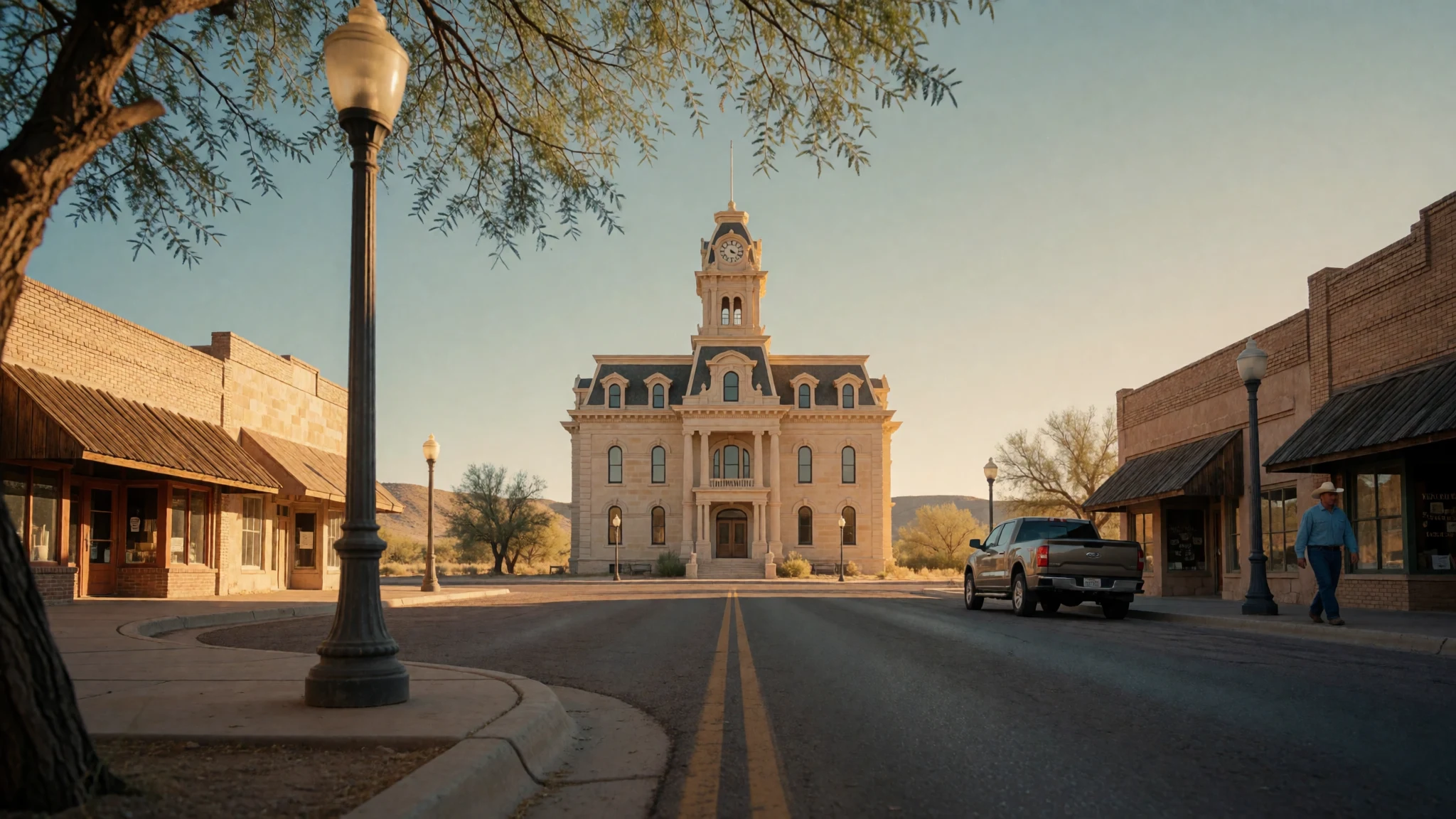
Marfa is a small high-desert railway town in West Texas where minimalist art, wide skies and unexplained lights draw slow-travelling visitors.
The place
Marfa sits in the high desert of the Trans-Pecos in far West Texas, at an elevation of 1,428 metres, between the Davis Mountains and Big Bend National Park. It is the county seat of Presidio County, yet its population is only 1,788, so the whole town can be crossed on foot in a few minutes. The setting is Chihuahuan Desert: grassland, scrub, pale hills and a sky that feels oversized because nothing interrupts it. The climate is semiarid, with hot summers and cool winters, and because the air is dry and the land high, the swing between afternoon heat and night-time chill is large. Neighbouring towns are small too. Fort Davis lies a short drive north, Alpine a little way east, and the Mexican border is to the south. Distances out here are long and services thin, which shapes everything from fuel stops to opening times. Marfa itself is compact: a courthouse at its centre, wide streets, low buildings, a water tower, converted warehouses and a scattering of galleries, cafés and bars. Contemporary art has turned the town into a destination, with the Chinati Foundation, the Judd Foundation, Ballroom Marfa and Building 98 among the names visitors hear most. Many places keep short or irregular hours, and the liveliest days run from Wednesday to Saturday. Quiet is the main texture: wind, passing trains, dogs, long evenings. It suits people who like walking slowly, looking at a lot of open space and planning around the weather rather than a checklist.
Its story
Marfa began as a water stop on the railway, a modest start for a town that now draws visitors from across the world. Its name is a small piece of local mythology. The story goes that the wife of a railway executive suggested it, and for years people assumed she borrowed it from a character in Dostoevsky's The Brothers Karamazov. The better-supported answer is Marfa Strogoff, heroine of Jules Verne's Michael Strogoff. A Texas Monthly writer later recalled that when the Dostoevsky tale was checked and found false, nobody objected, because the legend fitted the town well enough. The settlement grew quickly in the years after the First World War, then peaked in population well before the present day. During the Second World War an army air field outside town trained several thousand pilots, and the ground was also used by chemical mortar battalions; it closed when the war ended. After the war a drought hit farming output and the town struggled economically. The turning point came when the New York artist Donald Judd arrived and began buying properties to renovate, which attracted a bohemian crowd. Vanity Fair later called the place a playground for art-world pioneers and pilgrims. That sequence of railway pragmatism, wartime infrastructure and artistic reinvention explains why Marfa feels both ordinary and slightly staged: ranchers' pickup trucks share the streets with gallery-goers, and a mistaken literary origin is cheerfully left uncorrected.
What to see
- Chinati Foundation — Former Fort D. A. Russell, southern edge of town
The Chinati Foundation is the museum Donald Judd founded on a former army fort at the edge of Marfa, where large permanent installations by a dozen artists sit in converted buildings and open ground. Judd wanted each work kept in place for good rather than rotated. Check the foundation's official site for how visits are organised.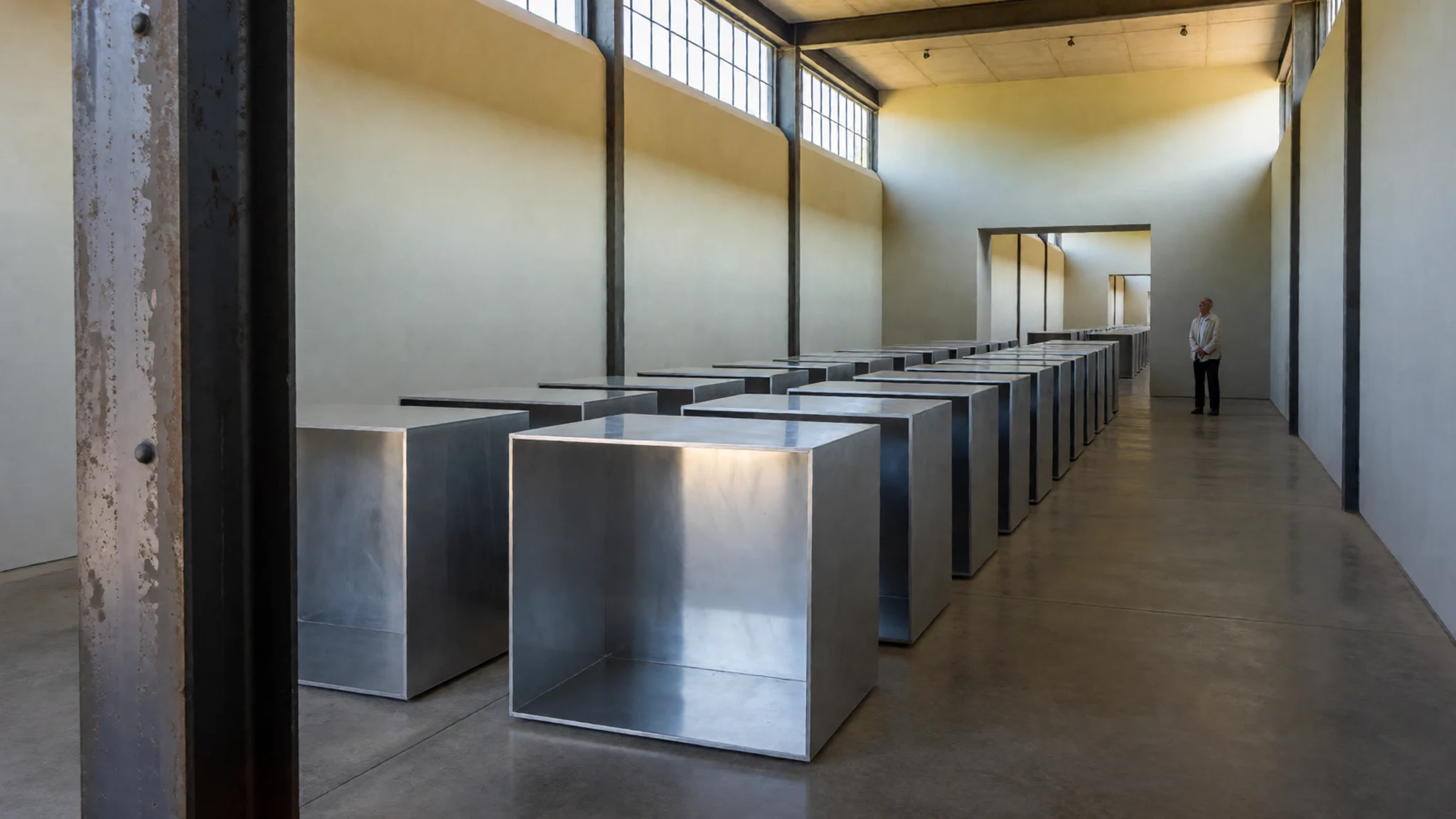
- Inde/Jacobs — Central Marfa
Inde/Jacobs is a small gallery close to the centre of Marfa, showing works on paper and limited editions by Donald Judd and Dan Flavin. It makes a useful short stop for anyone who finds the big installations hard to absorb, because the pieces are intimate and quick to take in. Opening days vary, so confirm before walking over.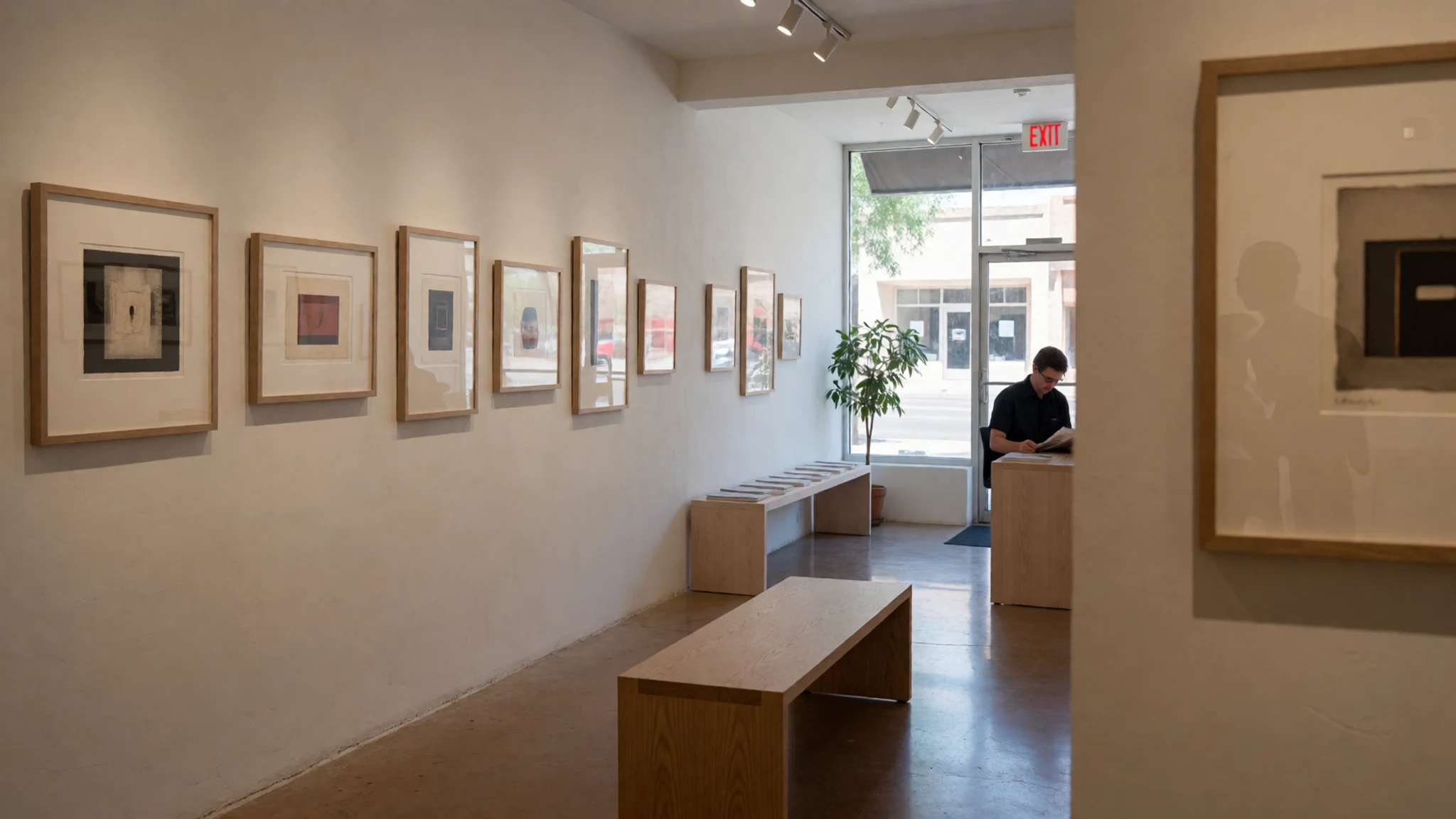
- Marfa Lights viewing platform — East of Marfa, beside the highway towards Alpine
The Marfa Lights viewing platform stands several kilometres east of town beside the highway to Alpine. After dark, pale glowing orbs are said to appear in the distance, but no explanation has settled the matter and nothing guarantees a sighting on any given night. Treat it as an evening of stargazing with a possible bonus, and bring a warm jacket.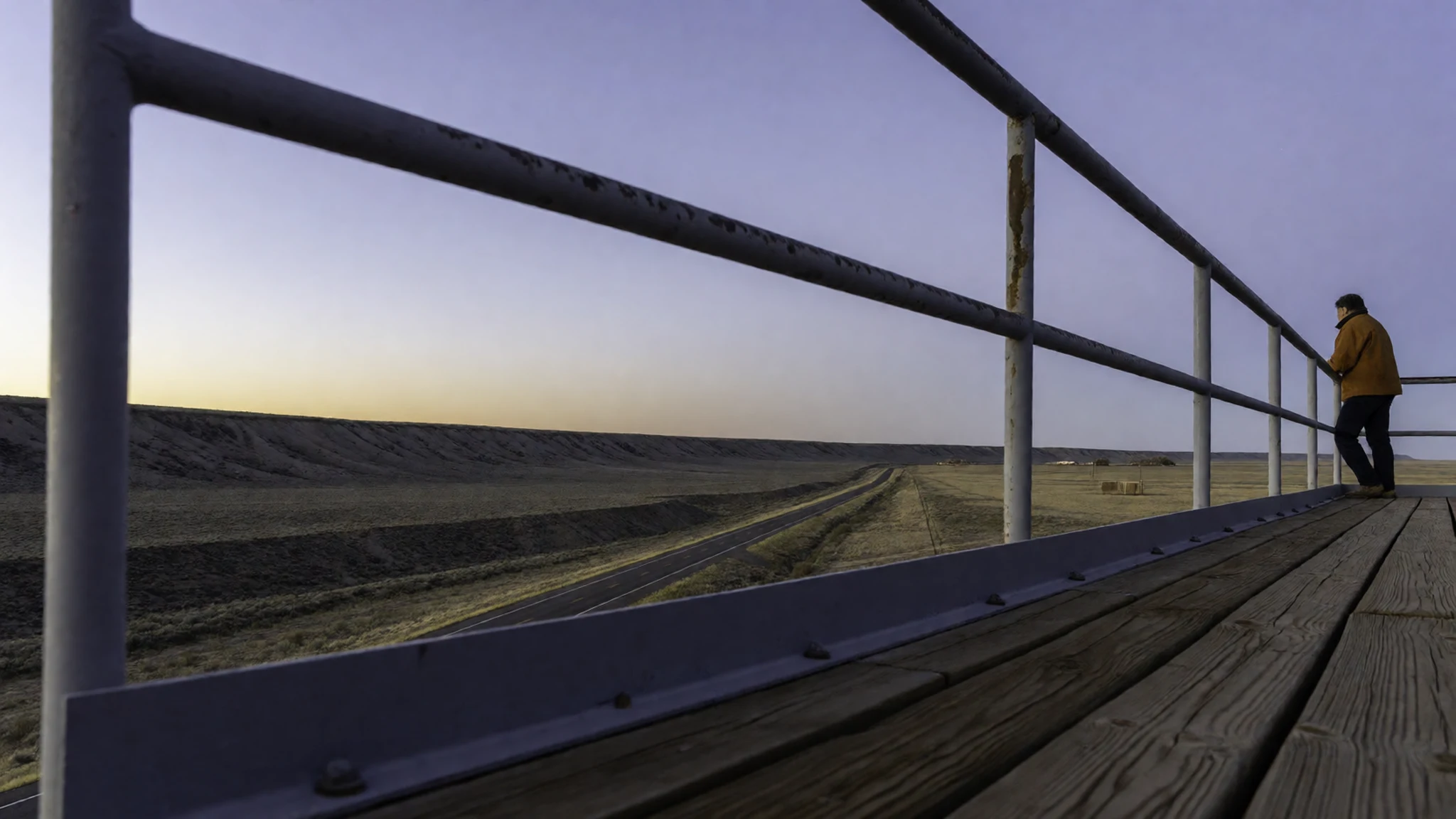
- Blackwell School — Marfa, near the town centre
Blackwell School was once a segregated school and is now a national historic site recording that history. It adds a counterweight to Marfa's art-world image by showing an older, local story of the town. Hours are limited, so check ahead and allow time to read and reflect rather than rush through.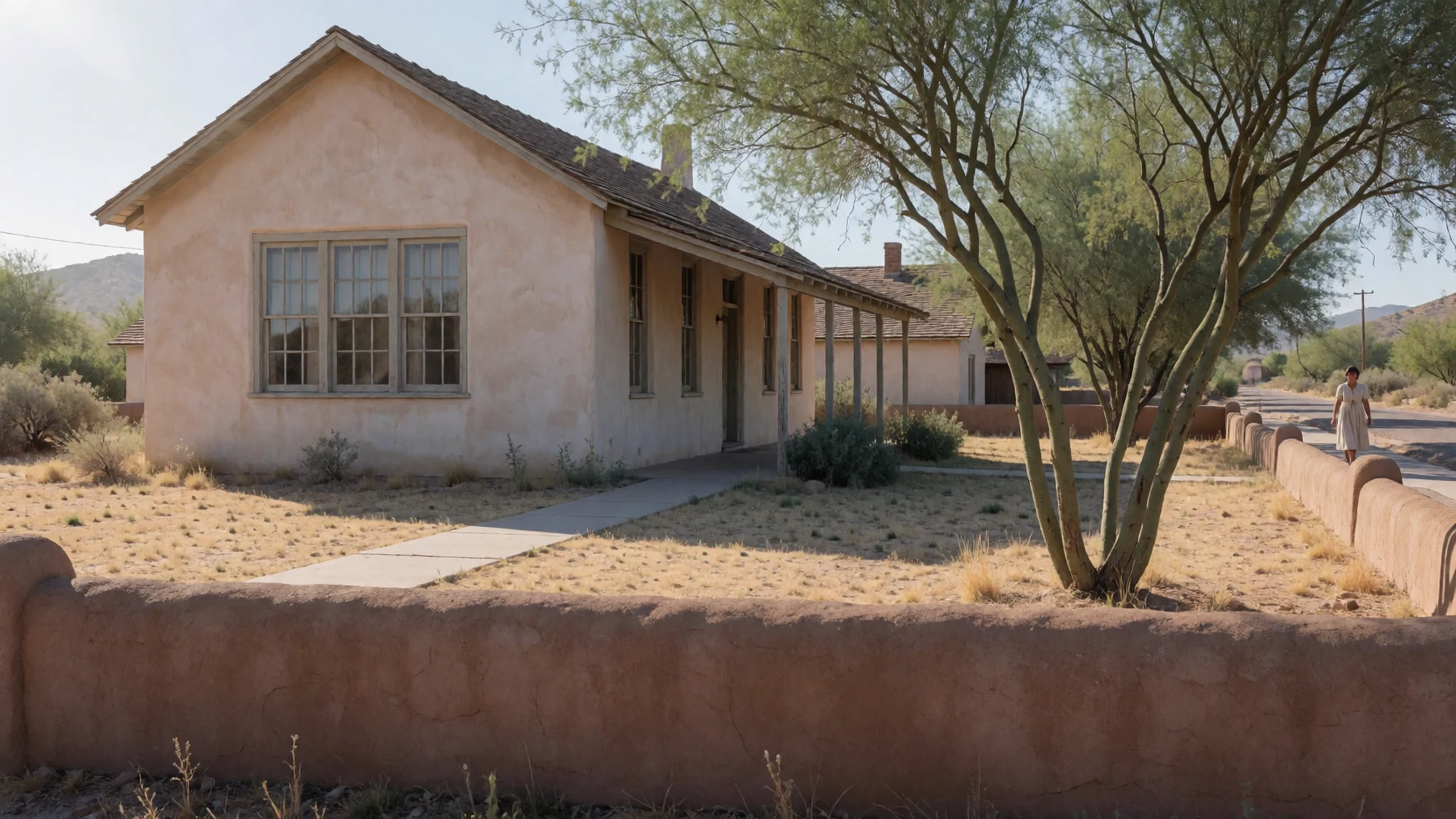
- Presidio County Courthouse — Central Marfa
The Presidio County Courthouse, a recorded Texas Historic Landmark, anchors the middle of Marfa and is a good place to get one's bearings on foot. Its formal frontage rises above low streets, and the surrounding blocks hold galleries, cafés and shops. Early morning and dusk are the kindest times, when the light is soft and the heat has eased.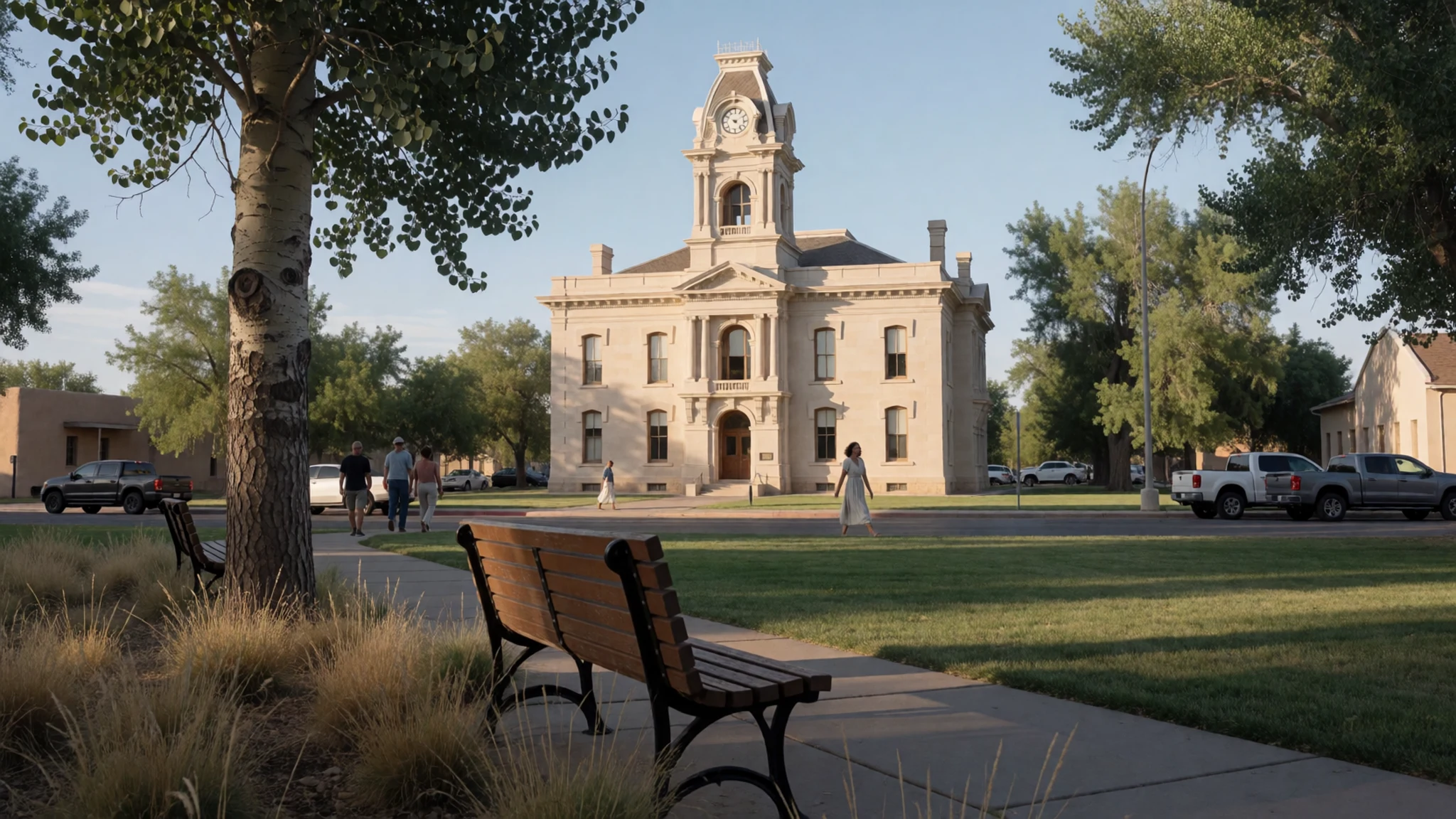
Culture
Marfa is known across the region as a cultural centre for contemporary artists and artisans, and most of that story traces back to one man. Donald Judd, a Minimalist artist, moved here from New York and found that the old hangars and smaller buildings let him install work at a scale no city loft allowed. Later he took on two ranches as his main homes, reflecting a long love of the surrounding desert. With help from the Dia Art Foundation he also acquired the decommissioned Fort D. A. Russell and began turning its buildings into spaces for permanent display. His idea was a sort of antimuseum: collections by individual artists left in place, because he felt rotating exhibitions stop viewers understanding what the artist intended. Since his death two foundations, the Chinati Foundation and the Judd Foundation, have looked after that legacy. Beyond the galleries, Marfa remains a small borderland ranching community where long-standing residents and newer arrivals share the same few streets, and where shops, bars and cafés keep local rhythms: busiest from Wednesday to Saturday, quiet early in the week. Evenings are social but low-key, with live music at a few bars and plenty of conversation about art, weather and the Marfa Lights. Ask before photographing residents, never touch the artworks or step past the barriers at installations, and treat the land beside the roads as private property.
What to wear
Marfa has no single formal costume, but the dress of the surrounding ranching country is clear enough. The traditional working look is Western wear: felt or straw hats against the sun, denim, pearl-snap or plain cotton shirts, leather belts and tough leather boots. Borderland Mexican heritage adds woven wool serapes and embroidered cotton blouses and shawls, usually seen at celebrations rather than every day. Today residents mix that heritage with art-scene style: black or neutral linen, vintage denim, worn boots, wide-brimmed hats and plain, well-cut jackets, so a gallery opening and a feed store can look surprisingly alike. Clothes are practical first, because the climate is semiarid, with hot summers, cool winters and a large swing between day and night. Visitors should pack layers: a light long-sleeved shirt and a hat for the sun, sunglasses, and a warm jacket or fleece for evenings, which turn cold fast outside summer. Closed shoes with sturdy soles suit gravel lots, desert paths and the dusty ground at the lights platform, while sandals are fine in town. No dress code applies in galleries or eateries, and modesty norms are relaxed, though covering shoulders in strong sun is sensible. Bring a refillable water bottle and sun cream.
What to eat
- Thin-crust pizza by the slice — A pizza counter across from city hall, near the main crossroads
Big slices of thin-crust pizza are a local staple, sold from a casual counter across from city hall. It is quick, filling and easy to follow with a walk around the courthouse blocks. Check the venue's own listing for opening days, which vary through the week.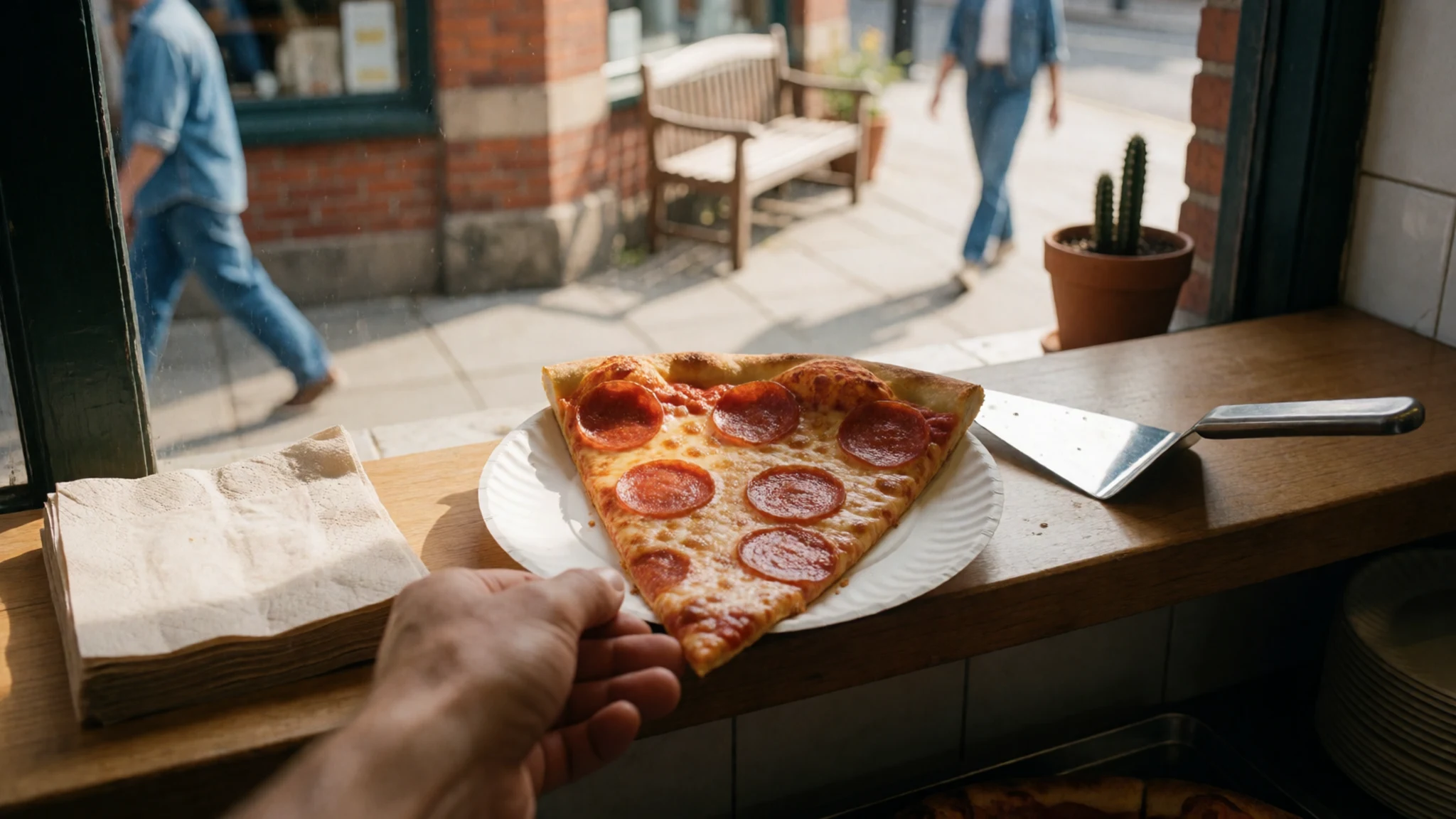
- Breakfast tacos — Cafés and takeaway counters around the centre
Breakfast tacos, soft flour tortillas filled with egg, potato, beans or chorizo, are the standard West Texas start to the day. They are best eaten early, from a café counter or small takeaway window, before the desert heat builds.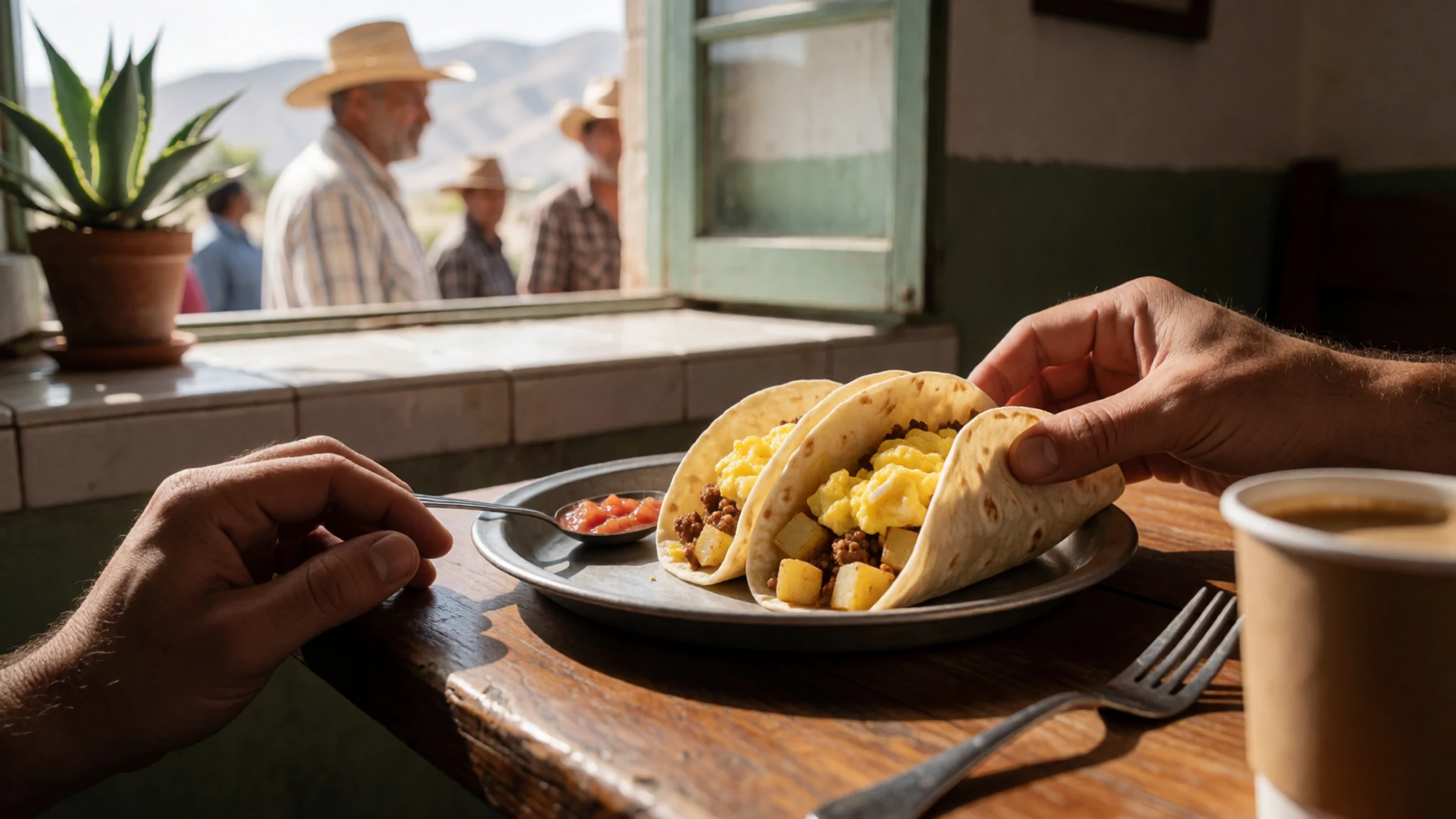
- Grill-style burger and chips — The grill attached to the Paisano, on the main road
A grill-style burger with chips is a dependable meal after a day of walking. One grill attached to the Paisano building is named for James Dean's character in Giant, the film linked to the town, and serves classic American diner food. - Café sandwiches and coffee — Cafés near the courthouse
Sandwiches and coffee suit a lunch stop between galleries. Cafés in the middle of town serve American-style sandwiches, salads and baked goods, often with a few tables outside in the shade for the dry afternoon. - Tex-Mex plate — Family-run Mexican restaurants in town
A Tex-Mex plate of enchiladas, rice and refried beans reflects the borderland kitchen. Expect melted cheese, chilli and corn tortillas, and ask about the heat level, because house salsas can be fiery.
Plan it
Best time. March–April and October–November, when days are warm rather than fierce and nights are cool; summers are hot, winters cool, and the dry air gives large swings between day and night.
How long. 2–3
Getting there. Fly to El Paso or Midland, each roughly 310 km away, hire a car and drive; Marfa is six to seven hours by road from Dallas, Austin or San Antonio. Fill the tank in Alpine or earlier, as stretches between towns are long.
Budget. mid
Tips
- Plan around Wednesday to Saturday, when most shops, restaurants and galleries are open
- Check official sites for gallery and museum opening days, since hours vary; town information is at https://cityofmarfa.com/
- Carry a torch and get back to your lodging in good time, as street lights go off late in the evening
- Fill the fuel tank before long drives and take water, sun protection and a warm layer
Etiquette
- Do not touch artworks or step past barriers at installations
- Ask before photographing residents
- Stay on the viewing platform and public roads at the Marfa Lights, as the land around is private
Nearby
Sources
- Wikidata Q982507 (CC0)
- Wikipedia: Marfa, Texas (rev 1385267715) (CC BY-SA 4.0)
- Wikivoyage: Marfa (rev 5410594) (CC BY-SA 4.0)
- Photo: Presidio County Courthouse (Talshiarr) (CC BY-SA 2.5)
- Photo: Downtown Marfa (Mathieu Lebreton) (CC BY 2.5)
- Photo: Marfa Army Air Forces image (War Department) (Public domain)
- Photo: The Chinati Foundation (John Cummings) (CC BY 3.0)
- Photo: Marfa Lights viewing platform (Daniel Schwen) (CC BY-SA 2.5)
- Photo: Marker of Marfa, TX (WhisperToMe) (Public domain)
- Photo: Hotel Paisano and City Hall (Daniel Schwen) (CC BY 3.0)
- Photo: Marfa water tower (rob zand) (CC BY-SA 2.0)


