Maligne Canyon
Maligne Canyon, Canada
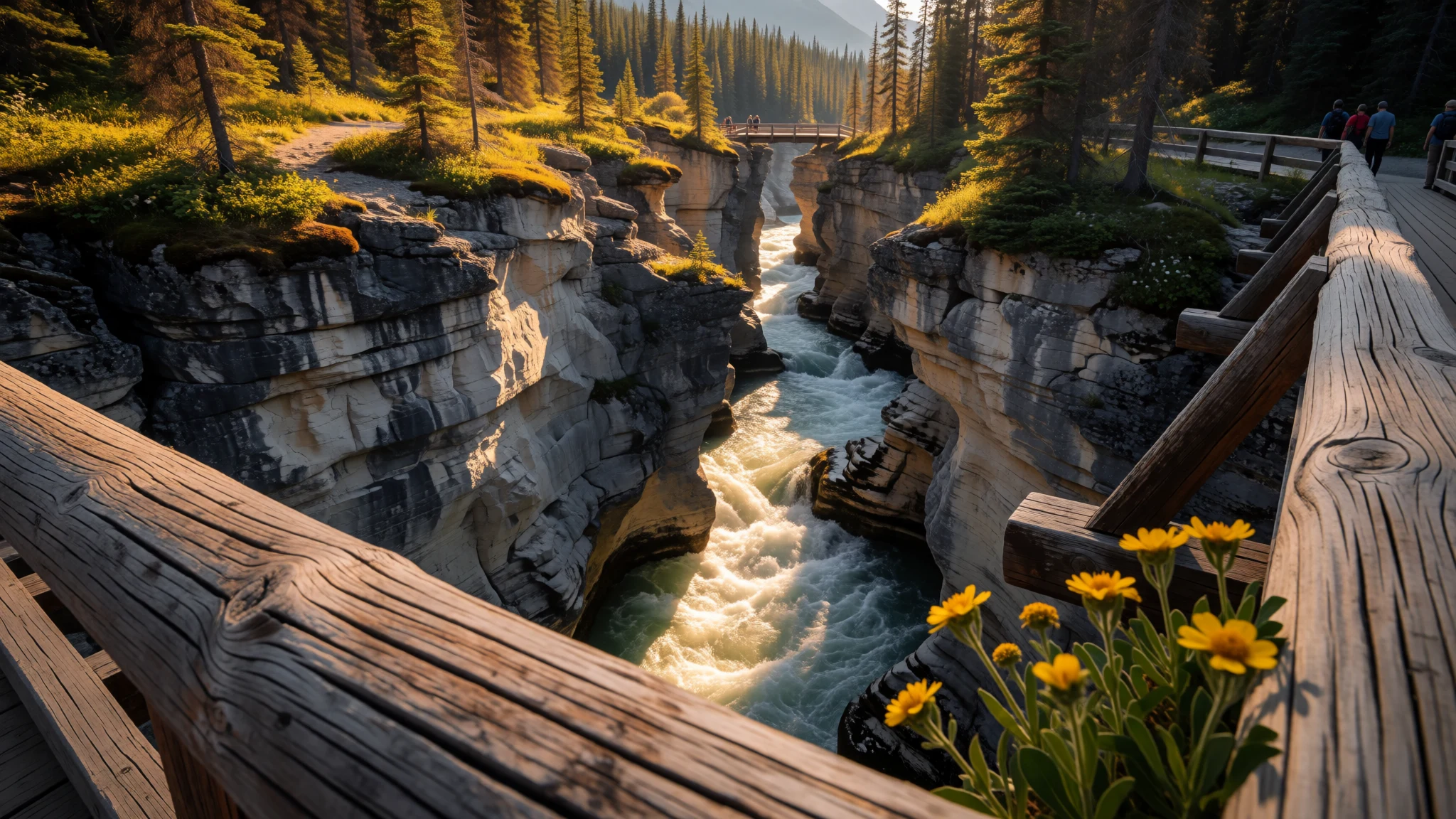
Maligne Canyon is a narrow limestone slot in Jasper National Park where a vanishing river carves a gorge, and winter turns it to ice.
The place
Maligne Canyon sits inside Jasper National Park in Alberta, a short drive from the town of Jasper. It is a slot canyon: a gorge so tight that in places the walls are only about 2 metres apart, yet the drop to the water is around 50 metres. The first instinct at the rim is to look for the river, and then to realise it is far below and mostly out of sight, heard before it is seen. The rock is Palliser limestone, pale and worn into smooth, scalloped curves. Forest grows right to the edge, so the gorge opens suddenly out of ordinary woodland. A path follows the rim and crosses the gap on footbridges, which gives several angles straight down into the slot, with waterfalls, plunge pools and dark openings where underground water enters. Birds and plants cling to the spray-damp ledges. The canyon is a textbook case of karst, the landscape that forms where limestone slowly dissolves, and that matters because the water here does not behave like a normal river: upstream it sinks into the ground for much of the year, then returns below. The canyon is busiest in summer, when the car parks can fill, and on winter weekends, when guided groups walk the frozen floor. Early or late in the day it is much quieter. It rewards a slow walk along the rim rather than a quick stop at one railing, because the views change a good deal between the upper and lower stretches, and much of the bottom stays in shade.
Its story
The story of Maligne Canyon starts in a warm, shallow sea. Limestone, the main rock of the gorge, built up on that sea floor from plankton that make lime in their bodies, long before the Rockies were pushed upwards into mountains. Once raised, the rock became a landscape that water can slowly eat: rain and meltwater dissolve limestone, opening cracks, sinkholes and caves, which is why slot canyons recur across the northern Rockies. The river that carved this one begins at Medicine Lake. For about 15 kilometres it runs as a full-sized river, then leaks away through seeps in the ground, and for most of the year it disappears from the surface altogether. Smaller streams in the valley below gather again, and by the head of the canyon the river has rebuilt itself, topped up by large underground streams that join where the channel cuts into the rock. Then it drops into the slot, and the carving never stops: churning, swirling water grinds at the walls, deepening and sculpting the gorge. The present measurements, as little as 2 metres across and about 50 metres deep, are a snapshot of work still in progress. The name is French, and is usually linked to the river's dangerous crossings for early travellers. Geologically, though, the canyon is the more interesting tale: a sea floor, a mountain range, and a river that goes underground and comes back.
What to see
- The rim path and footbridges — Maligne Canyon, east of Jasper town
The rim path is the heart of a visit. It follows the gorge and crosses it on footbridges, so the same slot is seen from above, from across and from the edge of the trees. Pause on the bridges to look straight down at white water, scalloped limestone and falls dropping between the walls.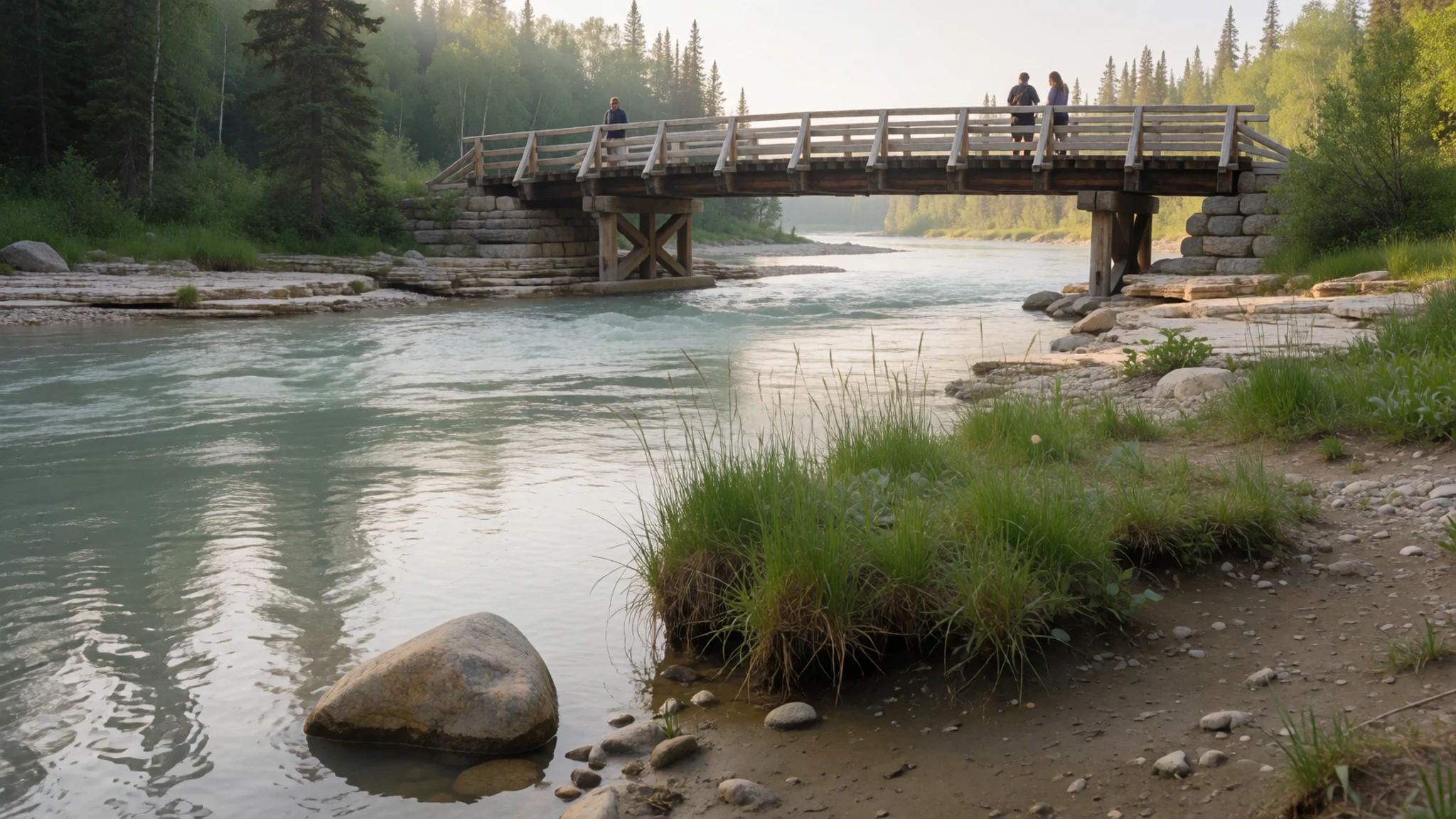
- The narrowest stretch — Along the canyon walk
At its tightest the canyon is only about 2 metres across, against a depth of around 50 metres, and that contrast is its signature. Photographs flatten the effect. It is easier to take in from a spot back from the railing, where the eye can follow the water down into shadow.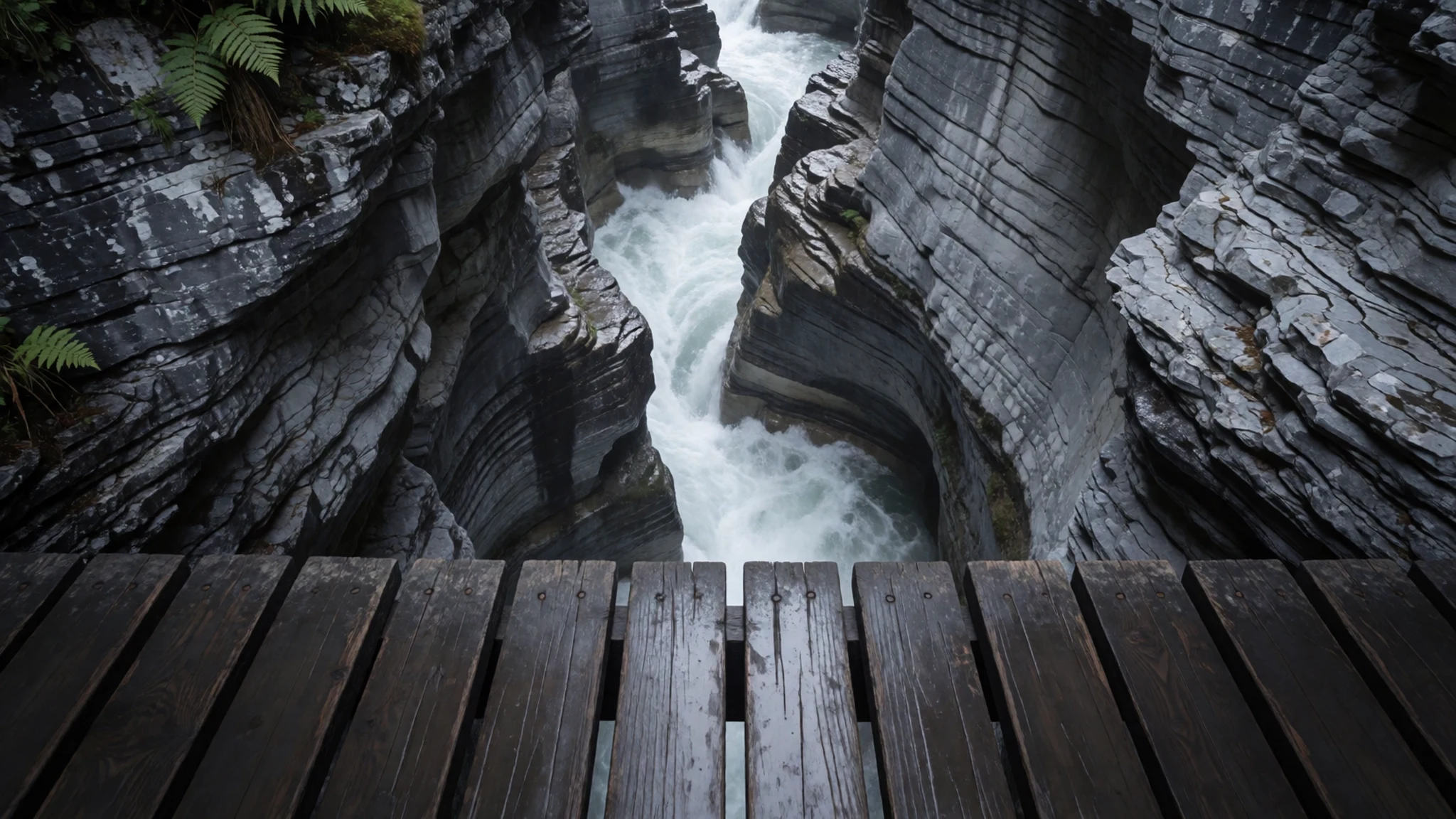
- The frozen canyon in winter — Canyon floor, winter only
Once the cold sets in, the water slows and freezes into ice curtains and blue frozen falls. Guided walks go along the canyon floor itself, a very different view from the rim. Book with a local guiding company, ask about current ice conditions, and follow their advice on footwear.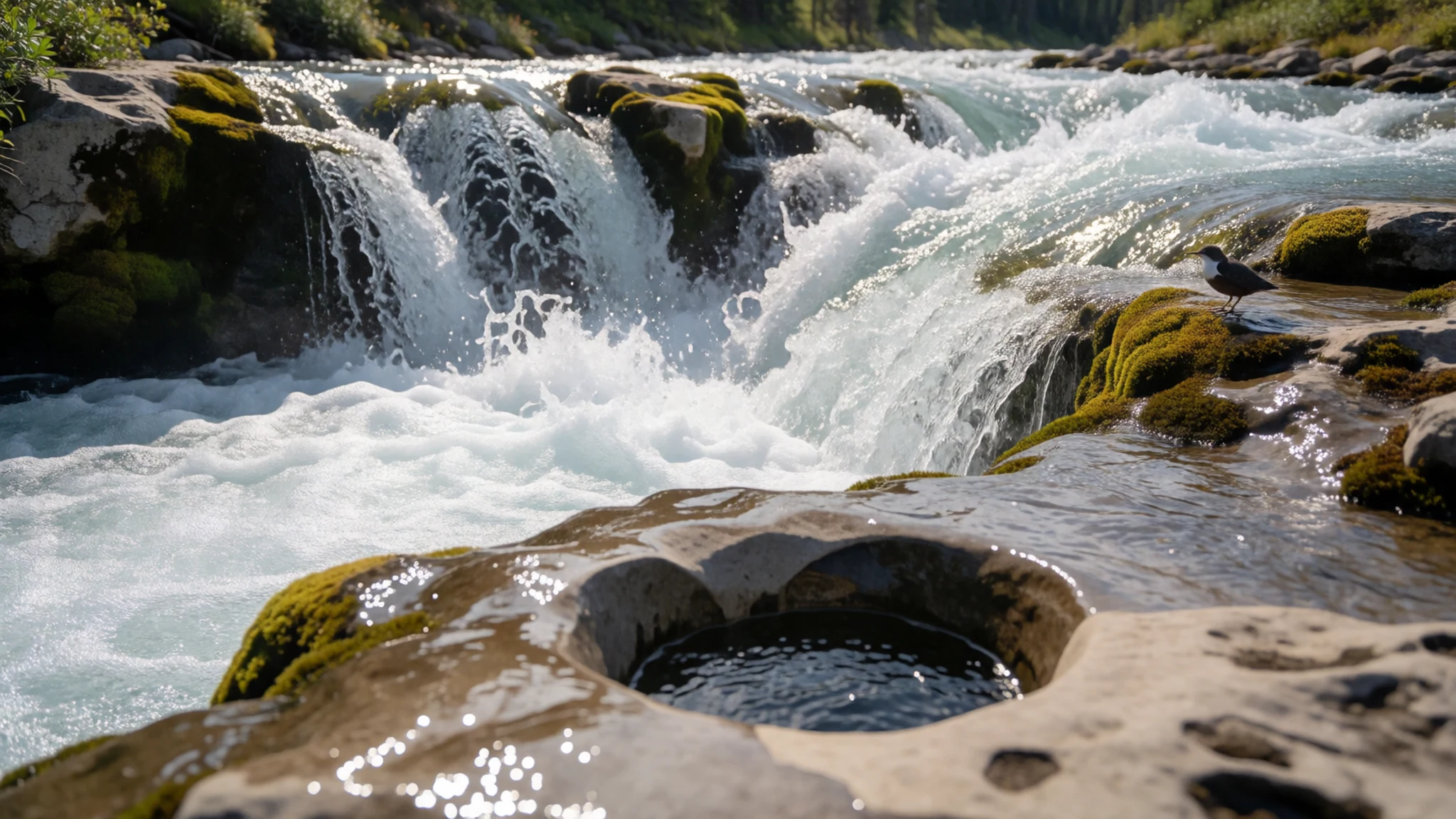
- Underground outlets and karst — Walls of the canyon
Much of the interest lies in what cannot be seen. The river vanishes upstream and water returns through underground outlets along the gorge, a classic karst pattern. Look for dark openings in the walls and for places where water seems to arrive from the rock rather than from the channel.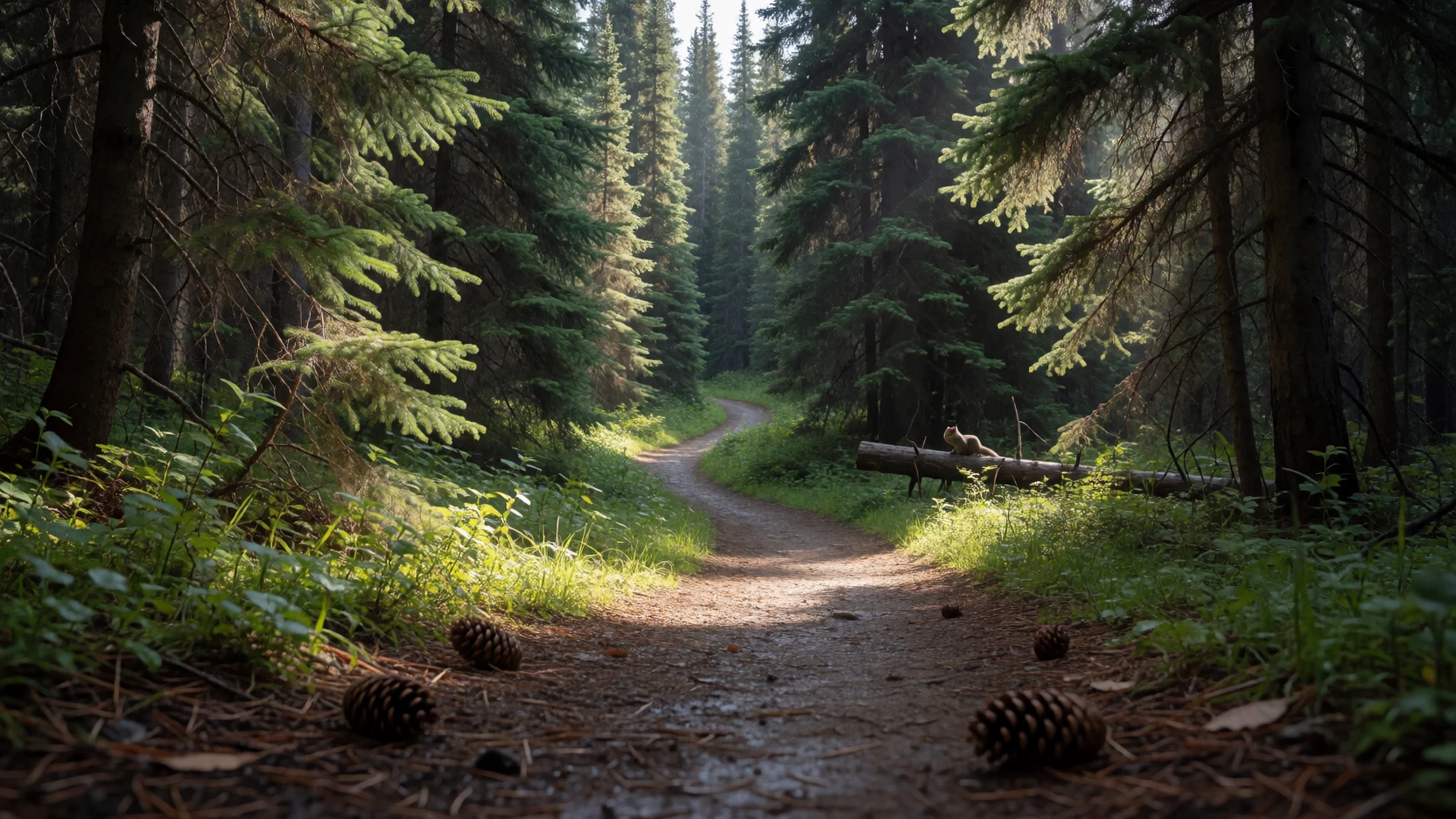
- Medicine Lake — Maligne Valley, Jasper National Park
Medicine Lake, upstream, is where the river begins its disappearing act. It is worth a stop to see a lake that drains into the ground rather than through an ordinary outlet, and its water level can look very different between seasons. Check local notices for road access before driving out.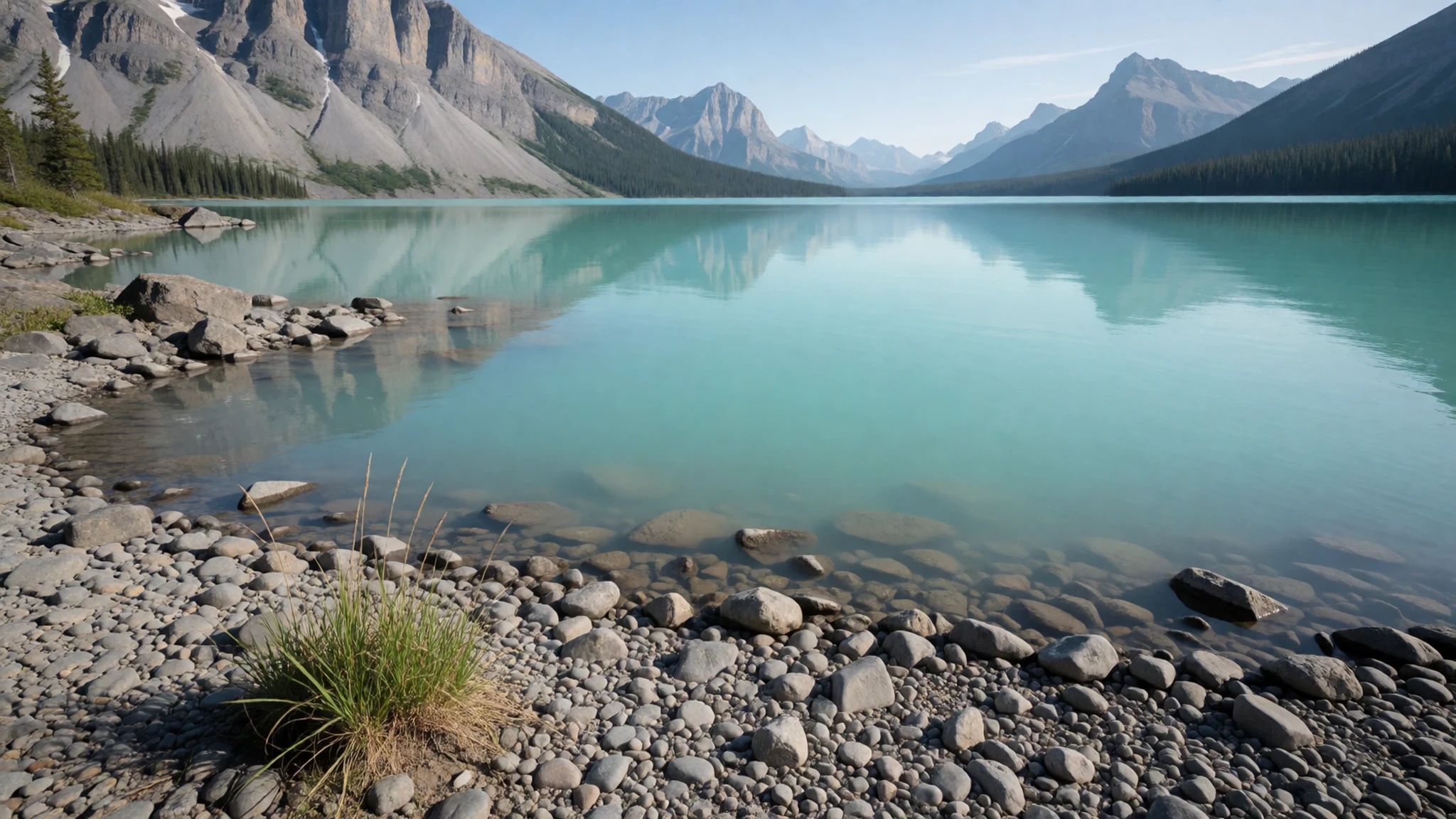
- The Icefields Parkway approach — Between Banff and Jasper
Many visitors reach the area on the Icefields Parkway, the road between Banff and Jasper. Driving it turns the canyon into one stop on a longer mountain journey, with glaciers and lakes along the way. Allow a full day, start early and keep the fuel tank topped up, as services are sparse.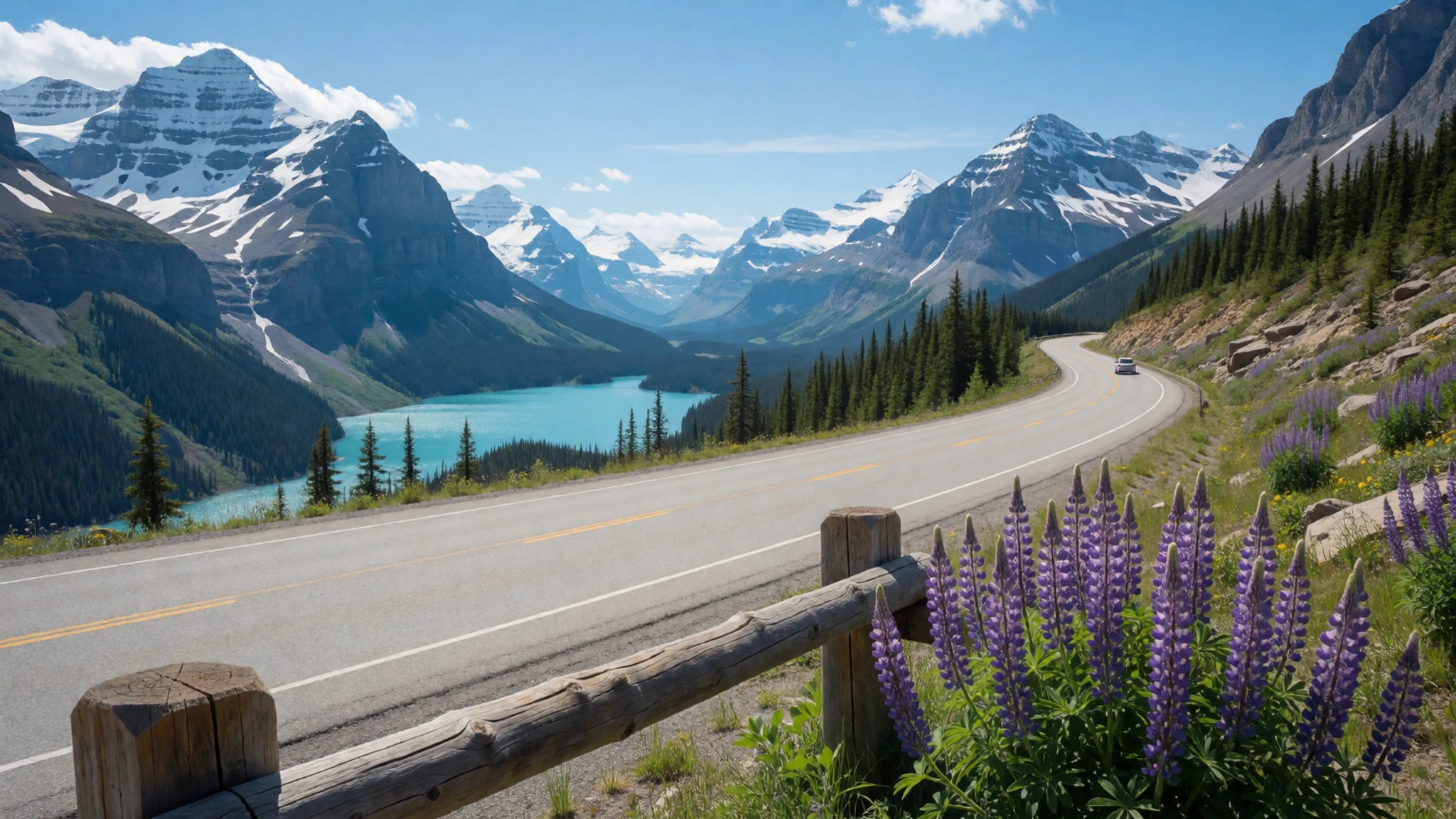
Culture
Maligne Canyon is part of Jasper National Park, which lies in the traditional territory of Indigenous peoples who lived in and travelled through these Rocky Mountain valleys long before any park existed. Today the culture around the canyon is mostly mountain-town outdoor life. Jasper is a small town where people hike, ski, guide and work in the park, and winter is as much a part of local life as summer, so a frozen canyon is a seasonal routine rather than an oddity. Place names carry layers of history. Maligne is French, usually linked to the river's treacherous crossings in the days of early travellers. Interpretive signs along the paths explain the geology and the park's wildlife, and they are worth reading. Park culture here also means rules: staying on paths, carrying out rubbish and keeping distance from animals. Elk, bears and other large animals move through the area, and locals treat wildlife safety as ordinary good manners rather than an inconvenience. Visitors from India or the UK may notice the quiet at the viewpoints: people speak softly at the railings, wait their turn on the narrow bridges and let slower walkers pass. On busy days that unspoken queue keeps the paths workable. Stay behind the railings and on the marked path, give any wildlife a wide berth, and carry all your rubbish out with you.
What to wear
Maligne Canyon lies in country where several Indigenous nations, including the Cree and Stoney Nakoda, have long lived and travelled, and their traditional clothing now appears mainly at ceremonies, dances and gatherings rather than in daily life. Older dress used tanned hide such as moose, elk or deer, decorated with porcupine quillwork and later glass-bead embroidery. Wool blankets and the woven Métis sash arrived with the fur trade. Beadwork also survives as everyday jewellery. Everyday clothing in Jasper is practical outdoor wear: fleece, padded jackets, hiking boots, caps and sunglasses, with guides and park staff in company or park layers. Nobody dresses up for the canyon. Visitors should plan by season. In summer, wear shoes with good grip, since the paths include slopes, and bring a light waterproof, a sun hat and an extra layer, as spray and shade make the gorge cooler than the car park. In winter, insulated waterproof boots, thick socks, gloves, a hat and thermal layers are essential. Ice cleats that fit over boots help on the rim path, and guides for floor walks will say what to bring. There is no modesty dress code at the canyon itself.
What to eat
- Alberta beef steak — Sit-down restaurants in Jasper town
Alberta is known for beef raised on rich grasses and finished on local barley. In Jasper, steak is the standard comfort meal after a day on the trails, and it is easy to find on the menus of most sit-down restaurants in town.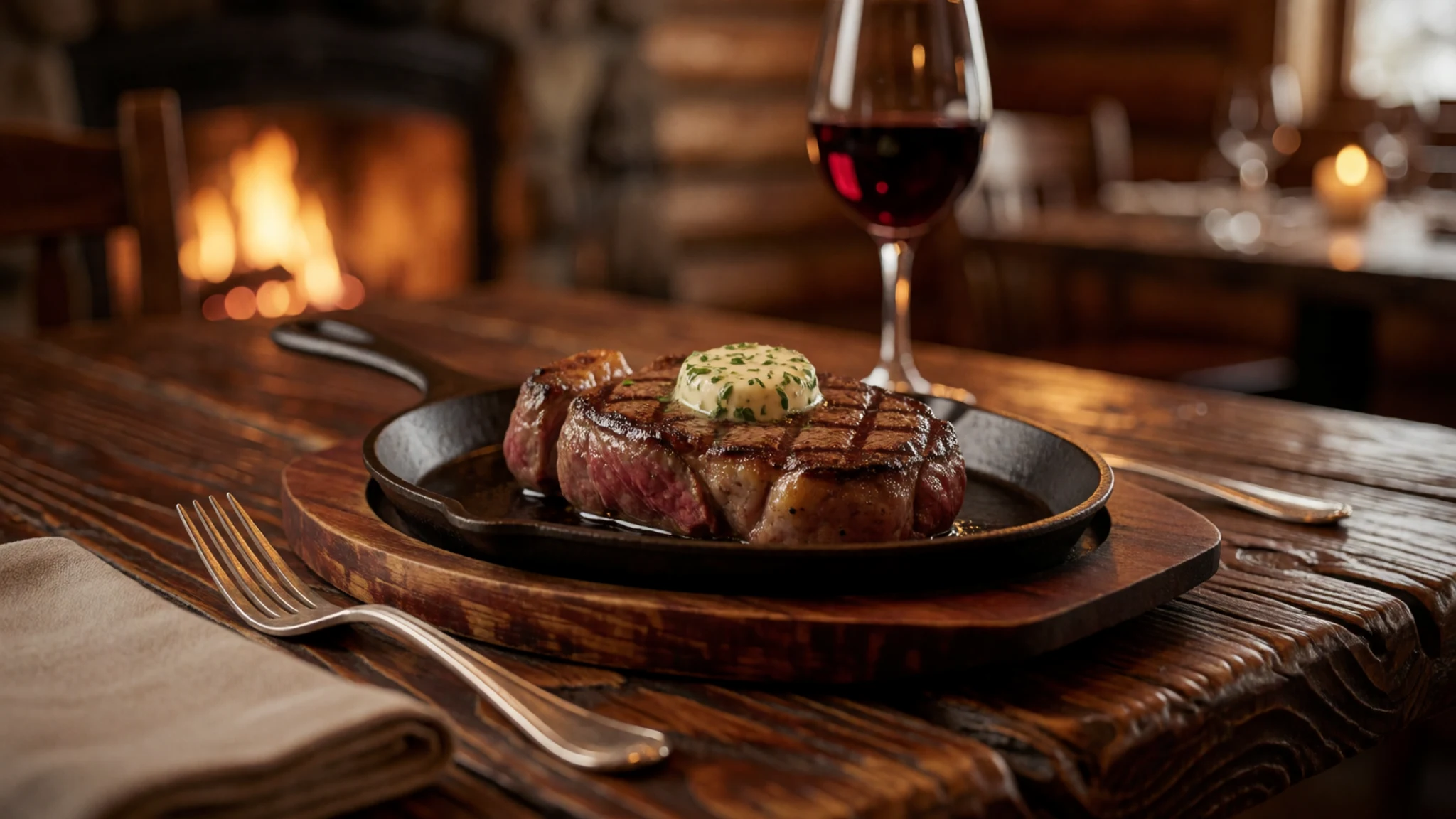
- Bison burger — Pubs and eateries in Jasper town
Bison sits alongside beef across Alberta and is leaner and slightly sweeter in flavour. It turns up most often as a burger or a stew in town eateries and pub-style restaurants, a filling lunch before or after the canyon walk.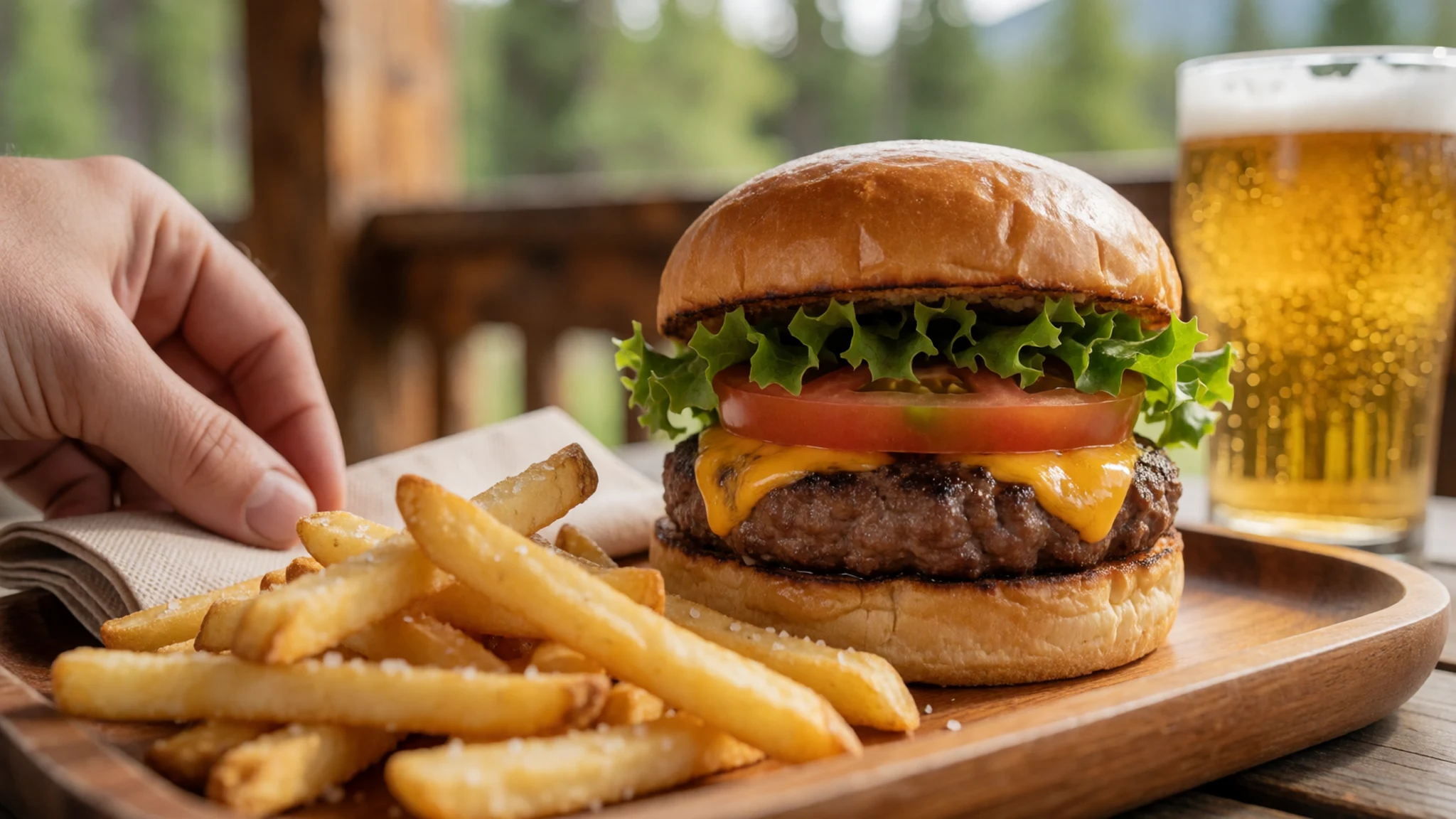
- Perogies — Small-town cafés and diners across Alberta
These filled dumplings came with Ukrainian settlers and are now ordinary Alberta fare. Typically stuffed with potato and cheese and served with fried onion and sour cream, they are cheap, hearty and good for cold days. - Poutine — Cafés and casual restaurants in Jasper
Chips topped with cheese curds and gravy are Canada's best-known comfort food and a regular on café menus here. Portions are generous, so sharing is sensible, and it suits a cold winter walk better than a hot summer one. - Chinese café plates — The old-style Chinese café found in small towns
Small Alberta towns often have a Chinese café with a quirky mix of spring rolls, wonton soup, burgers and more. The tradition goes back to cooks who worked in railway camps, and it is a cheap, unfussy option for a plain meal.
Plan it
Best time. February–March for the frozen canyon with more daylight than midwinter; June and September for green, comfortable walking with fewer people than July–August. Winter is cold and the days are short, and summer is the busiest season.
How long. 1
Getting there. Fly into Edmonton International or Calgary International, then drive west to Jasper, which takes several hours. The Canadian train from Toronto and Vancouver also stops at Jasper. The last leg is a short drive from Jasper town to the canyon car park.
Budget. mid
Tips
- Go early or late in the day to avoid peak crowds on the narrow footbridges
- Check the official Parks Canada site for park passes, trail and closure notices and any wildfire or winter hazard updates before setting out
- Book winter ice-walk guides in advance and ask what footwear and equipment they supply
- Carry water and a warm layer even on sunny days, as the gorge is cooler than the car park
- Fill the fuel tank in Jasper town before driving the parkway or the Maligne Valley, as services are sparse
Etiquette
- Stay on marked paths and behind the railings, as the drops are steep and the ground near the edge is slippery
- Give elk, bears and other wildlife plenty of space and never feed them
- Carry your rubbish out and keep noise low at the viewpoints
Nearby
Sources
- Wikidata Q6743519 (CC0)
- Wikipedia: Maligne Canyon (rev 1372315886) (CC BY-SA 4.0)
- Wikivoyage: Alberta (rev 5393505) (CC BY-SA 4.0)
- Maligne Canyon — RhodeenKayre, via Wikimedia Commons (CC BY-SA 4.0)
- Gazing down into Maligne Canyon — Sébastien Launay, via Wikimedia Commons (CC BY 2.5)
- Maligne Canyon 01 — Ovedc, via Wikimedia Commons (CC BY-SA 4.0)
- Maligne Canyon 04 — Ovedc, via Wikimedia Commons (CC BY-SA 4.0)
- Maligne Canyon 05 — Ovedc, via Wikimedia Commons (CC BY-SA 4.0)
- Maligne Canyon 06 — Ovedc, via Wikimedia Commons (CC BY-SA 4.0)
- Maligne Canyon 07 — Ovedc, via Wikimedia Commons (CC BY-SA 4.0)
- Maligne Canyon 08 — Ovedc, via Wikimedia Commons (CC BY-SA 4.0)


