Mainamati
Mainamati, Bangladesh
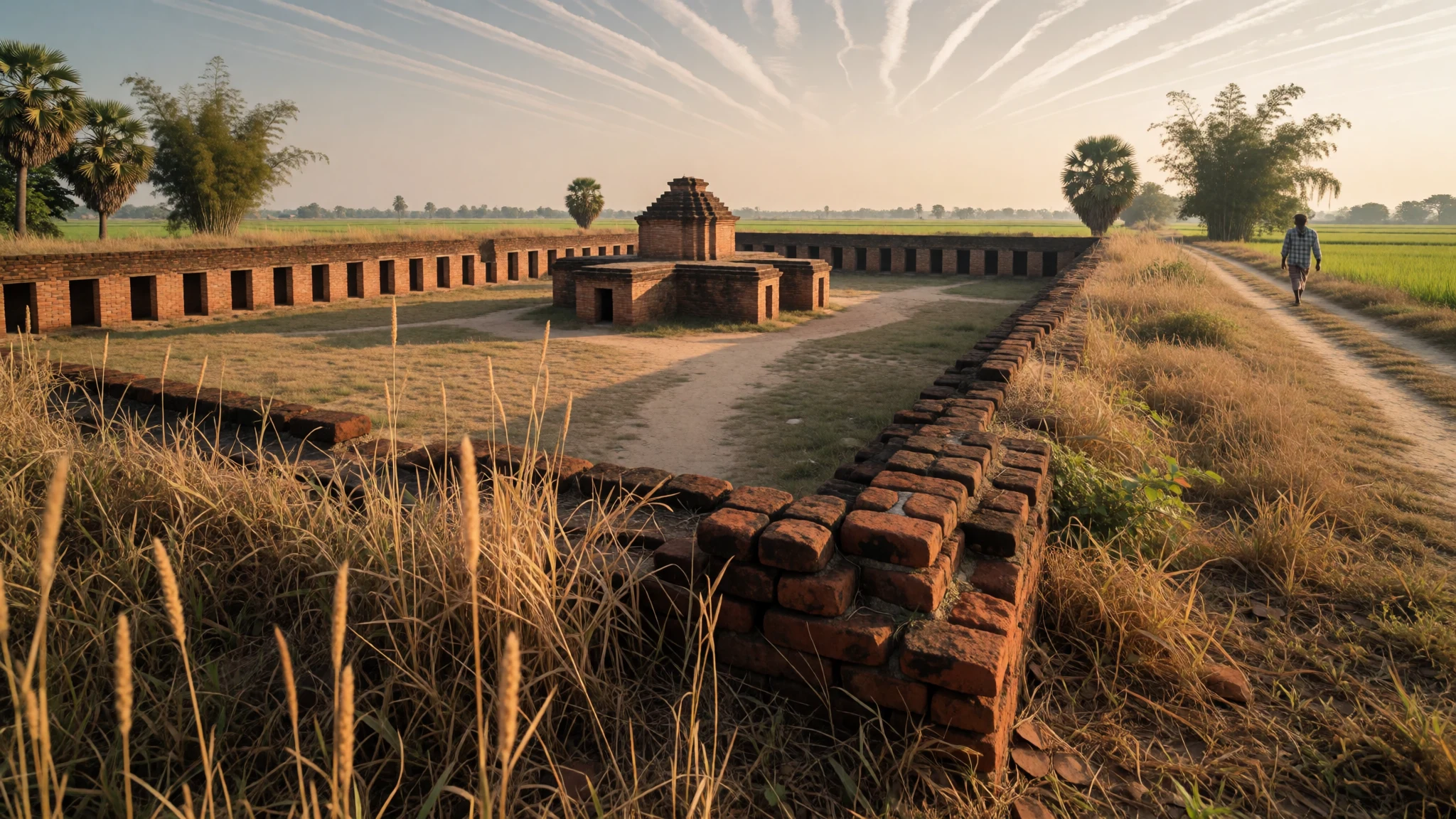
Mainamati is a quiet ridge of ruined Buddhist monasteries in Bangladesh, where brick cells and stupas stand above paddy fields, mostly without crowds.
The place
Mainamati is a low, dimpled range of hills running through the middle of Comilla district in eastern Bangladesh, and its ridge is scattered with the brick remains of Buddhist monasteries and temples. The settlements date from the 8th to the 12th century, when this country belonged to the ancient Samatata division of Bengal. The site lies about 12 km (8 miles) from Comilla city, close enough that most people come out by rickshaw, auto or hired car for the day. Dhaka is about 114 km (70 miles) away by National Highway 1, and Chittagong about 162 km (100 miles). The landscape matters as much as the ruins. These are gentle red-brown rises above flat, green paddy country, and in the dry season the bare brick stands out sharply against the fields. Nothing here is monumental in the way of Angkor or Bagan. The appeal lies in foundations, cells and courtyards laid out with careful geometry, in terracotta plaques, and in a site museum that fills in what has been lost. The name comes from a Chandra queen, Mainamati, mother of King Govindachandra, and a Comilla folk song keeps her story alive. Comilla Cantonment is close by, so parts of the surrounding ground are military land, and a colonial-era war cemetery makes a short detour. A Buddhist temple stands beside the archaeological area, which means worship, not just archaeology, is still part of the picture. Expect quiet, little shade on the open mounds, and heat that builds quickly from March.
Its story
Mainamati belongs to the age when Buddhism was still a major force in Bengal, in the centuries between the 8th and the 12th. The hills lay within Samatata, the old south-eastern division of the region, and local rulers, among them the Chandra line, paid for monasteries built in brick across the ridge. These were not only places of worship. They worked as residential communities and centres of study, with cells for monks, a shrine at the centre and a courtyard between. Time and the wet climate did the rest. Brick was reused, jungle crept over the mounds, and the ridge faded into local memory. The name comes from folk tradition rather than from monastery records. Queen Mainamati, mother of King Govindachandra, is the figure the district sings about in 'Mainamatir Gan', a folk song which also says the king married two daughters of a ruler called Harish Pala, named Aduna and Poduna. The historian Bisweswar Chakravarti links the Chandra line to that Mahishya king, though the song is legend as much as record, and its details are best treated that way. Modern attention arrived when building work and digging exposed the brick walls, and archaeologists then cleared and recorded what lay underneath. Today the cleared foundations, the terracotta plaques and the finds in the site museum are what survive of a Buddhist landscape that once covered the whole range.
What to see
- Shalban Vihara — Mainamati ridge, Comilla
Shalban Vihara is the monastery most visitors start with, laid out as a square of monks' cells around an open courtyard, with a cross-shaped shrine at the centre. Walking the low brick walls shows how a community lived and studied here. The enclosure is open and shadeless, so early morning or late afternoon is kinder, and the light on the brick is better for photographs.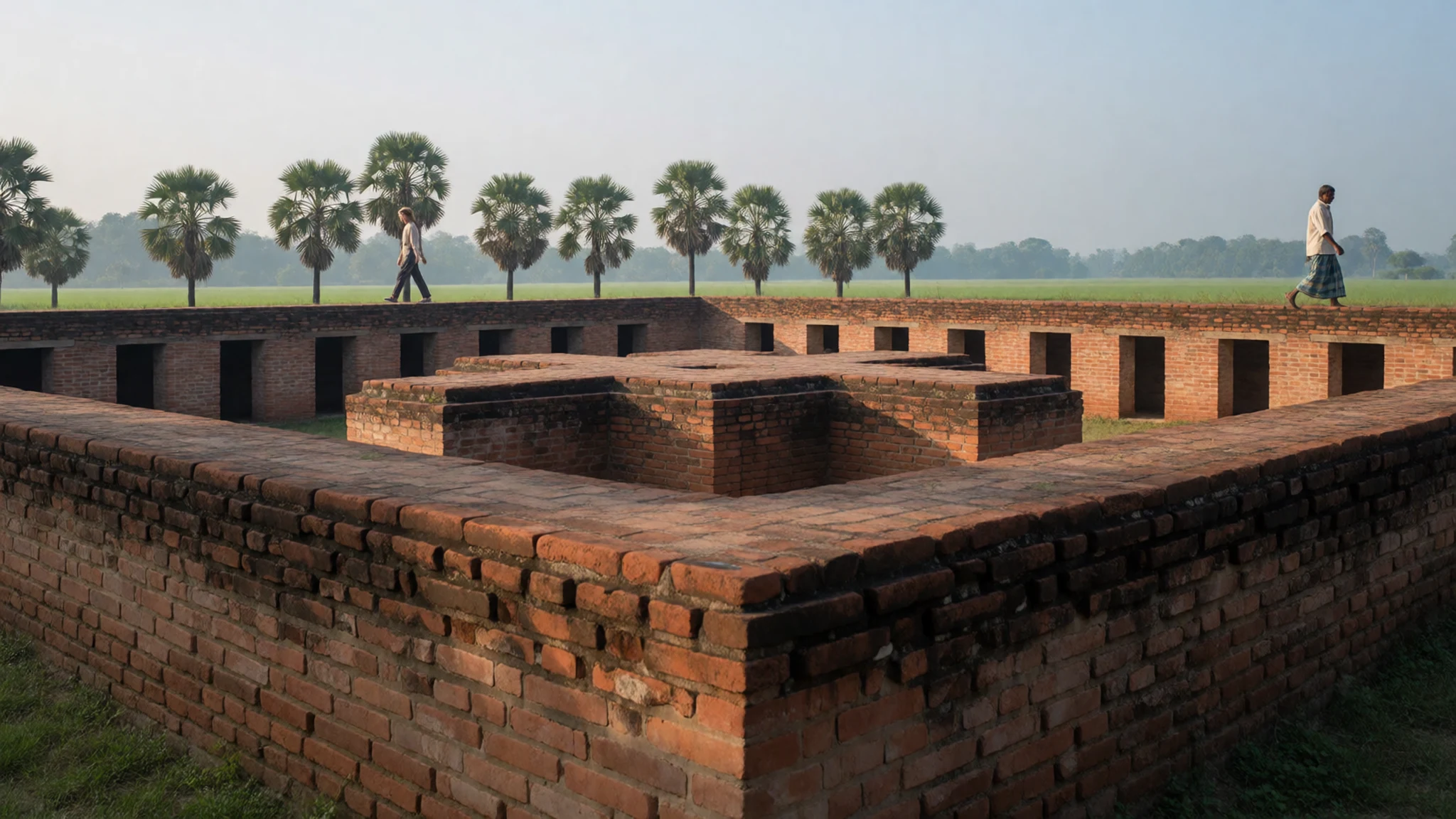
- Kotila Mura — Mainamati ridge, Comilla
Kotila Mura is a hilltop group of Buddhist stupas rather than a monastery, set slightly apart from the main cells on the ridge. The brick bases are weathered but still read clearly, and the rise gives a view over paddy fields and scrub. It is a useful stop for understanding the Buddhist ideas behind the whole landscape before walking the monastery courtyards.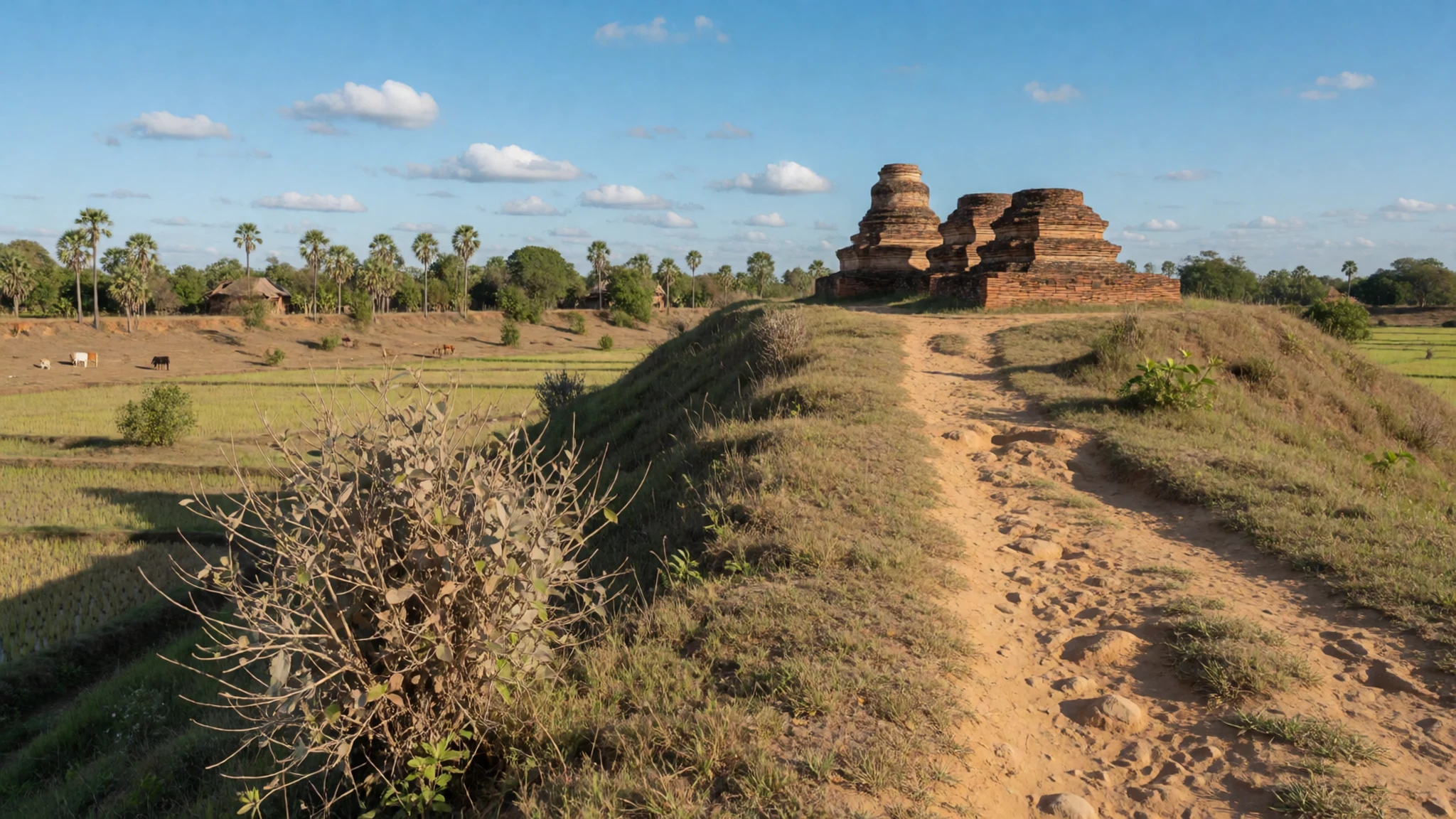
- Ranir Kuthir — Mainamati, Comilla
Ranir Kuthir, meaning the queen's cottage, is the spot tied in local tradition to Queen Mainamati, and it fits the legend that gave the hills their name. What a visitor sees is modest brickwork in a green setting, and the story attached to it is better treated as folklore than documented history. Go for the quiet and the setting rather than a dramatic ruin.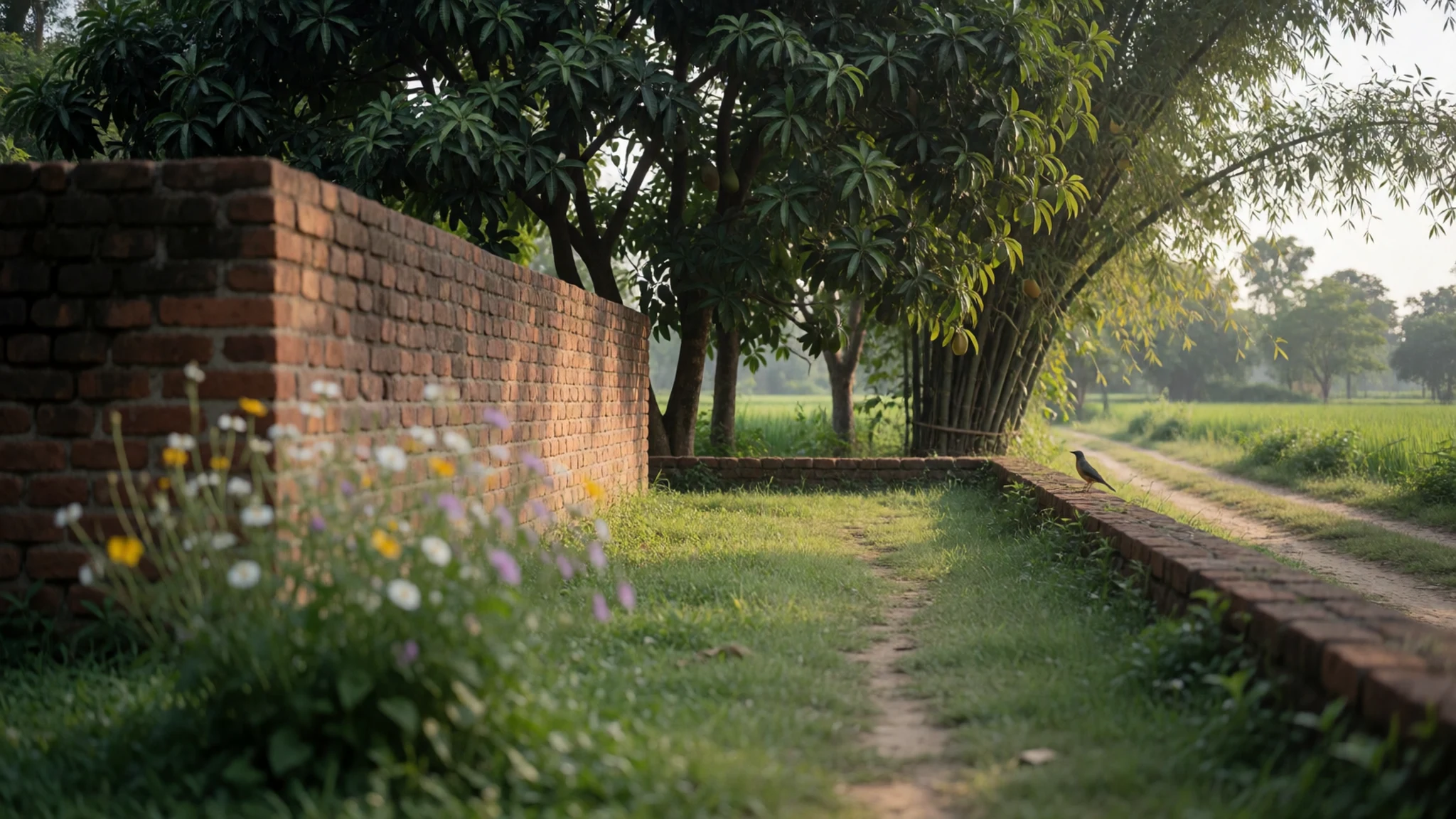
- Site museum — Mainamati, Comilla
The archaeological museum at Mainamati holds finds from the excavated monasteries, including terracotta plaques, bronze figures, coins and pottery. Without it the empty foundations are harder to read, because it shows what the cells and shrines once held. Opening days and entry charges change, so check with the Department of Archaeology or ask locally before planning the visit around it.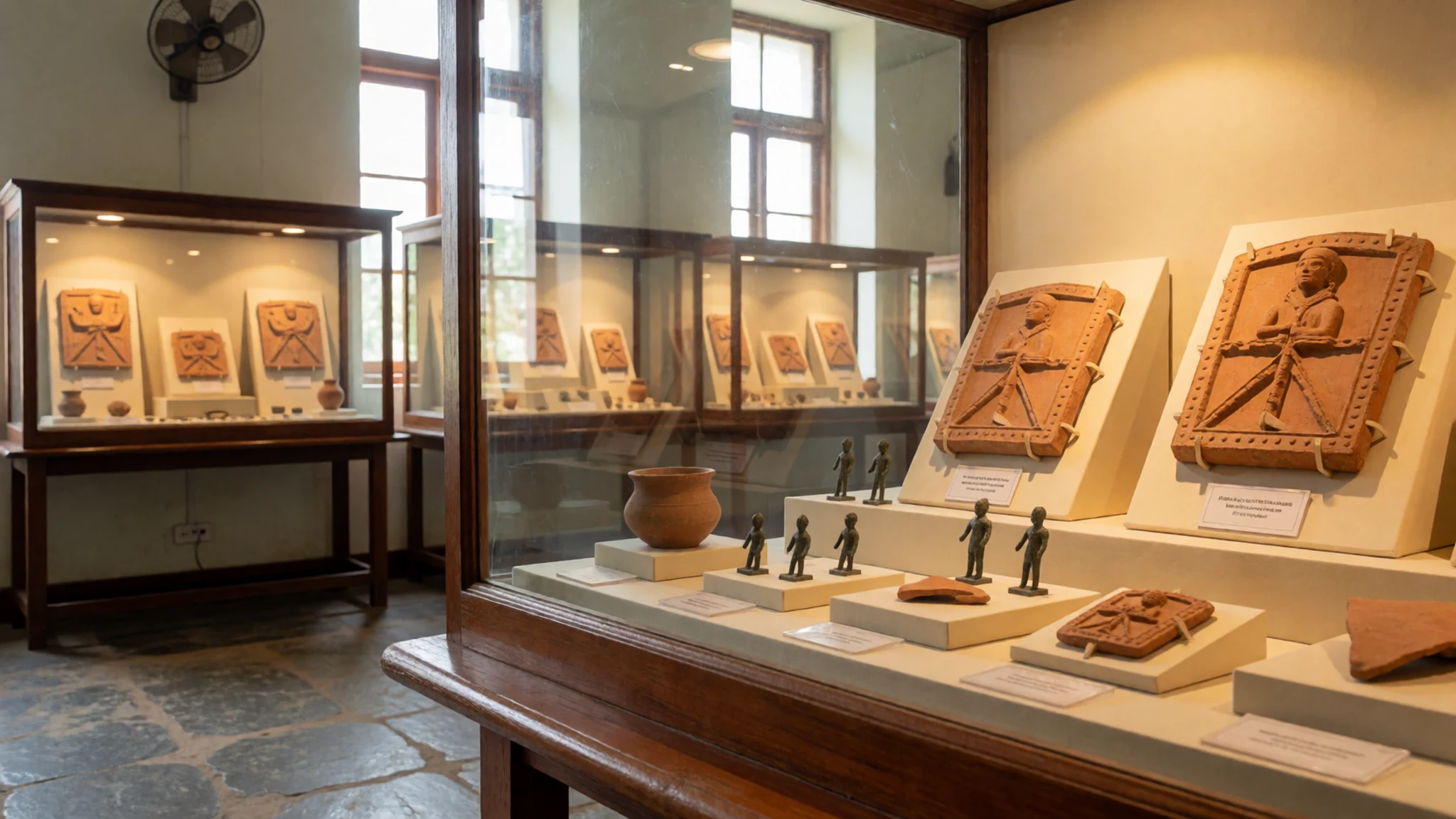
- Comilla War Cemetery — near Comilla Cantonment
The colonial-era war cemetery sits near Comilla Cantonment, a short drive from the archaeological area. Rows of simple headstones lie among lawns and trees, kept quiet and tidy, a sombre counterpoint to the Buddhist ruins. Because it lies inside a military zone, ask permission at the gate and expect questions about cameras and identification.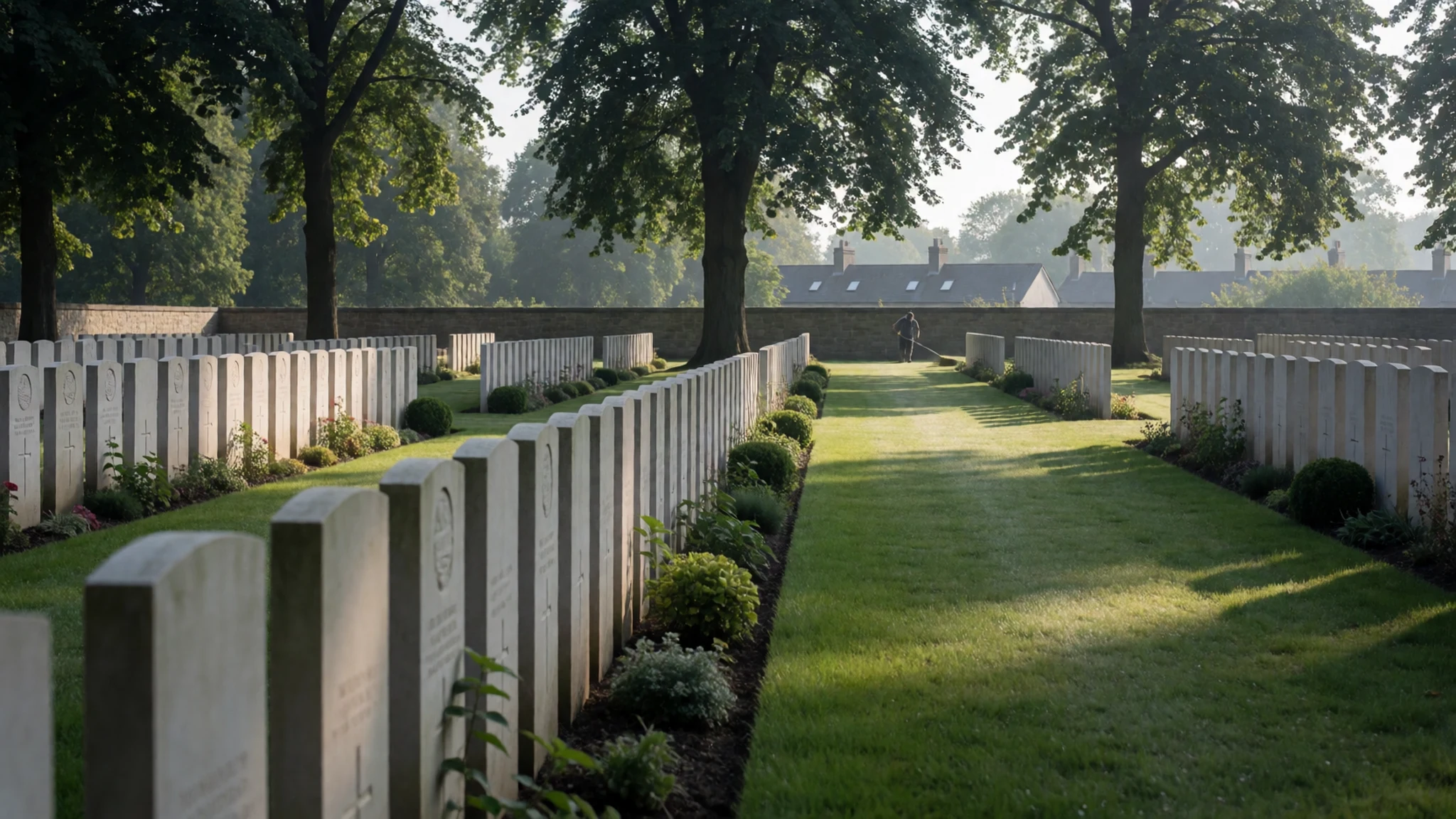
Culture
Mainamati sits in a Muslim-majority country, yet its ruins belong to a Buddhist past, and that layered history shapes how people around it talk about the place. For many Bengalis it is shared heritage and a school-trip destination; for Buddhist visitors, including Bengali Buddhist families and pilgrims from elsewhere, the neighbouring temple remains a living place of worship. Comilla, the district town, has a strong Bengali-language identity, a student population, and a habit of long conversations over tea at roadside stalls, known as adda. Foreign visitors tend to attract friendly curiosity. Questions about country, family and marriage, and requests for selfies, are common and rarely meant as intrusion, and a smile and a few words of Bengali go a long way. Weekends and winter holidays bring picnicking families to the open mounds, so the site is livelier then than on a weekday. Friday is the main day of prayer in the Muslim community and town life slows around midday. Folk stories such as 'Mainamatir Gan' are told as living tradition rather than as museum material, so listening with interest is appreciated. Take off your shoes and cover your shoulders and knees before entering the active Buddhist temple beside the site, and ask permission before photographing monks or worshippers.
What to wear
Around Mainamati, traditional dress follows Bengali custom. Women wear the sari, usually in cotton, with lighter muslin-style weaves and silk kept for weddings and festivals such as Pohela Boishakh, the Bengali new year. Men wear the lungi, a wrapped cotton cloth, at home and in the villages, and the panjabi, a long cotton kurta, for prayers, festivals and formal occasions. Comilla has long been associated with khadi, a hand-spun, hand-woven cotton cloth. Everyday clothing now is mostly practical. In Comilla town, women often wear the salwar kameez with a dupatta or a sari, and some wear a hijab or burqa; men wear shirts and trousers, with the lungi common in rural areas. Students and office workers dress the same as in Dhaka. A visitor should dress for heat, sun and conservative norms. Loose cotton or linen that covers shoulders and knees suits both the climate and local expectations, and women may feel more comfortable with a light scarf to hand. A wide-brimmed hat and sunglasses help on the shadeless mounds. Sturdy sandals or trainers that slip off easily are the best choice, since the paths are uneven brick and dirt, and shoes come off at the temple. In the monsoon, add a light rain jacket and expect everything to stay damp.
What to eat
- Rasmalai — sweet shops in Comilla town
Rasmalai, soft cheese dumplings soaked in thickened sweet milk, is the dessert Comilla is most often linked with. Sweet shops in the town centre sell it by the piece or boxed to take home. It is best eaten fresh and cold, ideally after a hot morning on the ridge.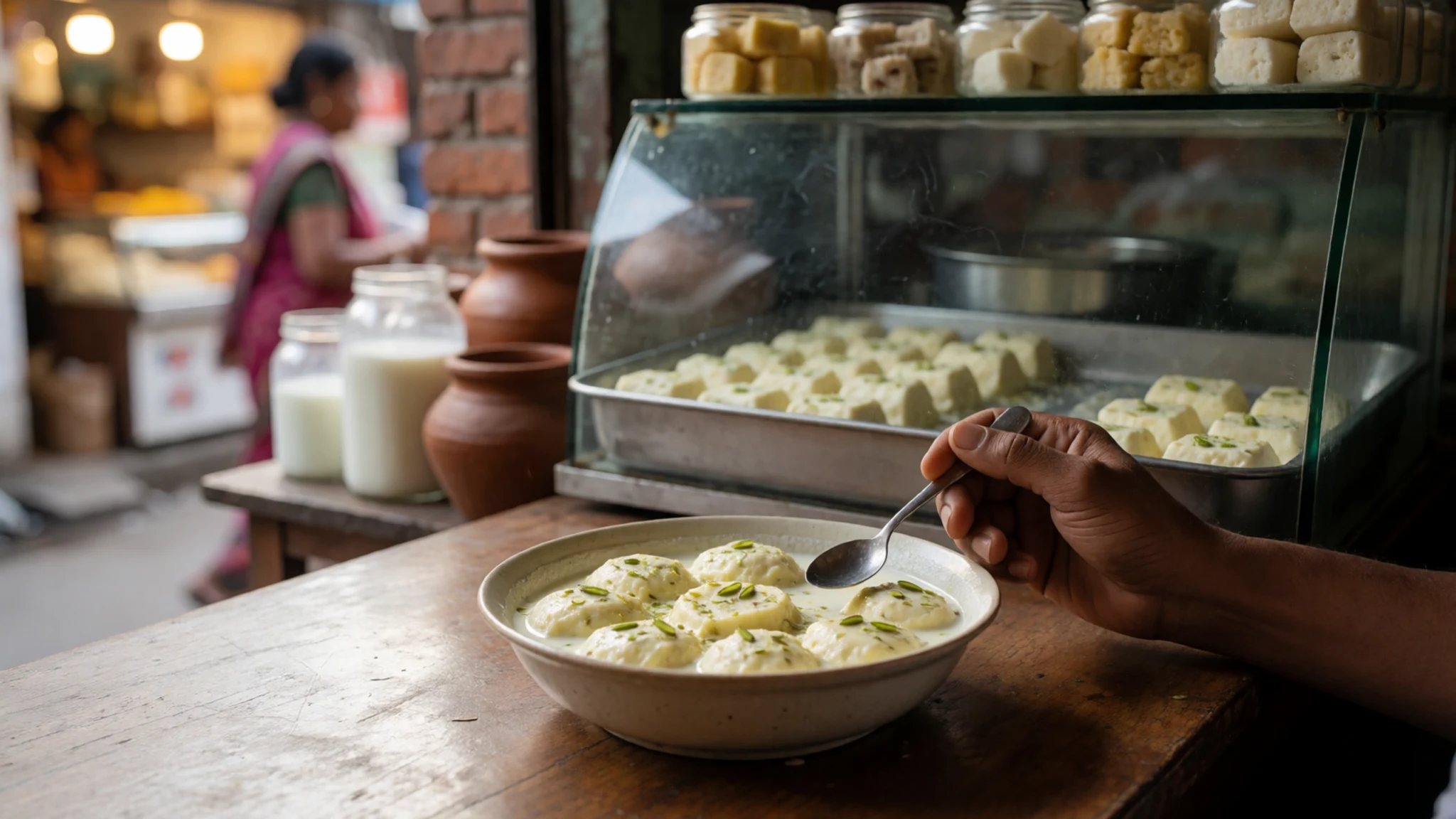
- Bhuna khichuri — small eateries and family kitchens
Bhuna khichuri is rice and lentils fried with spices before cooking, giving a darker, richer dish than plain khichuri. It is a favourite on cool or rainy days, often served with beef, egg or fried vegetables. Small eateries in Comilla town offer it, especially at lunch.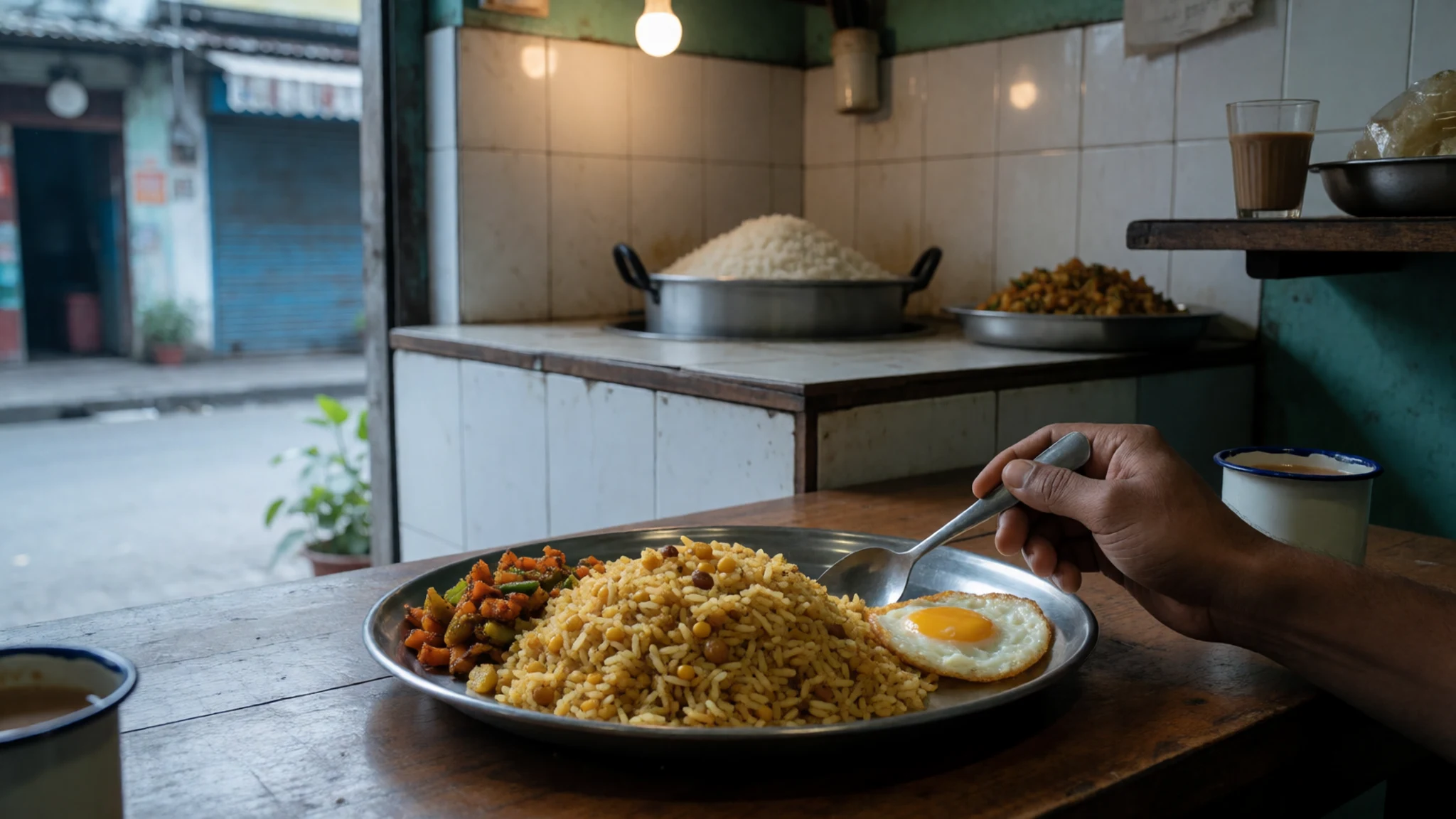
- Hilsa with rice — riverside eateries and local markets
Hilsa, or ilish, is the silvery river fish Bengalis treasure, cooked in mustard paste, steamed in banana leaf or fried. The fish is seasonal and bony, so eat carefully. Local markets sell it fresh in season, and eateries in town cook it to order. - Pitha — winter street stalls and roadside vendors
Pitha are rice-flour cakes, steamed, fried or stuffed with coconut and jaggery, made mainly in the cooler months. Street vendors in Comilla set up small stalls in the evening, and families make them at home for winter festivals. A fresh, warm one is the point. - Cha with biscuits — roadside tea stalls near the site
Cha, strong milky tea sweetened to taste, is served in tiny cups at stalls along the road to the ridge and around Comilla town. Biscuits, puffed rice and fried snacks come alongside. It is an easy way to sit in the shade and watch local life.
Plan it
Best time. November to March is the best window, with a drier, cooler season that makes walking the open mounds comfortable. April to May is hot and sticky, and the monsoon from about June to September brings heavy rain, humidity and muddy paths.
How long. 1–2
Getting there. Fly to Dhaka (Hazrat Shahjalal International Airport) or Chittagong, then continue by road or train to Comilla; Dhaka is about 114 km along National Highway 1. The last leg is about 12 km from Comilla city to the site by rickshaw, auto or hired car, and Mainamati also has its own railway station.
Budget. low
Tips
- Start early, as the monastery grounds have almost no shade and the heat builds fast from March
- Carry cash in small notes and drinking water, as cards and shops are scarce near the ridge
- Check opening days and entry arrangements with the Department of Archaeology or locally before visiting the museum
- The warnings in guides about political violence apply to the Chittagong Hill Tracts, not Comilla, but check current government travel advice before any onward trip there
Etiquette
- Remove shoes and cover shoulders and knees at the Buddhist temple beside the site
- Ask before photographing monks, worshippers or military areas around Comilla Cantonment
- Do not climb on the brick walls or take bricks or fragments away
Nearby
Sources
- Wikidata Q6736254 (CC0)
- Wikipedia: Mainamati (rev 1385982152) (CC BY-SA 4.0)
- Wikivoyage: Chittagong Division (rev 5338590) (CC BY-SA 4.0)
- Photo 01: Maynamati Ranir Kuthir (CC BY-SA 4.0)
- Photo 02: Shalban Budha Bihar (Public domain)
- Photo 03: War Cemetery Comilla (Public domain)
- Photo 04: Comilla Maynamoti Bihar (CC BY 3.0)
- Photo 05: Comilla Maynamoti Bihar (CC BY 3.0)
- Photo 06: Cosmos bipinnatus in Mainamoti Bihar (CC BY 3.0)
- Photo 07: Helianthus annuus flower at Mainamati, Comilla (CC BY 2.5)
- Photo 08: Mainamati railway station (CC BY-SA 4.0)


