London, Ontario
London, Ontario, Canada
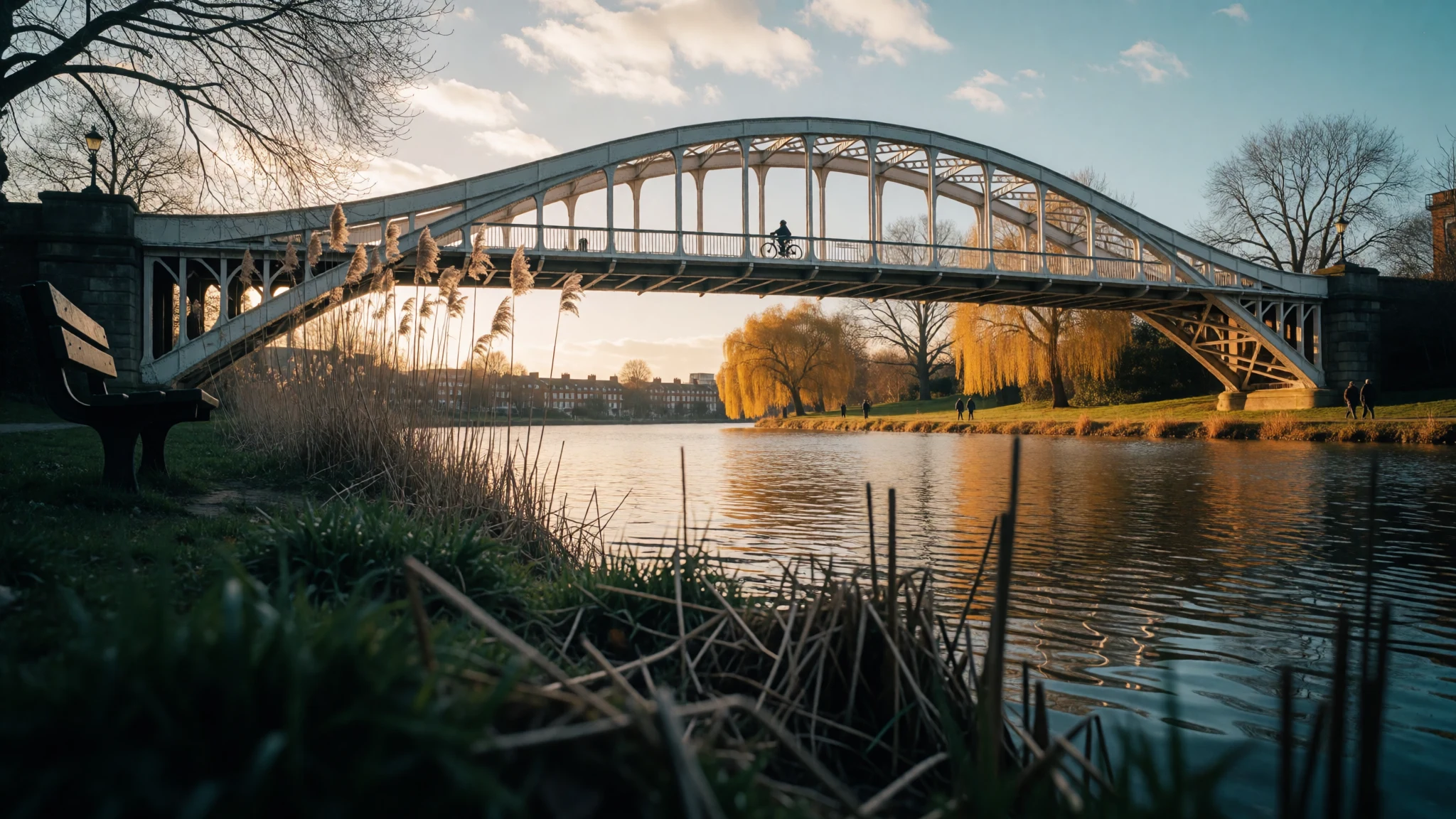
London, Ontario is a comfortable city break with university energy, river walks, and good museums without the big-city crush.
The place
London, Ontario sits in southwestern Ontario along the Thames River system, in a part of Canada that feels very “inland North America” rather than coastal or mountain. It’s also one of those cities that works well for a short stop: museums are concentrated, neighbourhoods are walkable in bursts, and there’s always something on if the weather turns.
The city’s setting shapes the vibe. The Thames River and its North Thames branch create an easy rhythm of trails, bridges, and viewpoints, so even a simple afternoon can turn into a pleasant wander. Downtown has that mid-sized-city grid feel—useful for getting around—while the university cluster (Western University and Fanshawe College) brings a youthful hum that shows up in evenings, food spots, and events.
London is also a healthcare and education hub, which matters for visitors: you’ll see a mix of families, students, and professionals, not just tourists. That gives the place a steadier atmosphere through the week. Crowds are generally manageable, though weekends can pick up around popular venues and large events.
Timing helps. May and September are the most comfortable windows for walking and sightseeing, with pleasant daytime highs and milder nights. July is the hottest, and summer can feel warm and busy with festivals and campus activity, while winter is the coldest stretch. Budget-wise, London is often cheaper than the big-name Canadian destinations, and it’s friendly for travellers who like doing “one or two anchor sights per day” rather than rushing through everything.
Its story
London, Ontario has an older story than most people expect—layers of human settlement before the city looked like a city. Archaeology in southwestern Ontario points to long-term presence in the region, and the London area was home to multiple Indigenous communities prior to European settlement.
In the broad historical sweep, the Lawson Site in northwest London relates to a Neutral Iroquoian village known through excavation and partial reconstruction, offering a tangible sense of community life long before European administration. Over time, regional power shifted through conflicts and migrations associated with broader Beaver Wars era dynamics, and later movements affected who lived where. Along the Thames River forks, records describe an Anishinaabeg community site with an Indigenous name that translates to an “At the River Fork” idea—place-based naming that still makes the geography feel meaningful today.
Europe’s “city decision” part of the story begins with Lieutenant-Governor John Graves Simcoe, who in the late eighteenth century selected the general location as a future capital of Upper Canada and also gave the settlement its names. The village later developed into the incorporated community, building out through the nineteenth century and beyond into a regional centre.
What’s nice as a visitor is that the modern city doesn’t hide the past entirely—museums and historic houses let the timeline feel connected, while the river still acts like the city’s backbone for walks and views.
What to see
- Museum London — Downtown
Museum London is a straightforward first stop: an easy way to orient to local history and art, and a good option when the weather is doing its unpredictable thing. The collections focus on significant historical artefacts and art in a museum setting that’s relaxed enough for a couple of hours.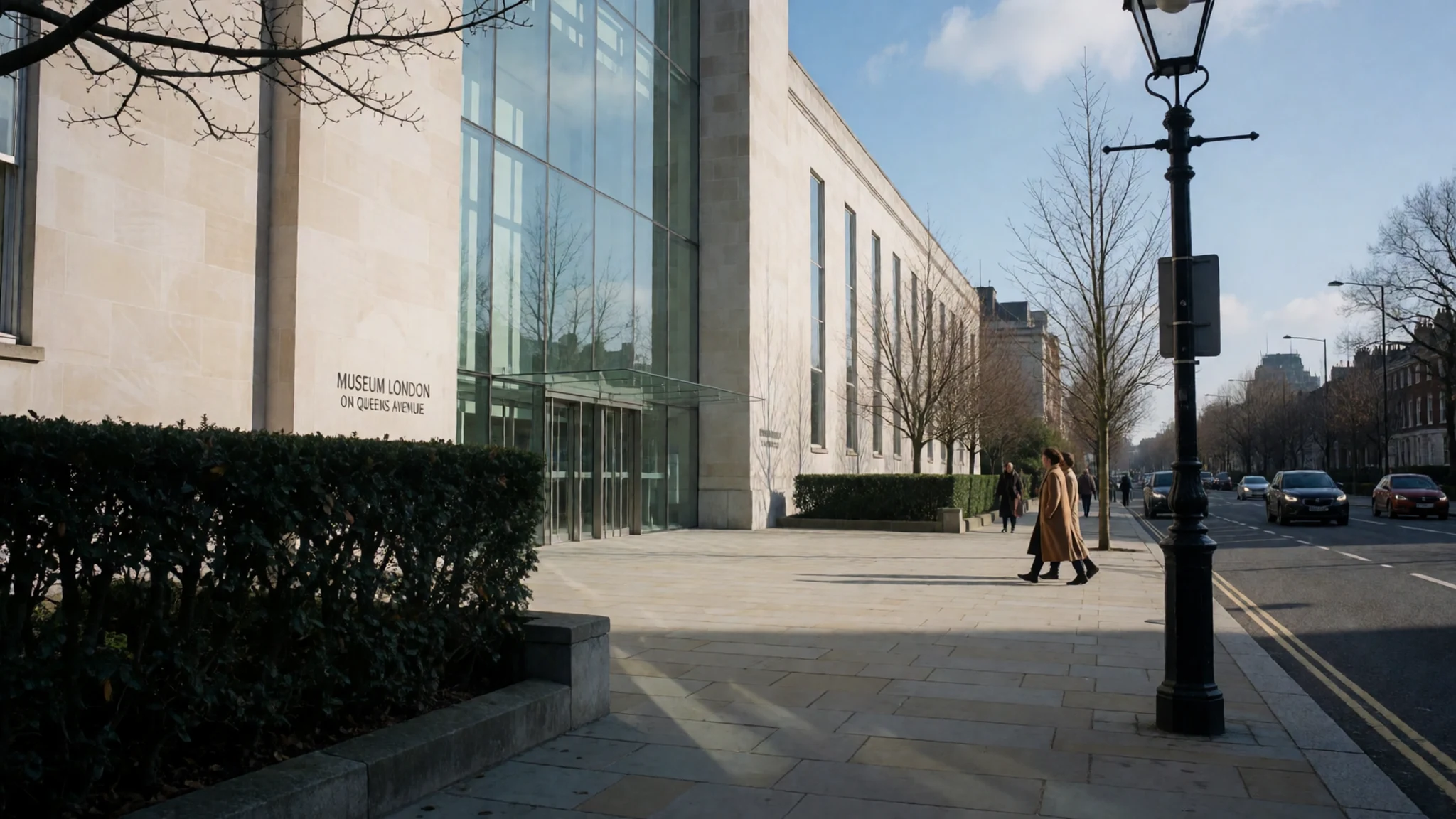
- Eldon House — North of downtown
Eldon House is a historic residence that helps visitors picture early nineteenth-century living in London. It’s the kind of place where small details matter—rooms, furnishings, and the overall domestic feel—so it reads well even if history isn’t the main reason for the trip.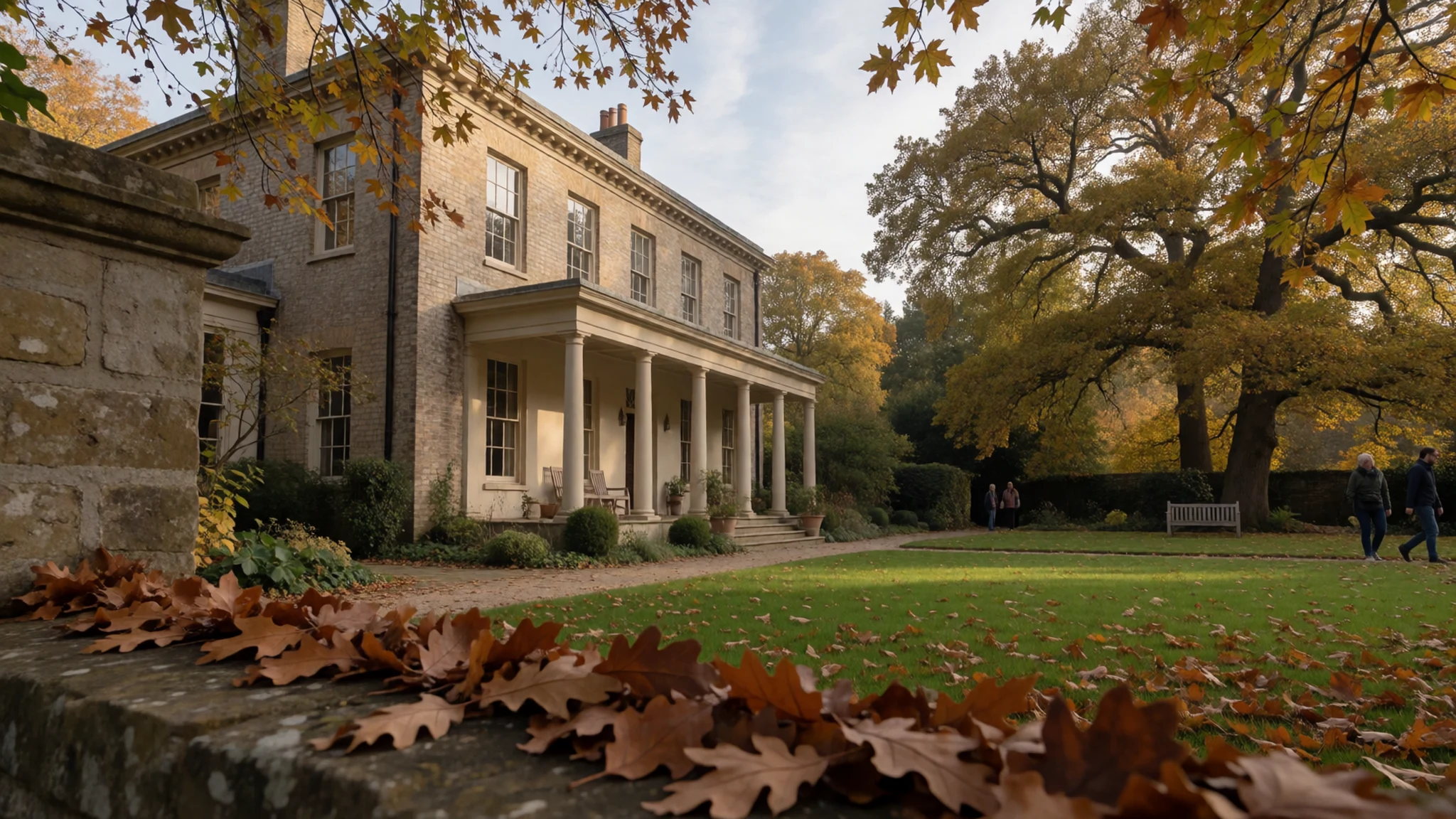
- Banting House National Historic Site — Historic core
Banting House National Historic Site focuses on Sir Frederick Grant Banting and the story behind insulin. It’s engaging without needing a science degree, and it gives London an “earned” place in Canadian medical history alongside the city’s modern education and healthcare identity.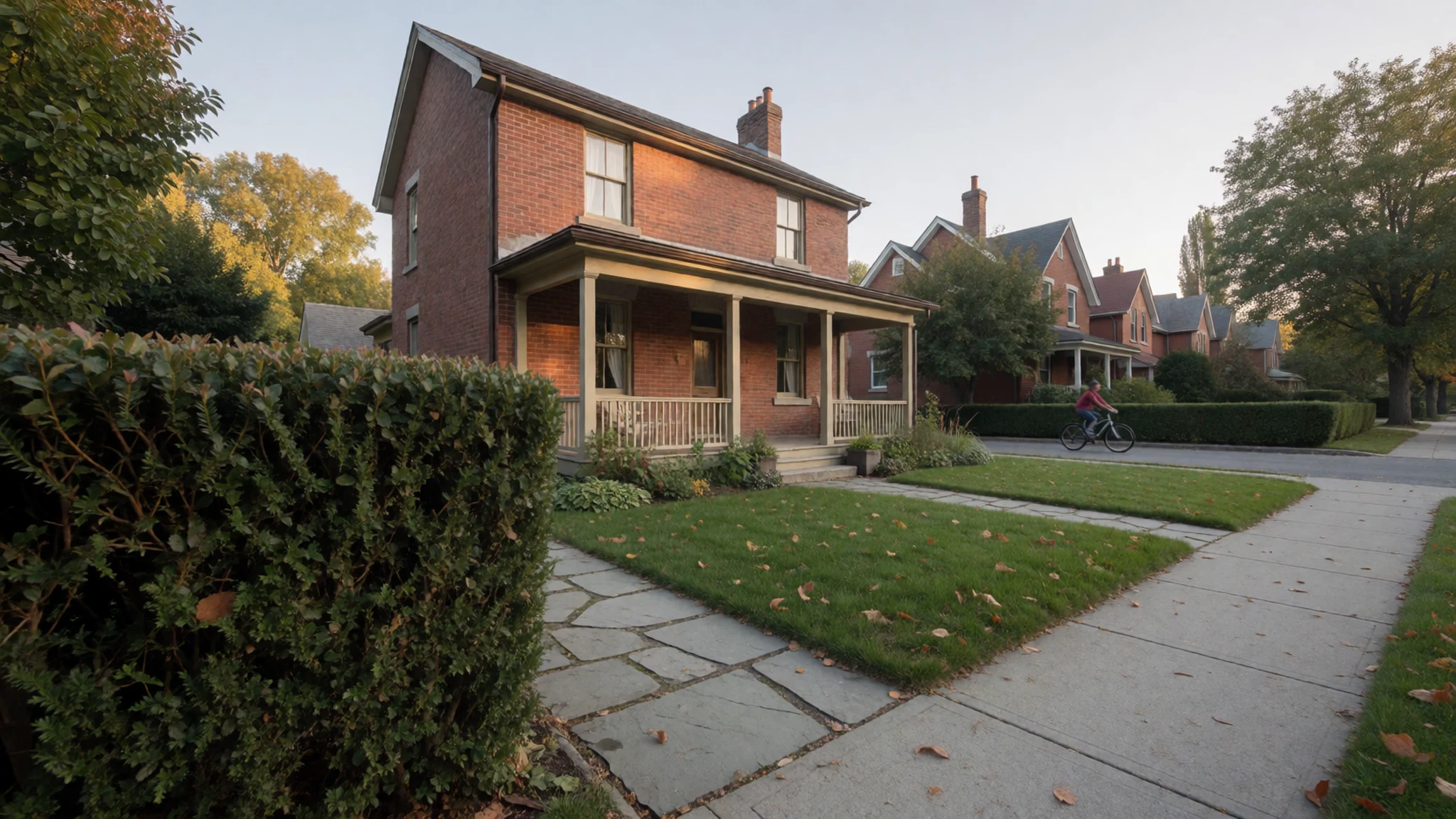
- Blackfriars Street Bridge — Along the river corridor
Blackfriars Street Bridge is a practical landmark to see in daylight: a bowstring truss design that’s distinctive in the middle distance. It’s also a good excuse to step away from the main streets, look at the Thames corridor, and take some photos that feel more structural than touristy.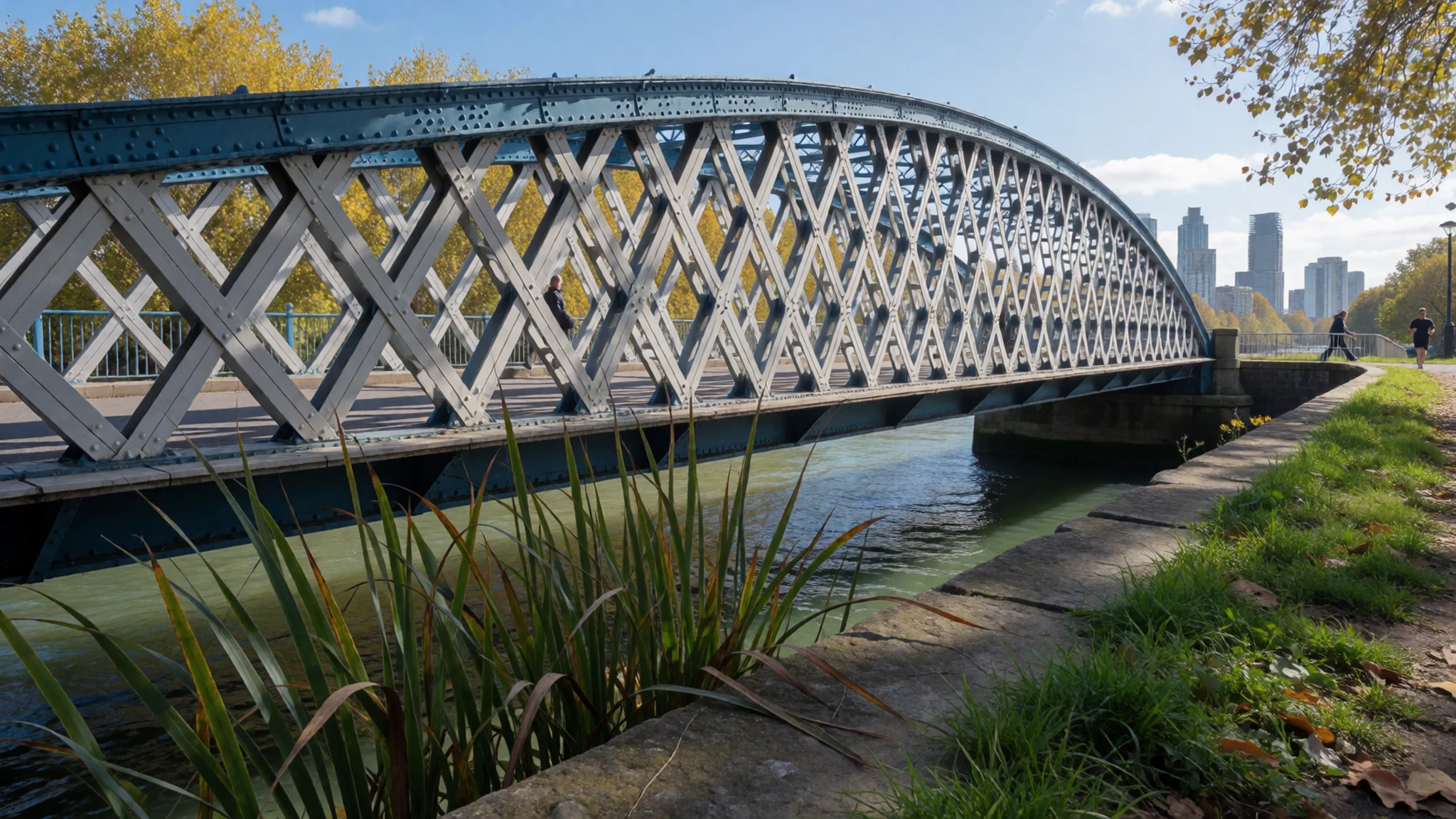
- Wortley Village — West London
Wortley Village has the low-key neighbourhood energy that makes London feel lived-in. It’s centred around Wortley Road between Askin St and Tecumseh Ave, with the kind of casual streetscape where a wander can turn into coffee, browsing, and people-watching without needing a strict itinerary.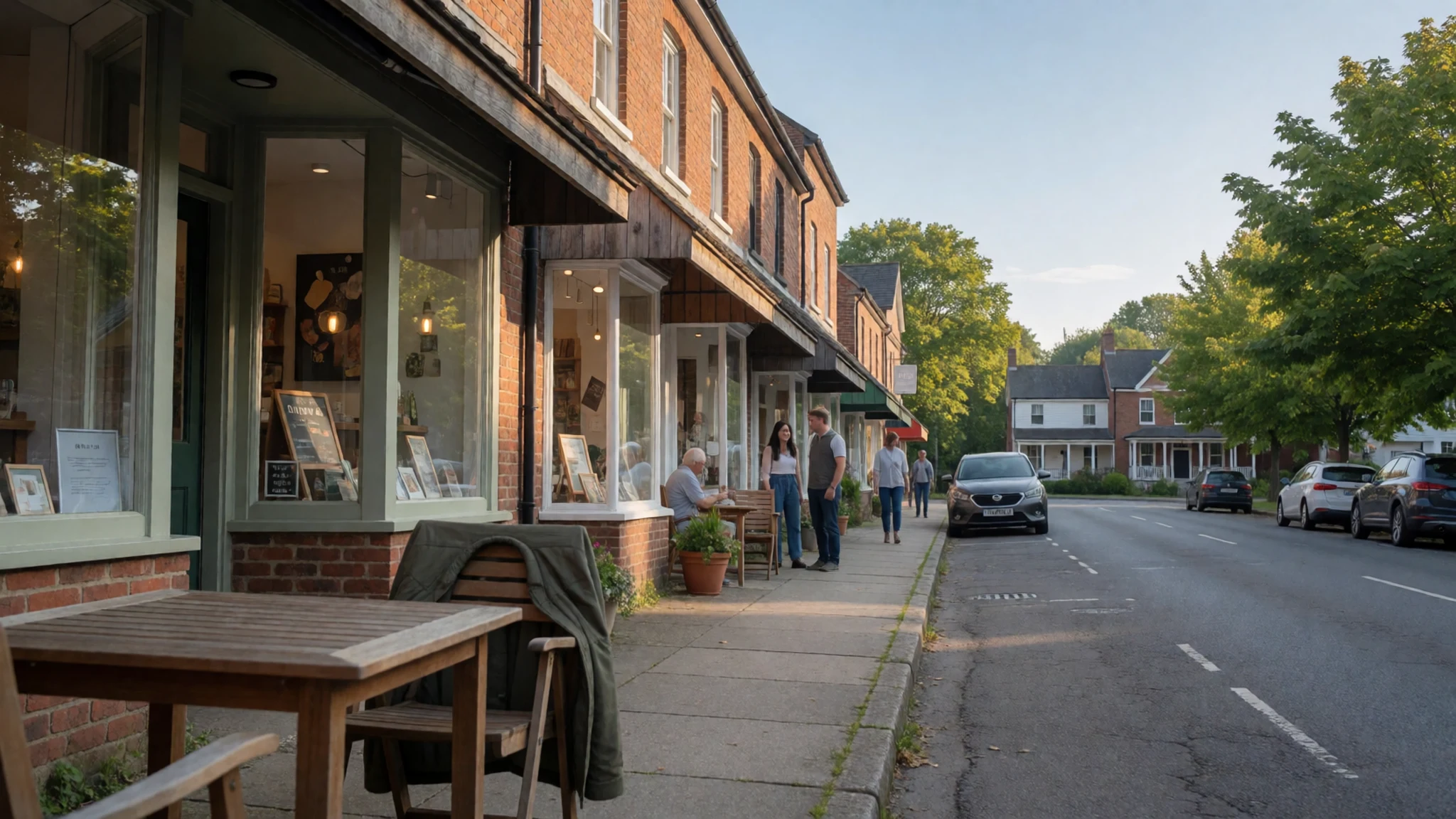
- Victoria Park skating rink (seasonal) — Parks and recreation area
If travel timing lines up with winter, Victoria Park’s skating rink gives London a seasonal social scene. Even outside the busiest times, it’s a good park stop for a stroll, and it’s handy when the city’s main attractions feel far apart.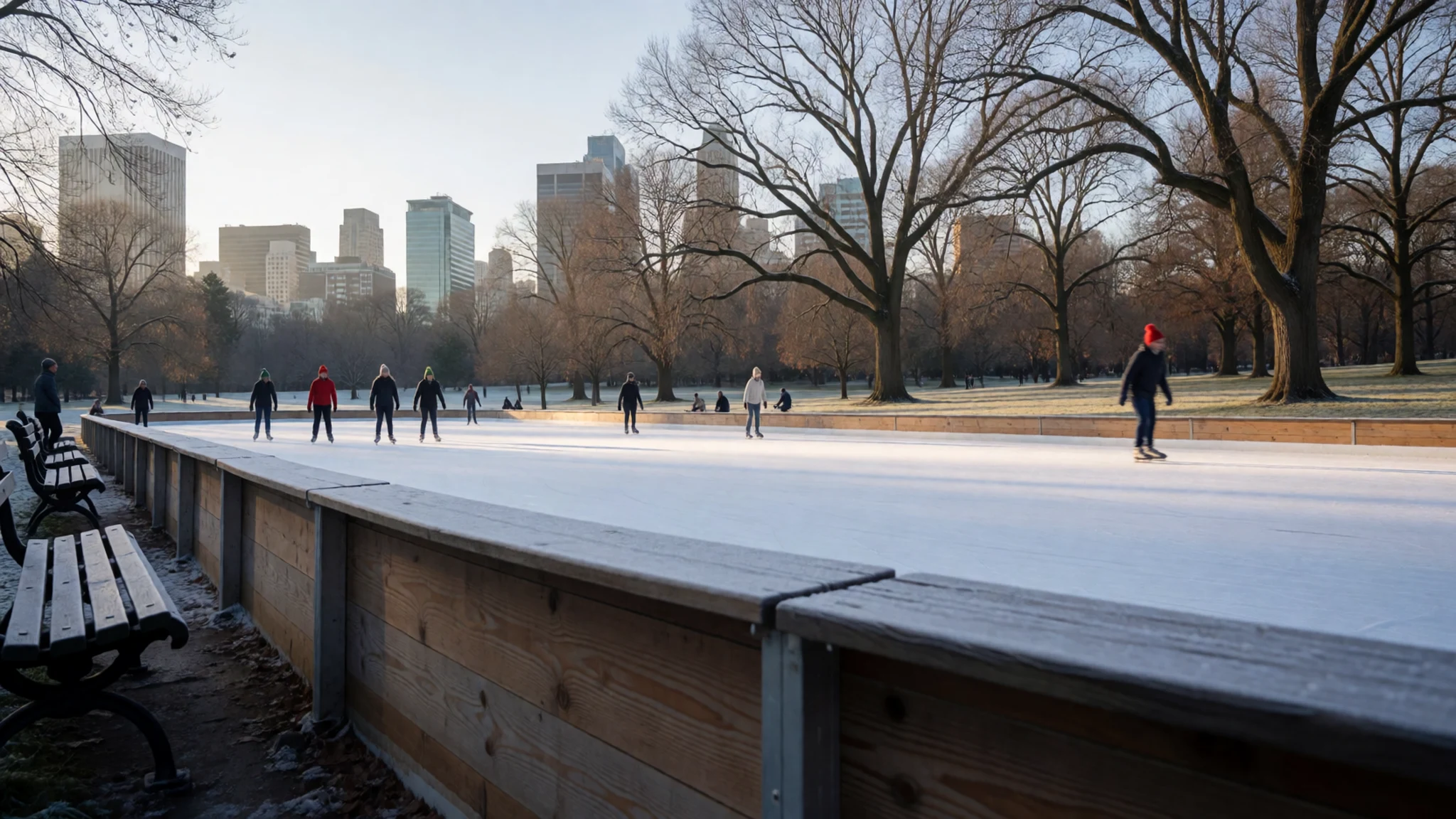
Culture
London, Ontario blends arts programming, film and TV interest, and a calendar of festivals that brings energy to the streets. One reason it feels more than “just a stopover city” is the way FilmLondon was set up through the local economic development group to support screen productions, which has helped attract major TV projects. The ripple effect is real: more media folk, more events, and a city that’s comfortable with being photographed.
When festivals land, London leans into them with a mix of audience types—students, families, and regular locals—so the atmosphere can be lively without feeling chaotic. SunFest, the London Fringe Theatre Festival, and LOLA (the London Ontario Live Arts Festival) are examples of the arts range; Pride London is another marker of community visibility. If barbecue ribs are the holiday mood, the London Rib Fest draws a big crowd and is widely known locally.
If there’s one thing to remember, it’s that event areas can swell quickly around opening times and on peak evenings, so arriving earlier tends to keep the day comfortable.
Visitor etiquette: If a festival is in progress, keep pathways clear, follow any queue markings, and be mindful when photographing people who are there to enjoy the event.
What to wear
London, Ontario fashion is mostly practical, because the city’s seasons do the talking. In the months that are easiest for sightseeing—May and September—layers are the move: a warm top, a light jacket for cooler evenings, and comfortable walking shoes. In winter, it’s cold enough that boots with good grip matter; in summer, lightweight clothing works better, but evenings can still feel cooler by Canadian standards.
Traditional dress is present in the community, especially around cultural celebrations, with a range of South Asian, Indigenous, and other styles worn according to the occasion. Many visitors notice this most at festivals rather than on everyday street corners. For religious or cultural sites where modesty is expected, choosing clothing that covers shoulders and keeps knees covered is a safe approach, and carrying something simple like a scarf can help.
What a visitor should wear day-to-day is straightforward: breathable layers, a rain-ready layer (rainfall is heaviest in June and July), and shoes suited to uneven sidewalks and park paths. If planning to spend time near rivers and bridges, a jacket with decent weather protection helps keep the walk pleasant even when the breeze comes off the water.
What to eat
- Vietnamese/Thai dishes at Ben Thanh (Ridout area) — Ridout Street area
Ben Thanh is known for Vietnamese and Thai cooking, and it’s a common pick when a group wants lots of choice, including vegetarian options. Look for it when planning a downtown dinner that doesn’t feel too formal.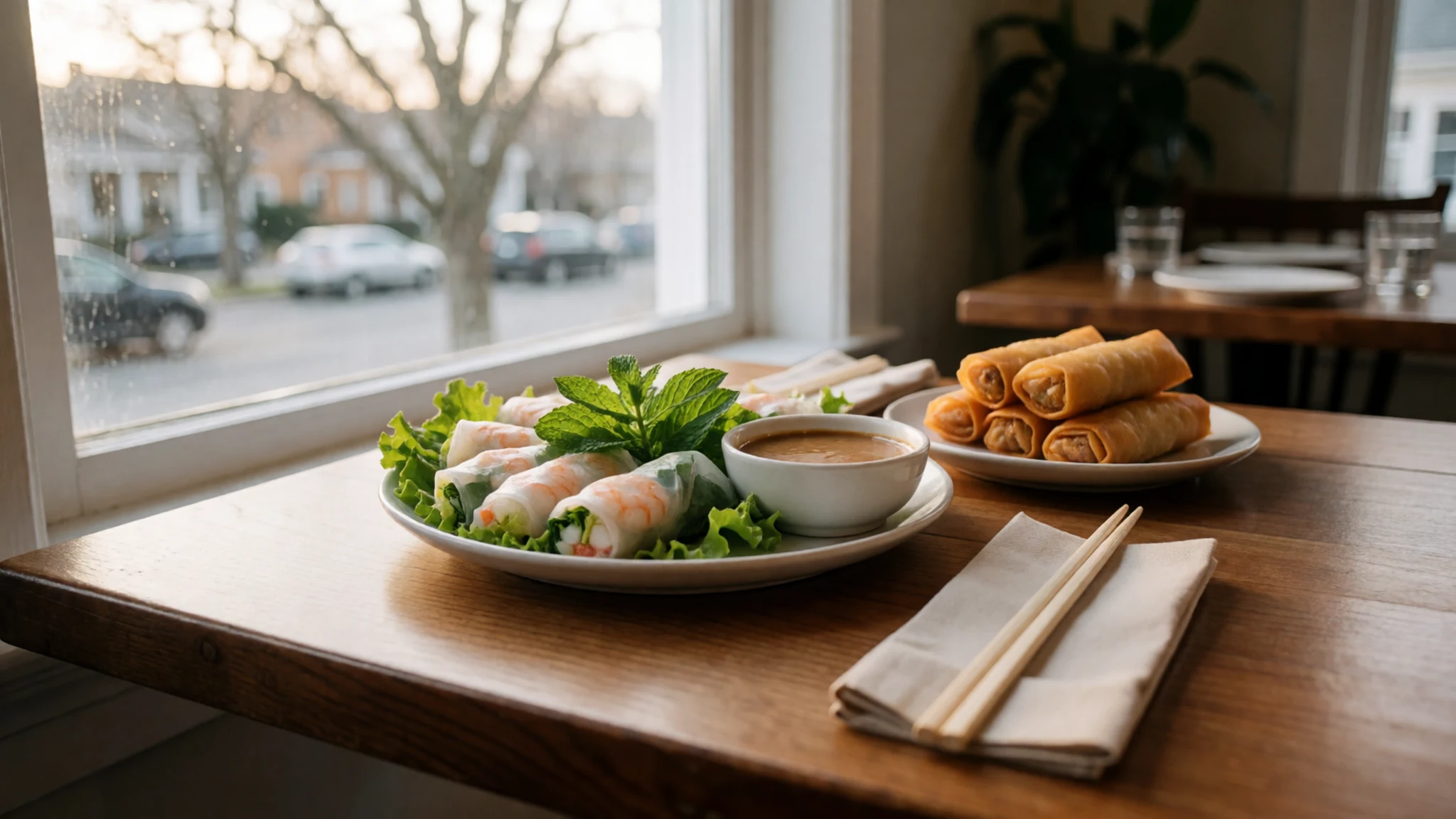
- Mennonite-inspired comfort food at Billy’s Deli — Central London
Billy’s Deli leans into Mennonite-inspired meals and solid portions, with seasonal desserts that can disappear quickly when they’re on. It’s a good “breakfast and then wander” kind of place when crowds are still low.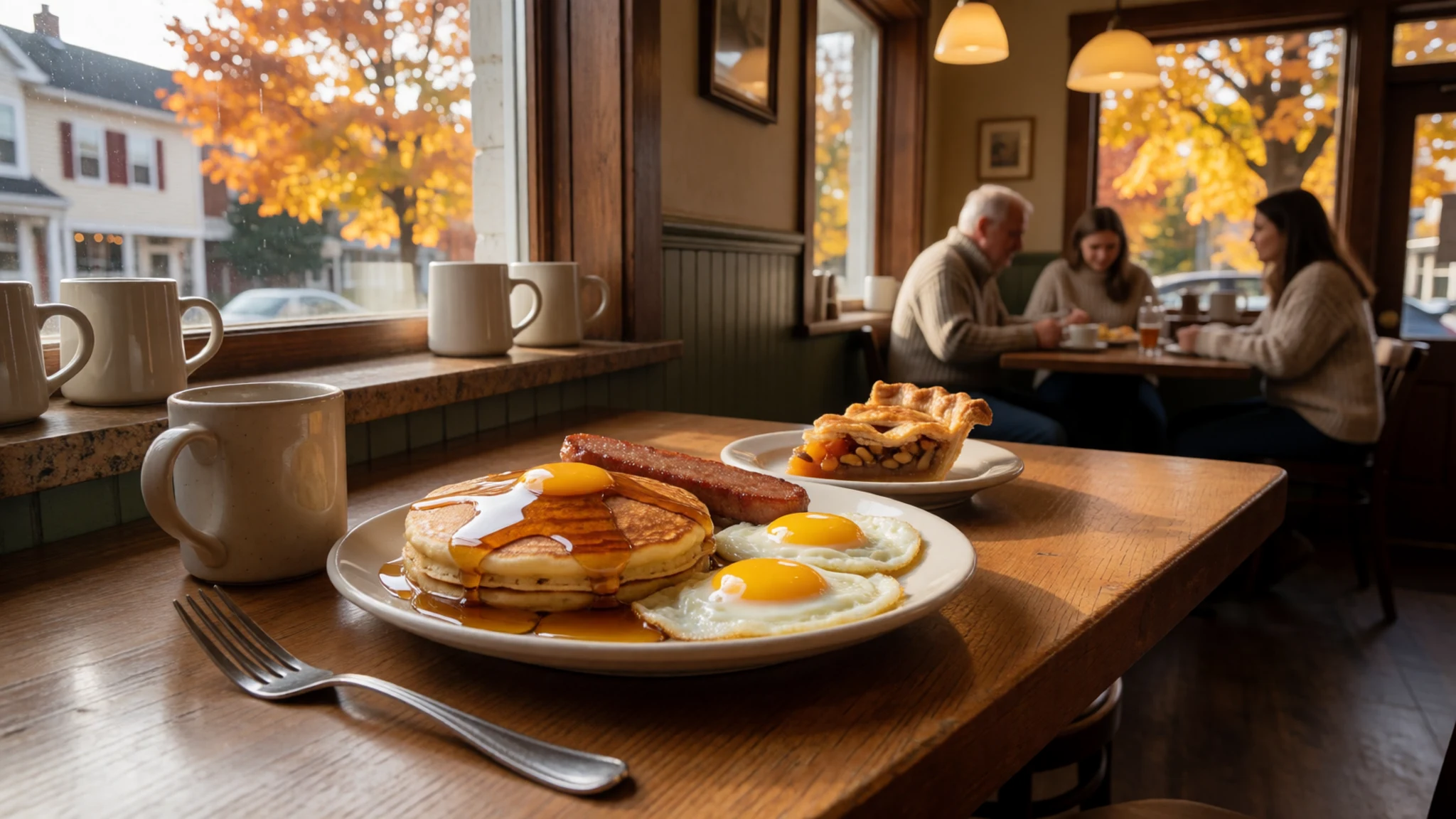
- Market food variety at Covent Garden Market — Downtown market area
Covent Garden Market is where London turns lunch into a browse: many vendors in one spot, offering different cuisines and snackable options. It’s ideal for trying a bit of everything without committing to one full sit-down meal. - Diner classics at Prince Albert’s Diner — Student-friendly central area
Prince Albert’s Diner is a locally loved greasy-spoon-style stop that suits late mornings and student nights alike. The menu is classic diner comfort, while the milkshakes tend to be the star for people who want something fun and sweet. - Inexpensive pasta at Spageddy Eddy’s — Near downtown and student spots
Spageddy Eddy’s is popular for affordable pasta-bar style meals that suit a quick lunch or an easy dinner on a student budget. It’s the sort of place that works well when the plan is walking all day and eating simply afterwards.
Plan it
Best time. March–April for mild walking weather; October–November for autumn colour and comfortable temperatures for parks and museum time.
How long. 3–4
Getting there. Fly into London (Ontario) area via the closest airport serving the city, then use local bus links or a short onward transfer to reach central London; for longer routes, trains run from Toronto and from other nearby cities with daily service.
Budget. mid
Tips
- Start Museum London and Eldon House earlier in the day to avoid long gaps between indoor and outdoor stops
- Use the river corridor to string viewpoints together with short walks instead of relying only on downtown streets
- Plan a neighbourhood wander in Wortley Village when the weather is decent—May and September are especially good for it, and this is where the day can feel most relaxed
- If travelling for a festival period, arrive early to avoid the busiest timing around event start windows
- Bring some cash for small purchases at markets and independent stalls, even if cards are widely accepted
Etiquette
- Keep to marked paths and be respectful on park and riverbank walks, especially when events are operating
- When dining at busy student-popular spots, be ready for a slower pace and keep groups organised
- In museums and historic houses, follow staff guidance about photography and moving through rooms
Nearby
Sources
- Wikidata Q92561 (CC0)
- Wikipedia (rev 1384871411) (CC BY-SA 4.0)
- Wikivoyage (rev 5409623) (CC BY-SA 4.0)
- Photo photos/01-london-ontario-skyline-2017-cropped.jpg (CC BY-SA 4.0)
- Photo photos/02-londonbudweisergardens2023.jpg (CC BY-SA 4.0)
- Photo photos/03-university-college-western-university.jpg (CC BY-SA 4.0)
- Photo photos/04-l8r-sk8r-5286637404.jpg (CC BY-SA 2.0)
- Photo photos/05-eldon-house-exterior.jpg (CC BY-SA 4.0)
- Photo photos/06-blackfriars-bridge-from-south-riverbed.jpg (CC BY 3.0)
- Photo photos/07-queen-mum-flame-july-7-1989.jpg (CC BY 3.0)
- Photo photos/08-sifton-bog-boardwalk1.jpg (CC BY-SA 2.5 ca)


