Loma Mountains
Loma Mountains, Sierra Leone
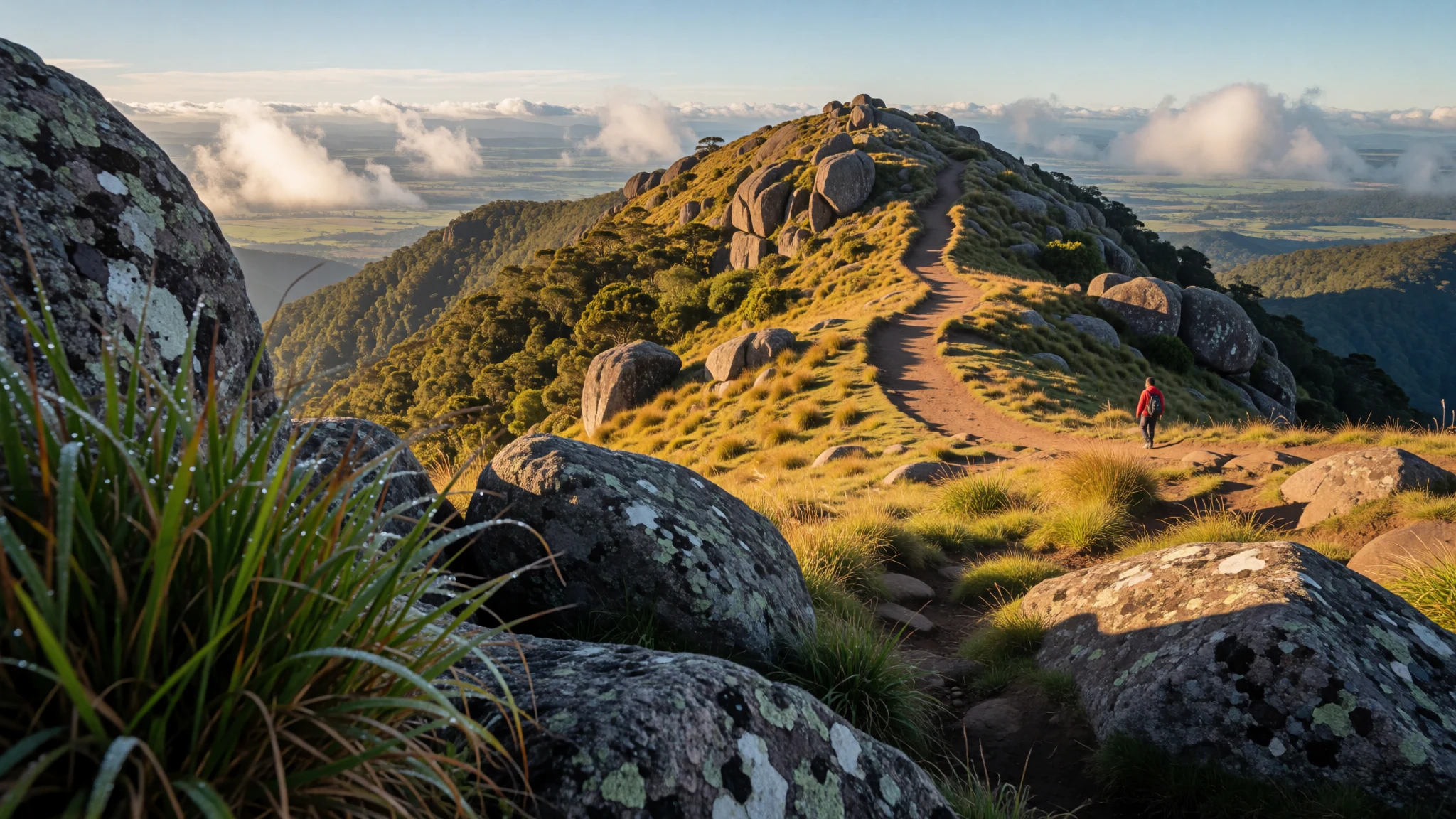
Loma Mountains hold Sierra Leone's highest ground: a cool, forested range for committed walkers who want wild country rather than facilities.
The place
The Loma Mountains stand in the north-east of Sierra Leone, close to the border with Guinea, and hold the country's highest ground. Mount Bintumani tops out at 1,945 metres, and around it the range is protected as a non-hunting forest reserve covering 33,201 hectares. That is a modest area on a map, but the relief is abrupt. Farmland and savannah at the foot give way to dense forest on the slopes, then to open, grassy summit ridges where the wind is noticeably cooler than in the lowlands. Rain shapes everything here. From roughly May to October cloud sits on the tops for days and paths turn to mud. The drier months, from about November to April, bring clearer views, though Saharan dust carried by the harmattan wind can haze the horizon in midwinter. Streams from the range run down into farming valleys, so the villages around it depend on its forest in quiet, practical ways. Visiting is nothing like going to a developed national park. There are no visitor centres to count on, the trails are used mostly by guides, rangers and the occasional trekking group, and reaching the foot of the range takes a long day by road from Freetown. The reward is space and silence, with forest birdsong in place of traffic. Kabala, the nearest sizeable town, is the usual base for arranging guides and supplies.
Its story
The Loma Mountains' history as a protected place begins in 1952, when the area was set aside as a non-hunting forest reserve. The wording matters. The designation limited hunting and forest use rather than creating a tourist park, and for decades the mountains were known mostly to farming communities in the surrounding district and to the odd forester or scientist. The summit, Mount Bintumani, is also called Loma Mansa locally, and the range forms part of a wider belt of upland forest that continues across the Guinea border. Sierra Leone's civil war left deep marks on the whole country, and remote reserves like this one saw little management or visiting in those years. Since then, government and conservation groups have shown renewed interest in upland forest, partly for its wildlife and partly for the water it shelters. Today the story is unfinished. Farming pressure at the edges, uncertain funding for rangers and a small, irregular trickle of walkers all sit side by side. A visit is therefore a small part of a larger question: whether a place of high ecological value and few visitors can earn enough from careful trekking to help pay for its own protection. Guides' fees and purchases in local villages are that contribution made concrete, and they are the main way a walker can help.
What to see
- The summit of Mount Bintumani — Highest point of the range
Mount Bintumani, at 1,945 metres, is the goal of most trips here. The final stretch crosses open grass where wind picks up and cloud can close in within minutes. Start early, carry a warm layer, and treat a clear view across the ranges as a bonus rather than a promise.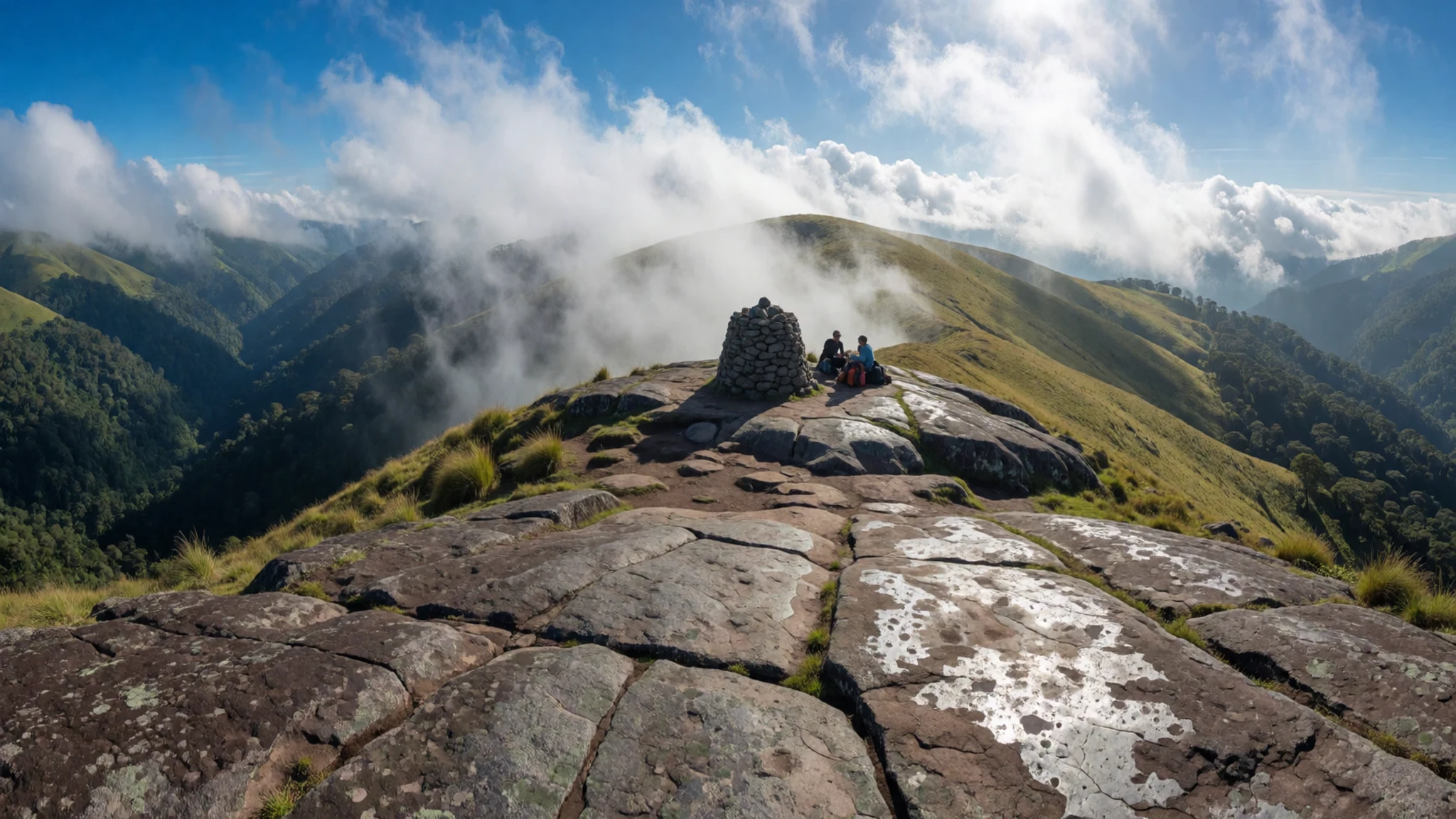
- The montane forest belt — Middle slopes of the reserve
Between the farmland and the summit grass, the path climbs through damp, shaded forest with big buttressed trees, moss and the constant sound of insects and birds. Monkeys and forest birds are the realistic sightings. Larger animals are shy and rarely seen by walkers.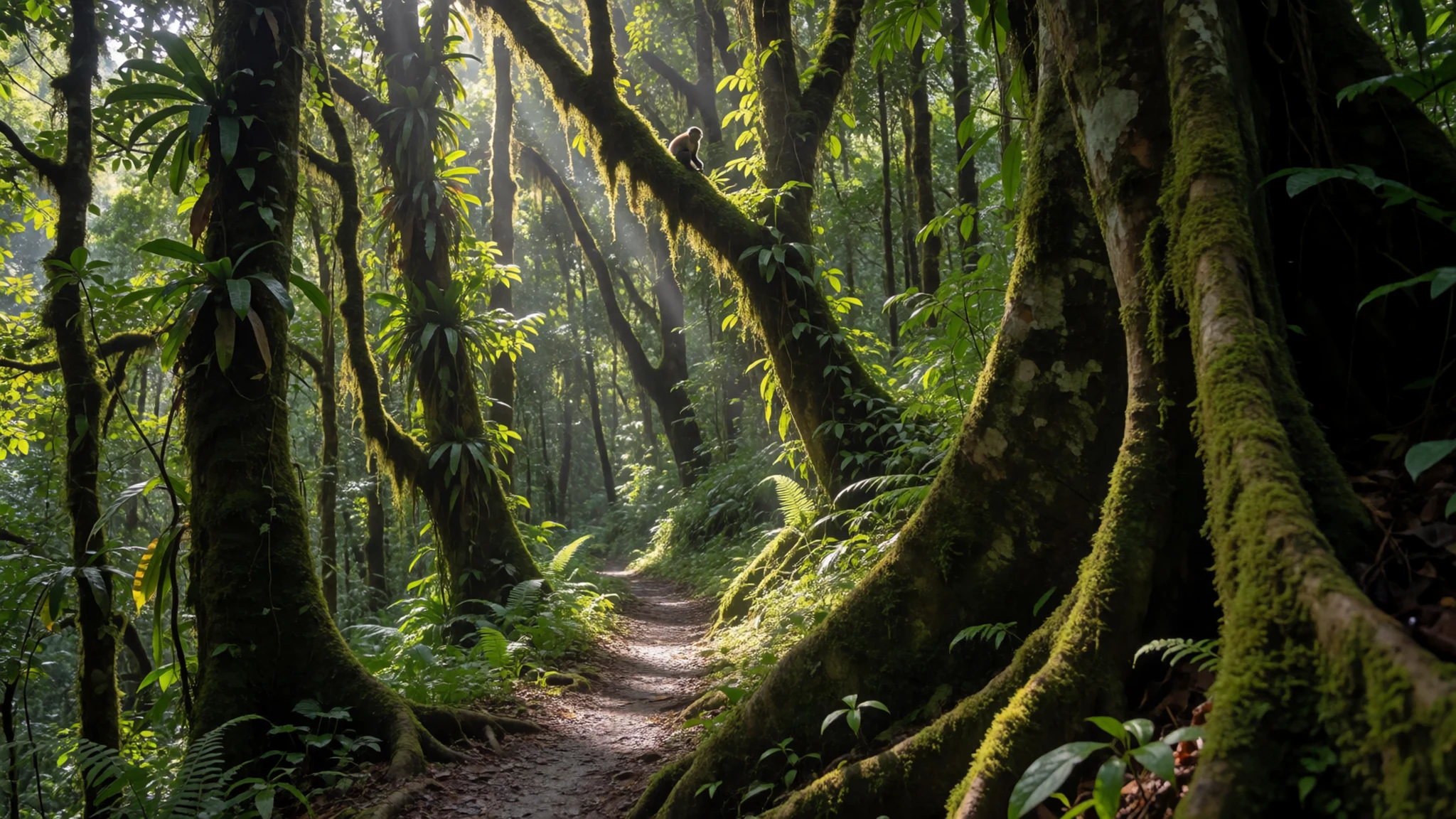
- Grassy summit ridges — Upper slopes below Bintumani
Above the treeline the landscape opens into rolling grass and rock, with views over the forest canopy and the farmland beyond. Weather changes quickly here. Mornings are the best bet for clear skies, and the dry months give far steadier conditions than the rains.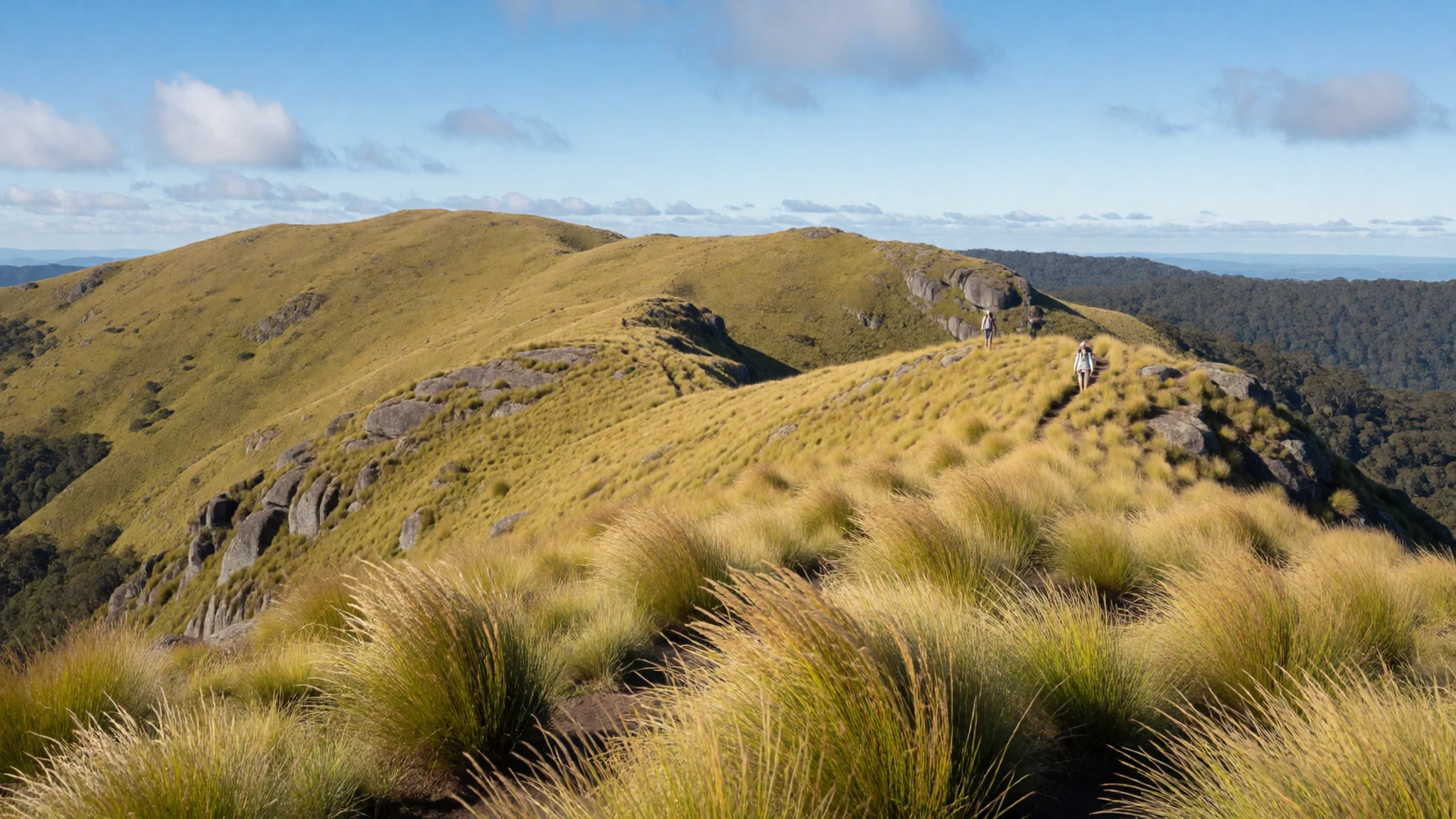
- Kabala — Koinadugu District, northern approach
Kabala is the nearest sizeable town and the practical gateway to the range. It is where trekkers arrange guides, food and transport, and ask about current track conditions. The market is useful for supplies, and a day spent here helps the body adjust before a long walk.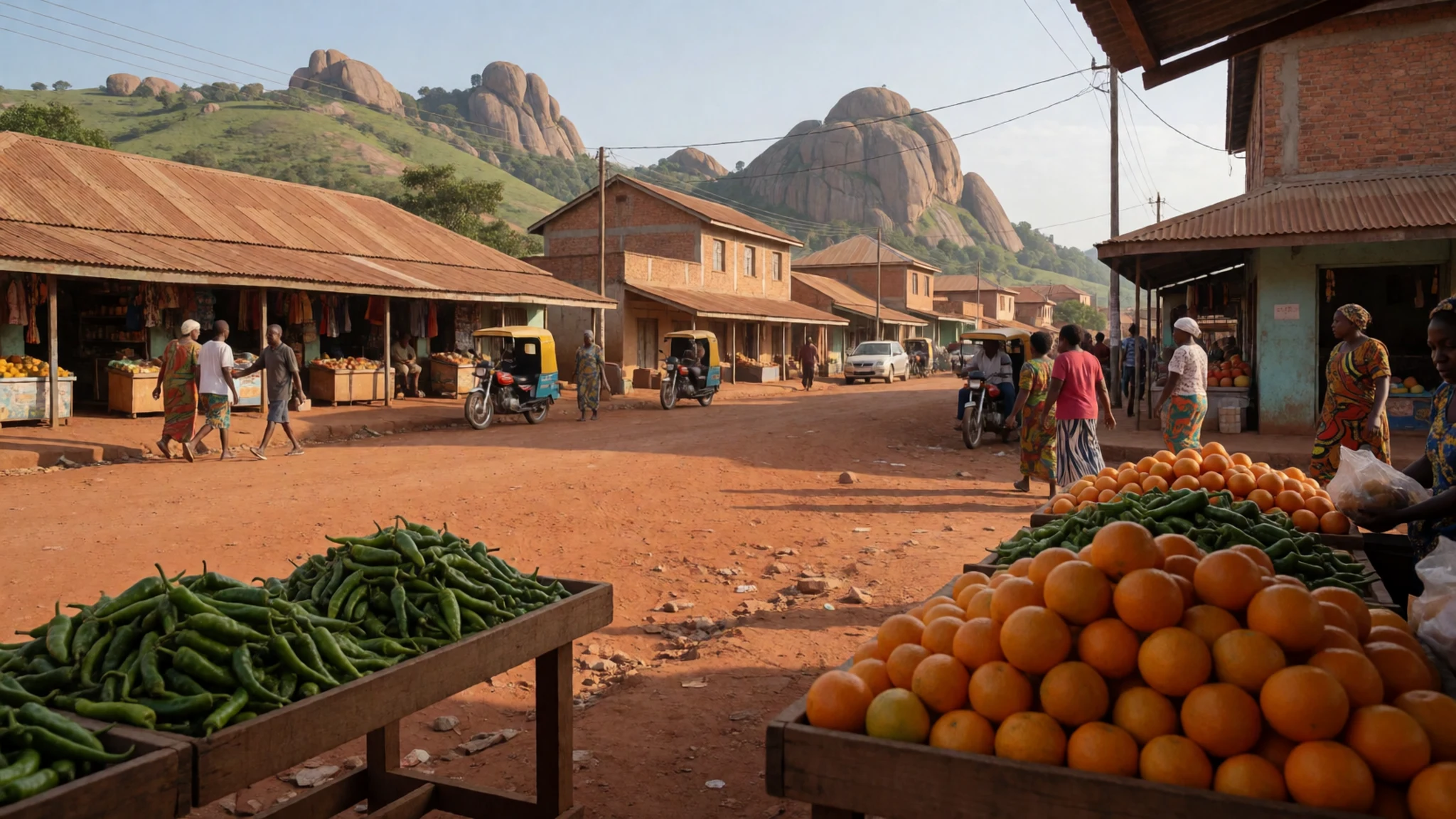
- Farming villages at the foot of the range — Approaches to the reserve
Small farming settlements sit on the lower approaches, with fields of rice and cassava running up to the forest edge. Walkers often meet their guides or porters here. Greetings, a little patience and buying food locally go a long way towards good relations.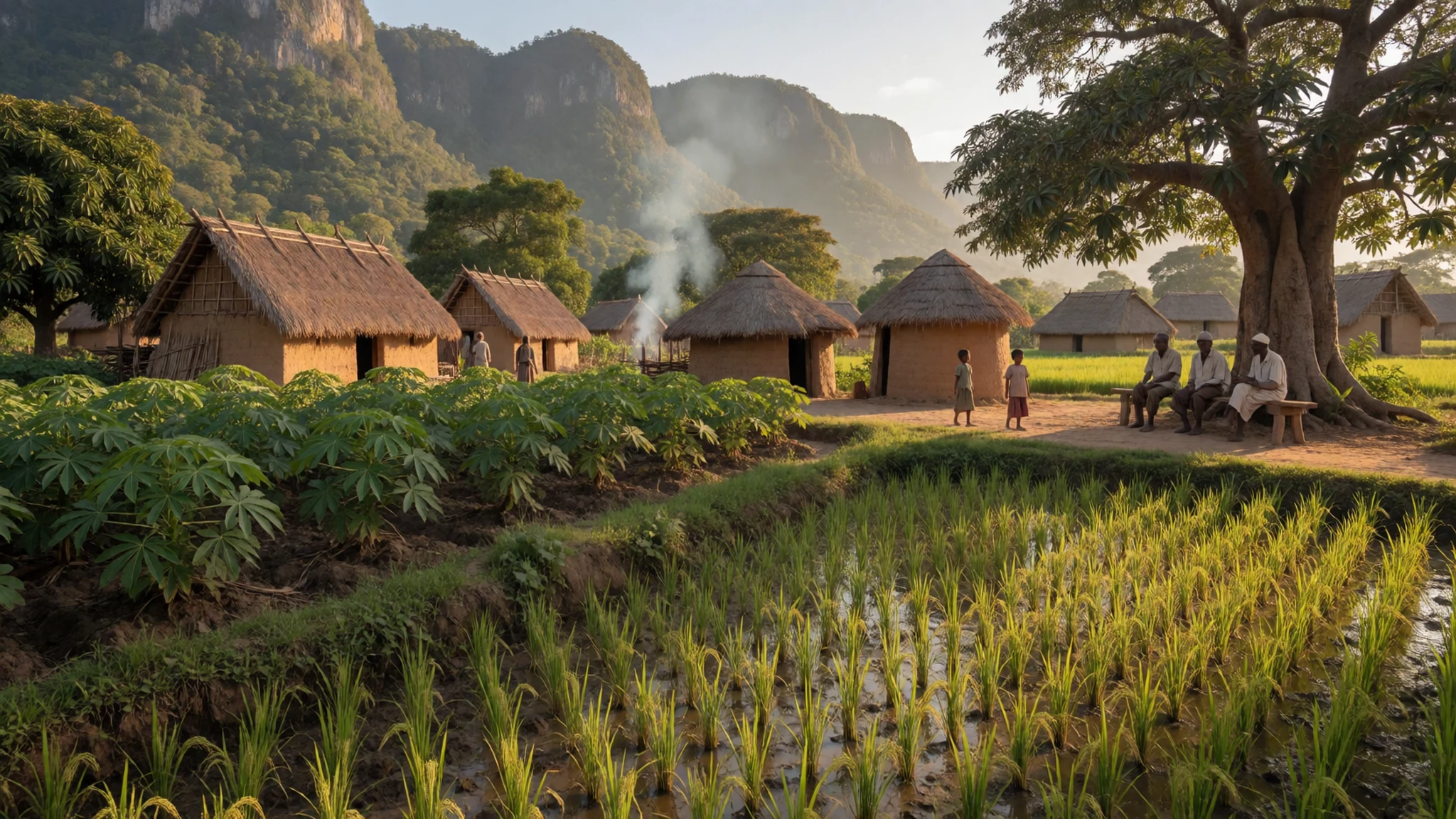
Culture
The Loma Mountains lie in a part of northern Sierra Leone where several communities live side by side, including Kuranko and Limba families, with Krio widely used as a shared language across the country. Most people in the district farm, growing rice as a staple alongside cassava, groundnuts and vegetables, and the rhythm of the year follows the rains: planting and weeding in the wet months, harvest and repair work in the dry ones. Islam and Christianity are both practised, and communal life tends to revolve around the village, the mosque or church, and the market day in the nearest town. Hospitality is taken seriously. A visitor arriving in a village is expected to be greeted properly, often by the headman or an elder, and a few minutes of unhurried conversation matters more than any schedule. The forest and the mountain are also working landscapes, used for water, farmland and in some places for traditions that outsiders may not be told about, so it is wise to ask a guide before wandering off a path or into a grove. Sierra Leone's recent history has made people thoughtful about outsiders, and a respectful, curious visitor is generally met with warmth. Ask permission before photographing anyone, greet people in the village before lifting a camera, and use your right hand when giving or receiving anything.
What to wear
In the Loma Mountains area, traditional dress draws on cloth made across northern Sierra Leone. Country cloth, a strip-woven cotton produced on narrow looms and sewn into wide panels, has long been used for ceremonial robes and gowns and is worn on formal occasions. Gara, a tie-dyed or batik cotton often in indigo and other deep colours, is another local craft, and appears in wraps, shirts and headties. Women commonly wear a lappa, a length of printed cloth wrapped as a skirt, with a matching top and headscarf, while men wear loose tunics and trousers, especially on Fridays and festival days. In everyday life, clothes are practical and mixed. Farmers wear worn shirts and trousers, wellington boots in the mud and plastic sandals, and football shirts are everywhere. Smarter outfits come out for mosque, church and market day. A visitor should dress for both the walking and the community. Quick-drying long trousers and a light long-sleeved shirt protect against sun, scratchy grass and insects, and shorts and sleeveless tops are best saved for camp. Sturdy walking boots with good grip are essential on muddy slopes, and a waterproof jacket and warm layer are worth carrying because summit weather turns cool and wet quickly. In villages, covering shoulders and knees shows respect, especially for women, and a headscarf is useful near mosques.
What to eat
- Rice with cassava leaf stew (plasas) — Home cooking in villages and Kabala eateries
Rice is the centre of almost every meal in Sierra Leone. Cassava leaves are pounded and slow-cooked with palm oil, onion and fish or meat to make a rich, dark green stew spooned over a heap of white rice.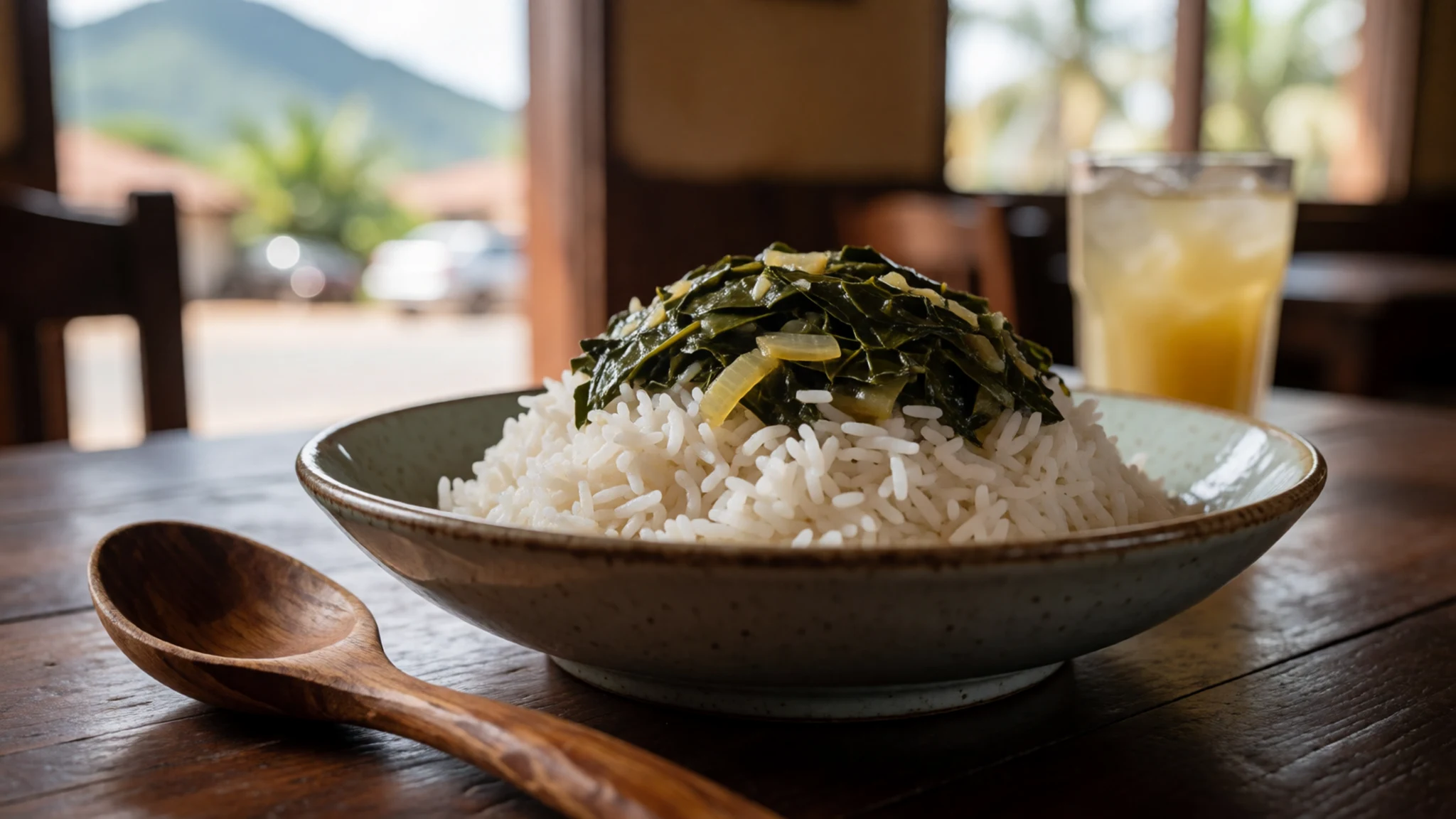
- Groundnut stew — Village kitchens and small eateries in Kabala
Ground roasted peanuts thicken a savoury stew with chicken, fish or vegetables. It is filling, mildly spicy and suits long walking days. Ask a guide where families cook it well.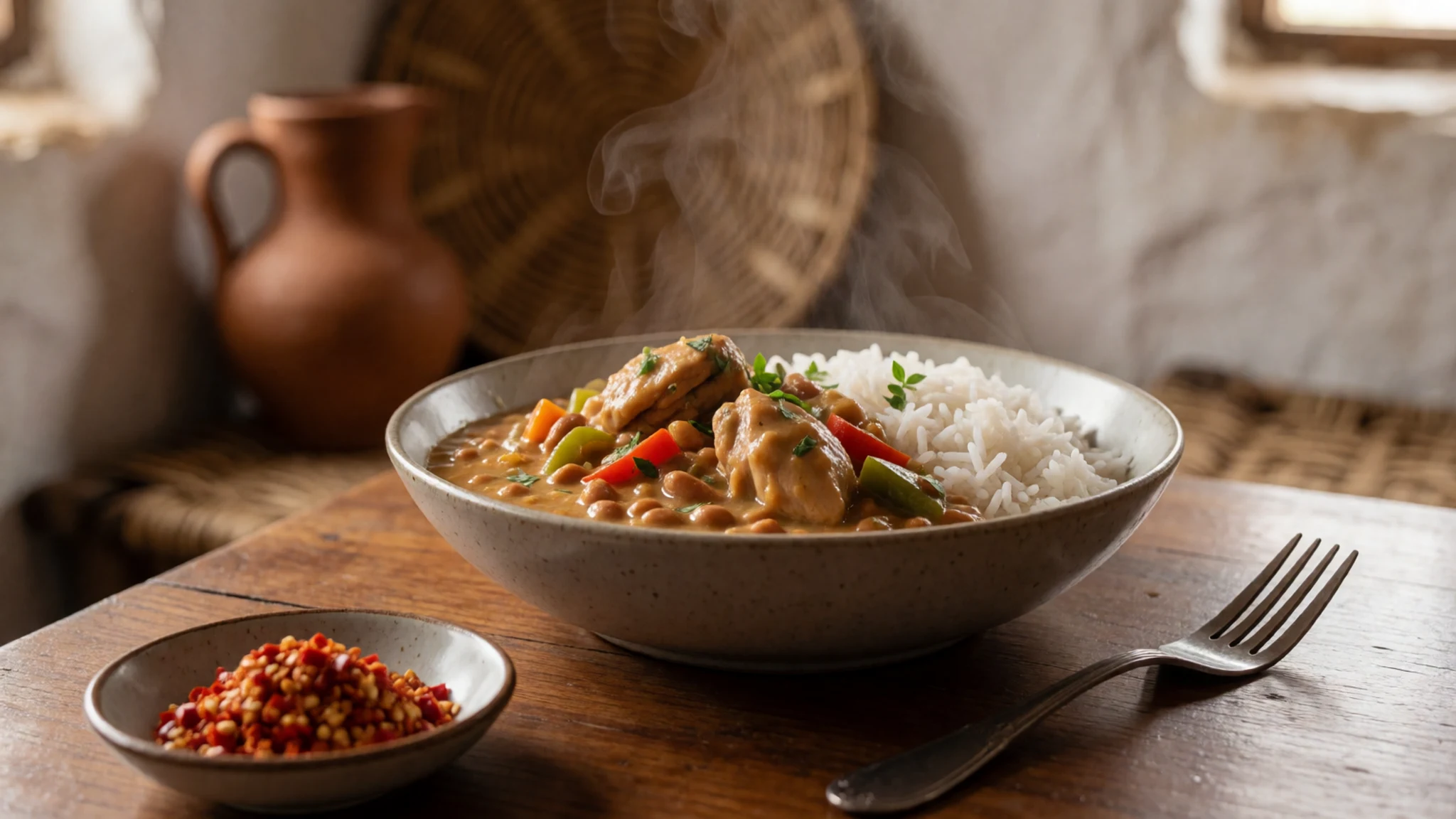
- Jollof rice — Eateries in Kabala and at celebrations
Rice cooked in a tomato and pepper base with onion and sometimes chicken or fish. It appears at weddings, festivals and gatherings, and is a common choice in town eateries for a quick, hearty plate. - Fried plantain and fish — Roadside stalls and market corners
Ripe plantain slices fried until sweet and caramelised, often served with grilled or fried fish and a pepper sauce. It is an easy, portable snack to find along the road to the mountains. - Akara — Early-morning street sellers
Fried balls of black-eyed pea batter, crisp outside and soft within, usually sold in the morning. They are good trail food, and a fine reason to get up early before a long day's walk.
Plan it
Best time. November to March, in the drier months, when paths are firmer and views are clearer. From about May to October the rains bring heavy cloud, mud and swollen streams, and the harmattan haze in midwinter can soften distant views.
How long. 3–5
Getting there. Fly to Freetown's Lungi International Airport, cross to the capital, then continue by road towards Kabala in Koinadugu District, which is a long day's journey. From Kabala, a local driver and guide take you by track to the foot of the range. Road conditions change with the weather, so check locally before setting out.
Budget. mid
Tips
- Arrange a local guide and porters in Kabala, and ask about current trail and access arrangements for the reserve before you set out
- Carry cash in small notes, as cards and cash machines are unreliable away from Freetown
- Bring water treatment or filters, plus food and a warm, waterproof layer for the summit
- Start walks early, as cloud and rain build later in the day
- Allow spare days for road delays, particularly in the wet season
Etiquette
- Greet people in villages and ask permission before taking photographs
- Dress modestly in settlements, with shoulders and knees covered
- Take all rubbish out with you and do not disturb the forest or wildlife
Nearby
Sources
- Wikidata Q1868712 (CC0)
- Wikipedia: Loma Mountains (rev 1369429590) (CC BY-SA 4.0)
- Wikivoyage (CC BY-SA 4.0)
Wildlife
- Monkey (animal)
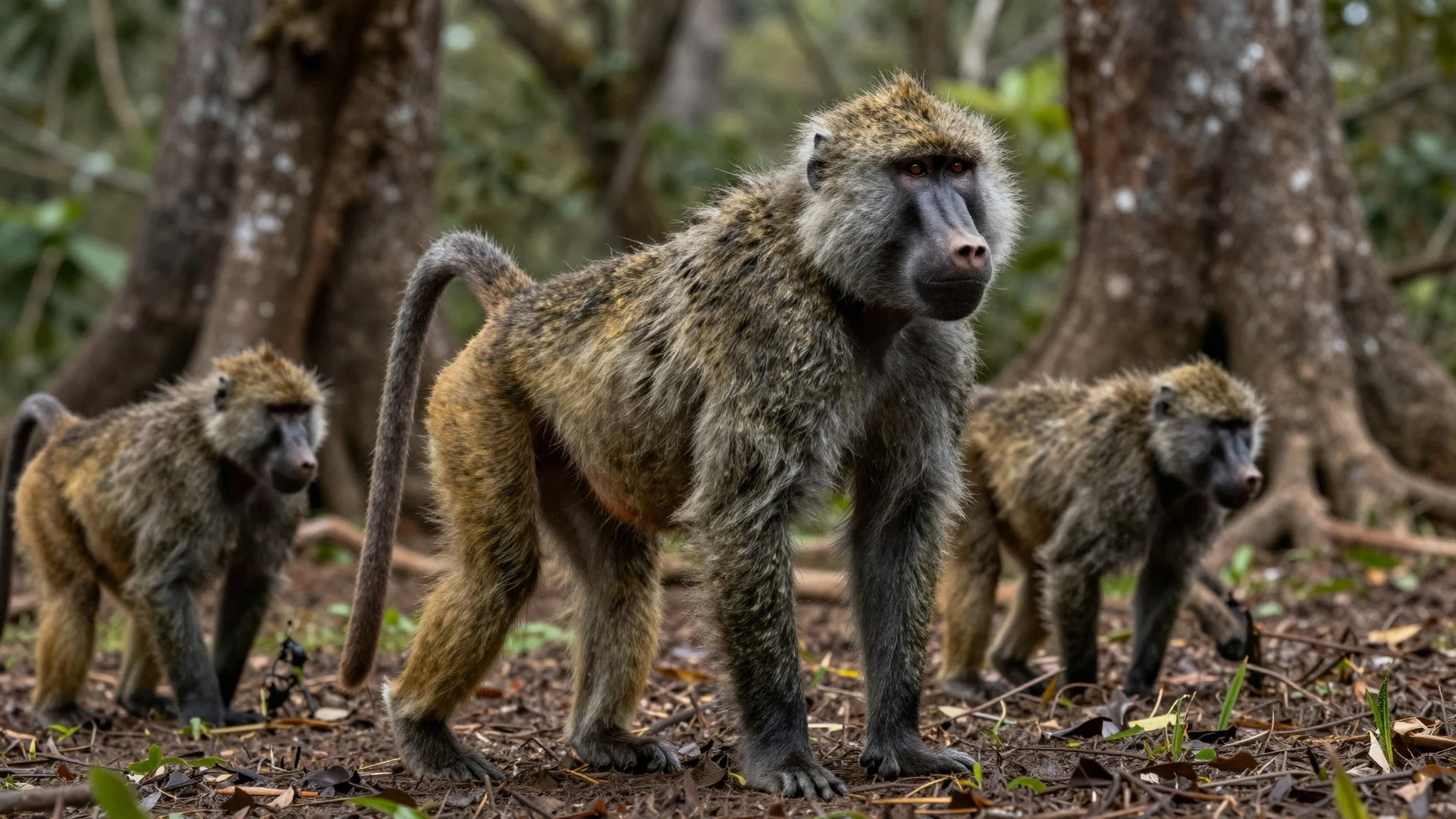
The olive baboon is a big, sociable monkey whose coat looks grey-green from afar, which is how it earned its name. It lives in forests as well as more open country, and monkeys are among the sightings a visitor to Loma Mountains can realistically hope for. Troops talk to one another with calls and gestures, so watch quietly. Keep a respectful distance, go with a local guide, and never offer food, so these animals stay wild.