Kambia
Kambia, Sierra Leone
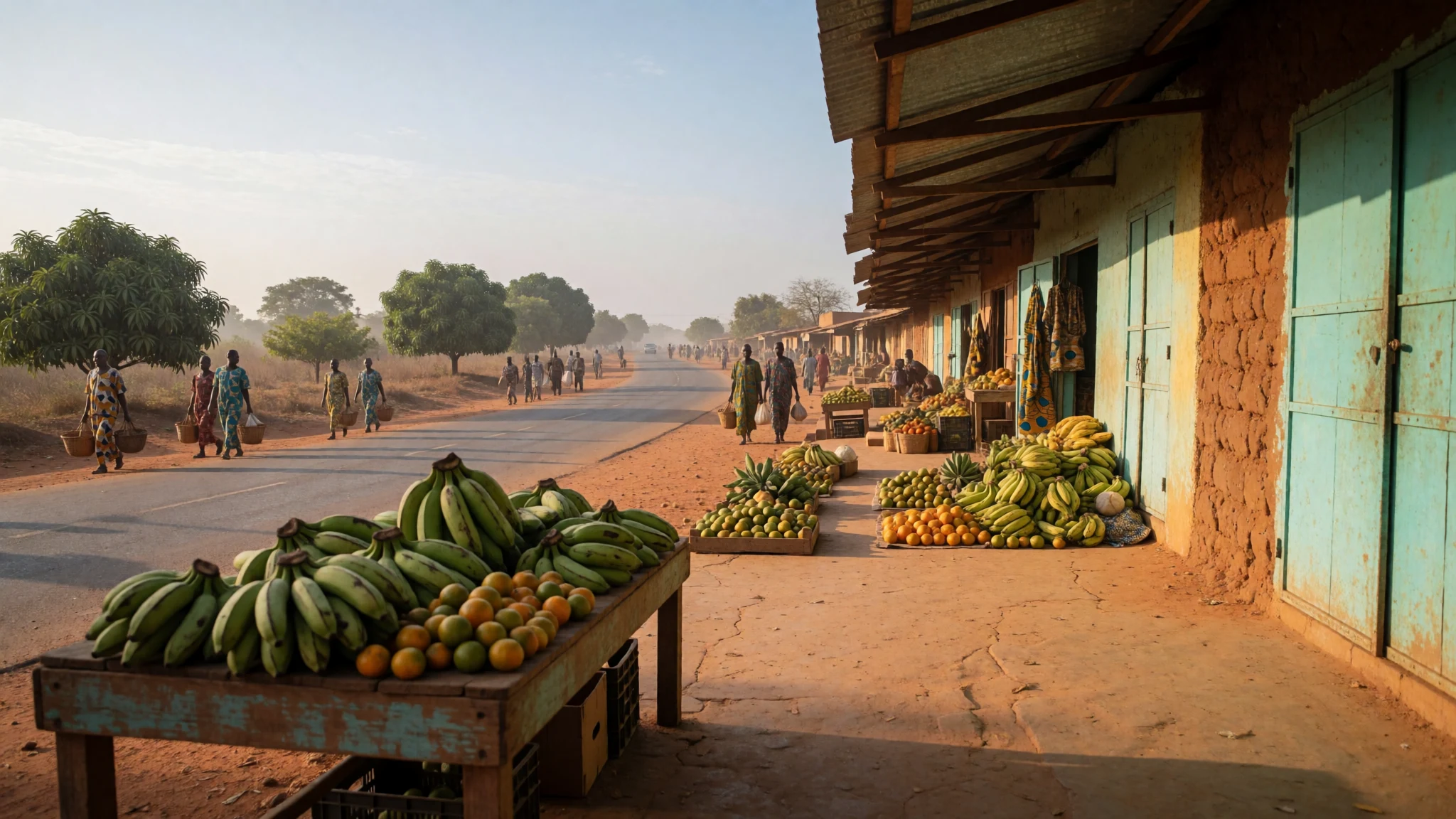
Kambia is a working border-road trading town in northern Sierra Leone, for travellers who want everyday West African life rather than resorts.
The place
Kambia is the main town of Kambia District in the north-west of Sierra Leone, close to the Guinean border. It sits on the highway that links Freetown with Conakry, and that road explains almost everything about the place: it is a town of traders, lorry drivers, money changers and market stalls, more than a town of sights. By road it lies roughly 120 miles north-east of Freetown, which in practice means a long day's travel rather than a quick hop.
It is small. The census of 2004 counted 11,842 people, and later estimates have varied widely, from about 12,500 to a much higher figure, so treat any single number with caution. What is clear is that it is a busy, growing place with a mixed population. Several ethnic groups live here, and Krio, the English-based lingua franca of Sierra Leone, is the language that bridges them. The town is predominantly Muslim, which shapes the rhythm of the day, from early calls to prayer to quieter Fridays.
The climate is tropical, hot and humid all year. Daytime temperatures reach about 30 °C throughout the year and nights rarely fall below 24 °C. The dry season runs from October to March, with many fine, sunny days; the rains arrive between April and September, peaking in July and August. Roads and river crossings are at their easiest in the dry months.
Visitors should expect basic facilities. Kambia is somewhere to see a real regional trading hub, to meet people, and to break a journey towards the Guinean border, rather than a place with a checklist of attractions.
Its story
Kambia's founding story is told as a local origin tale, and it is a gentle one. Before the British and Portuguese reached this coast, a farmer and hunter called Pa Kambi settled beside the river where the town now stands. He did well from his farming and hunting, and word of his success travelled.
Neighbours from nearby settlements, passing through the area, noticed how well he was getting on and chose to settle close by. As the little community grew, its people named it after the man who had drawn them there: Kambia, meaning the town of Pa Kambi. It is a familiar pattern in West Africa, where a place name often preserves the memory of a founding family or an early settler.
The wider setting is the story of Sierra Leone itself. The country began as a colony for freed slaves from the British Empire, and it became independent from Britain in 1961. Its eleven-year civil war ended in 2002, and since then the government, with considerable international help, has improved the infrastructure, including tarred trunk roads, which is what makes the Freetown to Kambia journey workable today.
The country was then hit by the Ebola outbreak of 2014, which crossed the border from Guinea, and later by the global COVID pandemic. Each cost the country time and progress. In a border town like Kambia, where the main road to Guinea runs through the middle of daily life, those years were felt directly, and the trade that fills the market today is part of a long recovery.
What to see
- Kambia town market and main road — Town centre
The centre of Kambia is the trading street along the Freetown to Conakry highway. Stalls sell produce, cloth, household goods and phone credit, and traders and drivers keep the place moving. Go in the morning, when it is busiest and the heat is gentler, and ask before photographing anyone.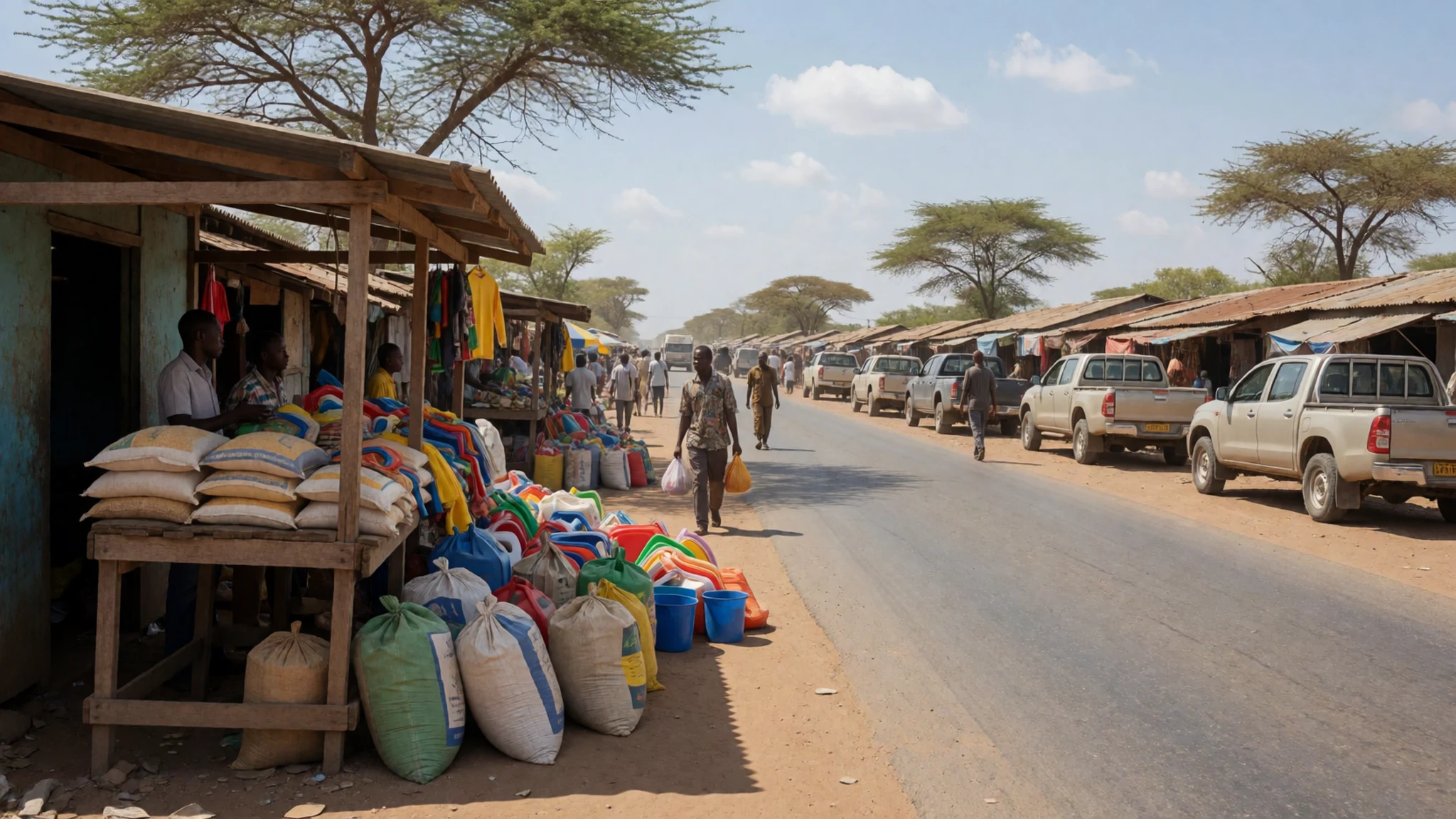
- The river setting — Riverbank near town
Kambia was founded beside a river, and the water still shapes life around the town, from farming to crossings and small-scale trade. A short walk or motorbike ride towards the riverbank gives a feel for the landscape of the area, best in the dry season when paths are firm.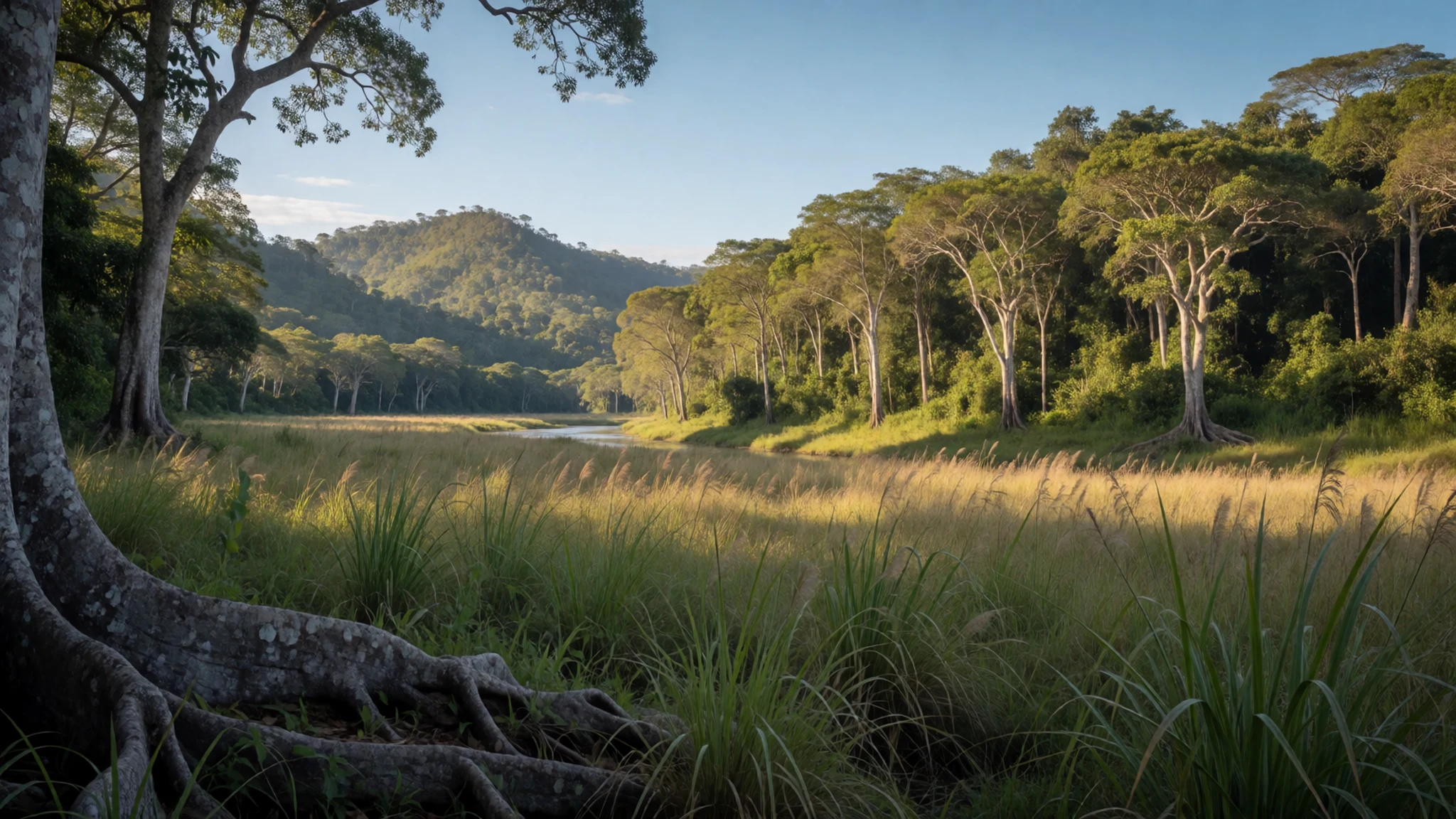
- Rural villages of Kambia District — Kambia District
The countryside around the town is a patchwork of small farming villages, and visiting one is a way to experience the hospitality and quiet of the bush. Go with a local guide or contact, introduce yourself to the village elder first, and expect to be offered water and conversation.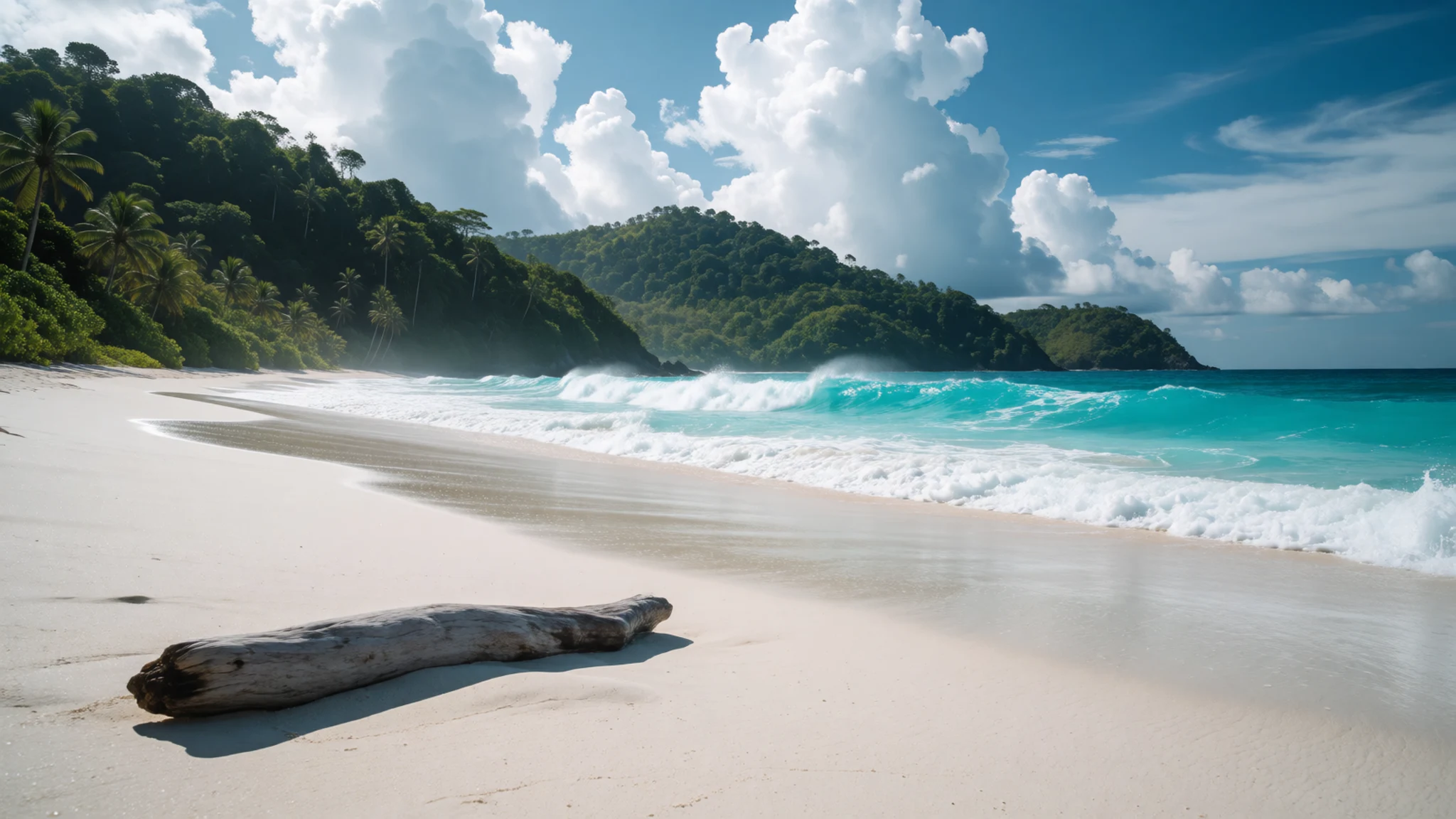
- Outamba-Kilimi National Park — North of Kambia
This park in the north of the country combines savanna and forest with a varied range of wildlife. It lies a good distance from Kambia and needs planning, transport and a local guide, so treat it as a separate trip rather than a day out. The dry months are the practical time.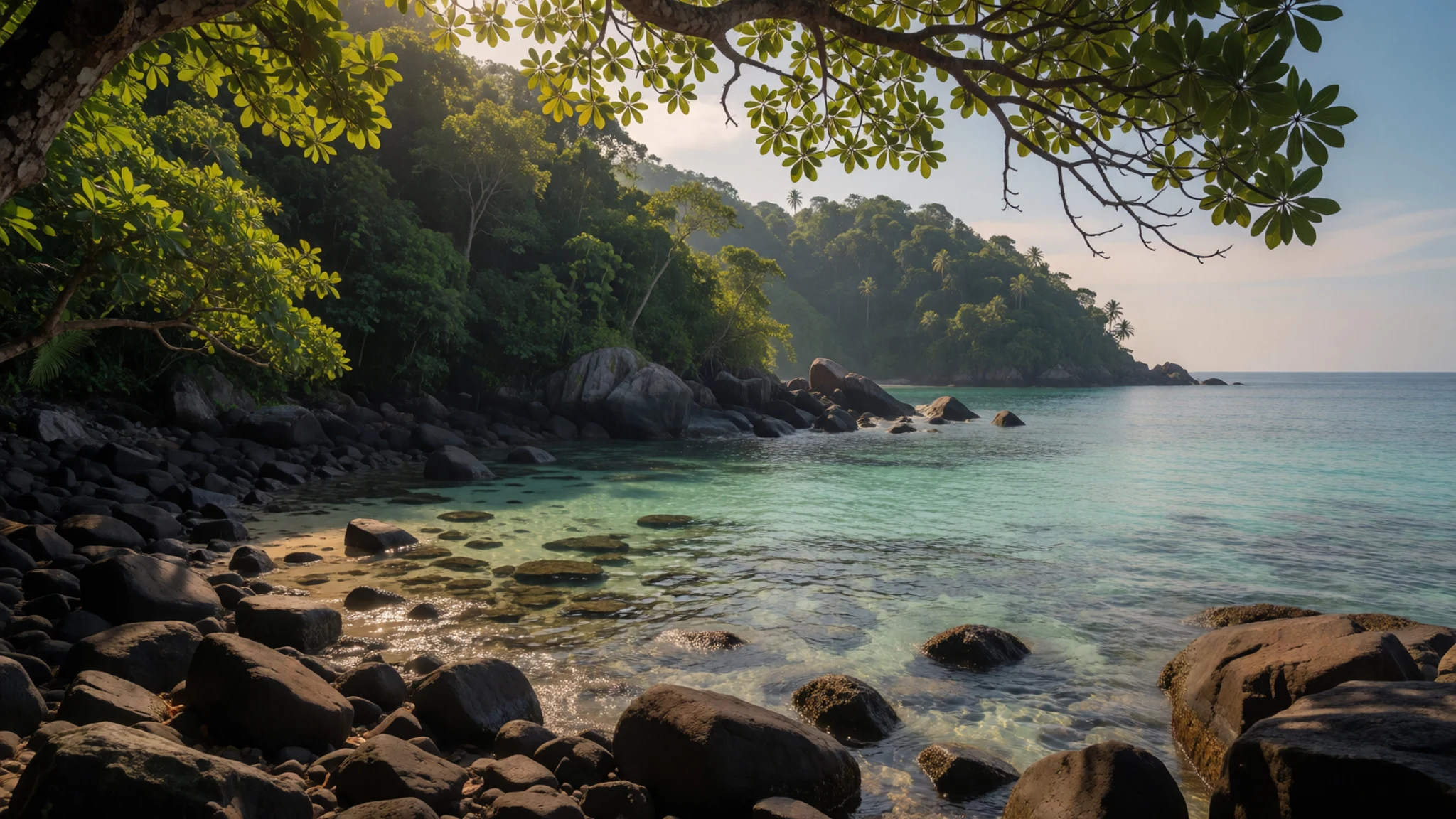
- Freetown peninsula beaches — Freetown peninsula
On the far side of the country's journey, the beaches of the Freetown peninsula are long, often almost empty, and a natural reward after the road. Many visitors pair them with Kambia on one trip, ending the journey with a swim after the heat and dust of the north.
Culture
Kambia is a predominantly Muslim town, and everyday life reflects that. The calls to prayer mark the day, Friday midday is a time for congregational prayer, and during Ramadan many people fast between dawn and sunset, with the evening meal an important shared occasion. Religious practice here sits comfortably alongside a lively market culture, and the two are not at odds.
People in Kambia come from several ethnic groups, and Krio, the English-based language used across Sierra Leone, is what they share. Greetings matter. A proper exchange of hellos, with a question about family and health, comes before any business, and rushing past it is read as rude. A handshake is common, often held a little longer than a visitor expects.
Music, storytelling and community gatherings are central to social life, and the founding legend of Pa Kambi, the farmer-hunter who gave the town its name, is part of a wider tradition of oral history in which places carry the names of their first settlers.
The town has been through a hard recent history, including the civil war, Ebola and COVID, and people are generally open and welcoming to visitors who show interest in their lives rather than their hardship. Being patient, curious and unhurried goes a long way, and so does learning a few words of Krio.
In Kambia, greet people before asking for anything, use your right hand to give, receive and eat, and ask permission before photographing anyone, especially women, officials and worshippers.
What to wear
In Kambia, traditional dress follows wider Sierra Leonean and West African custom. Women wear wrapped cloth (lappa) and matching blouses, often with a head tie, in bold printed cotton or wax-print fabric; men wear loose tunics and trousers, or the long, flowing gown known across the region as a boubou, particularly for Friday prayers and festivals. Tie-dyed and strip-woven cotton are also part of the regional textile tradition, and tailors are busy before holidays.
Day to day, people wear a mix of these and practical modern clothes: shirts, trousers, long skirts, football shirts, and head coverings for many Muslim women. In the heat, light and loose clothes are the norm, and people are generally neat and well turned out even on dusty roads.
A visitor should dress for heat and for a conservative Muslim town. Lightweight cotton or linen that covers shoulders and knees is comfortable and respectful, and women may find a light scarf useful for mosques and village visits. Avoid shorts, vests and tight or revealing clothes in the centre. Sturdy closed shoes or sandals with grip suit the dusty, uneven roads, and in the wet season from April to September a light rain jacket and quick-drying clothes are worth carrying. A hat and sunscreen help, since daytime temperatures reach about 30 °C all year.
What to eat
- Rice with stew — Small local eateries and market food stalls
Rice is the staple across Sierra Leone, and it is usually served with a rich stew of meat or fish, greens and seasonings, often spicy and cooked slowly for hours. It is the everyday meal of Kambia's homes and simple eating places.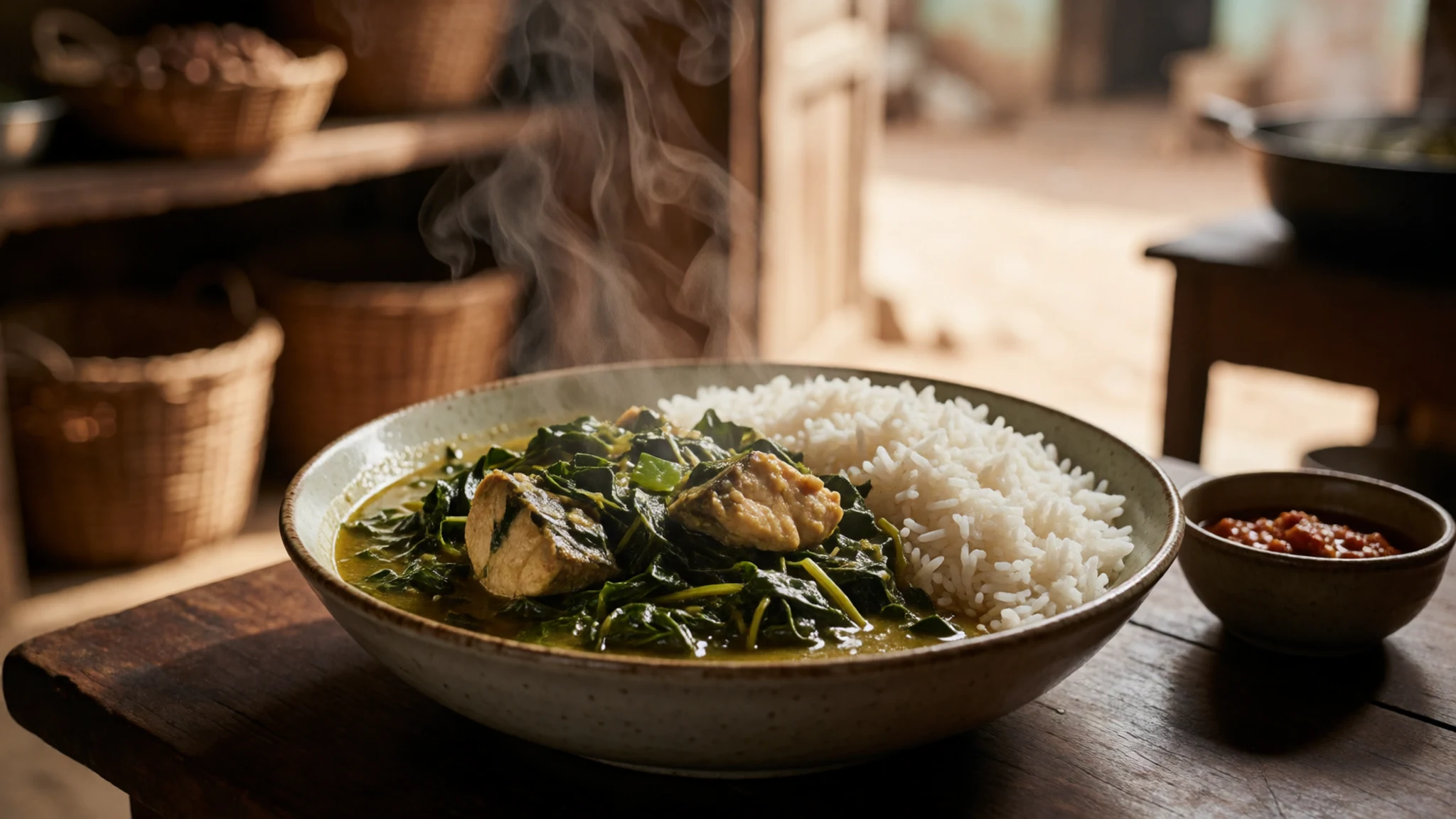
- Cassava leaves — Home-style eateries and market cook-shops
A much-loved dish of pounded cassava leaves cooked down into a thick, savoury sauce, often with fish or meat and palm oil. It is eaten with rice and is typical of the plant-based cooking that is common across the country.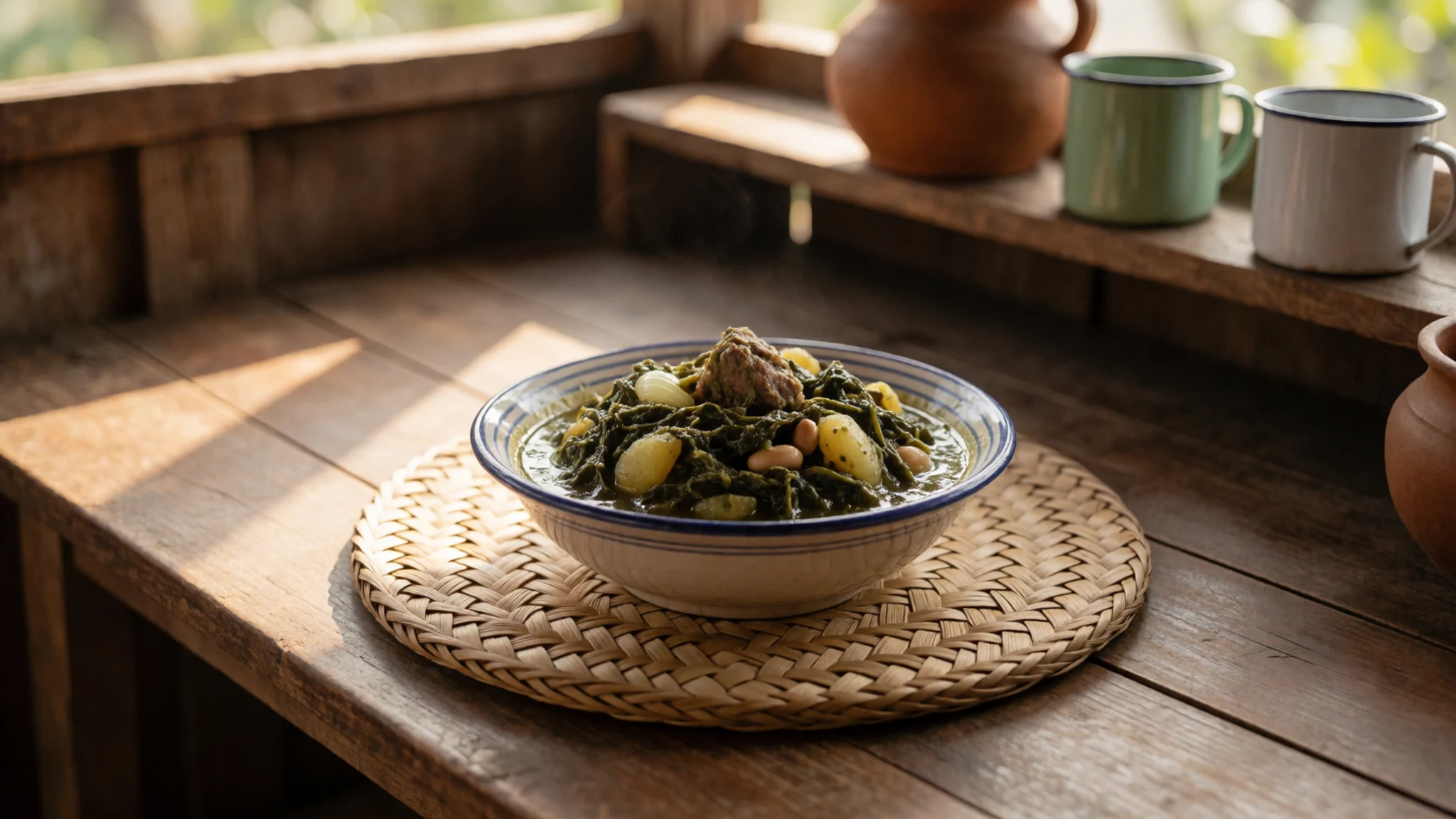
- Potato leaves — Local eateries and market food sellers in town
Potato leaves are cooked into a stew in much the same way as cassava leaves, with fish or meat and spices, and served over rice. The flavour is earthy and rich, and it is one of the most common everyday dishes. - Okra soup — Roadside eateries and family kitchens
Okra gives this soup its slippery, thickening texture. It is simmered with fish or meat and pepper and served with rice or a starchy side. It is another example of how Sierra Leonean cooking leans on vegetables and greens. - Fresh fruit — The main market and roadside fruit sellers
Fruit is often picked from trees at home or bought the same day from market vendors. Mangoes, oranges and bananas are common in season, and make a refreshing snack in the heat, especially when bought from a seller in the morning. - Palm wine (poyo) — Informal village gatherings outside the centre
Poyo is the local palm wine, tapped from palm trees and drunk fresh, slightly sweet and lightly fermented. It is popular throughout the country, though in a mainly Muslim town like Kambia it is less public, so ask locally and be discreet.
Plan it
Best time. November to March, in the dry season, when days are sunny and roads are easiest; the rains from April to September peak in July and August and make travel slow. It is hot and humid all year.
How long. 1–2
Getting there. Fly to Lungi International Airport, then cross the estuary to Freetown by water taxi. From Freetown, Kambia is roughly 120 miles north-east by road along the highway towards Guinea; allow most of a day and check current transport options locally.
Budget. mid
Tips
- Carry cash, as cards are unlikely to work outside Freetown
- Check the Yellow Fever certificate and visa rules early; the official visa site is www.evisa.sl
- Take paper copies of an electronic visa if entering anywhere other than Freetown airport
- Start journeys early to avoid the midday heat and traffic
- Drink only bottled or treated water and carry sun protection
Etiquette
- Greet people properly before asking for anything
- Dress modestly, covering shoulders and knees
- Ask before photographing people
Nearby
Sources
- Wikidata Q1722889 (CC0)
- Wikipedia: Kambia, Sierra Leone (rev 1377802908) (CC BY-SA 4.0)
- Wikivoyage: Sierra Leone (rev 5425408) (CC BY-SA 4.0)