Freetown
Freetown, Sierra Leone
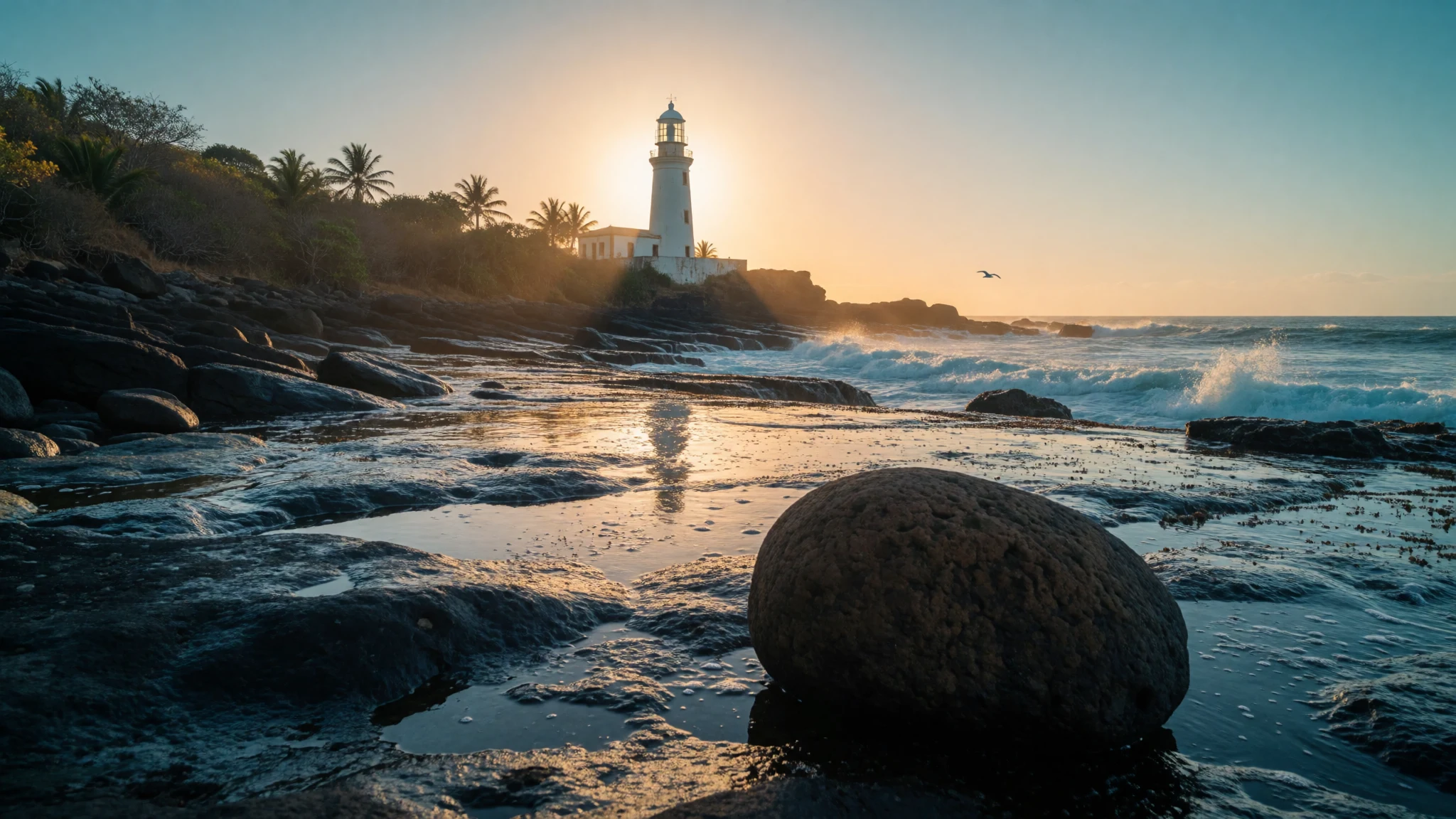
Freetown is a loud, hilly Atlantic capital where Creole history, beaches and forest chimpanzees all sit within reach of one another.
The place
Freetown is the capital of Sierra Leone and its main port, home to about 1.06 million people on a hilly peninsula where a river estuary meets the Atlantic. The city centre sits at about 26 m above sea level, but green hills rise steeply behind it, so streets climb and drop quickly and views open up without warning. The harbour is the reason the city exists: a sheltered natural anchorage where ferries, fishing boats and cargo ships share the water. Government, universities, the national museum and most commerce are concentrated here, which gives downtown a dense, noisy, hurried feel. It is walkable in short bursts, but heat and traffic make most people take a taxi for longer hops. West of the centre, neighbourhoods such as Aberdeen and Lumley run along the beaches, while Hill Station and Regent lead up into forested slopes. The population is mixed. The Creole community, descended from the people who settled the city, lives alongside every ethnic group in the country, and Krio, an English-based language, is what most residents speak to one another on the street. English is the official language and gets a visitor a long way. Humidity is constant, the rains from May to November can turn side roads to mud, and power cuts happen. Freetown rewards patience more than a tight schedule. It suits people interested in history, music, beaches and conversation rather than polished sightseeing.
Its story
Freetown's story begins well before the city had its name. The estuary was home to the Bullom people, later joined by Mane newcomers who set up their own chiefdoms and mixed with them. A large town called Bonga stood on the ground that Freetown now covers, until it was destroyed when the English slave raider John Hawkins backed a Mane king against a rebellious chief. The settlement that led to the modern city came in 1787, when a group of formerly enslaved Black people was sent out from London by a committee of British philanthropists and abolitionists. They were a mixed party, with African American, Caribbean, African, Asian and British-born members. Their Province of Freedom and its Granville Town stood on land bought from local Temne leaders, and it struggled. The city proper dates from 1792, when settlers arrived under Lieutenant John Clarkson, an abolitionist, and a great cotton tree marking their landing became the emblem of the new town. Freetown then became a place of refuge for people taken off slave ships, who were known as Liberated Africans. Together with the earlier settlers and Caribbean arrivals, they formed the Creole people, whose descendants still shape the city's language, church life, family names and wooden houses. The history is not tidy. It mixes freedom, empire, missionary zeal and hardship, and local guides tell it with strong feelings.
What to see
- Remains of the Cotton Tree — Central Freetown
The remains of the Cotton Tree stand in the middle of central Freetown, near the Supreme Court and the State House. The tree was already a landmark by 1787, and locals treat it as the symbol of the city's founding. What is left is modest, so come for the story and the busy street around it.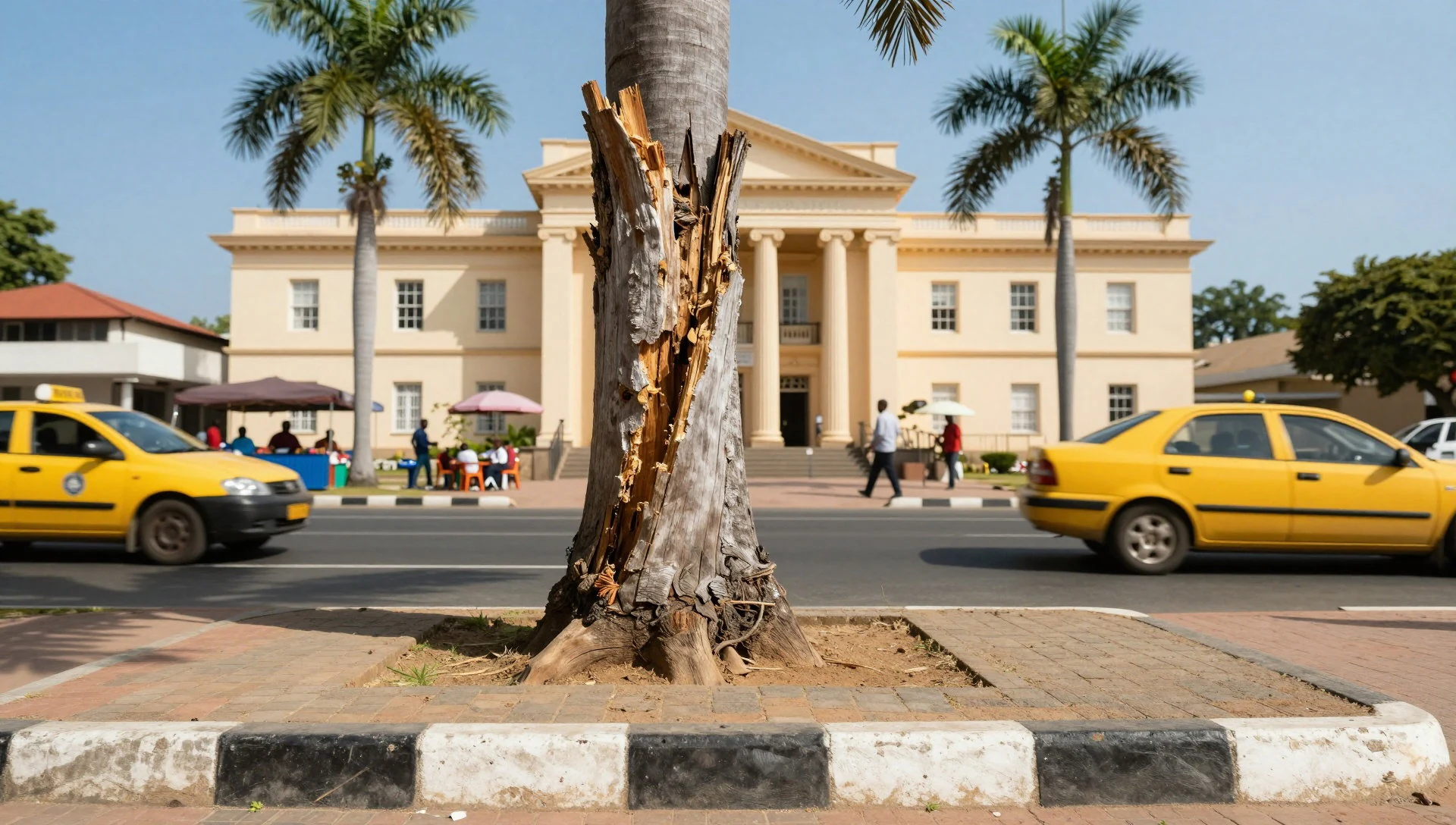
- Sierra Leone National Museum — Central Freetown
The national museum is a short walk from the Cotton Tree and gives the best quick overview of the country. Displays include masks, relics from the civil war and local costumes, and guided tours are offered. A replica of the De Ruyter Stone is also kept here. Check the opening arrangements before going.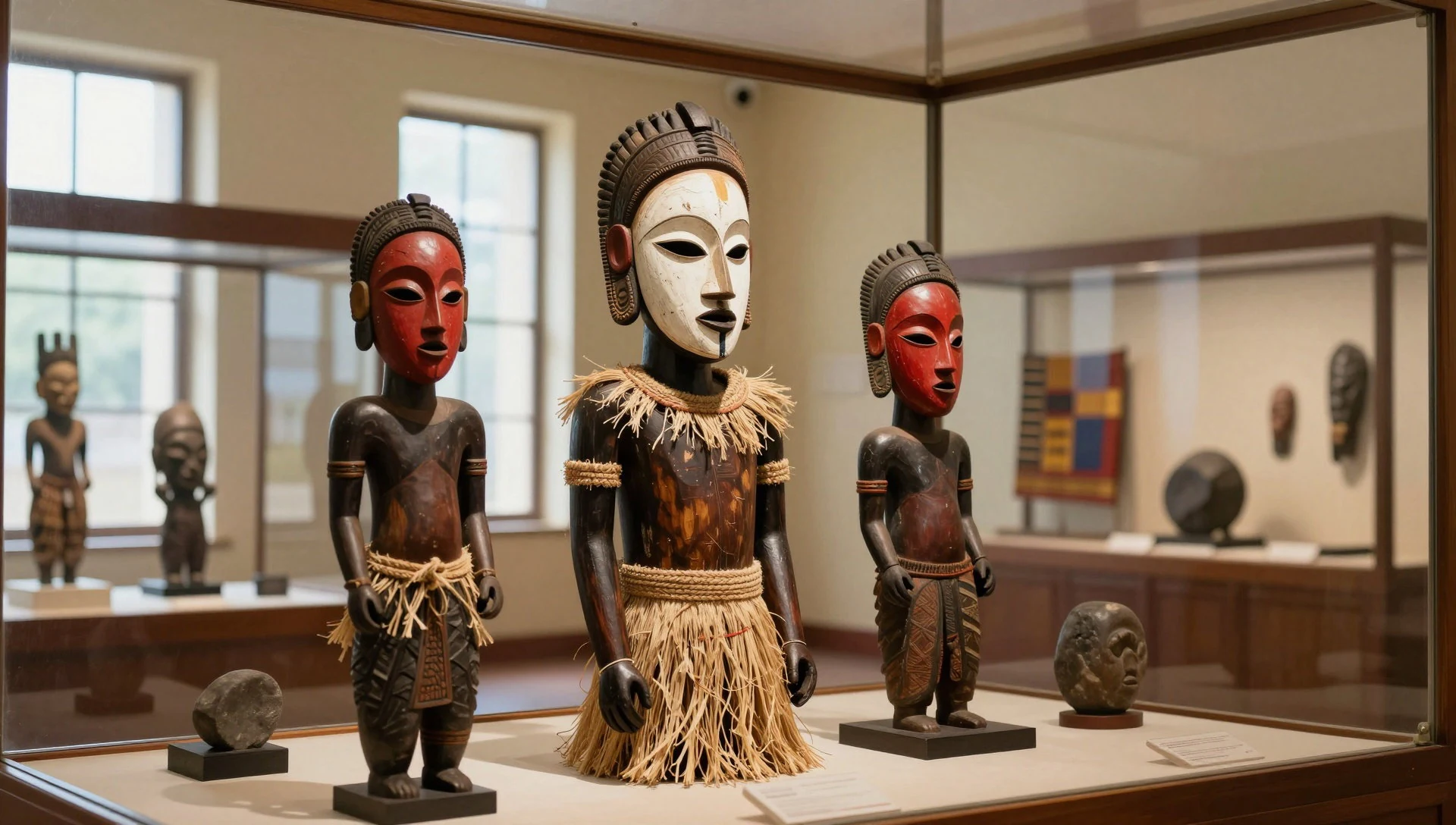
- Cape Sierra Leone Lighthouse — Cape Sierra Leone, western peninsula
The British built this lighthouse in 1812 on the western tip of the peninsula, and it was refurbished in 2010. The reward is the outlook over the open Atlantic and the coastline curving away towards the city. Go in the morning, when the heat is lower and the haze has not built up.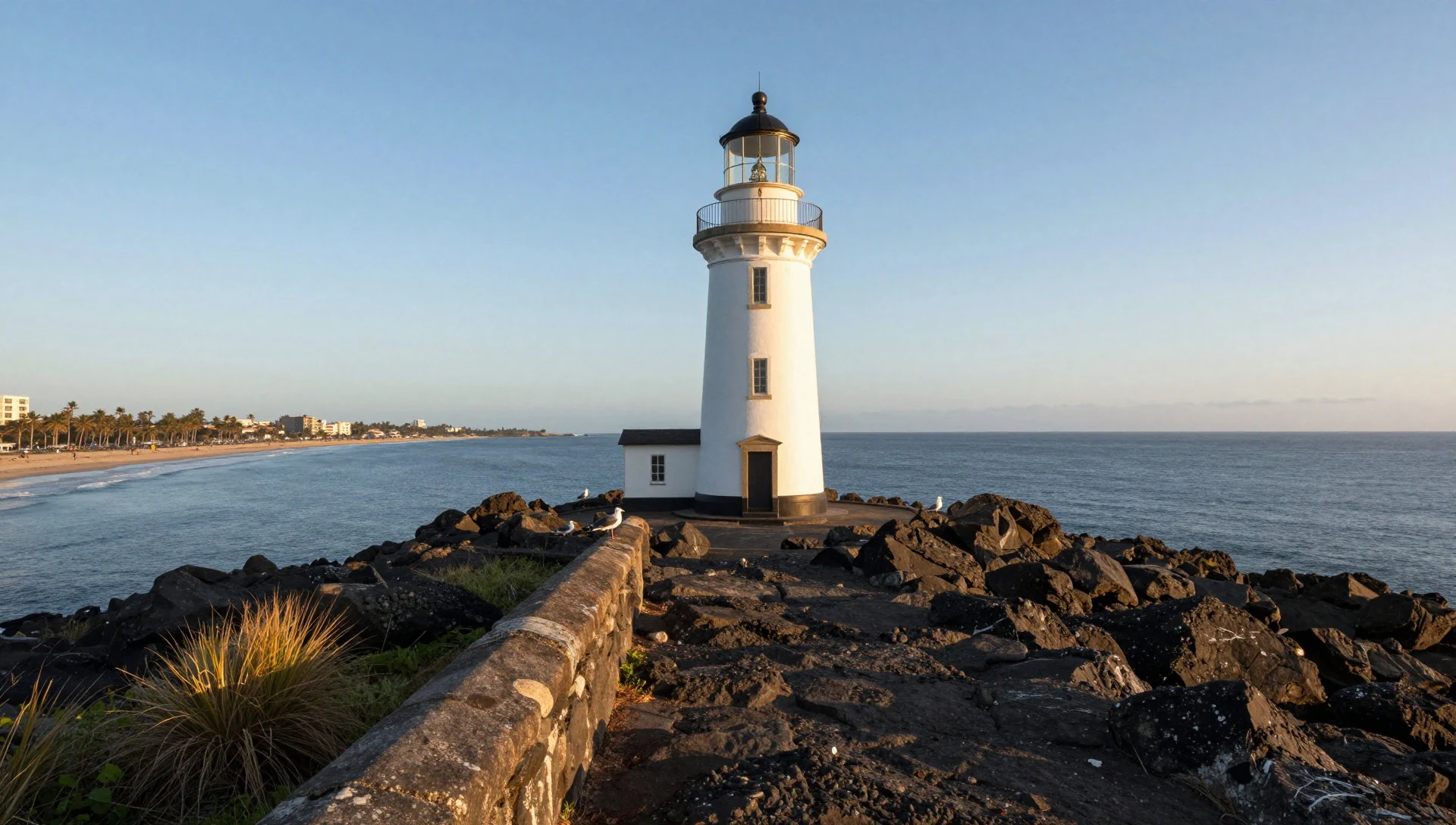
- National Railway Museum — East Freetown
This museum keeps the memory of Sierra Leone's railway, which no longer runs. Old locomotives and equipment sit in the yard, and the collection suits anyone interested in colonial-era engineering and how goods once moved from the interior to the port. Opening times can change, so confirm locally before making the trip.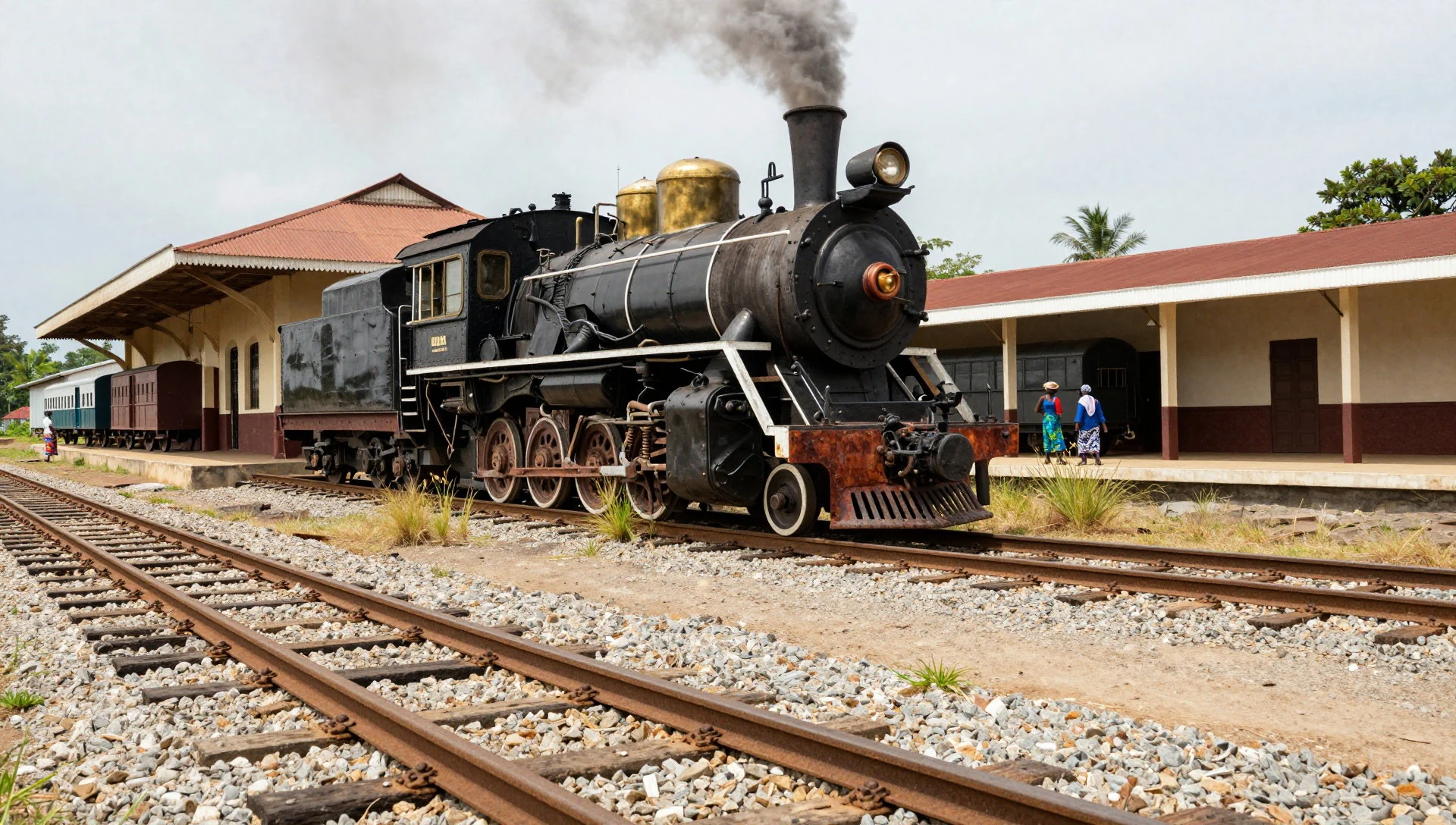
- Tacugama Chimpanzee Sanctuary — Hills south of the city
Tacugama is a sanctuary for rescued chimpanzees in forest above the city, reached by the Regent road through Hill Station and Leicester. The final stretch needs a four-wheel-drive vehicle. Visits are by appointment at set times, so book ahead and ask about current visiting hours directly with the sanctuary.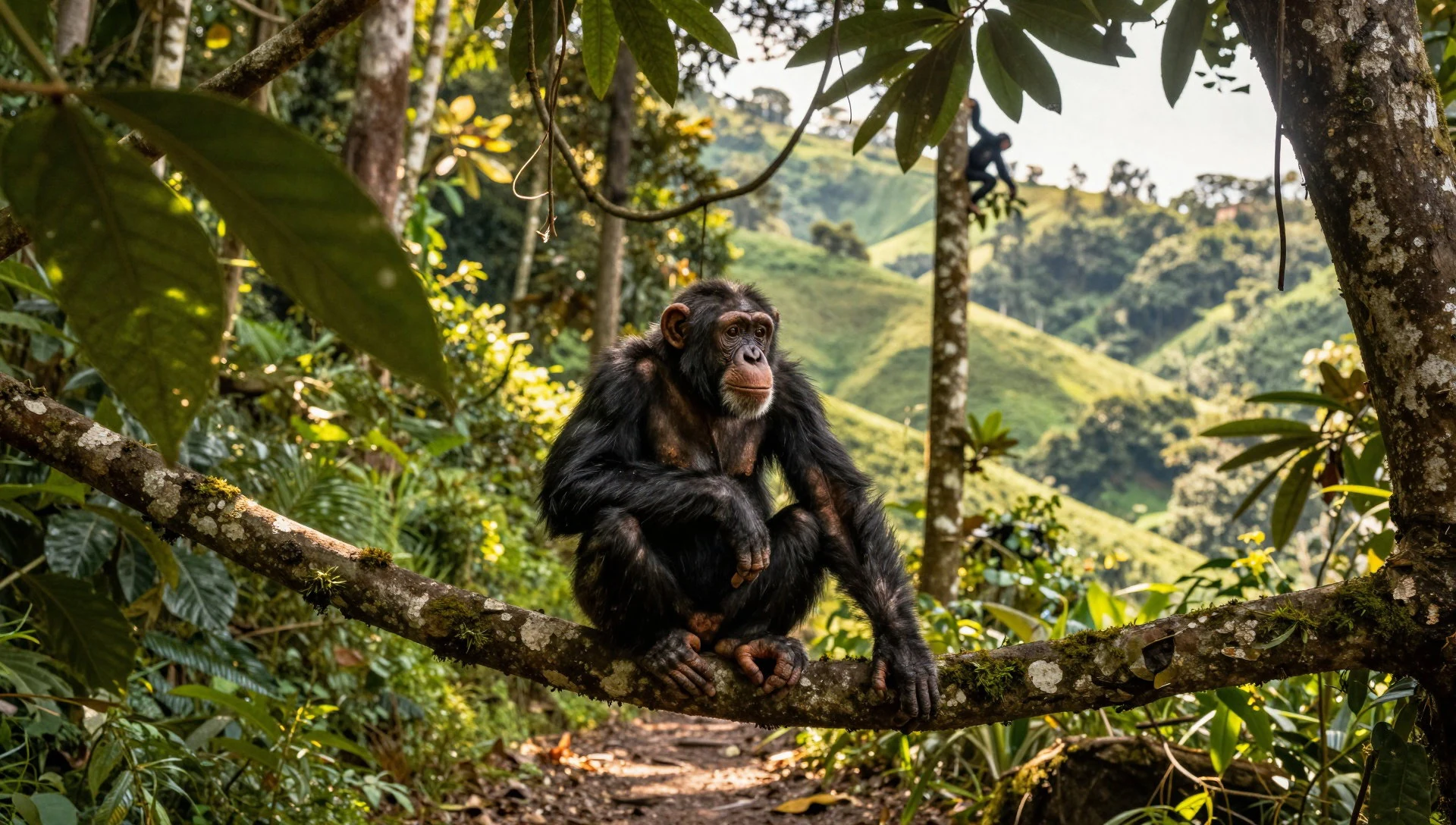
- Charlotte Falls — Charlotte village
Charlotte Falls lies near Charlotte village, in the hills outside the city. The walk in is part of the appeal, through village paths and greenery. Water flow is strongest in the rains, but paths are slippery then, so wear shoes with grip and consider going with a local guide.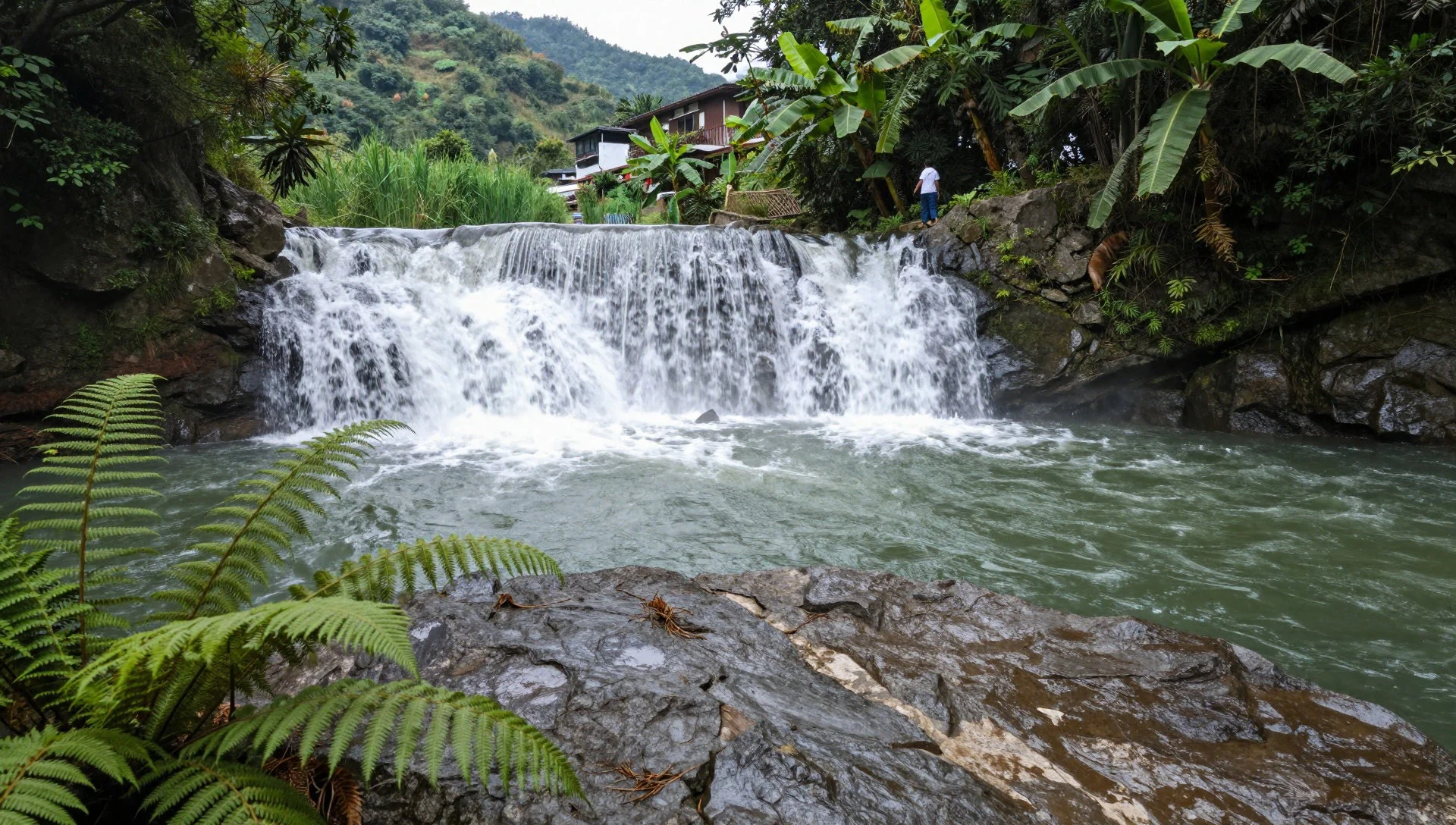
Culture
Freetown's culture rests on its Creole heritage, but the city is thoroughly mixed and the mixture shows. Krio is the common language, church bells and calls to prayer share the same neighbourhoods, and people from every part of Sierra Leone live side by side. The Cotton Tree stands for the christening of the city in March 1792, and the National Museum and the Railway Museum keep the wider story. Connaught Hospital downtown was the first in West Africa built around Western medical practice, a reminder of how early the city became a centre for institutions. Public life has long followed a calendar of organised events tied to holidays and seasons. One well-known example is the annual masquerade exhibition by the Eastern Paddle Hunting Society, whose costumes combine leather, sequins, sea shells and traditional cloth. Music, football and beach days fill weekends, while Sunday mornings belong to church and Friday middays to mosque. Greetings matter: people usually open with a handshake and a question about family and health before getting to business, and rushing past that step reads as rude. Religion and politics can be touchy, so easier topics include food, football and music. Ask before photographing anyone, and do not photograph police, soldiers or government buildings.
What to wear
Traditional dress in Freetown blends Creole, local and wider West African styles. Krio women have long worn the kabba and slit, a fitted top with a long skirt, often with a matching head-tie, while the lappa, a length of printed cotton wrapped as a skirt, is everyday wear. Gara is hand-dyed cotton, usually tied or patterned in indigo. Country cloth is woven in narrow strips on a loom and stitched into broad panels for ceremonies and gifts. Men wear long tunics with matching trousers in these cloths for weddings, festivals and church or mosque services. Masquerade costumes add leather, sequins and shells. Day to day, most people dress in jeans, T-shirts, school uniforms, football shirts and office wear, with a bright tailored outfit for church, weddings and big occasions. Local tailors are quick and affordable, and having an outfit made from market cloth is a popular souvenir. Visitors should pack light, breathable cotton because heat and humidity stay high all year, with a rain jacket for May to November and a hat for the sun. Closed shoes or sandals with grip suit hilly streets and muddy paths. Cover shoulders and knees at mosques, churches and in the centre, and keep swimwear for the beach.
What to eat
- Cassava leaf stew — Local canteens and market food stalls
Pounded cassava leaves cooked slowly with palm oil, onion and fish or meat, then served over rice. It is the dish many Sierra Leoneans name as a favourite. Look for it at home-style canteens, where it is usually sold by the plate at lunchtime.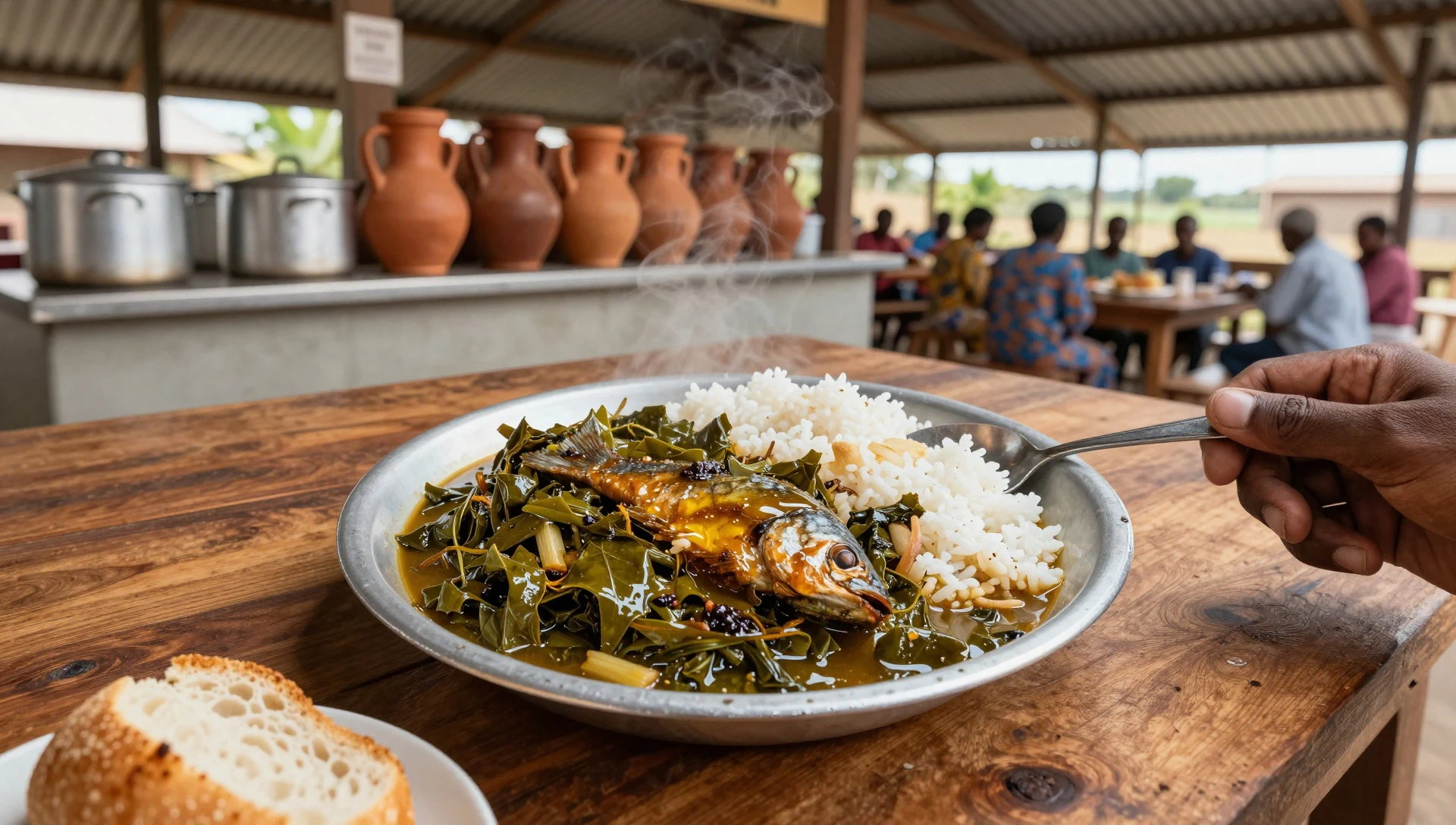
- Jollof rice — Street-side stalls and celebration meals
Rice cooked in a spiced tomato base until it takes on a deep red colour, served with chicken, fish or salad. It is found across West Africa, and each cook has a different version. It is an easy first meal in the city.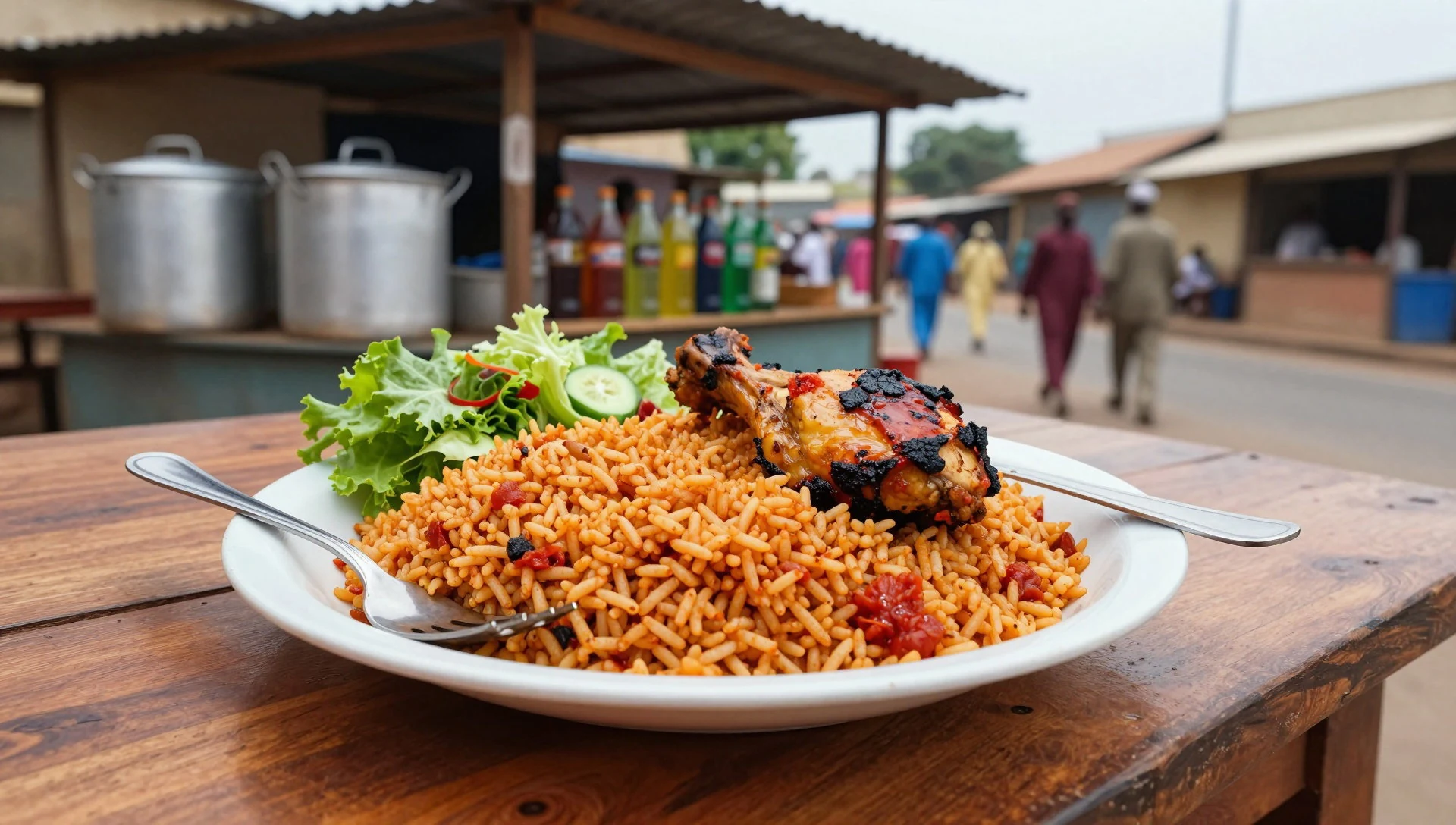
- Grilled fish with fried plantain — Beach-road eateries along the western peninsula
Fish landed by local boats, grilled over charcoal and served with sweet fried plantain and a hot pepper sauce. It tastes best fresh and eaten with the sea in view. Ask what came in that morning and choose accordingly. - Groundnut stew — Home-style restaurants and lunch spots
A thick, savoury stew built on ground peanuts, tomato and chilli, with chicken or fish, eaten with rice. It is filling and mildly sweet, and a good option for people who find palm-oil dishes heavy. - Akara — Morning street stalls
Fried fritters made from seasoned bean paste, crisp outside and soft within, often eaten at breakfast with bread and pepper. They are best hot, straight from the pan, and cheap to try in several places.
Plan it
Best time. December to April is the dry season and the best window. The Harmattan wind, a dry breeze from the Sahara, takes some edge off the humidity from December to February, which is the coolest stretch. May to November brings heavy rain, with strong thunderstorms at the start and end of the season.
How long. 3–4
Getting there. Most visitors fly to Lungi International Airport, across the estuary from the city. The last leg is by fast boat or ferry to the Aberdeen side or the waterfront, or by road around the estuary, which takes much longer. Fares change, so check sales desks at the airport and choose a well-regarded operator.
Budget. mid
Tips
- Book airport transfers and boat crossings in advance, and confirm the operator is reputable
- Start excursions early, before the heat and traffic build up
- Carry cash in small notes, because cards are not accepted everywhere
- Drink bottled or filtered water and carry sun protection and insect repellent
- Book Tacugama ahead and check visiting hours directly, since access is by appointment
Etiquette
- Greet people before asking for anything
- Ask before photographing people, and avoid photographing police, soldiers or government buildings
- Dress modestly away from the beach, especially at mosques and churches
Nearby
Sources
- Wikidata Q3780 (CC0)
- Wikipedia — Freetown (rev 1375881140) (CC BY-SA 4.0)
- Wikivoyage — Freetown (rev 5423367) (CC BY-SA 4.0)
- Photo: Freetown-aerialview.jpg — David Hond (CC BY 2.5)
- Photo: Freetown_Court_1984.jpg — Brian Harrington Spier (CC BY-SA 2.0)
- Photo: Freetown street — Erik Cleves Kristensen (CC BY 2.5)
- Photo: Sierra_Leone_National_Stadium.jpg — Dorothy Voorhees (CC BY-SA 2.0)
- Photo: Freetown_06_10_(13).jpg — The EITI (CC BY-SA 2.0)
- Photo: Flag_of_Freetown,_Sierra_Leone.png — DjLeonard14 (CC0 1.0)
- Photo: Freetown,_Sierra_Leone_ca_1856.jpg — John Leighton Wilson or uncredited artist (Public domain)
- Photo: Sierra_Leone_Freetown_location_map.png (CC BY-SA 4.0)


