Lake Placid
Lake Placid, United States
Lake Placid pairs a calm lakeside village with real Olympic history and Adirondack mountains for skiing, hiking and paddling.
The place
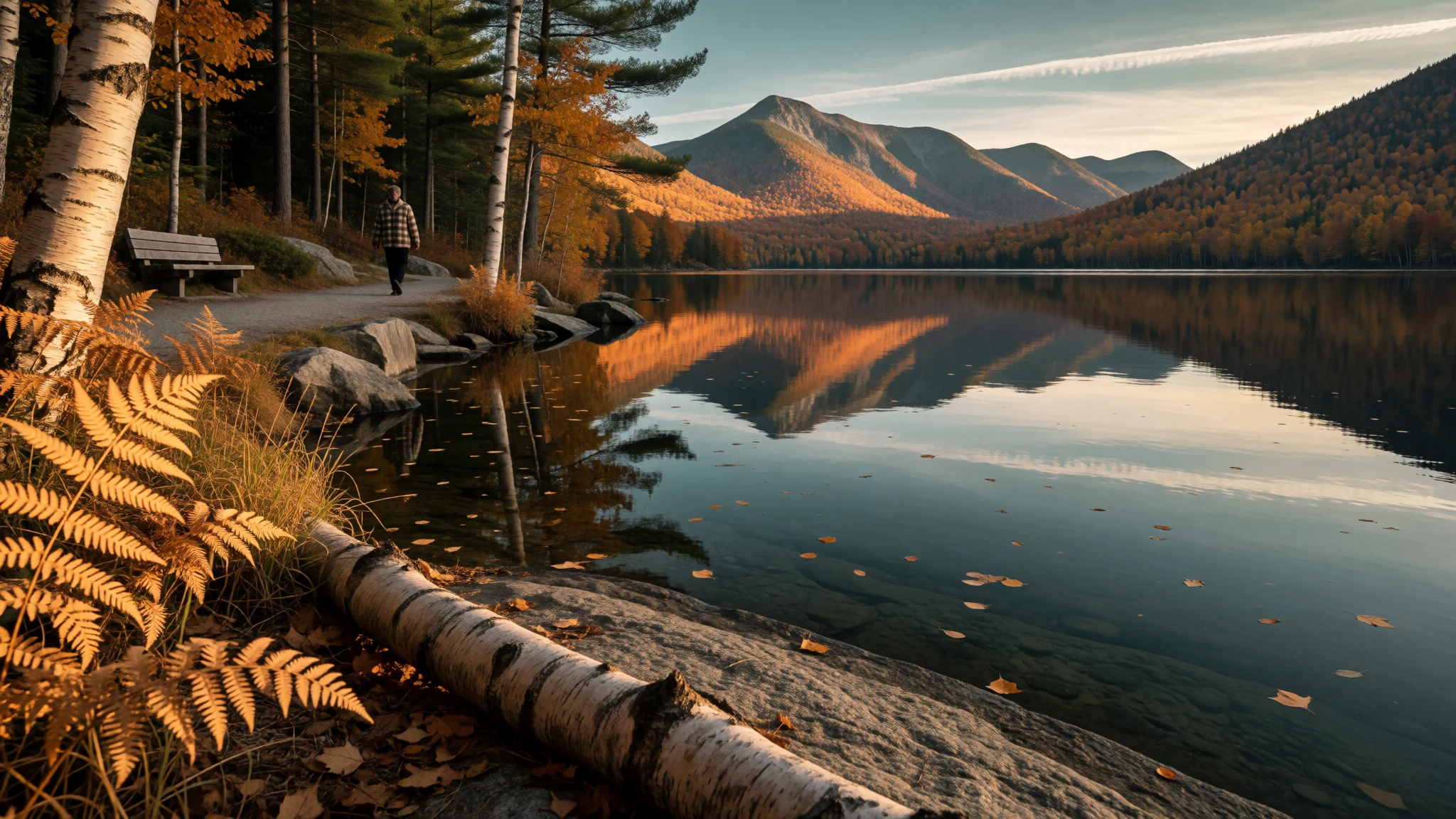
Lake Placid is a village of about 2,205 people in Essex County, in the Adirondack Mountains of New York State, United States. It stands 549 metres above sea level, near the southern end of the lake that gives it its name. Mirror Lake sits right between the village and the larger lake, and it is the body of water most visitors actually walk beside. The village itself is tiny, only a few square kilometres, and Main Street, lined with shops and eateries, runs along the Mirror Lake shore. It sits inside the town of North Elba, and beyond that come forest, high peaks and trout rivers. Whiteface Mountain, a short drive away, is the ski hill that hosted the Olympic downhill events. The climate is humid continental with warm summers. Winters are properly cold and snowy, which explains the winter-sports reputation, while summers are mostly comfortable, with occasional spells of heat and stickiness. Summer brings hikers, paddlers and triathletes, and winter brings skiers, skaters and bobsleigh fans. The shoulder seasons are quieter and some small businesses slow down. The pace is that of a mountain resort rather than a city: easy to walk, with most things a short stroll from the lake, though a car helps for trailheads and neighbouring valleys. Crowds build on big event weekends and school holidays, and rooms then fill early.
Its story
Lake Placid began in the early nineteenth century as an iron-ore mining venture, and the original settlement, called North Elba, lay a few kilometres from today's village. By 1840 it counted just six families. The picture changed in 1845, when the philanthropist Gerrit Smith arrived, bought large areas of land and gave plots to formerly enslaved people, putting his abolitionist beliefs into practice. John Brown, who had been campaigning against slavery in Kansas, took land there, and the settlement became known as Timbuctoo. Brown was hanged in 1859 after his raid on Harpers Ferry, and he had asked to be buried at his farm, which is now a state historic site. Later in the century, as leisure time grew among the wealthy, the area turned into a resort. Melvil Dewey, creator of the Dewey Decimal System, planned the Lake Placid Club in 1895, first under the name Placid Park Club. The village took its present name from it and was incorporated in 1900. The twentieth century then made it a winter-sports name. It hosted the Winter Olympics in 1932 and again in 1980, along with other international winter events, including the World University Games. That double Olympic record explains why a village of this size has skating, sliding and skiing facilities of international standard.
What to see
- Lake Placid Winter Olympic Museum — Village centre
The Lake Placid Winter Olympic Museum, in the village centre, explains how a small mountain community came to host two Winter Games. Expect material on the 1932 and 1980 events and the sports that still run here. Check the official village website for opening times before planning a visit around it.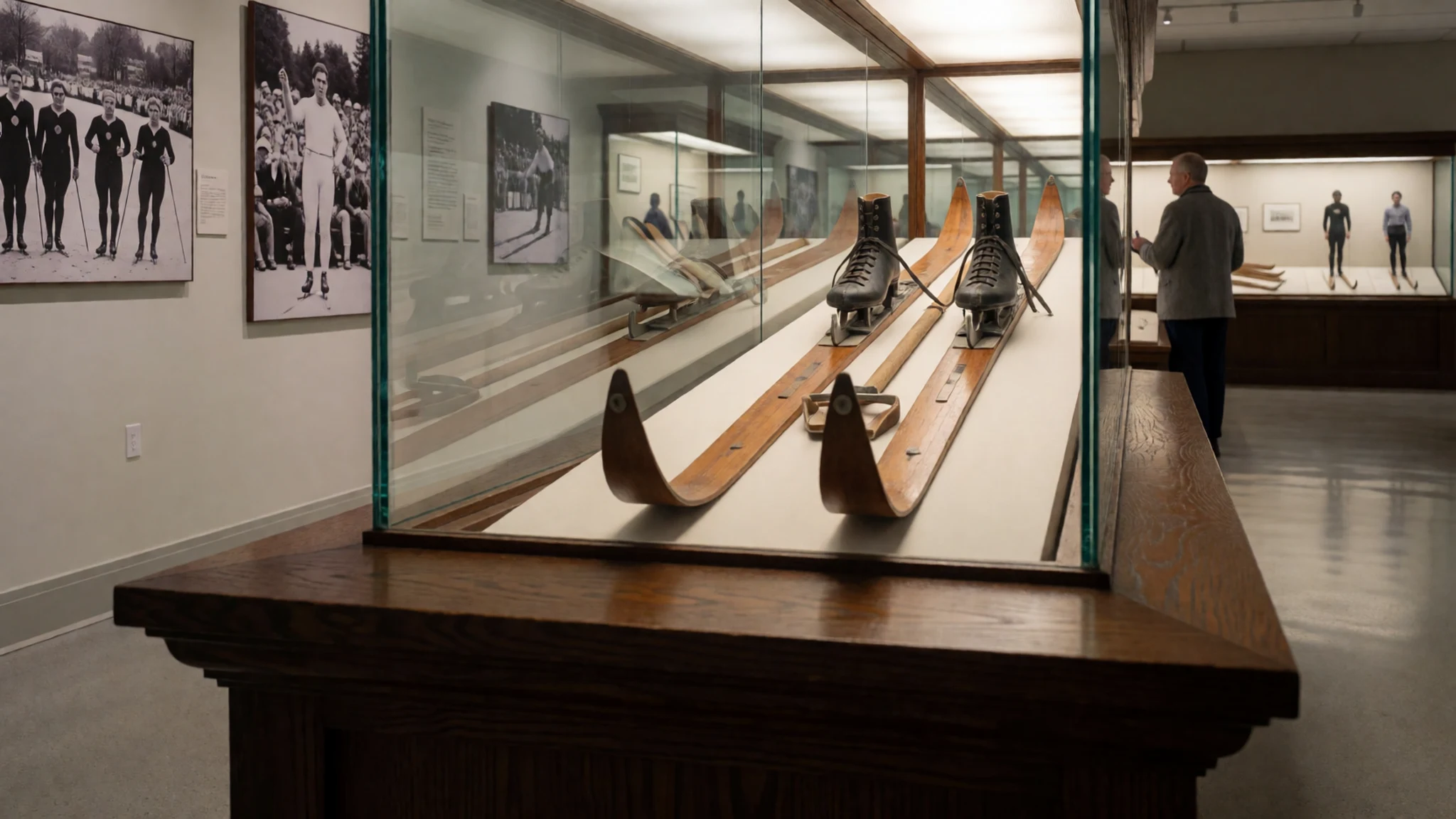
- John Brown Farm State Historic Site — Just outside the village, North Elba
The John Brown Farm State Historic Site, a short drive from the village, preserves the home and grave of the abolitionist, who was hanged in 1859 after the Harpers Ferry raid. It is a quiet, reflective stop that connects the area to the road toward the Civil War. Allow an hour.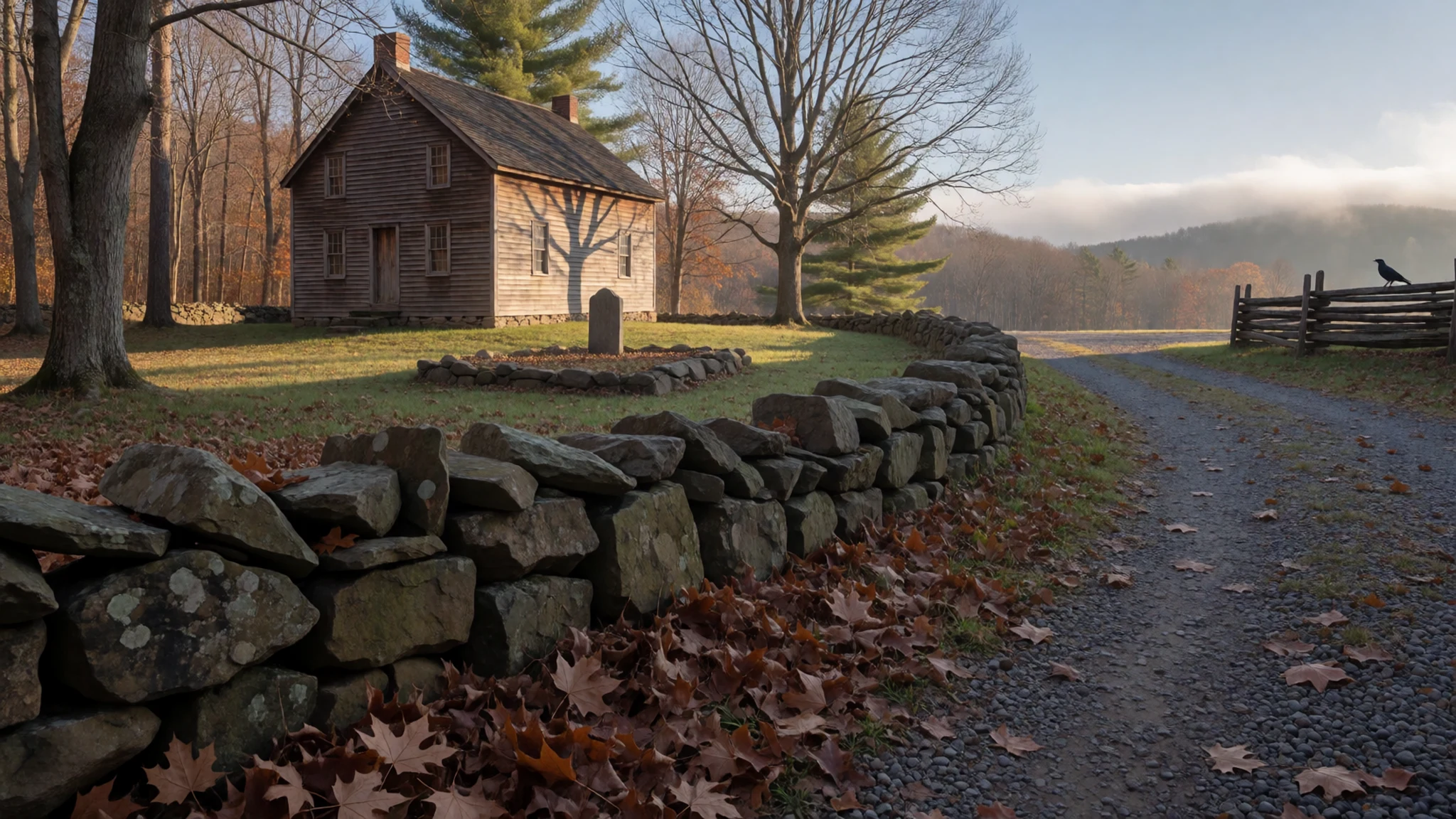
- Mirror Lake — Main Street lake front
Mirror Lake, directly beside Main Street, is the village's natural centre. The walk along its shore and the shops beside it make an easy loop for a first evening. In summer the water invites swimmers and paddlers, and in the cold months the snow-lined shore changes the mood entirely.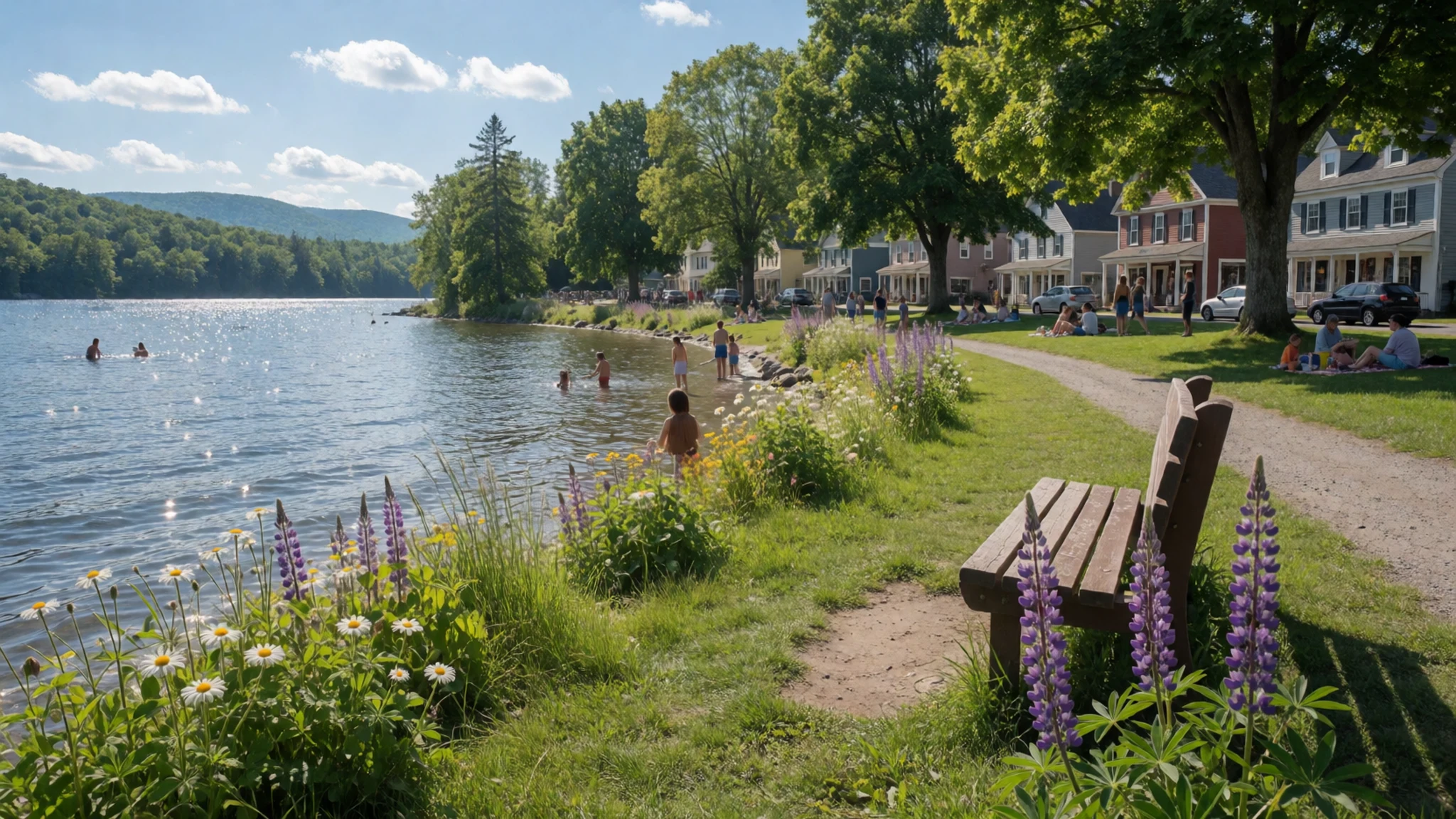
- Whiteface Mountain — Wilmington, a short drive from the village
Whiteface Mountain, in nearby Wilmington, hosted the downhill skiing events in 1980 and remains an Alpine ski area. In summer the slopes are green and the views over the surrounding peaks reward a drive or hike. Check the official operator for lifts, road access and seasonal rules.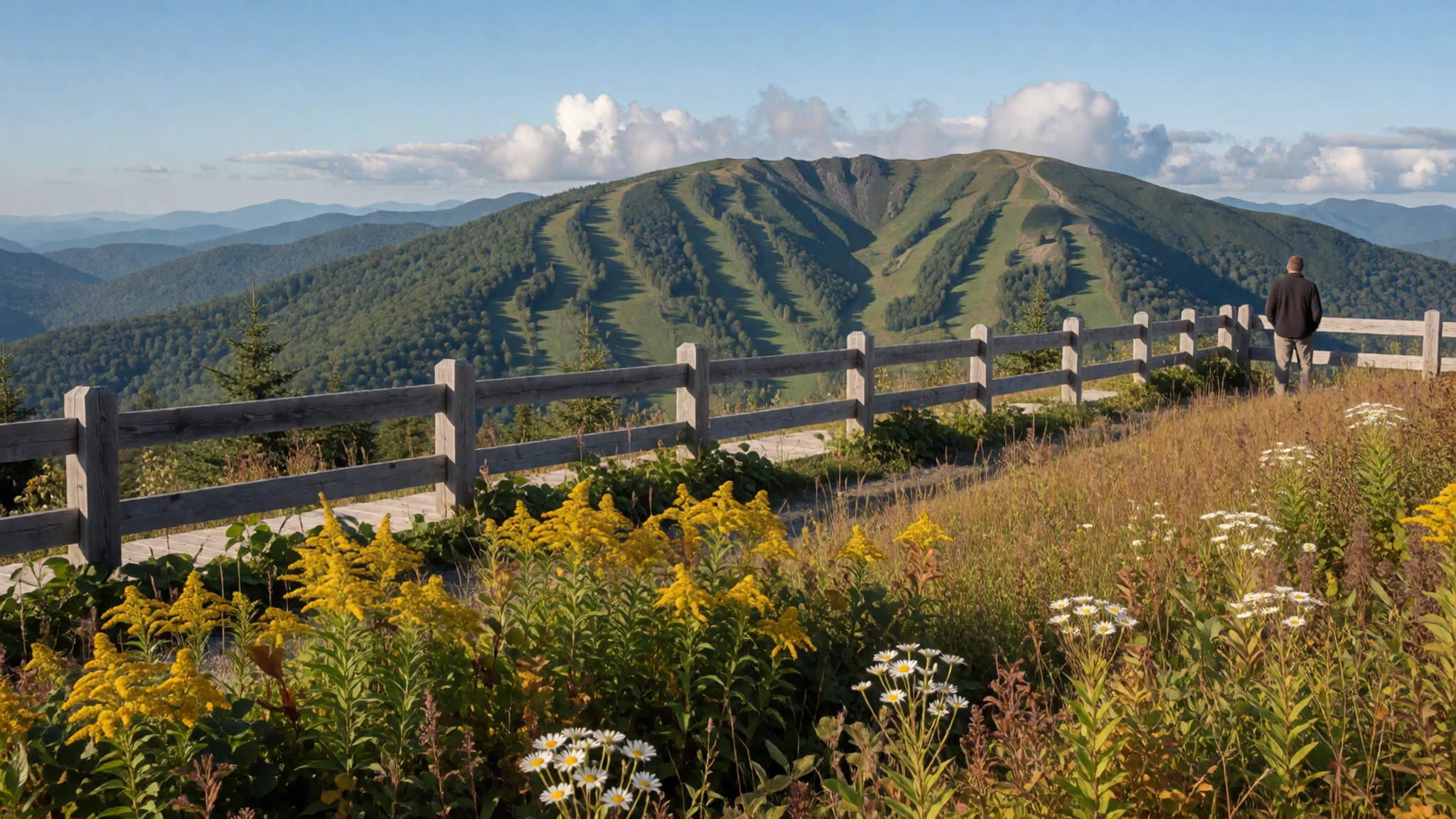
- High Falls Gorge — Ausable River valley
High Falls Gorge, on the Ausable River within driving distance of the village, has trails and picnic areas beside the water. It is an easy outing for families and for days when the peaks are in cloud, though paths can be wet or icy depending on the season.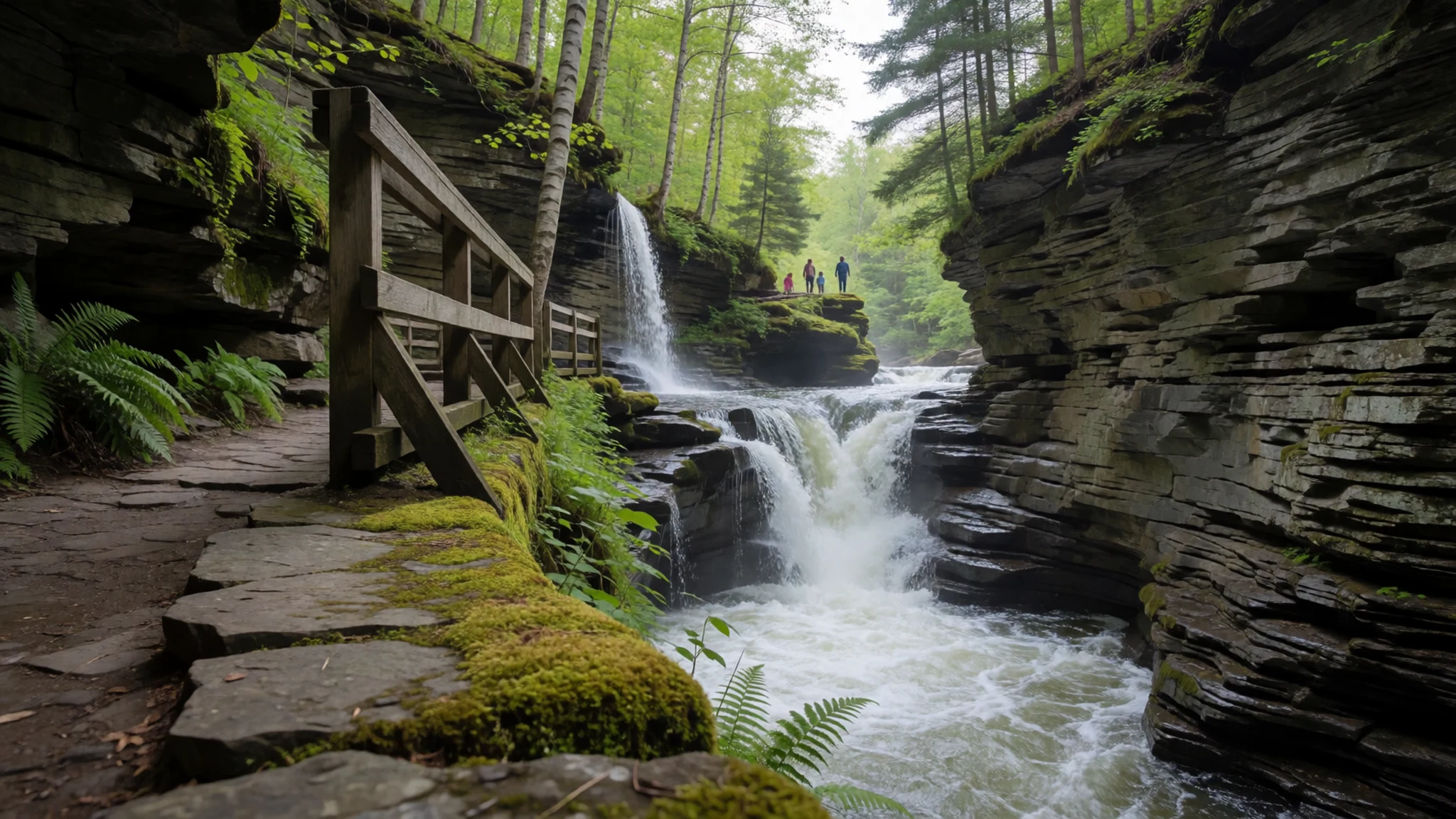
Culture
Lake Placid's culture is that of a resort village that has leaned on the outdoors for well over a century. Wealthy visitors arrived in the late nineteenth century for lakeside inns and a private club, and several grand lodging houses from that era still operate around Mirror Lake. Early cinemas followed, one right on the water, and the village kept a taste for performance: the Lake Placid Center for the Arts offers gallery shows and live theatre. Sport is the other thread. Olympic history is everywhere, from museum displays to the athletes who still train on the local ice and slopes, and winter festivals and endurance races are part of the yearly rhythm. Locals are used to visitors, and the mood is friendly and unfussy, with conversation turning readily to snow, trails and the next event. The John Brown Farm adds a more sober layer, a reminder that the Adirondacks were a place of abolitionist idealism as well as leisure. Small businesses depend on seasonal trade, so patience with queues on busy weekends is appreciated. Stay on marked trails and carry out all your litter when you hike or paddle, and keep your voice low at John Brown's grave, where people come to reflect.
What to wear
Lake Placid has no folk costume of its own; the clothing tied to the Adirondacks is working dress. Guides, loggers and farmers in the region wore heavy wool, flannel shirts and checked jackets, chosen because wool stays warm when damp, and a woollen check still reads as the local look in village shops. Today people dress for weather and activity: fleece, down jackets, waterproof shells, hiking boots and woollen hats in the cold months, and quick-dry layers, shorts and trail shoes in summer. Evenings are casual, and a clean jumper and jeans pass almost anywhere, including the better restaurants. Visitors should pack layers in every season, because mountain weather turns quickly. For winter, bring insulated waterproof boots with good grip, thermal underlayers, gloves and a hat, since ice on pavements is routine. For summer, bring a rain jacket, sun protection, insect repellent and sturdy shoes for trails, plus a swimsuit for the lake. There is no religious dress code to worry about, though a quiet, respectful manner suits the John Brown Farm. Ask locally about hiring skis, skates or boots rather than carrying heavy kit.
What to eat
- Bagels and breakfast sandwiches — Bakeries around Main Street
Bagels, fresh from a village bakery and eaten with a smoothie or a breakfast sandwich, are the usual start to a day of hiking or skiing. Some of the smaller counters take cash only, so carry a little.
- Sourdough deli sandwiches — Bakery-delis near the lake front
Deli sandwiches on sourdough baked the same morning make a sturdy trail lunch. Look for the bakery-delis near the lake front and the main shopping street, many of which also serve a cooked country breakfast.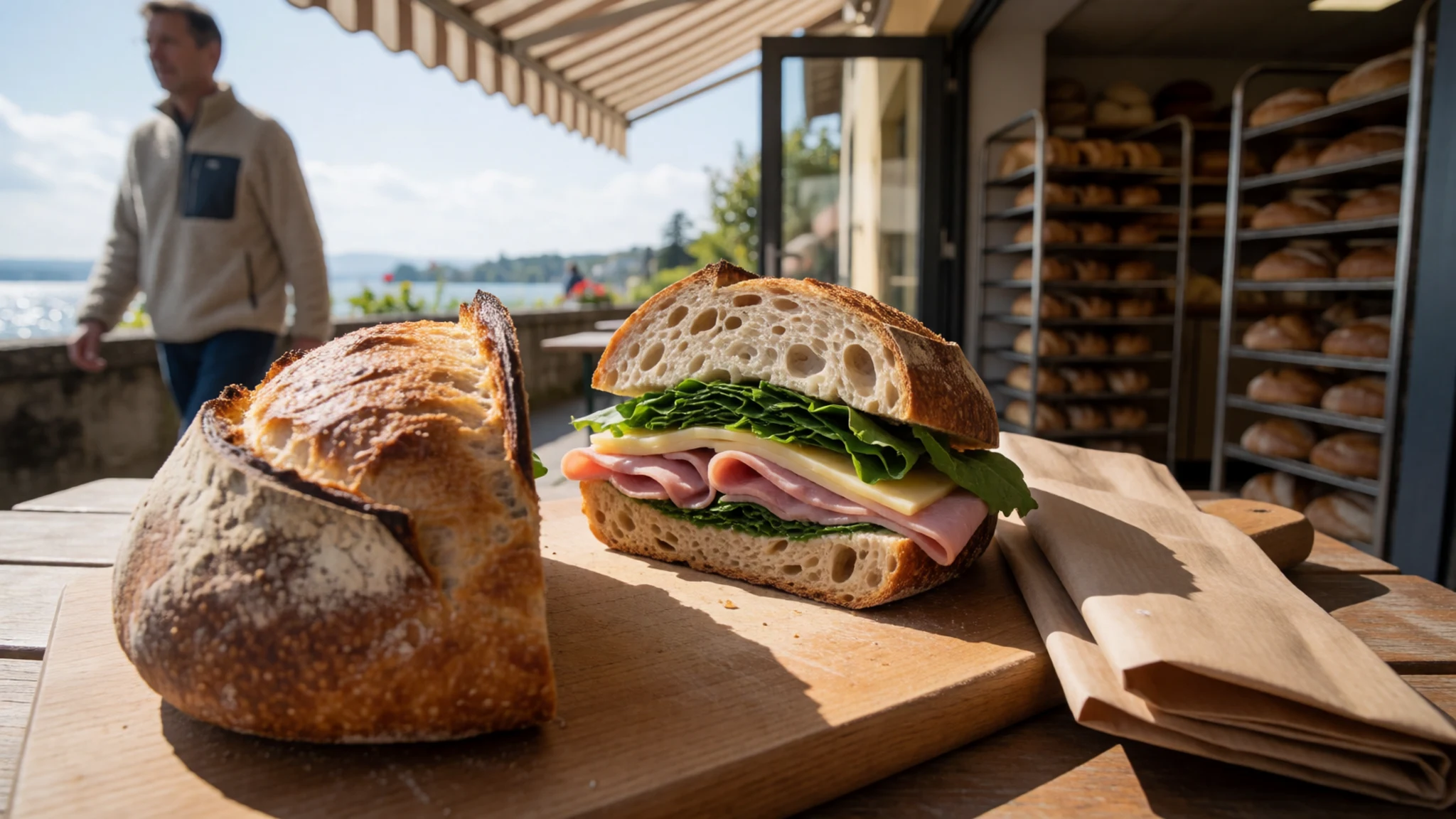
- Croissants and scones — Village bakeries along Main Street
Croissants and scones with a morning coffee are the standard pastry stop, found at the village bakeries along and just off Main Street. Arrive early on winter weekends, when the best items tend to sell out and queues form. - Fish fry and barbecue — Casual outdoor eateries with a bar
Outdoor barbecue and fish fries, sometimes with live music in summer, are served at casual spots with a full bar. They suit a warm evening after a lake swim or a long walk, and are relaxed about muddy boots. - Burgers and wings — Pubs and grills near the lake front
Burgers and chicken wings in a bar with a patio are the village's easy après-ski and après-hike food. Several relaxed pubs near the lake front serve them, and the mood is loud, friendly and welcoming to families. - Farm-sourced plates — Grills and inns on and near Main Street
Dishes built around local farm produce appear on menus at several grills and inns in the village; ask which farms supply the kitchen, since choices follow the season. A good choice for a slower dinner after a day outdoors.
Plan it
Best time. January–February for snow, skiing and skating; late June to September for hiking, swimming and paddling; October for autumn colour. Winters are cold and snowy, and summers are mostly comfortable, though spells of heat and humidity do occur.
How long. 2–3
Getting there. Lake Placid's own airport handles only charter and scenic flights. The closest domestic airport is Adirondack Airport (SLK) at Saranac Lake, and Albany, Burlington and Montreal are the nearest international airports, each followed by a drive. By road the village is about five hours from New York City and about two and a half hours from Montreal; leave the interstate for the state route and follow the signs.
Budget. mid
Tips
- Book rooms early for winter weekends, event weeks and the summer holidays, when the village fills up
- Carry some cash, as a few small bakeries and counters do not take cards
- Start trail walks early and carry water and a waterproof, since mountain weather changes fast
- Check the official village website for opening times and event dates before travelling
- A car makes it far easier to reach trailheads, Whiteface Mountain and nearby valleys
Etiquette
- Stay on marked trails and carry out all litter
- Keep noise down at the John Brown Farm and its grave
- Queue patiently at popular bakeries and eateries on busy weekends
Nearby
Sources
- Wikidata Q192700 (CC0)
- Wikipedia: Lake Placid, New York (rev 1381144802) (CC BY-SA 4.0)
- Wikivoyage: Lake Placid (rev 5408079) (CC BY-SA 4.0)
- Whiteface Mountain Ski Area, Public domain, via Wikimedia Commons (Public domain)
- Lake Placid from McKenzie Mountain, Mwanner, via Wikimedia Commons (CC BY 3.0)
- Relief location map of the USA, Uwe Dedering, via Wikimedia Commons (CC BY 3.0)
- New York - Lake Placid - NARA - 68145104 (cropped), War Department, via Wikimedia Commons (Public domain)
- The 1980 Winter Olympics, Dr. John Kelley, NOAA/NOS/COOPS, via Wikimedia Commons (Public domain)
- Olympic bobsled run poster, Works Progress Administration, via Wikimedia Commons (Public domain)
- Ironman 2006, Duke53, via Wikimedia Commons (CC BY-SA 2.5)
- North Elba Showgrounds, Mwanner, via Wikimedia Commons (CC BY 3.0)


Wildlife
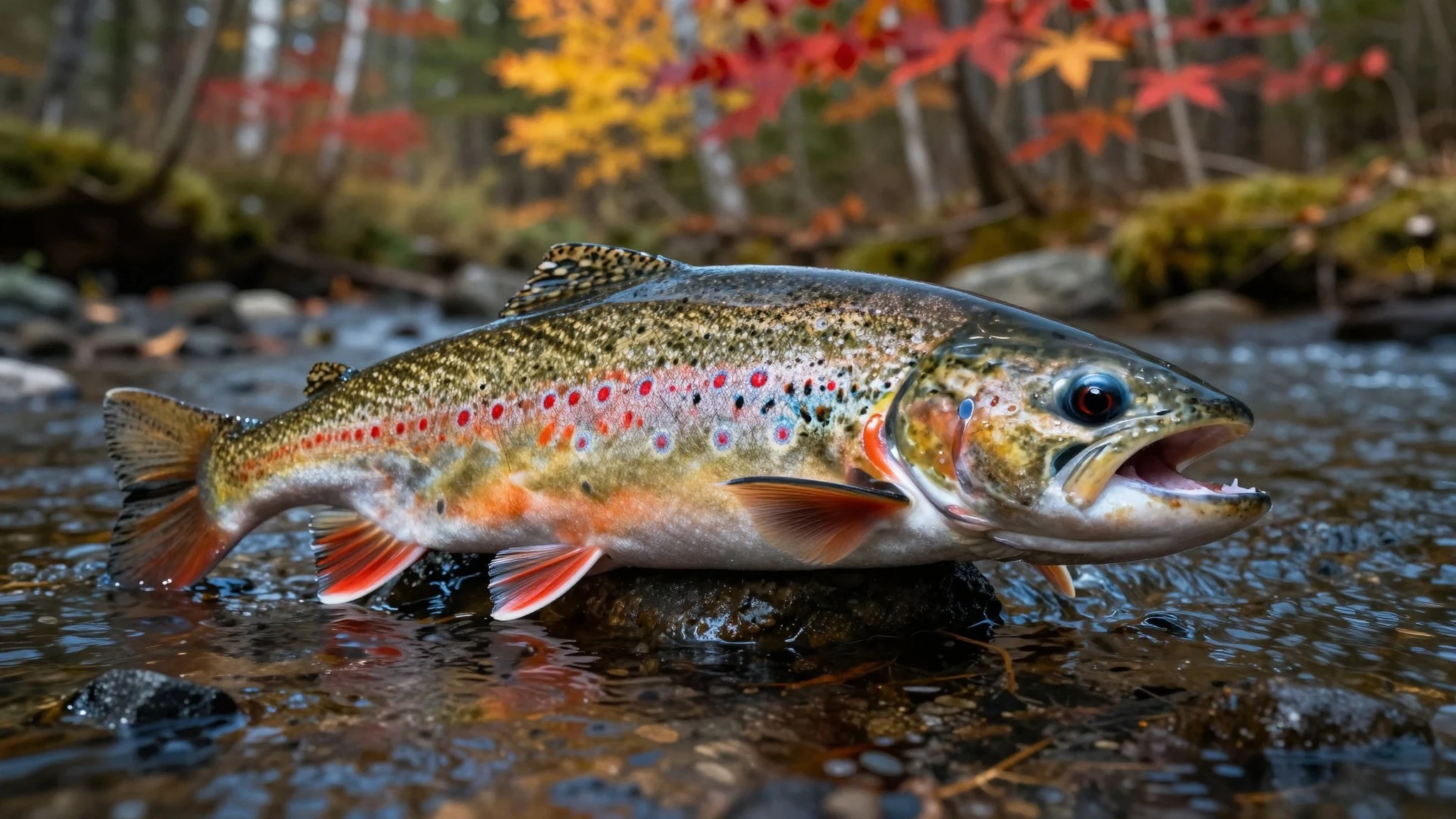
- Brook trout (animal)
The brook trout is a freshwater fish, a member of the salmon family that some people fondly call a brookie. Around Lake Placid, look beyond the town of North Elba, where forest and high peaks give way to trout rivers. Watch from the bank, standing well back and keeping your steps and voice soft so you do not startle it. A local guide can help you find good water. Never feed it; simply enjoy it.