Kpatawee Waterfall
Kpatawee Waterfall, Liberia
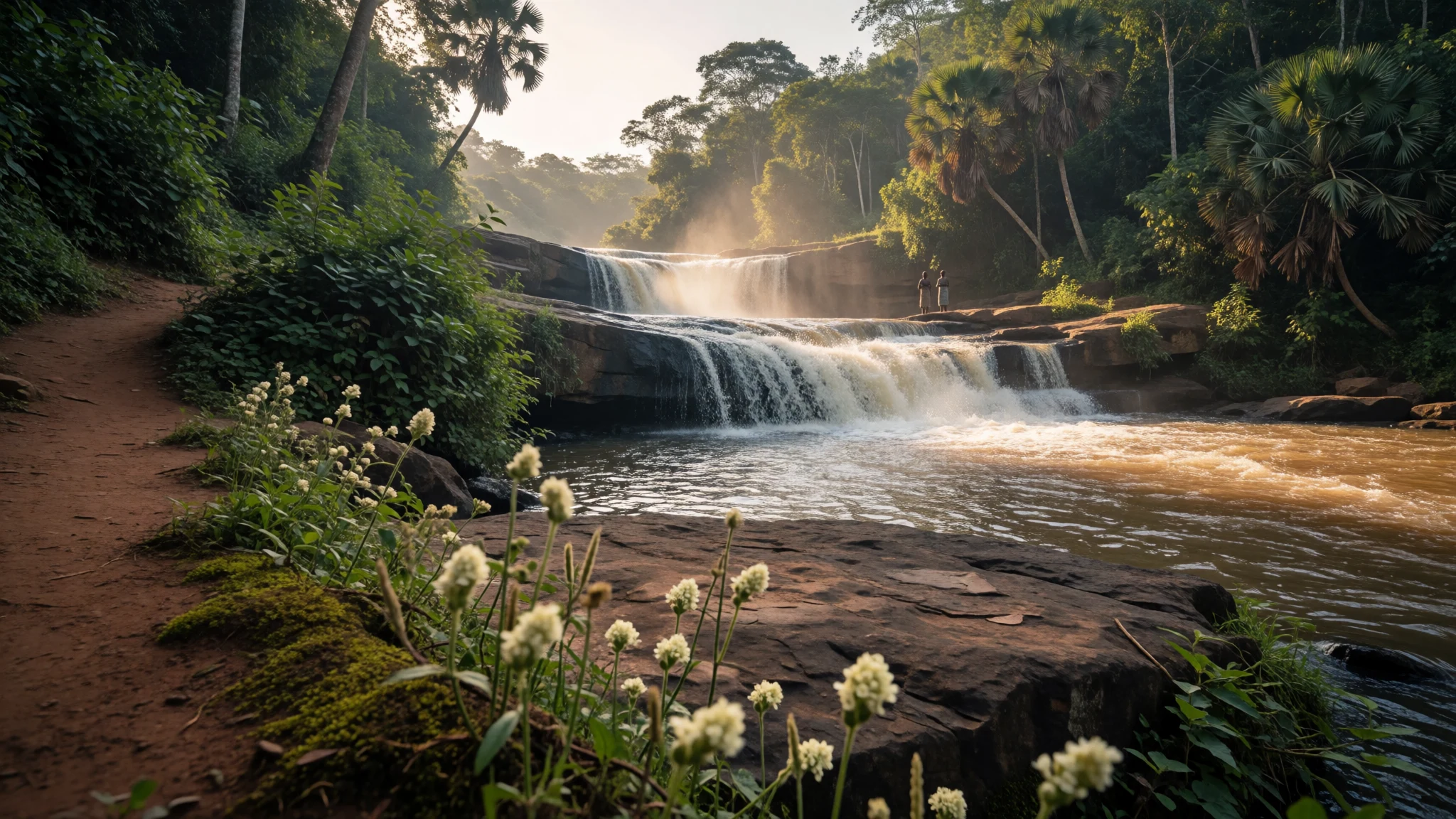
Kpatawee Waterfall offers a quiet, rural Liberian outing: broken white water in green bush, few crowds, and a country that rarely sees visitors.
The place
Kpatawee Waterfall lies in Bong County, in the forested interior of Liberia, well away from the coast and the capital, Monrovia. Water drops over a wide shelf of dark rock in several steps rather than one sheer fall, and its noise carries through the trees before the white curtain comes into sight. The reference photograph shows the front of the falls from a rocky viewpoint, with green bush crowding both sides. The surroundings are rural: red earth tracks, small farms and regrown forest rather than untouched jungle. Facilities are modest, and the place suits a country outing more than a managed park visit. Local families come at weekends, while weekdays tend to be quiet. Season changes the character completely. In the rains the falls run full, loud and brown-tinged, but the road softens and the rock turns slick. In the dry months the flow thins, the pools are easier to reach, and heat and dust build through the day. The wider region is hot and humid all year, so early starts help. Liberia is not set up for mass tourism, which is much of the appeal: few crowds, simple food nearby and locals who are glad to explain the area. It also means information is patchy, so asking in the nearby town of Gbarnga about current access and a local guide is sensible before heading out. Swimming near any falls should be judged on the day, since currents and hidden rocks are real risks.
Its story
Kpatawee Waterfall belongs to a country whose history is unusual in West Africa. Long before European ships appeared, people had settled the forest belt and the coast, farming, fishing and trading. Portuguese sailors later named this shore the Grain Coast after the melegueta pepper they came to buy, and Dutch and British traders followed with posts of their own. The modern state grew from a different idea. An American society sent freed Black Americans across the Atlantic to found a colony, and their descendants, the Americo-Liberians, eventually declared an independent republic. That is why Monrovia carries the name of a US president and why the national flag echoes the American one. The settlers formed a ruling class that kept power over the peoples already living inland, and that divide shaped politics for generations. Liberia stayed independent while European powers carved up the continent, though it lost territory to Britain and France and struggled under heavy debt. Under President William Tubman, foreign investment and a ship-registry system that attracted overseas shipping companies brought a period of growth. Later decades brought civil war, which damaged roads, buildings and any chance of a tourism industry. That is a large part of why a natural site such as Kpatawee has seen so little development: the falls are old, but the habit of visiting them is still young.
What to see
- Kpatawee Waterfall — Bong County, central Liberia
The falls themselves are the reason for the trip. Water spreads across a broad rock shelf and drops in steps, framed by green bush. The rocky ground in front gives a clear view, but it is slick when wet. Go early, keep to the dry stone, and treat the pools with caution.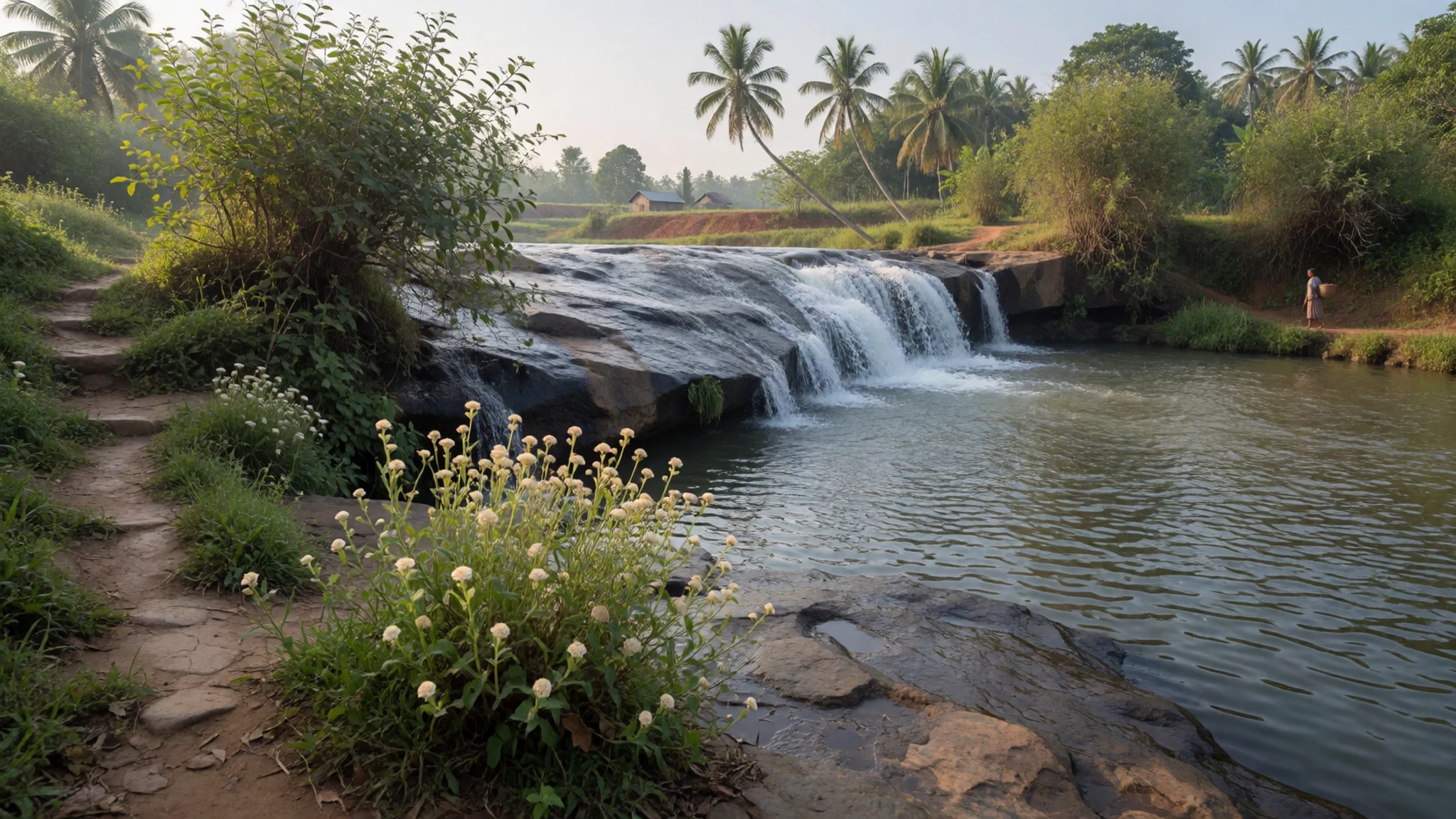
- Gbarnga — Bong County
The county town of Bong, and the practical base for reaching the falls. It has markets, small eateries and guest houses, and it is the best place to ask about road conditions and local guides. Expect a busy, working town rather than a sightseeing stop.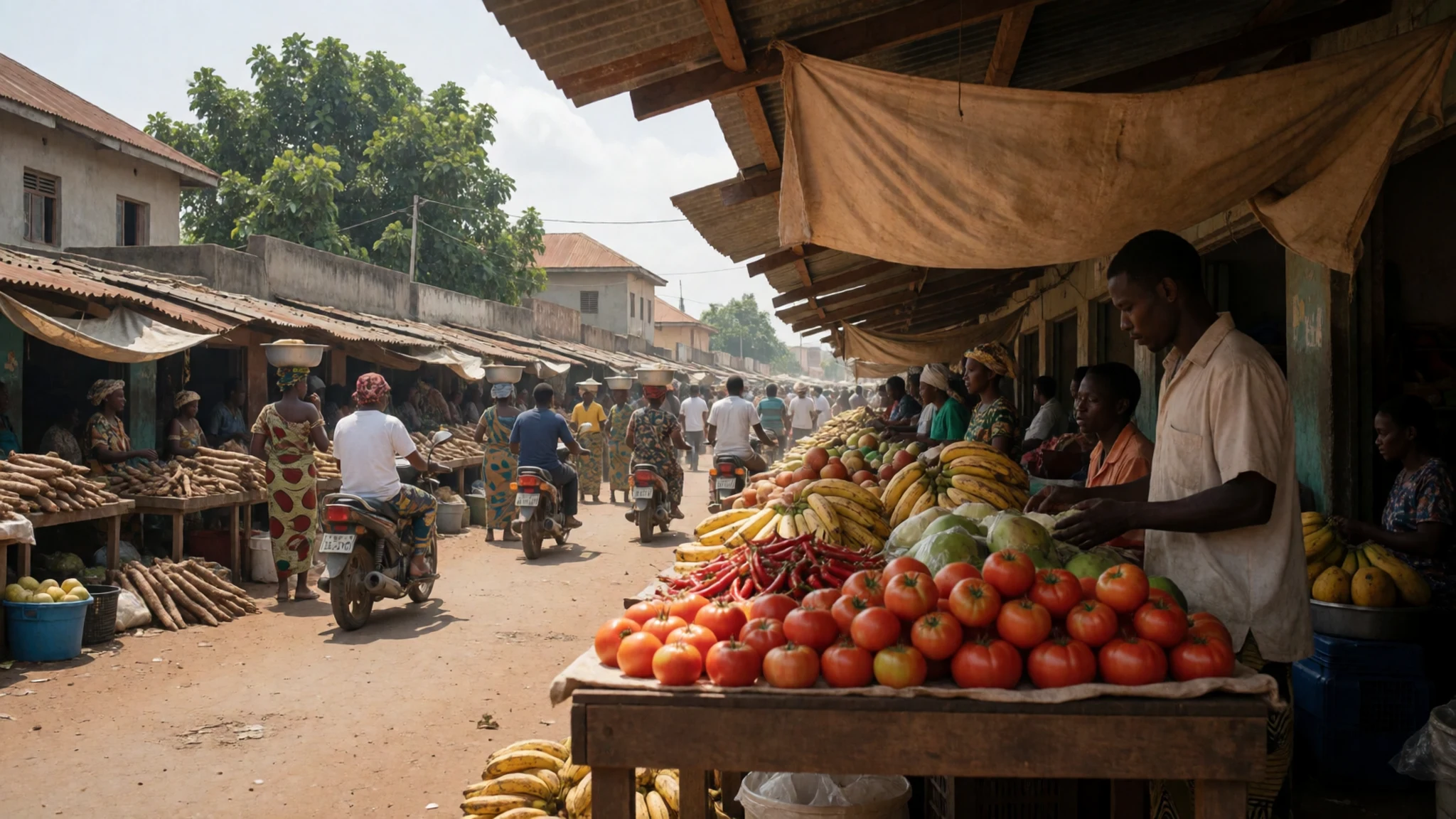
- Robertsport — Grand Cape Mount County
A coastal town west of Monrovia, often suggested as a day trip for its beaches and a glimpse of Liberia's cultural history. Basic camping on the sand is possible. The tides are strong, so swim only where locals say it is safe.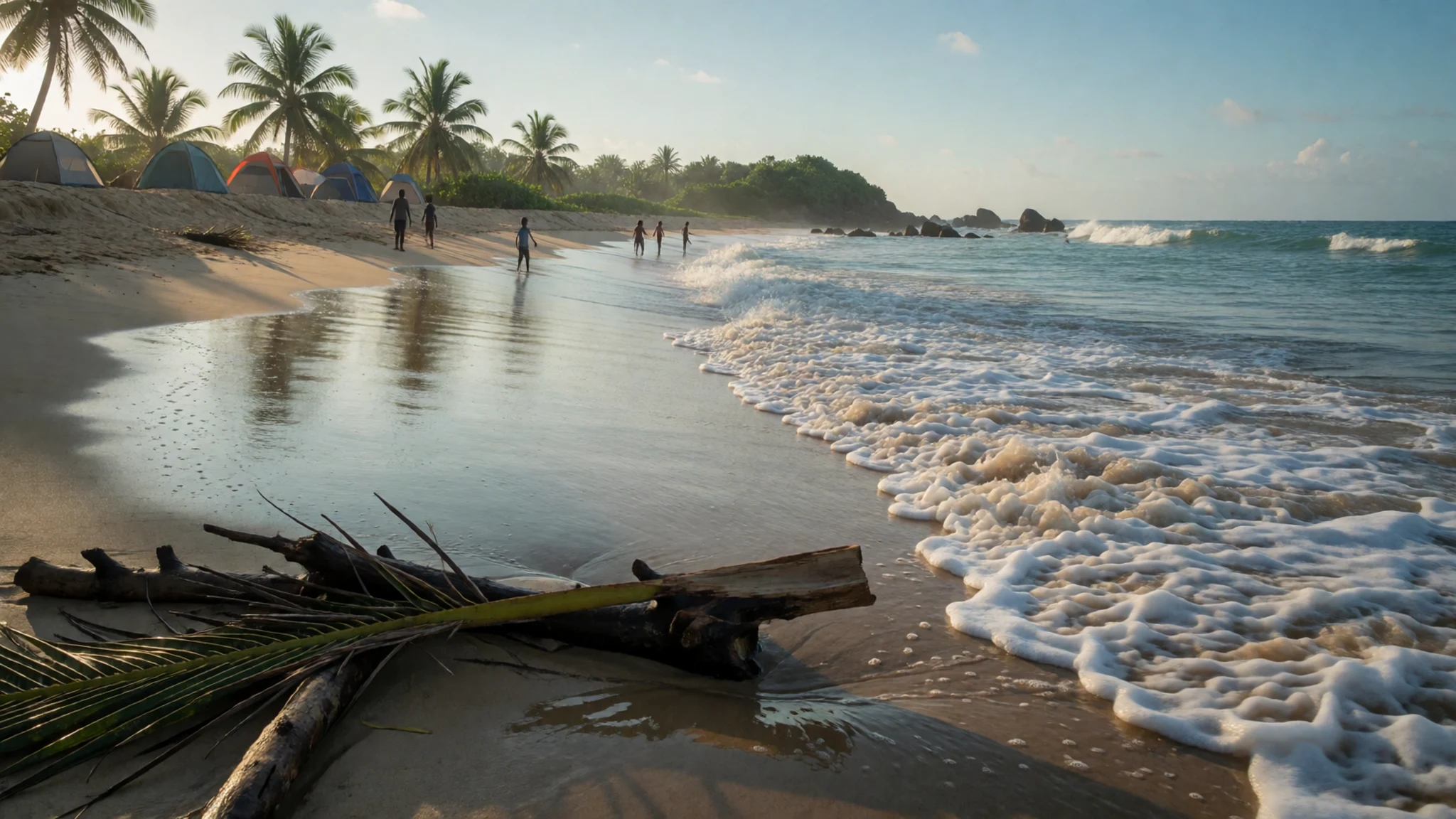
- Buchanan — Grand Bassa County
A port city on the coast, several hours by road from Monrovia, with long beaches, restaurants and guest houses. It works as a seaside pause after the inland heat, and it gives a different picture of Liberia from the forest and falls.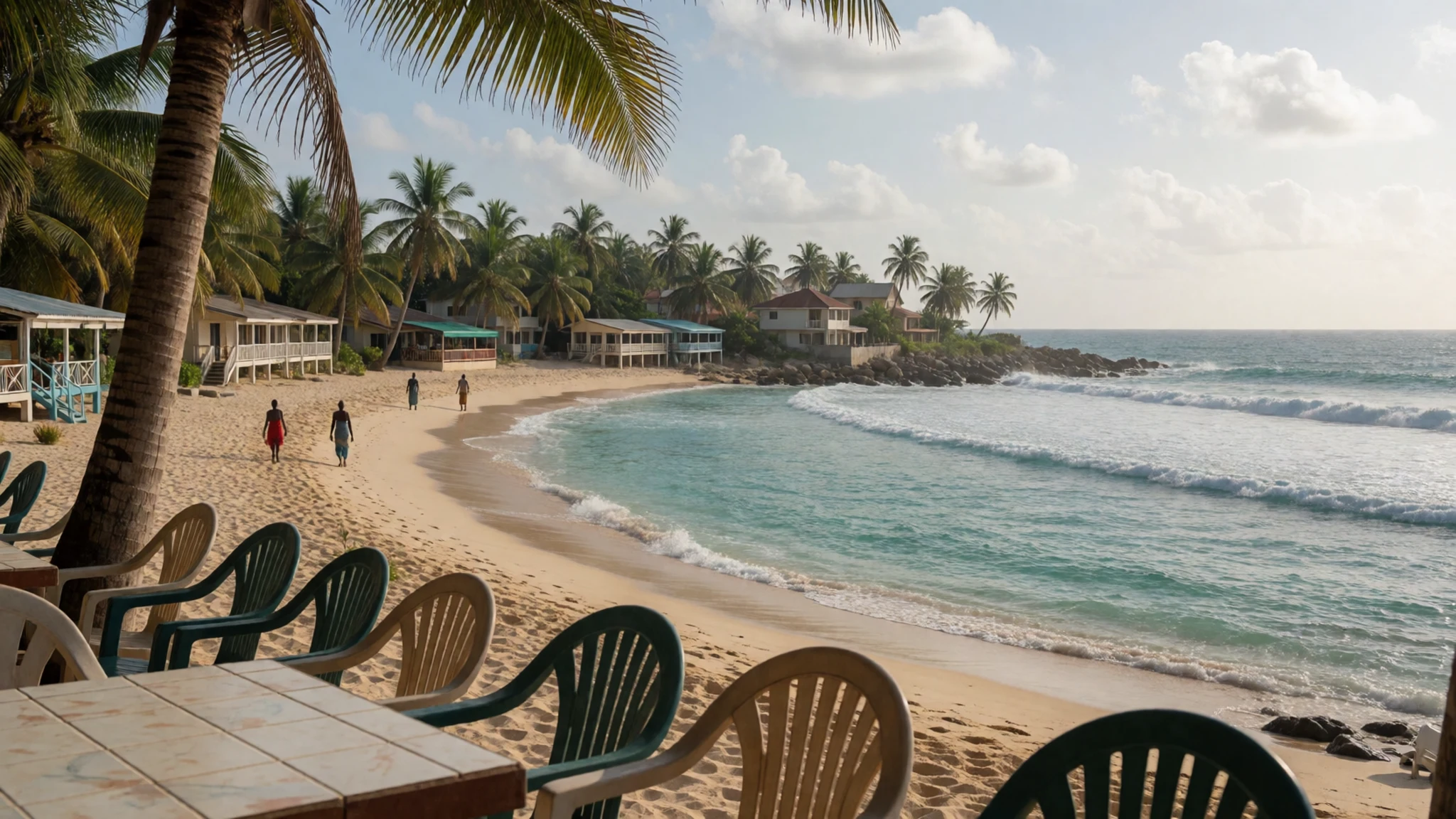
- CE CE Beach — Monrovia
One of several beaches around Monrovia, set up with palm-thatch shades, a drinks service and a protected swimming area. It is an easy place to rest on arrival or departure, though some other beaches nearby have rough waves and unsafe stretches.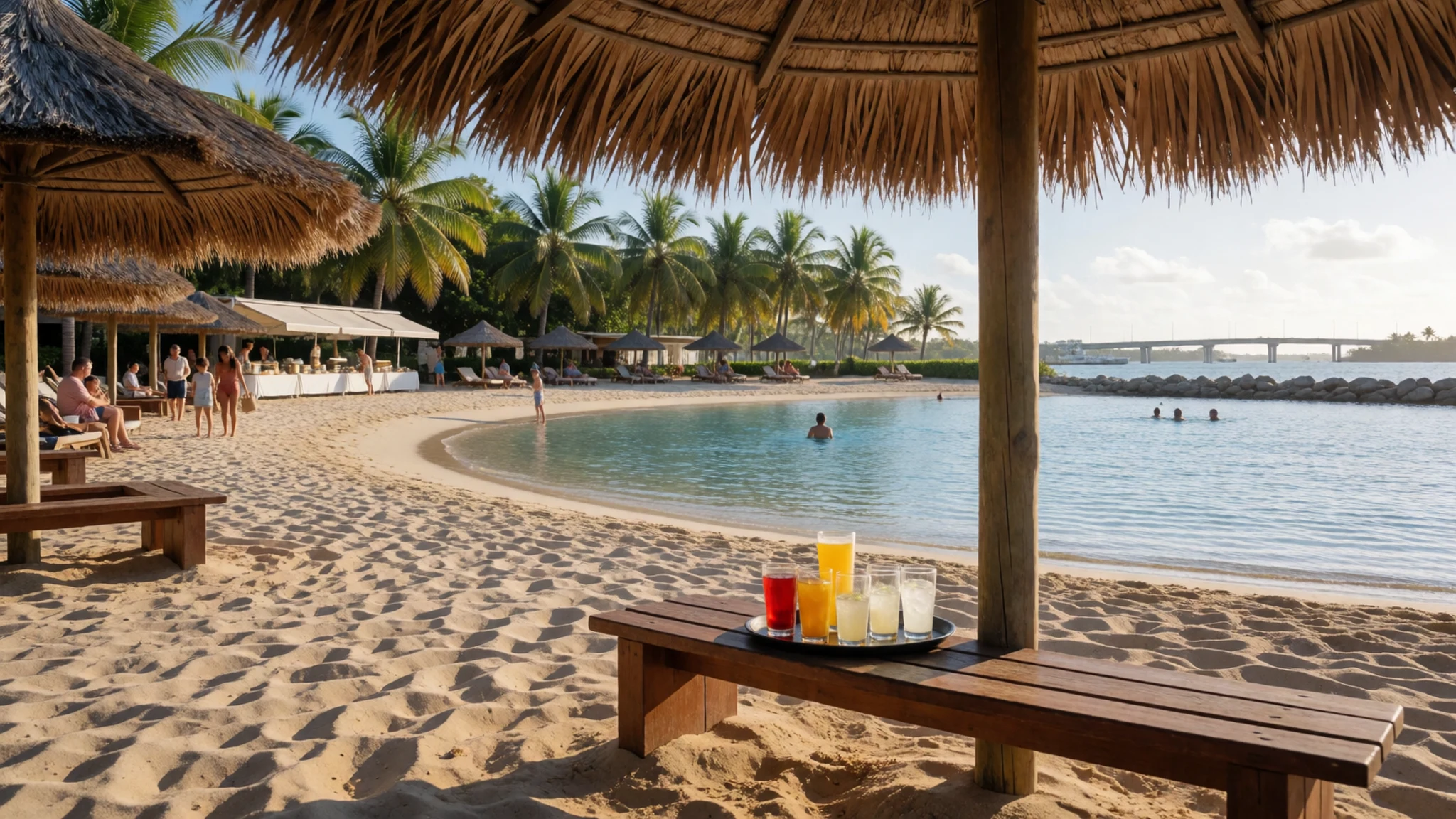
Culture
Kpatawee Waterfall sits in a country where greetings carry real weight. In Liberia it is customary to greet people wherever you go, and being ignored is taken as rudeness. A few minutes of friendly talk at a village or a ticket point will do more for your visit than any plan. Directness is handled gently: people tend to avoid a flat refusal, so a request may be answered with a softer phrase such as later or tomorrow, and visitors do better to reply in the same spirit. Liberia ranks among the world's most impoverished nations, and visitors may be asked for money or gifts, so it helps to decide beforehand how you will respond and to do so politely. Word travels fast in small communities, and locals who find you approachable will often warn you about problems on the road or around town. Liberian history is painful and recent, and the divide between settler descendants and inland peoples still shapes how many people talk about their country. Listen before offering opinions. Most people are sociable and open, and the stereotype of a country defined by its troubles does not match what most visitors find. Greet everyone you meet, including the person minding the path to the falls, and ask permission before photographing people.
What to wear
In Kpatawee and the surrounding country, traditional dress draws on country cloth, a strip-woven cotton made by sewing narrow bands into robes, gowns and wraps, and on the lappa, a length of printed or dyed cloth wrapped as a skirt or worn with a matching top and head tie. Both appear at weddings, church services, funerals and national days, and many families keep a set for such occasions. Everyday dress is plainer. In towns such as Gbarnga people wear shirts and trousers, dresses, football shirts and practical sandals, with brighter outfits on Sundays. Farm workers favour old clothes and rubber boots. Visitors should dress for heat, humidity and rain. Light, quick-drying layers in cotton or synthetic fabric suit the climate, and a thin waterproof jacket is worth carrying in the wet months. Shoes with a good grip matter more than style, because the rock around the falls is slick and the tracks can turn to mud. Cover shoulders and knees in villages and towns out of courtesy, and bring swimwear that is modest enough for a public place with families nearby. Add a hat, insect repellent and a dry bag for a phone and papers.
What to eat
- Palm butter — Local eateries in Gbarnga and Monrovia
A thick, rich soup made from palm fruit, usually with meat or fish, served over rice. It is a staple of Liberian home cooking and appears at most local eateries and at family gatherings.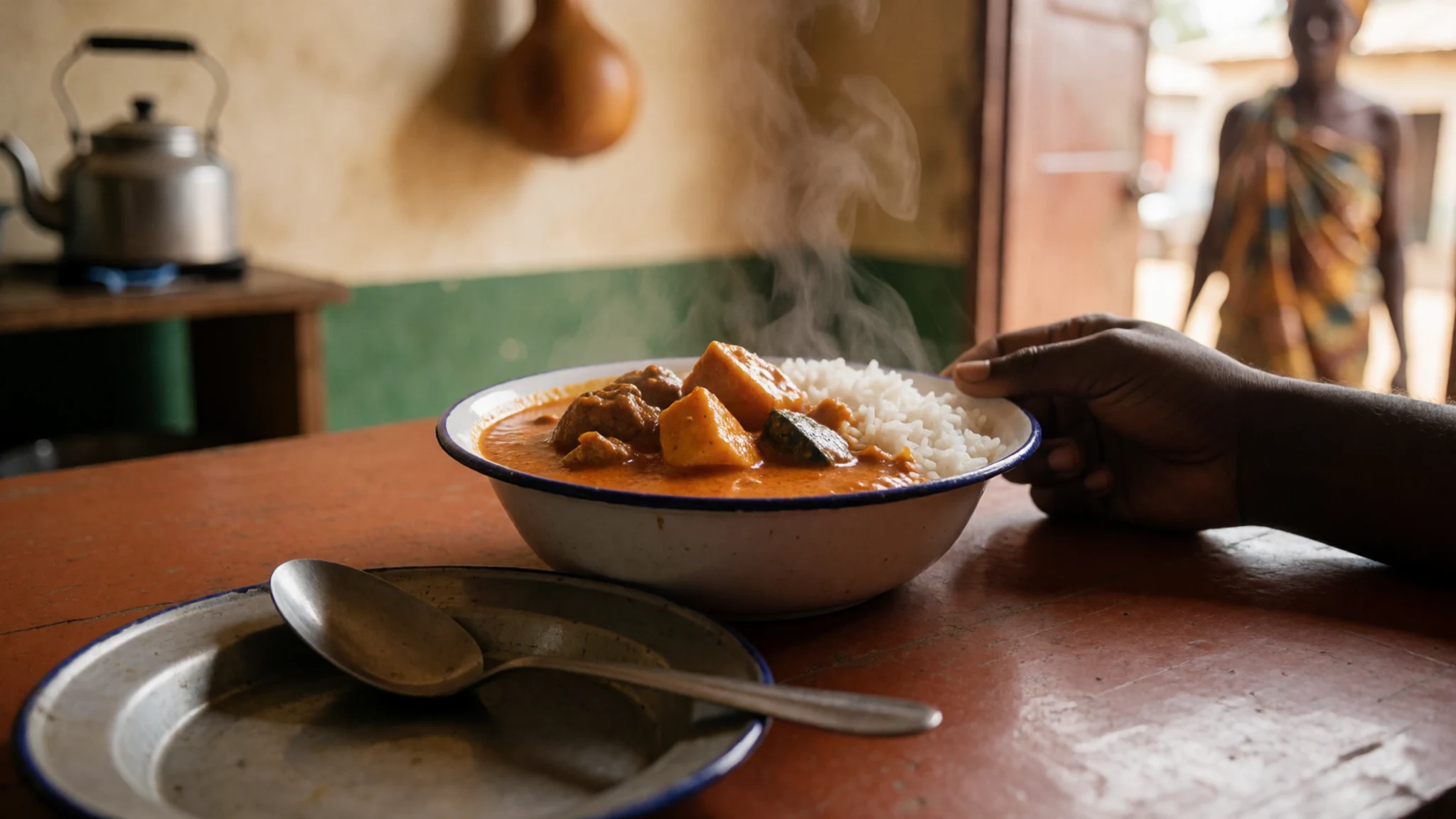
- Cassava leaf — Everyday cookshops and market food stalls
Pounded cassava leaves cooked down with meat or fish into a dark green stew and spooned over rice. It is hearty and slightly bitter, and it is often served in large portions.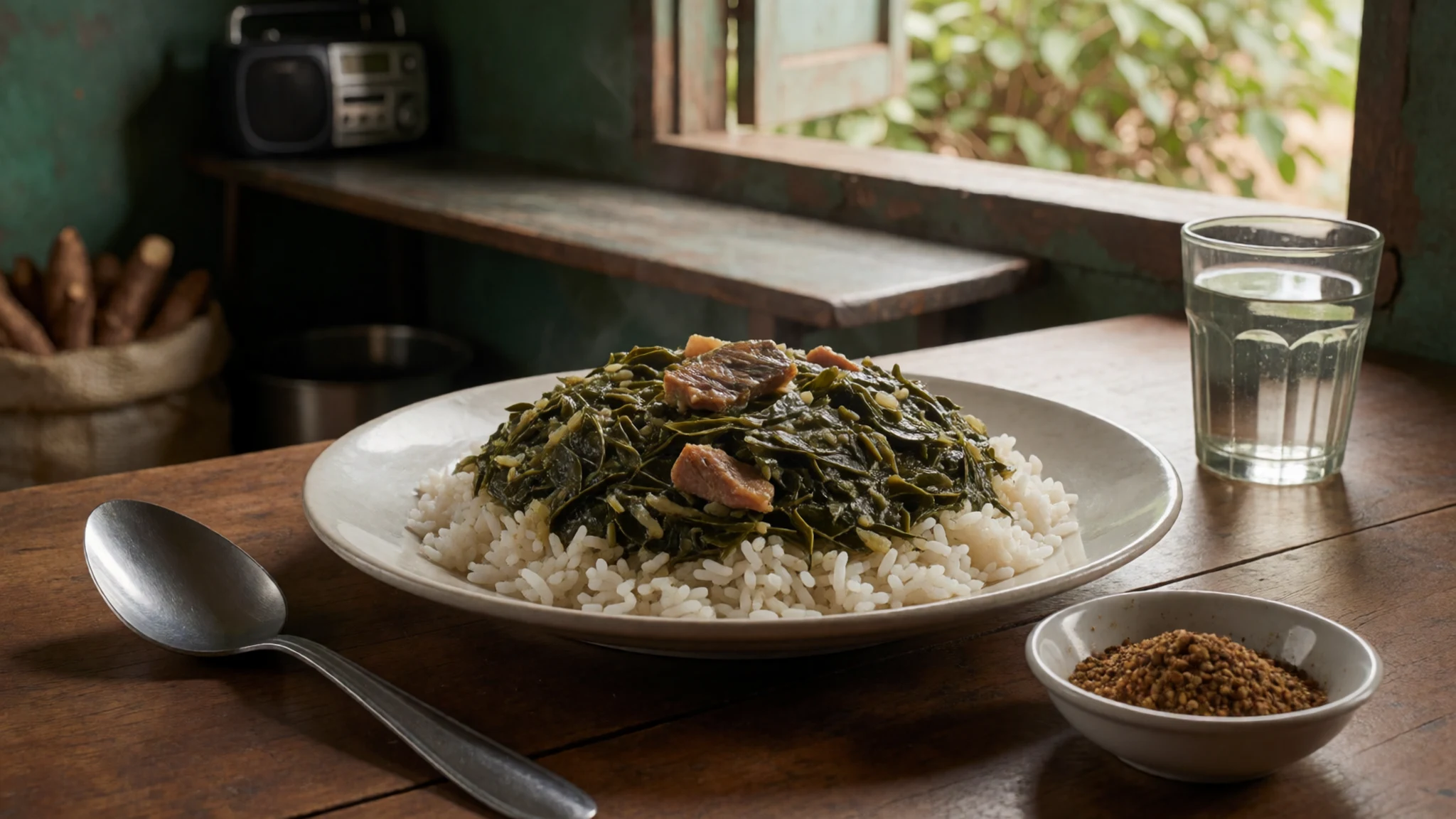
- Fufu with soup — Local restaurants and roadside eateries
Fufu is a smooth, stretchy dough made from fermented cassava, eaten with the hands and dipped into soup. Goat soup and pepper soup are the common partners, and the pepper soup can be properly hot. - Jollof rice — Cookshops and market stalls
Rice cooked in a seasoned tomato base, popular across West Africa and made here with Liberian spice and pepper. It is a common choice for a quick, filling lunch before or after a trip to the falls. - Fresh morning bread — Street sellers and small bakeries in towns
Breads sold fresh in the morning, some close to banana bread and others closer to cornbread. They are slightly oily and good with tea, and make a handy snack for a day out. - Roasted plantain and street snacks — Street vendors and roadside stalls
Vendors sell fried plantain chips, roasted corn, roasted plantain, peanuts and fresh fruit such as mango and banana. They are cheap, easy to carry and ideal for the road to the falls.
Plan it
Best time. December to March, in the drier months, when roads are firmer and the rock is less slick; the rainy season brings a much louder, fuller fall but muddy tracks and slippery stone.
How long. 1–2
Getting there. Fly to Roberts International Airport near Monrovia, then travel by road inland to Gbarnga in Bong County. The last leg to the falls is on local roads, so ask in Gbarnga about current conditions and arrange a driver or local guide.
Budget. mid
Tips
- Arrange a driver or guide through your guest house in Gbarnga and ask about road conditions before you set off
- Carry cash, including US dollars, because cards are rarely useful outside Monrovia hotels
- Use bottled water from a supermarket or filling station rather than street bags, and bring plenty for a hot day
- Check current entry rules: most visitors apply online for an e-visa, and a yellow fever certificate is required
- Return before dark; avoid walking around at night and keep car doors locked in busy areas
Etiquette
- Greet people properly wherever you stop, and be patient and polite when asked for money or gifts
- Ask before photographing people, and dress modestly in villages and towns
Nearby
Sources
- Wikidata Q107126405 (CC0)
- Wikipedia — Liberia (CC BY-SA 4.0)
- Wikivoyage — Liberia (rev 5430861) (CC BY-SA 4.0)
- Front View of Kpatawee Falls — Bethel. Anthony Chisom (CC BY-SA 4.0)
