Lake Piso
Lake Piso, Liberia
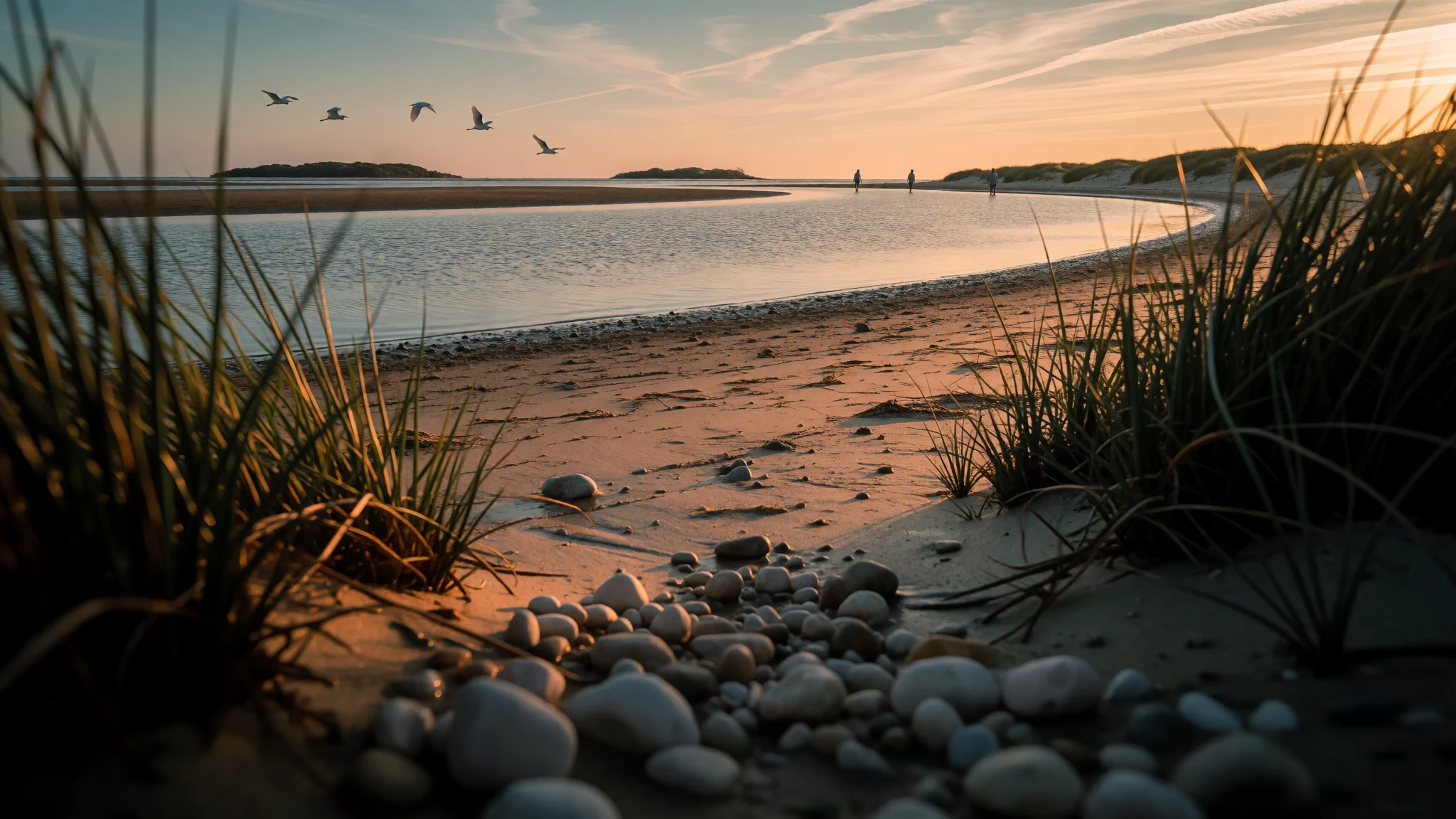
Lake Piso is a brackish tidal lagoon beside Robertsport, where fishing canoes, island birds and a quiet Atlantic beach town share one coast.
The place
Lake Piso is a long, oval tidal lagoon in Grand Cape Mount County, western Liberia, beside the town of Robertsport. It also goes by Lake Pisu and Fisherman's Lake. The name comes from a local expression meaning pigeon's hole, a memory of the flocks that once came to drink here. The water is brackish, part river and part sea. A narrow channel known locally as the bar mouth joins the lake to the Atlantic, so salt and water level shift with the tides and rains, while streams such as Mole Creek and the Mafa River bring fresh water in from the land. The lake lies along the Cape Mount peninsula at an elevation of about a metre, and that flatness shapes everything: shores are low and soft, villages sit close to the waterline, and an inlet that silts up or a spell of heavy rain can push the lake into homes. Several islands, Massatin Island among them, shelter monkeys and many kinds of birds. BirdLife International has named the lake an Important Bird Area, and a nature reserve was set up nearby, so the pleasure here is slow watching rather than ticking off sights. Lake Piso is not a developed attraction. Expect canoes, small settlements, simple lodging in Robertsport, and a hot, humid climate with a long wet season. It suits a modest, local-scale trip, with boats and guides arranged through people in town.
Its story
Lake Piso has been a quiet backdrop to several hard chapters in Liberian history. People have lived in this part of the country since at least the 12th century, and Portuguese, Dutch and British traders later made contact along the coast. In the Second World War the sheltered water served as a base for Allied seaplanes, a sensible use for a calm lagoon close to the sea. During the Liberian Civil War, some families made their way to its shores as a temporary refuge. Flooding is the lake's recurring danger. In August 1998 the narrow inlet to the Atlantic became blocked, the lake rose over its banks and damaged homes in Garwular District. Heavy rains in the following months caused further overflow, many settlements were affected, lives were lost and thousands of people were left homeless, which led the government to declare a disaster zone. Tragedy came again in December 2002, when an overcrowded wooden ferry capsized where the Mafa River meets the lake. It was carrying about 200 people, most of them returning from a local footballer's funeral, and only 15 were pulled out alive. That night is a reason to take boat loads seriously on any crossing today. A more hopeful step came in 1999, when a nature reserve was designated near the lake, and the surrounding wetlands were later recorded as the only site in Liberia recognised as a wetland of international importance.
What to see
- The lakeshore and fishing canoes — Lake Piso shoreline, Grand Cape Mount County
The shore of Lake Piso is the simplest and best introduction: low banks, small landing places and wooden canoes working the shallows. Early morning is cooler and calmer, and fishing families are usually busy then. Stand back, greet people first, and ask before photographing anyone or their boats.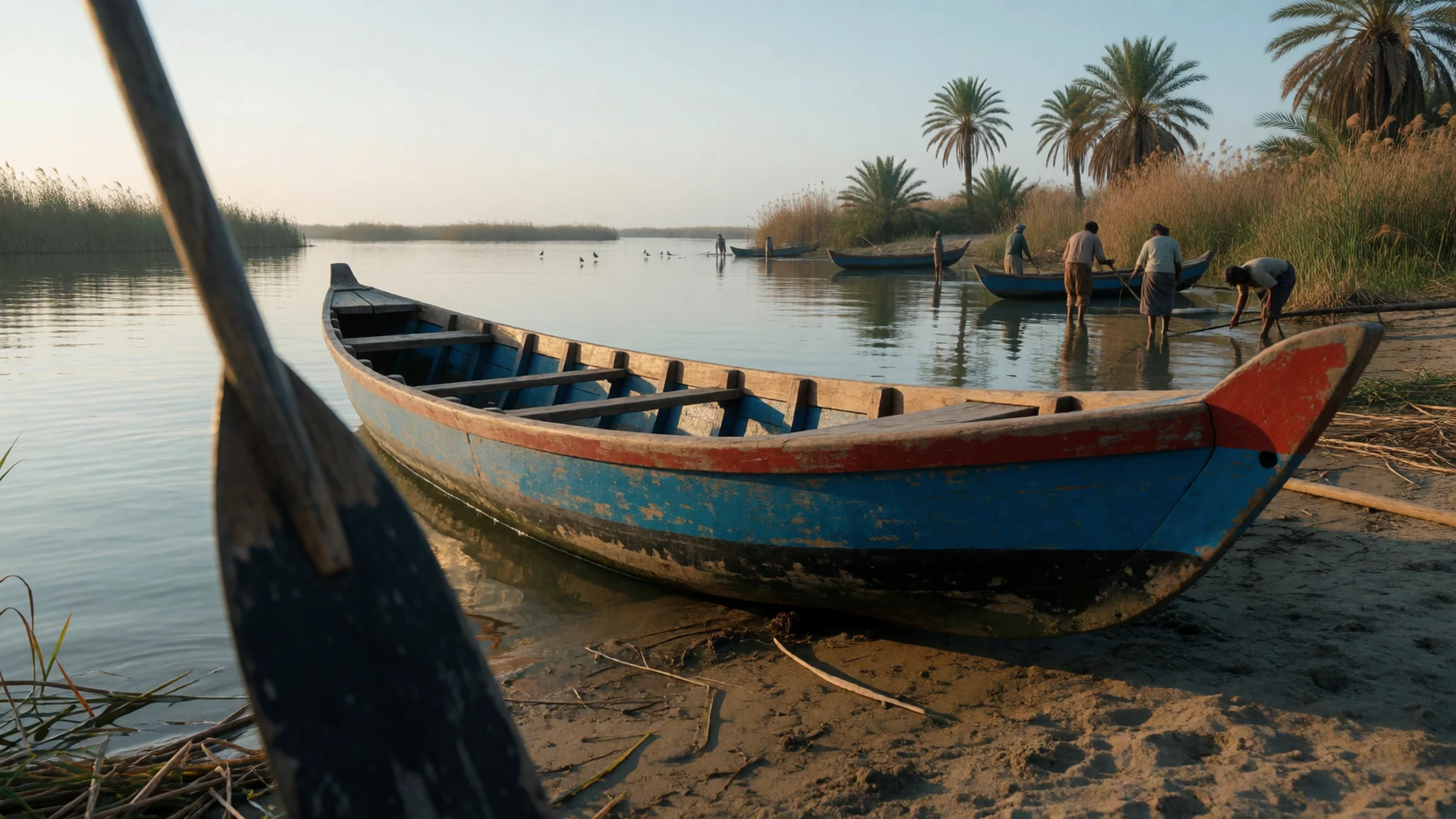
- Massatin Island and the lake islands — Islands within Lake Piso
The islands in the lagoon are havens for monkeys and birds, and Massatin Island is the one most often named. Reaching them means a boat, so arrange a local boatman through Robertsport, agree the route beforehand, and check that the vessel is sound and not overloaded.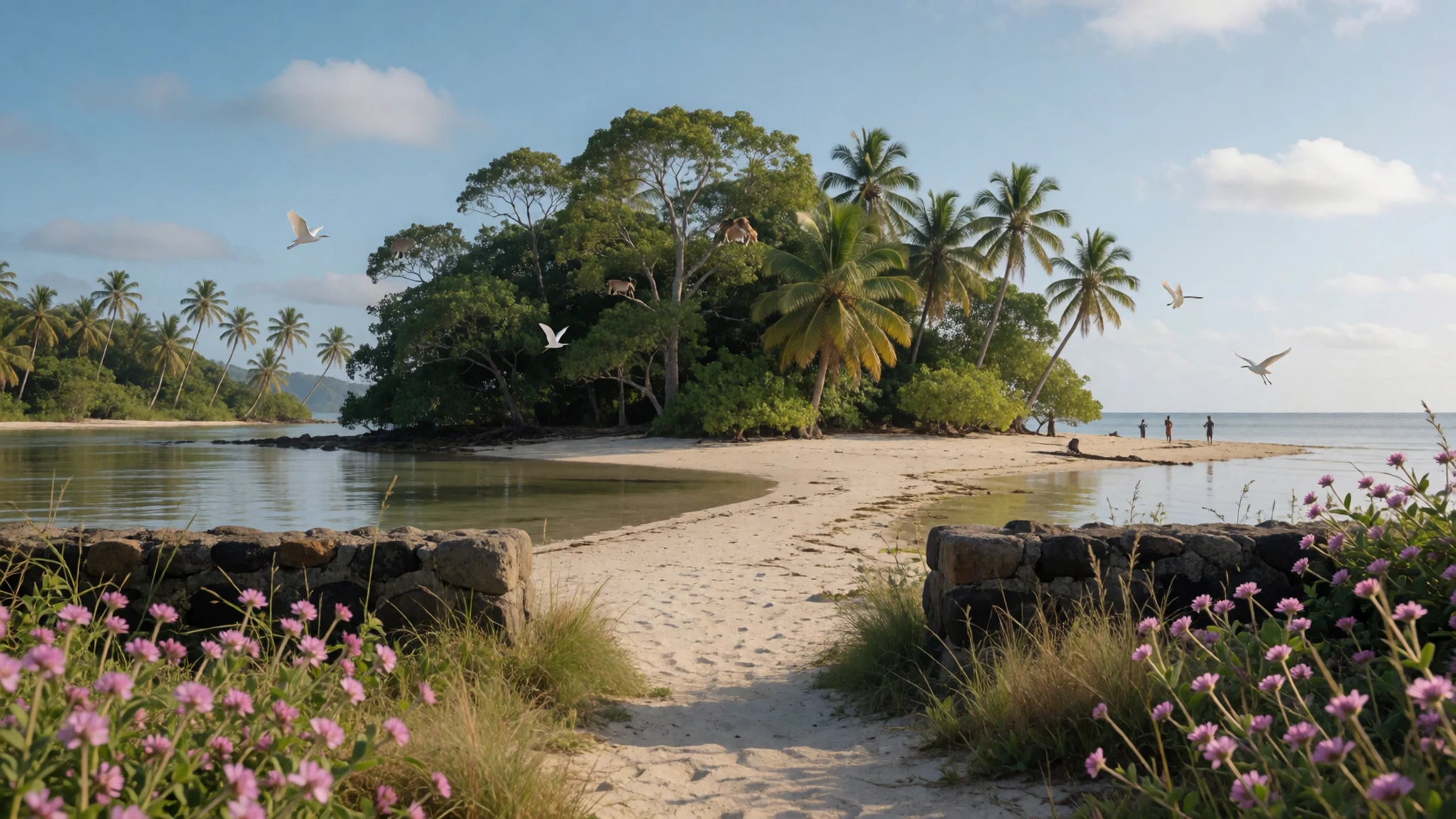
- Birdwatching in the wetland reserve — Wetlands around Lake Piso
The lake is an Important Bird Area, with significant populations of many species, and the reserve around it protects wetland habitat. Binoculars, a hat and patience matter more than a long itinerary. Dawn and late afternoon are the best light, and a local guide can point out where birds gather.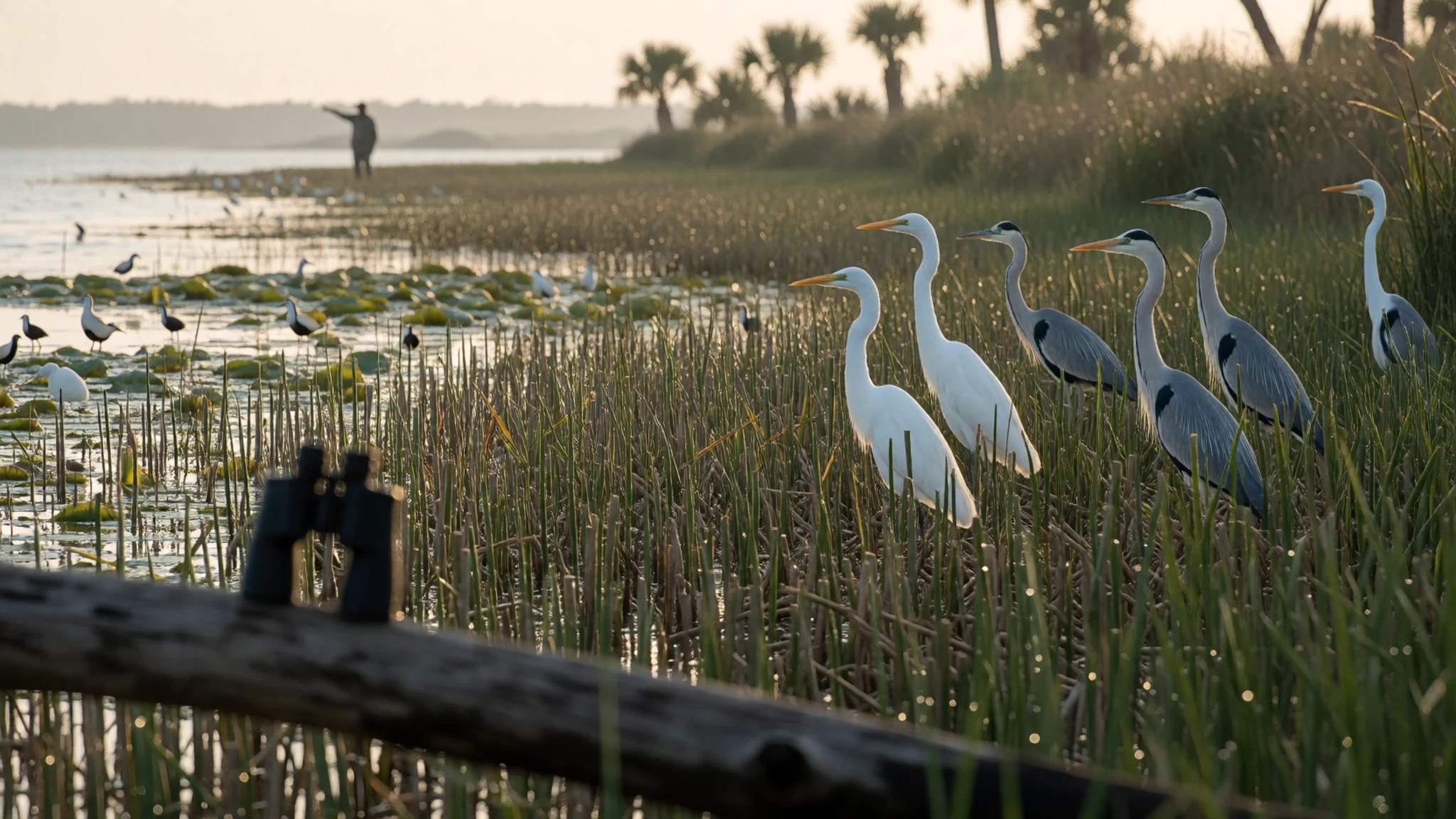
- The bar mouth — Between Lake Piso and the Atlantic, near Robertsport
The bar mouth is the narrow inlet where lake water meets the Atlantic. It is worth seeing for how the whole system works, and for why it has caused flooding when blocked. Currents here can be strong, so watch from the bank and ask local people where it is safe to stand.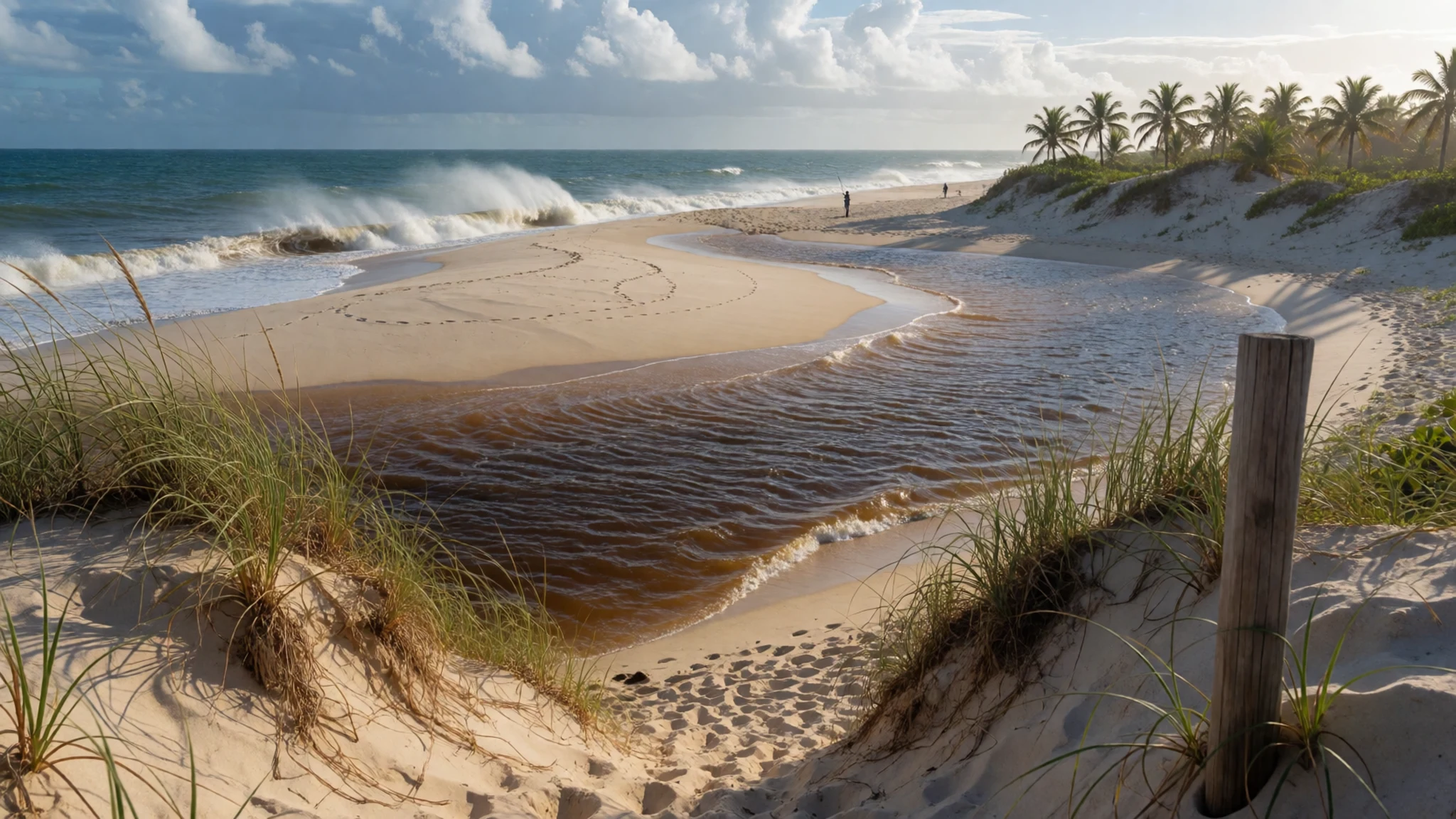
- Robertsport and its beaches — Robertsport, Grand Cape Mount County
Robertsport is the nearest town and the usual base, with clean beaches and a feel of a quiet, slightly faded port. Wikivoyage describes it as a rewarding day trip from Monrovia. Tides are strong, so swim only where locals do, and ask about beach camps and guesthouses before arriving.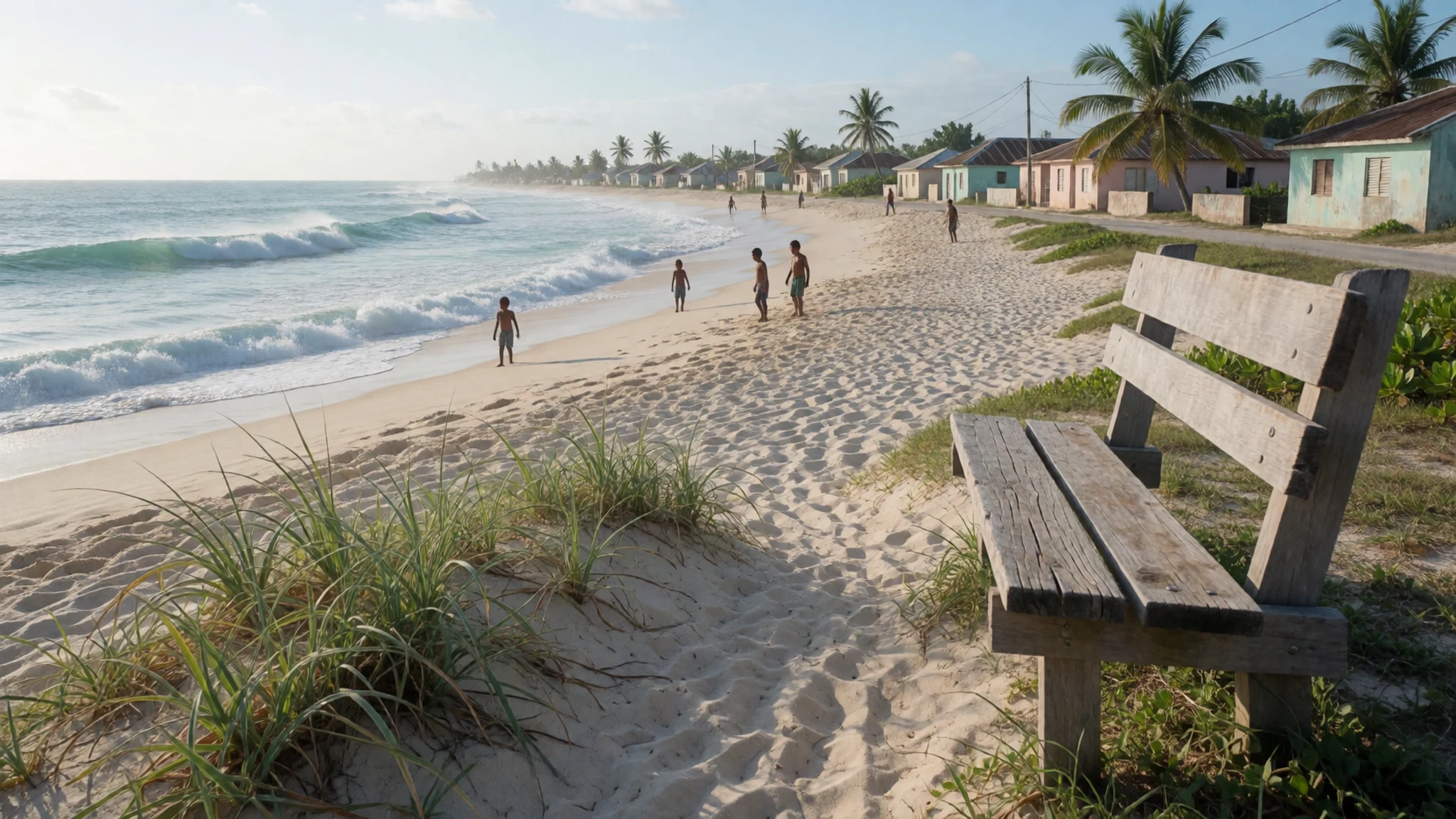
Culture
Lake Piso sits in a part of Liberia where everyday courtesy matters more than any formal rule. Greeting people is expected wherever you go, and being ignored is taken as rudeness. Conversation is usually indirect: people avoid blunt words and are sensitive to being summoned with a sharp gesture, so sensitive matters are best raised gently and with respect. A flat refusal is also considered impolite, which is why a request may be repeated until you give in. Softer replies such as later, tomorrow or I will see what I can do keep goodwill intact. Liberia is among the countries where many families live with real hardship, and visitors may be asked for money or gifts. Answer warmly rather than coldly, and decide in advance what you are comfortable giving. News travels fast in small communities, and people who know you are approachable will often warn you of local risks, so it pays to be friendly and open-minded rather than assuming the worst of anyone. Fishing and ferry life on the lake is a livelihood, not a show, and people notice how visitors behave around it. Greet everyone you meet in a lakeside village before asking anything, and ask permission before photographing people or their canoes.
What to wear
Around Lake Piso, traditional dress in Liberia draws on West African cloth: wrapped lappa fabric, often printed in bold patterns and made into matching skirts, tops and head ties, and country cloth, a strip-woven cotton made in narrow bands sewn together. These are worn most at church services, weddings, funerals and public celebrations. Day to day, most people in Robertsport and the lake villages wear what suits the heat: T-shirts, football shirts, shorts, jeans, simple dresses and sandals, with smarter clothes for Sundays and formal events. Fishing families dress for the work, often barefoot or in rubber sandals. A visitor should pack light cotton or linen that dries quickly, with long sleeves and trousers for sun and insects, plus a hat and sunglasses. Bring a rain jacket for the wet season. Footwear needs two kinds: sturdy sandals or water shoes for muddy banks and boat landings, and closed shoes for walking. Keep swimwear for the beach and cover shoulders and knees in villages, churches and mosques. Dressing neatly and modestly is read as respect and helps with the greetings that matter so much here.
What to eat
- Palm butter — Local cookshops in Robertsport
A thick, rich stew made from palm fruit, usually served with rice and cooked with meat or fish. It is a staple of Liberian home cooking and tastes smoky and savoury rather than sweet. Look for it at small local cookshops in Robertsport.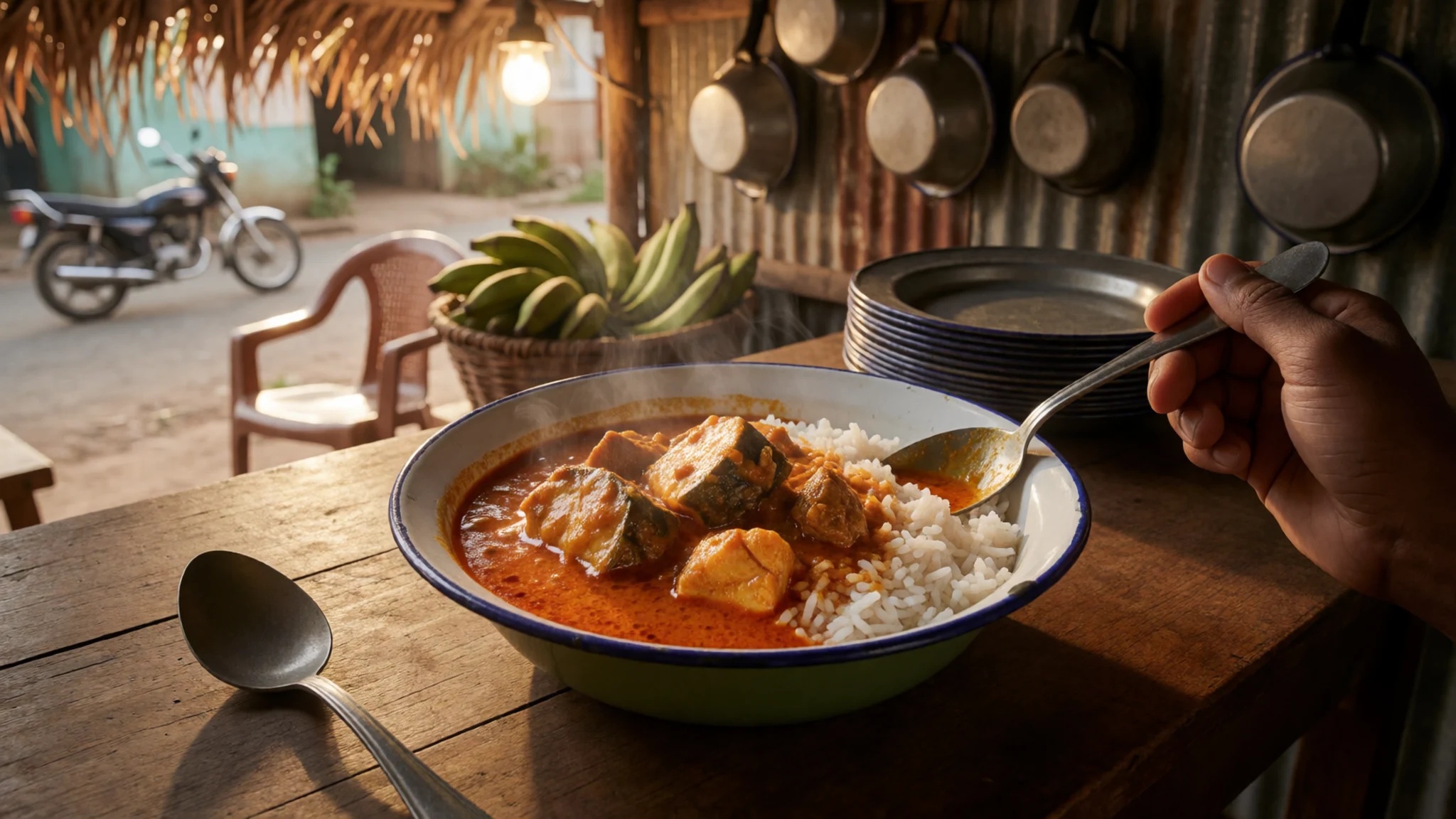
- Cassava leaf — Small eateries and family kitchens in Robertsport and Monrovia
Pounded cassava leaves are slow-cooked into a dark green stew with meat or fish and served over rice. It is filling, earthy and generous in portion. Ask what is cooked that day, as many eateries make just a few dishes.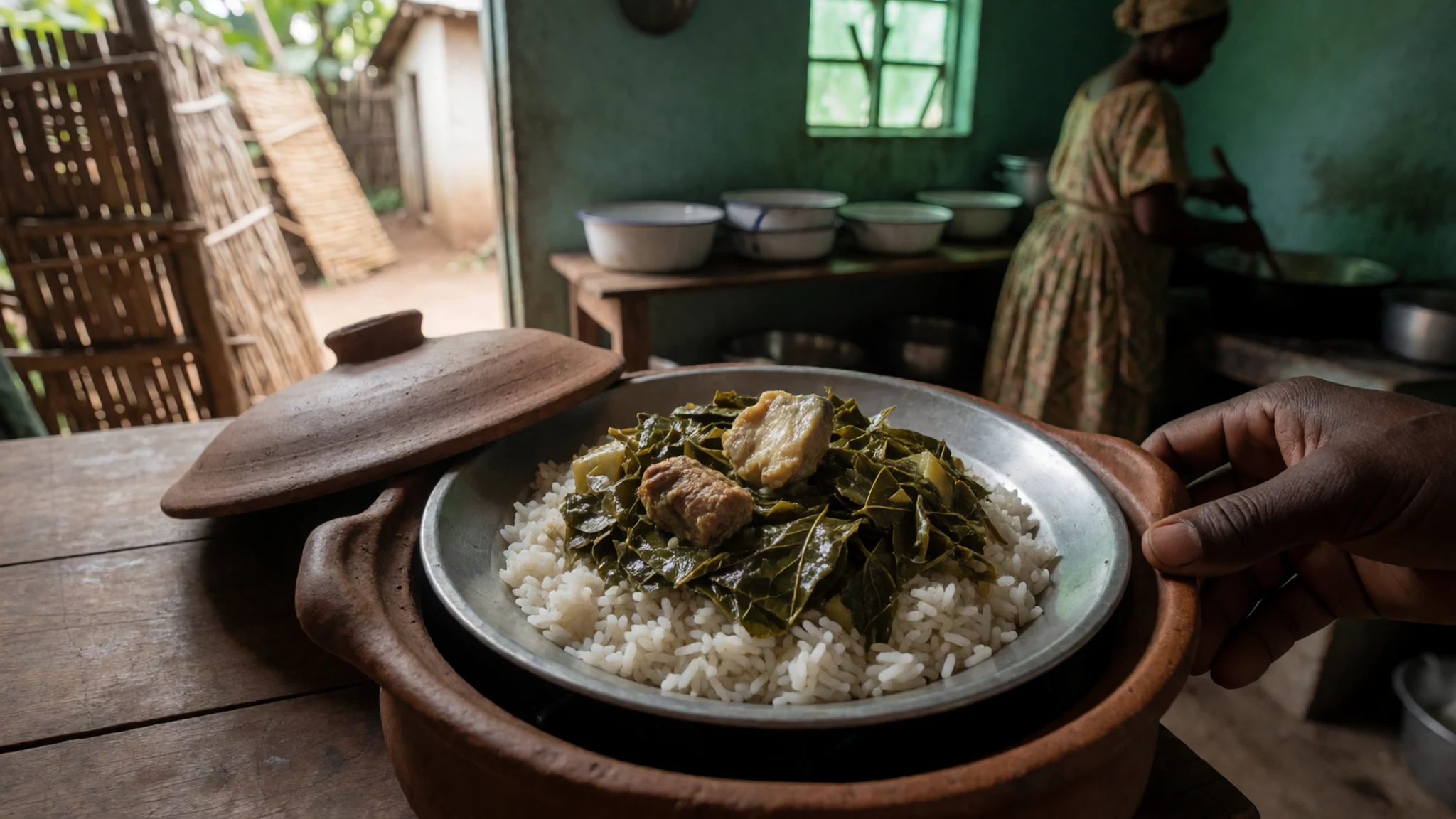
- Fufu with soup — Roadside cookshops and market eateries
Fufu is a soft, stretchy dough made from fermented cassava, eaten with the fingers and dipped into soup. Goat soup and pepper soup are the common partners. Pepper soup can be very hot, so ask how strong it is before ordering. - Jollof rice — Local eateries and street kitchens
Rice cooked in a tomato-based sauce with spices and often served with chicken or fish. Liberian versions are a regular at celebrations and in everyday eateries. Portions are large, so sharing is normal, and it is a safe first choice for cautious eaters. - Fresh bread and fried snacks — Street vendors and the morning market in town
Freshly baked breads, some like banana bread and some like cornbread, turn up in the morning, alongside fried plantain chips, roasted corn, peanuts and fruit. They are good for a cheap breakfast or boat-trip snack, though the breads can be oily.
Plan it
Best time. The dry season, roughly November to April, is the easiest time, with less rain, firmer roads and calmer boating. The wet season brings heavy downpours, muddy tracks and a higher risk of the flooding the lake is known for.
How long. 2–3
Getting there. Fly to Roberts International Airport near Monrovia, then continue by road to Robertsport, the nearest town to the lake. Wikivoyage calls Robertsport a possible day trip from Monrovia, but road conditions vary, so ask locally before setting out and allow extra time in the wet season.
Budget. mid
Tips
- Check visa rules early: most nationalities can apply for an e-visa at evisaliberia.com, and a yellow fever certificate is needed, though a few nationalities must apply in person at a consulate.
- Arrange boats and guides through people in Robertsport, and check that any boat is sound and not overloaded.
- Carry enough cash for the trip, as cards are unlikely to work outside Monrovia, and buy sealed bottled water rather than bagged water.
- Avoid walking around at night, and keep car doors locked and windows up in busy areas of Monrovia.
- Beaches near Robertsport have strong tides, so swim only where local people do.
Etiquette
- Greet people before asking for anything.
- Ask before photographing people, their canoes or their homes.
- Say a gentle later or I will try rather than a flat no when asked for money.
Nearby
Sources
- Wikidata Q1801041 (CC0)
- Wikipedia: Lake Piso (rev 1371358367) (CC BY-SA 4.0)
- Wikivoyage: Liberia (rev 5430861) (CC BY-SA 4.0)
- Photo: The Lake Piso, Bethel. Anthony Chisom (CC BY-SA 4.0)
- Photo: Relief location map of Liberia, Uwe Dedering (CC BY 3.0)
- Photo: A view of Lake Piso, Bomi County, Anthony Chisom (CC BY-SA 4.0)
- Photo: Another view of Lake Piso, Bomi County, Anthony Chisom (CC BY-SA 4.0)
- Photo: Lake Piso, Bomi County, Anthony Chisom (CC BY-SA 4.0)


