Buchanan
Buchanan, Liberia
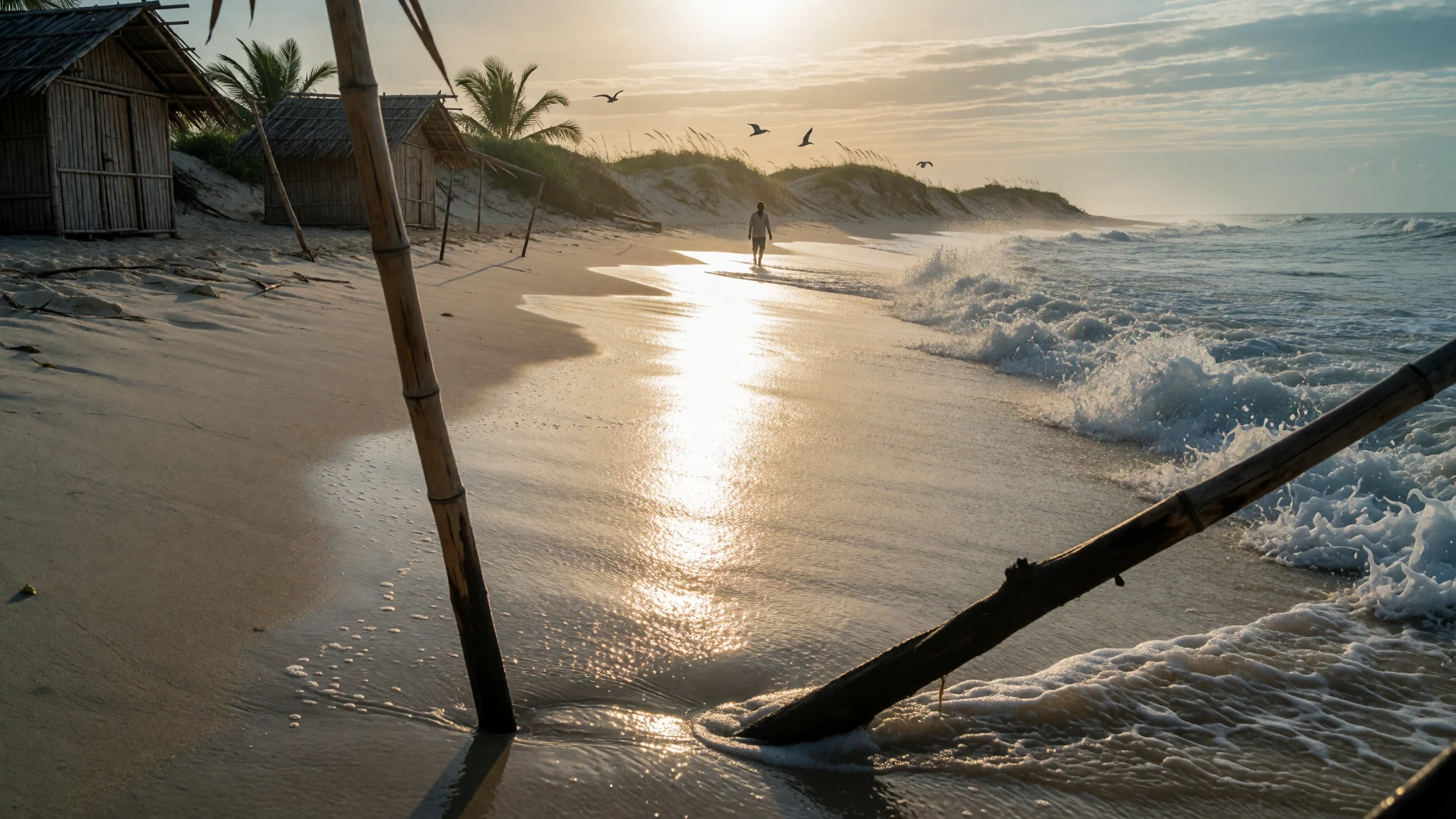
Buchanan is a quiet Atlantic port town with an unkept, wave-battered beach, a working harbour and a layered colonial and Bassa history.
The place
Buchanan sits on Waterhouse Bay, an arm of the Atlantic, in Grand Bassa County, about 110 km southeast of Monrovia and close to the mouth of the Saint John River. It is the county capital, and at the 2008 census it held about 34,000 people. The Bassa name for the place is Gbezohn, and some older maps label it Grand Bassa. The centre is small and laid out on a tidy grid, easy to cross on foot, with the sea breeze never far away. Fishing is a main livelihood, and the town has a sizeable community of Ghanaian Fanti people alongside its Bassa and other Liberian residents. The beach lies roughly 5 km south of the centre. It is not maintained, the sea is rough, and the bamboo huts along it are in poor repair, so it suits a walk and a look rather than a resort-style stay. Isolated beaches and lagoons lie further out. Buchanan's other identity is as an ore port: a railway runs down from the mines in the interior, and the harbour grew around that trade. The town sits about 77 m above sea level, so the feel is of a low, breezy, slightly worn coastal place rather than a dramatic one. It is unhurried, closer to a working port than a holiday town. Expect few formal attractions, limited tourist infrastructure and a lot of conversation with people who are curious about why a visitor has come.
Its story
Buchanan began as a colonial experiment. In December 1832, black Quakers sent by colonisation societies in New York and Pennsylvania landed here and named their colony Port Cresson, after Elliott Cresson, the Philadelphia merchant who paid for the voyage. The colony was planted on Bassa ground, and it did not last. In June 1835 Bassa people attacked and destroyed Port Cresson, and ten settlers died. A month later a fresh group of Quakers, backed by the Young Men's Colonization Society of Pennsylvania, founded a new colony called Bassa Cove nearby. Bassa Cove was brought into Liberia in April 1839, and the town later took the name of Thomas Buchanan, the second governor of Liberia and a cousin of a United States president. Growth was slow. Through much of the 1850s deaths outnumbered births, and the community held its numbers only because new arrivals kept coming from the United States. The twentieth century gave Buchanan a different purpose. Iron ore from the interior came down by rail to the port, and for a time rubber and palm oil were shipped out as well. Ore-processing plant built here was badly damaged during the first Liberian civil war, though the town itself largely escaped the fighting and became a place of refuge. Today the harbour, the rail line and a few new industries still shape the town's economy, and its history is felt more in street names and family stories than in monuments.
What to see
- The southern beach — About 5 km south of the town centre
The beach south of Buchanan's centre is the main reason to make the trip, though it is wild rather than polished. The surf is rough and the shoreline is eroding, and the few bamboo huts are collapsing, which gives the place a faintly eerie, abandoned calm. Walk it for the light and the sound, not for swimming.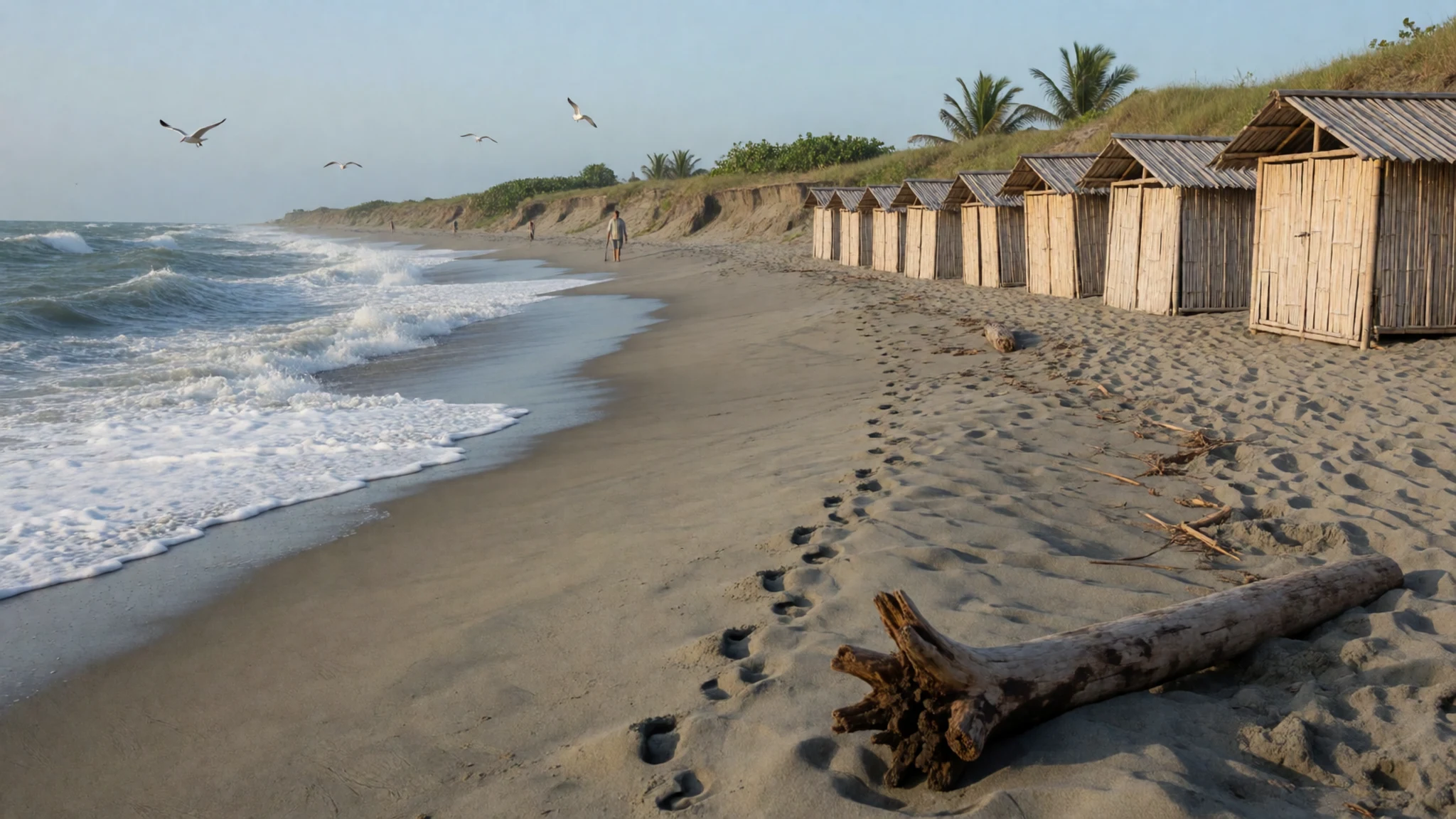
- The town grid — Town centre
Buchanan's compact grid of streets is pleasant to wander at an easy pace. Shops, market stalls, churches and small bars sit close together, and the sea is never far. It is a good way to get a sense of a working Liberian county capital, as long as walking stays on established streets and paths.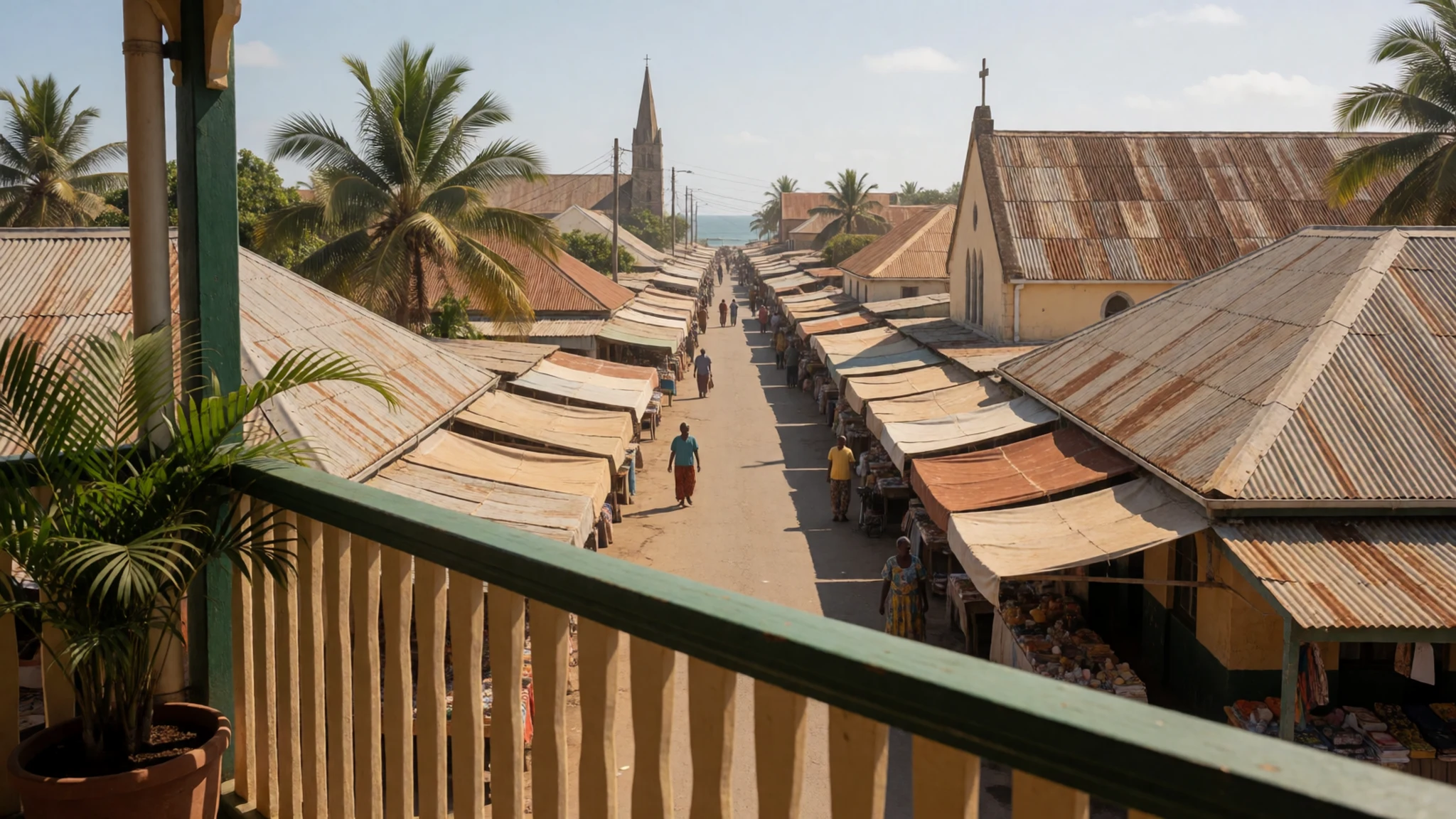
- Doris Williams Stadium — East side of Buchanan
The Doris Williams Stadium is the town's main sports ground and a useful landmark for orientation. Football is the sport that draws people together across Liberia, and a match day, if one happens to coincide with a visit, is a lively way to meet residents. Ask locally about fixtures, as none are fixed in advance.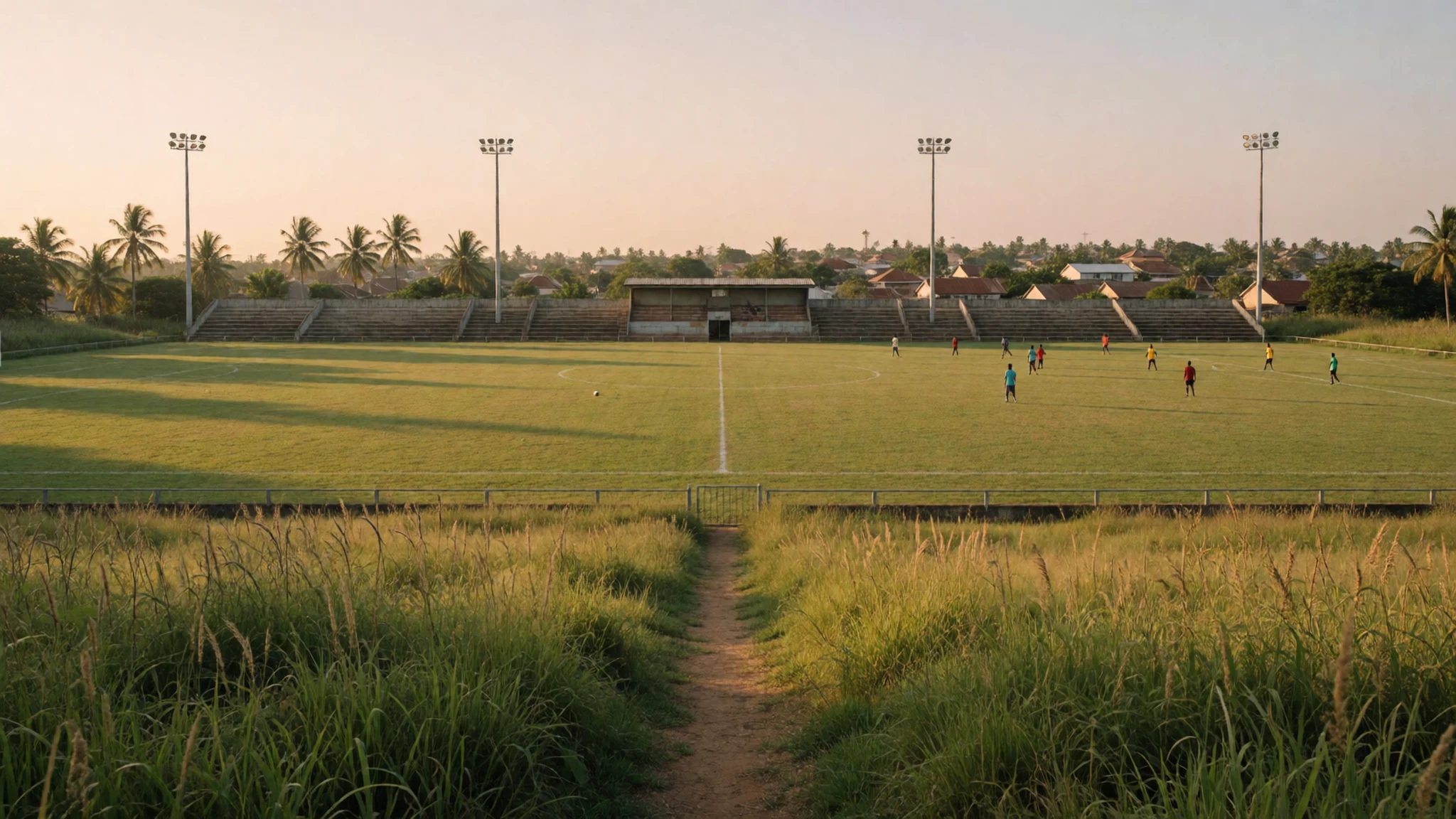
- The port and ore railway — Port area
Buchanan is the sea end of a railway that runs about 250 km inland to the iron mines at Yekepa in Nimba County. The port and the Lumco industrial complex can be seen from outside, with the rail line used for ore. Treat them as working industrial sites: do not photograph or enter without permission.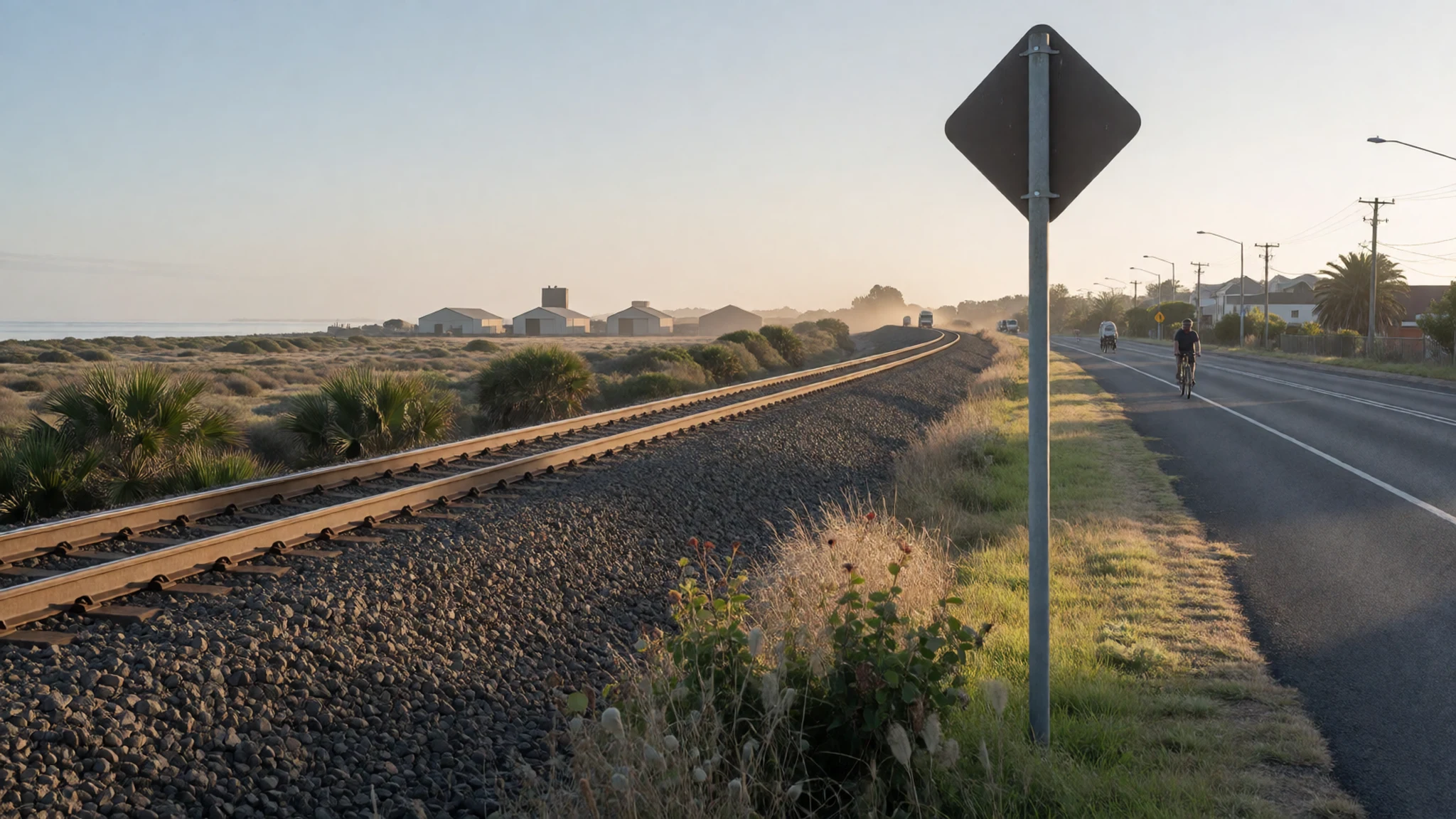
- Fishing landing and Waterhouse Bay — Waterhouse Bay shoreline
Buchanan's fishing is a mainstay of local life, and the shoreline of Waterhouse Bay is where boats come and go and catches are sorted. Early morning is the busiest time. Visitors are best off watching quietly, buying fish only if invited into the conversation, and asking before pointing a camera at anyone.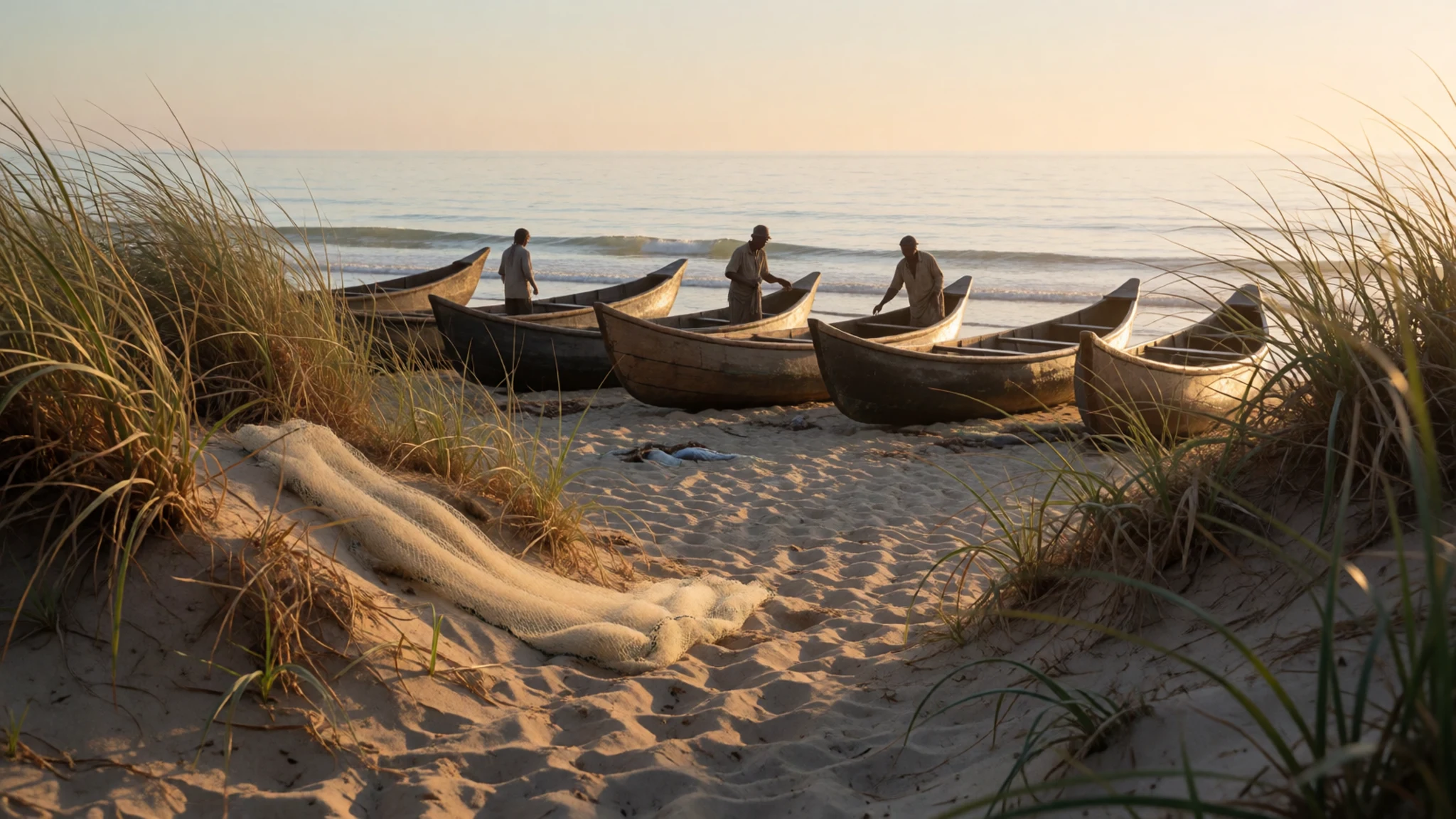
Culture
Buchanan's culture is a blend of Bassa roots, the legacy of settlers from the United States, and more recent arrivals such as the Ghanaian Fanti community, who are closely linked to fishing. Church life is central for many residents, and Sunday mornings are for services, singing and dressing up, so the town is noticeably quiet until the afternoon. Greetings matter: a handshake, often finished with a light finger snap, and a friendly enquiry about family and health come before any business. Conversation is the town's main entertainment, along with football, music in small bars, and evening gatherings by the road. English is widely spoken, alongside Bassa and other languages, so a visitor can get by easily, but a few words in Bassa are received with real warmth. The war years left their mark, and many families have stories of displacement. Visitors should let people raise those subjects themselves rather than asking about them. The port and rail line are working industrial places with security staff, so photography there can cause trouble. Remember too that Buchanan is not a place with a developed visitor trade, so patience with slow service and unpredictable power is part of the experience. Ask permission before photographing anyone, and never photograph the port, the rail yard or ore facilities without clear approval.
What to wear
In Buchanan, as elsewhere in Liberia, traditional dress draws on country cloth, narrow strips of hand-woven cotton sewn together into robes, shirts and ceremonial wear, and on lappa, the colourful wax-print cloth wrapped as a skirt or tailored into matching tops and skirts. These are worn at weddings, funerals, church festivals and national occasions, and on Sundays many people turn out in tailored lappa suits. Day to day, though, most people in town wear practical modern clothes: jeans or trousers, T-shirts, football shirts, sandals and trainers, with fishermen and port workers in rugged work clothes and boots. Women often mix a printed wrap with a simple top. For a visitor, light cotton or linen in breathable layers works best in the heat and humidity, with shoulders and knees covered as a courtesy in town and in church, which also helps against sun and insects. Sturdy closed shoes or good sandals suit sandy, uneven paths and muddy roads in the rainy season, and a hat and a light waterproof are worth packing. Avoid camouflage or military-style clothing, which can draw unwanted attention, and keep swimwear for the beach itself.
What to eat
- Palm butter with rice — Small local eateries and cookshops in the town centre
Palm butter is a rich, orange stew made from pounded palm fruit, usually cooked with fish, chicken or smoked meat and served over rice. It is a Liberian staple and a good first order at any home-style eatery or cookshop.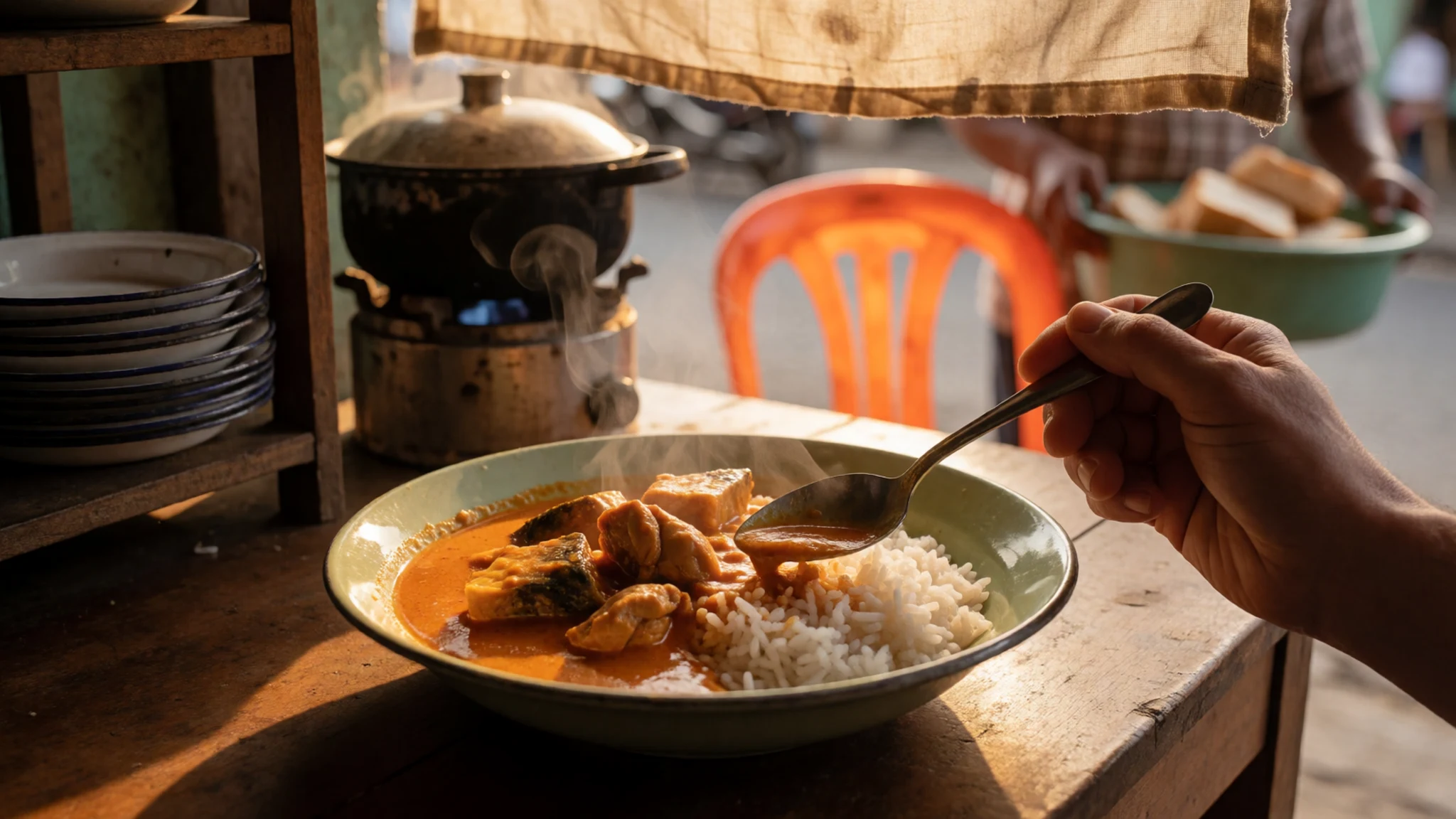
- Cassava leaf — Home-style eateries and market food stalls
Cassava leaf is a stew of finely pounded greens simmered with palm oil, pepper and meat or fish, then eaten with rice. It is hearty, slightly bitter and best taken with a little hot pepper on the side.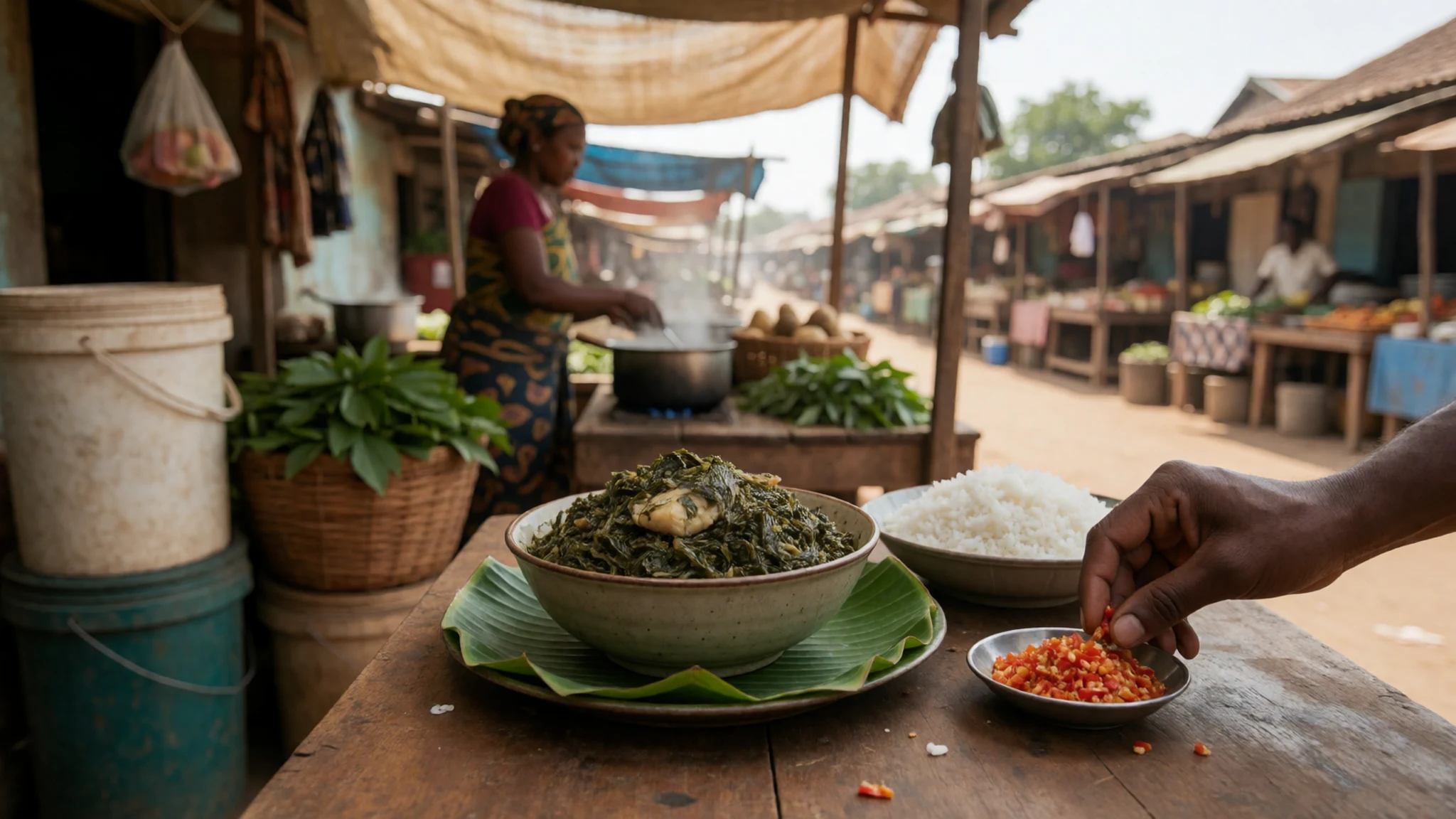
- Fried or grilled fish — Near the fishing landing and beach-road stalls
With the Atlantic on the doorstep, fish is the obvious choice. Fresh catches are fried or grilled with pepper and onion and served with rice, cassava or plantain. Ask what came in that morning and judge by the smell and the crowd. - Jollof rice — Lunchtime eateries and street-side food sellers
Jollof rice, cooked in a tomato and pepper base, is a West African favourite that turns up at celebrations and on lunchtime plates alike. Versions vary from cook to cook, and the Ghanaian community adds its own style to the local repertoire. - Pepper soup — Evening drinking places, including those on Gardner Street
Pepper soup is a thin, fiery broth with fish or meat, often eaten in the evening and said to warm and revive. It pairs naturally with a cold drink and a chat at a neighbourhood drinking spot, such as the busy bar on Gardner Street.
Plan it
Best time. November to March, when the weather is drier and sea travel and road trips are easier; the heavy rains of the wet season turn tracks muddy and the surf rougher, and the air is hot and humid all year.
How long. 1–2
Getting there. Fly into Monrovia's international airport, then take a shared taxi or hired car southeast by road to Buchanan, around two hours once the sealed road is in good order. Ask your lodging about current road conditions before setting out.
Budget. low
Tips
- Carry enough cash in small notes, as cards and machines are unreliable
- Stay on established roads and paths, because landmines remain a warning off the beaten track; ask locals before walking anywhere remote
- Agree room rates clearly in advance, as reports mention prices changing between booking and check-out, and compare the cheaper places on the main road
- Bring drinking water, sun protection and insect repellent
- Plan for power cuts and slow service, and check the official site of any lodge for current details
Etiquette
- Greet people before asking for anything
- Ask before photographing people, and avoid the port and rail yard
- Dress modestly in town and on Sundays
Nearby
Sources
- Wikidata Q269222 (CC0)
- Wikipedia: Buchanan, Liberia (rev 1377127478) (CC BY-SA 4.0)
- Wikivoyage: Buchanan (Liberia) (rev 5376199) (CC BY-SA 4.0)
- Liberia relief location map, Uwe Dedering (CC BY 3.0)
