Monrovia
Monrovia, Liberia
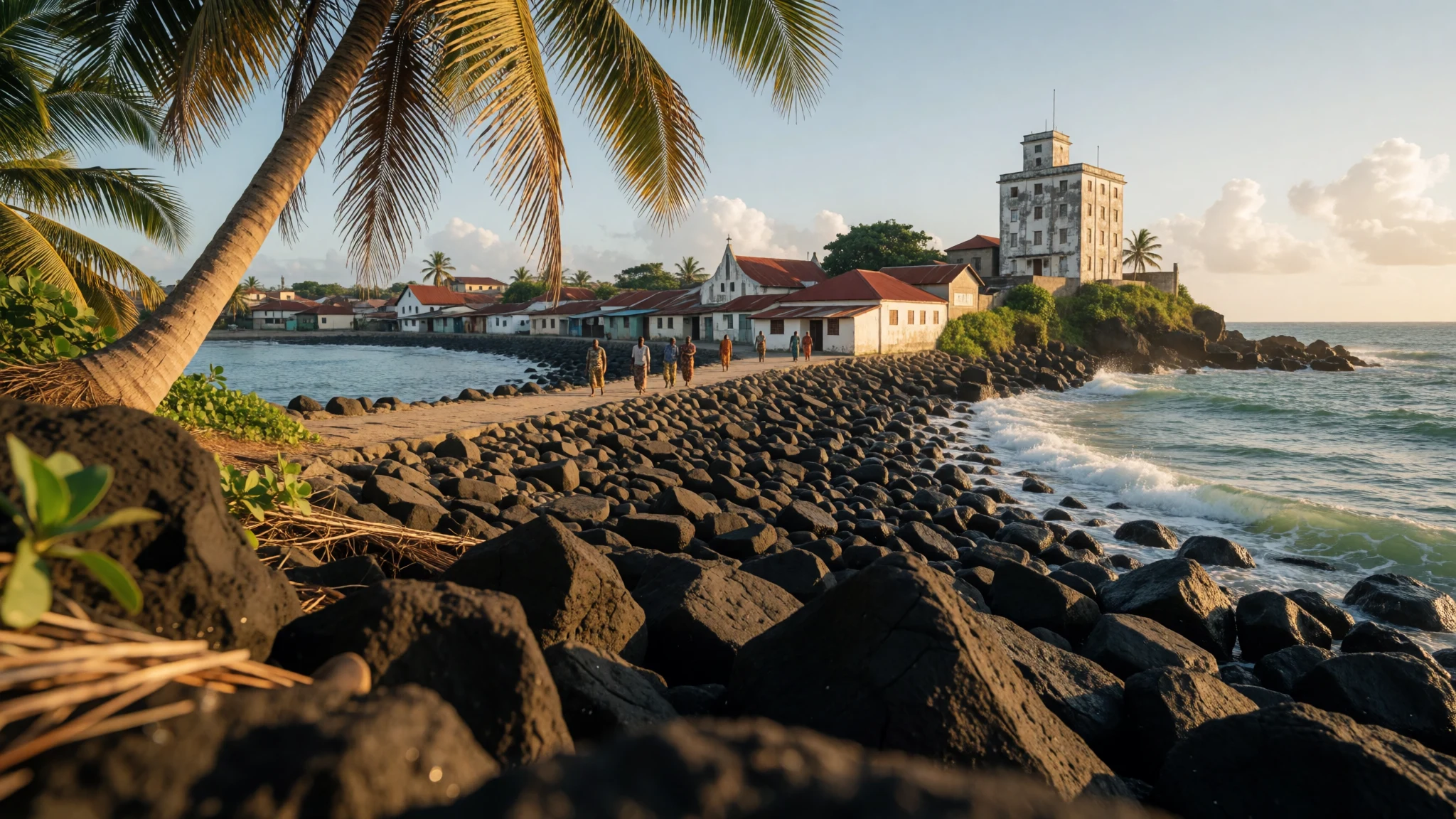
Monrovia is Liberia's Atlantic capital, a harbour city founded in 1822 where government, markets and the sea share a narrow cape.
The place
Monrovia is the capital of Liberia, a port city on Cape Mesurado where the Atlantic meets the Mesurado River. The peninsula is narrow, and the river mouth forms a natural harbour that still carries the city's work. North of downtown, the Saint Paul River edges Bushrod Island, reached across the New Bridge. Founded in 1822, the city has a population of 1,761,032 and serves as the country's seat of government and its commercial centre.
The cape was traditionally Vai land before the settlement. What stands there now is a dense, low-rise capital: offices, markets, churches and neighbourhoods packed onto a coastal strip that sits low against the sea. The Freeport of Monrovia, enlarged by United States forces in the Second World War, is the harbour the economy leans on. Latex and iron ore move through it, and fishing remains part of coastal life even though the sea is rough and the work dangerous.
Monrovia shows an official face and an everyday one. The Capitol and the ministries sit near the centre; Waterside and the side streets are where trade is noisy and constant. Power is unreliable, so generators and radio matter, and the heat off the ocean rarely lifts. This is a working Atlantic capital, not a resort: a busy port, a long memory and the sea always close.
Its story
Monrovia began as a planned colony on a coast that already had its own name and trade. People called the cape and the river country Ducor. The Dey, Kru, Bassa, Gola and Vai fished, farmed and met there to exchange goods long before any settler ship. A printed chart of that shore came from the Chevalier des Marchais, a French mapmaker whose business included the trade in enslaved people.
The American Colonization Society, backed by the government in Washington, wanted a self-supporting colony for African Americans who were legally free. Britain had already backed a related project for Black Loyalists at Freetown. The first American party missed the cape: the ship reached Sherbro Island, now in Sierra Leone, and only a later vessel brought them to Dazoe Island in the Mesurado estuary. Dazoe is the island known today as Providence Island. Once they stepped onto the cape they called the new settlement Christopolis.
Agents of the society had already sought to buy ground from local leaders, so the shore was neither vacant nor unclaimed. The year that settlement held was 1822, which Monrovia still counts as its founding. Christopolis grew into a capital of arrivals on older land, tied to a harbour and shaped as much by the communities already living there as by the Atlantic crossing.
What to see
- National Museum of Liberia — Central Monrovia
The National Museum of Liberia, in central Monrovia, keeps objects that trace the country's heritage. Years of civil war saw much of the collection looted, and the work of recovering stolen pieces is still going on. The galleries also treat the war itself, so a visit holds loss and repair beside older craft. Displays shift as objects come home.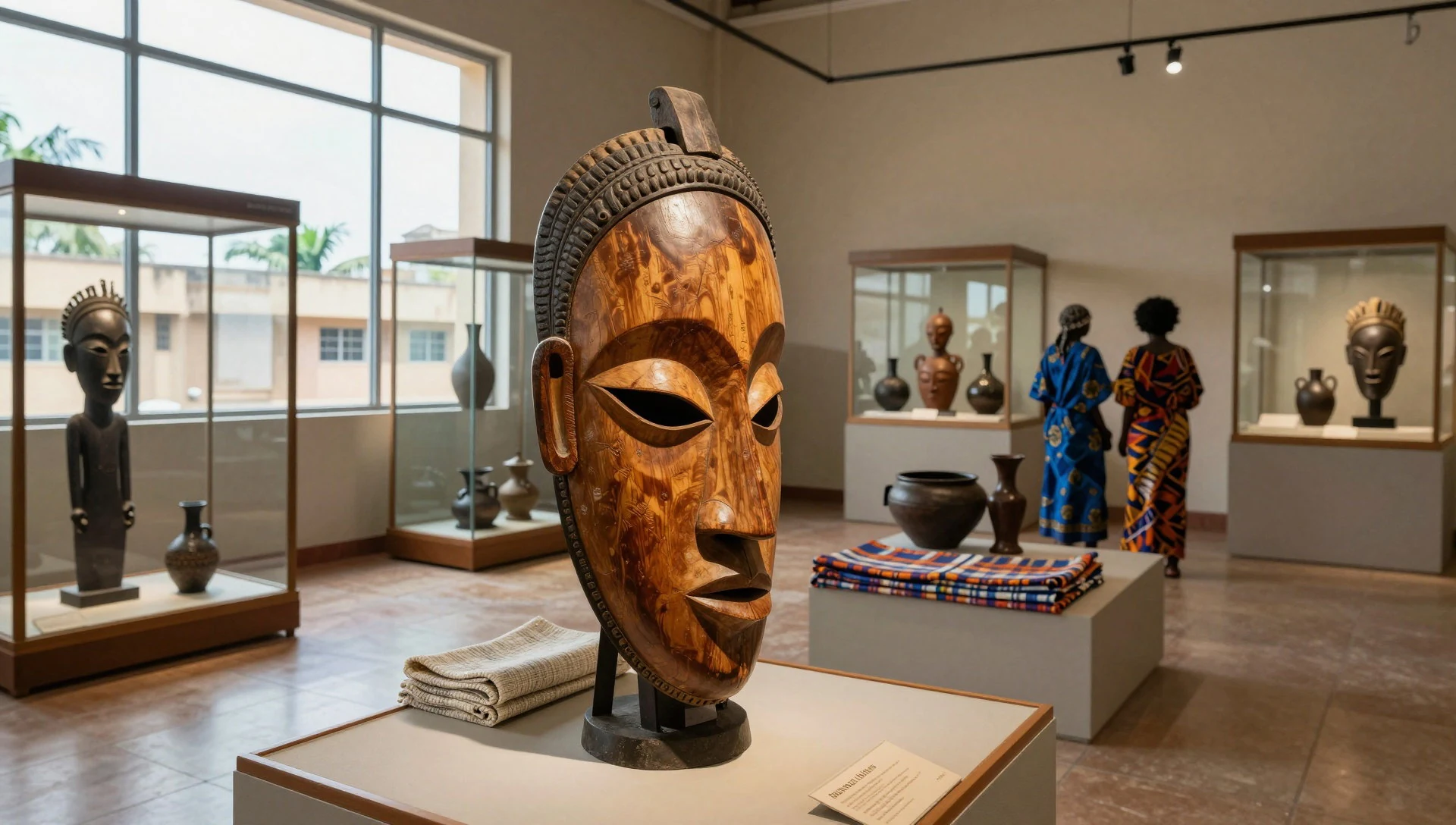
- Ducor Hotel — Near the city centre
The Ducor Hotel in Monrovia is a former luxury hotel, now empty, fenced and guarded. Visitors are sometimes allowed inside. From the roof the peninsula, the harbour and the Atlantic sit in a single view, and sunset is the hour people wait for. The building is a ruin, so the point is that outlook and the city's hard recent decades, not a bed for the night.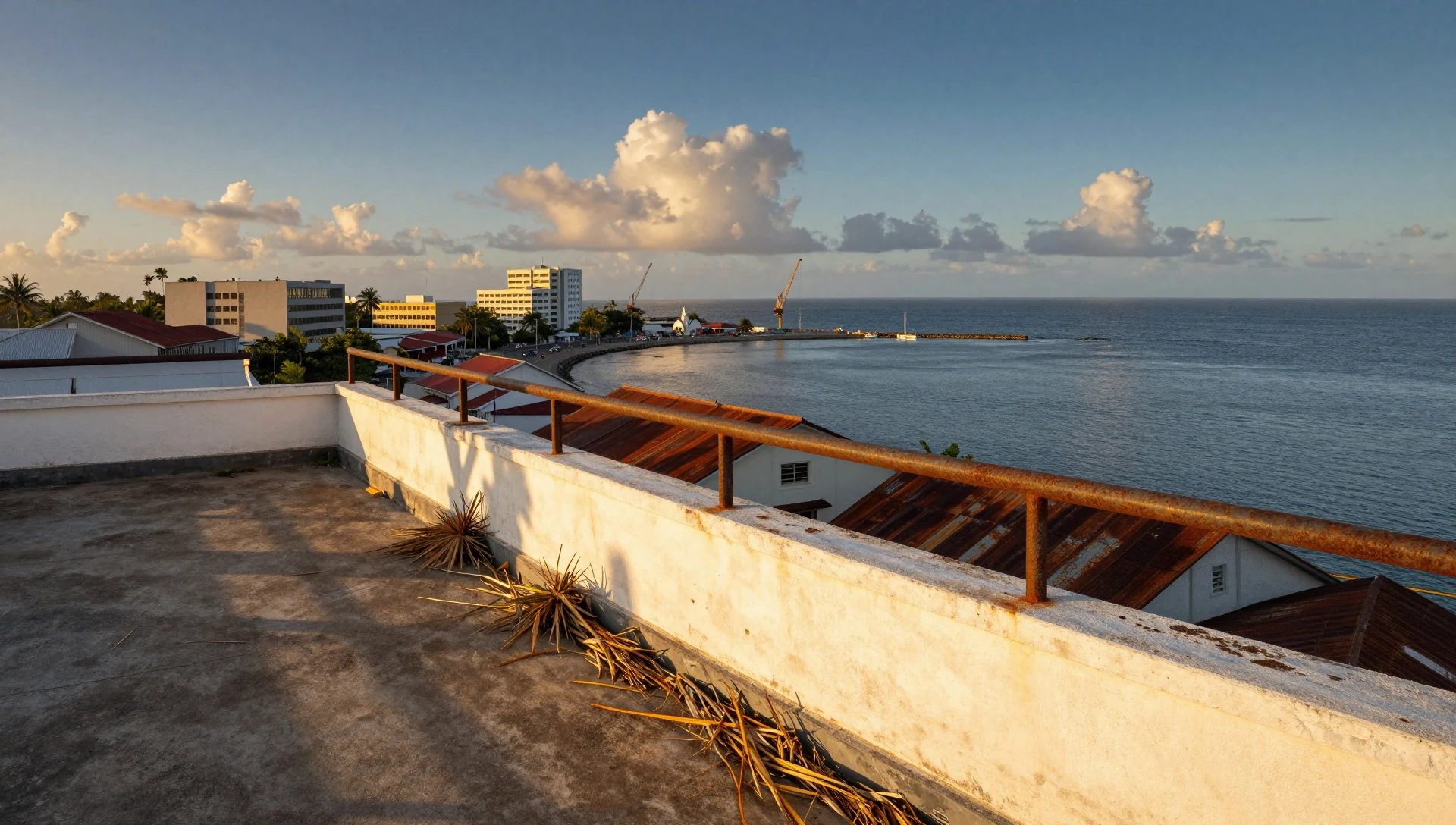
- Blo Degbo — Open ground in the city
Blo Degbo is a rock formation in Monrovia whose profile reads as a human face. It is bare stone in the open, and the likeness is the whole sight, not a gallery label or a built monument. The city has not turned it into a formal attraction with gates and plaques. People come to look, to photograph the outline and to set it among the cape's older stories.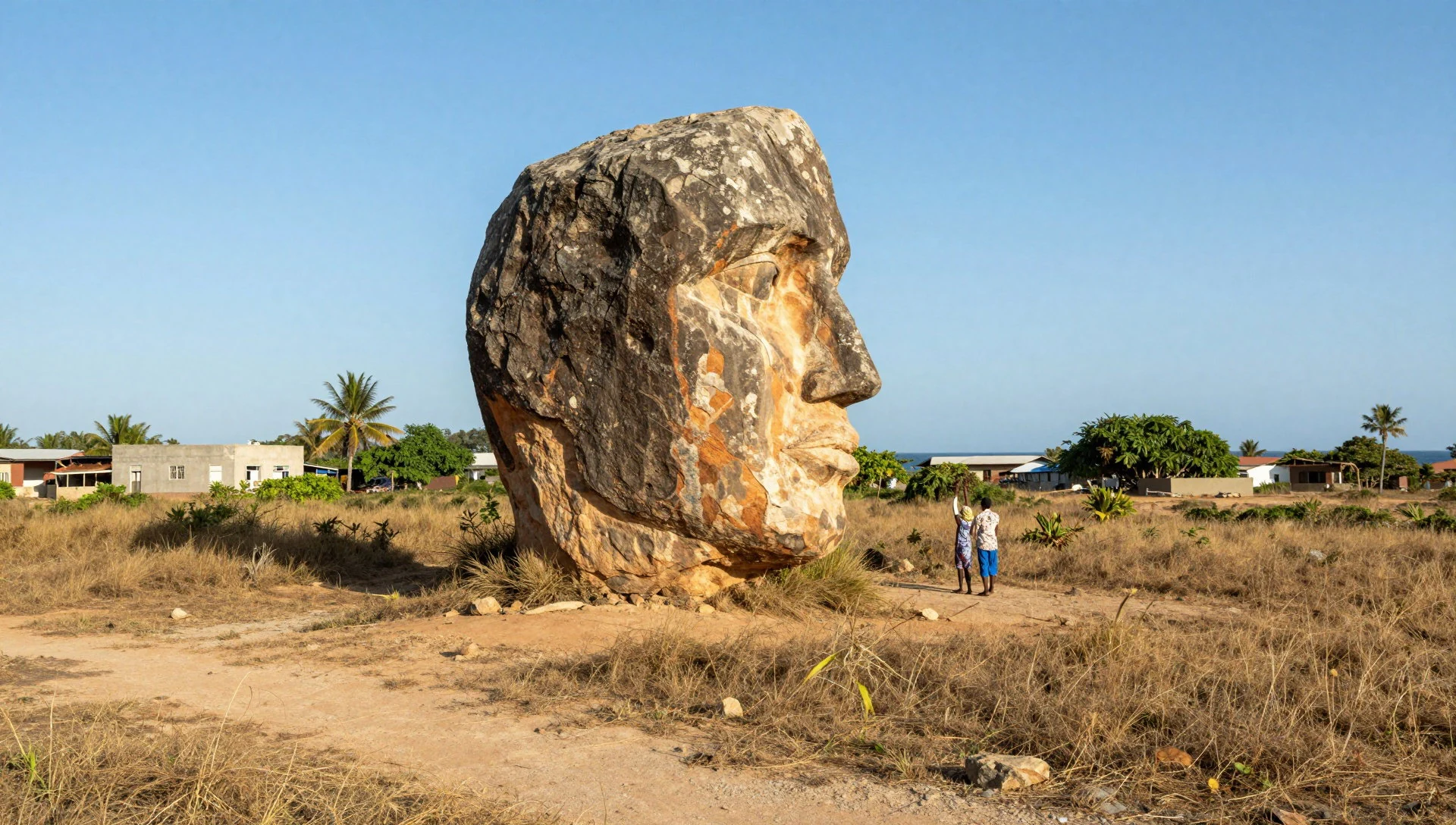
- Samuel Kanyon Doe Sports Complex — Inland of the peninsula
The Samuel Kanyon Doe Sports Complex stands in Monrovia inland of the peninsula, where the streets loosen away from the cape. It is a national sporting ground for football and for gatherings that need more room than a neighbourhood pitch. On a quiet day the scale of the stands is the sight. A match brings crowds, noise and slow roads.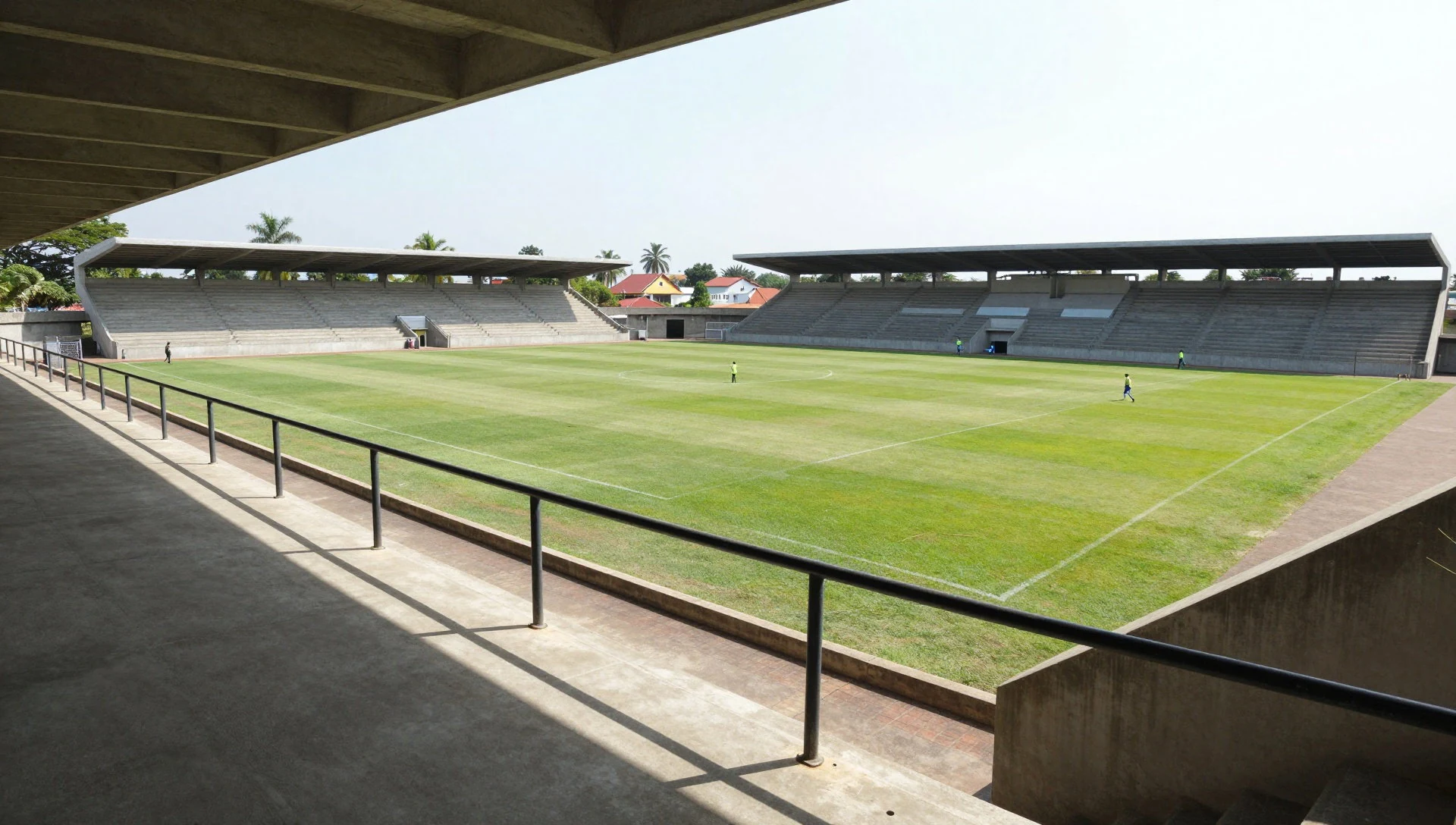
- Antoinette Tubman Stadium — Central Monrovia
Antoinette Tubman Stadium sits in central Monrovia, inside the everyday grid of the peninsula. Football and civic gatherings that want a downtown crowd both use it. The stands belong to ordinary city life, within reach of markets and ministries. Match days fill the nearby streets. At other times the bowl is a quiet concrete landmark.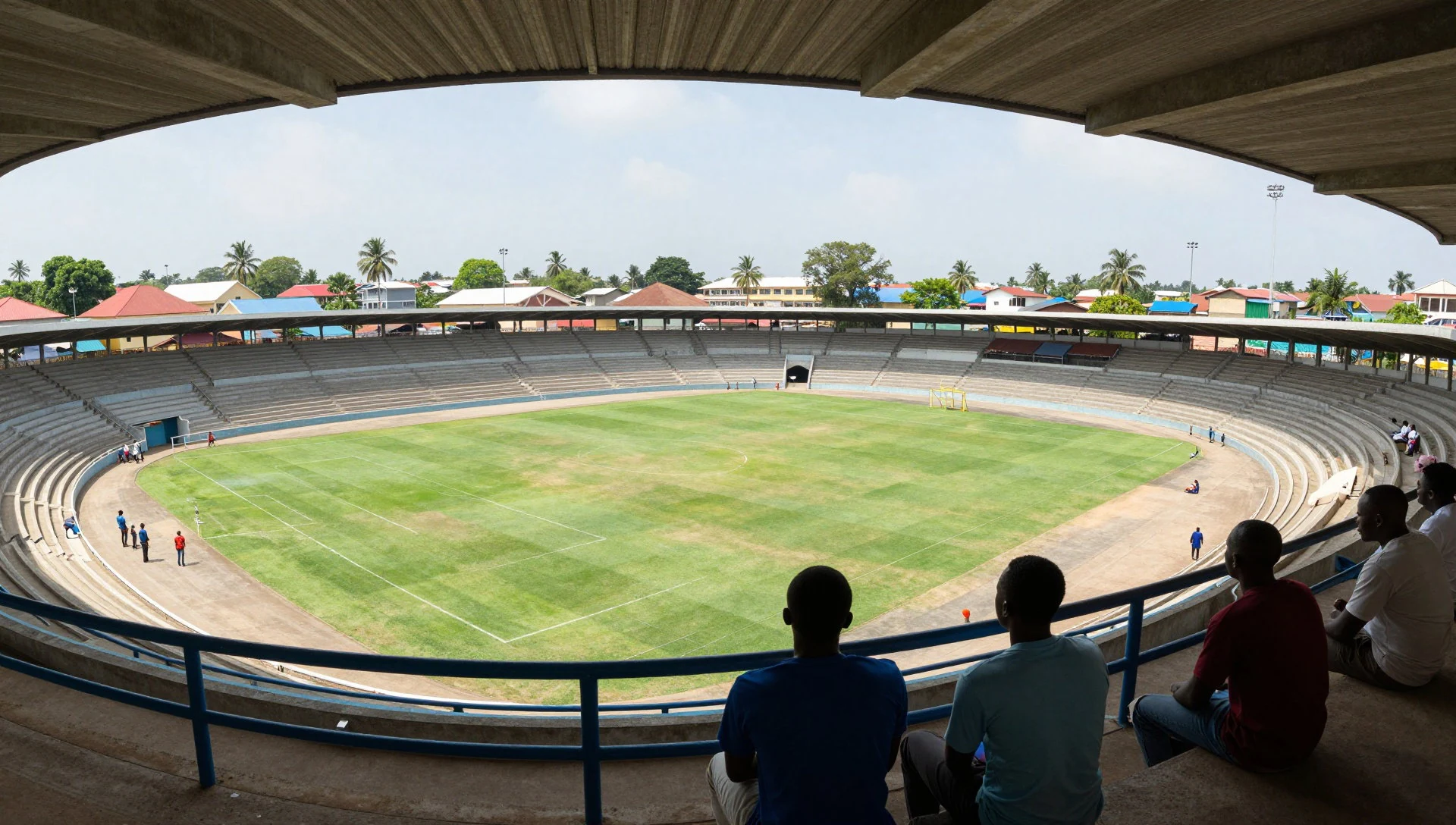
- Waterside Market — Waterside
Waterside Market is the busy trading floor of Monrovia, spread through streets where commerce presses toward the water. Stalls sit close under simple roofs, and cloth, food, household goods and hardware change hands among porters and calling voices. Daily provisioning shows itself here in plain sight. Mornings draw a dense press of people. A camera belongs on the goods unless a stallholder agrees.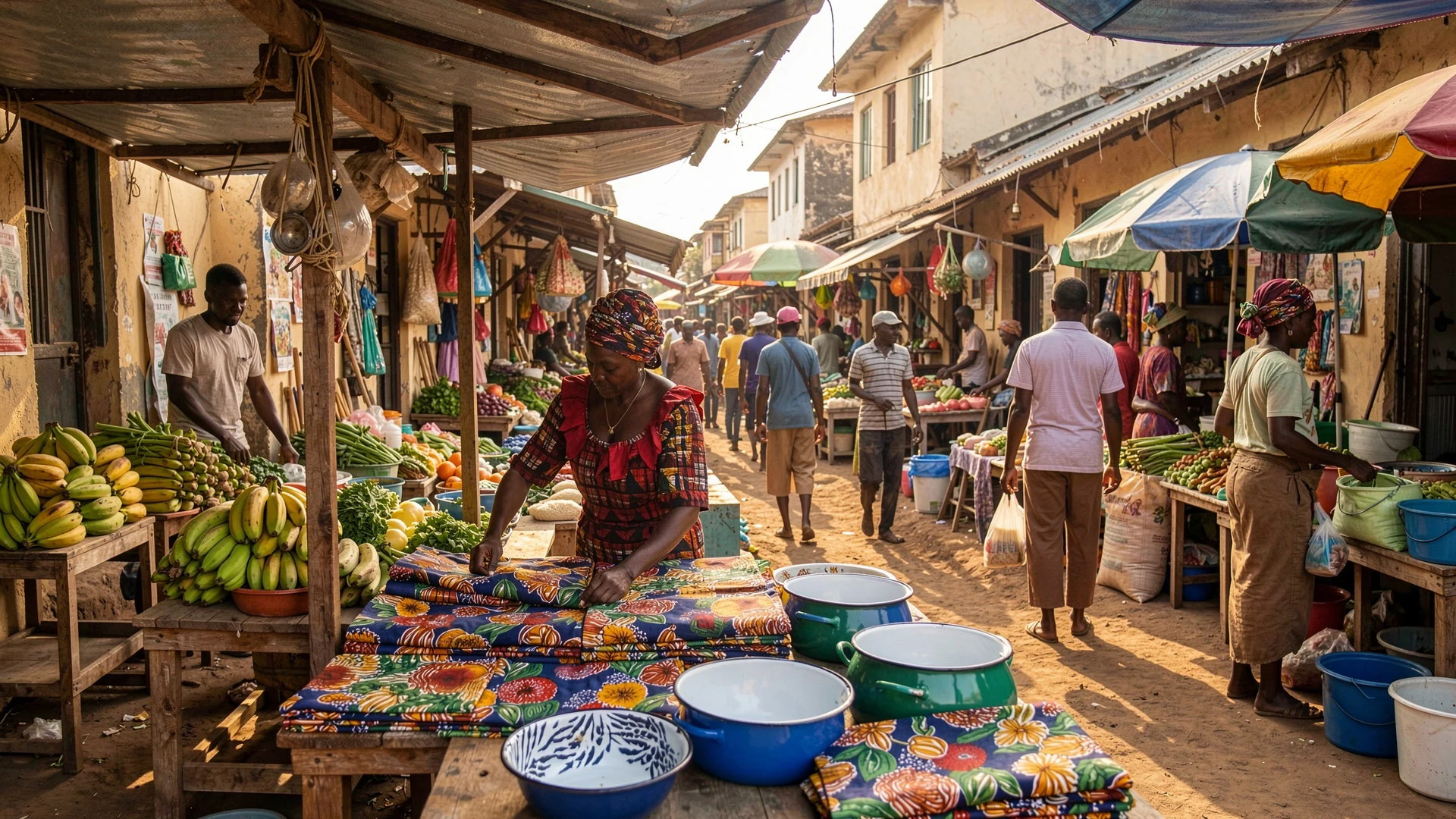
Culture
Monrovia's public culture is a mix of museum rooms, market theatre, sport and a press that people still argue with. The Liberian National Museum, the Masonic Temple, Waterside Market and the peninsula's beaches are the attractions residents name, while Antoinette Tubman Stadium and the Samuel Kanyon Doe Sports Complex draw large crowds.
Newspapers have been part of city life since the settlement itself. The Liberia Herald belongs to that early print culture, and Monrovia still produces many small papers, often tabloid in tone, some thin enough to finish at a sitting, out each day or every few days. In Sinkor, a street chalkboard called the Daily Talk carries the day's headlines beside a line of scripture, written by hand. For news, radio outruns both print and television, mostly because the power supply makes a screen unreliable. From studios in the city, the Liberia Broadcasting System, a state service, reaches the rest of the country, and STAR radio is on the same dial. UNMIL Radio joined that mix in the peacekeeping years and is known for staying on through the night.
In Monrovia, ask before photographing people in the market, at church or on a residential street.
What to wear
Monrovia dresses in layers that often share the same street. Country cloth, cotton woven in narrow strips, is sewn into gowns, shirts and wrappers, often worked in stripes. Women wear the lappa, a printed cotton wrap, with a blouse and a headtie; men may choose a country-cloth shirt or a long robe for church, a wedding or a funeral. Those clothes are for ceremony as much as for the weekday. Settler history also left the Western suit, the church hat and the polished shoe in formal city dress.
On an ordinary day the capital looks contemporary: suits and neat dresses toward the ministries, T-shirts, jeans and football shirts in the markets, tailored outfits when someone wants to be noticed. Country cloth and a good lappa come out on Sunday, on national holidays and at family ceremonies.
A visitor is comfortable in light cotton. Sun is strong and rain can fall in a sheet, so a hat and a light waterproof beat anything heavy. Churches expect covered shoulders and a modest hem. Closed shoes suit market mud and broken pavements; sandals belong on the sand.
What to eat
- Pepper sauce and rice — Cook shops across the city
Pepper sauce and rice is the everyday plate in Monrovia: a serving of rice under a spicy sauce, the combination cook shops turn out all day. It is ordinary food, not a dish kept for guests, and the chilli is rarely shy.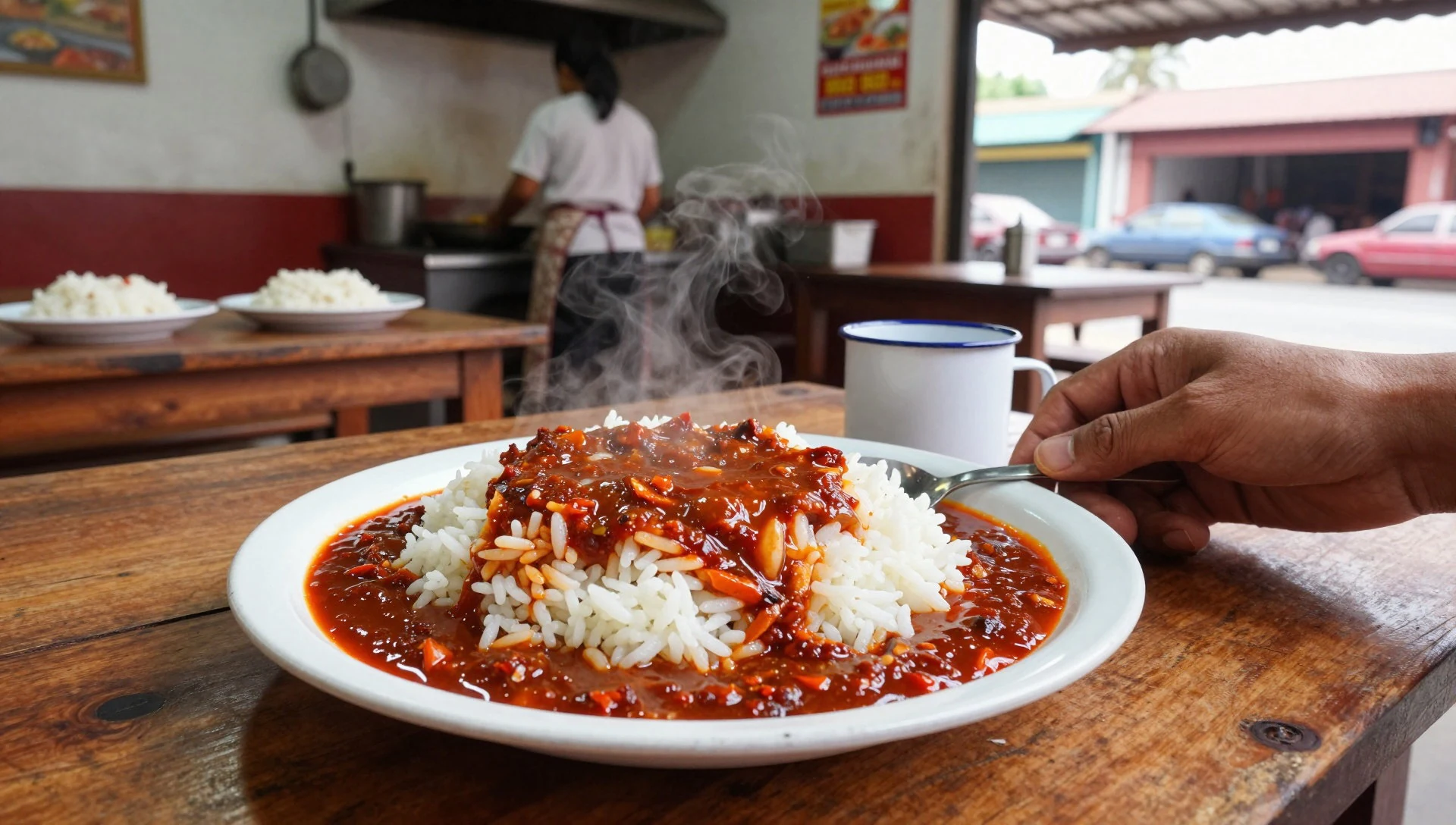
- Falafel and Lebanese sandwiches — Lebanese eateries around the city
Falafel and Lebanese sandwiches are the familiar alternative in Monrovia when rice and pepper sauce are not what is wanted. Small Lebanese eateries, of which the city has many, grill the sandwiches and fry the falafel for lunch. Compared with other imported cooking, this is an affordable foreign plate.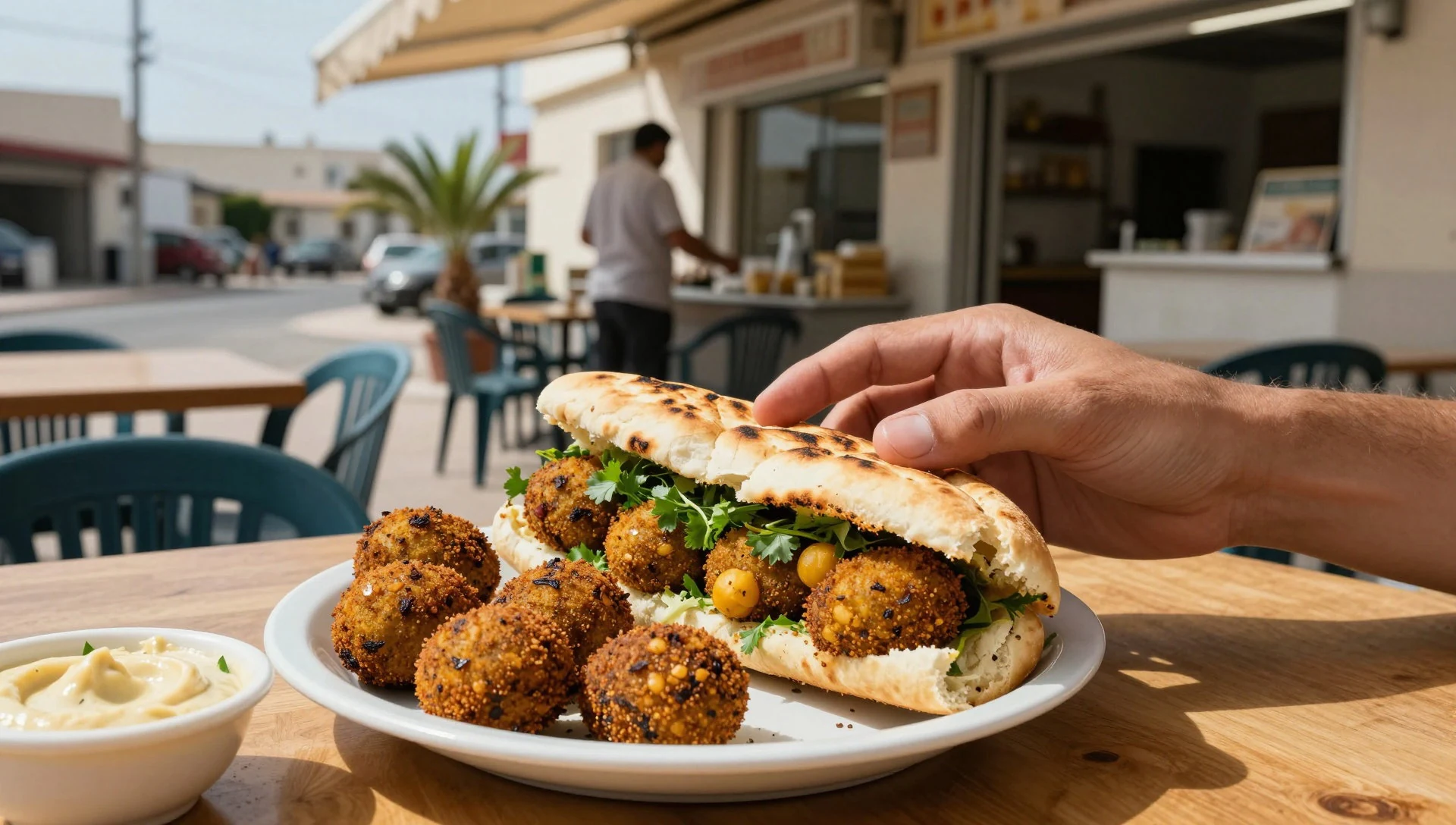
- Fresh fish — Cook shops and casual seafood places near the port
Fresh fish belongs on a Monrovia table because the harbour and the coastal boats still supply the market. Cook shops and casual seafood places grill or stew the catch and pair it with rice. Once the dining room turns toward sushi or an imported menu, the price climbs. - Market fruit and vegetables — Benson Street around Newport Street
Fruit, greens, herbs and vegetables are Monrovia's self-catering answer, sold from stalls on Benson Street around Newport Street. Salad leaves, squash, fruit and bunches of herbs are what the pavement is known for, and restaurant kitchens shop here too. - Barbecued ribs — American-style grill houses
American-style barbecued ribs are an imported plate in Monrovia, grilled and served as a full meal rather than under pepper sauce. A few grill houses specialise in them, away from the cook-shop belt. Dishes listed are not always cooking that day, a common Monrovia quirk.
Plan it
Best time. Monrovia stays hot and humid all year. The drier season is the easier time to walk the peninsula; in the wetter season rain comes in hard bursts and can slow a day on foot. There is no cool month to wait for, so pack for heat and check the forecast before travel.
How long. 2–3
Getting there. Monrovia is served by Roberts International Airport in Margibi County. Brussels Airlines connects the city with Brussels, Royal Air Maroc with Casablanca, and Kenya Airways via Nairobi and Accra, with onward links toward Europe and North America. The road between the airport and downtown takes about two hours. Timetables and fares change, so confirm them with the airline and check https://monrovia.gov.lr/ rather than relying on a quoted taxi fare.
Budget. mid
Tips
- Carry cash for markets, cook shops and short rides.
- Begin outdoor visits early, before the heat settles on the cape.
- Power cuts are common, so keep a torch and a charged battery for the evening.
- In the wetter season, leave slack in the day because heavy rain slows movement.
- Agree a taxi fare before the car moves.
Etiquette
- Ask before you photograph a person, especially a trader or someone at worship.
- At a church, cover shoulders and knees and leave beachwear for the sand.
- Wait to be let in at fenced places such as the Ducor, and do not climb the fence.
Nearby
Sources
- Wikidata Q3748 (CC0)
- Wikipedia (rev 1382462959) (CC BY-SA 4.0)
- Wikivoyage (rev 5427180) (CC BY-SA 4.0)
- Liberia, Africa — blk24ga (CC BY 3.0)
- The Monrovia City Corporation Seal — Perseo88 (CC0 1.0)
- Monrovia, Liberia: Population Density and Low Elevation Coastal Zones — SEDACMaps (CC BY 2.5)
- Market stall @ Monrovia, Liberia — blk24ga (CC BY 3.0)
- Robert International Airport — Bethel. Anthony Chisom (CC BY-SA 4.0)
- Liberian Capitol Building — David Stanley (CC BY 2.5)
- Monrovia street scene — jbdodane (CC BY 2.5)
- Monrovia, Liberia — blk24ga (CC BY 3.0)


