Koh Mak
Koh Mak, Thailand
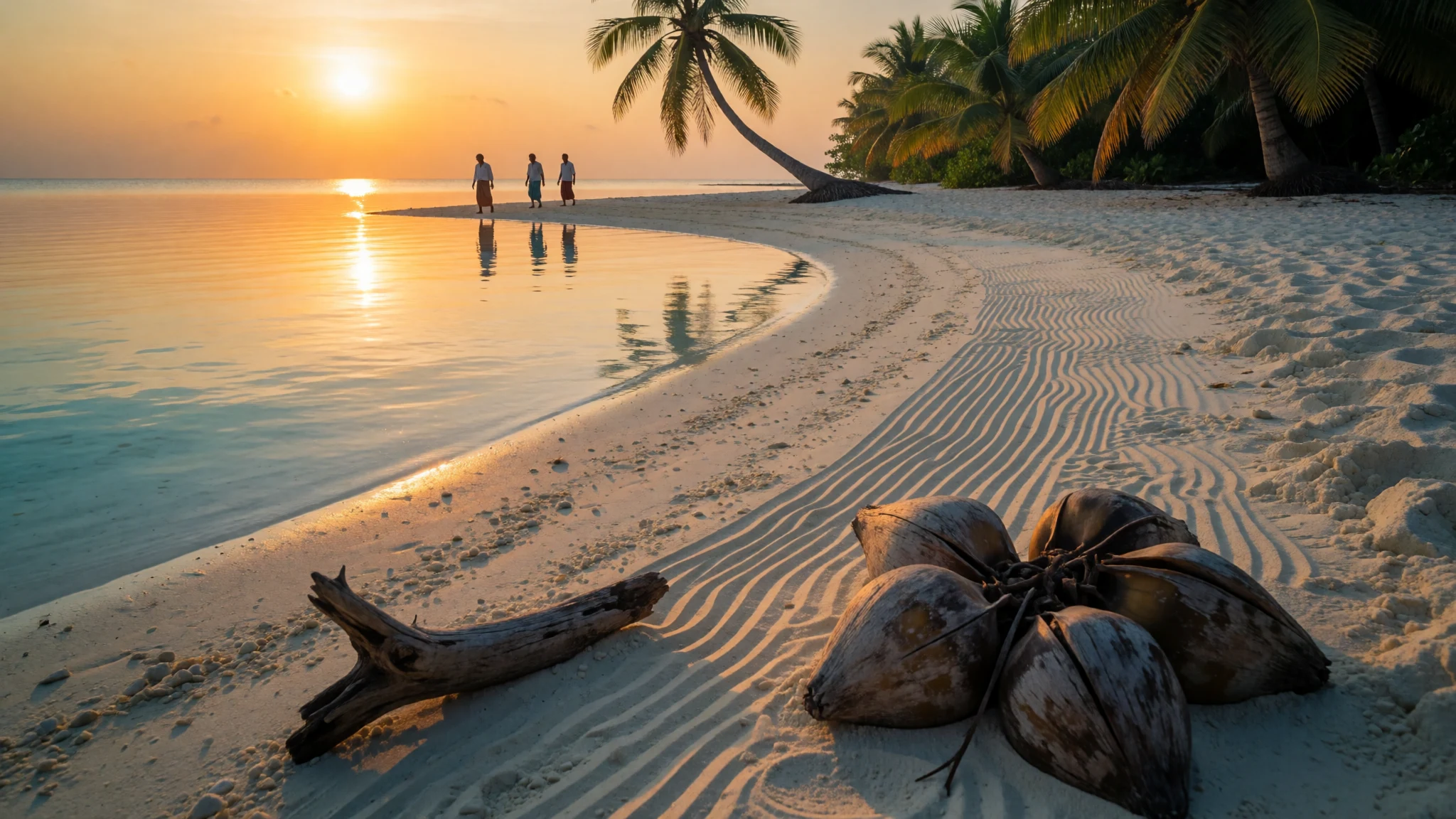
Koh Mak is a small, flat, quiet island in the Gulf of Thailand, with long empty beaches, coconut groves and no late-night noise.
The place
Koh Mak (Ko Mak, เกาะหมาก) is a small island in Trat province, in eastern Thailand, close to the Cambodian border. It sits in the eastern Gulf of Thailand, about 35 km from the mainland, and is part of Ko Kut district. The name comes from the areca nut, called mak in Thai, which grew here and was once gathered by the first families.
The island covers around 16 sq km, with some 27 km of coastline. Most of it is flat: coconut and rubber plantations, pineapple fields, mangrove along parts of the shore, and only a few low hills. Roughly 400 people live here, in three fishing villages, with a temple, a primary school, a market and a health centre.
Tourism is real but modest. There are around 15 small resorts, mostly low-rise bungalows near the beaches, and the mood is closer to a farming island that happens to have guests than to a resort strip. There are no pubs, no thumping bars and no liquor stores, so evenings mean dinner, stars and the sound of the sea.
The island is also an experiment. Local families, the Thai government and a German charity have worked on making Koh Mak a low-carbon destination, with hydroponic farms, a biogas plant, a solar-powered tour boat and an electric hop-on bus. How much of that you notice depends on the season, but the intent shapes the place: less plastic, more recycling, and a weekly beach clean on Saturdays.
Its story
Koh Mak's recorded history is unusually continuous for a Thai island. The first settler was Chao Sua Seng, a Chinese Affairs Officer under King Rama V, who planted a coconut estate. He sold it to another officer, Luang Prompakdii, and his descendants still hold most of the land. Luang Prompakdii and his children added more coconut and rubber plantations, which together covered nearly all the farmable ground.
That family, together with the descendants of the five original island families, remains central to Koh Mak life. Their forebears made a living gathering mak ling, a small areca palm, and tending coconuts and rubber. Ownership staying in so few hands is why the island has stayed small-scale while neighbours filled with big hotels.
Tourism arrived slowly. In 1974 the first bungalows went up at the eastern end of Ao Nid, but roads, boats and telephones were basic, and visitors were few. Only in 1987 were certain beaches cleared and the first proper resorts built.
Administration moved in steps. In 1952 Koh Mak became its own subdistrict, then covering four villages. In 1980 three of those villages were split off to form Ko Kut subdistrict, and the two were later joined into a minor district, which became a full district in 2007. A local administrative organisation for Koh Mak followed in 2004. In 2006 a British Sunday newspaper listed its beaches among the ten most beautiful, and word travelled.
What to see
- Ao Suan Yai — North-west coast
The main beach on the north-west shore, with soft sand, shallow water and views toward the western sunsets. It is where many resorts cluster, so it has the most facilities on the island, yet still feels relaxed. Good for swimming, long walks and evening light.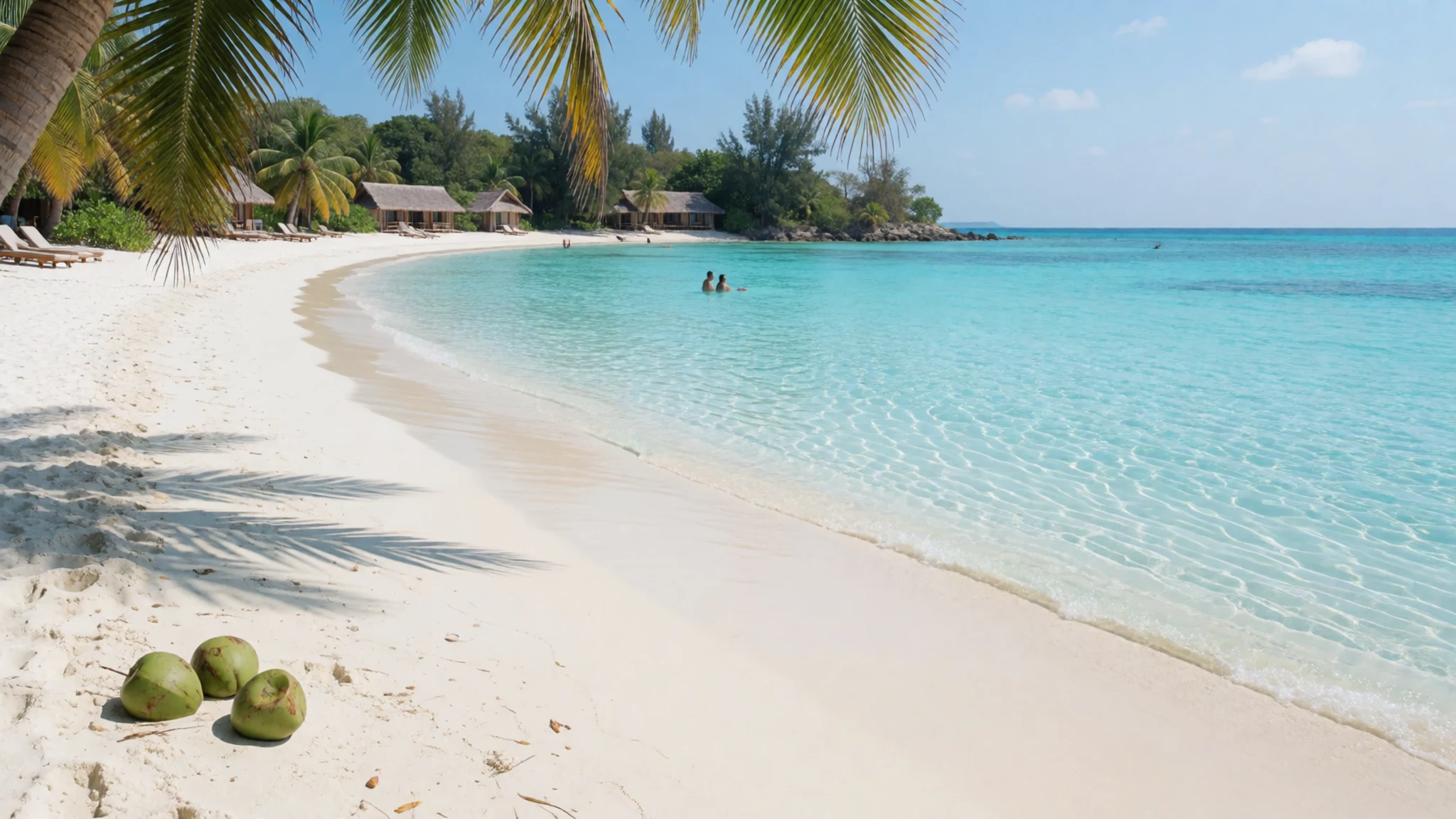
- Ao Kra Tueng and Ao Kao — South-west coast
Two southwest beaches that are quieter and more spread out. Coconut palms lean over the sand, and the shore suits a slow afternoon with a book. Tide and season change the water, so ask your resort about swimming conditions before heading in.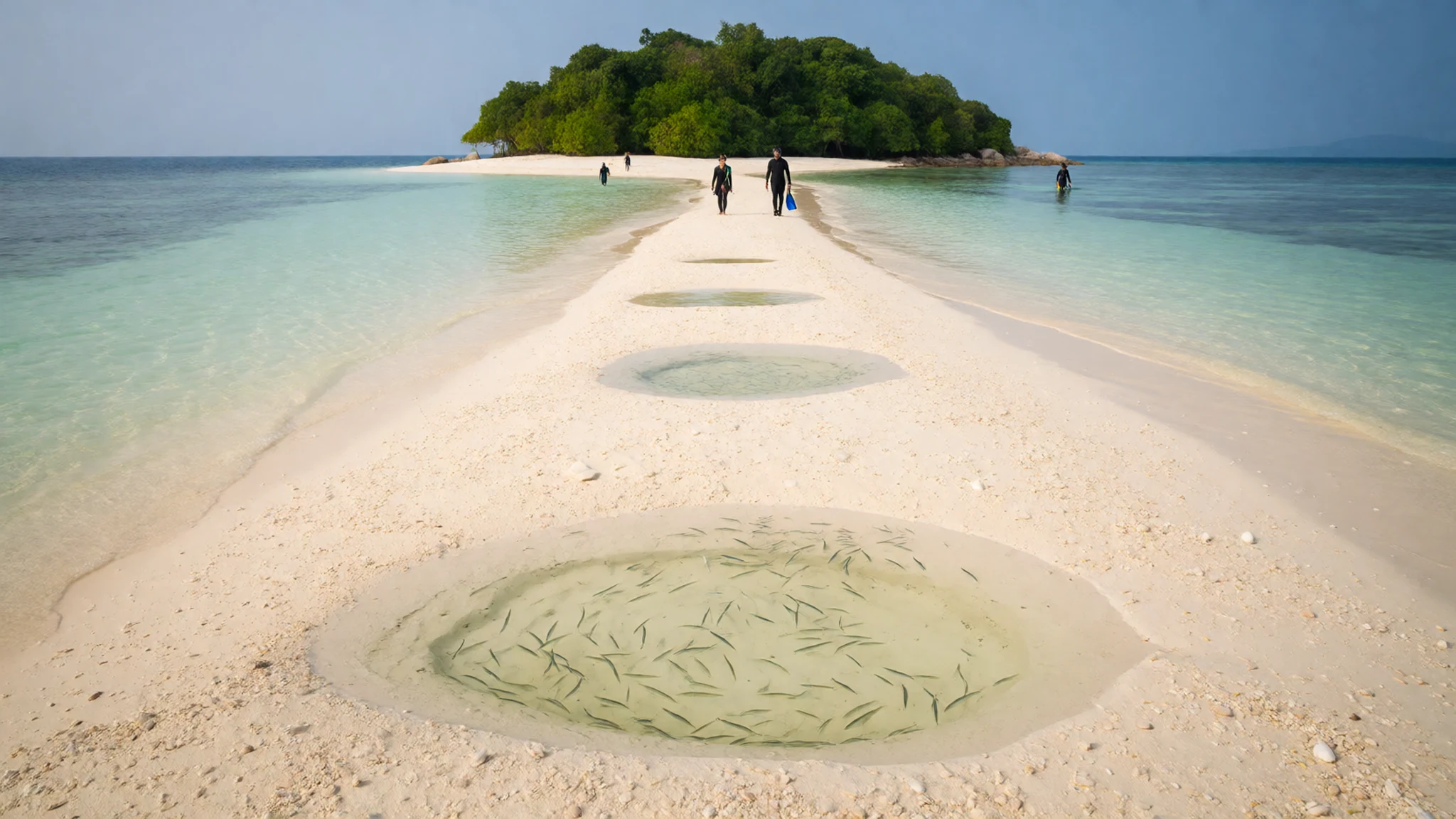
- Plantation lanes by bicycle — Island interior
The island is flat, and quiet roads and trails run through coconut and rubber groves and pineapple fields. Renting a bicycle or scooter from a resort is the easiest way to see everyday Koh Mak, including village corners, small shops and the temple.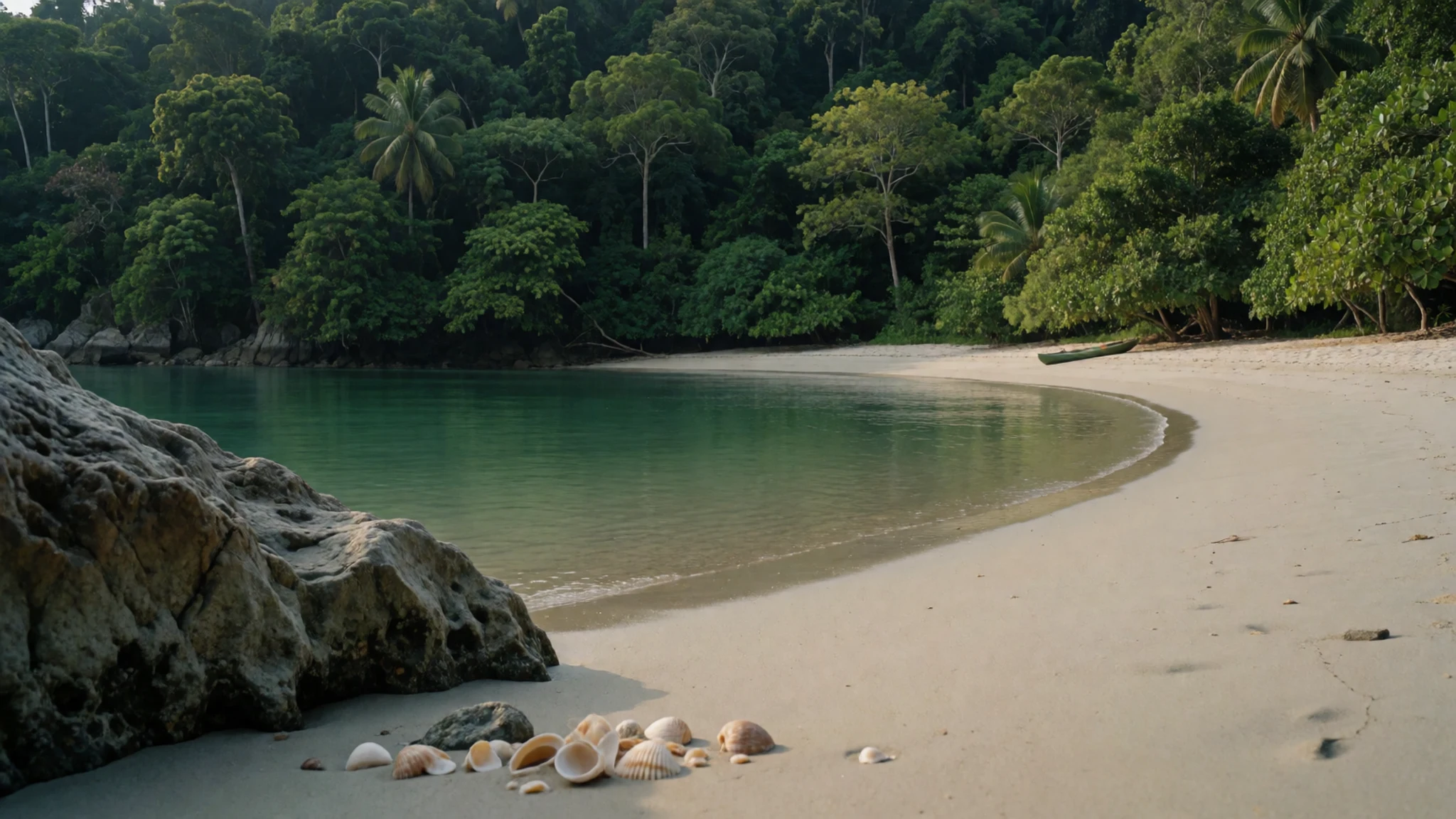
- Ko Kham at low tide — North-west, offshore
A smaller island less than 1 km north-west of Koh Mak, reachable on foot when the tide is low. Check tide times first and leave time to return. It is also a snorkelling spot, easily reached by sea kayak or a boat hired through the resorts.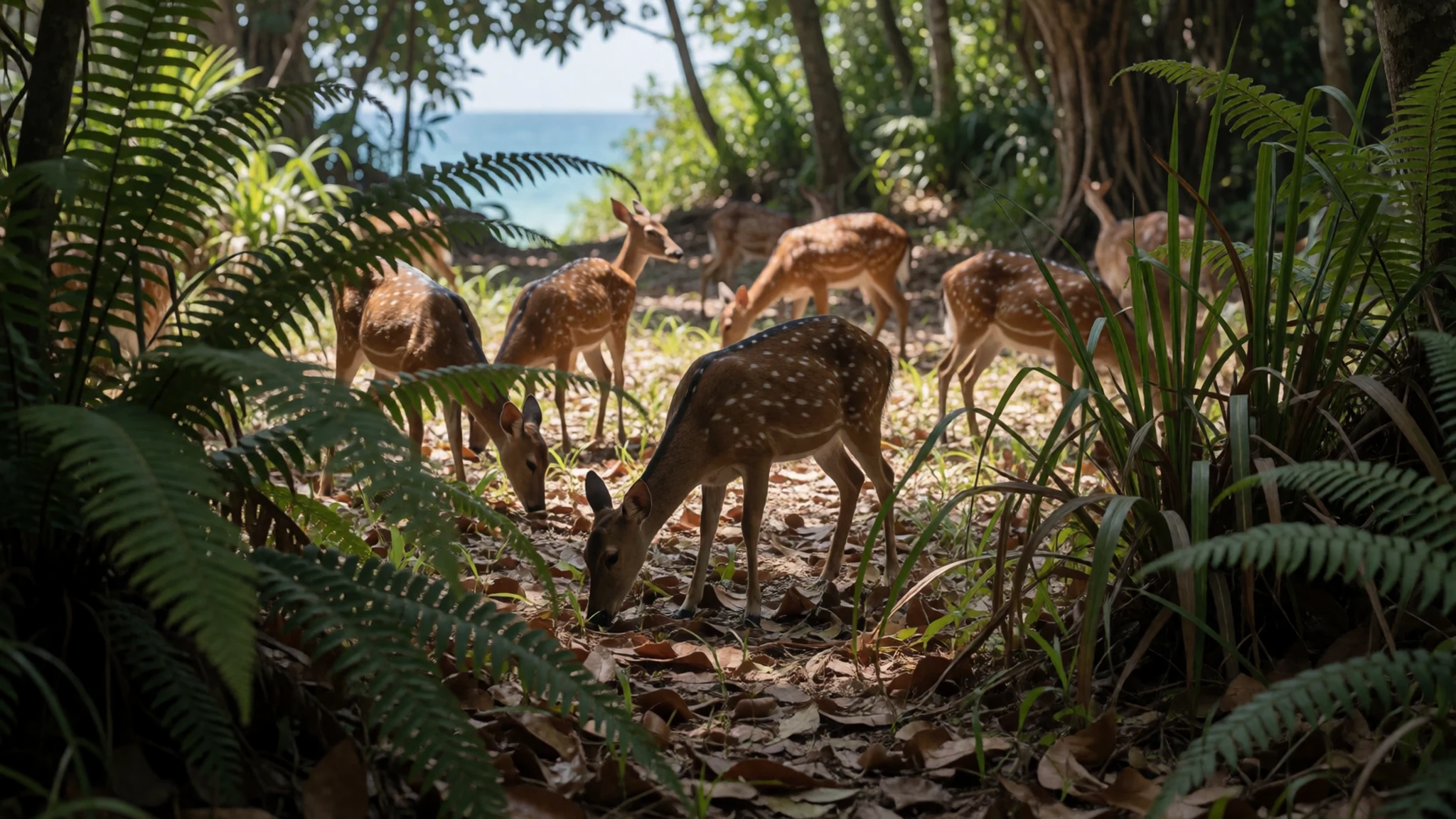
- Kayaking and snorkelling to nearby islands — North-west coast and offshore
Sea kayaks from the north-west resorts reach Ko Kham and Ko Phi, both snorkelling spots. Ko Kradad, nearby, has a wild deer population. Divers can also book trips with the island's dive operator. Go in calm weather and ask locally about currents.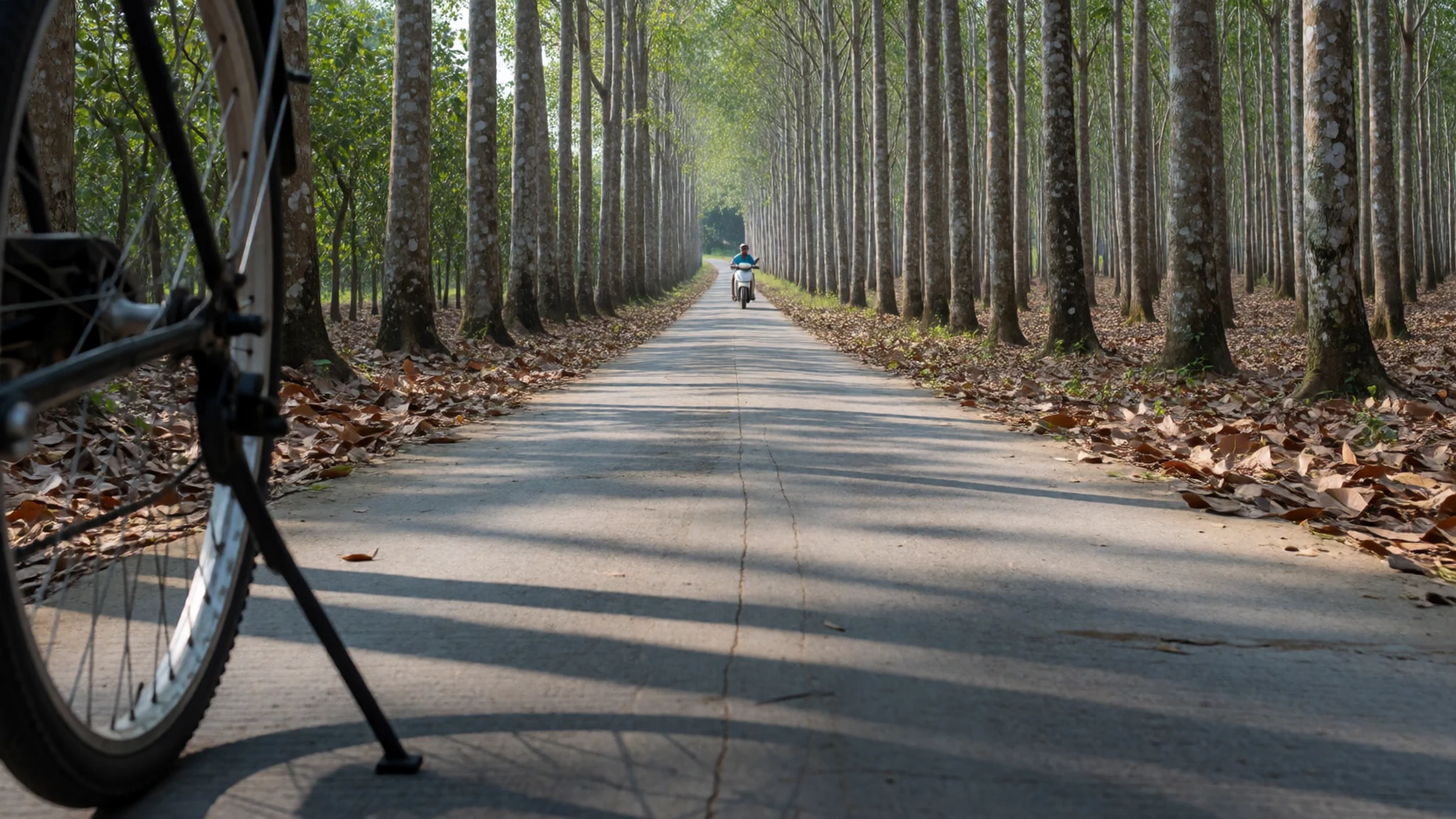
Culture
Koh Mak's culture is that of a small Thai island community shaped by farming, fishing and a few long-established families. Daily life revolves around the plantations, the three villages and the island temple, and many residents are descended from the five original families who gathered areca palms and grew coconuts and rubber. Visitors will notice that the pace is unhurried and that people tend to be quietly friendly rather than eager to sell.
Buddhism is the main religion in Thailand, and the island's temple is the focus of local ceremony and community events. Respect for monks, for the royal family and for elders is part of everyday behaviour, and it is polite to greet people with a smile and a slight bow with palms together (the wai) if someone offers one first.
The island's environmental effort is also part of its character. Resorts and locals promote less plastic and recycling, and Saturday beach clean-ups under the Trash Hero banner welcome visitors. The absence of noisy bars is a choice that suits families, couples and people wanting calm, rather than something lacking.
Because houses, farms and fishing boats sit close to the tourist areas, it helps to remember that you are in people's working surroundings. Ask before photographing villagers or their homes, and keep music and voices low at night; at the temple, cover shoulders and knees and take your shoes off before stepping inside any hall.
What to wear
Koh Mak has no single island costume, so the traditional picture is the wider Thai one. Everyday older clothing includes the phakhaoma, a checked cotton cloth used as a sarong, headcover or towel, and the pha sin, a wrapped cotton or silk skirt for women. Formal Thai dress, in silk or fine cotton, appears at weddings, temple festivals and national occasions rather than on ordinary days on the island.
What people wear now is simple and practical. Fishing and plantation work calls for long sleeves, rubber boots and wide-brimmed hats against sun and sea spray. Around the villages you will see T-shirts, shorts or loose trousers, flip-flops, and sometimes a phakhaoma over the shoulders. Swimwear belongs on the beach and at the resort; locals tend to cover up when away from the sand.
For visitors, the climate decides most choices: light cotton or linen, a hat, sunglasses and high-factor sun cream, plus a thin long-sleeved top for midday sun and for evening insects. Bring reef-safe sunscreen if you can, as the corals around the island are part of the draw. Sandals suit the beach, but closed shoes or trainers help on bicycle trails and rough paths.
Carry a sarong or light scarf and a top that covers your shoulders and knees for the temple or a village visit. Walking through a village or shop in only swimwear is considered poor manners, so throw something over it.
What to eat
- Fresh grilled seafood — Beachside eateries and the fishing villages
Fish, squid and prawns come from local boats and are grilled or steamed with garlic, chilli and lime. Look for simple open-air eateries by the beaches and near the fishing villages, where the day's catch is shown on ice.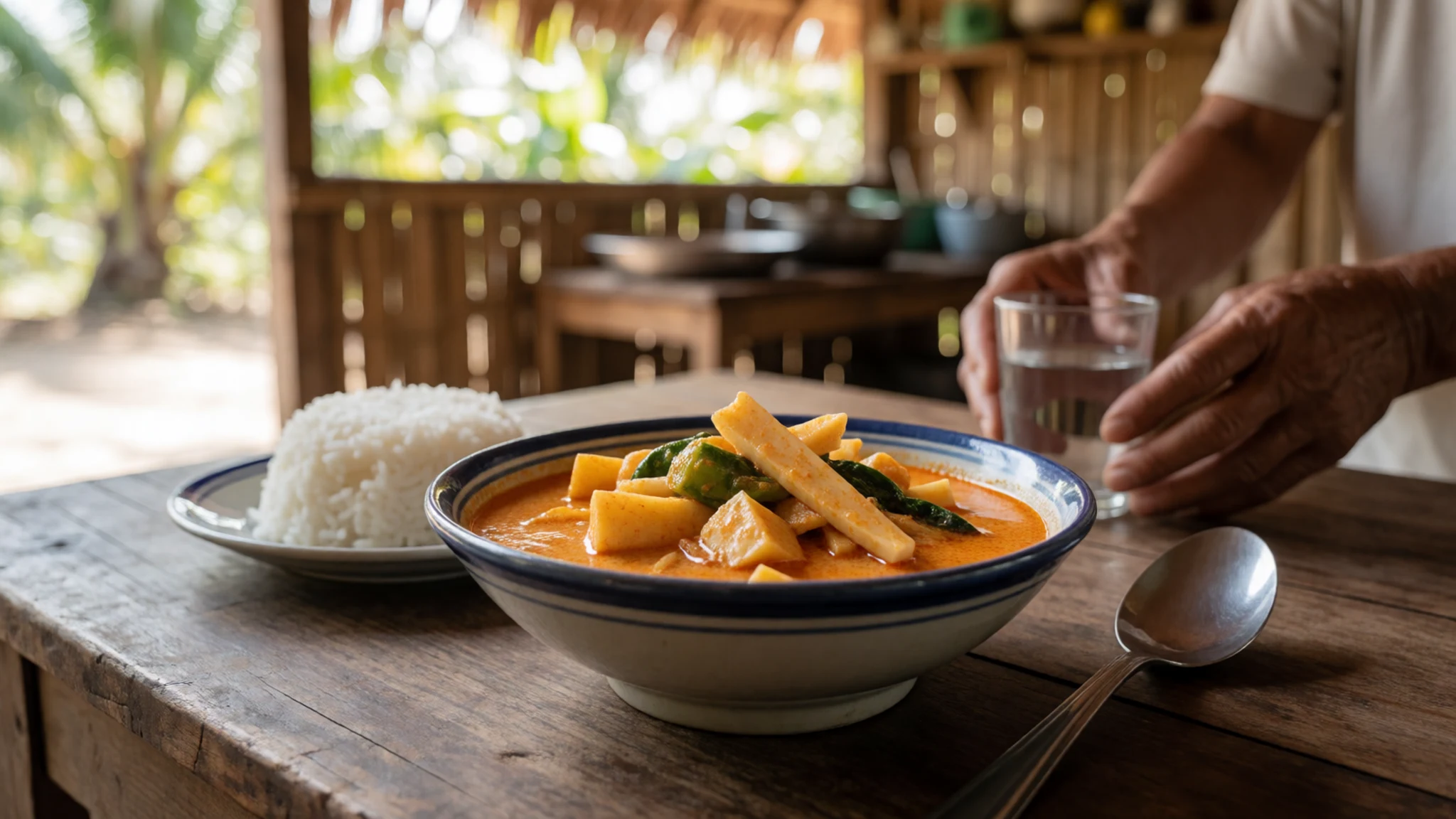
- Pad kra pao — Small Thai restaurants and resort kitchens
Stir-fried minced pork, chicken or seafood with holy basil, garlic and chilli, usually served with rice and a fried egg. It is a reliable, quick Thai lunch and easy to ask for mild or hot.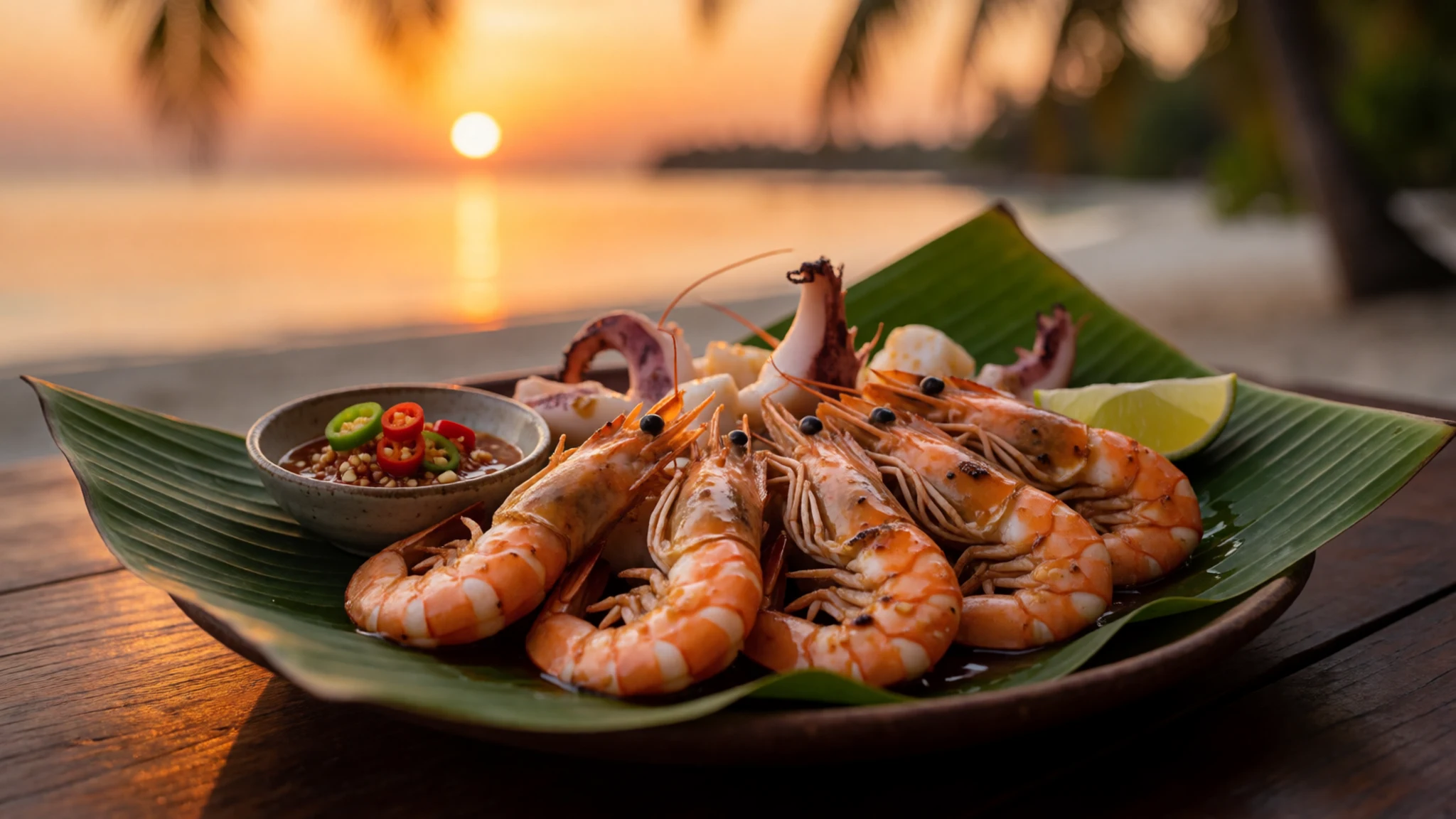
- Tom yum goong — Family-run Thai restaurants
A hot and sour prawn soup scented with lemongrass, galangal, kaffir lime leaf and chilli. On a small island, the prawns are often very fresh. Ask for less chilli if you are not used to Thai heat. - Coconut dishes and drinks — Roadside stalls and beach cafés
With so many plantations, coconut shows up everywhere: fresh drinking coconuts, coconut ice cream, and curries and desserts made with coconut milk. A cold coconut on a hot afternoon is a good way to taste the island. - Pineapple — The island market and roadside stalls
Pineapple is grown on the island, and sweet, juicy slices are sold fresh or blended into shakes. It is also cooked into Thai fried rice. Fruit is best eaten in the morning, when it is coolest. - Thai cooking class — Island cooking schools; ask at your resort
Local cooks teach classes covering curry pastes, stir-fries and desserts, usually including a market visit. It is a good rainy-day plan and a way to learn the ingredients behind what you have been eating.
Plan it
Best time. November to February is the cool, dry season, with the calmest seas and the most boat services, which is why it is busiest. March and April are hot but often still pleasant. May to October is the rainy season, with rougher water, fewer boats and some resorts closed.
How long. 3–4
Getting there. Fly to Bangkok, then continue to Trat (by air or by road) and on to a mainland pier at Laem Ngop or Laem Sok. Speedboats and catamarans run daily to Koh Mak's piers, with several operators and drop-off points. A bus-and-ferry service also runs from Bangkok and Pattaya. Last boats leave in the afternoon, so plan to arrive on the mainland early. Services from Ko Chang run mainly in the high season.
Budget. mid
Tips
- Book your boat and your resort ahead in the cool season, and confirm which pier your resort is nearest.
- Bring enough cash before you cross, as there are few cash machines and not every place takes cards.
- Pack insect repellent, sun cream and a refillable bottle; drink only bottled or filtered water.
- Expect quiet nights: there are no bars or liquor stores, so bring anything you want from the mainland.
- Check tide times before walking to Ko Kham, and check the boat schedules in the low season, when some services stop.
Etiquette
- Take your rubbish with you or sort it for recycling, and join the Saturday beach clean if you are around.
- Ask before photographing local people, and cover up away from the beach.
- Keep noise down at night; the island is a quiet one.
Nearby
Sources
- Wikidata Q1090553 (CC0)
- Wikipedia: Ko Mak (rev 1378859742) (CC BY-SA 4.0)
- Wikivoyage: Ko Mak (rev 5407448) (CC BY-SA 4.0)
- Photo: Sunset on the beach with palms, Vyacheslav Argenberg (CC BY 4.0)
- Photo: Sunset on the beach with coconut palms, Vyacheslav Argenberg (CC BY 4.0)
- Photo: Sunset on the beach, Vyacheslav Argenberg (CC BY 4.0)
- Photo: Palm trees on the beach, Vyacheslav Argenberg (CC BY 4.0)
- Photo: Coconut palm plantation, Vyacheslav Argenberg (CC BY 4.0)
- Photo: Western beach, Vyacheslav Argenberg (CC BY 4.0)
- Photo: Solitary tree in lagoon, Vyacheslav Argenberg (CC BY 4.0)
- Photo: Cococape resort, Robvanvee (CC BY 3.0)


Wildlife
- Wild deer (animal)
The axis deer, also called the chital, is a golden deer sprinkled with white spots, as if dusted with snow. Travellers find it on Ko Kradad, a small islet reached by a brief boat ride from Koh Mak, where wild deer make their home. Look for the stags, which alone wear antlers, each with three prongs, while the pale throat, ears and tail stand out against the warm coat. Watch gently and from a respectful distance.