Koh Kood
Koh Kood, Thailand
Koh Kood is a quiet Thai island of clear water, mangrove creeks, forest waterfalls and fishing villages, for people happy with slow days.
The place
Koh Kood, also spelt Ko Kut (เกาะกูด), lies in the Gulf of Thailand off the far eastern edge of the country and belongs to Trat Province. About 2,000 people live on it, which makes it the main island in a small cluster that shares one district, yet it still feels thinly settled. There is no town in the usual sense. Life is spread between a few fishing villages, rubber and coconut plantations, patches of rainforest and a long run of beaches on the west coast, where most of the resorts sit. Roads link the main bays, but the distances between them are real, and the only stretch that is easy on foot is around Klong Chao, so a scooter or a resort transfer fills in the rest. The island suits slow days: swimming in clear shallows, kayaking up a mangrove estuary, walking to a freshwater pool in the forest, diving or snorkelling over the reefs. It does not suit anyone after nightlife, shopping or a long list of sights. Evenings are quiet, with a bar or two near Klong Chao and seafood eaten beside the water. The weather sets the calendar: the drier months bring calm seas and busy resorts, while in the wet season many places run a limited service or close. Fishing, farming and tourism share the economy, and the island is often described as remote and lightly developed, which is both its appeal and its limitation.
Its story
Koh Kood's history is tied to the coast of Trat, which mattered long before anyone thought of beaches. When Bangkok was the Siamese capital, the sea lanes through this part of the Gulf carried a steady flow of boats, and the province became a trading stop on the way. Busy water attracts trouble, and as traffic grew, pirates began to shelter among the islands here, using coves and channels that suited a quick escape. Once piracy faded, the island settled into a quieter farming rhythm. Families planted rubber, fruit trees and coconut palms, fished the surrounding sea, and lived in small coastal settlements, some built over the water on stilts. For generations that was the whole story: modest, practical and far from the mainland's main roads. Tourism arrived in the 1990s, when the first visitors, and then small resorts, discovered the clear water and empty sand. Growth since then has been gradual rather than explosive, partly because the island is awkward to reach and partly because plantations and forest still cover much of the interior. Today the older economy and the newer one sit side by side. A fisherman's boat may share a bay with a resort's kayaks, and the rubber trees behind the beach are as much a part of the place as the sand in front of it.
What to see
- Ao Yai fishing village — South-east coast
Ao Yai is a working fishing village reached by a concrete road, and a sound place to eat seafood that came off the boats that morning. Local fishermen can arrange simple snorkelling and fishing trips from here, usually more modest than resort excursions. Go to watch the boats and nets rather than for a polished beach.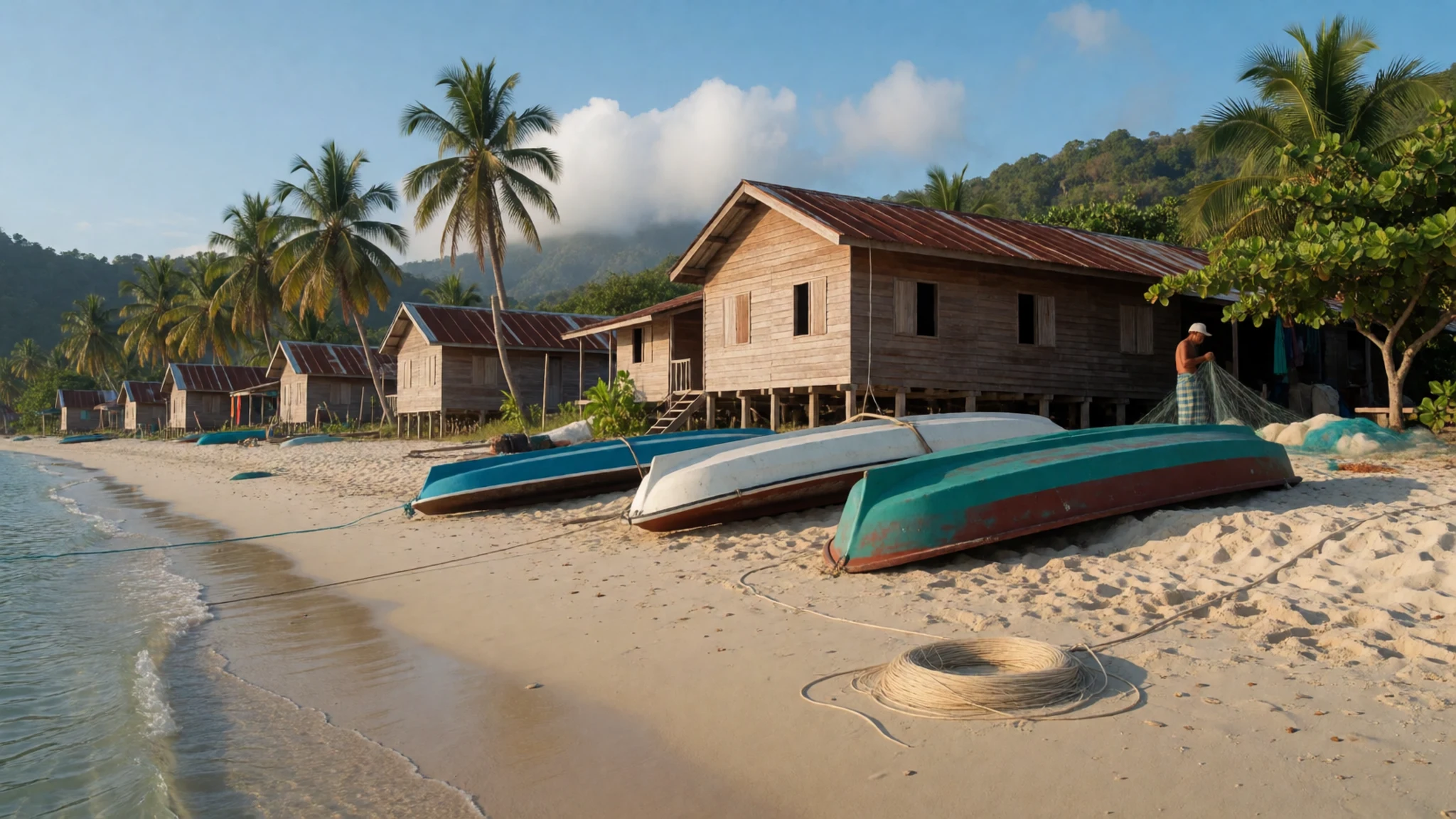
- Ao Salat — Ao Salat, fishing village on the island's coast
Ao Salat is a fishing village built on stilts over the water, with houses and walkways reaching out above the tide. The road to it is long, so it suits a half day by scooter or taxi. Come to see how island life runs away from the resorts, and bring a camera and some patience.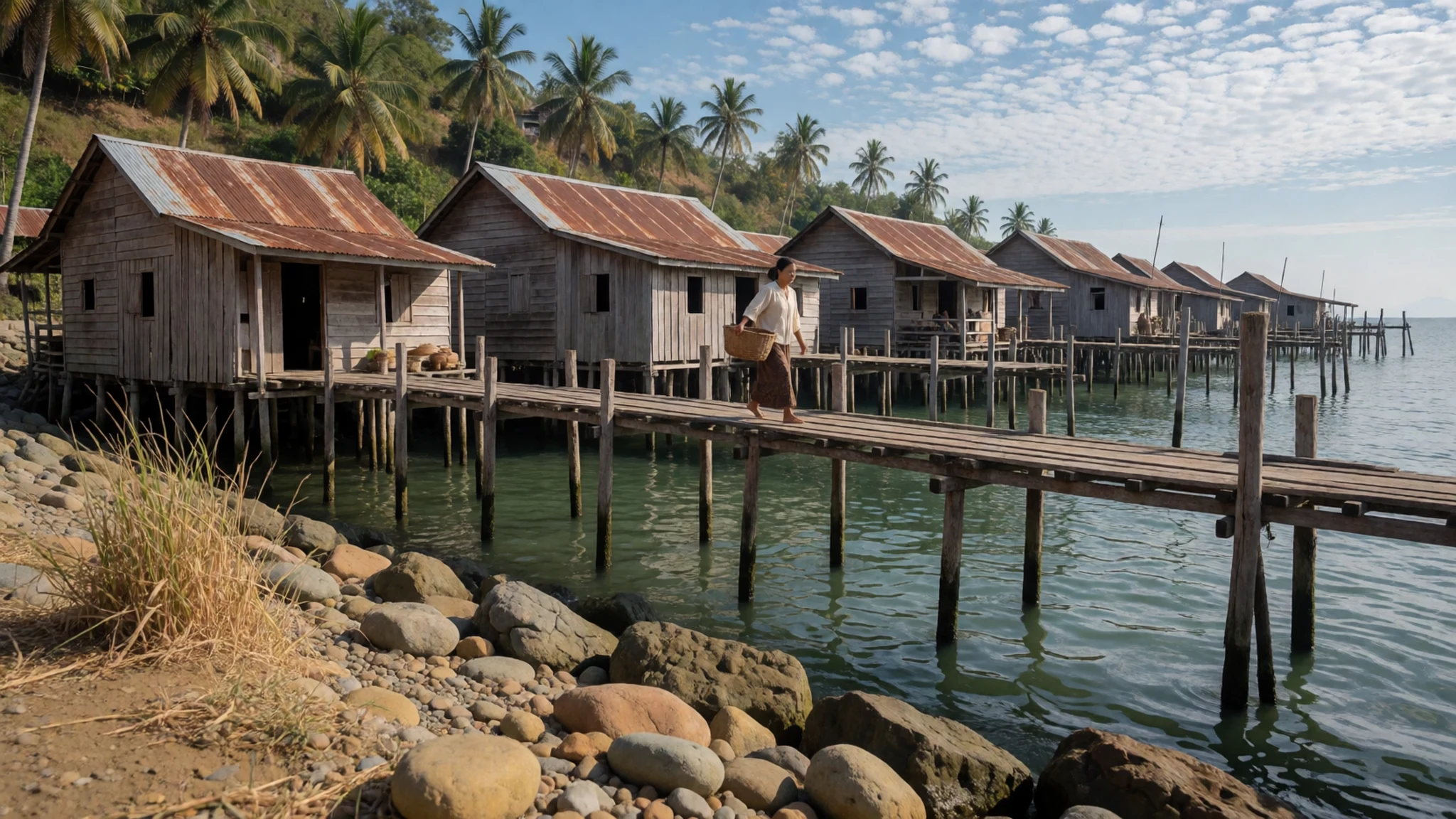
- Klong Chao Waterfall — Klong Chao, west coast
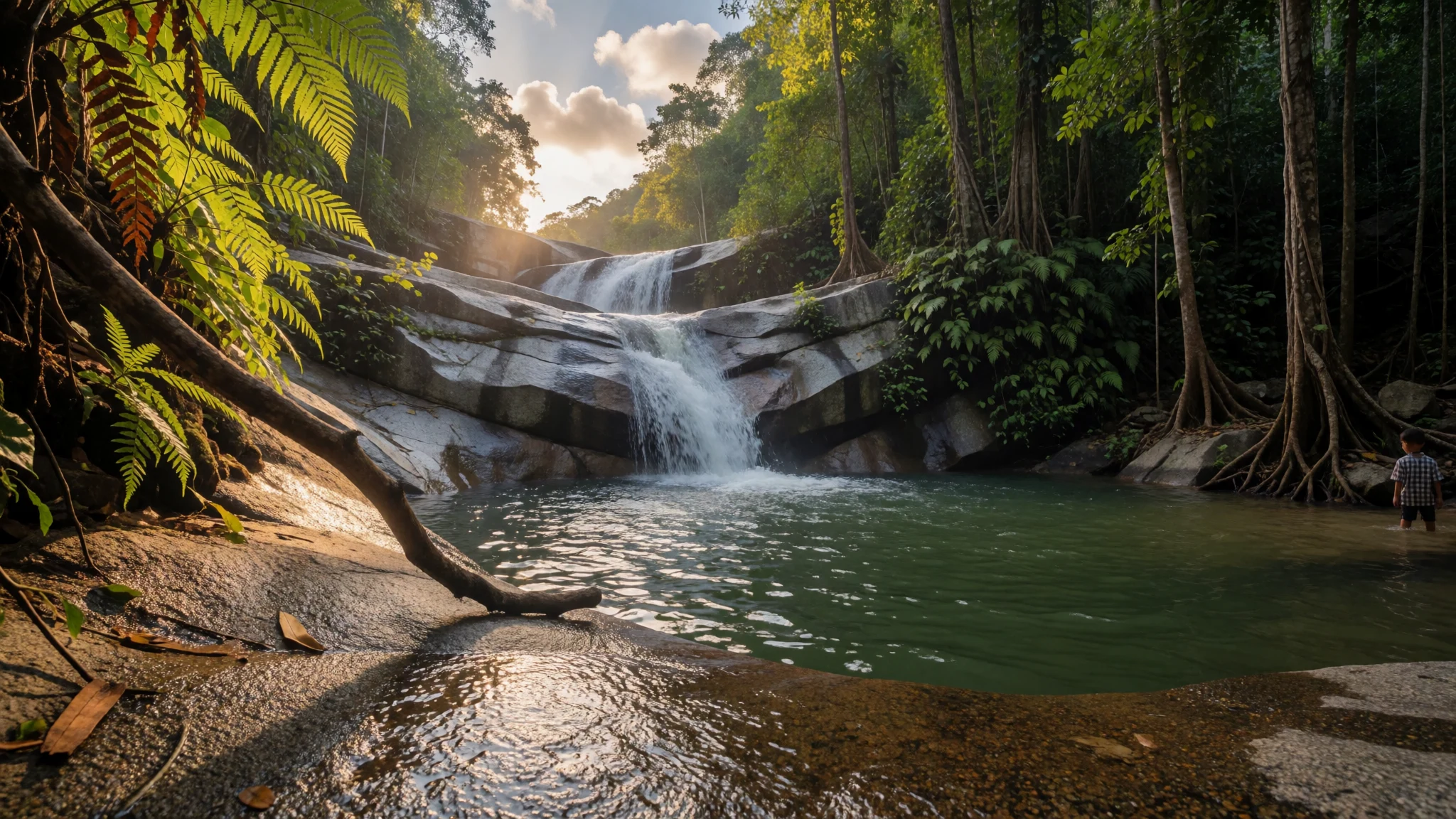
Klong Chao Waterfall drops into a wide pool deep enough for a proper swim. It is reached on foot from the road turn-off, through shaded forest, and tours tend to arrive in the afternoon, so mornings are quieter. Wear shoes with grip, because the rocks around the pool are slippery.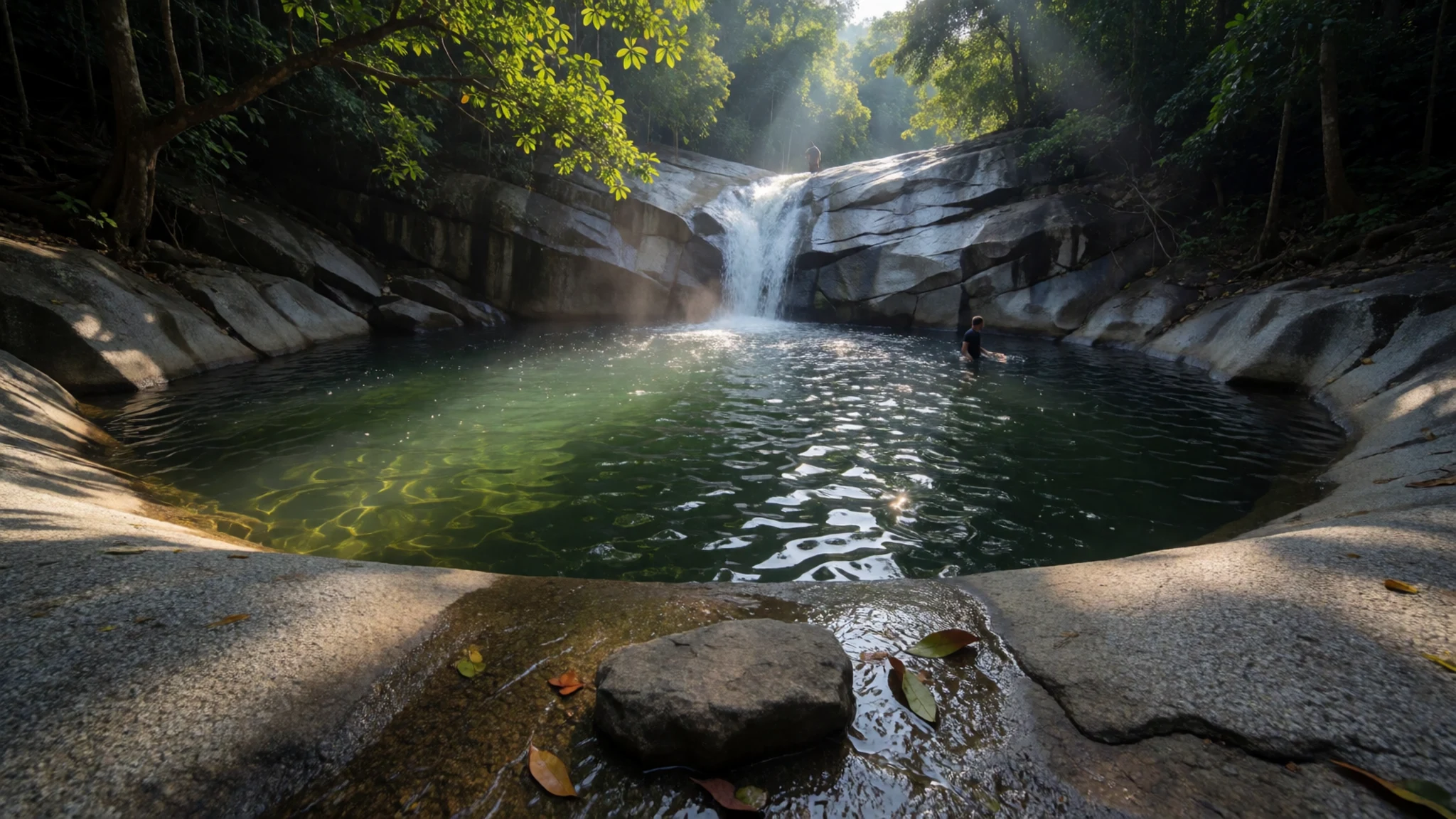
- Macca Tree grove — Rainforest in the island's interior
The Macca Tree grove is a stand of huge, very old trees in the middle of the island's rainforest. It is a cool, shaded stop that makes a useful change from the beaches and gives a feel for the forest that still covers the interior. Take insect repellent and go in dry weather.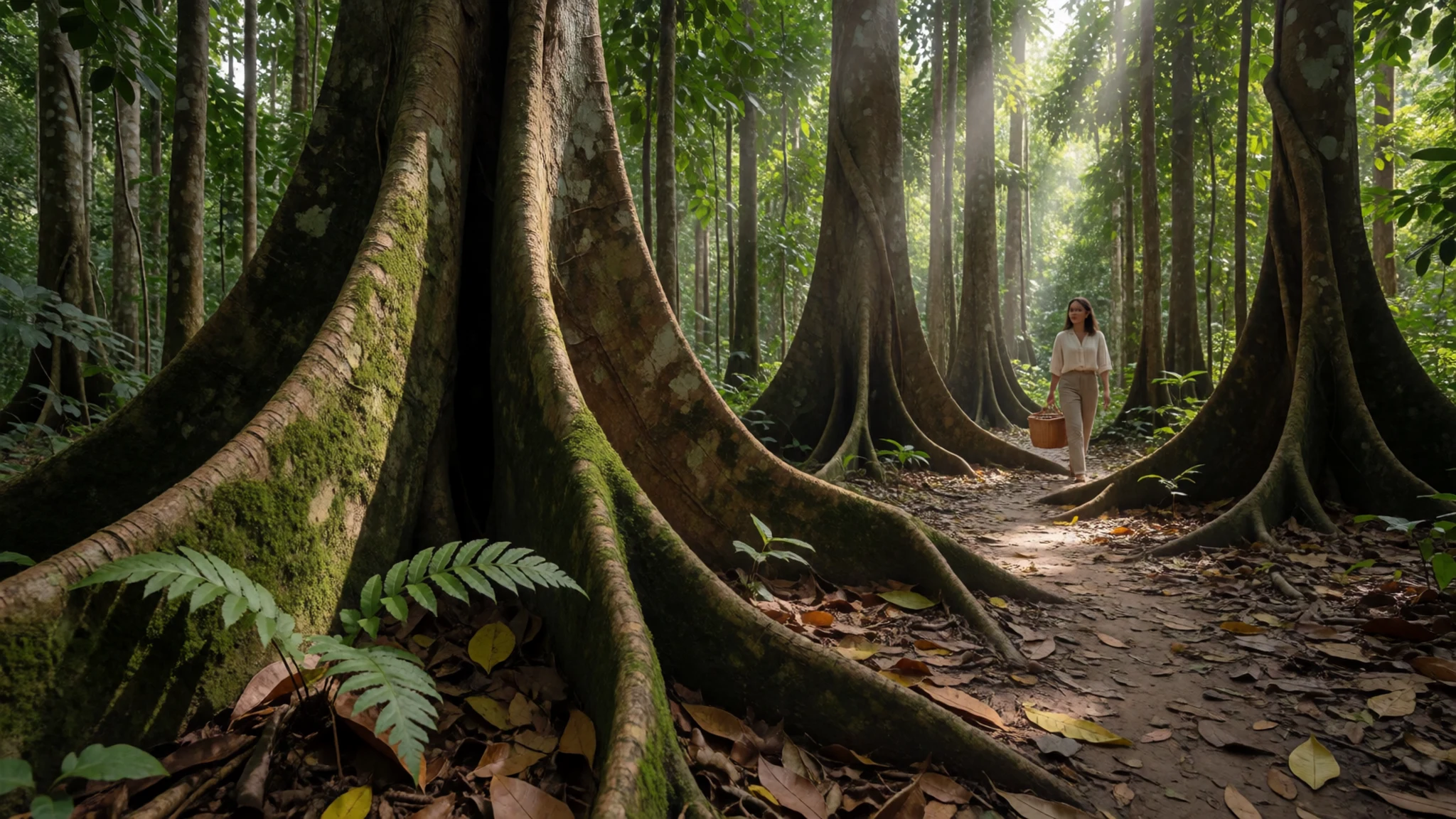
- Khao Rearub trail — Between Klong Chao and Ngamkho Bay, west coast
Khao Rearub is a hiking path linking Klong Chao with Ngamkho Bay, passing an old rock formation. What the rock resembles is argued over, and Thais treat it as a religious site. Walk it in the cooler hours, dress modestly and keep noise down near the rock.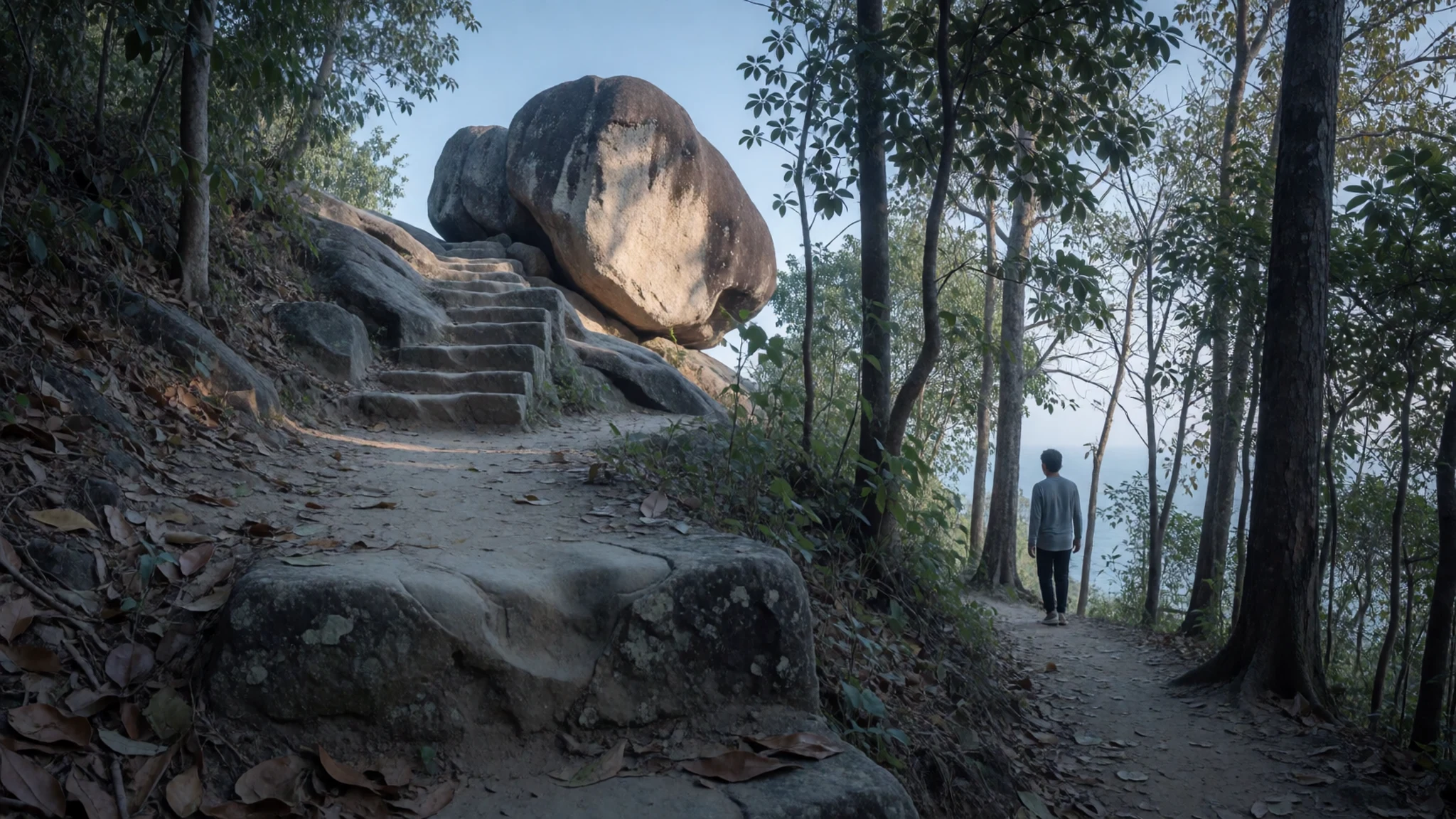
- Reefs and dive sites — Waters around the island, booked through west-coast dive shops
The water around Koh Kood suits beginners and snorkellers, with turtles, stingrays, barracuda, shoals of small fish and the occasional seahorse. Several small dive shops run trips from the west coast. Visibility drops and the sea turns choppy from July to September, so plan around those months.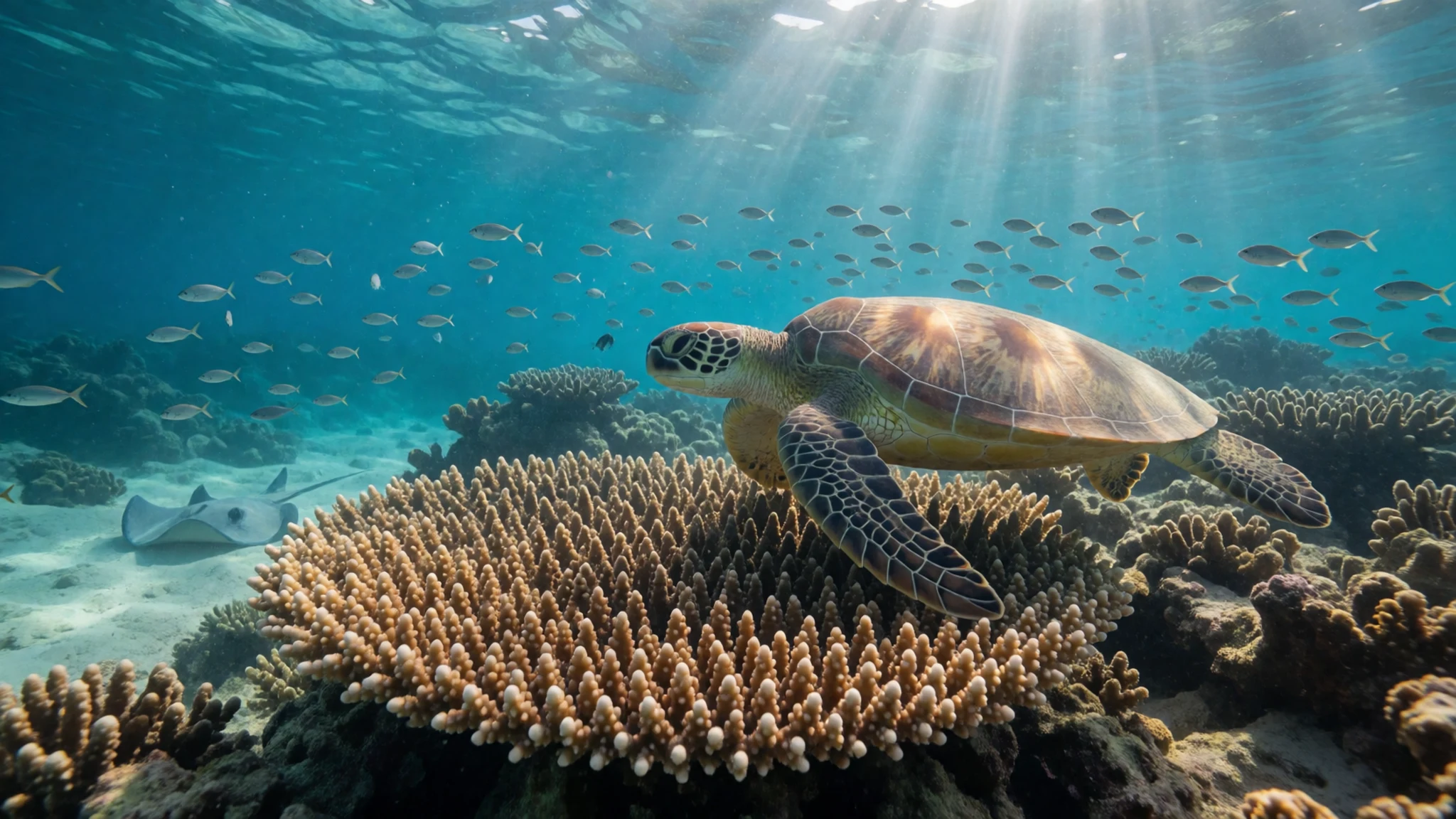
Culture
Koh Kood is a Thai Buddhist island, and daily life follows the habits of coastal Thailand more than those of a resort strip. Fishing families still anchor village life, especially at Ao Salat and Ao Yai, and mornings revolve around boats, ice and the catch. The pace is unhurried. People tend to be polite, soft-spoken and reluctant to show irritation, so raised voices and loud complaining land badly. Visitors often meet the island through resort staff, many of whom come from the mainland or nearby villages, and a patient, smiling approach goes a long way. Religion shows up in small ways: spirit houses, as across Thailand, offerings of flowers or incense, and the rock formation at Khao Rearub, which Thais regard as a sacred place and which is argued over for what it resembles. Thai holidays bring mainland families to the island, so beaches and ferries can be fuller than the season suggests. Respect for the monarchy and for images of the Buddha runs deep across the country, and jokes or casual behaviour around either are taken seriously. At Khao Rearub and any shrine you pass, dress modestly, keep your voice low, and never climb on sacred rocks or point your feet at them or at any Buddha image.
What to wear
Traditional dress on Koh Kood is Thai dress as worn along the coast. Women's formal wear is the pha sin, a wrapped or tubular skirt in cotton or silk, usually with a fitted blouse, while men wear the chong kraben, a wrapped cloth drawn between the legs, now seen mostly at ceremonies and festivals. In daily work, fishermen and farmers have long relied on the pha khao ma, a checked cotton cloth that serves as a belt, headcloth, towel or sunshade. Day to day, islanders wear what suits heat and work: T-shirts, loose cotton trousers or shorts, rubber boots on boats, and caps or wide-brimmed hats in the sun. Resort staff wear uniforms, often in local-style prints. Visitors should pack light, quick-drying clothes, keep swimwear for the beach, and carry a cover-up for villages, cafes and any shrine, with shoulders and knees covered. Sandals suit most roads, but water shoes or grippy sandals help at the waterfall pool and on rocky estuary edges, and sturdy trainers suit the Khao Rearub trail. A hat, sun protection and a light rain jacket matter more than anything smart, because wet-season showers can arrive hard and fast.
What to eat
- Grilled or steamed fresh fish — Seafood restaurants beside the water in fishing villages such as Ao Yai
Fish straight from the boats is the island's easiest good meal, usually grilled with garlic and chilli or steamed with lime. Order whatever the kitchen says was caught that day, and ask for it served with plain rice and a sharp dipping sauce.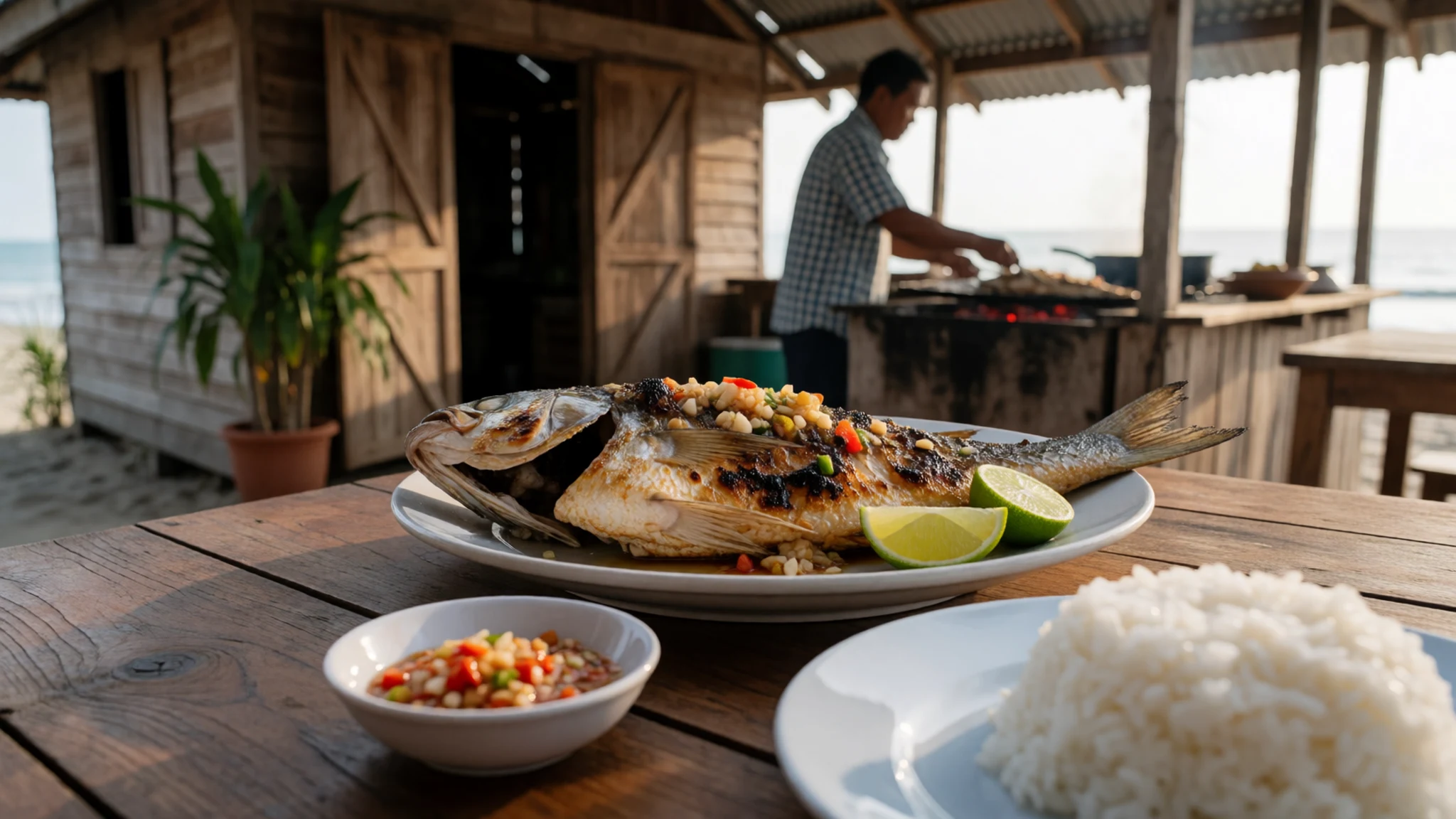
- Khao pad poo (crab fried rice) — Small seafood eateries and resort restaurants along the west coast
Wok-fried rice with sweet crab meat, egg and spring onion, served with lime and chilli fish sauce. It is a mild, satisfying lunch and a safe pick for anyone wary of heat. Crab comes from local waters, so it is best in the dry months.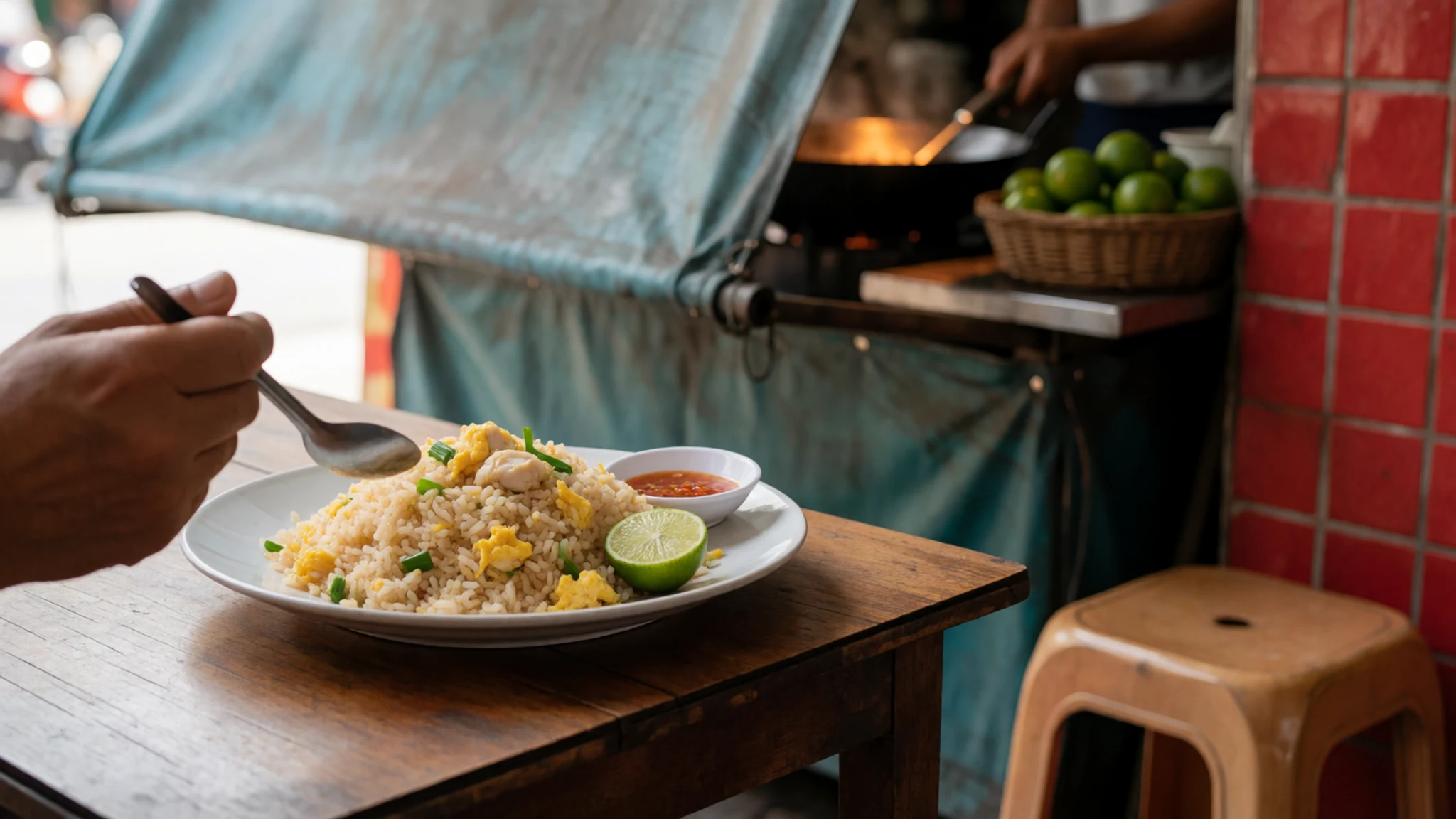
- Tom yum goong — Restaurants at the beach resorts, which welcome non-guests
A hot and sour prawn soup with lemongrass, galangal, kaffir lime leaf and chilli. On an island it tends to be made with very fresh prawns and tastes cleaner for it. Ask for it less spicy if you are not used to Thai heat. - Pad kra pao and noodle bowls — Plain local eateries and shops around Klong Chao
Stir-fried holy basil with minced meat or seafood, chilli and garlic, served over rice with a fried egg, is the everyday plate. Simple noodle soups fill in for breakfast or a cheap lunch, and both are easiest to find near Klong Chao. - Vietnamese-style coffee and fruit shakes — Cafes on stilts over the water and bars near Klong Chao
Strong, sweet, slow-dripped coffee and blended fruit shakes are the island's afternoon habit. The cafes built out over the water are good places to sit through the heat and stay on for the sunset, with a view over the sea.
Plan it
Best time. November to February, when the weather is driest and seas are calmest, though this is also the busiest period. March and April are hotter but still workable. From May to September the wet season brings rain, rougher water and many closures, and diving visibility drops sharply from July to September.
How long. 3–5
Getting there. Reach Trat on the mainland from Bangkok by road or air, then take a taxi to Laem Sok pier and a ferry or speedboat to Koh Kood. The ferry ticket usually includes transfers from Trat and to your resort on the island. Check KohKoodFerries.com for the current timetable, as departure times change with the season.
Budget. mid
Tips
- Book ahead for November to February, especially weekends and Thai holidays, which foreign visitors often overlook.
- Confirm ferry and speedboat times when you book, because schedules shift between seasons.
- Check that your chosen resort is open if you travel in the wet season, as many run a reduced service or close.
- Plan transport in advance, since only the Klong Chao area is easy to walk; otherwise rely on resort transfers, taxis or a scooter.
- Carry some cash and bring your own sun protection, water and insect repellent for forest walks.
Etiquette
- Cover shoulders and knees away from the beach, and at any shrine or religious site such as Khao Rearub.
- Keep your voice calm and avoid showing anger; a smile and patience work better than argument.
- Do not touch or climb on sacred rocks, and do not point your feet at Buddha images.
Nearby
Sources
- Wikidata Q1665731 (CC0)
- Wikipedia: Ko Kut (rev 1378887693) (CC BY-SA 4.0)
- Wikivoyage: Ko Kut (rev 5407442) (CC BY-SA 4.0)
- Photo: Palm trees, lagoon, Koh Kut (Vyacheslav Argenberg) (CC BY 4.0)
- Photo: Ao Yai fishing village (CosMapi) (CC BY-SA 4.0)
- Photo: Cheesecake nudibranch (Matthew Proud) (CC BY 3.0)
- Photo: Green coastline by the ocean (Waranya Mooldee) (CC0 1.0)
- Photo: Ko Kut, Klong Chao (josef knecht) (CC BY 3.0)
- Photo: Ko Kut, Klong Chao Waterfall (josef knecht) (CC BY 3.0)
- Photo: Ko Kut, Soneva Kiri, pagebanner (josef knecht) (CC BY 3.0)
- Photo: Ko Kut, Soneva Kiri (josef knecht) (CC BY 3.0)


Wildlife
- Green sea turtle (animal)
The green turtle is a big, gentle sea reptile that grazes on seagrass, and it is named for the green tint of its fat, not its shell, which is olive to dark. Around Koh Kood, the calm waters suit beginners and snorkellers, and turtles are among the creatures you may glimpse there. Keep a respectful distance, float quietly rather than chasing, and consider going with a local guide who knows the water. Never feed it; let it graze in peace.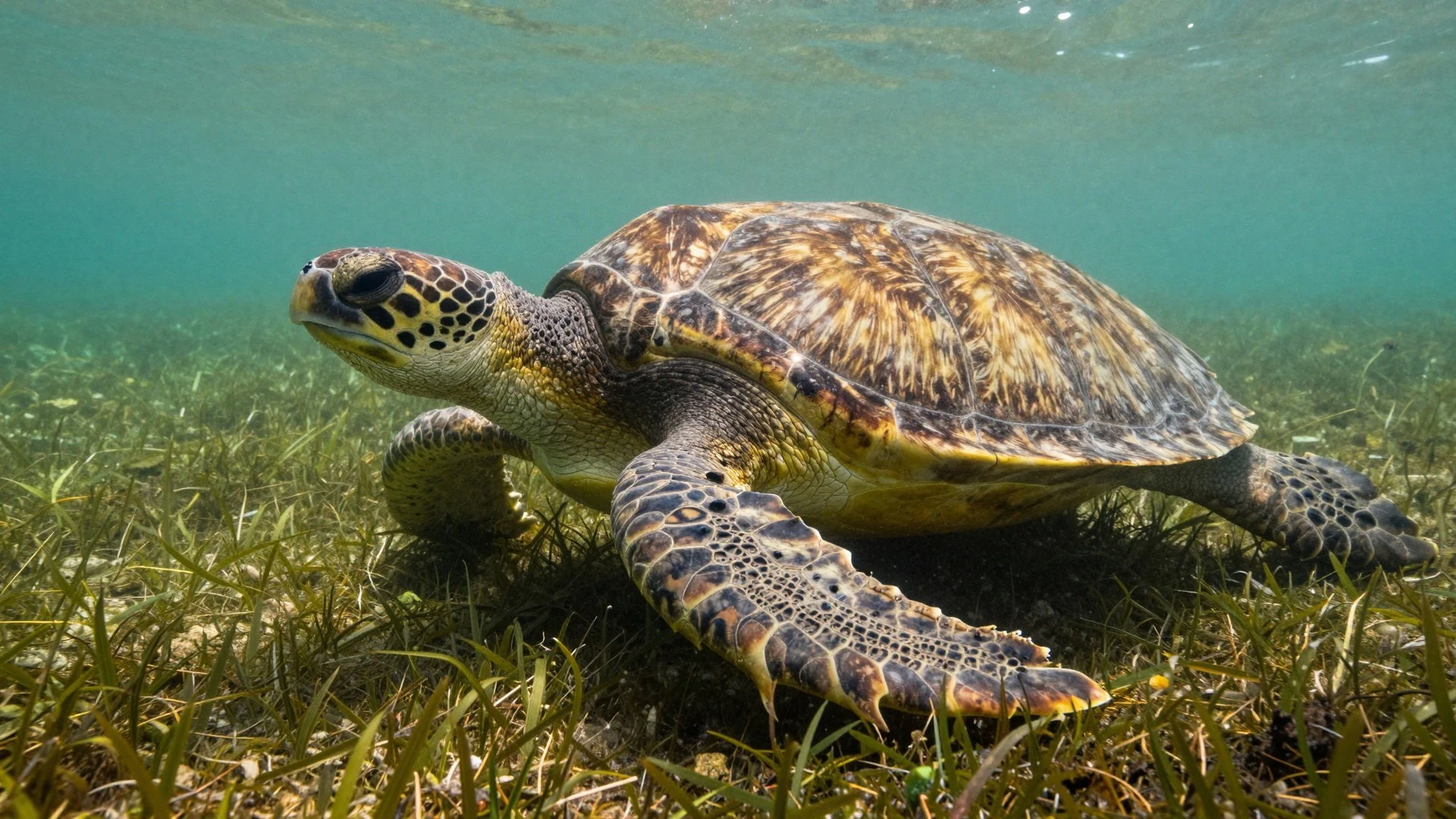
- Great barracuda (animal)
The great barracuda is a long, streamlined fish that looks like a living torpedo gliding through the sea. It lives in warm waters around the world, and the seas around Koh Kood, which suit beginners and snorkellers, count it among their residents. Watch from a calm distance, move slowly and quietly, and never crowd it. A local guide can help you read the water and stay comfortable. Never feed it, since wild fish should find their own meals.