Killarney Provincial Park
Killarney Provincial Park, Canada
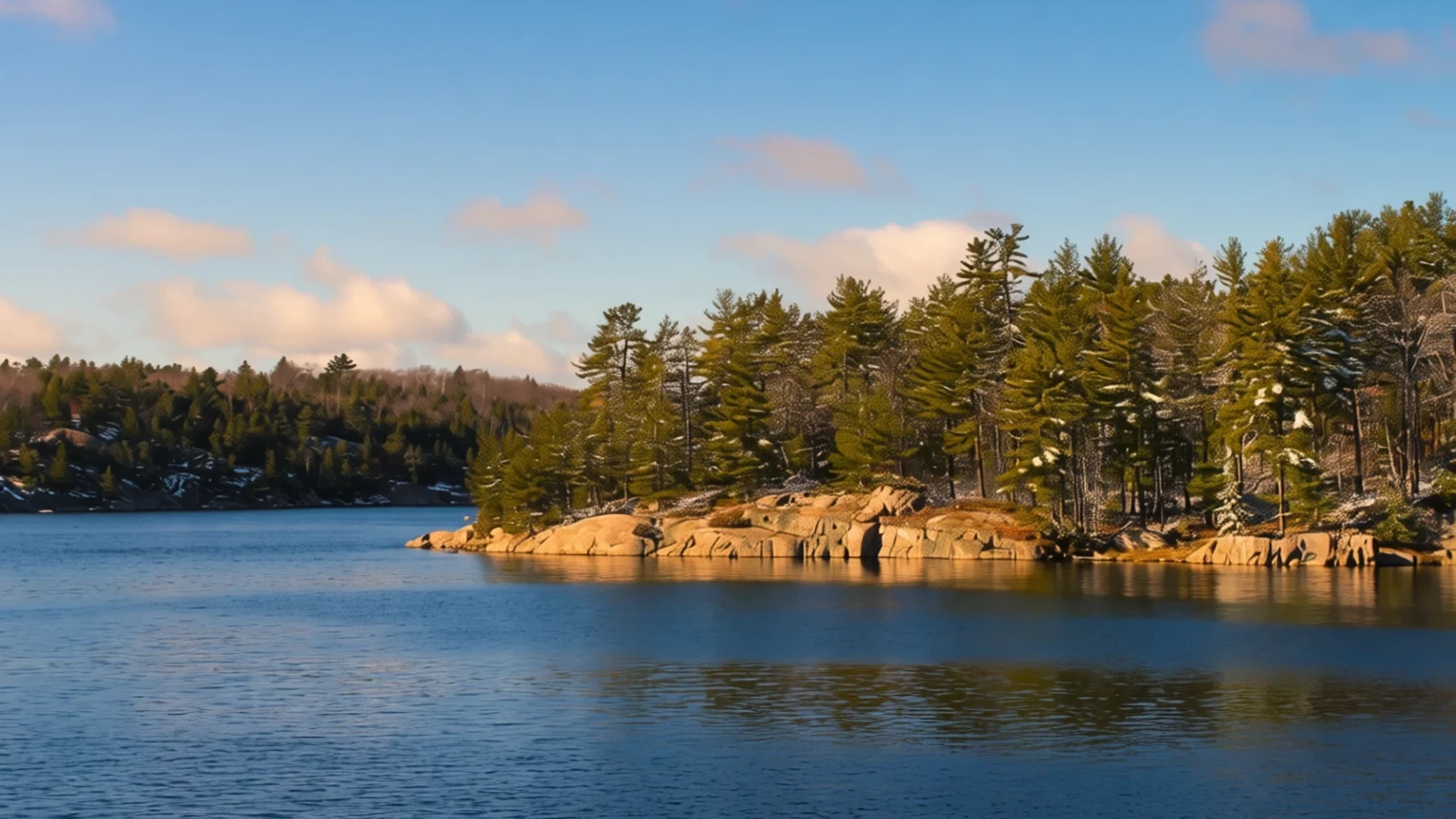
Killarney Provincial Park is a quiet wilderness base for hiking and canoe routes through quartzite ridges and lakes.
The place
Killarney Provincial Park is a wilderness provincial park in central Ontario, Canada, on the north shore of Georgian Bay in the municipality of Killarney. The landscape is dominated by rounded, pale white quartzite hills from the La Cloche range, which stand out against pine and hardwood forest, as well as boggy lowlands around the park’s many lakes. In practice, that geology shows up everywhere: stony ground, clear cold water, and trails that feel more “rocky-forest” than “green-meadow”.
A lot of visitors come for the mix of hiking and canoe-in back-country camping. There’s just one campground at the George Lake entrance, and the park keeps facilities intentionally minimal, so the day-to-day experience leans toward solitude rather than convenience. Trails connect viewpoints and lake edges, while canoe routes link water bodies with portages in between. The portages are part of the rhythm—short enough to be manageable, but frequent enough to make the trip feel properly active.
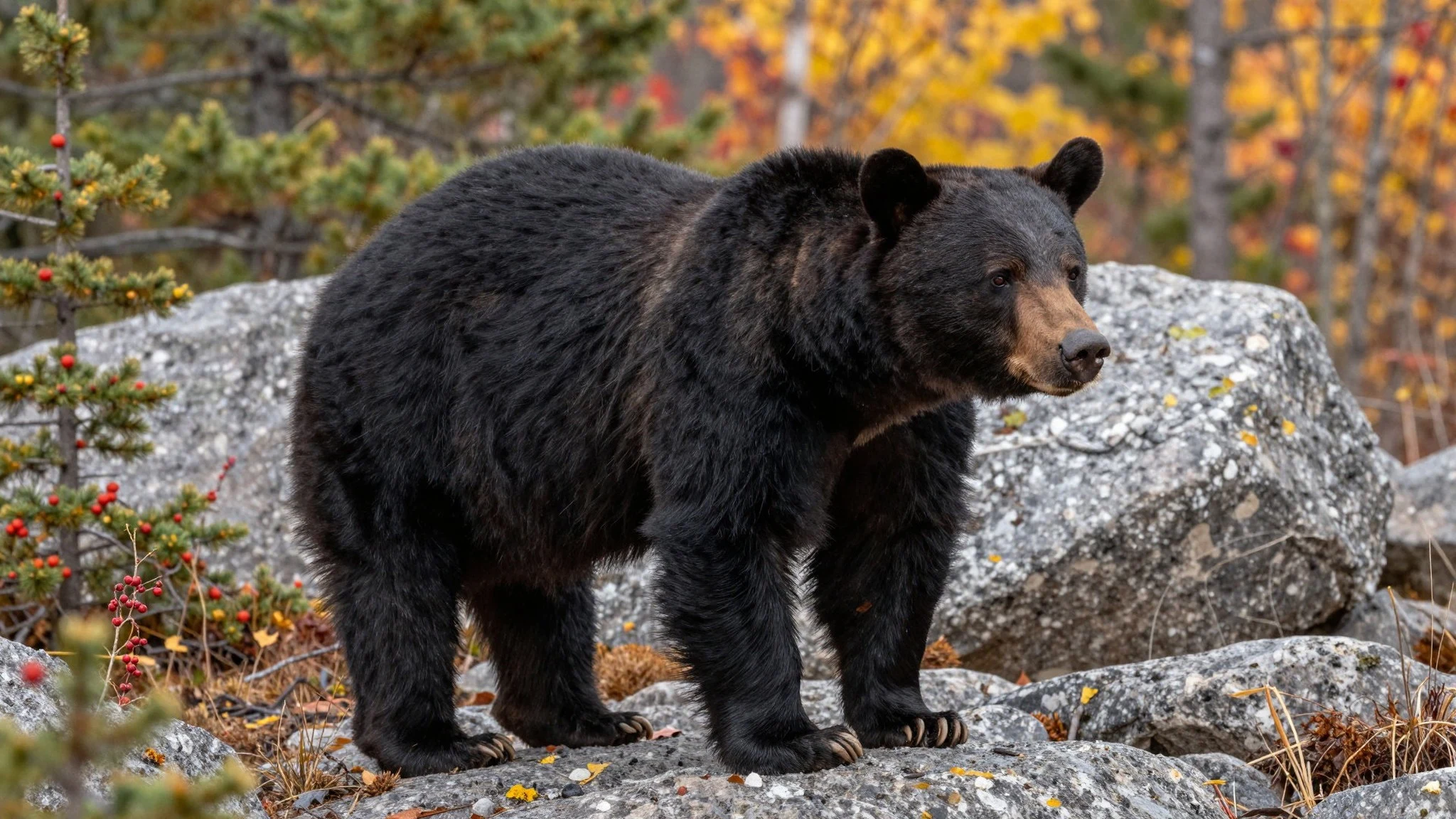
Wildlife is part of the appeal, too. A rich variety of wildlife lives in the park, including beavers, martens, bobcats, lynx, wolves, black bears, deer, and moose, alongside numerous reptiles and amphibians. It’s the kind of place where early mornings sound different: fewer engines, more wind in trees, and the occasional splash or call from the surrounding lakes.
For travellers who prefer nature without a big infrastructure footprint, Killarney delivers the essentials well—water, trails, and a rugged, lightly serviced wilderness experience.
Its story
Killarney Provincial Park’s origin has a very human hook: artists trying to protect a piece of landscape before industry could change it. The key figure was A.Y. Jackson of the Group of Seven. When he heard that Trout Lake (now, O.S.A. Lake) was at risk of being logged, he petitioned the provincial government to preserve it. The letter was received by William Finlayson, then Minister of Lands and Forests, and the effort ended in the lake being taken into trust by the Ontario Society of Artists, with its name changed to O.S.A. Lake.
Jackson’s involvement didn’t stop at one lake. The Killarney area became a regular painting and sketching destination, and over the years other Group of Seven artists—Franklin Carmichael, Arthur Lismer and A.J. Casson—also worked there. That artistic draw helped keep attention on the region’s hills and waters.
Later, the broader “wilderness preserve” idea took shape. In 1962, Highway 637 opened, linking the north shore of Georgian Bay from the town of Killarney to the Trans-Canada Highway, which made the area more reachable. By 1964, advocacy connected with the Group of Seven resulted in a broad stretch of Georgian Bay coastline being designated for wildland protection, establishing Killarney as a provincial park.
Even with that protective intent, the park has faced ecological pressure. Local lakes were damaged by acid rain, driven in large part by the region’s proximity to nickel mines and smelters around Sudbury—an important reminder that conservation is always ongoing.
What to see
- George Lake shoreline — George Lake entrance
George Lake is where most people start, because the park’s single campground is at the George Lake entrance. It’s a good “slow down” spot for breathing-in the lake air before committing to longer hikes or canoe routes, and it’s where you’ll notice how quickly the landscape turns from road noise to wilderness quiet.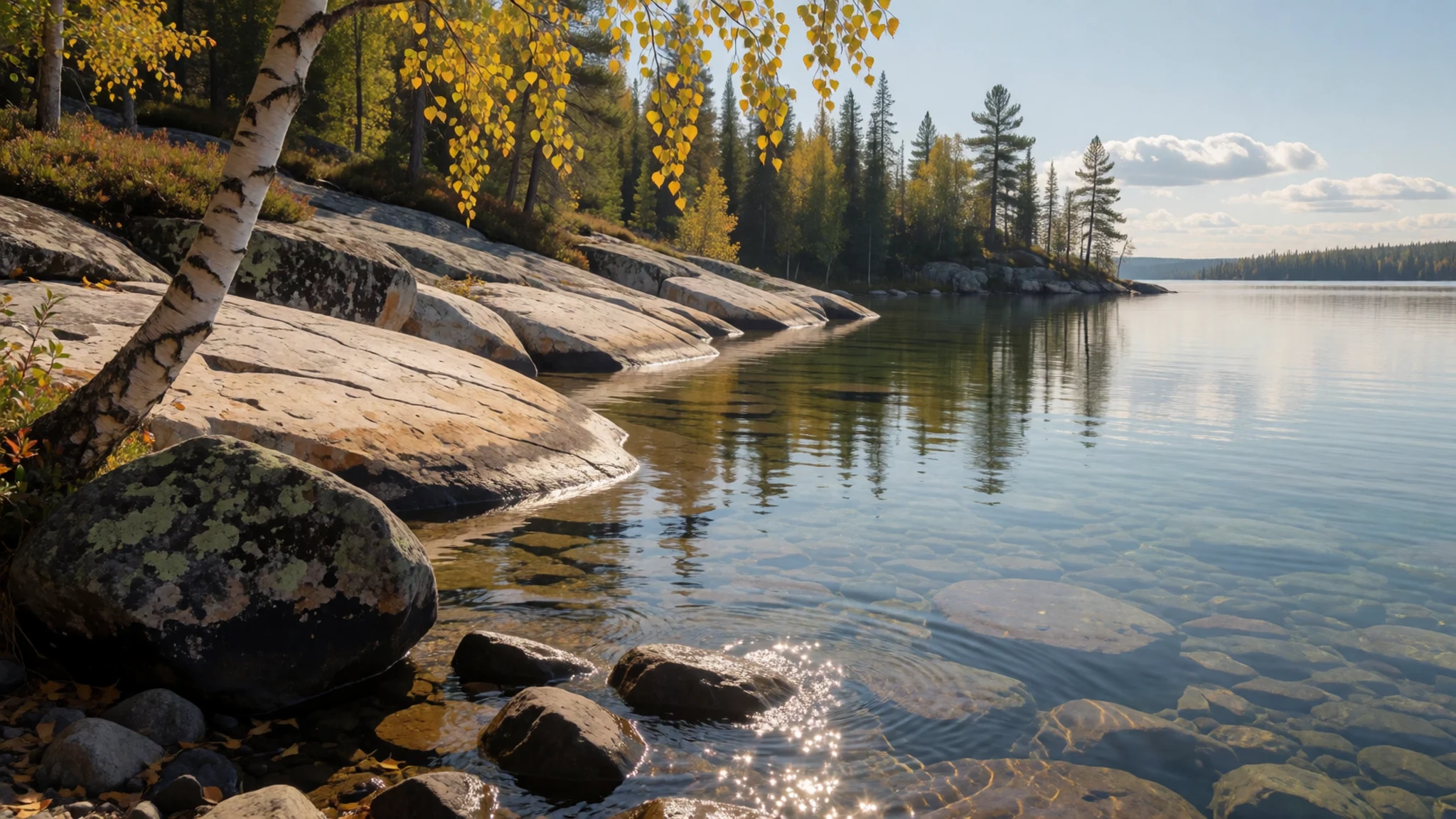
- Killarney Lake viewpoints from The Crack — Killarney Lake area
Killarney Lake viewpoints from The Crack offer a clear outlook over the water. The reward is a high, clear view where water, forest, and pale rock all read at once—useful for understanding the park’s shape and for planning which ridges or lake edges to target the next day.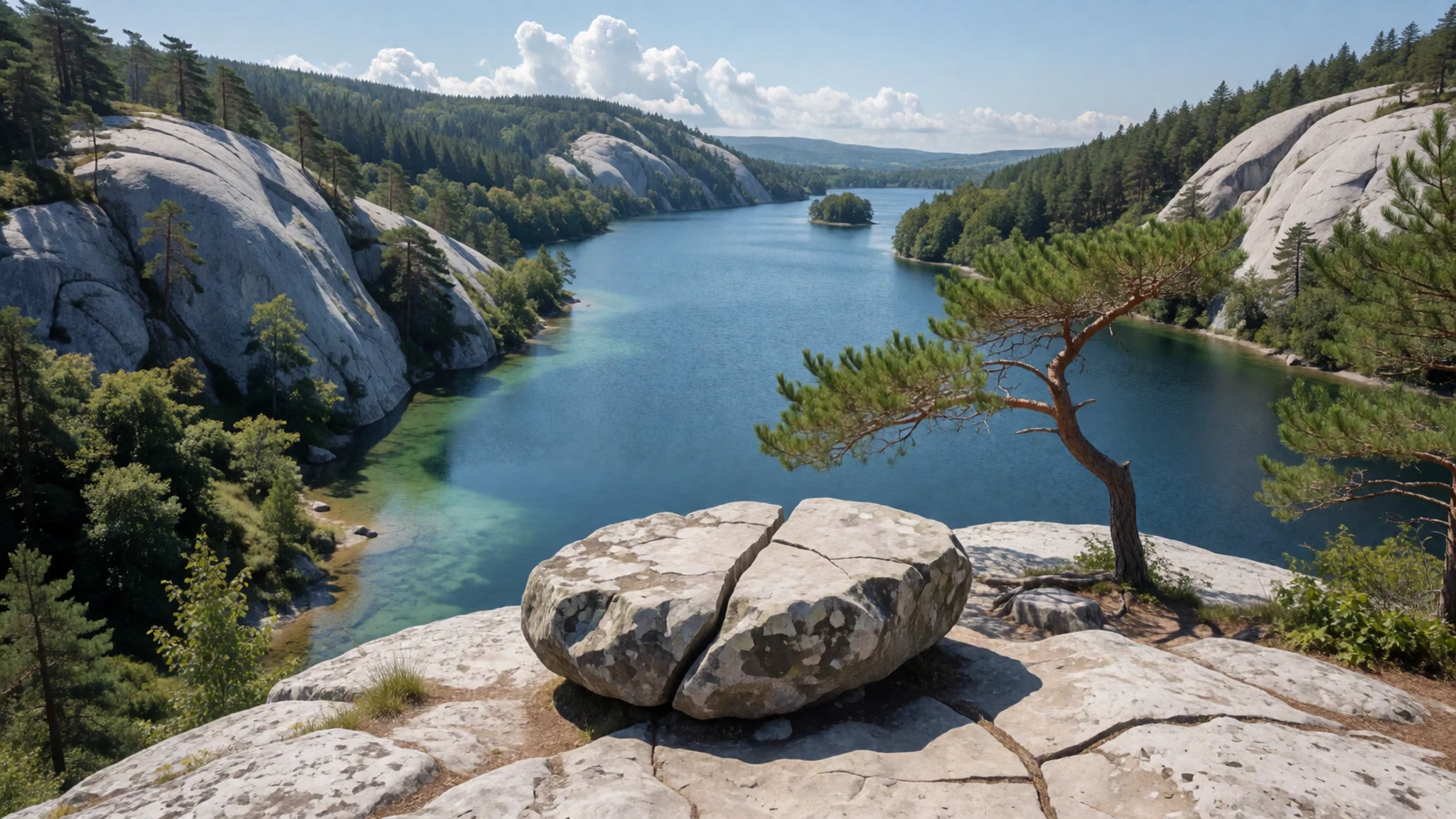
- Granite Ridge Trail lookouts — Granite Ridge
The The Granite Ridge area is known for open angles across the park’s high ground, with long views from the ridge into the mix of forest and rock.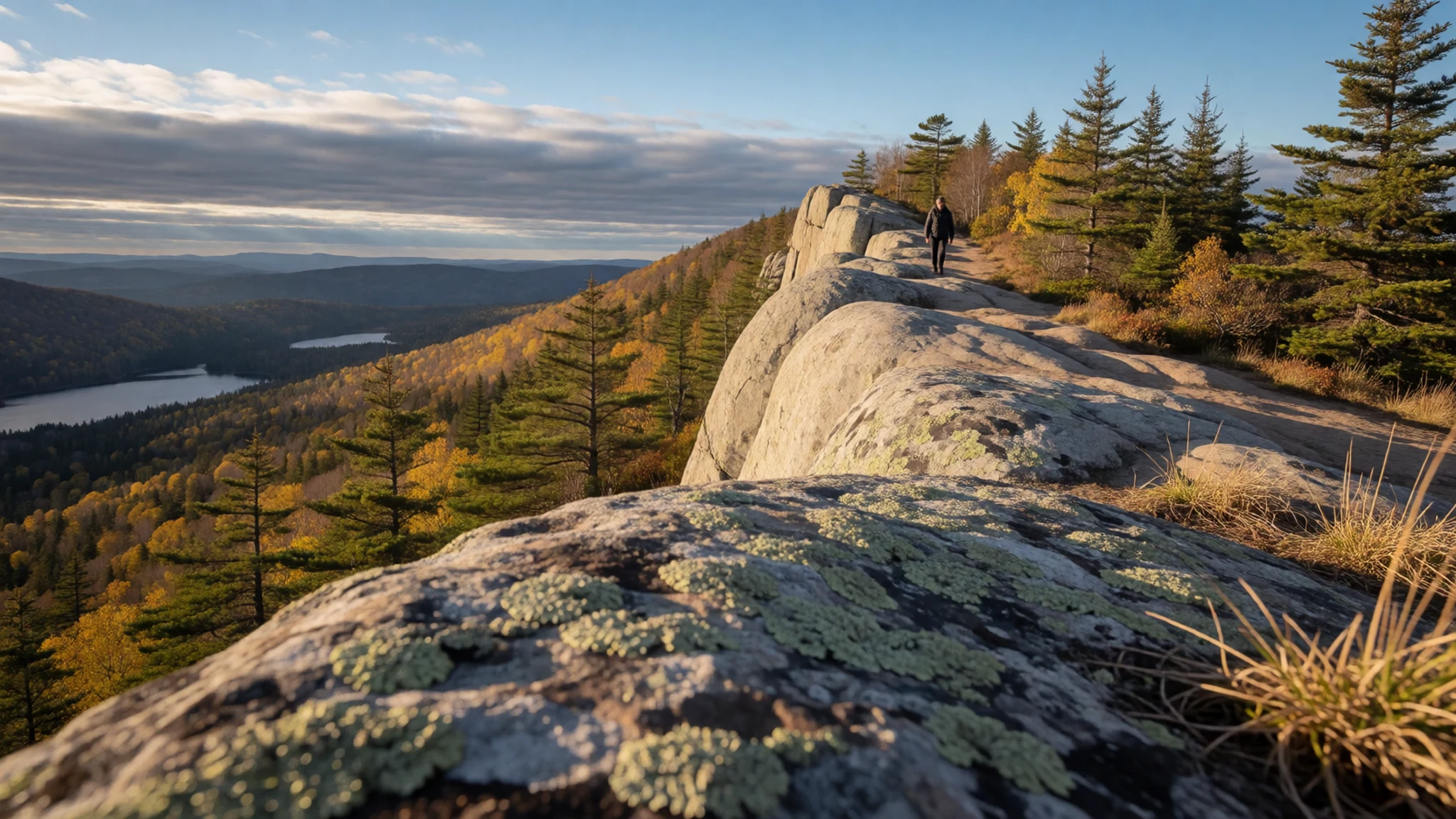
- Observatory at the park — Park observatory area
Killarney Provincial Park also has an observatory facility. On clear nights, it’s one of the easiest ways to add a different kind of “wilderness experience”—night skies—from the same general base area rather than pushing deeper into back-country routes.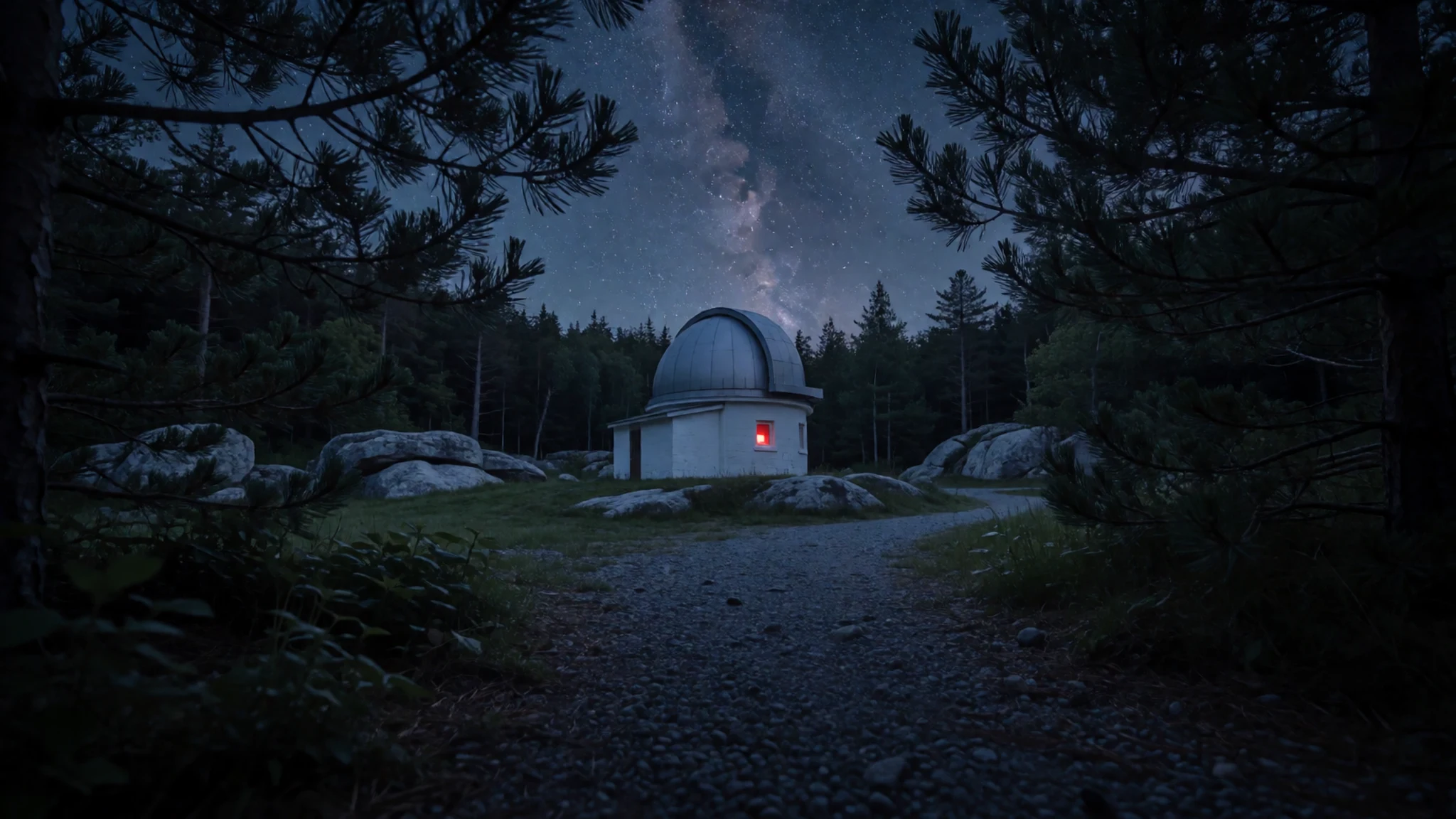
- Autumn/shoulder-season ridge photography — La Cloche range
If the park’s quartzite hills are the structure, the cooler months bring a calmer pace for long walks. October to November are typically drier than the midsummer stretch, with crisp days and colder nights.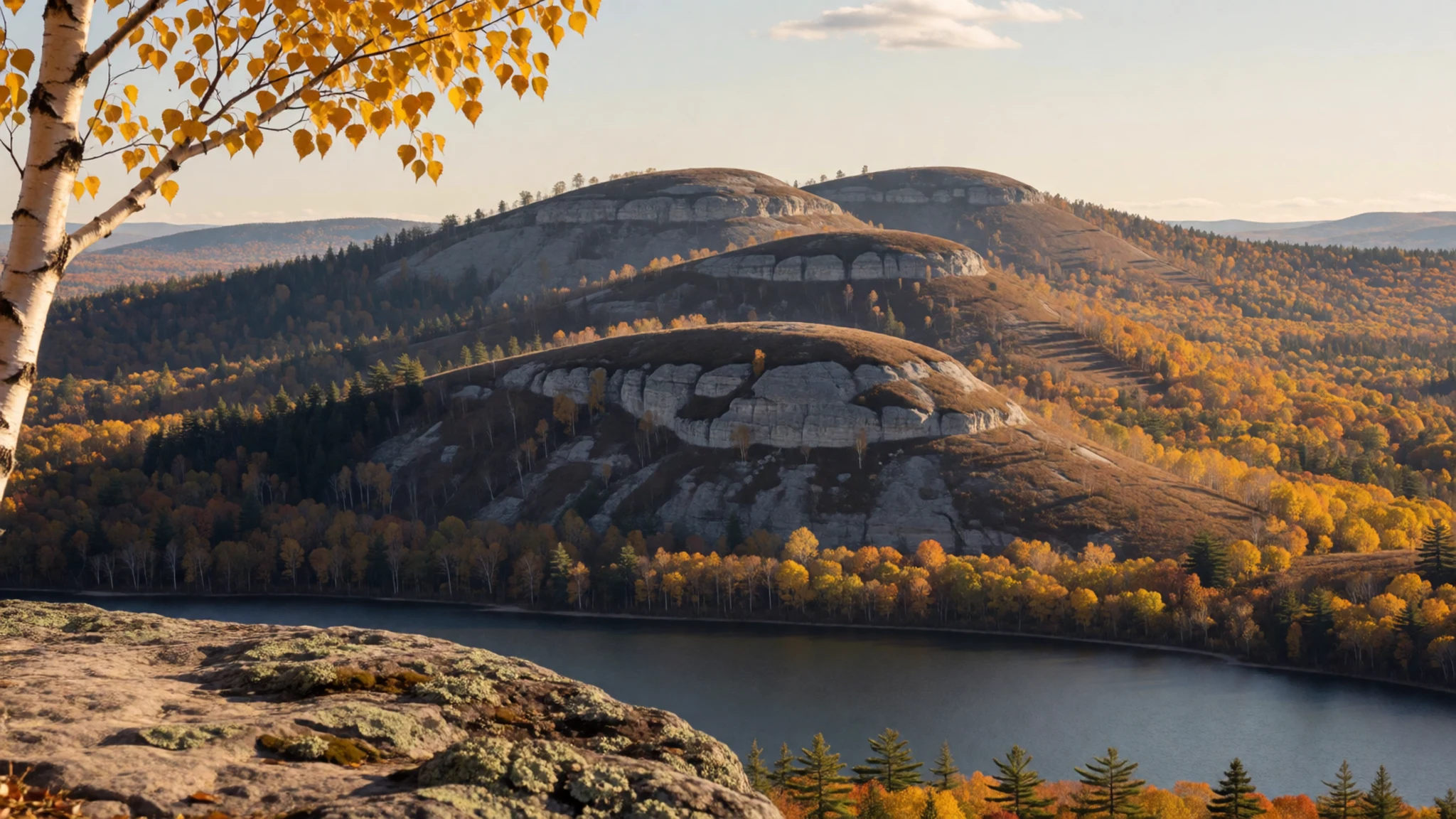
Culture
Killarney Provincial Park is “culture” in the outdoors sense: a tradition of careful use of water routes, trails, and quiet natural spaces. The park’s whole design nudges visitors toward back-country pacing—limited facilities, one main campground, and canoe-in camping where planning and movement matter as much as the view. It’s also a place shaped by conservation thinking that grew out of artistic attention to Trout Lake and the wider Killarney area.
Wildlife comes into that culture, too. Because moose, bears, wolves and lynx all live here, daily habits matter: keeping food secured, avoiding sudden encounters, and respecting the fact that animals share the same paths and shorelines. Weather is another part of the etiquette: trails and portage routes can feel slow and uneven, so moving calmly and leaving time for pack checks or route changes keeps things safe.
Crowds are usually light compared with big Canadian national parks, but peak shoulder-week travel can still make the campground feel busy when everyone arrives at the same time. The best atmosphere comes from early starts and a willingness to linger—on lake edges, at overlooks, and in the quiet gaps between routes.
Visitor etiquette: keep food secured, stay on marked routes, and keep voices low near lakes and wildlife.
What to wear
Killarney Provincial Park doesn’t have a single “traditional dress” scene in the way cities do, because the main dress code is practical outdoor wear shaped by forest, rock, and changing weather. For most travellers in colder months, that means insulating layers (fleece or a warm mid-layer under a windproof shell), trekking trousers that can handle brush and stony ground, and gloves/hat if temperatures dip. In wetter periods, quick-dry trousers and a rain layer help a lot; at the very least, waterproof footwear or shoes with solid grip reduces the slips that come with damp ground around lakes and boggy lowlands.
In warm weather, lightweight breathable tops work best, but the forest still brings bugs and shade, so a long-sleeve layer can be useful. A hat with a brim helps with sun and glare off water. For canoe-in routes and portages, packable rain protection and an easily accessible dry bag make life easier.
If visiting around observatory events, bring an extra layer for evenings—temperatures can feel cooler once you stop moving. Footwear should be trail-ready: sturdy hiking shoes or boots with good traction are the safest bet on rocky, uneven ground and muddy edges. Modesty isn’t a religious issue here, but practical coverage is—keep skin protected from sun and insects and avoid flimsy footwear that won’t last across repeated shoreline walks.
What to eat
- Back-country picnic meals (packed lunches)
In Killarney Provincial Park, the most reliable “meal plan” is what’s packed for hikes and canoe days. Think sandwiches, wraps, and warm thermos drinks—easy to eat at lake edges or after a portage when you want energy without stopping for long.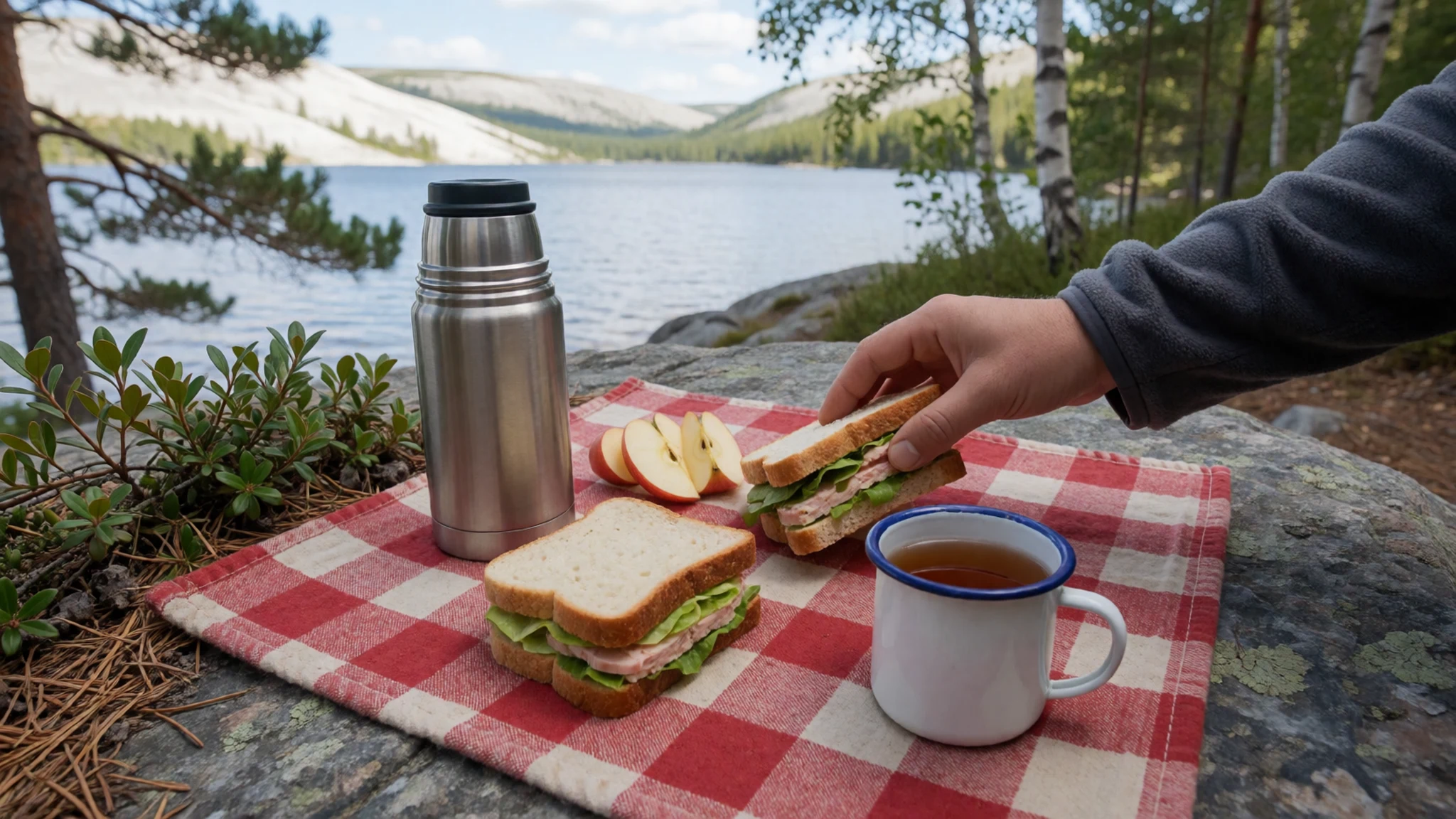
- Campground self-catering dinners
With minimal facilities and a wilderness focus, many visitors cook at their campsite. Simple pasta, rice, or instant meals paired with pre-cooked vegetables work well, especially after long hiking days when appetite is there but energy for complex cooking isn’t.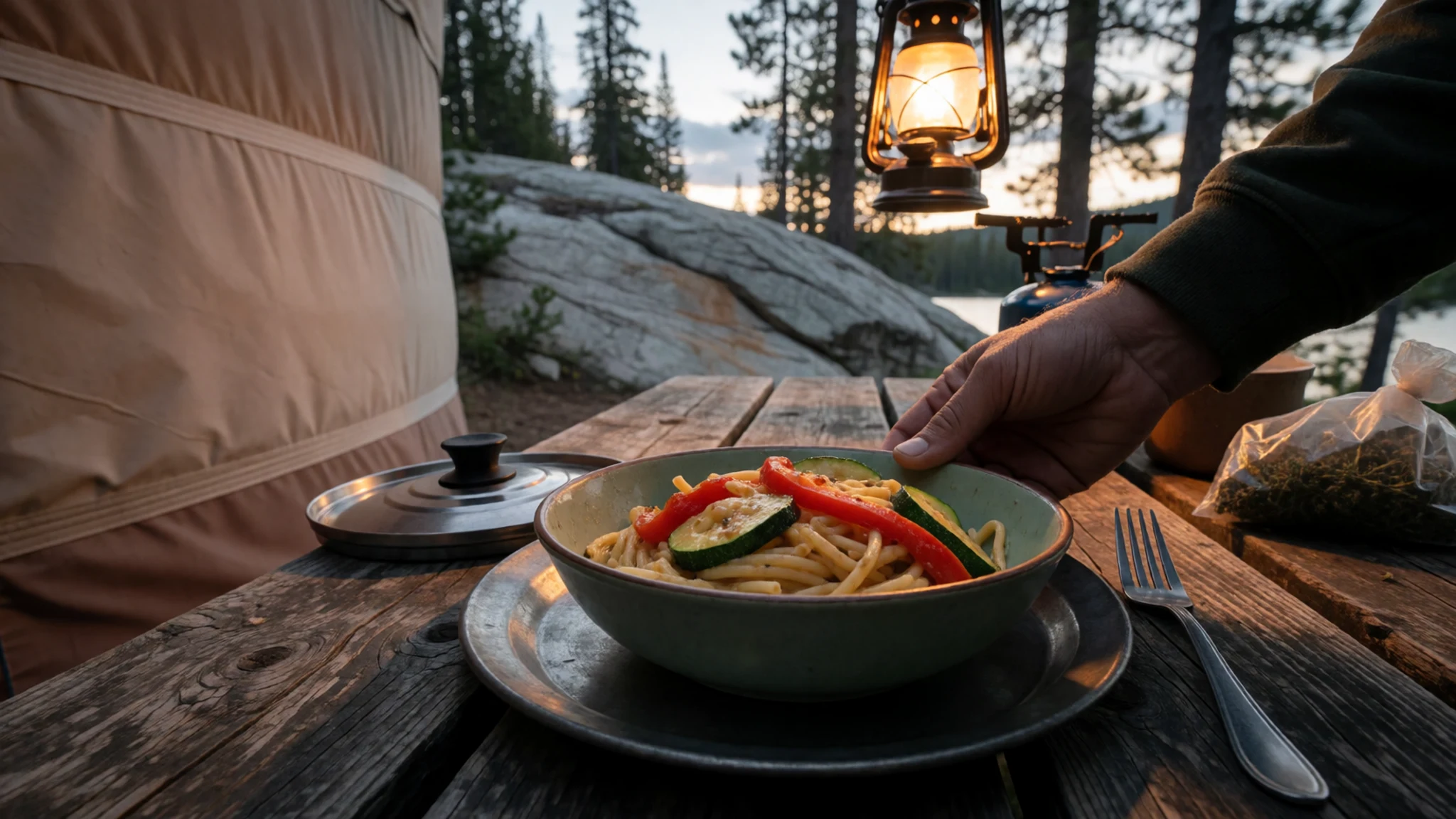
- Trail snacks at viewpoint stops
Snacks become the small rituals on longer routes: fruit, nuts, trail mix, and chocolate for a morale boost. Having a “snack-first” habit helps avoid late energy crashes during steady climbs and rocky sections. - Local groceries and supplies from nearby towns
Before entering the park, stock up at general stores in the Killarney area. It’s the easiest place to find basics for camping and canoe-in trips—bread, cheese, breakfast items, and cooking supplies—so you’re not improvising once you’re committed to the route. - Reusable water and lake-edge breaks
Water breaks around the lakes help everyone pace better on hikes and portages. Carry a refill strategy (and follow any park water guidance) so meals and drinks stay simple—especially in warm weather when hydration becomes the main need.
Plan it
Best time. The best months to aim for are July through September for the warmest conditions, while October and November offer crisp autumn weather with less heat; rainfall is fairly spread through the year, with the wettest stretch in June to September.
How long. 3–4
Getting there. Fly into Toronto Pearson International Airport (YYZ) or another nearby Canadian hub, then drive toward the Sudbury/Killarney area. The last leg is a road journey to reach the park’s George Lake entrance.
Budget. mid
Tips
- Start days early to get calmer water and quieter trails for hiking and canoe planning
- Plan portage time into the day, not just the distance—repeated carrying changes pace
- Use the George Lake entrance as a staging base and don’t overload the first outing
- Bring rain protection and extra warmth for evenings, especially in shoulder months
- Pack food and supplies with self-catering in mind, since facilities are intentionally limited
Etiquette
- Keep voices down around lakes and on wildlife trail sections
- Secure food properly and avoid leaving it unattended in the campground
- Stay on marked trails where they exist to protect fragile ground
Nearby
Sources
- Wikidata Q12061001 (CC0)
- Wikipedia (rev 1362780327) (CC BY-SA 4.0)
- Wikivoyage (rev 5320235) (CC BY-SA 4.0)
- Photo photos/01-george-lake.jpg (CC0 1.0)
- Photo photos/02-top-view-of-killarney-from-the-crack-terminus-jq6dccufbga.jpg (CC BY-SA 4.0)
- Photo photos/04-killarney-provincial-park-october-2010.jpg (CC BY 3.0)
- Photo photos/05-killarney-provincial-park-observatory-day.jpg (Public domain)
- Photo photos/07-sakura-1552885932.jpg (CC BY 2.5)


Wildlife
- Moose (animal)
The moose is the giant of the deer family, so tall and heavy that no other deer comes close, and the males carry broad, flat antlers like great wooden hands. Moose are among the wild animals that live in Killarney Provincial Park, and they favour cooler forest country. To watch one well, stay far back, keep your voice low and your movements slow, and consider going with a local guide who knows how to read the woods. Never feed it.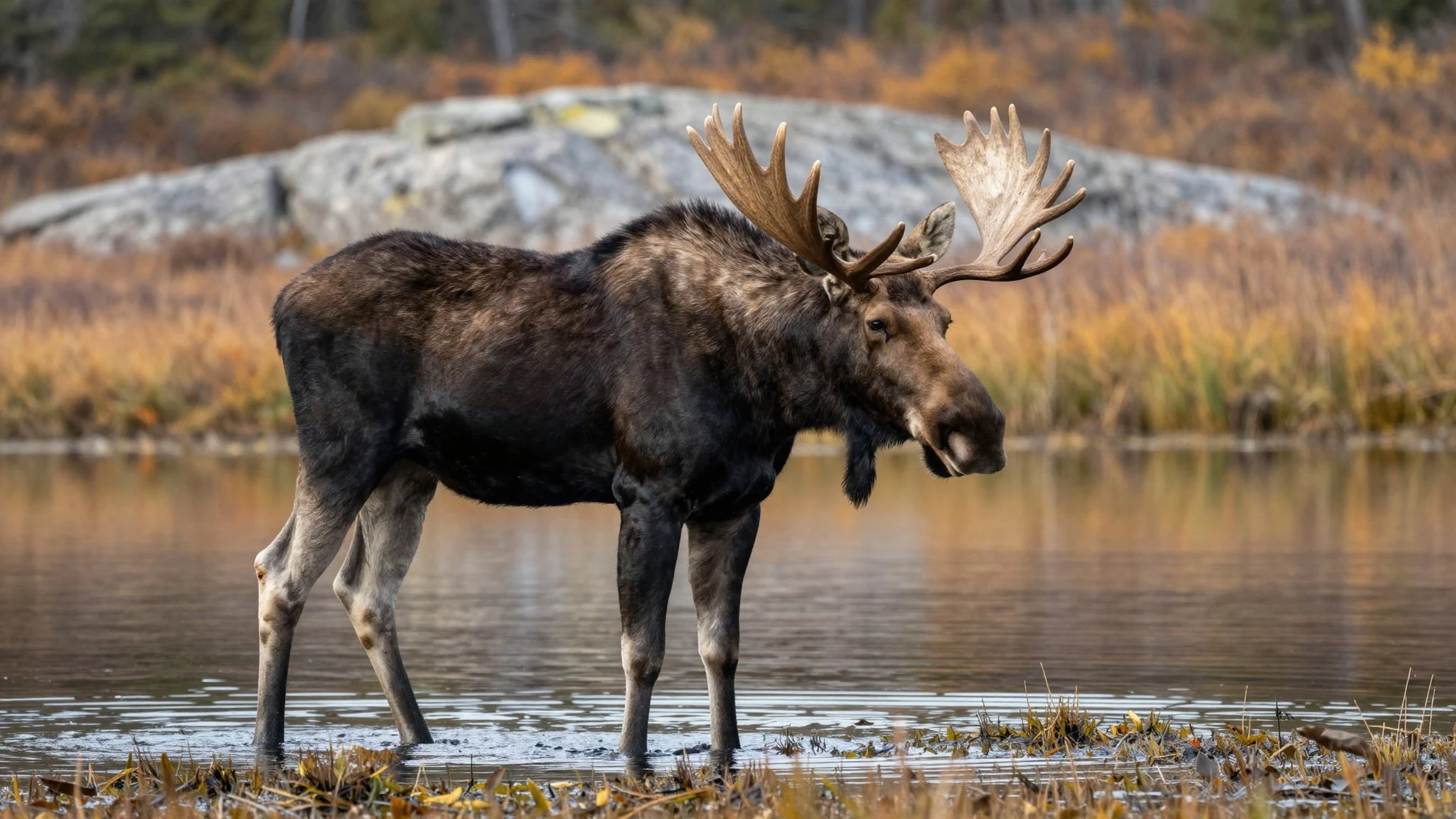
- Black bear (animal)
The black bear is North America's smallest bear, a medium-sized forest wanderer that eats almost anything. It is one of the animals that live in Killarney Provincial Park. Bears will sometimes leave the trees to look for food, and may be drawn towards people if food is easy to find, so keep yours packed away. Watch from a long way off, stay quiet and calm, and go with a guide if you can. Never feed a bear.