Khao Lak
Khao Lak, Thailand
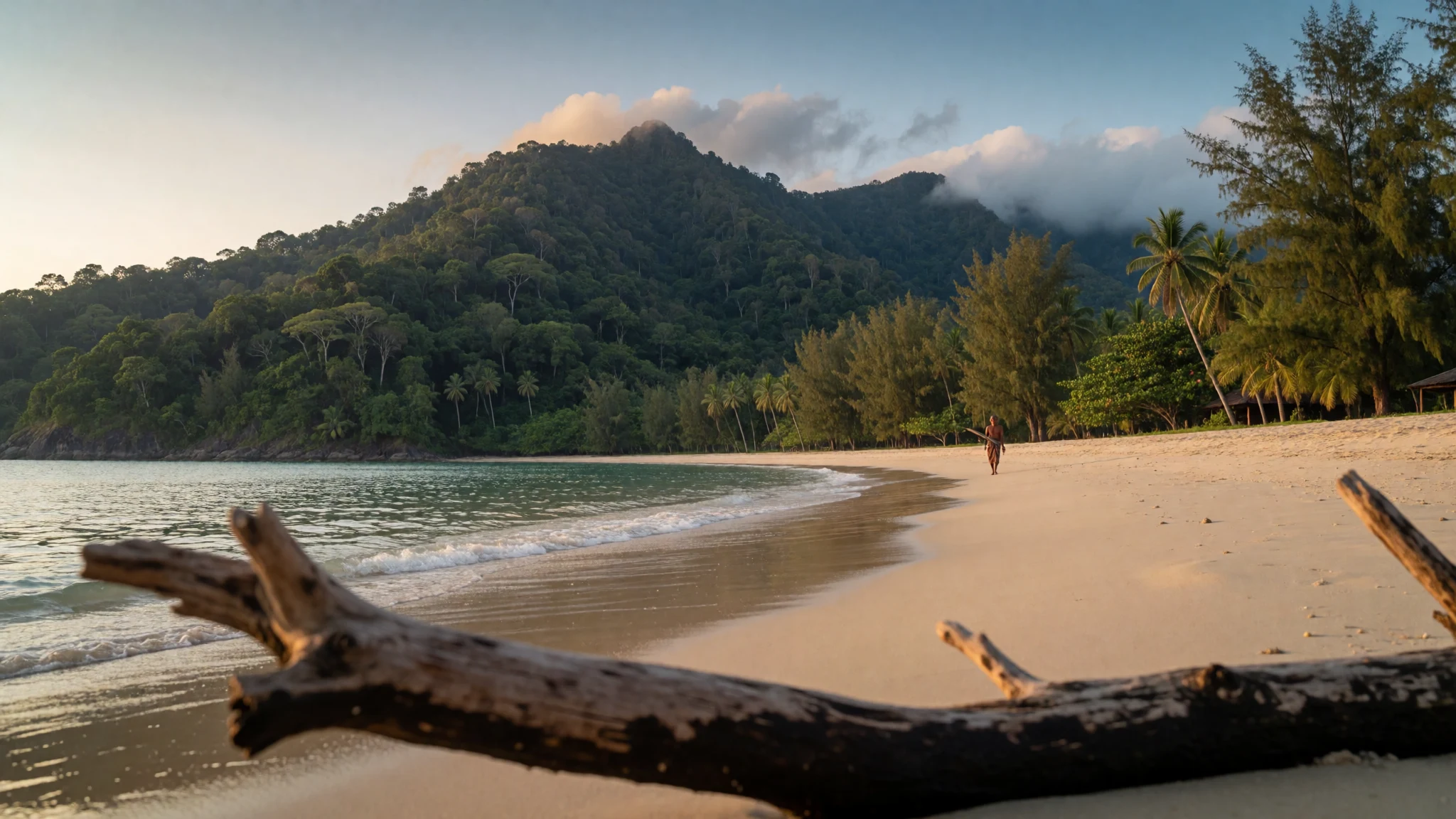
Khao Lak is a long, quiet Andaman Sea beach coast with forested hills behind it, calmer than Phuket and a good base for waterfalls and jungle.
The place
Khao Lak is less a single town than a string of beach villages along the Andaman Sea coast of Phang Nga Province, about 60 km north of Phuket. The name means 'Main Mountain' and refers to a peak that seafarers once used as a landmark when steering towards the harbour at Thap Lamu. Strictly speaking, the original village, its beach and its bay lie south of that mountain, but tour operators now stretch the name over the settlements to the north, in Khuk Khak sub-district of Takua Pa District. Bang La On, Bang Niang and Khuk Khak are where most visitors stay. The feel is gentler than Phuket: wide sandy beaches backed by casuarina and palm, low-rise resorts, small roadside eateries along the main highway, and forested hills close behind. Much of that hinterland is protected as Khao Lak–Lam Ru National Park, so the green slopes run almost down to the coast. The area suits divers heading out to offshore sites, families wanting calm days, and travellers using it as a base for waterfalls and the lake country of Khao Sok. It is not a nightlife destination. The sea changes character with the season: flat and clear in the dry months, rough with dangerous currents in the monsoon, when many beach businesses slow down or close for a while. Heat and humidity are constant all year, so mornings and late afternoons are the comfortable hours on the sand.
Its story
Khao Lak sits on an old trading coast. The area was once known as Takola, and artefacts about 1,400 years old point to a busy coastal town and trading post on the Maritime Silk Route. For centuries after that it was a quiet corner of villages, fishing and plantations. Tourism came late: the name appeared in a German-language travel handbook in 1988, and resorts followed gradually along the northern beaches.
The defining event came on 26 December 2004, when the Indian Ocean earthquake sent a tsunami across this coast. Khao Lak was among the most severely damaged stretches of Thailand. The death toll was over 4,000, and local estimates ran far higher, partly because many Burmese migrant workers were never formally counted. Most of the coastal landscape was stripped away. Rebuilding included replanting, and studies suggesting that coastal vegetation can soften a wave's force made restoring trees a priority.
The event left marks that visitors can still see. A police patrol boat, carried about 1.25 km inland from Bang Niang Beach, stays where the water left it, kept as a memorial. It had been guarding a grandson of the king who was jet skiing offshore; he did not survive. Tsunami warning signs now stand along the coast, and the beach resorts that returned are built with evacuation in mind.
What to see
- Khao Lak–Lam Ru National Park — Between Nang Thong and Khao Lak beaches
The park covers the forested hills behind the beaches, with short walks and a restaurant. The entrance is on the headland between Nang Thong and Khao Lak beaches, and it can be reached on foot from resorts in Bang La On. Go early, as the humidity builds fast.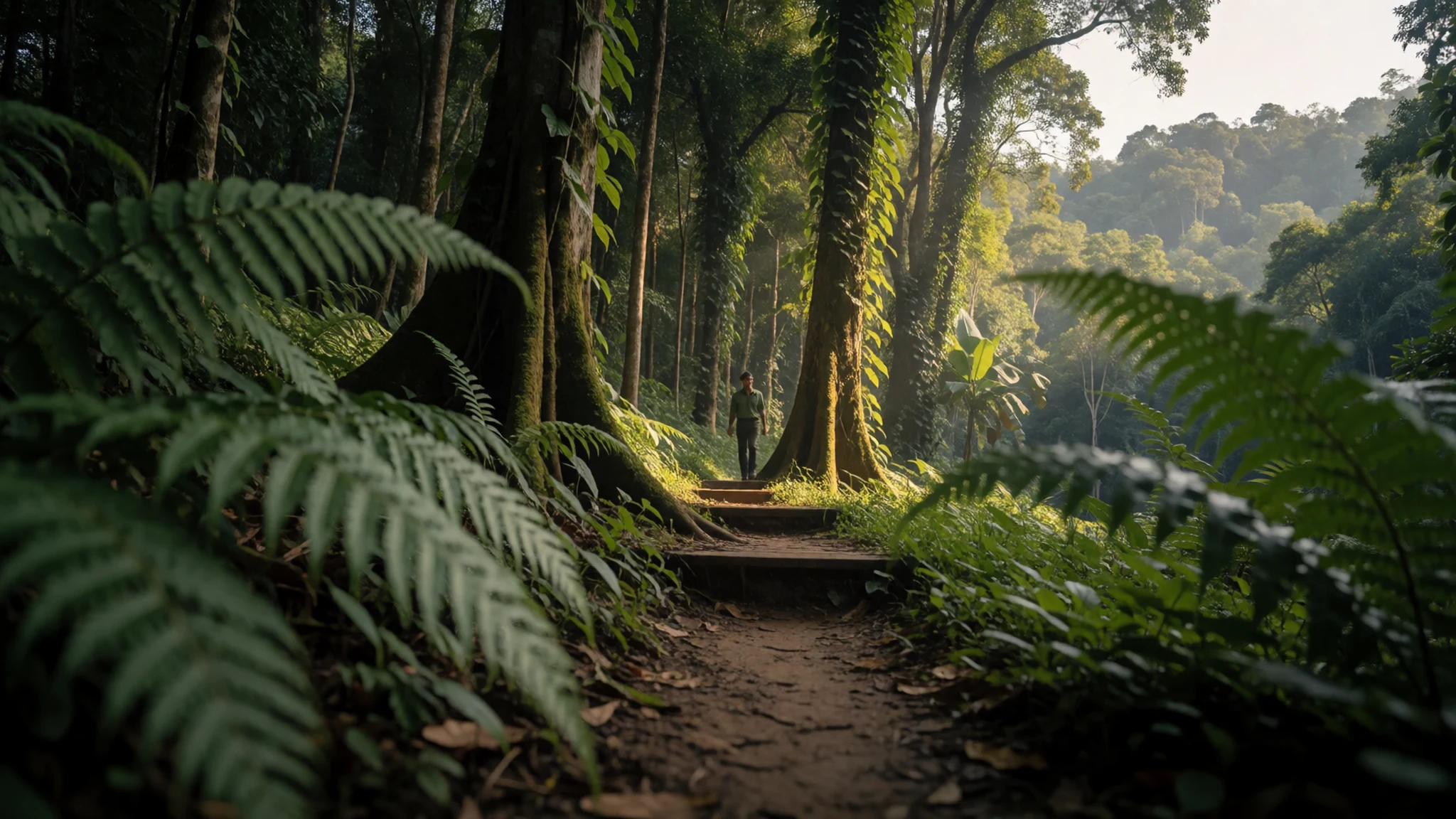
- Pakarang Cape — North of the main beach villages
This headland north of the main resort strip is a pleasant place for a dawn walk, when the light is soft and the heat has not arrived. It is quieter than the central beaches. Check tide and sea conditions locally, particularly in the monsoon months.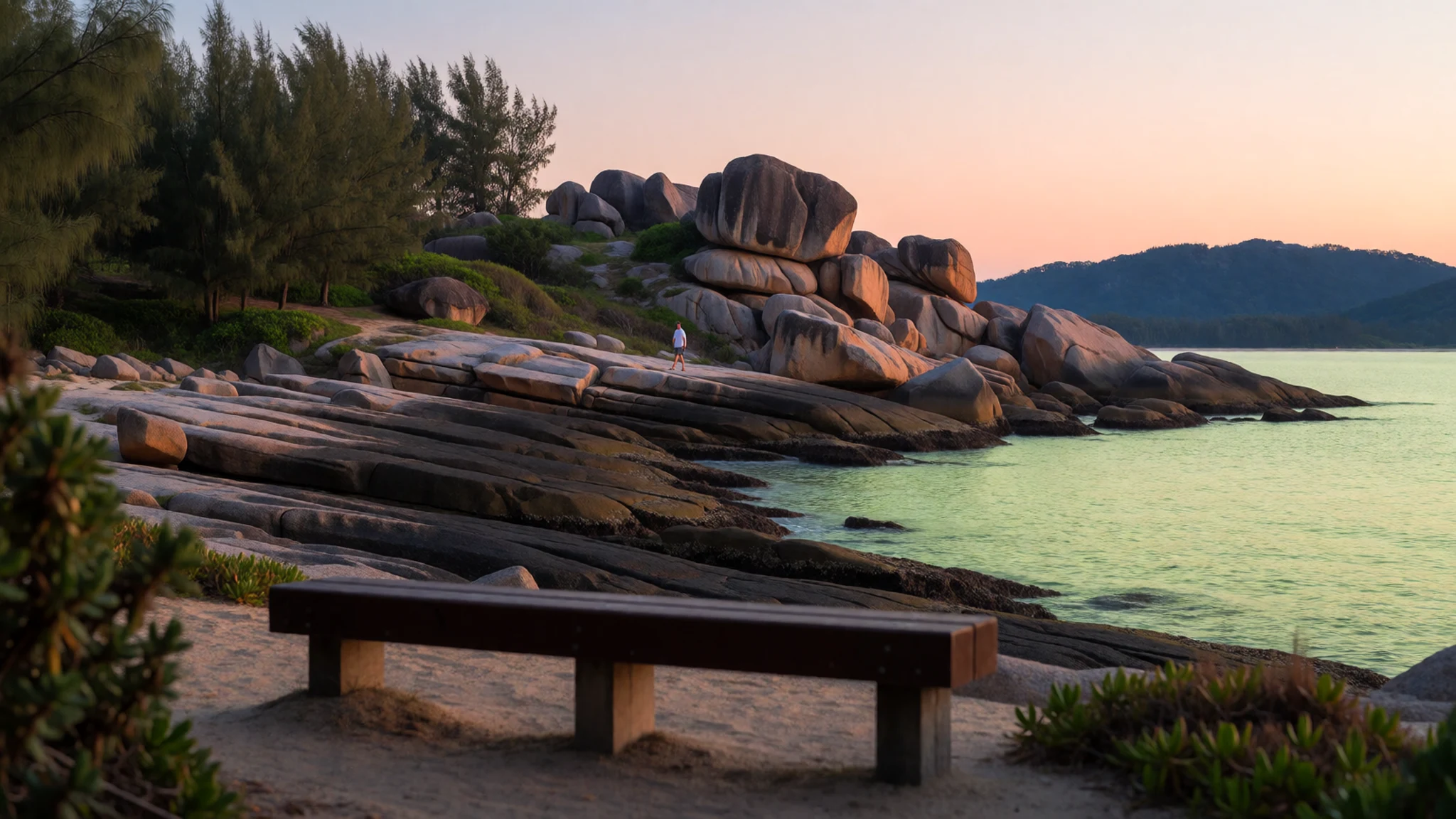
- Police patrol boat memorial, Bang Niang — Inland from Bang Niang Beach
A patrol boat that the 2004 tsunami carried well inland now serves as a memorial, with information boards nearby. It is a sober stop rather than a photo opportunity, and it explains the coast better than any museum. Allow a short visit and keep voices low.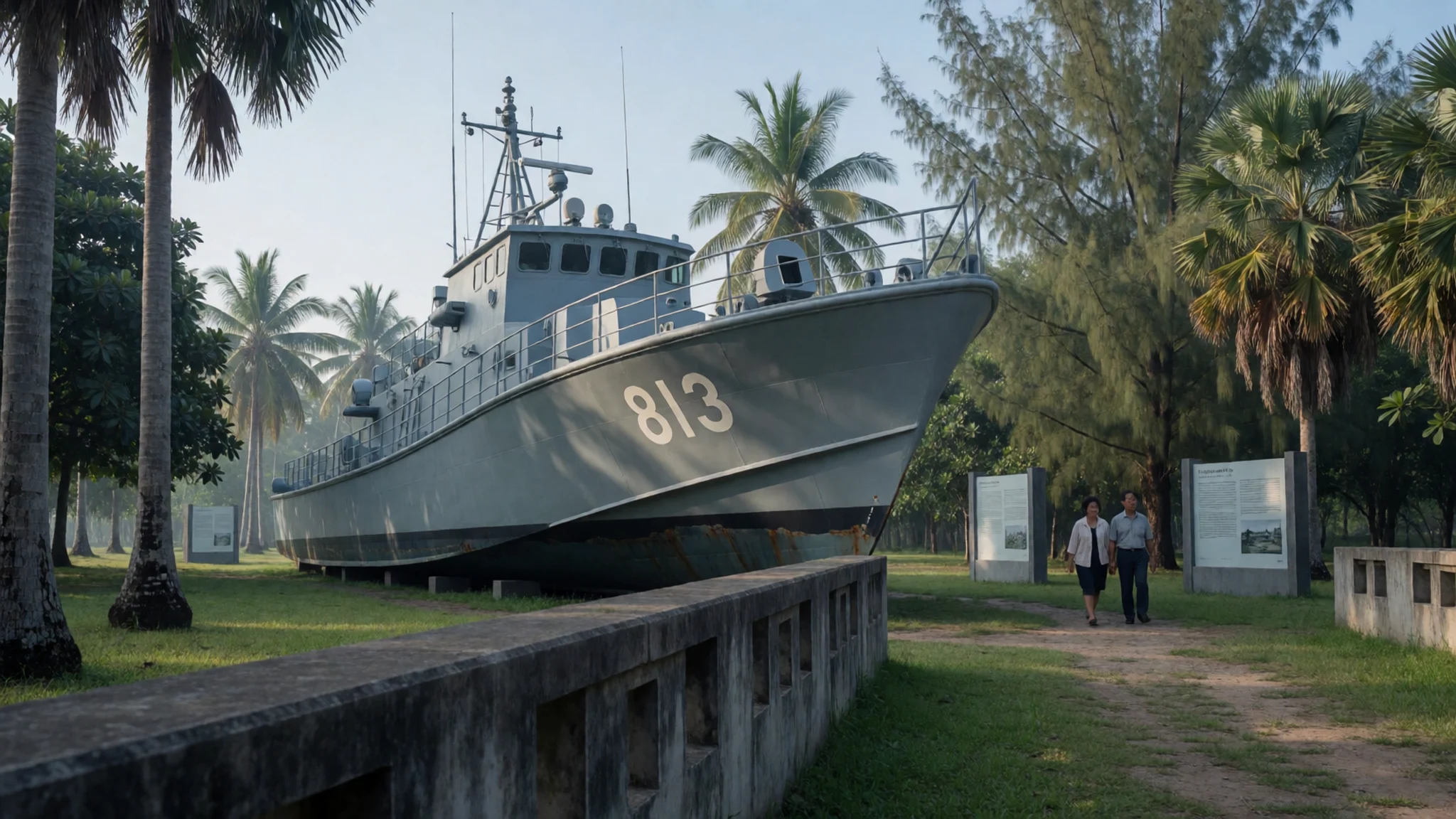
- Ton Chong Fah Waterfall — North-east of the beach villages
A short, easy walk leads to a waterfall with a pool suitable for a cooling swim, which makes it a sensible choice on hot afternoons. It is accessible to most visitors, including families. Water levels and flow vary with the season, and wet rocks are slippery.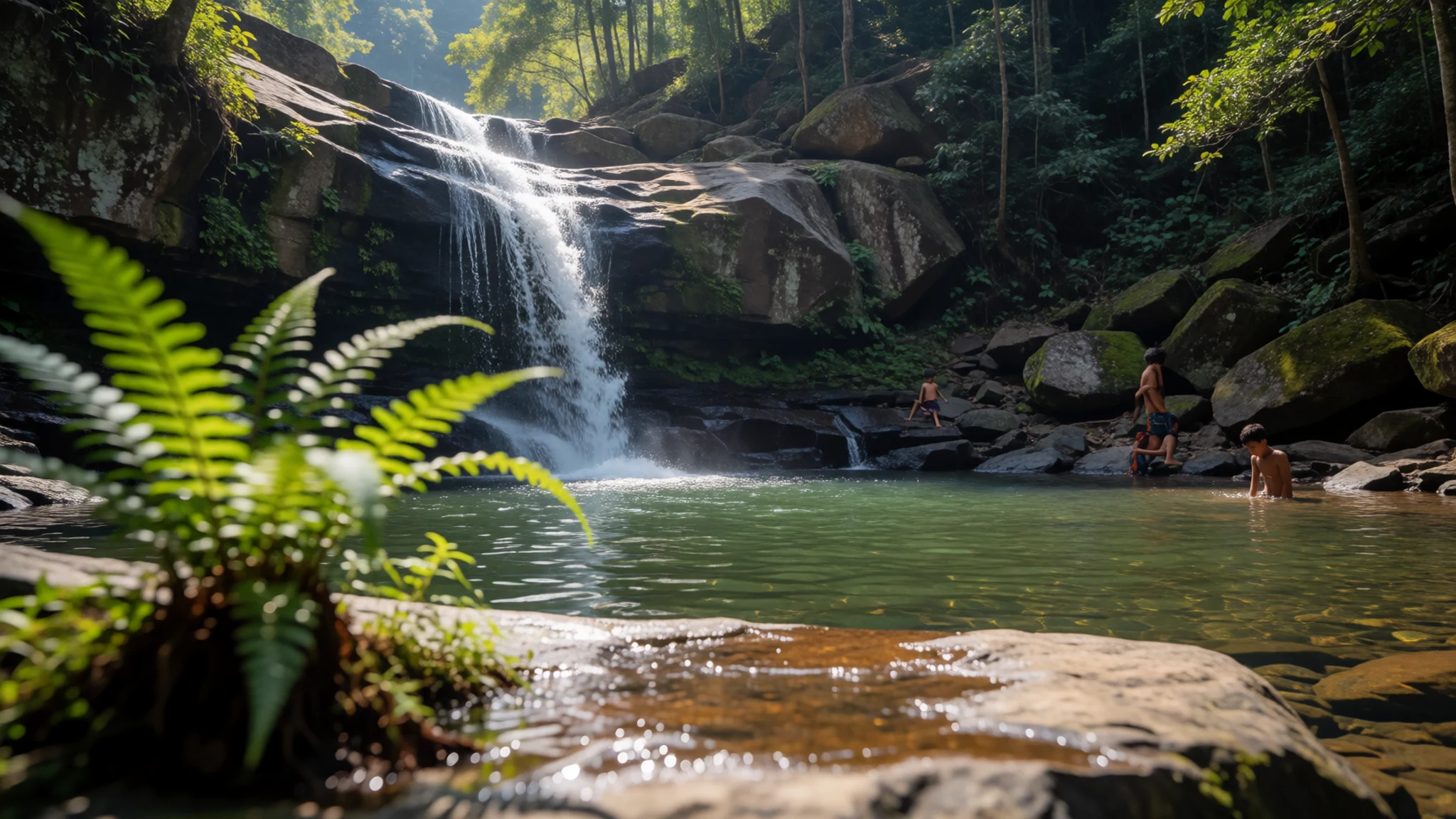
- Khao Sok National Park and Cheow Lan Lake — Inland, north of Khao Lak
Inland, about two hours north, the rainforest of Khao Sok offers trekking, river canoeing and waterfalls, plus a visitor centre with small natural history displays. Cheow Lan Lake has limestone ridges and boat trips to floating rafts. Overnight stays should be booked ahead through the park.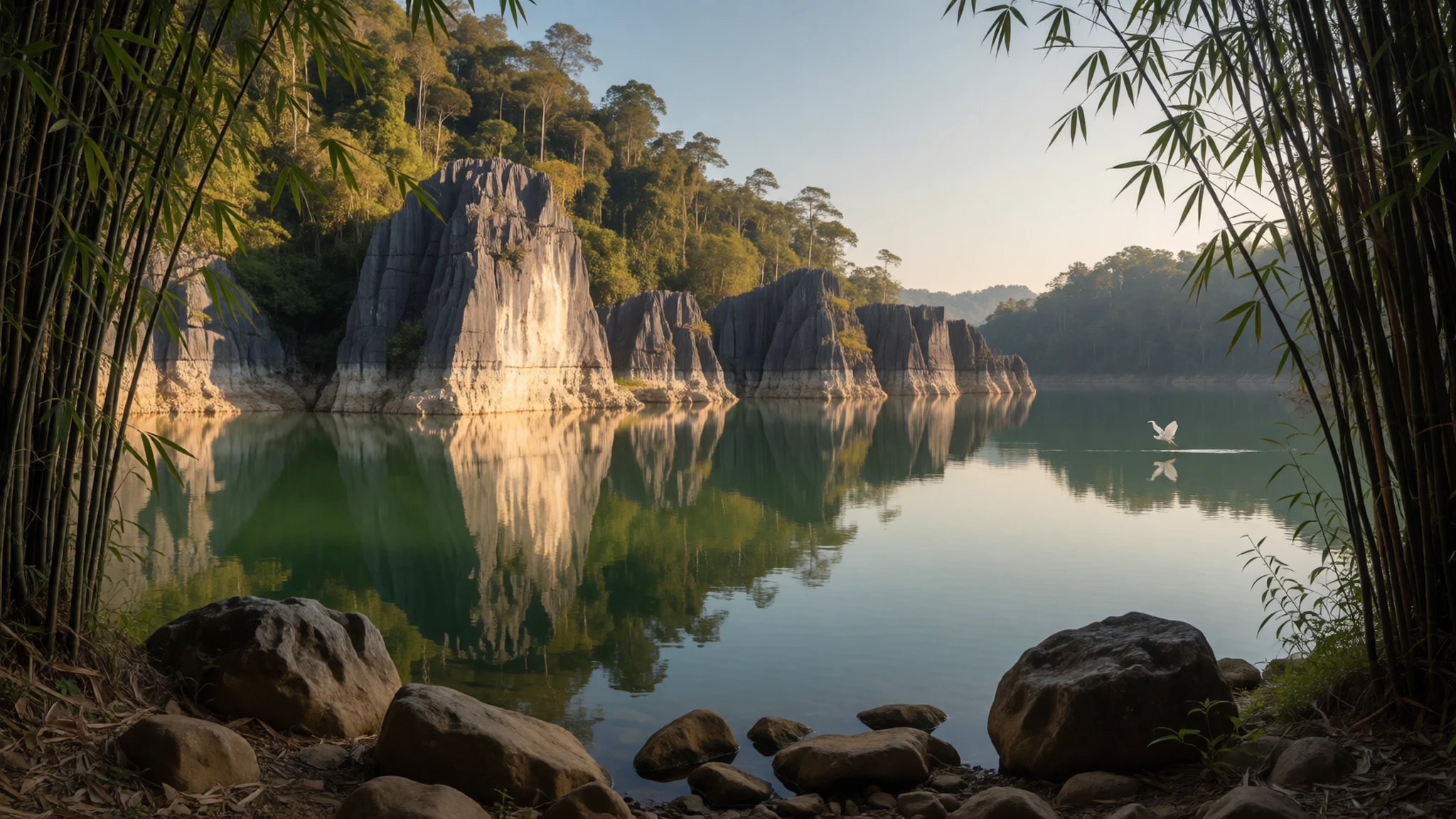
- Saori Foundation Centre — Khao Lak area
This women's weaving workshop grew out of tsunami recovery, when a Japanese monk taught survivors to weave as a way to earn a living. The group now develops its own textile designs. It is a useful stop for understanding how the community rebuilt, and for buying cloth directly from makers.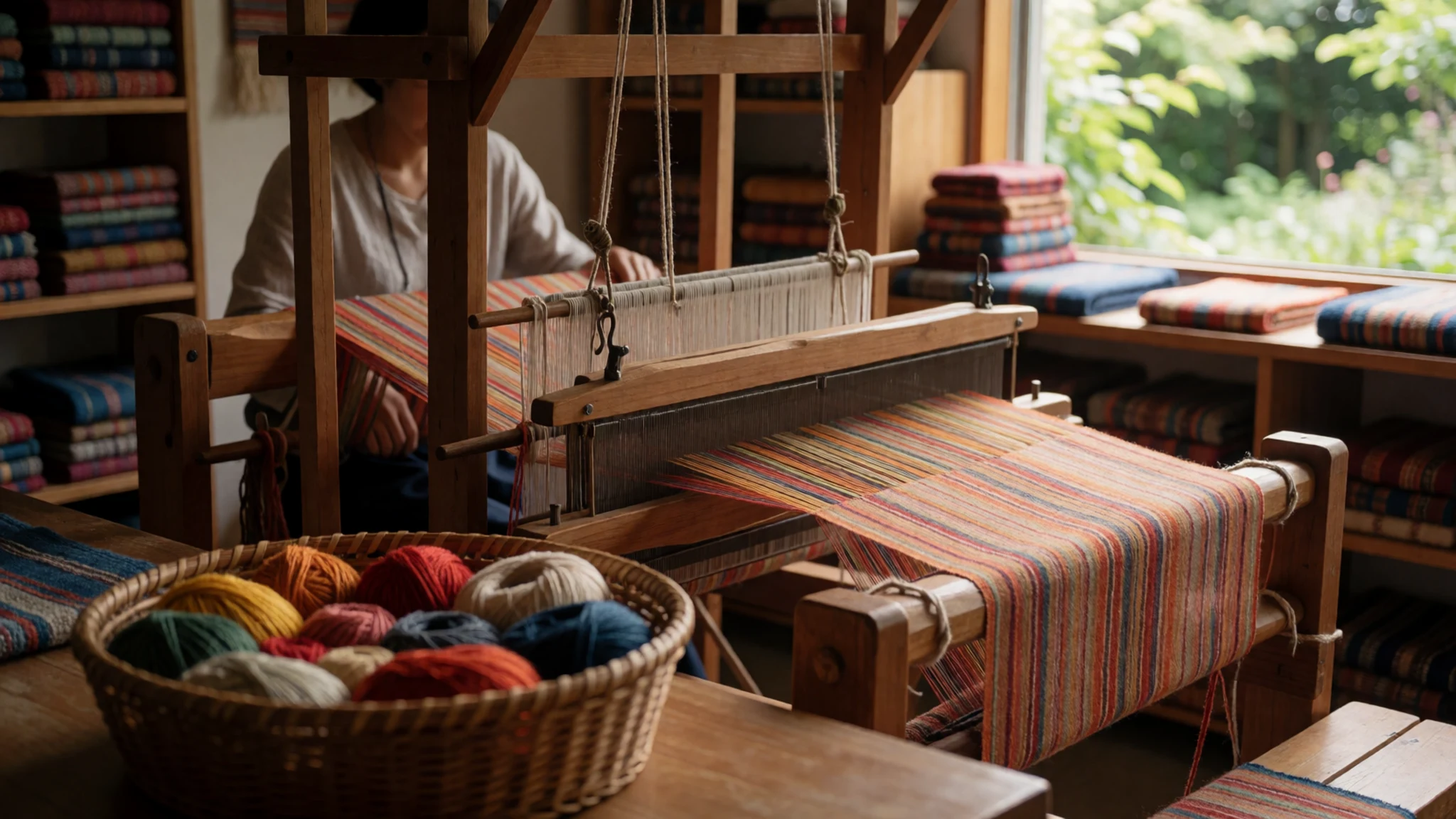
Culture
Khao Lak is in southern Thailand, where Theravada Buddhism shapes daily life, with temples, spirit shrines outside homes and small offerings of flowers and incense at roadsides. Everyday politeness is soft-spoken: people greet with a wai, a slight bow with palms together, and raised voices are considered poor manners. Respect for the monarchy is deep, and joking about it is not acceptable.
The area's recent history matters just as much. The 2004 tsunami touched nearly every family along this coast, including migrant workers from Myanmar who made up much of the labour force. Memorials, warning signs and community projects, such as the weaving workshop that began with survivors, are part of ordinary local life rather than attractions. Many residents work in tourism, and a calm, friendly manner is returned in kind.
Beyond the resorts, village life follows older rhythms: early morning markets, fishing boats, rubber and palm plantations inland, and shops that close for family or religious occasions. Visitors who spend a little time away from the beachfront, eating at local places and chatting with the people who run them, usually find the coast warmer and more varied than the resort strip suggests.
At the tsunami memorial sites and any temple, keep your voice low, dress modestly and do not pose for casual or smiling photographs.
What to wear
Khao Lak's traditional dress follows the wider Thai pattern. Women wear the pha sin, a wrapped tube skirt, and men the chong kraben, a wrapped lower garment, mostly for festivals, weddings and formal occasions. Typical textiles include hand-woven cotton and silk, often patterned by tie-dyeing the threads before weaving, a technique known as mudmee. Southern Thailand also has a strong batik tradition. Locally, the Saori workshop shows another strand of textile life, with free-form hand-weaving that began as livelihood training after the tsunami.
What people wear day to day is simple and practical for the climate: light cotton shirts, shorts or loose trousers, sandals, and wide-brimmed hats against the sun. Resort staff wear tidy uniforms, and officials, teachers and students wear uniforms with pride. Beachwear stays at the beach; in town people dress a little more covered.
For a visit, pack quick-drying, breathable fabrics, a sun hat and a light rain jacket for the monsoon months. Bring a shawl or long-sleeved top and a longer skirt or trousers for temples, which expect covered shoulders and knees. Sandals that slip off easily are handy for removing at doors, while water shoes or grippy sandals suit waterfall walks. Walking shoes are worth having for forest trails.
What to eat
- Grilled seafood with nam jim — Seafood restaurants along the beach villages of Bang Niang and Khuk Khak
Fish, prawns and squid are grilled over charcoal and served with a sharp, spicy lime and chilli dipping sauce. The catch comes from the Andaman Sea. Choose it fresh from the display at the seafood restaurants along the beach roads in the evening.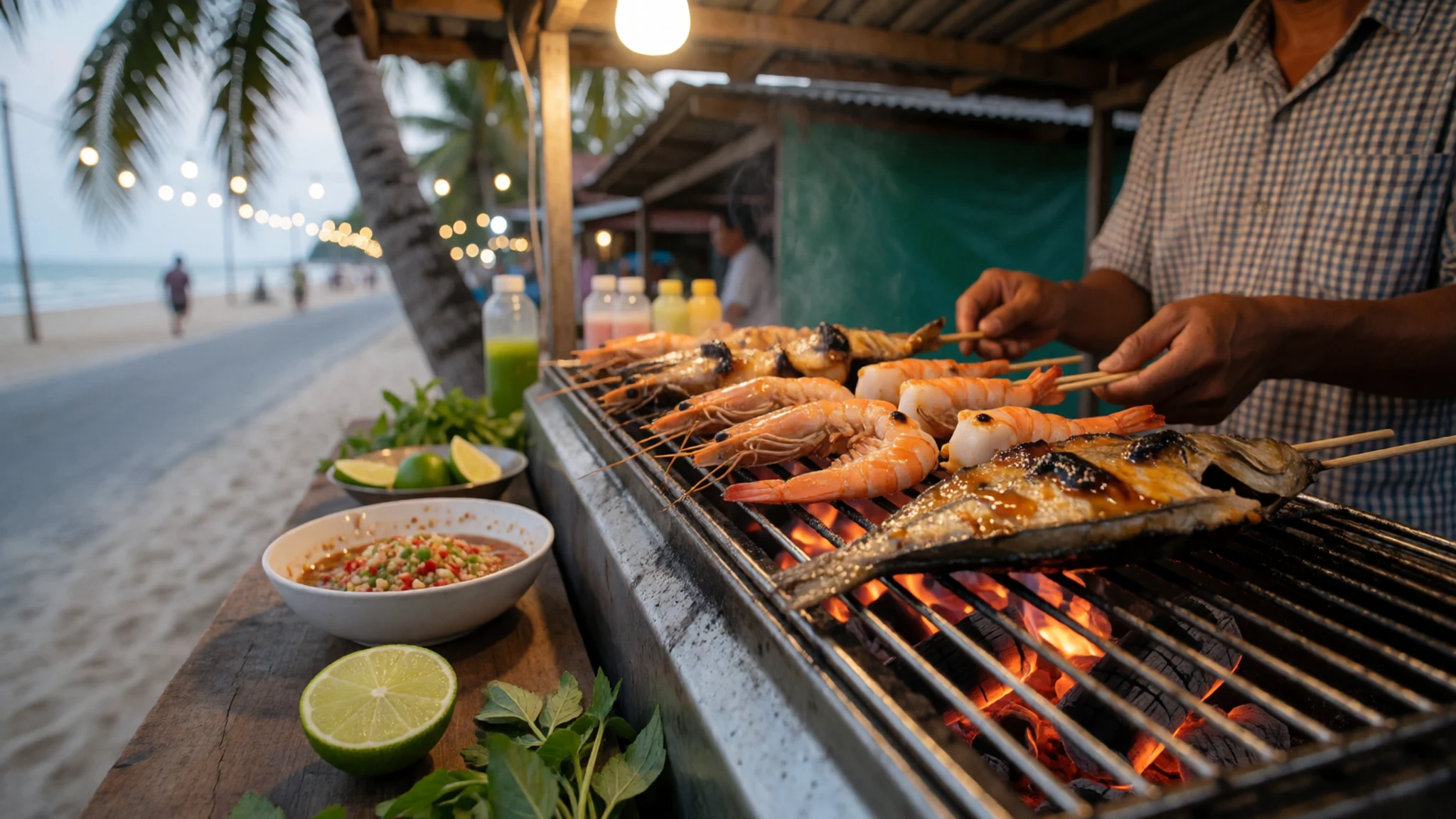
- Pad kra pao — Small roadside eateries along the main highway
A fast stir-fry of minced pork, chicken or seafood with holy basil, garlic and chillies, usually served over rice with a fried egg. It is the standard quick lunch for locals. Ask for less chilli if you are unsure of the heat.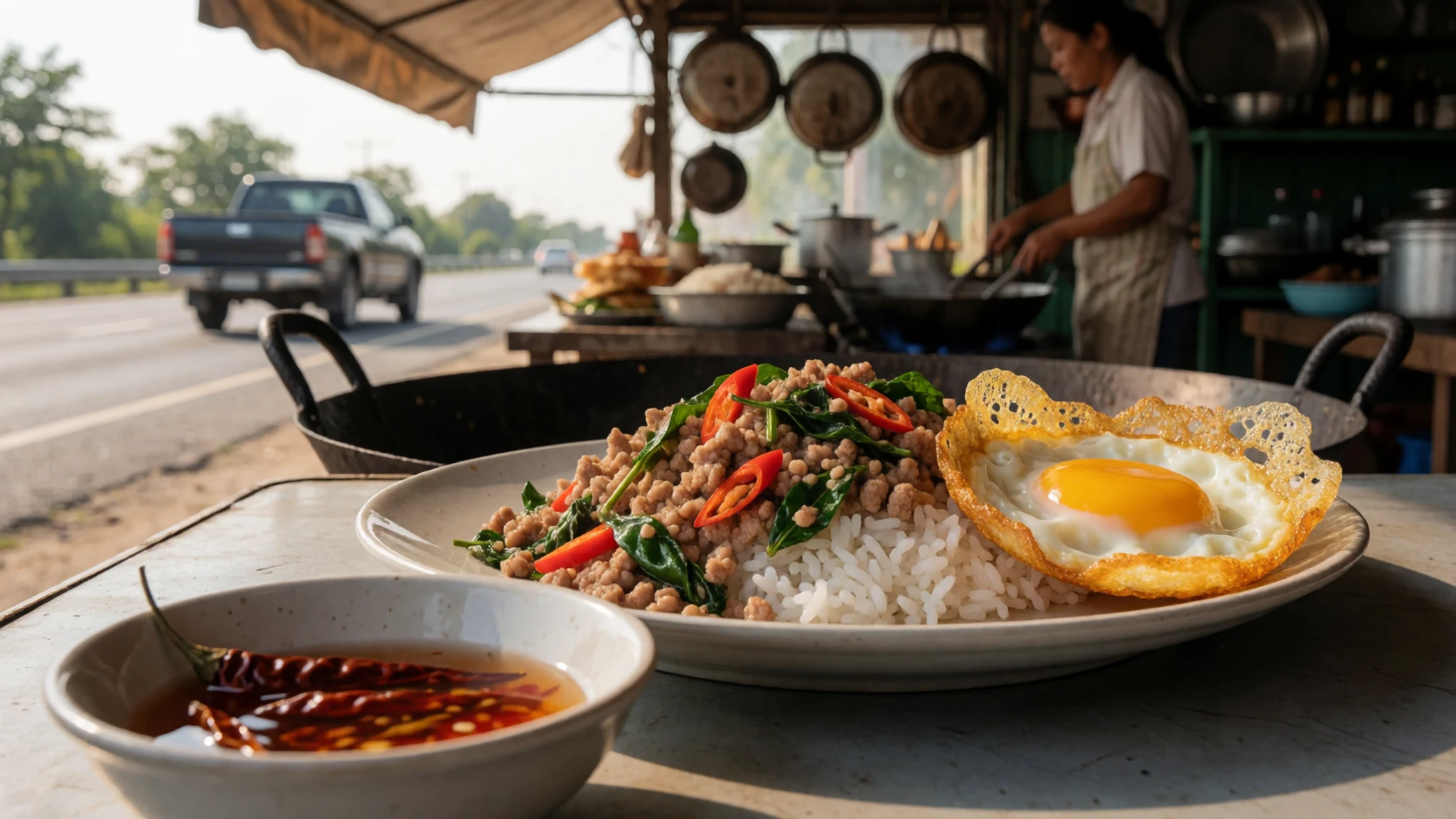
- Gaeng som — Southern Thai family-run eateries
A southern sour curry, typically orange-yellow and very hot, made with chilli, turmeric and tamarind, and often cooked with fish or prawns. It is sharper and spicier than the central Thai curries many visitors know. Eat it with plain rice. - Roti with curry — Morning stalls and markets in the beach villages
Flaky, fried flatbread served with a dipping curry, or folded with banana and drizzled with condensed milk. It is a common breakfast and snack in the south and shows its roots in Muslim cooking. Best eaten warm. - Khao yam — Local eateries and market stalls in the Takua Pa area
A southern rice salad mixed with herbs, shredded coconut, dried shrimp, lime and a sweet-salty sauce. It is light, fragrant and usually served at room temperature, which suits the heat. It makes a good break from heavy curries. - Fresh coconut and tropical fruit — Fruit stalls along the main road and beach access lanes
Chilled coconut water, pineapple, papaya and mango are sold cut and bagged on the roadside. The mango season is short, so ask what is in season. This is the easiest way to keep hydrated on hot days.
Plan it
Best time. November to March is the dry season on this Andaman coast, with calmer seas, clearer water and better beach days. From about May to October the monsoon brings heavy rain, rough surf and dangerous currents, and some businesses reduce hours. It is hot and humid all year, so plan active outings for early morning.
How long. 3–4
Getting there. Fly into Phuket, about 80 km south of Khao Lak, or into Krabi, then continue by taxi or by a daytime bus from the main highway towards Takua Pa, Ranong or Surat Thani, which stops on request in Khao Lak. By rail, go to Surat Thani on the east coast, then take a bus of about 4 hours to Khao Lak.
Budget. mid
Tips
- Book airport transfers ahead if you land late, as late-night taxis are harder to find and cost more
- Visit waterfalls and the national park in the morning, before heat and crowds build
- Check sea conditions and flag warnings before swimming, particularly in the monsoon months
- Carry some cash for small eateries and markets, and carry drinking water on walks
- Book overnight stays at Khao Sok through the park well in advance
Etiquette
- Dress modestly at temples and remove shoes before entering
- Keep quiet and respectful at tsunami memorials
- Never touch or criticise images of the monarchy
Nearby
Sources
- Wikidata Q340034 (CC0)
- Wikipedia: Khao Lak (rev 1381706496) (CC BY-SA 4.0)
- Wikivoyage: Khao Lak (rev 5416043) (CC BY-SA 4.0)
- Photo: Khao Lak Beach, Thailand — Vyacheslav Argenberg (CC BY 4.0)
- Photo: Tsunami aftermath north of Phuket — ASTER, NASA/GSFC/METI/ERSDAC/JAROS and U.S./Japan ASTER Science Team (Public domain)
- Photo: Bang Niang police boat — Electrostatico (CC BY-SA 2.0)
- Photo: Pakarang cape early morning — Abe Khao Lak (CC BY-SA 4.0)
- Photo: Panorama of Khao Lak's beach — Vincent (Public domain)
- Photo: Tsunami warning sign in Khao Lak — Jens Rusch (CC BY-SA 3.0 de)
- Photo: Waterfall — Aekapol Tepvong (CC BY 3.0)
- Photo: Amarygmus splendidulus — Udo Schmidt (CC BY-SA 2.0)


