Jolly Beach
Jolly Beach, Antigua and Barbuda
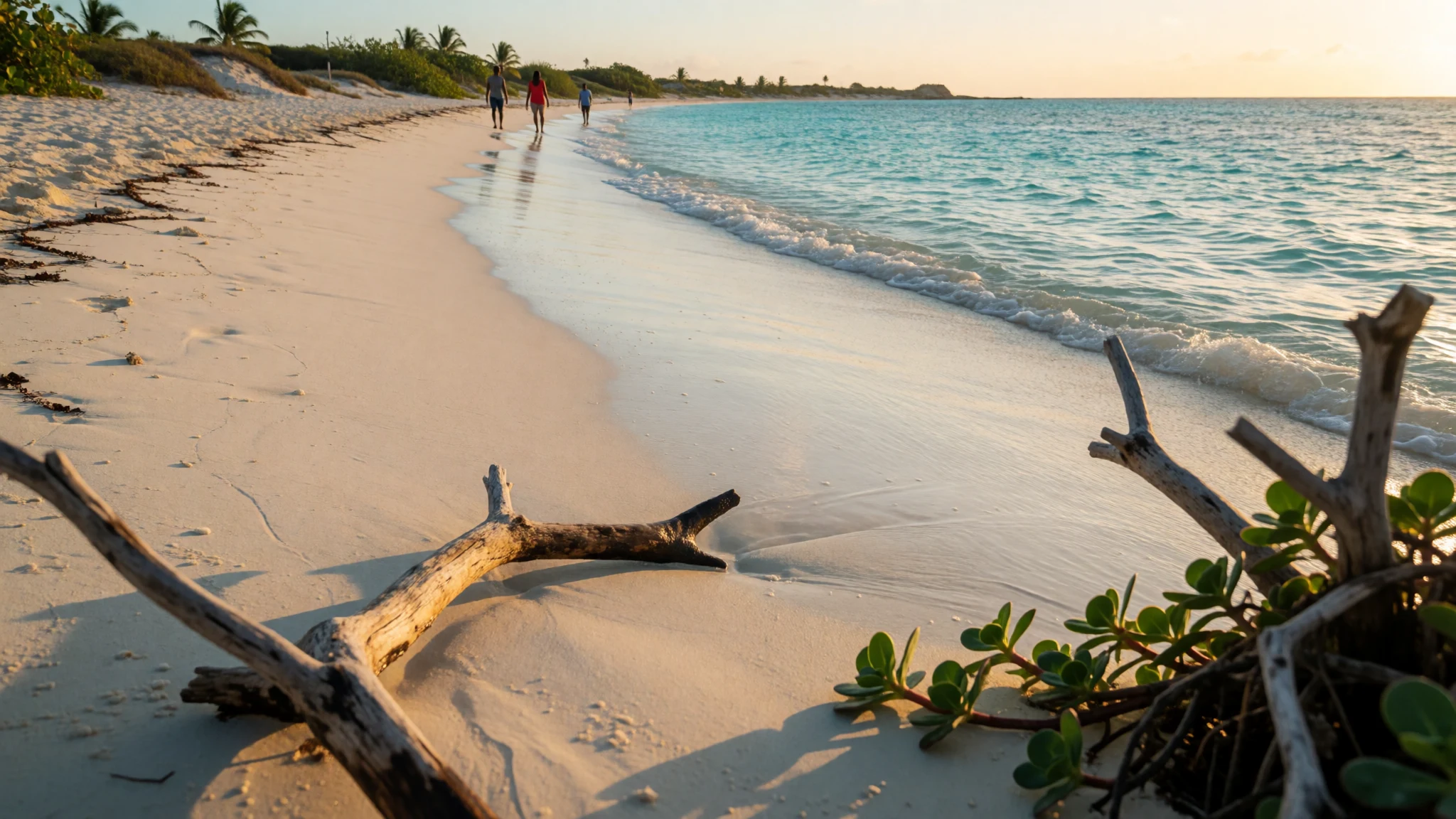
Jolly Beach is a long, calm, west-facing stretch of pale sand in Antigua, good for easy swimming, sunsets and a quiet sense of deep history.
The place
Jolly Beach is a long, pale strip of sand on the west coast of Antigua, in the parish of Saint Mary, facing the calm Caribbean Sea rather than the rougher Atlantic side of the island. It sits beside the Jolly Harbour development, a marina and villa community, and just north of Valley Church Beach, so the two shores read as one continuous walk. The land is almost flat, at an elevation of about 1 metre, which explains the gentle wading and also the beach's exposure to storm surge. The west-facing shore brings sunsets over the water and softer waves than the windward coast, so families and casual swimmers use it more than surfers or kitesurfers do. A resort stands behind the sand, and its guests share the shore with day visitors and residents from nearby villages. Natural shade is limited to patches under palms and sea-grape trees, and beach bars rent loungers and umbrellas. The sun is strong all year, even through thin cloud, and the sea is warm enough that swimming never feels like an effort. Amenities are modest by big-resort standards: a few beach bars, watersports operators, and the marina's shops and eateries a short walk or drive away. Jolly Beach also carries an older layer beneath the sand, an Archaic-period archaeological site, which gives a quiet Caribbean beach an unexpectedly deep human history.
Its story
Jolly Beach holds some of the earliest evidence of people living on Antigua. Artefacts from the site have been carbon-dated to between about 1775 BC and 1589 BC, which places its first users in what archaeologists call the Archaic period. These were hunter-gatherers rather than farmers, moving along the coast and living on what the shore, the reef and the scrub provided. Their tools were simple flakes of flint, shaped with little finishing. Researchers think such tools were good enough for making canoes, and that matters: in an island chain, a canoe turns a hunting ground into a route. The finds resemble those from the Ortoire site in Trinidad, which hints at shared habits, or even contact, across a long stretch of open sea. Nothing on the surface now shows any of this. The beach looks like any other white-sand shore, and the archaeology lives in excavation records and museum collections rather than in ruins to walk around. The modern chapter is far more visible. The west coast was developed for tourism, with Jolly Harbour laid out as a marina and housing community and a resort opening on the sand, and the beach became a familiar name for visitors to Antigua. Standing there today means standing on ground used for fishing, shelter and landing canoes for thousands of years.
What to see
- The main sands of Jolly Beach — Jolly Beach, Saint Mary
The long west-facing strip is the reason to come: pale sand, shallow warm water and a gentle slope into the sea that suits children and nervous swimmers. Beach bars and loungers cluster near the resort, while the far ends have more room. Go early for the calmest water, and bring a hat, since natural shade is patchy.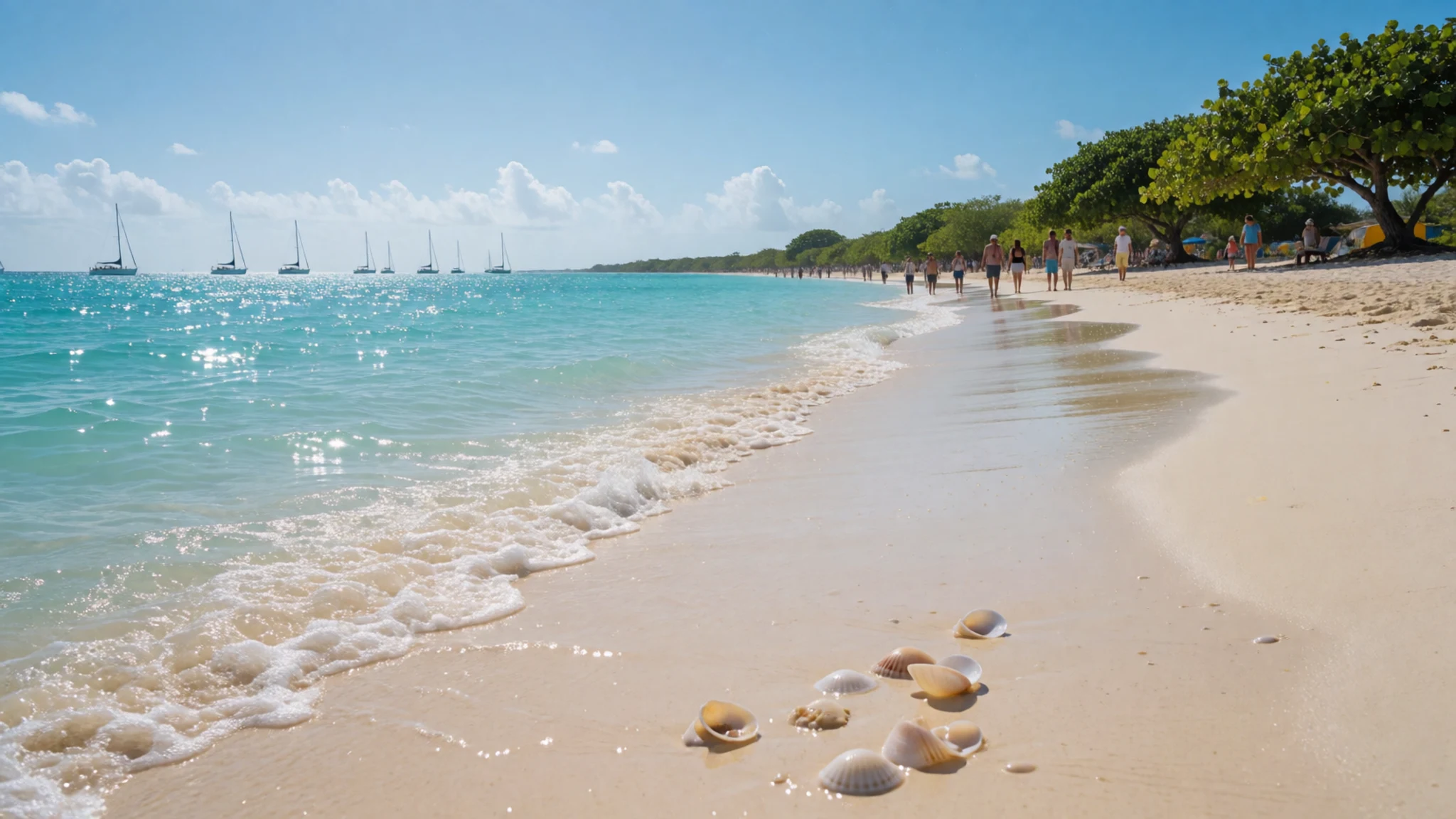
- Valley Church Beach — South of Jolly Beach
Valley Church Beach lies directly south of Jolly Beach, so a walk along the sand can join the two. It is a useful alternative when the main stretch is busy with resort guests. Facilities are likely to be thinner than at the resort end, so carry water and check what is open before relying on it.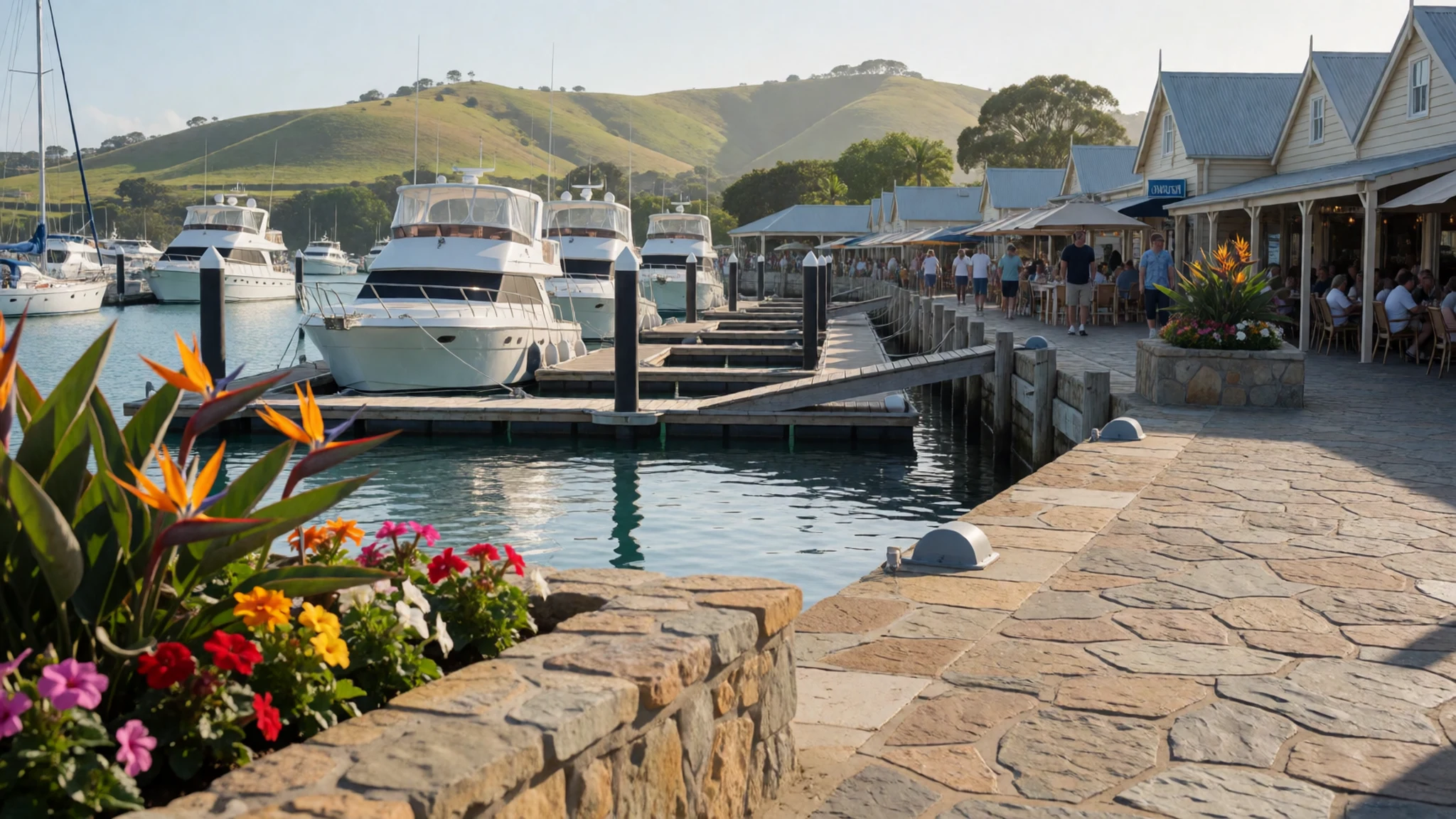
- Jolly Harbour marina — Jolly Harbour
Jolly Harbour, the marina and villa development beside the beach, is where yachts moor and where shops and eateries gather. It makes a handy base for supplies and an evening meal, and the waterfront is pleasant for a stroll at dusk. The feel is planned and resort-like rather than that of a traditional Antiguan village.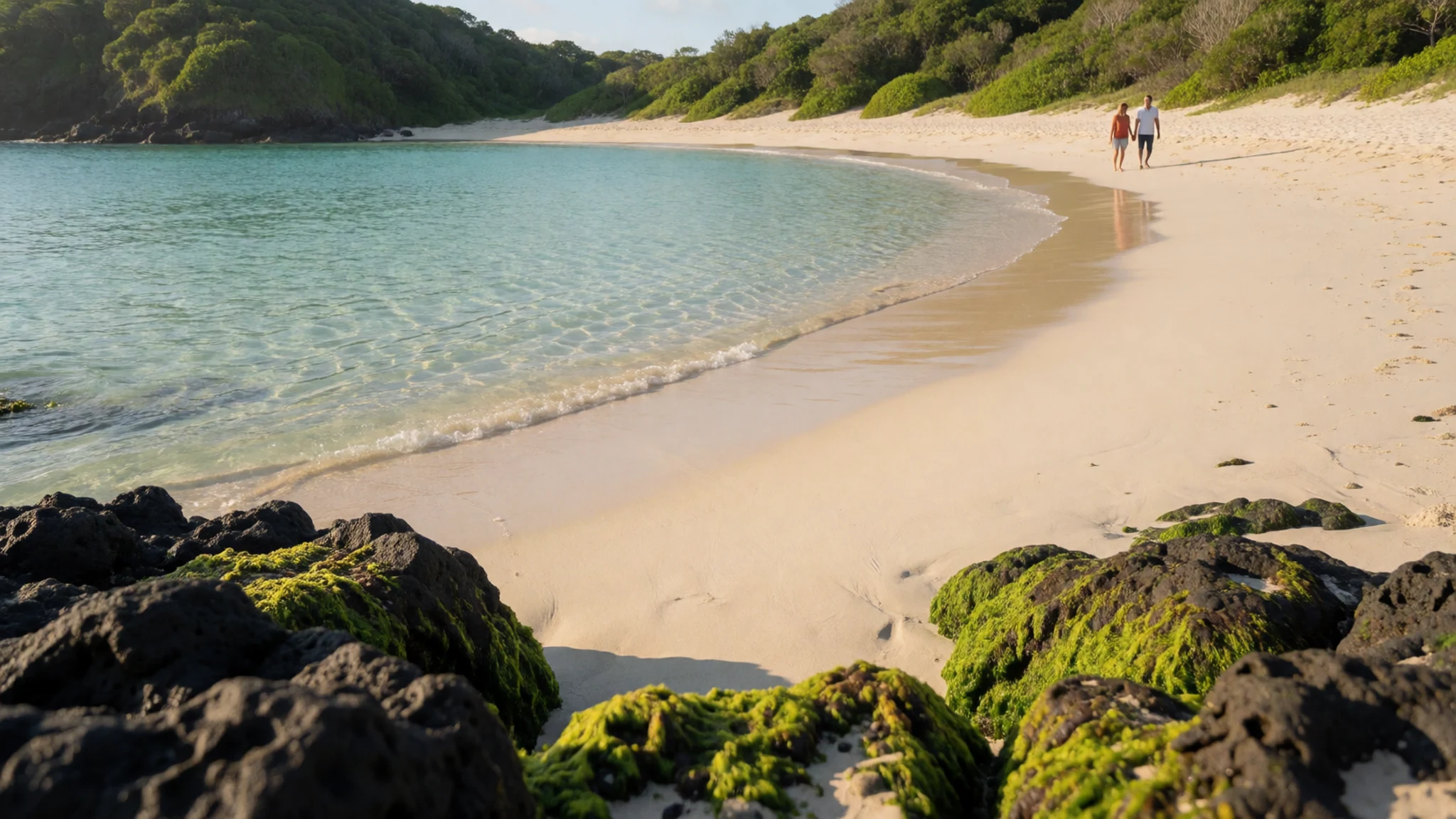
- Sunset from the shore — Along the waterline, Jolly Beach
Because the beach faces west across the Caribbean Sea, evening light is the daily event. Visitors and residents drift down to the water as the sun sinks towards the horizon. In clear weather the sky turns orange and pink; on cloudy evenings the effect is muted, so treat a good sunset as a bonus rather than a promise.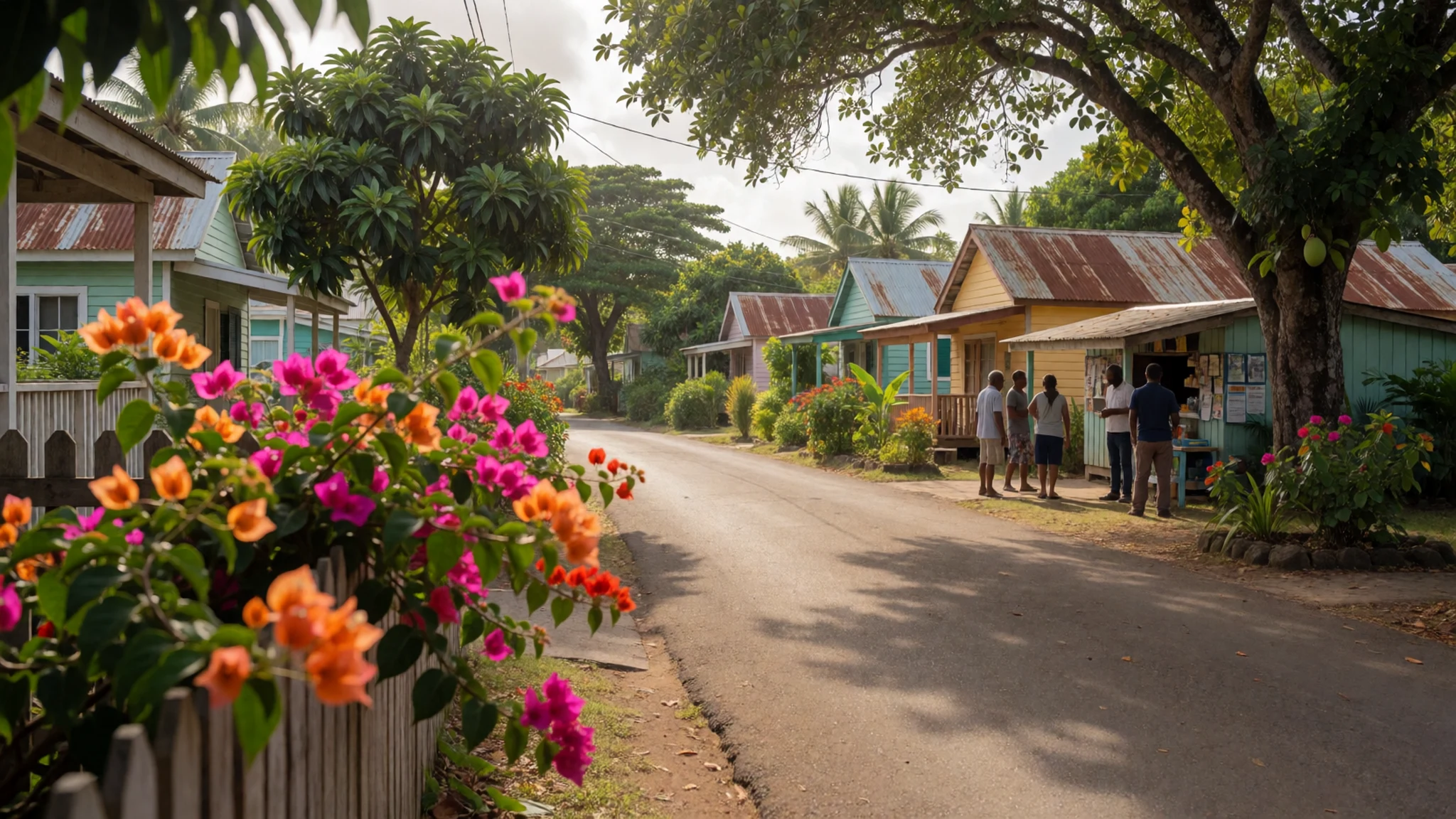
- The Archaic site beneath the sand — Jolly Beach, Saint Mary
The Archaic-period site under Jolly Beach is not something a visitor can tour, and there is no ruin to walk to. Still, knowing that hunter-gatherers once worked flint here changes how the sand feels. Anyone curious about the island's early peoples can ask about local collections at the Museum of Antigua and Barbuda in St John's.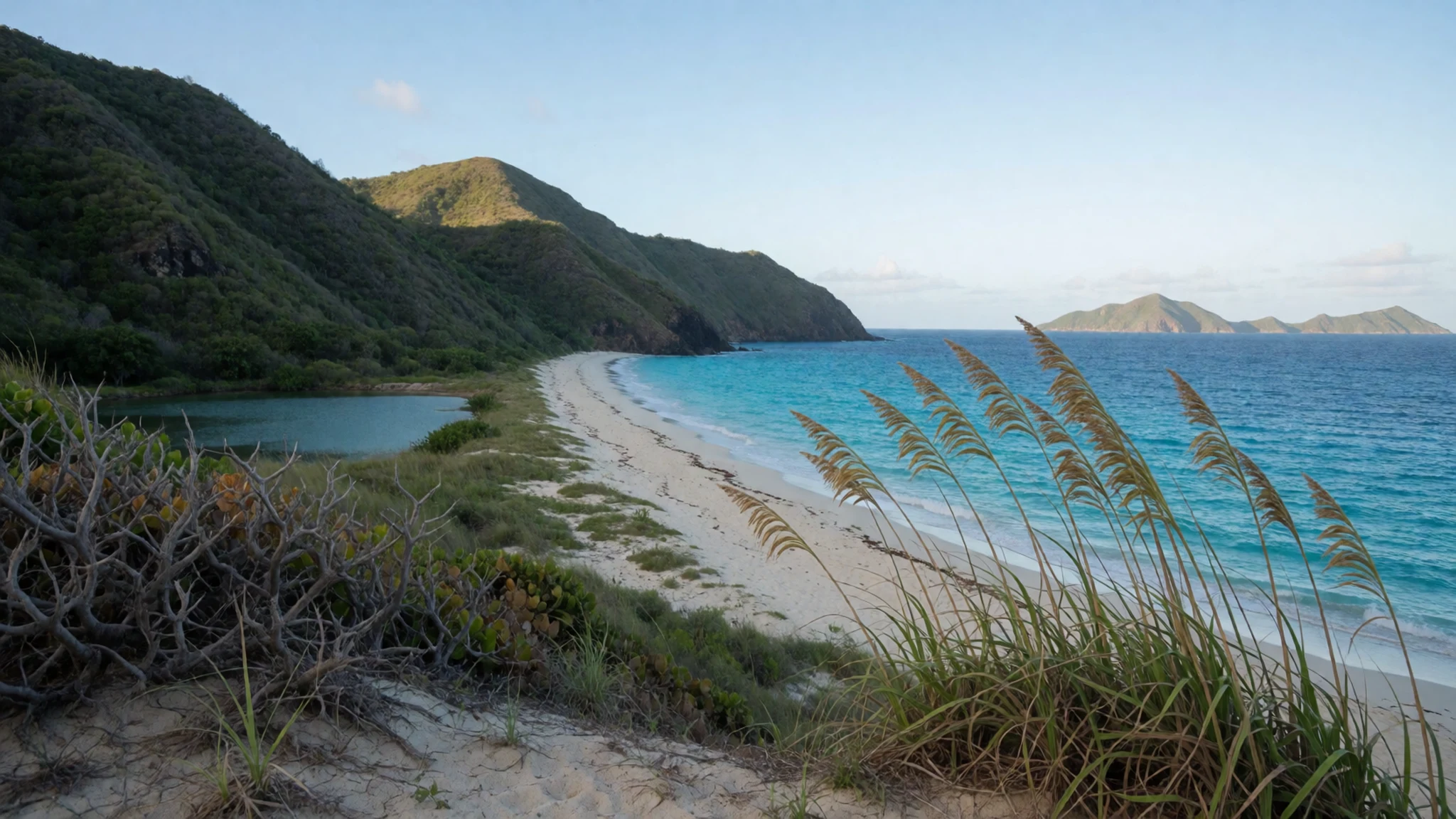
Culture
Jolly Beach sits within an English-speaking, Afro-Caribbean island society where manners are friendly but have a formal edge. People greet each other with a good morning or good afternoon before making any request, whether in a shop, a taxi or a beach bar, and skipping the greeting can read as brusque. The pace is relaxed, service can be unhurried, and patience is usually repaid with warmth. Cricket is a shared passion across Antigua, and a question about the local game or the West Indies team is an easy way into conversation. Music runs through daily life: calypso, soca, reggae and steel pan turn up at beach bars and during the summer Carnival season. Church matters too, and many residents dress up for Sunday services in the villages. Beaches in Antigua are open to everyone, so local families, fishers and day visitors share the sand with resort guests, and the shore is a social space as much as a holiday one. Vendors and craft sellers earn part of their living from visitors; a smile and a polite 'no, thank you' is the accepted way to decline. When leaving the sand for a shop, restaurant or village road, put on a shirt or cover-up, and ask before photographing anyone.
What to wear
Jolly Beach is a swimwear place, but the dress of Antigua around it has its own traditions. Traditional costume draws on madras, a bright plaid cotton, made into wide skirts, headwraps and sashes for festivals, national days, school pageants and cultural performances. Cotton and lightweight prints suit the heat, and the style owes much to wider Caribbean and West African influences. Day to day, most people wear what any warm place demands: light cotton, linen, shorts, sundresses and sandals, with smarter clothes for church, work and evenings out. Residents often dress up more than visitors expect for Sunday services and formal occasions. A visitor should pack for strong sun and sticky heat: breathable fabrics, a wide-brimmed hat, sunglasses and plenty of sunscreen, ideally a reef-safe kind. Swimwear belongs on the beach and around the pool; carry a cover-up or shirt for the marina, shops and village roads, since beachwear in town looks out of place. Flip-flops or sandals are fine for the sand, but closed shoes help on uneven pavements or hikes elsewhere on the island. Water shoes are handy where the seabed is rocky. In the wetter months from June to November, a light rain jacket is more useful than an umbrella, and evenings can feel cooler on windy nights, so a thin layer helps.
What to eat
- Ducana and saltfish — Local cookshops and village eateries
Ducana is a steamed dumpling of grated sweet potato, coconut and spice, served with stewed salt cod and vegetables. It is a staple of Antiguan home cooking, often eaten at weekends. The point is the contrast of sweet, soft dumpling and salty, savoury fish.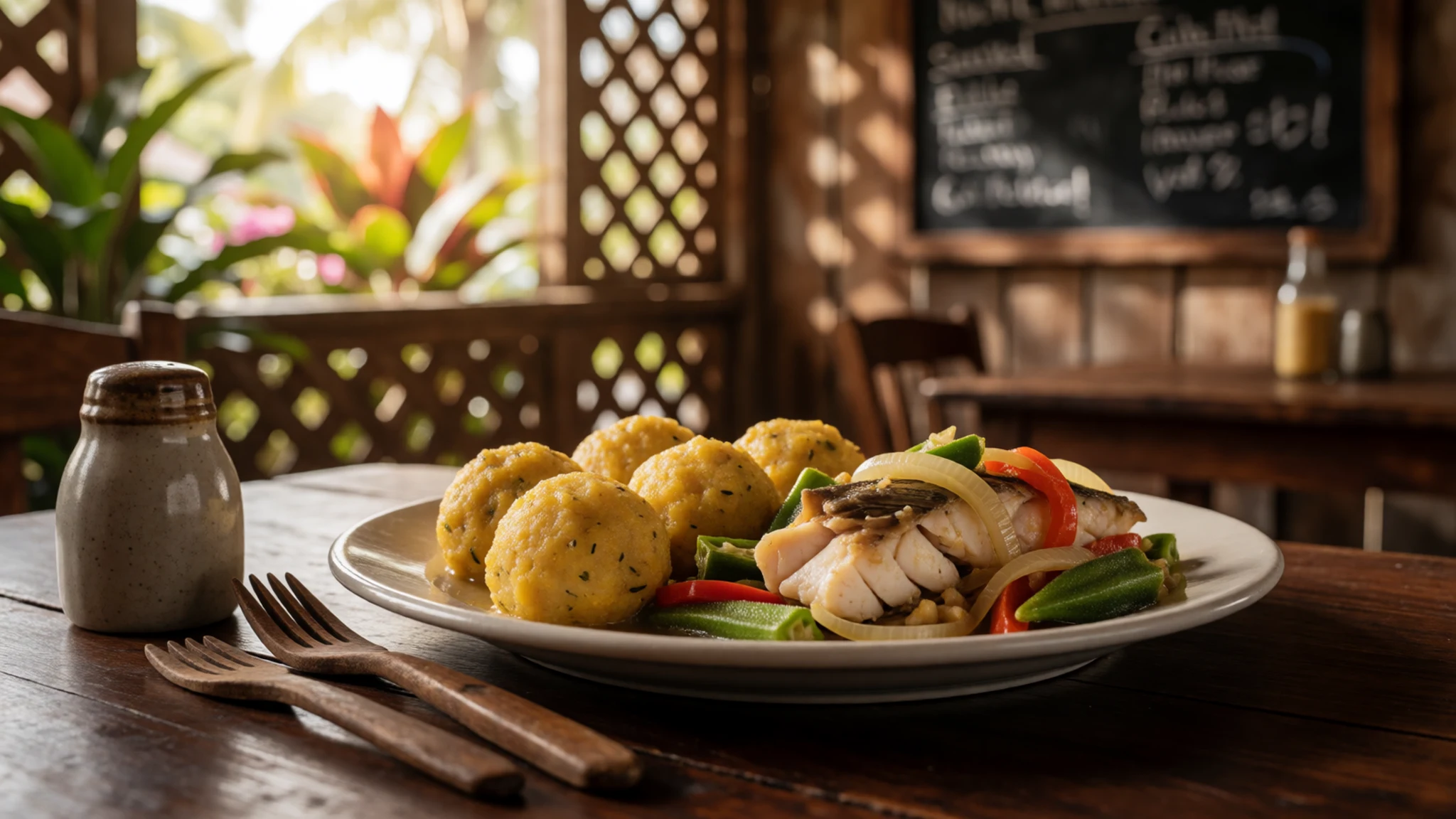
- Pepperpot and fungi — Family-run eateries and village cookshops
Pepperpot is a slow-cooked stew of meat and leafy greens such as callaloo, often with pumpkin and aubergine. It comes with fungi, a firm cornmeal and okra dish, shaped into a smooth ball. Hearty and mild rather than fiery despite the name.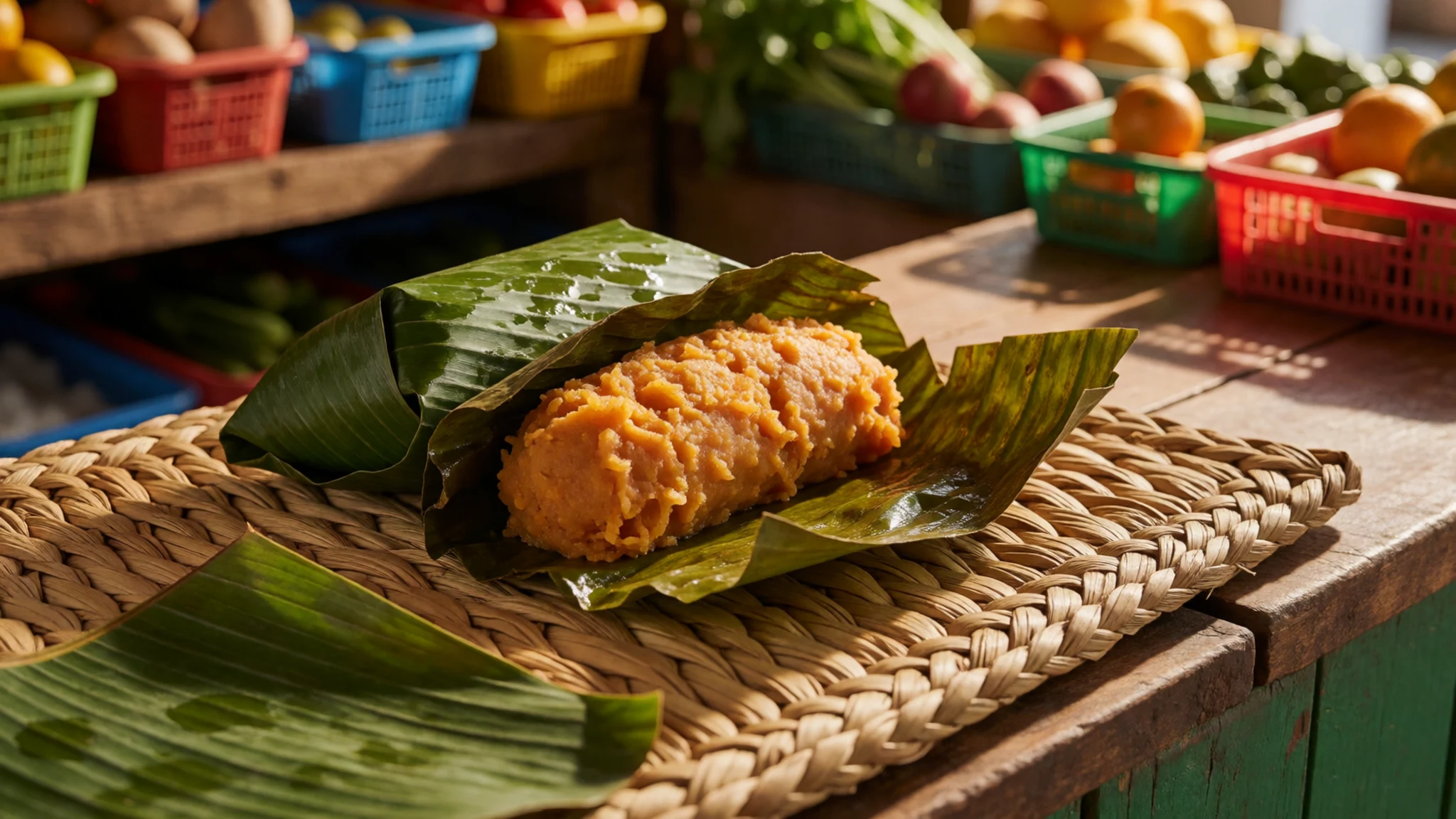
- Grilled fresh fish — Beach bars on the sand and eateries on the Jolly Harbour waterfront
The catch of the day, such as snapper or mahi-mahi, is usually grilled with lime, herbs and a pepper sauce, with rice or fries. Lobster appears in season. Ask what came in that morning; it is the best guide to what to order. - Antigua black pineapple — Roadside fruit stalls and the market in St John's
This small local pineapple is prized for its sweet, low-acid flesh and often has a reddish skin. It is eaten fresh, sliced at the roadside or blended into juice and rum drinks. Buy it ripe and eat it the same day. - Bakes and johnny cakes — Bakeries and roadside stalls in the villages
Fried or baked dough rounds, split and filled with saltfish, cheese or egg, make a cheap, filling breakfast or snack. They are the sort of thing locals grab on the way to work, and they travel well to the beach.
Plan it
Best time. December to April is the dry, sunnier season with lower humidity, and the beach is at its most comfortable though busiest. May is a quieter shoulder month. June to November is hot, humid and wetter, and it is also the Atlantic hurricane season, so check forecasts and cancellation terms before booking.
How long. 3–5
Getting there. Fly into V.C. Bird International Airport, the island's main airport, then take a taxi or hire car across the island to the west coast and Jolly Harbour. Traffic drives on the left. Check the official tourism website for current transport options.
Budget. mid
Tips
- Book beachside stays well ahead if travelling between December and April
- Carry water and sunscreen, because natural shade on the sand is patchy
- Cards are common at the marina and resort, but keep some cash for stalls and taxis
- Agree a taxi fare before setting off
- Check hurricane advisories if travelling between June and November
Etiquette
- Greet people before asking for anything
- Cover up when leaving the beach for shops, restaurants or villages
- Ask before photographing local people
Nearby
Sources
- Wikidata Q21052483 (CC0)
- Wikipedia: Jolly Beach (rev 1367714466) (CC BY-SA 4.0)
- Wikivoyage: Antigua and Barbuda (CC BY-SA 4.0)