Antigua
Antigua, Antigua and Barbuda
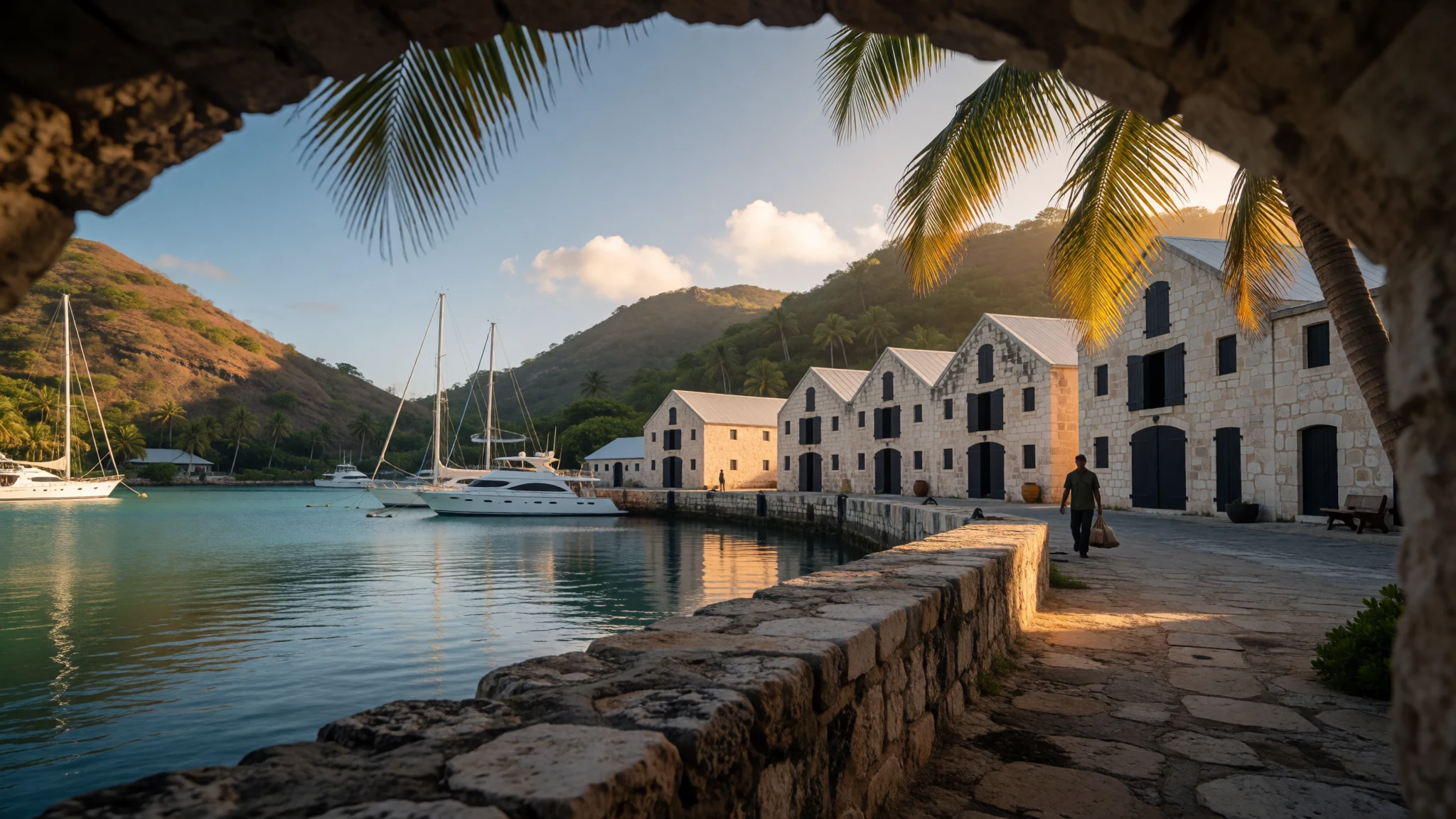
Antigua offers calm bays, a restored naval dockyard, sugar-estate history and a sailing culture, all on one dry, sunny Caribbean island.
The place
Antigua is the main island of the country of Antigua and Barbuda, in the Leeward Islands of the eastern Caribbean, and it holds almost all of the country's people: about 80,000 by the latest count in the facts. It is a low, dry island rather than a lush volcanic one, with scrubby hills, a flat central plain, and a coastline cut into bays, coves and reef-fringed headlands. The capital, St John's, sits in the north-west beside a deep harbour that takes cruise ships, and most islanders live on the plain behind it. The south-east belongs to sailors. English Harbour and the village of Falmouth fill with yachts, shops stock provisions for long passages, and the restored naval station at Nelson's Dockyard is a World Heritage Site. Resorts line much of the north and west coasts, while the Atlantic side is wilder, windier and ringed by reef. Tourism pays for most things; farming mostly feeds local tables. Cricket is the shared passion, played in the stadium and on any spare patch of ground. The official currency is the East Caribbean dollar, though many tourist businesses quote prices in US dollars. Honest advice: cruise-ship days make St John's busy and hot by midday, while beaches away from the big resorts can be almost empty. The trade wind keeps the heat bearable, but the sun is strong all year.
Its story
Antigua's human story starts long before any European ship appeared. The earliest known inhabitants were the Guanahatabey, followed by Arawak settlers who paddled over from the South American mainland, driven out by the Carib. The Arawak brought farming to the island. They grew cassava, maize, sweet potatoes, chilli peppers, guava, cotton and tobacco, and a local black pineapple. Several of those crops still anchor island cooking. Most Arawak had gone by the twelfth century, and those who stayed faced raids by the Carib. Christopher Columbus was the first European to see the island, in 1493. Under later British rule, Antigua became a sugar colony. Windmills rose across the plain, and the work of planting, boiling and shipping cane fell to enslaved Africans. A set of engravings published in 1823, Ten Views in the Island of Antigua, records that labour in the cane-holes, the boiling house and the loading of sugar barrels. English Harbour grew into a naval base, later named for Vice-Admiral Horatio Nelson. In November 1981, Antigua and Barbuda gained full independence as a member nation of the Commonwealth. Today the old mills, the dockyard and the cathedral in St John's are the visible layers of that past, and the best of them are honest about who built them and at what cost.
What to see
- Nelson's Dockyard — English Harbour, south-east coast
Nelson's Dockyard stands at English Harbour, a restored British naval station named for Vice-Admiral Horatio Nelson and now a World Heritage Site. Old stone storehouses and workshops surround a sheltered harbour full of yachts. Go early, before the heat builds, and check the official site for current entry arrangements.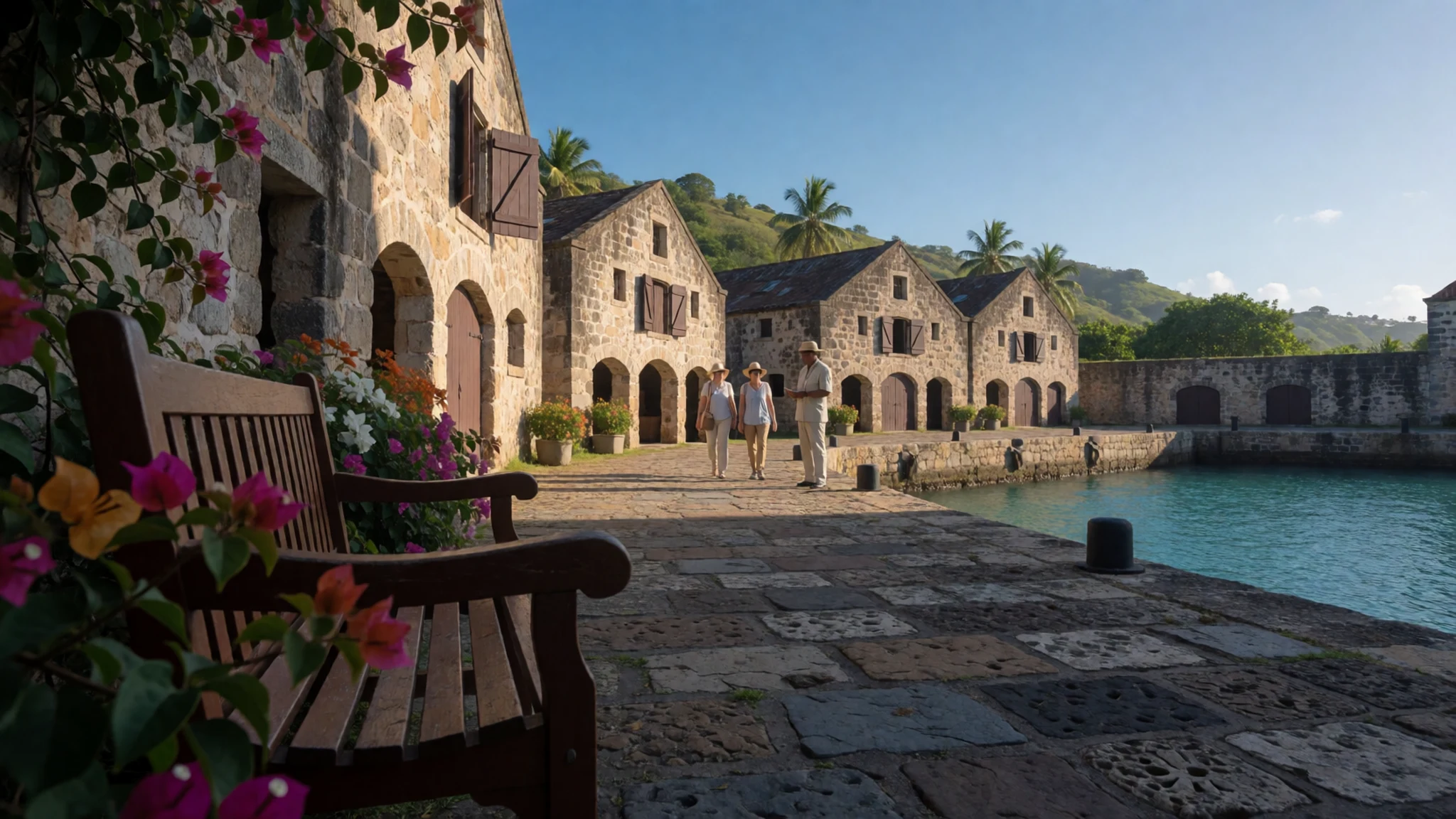
- Betty's Hope — Pares Village, near the Saint Philip boundary
Betty's Hope is a seventeenth-century sugar estate with a restored windmill, on the Pares Village road. Demonstration runs happen only occasionally, in the cane harvest season, and opening days are limited, so check before driving over. The site is also a sober reminder of the enslaved labour behind the sugar trade.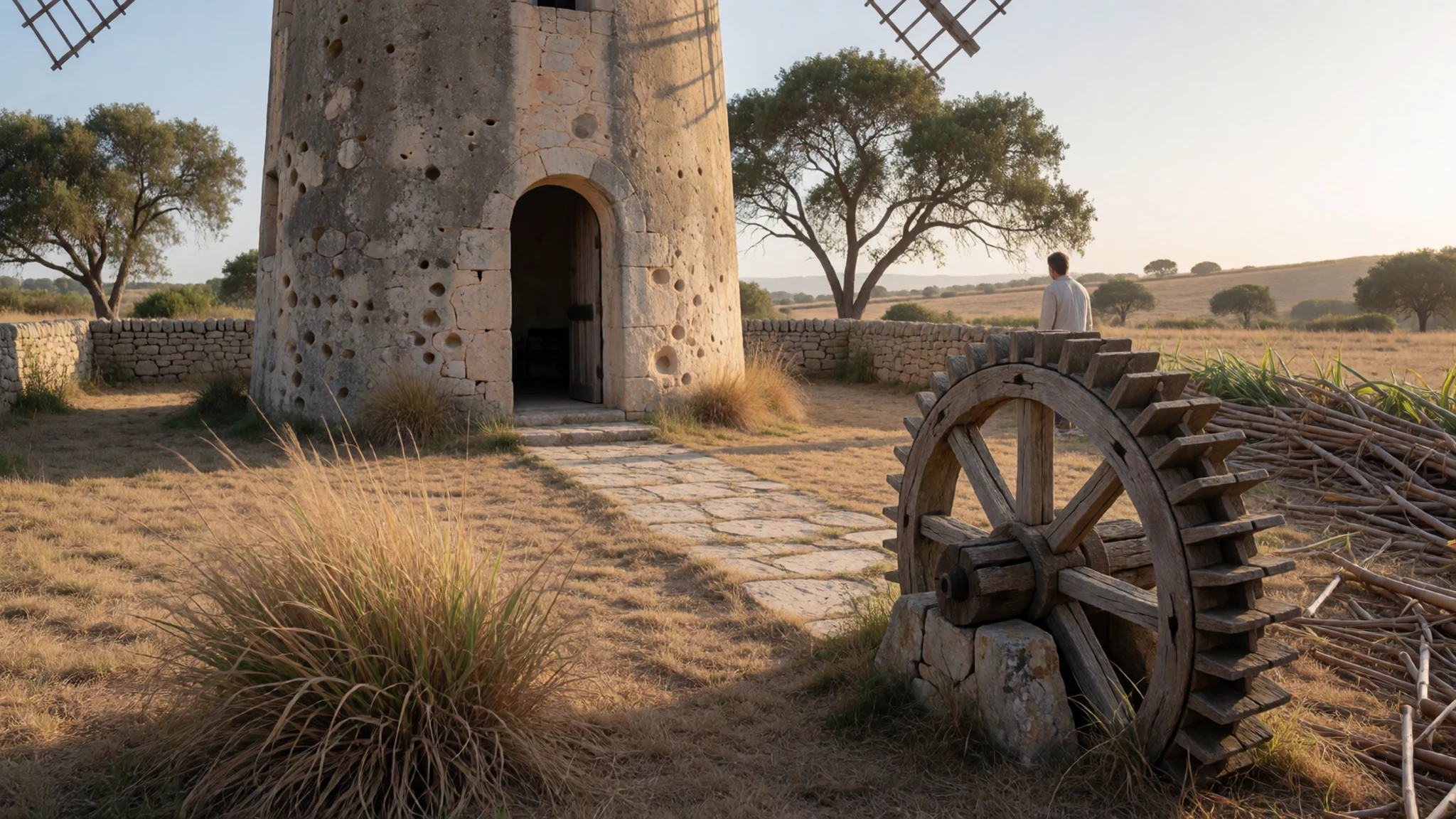
- St John's Cathedral and the capital — St John's, north-west
St John's is the island's capital and working centre, an easy walk from the cruise-ship quay at Heritage Quay. The twin-towered cathedral is the landmark, set among market streets and small shops. Mornings are best; on cruise days the lanes fill and the midday heat settles in.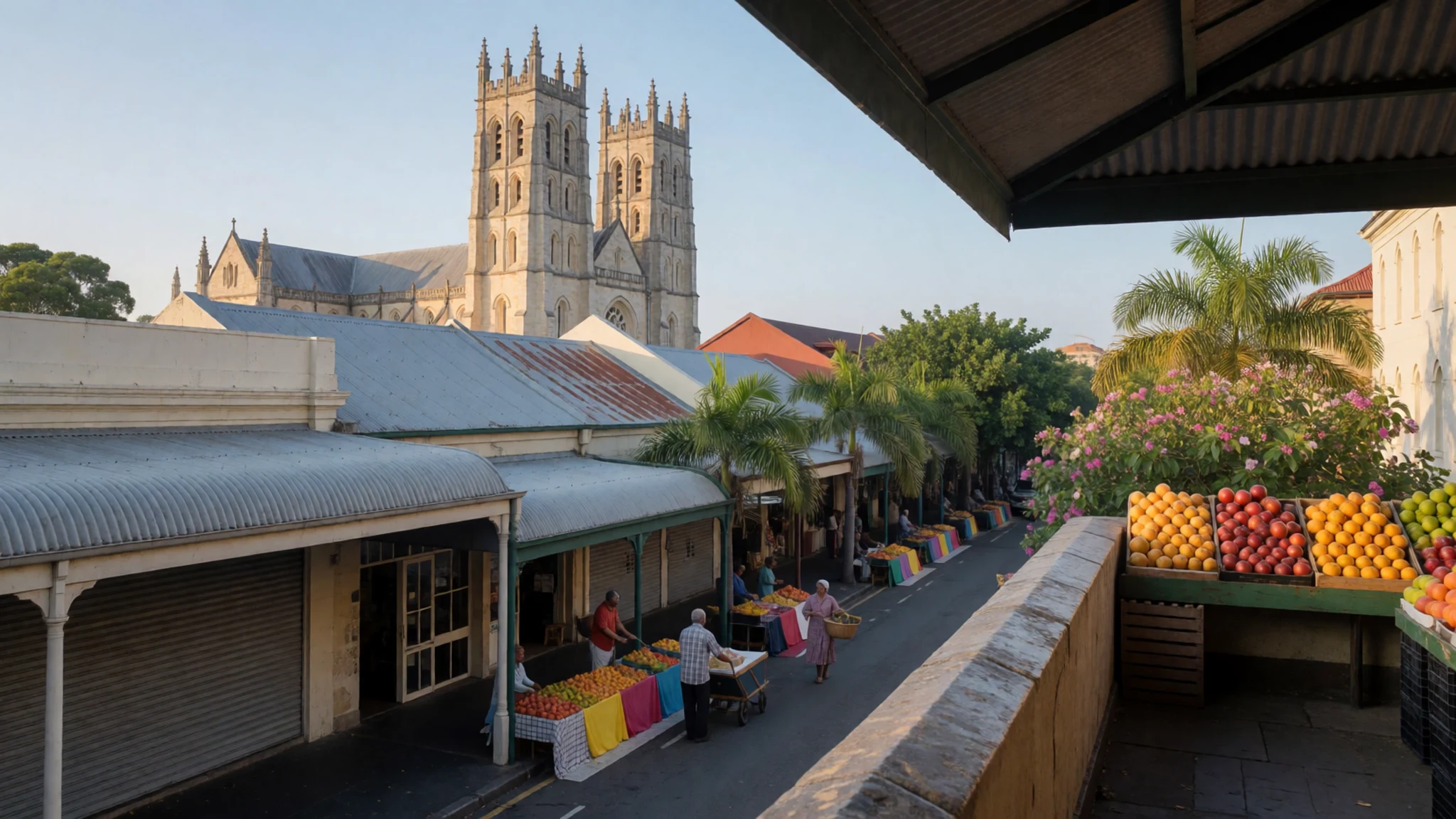
- Dickenson Bay — North coast, near St John's
Dickenson Bay is the easiest beach to reach from the capital, a long curve of sand with calm water, beach bars and watersports. It is lively at weekends and in high season. Anyone wanting quiet should arrive early or walk to the far ends.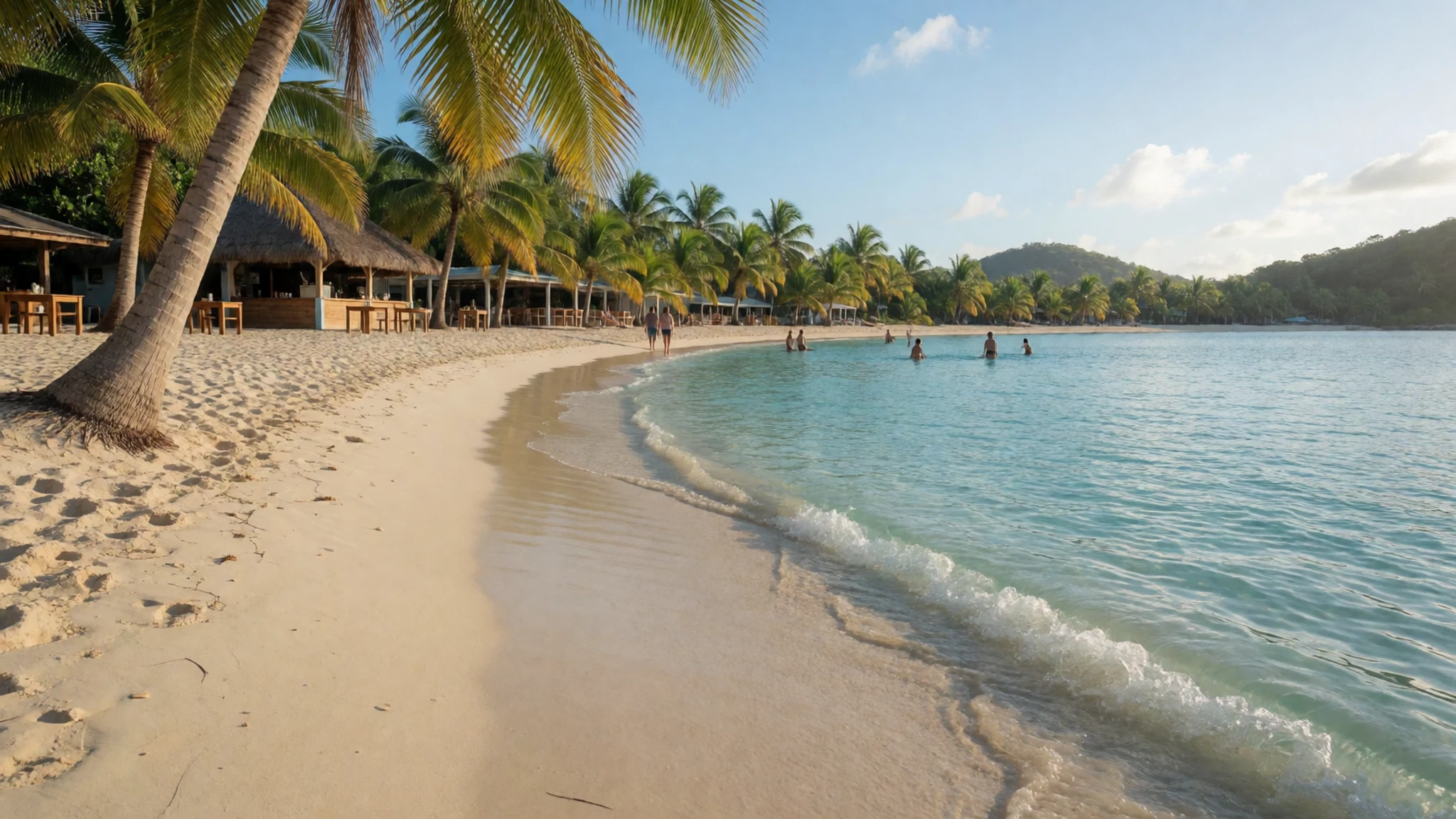
- Turner Beach — West coast, near Johnson's Point
Turner Beach lies on the sheltered Caribbean side, with gentle water and a relaxed local feel. It suits a slow afternoon more than a full programme. Snorkelling on the western side can be patchy, so ask locally where the reef is actually worth swimming over.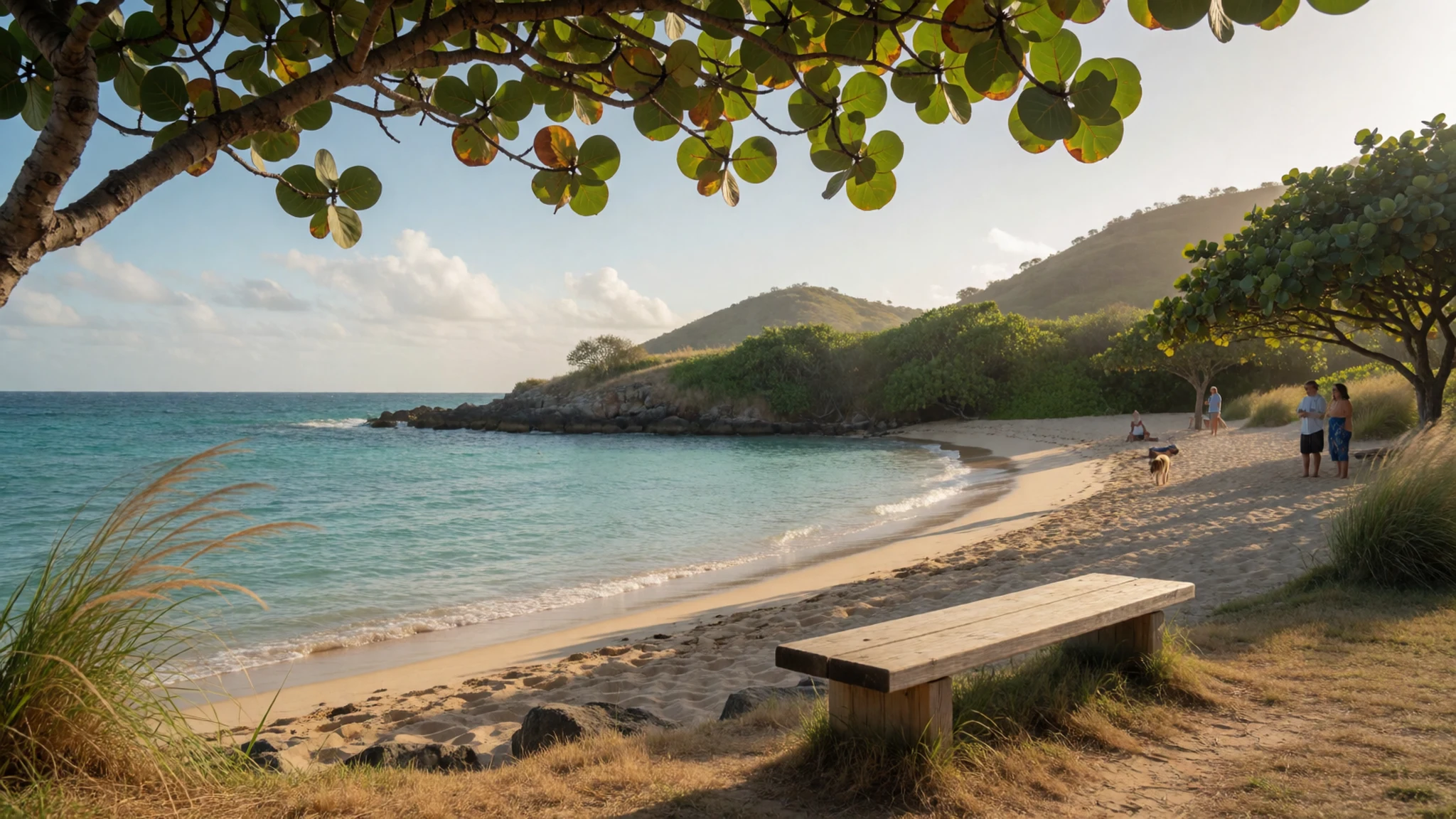
- Jolly Harbour — West coast
Jolly Harbour is a marina and holiday community on the western coast, with moorings, waterside restaurants and nearby beaches. It makes a practical base for sailing trips and for families wanting calm water close to hand. It is more resort than village, so pair it with a day inland.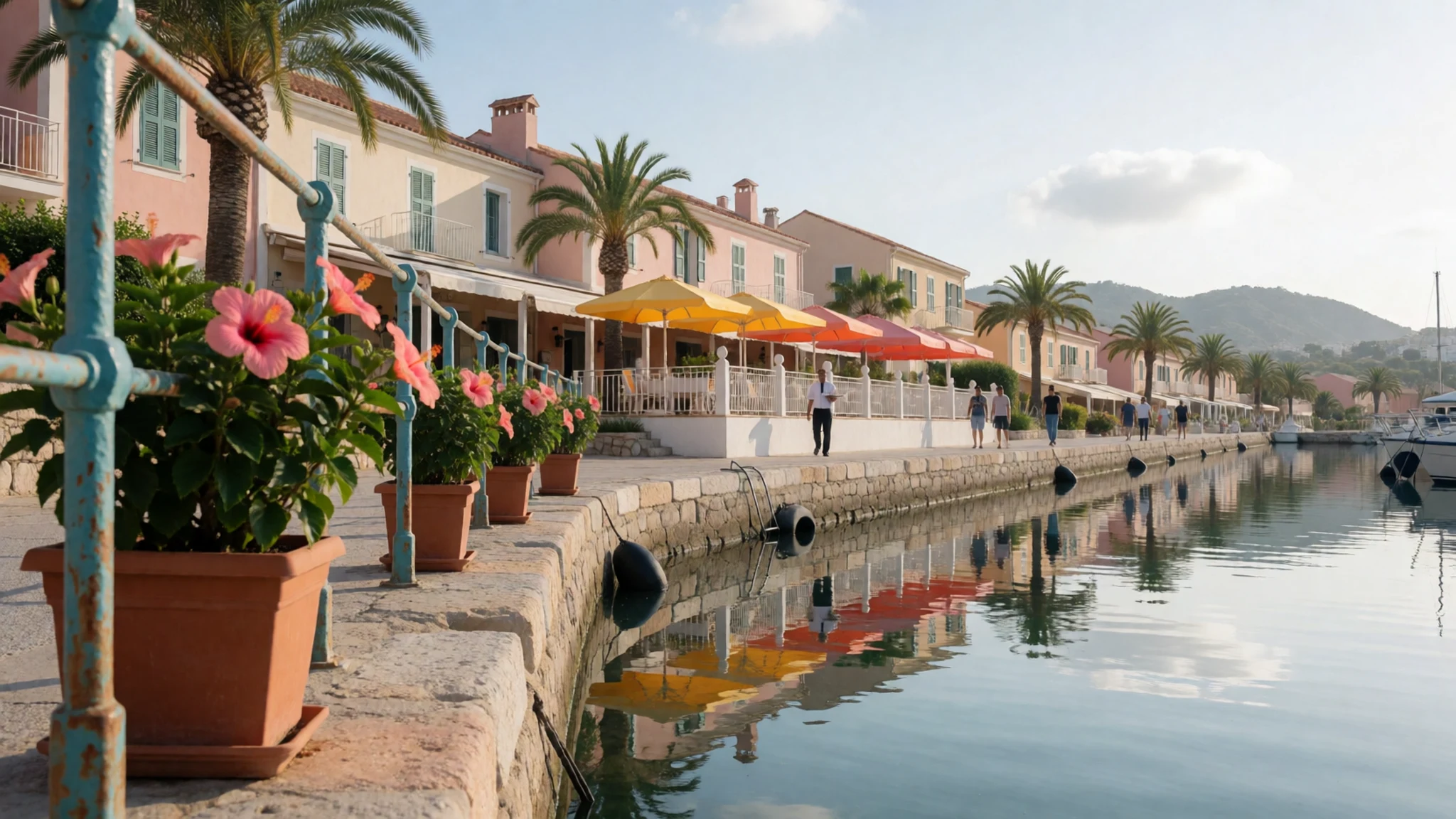
Culture
Antigua's culture blends African roots, British colonial institutions and a strong sailing tradition. English is the everyday language, Anglican and other churches are central to community life, and Commonwealth habits show in schools, courts and, above all, cricket. The game is played at the Sir Vivian Richards Stadium in St John's and on any open ground, and talk of a recent match is an easy way into conversation. The main festival is Carnival, held from late July to early August, when the Recreation Ground in St John's turns from cricket pitch to festival site, with costumes, steel pan, calypso and street parades. The sea shapes the calendar too: Antigua Sailing Week, at the turn of April and May, fills English Harbour with racing crews, and a major charter yacht show arrives each December. Food, music and rum are social glue, and family meals and church on Sundays still matter. Tourism is the main employer, so hospitality is professional but also personal, and a warm greeting counts for a lot. History is present too, in the sugar mills and the engravings of enslaved labour, and it deserves respectful attention rather than a quick photo. Greet people with a good morning or good afternoon before asking for anything, and ask permission before photographing individuals, especially market sellers and anyone at a church service.
What to wear
Antigua's traditional dress draws on West African and Caribbean heritage, with madras-style checked cotton at its centre. Women wear it as wrapped head ties, full skirts and aprons, and men in shirts and sashes, mostly at Carnival, national celebrations and cultural events rather than every day. Bright printed cotton and ribbon trim are common, and Carnival costumes add feathers, beads and sequins in a riot of colour. Day to day, islanders dress for heat: light cotton and linen, shorts and sandals for casual hours, and noticeably smarter clothes for church, offices and banks. Swimwear belongs on the beach rather than in town, and walking through St John's in beachwear tends to draw disapproving looks. Visitors should pack breathable cotton or linen, a wide-brimmed hat, sunglasses and a high-factor sunscreen, since the sun is strong in every month. Bring a light shirt or wrap to cover shoulders and knees for churches and the cathedral. Sandals work for beaches, but water shoes help on rocky shorelines and reef edges, and closed shoes are better for the dockyard trails and the dusty ground around Betty's Hope. An evening layer is rarely needed, though a light cover-up helps with sea breezes and air-conditioned restaurants.
What to eat
- Fungi — Local eateries and Sunday family tables across the island
Fungi, pronounced foun-gee, is a firm cornmeal paste cooked with water and shaped into smooth rounds, a little like polenta. It is often served with fish, stew or a vegetable dish, and counts as a national staple.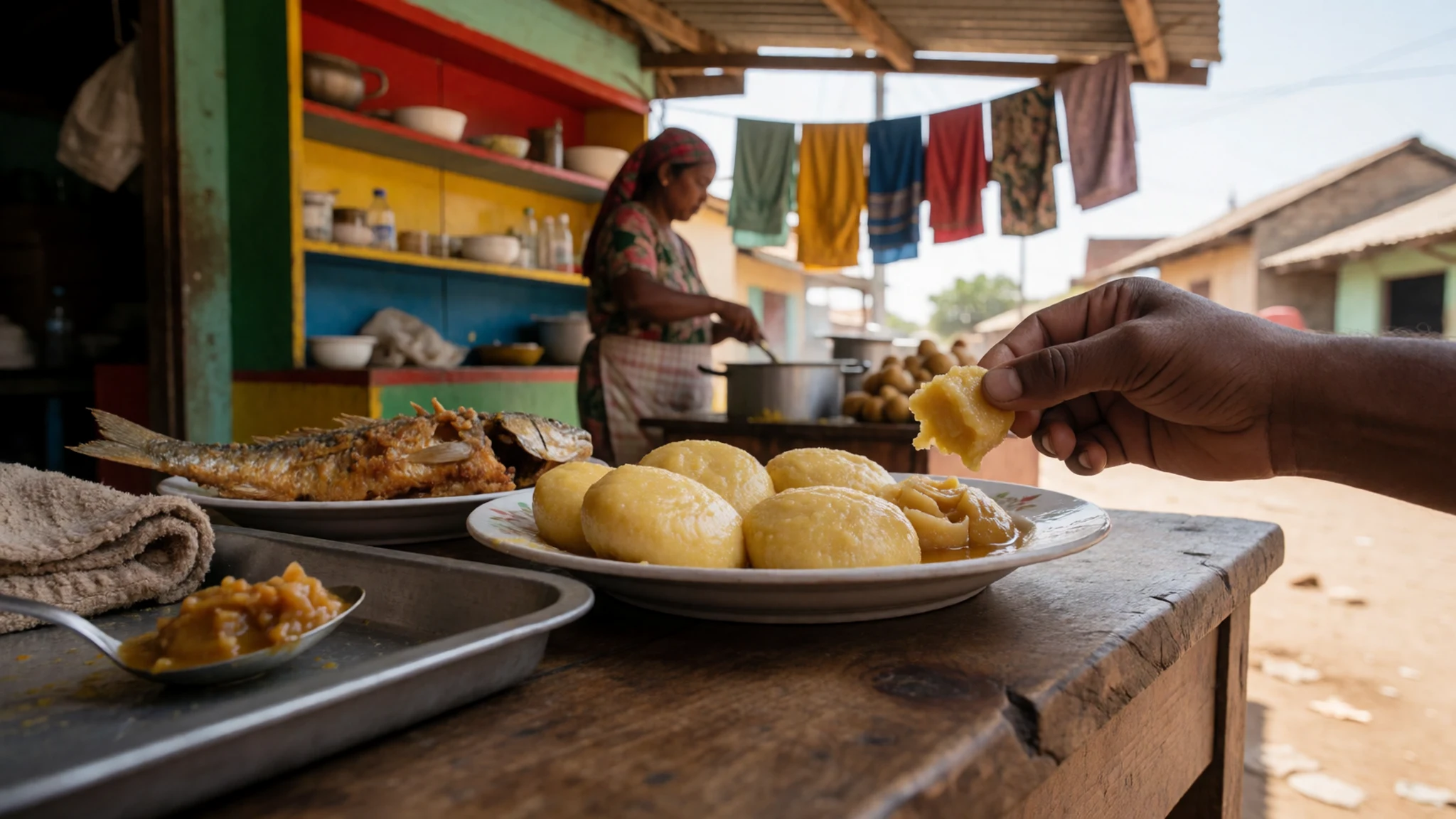
- Pepperpot — Home-style restaurants and local eateries, often alongside fungi
Pepperpot is a slow-cooked stew of greens, meat and spices, usually eaten with fungi. It is deeply savoury, rich and filling, and best taken at a relaxed lunch in a local eatery rather than a rushed resort buffet.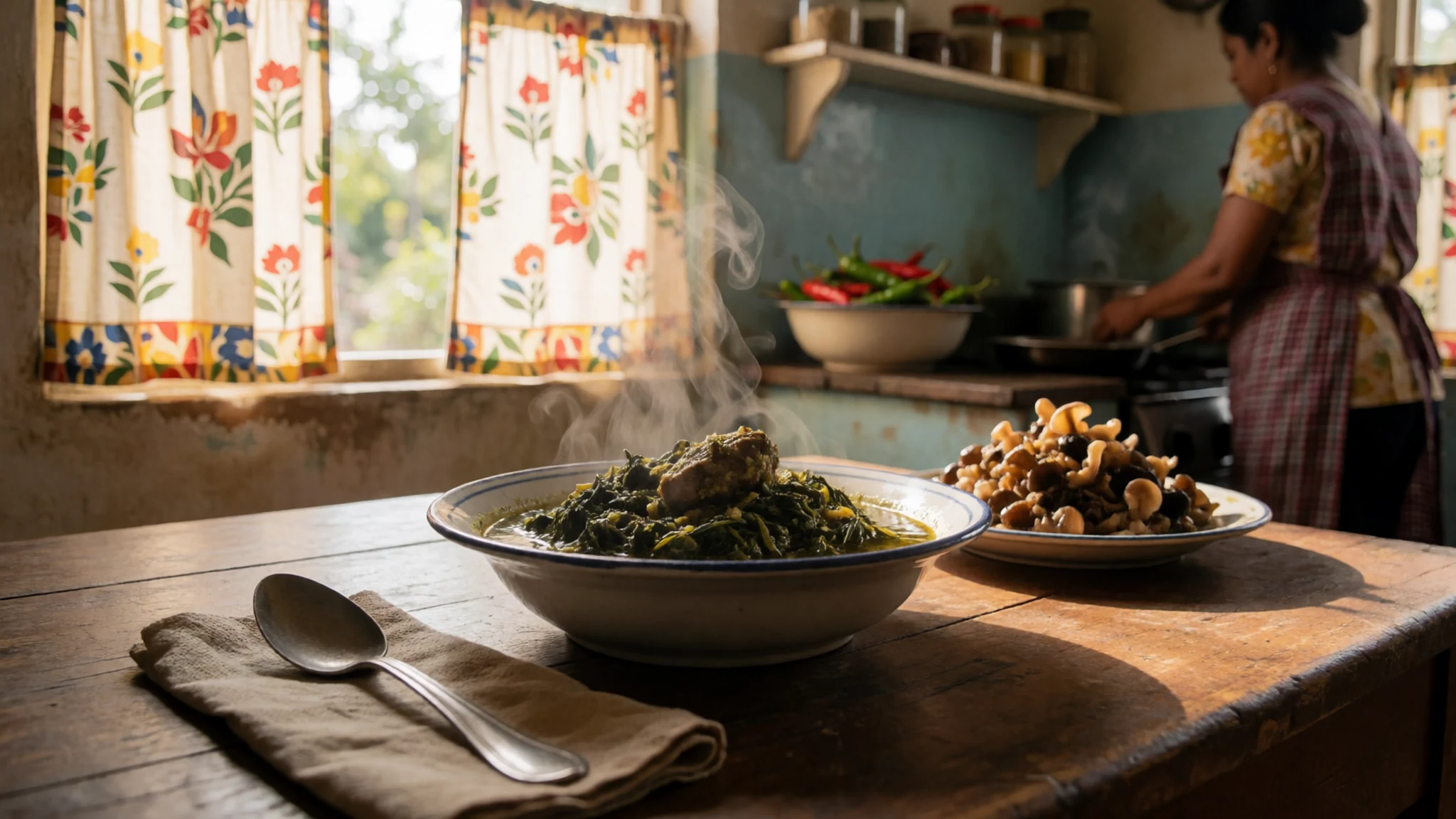
- Dukuna — Local bakeries, roadside stalls and village kitchens
Dukuna is a dense, spiced pudding of grated sweet potato bound with flour and steamed in a parcel. It is sweet but earthy, and a direct link to the root crops grown on the island since the Arawak era. - Grilled fresh seafood — Beach bars and fishing-village eateries on the coast
Seafood is a safe order almost anywhere on the coast. Look for the day's catch grilled over charcoal, with fresh lime and a side of rice or salad. Beach bars along the western and northern bays are the easiest places to find it. - Antiguan black pineapple — Roadside stands and the main market in St John's, in season
The Antiguan black pineapple is a small, intensely sweet local fruit, long associated with the island. Seasonal stalls and the market in St John's sell it fresh. Ask for it by name, and eat it the day it is cut. - Rum punch — Beach bars, yacht-club terraces and rum shops
Rum is the island's favourite spirit, and rum punch is the usual way to meet it, mixed with fruit juice and spice. Local rum shops and beach bars serve it. Pace yourself in the heat, and try local fruit drinks like seamoss or mauby too.
Plan it
Best time. December to April is the drier, sunnier season with steady trade winds, which suits beaches and sailing. Late April and early May bring Sailing Week; Carnival runs late July to early August. June to November is hotter and more humid, and it is the Atlantic hurricane season.
How long. 4–7
Getting there. V. C. Bird International Airport (ANU) lies just outside St John's and has direct flights from London Gatwick on British Airways and Virgin Atlantic, plus services from the US, Canada and neighbouring islands. From the airport, taxi to your accommodation. Cruise passengers land at Heritage Quay, a short walk from the centre of St John's.
Budget. mid
Tips
- Book flights and accommodation well ahead for December to April and for Sailing Week in late April
- Hire a car or arrange a driver for Nelson's Dockyard, Betty's Hope and the east, as public transport is limited
- Carry some cash, since smaller businesses may not take cards, and ask whether prices are in East Caribbean or US dollars
- Use strong sun protection, drink plenty of water and plan outdoor sights for early morning
- Avoid travelling alone at night and keep valuables out of sight
Etiquette
- Greet people before starting a conversation or asking for help
- Cover up with a shirt or wrap away from the beach, and especially in churches
- Ask before photographing people, and treat plantation sites with respect
Nearby
Sources
- Wikidata Q316390 (CC0)
- Wikipedia: Antigua (rev 1380396343) (CC BY-SA 4.0)
- Wikivoyage: Antigua (rev 5378113) (CC BY-SA 4.0)
- Photo: Typical rocky shoreline, Antigua (Calyponte) (CC BY 3.0)
- Photo: Turner Beach, Antigua (UpstateNYer) (CC BY 3.0)
- Photo: Dickenson Bay Beach (Paul Kowalow) (CC BY 3.0)
- Photo: Jolly Harbour (David Stanley) (CC BY 2.5)
- Photo: Digging the Cane-holes (William Clark) (CC0 1.0)
- Photo: The boiling house (William Clark) (CC0 1.0)
- Photo: Sugar-Hogsheads (William Clark) (CC0 1.0)
- Photo: St. John's Cathedral (UKWiki) (Public domain)


