Dickenson Bay
Dickenson Bay, Antigua and Barbuda
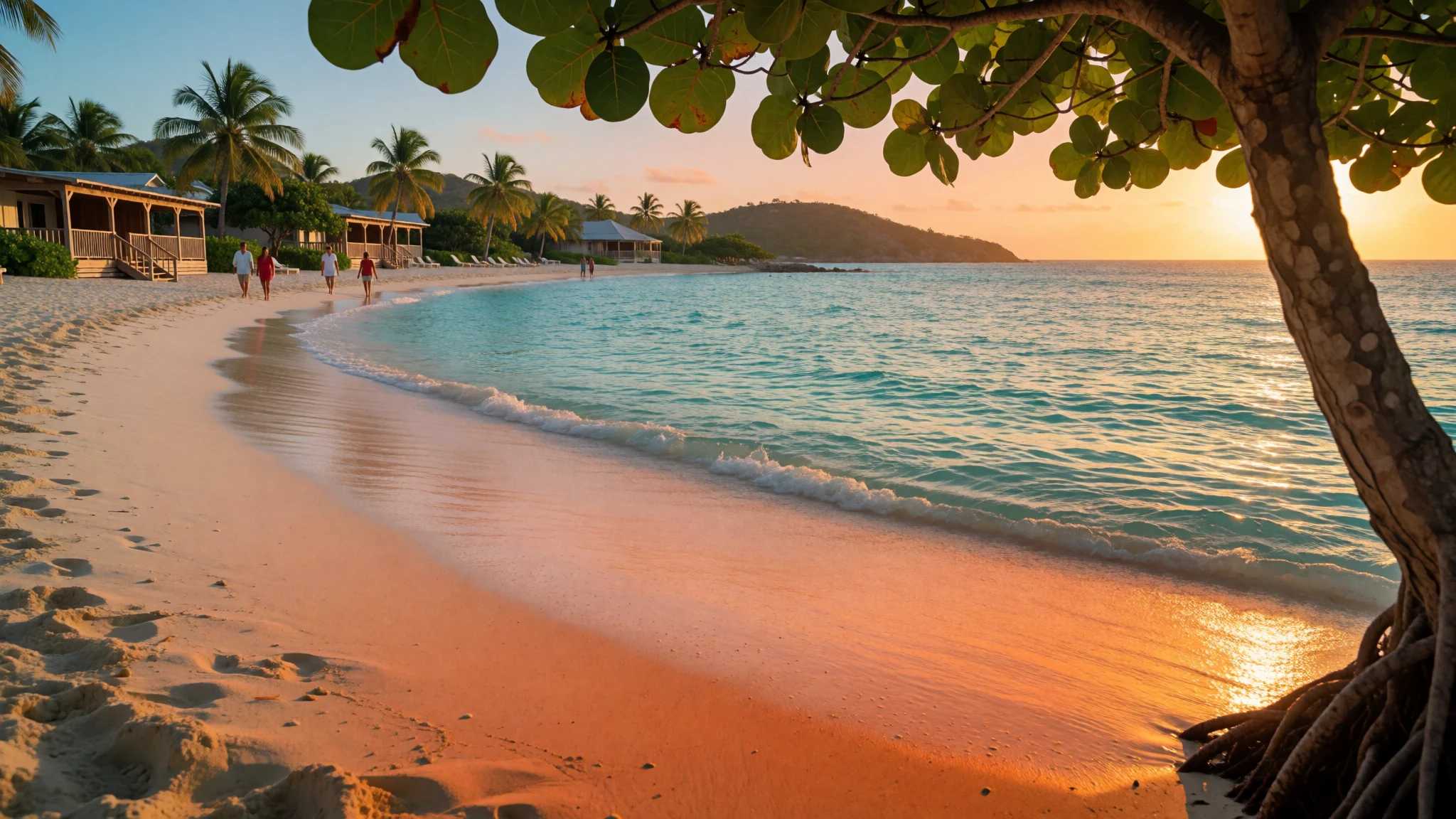
Dickenson Bay is a white-sand Antiguan beach with calm water, a reef offshore and beach bars close enough to walk between.
The place
Dickenson Bay sits on the north-western coast of Antigua, beside the community of McKinnon's and a short drive from the capital, St John's. It is a broad curve of pale sand facing a sea that is usually calm, which is why the island's holiday trade settled here. Nobody pretends it is a secluded beach. A row of big resorts backs the sand, and between them are restaurants, beach bars and operators renting kayaks, paddleboards and other water toys. On a winter afternoon the shoreline is busy but rarely frantic, with sunbeds in neat rows near the resorts and emptier stretches towards the ends. Offshore lie a few small uninhabited islets and a long coral reef, which give snorkellers something to swim towards and take some of the swell out of the water before it reaches the shore. Runaway Beach, on the same bay, is where the crowd thins a little and casual beach shacks take over from resort terraces. Water is the draw here, not sightseeing. Mornings are gentlest, before the sun is high and while the sea is clearest; late afternoon brings long light and the first rum punches. Heat is constant and shade on the sand is limited. The bay works best as a base for a lazy beach week with a few excursions into the rest of the island, rather than as a place to tick off monuments.
Its story
Dickenson Bay has a short written biography compared with Antigua's old harbours and fortifications, and it is fairer to say so than to invent one. Its story is mostly about how a sheltered north-western bay became the island's resort coast. Antigua's older wealth came from sugar, grown on estates and worked by enslaved people, and the dockyards and forts that visitors tour today belong to that colonial economy. The gentle, sandy north-west was never where that story was centred. As sugar lost its place, the island began to sell something else: sun, sand and a calm sea. Resorts went up along the beachfront, restaurants and bars followed, and water sports operators set up on the sand. Today the bay supports many livelihoods in nearby communities, from kitchen staff and drivers to boat skippers and beach vendors, and that dependence on visitors sets the rhythm of the place. Winter brings full resorts and a lively beach; the quieter months bring a slower pace and more room on the sand. Runaway Beach, on the same bay, keeps something of the older beach-shack feel, with plastic chairs, loud music and grilled fish. A stay here shows modern Antigua at work, and it makes most sense when paired with a trip to the island's historic sites, so the beach and the longer story sit side by side.
What to see
- Dickenson Bay Beach — North-west coast, near McKinnon's
Dickenson Bay's main stretch of pale sand runs in front of the resorts. It is the place for a long walk at the water's edge, easy swimming and a drink at a beach bar. Early morning is calmest, and the far ends are quieter than the middle.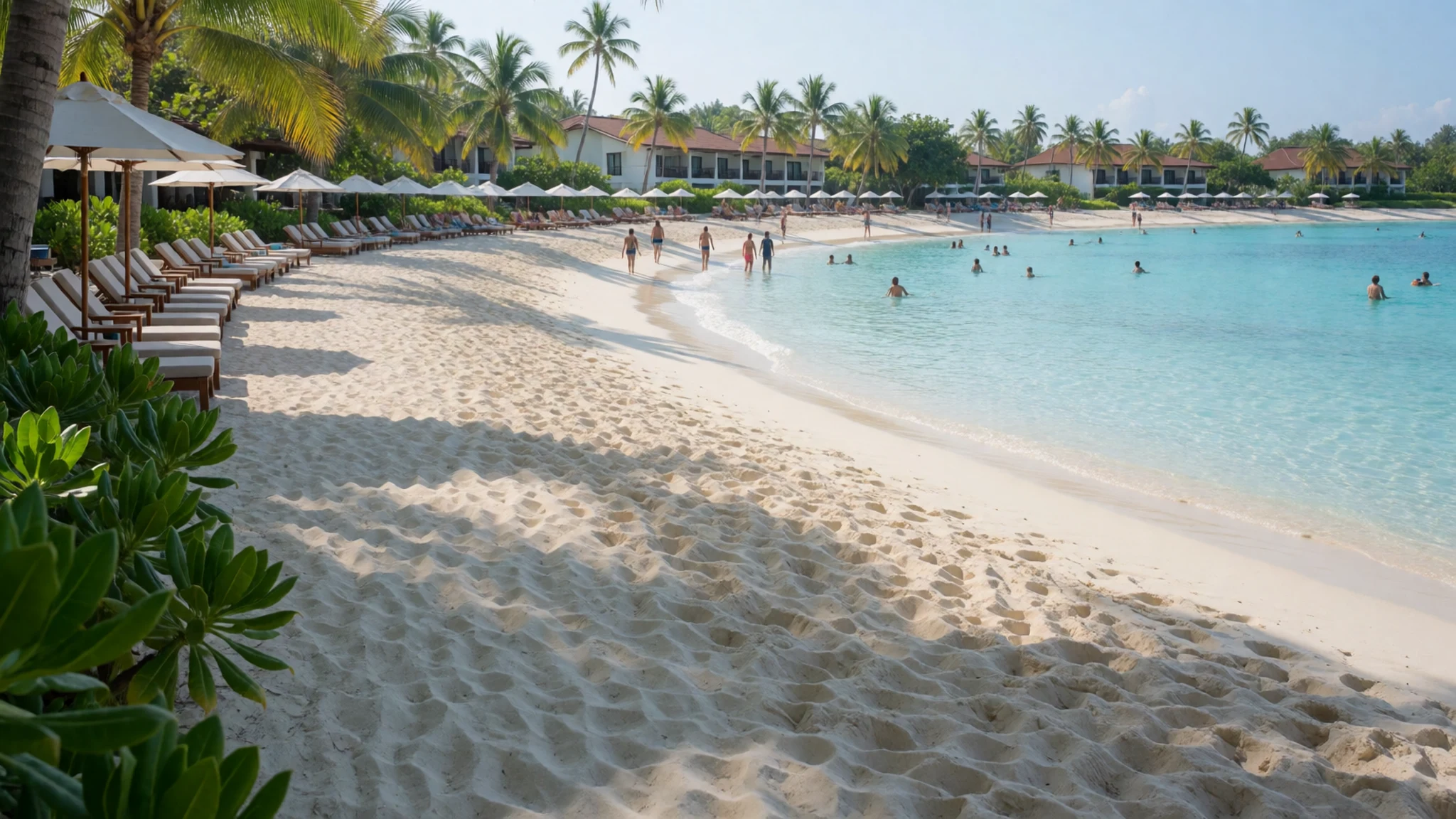
- Runaway Beach — Northern end of the bay
Runaway Beach shares the bay but feels more relaxed, with simple beach shacks and fewer resort terraces. It suits a lunch of grilled fish and a swim afterwards. Weekends draw local families as well as visitors, so expect music and company rather than silence.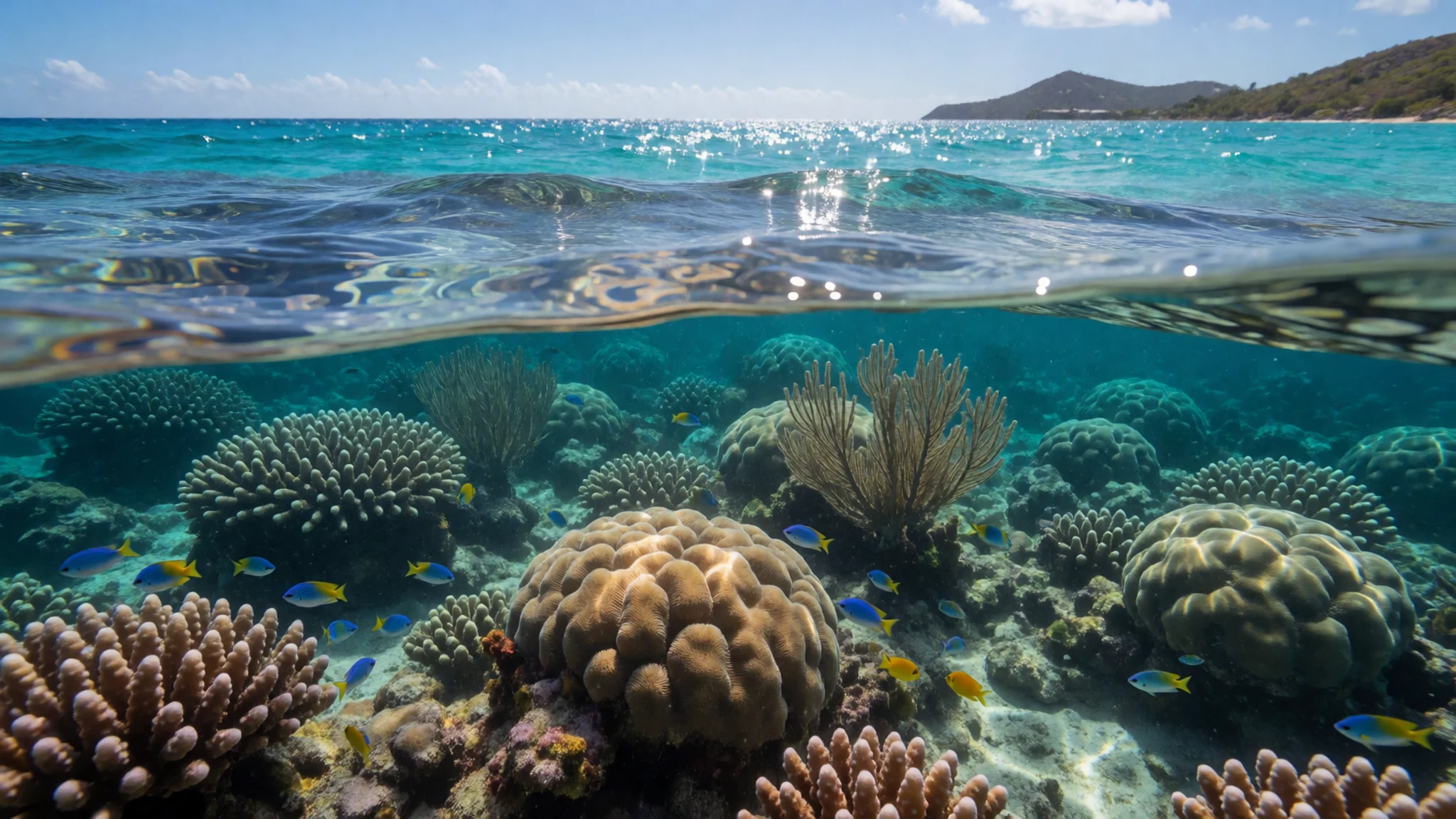
- The offshore reef — Just off the bay
A long coral reef lies off the bay, and snorkelling trips usually head that way. Visibility and sea state change with the weather, so ask a local operator on the day. Reef-safe sun cream and a rash vest protect both skin and coral.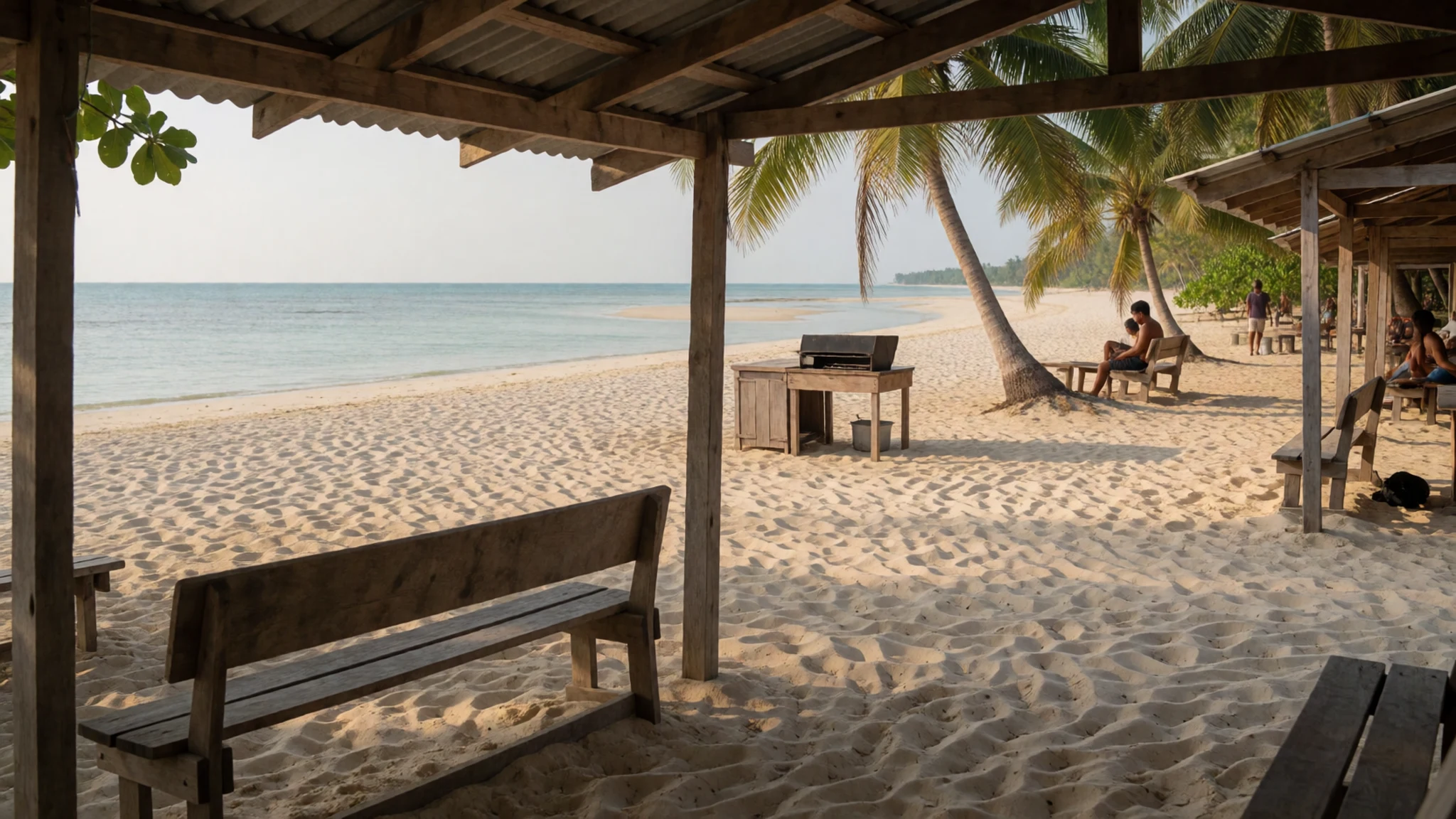
- The small uninhabited islets — Off the bay, by boat
A few small islets with no residents sit off the coast. Boat trips, kayaks and paddleboards from the beach concessions can reach some of them in calm conditions. They are mostly for the view and a quiet swim; bring water and a hat, as shade is scarce.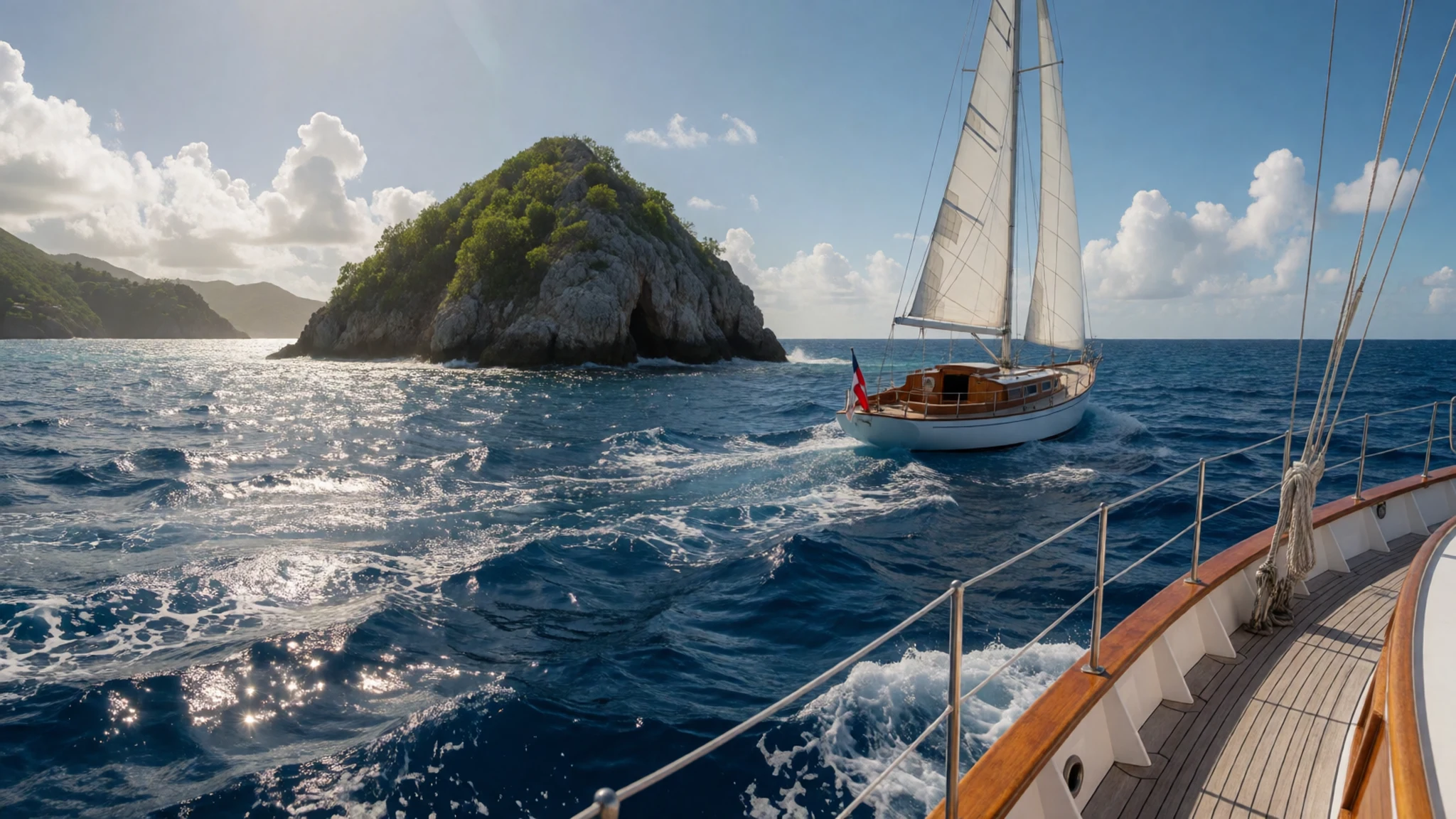
- The beachfront bars and water sports stands — Along the sand
Between the resorts, small bars and concession huts rent kayaks, paddleboards and snorkel gear. Comparing a couple of operators on foot is easy, and many offer short guided outings. Sunset is the best time to settle at a bar and watch the sky colour.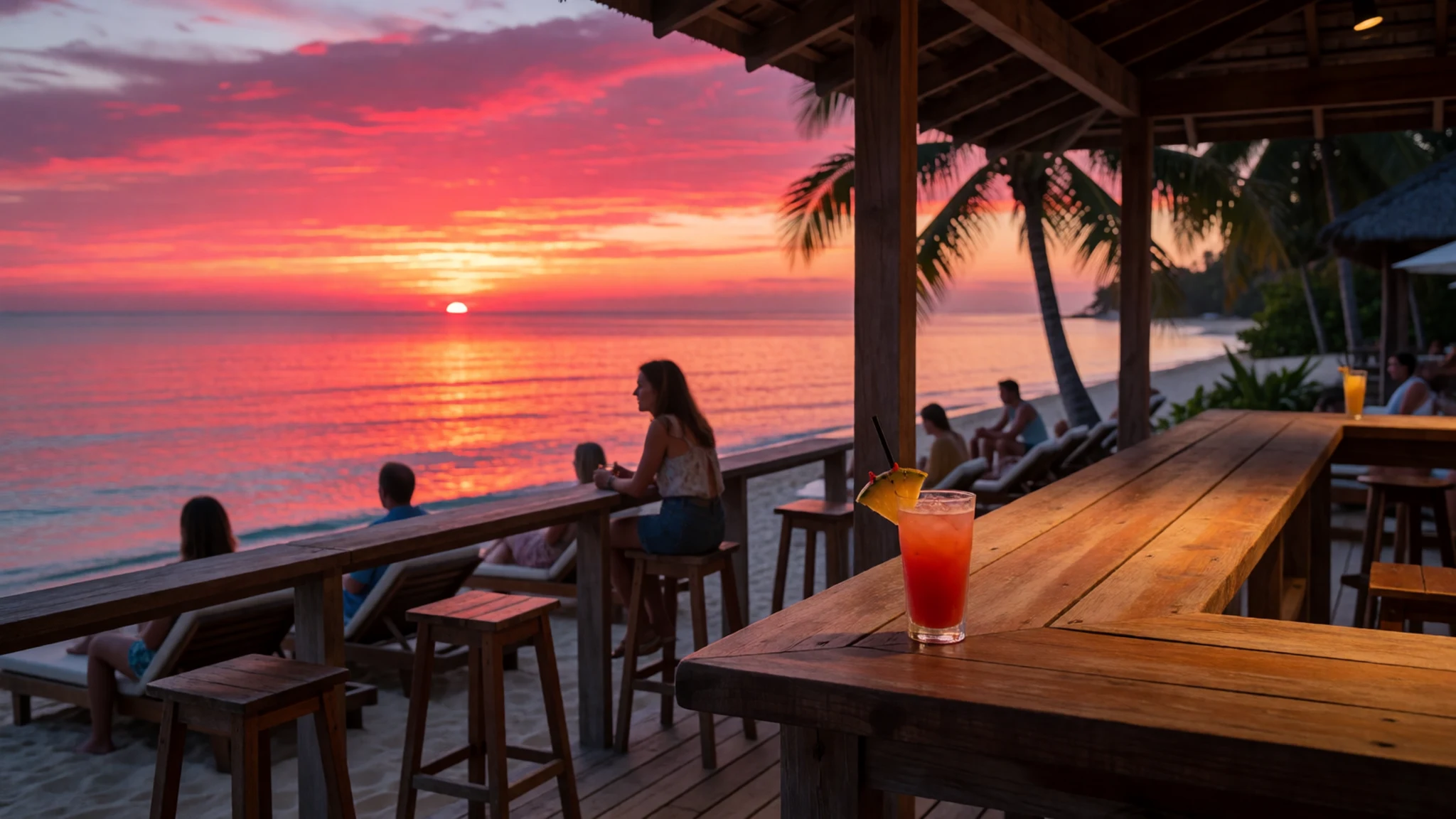
Culture
Dickenson Bay lies in Antigua and Barbuda, an English-speaking Caribbean country whose everyday culture is shaped by its African heritage and British colonial past. Away from the resort strip, life revolves around church on Sundays, family meals, cricket and music, with soca, calypso and reggae drifting from beach bars and passing cars. The summer carnival is the island's big celebration of costume, steel pan and street dancing, and it is worth planning a trip around if the dates suit. People in Antigua tend to be courteous and a little formal in greetings. A friendly 'good morning' or 'good afternoon' before asking for anything is expected, and it changes the tone of the whole exchange. Many people working along the beach depend on visitors, from vendors braiding hair to boat skippers and drivers, so agree a price before a service begins and be relaxed about a polite 'no, thank you'. Service charges are often added in restaurants, so check the bill before adding more. Antiguans are generally welcoming to photographs of the sea and the landscape, but people are different. Swimwear belongs on the beach, and the island keeps a modest everyday style in towns and churches. Greet people before you ask for anything, and ask permission before photographing anyone, including vendors and boat crews.
What to wear
Dickenson Bay is on a Caribbean island where traditional dress is mostly seen at festivals and national occasions rather than daily life. The national costume draws on madras, a checked cotton cloth worn as head wraps, skirts and shirts, often in bright reds, yellows and blues. Carnival brings out far more elaborate costumes of feathers, beads and sequins, made for parades through the summer. For everyday wear, people dress for heat and humidity: cotton shirts and dresses, shorts, light trousers and sandals. In towns such as St John's, people dress a little more neatly, and for church on Sundays many wear smart clothes, suits or dresses and hats. On the beach itself, resort wear and swimwear are normal. Visitors should pack light, breathable fabrics, a wide-brimmed hat, sunglasses and plenty of sun protection, and a thin cover-up for evenings, when beach bars and restaurants often feel more comfortable with a shirt or sarong over swimwear. Reef-safe sun cream is kinder to the coral offshore. Footwear can be simple: flip-flops or sandals for sand and short walks, and closed shoes or trainers if you plan to explore forts, hills or the island's trails. Cover shoulders and knees if you step into a church or a village, and do not walk through town in swimwear.
What to eat
- Grilled fresh fish — Beach shacks on Runaway Beach and beach bars along the bay
Grilled fish is the beach lunch around the bay, usually the catch of the day with rice and a side of salad or plantain. Ask what came in that morning and how it is seasoned.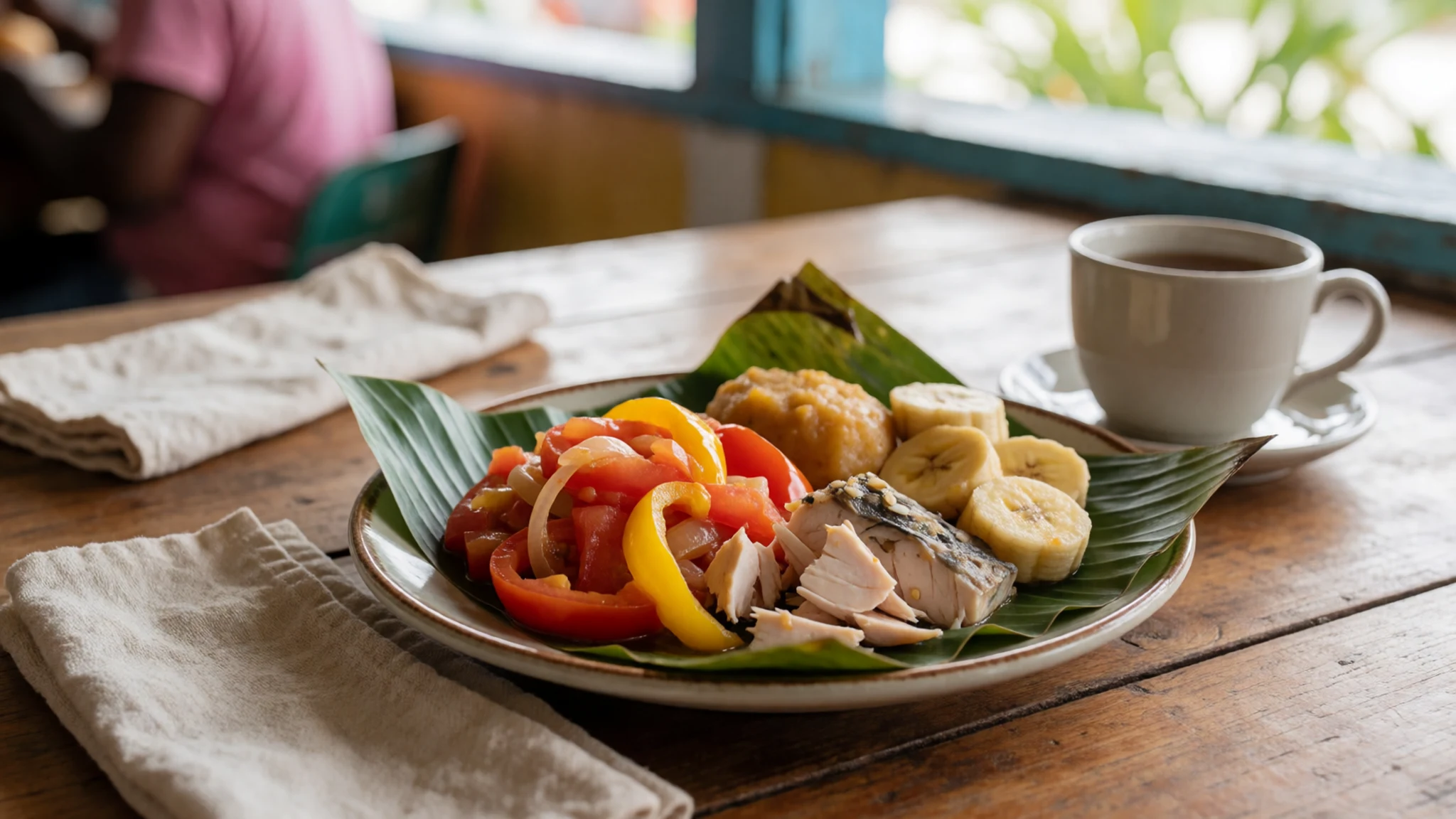
- Ducana and saltfish — Local eateries and roadside stalls around St John's
Ducana is a steamed parcel of grated sweet potato, coconut and spice, traditionally paired with salted fish stewed with onion and tomato. It is an everyday Antiguan dish, filling and best eaten with local company.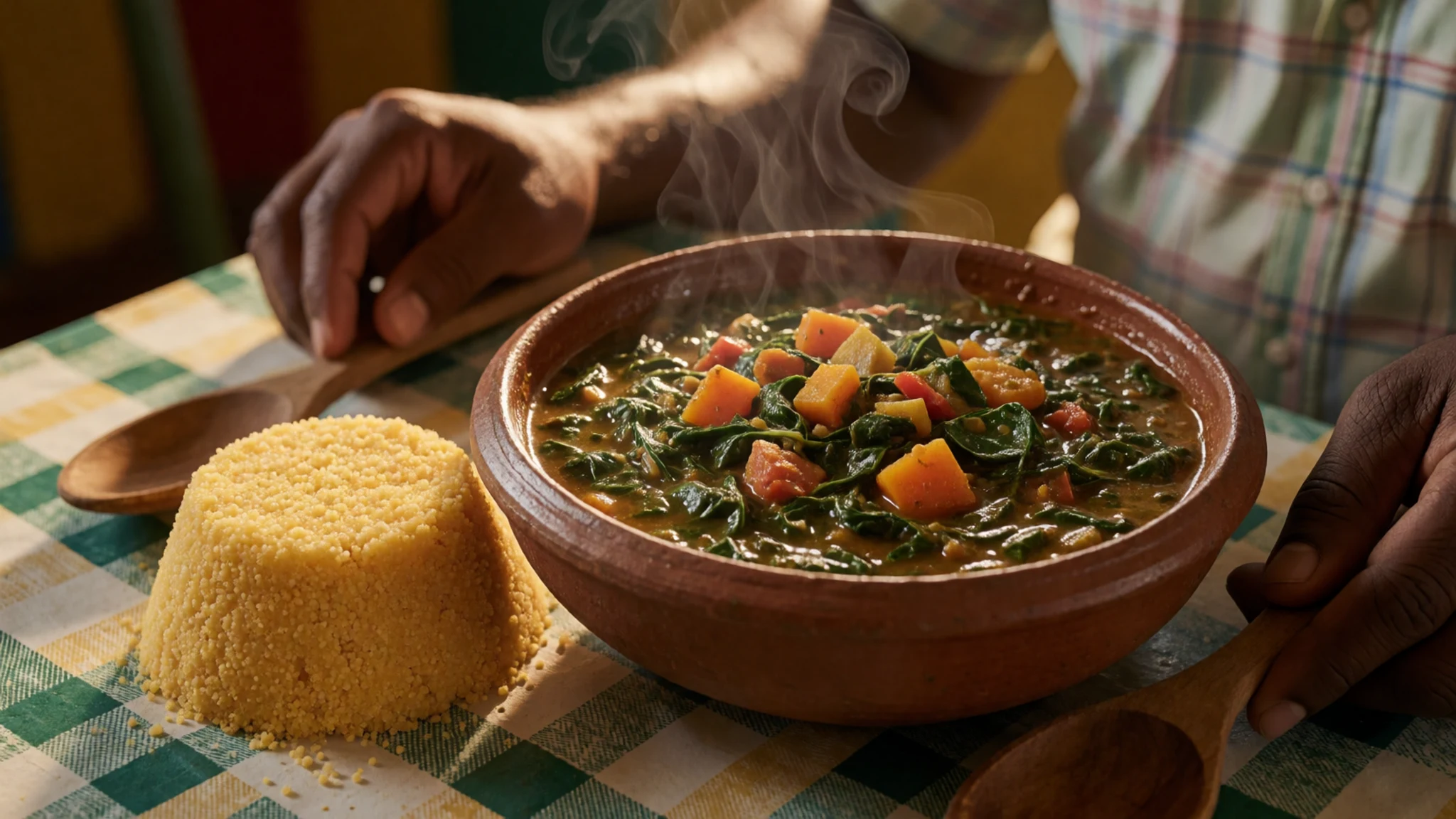
- Fungee and pepperpot — Home-style local restaurants and festival stands
Fungee is a firm cornmeal dish served with pepperpot, a slow-cooked stew of vegetables and meat. It is comforting, heavy food, and a good way to taste what Antiguans eat at home. - Antigua black pineapple — Roadside fruit stands and the market in St John's
The island's black pineapple is a small, sweet variety with a thin skin and a very soft flesh. Buy one when in season from a roadside stand and eat it fresh, cut into rings. - Rum punch — Beach bars along Dickenson Bay
Every beach bar pours its own version of rum punch, usually sweet, fruity and stronger than it tastes. Sip slowly in the heat, drink water between rounds and ask what local rum is used.
Plan it
Best time. December to April is the drier, cooler part of the year and the busiest for the beach. June to November is the Atlantic hurricane season, with more rain and humidity, though rooms are quieter and cheaper. Check forecasts before you travel.
How long. 4–7
Getting there. Fly to V. C. Bird International Airport, the island's main airport, then take a taxi or pre-arranged transfer to the bay on the north-west coast, usually a short drive. Resorts often arrange transfers on request. Check with your resort or the airport's official site for current options.
Budget. mid
Tips
- Book rooms well ahead for December to April, the busiest stretch
- Wear sun cream and a hat, as shade on the sand is limited
- Carry some cash for beach vendors, taxis and small shacks, and check which places take cards
- Agree taxi and activity prices before setting off, and drink plenty of water in the heat
Etiquette
- Greet people with a 'good morning' or 'good afternoon' before asking for anything
- Ask before photographing people, especially vendors and boat crews
- Keep swimwear to the beach and cover up in towns and churches
Nearby
Sources
- Wikidata Q5273629 (CC0)
- Wikipedia: Dickenson Bay (rev 1384314689) (CC BY-SA 4.0)
- Photo: Dickenson Bay Beach in Antigua, Paul Kowalow (CC BY 3.0)
- Photo: Dickenson Bay, Josh Dobson (CC BY 2.5)
- Photo: Dickenson Bay, Antigua, Seiplax (CC BY 3.0)
- Photo: Dickenson Bay, Antigua, Frank Seiplax (CC BY 3.0)
- Wikivoyage (CC BY-SA 4.0)


