Devil's Bridge
Devil's Bridge, Antigua and Barbuda
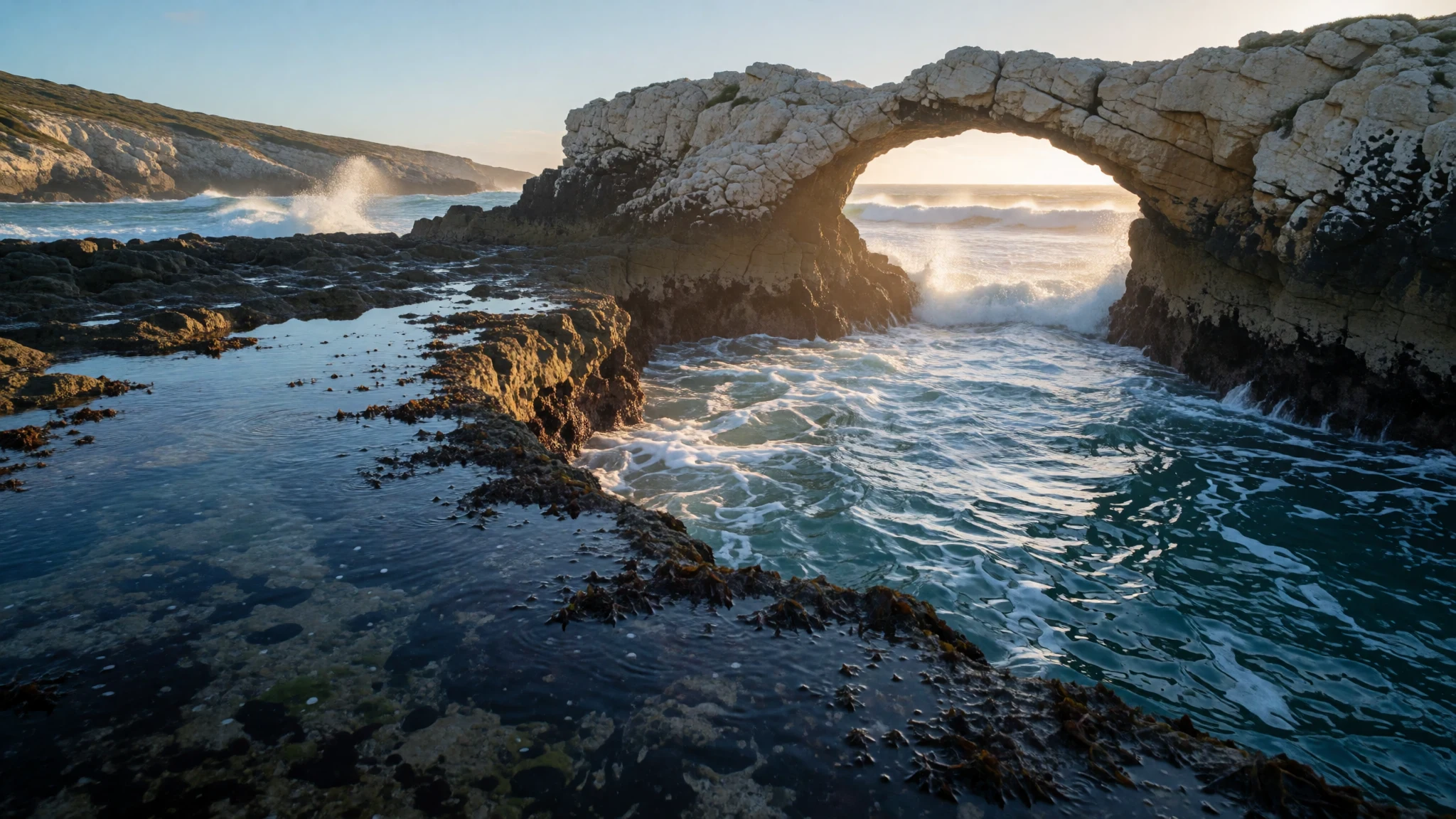
Devil's Bridge is where the Atlantic has cut an arch through Antigua's wild east coast and sends spray up through blowholes beside it.
The place
Devil's Bridge is a natural rock arch on the Atlantic coast of eastern Antigua, set inside a national park of the same name near Indian Town Point, east of the village of Willikies. The sea has worn a gap through a low shelf of coastal rock, leaving a narrow span that visitors walk out on while water heaves and drains beneath it. Around the arch the shoreline is full of blowholes, openings where incoming waves are forced up through the rock and thrown into the air as spray, often with a dull boom that carries across the headland.
The drama comes from exposure. Nothing lies upwind but open ocean, and the trade winds drive swell onto this shore with a long run behind it, so the water here is rough and white even on fine days. Swimming is not the point. Calmer spots such as Long Cove, nearby, are protected by an offshore reef that acts as a breakwater, and that contrast is worth understanding before choosing where to get wet.
The setting is largely open, with low scrub, steady wind, bright light and little shelter from sun or spray. The visit itself is a short stroll over uneven rock rather than a hike, and the place feels wilder than most of Antigua's postcard coastline. It works best as a stop of an hour or so, paired with a village visit or a beach on a calmer stretch of the island.
Its story
Devil's Bridge had no builder, only a very patient sea. The arch is a product of erosion: Atlantic waves, pushed by the trade winds, have battered the same stretch of coast for a vast span of time, working at weak points in the rock until a gap opened beneath what is now the walkway. The blowholes are the same process still under way, each one a channel the water has opened and keeps enlarging.
The name belongs to a wider habit. Natural arches and awkward crossings in many countries have been credited to the devil, a way of explaining something that looks too neat or too dangerous to be accidental. Several other bridges share the name, which is why a quick search can turn up a Welsh waterfall and a steam railway instead. The Antiguan arch is a separate place, on a tropical headland, and its story is geological rather than legendary.
In 2008 the site was declared a national park, which gave formal status to a stretch of coast already known for its arch and blowholes. Protection matters because the feature is fragile. Rock that the sea can cut through can also give way, and foot traffic on the arch and cliff edges adds to the wear. Staying on the obvious paths, keeping back from the blowholes and not climbing onto loose ledges are sensible habits, partly for the rock and mostly for the people standing on it. The coast keeps changing, and the arch is a snapshot of one stage in that long process.
What to see
- The arch — Devil's Bridge National Park, east of Willikies
The arch itself is a narrow natural span over churning Atlantic water. Visitors can walk onto it, but the rock is wet, uneven and exposed to spray, so careful footing matters more than the photograph. Waves surge underneath continuously. Keep well back in rough weather and do not let children run ahead.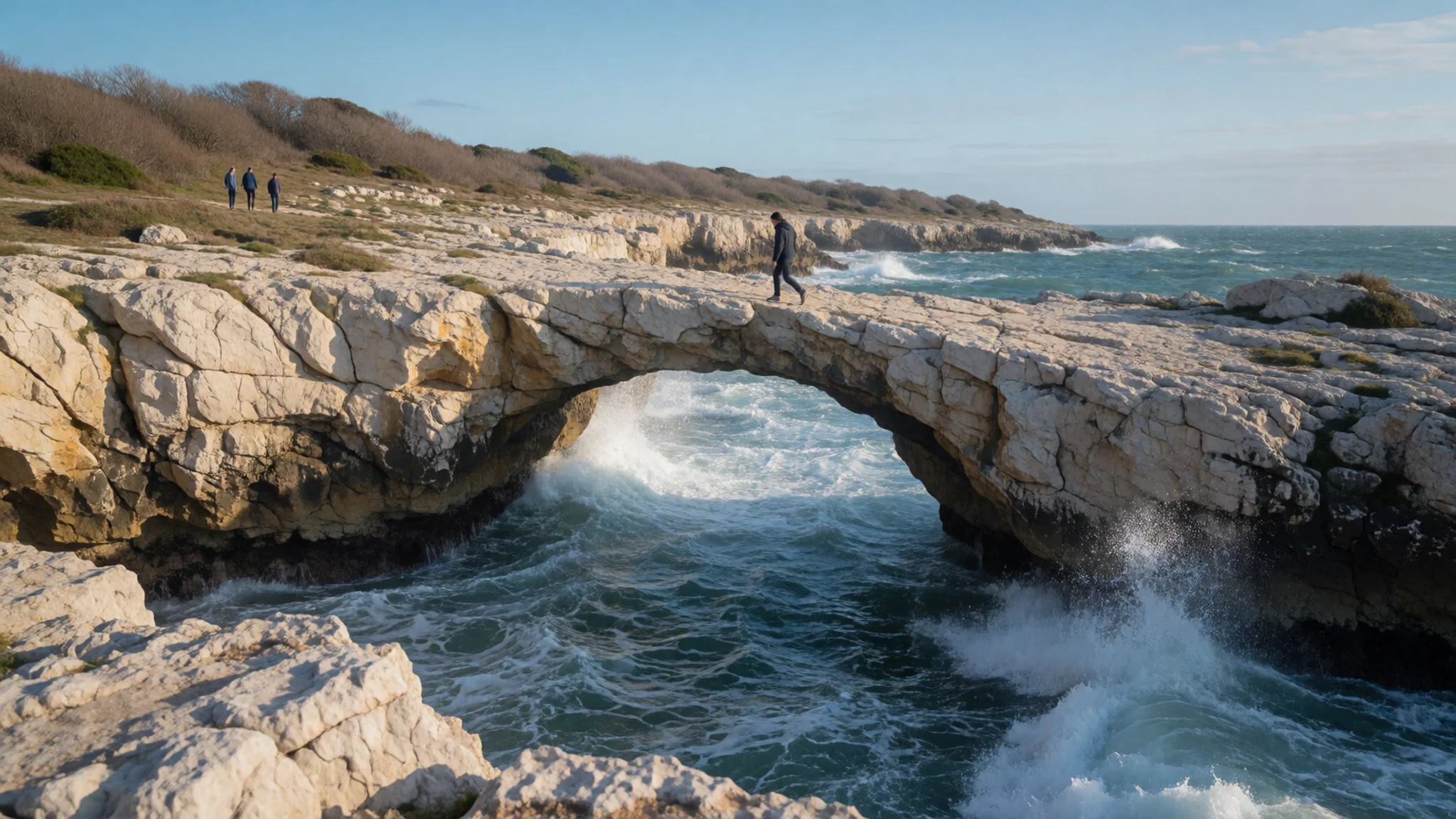
- The blowholes — Cliff edge around the arch
Along the cliff edge, openings in the rock force incoming waves upward into jets of spray. Their force varies with the swell and the tide, so some days bring a gentle hiss and others a heavy boom. Watch from a few paces back, because the water falls back wet and fast.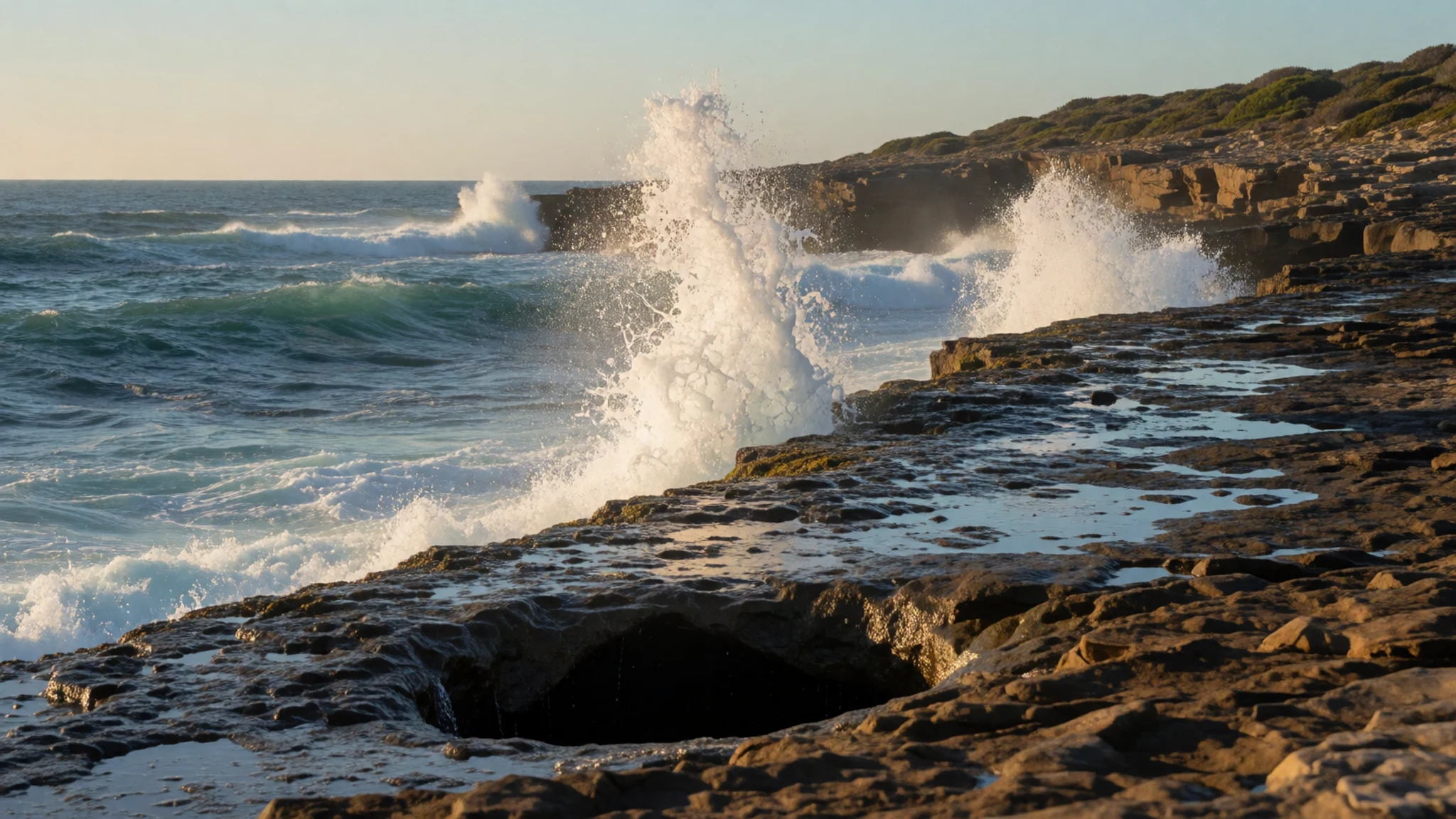
- Headland views — Devil's Bridge National Park
The wider national park is mostly open coastal headland, with long views over rough water towards Indian Town Point. It suits a slow walk along the edge, with steady wind and an empty horizon. Shade is scarce, so a hat and water make the stroll far easier.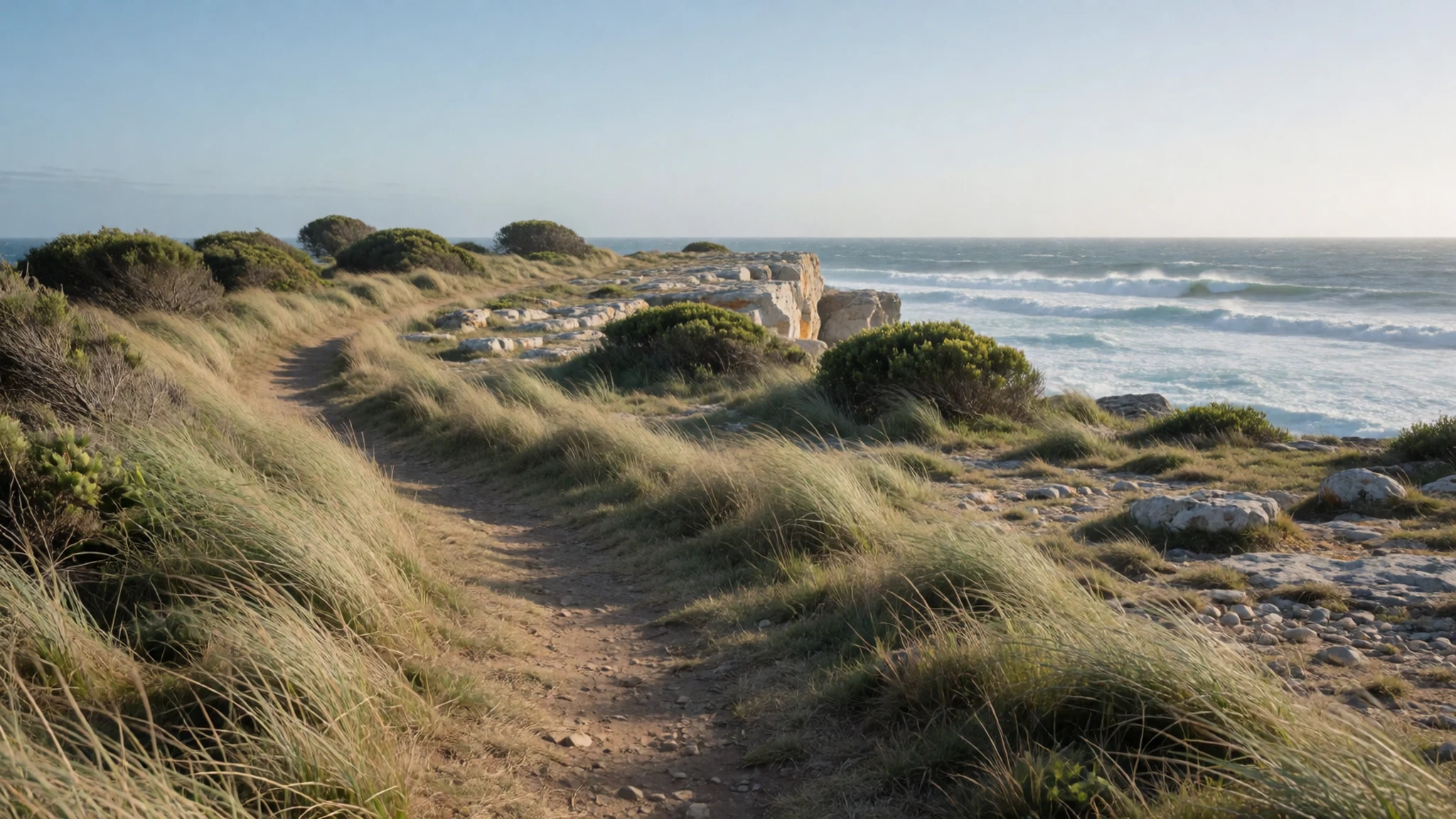
- Long Cove — Near Devil's Bridge, east coast
Long Cove is a nearby local swimming spot where an offshore reef breaks the Atlantic swell and leaves calmer water. It makes a sensible counterpart to the arch, a place to cool off after the exposed headland. Conditions still shift with wind and swell, so watch how locals use the water before getting in.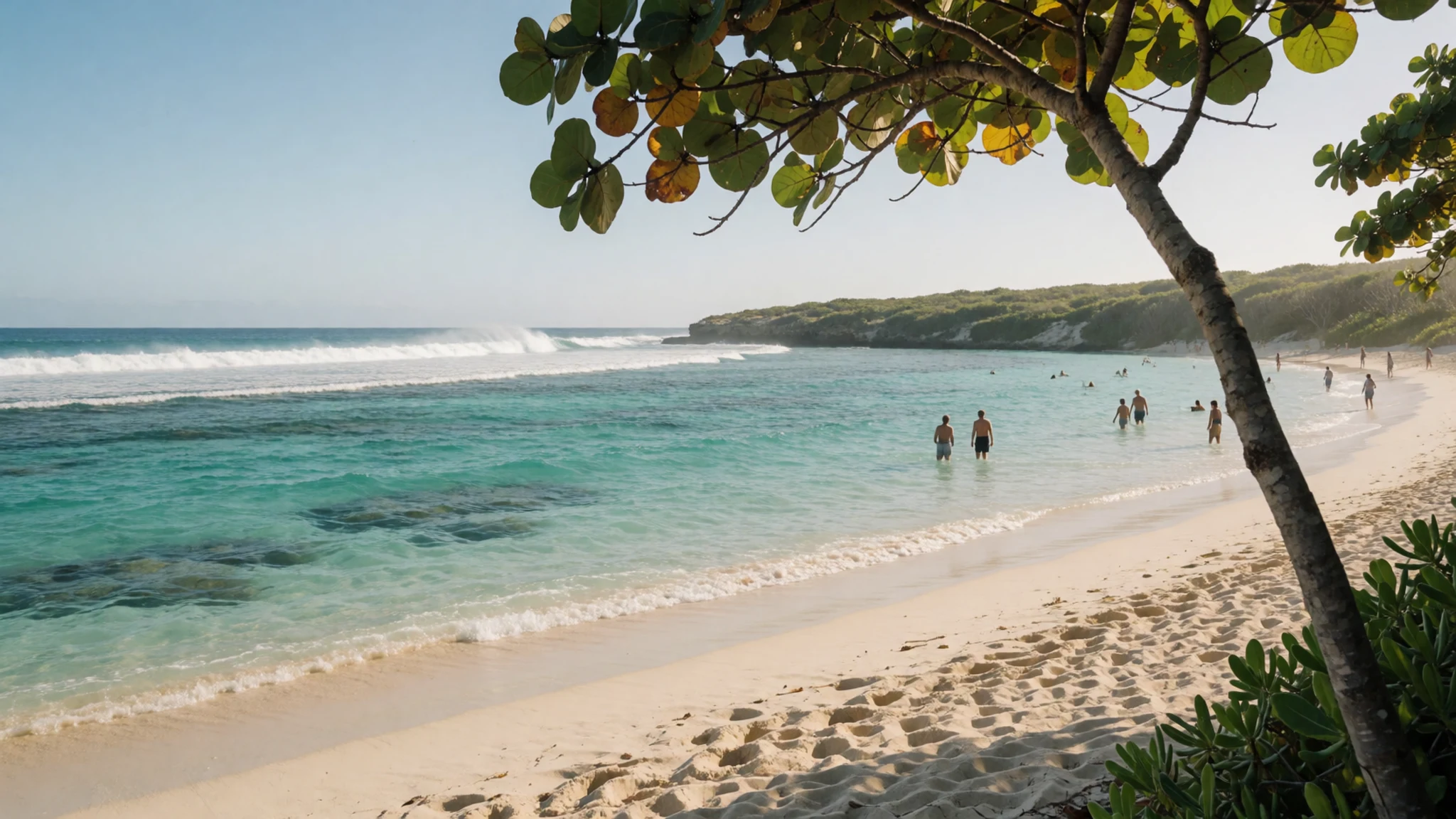
- Willikies village — West of the national park
Willikies is the village just west of the park and the natural base for this corner of the island. It is quiet and residential rather than a resort strip, so a visit is about passing through, picking up a drink or a snack, and seeing everyday Antigua away from the main beaches.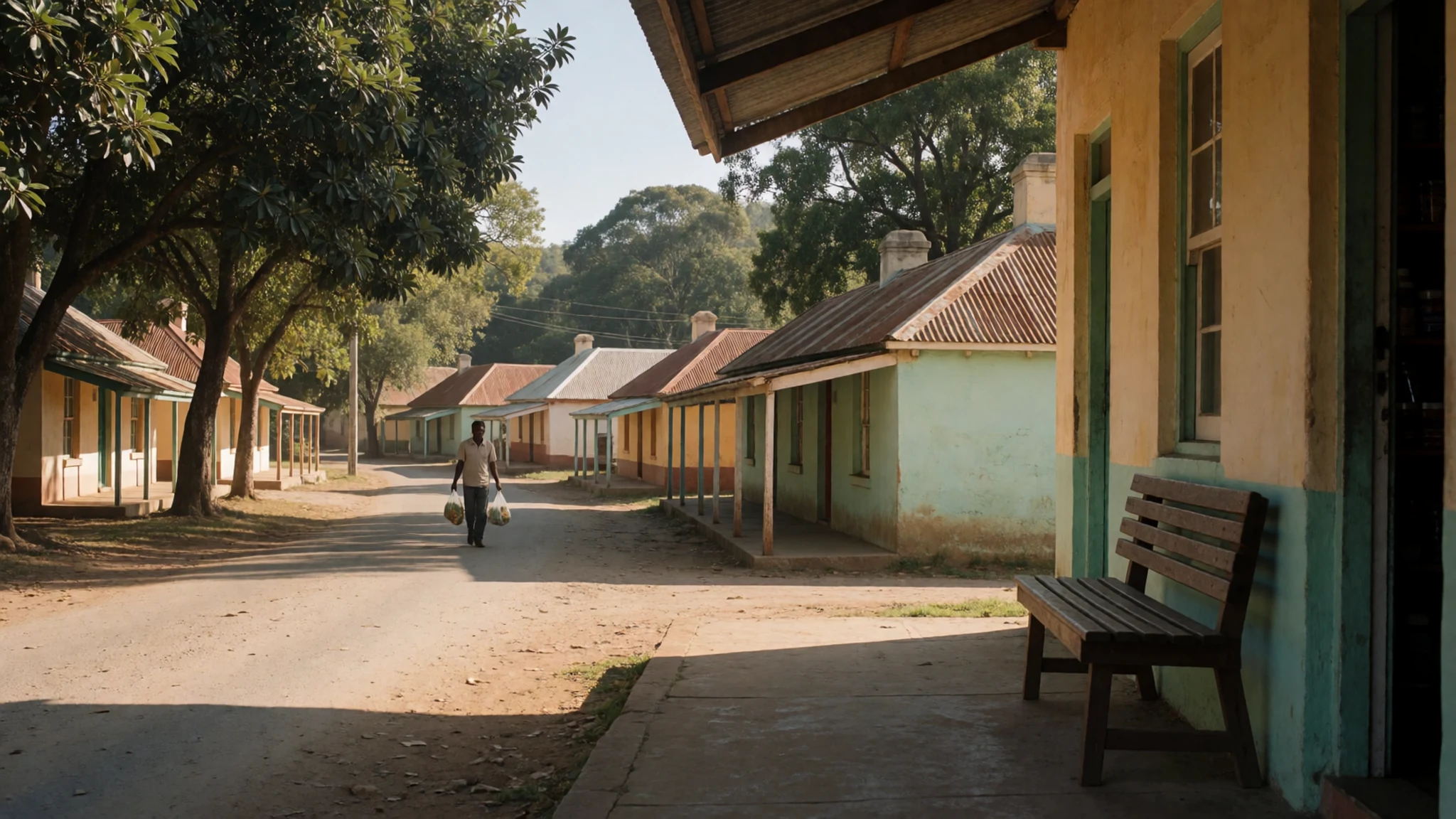
Culture
Devil's Bridge sits in a quiet, largely residential part of eastern Antigua, and the culture around it is that of everyday village life rather than a tourist strip. Most Antiguans descend from people brought from Africa to work the island's sugar estates under British rule, and that history shows in the language, the churches, the music and the food. English is the common language, spoken with a Caribbean lilt, and courtesy counts for a lot: a spoken greeting before asking a question or making a purchase is standard, and goes down far better than launching straight into a request.
Cricket is a shared passion across the island, and talking about it is a reliable way to start a conversation. Sundays are still marked by church in many communities, so smart clothes on the road and quiet villages are normal. Carnival in the summer, with steel pan, calypso and costume parades, is the main celebration, though it is centred on the capital, St John's, rather than the east coast.
Local people use this coast too, so it is a shared place rather than a stage set. Vendors may be near the site, and a friendly, polite no thanks is entirely acceptable.
Greet people with a good morning or good afternoon, ask before photographing anyone, including vendors, and keep clear of the cliff edge and blowholes whatever others around you are doing.
What to wear
Traditional dress in Antigua draws on wider Caribbean patterns. Madras-style checked cotton is the best-known textile, made up into head ties, wrap skirts, waistcoats and shirts, in bright plaids that vary by maker. It is worn mainly for Carnival, national celebrations, cultural shows and school or community events rather than day to day, and it often turns up in souvenirs and uniforms for dance and music groups.
What people wear now is casual and suited to heat: light cotton shirts, shorts, sundresses and sandals in daily life, with trainers for walking and sport. Sunday church brings out tailored dresses, suits and hats, and office and school wear is neat and pressed. Beachwear stays at the beach, and locals tend to cover up when walking through villages or shops.
For a visit to Devil's Bridge, light, breathable layers work best, with a hat and sunscreen because shade is scarce. A thin windproof layer helps against spray and a steady Atlantic breeze. Footwear matters most: wet rock is slippery, so trainers or sandals with proper grip are better than flip-flops. Swimwear suits Long Cove, but a shirt or wrap is courteous in Willikies and anywhere away from the sand. No special covering is needed at the park, though modest dress is expected at churches.
What to eat
- Ducana and saltfish — Village eateries and weekend food stalls across the island
Ducana is a steamed dumpling of grated sweet potato, coconut and spice, traditionally served with salted cod stewed with onions and peppers. It is filling, lightly sweet and salty together, and a staple of home cooking and weekend meals.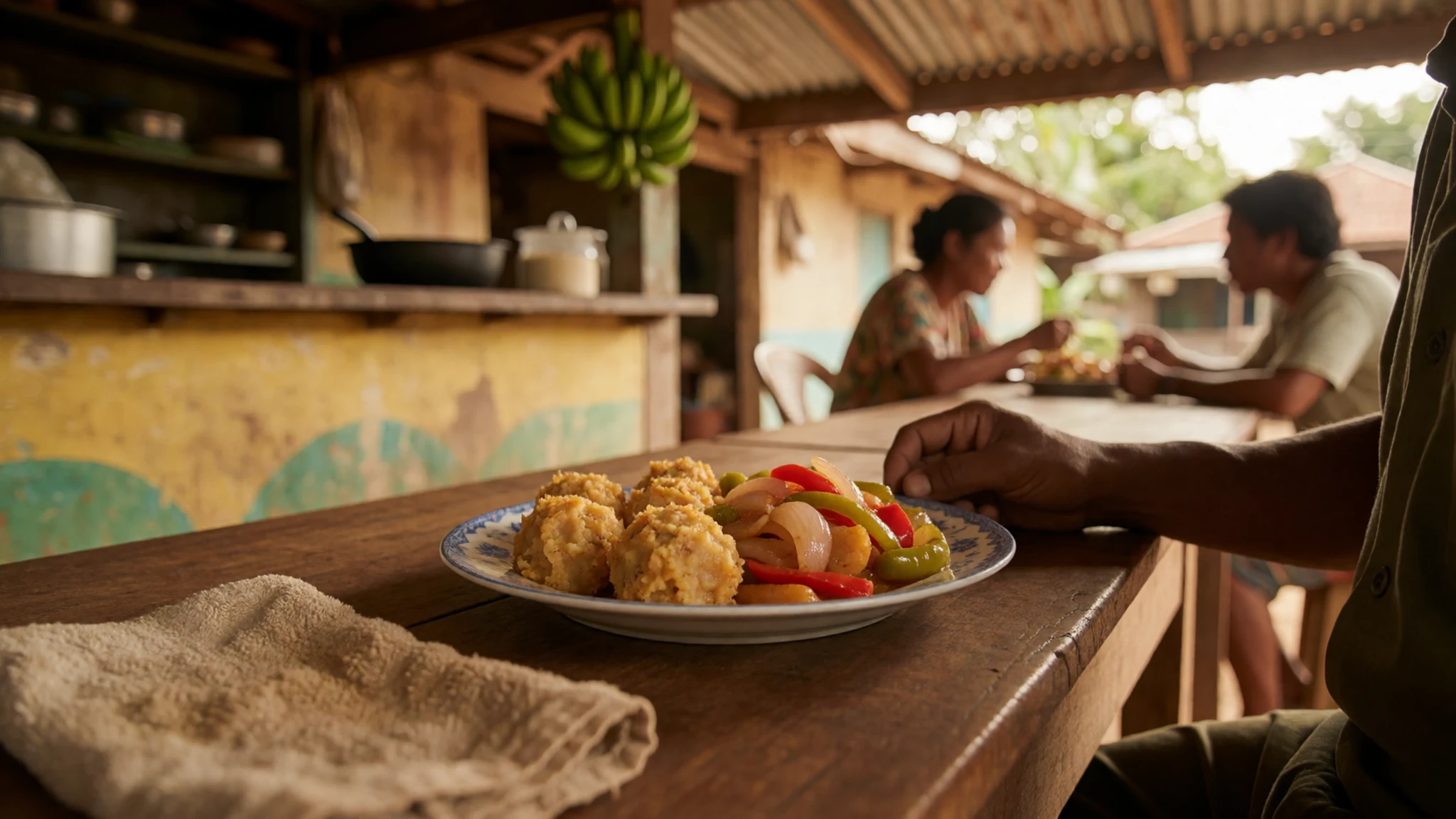
- Fungee and pepperpot — Local restaurants and community cookshops in villages and St John's
Fungee is a smooth cornmeal paste, similar to polenta, eaten with pepperpot, a slow-cooked stew of leafy greens, okra and meat. It is hearty, mild rather than fiery, and best treated as a proper sit-down lunch.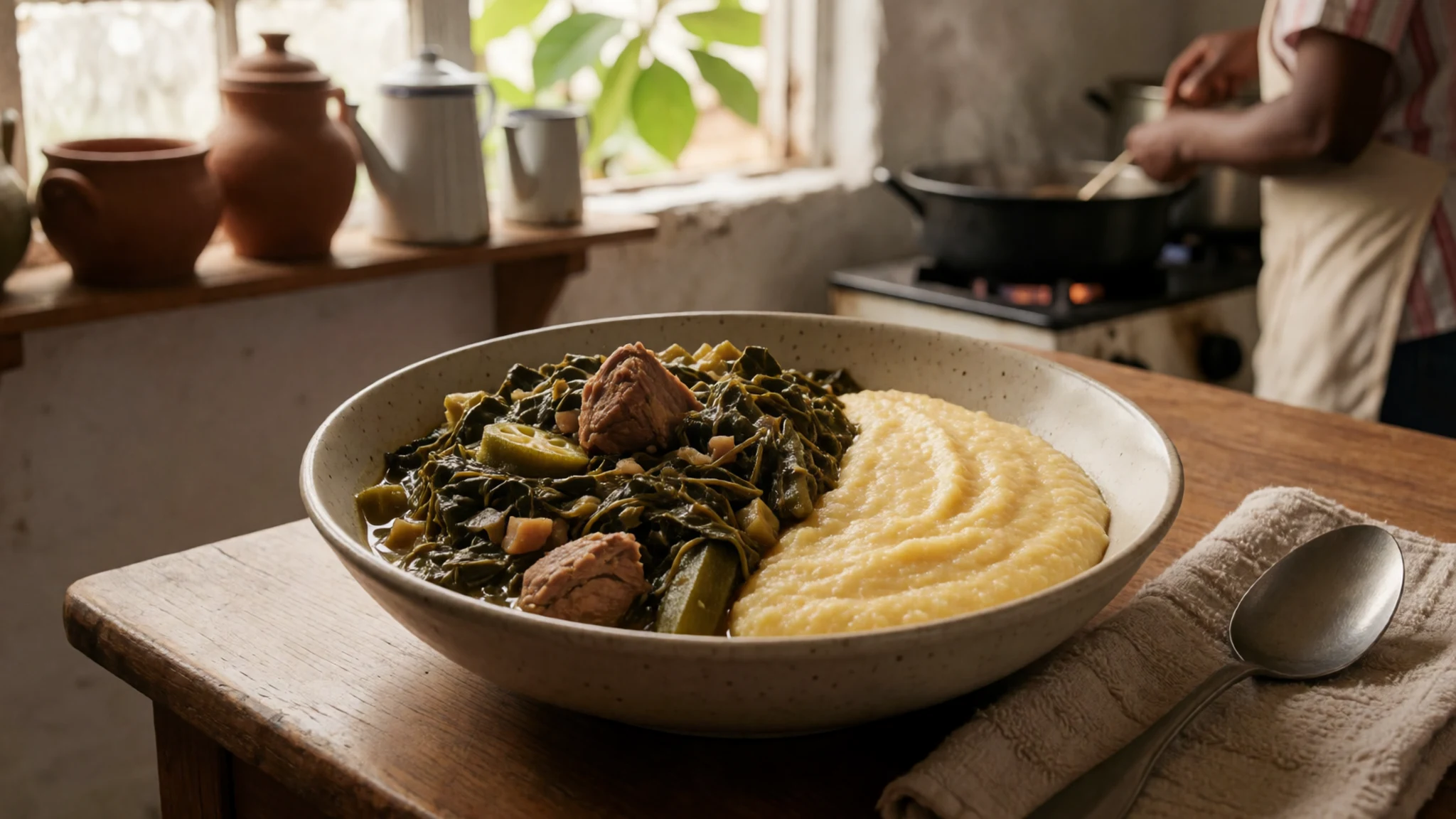
- Grilled fresh fish — Beach bars and fishing communities along the coast
Fish caught off the island is usually grilled or fried and served with rice, salad or breadfruit, with hot pepper sauce on the side. Ask what came in that day, since the catch varies with the weather and the season. - Antigua black pineapple — Roadside stands and the public market in St John's
This local pineapple is smaller than the imported kind and prized for its intense sweetness and low acidity. It is eaten fresh or turned into juice, and is worth buying when it is in season and sold from roadside stands. - Bakery bread and pastries — Neighbourhood bakeries in Willikies and nearby villages
Village bakeries produce crusty rolls, butter bread, coconut turnovers and pastries filled with meat or cheese. They make a cheap, portable breakfast or picnic before heading out to the coast, and most are busiest early in the day.
Plan it
Best time. December to April is the sensible window: the weather is typically drier and the trade winds keep the heat bearable. The Atlantic swell can be strong then, which suits the blowholes. The second half of the year is hotter, wetter and carries hurricane risk, so check forecasts before travelling.
How long. 1
Getting there. Fly to V.C. Bird International Airport on Antigua, then take a taxi, organised tour or hire car across the island to Willikies and the national park. The last stretch is on local roads that can be narrow and rough, so allow extra time and confirm the route with a driver or your accommodation.
Budget. mid
Tips
- Go in the morning, when light is soft, heat is lower and fewer tour groups are likely to be on the headland
- Carry water, a hat and sunscreen, as there is little shade at the site
- Bring small amounts of cash for vendors and village snacks, and do not assume card machines are available
- Wear shoes with grip, because wet rock near the arch is slippery
- Pair the visit with Long Cove or Willikies rather than planning a full day at the arch
Etiquette
- Keep well back from the arch edge and blowholes, especially when the swell is up
- Ask before photographing local people or vendors
- Take rubbish with you and leave rock and plants undisturbed
Nearby
Sources
- Wikidata Q5267070 (CC0)
- Wikipedia: Devil's Bridge (Antigua and Barbuda), rev 1362721135 (CC BY-SA 4.0)
- Wikivoyage: Devil's Bridge, rev 5401048 (CC BY-SA 4.0)
- Devils Bridge, Antigua — John.honsberger (CC BY 3.0)
- Antigua natural stone bridge — Z_dead (CC BY 2.5)
- Antigua: Devil's Bridge National Park — Dr. Thomas Liptak (CC BY 4.0)
- Devils Bridge, Antigua — Tomhennigan (CC BY 3.0)


