Barbuda
Barbuda, Antigua and Barbuda
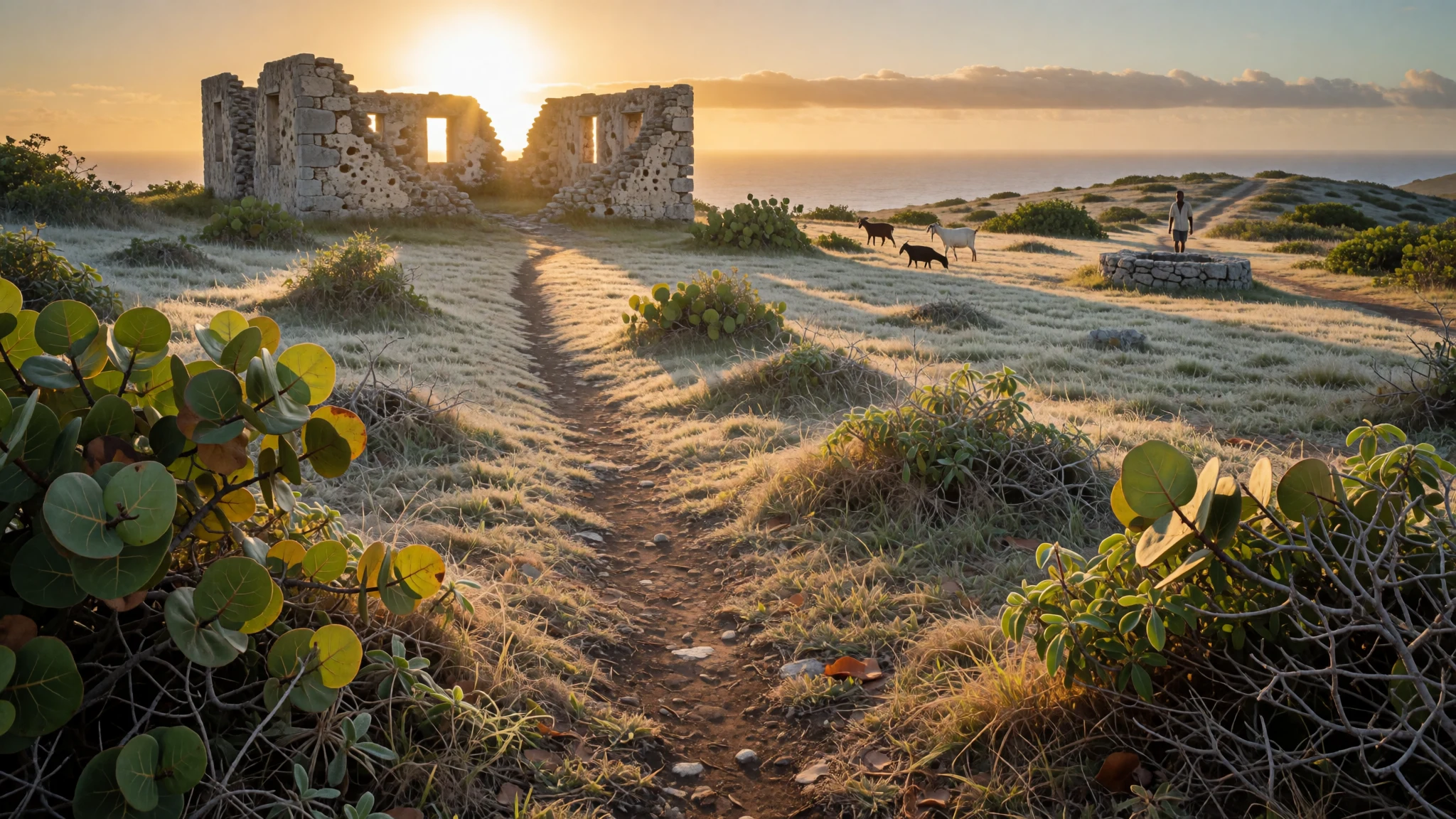
Barbuda is a flat, quiet Caribbean island of empty beaches, a vast frigate bird colony and one small village, for travellers happy to go without polish.
The place
Barbuda is a low, flat coral island in the eastern Caribbean, a short sea crossing north of Antigua. The two form a single nation, but Barbuda runs much of its own affairs through a local council. Almost everyone lives in one village, Codrington, and the rest of the island is lagoon, scrub, salt ponds and sand. Roughly 1,600 people live here, which explains the long empty stretches of road and coast. The western side is taken up by Codrington Lagoon, a shallow sheet of water screened from the open sea by a narrow sand barrier and known for its nesting frigate birds. The east is higher ground, the Highlands, where the land climbs to about 122 m and ends in cliffs above the Atlantic. In between lie goat tracks, old stone ruins and wells deep enough to be a real hazard for anyone who wanders off the path. The climate is tropical marine: warm all year, eased by the trade winds, with very little shade and a hard sun. Barbuda is not a resort island in the Antigua sense. There are a few guest houses, some modest eateries and one very exclusive lodge, and nightlife means a beach grill or a bar in Codrington. Visitors come for the empty sand, the birds and a sense of a place still organised along community lines. Expect to plan around ferry times, carry cash and water, and accept that things close, run late or simply do not happen. That is part of the appeal, and also the honest warning.
Its story
Barbuda's human story starts with hunter-gatherers who reached the island by canoe several thousand years ago. Scholars disagree about where they came from, with South America, the Greater Antilles and the Yucatán all argued for. They left tools made from shell: blades, hoes, picks and water containers cut from conch and whelk. Traces of their camps have turned up along the south-west coast, around the lagoon and near the present village. Arawak communities followed and were numerous here until roughly the fifteenth century, and the Kalinago later used the island too. Spanish visitors came first, then French and English settlers, and the English founded a colony in 1666. In 1685 the island was leased to the brothers John and Christopher Codrington, whose name the village still carries. Enslaved Africans worked their estates, and the stone ruins of Highland House still overlook the old fields. Slavery was abolished in 1834. Because the whole island had been held under a single grant rather than split into private plantations, the freed Barbudans carried on farming and living on communal land, and that tradition is still central to local politics today. The surrounding seas hold hundreds of wrecks left by the long contest between French, Spanish and British ships. More recently Hurricane Irma damaged the island badly, and rebuilding, including a new international airport that opened in October 2024, is still shaping daily life.
What to see
- Codrington Lagoon frigate bird colony — Codrington Lagoon, western Barbuda
Barbuda's lagoon holds a large frigate bird colony, and boat trips take visitors close enough to watch the birds without binoculars. Males puff out red throat pouches during the mating season, which is the best time to go. The site is protected, so go with a local guide.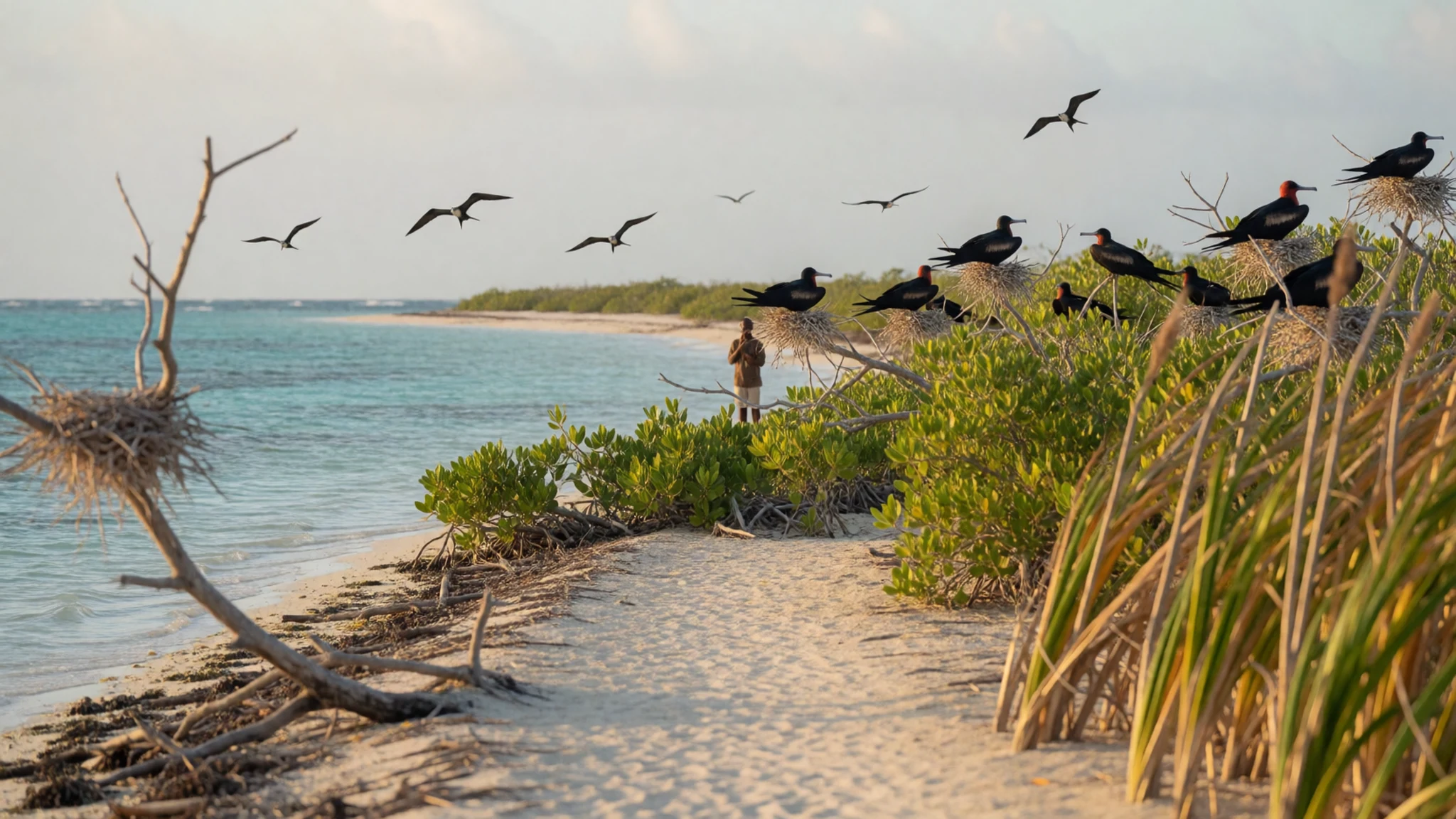
- Highland House ruins — The Highlands, eastern Barbuda
Highland House was the lookout from which the Codrington family surveyed their fields. Only shells of walls remain, set on the elevated eastern ground with long views over scrub and sea. It is a quiet, sobering place, and a good way to connect the beaches with the island's plantation past.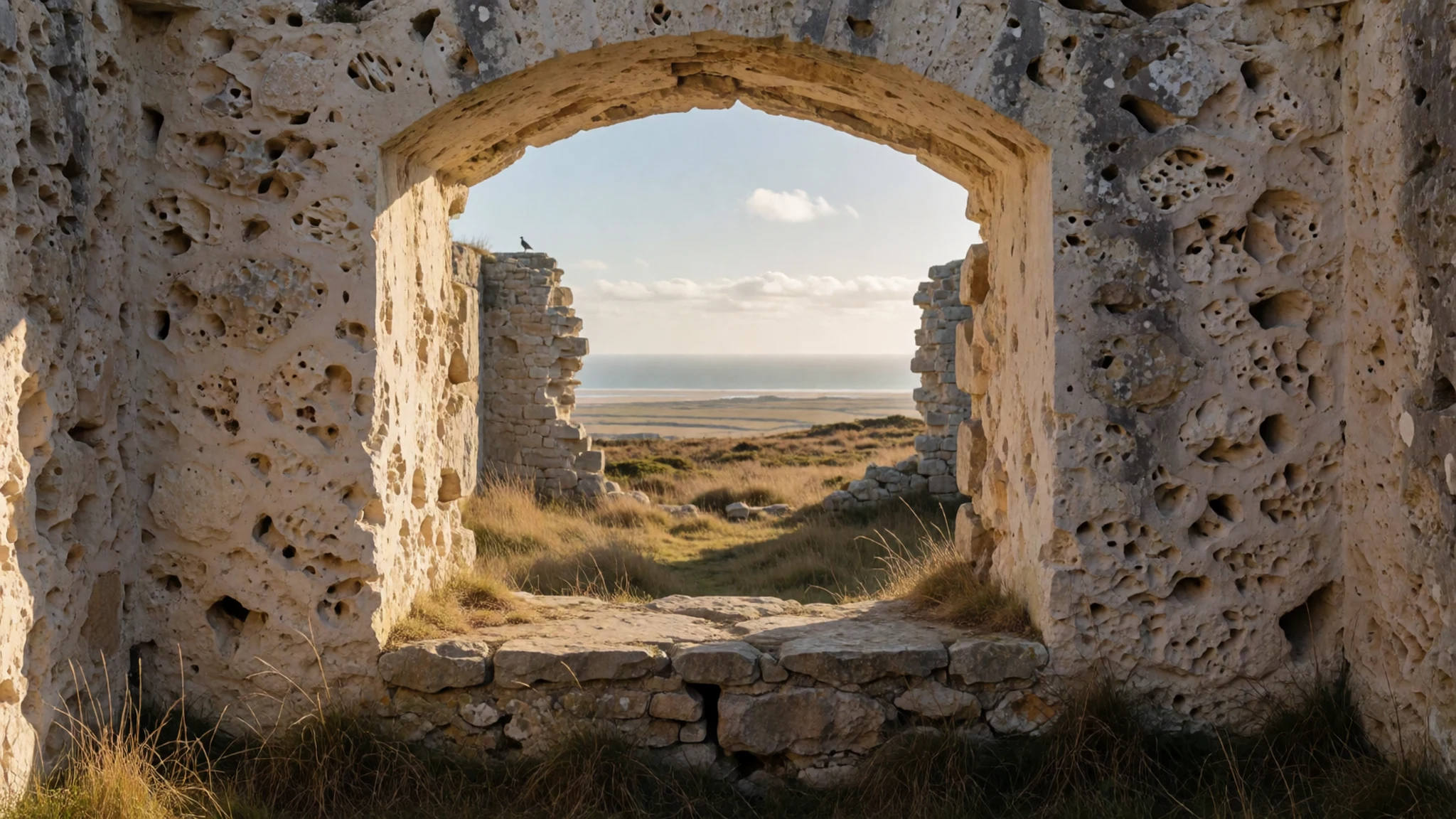
- Martello Tower and the beach below — South-east coast
A small stone Martello tower stands near the shore, a relic of the defensive worries of past centuries. It is easy to reach, and the beach beside it runs on for miles. Bring water and shade, because nothing is sold out there and the sun is fierce.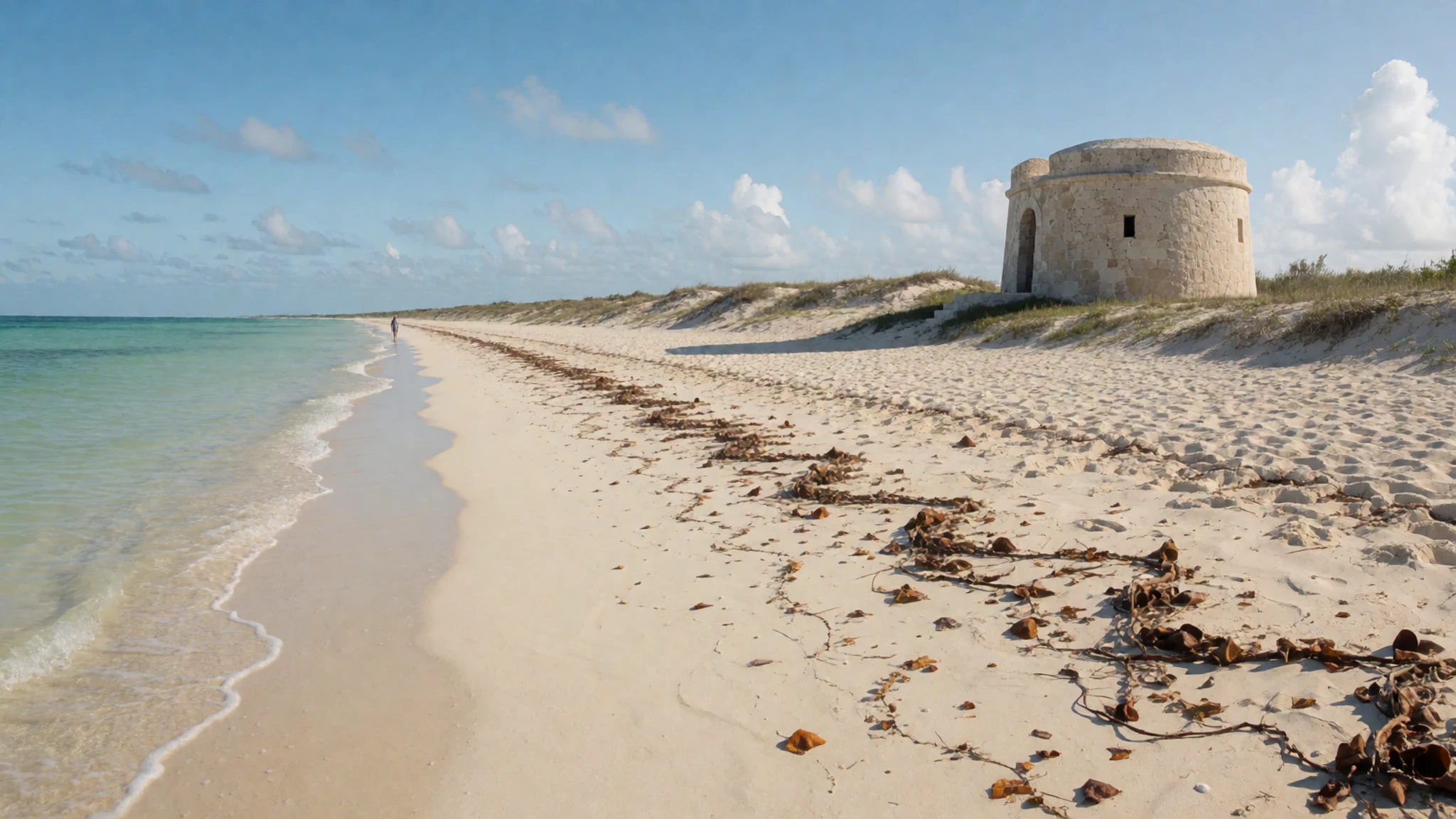
- Codrington village — Codrington
Codrington is the island's only town, a grid of low houses, a council building, small shops, goats on the verges and a few modest restaurants. A slow walk shows how Barbudans live. A local art café sells silk paintings of tropical wildlife and is a handy source of local advice.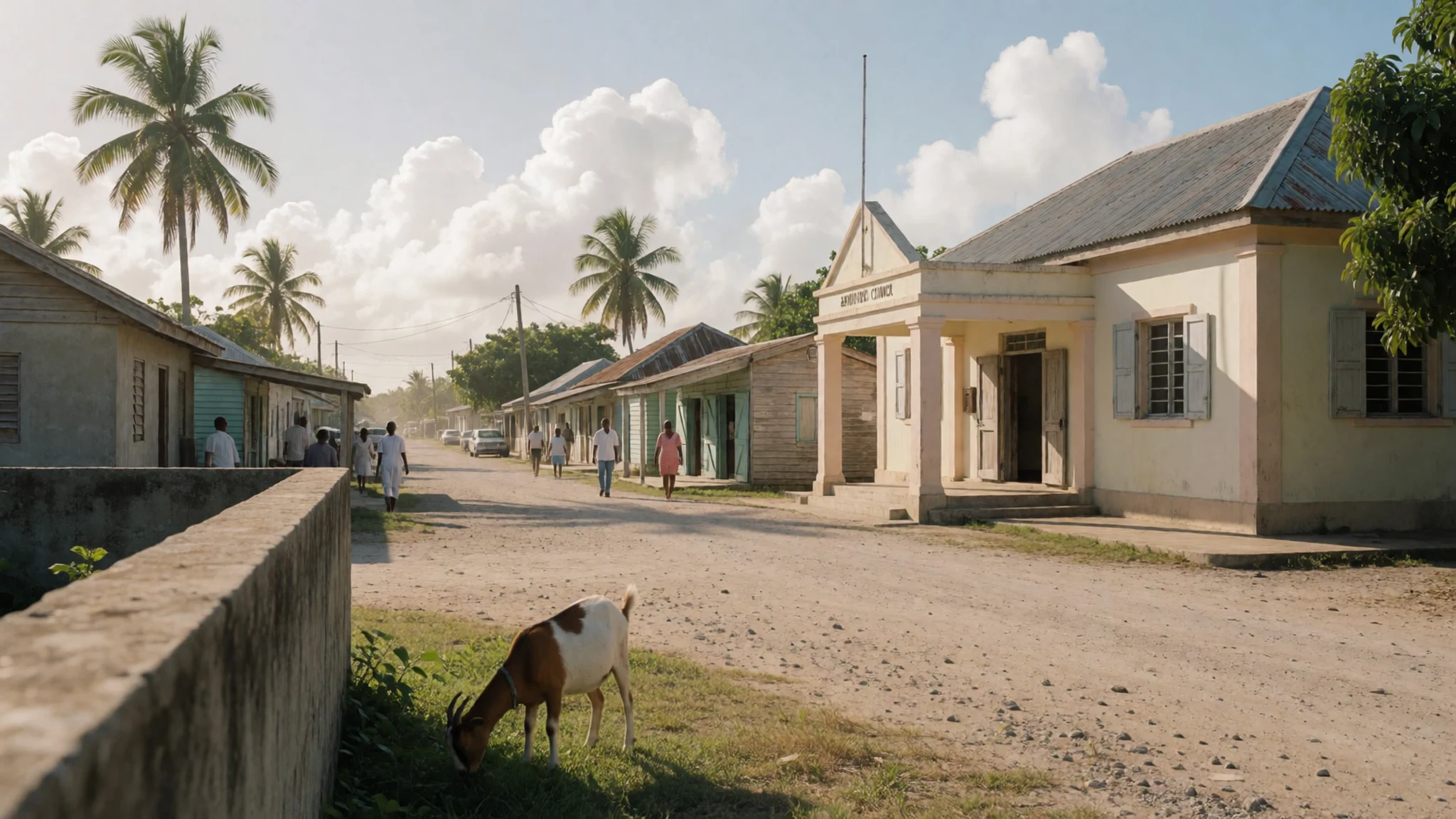
- The south-west beaches — South-west coast
The long pale beaches along the south-west coast, towards Coco Point, are the island's main draw. On most days there are few or no other people. There are no lifeguards, little shade and no kiosks, so bring sun cream, a hat and plenty of drinking water.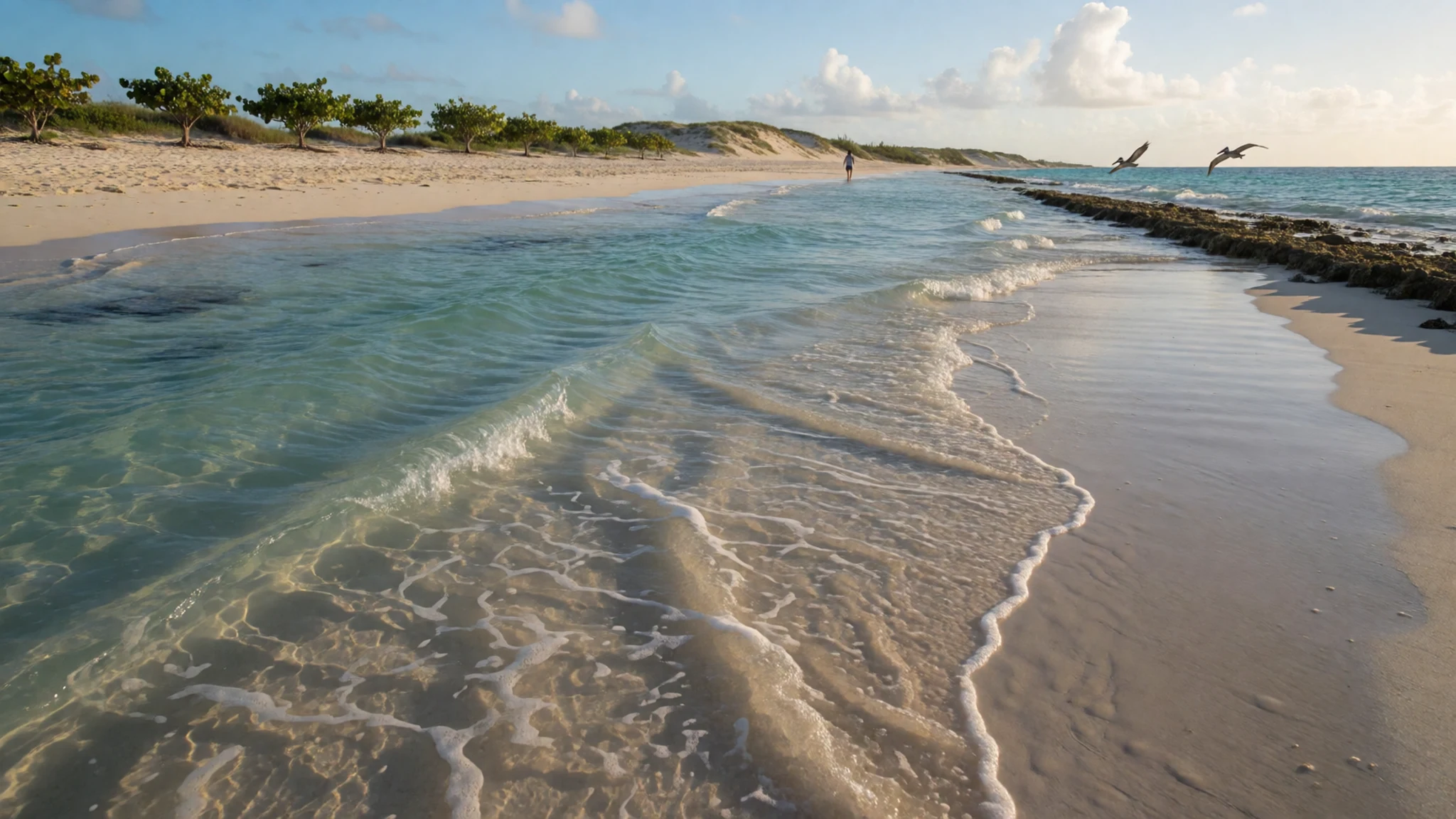
Culture
Barbuda has a close-knit culture shaped by its communal land and its seafaring habits. Residents speak Barbudan Creole as well as English, and the island has a strong sense of its own identity within the twin-island nation. The annual Caribana Festival, held in May and sometimes into early June, brings a teenage pageant, a queen show, calypso contests and weekend beach parties, and it draws Barbudans home from abroad. Sport matters: schools encourage it from an early age, cricket, athletics and horse racing are popular, and there are fishing competitions through the year. Fishing is also a livelihood. Lobster and conch are harvested with low-impact methods developed over generations, and larger fish such as kingfish, mahi mahi, tuna and barracuda are caught for local tables and for the island's visitor accommodation. All fishing in Barbudan waters must be done from a boat with a local licence, which protects both the sea and the people who depend on it. Daily life is unhurried and friendly, with greetings expected in shops and on the street. Hurricane Irma changed the island sharply, and rebuilding and the question of who owns and develops land remain live topics, so visitors do best listening rather than offering opinions. Ask before photographing residents in Codrington, and never fish or collect shellfish without a local licence and a local boat.
What to wear
Barbuda has no single traditional costume that the brief documents, and it would be dishonest to invent one. The nearest thing to special dress comes at Caribana in May, when pageant contestants and carnival dancers wear sequins, feathers and bright satin in the Caribbean festival tradition. Everyday clothes are practical for heat: cotton shirts, shorts, light dresses, sandals and caps, with fishermen in rubber boots and long sleeves against sun and spray. On Sundays and for church, people dress smarter, with collared shirts, skirts and dresses. Visitors should pack for strong sun and almost no shade: loose cotton or linen, a wide-brimmed hat, sunglasses and plenty of sun cream. Swimwear is fine on the beaches, but cover up with a shirt or wrap in Codrington, in shops and in restaurants, where beachwear looks out of place. Footwear matters more than most expect. Sturdy sandals or trainers help on rough tracks, rocky ground and around the open wells that dot the scrub, and water shoes are useful at the lagoon edge. A light rain jacket is handy in the wetter months, and insect repellent is worth packing in the evenings.
What to eat
- Grilled Barbuda lobster — Beach grills and modest restaurants in Codrington
Lobster is the island's signature, caught locally with low-impact methods and usually grilled with butter, garlic or herbs. Order it at a beach grill or a modest Codrington restaurant, and ask first whether it is in season and available.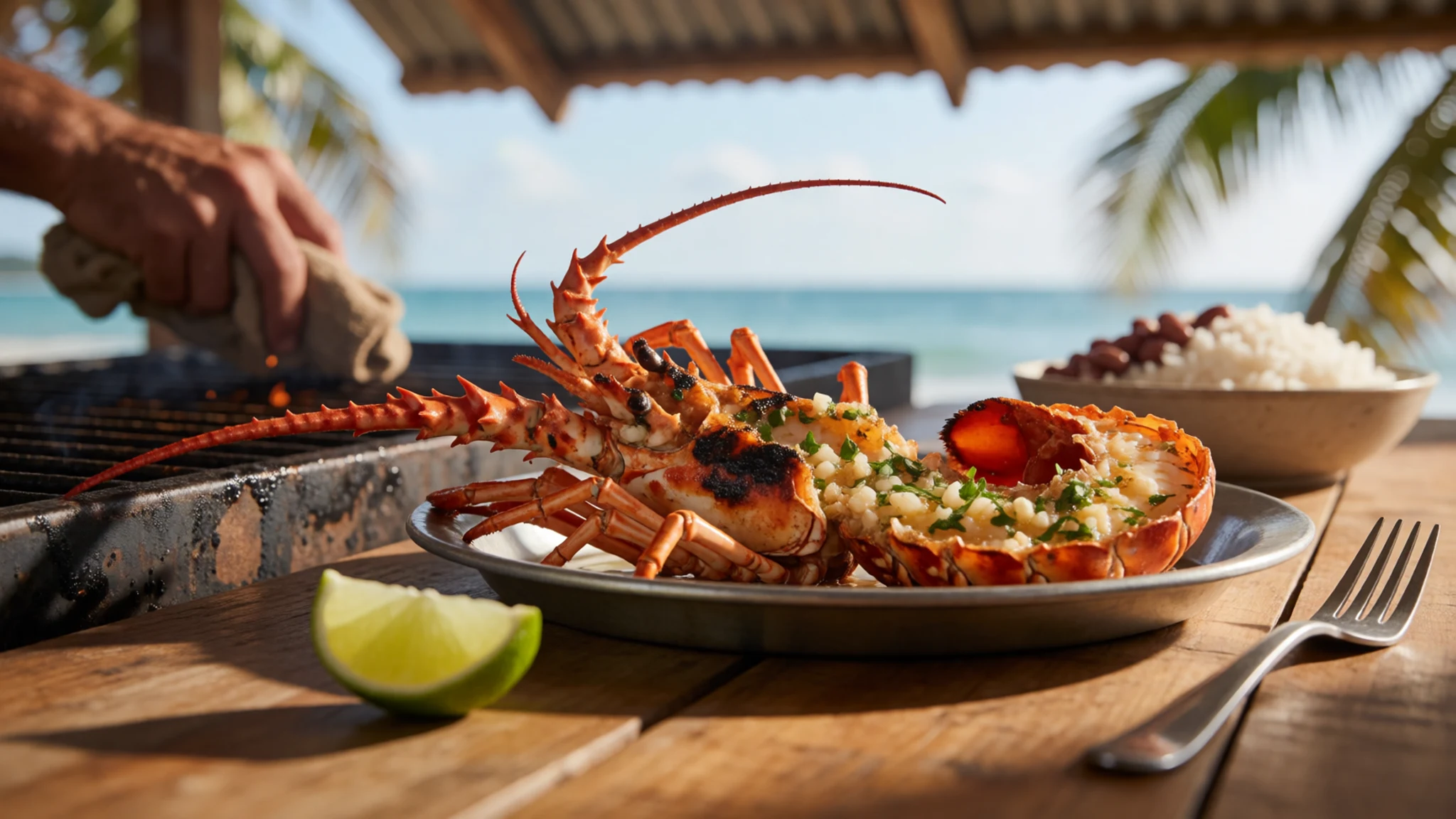
- Conch — Small eateries in Codrington; ask what the day's catch has produced
Conch is cooked as a stew, fritters or a firm, chewy salad with lime and pepper. It is a local staple that islanders have eaten for generations, and it works best with fresh bread or rice.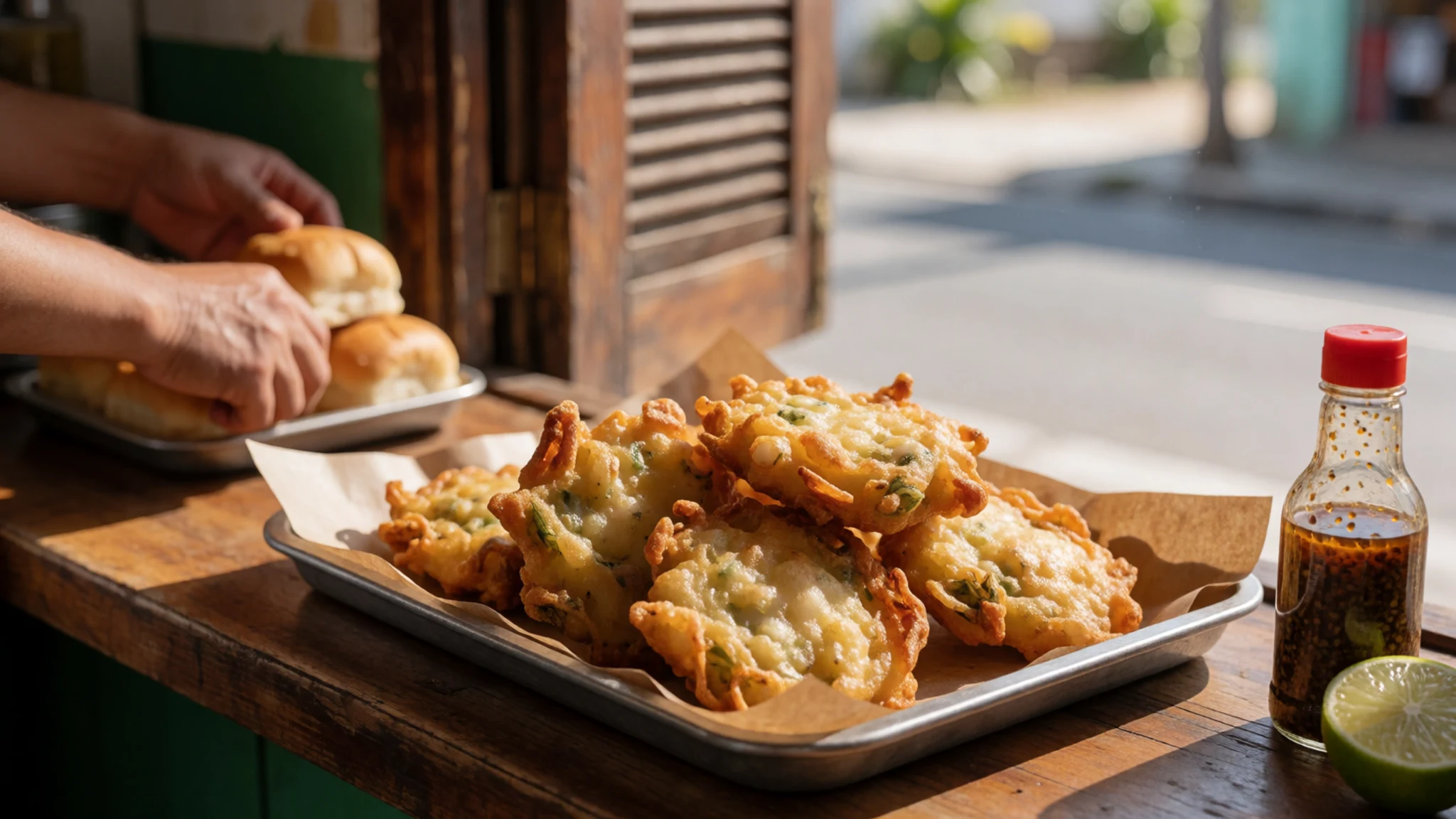
- Grilled fish of the day — Beach-side grills near the ferry wharf and in the village
Kingfish, mahi mahi, tuna and barracuda all turn up grilled with rice, salad and plantain. Barracuda is eaten widely here, and the locally caught large fish are not affected by the toxin that worries some other Caribbean islands. - Chicken and burgers with local sides — Modest restaurants near the airport and in Codrington
Simple plates of chicken, burgers and fries sit alongside fish and lobster on the menus of small village restaurants. They are a sensible choice for a cheaper, filling lunch between beach walks. - Rum punch and cold drinks — Bars on Codrington's main square and beach bars in season
Evenings centre on a bar, with rum punch, local beer and soft drinks, sometimes with music or karaoke. Opening days and hours vary by season, so ask in the village before planning a night around any one place.
Plan it
Best time. December to April is the most comfortable stretch: drier, with steady trade winds and the calmest seas for crossing. Barbuda is warm all year, and the hurricane season runs from roughly June to November, so check forecasts and flexible booking terms if travelling then. The frigate bird mating season is the best time for the colony.
How long. 2–3
Getting there. Most visitors take the ferry from Antigua, which lands at River Wharf, a walk or short lift from quiet beaches and some distance from Codrington. Burton–Nibbs International Airport opened in October 2024 and is served by several airlines, and Coco Point Lodge arranges private charters. Check the official tourism site, http://www.antigua-barbuda.org/Agbar01.htm, for current ferry and flight details.
Budget. mid
Tips
- Book accommodation and ferry crossings ahead, as capacity is small and schedules change
- Carry enough cash, since card machines and cash points are scarce
- Bring drinking water and sun cream; shade is rare, though small shops sell bottled water
- Arrange lagoon and island tours through a local guide as soon as you arrive
- Call ahead to eat if staying outside Codrington, as some places cook only on request
Etiquette
- Greet people in shops and on the street before asking for anything
- Ask before photographing residents or their homes
- Fish only with a local licence aboard a local boat, and do not collect shells or coral
Nearby
Sources
- Wikidata Q238752 (CC0)
- Wikipedia: Barbuda (rev 1381697677) (CC BY-SA 4.0)
- Wikivoyage: Barbuda (rev 5394452) (CC BY-SA 4.0)
- Barbuda ISS008-E-7945, NASA-Johnson Space Center (Public domain)
- Barbuda Council Millenium Administration Building, CROIX (CC BY-SA 4.0)
- Barbudan landscape A 04, CROIX (CC BY 4.0)
- Barbudan landscape A 09, CROIX (CC BY 4.0)
- Barbuda in 2025-D 03, CROIX (CC BY 4.0)
- Top Mission Street, Codrington, CROIX (CC BY-SA 4.0)
- Barbuda in 2025-A 02, CROIX (CC BY 4.0)
- Barbuda in 2025-C 01, CROIX (CC BY 4.0)


