Johnston Canyon
Johnston Canyon, Canada
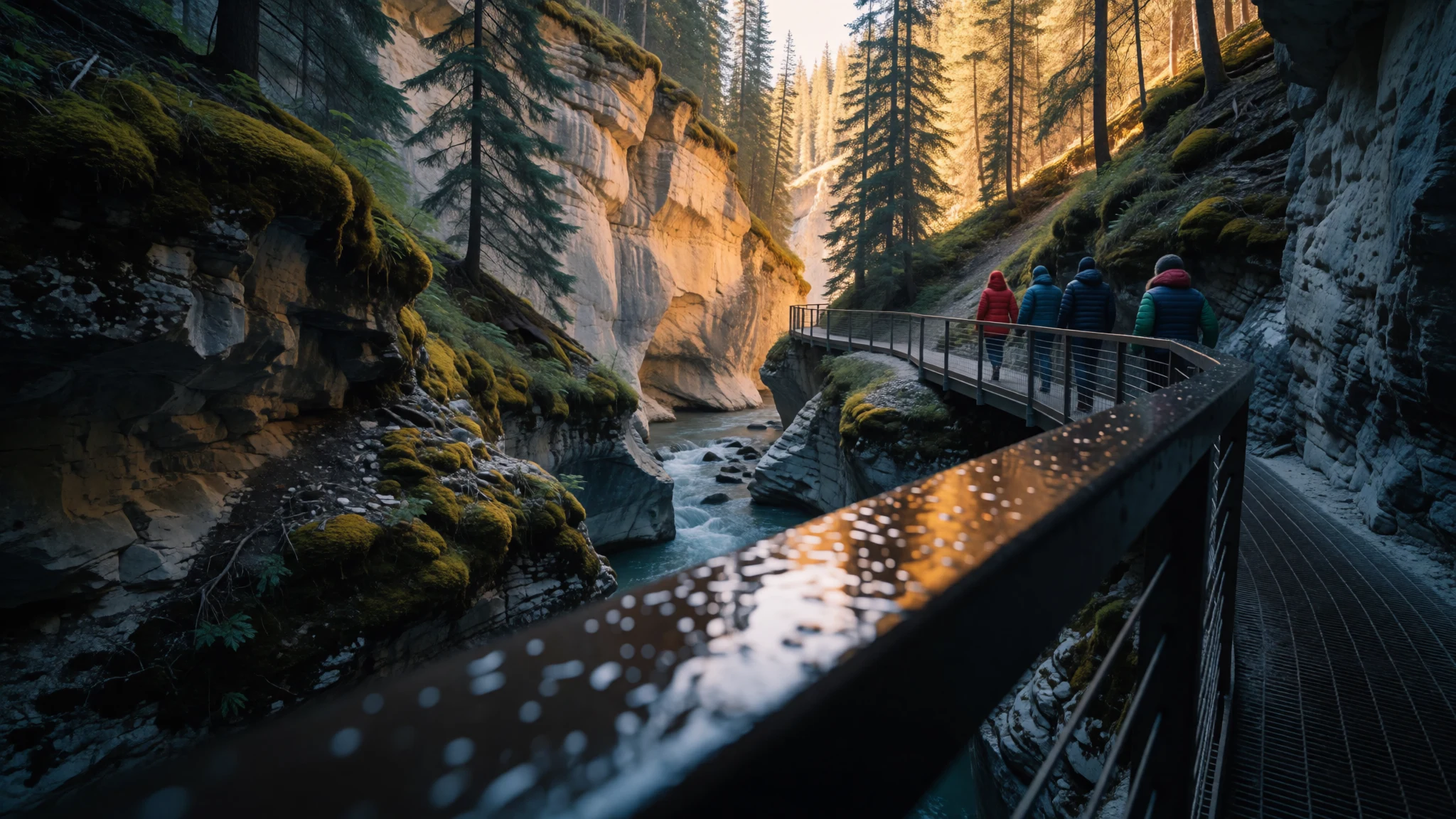
Johnston Canyon is a narrow limestone gorge in Banff National Park where a catwalk path leads past waterfalls to a meadow of mineral springs.
The place
Johnston Canyon is the gorge carved by Johnston Creek, a tributary of the Bow River, inside Banff National Park in the Canadian Rockies of Alberta. By mountain standards the creek is modest, yet over a very long time it has sliced into pale limestone and left a slot with sheer walls, mossy ledges and pools tinted green. A path of steel catwalks, fixed to the rock in places and hung out over the water in others, follows the creek upstream, so walkers move through the gorge rather than peering down into it. The route passes a lower waterfall and an upper waterfall, each with a viewing point, and a short rock tunnel leads close to the base of the lower one. Beyond the upper falls the trail climbs through forest to the Ink Pots, a meadow where cold springs bubble into shallow, coloured pools. Sound is what many visitors remember: the creek roars between the walls, and talking at the busiest viewpoints turns into shouting. Crowds are real. This is a popular short walk, and on summer days the catwalks fill with families, tour groups and photographers, slowing to a shuffle by late morning. Early starts and evenings are calmer. In winter the falls freeze into blue-white columns, the path turns icy, and ice climbers sometimes work the frozen water. The canyon lies a short drive from Banff townsite, reached from the Bow Valley Parkway, with a car park at the trailhead that fills early on fine days. It makes an easy half-day outing, and a fuller day for anyone continuing to the Ink Pots.
Its story
Johnston Canyon owes its shape to water and its fame to the railway. The creek feeds the Bow River, and the gorge is the slow work of running water cutting down through limestone, a job that continues each spring when snowmelt swells the flow and carries grit that polishes the walls. Long before the park or the railway existed, the Bow Valley was a travelling and hunting corridor for the Stoney Nakoda, the Blackfoot, the Tsuut'ina and other nations, whose histories here run far deeper than the tourist era. Parks Canada's interpretive material and Indigenous-led tours are the best way to hear that story properly. The modern chapter began when the Canadian Pacific Railway pushed through the Rockies and treated scenery as something to promote. Postcards from that period, several taken by the photographer Byron Harmon, label the canyon and its falls as sights along the line. Those cards are now in the public domain, and they show that people have been walking to look at this gorge for generations. The province around it carries a small royal footnote of its own: Alberta is named for Princess Louise Caroline Alberta, a daughter of Queen Victoria who became Duchess of Argyll. The catwalks used today are a later convenience, one that turned what was once a rough scramble along the creek into an outing for most ages and abilities.
What to see
- The lower catwalks — Start of the trail, Banff National Park
The first stretch of Johnston Canyon is the gorge at its most intimate. Steel walkways cling to the limestone just above the creek, with the walls close enough to touch in places. The water runs clear and green, and the spray keeps the rock dark and slippery.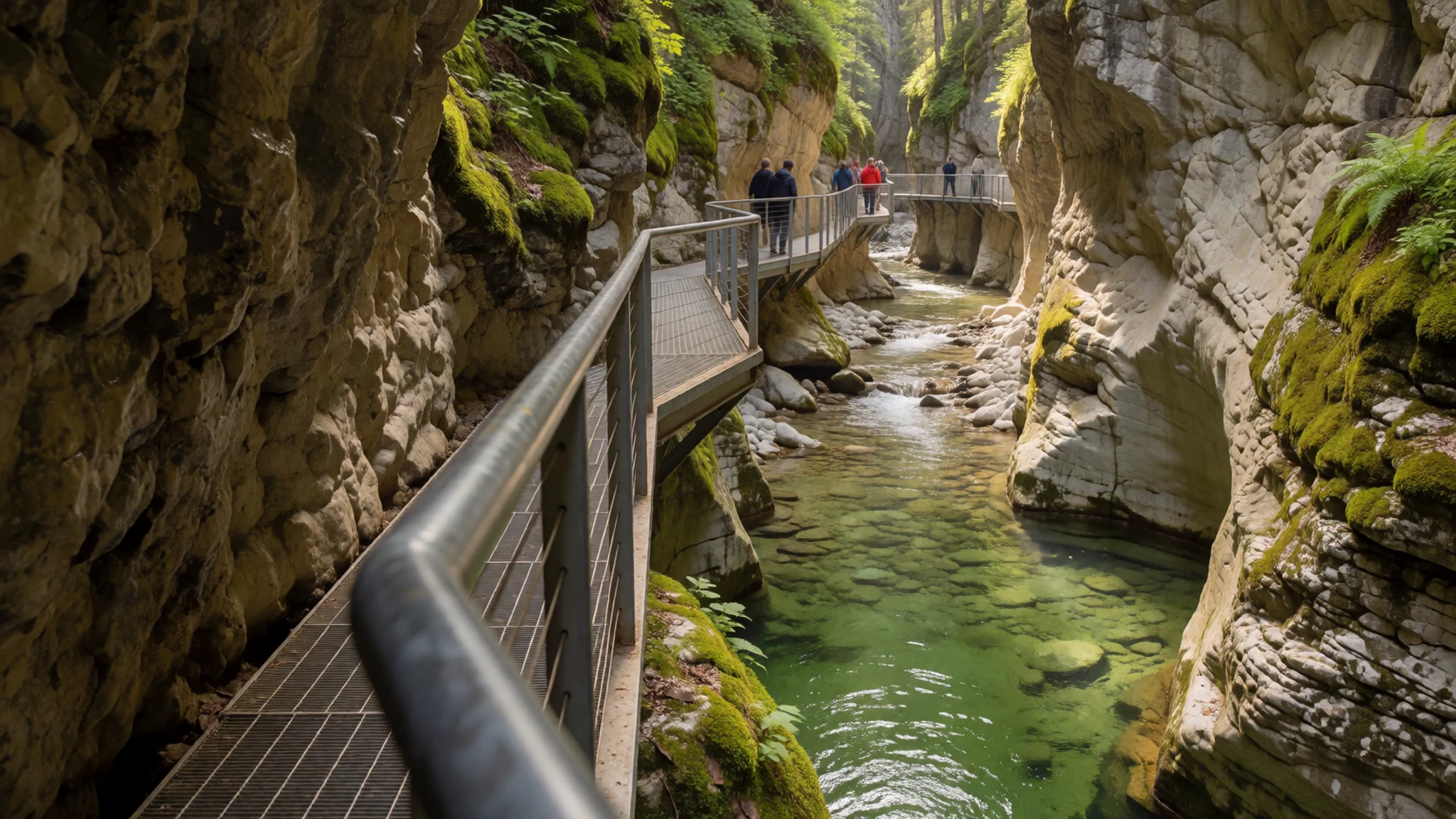
- Lower Falls and the tunnel — Lower section of the canyon trail
A short side passage through the rock leads to a viewing spot beside the lower waterfall, where the creek drops into a plunge pool and the air is cold and wet even in summer. It is the usual turning point for families and anyone short of time, so expect a queue.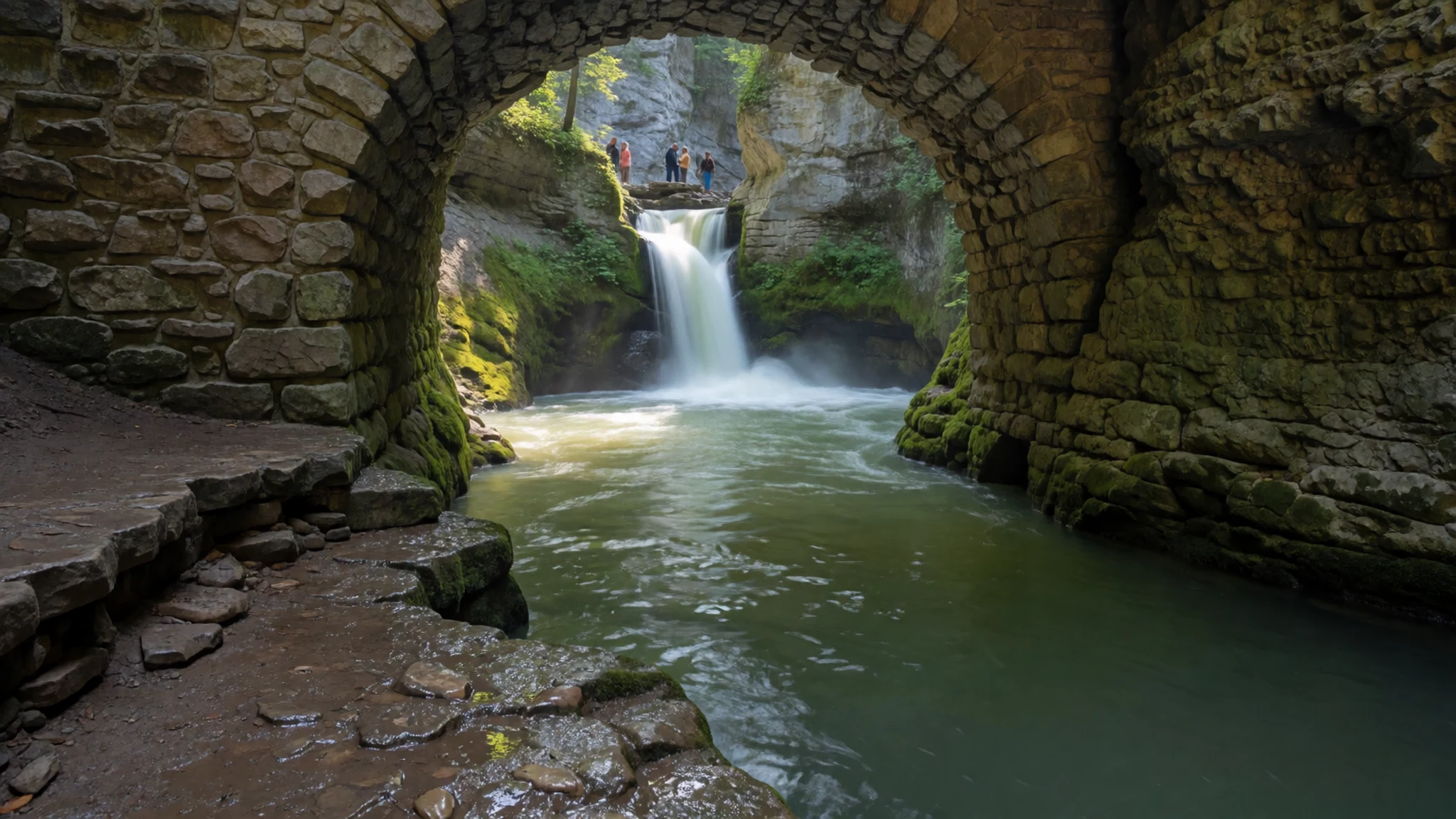
- Upper Falls — Upper section of the canyon trail
Further up, the path climbs to a platform facing the taller of the two waterfalls. The creek falls into a narrow, shaded basin, and the walk up thins the crowd a little. A viewpoint near the top looks down over the falls from above.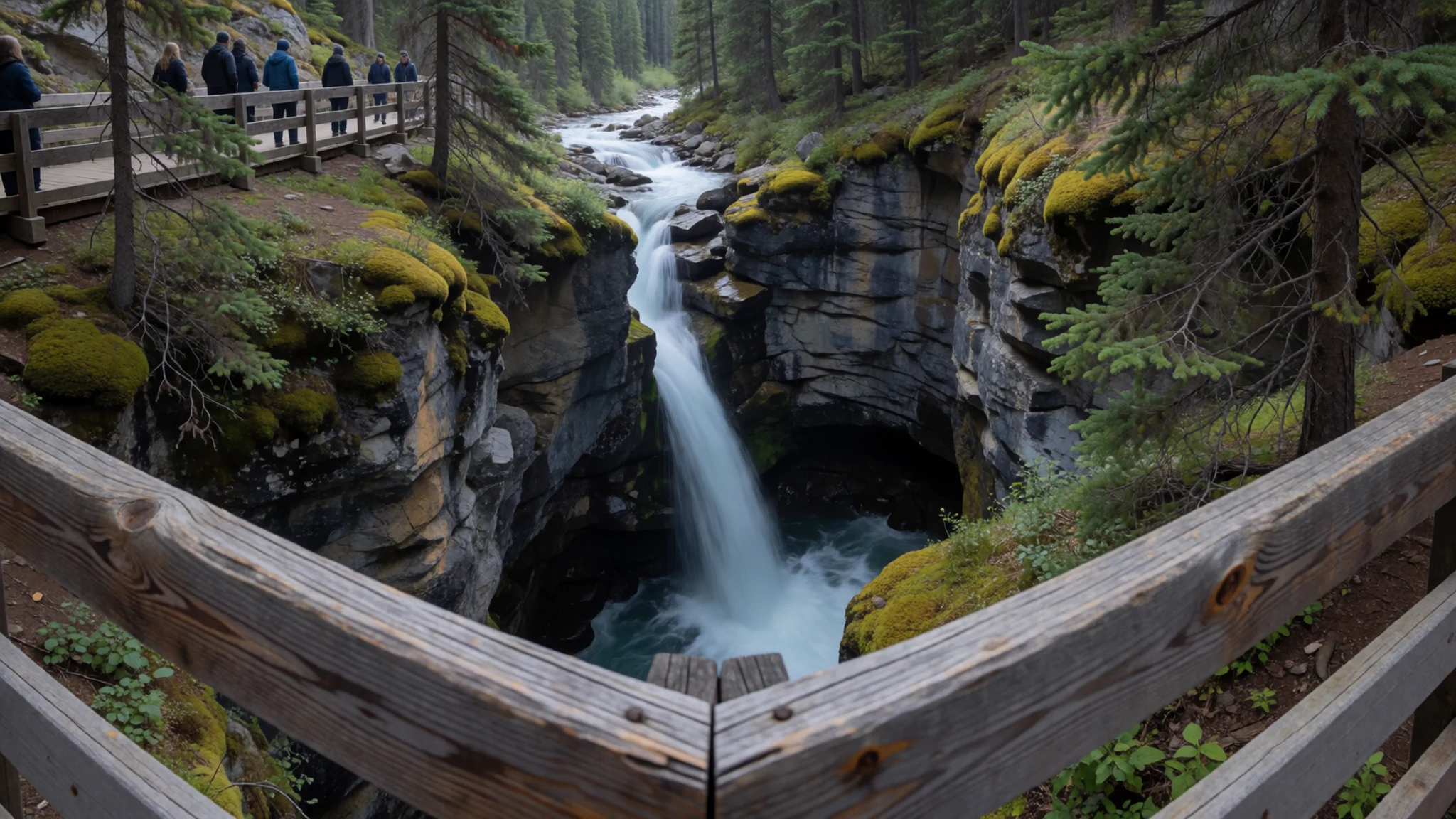
- The Ink Pots — End of the trail, beyond the Upper Falls
Past the upper falls the gorge opens into forest and then a high meadow, where cold springs rise into several shallow pools of shifting blue and green. The walk is longer and quieter than the canyon itself, with mountain views around the meadow. Bring layers and water.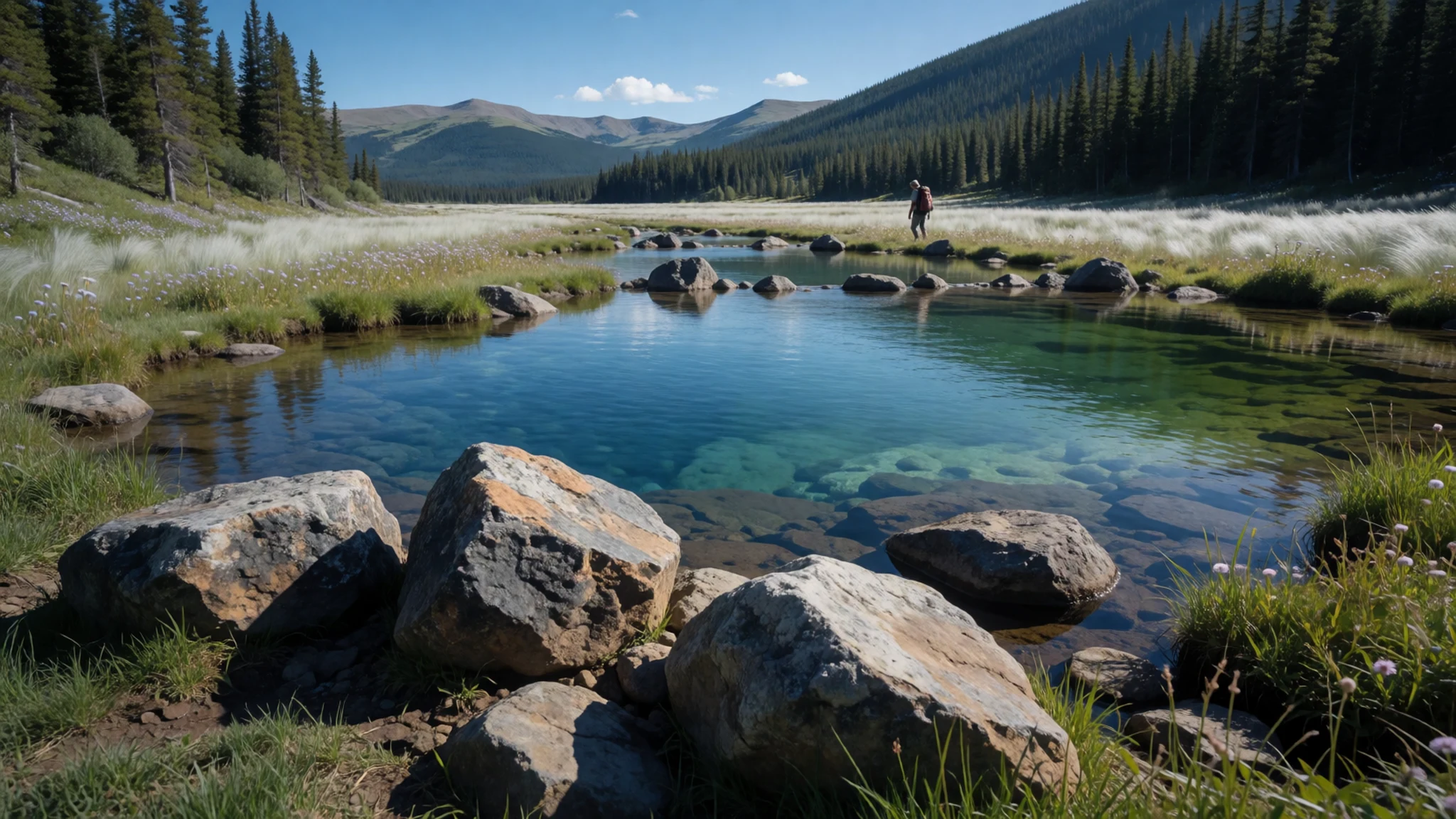
- The frozen falls in winter — Whole canyon, winter season
From deep winter the falls freeze into pillars of blue-white ice, and the canyon becomes a different place. Walkers shuffle along the icy path in cleats, while ice climbers work the frozen columns. It is cold and atmospheric, and also busy at weekends.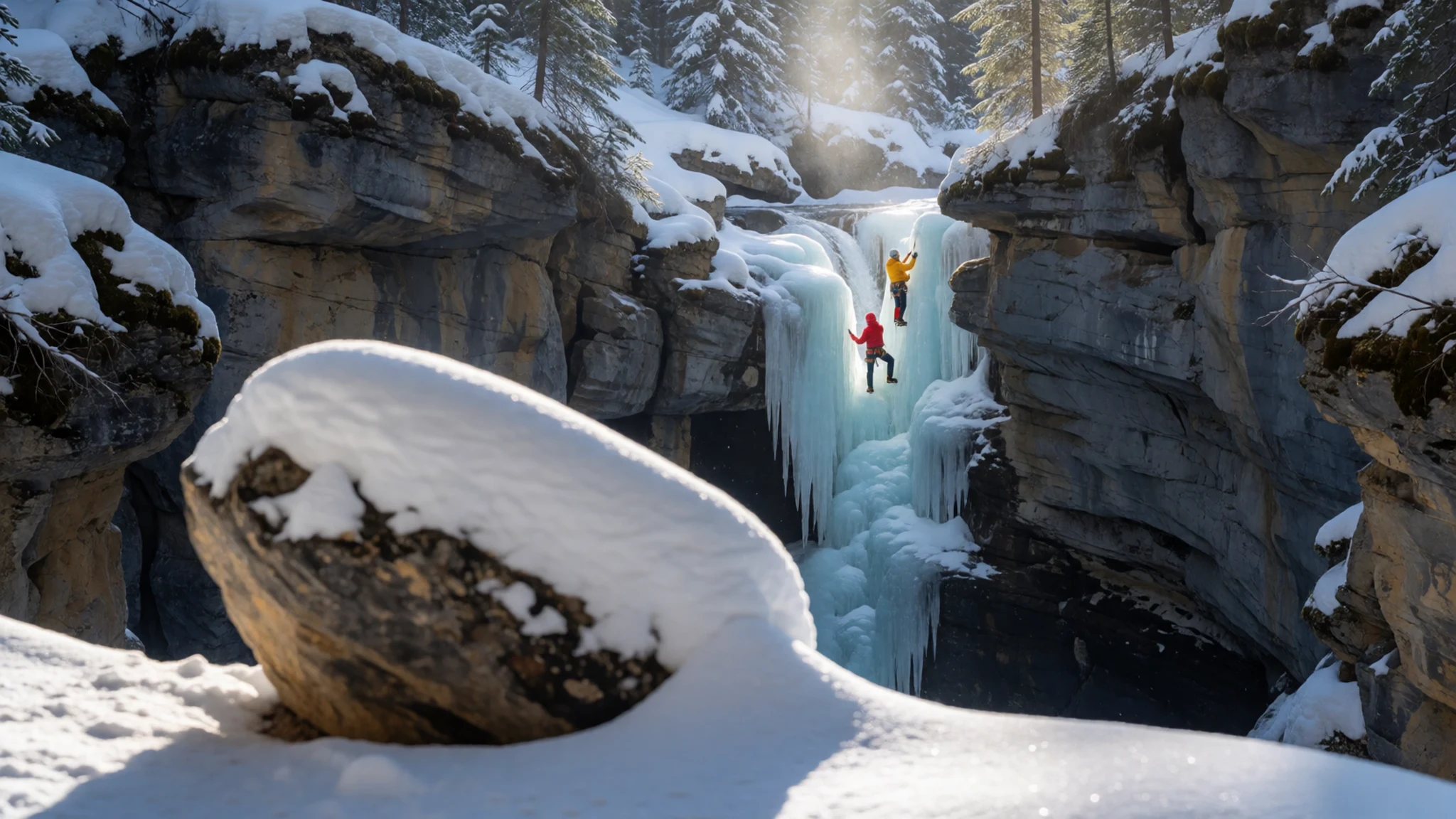
- Trailside wildflowers — Forest sections of the trail
In summer the forest edges along the trail carry small wildflowers, including yarrow, with its flat clusters of white flowerheads. They are easy to miss while watching the water, but slowing down at the quieter stretches shows how much grows in the damp gaps beside the creek.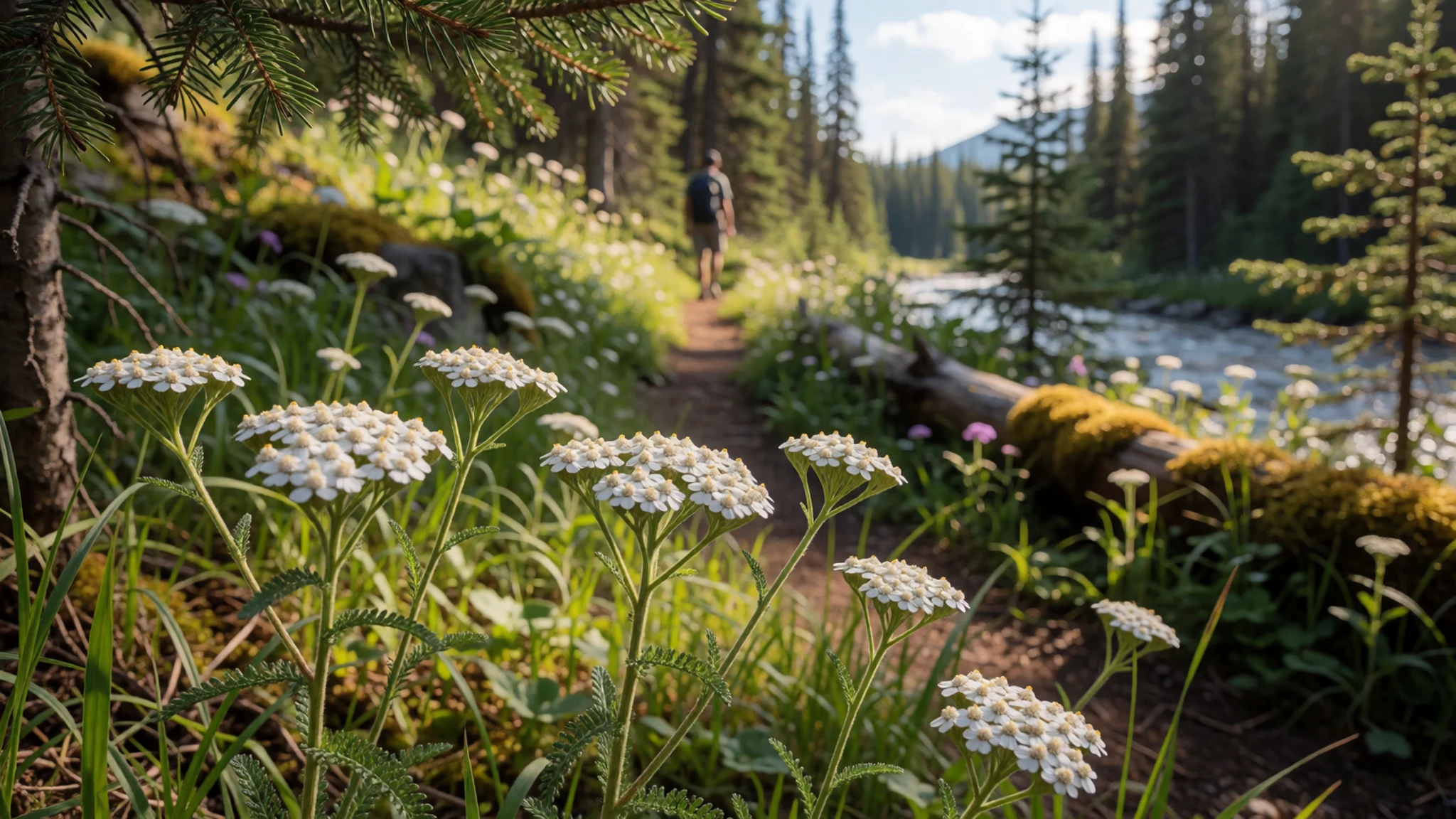
Culture
Johnston Canyon sits inside Banff National Park, and the culture around it is a blend of outdoor habits, Indigenous heritage and Alberta's ranching and railway past. The land lies within the traditional territories of Indigenous nations, including the Stoney Nakoda, and many visitors now look for Indigenous-led walks, storytelling and cultural events in the Banff area to understand that heritage first-hand rather than treat it as a footnote to the scenery. Alberta itself is cattle country, and the cowboy tradition of rodeos, hats and boots is part of the province's self-image, even in a mountain park. At the canyon the everyday culture is that of a national park: people share a narrow walkway, step aside for photographs, and expect each other to keep to the path. Wildlife is part of the deal. Bears, elk and other animals live in this valley, and park staff post warnings when animals are active nearby, so noise, food storage and distance matter more than on a city walk. Winter brings a different crowd, with ice climbers, people in spikes and thick jackets, and a quieter, more watchful mood on the path. Staying on the marked route is not only politeness; the bankside plants and canyon edges are fragile, and the park's rules exist to protect them. Visitors come from many countries, so patience on the catwalks goes a long way. Keep to the marked path, let others pass on the narrow catwalks, give any wildlife wide space, and carry all rubbish out with you.
What to wear
Johnston Canyon lies in Alberta's Rocky Mountains, where traditional dress belongs to the Indigenous nations of the Plains and foothills, such as the Stoney Nakoda and Blackfoot. Historic clothing used tanned hide decorated with beadwork and quillwork, later joined by trade cloth and ribbon. These designs live on in regalia, ribbon shirts and ribbon skirts worn at powwows, ceremonies and community gatherings. Visitors are more likely to see this dress at cultural events around Banff than on the canyon path, and it is regalia with meaning, not costume. Everyday dress in Alberta is practical and informal. Denim, boots and cowboy hats still appear in ranching country, while in the park the standard look is outdoor gear: fleece, light jackets, caps and walking shoes, worn in layers because mountain weather changes quickly. A visitor needs no dress code here, since the walk passes no religious site, and ordinary good sense is the only modesty rule. In summer, wear breathable layers, a rain shell and sun protection, with shoes that grip, because spray keeps catwalks and trail wet. Walking boots help on the longer climb to the Ink Pots. In winter the path is icy, so traction cleats or spikes, warm socks, gloves, a hat and an insulated jacket are sensible, and the shaded gorge feels much colder than the car park. A small day pack carries water and spare layers.
What to eat
- Alberta beef steak or burger — Grill restaurants in Banff townsite, Calgary and Edmonton
Alberta is cattle country, and its beef is raised on local grasses and finished on barley. A steak or a thick burger is the obvious meal after a walk. Grills in Banff townsite and the cities of Calgary and Edmonton serve it.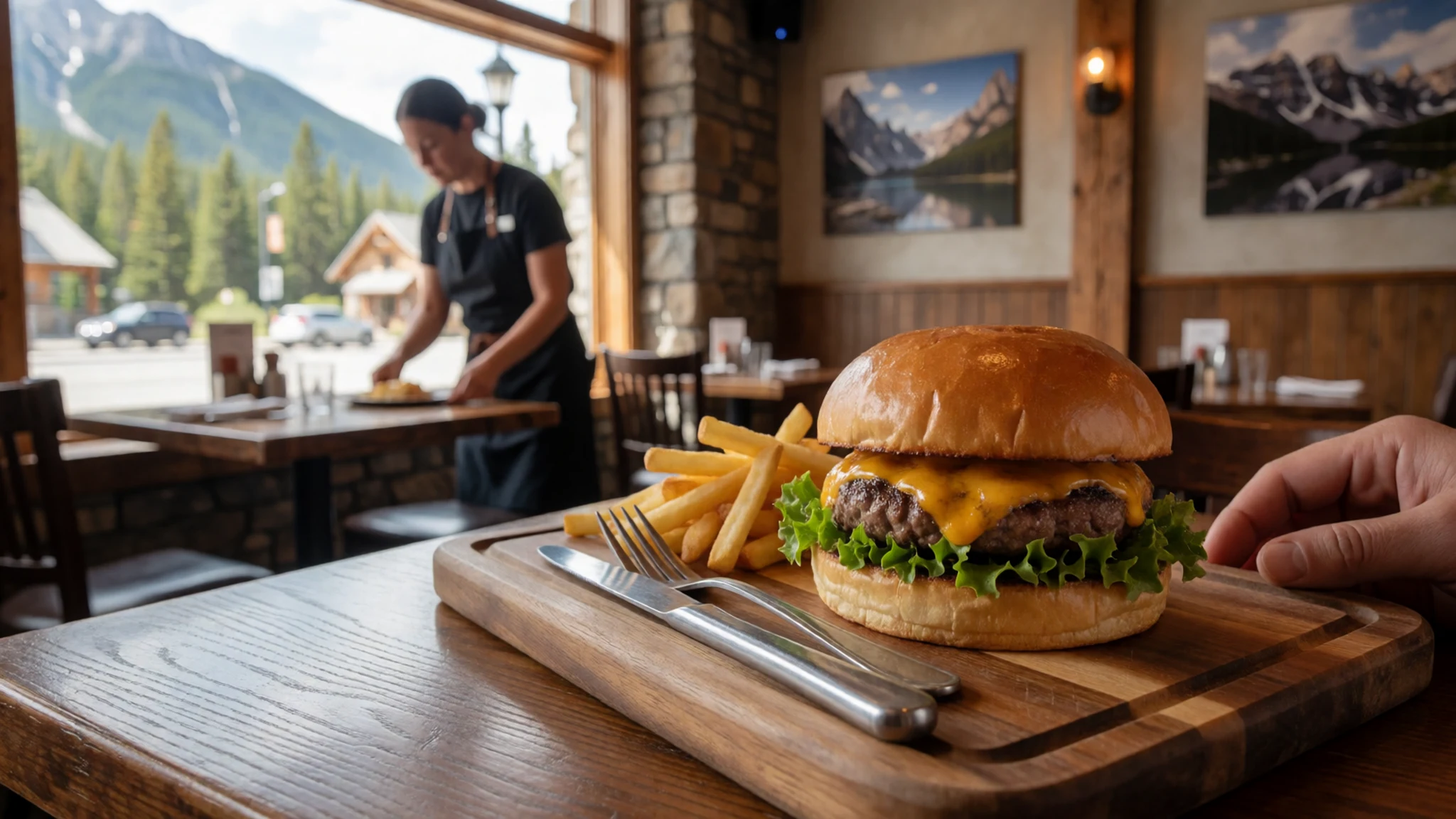
- Bison — Restaurants and pubs in Banff townsite
Bison appears alongside beef in this part of Canada, as burgers, stews or steaks, with a lean, slightly sweeter taste. It is a good order for anyone who wants something local rather than a standard grill plate.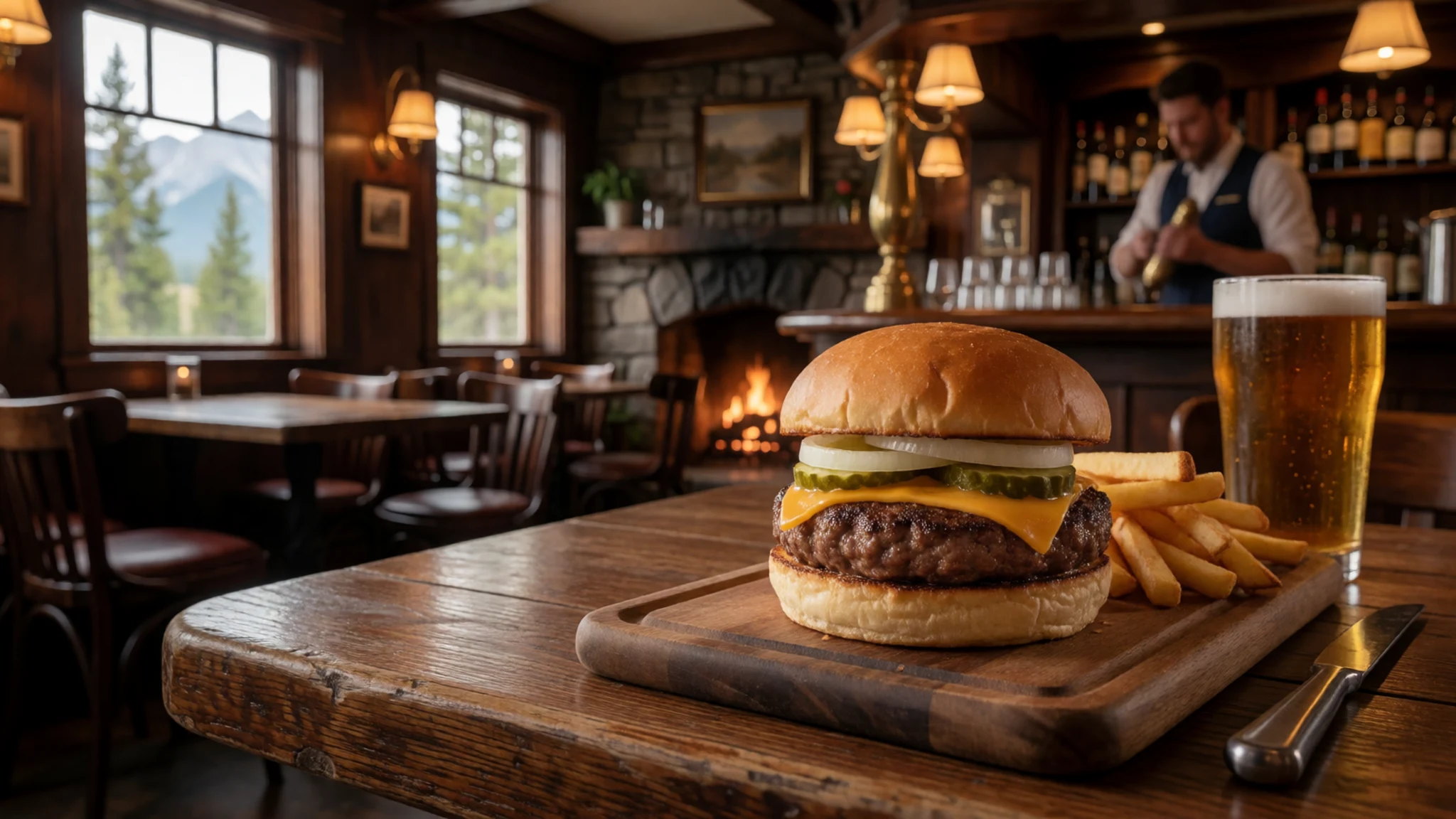
- Chinese café plates — Chinese cafés in small towns along the roads from Calgary
Small Alberta towns often have a Chinese café with a wide, eccentric menu: hamburgers, spring rolls, won ton soup and more. The tradition goes back to cooks from China who fed railway-building crews, and it is cheap, filling road food. - Perogies — Prairie-town cafés and eateries with Ukrainian roots
These Ukrainian-style dumplings, filled with potato and cheese or similar, show up across Alberta, often with fried onion and sour cream. They are comforting trail-day food and a reminder of the province's central European settlers. - Poutine — Pubs, diners and cafés in Banff townsite and nearby towns
Chips topped with cheese curds and gravy are a Canadian standard, and they appear on menus across Alberta. A plate suits cold-weather days, especially after a winter walk through the icy canyon.
Plan it
Best time. June to September for the easiest walking, with the trail clear of ice, though July and August are the busiest; late September is quieter. Winter, roughly December to March, suits the frozen falls, with cold weather and an icy path that needs cleats.
How long. 1
Getting there. Fly into Calgary International Airport, then head west into the Rockies by hire car or shuttle (check operators) to Banff townsite. From there, drive along the Bow Valley Parkway to the Johnston Canyon car park at the trailhead.
Budget. mid
Tips
- Arrive early in the morning or in the evening to avoid the heaviest crowds on the catwalks
- Check the Parks Canada website for pass requirements, trail closures, winter conditions and wildlife warnings before setting out
- Bring water, layers and a rain shell, because the gorge is cooler and wetter than the car park
- Wear shoes with proper grip in summer and traction cleats in winter
- Allow extra time for the Ink Pots, since the trail beyond the upper falls is longer and quieter
Etiquette
- Keep to the marked path and the catwalks, and do not climb over railings for photographs
- Step aside to let others pass and photograph without blocking the walkway
- Give wildlife wide space and store food properly
Nearby
Sources
- Wikidata Q675303 (CC0)
- Wikipedia: Johnston Creek (Alberta) (CC BY-SA 4.0)
- Wikivoyage: Alberta (CC BY-SA 4.0)
- Banff inkpots (Zeitlupe) (CC BY 3.0)
- Johnston Canyon in Banff National Park (NingChien) (CC BY-SA 4.0)
- Ice climbers at Johnston Canyon (Bitan Banerjee) (CC BY-SA 4.0)
- Johnson Canyon, Falls (Byron Harmon) (Public domain)
- Johnston Canyon, Banff (Byron Harmon) (Public domain)
- Johnson Creek Canyon (Byron Harmon) (Public domain)
- Above the falls (Sheila Sund) (CC BY 2.5)
- Achillea millefolium, Johnston Canyon (Chris Woodrich) (CC BY-SA 4.0)


Wildlife
- Grizzly bear (animal)
A grizzly is a big brown bear of North America, the shaggy giant every child would remember. Bears share this valley with walkers, but no one can promise when or where you will meet one, so treat every bend with respect. Heed the notices rangers put up when wildlife is stirring close by, keep a generous distance, make plenty of noise as you walk, store your food securely, and never, ever feed a bear.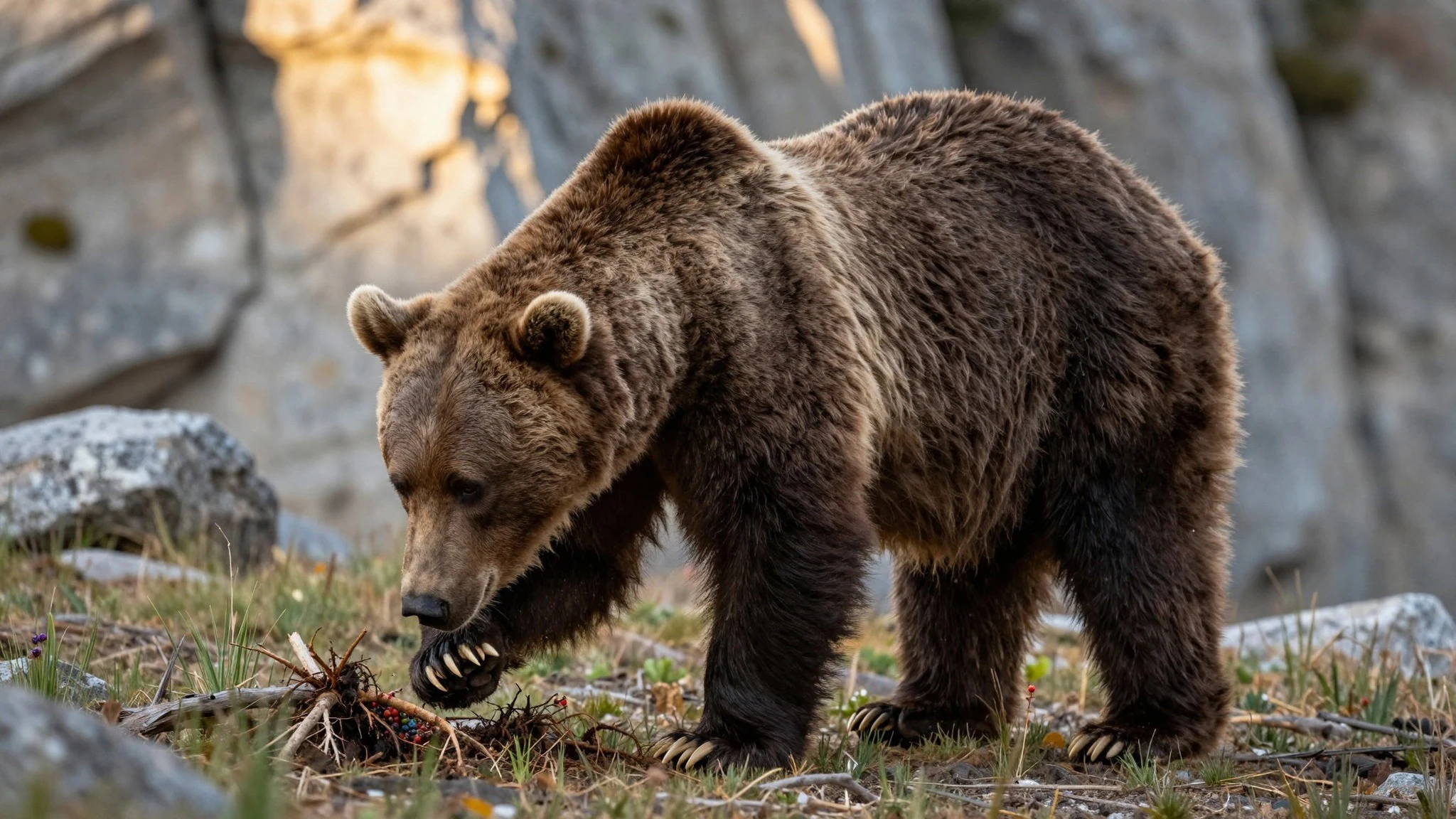
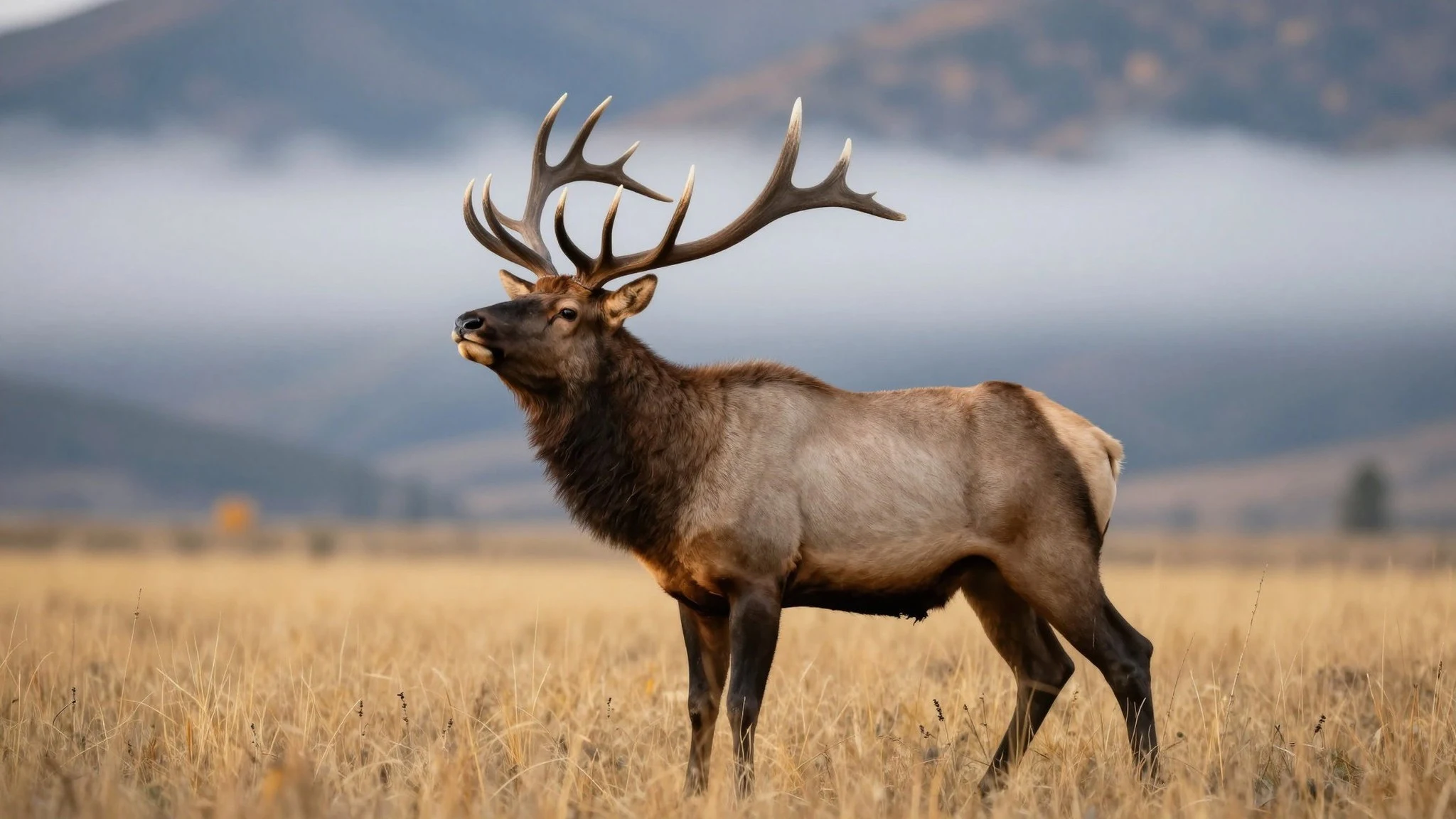
- Elk (animal)
The elk, or wapiti, is the second biggest kind of deer, so think of it as a very large deer. Elk live in this valley alongside the bears, but no one can promise when or where you will find one. Watch from a respectful distance, keep your voice low, and heed any ranger warnings about animals nearby. Keep food packed away, and never feed an elk.