Île aux Cerfs
Île aux Cerfs, Mauritius
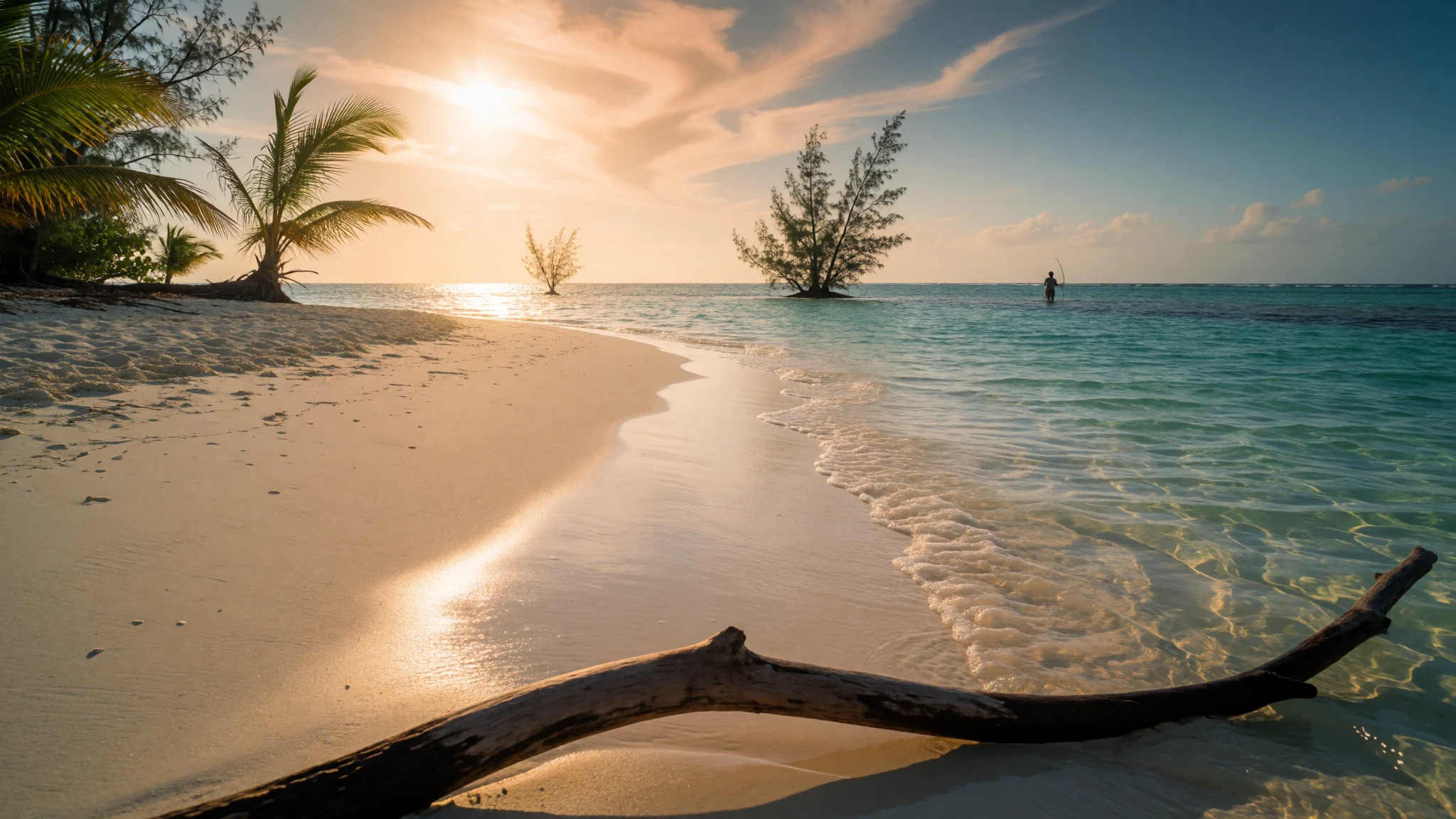
Île aux Cerfs is a private island off Mauritius's east coast, reached by boat, with pale sand, shallow water and a golf course.
The place
Île aux Cerfs, 'Deer Island', lies just off the east coast of Mauritius in the Flacq District, and it is privately owned. That shapes how a visit works: it is a day-trip destination rather than a place with a village, a bus route or a harbour town. Boats cross from the mainland shore opposite, and the lagoon in between is shallow enough that the water shifts from pale green to deeper blue within minutes of leaving land. On the island the appeal is simple: long beaches, trees behind them for patchy shade, and a golf club. The eastern side of Mauritius is known for sand-bank beaches and for a cluster of large resorts, and this island is one of the best-known pieces of that coast, which also means company. From mid-morning to mid-afternoon, especially in school holidays and the drier months, the main beaches can be busy, with speedboats and catamarans arriving in waves. Early and late in the day are calmer. Heat is the other fact of life. There is little relief from the sun on open sand, and the tropical light is strong even under cloud. The rest of Mauritius is within easy reach, so the island works best as one day inside a longer stay, paired with a market in Centre de Flacq, a crater lake or a reserve inland, rather than as a base. The wider country blends Indian, African, Chinese and French influences, and that mix shows up in the food, the languages and the festivals.
Its story
Île aux Cerfs takes its name from deer, and deer arrived in Mauritius only with outsiders. Before that, the main island was uninhabited and densely forested. Arab seafarers knew of it from around the 9th century and Portuguese sailors recorded it in the early 1500s, but neither group stayed. The Dutch claimed it in 1598, landing at a bay in the south-east that is now called Grand Port, and named the island after Maurits van Nassau, the Stadtholder of Holland. Their legacy included Java deer, imported monkeys and cane fields. The dodo was lost to hunting, and ebony stands were cut for timber until little remained. By the time the Dutch left in 1710, the native plants and animals had suffered lasting harm. The French followed in 1712, renamed the island Ile de France and moved the main harbour to the north-west, where Port Louis grew into the present capital. Their era brought economic development built around sugar, and with it the arrival of people from Africa, India and beyond, which is why Mauritius today has such a mixed population. Britain later took control, and Mauritius is now an independent country. A small, privately held island known for beaches and golf is a quiet footnote in all this, but its name is a reminder that the landscape visitors admire was reshaped by people within the last few centuries.
What to see
- The beaches of Île aux Cerfs — Île aux Cerfs, Flacq District
The main draw is the sand: long, pale beaches with shallow, clear water that suits wading and slow swimming. Walk away from the boat landing and the crowds thin quickly. Water depth changes with the tide, and open stretches have little shade, so check conditions with boat staff and bring sun protection.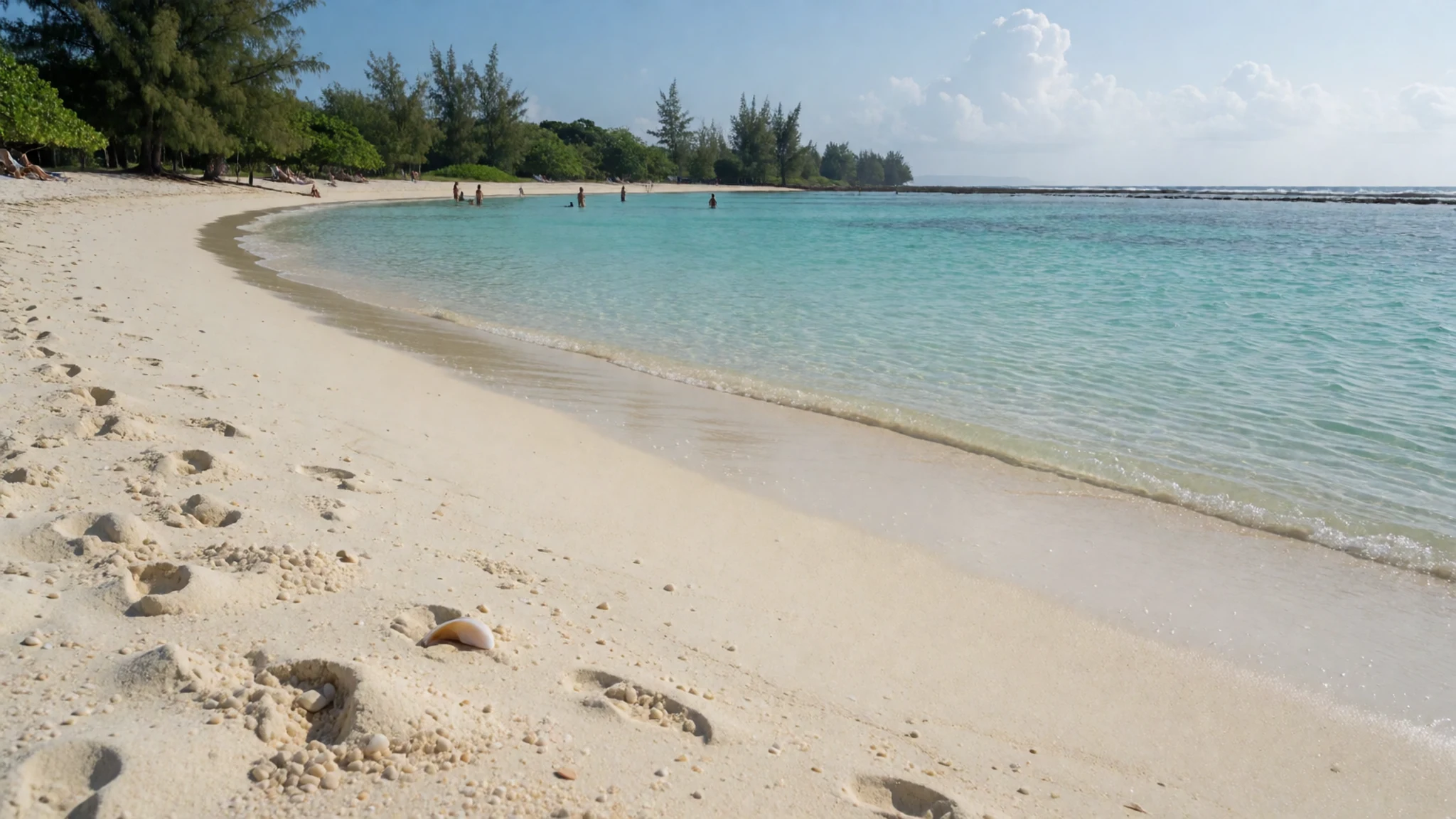
- The boat crossing — East coast lagoon, Flacq District
Getting to Île aux Cerfs is part of the outing. Boats leave from the east coast, and the short crossing over the lagoon gives a view back to the shore and the resorts along it. Operators range from simple shuttle boats to catamaran day trips with stops, so ask what is included before paying.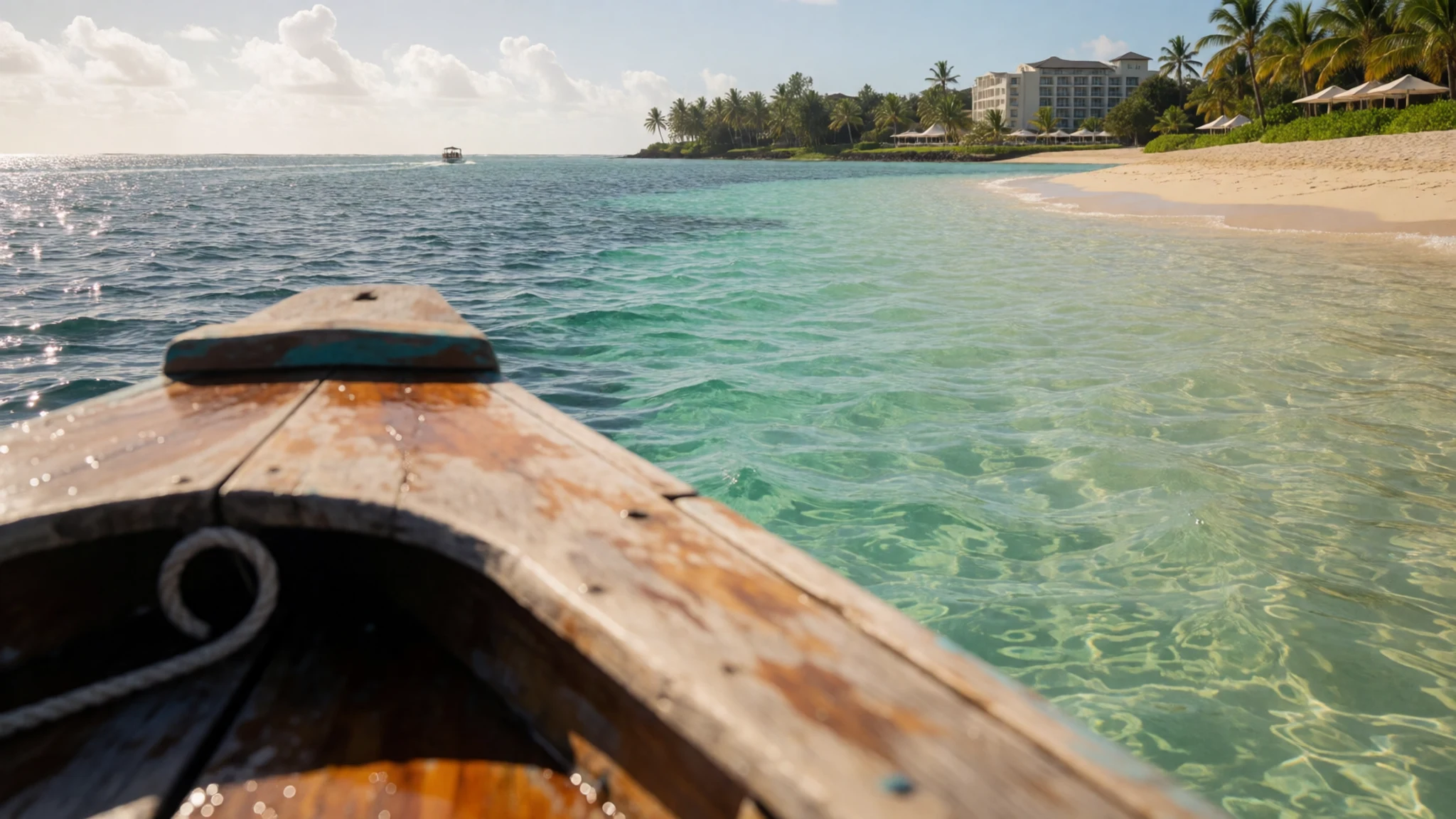
- Flamboyant trees and shoreline shade — Island interior, Île aux Cerfs
Behind the beach, flamboyant trees add red-orange blossom in the warm season, and their canopies give some of the only natural shade. A midday break under one is more comfortable than staying on open sand. Paths inland lead towards the golf club and quieter corners of the island.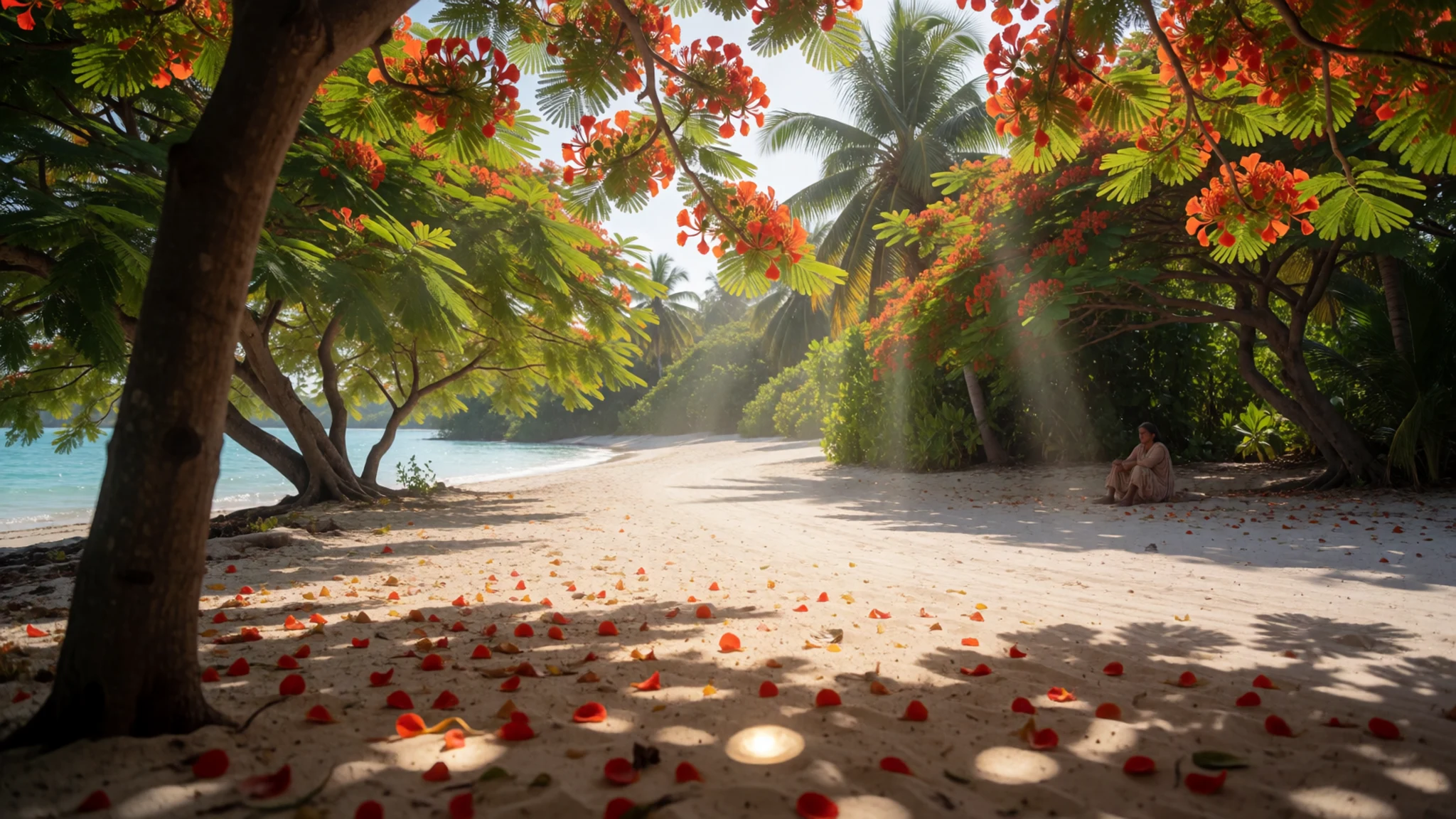
- Centre de Flacq market — Centre de Flacq, Flacq District
On the mainland, Centre de Flacq is where people from the east of Mauritius meet, and its open-air market is worth an hour before or after the boat trip. Stalls sell fruit, vegetables, snacks and household goods. Go in the morning, before the heat builds, and carry small notes.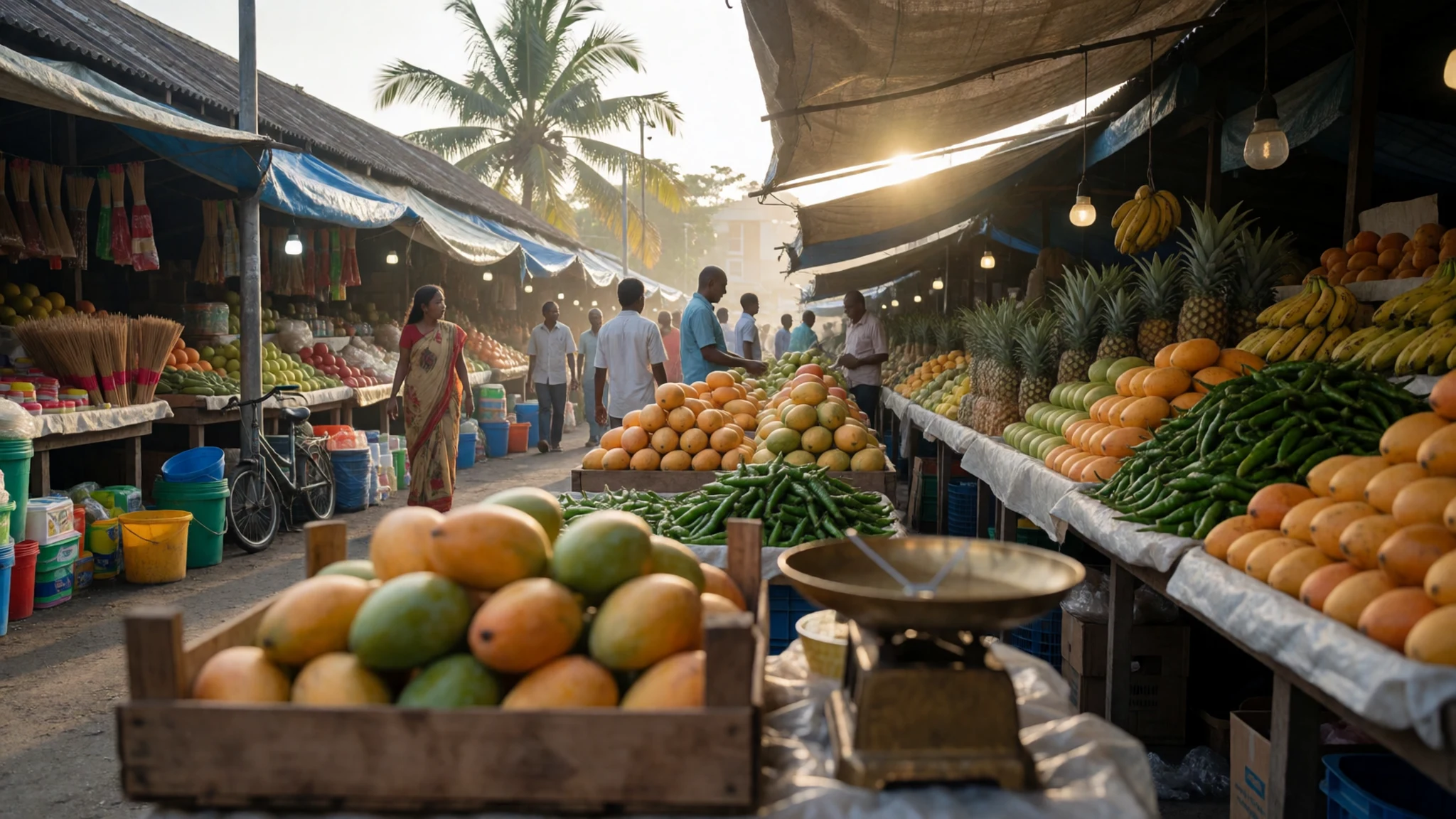
- Ganga Talao (Grand Bassin) — Savanne district, inland Mauritius
Inland, Ganga Talao fills the crater of an extinct volcano and is one of the two natural lakes of Mauritius. It is a Hindu pilgrimage site, with temples and large statues beside the water. It makes a good half-day addition to a beach day; visit quietly and dress modestly.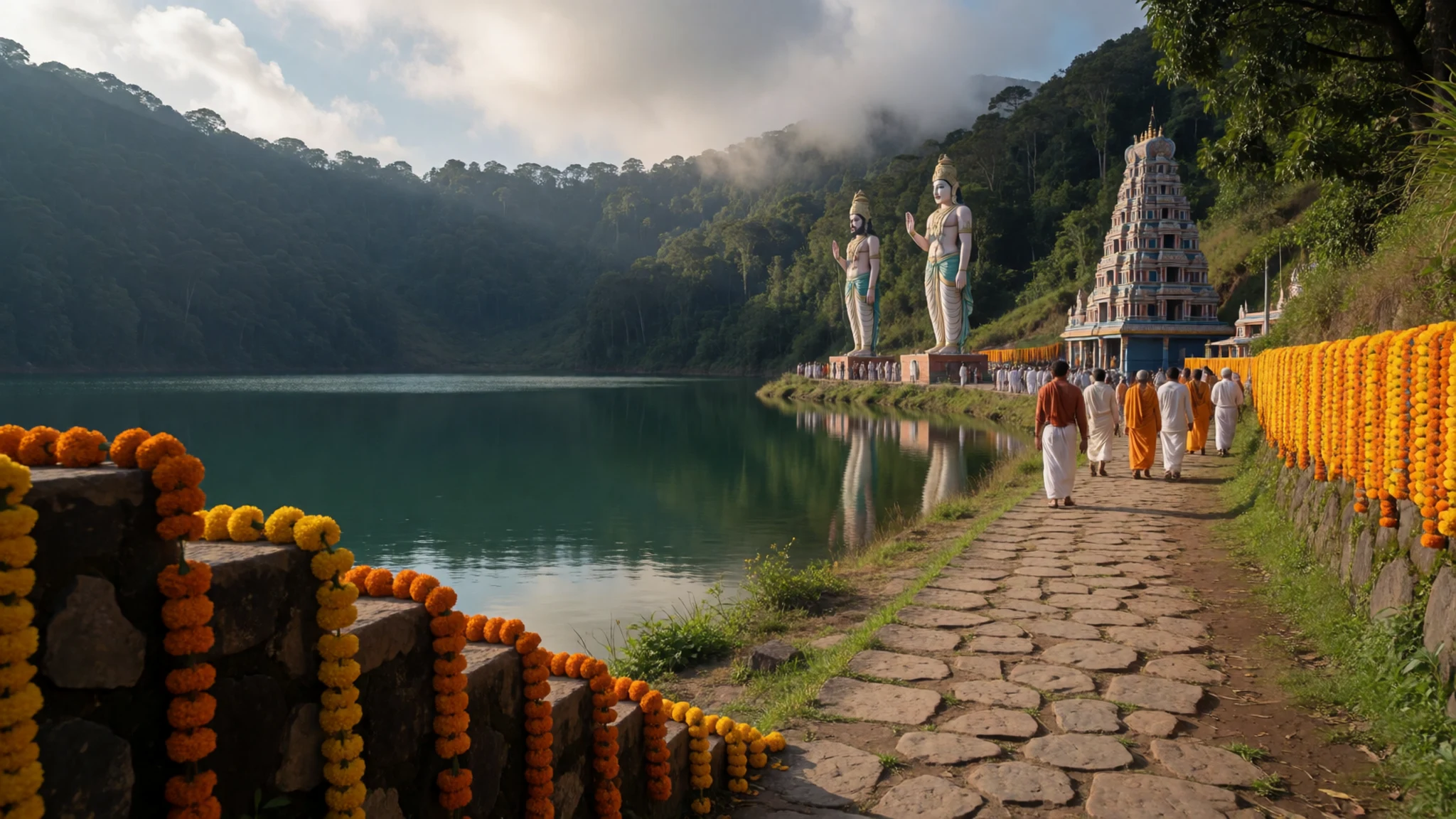
Culture
Île aux Cerfs is a beach island, but the culture around it is that of Mauritius as a whole, a country shaped by migration. Families trace their roots to India, Africa, China and France, and the languages heard on the boats and at the market reflect it: Mauritian Creole in daily speech, French in much of the media, English in official use. Religion is visible in the landscape. Hindu temples, mosques, churches and Chinese pagodas stand within a short drive of each other, and festivals such as Maha Shivaratri, when pilgrims walk to Ganga Talao, along with Diwali, Eid and Chinese New Year, are marked widely. Sega, a rhythmic music and dance with roots in the island's enslaved African and Creole communities, turns up at beach parties and resort evenings. On the island itself the atmosphere is mostly leisure: day-trippers, families, golfers and people celebrating something. Mauritians also head to the beach at weekends and on public holidays, so those days tend to be livelier and louder than weekdays. Because the island is privately owned, access and rules are set by its owners and boat operators rather than by public custom, so staff instructions about where boats land and where to walk are worth following. At temples and lakeside shrines such as Ganga Talao, remove your shoes before entering, cover shoulders and knees, and ask before photographing anyone at prayer.
What to wear
Fashion on Île aux Cerfs and in Mauritius reflects the island's mixed heritage. Traditional dress varies by community: many Indo-Mauritian women wear saris or shalwar kameez, usually in cotton or silk, for weddings, temple visits and festivals such as Diwali, while Muslim and Chinese-Mauritian families keep their own festive clothing. Creole sega performers wear wide, brightly printed skirts and loose blouses, mostly seen at shows and celebrations rather than in daily life. Day to day, people wear what suits a hot, humid climate: light cotton, linen, shorts, sundresses and sandals, with smarter clothes for offices and church. At the beach, swimwear is normal and relaxed, though people cover up when walking into villages and markets. A visitor to Île aux Cerfs should pack a wide-brimmed hat, sunglasses and a light long-sleeved cover-up, because the sun on open sand is intense. Footwear needs to cope with wet landings from boats, so sandals that stay on in water work better than loose flip-flops, and water shoes help if the sand gives way to rocks. For the golf club, check its dress rules before going. For temples and Ganga Talao, bring a sarong or scarf and wear clothing that covers shoulders and knees.
What to eat
- Farata with curry — Street stalls and snack counters in east-coast villages and Centre de Flacq
Farata is the Mauritian name for paratha, a soft layered flatbread eaten with curries, pickles and chutney. It reflects the Indian roots of much local cooking. Look for it at street stalls and snack counters, where it is often rolled around fillings and eaten warm.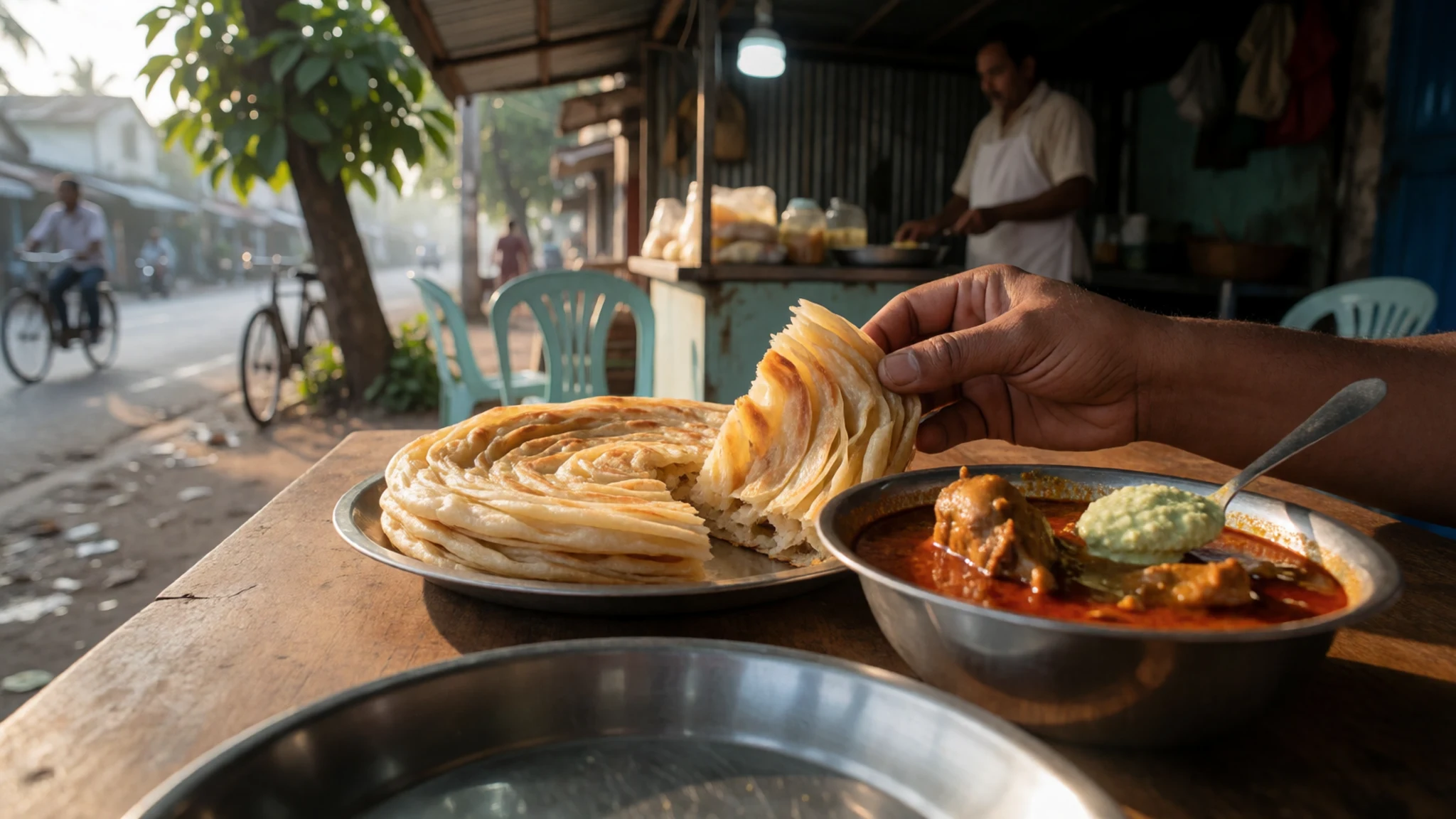
- Dal with rice and pickles — Small family-run eateries on the mainland
Dal, a lentil soup or stew, comes in many versions depending on the lentil used, and is served with rice, vegetables and sharp pickles. It is everyday food in Mauritian homes and cheap eateries, and a good vegetarian choice that is mild and warming.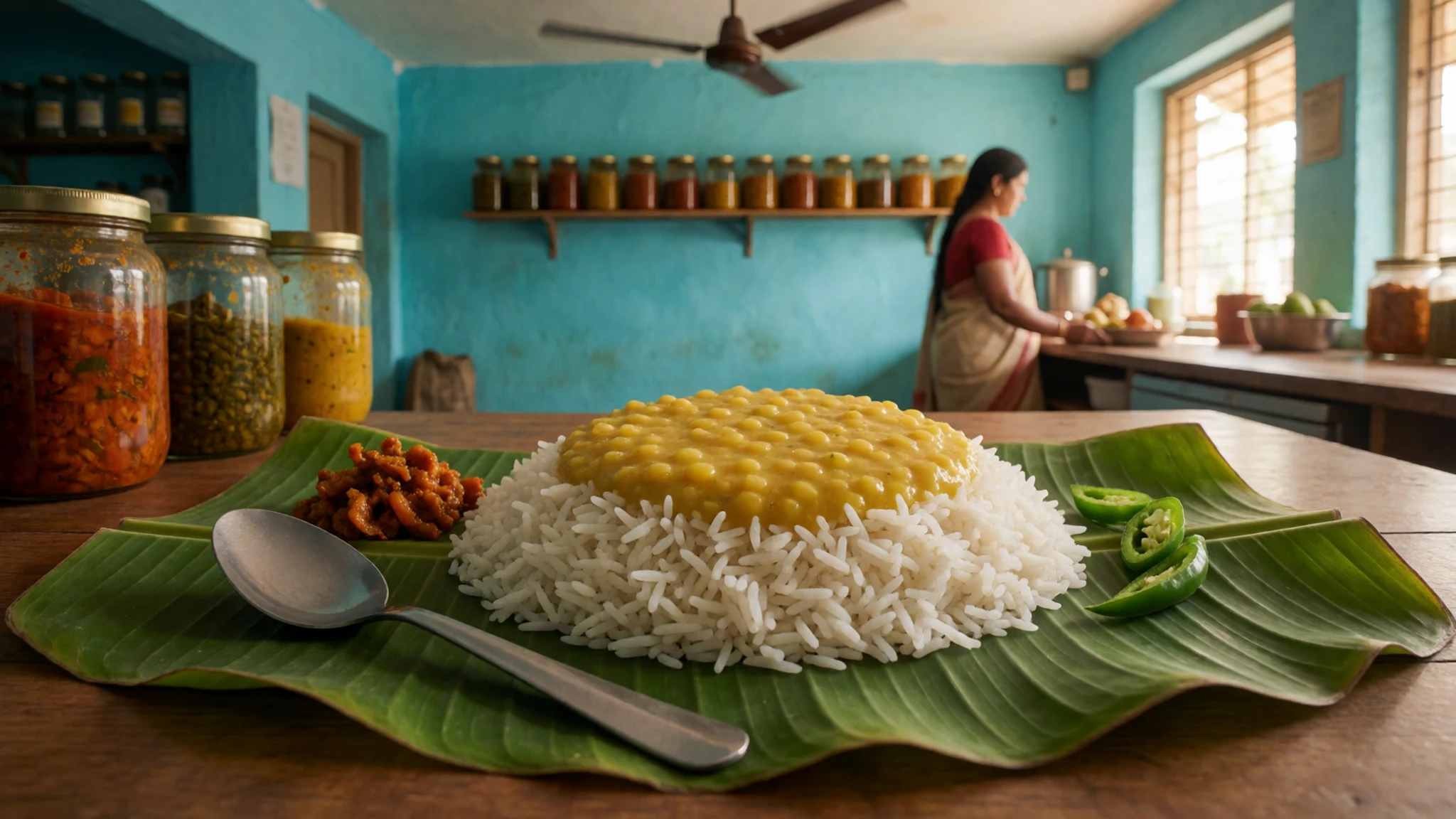
- Fish curry and grilled fish — Beachside restaurants and eateries near the boat departure points
With the sea on every side, fish is a regular on menus, whether in a spiced curry with thyme and curry leaves or grilled with a Creole sauce. Ask which catch is fresh that day and how hot the sauce is before ordering. - Gâteaux piments — Market stalls and roadside vendors, especially around Centre de Flacq
These small fried fritters, made from split peas and chilli with herbs, are a popular street snack. They are best eaten hot and fresh, often tucked into bread with chutney. Expect some heat, and buy from a stall with a steady queue. - Boulettes — Chinese-Mauritian eateries and market food stalls
Boulettes are small steamed dumplings, usually of fish, meat or vegetables, served in a light broth. They show the Chinese side of Mauritian cooking, sitting alongside Indian, French and East African influences. A comforting choice after a day in the sun and sea.
Plan it
Best time. June to September are usually the most comfortable: cooler, less humid and generally calmer at sea. December to April is hot and humid, with the heaviest rain from January to March, which can cancel boat trips. Weekends and school holidays bring the biggest crowds.
How long. 1 day on the island, within a stay of 4–7 days in Mauritius
Getting there. Fly into Sir Seewoosagur Ramgoolam International Airport in the south-east of Mauritius, then travel by taxi or hired car to the east coast. The last leg is a short boat crossing from the mainland shore to Île aux Cerfs; operators and resorts run the trips, so check who is running them on your dates.
Budget. mid
Tips
- Go early or late in the day to avoid the busiest hours on the beach
- Bring water, sun protection and a hat, since shade on open sand is limited
- Carry some cash for small purchases and confirm in advance what a boat trip includes
- Check the golf club's own website or office for rules and booking before planning a round
Etiquette
- Follow boat and island staff instructions about landings and where to walk, since the island is private
- Take rubbish back with you and do not touch or collect coral or shells
- Dress modestly and remove shoes when you visit temples such as Ganga Talao
Nearby
Sources
- Wikidata Q292217 (CC0)
- Wikipedia: Île aux Cerfs (rev 1364347575) (CC BY-SA 4.0)
- Wikivoyage: Mauritius (rev 5410845) (CC BY-SA 4.0)
- Photo: Île aux Cerfs, Mauritius — Arne Müseler (CC BY-SA 3.0 de)
- Photo: Before sailing to Ile aux Cerfs — mwanasimba (CC BY-SA 2.0)
- Photo: Before sailing to Ile aux Cerfs — mwanasimba (CC BY-SA 2.0)
- Photo: Flamboyant tree - Ile aux Cerfs - Mauritius — patano (CC BY 3.0)
- Photo: ILE AUX CERF-ISLAND.JPG — unknown author (Public domain)
- Photo: Strand auf Ile aux Cerfes in Mauritius — Z thomas (CC BY-SA 4.0)
- Photo: Strand auf Ile aux Cerfes in Mauritius — Z thomas (CC BY-SA 4.0)
- Photo: Strand auf Ile aux Cerfes in Mauritius — Z thomas (CC BY-SA 4.0)


