Rodrigues
Rodrigues, Mauritius
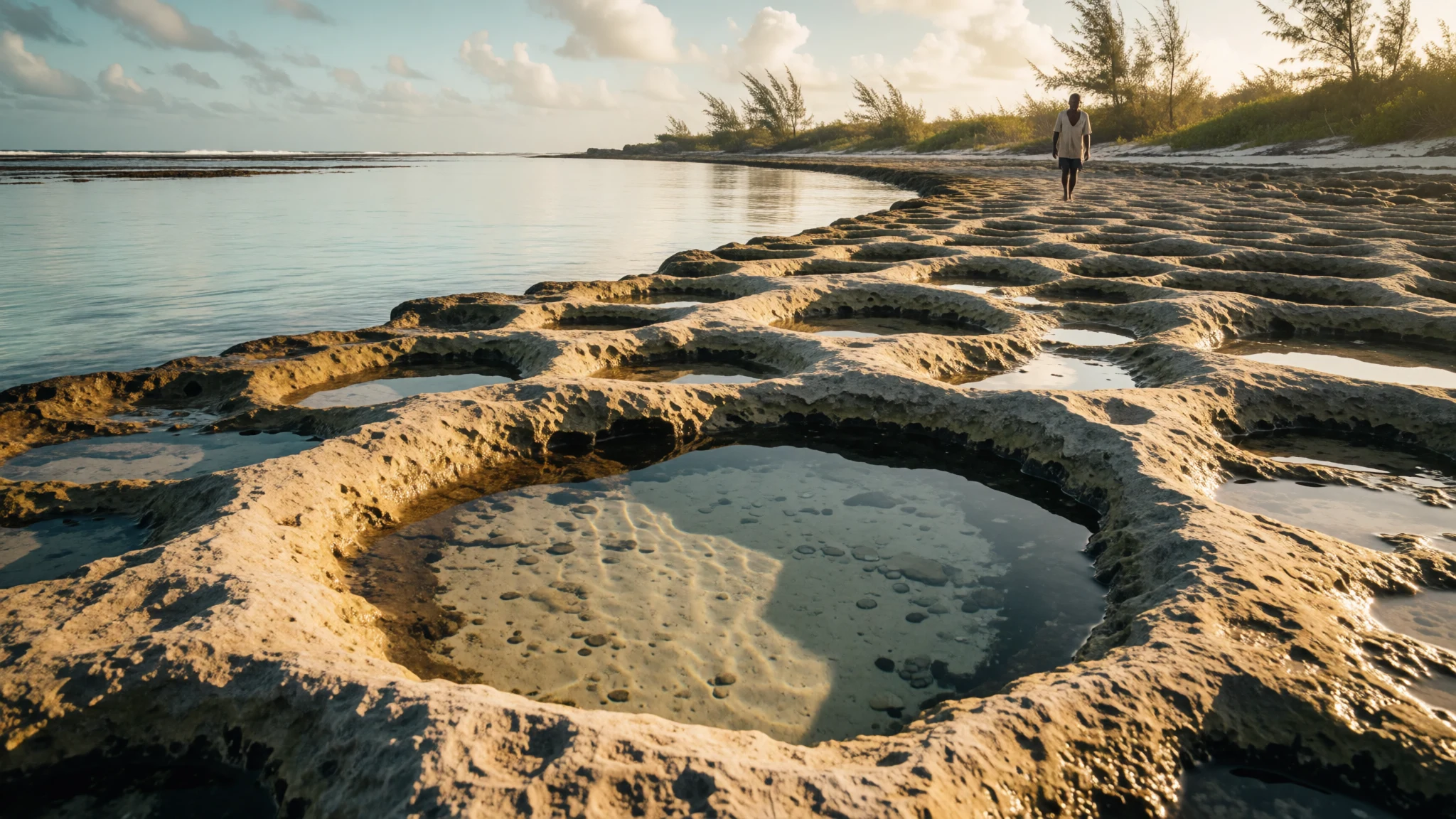
Rodrigues is a quiet volcanic island ringed by a vast lagoon, where octopus curry, sega music and unhurried days replace the resort scene of Mauritius.
The place
Rodrigues is a small volcanic island in the Indian Ocean, an autonomous part of the Republic of Mauritius and a long sea or air journey east of the main island. Together with Réunion, the two form the Mascarene group, but Rodrigues feels like a country in miniature: slower, more rural and much less developed for tourism. About 41,669 people live here, and most of them are of African descent and belong to the wider Mauritian Creole community. Port Mathurin, the capital, is where boats dock, shops cluster and farmers bring produce down from the hills.
The land rises to 398 metres, so the interior is a landscape of ridges and valleys, with goat tracks, small fields of onions, garlic and chilli, and cattle grazing steep pasture. A coral reef rings the island, and the lagoon inside it covers roughly twice the area of the land itself. That explains why so much of island life, from fishing to snorkelling, faces the water. Tiny uninhabited islets sit just off the coast.
The economy rests on fishing, farming, handicrafts and a developing tourism trade, and the island runs its everyday affairs through its own Regional Assembly. Expect small guesthouses rather than large resorts, very little nightlife outside Port Mathurin, and distances that look short on the map but feel longer on winding roads. The local language is Kreol rodrig, with French and English widely understood. For current practical information, check the official site at https://govmu.org/EN/Pages/rodrigues.aspx.
Its story
Rodrigues was uninhabited when Europeans first reached it. The Portuguese navigator Diogo Rodrigues came upon the island in 1528, sailing under the direction of the viceroy Pedro Mascarenhas, who also gave his name to the Mascarene Islands. Some maps record it as Diego Roiz, and it was the navigator's name, not a local one, that stuck.
Arab sailors may have known it earlier. They are recorded visiting the Mascarenes from the tenth century, and early Portuguese-era maps show three islands with names that look like garbled Arabic: Diva Harab, 'Desert Island'; Diva Maghrebin, 'Western Island'; and Diva Mashriq, 'Eastern Island'. Historians disagree about which of the first and third is Mauritius and which is Rodrigues. One argument for Rodrigues as the 'desert' island is its limestone karst, whereas Mauritius, even after centuries of forest clearance, could hardly be called a desert.
The island's wildlife has a sadder history. The Rodrigues solitaire, a flightless relative of the dodo, was hunted out in the late eighteenth century. Two endemic birds survive, the Rodrigues warbler and the Rodrigues fody. The Rodrigues fruit bat came close to joining the solitaire: fewer than a hundred remained in the wild in the late twentieth century, though numbers have since climbed beyond a thousand and the species is still critically endangered.
In modern times Rodrigues was administered as a district of Mauritius, until it gained autonomy in the early years of this century and took on its own Regional Assembly.
What to see
- Port Mathurin — Capital, north coast
Port Mathurin is the capital and the island's largest settlement, and the natural place to start. The harbour, the shops and the market show everyday Rodriguan life, and the Regional Assembly building stands here. Go early, when stalls are busiest and the heat has not built, and leave time simply to wander.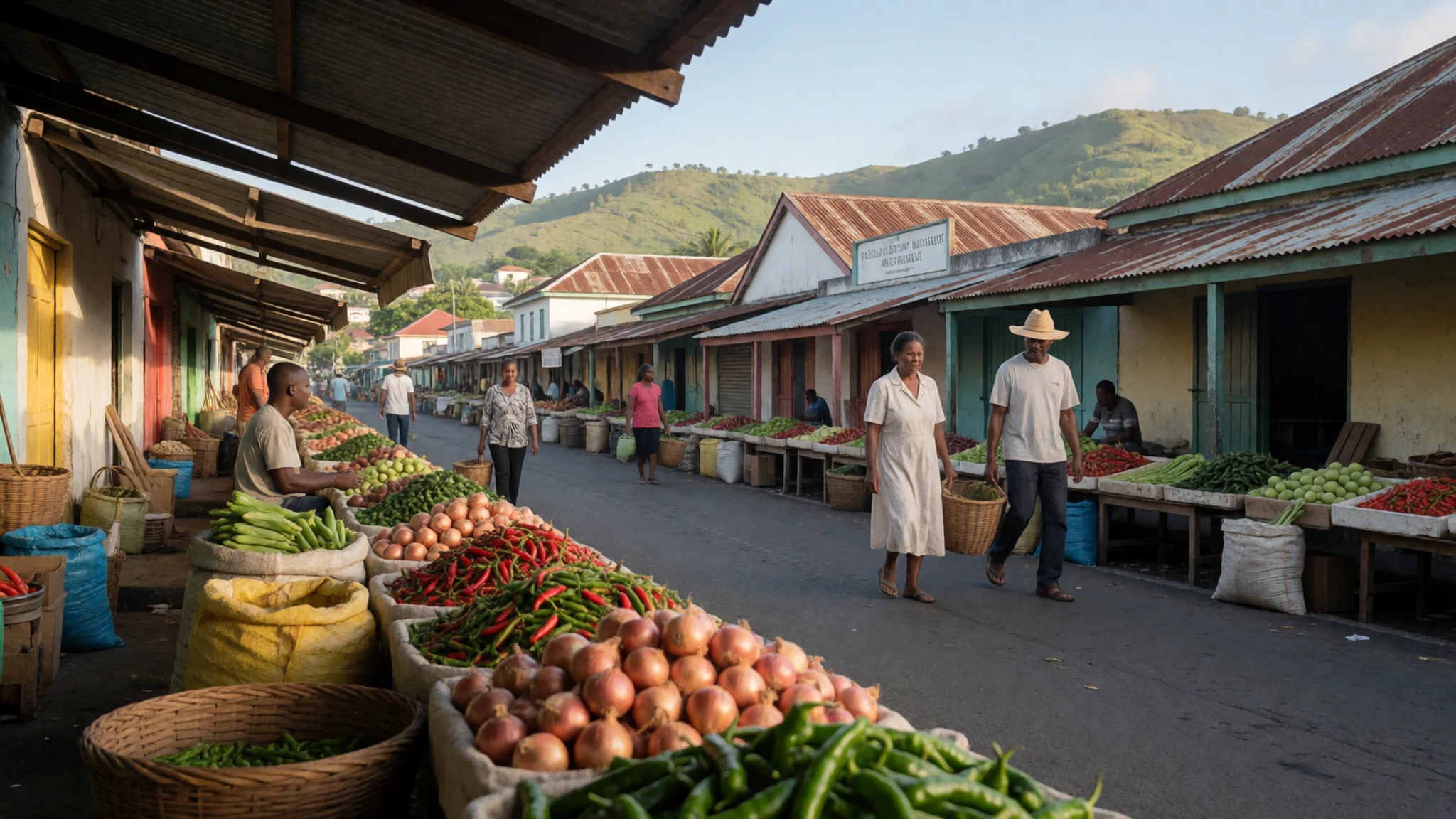
- Pointe Coton — Eastern end of the island
Pointe Coton is a low shore of pale, wave-worn limestone, with the reef-sheltered lagoon lying calm behind it. It suits a slow walk, a swim in the shallows and snorkelling when the water is gentle. There is little shade on the open shoreline, so carry water and a hat.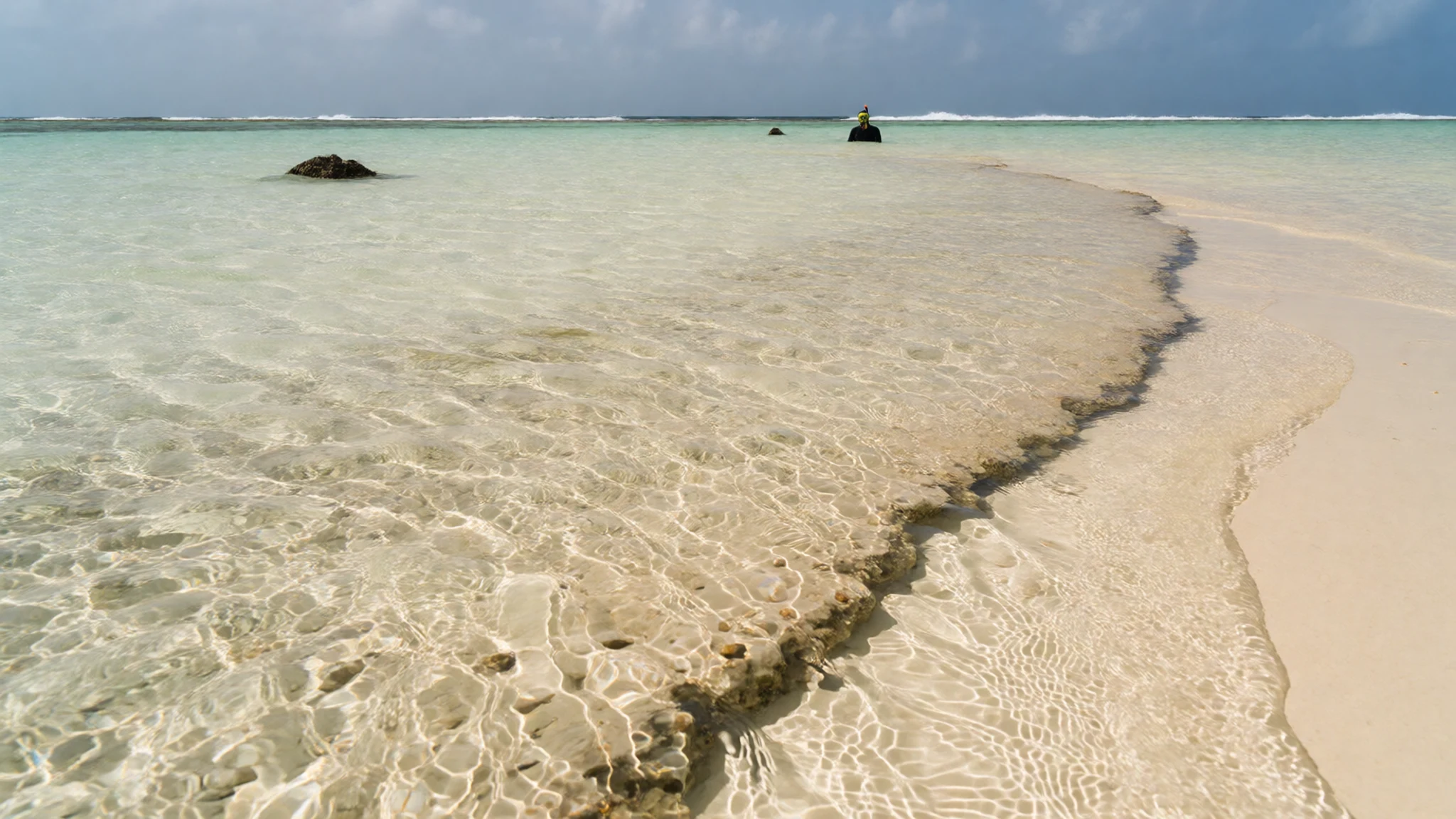
- Grande Montagne — Southern uplands
Grande Montagne is an upland area where native vegetation is being protected, and the Rodrigues warbler, one of the island's two surviving endemic birds, has been photographed here. Paths are steep and uneven, so wear proper shoes, go early for birdsong and cooler walking, and consider a local guide.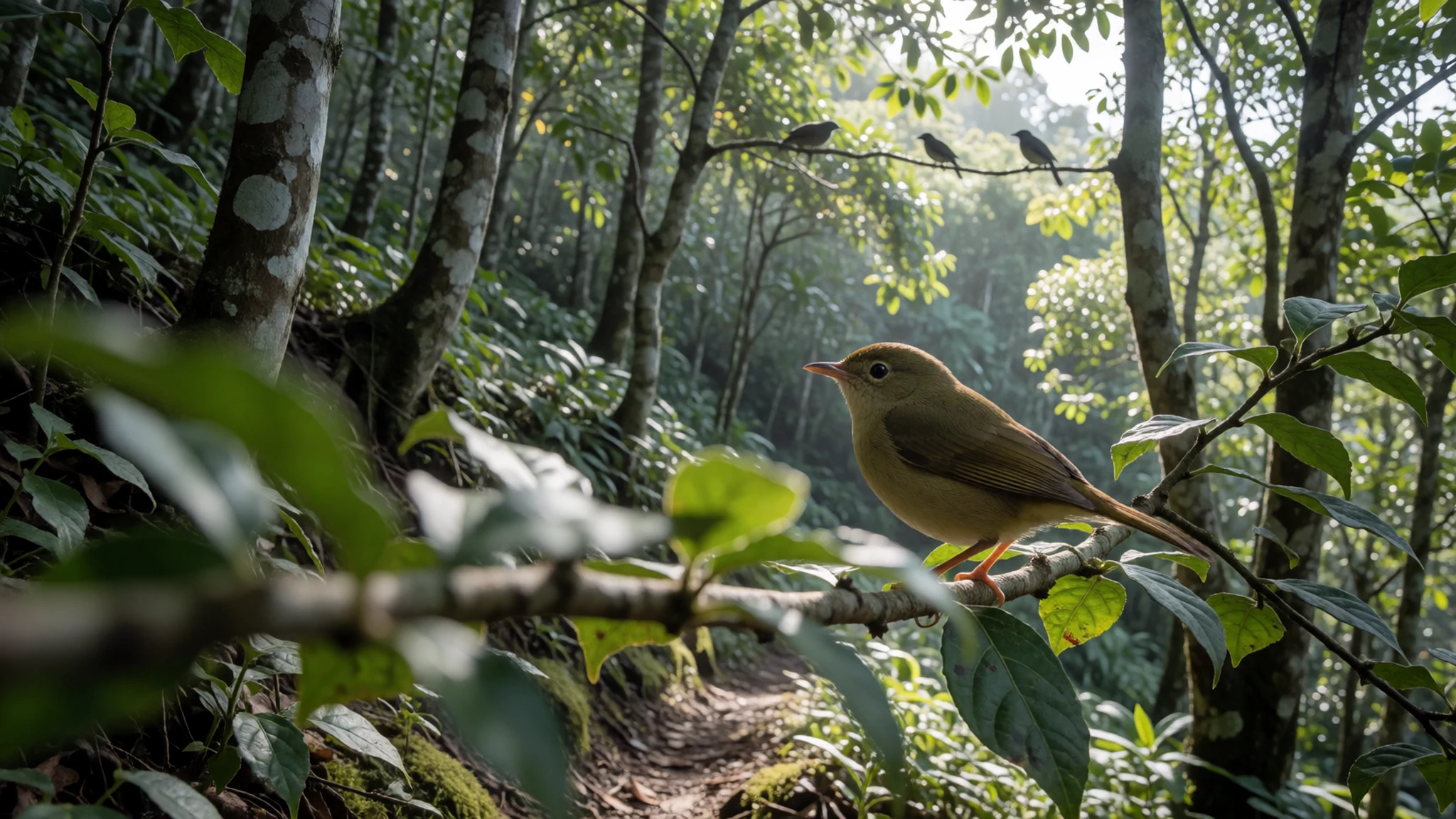
- Baie aux Huîtres — South coast
Baie aux Huîtres is a sheltered bay on the south coast where shallow water, rock and small fishing boats make a quiet scene far from the capital. It is a good place to see how closely village life is tied to the lagoon, and to take photographs in morning light.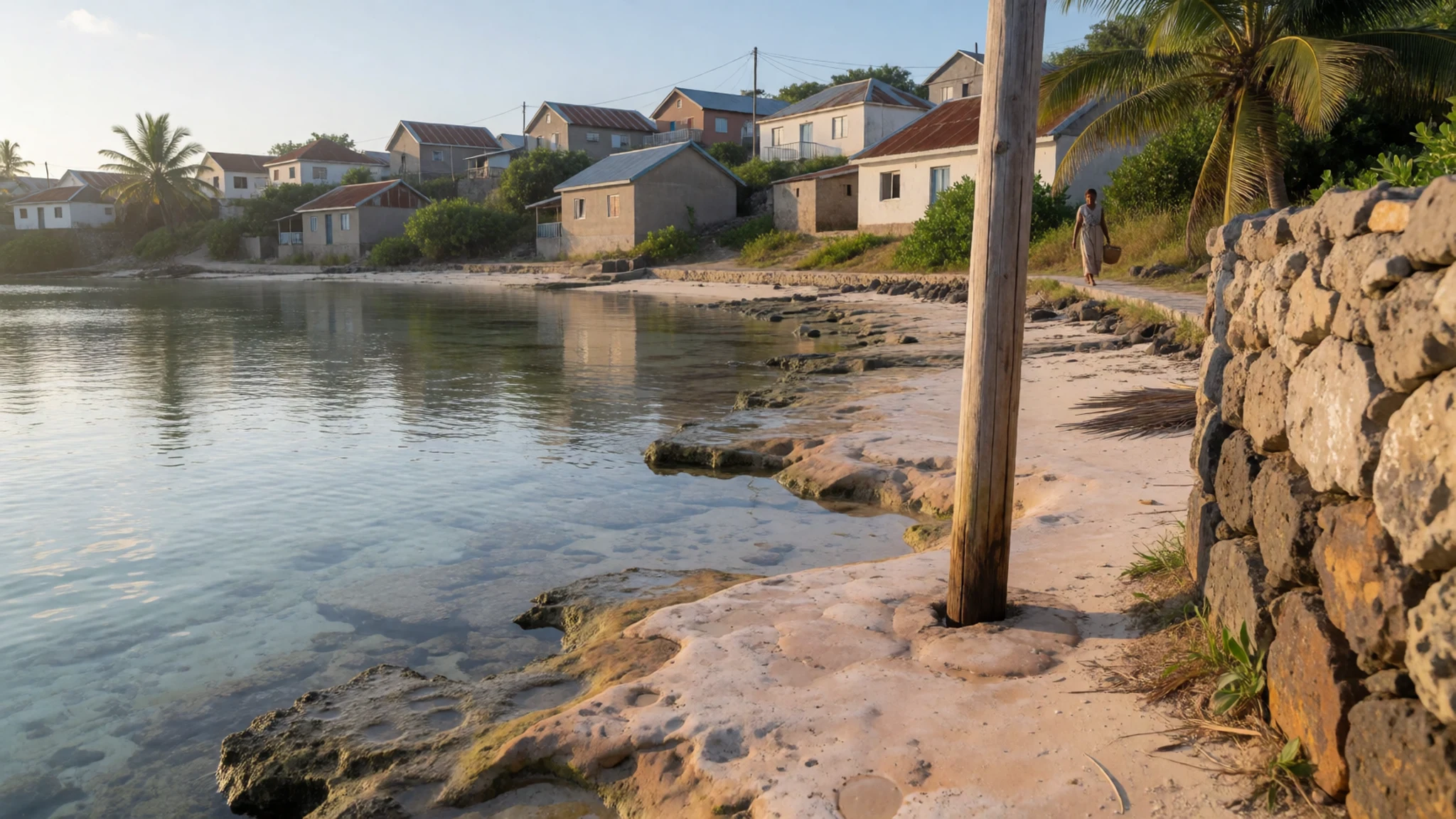
- Rivière Cocos countryside — Interior valleys
The valley of Rivière Cocos shows the farming side of Rodrigues, with cattle grazing on steep green fields above the water. Animal rearing and crops such as onions, garlic and chilli are mainstays of the island economy. A walk or drive through the interior gives context to the coastal views.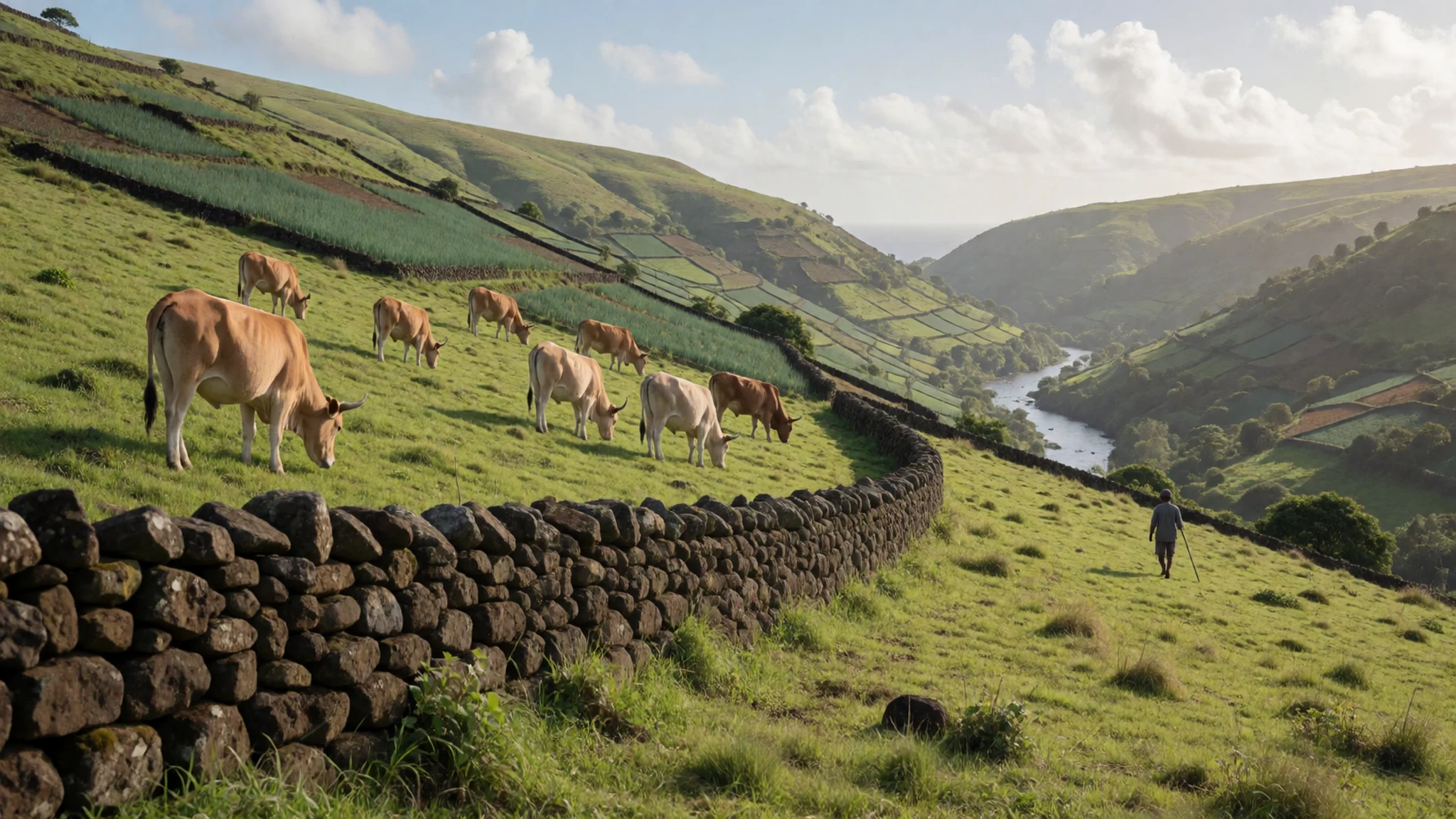
Culture
Rodrigues has a distinct culture of its own, shaped by a movement of cultural revival in the late twentieth century that strengthened local identity through food, music and crafts. The people are mostly of African descent, belong to the wider Mauritian Creole community and speak Kreol rodrig at home, with French and English used in business and schools.
The island's signature music is sega tambour. It has a strong, accented beat, usually carried by an accordion, hand-clapping and improvised percussion, with bamboo among the instruments. The dance music has a surprisingly European ear, echoing polkas, quadrilles, waltzes and even Scottish reels, a reminder of the island's colonial past. Listen for it at festivals, village gatherings and evening shows arranged by guesthouses.
Football is the most common sport, with local competitions through much of the year, and the winning team can travel to Mauritius for exchange matches. Volleyball is also popular. Handicrafts remain a living trade and a useful source of income, so buying something small from a maker is a direct way to support the island.
Daily life is rural, family-centred and unhurried, and church and community events matter. Visitors who greet people, take time over conversations and accept that service can be slow generally find Rodriguans welcoming.
Greet people with a friendly bonjour on village paths, and always ask before photographing anyone, especially people working in the fields or on the shore.
What to wear
Rodrigues has no formal costume worn day to day, and its dress is best described as Creole-island casual, with dressed-up touches for dancing, church and celebrations. At folk performances, such as sega tambour evenings, dancers tend to wear bright, full skirts, headscarves and neat shirts, in light cotton or similar cloth suited to the heat. These outfits echo the quadrille and polka styles that shaped the local dance tradition.
On ordinary days, people on the island wear what suits warm, humid weather and farm or fishing work: loose cotton shirts, shorts or knee-length skirts, sandals or rubber shoes, and hats or caps against the sun. In Port Mathurin, office workers and shop staff dress a little more neatly, and Sunday clothes for church are noticeably smarter.
Visitors should pack light, breathable clothes in cotton or linen, a wide-brimmed hat, sunglasses and high-factor sun protection, as the sun on the reef is strong. Reef shoes are worth having for walking in the rocky lagoon shallows, and sturdy trainers or walking shoes help on steep, uneven hill paths. Swimwear belongs on the beach and boat; in villages, towns and churches, cover shoulders and knees. A light rain jacket is useful in the wetter months.
What to eat
- Octopus curry — Small eateries and takeaway stalls in Port Mathurin and coastal villages
Octopus curry is the dish most visitors are told to try. Tender octopus simmers in a spiced, tomato-based sauce, and it is usually served with rice. It reflects the island's mix of Indian and Creole cooking and its dependence on the lagoon.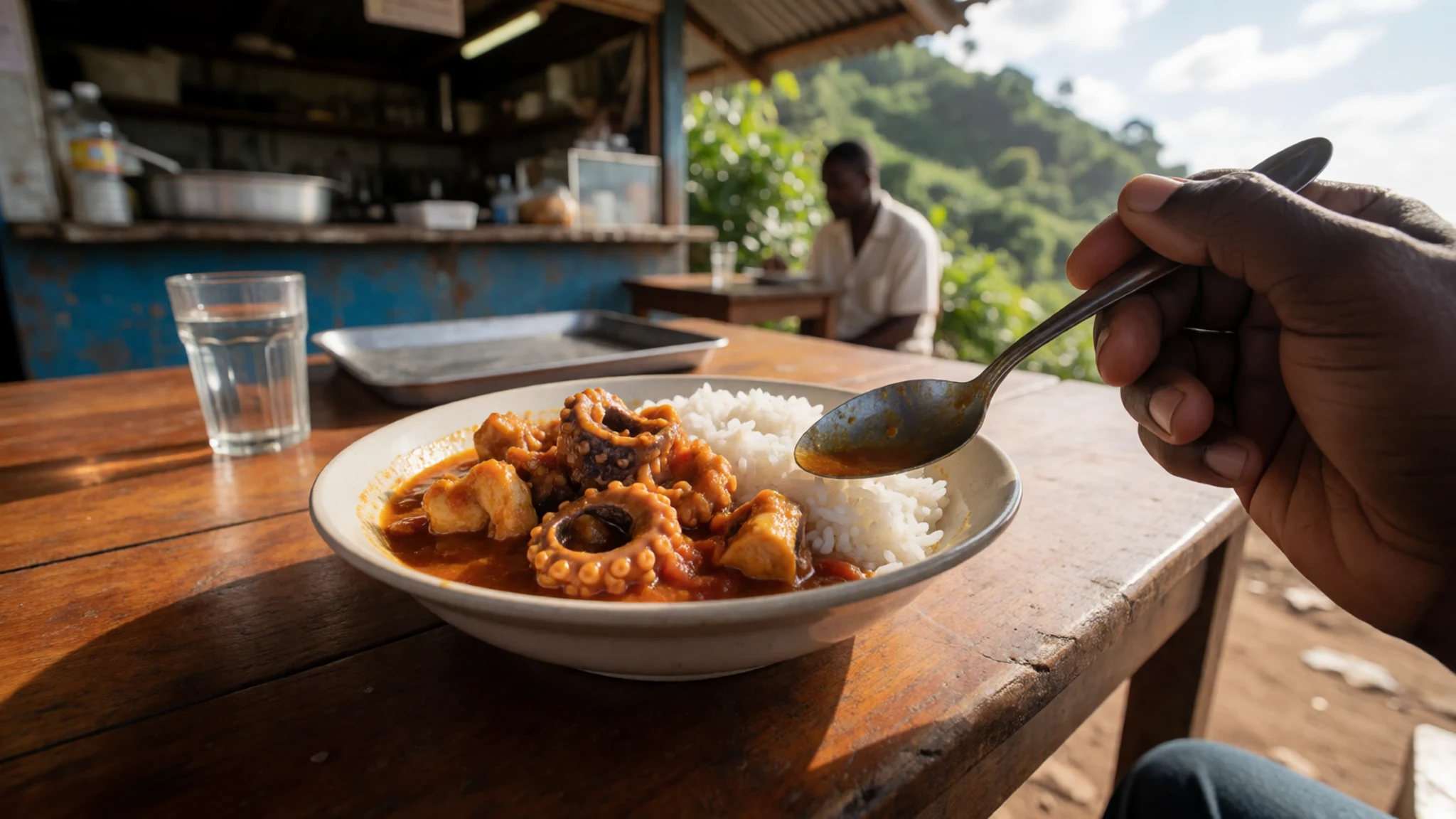
- Coco-cono salad — Local eateries near the coast and fish stalls
Coco-cono, also written kono-kono, is a shellfish found in the lagoon, served in a cold salad with fresh vegetables and a sharp dressing. It is a lighter dish than the curries, and a good lunch on a hot day.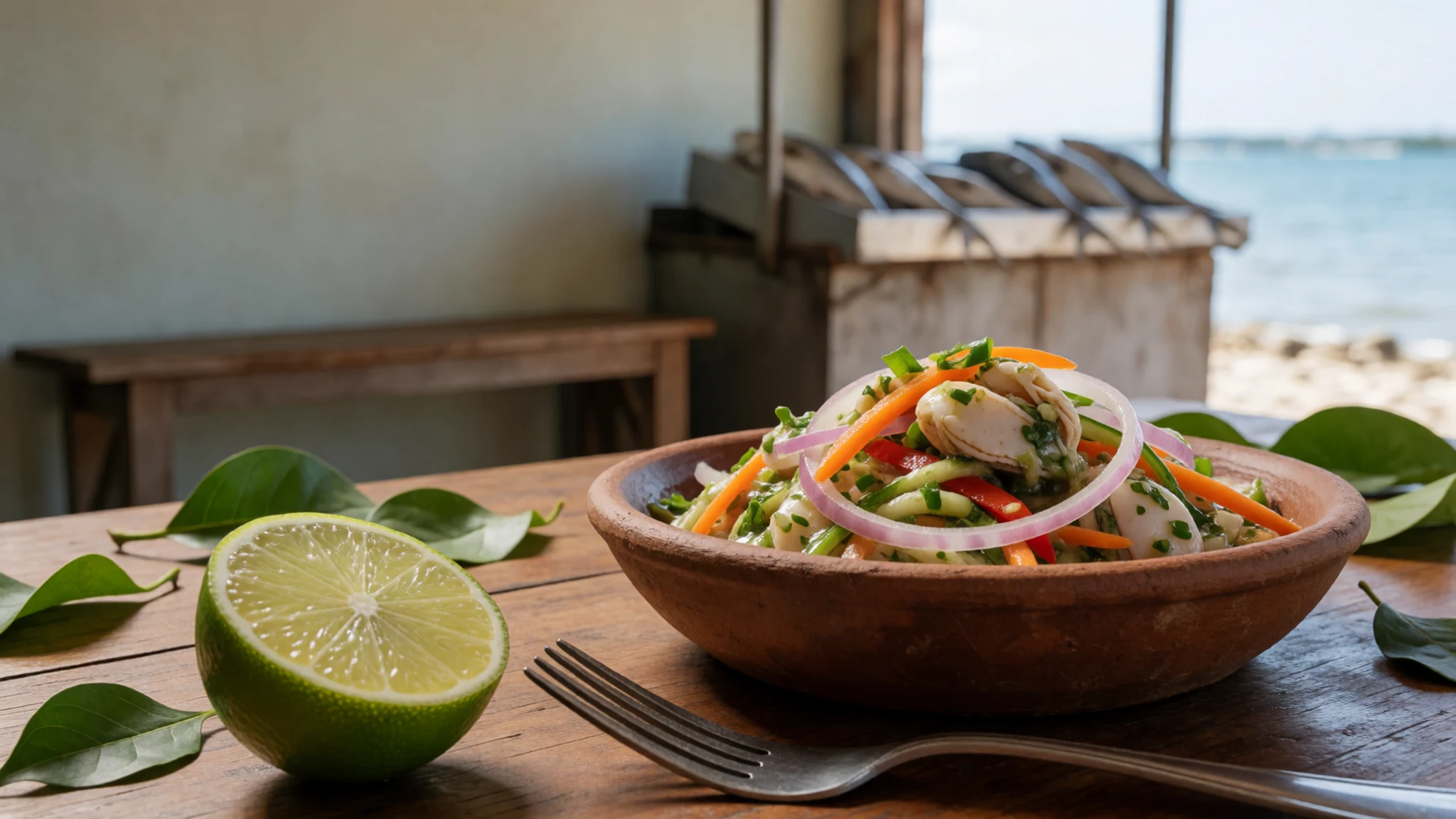
- Sausages with rougaille sauce — Home-style restaurants and market-day food stalls
Rougaille is a Creole tomato sauce cooked down with onion, garlic and chilli, here served over local sausages. It is a hearty, everyday dish, usually accompanied by rice, and shows the French and African threads in the island's cooking. - Fresh grilled or fried fish — Waterfront eateries and fishing villages
With a reef-bound lagoon on every side, fish is central to Rodriguan meals, along with crab, shrimp and lobster. Ask what the boats landed that morning, and have it grilled or fried, with rice and a chilli relish on the side. - Rodrigues cake — Bakeries and market stalls in Port Mathurin
Rodrigues cake is a local sweet treat sold at bakeries and market stalls, often bought as a snack or taken home as a small gift. Ask for what is baked that day, as quality and recipes vary between makers.
Plan it
Best time. May to November is generally the cooler, drier half of the year, and October and November are good for lagoon days and walking in the hills. Cyclone season brings heavier rain and stronger winds from about January to March, so those months carry more risk of disrupted flights and boats.
How long. 4–6
Getting there. Air Mauritius flies daily from the main island to Rodrigues, and the flight takes under two hours. The cargo and passenger ship Mauritius Trochetia sails from Port Louis twice a month, and the crossing takes between a day and a half and two days depending on the sea. From the airport, arrange a guesthouse transfer or taxi to Port Mathurin and the coast.
Budget. mid
Tips
- Check the Air Mauritius website for current fares and book flights and rooms early, especially around school holidays, as the island is small.
- Carry cash for markets, small eateries and village shops, as card acceptance can be patchy outside Port Mathurin.
- Bring sun protection, a refillable water bottle and mosquito repellent; malaria risk is low, but the island has seen outbreaks of chikungunya.
- Hire a local guide for upland walks and boat trips, and start early before the heat builds.
- Do not plan on late nights: nightlife is limited and mostly in Port Mathurin.
Etiquette
- Greet people with a friendly bonjour, and ask before photographing anyone.
- Dress modestly in villages and churches, keeping swimwear to the beach and boat.
- Leave coral, shells and wildlife undisturbed, and never walk on the reef.
Nearby
Sources
- Wikidata Q208668 (CC0)
- Wikipedia: Rodrigues (rev 1384786183) (CC BY-SA 4.0)
- Wikivoyage: Rodrigues (rev 5212923) (CC BY-SA 4.0)
- Photo: Calcarenitic shore at Pointe Coton, B.navez (CC BY 3.0)
- Photo: Rodrigues Island, Mauritius, fred_pnd (CC BY 2.5)
- Photo: Rodrigues warbler, Happolati (CC BY-SA 4.0)
- Photo: Rodrigues Regional Assembly, Dunog (Public domain)
- Photo: Cattle grazing above Rivière Cocos, Wikeddy (CC BY-SA 4.0)
- Photo: Baie aux Huîtres, Гульнара Бектемировна (CC BY 4.0)
- Photo: Baie aux Huîtres (2), Гульнара Бектемировна (CC BY 4.0)
- Photo: Baie aux Huîtres (3), Гульнара Бектемировна (CC BY 4.0)


