Mauritius
Mauritius, Mauritius
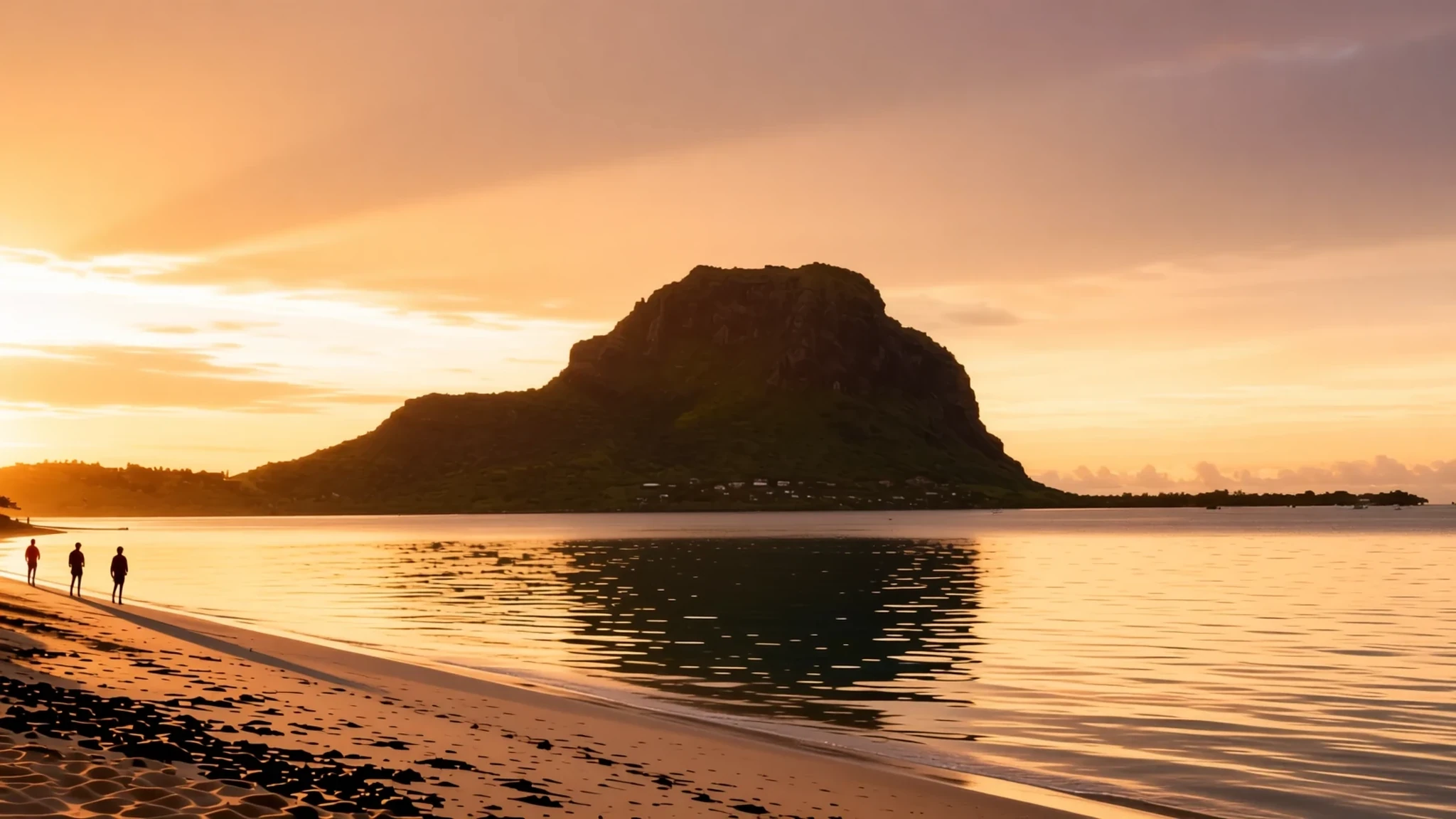
Mauritius pairs volcanic peaks and turquoise lagoons with a layered heritage born from African, European, and Asian crossings across the Indian Ocean.
The place
Mauritius sits isolated in the vast waters of the Indian Ocean, positioned eastward from the African landmass and neighbouring islands. The sovereign state comprises a primary landmass alongside smaller territories including Rodrigues, Agaléga, and the Cargados Carajos shoals, all belonging to the wider Mascarene archipelago. Across its total territory, the landscape transitions from coastal strips of white sand and coral lagoons to interior plateaus and dramatic volcanic heights that catch passing ocean moisture.
The capital and largest settlement, Port Louis, sits tucked against the western slopes where commercial shipping has converged for centuries. Beyond the urban centre, smaller towns and agricultural patches fill the interior valleys, while coastal zones support fishing communities and beach settlements. The geography creates distinct regional microclimates, meaning a morning shower in the central uplands often gives way to bright sunshine along the protected western shoreline. Sugar cane fields blanket much of the arable land, shaping green undulating horizons that stretch toward jagged mountain silhouettes against the sky.
Its story
Mauritius remained entirely uninhabited until early visitors arrived across maritime trade routes. Medieval Arab sailors were among the first to log the landmass, recording it under early names during their voyages through the western Indian Ocean. European documentation began when Portuguese navigators charted the territory during exploratory voyages around the southern tip of Africa, though they used the location merely as a stopping point for fresh water and provisions rather than establishing a permanent colony.
Formal colonisation began when Dutch squadrons dropped anchor at Grand Port, claiming the territory in honour of the House of Orange and initiating commercial extraction of native ebony forests. The Dutch also introduced sugar cane cultivation and various domestic animals before abandoning their settlements. Subsequent colonial eras under French and British administration transformed the demographic and economic landscape entirely. Plantation economies expanded through imported labour, bringing diverse communities from European, African, and Asian origins together on the island. This complex convergence of maritime powers and migrant waves ultimately forged the distinct cultural identity found across modern Mauritius today.
What to see
- Casela Nature Parks — Rivière Noire district
Sprawling across twenty-five hectares in the Rivière Noire district, this extensive nature and leisure reserve shelters numerous bird species drawn from five different continents alongside herds of free-roaming giant tortoises and native wildlife.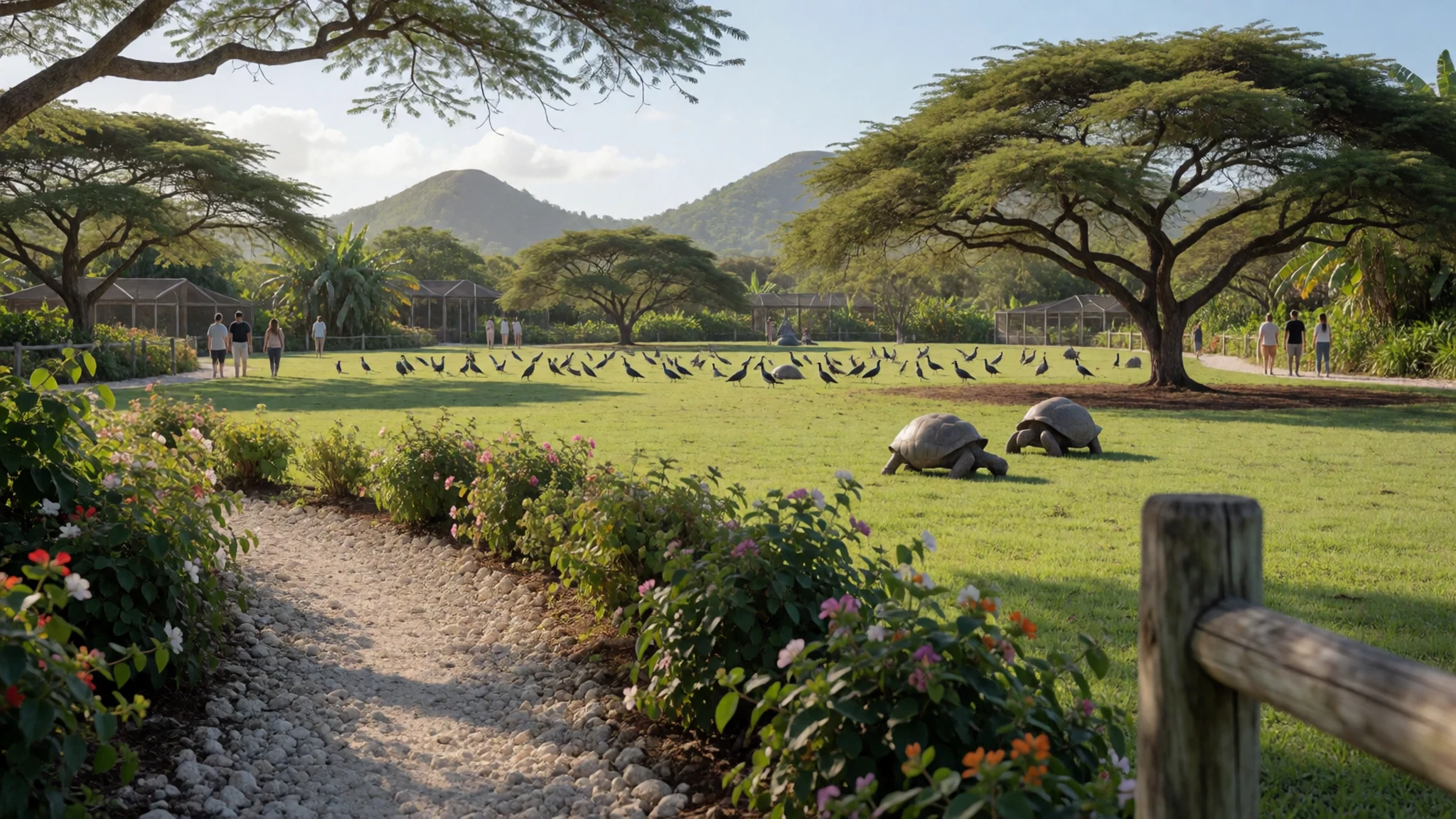
- Yemen Reserve — Western interior
Set within a quieter sector of the western terrain, this game reserve offers visitors an opportunity to walk close to roaming herds of deer and observe untouched specimens of local Mauritian fauna in their natural habitat.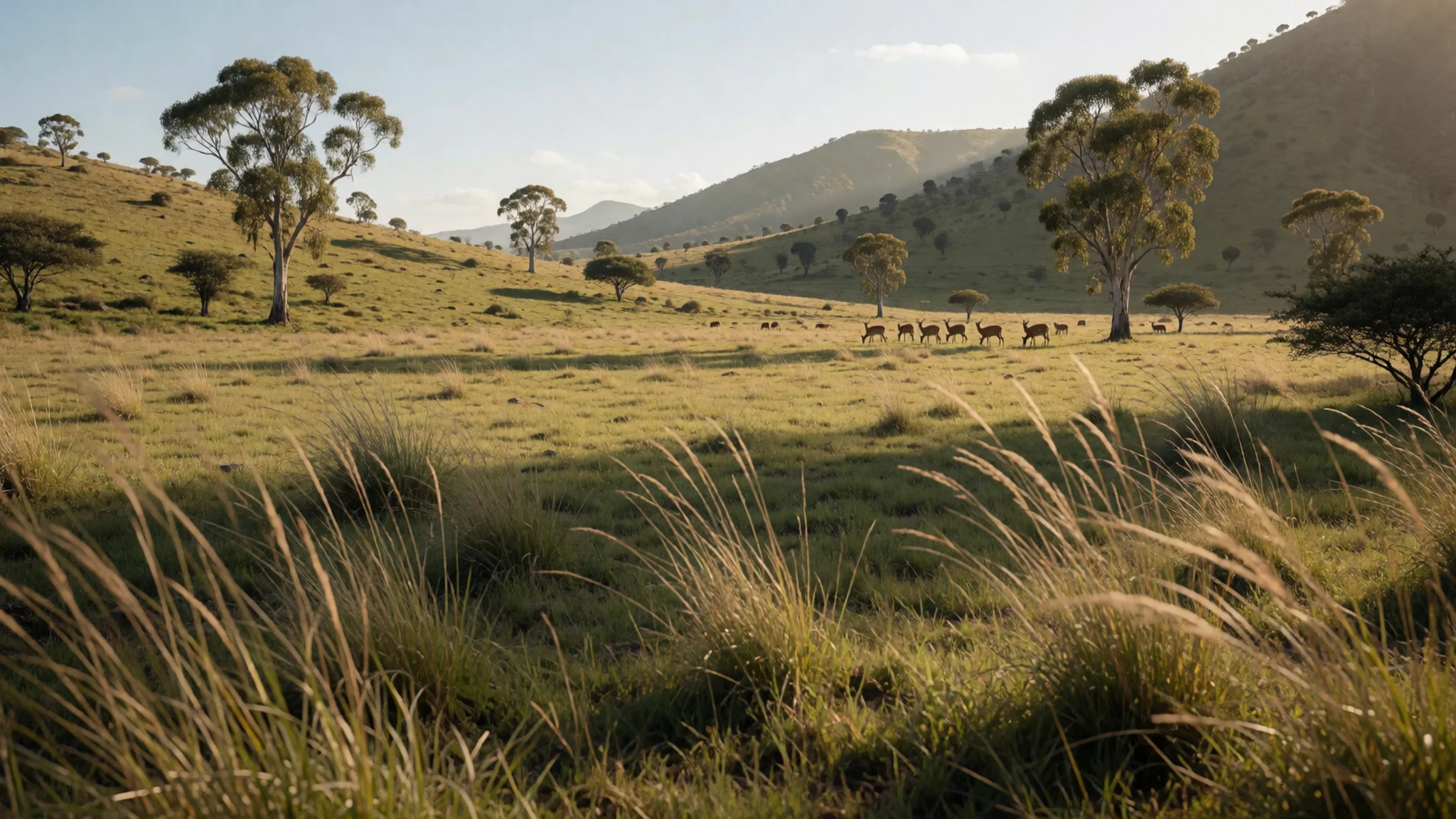
- Eureka House — Moka district
Constructed in eighteen-thirty, this preserved Creole mansion provides a tangible look into historic domestic life. Surrounded by broad verandahs and tropical gardens, the estate highlights traditional architecture adapted for the island climate.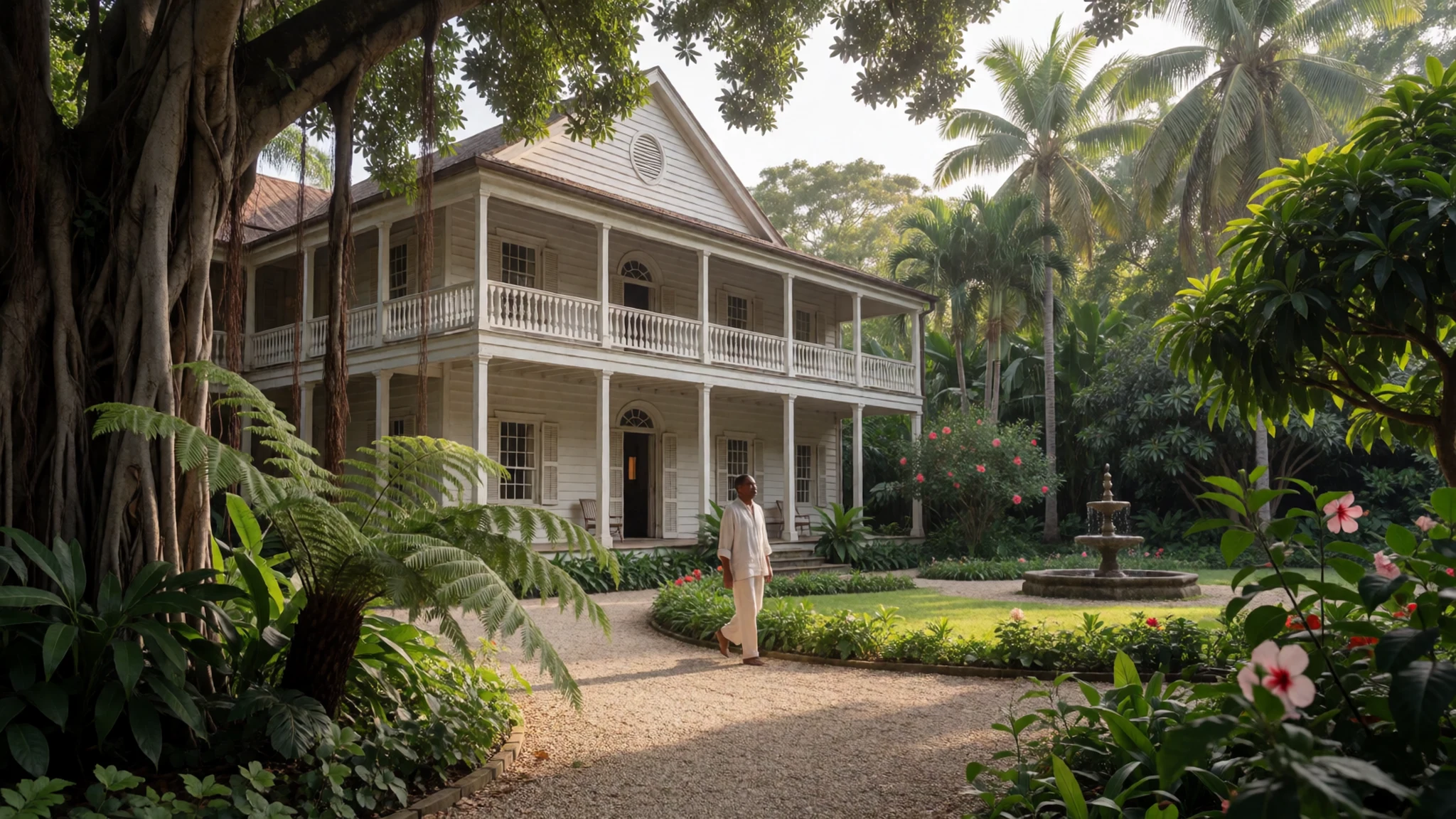
- Ganga Talao — Savanne district
Resting quietly inside the crater of an extinct volcano high in the southern uplands, this natural crater lake serves as a sacred pilgrimage site featuring colourful shrines, temples, and statues set against misty water.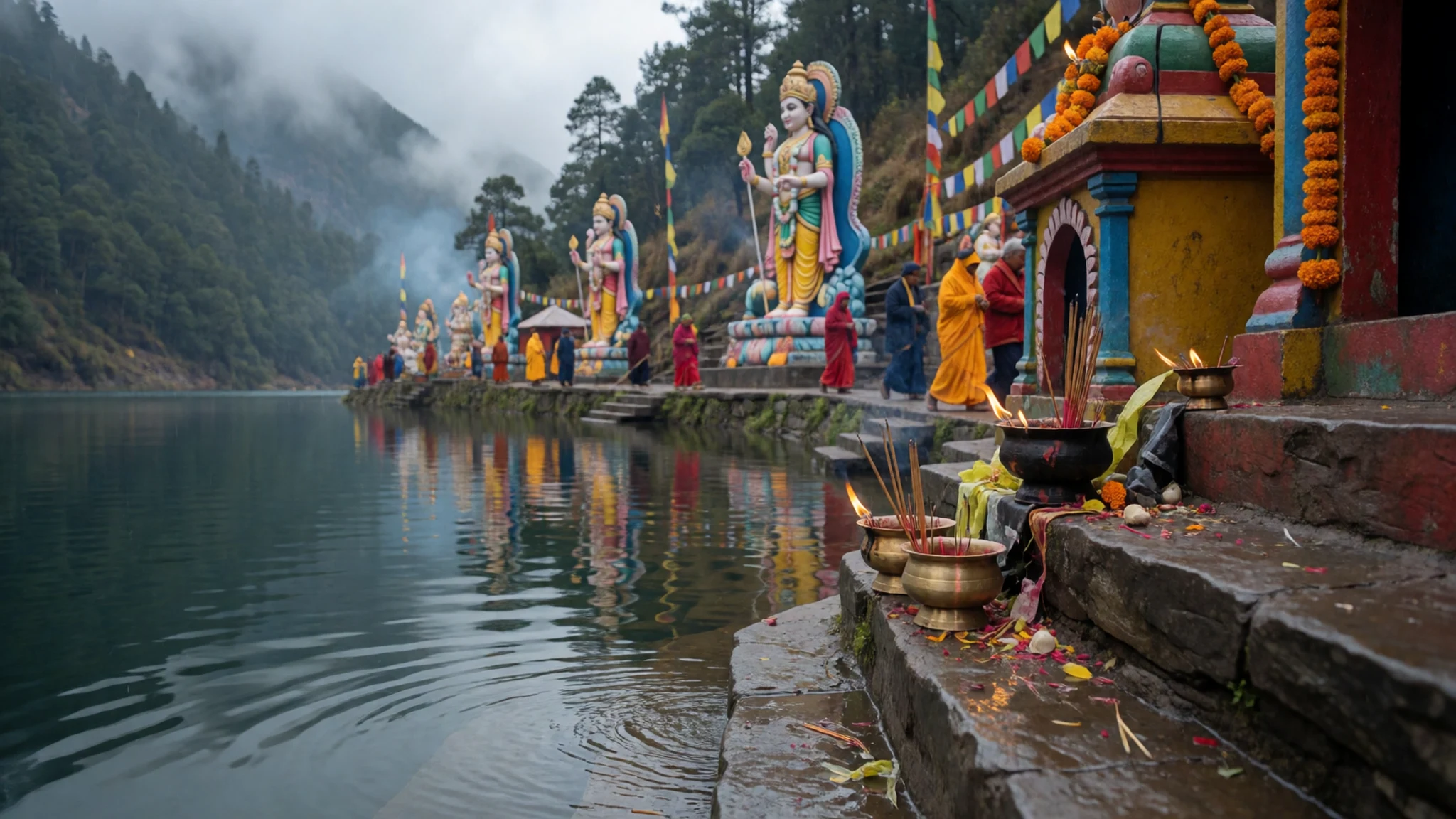
- Grand Bay — Northern coast
Positioned along the northern coast, this lively coastal settlement was the first pocket of the country to embrace modern tourism, offering a concentration of eateries, bars, and leisure spots overlooking a sheltered turquoise bay.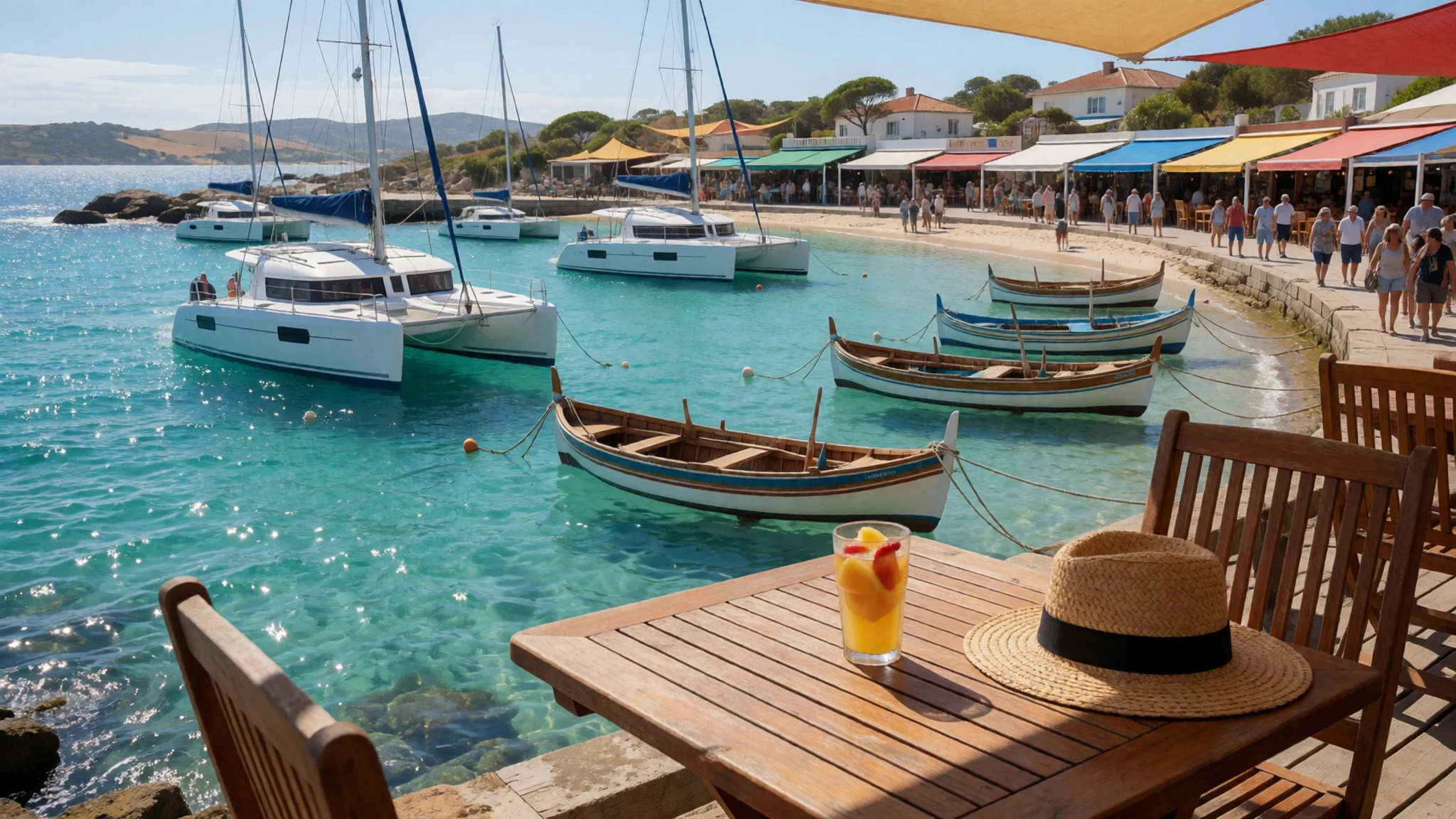
Culture
Mauritius sustains a multicultural society shaped by generations of migration from Europe, India, China, and eastern Africa. This diverse heritage shows clearly in daily life, where multiple languages, festivals, and religious traditions exist side by side across towns and villages. Traditional arts have flourished through notable painters and graphic designers who capture the shifting light of the island's coastal and rural landscapes, while rare historical postal issues produced here remain prized collector items globally. Architectural styles tell the physical story of past colonial administrations blended with immigrant building techniques, creating timber-framed Creole dwellings alongside masonry structures designed to withstand seasonal cyclones. Visitors should dress modestly when visiting places of worship and always remove footwear before entering temples or shrines.
What to wear
Traditional attire in Mauritius reflects its multicultural roots, with garments like lightweight cotton saris worn during community celebrations, alongside relaxed styles influenced by tropical weather. Day-to-day dressing for most locals now follows casual international standards, featuring breathable cotton shirts, shorts, and light trousers suited to the warm coastal humidity. Visitors will find that casual resort wear is widely accepted across most settings, though lightweight layers are useful when touring interior highlands where temperatures drop. When planning visits to religious sites, places of worship, or traditional rural villages, travellers should pack modest clothing that covers shoulders and knees as a sign of respect.
What to eat
- Farata with Curry — Local roadside stalls and neighbourhood eateries
A flaky, griddled flatbread derived from South Asian traditions, folded and layered then served hot alongside aromatic meat or vegetable curries flavoured with local herbs.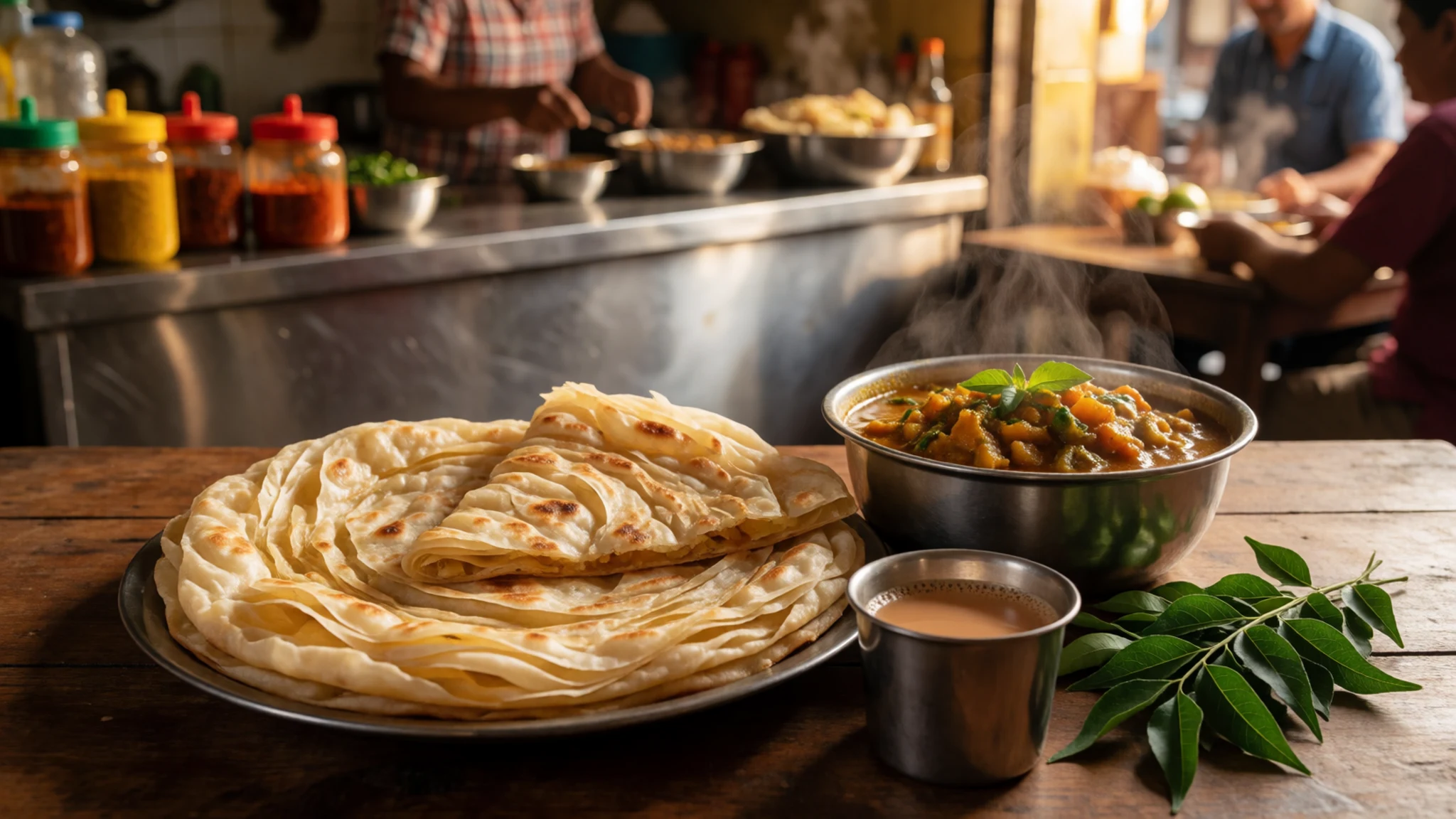
- Mauritian Fried Rice — Street food markets and casual eateries
A local adaptation of Chinese fried rice combining wok-tossed grains with vegetables, eggs, and small portions of seafood or cured meats seasoned with soy sauce.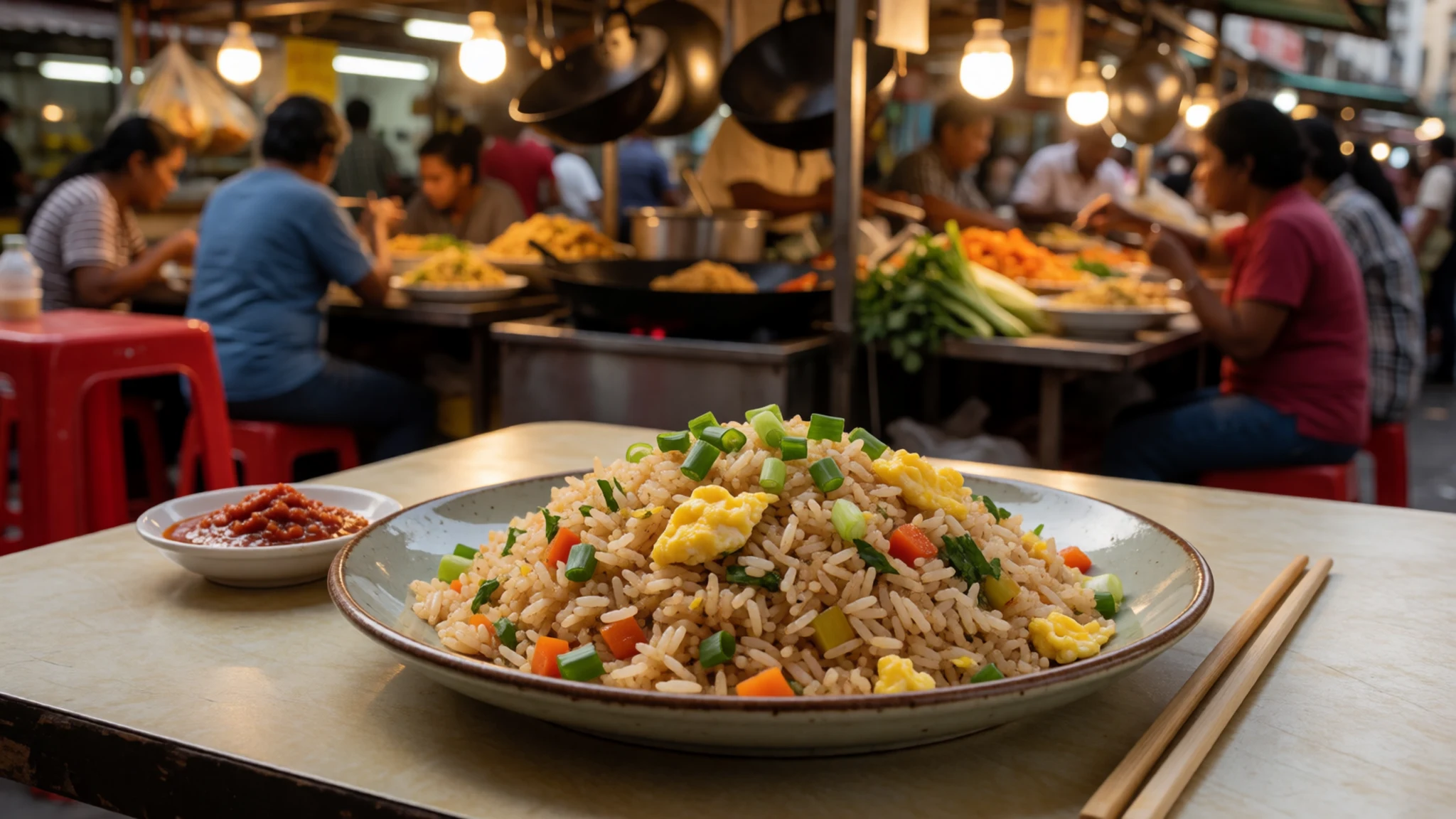
- Creole Bouillons — Traditional family-run eateries
Clear, fragrant broths infused with fresh herbs, garlic, and ginger, often containing leafy greens, fish, or dumplings prepared in homes and neighbourhood canteens. - Alouda — Port Louis central market stalls
A sweet, milky beverage prepared with milk, basil seeds, agar-agar jelly strands, and a generous dose of vanilla or almond syrup, served ice-cold. - Gateaux Piment — Morning street food vendors
Crispy, deep-fried split pea fritters spiced with fresh chillies, coriander, and cumin, commonly sold warm from paper bags on street corners.
Plan it
Best time. May to November brings the driest, coolest weather, with July to September the least rainy, while January to March is the hottest and wettest stretch.
How long. 5–7
Getting there. Sir Seewoosagur Ramgoolam International Airport serves incoming international flights, followed by a taxi or pre-arranged transfer to your destination.
Budget. mid
Tips
- Book coastal excursions and national park tours in advance during peak dry months
- Rent a car or hire a driver to explore interior viewpoints and plantations easily
- Carry small denominations of local currency for village markets and roadside stalls
- Drink bottled water rather than tap water while travelling across the island
Etiquette
- Remove footwear before entering temples, shrines, and private homes
- Ask permission before photographing local residents in markets or remote settlements
Nearby
Sources
- Wikidata Q1027 (CC0)
- Wikipedia (rev 1382716565) (CC BY-SA 4.0)
- Wikivoyage (rev 5410845) (CC BY-SA 4.0)