Hudson River
Hudson River, United States
The Hudson River runs from an Adirondack lake to New York Harbour, linking wild highlands, quiet river towns and the Manhattan skyline.
The place
The Hudson River is a 507 km waterway whose source is Henderson Lake, high in the Adirondack Mountains within the town of Newcomb. It finishes in New York Bay, between New York City and Jersey City, before the water joins the Atlantic. Along the way it behaves less like one river than three. The upper stretch is a cold, narrow mountain stream. The middle reaches pass farmland, small cities and the wooded Hudson Highlands. The lower half is an estuary, where salt water pushes inland and the current turns with the tide, an effect felt well upstream, all the way to Troy. That lower channel lies in the Hudson Fjord, a trench gouged by ice-age glaciers, which is why the river is deeper than the bay it empties into. For much of its length the river also works as a boundary, forming the state line between New York and New Jersey and the edge of several upstate counties. It is a working river and a scenic one at once: ferries, freight and sailing boats share the water, while rail lines and trails follow the banks. Visitors tend to sample it in pieces, hiking in the north, driving or cycling through the valley towns, and walking the waterfront in the city. The scenery is tidal flats, rocky bluffs and wide bends rather than waterfalls, so expectations should be set accordingly. Autumn brings leaf colour to the hills, summer brings humidity and weekend traffic, and winter can bring floating ice on the lower river.
Its story
The Hudson River was home to Indigenous nations long before any European ship appeared on it. Its banks lie within Munsee (Lenape), Mohican and Mohawk (Haudenosaunee) homelands, and each people had its own name for the water: Muhheakantuck in Lenape, Mahicannittuk in Mohican and Ka'nón:no in Mohawk. Lenape, Wappinger and Mahican communities, all Algonquian-speaking, lived in small clan-based villages. Navish, at Croton Point, was one of the larger settlements, and others were scattered through the Highlands. Housing ranged from wigwams to longhouses, some long enough to shelter several related families. Fields of corn, beans and squash fed the villages, supplemented by hickory nuts, wild fruit and tubers. The river itself supplied striped bass, eels, sturgeon, herring and shad, and oyster beds lay on the bottom of the estuary. The first European known to enter Upper New York Bay was the Italian navigator Giovanni da Verrazzano, sailing for the French crown in 1524. He took the inlet for an estuary rather than a great river and moved on. In 1609 the Englishman Henry Hudson, working for the Dutch East India Company, explored the waterway, and settlers later attached his name to it. The same man also gives his name to Hudson Bay in Canada. The older Indigenous names are worth knowing, since the river's story begins long before that voyage.
What to see
- Henderson Lake and the source — Tahawus, Adirondack Mountains
Henderson Lake, near the hamlet of Tahawus in the Adirondacks, is where the Hudson River starts out. The water leaves the lake as a quiet stream among the trees, nothing like the broad estuary far to the south. This is remote country, so check current access and land-use rules before heading out, and carry a map.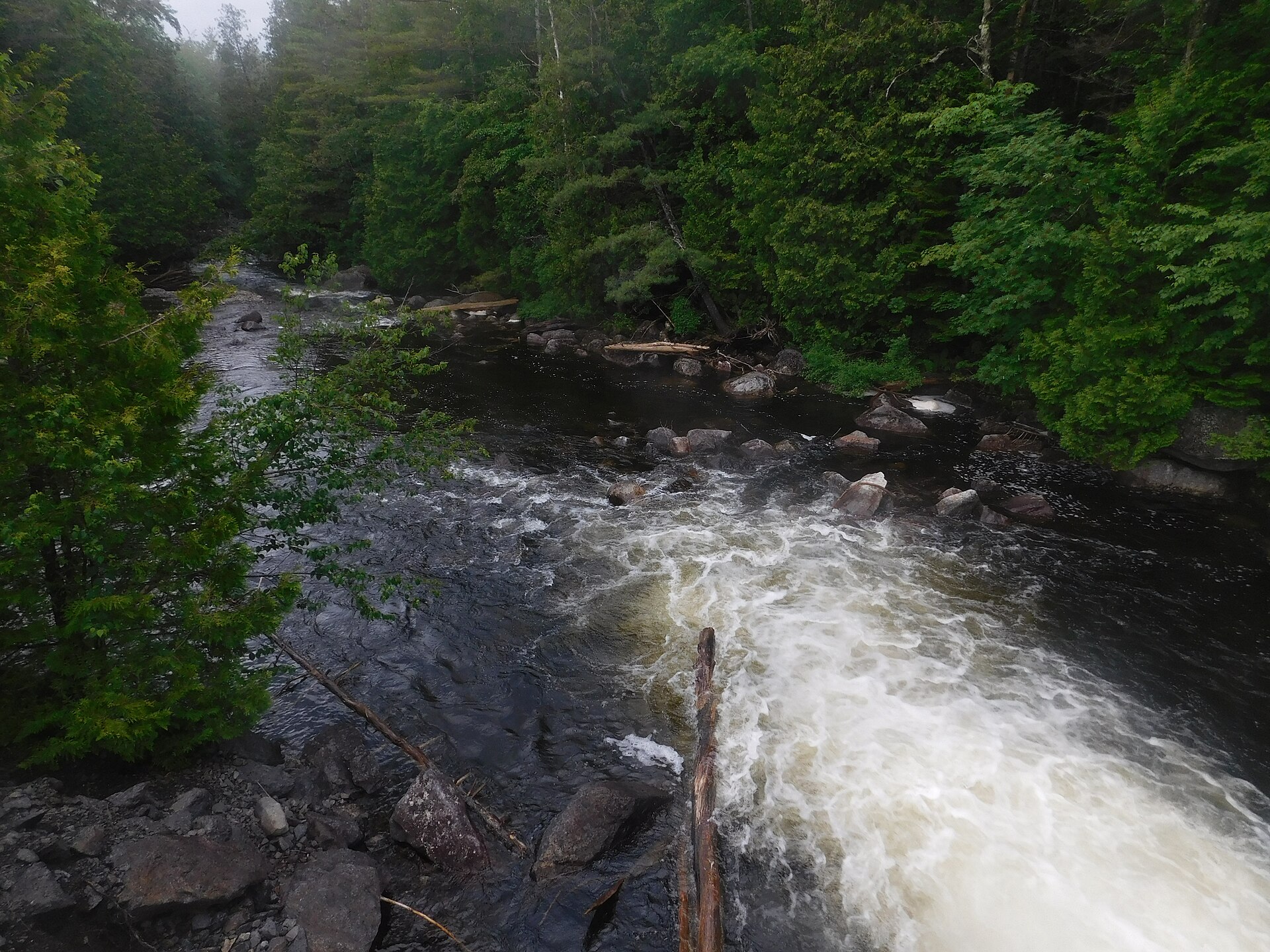
- Bear Mountain Bridge and the Highlands — Hudson Highlands
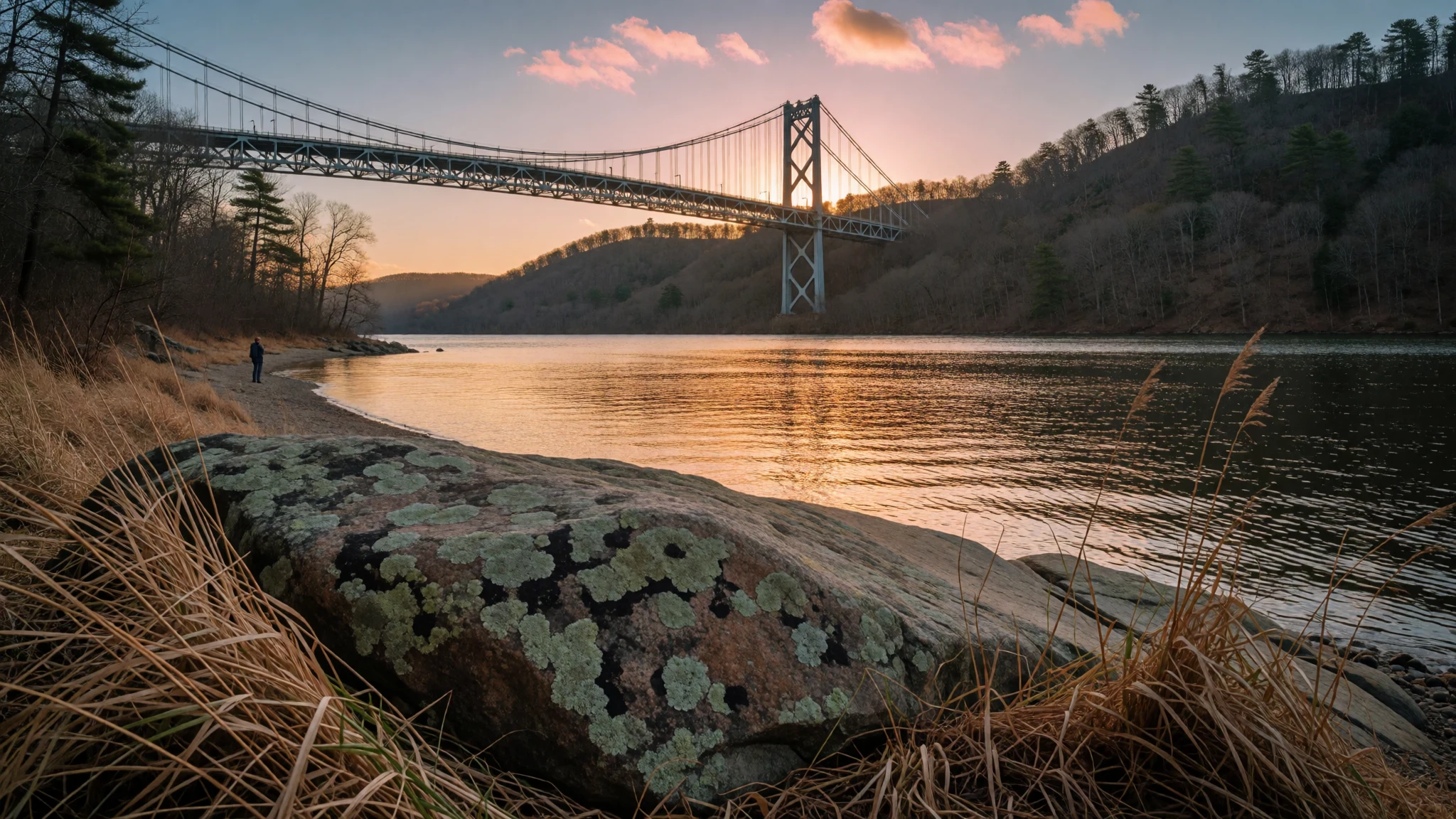
The Hudson Highlands, seen from the Bear Mountain Bridge, are where the river squeezes between steep wooded hills. The span carries road traffic across the water and gives a long view up and down the channel. Autumn colour draws crowds at weekends, so arrive early or choose a weekday.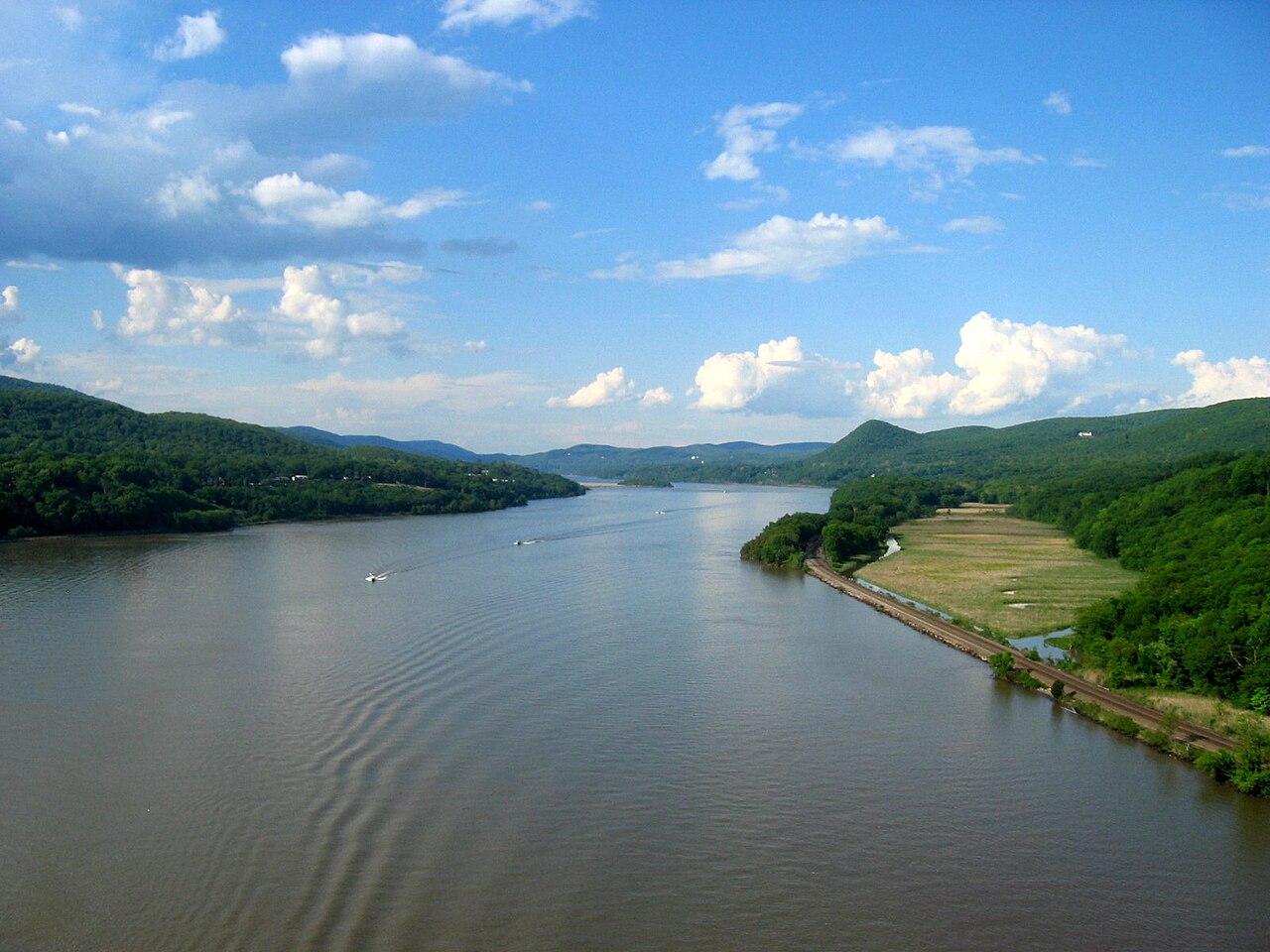
- Walkway Over the Hudson — Poughkeepsie
The Walkway Over the Hudson at Poughkeepsie is a footbridge that crosses the river high above the water, with open views along the valley. It is level and suits families and casual walkers, though shade is scarce, so a sun hat and water matter in summer. Check the official site for access arrangements.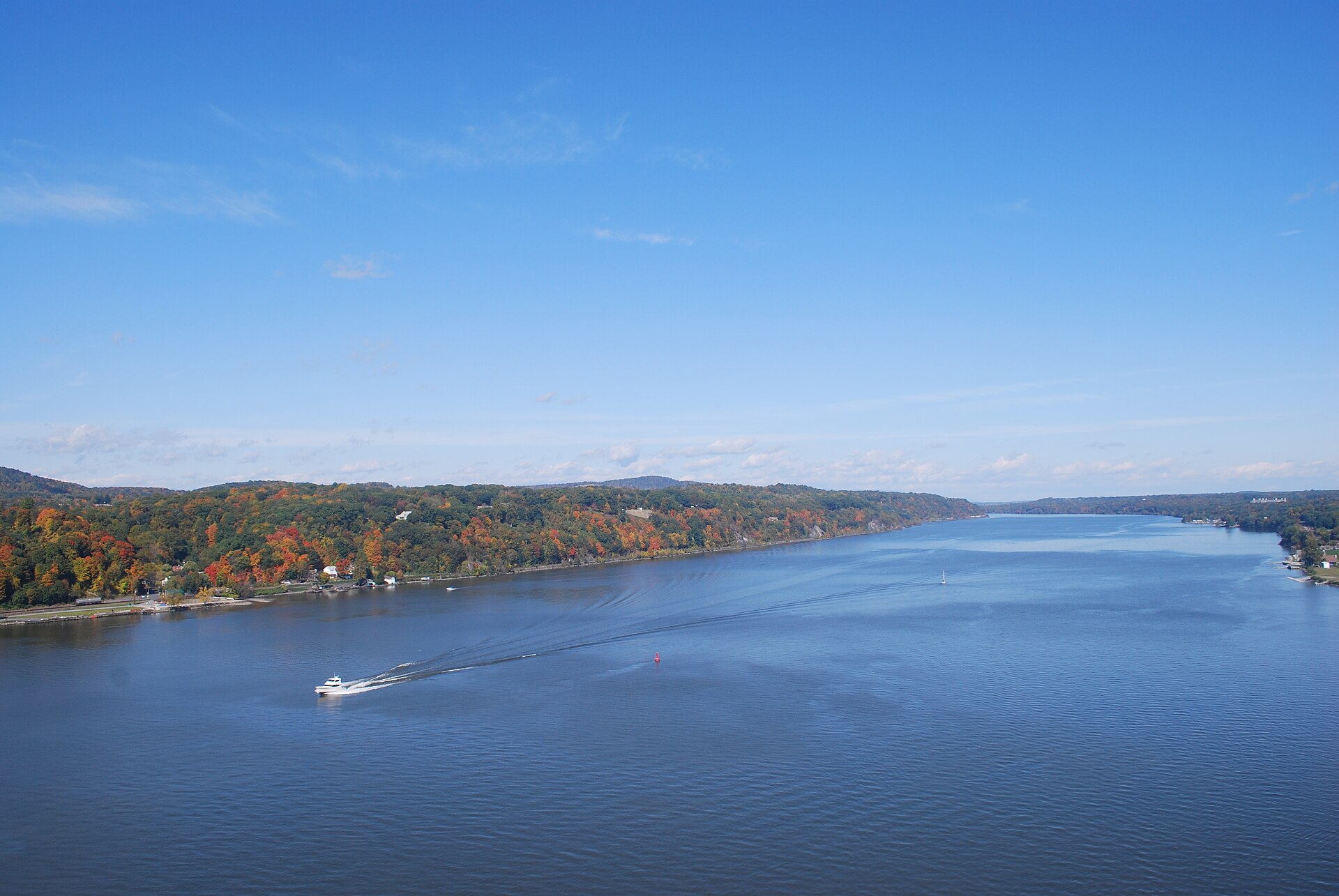
- Troy and the tidal reach — Troy, Rensselaer County
Troy, far up the valley, is as far north as the Hudson River still feels the tide, with the current reversing as the sea pushes inland. It is a useful place to grasp how long the estuary reaches. The riverfront and historic streets suit a half-day walk, and Albany is close by for onward travel. - Lower Manhattan waterfront — Lower Manhattan, New York City
The waterfront of Lower Manhattan is where the Hudson River meets New York Bay, and the view north from the One World Observatory follows the channel between Manhattan and New Jersey. At street level the riverside paths and piers suit evening walks and watching ferries and sailing boats. Book observatory entry through the official site.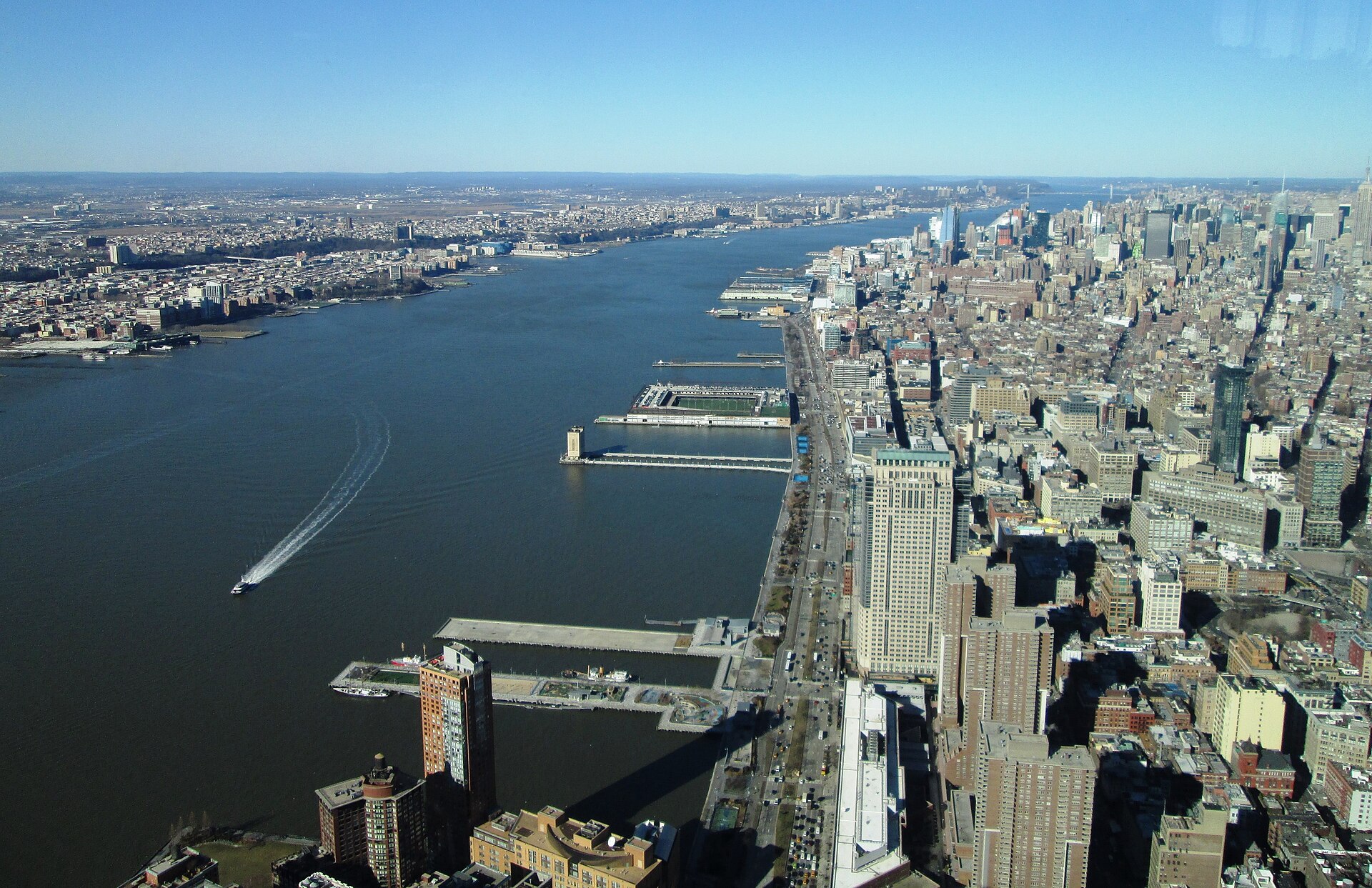
Culture
The Hudson River links big-city habits at its southern end with slower valley and mountain life upstate. New York City's waterfront is crowded, fast and multilingual. The river towns further north lean towards galleries, farm stands, antiques and weekend visitors from the city. Attitudes are broadly relaxed. New Yorkers are used to people of every background, and that largely holds in upstate towns too, even where politics lean more conservative. The 1969 Stonewall Rebellion in the city set off the modern campaign for gay rights in the country, and the state was among the early ones to recognise same-sex marriage. The valley also has an artistic legacy: the Hudson River School painters made its scenery and the Adirondacks their subject. Indigenous nations remain part of the river's present as well as its past, and cultural events led by Lenape, Mohican and Haudenosaunee communities are open to respectful visitors. Memory of the September 2001 attacks is still raw around Lower Manhattan, where the river meets the harbour. Some residents prefer not to discuss that day, while others will share their own stories freely, so it is best to let them decide. At the memorials and other places of remembrance on the Lower Manhattan waterfront, keep your voice low, avoid posing for cheerful photographs, and let local people decide whether to raise the subject.
What to wear
Clothing along the Hudson River runs from Indigenous regalia to ordinary city wear. Traditional dress for the Haudenosaunee, whose Mohawk nation counts the river among its homelands, includes ribbon shirts and skirts, beadwork, feathered caps called gustoweh, and wampum belts made from shell beads. Tanned hides and, later, wool trade cloth were the historic materials. These garments are worn today mainly at ceremonies, dances and cultural events rather than as daily clothes. Everyday dress is practical: jeans, trainers and layers in the city, with black common in Manhattan, and fleeces, boots and waterproofs in the valley and mountains. Sportswear is accepted almost everywhere. Visitors should dress for the season rather than for any formal code. Summer is hot and humid, so light cotton and sun protection help. Spring and autumn need an extra layer for breezy river decks and ferries. Winter calls for a proper coat, hat, gloves and shoes with grip for icy paths. Trail walking needs sturdy footwear, and insect repellent is useful in summer. There are no strict modesty rules, though quieter clothing suits memorials and churches, and covering shoulders and knees is a courtesy at some religious buildings.
What to eat
- Shad and striped bass — Restaurants in river towns such as Hudson, Kingston and Troy
Shad and striped bass once fed river communities, and in season they still appear on menus in valley towns, usually grilled or pan-fried. Availability varies, so ask what is local that week. Sturgeon and eel are part of the history but far less common today. - Oysters — Raw bars in Lower Manhattan and Brooklyn
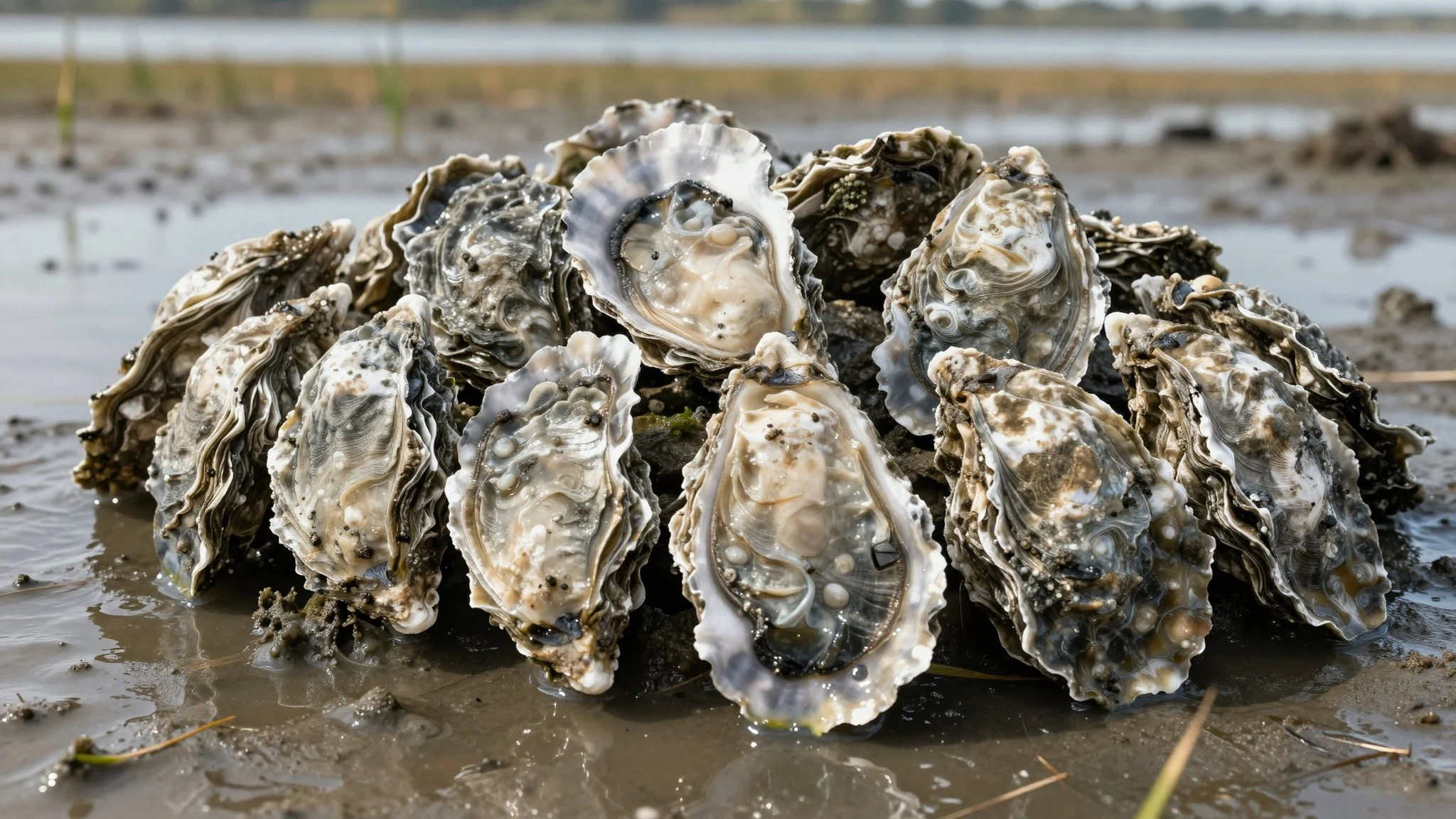
Oysters once lay thick on the estuary bed, and city raw bars still serve them on ice with lemon and a sharp vinegar sauce. Where a given oyster was raised varies, so ask the server. They make a good light start to an evening on the waterfront. - Apples, cider and cider doughnuts — Farm stands and orchards along the valley roads
Orchards in the valley sell apples and pressed cider in autumn, along with warm cider doughnuts, usually eaten standing at the farm stall. Farm shops also stock jams, honey and local cheese, handy for a picnic beside the river. - Corn, beans and squash — Indigenous cultural events and community food stalls
Corn, beans and squash were the farming staples of the river's Algonquian villages, and Indigenous cooks still serve them together in stews and sides. Look for them at community events and festivals led by Indigenous nations rather than expecting them at ordinary restaurants. - New York pizza slice — Corner pizza counters across Manhattan
A thin, foldable slice from a counter shop is the standard quick meal in the city at the river's southern end. It is inexpensive, fast and eaten on the move, and plain cheese is the usual benchmark order.
Plan it
Best time. May–June and September–October. Days are mild, and leaf colour reaches the hills from late September into October. July and August are hot and humid, and winter is cold, with ice on the lower river.
How long. 3–4
Getting there. Fly into one of New York City's three airports (JFK, Newark or LaGuardia) for the lower river, or Albany International Airport for the upper valley. From the city, trains follow the river's east bank, so check the official operators for timetables. A car is the practical last leg to the Highlands and the Adirondack source.
Budget. mid
Tips
- Visit autumn hotspots such as the Highlands on weekdays or early in the morning, as weekends bring traffic and crowds.
- Book longer train journeys and observation-deck entry ahead through the official sites.
- Carry a card for most purchases and a little cash for farm stands.
- Bring water and sun protection for exposed walks, as shade is scarce on the bridges.
- Hire a car if the plan includes the Highlands or the Adirondacks, where public transport thins out.
Etiquette
- Stay on marked trails and take litter home.
- Ask before photographing people at Indigenous cultural events.
- Keep quiet and respectful at memorials on the Lower Manhattan waterfront.
Nearby
Sources
- Wikidata Q3140 (CC0)
- Wikipedia: Hudson River (rev 1386803067) (CC BY-SA 4.0)
- Wikivoyage: New York (state) (rev 5431299) (CC BY-SA 4.0)
- Hudson river sailboat — Dan DeLuca, via Wikimedia Commons (CC BY 2.5)
- Hudson river from bear mountain bridge.jpg — Unknown author, via Wikimedia Commons (CC BY 3.0)
- Map of the Hudson River drainage basin — Shannon1, via Wikimedia Commons (CC BY-SA 2.5)
- The Hudson and East Rivers in NYC — Quasipalm, via Wikimedia Commons (CC BY-SA 2.5)
- The Hudson River flowing out of Henderson Lake in Tahawus, New York — Adam Moss, via Wikimedia Commons (CC BY-SA 2.0)
- Bird's-eye view of the Hudson River from the Walkway Over the Hudson — Juliancolton, via Wikimedia Commons (Public domain)
- View along the Hudson River from the One World Observatory — Beyond My Ken, via Wikimedia Commons (CC BY-SA 2.0)
- Breaking the ice on the Hudson River with US Coast Guard Cutter Hawser — Anthony Quintano, via Wikimedia Commons (CC BY 2.5)


Wildlife
- Eastern oyster (animal)
The eastern oyster is a shelled creature that lives fixed to the bottom of the water, like a tiny stone house with a soft animal tucked inside. Long ago, whole colonies of them carpeted the bed of the Hudson's tidal estuary, sharing the water with shad, herring and sturgeon. Since they stay hidden below the surface, you will not spot one easily. Simply enjoy the estuary quietly, ask a local guide what lives beneath, and leave the water's life undisturbed.