Hope Lake
Hope Lake, Canada
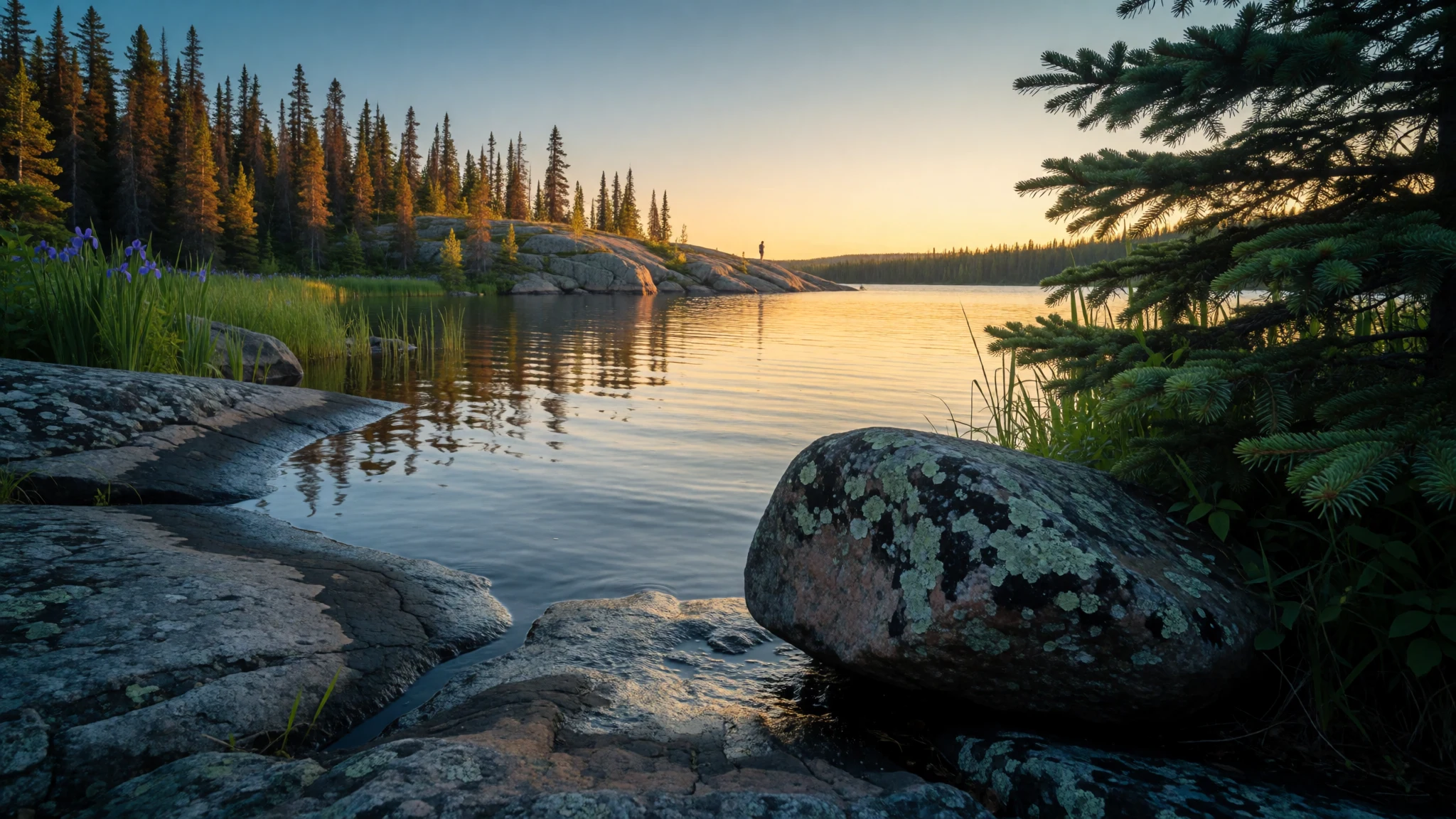
Hope Lake is a quiet, unhurried northern Ontario lake, a place to paddle, fish and enjoy boreal forest without crowds.
The place
Hope Lake lies in Timiskaming District, in northeastern Ontario, at an elevation of 313 metres. The name is shared by a great many lakes across the province and beyond, so the coordinates matter: this one is one of two Hope Lakes in Timiskaming District, sitting roughly between the canoe country around Temagami and the old mining town of Kirkland Lake. It is not a developed destination. There is no resort strip, no boardwalk, no ticket office. What the area offers is the ordinary northern Ontario landscape at close range: dark spruce and pine, rock shaped by ice, cold clear water, wetlands and a great deal of sky.
Northern Ontario is a different country from the south of the province. The great majority of Ontarians live in the southern regions, which cover a much smaller area than the north, and the two feel worlds apart in landscape and local culture. Up here, towns are small and far apart, distances are long, and mobile signal is patchy once the main highway is left behind. Summer brings warm days, long light, black flies early in the season and mosquitoes after them. Winter is long, cold and snowy, and the lakes freeze hard.
For a visitor, Hope Lake is best treated as one stop in a wider trip through the north, a way to experience the quiet between the better-known places. Plan for self-reliance: bring maps, fuel, food and a spare plan if the weather turns.
Its story
The story of Hope Lake is the story of northern Ontario. Long before European maps existed, this country belonged to Algonquian-speaking peoples, among them the Ojibwe, Cree and Algonquin, who moved through it by canoe along lake and river routes, hunting, fishing, gathering and trading. Those waterways were the roads of the region, and many still carry the names and memories of the people who used them.
Europeans arrived by water too. French explorers pushed inland along the rivers that feed the Great Lakes, and missionaries set up posts on their shores. The British, meanwhile, built trading posts on Hudson Bay and competed with the French for control of the fur trade. When France lost its North American possessions to Britain after the Seven Years' War, most of what is now Ontario changed hands. Settlement then grew first in the south, with loyalists and later immigrants from Europe, while the north stayed lightly populated for much longer.
The north's later history was shaped by forestry, mining and the railway, which brought towns such as Kirkland Lake into being. Yet much of the land around small lakes like this one remained bush: forest, bog and rock, used for trapping, fishing and canoe travel. That is why a lake called Hope can still feel remote today. Its name is a reminder of how many such waters there are in the province, each with its own small history that is rarely written down.
What to see
- Hope Lake itself — Timiskaming District
The lake is the point of the visit: a calm stretch of water in boreal forest, best seen by canoe or from the shore at dawn. Expect loons, spruce-lined banks and silence. Facilities are minimal, so carry water, food, a map and insect repellent.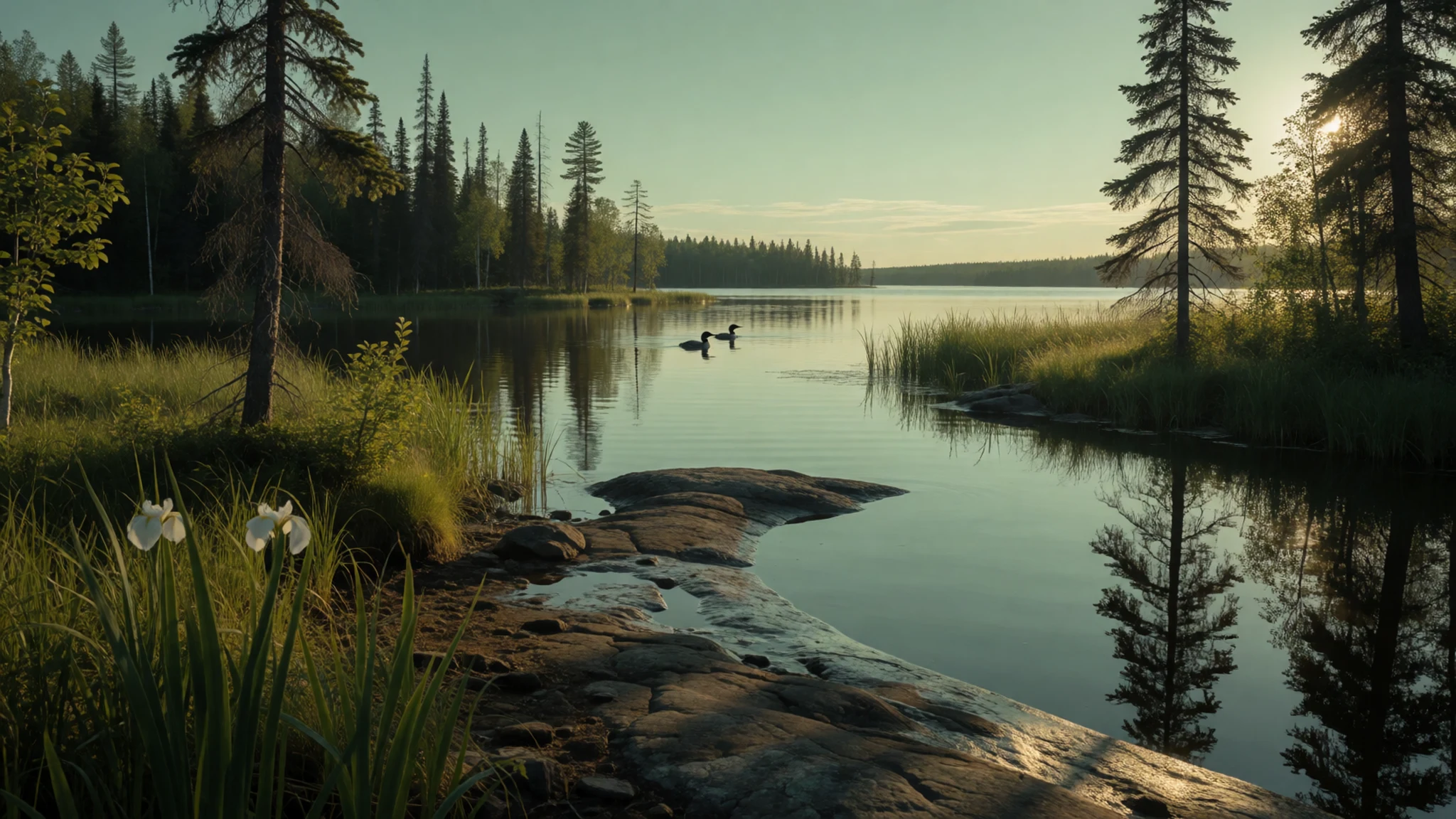
- Temagami Old Growth Forest — Temagami
South of the lake, the forests around Temagami hold stands of very large red and white pine. Marked trails lead through them, and the walking is gentle but can be rooty and wet. It is a good way to understand what this whole region looked like before logging.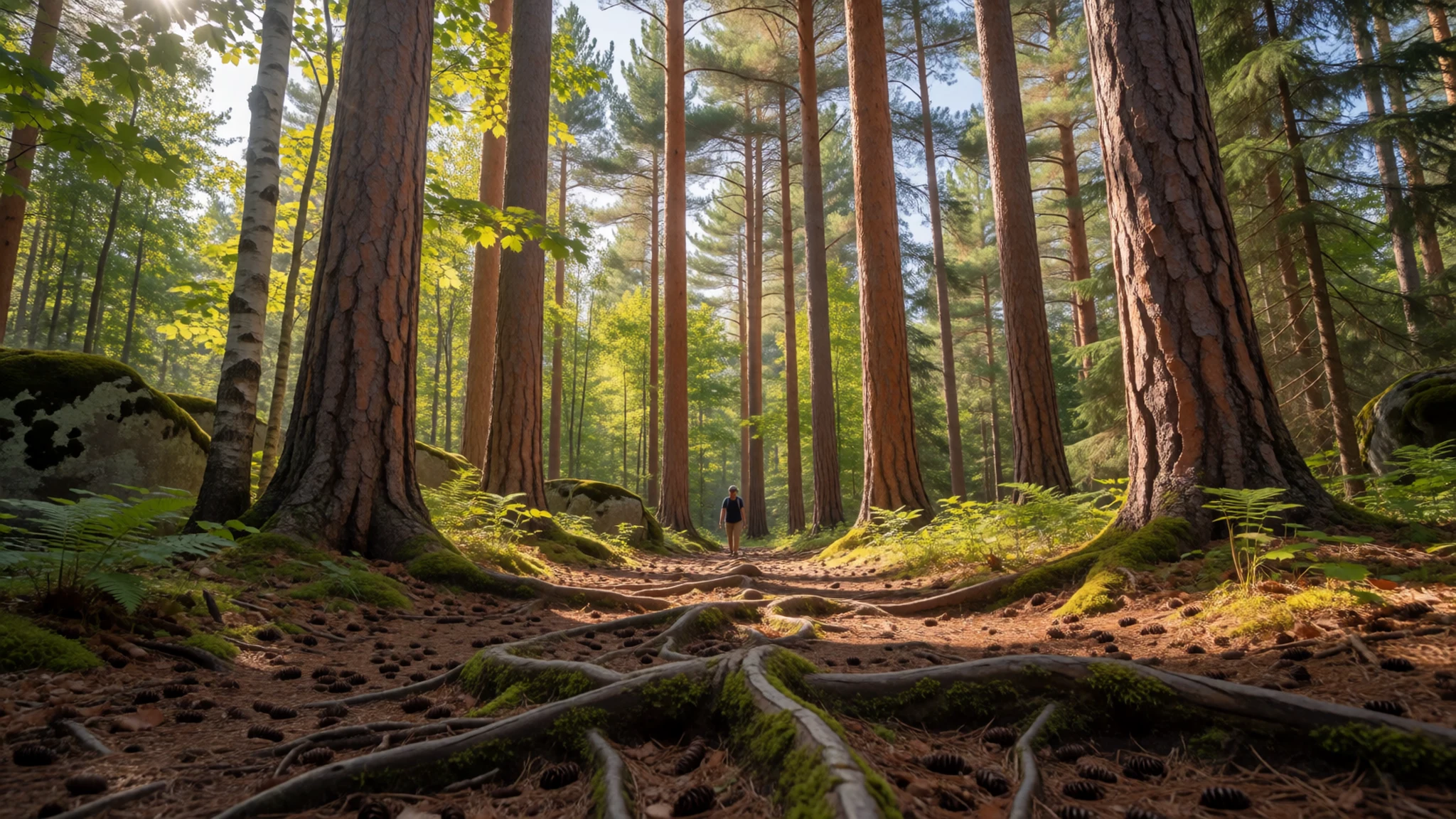
- Fire tower and Lake Temagami — Temagami
Climbing the fire tower above Lake Temagami rewards the effort with a wide view over islands, bays and unbroken forest. The lake is also a classic canoe-tripping base. Go on a clear day, wear proper shoes, and check the official local information for access and conditions.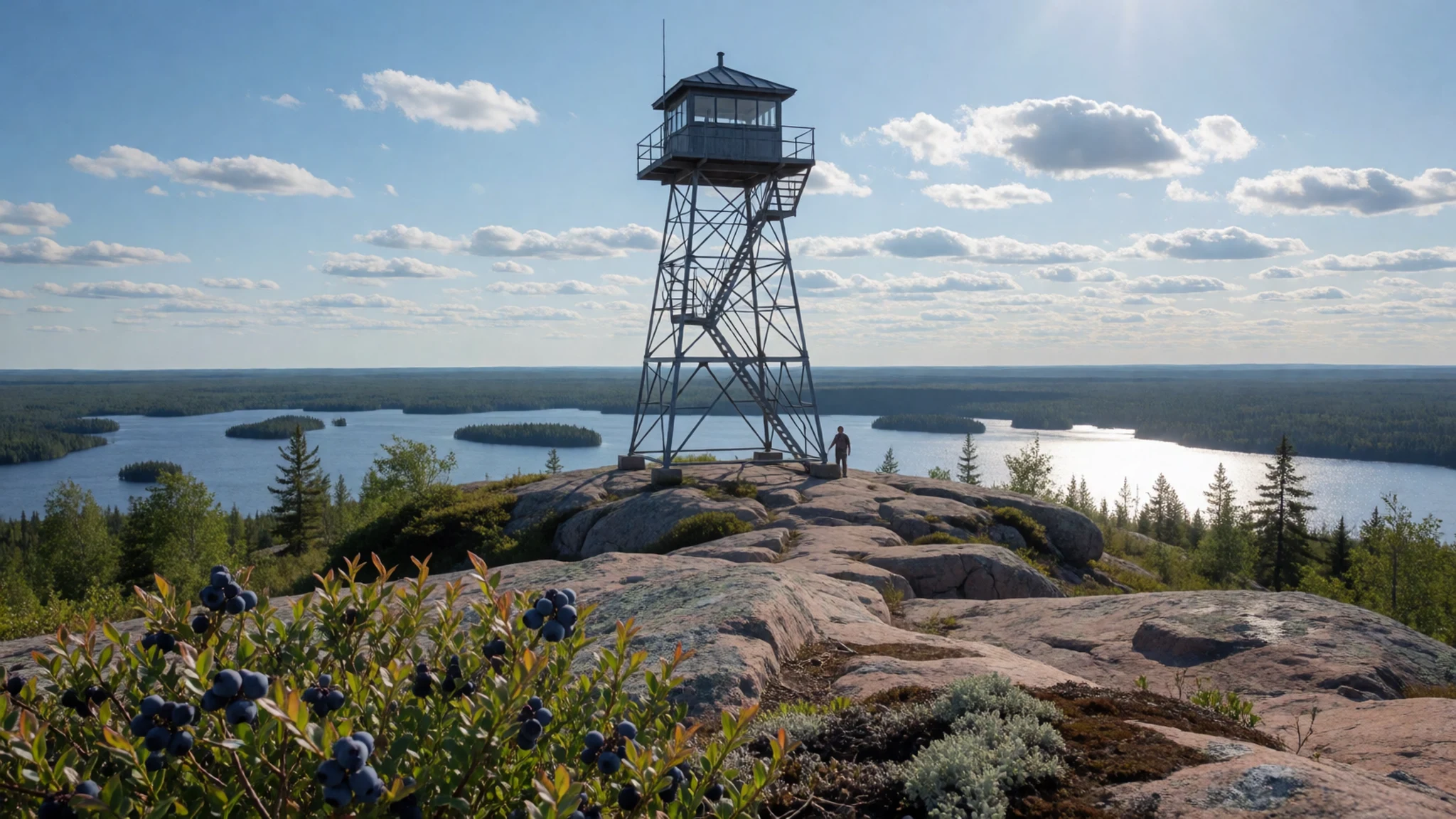
- Historic Nipissing Road — Near Magnetawan
The Nipissing Road was a colonial-era settlers' route and is now part of the Great Trail. It can be driven or hiked, and the old line of the road reveals how settlement pushed north. It lies well to the south, so treat it as a separate day out.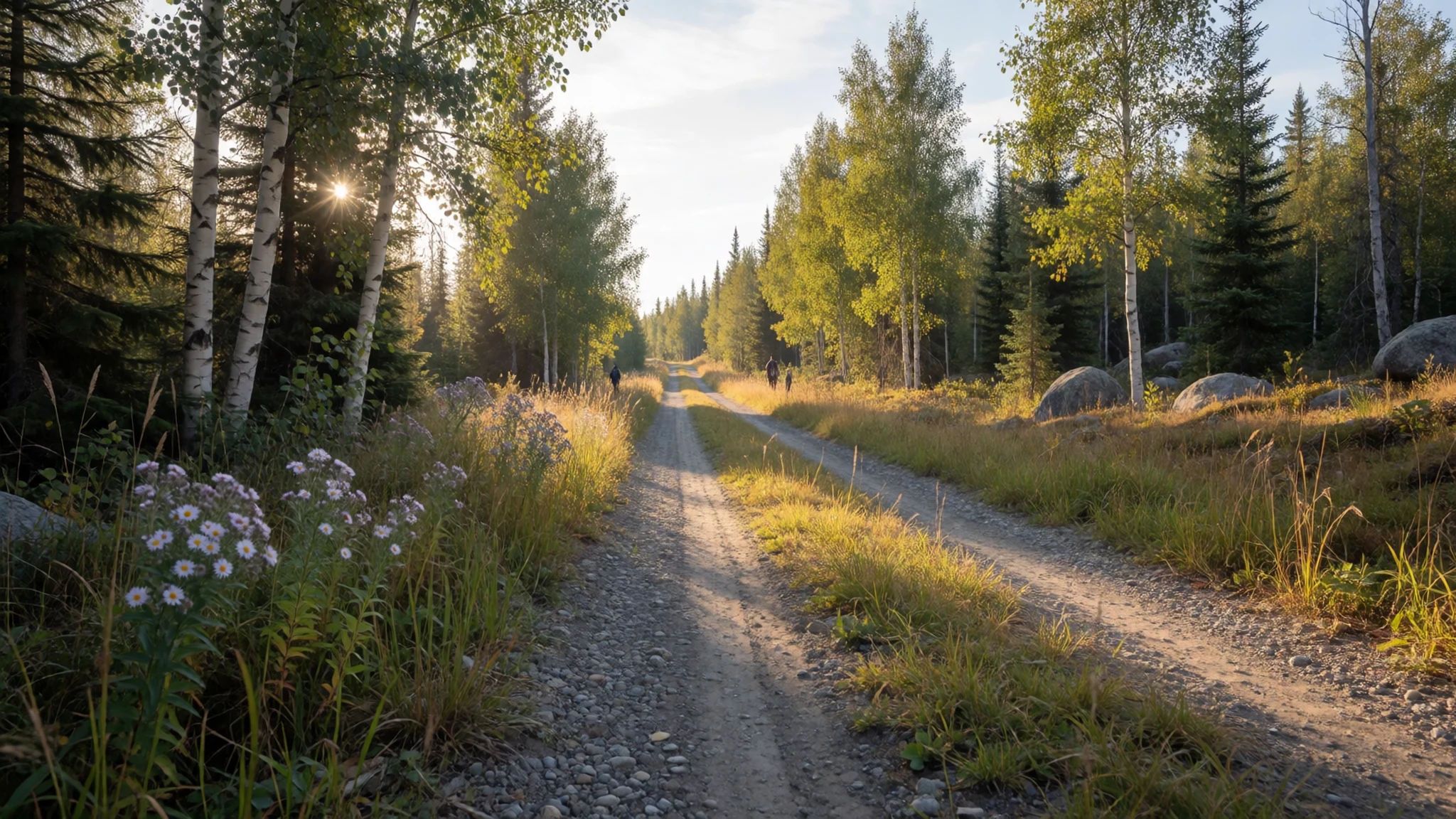
- Niagara Falls — Niagara region
Most visitors to Ontario still head to Niagara Falls, far to the south. It is loud, busy and commercial, with gardens, viewpoints and boat trips, and it makes a sharp contrast with a still northern lake. Go on a weekday and early in the day to avoid the worst crowds.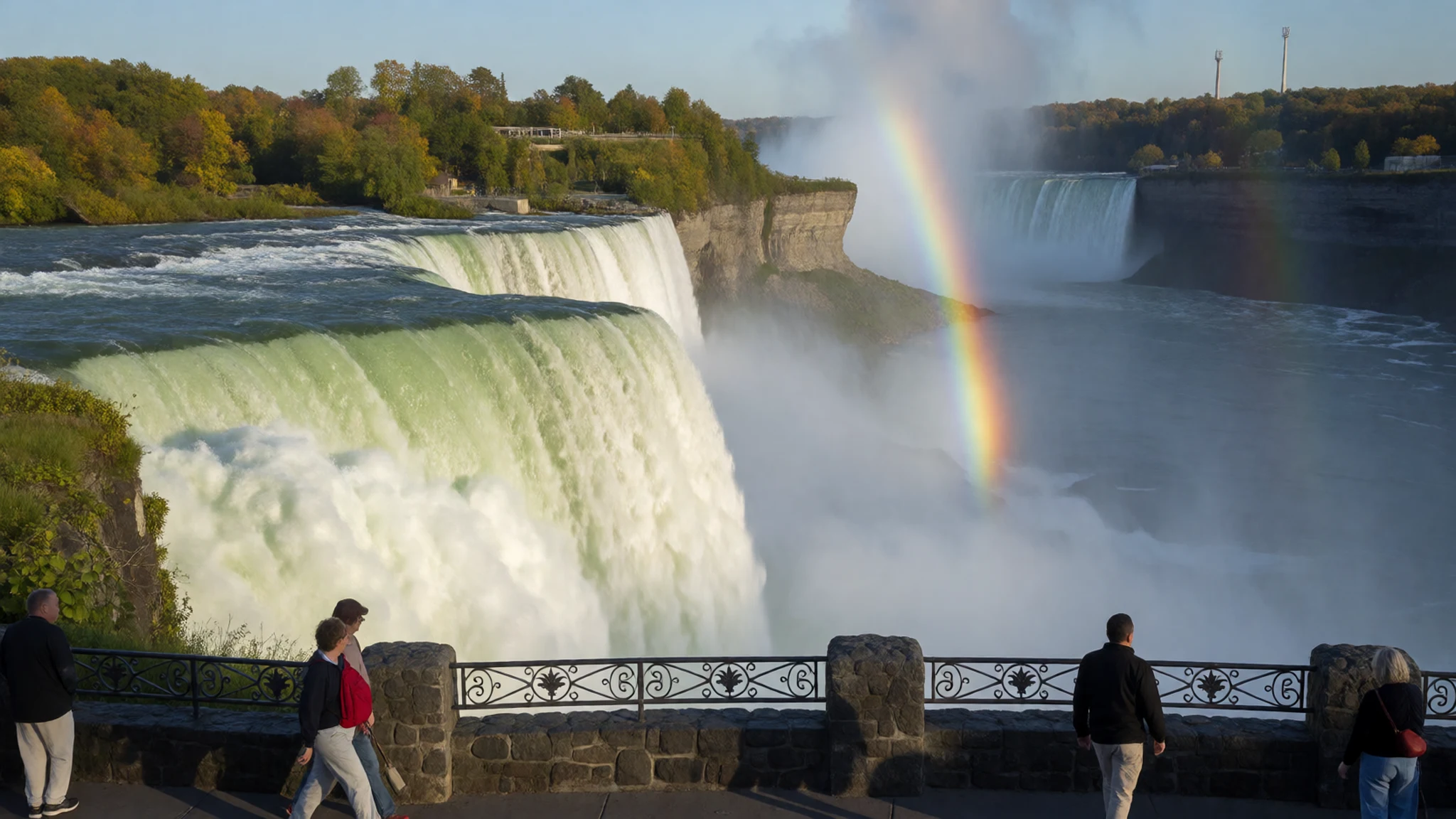
Culture
Hope Lake sits in a part of Ontario where Indigenous history runs deep and visible. The Ojibwe, Cree and Algonquin peoples were here long before the first European traders, and First Nations communities remain across the north. Their languages are still spoken, though fewer people speak them than once did. Many lakes, rivers and portages carry Indigenous names, and the land is still used for hunting, fishing and travel by canoe.
The wider culture of the north is shaped by the bush. Fishing, hunting, canoeing, snowmobiling and cabin life are normal weekend pursuits, and people in small towns tend to be practical, friendly and happy to give directions or weather advice. English is the main language, with a historic French-speaking presence in places and some bilingual signage. Mining and forestry gave the region its towns, and local museums often tell those stories with pride.
Distances are long and services are thin, so people look after one another. A broken-down car on a quiet road will usually draw a stop. Evenings are quiet; many small-town restaurants close early, and shops may shut on Sundays. Weather is a constant topic of conversation, and for good reason: it decides whether the roads, lakes and trails are usable.
Drinking in public is discouraged by law across most of Ontario, so keep alcohol to licensed premises or private campsites, and take every scrap of rubbish with you when you leave a shoreline.
What to wear
Hope Lake has no single traditional costume of its own, but the region's older clothing traditions belong to its Indigenous peoples. Ojibwe and Cree makers have long worked with tanned hide, beadwork, quillwork and woven or sewn cloth, and the floral beadwork seen on moccasins, bags and jackets is still made and worn today, particularly at community gatherings and powwows. Wool blankets, introduced through the fur trade, also became part of everyday and ceremonial dress.
What people actually wear now is practical and layered. In the north, that means jeans or work trousers, flannel or fleece, waterproof jackets, rubber boots and a cap or toque, depending on the season. Hi-vis vests appear in hunting season. Nobody dresses up for dinner in a small northern town, and a clean outdoor jacket is accepted almost anywhere.
Visitors should dress for weather and insects first. In summer, bring long, light, quick-drying trousers and long-sleeved shirts, which protect against sun, black flies and mosquitoes better than repellent alone, plus a hat and sunglasses. Evenings by a lake turn cool even after hot days, so pack a fleece and a waterproof shell. Sturdy waterproof footwear matters, because shorelines and forest trails are wet, rocky and rooty. From late autumn to spring, add thermal layers, insulated boots, gloves and a warm hat. There are no particular modesty rules, though a few communities and cultural sites ask for respectful, covered clothing.
What to eat
- Walleye (pickerel) — Local diners, fishing lodges and outfitters across the north
Walleye is the classic northern Ontario lake fish, usually pan-fried or battered and served with chips. It turns up as a shore-lunch staple on fishing trips and in simple local diners; ask a guide or outfitter about licences before catching your own.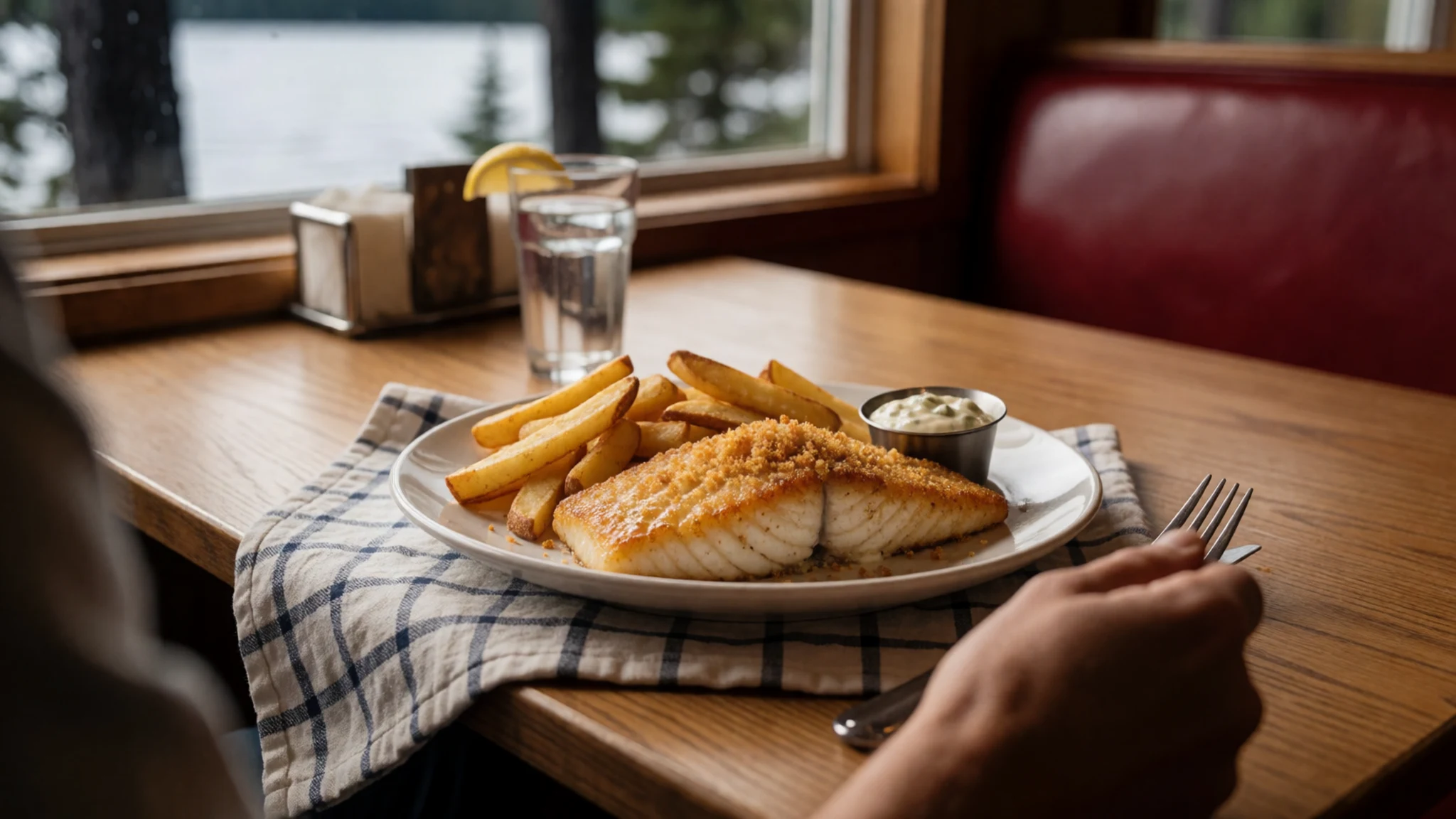
- Maple syrup — Farmers' markets and roadside stalls, spring and through the year
Ontario's maple syrup is made in early spring, when sap runs. Pancakes, bacon and syrup make a standard northern breakfast, and small bottles or tins are a practical souvenir that travels well in a bag.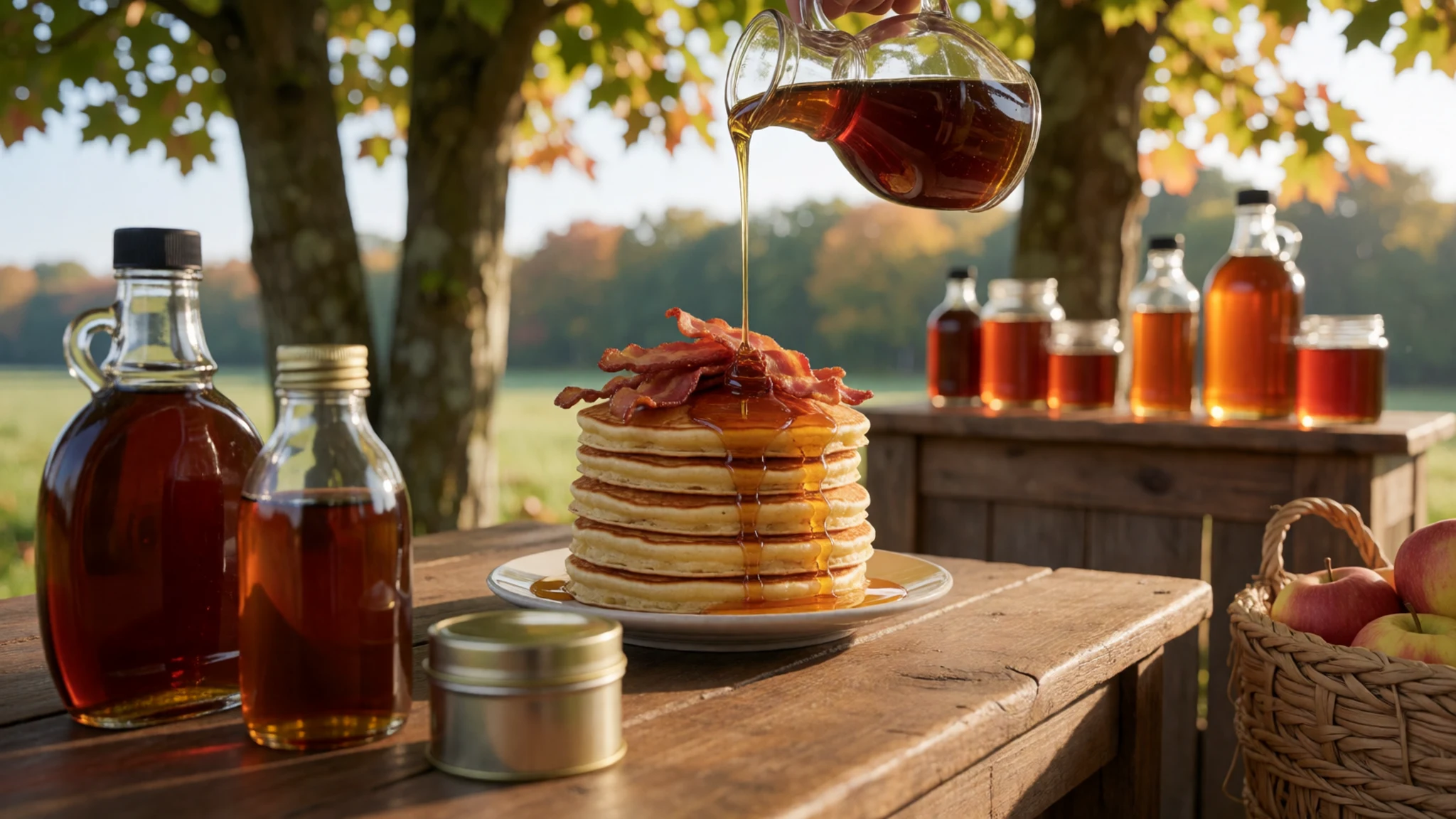
- Butter tarts — Bakeries and general stores in small towns
A small pastry shell filled with a sweet, gooey mix of butter, sugar and egg, often with raisins or pecans. Debate about the right filling is a local pastime. Buy a few for the car ride. - Poutine — Takeaway counters, snack bars and roadside diners
Chips topped with cheese curds and hot gravy, a Canadian comfort dish with roots in Quebec and widely eaten in Ontario. It is filling, salty and warming on a cold day, and many places offer a vegetarian gravy. - Wild blueberries — Summer roadside stands and small-town markets
In summer, small wild blueberries ripen on the rocky ground of the Canadian Shield. They go into pies, muffins and jam, and are sold by the tray in season. Only pick them from places where foraging is clearly allowed.
Plan it
Best time. June to September. Summer is the easiest season for paddling, fishing and walking, with warm days and long light. Early summer brings black flies and mosquitoes, so late July to early September is usually more comfortable. Late September can bring autumn colour and cold nights. Winter is long, cold and snowy.
How long. 2–3
Getting there. Fly to Toronto Pearson International Airport, then drive north by the main northern highway towards Temagami and Kirkland Lake; the last stretch is on smaller local roads, so use a proper road map and download offline directions before leaving signal. Check the official local tourism websites for current road and access conditions.
Budget. mid
Tips
- Hire a car; public transport is very limited in the north and distances are long.
- Fill the fuel tank whenever you pass a town, as stations can be far apart.
- Bring insect repellent and long sleeves, especially from late spring to midsummer.
- Carry drinking water, snacks and an offline map, because mobile signal is unreliable.
- Book rooms or campsites ahead for summer weekends, when cabins and lodges fill up.
Etiquette
- Take all rubbish with you and leave shorelines and campsites as you found them.
- Ask before photographing people, and respect Indigenous land and community signage.
- Check local fishing rules and licences before you cast a line.
Nearby
Sources
- Wikidata Q22638930 (CC0)
- Wikipedia — Hope Lake (CC BY-SA 4.0)
- Wikivoyage — Ontario (CC BY-SA 4.0)
Wildlife
- Common loon (animal)
The common loon, also called the great northern diver, is a big water bird that looks as though it wears a black hood and a white shirt. Its dark head shimmers with green, purple or blue when breeding. At Hope Lake, look for loons on the calm water, easiest from a canoe or from the shore at first light, beneath the spruce trees in the hush. Keep your distance, stay quiet and let the bird come to you. Never feed it.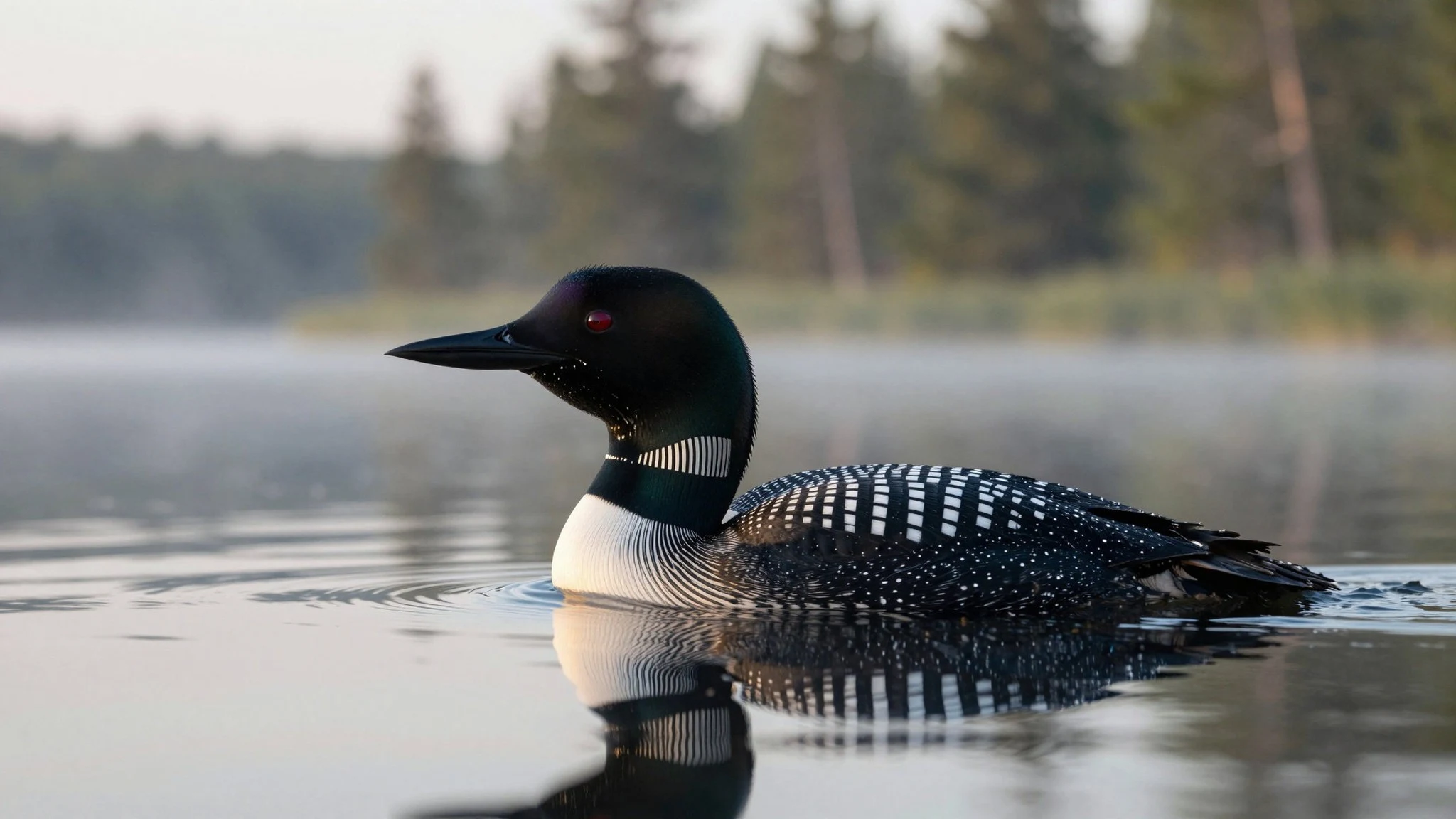
- Common loon (bird)
The common loon, also called the great northern diver, is a big water bird that looks as though it wears a black hood and a white shirt. Its dark head shimmers with green, purple or blue when breeding. At Hope Lake, look for loons on the calm water, easiest from a canoe or from the shore at first light, beneath the spruce trees in the hush. Keep your distance, stay quiet and let the bird come to you. Never feed it.