Hilton Head Island
Hilton Head Island, United States
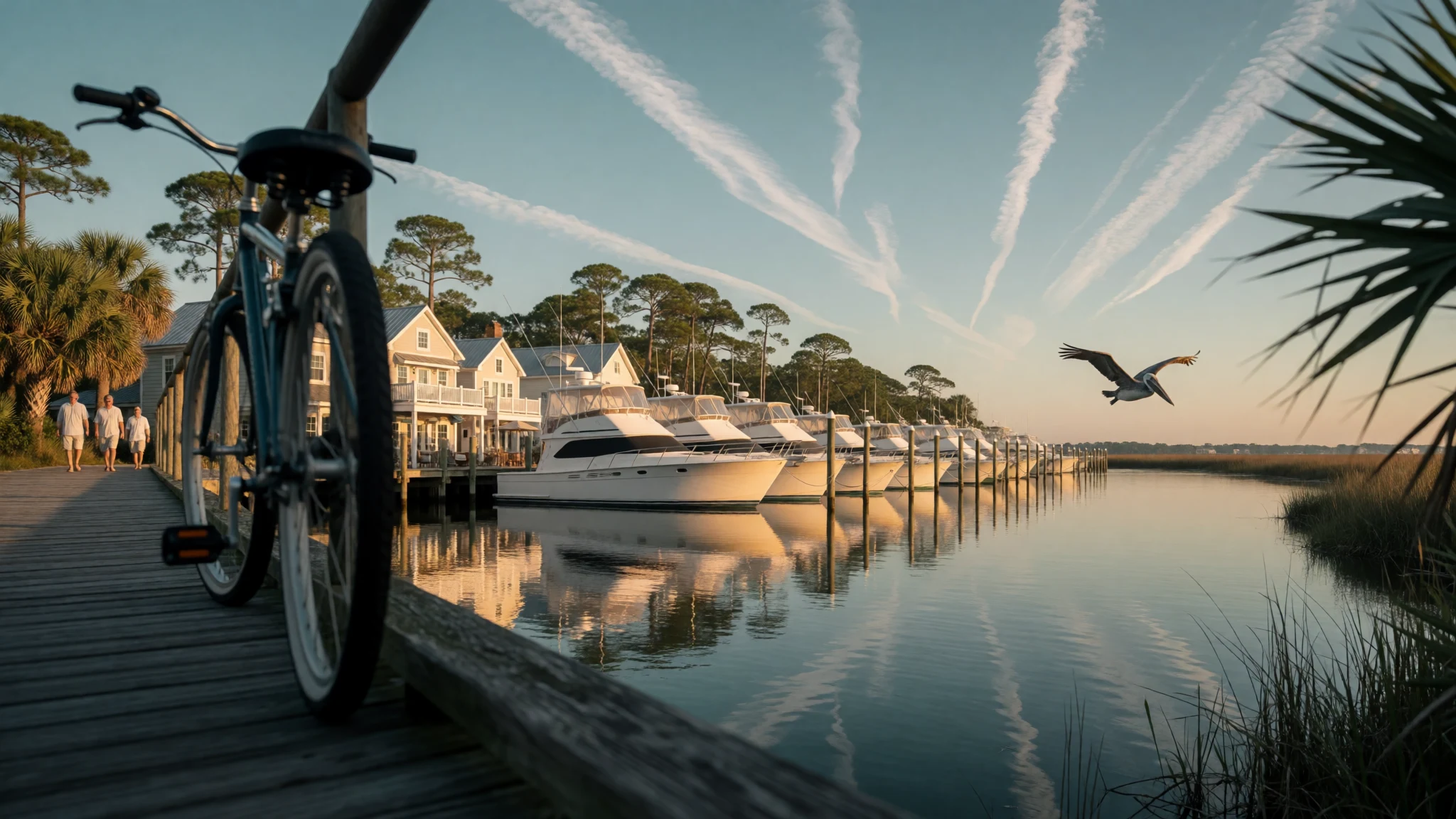
Hilton Head Island is a barrier island of wide Atlantic beach, live-oak marinas and living Gullah heritage, set in South Carolina's Lowcountry.
The place
Hilton Head Island is a barrier island in South Carolina's Lowcountry, in Beaufort County, about 32 km north-east of Savannah, Georgia, and roughly 153 km south-west of Charleston. The year-round population is 37,661, but that figure balloons to around 150,000 at the peak of the summer holidays, and about 2.5 million visitors come across a typical year. Those numbers explain the island's character: it is organised around leisure, with beaches, golf courses, tennis centres, marinas and a network of bike paths threaded between gated resort communities and stretches of pine, marsh and live oak. The Atlantic side has about 19 km of beachfront, and the land is flat, only about 3 m above sea level, so the horizon is mostly sky, salt marsh and water. Only one road, US Route 278, connects the island to the mainland, which shapes everything from weekend traffic to how quickly the place empties after a storm warning. Development here is planned rather than sprawling, so signage is low-key and the resort areas feel more like landscaped parkland than a beach strip. Beneath the holiday layer sits an older community. The island is still home to many descendants of freed people who arrived during the Civil War, known as the Gullah or Geechee, and their language, cooking and crafts remain part of everyday island life. Visitors who want only sand and golf will find them easily; those prepared to look for Gullah history, tidal creeks and the shell rings left by Indigenous people will get a fuller picture. Summer is hot and crowded, spring and early autumn are calmer, and the island works best as a slow base for cycling, paddling and long beach walks rather than a place to tick off sights.
Its story
Hilton Head Island has been lived on for thousands of years. Near the east entrance of the Sea Pines Forest Preserve, a circular shell ring about 46 m across is thought to be more than 4,000 years old. Archaeologists read it as a ring of discarded shellfish shells left by Indigenous people, who kept the interior clear as a shared space. Two other rings on the island were lost when their shells were taken to make tabby, a building material for roads and walls; the three surviving rings are now protected and listed on the National Register of Historic Places. European contact began with a Spanish expedition under Francisco Cordillo in 1521. The name dates to 1663, when Captain William Hilton, on a voyage from Barbados for the Lords Proprietor, noticed a headland by Port Royal Sound and put his own name to it. His journal praised the island's timber, farmland, water and air. A 1698 grant placed the island within a barony awarded to John Bayley of Tipperary. English, Spanish, French and Scots all contested these waters in turn. Sea island cotton came next, then the Civil War, when Union forces used the island as a staging point for their naval blockade. After the Union takeover, formerly enslaved families arrived in their hundreds, and the refugee town of Mitchelville took shape. Their descendants, the Gullah or Geechee, still sustain a distinct culture on the island.
What to see
- Harbour Town — Sea Pines, south-west end of the island
Harbour Town sits inside the gated Sea Pines resort, a busy marina basin ringed by shops, eateries and moored yachts. The golf links beside it host a professional tournament each April. Entry to Sea Pines is controlled, so check the current visitor arrangements at the gate before driving in, and expect crowds on summer afternoons.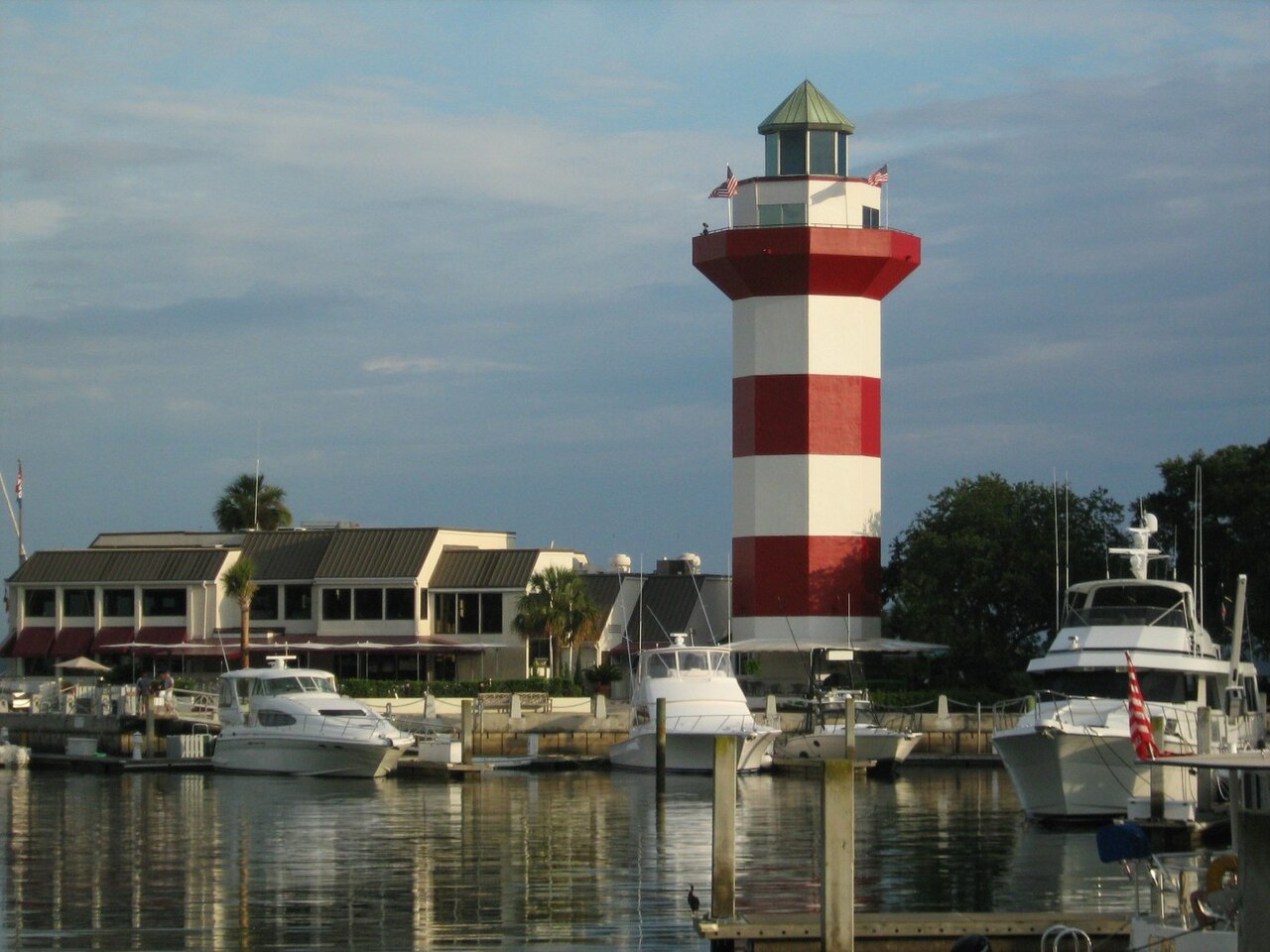
- Sea Pines shell ring — Sea Pines Forest Preserve
The Sea Pines shell ring lies near the east entrance of the Sea Pines Forest Preserve, a circle of old shellfish remains about 46 m across and thought to be over 4,000 years old. There is little to see beyond low banks and trees, so it rewards a quiet walk and some imagination. It is protected by law, so stay on the path. - Mitchelville — North-east of the island
Mitchelville began as a refugee settlement for formerly enslaved people after Union forces took the island, and the site is now part of the town. A heritage park there interprets the community and early Gullah life. Check the town's official site, https://www.hiltonheadislandsc.gov/, or local information points for what is open and when.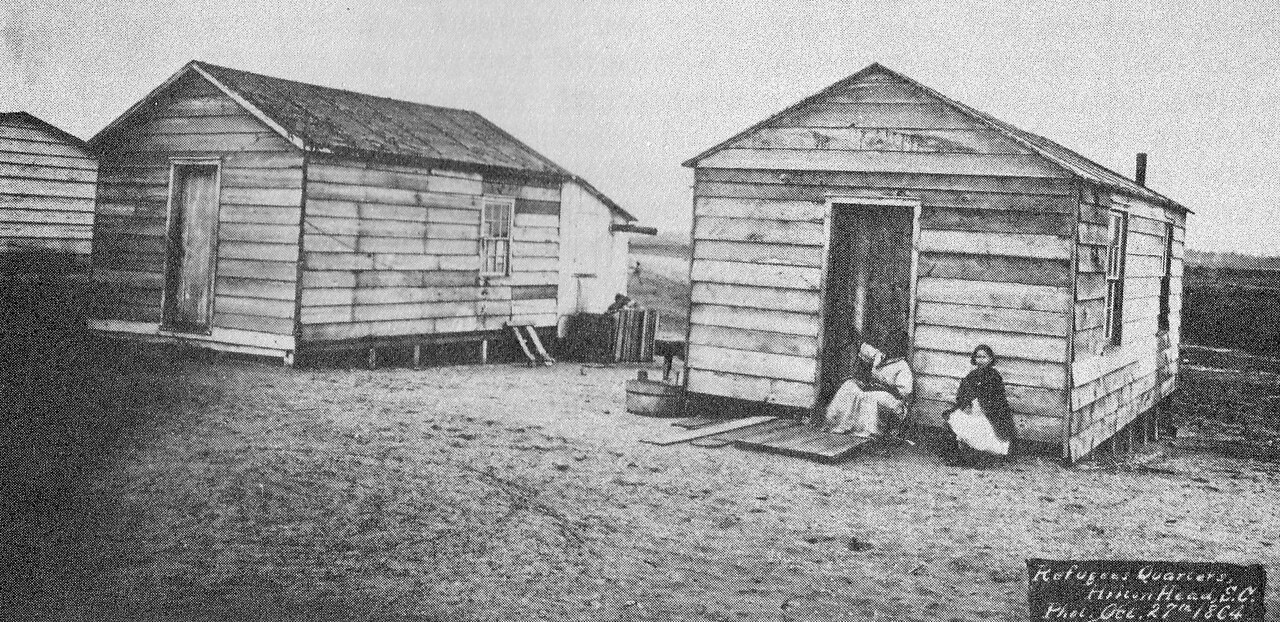
- Stoney-Baynard Ruins — Sea Pines
The Stoney-Baynard Ruins stand in Sea Pines, the remains of a plantation house from the sea island cotton era. The walls are of tabby, the shell-based building material that also appears elsewhere on the island. It is a short stop that makes a useful reminder of who built and worked the plantations.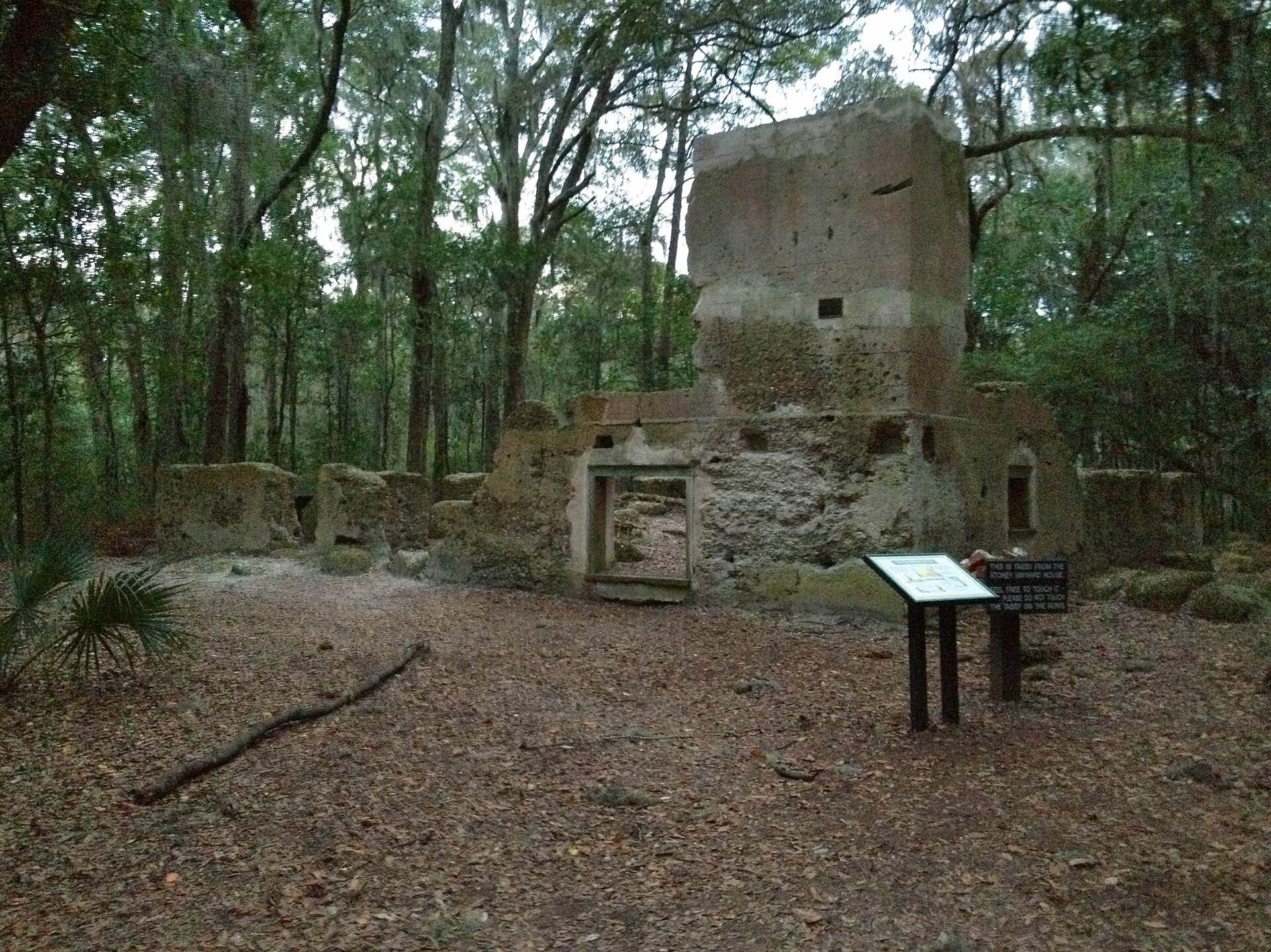
- The Atlantic beach — Atlantic shoreline, around Coligny
The Atlantic beach runs for about 19 km along the island's southern and eastern edge. The sand is wide and firm at low tide, which suits walking, cycling close to the waterline and shell-hunting, and the water is calm enough for families. Check tide times before setting out, and look for public access points rather than resort-only paths.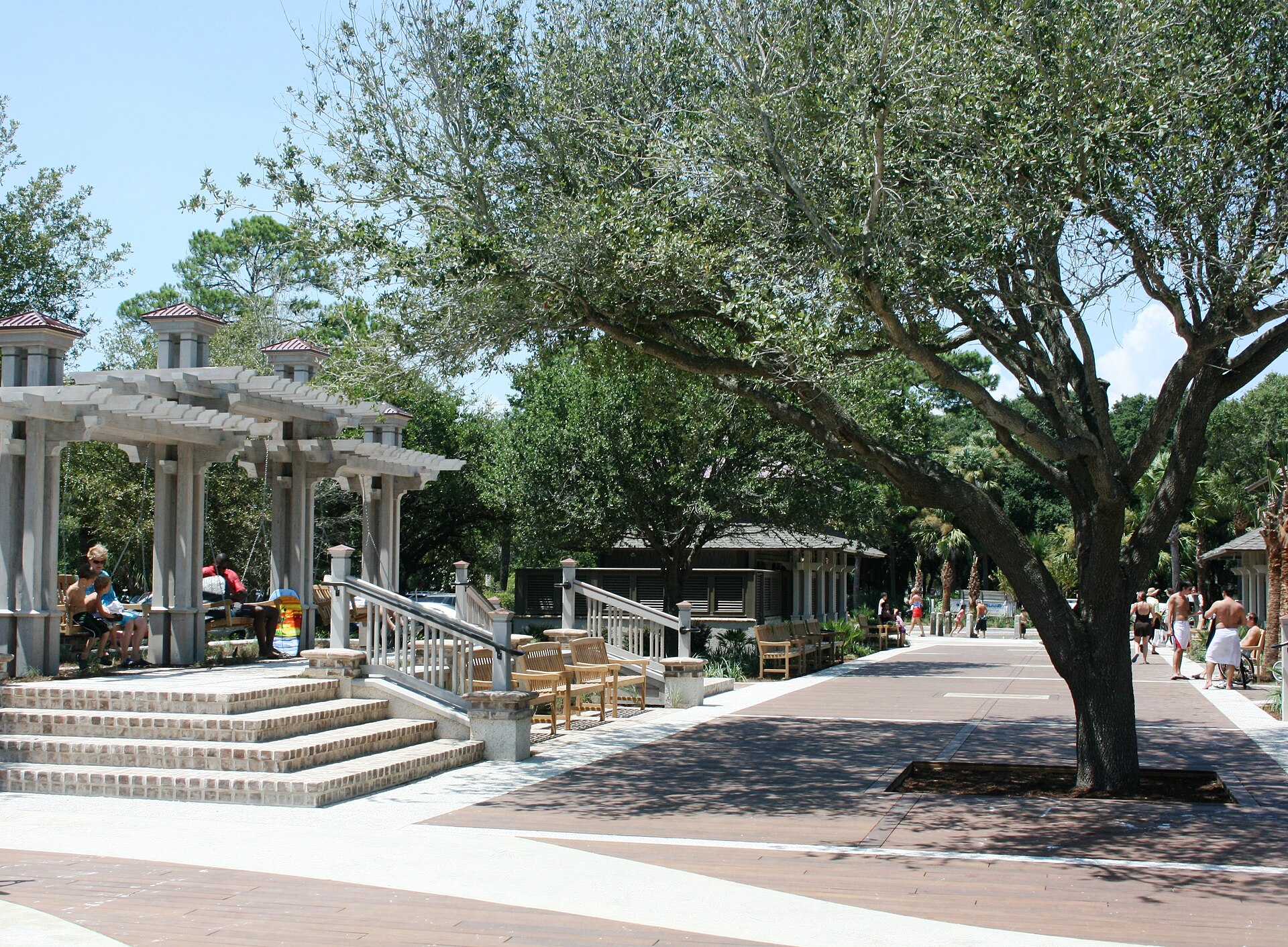
- Bike paths and boat cruises — Island-wide; cruises from marinas such as Shelter Cove
Cycling is a good way to reach the island's tucked-away corners. Paths run alongside roads, through pine woods and past marsh, and many shops rent bikes. For a different view, nature and dolphin boat cruises leave from the island's marinas; the creeks and marshes show the Lowcountry landscape at close range.
Culture
Hilton Head Island carries a distinctive Gullah culture, also called Geechee, the heritage of formerly enslaved people who settled here during the Civil War and whose descendants still live on the island. The Gullah community has its own creole language, a strong tradition of storytelling, music and spirituals, and a food culture built on rice, seafood and vegetables. Handmade crafts, especially coiled sweetgrass baskets, belong to the same inheritance and are sold by makers at craft stalls and markets in the region. Alongside this runs the resort culture that arrived later: golf weeks, tennis camps, family beach holidays and an outdoor rhythm built around bikes and marinas. Mitchelville and the plantation ruins record slavery and the first steps towards freedom, and they are best approached with some seriousness rather than as scenery. Many visitors come for golf, tennis or the beach and never leave the resort gates, which is a pity: the island's older story is easy to reach by bike or car and adds a great deal. Summer brings the heaviest crowds, and a calmer, more local mood returns outside the holiday weeks. Ask before photographing people at craft stalls or Gullah events, and treat a basket maker's asking price as payment for days of skilled work rather than an opening bid.
What to wear
Hilton Head Island has no formal local costume, but the Gullah Geechee community keeps a dress tradition shaped by the Lowcountry cotton economy: plain cotton cloth, bright head wraps for women, and white or richly coloured outfits for church and heritage days. Indigo, long used for dyeing across the coastal South, and quilting are part of the same textile inheritance. These garments are now mostly seen at festivals, church services and heritage events rather than on the street. Everyday dress is resort casual: shorts, linen shirts and sundresses, polo shirts on the golf courses, tennis whites at the courts, and bike shorts or sun shirts on the paths. Evenings are relaxed, though some restaurants lean smart-casual. Visitors should dress for heat, humidity and strong sun in summer: light cotton or linen, a wide hat, sunglasses, high-factor sunscreen and a thin waterproof for sudden storms. Spring and autumn evenings can be cooler, so a light layer helps, and winter calls for a proper jumper or jacket. Footwear matters: sandals for the sand, trainers or cycling shoes for the paths, and closed shoes on golf courses, many of which have dress codes. Beachwear belongs on the beach, so a shirt or cover-up is expected in shops and eateries, and insect repellent counts as part of the outfit near marshes at dusk.
What to eat
- Shrimp and grits — Breakfast cafes and seafood restaurants across the island
Shrimp and grits is a Lowcountry staple of local shrimp over creamy stone-ground corn grits, often with bacon or a savoury sauce. It is a common brunch or dinner order at seafood restaurants and breakfast cafes across the island. - Lowcountry boil (Frogmore stew) — Casual waterside seafood eateries near the marinas
Lowcountry boil, also called Frogmore stew, is a one-pot supper of shrimp, smoked sausage, corn and potatoes, cooked together in seasoned water and tipped onto a table. It suits groups and casual evenings, and is often served at relaxed waterside seafood places. - She-crab soup — Seafood restaurants around Harbour Town and Shelter Cove
She-crab soup is a rich, cream-based Lowcountry soup of crab, traditionally finished with a splash of sherry. Many restaurants offer a cup as a starter, and it is a good way to taste the region's crab without committing to a full meal. - Gullah red rice — Gullah-run eateries and heritage food events
Red rice is a Gullah Geechee dish of rice cooked in tomato with onion, peppers and often smoked sausage or bacon. It appears as a side dish at Lowcountry restaurants and is worth seeking out at Gullah-run eateries and community food events. - Local oysters — Seafood restaurants and community oyster roasts in the cooler months
Oysters from the surrounding tidal creeks are eaten steamed, roasted or fried, and oyster roasts are a cool-season tradition across the Lowcountry. Many seafood places serve them by the dozen when in season; ask what is local and what is not.
Plan it
Best time. April–May and September–October for warm days, easier beaches and less oppressive humidity; June–August is hot, humid and crowded, and the Atlantic hurricane season runs into early autumn, so watch forecasts.
How long. 3–4
Getting there. Fly to Savannah/Hilton Head International Airport (SAV), about an hour from the island and linked to Interstate 95, then drive or take a transfer along US Route 278, the only road on and off the island. The nearest Amtrak stations are Savannah and Yemassee; a car is the practical choice once on the island.
Budget. high
Tips
- Avoid weekend arrival and departure traffic on US 278 if possible; weekdays are lighter.
- Book lodging well ahead for summer and for the April golf tournament week; vacation rentals are widespread as well as conventional lodging.
- Hire a bike and use the island's paths; many shops rent them.
- Sea Pines is gated, so check current visitor entry arrangements at the gate, and see the town's official site, https://www.hiltonheadislandsc.gov/, for local information.
- Carry water, sunscreen and insect repellent, and check tide times before long beach walks.
Etiquette
- Treat Mitchelville and the plantation ruins as places of memory and stay on marked paths.
- Ask before photographing people, including craft makers and Gullah event participants.
- Use public beach access points and leave dunes and wildlife undisturbed.
Nearby
Sources
- Wikidata Q1001134 (CC0)
- Wikipedia: Hilton Head Island, South Carolina (rev 1384347904) (CC BY-SA 4.0)
- Wikivoyage: Hilton Head Island (rev 5404081) (CC BY-SA 4.0)
- Harbor of Hilton Head Island — MoodyGroove, via Wikimedia Commons (CC BY 3.0)
- Harbour Town Marina in Sea Pines — Locust member, via Wikimedia Commons (CC BY 4.0)
- Relief location map of the USA — Uwe Dedering, via Wikimedia Commons (CC BY 3.0)
- Refugee quarters built in Mitchelville — Samuel A. Cooley, via Wikimedia Commons (Public domain)
- Stoney-Baynard Ruins — DDima, via Wikimedia Commons (CC BY 3.0)
- Beach Pounders — U.S. Coast Guard, via Wikimedia Commons (Public domain)
- Liberty Oak in Harbour Town — MoodyGroove, via Wikimedia Commons (CC BY 3.0)
- The beach on Hilton Head Island — Thierry Caro, via Wikimedia Commons (CC BY-SA 1.0)


Wildlife
- Bottlenose dolphin (animal)
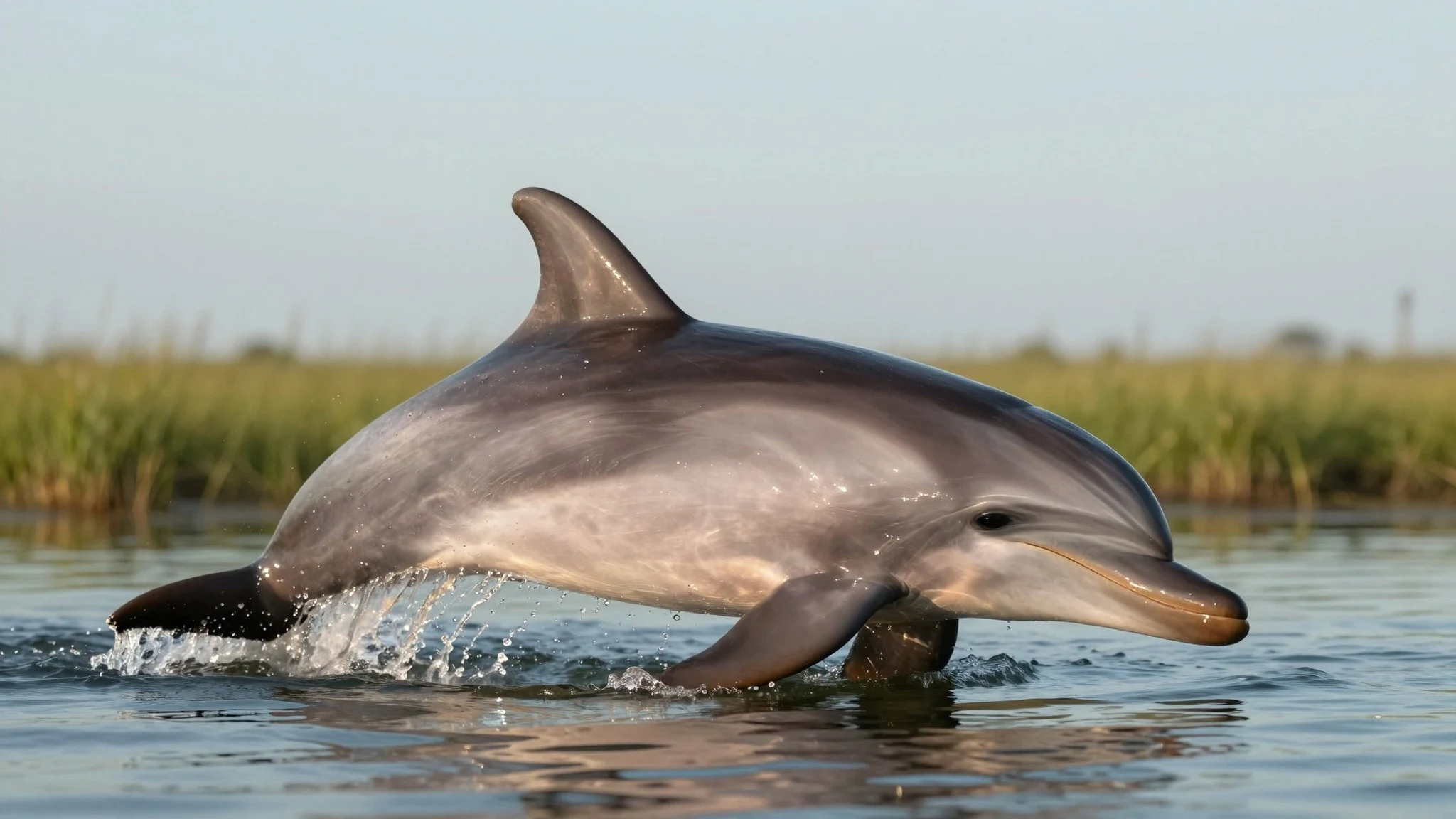
The bottlenose dolphin is a toothed whale that looks just like the cheerful dolphin from a picture book, and it belongs to the family of oceanic dolphins. Bottlenoses live in warm and temperate seas almost everywhere in the world. To look for them around Hilton Head, join a nature or dolphin boat cruise from one of the island's marinas. These trips wind through the creeks and marshes, so you also enjoy the Lowcountry landscape from the water, close beside you.