Grand Bara
Grand Bara, Djibouti
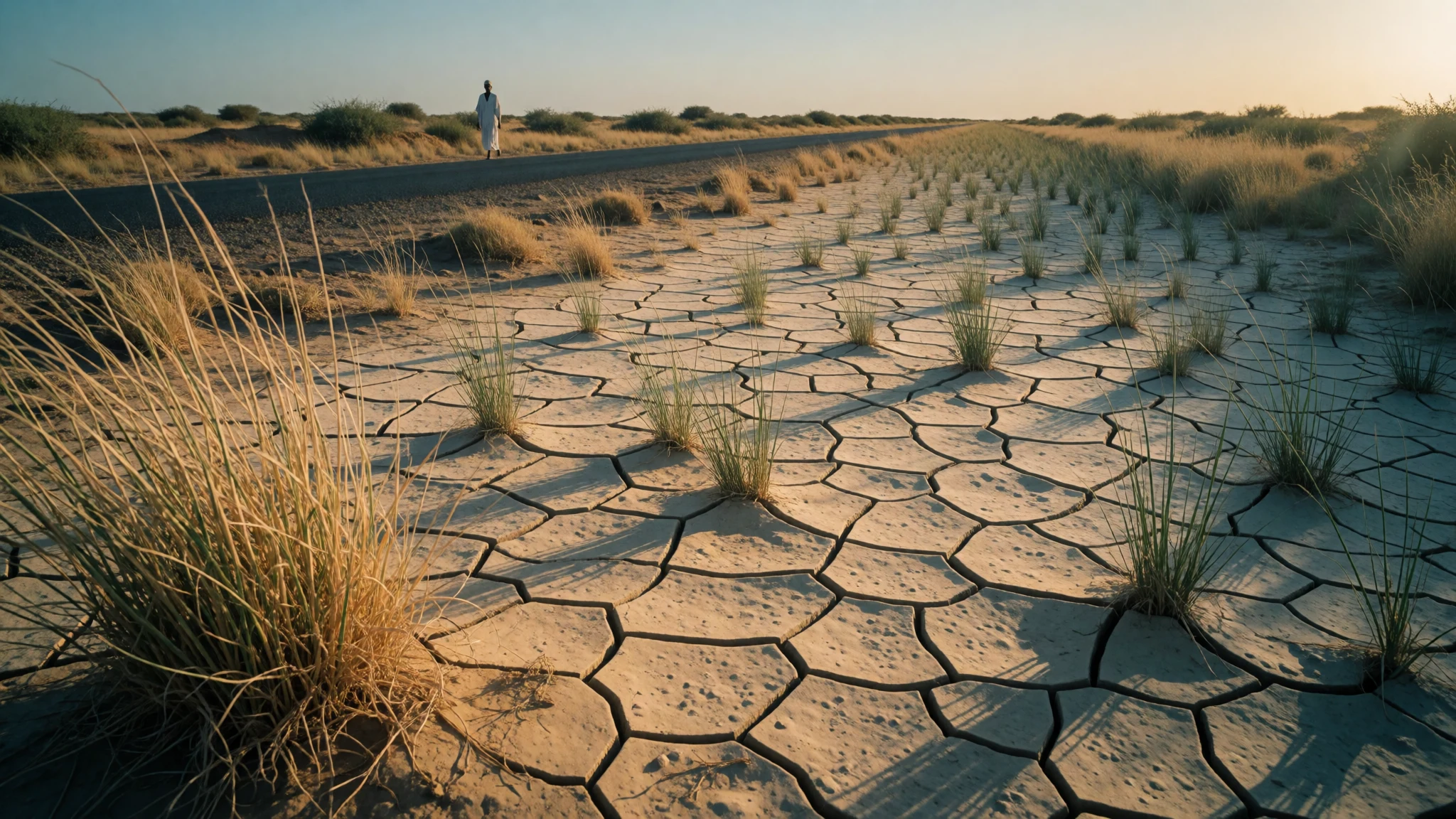
A vast, pale dry lake bed in the middle of Djibouti, where the appeal is silence, space and strange, flat light.
The place
Grand Bara is a desert plain in southern Djibouti, lying about 543 m above sea level. It is not the dunes-and-camels kind of desert. The ground is a broad, pale, almost level sheet of clay and sand, scattered with thin grasses and low scrub, and the horizon sits a long way off in every direction. Geologically, Grand Bara and its smaller neighbour, Petit Bara, are the floors of lakes that dried out long ago. They also act as a rough boundary inside the country, with volcanic terrain on one side and sedimentary ground on the other. The clay drains badly, so when rain does arrive the surface holds water for a while, and grasses spring up soon after. That brief green flush is about the only change the plain ever shows. Few animals can live here year-round, and the emptiness is hard to convey in photographs. A road laid across it in 1981 now links Djibouti City with the south, and for most people that tarmac strip is how they meet the desert, usually through a vehicle window. The heat is serious for much of the year, shade is almost non-existent, and heavy downpours can turn the surface into a shallow flood. As a landscape it rewards people who like space, silence and big skies more than ticking off landmarks. Djibouti is a small country, and Grand Bara sits in its middle, between the coast and the interior.
Its story
Grand Bara's story is mostly one of movement. Before the French arrived, the arid interior was home mainly to Issa Somali herders, who moved livestock between wells and seasonal grazing and knew where water would collect after rain. The plain itself is older than any of that. It is what remains of lake beds that dried up, leaving fine clay that drains poorly. That clay explains the plain's odd rhythm: shallow floods after heavy rain, a quick burst of grass, then months of bare, cracked crust. Modern history arrived as a strip of tarmac. A road finished in 1981 gave Djibouti City a direct link to the south across the pan, replacing tracks that could vanish under water. Djibouti's value to the wider world lies in its position beside a major shipping route, and its ports, roads and open ground have drawn foreign interest ever since. Public-domain photographs show international military units using the flat terrain for training exercises, because the plain offers space and few obstacles. Runners have used it too, in an annual race across the desert, a rare moment when the place is busy rather than empty. Despite these passing visitors, Grand Bara remains thinly settled, and the changes it sees most are the seasonal ones.
What to see
- The open plain — Grand Bara, southern Djibouti
The flat clay floor of Grand Bara is the main sight, and it is best taken slowly. Stop well away from the tarmac, walk a short distance, and notice the cracked pale surface, the tufts of grass, and how far sound carries. Early morning and late afternoon give the softest light and bearable temperatures.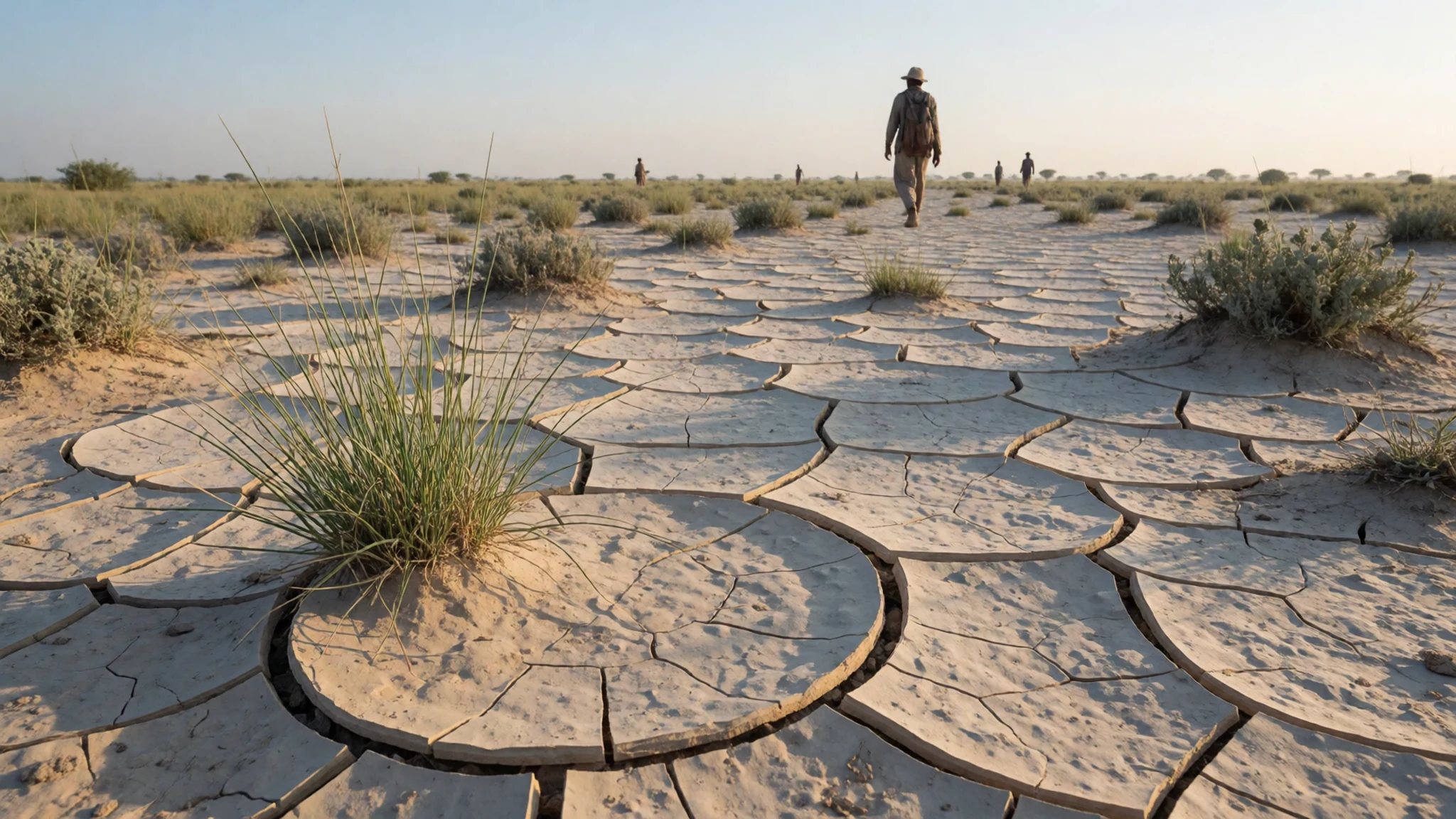
- The road across the Bara — Between Djibouti City and the south
The road across Grand Bara is a drive in itself, running straight through the pan between Djibouti City and the south. Travelling it shows the scale of the plain better than any viewpoint. Trucks use it, so keep to your lane, carry spare water, and avoid driving after dark.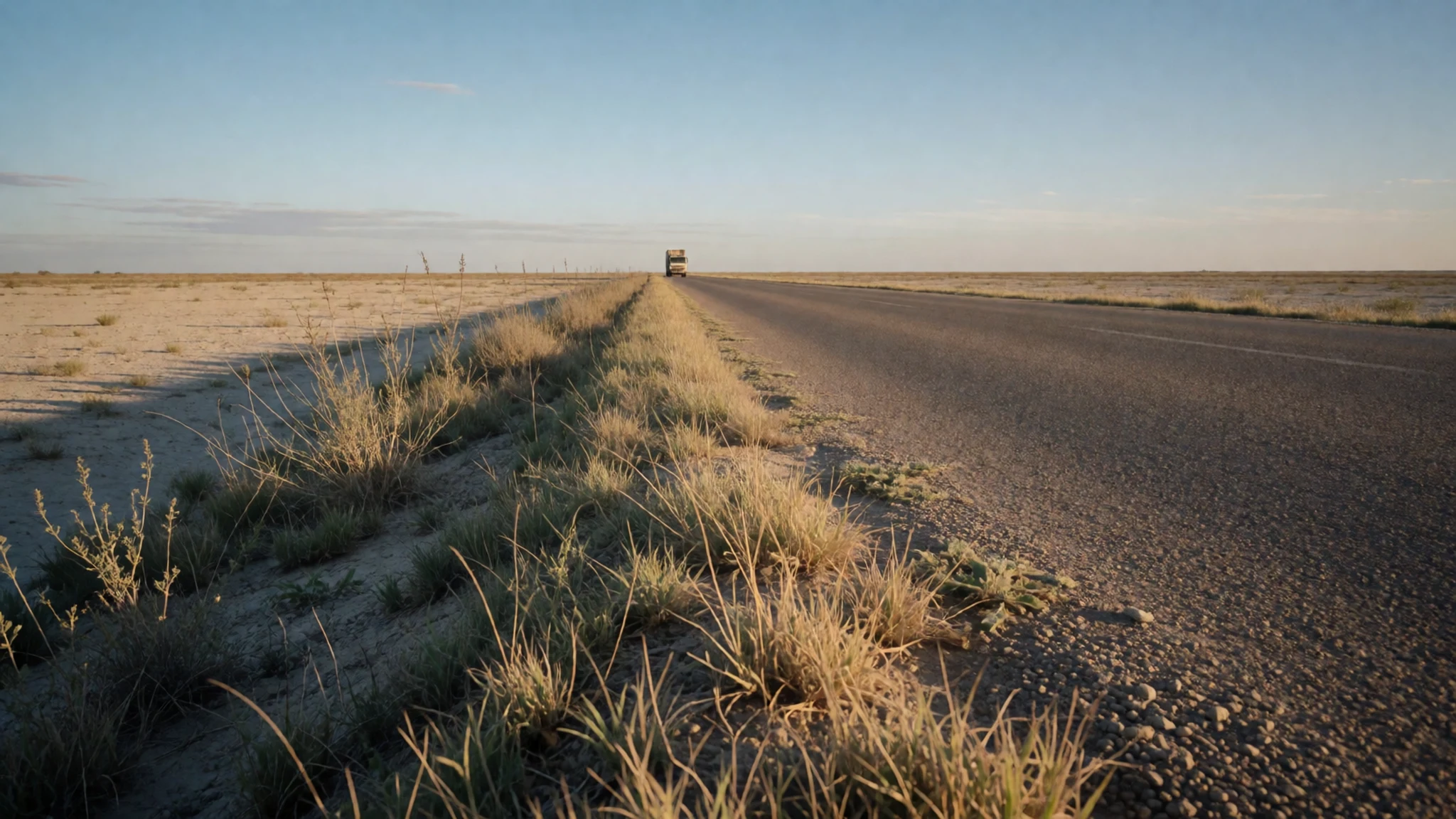
- Lake Assal — North-west of Grand Bara
Lake Assal lies north-west of Grand Bara in a deep volcanic hollow, with a salt-crusted shore and a hard glare off the water. Reaching it needs a hired car with a driver or a local host, and the roads outside the capital are rough. Go early, as the heat builds quickly.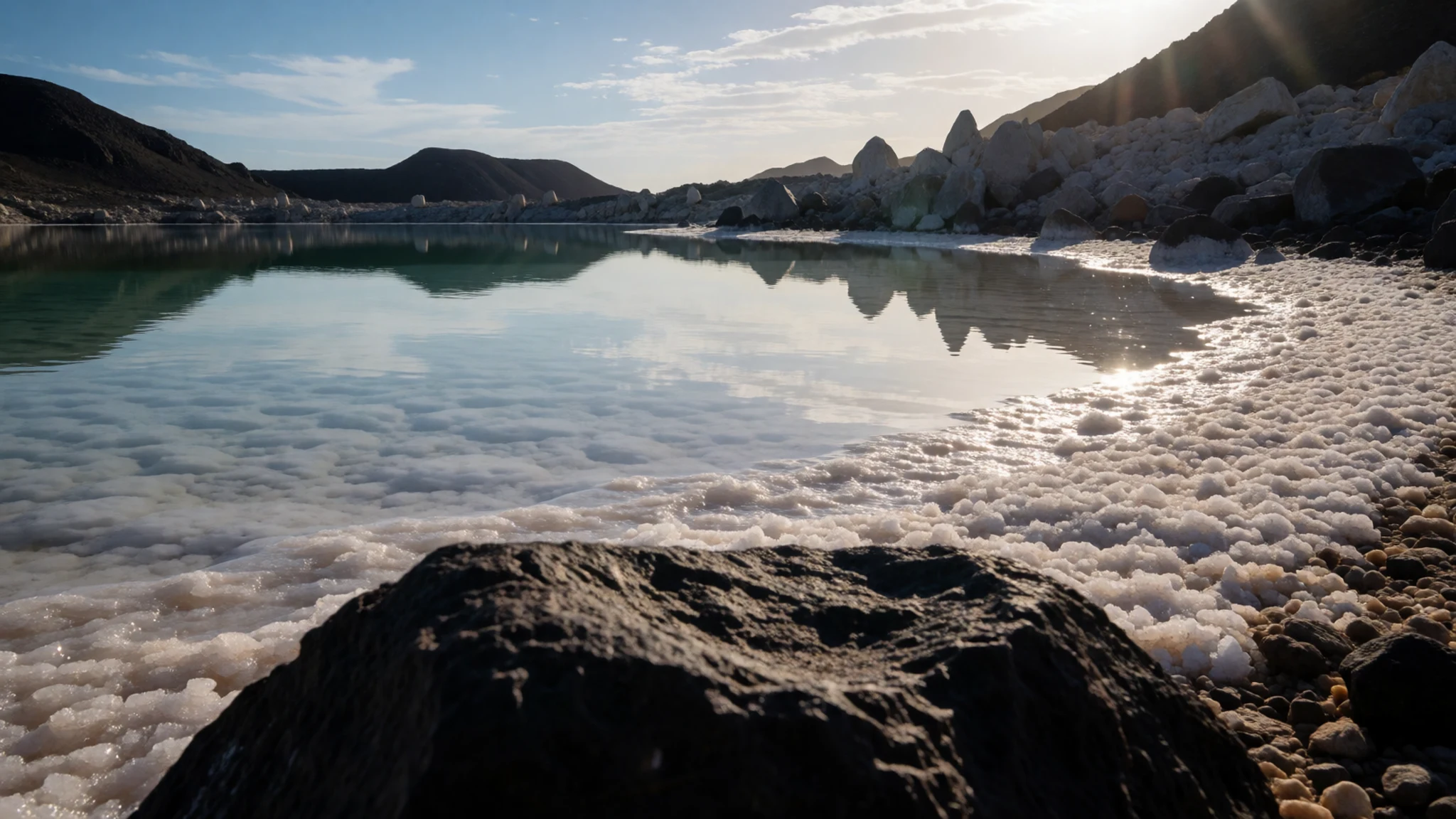
- Lake Abbe — Near the Ethiopian border
Lake Abbe, near the Ethiopian border, is a stark basin dotted with tall limestone chimneys that steam at dawn. Its moon-like look has led to stories of films shot here, which are not true. It is a long trip from Grand Bara, so most visitors go with a guide and a four-wheel-drive vehicle.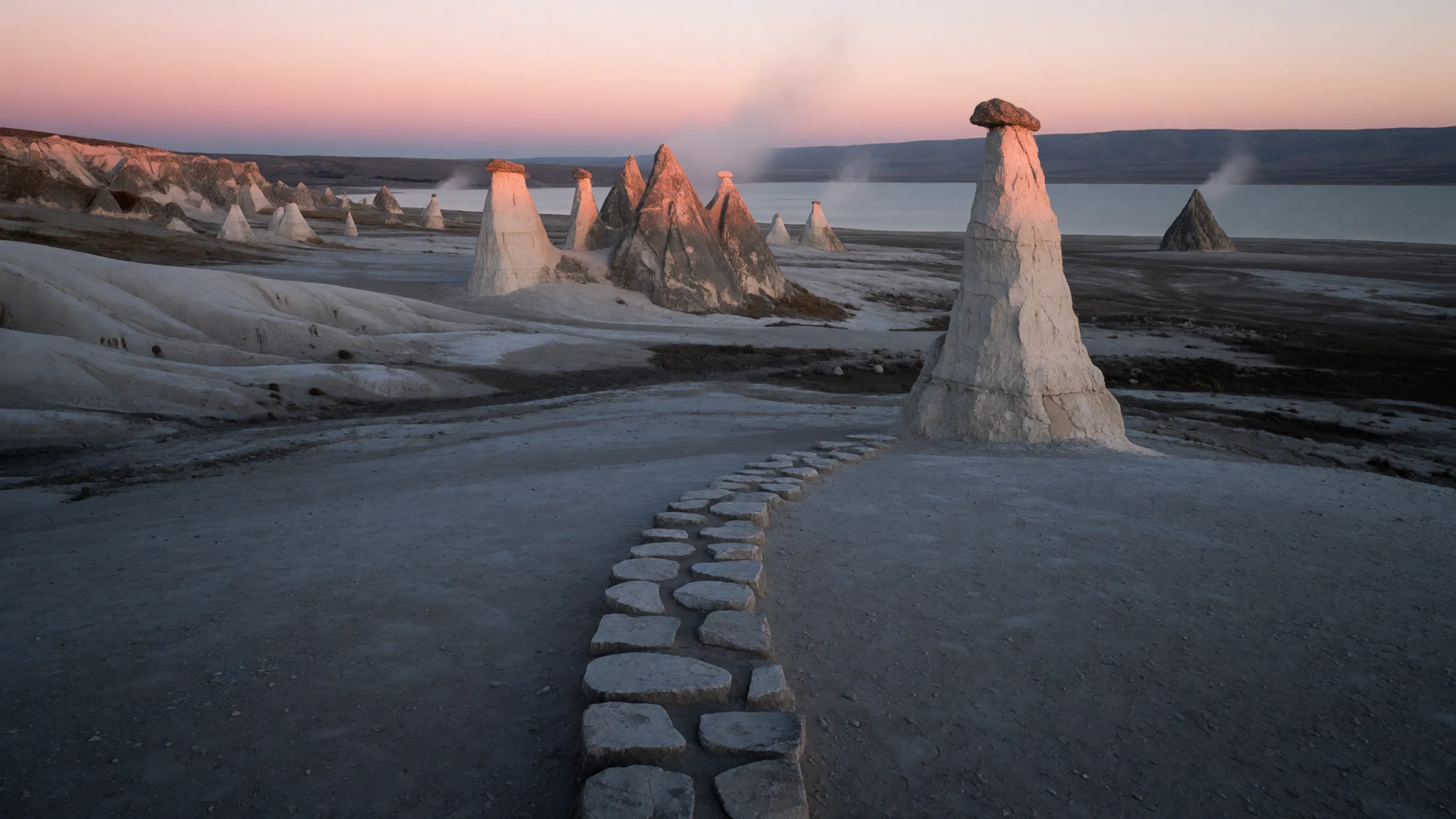
- Gulf of Tadjoura — The coast, north of Djibouti City
The Gulf of Tadjoura, on the coast, offers a very different Djibouti: reefs, sea kayaking, and snorkelling or diving. Whale sharks are the draw, seen most reliably in the cooler months and rarely in the hot season. Book with a licensed operator and ask about current conditions.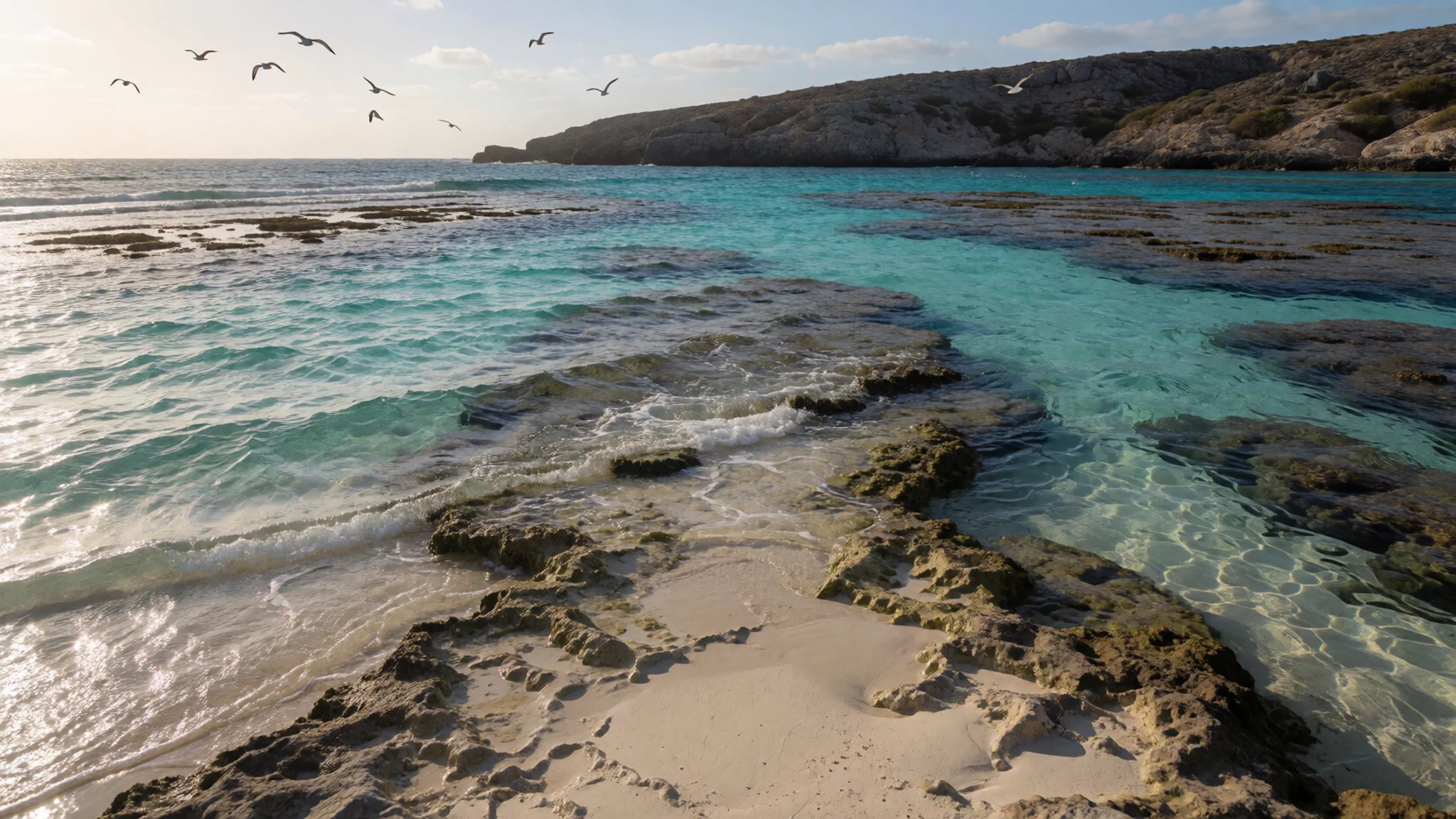
Culture
Grand Bara lies in a country where daily life follows Islam and long pastoral traditions. The interior was historically home mainly to the Issa Somali, herding people who moved with the rains and the grazing, and the plain still carries that sense of seasonal movement. Somali and Afar communities share the country, and French and Arabic sit alongside Somali and Afar in public life. Hospitality matters: being offered tea or a seat in the shade is normal, and refusing rudely is not. Afternoons slow down in the heat, and many people rest through the hottest hours. In the capital, late afternoon is when conversation, and the chewing of khat, a mild stimulant leaf, bring neighbourhoods to life. Prayer times shape the day, and during Ramadan eating, drinking or smoking in public in daylight is discreetly avoided. Everyday casual wear is widely accepted, though specific dress expectations apply because Djibouti is a Muslim nation. Attitudes towards LGBTQ+ people are not accepting, so discretion is wise. Photographing police, soldiers or military sites can cause trouble, and the plain is somebody's grazing land, not an empty set. Always ask before photographing anyone, and keep your shoulders and knees covered when you stop in villages.
What to wear
Grand Bara is Somali and Afar country, and dress there reflects both heritage and heat. Traditional clothing is made for sun and movement. Men wear the macawiis, a wrapped cotton sarong, with a loose shirt and often a turban or small cap. Women wear the dirac, a light, long voile dress worn over a slip, with the garbasaar, a long shawl draped across the shoulders or over the head. Brightly patterned cotton wraps are common, and Afar communities have their own wrapped cotton garments. Herders wear these daily, while festival days such as Eid bring out the finest cloth. In Djibouti City most people wear a mix: trousers or long skirts, shirts, loose robes and, increasingly, western-style clothes, with headscarves for many women. Visitors should dress for heat and modesty together: loose, long cotton or linen trousers or skirts, tops that cover the shoulders, a wide-brimmed hat, sunglasses, and a scarf for sun and dust. Shorts are generally out of place outside resorts, beaches and sport. Closed, sturdy shoes suit the stony, hot ground, and open sandals invite thorns. Swimwear belongs on the beach or boat only.
What to eat
- Skoudehkaris — Family-run Somali eateries in Djibouti City
A fragrant dish of rice cooked with lamb or goat, onion and warming spices such as cumin and cardamom, often served with a banana on the side and a spoonful of hot sauce. It is a standard family meal and eaten at lunch.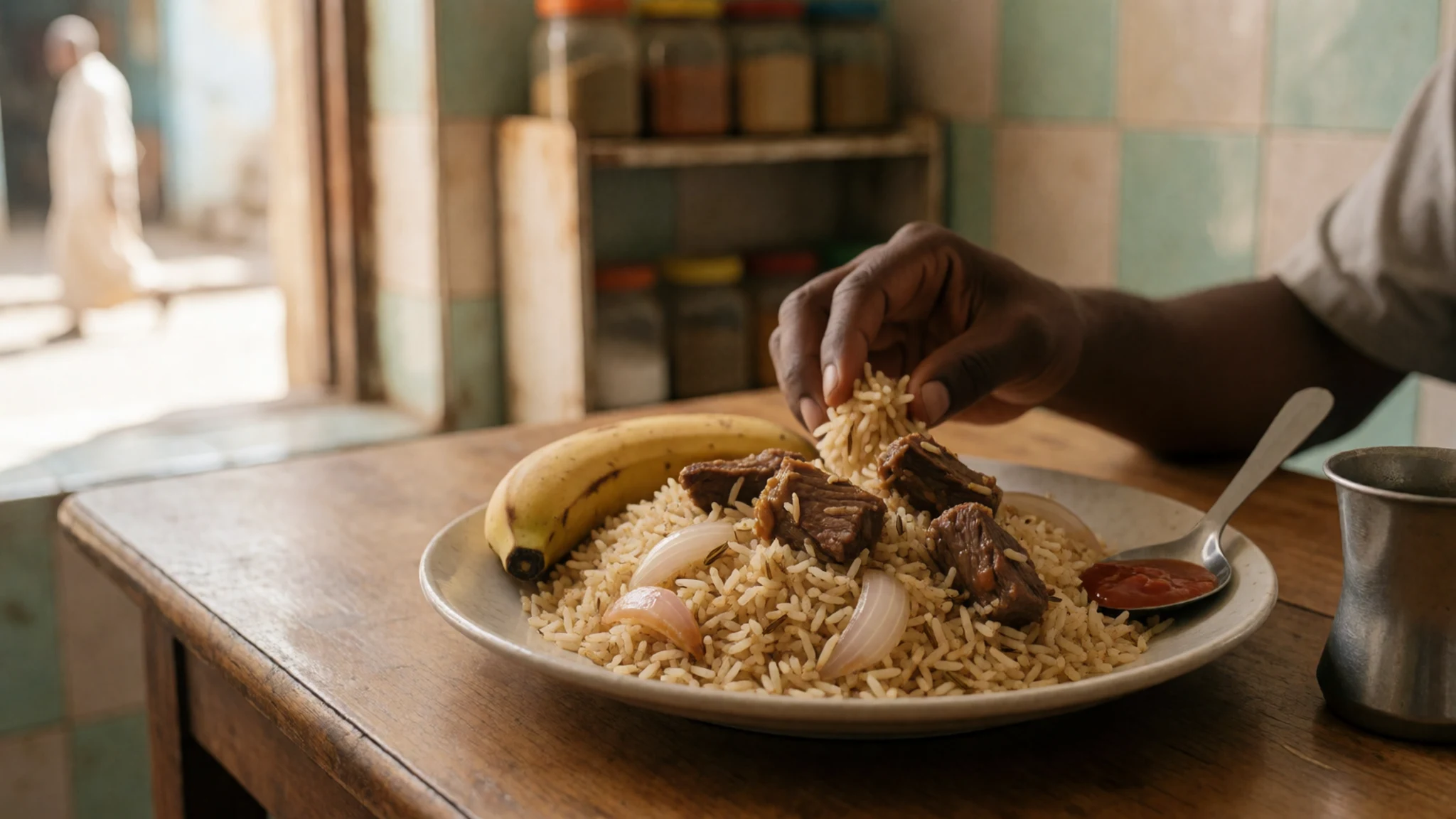
- Fahfah — Local Somali eateries and breakfast spots in the capital
A thick, peppery soup of shredded boiled goat or beef, simmered with chilli, garlic and herbs until the meat falls apart. It is usually eaten with flatbread for dipping, and is a comforting, filling breakfast or supper.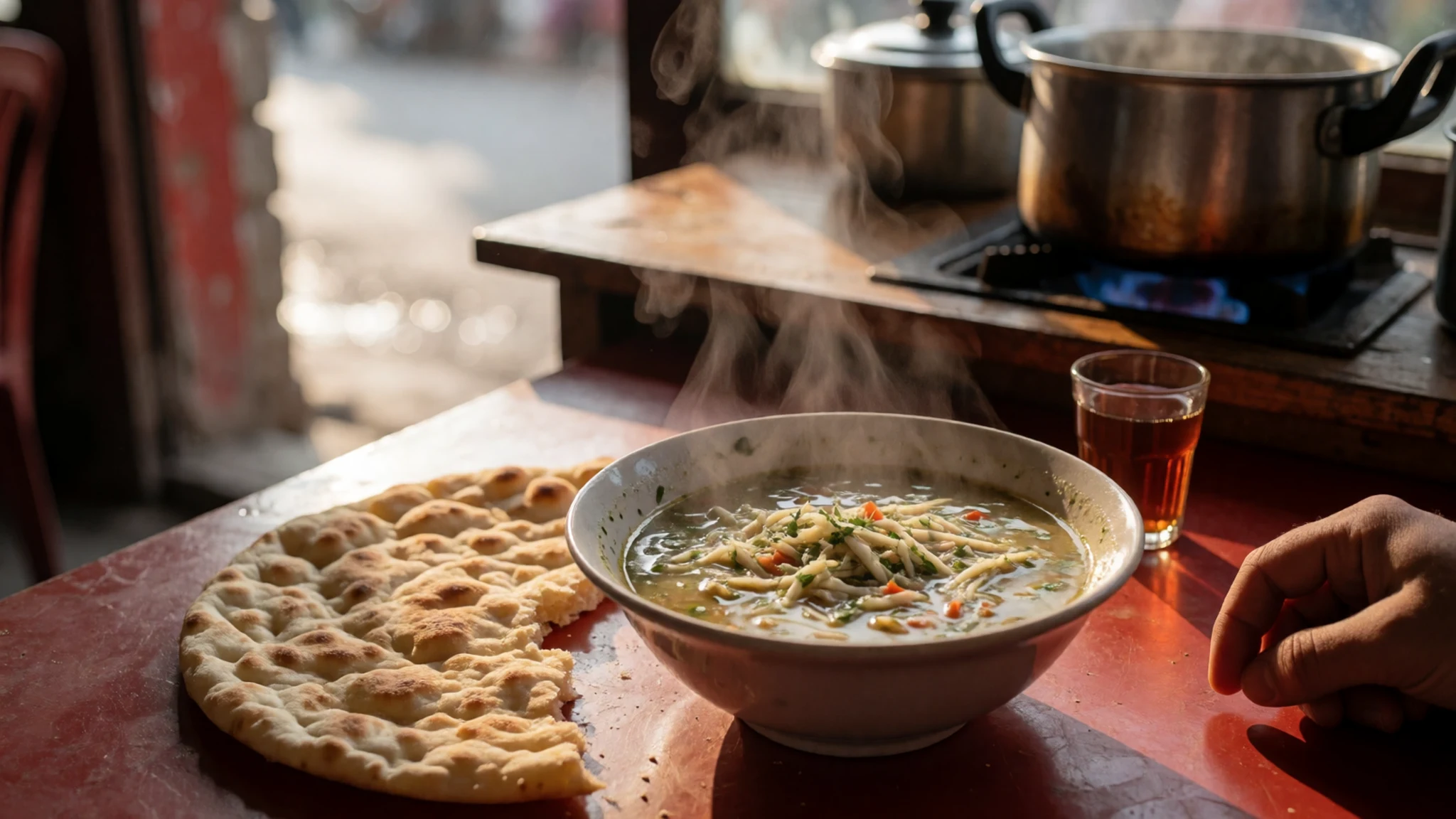
- Canjeero — Bakeries and breakfast stalls
A soft, slightly sour, spongy pancake made from fermented batter, cooked on one side only. Eaten at breakfast with sugar and ghee, or with tea, and sometimes torn up and mixed with a sweet or savoury sauce. - Injera with Ethiopian stews — Ethiopian community eateries in Djibouti City
Sour, spongy flatbread served with spiced lentil, vegetable or meat stews, shared from one big tray and eaten by hand. Djibouti has a strong Ethiopian influence, and community eateries serving it are a reliable, good-value choice in the capital. - Grilled fish — Harbour-side restaurants and coastal eateries
Fresh reef or sea fish grilled whole over charcoal, usually with lime, garlic and chilli, and served with rice or flatbread. Djibouti's coastline makes it a natural choice, and it tastes best eaten close to the harbour. - Shaah (spiced tea) — Tea stalls and family homes
Black tea brewed with sugar and spices such as cardamom, cinnamon and clove, often with milk added. Served in small glasses at the end of a meal and during any visit to a family home, it is as much about conversation as refreshment.
Plan it
Best time. November to March is the comfortable stretch, with cooler air, occasional rain elsewhere in the country, and the best chance of whale sharks on the coast. Summer is very hot and humid, and heavy rain can flood the plain around July and September.
How long. 2–3
Getting there. Fly to Djibouti–Ambouli International Airport, then travel by road from Djibouti City across the plain on the route to the south. A hired four-wheel-drive with a local driver is the sensible last leg.
Budget. mid
Tips
- Arrange your visa before travelling and check the official government site for current rules, as e-visa reports of delays are common
- Hire a four-wheel-drive with a local driver, and carry extra water and fuel on any trip off the main roads
- Start early to avoid the worst of the heat, and be off the road before dark
- Be cautious about travelling outside the capital alone, as banditry is a risk, and check current advice
- Carry some cash, as card use outside the capital is limited
Etiquette
- Dress modestly, with shoulders and knees covered, away from the coast
- Ask before photographing people, and never photograph soldiers or military sites
- Accept offered tea graciously, and avoid eating or drinking in public in daylight during Ramadan
Nearby
Sources
- Wikidata Q5594289 (CC0)
- Wikipedia: Grand Bara (rev 1362234763) (CC BY-SA 4.0)
- Wikivoyage: Djibouti (rev 5423263) (CC BY-SA 4.0)
- GrandBaraDesert, Skilla1st (CC BY 3.0)
- Baadha Wayn (Grand Bara), Skilla1st (CC BY-SA 4.0)
- U.S. Air Force pararescuemen, Army site security team members and victims of a simulated aircraft crash, U.S. Department of Defense Current Photos (Public domain)
- 11th MEU conducts Sustainment Training 170105-F-QF982-037, Tech. Sgt. Joshua Garcia (Public domain)
- 11th MEU conducts Sustainment Training 170105-F-QF982-051, Tech. Sgt. Joshua Garcia (Public domain)
- 11th MEU conducts Sustainment Training 170105-F-QF982-075, Tech. Sgt. Joshua Garcia (Public domain)
- 11th MEU conducts Sustainment Training 170105-F-QF982-135, Tech. Sgt. Joshua Garcia (Public domain)
- 11th MEU conducts Sustainment Training 170105-F-QF982-148, Tech. Sgt. Joshua Garcia (Public domain)


