Tadjoura
Tadjoura, Djibouti
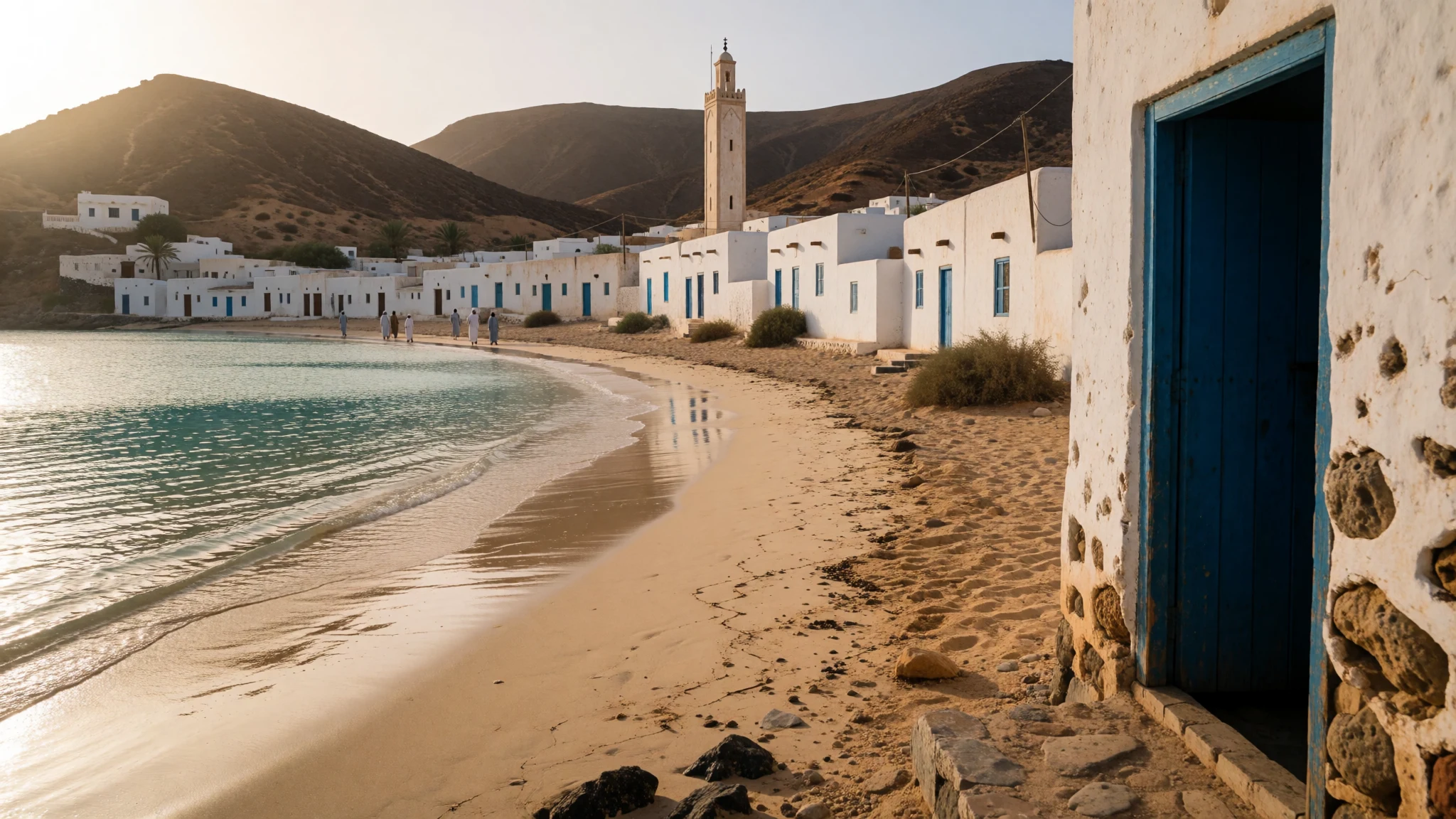
Tadjoura is a quiet whitewashed port on the Gulf of Tadjoura, a base for whale sharks, sea kayaking and salt-lake country.
The place
Tadjoura is a small port town on the northern side of the Gulf of Tadjoura in Djibouti, home to roughly fifteen thousand people and capital of the Tadjourah Region. Low whitewashed buildings and mosque minarets follow a curve of shoreline, with dry volcanic hills rising behind. Locals use several names: Tagórri in Afar, Tajuura in Somali, and تاجوراء in Arabic. The town is slower and quieter than Djibouti City, which sits across the water. Most visitors arrive on the ferry from the capital, which turns a long drive into a short crossing, though a newer highway also runs round the gulf and the town has its own small airstrip. The climate is hot and arid. Rain is scarce and tends to come as sudden downpours, and flash floods can follow when storms from the Indian Ocean reach the coast. From October to April the weather is cooler and far easier for walking, while the rest of the year is fierce, with a sea breeze that helps only a little. Beyond the town the landscape turns to bare rock, salt flats and sea, so Tadjoura works as a base for boat trips, snorkelling and journeys inland rather than as a place with a long list of formal sights. Its appeal is the setting, the old trading-port character and the chance to see a working Horn of Africa town that has not been remodelled for tourists. Services are basic, so planning pays off.
Its story
Tadjoura became a town in the early nineteenth century after a struggle between two Afar groups, known as the 'white house' (Adoimara) and the 'red house' (Asa-yamara). The white house side prevailed, and its allies in the Ethiopian highland kingdom of Shewa gained a dependable outlet to the sea. That opened a trade route from the coast into the interior, and the port grew quickly. A sultan with the title Dardar ruled from Tadjoura. His claim covered a vast swathe of Afar country, but in practice his word carried only as far as Lake Assal, a short journey inland. The port was unusual among its neighbours. The historian Richard Pankhurst noted that it handled mostly goods from Shewa and Aussa rather than from Harar or the Ogaden, which made it a distinct outlet from rivals such as nearby Zeila. A British traveller, William Cornwallis Harris, described a yearly market that opened each September. For two months the beach was heaped with merchandise, and the outskirts filled with camels, mules and donkeys waiting to be loaded or unloaded. Images of the bay survive from the nineteenth century, including a painting by Johann Martin Bernatz showing a small town beside the water, and later photographs record the same shoreline over the following decades. Today the caravans have gone, and the country's trade is concentrated in the port of Djibouti City on its busy shipping route. Tadjoura keeps the unhurried feel of a place that once mattered more commercially.
What to see
- Old town and seafront — Tadjoura town centre
Tadjoura's old quarter is best explored on foot in the cooler early morning or late afternoon. Whitewashed low houses, small mosques and the seafront make up most of it, and there is no ticketed monument to tick off. The pleasure is the light on the bay, boats being worked on the shore and ordinary town life at an unhurried pace.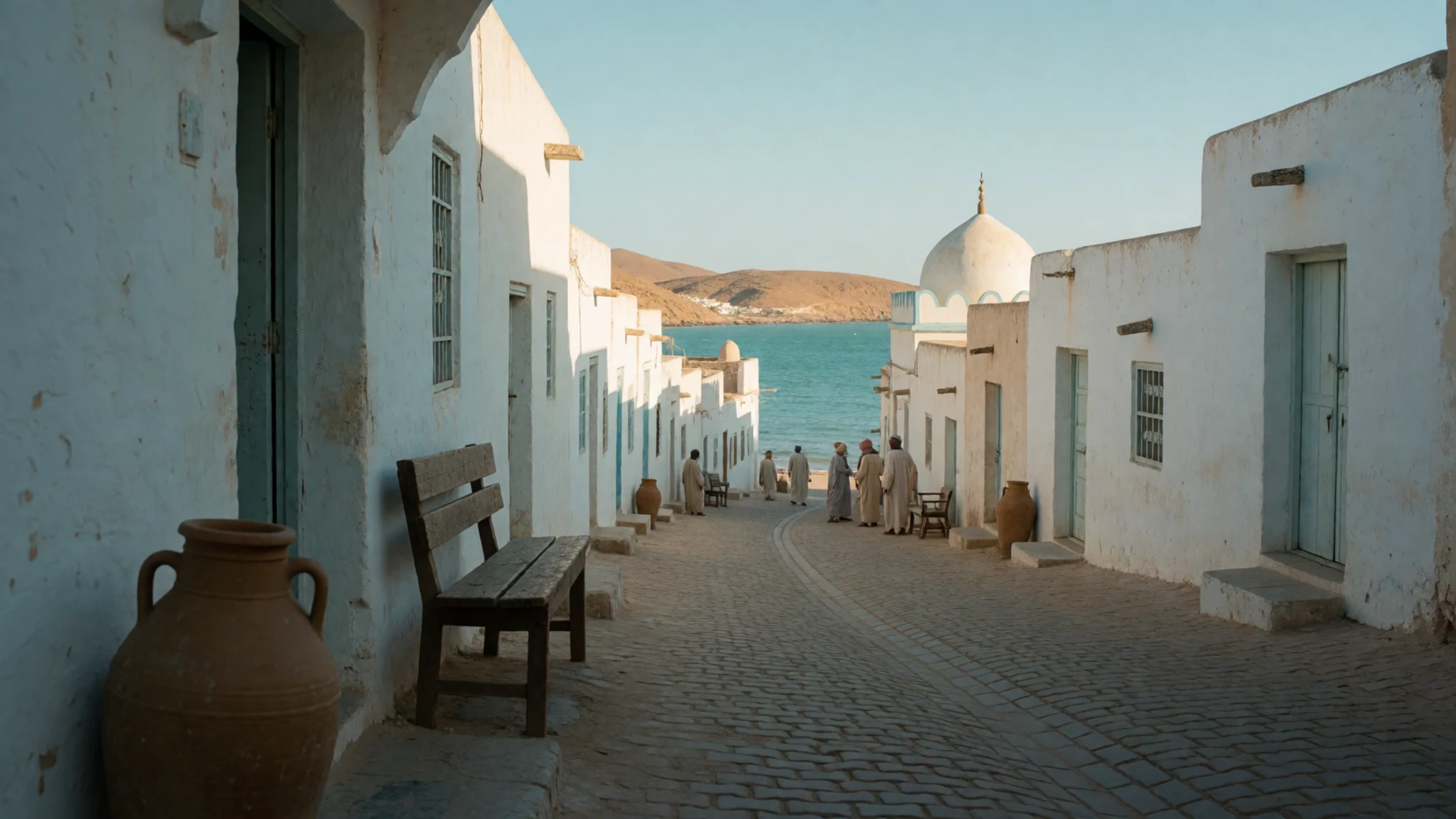
- Sea kayaking on the gulf — Gulf of Tadjoura and Ghoubet Kharrib
Kayaking on the Gulf of Tadjoura and the sheltered inlet of Ghoubet Kharrib is a quiet, low-impact way to see the coast. Sea turtles are a possibility, and whale sharks appear in season. Book through a local operator, carry plenty of drinking water, and expect strong sun with very little shade on the water.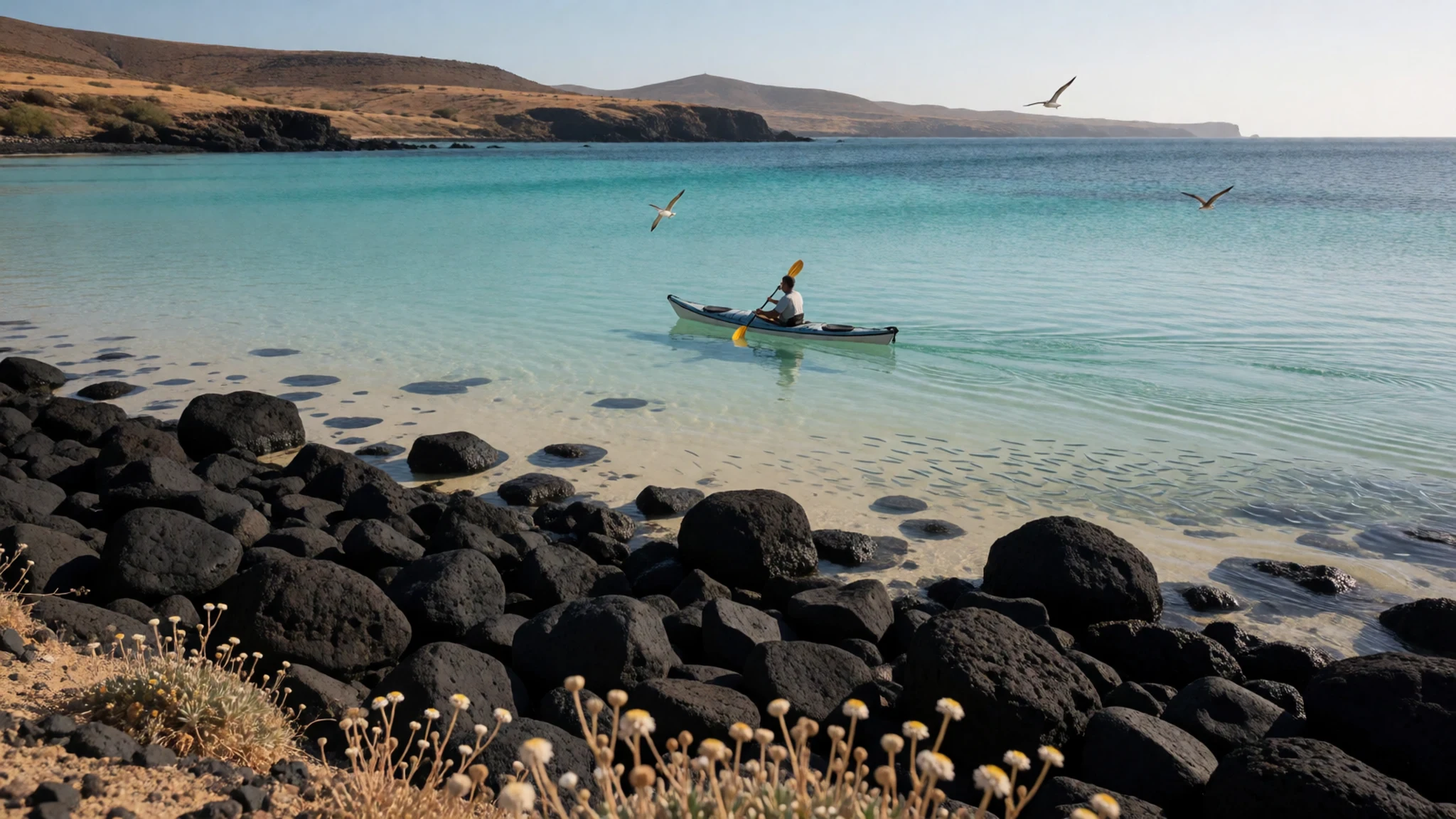
- Whale shark snorkelling — Gulf of Tadjoura
Snorkelling or diving with whale sharks is the main reason many travellers come to the gulf. Sightings are seasonal: the odds are good from about November to January and fall to almost nothing in the hot months. Confirm departure points, conditions and the operator's safety briefing before booking, and do not touch the animals.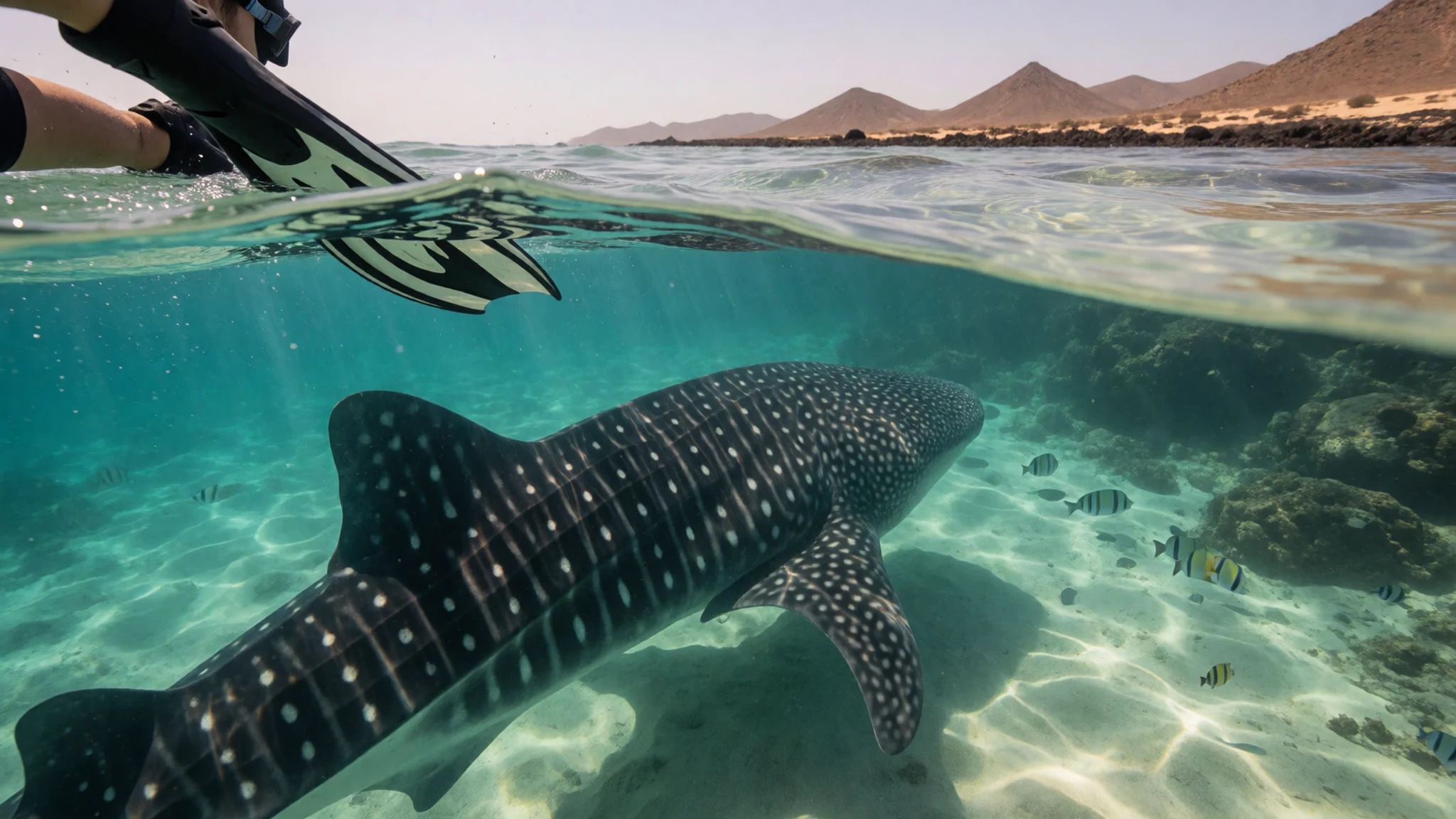
- Lake Assal — Inland from Tadjoura
Lake Assal is a salt lake in a volcanic basin far below sea level, a short distance inland from Tadjoura. A car and driver are needed, ideally someone local, and the roads are rough from heavy truck traffic. Expect bright white salt, dark lava and fierce heat, so go early and carry water.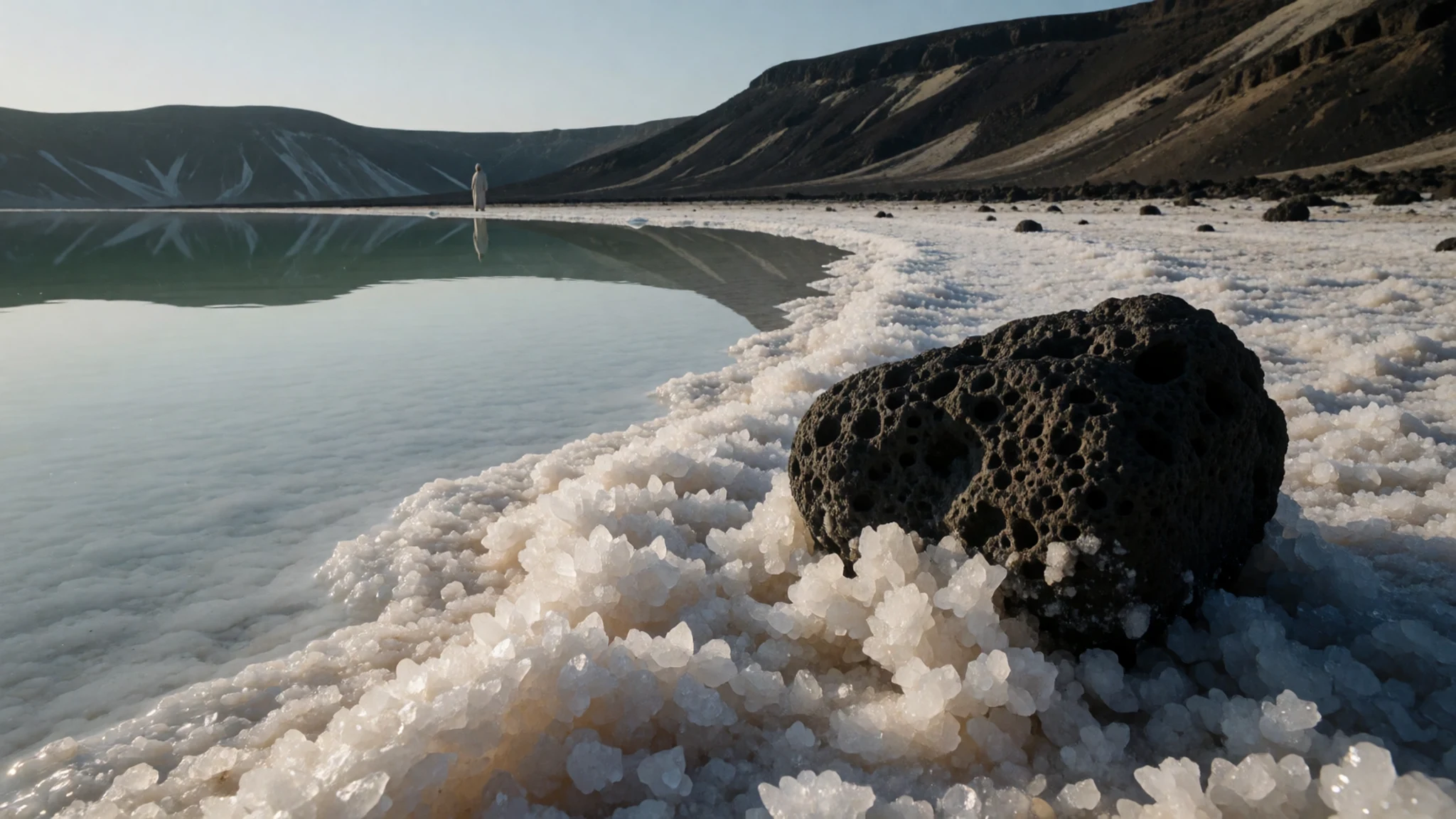
- Lake Abbe — Border country with Ethiopia
Lake Abbe is a stark plain of limestone chimneys and steaming vents, often described as lunar. It is a long expedition from Tadjoura, usually done as an overnight trip with a guide and a four-wheel-drive vehicle. Sunrise and sunset give the best light on the chimneys, and nights can be surprisingly pleasant.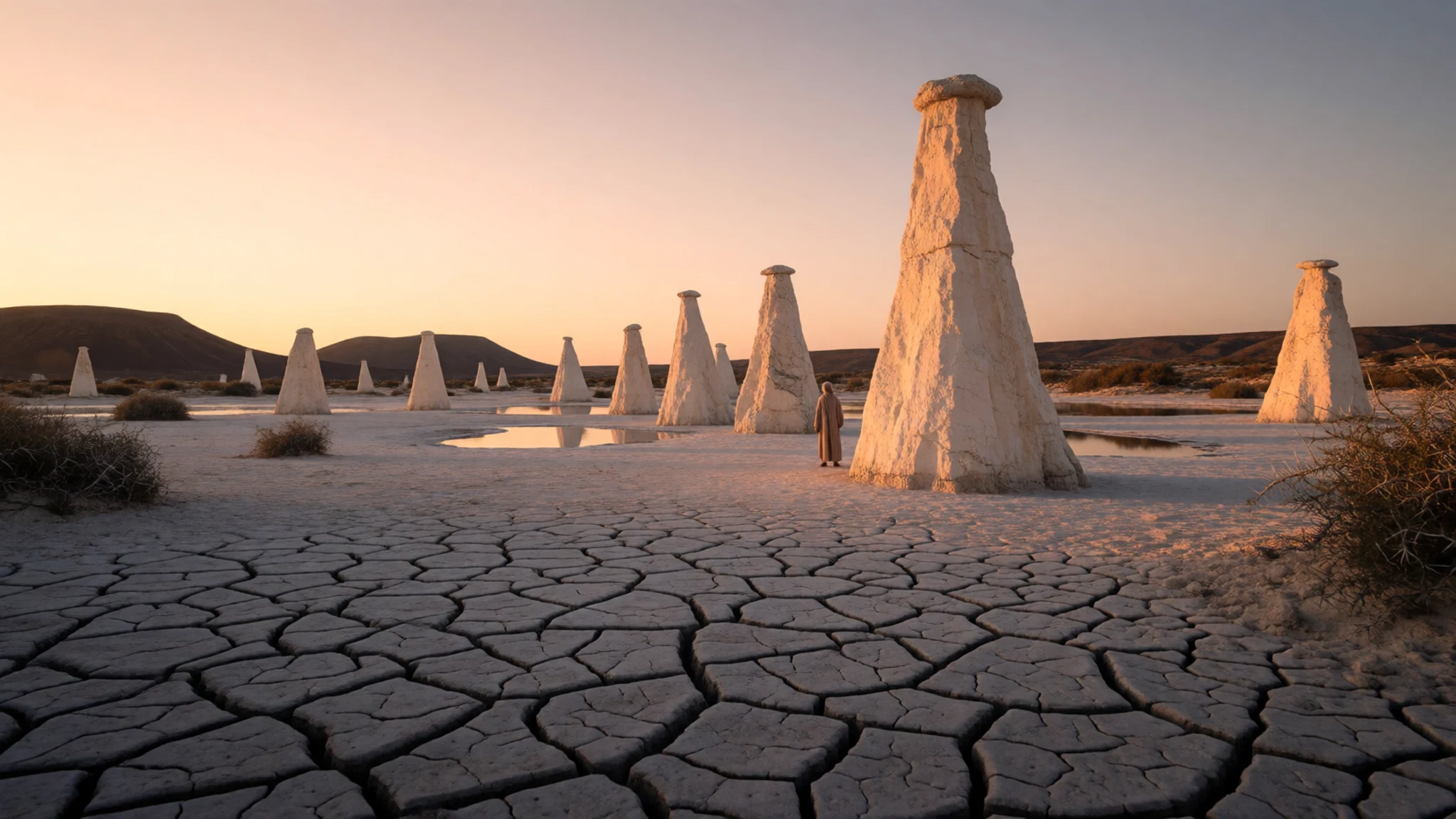
Culture
Tadjoura is a Muslim town, and daily life follows the rhythm of prayer, with mosques close to the seafront and the call to prayer carrying across the bay. Djibouti as a whole is home mainly to two Cushitic-speaking peoples: the Somali, mostly of the Issa clan, and the Afar, who are the historic people of this coast and its hinterland. Afar life has long been tied to pastoralism, moving herds with the seasons in search of water and grazing, and that heritage still shapes hospitality, kinship and the pace of the day even as more people settle in towns. Visitors will find people courteous and a little reserved with strangers. Greetings matter, so a handshake or a hand placed over the heart, and a few words of Arabic, French, Somali or Afar, are warmly received. Public life is conservative. Casual clothing is acceptable, but shorts are generally out of place away from beaches, resort grounds and sport. Same-sex relationships are broadly unaccepted and Djibouti is considered unsafe for LGBTQ+ travellers, so discretion is wise. Friday midday is prayer time, and some shops and offices slow or close. Tea is offered as hospitality, and refusing it outright can seem curt, so accept a small glass if you can. Dress modestly with shoulders and knees covered, and always ask permission before photographing people, especially women.
What to wear
Traditional dress around Tadjoura reflects Afar and Somali custom, shaped by heat, herding life and Islam. Men have long worn a wrapped waist cloth, often cotton in checks or plain colours, with a loose shirt, and Afar men traditionally carry a curved knife as part of formal dress. Women wear light cotton or voile dresses and long wraps, often in bright prints, with a headscarf or shawl, and the colours stand out against the dry landscape. Festival and wedding clothing is richer, with finer fabrics and more jewellery. In everyday town life most people now wear a mix: long trousers or wrapped cloths for men, shirts, and for women a modest dress or wrap with a headscarf, while football shirts and trainers are common among the young. Visitors should pack loose, light cotton or linen that covers shoulders and knees, which also protects against the sun. A light scarf is handy for women and men alike when visiting any mosque where visitors are welcomed. Bring a wide-brimmed hat and sunglasses. Sandals with grip suit the shore, but closed shoes help on volcanic rock and the salt crust at Lake Assal. Swimwear belongs on beaches and boats only, and a cover-up for the walk back into town is sensible.
What to eat
- Grilled fish — simple eateries near the harbour
Fresh catch from the gulf, usually cooked whole over charcoal or fried, and served with lime, bread or rice. Quality depends on the day's landing, so busy places by the shore are often best. Ask what came in that morning and make sure it arrives hot.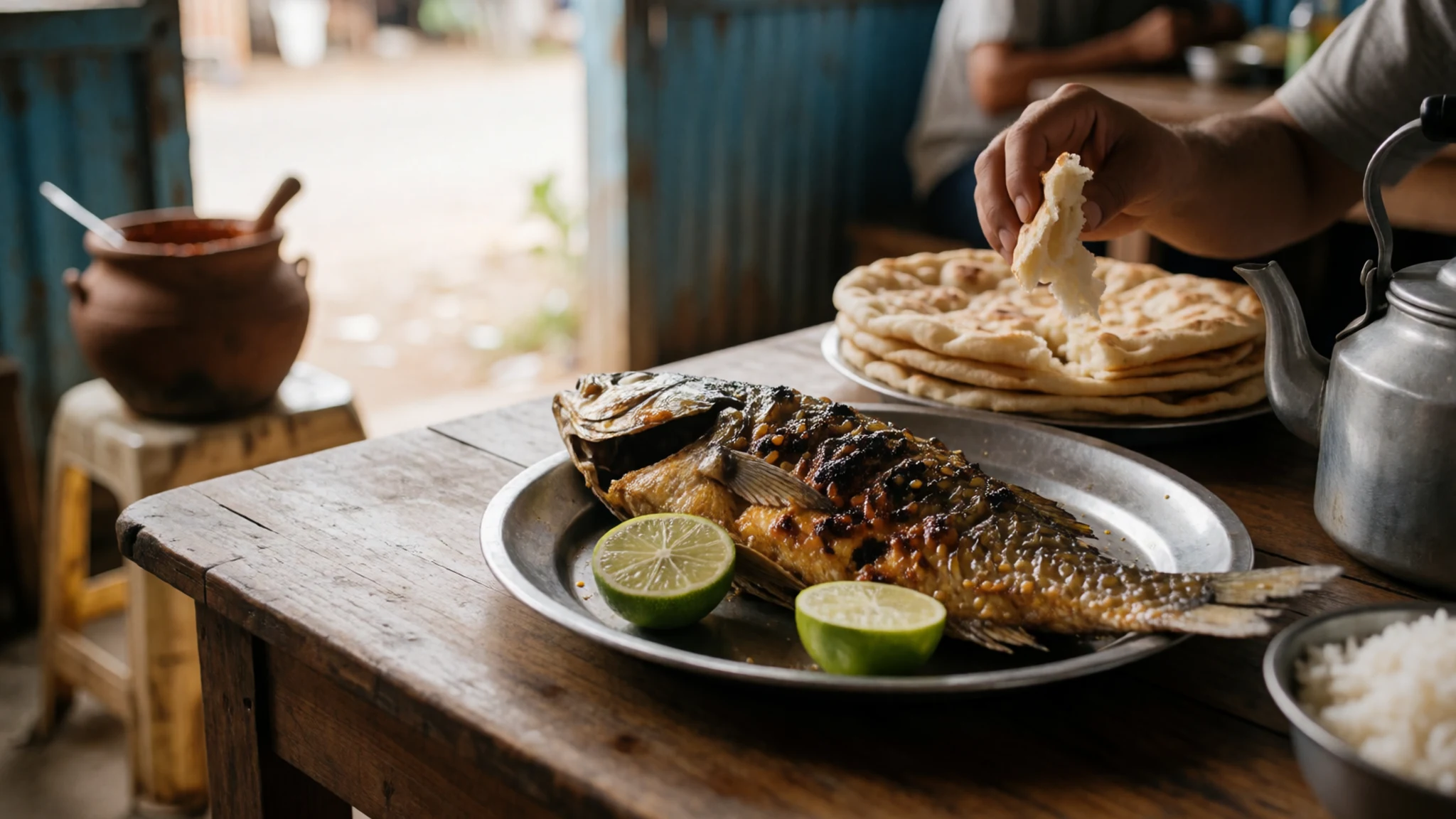
- Skoudehkaris — local eateries in the town centre
Spiced rice cooked with lamb, goat or chicken and flavoured with cumin, cardamom and cloves, often with a banana or a chilli sauce on the side. It is a staple across Djibouti and a filling meal after a day on the water or the road.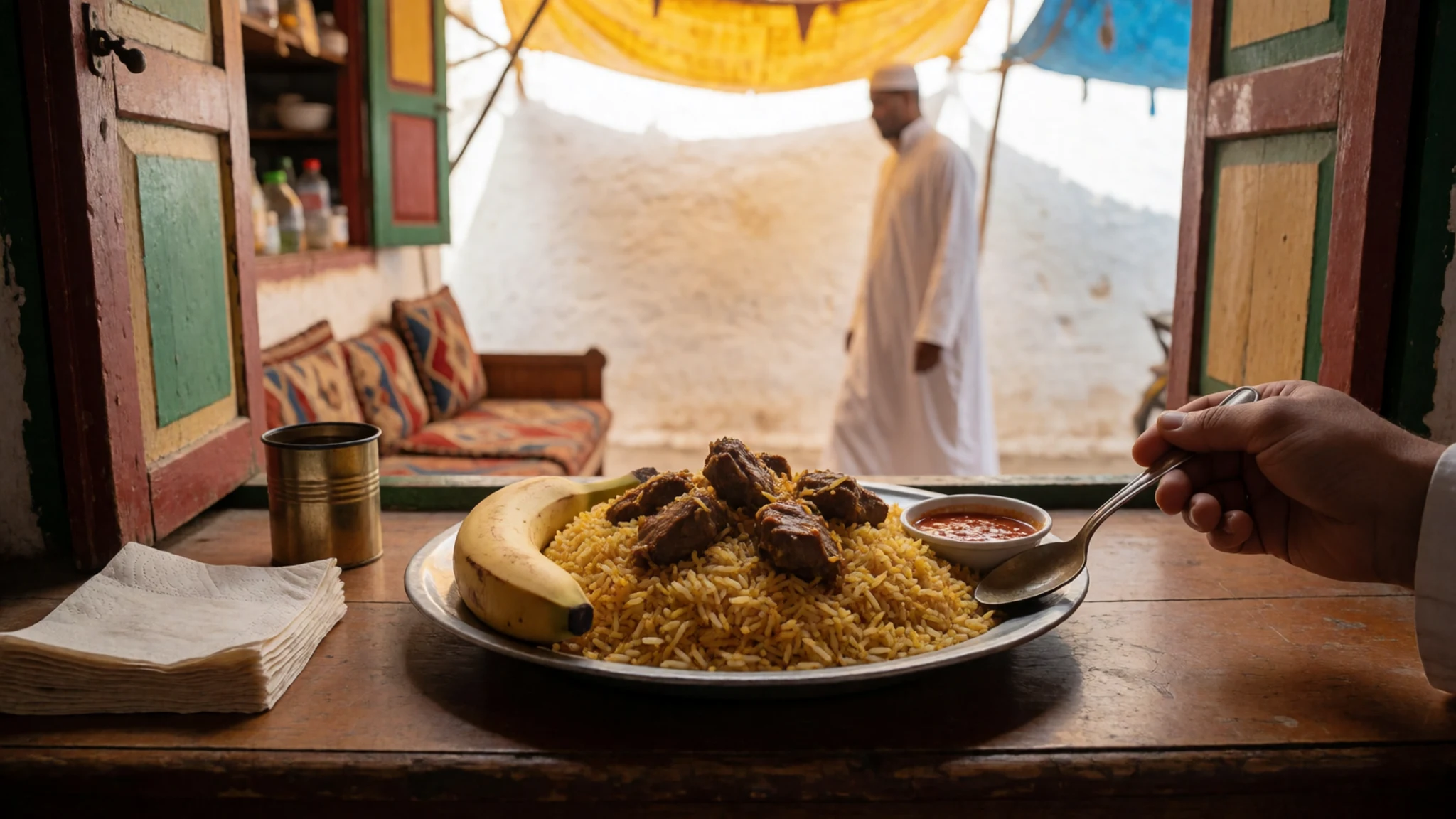
- Fah-fah — local eateries and canteens
A spicy soup of boiled goat or beef with chilli and herbs, eaten with flatbread. It is rich, warming and usually served hot even in hot weather. Local eateries tend to be far cheaper than places aimed at foreigners. - Lahoh — morning bakeries and street stalls
A soft, spongy pancake-like flatbread with a honeycomb surface, eaten at breakfast. It is served with tea, honey or ghee, or torn up and dipped into stew. Go early, since the best batches sell out by mid-morning. - Spiced tea (shaah) — tea stalls, cafés and family homes
Sweet black tea brewed with cardamom, cinnamon or ginger, sometimes with milk. It is offered as hospitality and drunk slowly in the heat of the day. Accepting a glass is a simple way to start a conversation.
Plan it
Best time. November to February is the most comfortable and the best window for whale sharks; October to April is cooler overall, with occasional rain. The summer months are very hot and humid, and whale shark sightings nearly disappear.
How long. 2–3
Getting there. Fly to Djibouti City's international airport, then take the ferry across the Gulf of Tadjoura or the newer highway round the head of the gulf; Tadjoura also has a small airstrip. Check ferry times locally, as they can change.
Budget. mid
Tips
- Check current visa rules and any e-visa delays with the official National Tourism Office of Djibouti before you travel
- Carry plenty of drinking water and sun protection; shade is scarce and the heat is intense outside the cooler months
- Hire a local driver and a four-wheel-drive vehicle for Lake Assal and Lake Abbe, and keep extra fuel and water on any trip off the main road
- Carry cash for small purchases and tours, and do not rely on cards outside the capital
- Be aware of the risk of banditry outside Djibouti City and check security advice before any overland trip
Etiquette
- Dress modestly in town, with shoulders and knees covered, and keep swimwear for beaches and boats
- Ask before photographing people, especially women, and do not photograph military or port areas
- Accept tea or small hospitality graciously, and avoid public displays of affection
Nearby
Sources
- Wikidata Q820972 (CC0)
- Wikipedia: Tadjoura (rev 1376943924) (CC BY-SA 4.0)
- Wikivoyage: Djibouti (rev 5423263) (CC BY-SA 4.0)
- Photo: Die Stadt Tadjoura in Dschibuti, Blick vom Meer (Driss) (CC BY-SA 2.0 de)
- Photo: Physical location map of Djibouti (Carport) (CC BY 3.0)
- Photo: Physical map of the Horn of Africa (M.Bitton) (CC BY 3.0)
- Photo: Blank physical map of political Africa (Eric Gaba) (CC BY 3.0)
- Photo: Johann Martin Bernatz, Tajura (Tadjoura) landscape with a small town beside the bay (CC BY-SA 4.0)
- Photo: Tadjoura in 1887 (Skilla1st) (CC BY-SA 4.0)
- Photo: Tadjoura in 1971 (Skilla1st) (CC BY 3.0)
- Photo: Tadjoura Airport (Jozef Tóth) (CC BY 3.0)


Wildlife
- Whale shark (animal)
The whale shark is the biggest fish alive, a slow, gentle giant that drifts along straining tiny food from the water. Many travellers come to the gulf at Tadjoura mainly to swim or dive alongside one, and the sharks turn up during their season. Watch with a guide, keep a respectful distance, stay calm and quiet in the water, and never feed it, however curious it seems.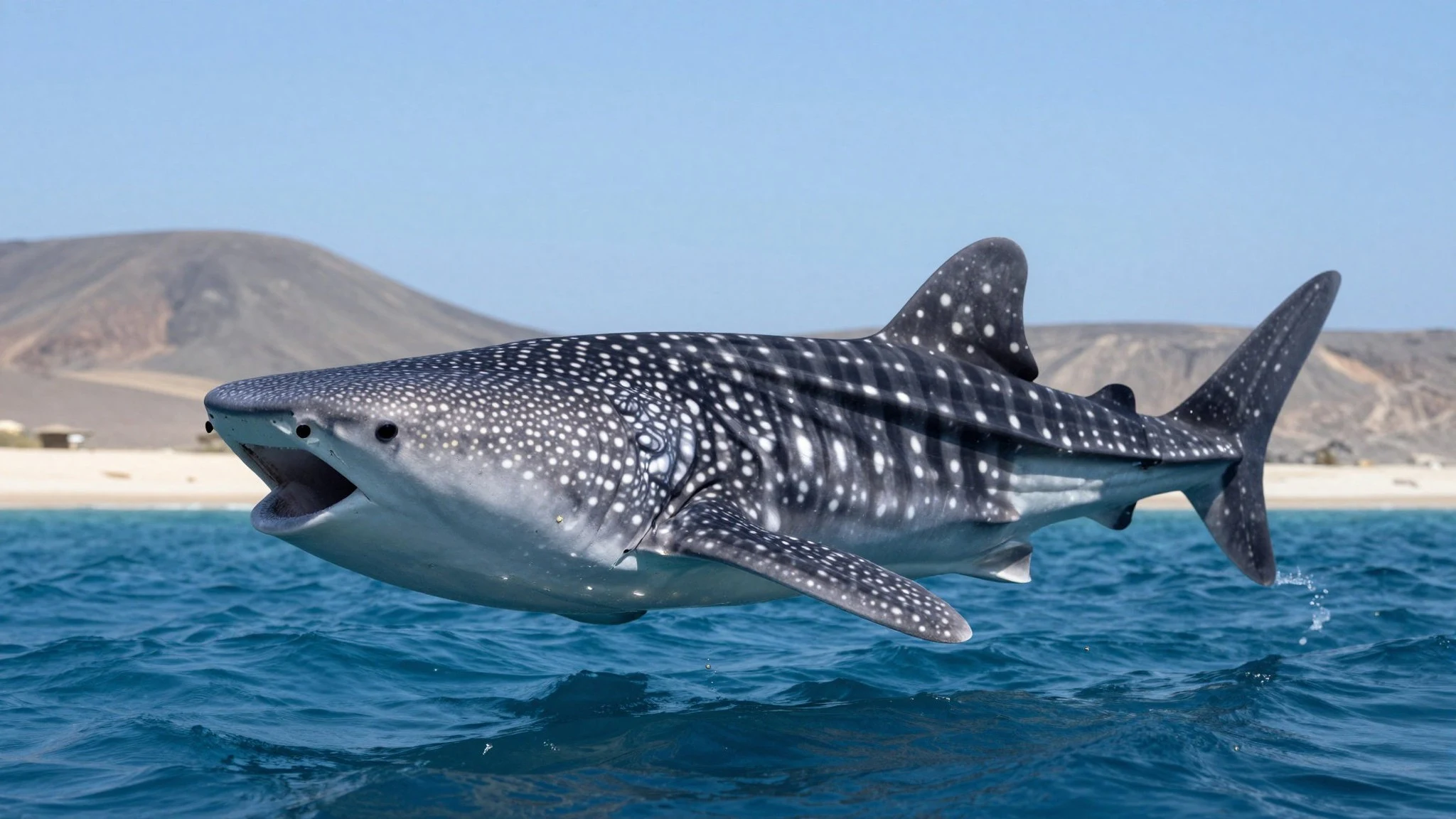
- Sea turtle (animal)
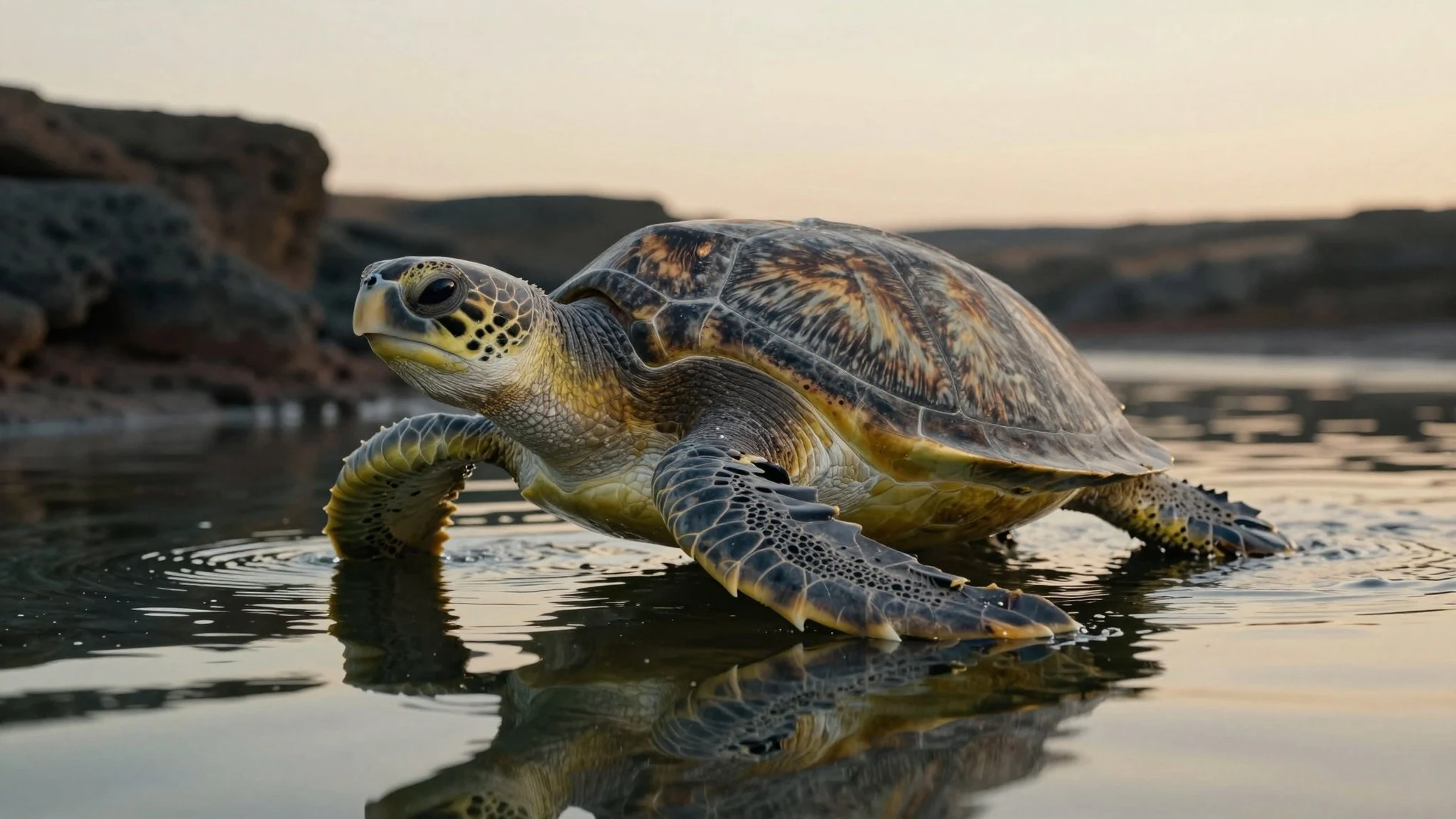
The green turtle is a large sea turtle that grazes only on seagrass, and it gets its name from the green fat beneath its shell, not from the shell itself, which is olive to black. Around Tadjoura you may be lucky enough to meet one, though a sighting is a possibility rather than a promise. Watch with a guide, keep a respectful distance, stay quiet and unhurried in the water, and never feed it.