Djibouti
Djibouti, Djibouti
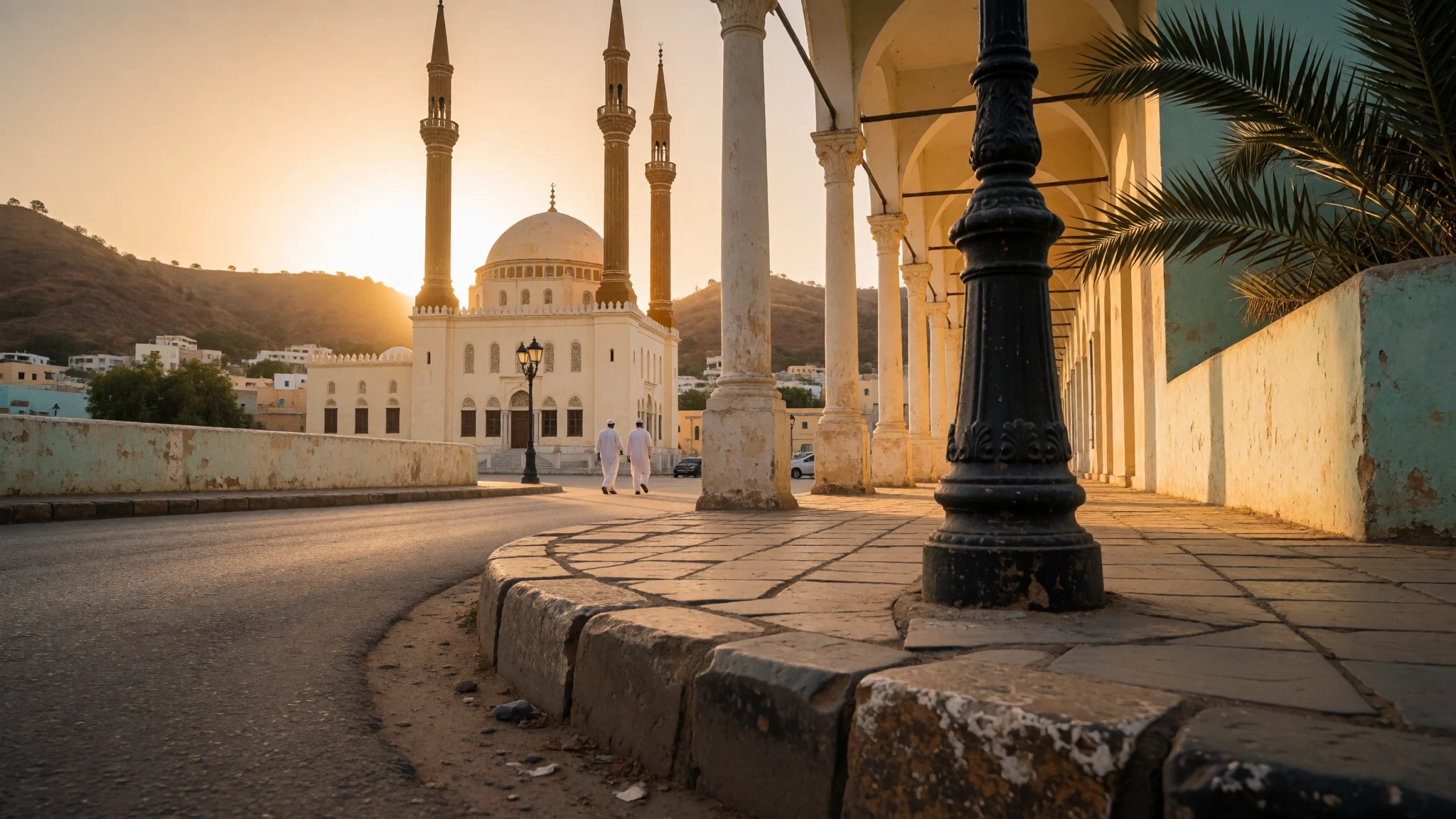
Djibouti City is a hot, working port on the Gulf of Tadjoura, worth visiting for its markets, seafood and its role as a base for the wider country.
The place
Djibouti City is the capital of the Republic of Djibouti, a low, hot port town on the Gulf of Tadjoura, about 14 metres above sea level. It has 603,900 people and is the country's largest city, so government, banking, shipping offices and most business headquarters sit here rather than being spread around the country. The centre is a compact grid of French-era streets, arcaded buildings, mosques and markets, with the harbour never far away.
Trade explains almost everything about the place. The port links Europe, the Far East, the Horn of Africa and the Gulf, and a free trade zone to the west of town adds to the commercial feel. Cranes, trucks and ships waiting offshore are as much a part of the skyline as any monument.
As a result this is not a sightseeing city in the usual sense. It suits travellers who like watching a working port, wandering through markets, eating good fish and rice, and using the town as a base for the salt lakes and volcanic country beyond. Beaches line the eastern shore, though the heat and local dress norms shape how they are used.
The climate is arid: hot and rainless through the summer, warm and slightly wetter in winter, with sunshine through most of the year. Accommodation is costly for what it offers, and photography, especially of people, can bring a stern warning from the police. The city rewards a light, unhurried approach, and a local contact or guide is useful on the first day.
Its story
Djibouti City was founded by the French in 1888 on a stretch of coast with no existing town, on land leased from the Somali and Afar sultans who held the territory. Traces of human settlement on the eastern coast go back to the Bronze Age, and a village called Ambouli stood a short way south of the headland before the French arrived. Some scholars link it with a medieval port that appears on Arab maps. But the modern city is a colonial creation.
France wanted a harbour on the route to Madagascar and Indochina, and the headland of Ras Djibouti suited that aim. It offered good anchorage and a shorter caravan road towards Harar than the older base at Obock. Diplomatic notes exchanged with Britain that year fixed the line between the two colonies and left this southern shore under French control. The settlement became the capital of French Somaliland, later renamed the French Territory of the Afars and Issas.
The railway to Ethiopia fuelled its growth. Herders from the Issa and Afar peoples gave up their flocks for wages on the quays, forming the town's first labouring class, while merchants from Yemen, Egypt, Greece, Armenia and Italy came to trade. Mosques and churches rose side by side. Ambouli's date palms and orchards kept supplying the town with fruit.
Even so, Djibouti never drew as much shipping as Aden across the water. Its port-driven economy today is the long result of that choice of site.
What to see
- Abdülhamid II Mosque — Central Djibouti City
The mosque carries the name of the Ottoman sultan Abdülhamid II and is a useful landmark for anyone photographing buildings rather than people. Visit outside prayer times, dress modestly and ask before stepping inside. Even from the street it shows how Islam, links with the Arabian shore and the colonial street grid sit together in the centre.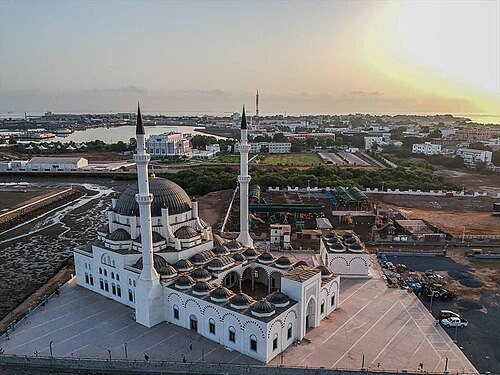
- Marché de Ryad — Ryad district
The Ryad Market is where the city's daily trade is easiest to read: produce, spices, fabric, household goods and the constant noise of bargaining. Go early, before the heat builds, carry small notes and keep bags in front of you. Ask before photographing any stallholder, since pictures of people can cause trouble here.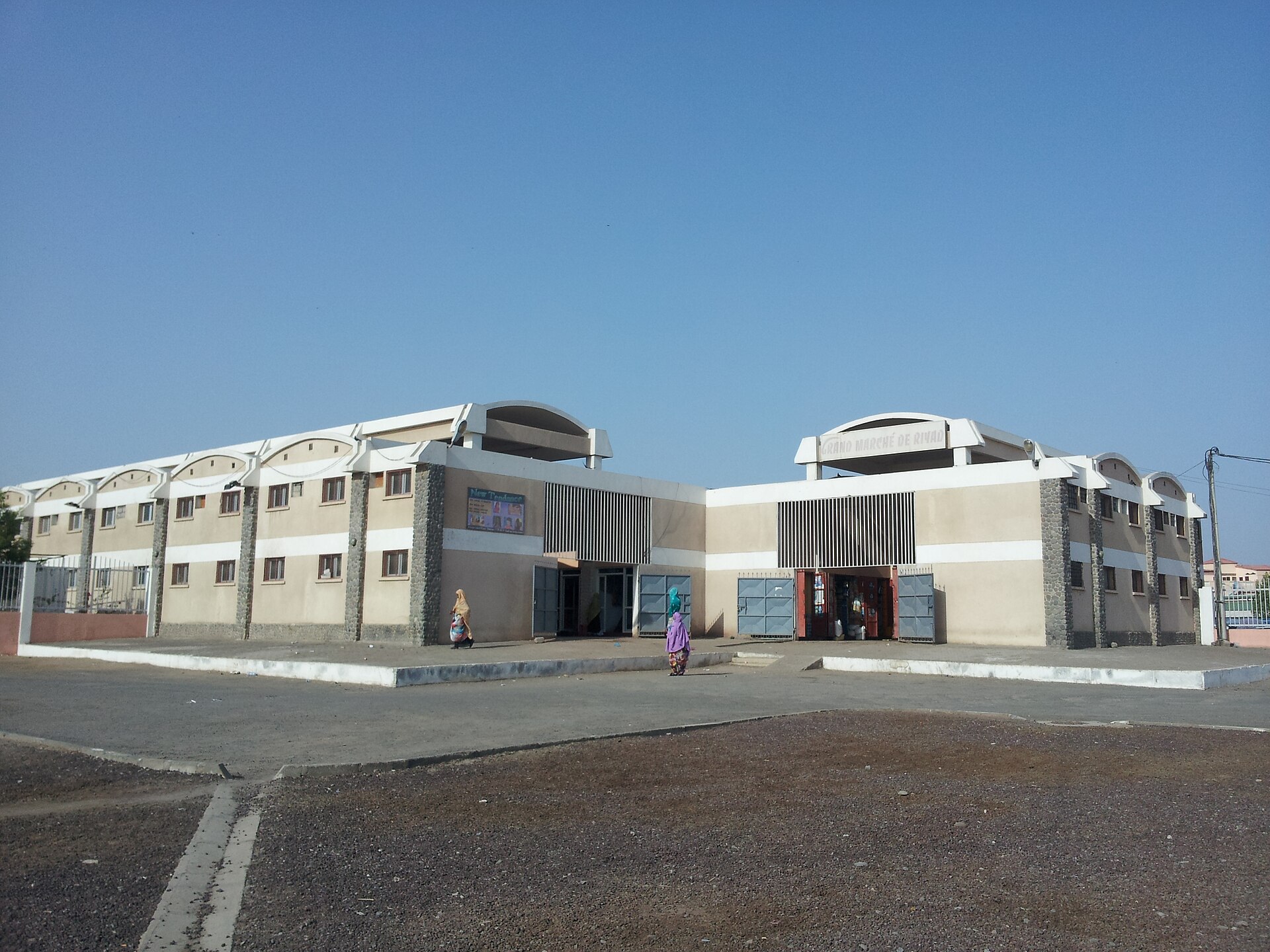
- The People's Palace — Central Djibouti City
The People's Palace is a public building in the centre that appears in many photographs of the city. It is best admired from outside, as a reminder of how much of Djibouti City is administrative. Be cautious pointing a camera at government buildings, and ask locally whether it is acceptable that day.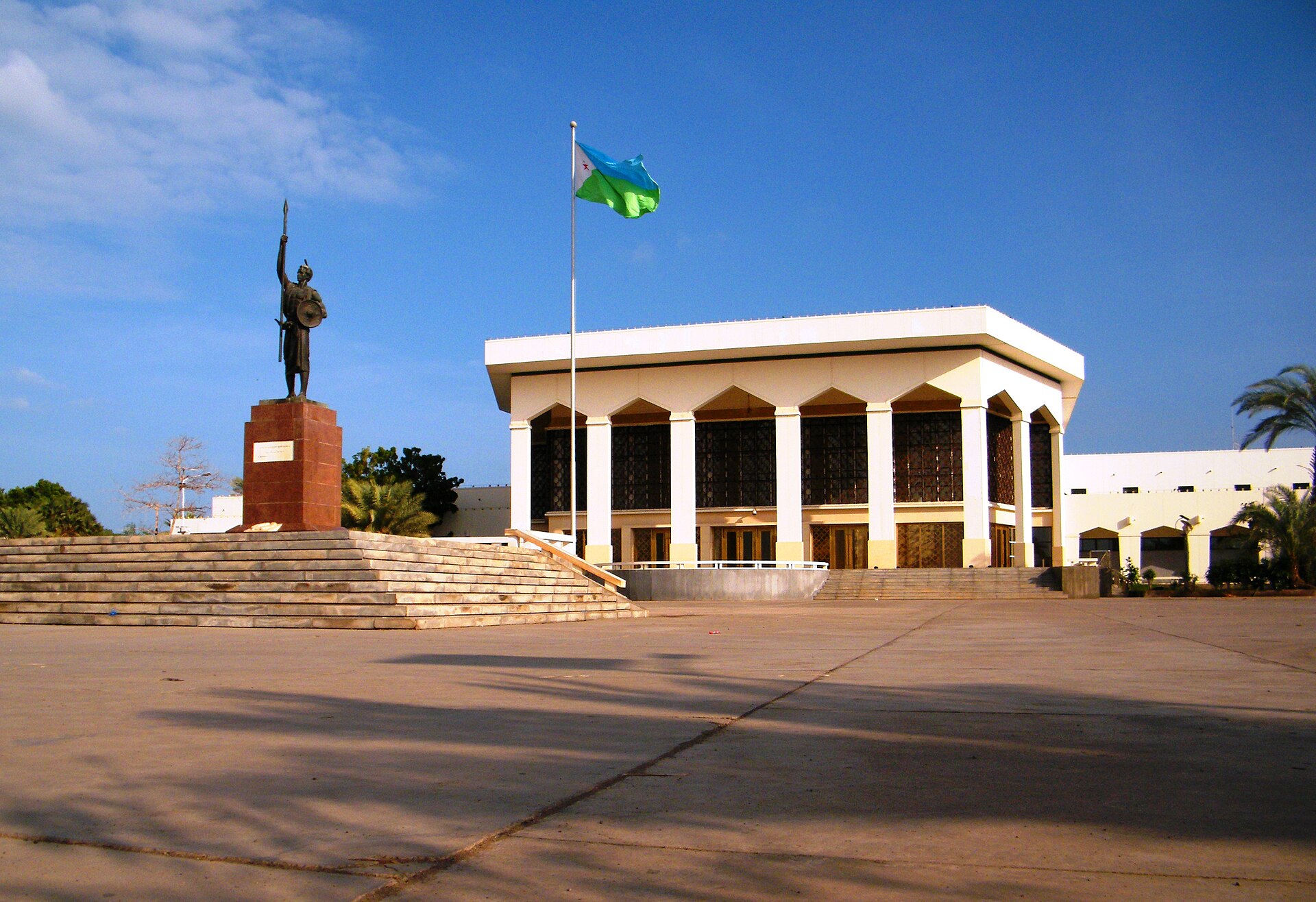
- The port and waterfront — Ras Djibouti and the harbour
The harbour is the reason the city exists, and the waterfront is the best place to feel it. Cranes, container stacks and ships at anchor give the town its rhythm. Much of the port is restricted, so watch from public stretches of road and shore, and expect questions if you linger with a camera.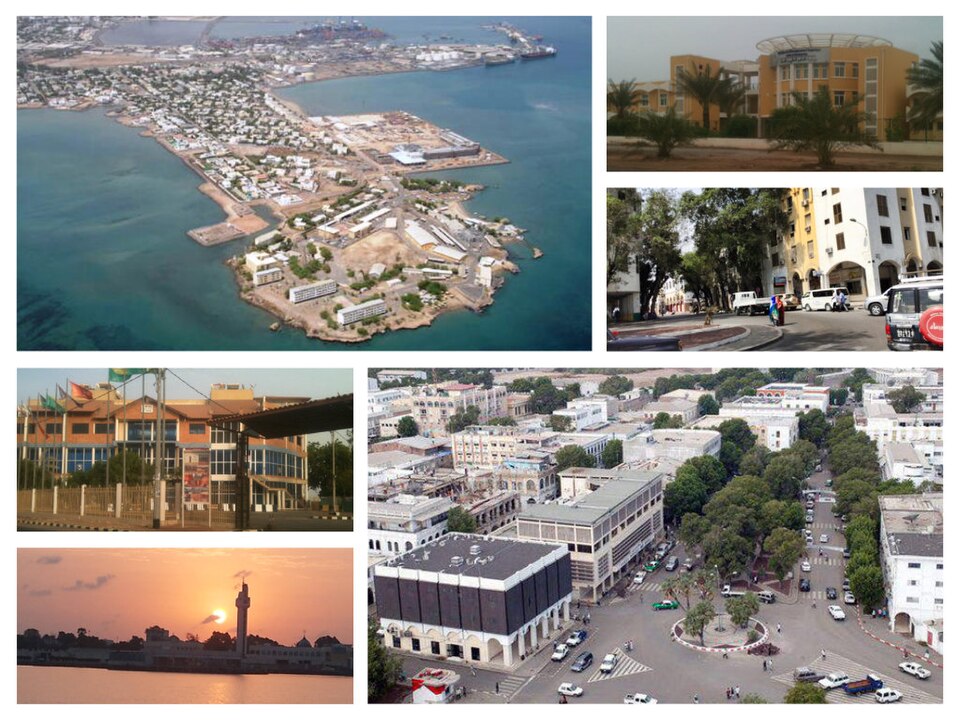
- Eastern shore beaches — Eastern shore
Beaches run along the eastern shore, a short ride from the centre. Residents use them as well as visitors, but the sun is fierce and swimwear norms are conservative outside hotel grounds. Go in the morning or late afternoon, bring water and shade, and ask locally which stretches are comfortable for swimming. - Bawadi Mall — Bawadi, Djibouti City
Bawadi Mall holds a hypermarket, a cinema and several fast-food outlets. It is not a cultural stop, but in the hot months the air-conditioning is a practical refuge, and the hypermarket is handy for water, sun cream and snacks before a trip out of town.
Culture
Djibouti City is a Muslim-majority city shaped mainly by Somali and Afar communities, with French and Arabic in official use and a cosmopolitan edge from its port history. Daily life follows prayer, heat and trade: shops quieten in the hottest hours and streets fill again towards evening. Hospitality matters, and tea or coffee offered in a shop or home is part of doing business.
The Issa Somali and the Afar are the two main peoples, each with its own poetry, clan ties and customs, and the city also holds long-settled Yemeni, Arab, Ethiopian and European families. Chewing khat in the afternoon is a common social habit, and business often slows around it. Alcohol is served in some hotels and bars, but it is not part of everyday public life.
Ramadan changes the rhythm completely. Eating and drinking in public by day is frowned on, and the city comes alive after sunset. The French legacy shows in bread, café habits and street names, alongside the Arabic call to prayer from the mosques.
Always ask before photographing anyone, and avoid pointing a camera at officials, soldiers or government buildings.
What to wear
Traditional dress in Djibouti City follows the Somali and Afar heritage of its people. Somali women wear the dirac, a light, often brightly printed cotton or voile dress worn over a slip, with a headscarf or a long shawl called a garbasaar on formal occasions. Men wear the macawis, a wraparound cloth, often with a shirt and sometimes a small cap, while Afar dress favours wrapped cloths and bold colours suited to the heat. These are most visible at weddings, religious festivals and national days.
Day to day, many residents mix traditional and modern clothes: loose long dresses and headscarves for women, long trousers, shirts or the macawis for men, and light suits in offices. Western-style clothes are common among younger people, though covered shoulders and knees remain the norm.
A visitor should dress for heat and modesty together. Light, loose cotton or linen with long sleeves and long trousers or skirts is comfortable and respectful, and a scarf is useful for women entering mosques and for shade. Bring a hat, sunglasses and closed shoes or sandals with grip for dusty, uneven pavements. Swimwear belongs on hotel grounds or quiet beaches, with something covering it on the way there.
What to eat
- Skoudehkaris — Family-run eateries and everyday restaurants near the centre
Spiced rice cooked with lamb or goat, scented with cinnamon, cardamom and cloves, and usually served on a shared platter. It is the dish most often offered to guests, and a good first meal in the city. - Fah-fah — Local eateries around the markets
A spicy soup of boiled goat or beef with potatoes, chilli and coriander, eaten with flatbread. It is rich, hot and filling, and tastes best fresh from the pot at a busy local eatery. - Grilled Red Sea fish — Seafront restaurants and the port area
Whole fish grilled and served with lemon and chilli, alongside crab, lobster and clams from the Red Sea. A port city's best advantage is seafood that arrived that day, so choose places with a busy turnover. - Lahoh with tea — Cafés and breakfast stalls in the morning
A soft, spongy pancake, close to the Somali canjeero, eaten at breakfast with honey, ghee or a sauce, and washed down with sweet spiced tea. It is a cheap, gentle start before the heat arrives. - Camel meat — Traditional eateries and restaurants near the port
Camel is grilled or stewed in traditional kitchens, and a few restaurants near the port even put it on a fusion menu. The flavour is lean and gamey, a little like beef. Camel milk is also sold in some shops.
Plan it
Best time. November to March, when days are cooler and the coast gets what little rain it sees. May to October is hot and dry, with summer temperatures routinely above 40 °C.
How long. 2–3
Getting there. Fly to Djibouti–Ambouli International Airport, a short taxi ride from the centre. A train also runs from Addis Ababa via Dire Dawa; check the current schedule and book ahead. Agree a taxi fare before getting in.
Budget. high
Tips
- Do the markets and waterfront early in the morning, before the heat builds
- Carry small notes for markets and taxis, and agree fares in advance
- Drink water constantly and wear a hat; summer heat is severe
- Accommodation is expensive for what it offers, so book ahead
- Check the city website, https://villededjibouti.dj/index.php, for local information
Etiquette
- Ask before photographing anyone, and avoid photographing officials or government buildings
- Dress modestly, with shoulders and knees covered, away from hotels and beaches
- Do not eat or drink in public by day during Ramadan
Nearby
Sources
- Wikidata Q3604 (CC0)
- Wikipedia: Djibouti City (rev 1382209313) (CC BY-SA 4.0)
- Wikivoyage: Djibouti (city) (rev 5423209) (CC BY-SA 4.0)
- Montage of places in Djibouti City (Middayexpress) (CC BY-SA 4.0)
- Djibouti City in 1895 (Skilla1st) (CC BY-SA 4.0)
- A demonstration in Djibouti, Africa, 1967 (Public domain)
- Photo of Abdülhamid II Mosque (Skilla1st) (CC BY-SA 4.0)
- Social Development Agency of Djibouti (Abass Chirdon) (CC BY 3.0)
- The Ryad Market (Abass Chirdon) (CC BY 3.0)
- The People's Palace, Djibouti City (Skilla1st) (CC BY-SA 4.0)
- Saba Islamic Bank branch (Abass Chirdon) (CC BY 3.0)


