Lake Assal
Lake Assal, Djibouti
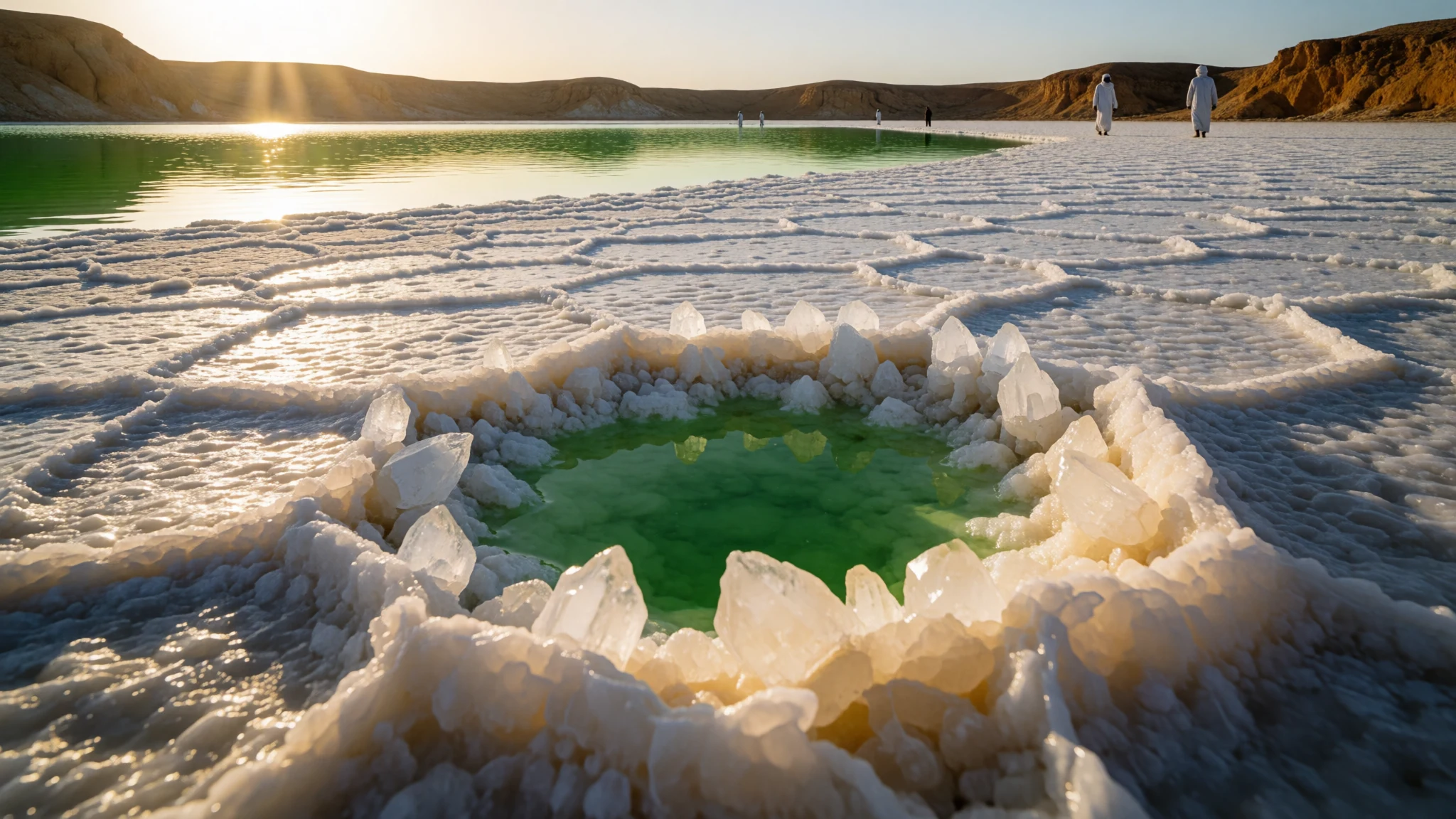
Lake Assal is a salt-white basin in central Djibouti, a crater lake that sits far below sea level.
The place
Lake Assal is a crater lake in Djibouti, sitting in a closed depression in the Afar Triangle at the top end of the Great Rift Valley. The water is extremely salty, so the shoreline looks more like a bright salt flat than a typical lake edge. There’s no river running in or out, so what you see is shaped by the desert’s rhythm of evaporation.
A key part of Lake Assal’s character is how it feels: heat that can arrive early, a stark landscape with very few distractions, and a horizon that makes distances look deceptive. The basin sits far below sea level, which adds to the “how is this real?” sensation when the environment is so dry and bright.
Practical reality matters here. The drive is often long and bumpy outside the capital, with rough surfaces and a sense of being far from services. Expect the experience to be more about getting there, planning for the heat, and allowing time for the conditions to settle your eyes than about walking between lots of attractions.
Most visitors come for that one view and the moments around it—salt crust patterns, the contrast between white ground and the lake’s unusual colour, and seeing people who work the salt nearby. If that sounds like patience rather than sightseeing, it’s because Lake Assal is exactly that.
Its story
Most of Djibouti feels like it’s built for strong light, but Lake Assal turns the dial way up. From the road, the landscape can look empty in a way that makes the lake feel like a rumour—something heard about, not something seen. Then the basin opens and the white edges start to look almost unreal.
People remember Lake Assal for how quickly it changes what “temperature” means. Even when the sun is steady, the wind can make it feel harsher, and the ground near the water can seem bright enough to blur detail. It’s a place that rewards early starts and simple schedules: get organised, move before the day tightens, and don’t waste energy on unnecessary detours.
There’s also a human side to the drama. Salt exploitation takes place under concessions, and you’ll see the working coastline and areas where the salt economy meets the lake itself. The contrast is striking: a dramatic natural feature, and then practical, everyday work that depends on this exact harsh environment.
Because there’s no inflow or outflow, the lake is both stable and changeable. A quiet surface one moment can look different as light and wind shift. Visitors often end up staying longer than planned—not for “activities”, but for the repeated feeling that the colour and textures don’t sit still.
Lake Assal is not the kind of stop that fits into a rushed itinerary. It’s a destination that asks for preparation, respect for conditions, and a bit of quiet curiosity.
What to see
- Lake Assal shoreline and salt flats
Lake Assal’s salt-white edge is the main event: the contrast between the bright shoreline and the lake’s unusual colour creates that instantly recognisable look. Time outdoors is short, so arrive prepared for glare and heat, then linger for texture.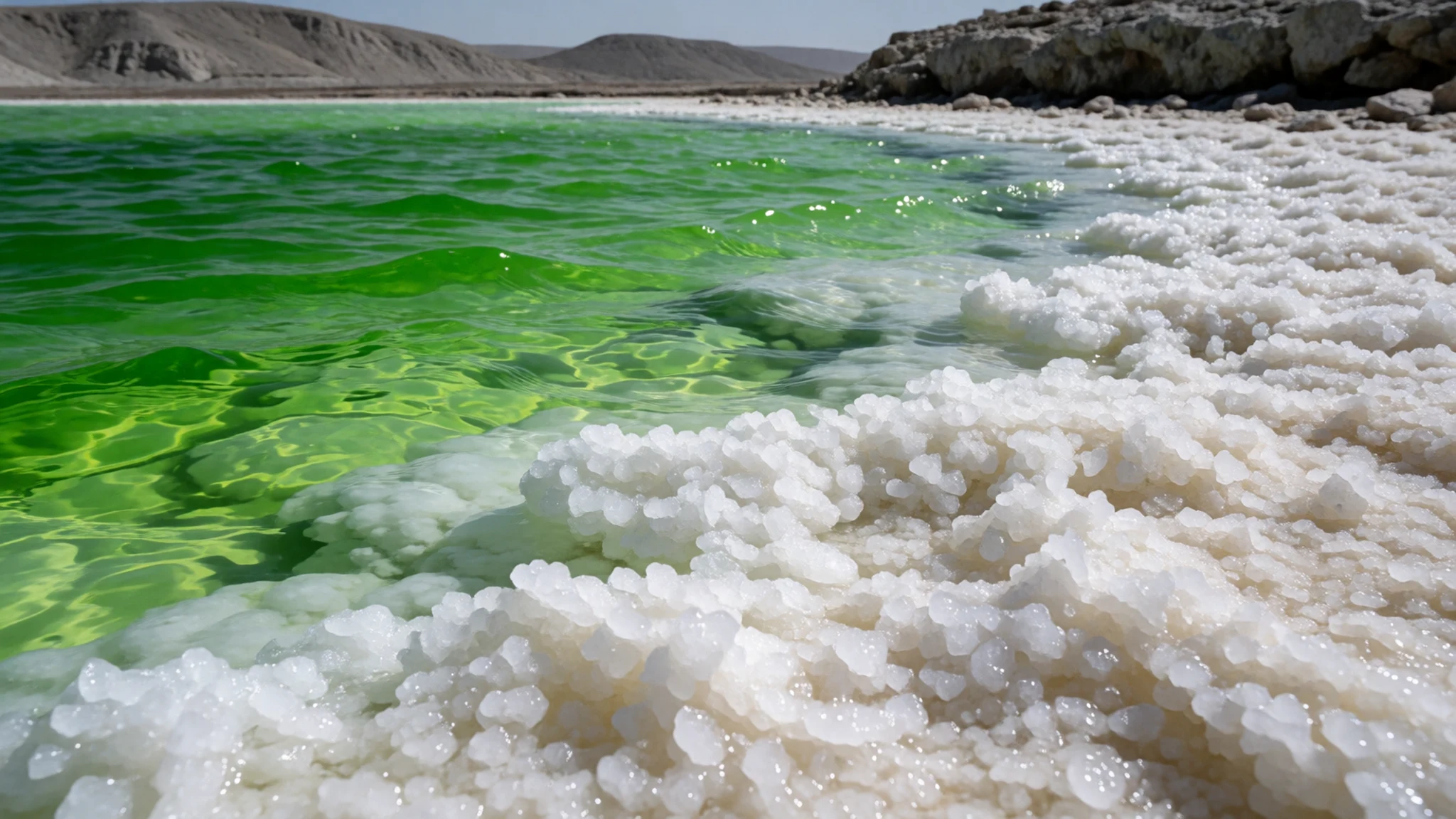
- Crater-basin viewpoints — along the main approach road to the basin
Lake Assal sits in a depression and can be best appreciated from outward-looking angles where the basin lines up with the horizon. From the road approach, pull in only where it’s safe and use shade breaks; conditions can change fast.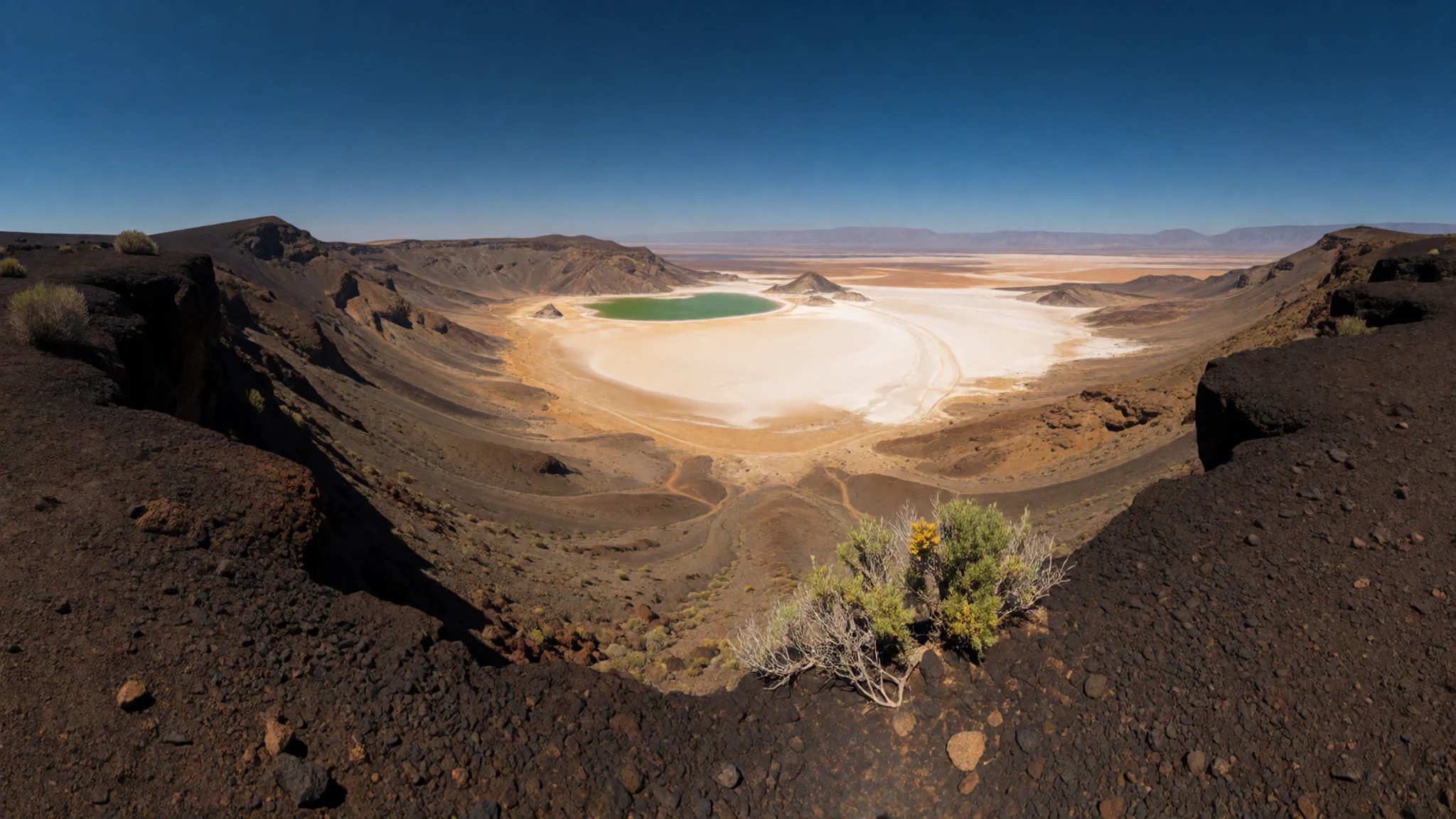
- Devil’s Island roadside sight — on the route between Djibouti and the Assal area
On the journey, Devil’s Island can appear along the route, adding a second landmark to an otherwise sparse drive. It’s a good moment to stretch, check vehicles, and refuel attention before the lake area steals the whole show.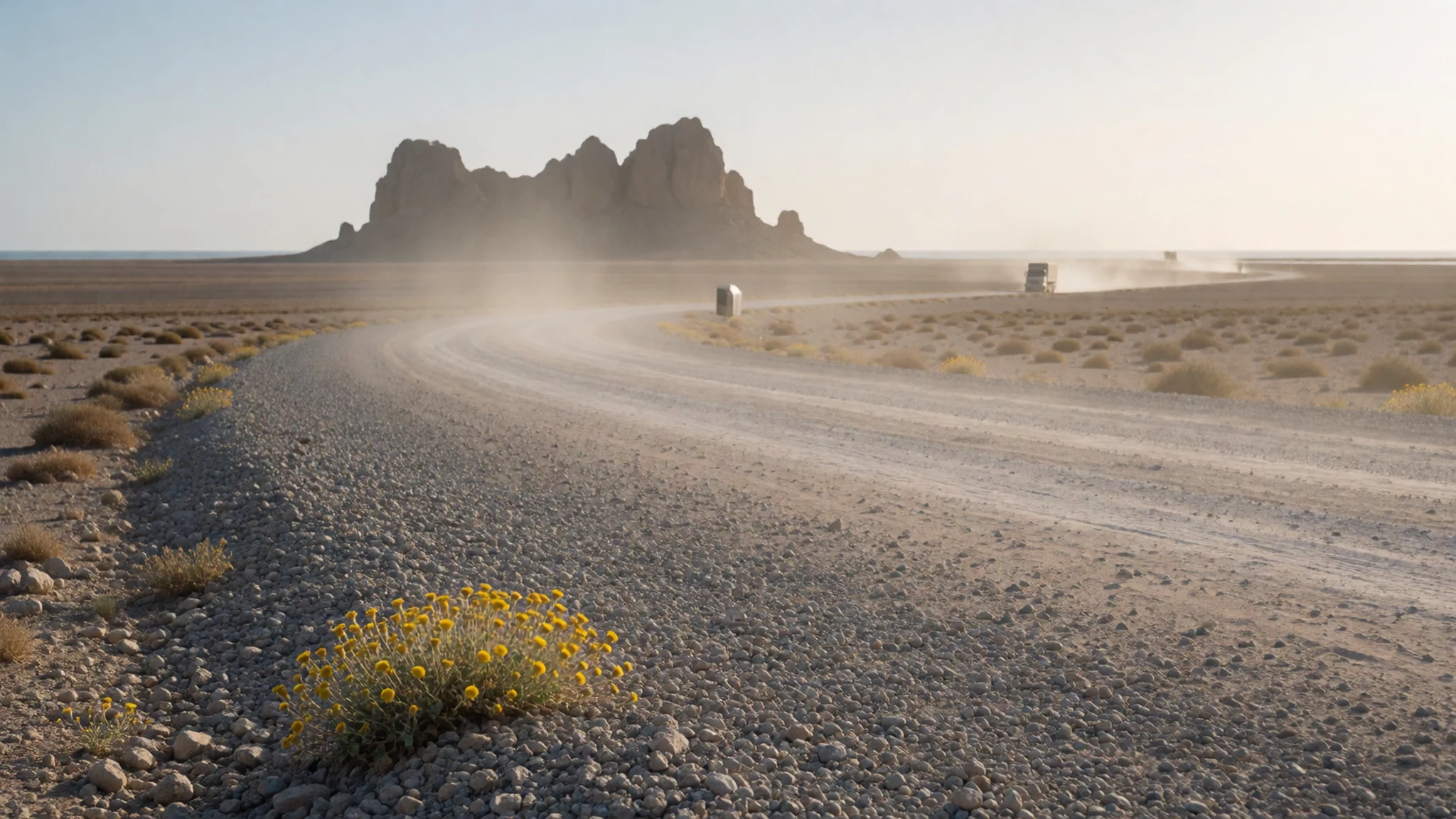
- Salt mining and working coastline — the working salt areas on the lake’s perimeter
Near Lake Assal, salt exploitation shows up as organised activity along the coast. Watching from a respectful distance helps with context: the lake is both landscape and workplace, and the salt conditions that create the scenery also drive the industry.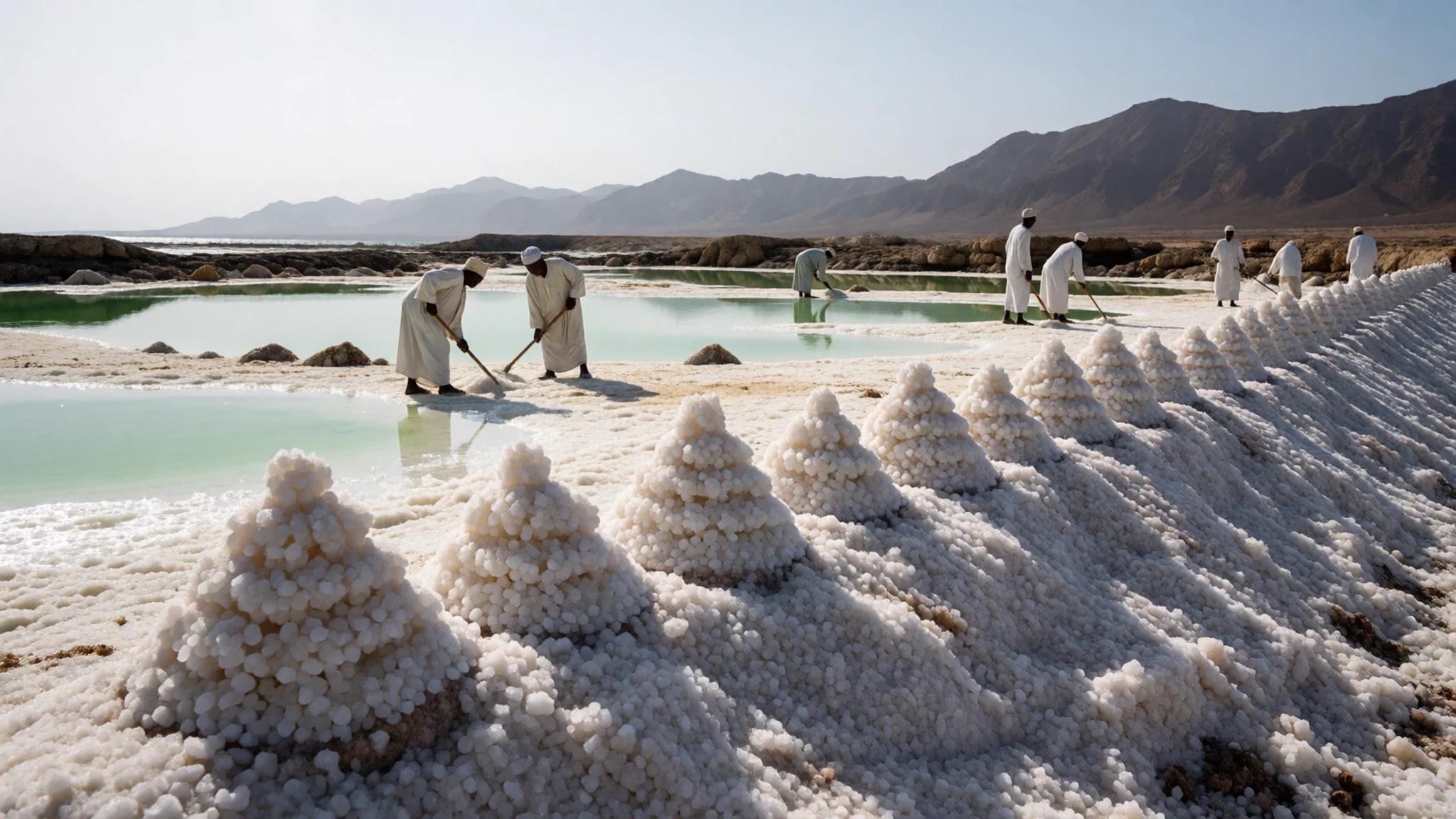
Culture
Djibouti is a Muslim country, and everyday dress and behaviour reflect that even in remote places like the Lake Assal area. Casual wear is generally acceptable, but shorts can feel too casual outside hotels, beaches or sport settings. At a minimum, it helps to dress modestly: lighter, long fabric works better in the sun anyway.
Public behaviour also tends to be conservative. Homosexuality isn’t explicitly criminalised, but it is broadly frowned upon, and LGBTQ+ travellers are generally advised to take extra care across all locations, not just cities. That’s not about paranoia—it’s about blending in and avoiding attention.
Because Lake Assal is far from typical tourist infrastructure, visitors often move around in practical outfits. The cultural part of the trip is to keep that practicality modest. When meeting workers or local families, a calm, low-key approach goes a long way: greet, observe, and don’t block pathways or filming setups.
Visitor etiquette line: Dress modestly (avoid very short shorts off resort areas) and keep behaviour respectful around local workers and residents.
What to wear
At Lake Assal, clothing is less about fashion and more about surviving the desert. Djibouti’s warm conditions and strong sun mean lightweight layers are useful, but modesty matters: shorts are generally better kept to hotels, beaches or sport settings, while longer trousers or long, loose garments fit local norms.
Traditional dress in Djibouti varies by community, but common textiles and styles include garments with flowing cuts and natural fabric choices that breathe in heat. Visitors don’t need to copy traditional outfits; instead, look at what people wear for daily comfort—light colours, breathable material, and coverage that won’t feel disrespectful.
Now, most travellers blend practicality with respect: a hat or headscarf for glare, sunglasses, and footwear that can handle rough ground near the basin. For the lake area, dust and salt can make surfaces unforgiving, so solid closed-toe shoes are safer than sandals.
What to pack: long breathable trousers or a long skirt, a T-shirt or light shirt (not overly revealing), a sun hat, and comfortable closed-toe shoes. Keep a light layer for windy moments and carry something that covers shoulders if visiting viewpoints where people are nearby.
What to eat
- Local dishes in Djibouti’s eating spots — Djibouti city
For day-to-day meals, head to places in Djibouti city that cater to locals, where menus often feel more varied and less “touristy”. The Ethiopian Community Centre is one example of where you can find an array of local dishes.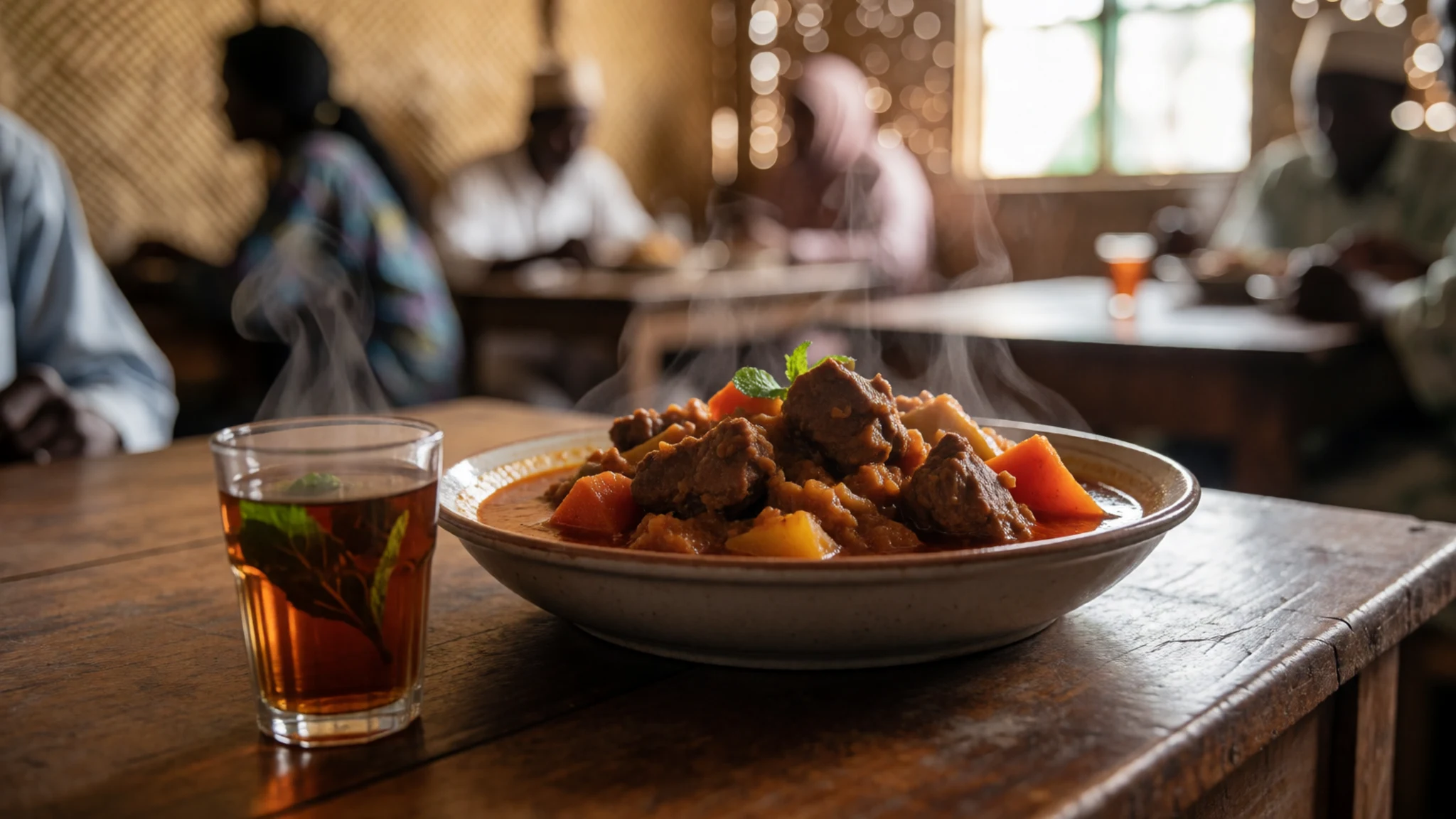
- Ethiopian-style shared plates — local restaurants and community eateries in Djibouti city
Many visitors try Ethiopian-influenced meals because they’re filling and good for groups. Look for eateries that offer a range of local, tasty dishes meant for sharing rather than quick western-style plates.
- Simple meals away from tourist areas — neighbourhood restaurants across Djibouti city
Outside tourist hotspots, food tends to be cheaper and more local in flavour. Instead of chasing branded menus, ask what’s being cooked today and aim for everyday eateries in neighbourhoods where people actually live. - Coffee and tea breaks — cafés and everyday eateries in Djibouti city
For energy between long drives, build in a coffee or tea stop. It’s not just comfort—it helps pacing, especially when the heat makes it easy to rush and underestimate fatigue.
Plan it
Best time. October–April when daytime temperatures feel more manageable; the lake area is hot for much of the year, and May–September brings the most intense desert heat.
How long. 2–3
Getting there. Fly into Djibouti, then arrange transport to the Assal area. Expect a long road approach with rough conditions outside the capital; plan for the final leg by car rather than relying on frequent public transport.
Budget. mid
Tips
- Start the day early to avoid the worst heat and harsh glare around the lake
- Use four-wheel-drive if the route conditions call for it, and don’t rely on smooth roads
- Carry extra water and enough fuel for the expedition off main routes
- Expect strong dry winds; pack sunglasses and a head covering to protect from dust
- If travelling beyond the capital, check current safety and travel advisories before committing
Etiquette
- Dress modestly (avoid very short shorts outside hotels or sport areas)
- Keep a respectful distance from salt workers and don’t block paths or equipment
- Be mindful with photography—especially when people are working
Nearby
Sources
- Wikidata Q81239 (CC0)
- Wikipedia (rev 1366151418) (CC BY-SA 4.0)
- Wikivoyage (rev 5423263) (CC BY-SA 4.0)
- Photo photos/01-lake-assal-nasa.jpg (Public domain)
- Photo photos/02-lake-assal-3-djibouti.jpg (Public domain)
- Photo photos/03-afar-salt-miners.jpg (CC BY-SA 4.0)
- Photo photos/04-lake-assal-1-djibouti.jpg (Public domain)
- Photo photos/05-assal-lake-2024.jpg (CC BY 4.0)
- Photo photos/06-assalmeer.jpg (CC BY 3.0)
- Photo photos/07-djib-003.jpg (CC BY 3.0)
- Photo photos/08-lac-assai-flickr-gailhampshire.jpg (CC BY 2.5)


