Moucha Island
Moucha Island, Djibouti
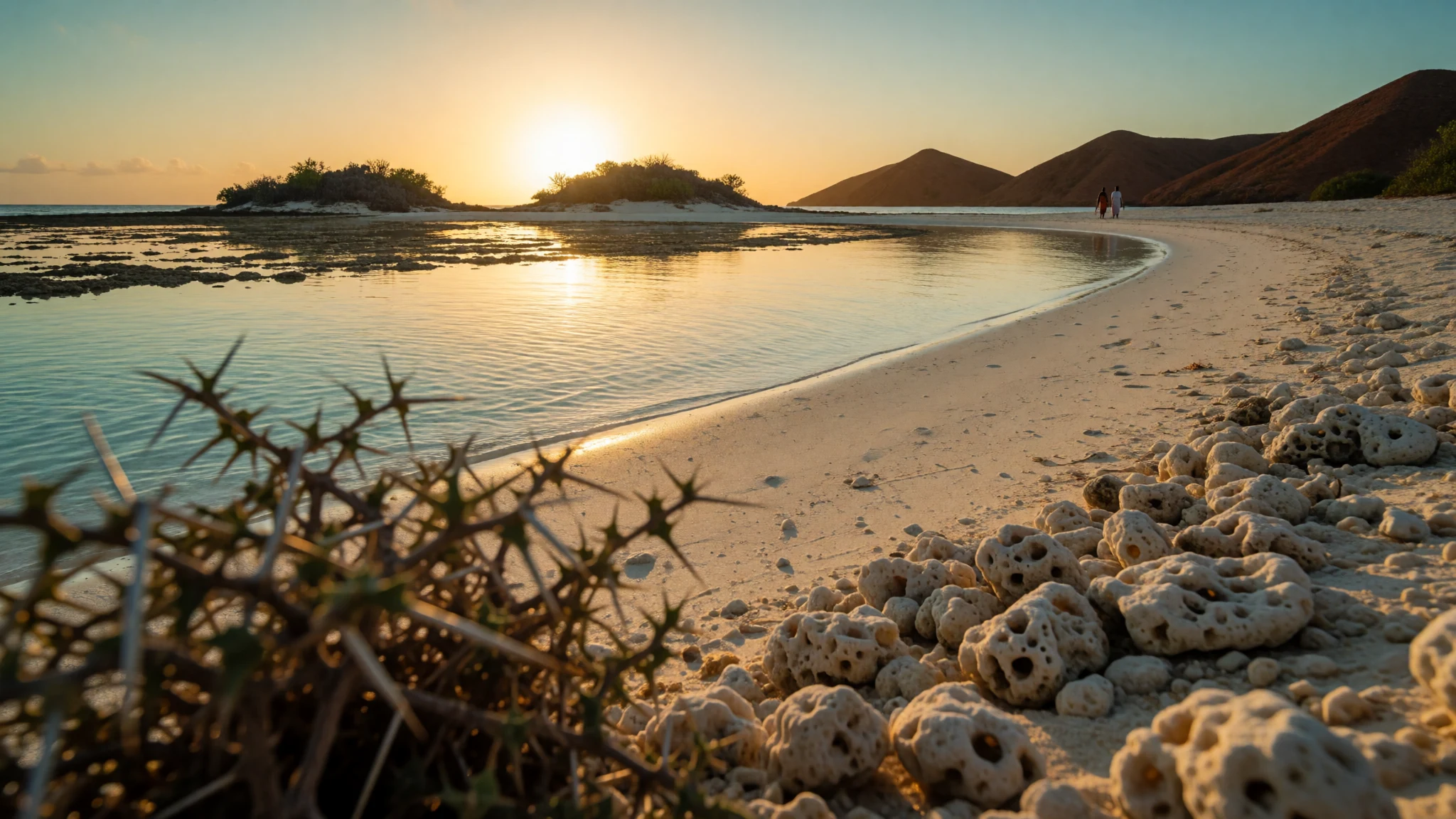
Moucha Island is a quiet coral island in the Gulf of Tadjoura, close to Djibouti city, for clear water, reef and a slow beach day.
The place
Moucha Island is a flat coral island in the middle of the Gulf of Tadjoura, roughly 15 kilometres south of the Djibouti mainland. It is small enough to walk from end to end without much effort, and a scatter of smaller islets, the Maskali group among them, sits close by, all ringed by reef. The permanent population is tiny, about 20 people, but the island fills up in the hotter months, when families and day-trippers from the capital cross over for the water. The setting is stark rather than lush: pale sand, scrub, low rock and very clear shallows set against the dry brown of the mainland. The climate is hot desert (Köppen BWh), with sun on almost every day. Two seasons matter. From May to October it is dry and very hot, July being the hardest month; from November to April it is cooler, and December to February is merely very warm. Shade is scarce, so the shape of the day matters: swimming early, a long pause under whatever awning is available, then a late boat home. There are no proper places to stay, which keeps the island quiet outside weekends, though some visitors bring camping kit and sleep out. Moucha is best understood as a day-out island for Djiboutians and a base for divers, not a resort. Facilities are basic, visitors carry what they need, and the quiet is the main attraction.
Its story
Moucha Island changed hands on paper long before it had much of a community. In August 1840 a treaty between the Sultan of Tadjoura and Commander Robert Moresby, an officer of the Indian Navy, handed the island to Britain in return for ten sacks of rice, although the sale only held if Britain actually occupied it. British control lasted until 1887, when the island passed to France as part of a wider bargain: Britain accepted French influence around the Gulf of Tadjoura, and France gave up its claims at Zeila and on the nearby Sa'ad ad-Din Islands. Around 1900 a quarantine station was built here to hold people under health restrictions, but it never took patients because no medical staff could be found. In 1914 the islands found a more colourful use. Henry de Monfreid, a trader and adventurer, hid smuggled weapons here while he looked for buyers. Once the cache was discovered, a guard detachment of local men was posted on the island and access was limited. That monitoring post was dismantled in May 1915. Little of this survives as monuments. It lives mostly as a layer of stories: a bargain in rice, an unused quarantine, a smuggler's hiding place. They explain why such a small and empty island appears in the diplomatic papers of three powers.
What to see
- The main beach — Moucha Island shore
The beach on Moucha Island is the island's centre of gravity: pale sand, calm shallow water and a few simple shelters where day-trippers settle. The gulf is gentle and warm for most of the year. Shade is limited, so it works best in the morning or late afternoon, with a hat and plenty of sun cream.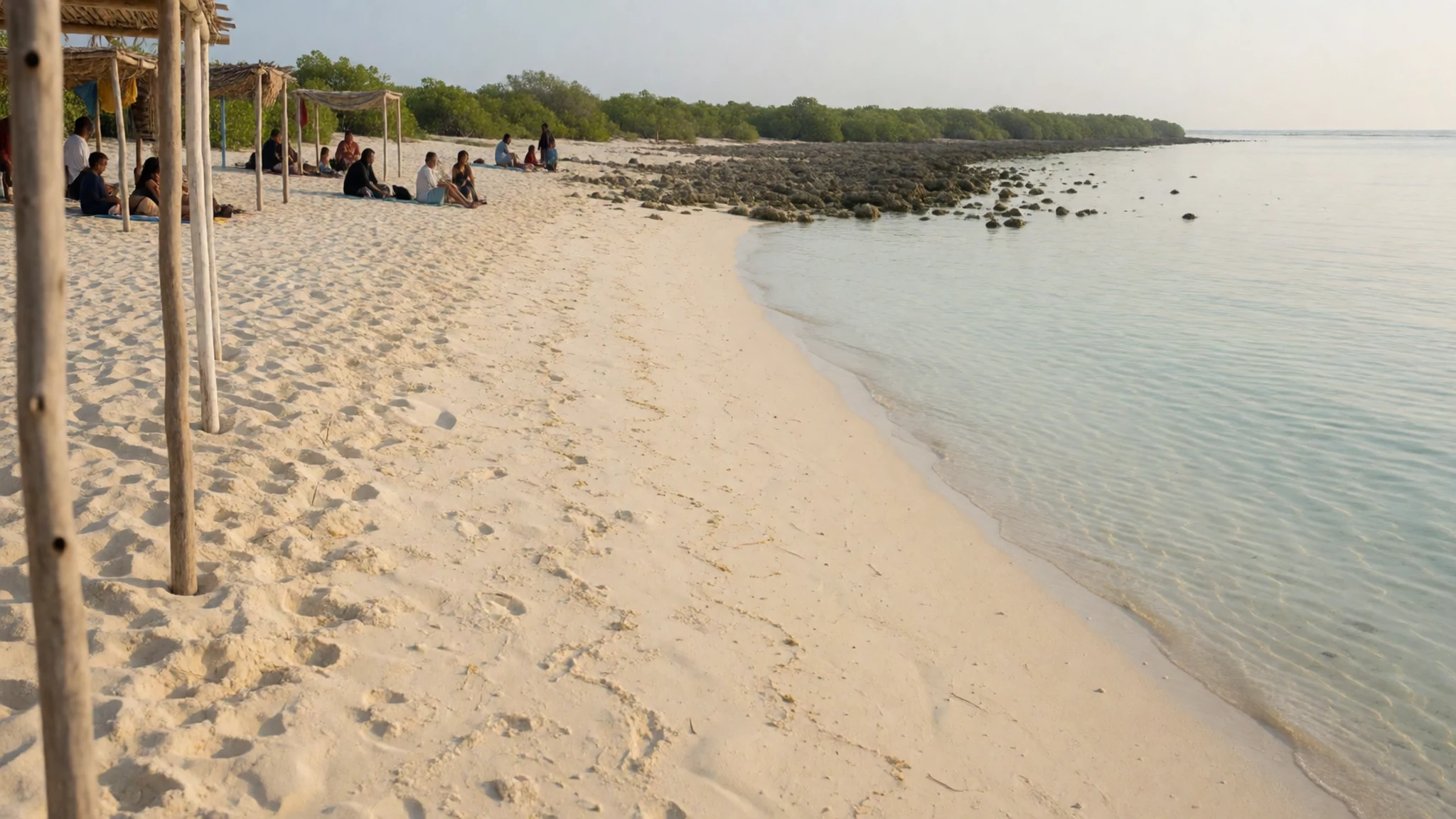
- Reef snorkelling and diving — Reef around the island
The coral reef around Moucha Island is the reason many foreign visitors come, and the island and its neighbours are known as diving sites. Snorkellers can float over reef edges close to shore. Conditions change with season and swell, so arrange kit and a guide through an operator in Djibouti city beforehand.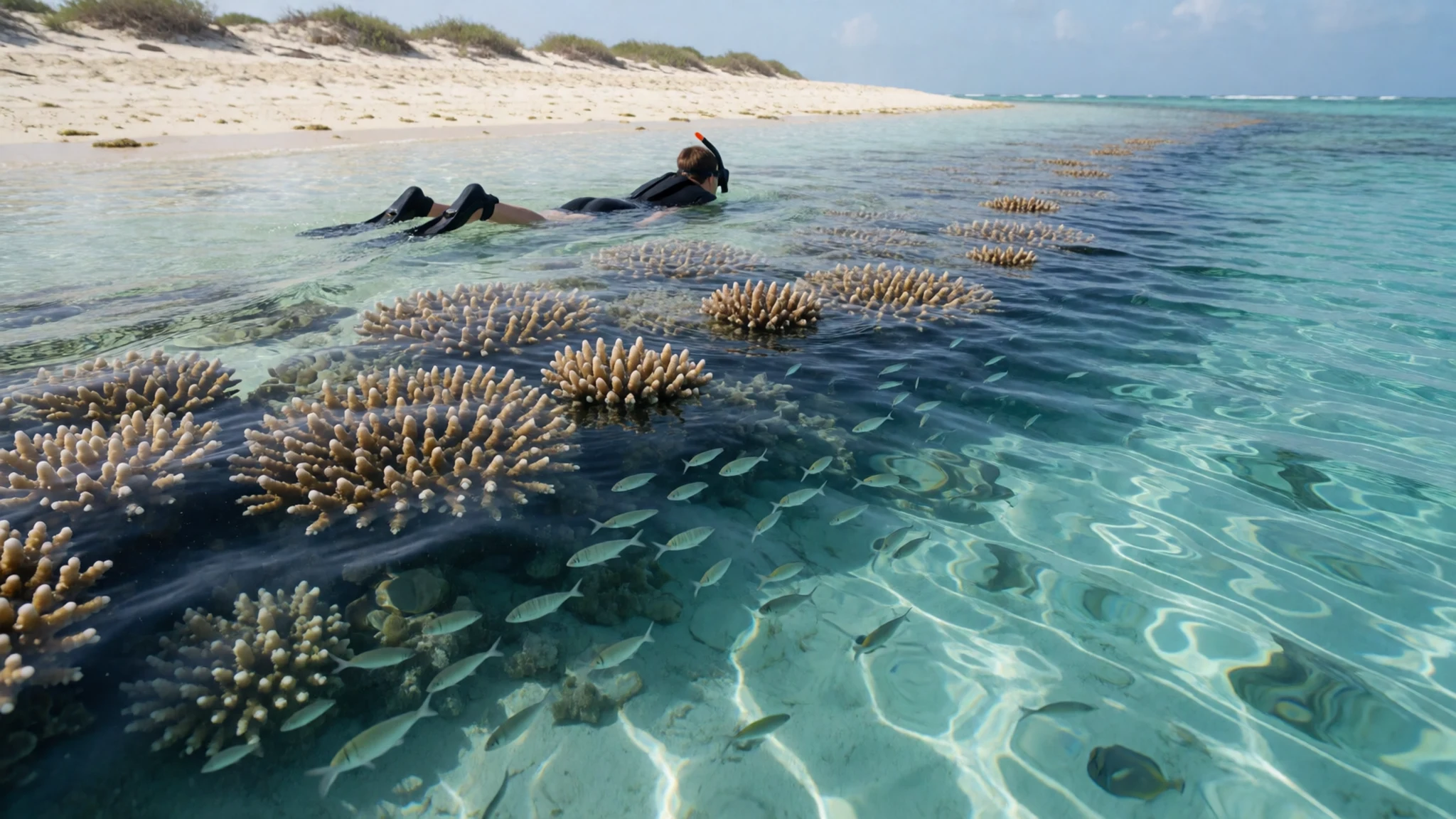
- The Maskali Islands — Just off Moucha Island
The Maskali Islands are small, low islets inside the same reef system as Moucha Island. A boatman can usually take visitors across for a short stop, a swim or a quiet picnic away from the main beach. Agree the route and the return time before leaving, as there is little shelter or shopping over there.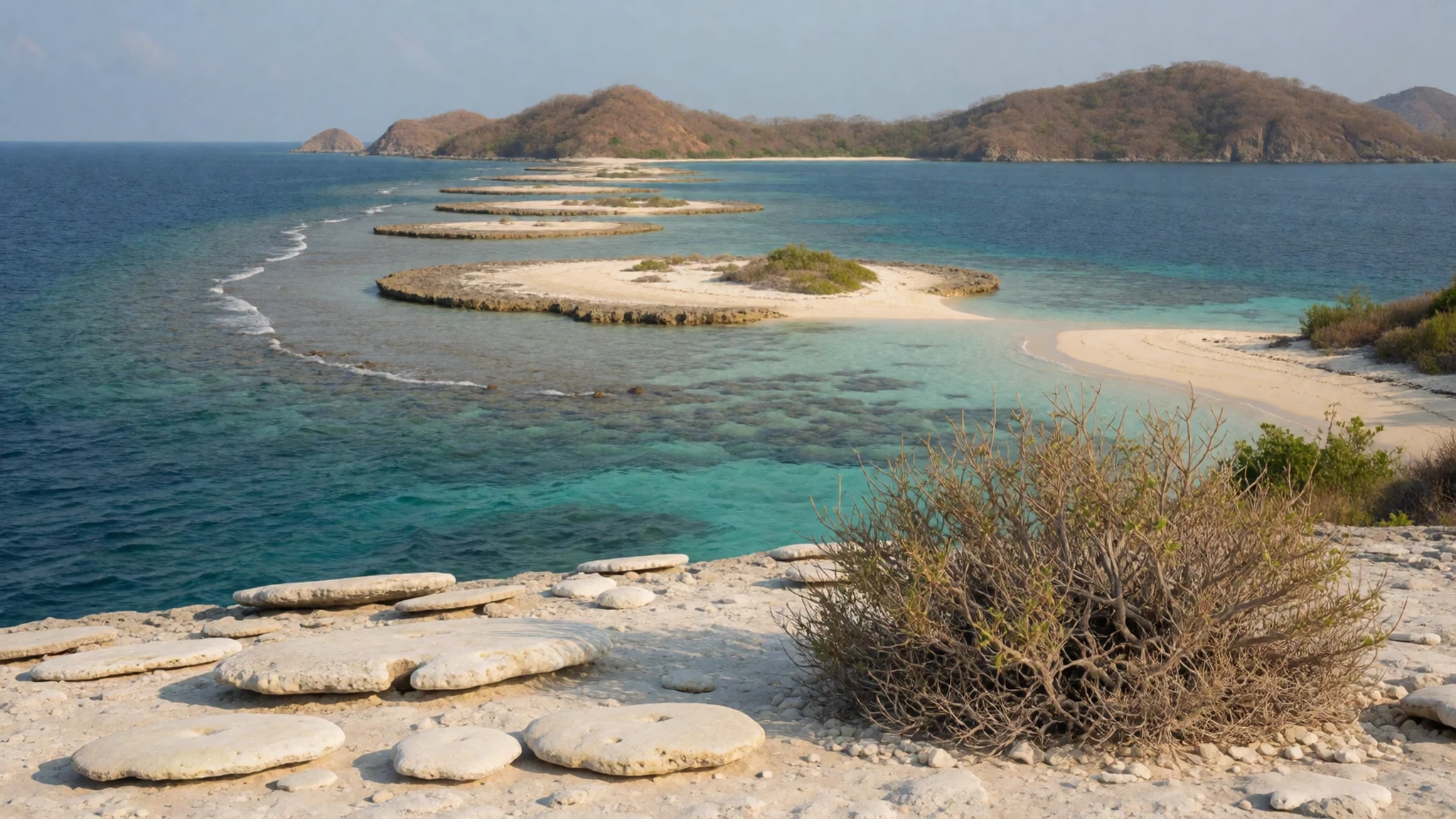
- The mangrove edge — Moucha Island coast
Mangroves grow along part of the Moucha Island coast, a green fringe in a landscape of sand and rock. They are best seen slowly from the water's edge, without trampling roots, and make a useful contrast with the open beach. Early morning gives softer light and fewer people.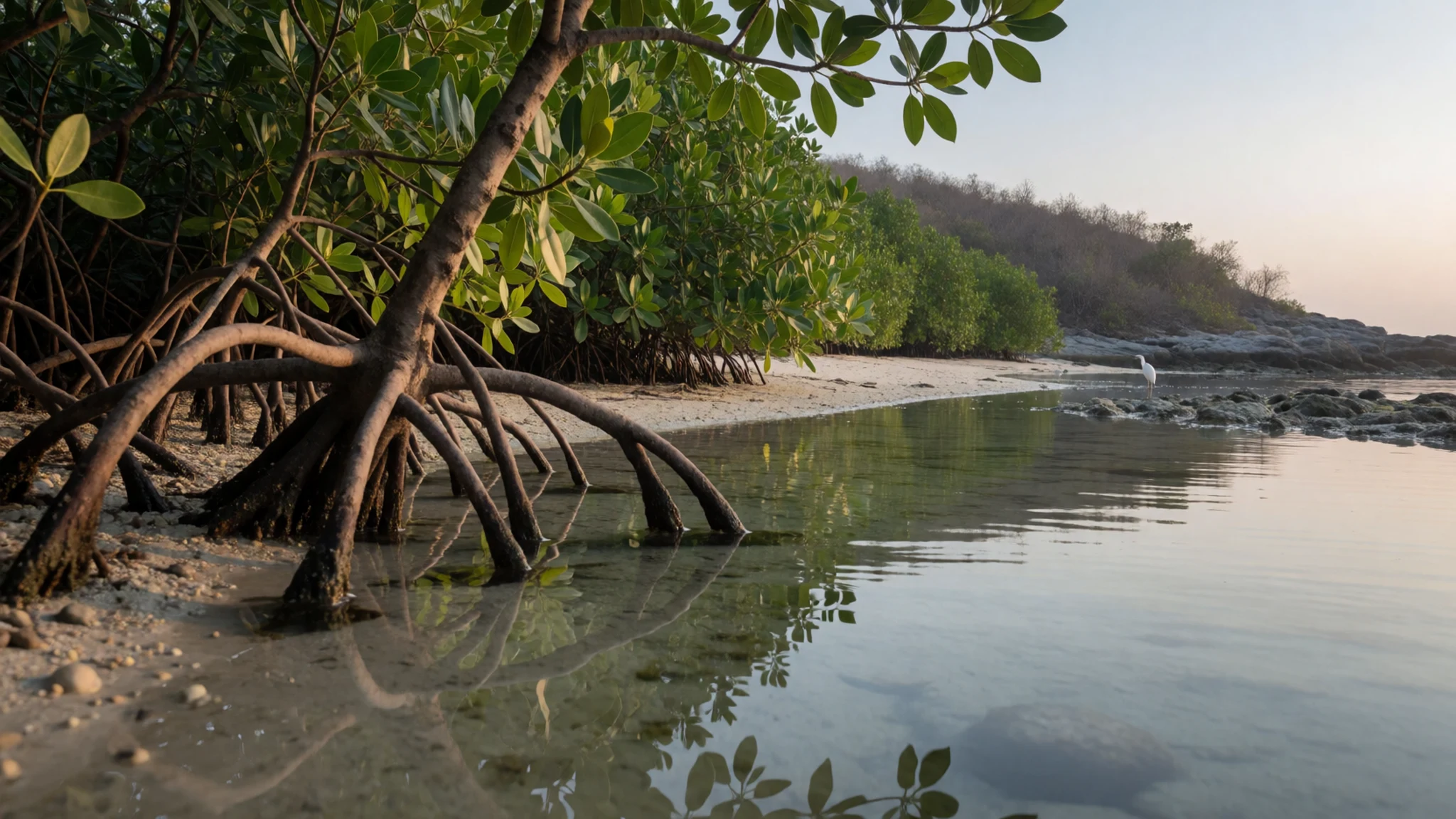
- Musha settlement — Moucha Island interior
Musha is the island's small settlement and the only place with a sense of year-round life. A short wander past low buildings and boats gives some idea of how residents live between busy summer weekends. Services are limited, so visitors should not count on shops or a formal restaurant, and should ask before photographing people or homes.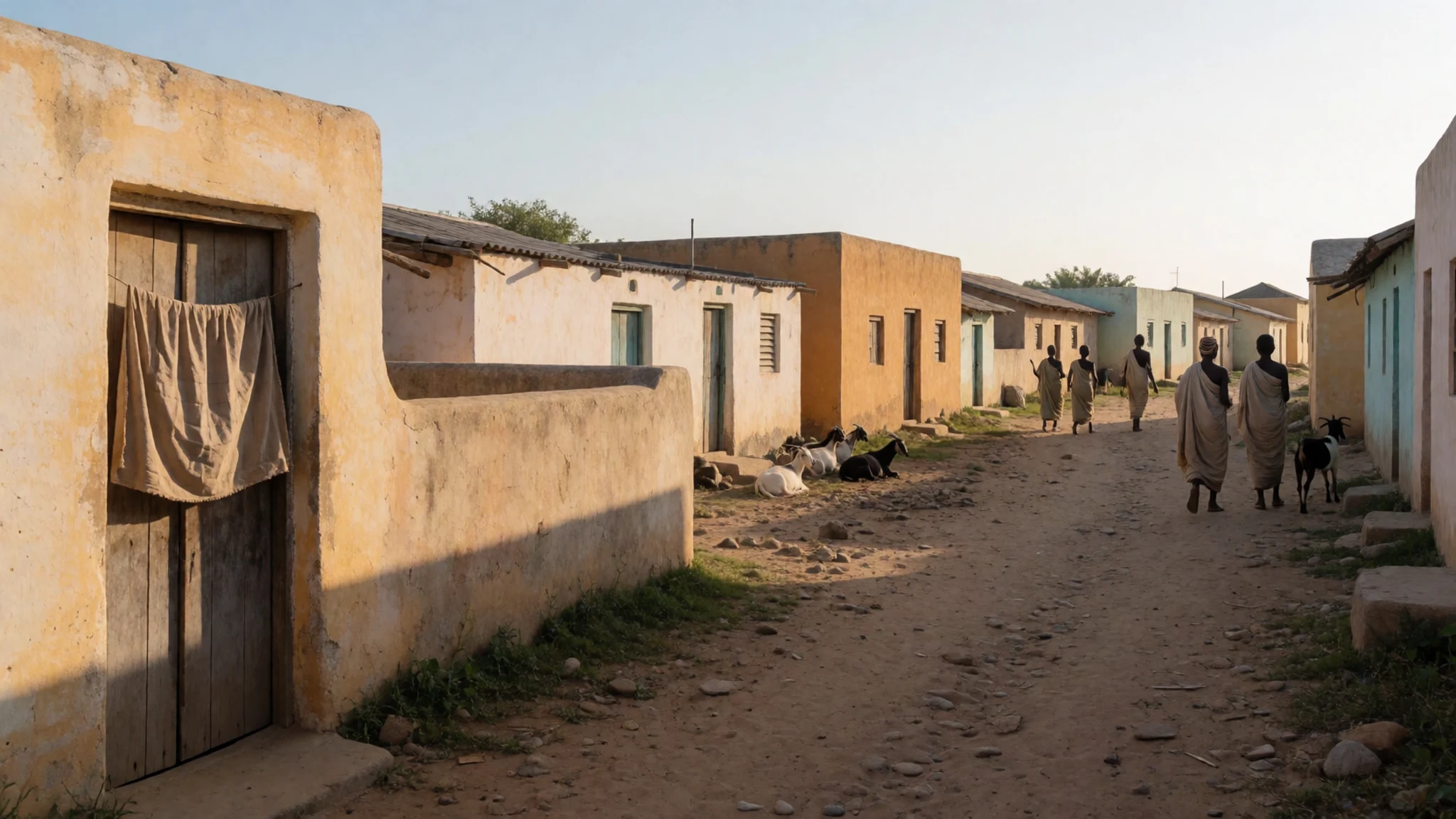
- The boat crossing — Gulf of Tadjoura
The crossing from the Port of Djibouti is part of the outing. The mainland shrinks behind, the water turns from harbour green to clear blue, and the island appears as a low pale line. Sit on the shaded side if possible, keep bags dry, and watch for reef edges as the boat nears the shore.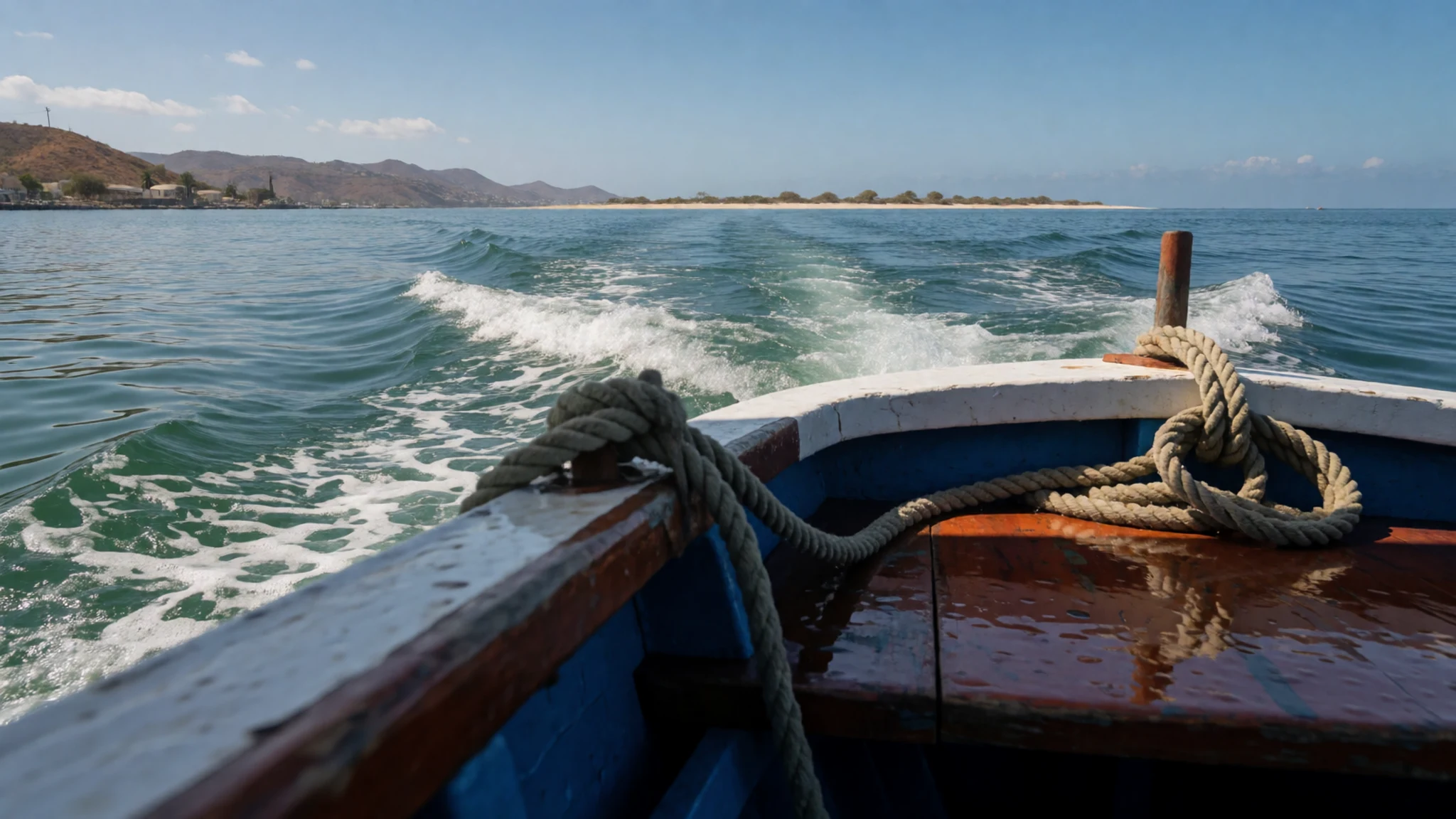
Culture
Moucha Island belongs culturally to Djibouti rather than to any separate island tradition. Its small year-round population is far outnumbered by weekend visitors from the capital, so the social life here is the Djiboutian beach day: families, picnics, long hours in the shade and an unhurried pace. Djibouti itself is mostly Muslim, with Afar and Somali communities and with Arabic and French both in daily use, and that shapes expectations even on a beach. Greetings matter, and a handshake or a spoken salaam goes a long way. Meals are shared, tea is offered generously, and conversation drifts to the sea, the heat and family. The island's history adds another layer. It passed from a Sultan's hands to British and then French control, and the episodes of quarantine and arms smuggling survive more in local memory than in anything built. Summer weekends can be lively with groups and music, while weekdays in the cooler months are calm, and the mood changes accordingly. Many Djiboutian visitors swim in light clothes rather than in swimwear, and that is a reasonable cue for how relaxed or reserved a given stretch of beach is. Off the sand, dress modestly, greet people politely, and always ask permission before photographing anyone, especially women and families.
What to wear
Moucha Island has no costume of its own, so dress here follows wider Djiboutian traditions, chiefly Afar and Somali. Traditionally, men wear a wrapped cotton cloth around the waist, often called a macawis, with a light shirt, and women wear the dirac, a long, airy dress in cotton or voile, usually over a slip and with a shawl or headscarf. Brighter, patterned fabrics come out for weddings, Eid and family gatherings. Day to day, people now wear shirts and trousers, football shirts, long skirts and loose dresses, and many women cover their hair. On the island itself, clothes are practical and light because of the heat, and many local swimmers go into the water in shorts and T-shirts. A visitor should dress for sun first and modesty second. Lightweight long sleeves and trousers in cotton or linen protect the skin and suit the mainland, where covered shoulders and knees are the norm. A wide hat, sunglasses and a rash vest are worth bringing, along with a sarong or shirt to throw over swimwear away from the water. Reef shoes protect feet from coral and sea urchins, and sandals are enough for the sand. Women may prefer a one-piece suit or swim leggings.
What to eat
- Grilled fish — Outdoor eateries on the island and near the port
Fresh fish grilled over fire is the natural meal beside this water, usually served whole with bread, rice, lemon and a hot sauce. Ask what came in that morning. When the outdoor places on Moucha are open, this is the safest, simplest choice.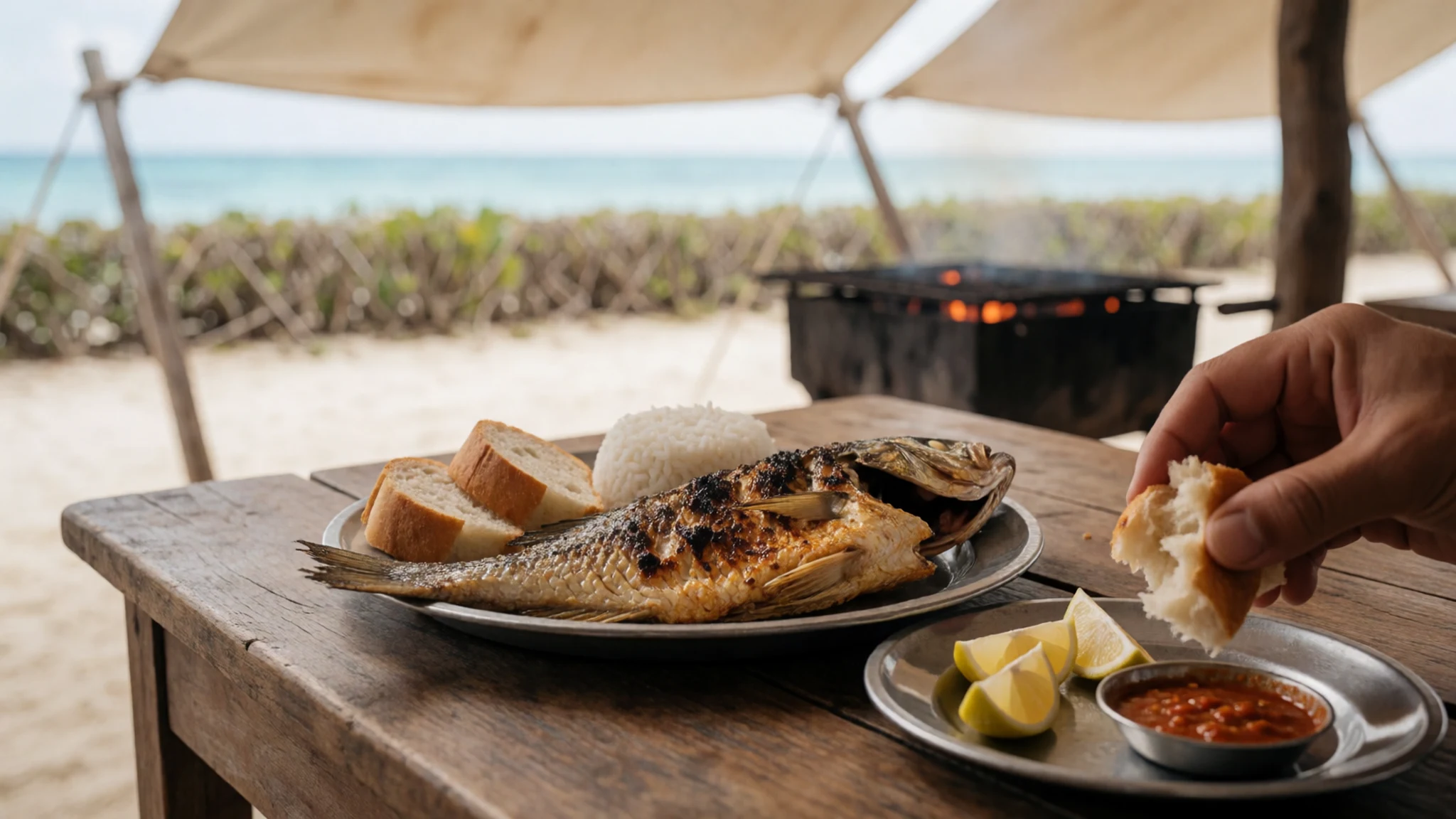
- Skoudehkaris — Family-run eateries in Djibouti city
Skoudehkaris is a spiced rice dish, typically cooked with lamb, onion and warm spices such as cardamom and cinnamon. It is a home-style meal found in ordinary eateries on the mainland, and a good lunch before or after the boat trip.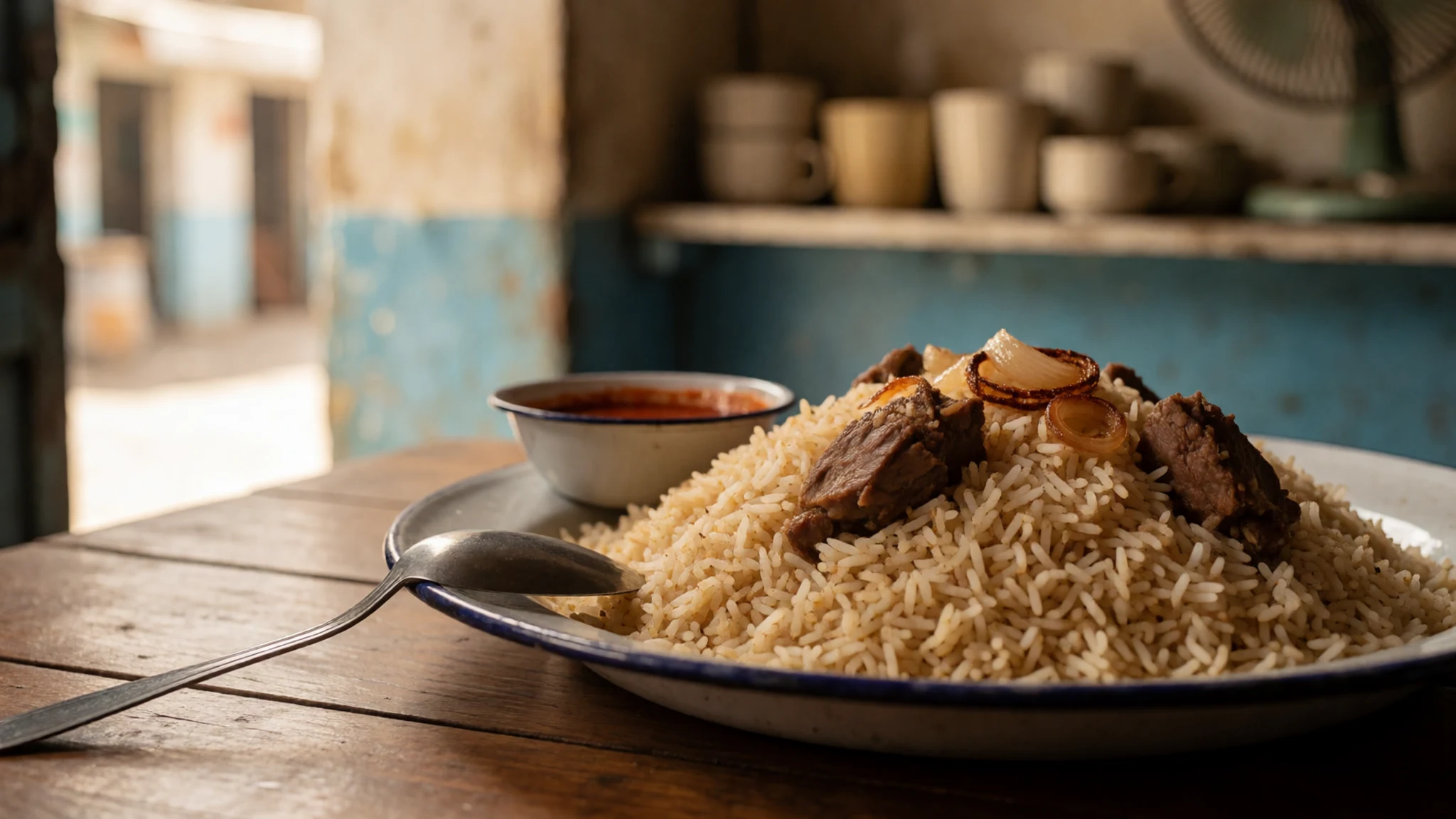
- Lahoh — Breakfast cafés and home kitchens on the mainland
Lahoh is a soft, spongy pancake with a slightly sour taste, eaten for breakfast with honey, butter, or a savoury stew. It works well as a hearty start to a day of swimming, and is simple to carry in a bag. - Sambusa — Street stalls and snack counters in Djibouti city
Sambusa are small fried triangles of thin pastry, filled with spiced meat or vegetables. They are easy to buy in the morning and carry across to the island for a snack. Eat them fresh, since they soften in the heat. - Spiced tea — Beach shelters and tea sellers
Sweet, spiced tea, often with cardamom or ginger and sometimes milk, is the usual drink to sit over in the shade. It is poured slowly and in small glasses, and a second round is normal. Carry plenty of plain water as well.
Plan it
Best time. November to March, when the weather is cooler and sea days are comfortable; December to February is very warm but manageable. May to October is dry and extremely hot, with July the hardest month, so go early and keep the day short.
How long. 1
Getting there. Fly to Djibouti city, then go to the Port of Djibouti. From the port, a public ferry or a hired boat crosses the Gulf of Tadjoura in well under an hour, landing on the island's shore. Check the ferry timings at the port, and agree the return time before setting out.
Budget. mid
Tips
- Go early and plan the return boat before leaving, as there is nowhere to stay and shade is limited
- Carry water, food, sun cream and a hat, since facilities on the island are basic
- Bring cash in small notes for the boat, snacks and tea
- Book diving or snorkelling through an operator in Djibouti city rather than arranging it on the beach
- Weekends in the hot season are busier, so pick a weekday if you want quiet
Etiquette
- Dress modestly away from the water and cover up when passing through the settlement
- Ask before photographing people, especially women and children
- Take all rubbish back to the mainland and avoid touching or standing on coral
Nearby
Sources
- Wikidata Q258363 (CC0)
- Wikipedia: Moucha Island (CC BY-SA 4.0)
- Wikivoyage: Moucha Island (CC BY-SA 4.0)
- Physical location map of Djibouti — Carport (CC BY 3.0)
- View on Moucha Island, Djibouti — Keo the Younger (CC BY-SA 2.0)
- Beach on Moucha Island, Djibouti — Keo the Younger (CC BY-SA 2.0)
- Mangrove des îles Moucha — Benlilkon93 (CC BY-SA 4.0)
- ISS006-E-23435 View of Djibouti — NASA (Public domain)
- ISS022-E-9093 View of Djibouti — NASA (Public domain)
- ISS022-E-9094 View of Djibouti — NASA (Public domain)
- ISS022-E-9095 View of Djibouti — NASA (Public domain)


